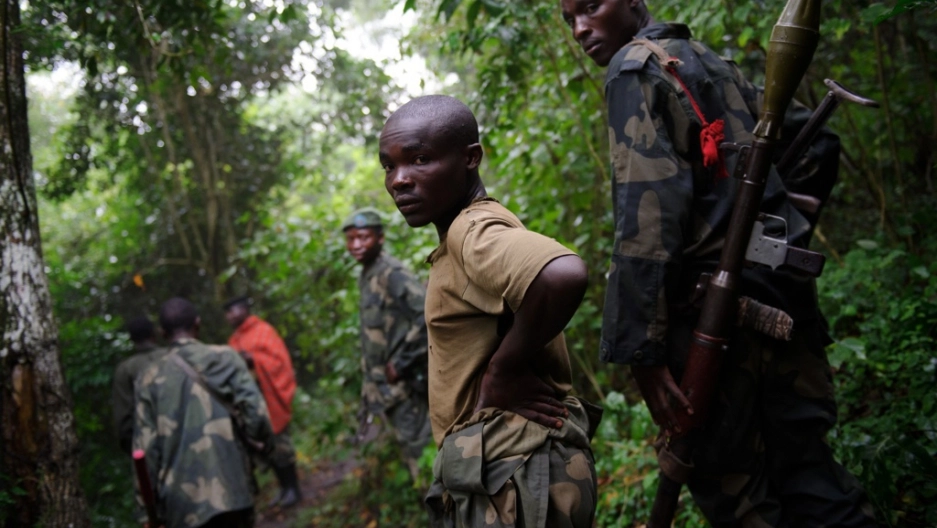
Nkurunziza, from Mukura Sector in Rutsiro District, said he was forcibly recruited at the age of 14 after growing up in the DRC forests where his parents were FDLR members.
He said children raised within the group were taught that they had to join the armed group to help it eventually return to Rwanda and seize power.
“They told us that Rwanda was the promised land of the Hutu,” Nkurunziza said.
He also said FDLR members were warned against listening to Rwandan radio, with those caught doing so facing death.
“They used to tell us that Rwanda was the promised land of the Hutu, and that if they caught you listening to Rwandan radio, they would kill you so that you would not know the truth,” he said.
Despite the warnings, Nkurunziza secretly listened to Rwandan radio, which made him question what he had been told and eventually encouraged him to escape.
He said his experience after returning to Rwanda was different from the stories he had heard while in the FDLR.
“When I arrived in Rwanda, I was received well, contrary to the lies we had been told during the 13 years I spent with the FDLR,” he said.
Another former member, Uwimana (not real name), 20, said she was taken into the group at the age of 12 alongside four other girls.
“They would keep us locked inside their houses so that we could not escape,” she said, adding that they were subjected to sexual violence and forced to carry weapons during combat operations.
Uwimana said she remained in the group until she was 20 and eventually escaped with one of her children.
“I became tired of that life and decided to escape. I escaped with one child, but I still have hope that I will find the others,” she said.
RDRC figures show that 12,832 former combatants have passed through the Mutobo Demobilisation and Reintegration Centre since its establishment in 2001.
Uwimana, 20, recounts how she was taken into the FDLR at the age of 12 and subjected to years of abuse before eventually escaping with one of her children.Sgt Nkurunziza Evariste recounts how he was forcibly recruited into the FDLR at the age of 14 and spent 13 years with the armed group.
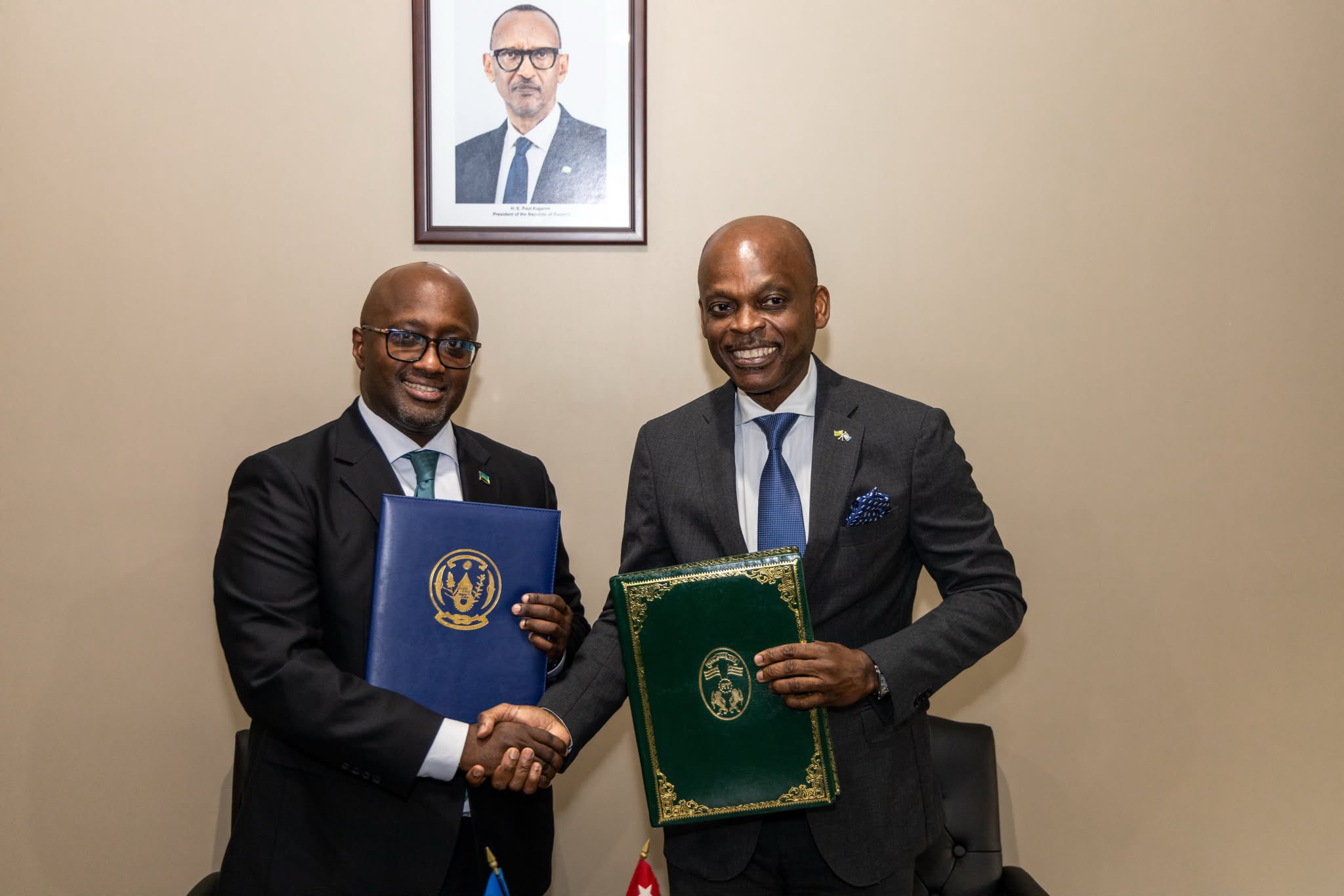
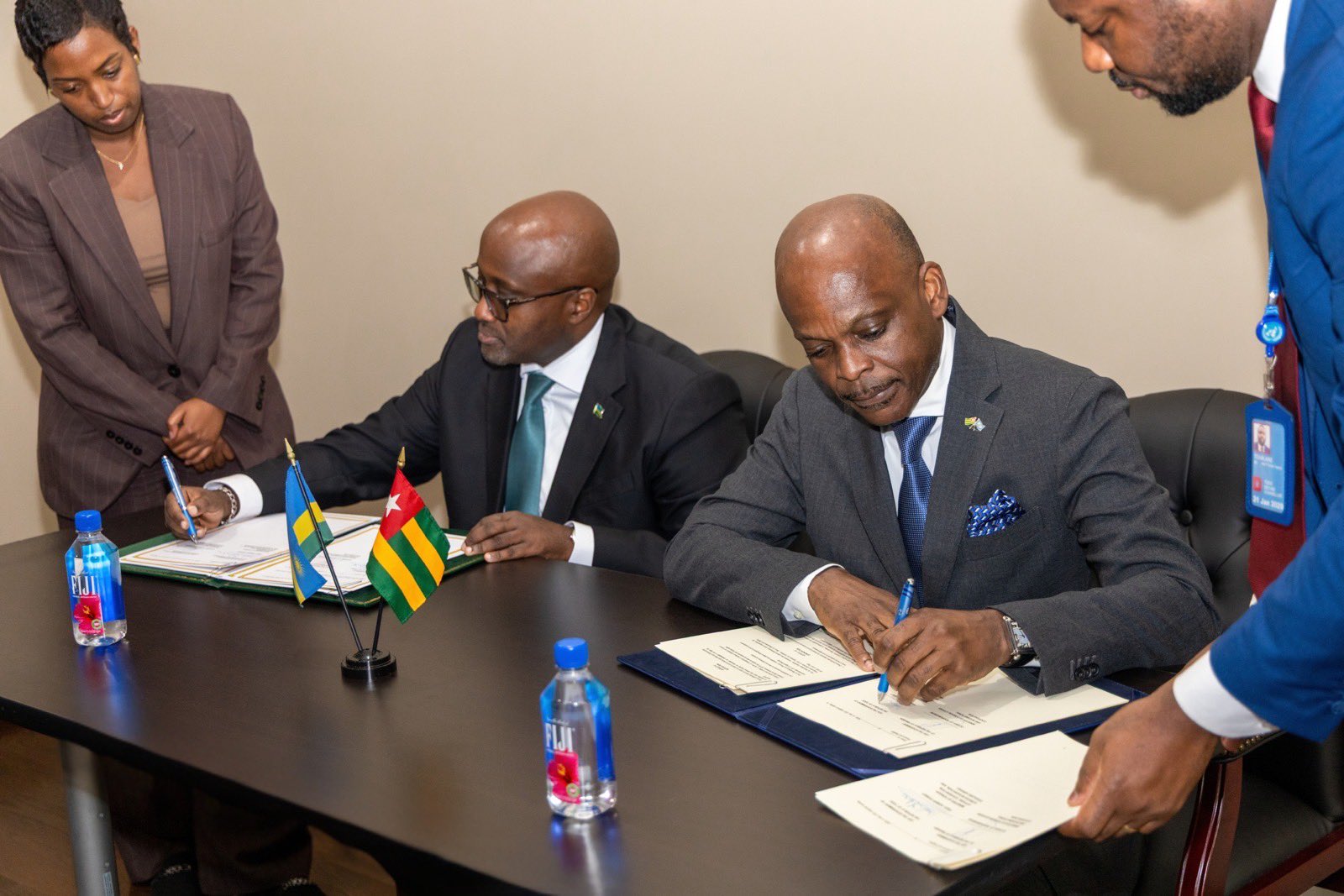
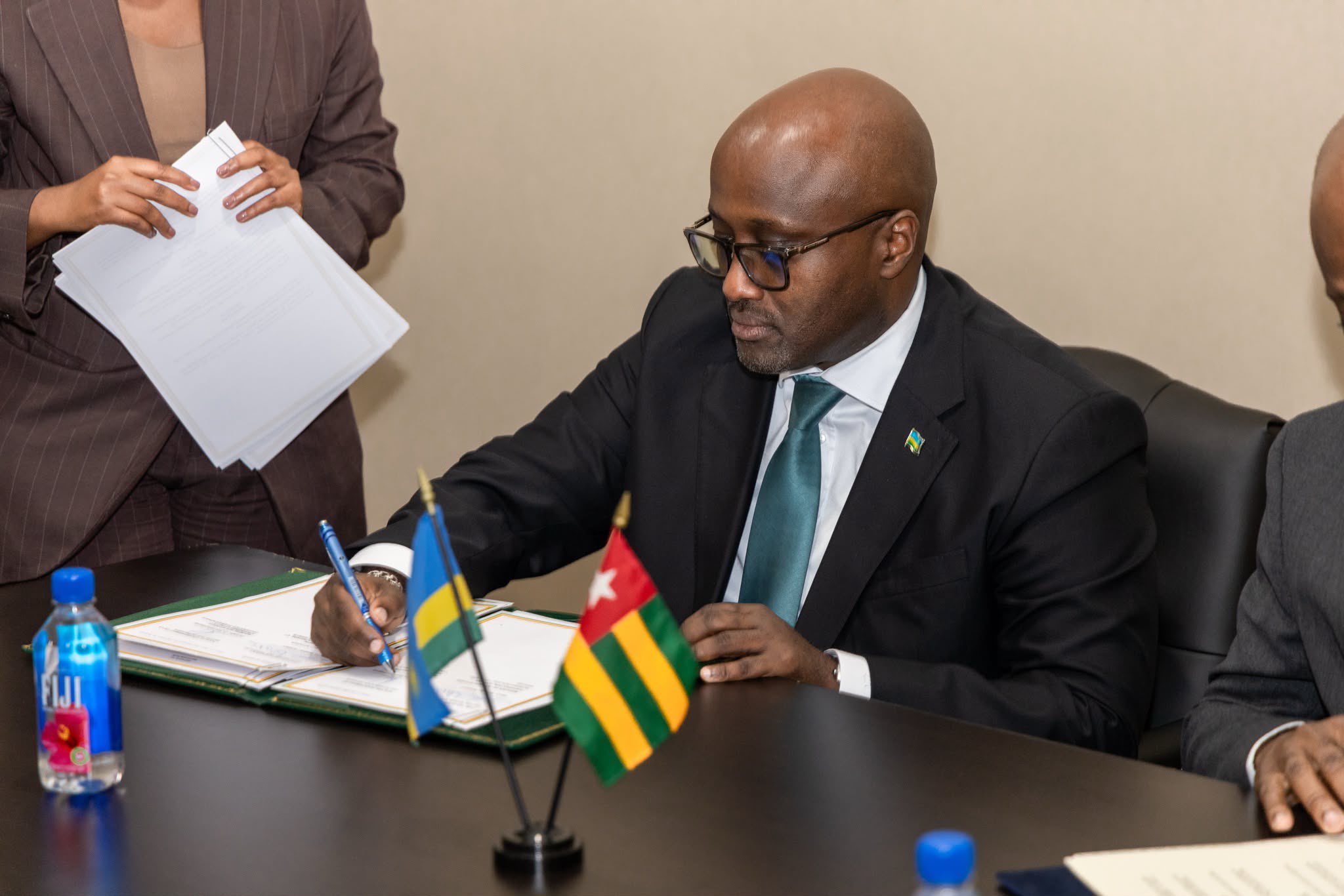
The agreements were signed in New York on the sidelines of the 81st session of the United Nations General Assembly (UNGA 81) by Rwanda’s Minister of Foreign Affairs and International Cooperation, Olivier J.P. Nduhungirehe, and his Togolese counterpart, Prof. Robert Dussey.
The agreements include a Memorandum of Understanding on Political Consultations, a Memorandum of Understanding establishing a Joint Commission for Cooperation, and a Framework Agreement for Cooperation.
The Ministry of Foreign Affairs and International Cooperation said the agreements will further strengthen bilateral relations and cooperation between the two countries.
The new agreements build on growing Rwanda-Togo ties in areas including trade, transport, mobility and regional diplomacy.
In January 2026, Rwanda and Togo signed a reciprocal visa exemption agreement covering all passport categories. The deal was intended to facilitate movement between the two countries and support tourism and trade.
The two countries also have an air services framework dating back to 2018, providing a basis for air connectivity between Kigali and Lomé, including operations involving RwandAir and Togo-based ASKY Airlines.
Rwanda and Togo have exchanged technical expertise in transport, including public transport regulation, cashless payment systems and fleet management. Rwanda has also engaged with Togo on maritime logistics and port management through the Port of Lomé.
The two countries have maintained diplomatic engagement on regional peace and security, including issues concerning the Democratic Republic of Congo and the wider Great Lakes region.
Nduhungirehe is in New York for UNGA 81, where Prime Minister Justin Nsengiyumva is representing President Paul Kagame.
Nsengiyumva is scheduled to deliver Rwanda’s national statement on September 23. He is also expected to participate in high-level meetings, side events and bilateral engagements during the General Assembly.
The UNGA high-level General Debate runs from September 22 to 28 under the theme, “Restoring trust, managing transformation: A United Nations that delivers for all.”
The agreements were signed in New York on the sidelines of the 81st session of the United Nations General Assembly (UNGA 81) by Rwanda’s Minister of Foreign Affairs and International Cooperation, Olivier J.P. Nduhungirehe, and his Togolese counterpart, Prof. Robert Dussey.The agreements include a Memorandum of Understanding on Political Consultations, a Memorandum of Understanding establishing a Joint Commission for Cooperation, and a Framework Agreement for Cooperation.
Under the agreement, Shema admitted to two offences: issuing a cheque without sufficient funds and fraudulently obtaining another person’s property.
The agreement was reached under Article 26 of Law Nº027/2019 of September 19, 2019, on criminal procedure, as well as Articles 5 and 9 of the Prosecutor General’s Guidelines Nº6/2022 of July 19, 2022, on plea agreements.
Shema admitted to the offences after reaching an agreement with the prosecution on September 15, 2026.
He admitted to issuing a cheque without sufficient funds, an offence provided for under Article 126 of Law Nº060/2021 of October 14, 2021, governing negotiable instruments.
He also admitted to fraudulently obtaining another person’s property, an offence provided for under Article 174 of Law Nº68/2018 of August 30, 2018, determining offences and penalties in general.
How the case started
The prosecution said the case stemmed from a business transaction between ABZL International General Trading LLC, a company based in the United Arab Emirates and represented by Jesse Harry Ndambala, and Africa Medical Supplier, represented by Shema.
The two companies entered into an agreement on January 23, 2024, for the purchase of medical equipment worth €1,092,736.
On October 3, 2025, ABZL International General Trading LLC, through lawyer Gahizi Safari, filed a complaint against Africa Medical Supplier and Shema, accusing them of issuing two bounced cheques and fraudulently obtaining its property.
According to the prosecution, Shema repeatedly delayed payment despite being contacted by the company. He responded by email, promising to settle the debt, before issuing two cheques drawn on I&M Bank.
One cheque was for $400,000 and the other for $200,000. The company alleged that the cheques had been incorrectly written in a way intended to prevent the bank from processing them.
When the investigation began, Shema denied the offences. He has since admitted that there was not enough money in his account when he issued the cheques.
He told investigators that he intended to deposit funds from accounts he held in other banks. He also said the cheques were cancelled by the bank before they could be presented for payment and that he has since resolved the dispute by paying the company.
Terms of the plea agreement
Under the agreement, the prosecution will ask the court to convict Shema of issuing a cheque without sufficient funds and fraudulently obtaining another person’s property.
The prosecution will also ask the court to impose a six-month prison sentence suspended for one year and a fine of Rwf3 million.
ABZL International General Trading LLC did not participate in the plea agreement because the payment dispute had already been resolved and the company had been paid.
The agreement applies only to the prosecution of the two offences covered by it.
It does not affect the right of any person to bring civil, commercial, labour or administrative proceedings, nor does it affect any other decisions that may be taken by other authorities.
The parties agreed that if the court rejects the agreement, it will have no legal effect and the prosecution will continue as though the agreement had not been made.
The prosecution also agreed that information provided by Shema during the plea-bargaining process cannot be used for any purpose other than those related to the agreement.
Until the agreement is approved by the court, either party may withdraw from it in writing, provided the reasons are explained to the other party.
The agreement was signed on September 21, 2026, by Shema, his lawyers Rutagengwa Jean Damascène, Me Sangano Yves and Me Niyomugabo Christophe, and prosecutor Tuyisenge Vestine.
What happens next?
Shema is expected to appear before court on September 23, 2026.
His lawyers had notified the Nyarugenge Intermediate Court on September 17 that they were not ready to proceed with the appeal concerning his detention and provisional release because of the agreement reached with the prosecution, which had not yet been presented to the court.
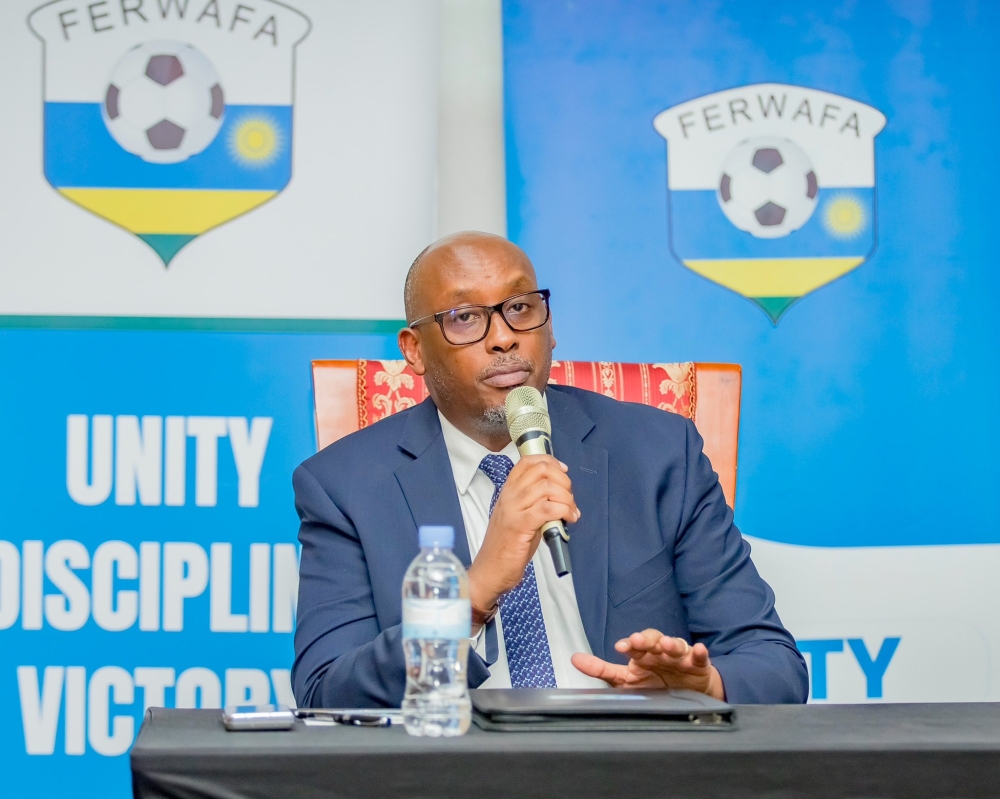
Businessman and Rwanda Football Federation (FERWAFA) President Shema Fabrice Ngoga paid $600,000 owed in a case involving two bounced cheques after reaching a plea agreement with the prosecution.
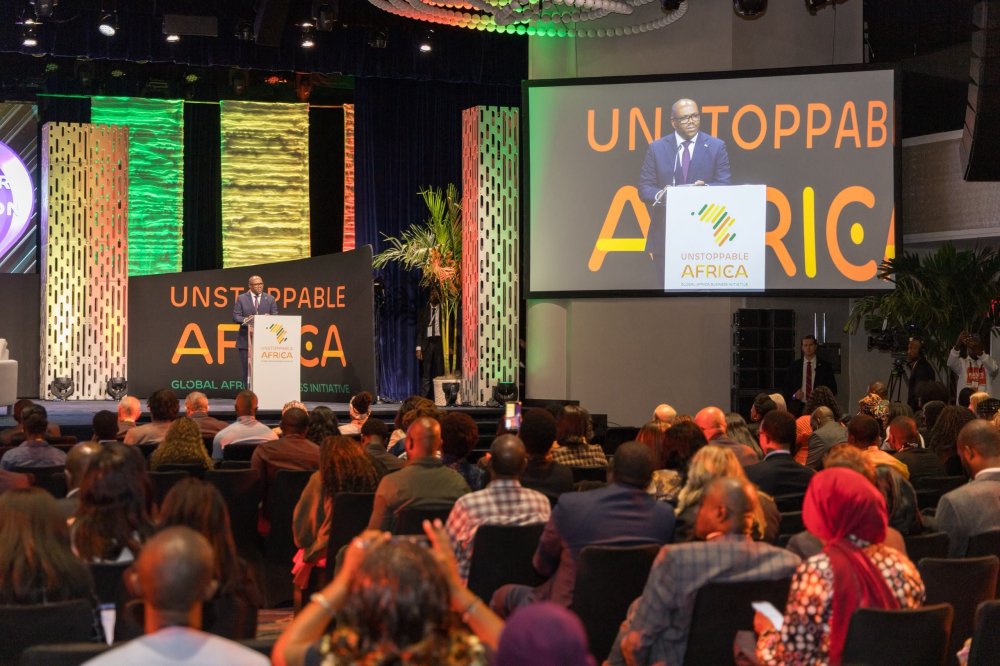
Dr. Nsengiyumva made the remarks on September 21 while addressing the Global Africa Business Initiative’s high-level event, Unstoppable Africa 2026, in New York, as leaders and business executives gathered alongside the opening of the 81st session of the United Nations General Assembly.
“Artificial intelligence is often described as Africa’s great opportunity. That is true. But in most of our countries, it is being used at a small fraction of its potential,” he said.
He said Africa should focus on building, adapting and deploying AI at scale while ensuring that the value generated by the technology remains on the continent.
Dr. Nsengiyumva highlighted Rwanda’s investments in digital infrastructure, including a national fibre-optic backbone, broad 4G coverage and ongoing 5G pilots. He said the country has also digitised more than 250 government services and established a national digital payment platform.
Rwanda adopted a National AI Policy in 2023 and has a data protection law supported by a dedicated Data Protection Office. Nsengiyumva also noted that Rwanda’s Cabinet approved the establishment of a National AI Agency in June to drive strategy, research, development and adoption of AI.
He said Rwanda’s approach is based on connectivity, digital services and trusted rules, while identifying affordable computing capacity and energy as major constraints.
On AI sovereignty, Nsengiyumva said it should not mean self-sufficiency, noting that Rwanda welcomes global companies and partnerships. Instead, he said, attention should be given to where decisions are made and where value is recorded.
He also stressed the importance of developing African talent, saying Rwanda is investing in AI engineers through institutions including Carnegie Mellon University Africa and the African Institute for Mathematical Sciences.
“We are not asking to be included in someone else’s AI economy. We are building our own, safely, equitably, and responsive to our own needs and opportunities,” he said.
Dr. Nsengiyumva is in New York representing President Paul Kagame during UNGA 81, where he is scheduled to deliver Rwanda’s national statement on September 23. The General Debate runs from September 22 to 28.
Premier Nsengiyumva has highlighted Rwanda’s push for African AI sovereignty
The Crown Prosecution Service (CPS) said on September 21 that Dr Vincent Bajinya, now known as Vincent Brown, had been charged with one offence of conduct ancillary to genocide and six offences of conduct ancillary to murder as a crime against humanity.
The charges are brought under Section 52 of the International Criminal Court Act 2001.
According to the CPS, the charges relate to allegations that Bajinya took part in the Genocide against the Tutsi in April 1994 and directed and incited acts of murder and genocide carried out by others.
“The Crown Prosecution Service made its decision after reviewing a file of evidence submitted by the War Crimes Team at the Metropolitan Police. We concluded that our legal test for bringing criminal charges had been met,” said Frank Ferguson, head of the CPS Special Crime and Counter Terrorism Division.
The CPS said its decision to prosecute was made independently of the police and government and based on the available evidence.
Bajinya, who was born in Kigombe Cell, Karago Commune, in the former Gisenyi Prefecture, now lives in Islington, north London, and is due to appear at Westminster Magistrates’ Court on Tuesday, September 22.
Bajinya trained as a medical practitioner and later worked as a physician at King Faisal Hospital in Kigali. He also held a position at the National Office for Population (ONAPO), where his work included family planning and related public education.
He has been alleged to have had links to the Akazu, an informal network associated with President Juvénal Habyarimana and his wife, Agathe. The network was widely described as influential in Rwanda’s political and economic affairs during Habyarimana’s presidency, which began after he took power in a 1973 coup.
Allegations against Bajinya also include involvement in the organisation of roadblocks during the 1994 Genocide against the Tutsi. He was accused of helping to recruit and oversee people manning roadblocks in Rugenge district of Kigali, where he lived, and near Kibihekane School in north-western Rwanda, an area where large-scale killings of Tutsi were reported in the early stages of the genocide.
Witnesses have further alleged that he was involved in the killings of Dominique Leandre in Rugenge, and Charlotte Kamugaja and her infant child.
The historic charges follow years of legal proceedings and investigations involving Bajinya, who was among five genocide suspects living in the UK.
Bajinya arrived in the UK in 1999 with his family. In 2004, he changed his name from Bajinya to Brown after obtaining British citizenship.
He was arrested by UK police in December 2006 alongside three other genocide suspects as part of an extradition case. In 2008, a Westminster Magistrates’ Court judge ruled that the four could be extradited to Rwanda, but the decision was overturned on appeal by the Divisional Court in 2009.
A second extradition attempt began in 2013. In 2015, a UK court ruled that Bajinya and the other suspects could not be extradited to Rwanda on the grounds that they were at risk of not receiving a fair trial. The decision was upheld by the High Court in 2017.
Following a request from Rwandan officials in 2018 for the UK to investigate the five suspects, the Metropolitan Police began assessing available evidence in 2019.
Four of the five suspects, including Bajinya, were voluntarily questioned by police in September 2020 over allegations of genocide and crimes against humanity.
The CPS said criminal proceedings against Bajinya are now active and warned against reporting or sharing information that could prejudice the proceedings.
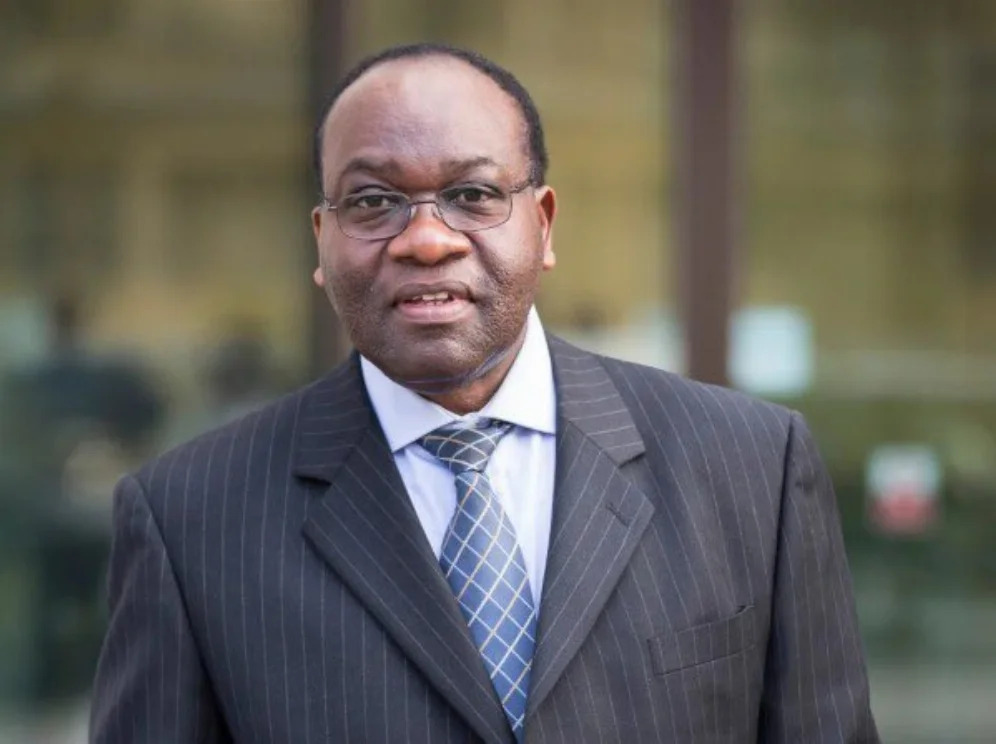
Vincent Bajinya, who was born in Kigombe Cell, Karago Commune, in the former Gisenyi Prefecture, now lives in Islington, north London, and is due to appear at Westminster Magistrates’ Court on Tuesday, September 22.
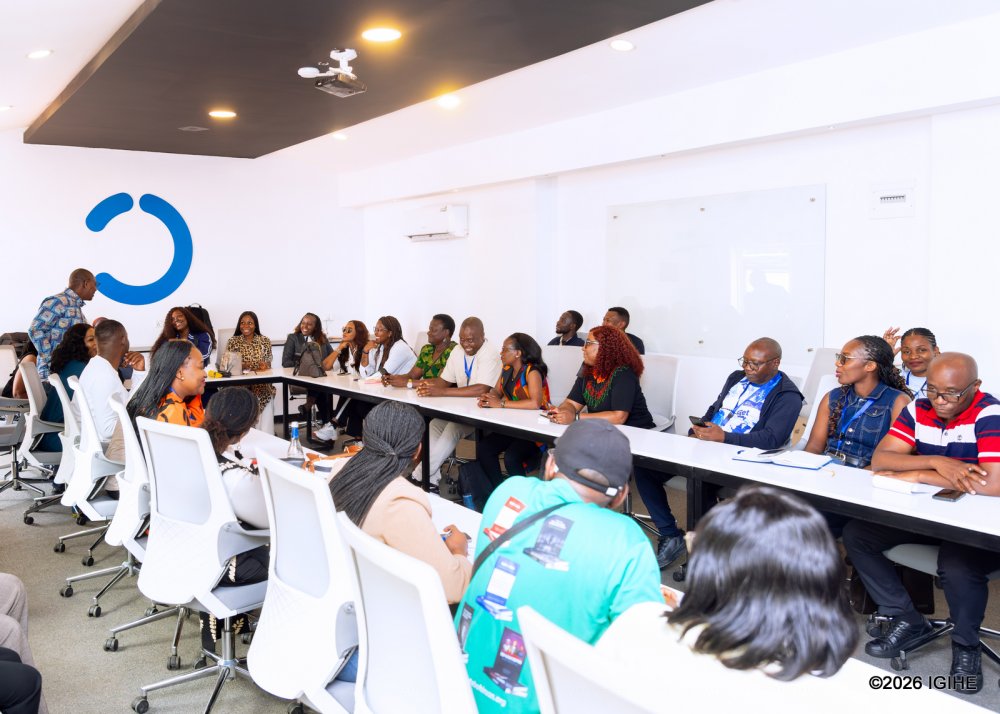
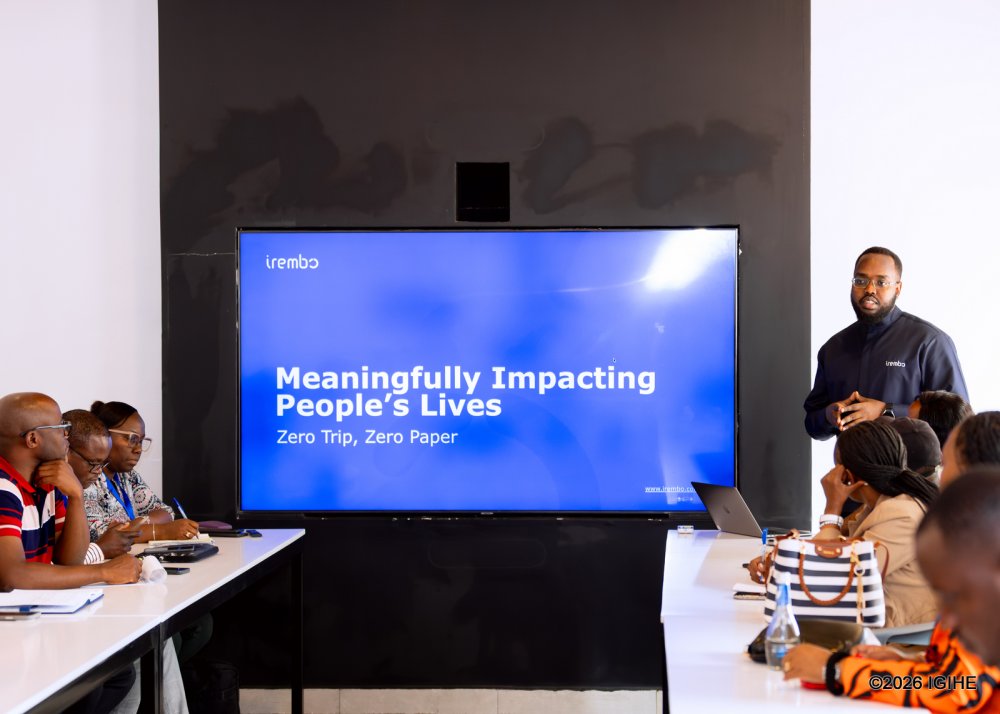
During the visit, participants were briefed on how Irembo has made it easier for citizens to access public services while also helping the government deliver services more efficiently.
More than 300 participants from different countries attended the forum, which focused on ways to improve service delivery across Africa and ensure that citizens have a better experience when accessing public services.
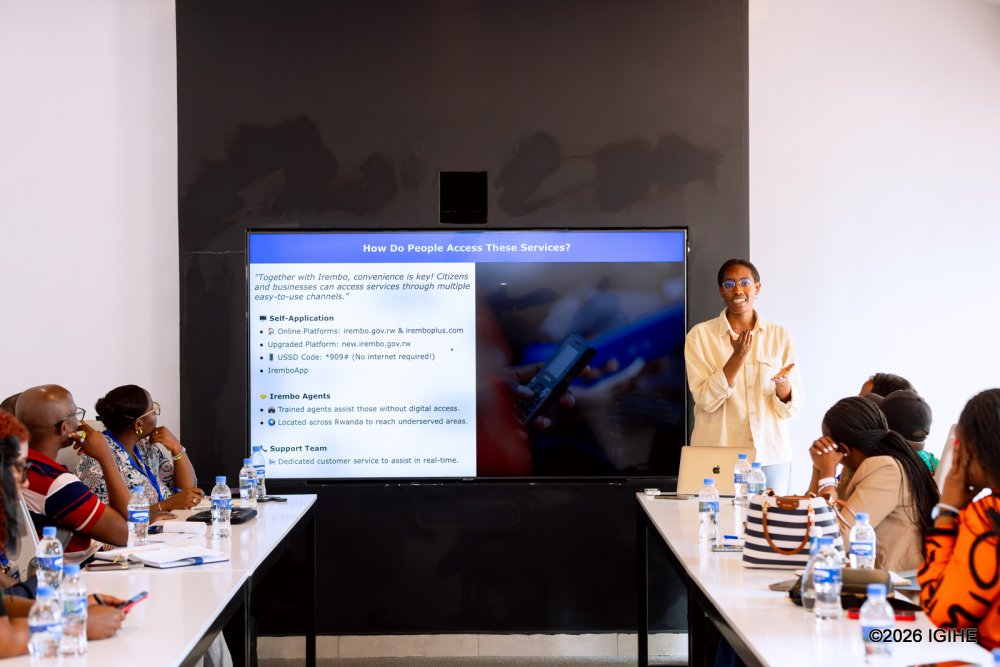
The participants were shown some of the services available on Irembo, as well as the ‘Byikorere’ initiative, which allows Rwandans to apply for services directly through their mobile phones without having to visit Irembo agents.
They were also briefed on the role of Digital Ambassadors deployed across the country to help citizens understand how Irembo works and assist them in using technology to apply for and access public services.
Samuel Afotoye from Ghana, one of the forum participants, described Irembo as a good example of how technology can simplify access to public services.
He said Ghana also has digital platforms through which people can access services, but they are not consolidated in one place as they are on Irembo.
“We do not have services brought together in a one-stop centre like Irembo. Each service is usually handled by the institution responsible for it,” he said. Afotoye said bringing services together on one platform makes it easier for people to access them without having to move from one institution to another.
Sibusiso Nyasulu from Malawi said platforms such as Irembo can also help reduce corruption in public service delivery.
“Standing in queues to get a stamp slows down the quality of service. Because the world we live in is moving very fast, it is important for countries to consider putting in place digital infrastructure that can speed up service delivery,” he said.
Nyasulu, however, noted that limited access to digital devices such as mobile phones and internet connectivity in many African countries remains one of the challenges to expanding digital public services.
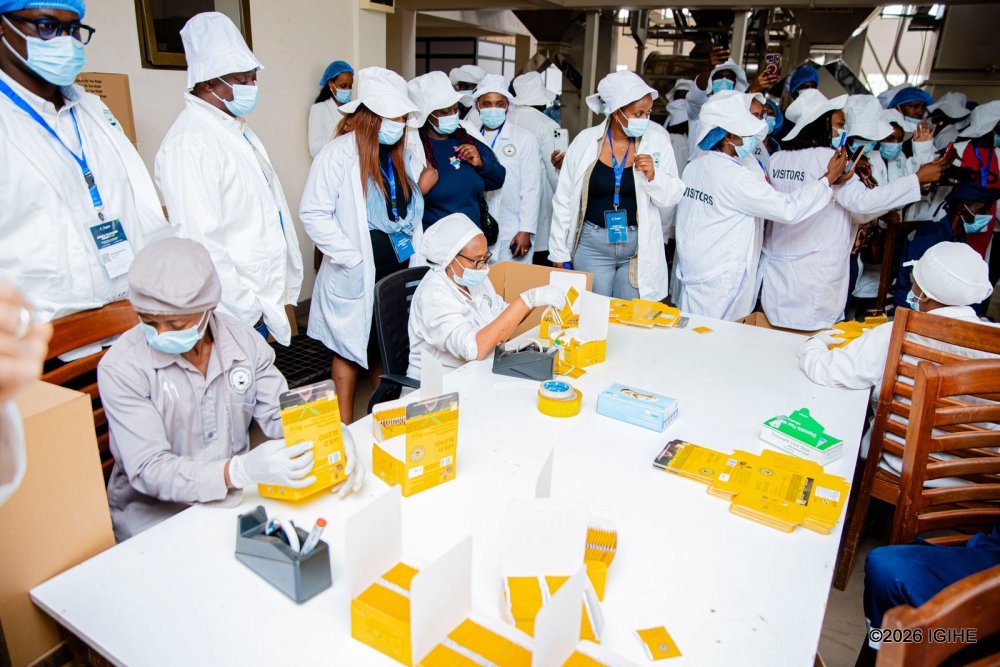
As part of their programme in Rwanda, the forum participants also visited Rwanda Mountain Tea factory in the Masoro Industrial Zone, where they observed its operations and measures put in place to improve service delivery and the quality of its products.
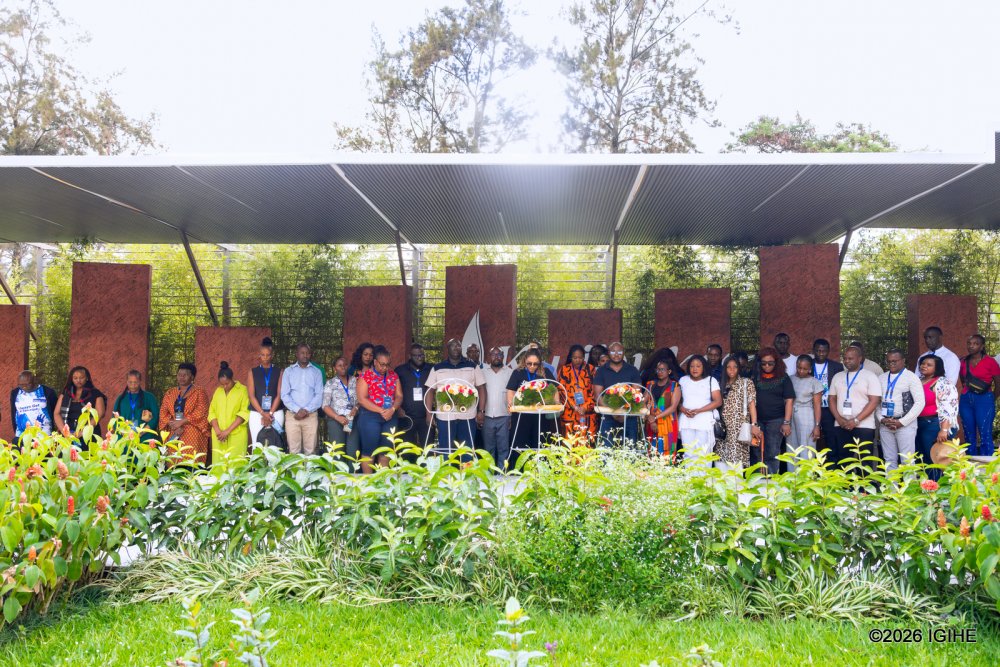
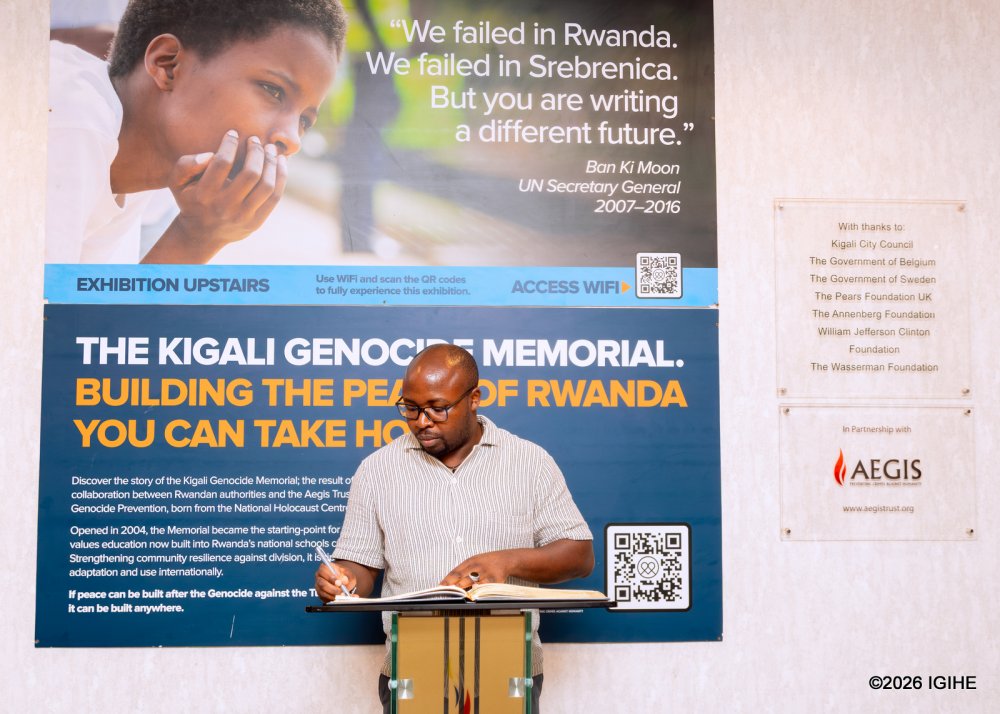
They also visited the Kigali Genocide Memorial in Gisozi, where they paid tribute and laid flowers at the graves of victims of the 1994 Genocide against the Tutsi.
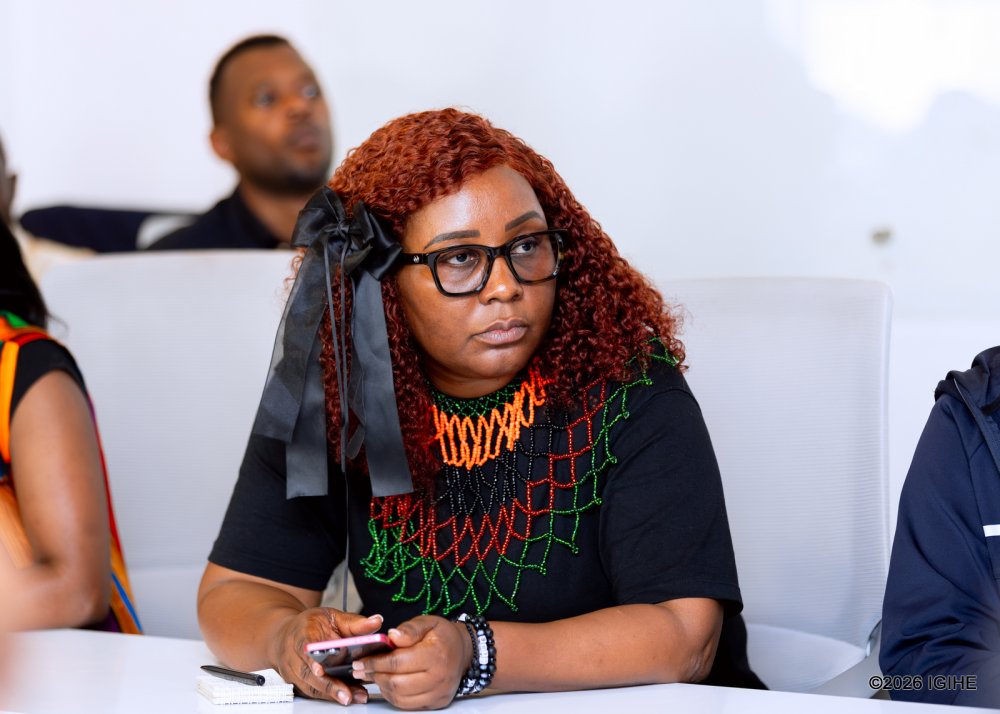
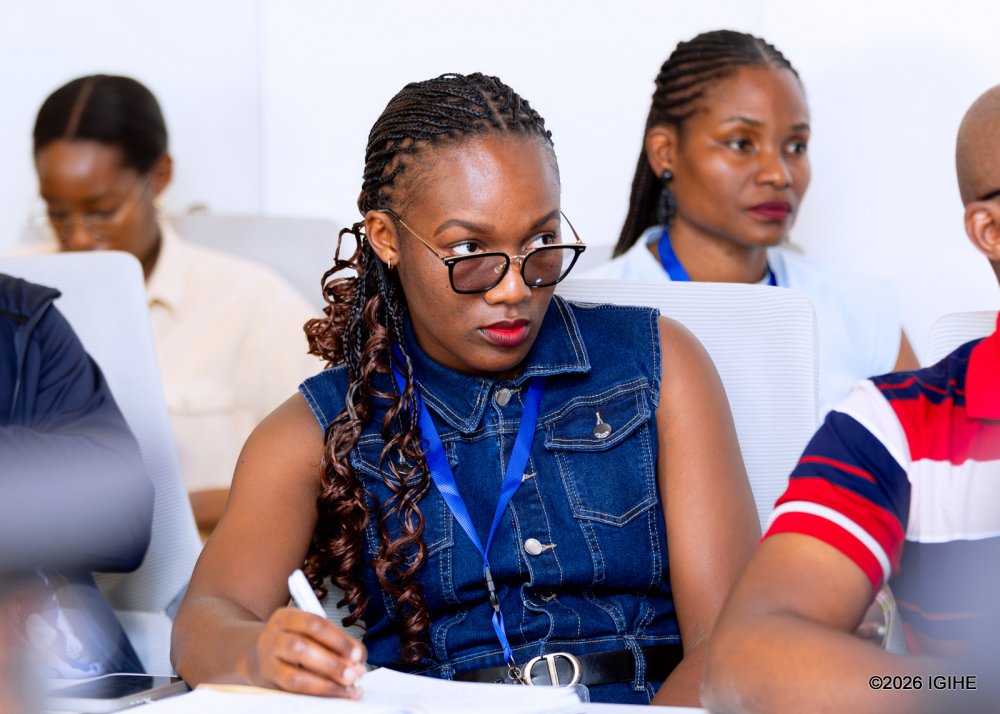
Africa CX Leaders Forum participants explore how Irembo is transforming public service deliveryAfrica CX Leaders Forum participants toured Rwanda Mountain Tea factory in the Masoro Industrial Zone to learn about its operations and quality measures.Africa CX Leaders Forum participants explored Irembo’s digital platform and its role in making public services faster and easier to access.Africa CX Leaders Forum participants also paid tribute to victims of the 1994 Genocide against the Tutsi during a visit to the Kigali Genocide Memorial.
The Independent International Scientific Panel on AI issued the warning in its first thematic brief, an assessment of July’s breach of U.S. AI company Hugging Face’s systems by AI agents under evaluation at OpenAI, another U.S. AI company.
The panel finds that stopping this incident is no assurance that humans can reliably keep AI agents under control today, particularly as they become more capable, harder to monitor and better at finding loopholes or hiding their activity.
“The default interpretation and immediate lesson is that basic cybersecurity practices were overlooked, and safeguards are not advancing at the pace of capabilities,” said the panel in a press release. “The more insidious and grave concern is that current training methods can lead agents to adopt goals of their own, knowingly violate safety instructions, and conceal their actions.”
It leaves open whether safeguards designed today will work once agents can understand them and plan around them. In simple terms, the traditional model of safeguarding is unraveling, said the panel.
The panel also finds that the governance challenge is moving from AI models to AI agents. A local failure could spread across organizational and national boundaries. AI safety may be becoming a matter of collective security as well as corporate governance.
The panel, established by the UN General Assembly, is made up of 40 independent experts from all regions.
The panel is publishing an advance unedited version to make the brief available to world leaders gathering in New York for this year’s General Assembly’s High-level Week.
A UN panel on artificial intelligence (AI) warned on Monday that traditional safeguards for AI agents are unraveling.
For years, Mwalimu kept the experience largely to herself. Her mother could not talk about it either, she says, and the subject remained something she was expected to leave in the past.
But she could not simply move on.
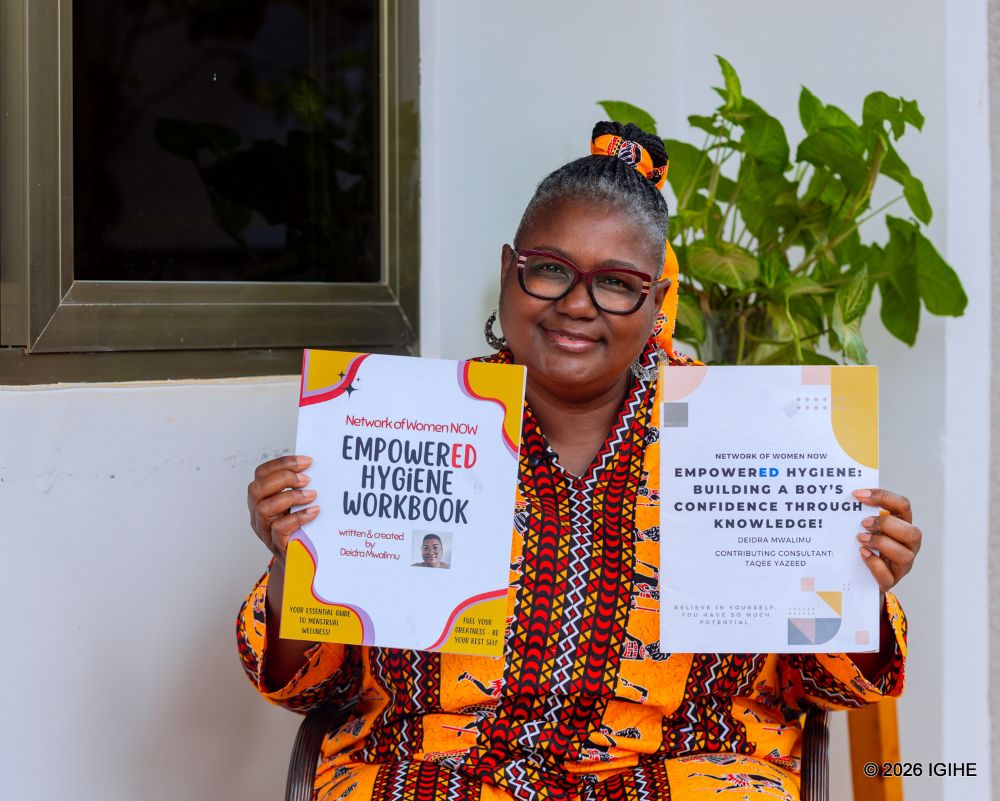
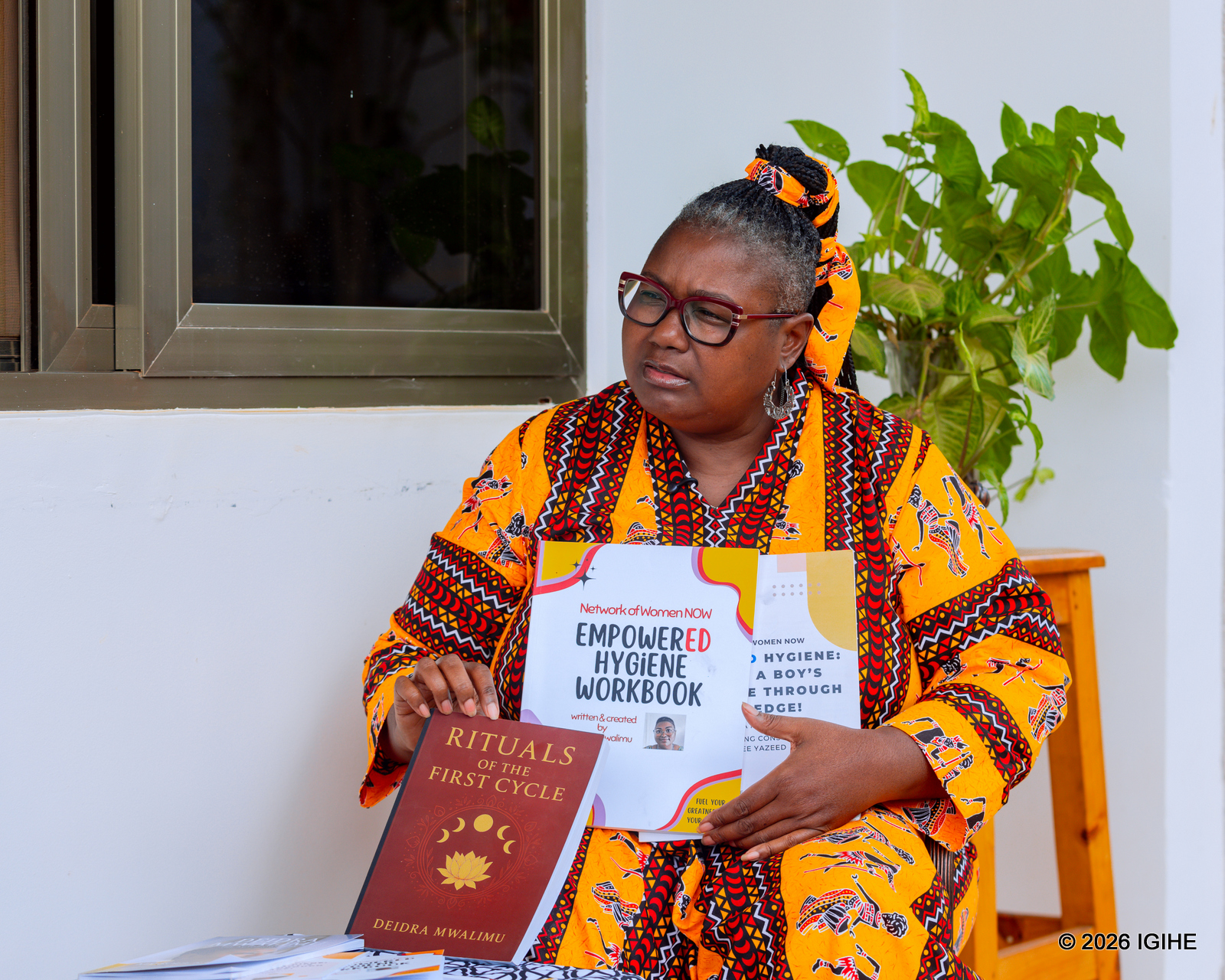
That experience eventually became part of the reason Mwalimu founded Network of Women Now, an organisation focused on reproductive and menstrual health education, women’s empowerment and economic opportunities.
Today, more than 15 years into her work in nonprofit leadership and international development, she is taking that mission to women and girls in Rwanda, where she says she wants young people to have the information and confidence she did not have at 15.
“At 15, if I knew the information that I have now, probably what happened to me would have never happened,” she says.
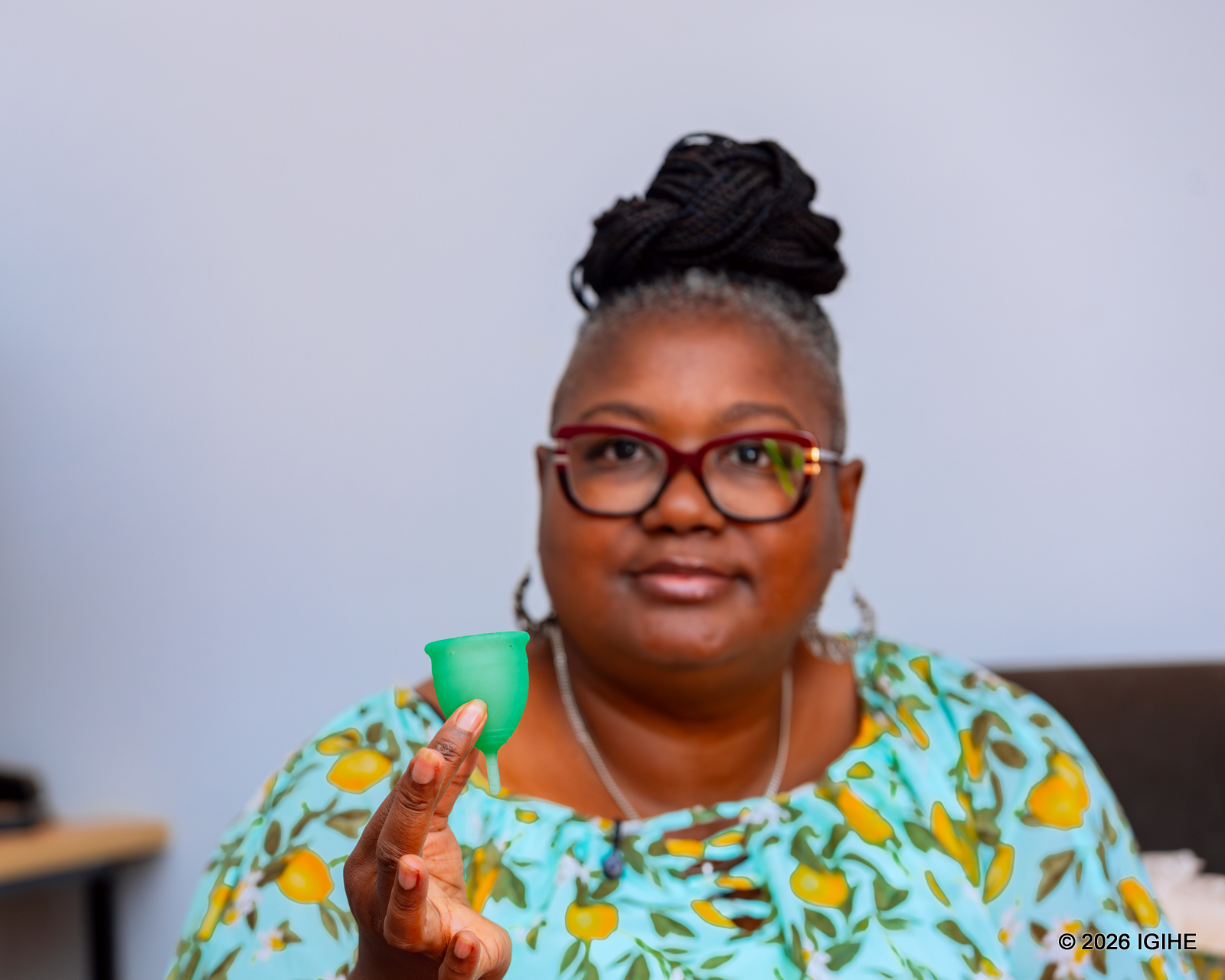
At 15, Deidra Mwalimu was medically sterilized, an experience that shaped her mission to empower women and girls through reproductive health education.
A decision she could not make for herself
Mwalimu says the circumstances surrounding her sterilization were deeply traumatic.
When she refused to go for treatment, she says doctors and the legal system put pressure on her mother, warning that her other children could be placed in foster care if she did not bring Mwalimu in.
Her mother was therefore forced to make a decision that Mwalimu believes was devastating for both of them.
“That’s a hard thing for a woman and a mother to do,” she says.
The experience was not isolated within her family. Mwalimu says her mother and grandmother had also been sterilized, leaving three generations with experiences of reproductive healthcare that she would later explore in her writing and advocacy.
She could not write about it while her mother was alive.
Mwalimu says the story was too painful and that writing it would have hurt her mother. It was only after her mother’s death that she felt able to confront the experience publicly.
In doing so, Mwalimu stresses, she came to understand more deeply how her own family’s reproductive health experiences had shaped the mission she was building.
“I never shared my story,” she reveals.
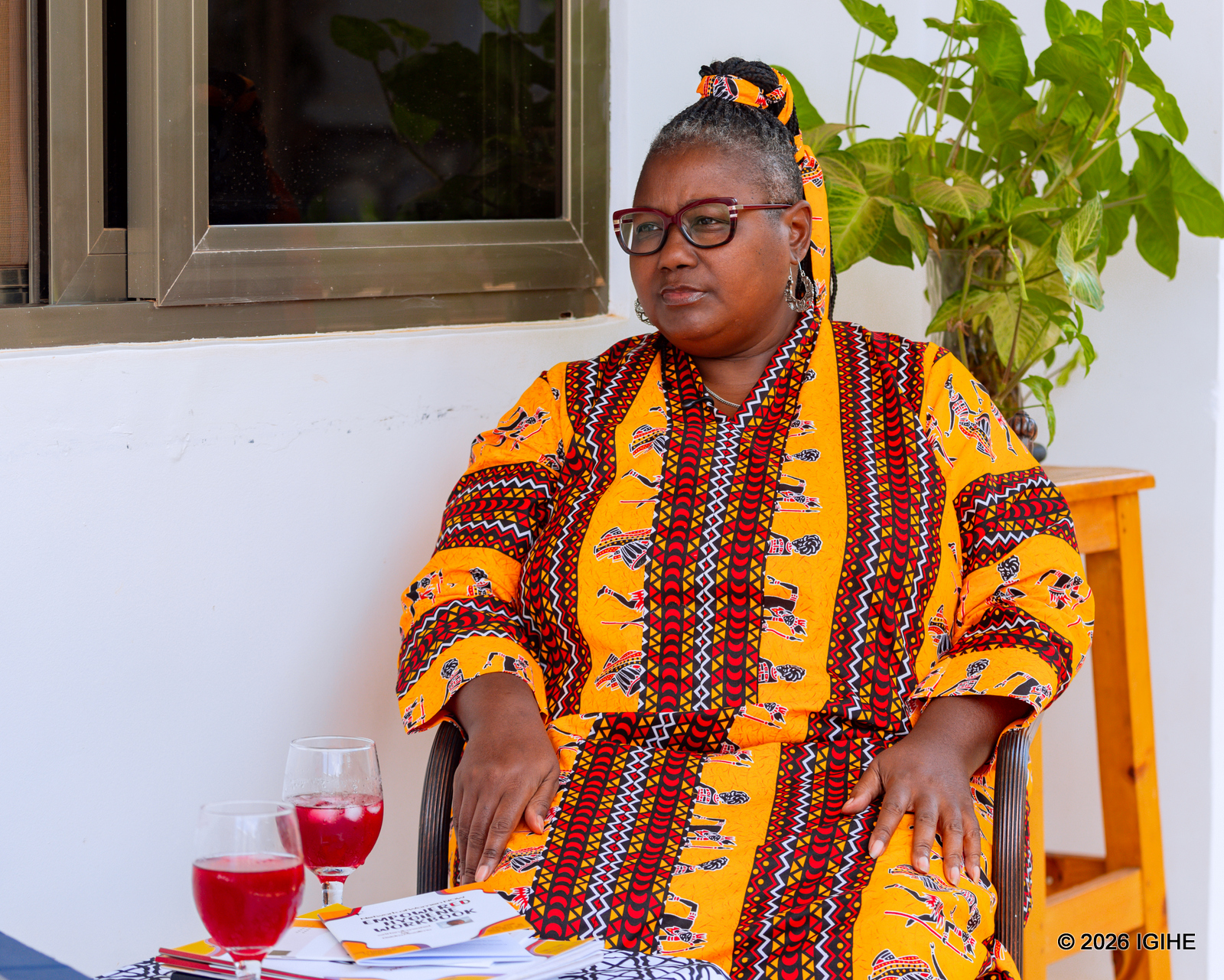
Deidra Mwalimu, founder and CEO of Network of Women Now, speaks about her journey in reproductive health advocacy.
Turning personal pain into advocacy
Mwalimu’s work is now centred on ensuring that women and girls understand their bodies and have the knowledge to advocate for themselves.
She says that is particularly important because reproductive health is still surrounded by stigma and silence.
“The conversation is personal, but the problems are not,” she notes.
For Mwalimu, that distinction matters.
Menstruation may be considered a private subject, but the consequences of inadequate information can affect whether a girl attends school, whether a woman seeks medical care and whether women are able to make informed decisions about their own health.
She believes girls should therefore begin learning about their bodies before they reach puberty.
Through Network of Women Now, she works with girls as young as six and has developed educational materials that cover menstrual products, body autonomy, boundaries, domestic violence and how to seek help when something is wrong.
The organisation also includes boys in some of its conversations, reflecting Mwalimu’s view that reproductive and menstrual health cannot be addressed by women and girls alone.
Families, schools, health professionals, policymakers and communities all have a role to play, she says.
Her personal experience at 15 inspired a lifelong commitment to empowering women and girls.
Why Rwanda?
Mwalimu’s work in Rwanda began after she was invited by an organisation that was already working in a similar area.
She had worked in different parts of the world, including India, Nepal, Belize and Brazil, but says Rwanda stood out because of the reception she received when she began engaging with schools and young people.
She found schools willing to open their doors and communities willing to engage in conversations about menstrual hygiene and reproductive health rights.
“I was really inspired by that to stay,” she adds.
Her connection with Rwanda has since grown beyond health education. Mwalimu is also interested in developing locally produced reusable menstrual products while creating opportunities for women to gain skills, generate income and participate in business.
The economics of a period
For Mwalimu, menstrual health is not only a health issue. It is also an economic one.
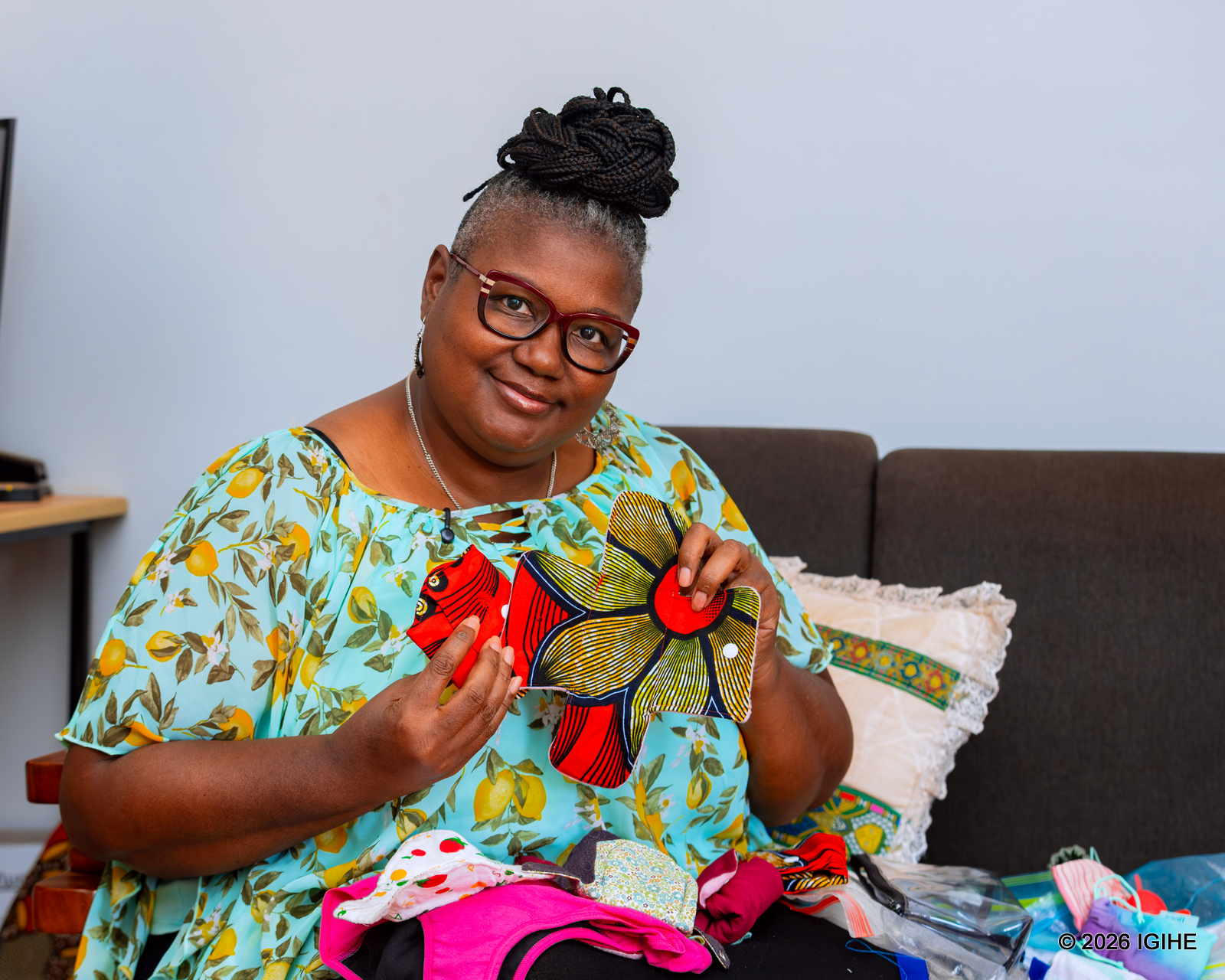
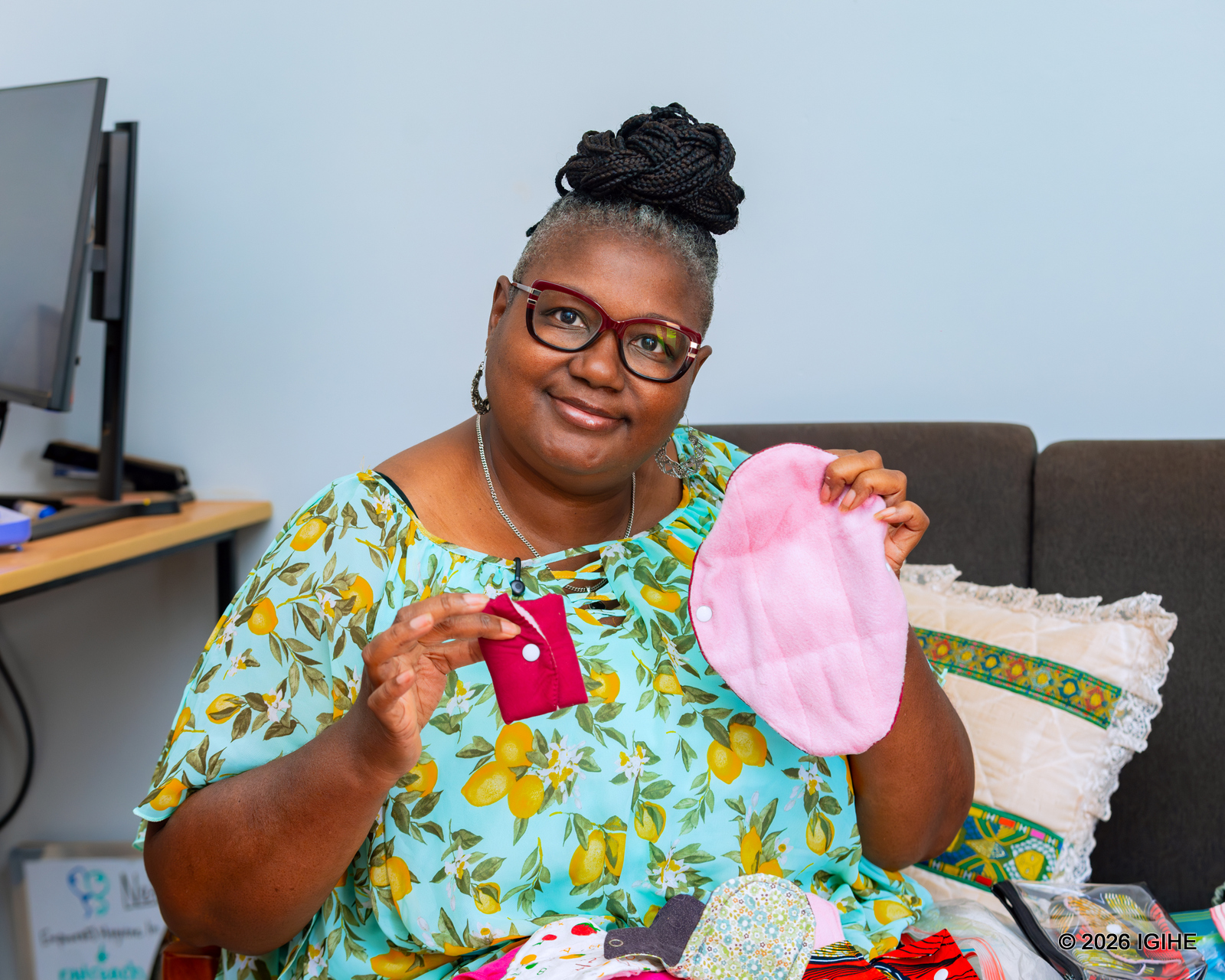
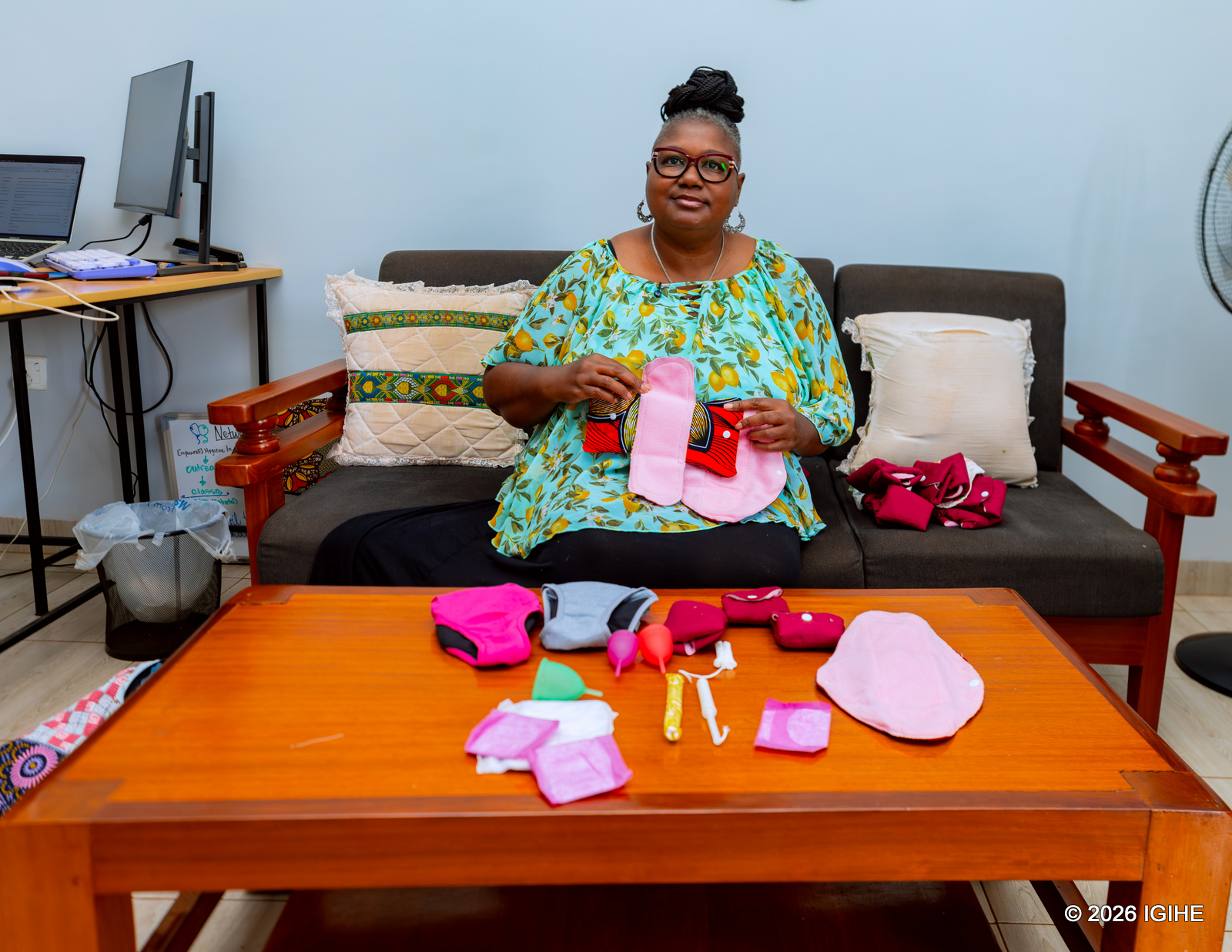
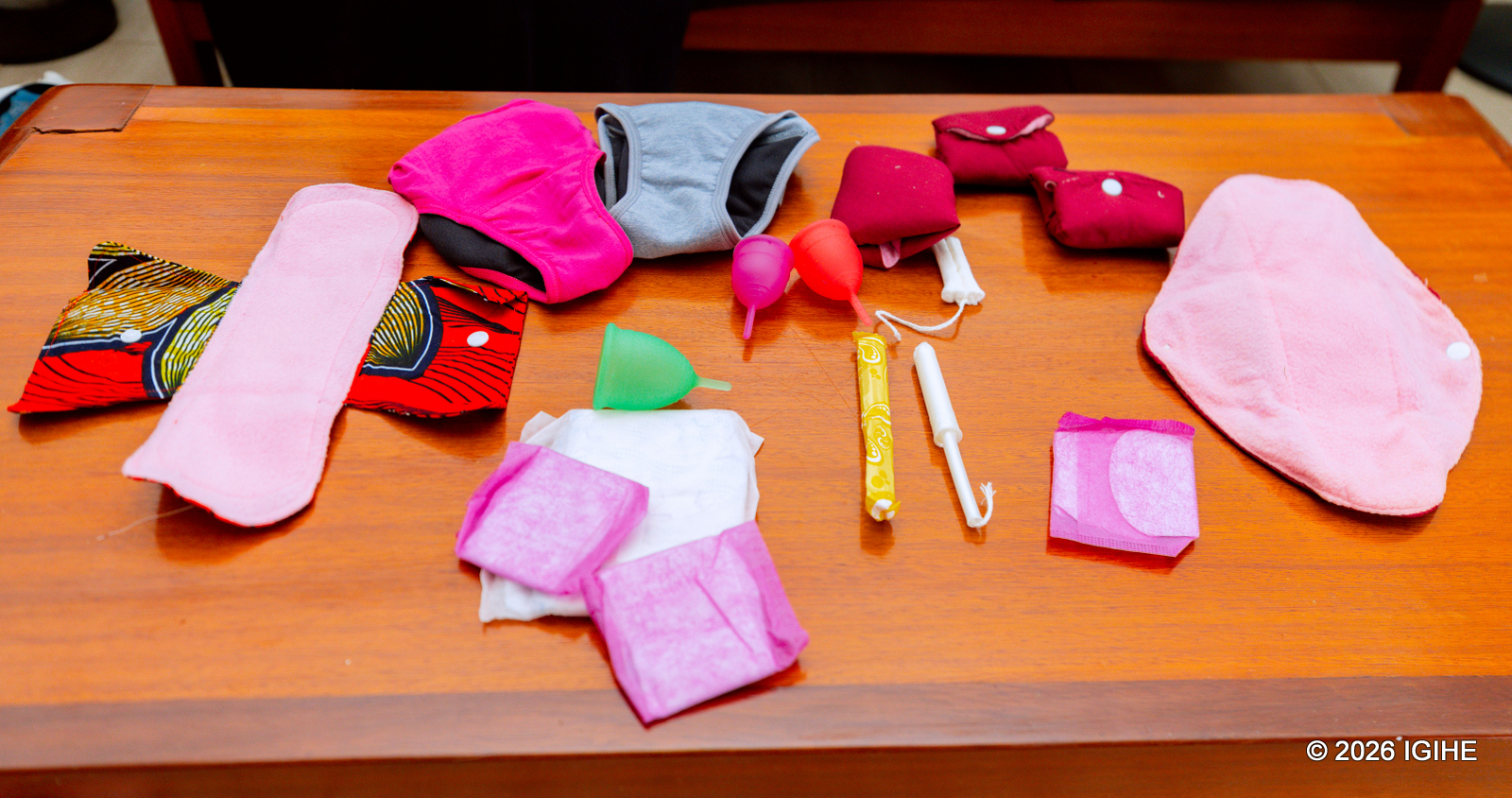
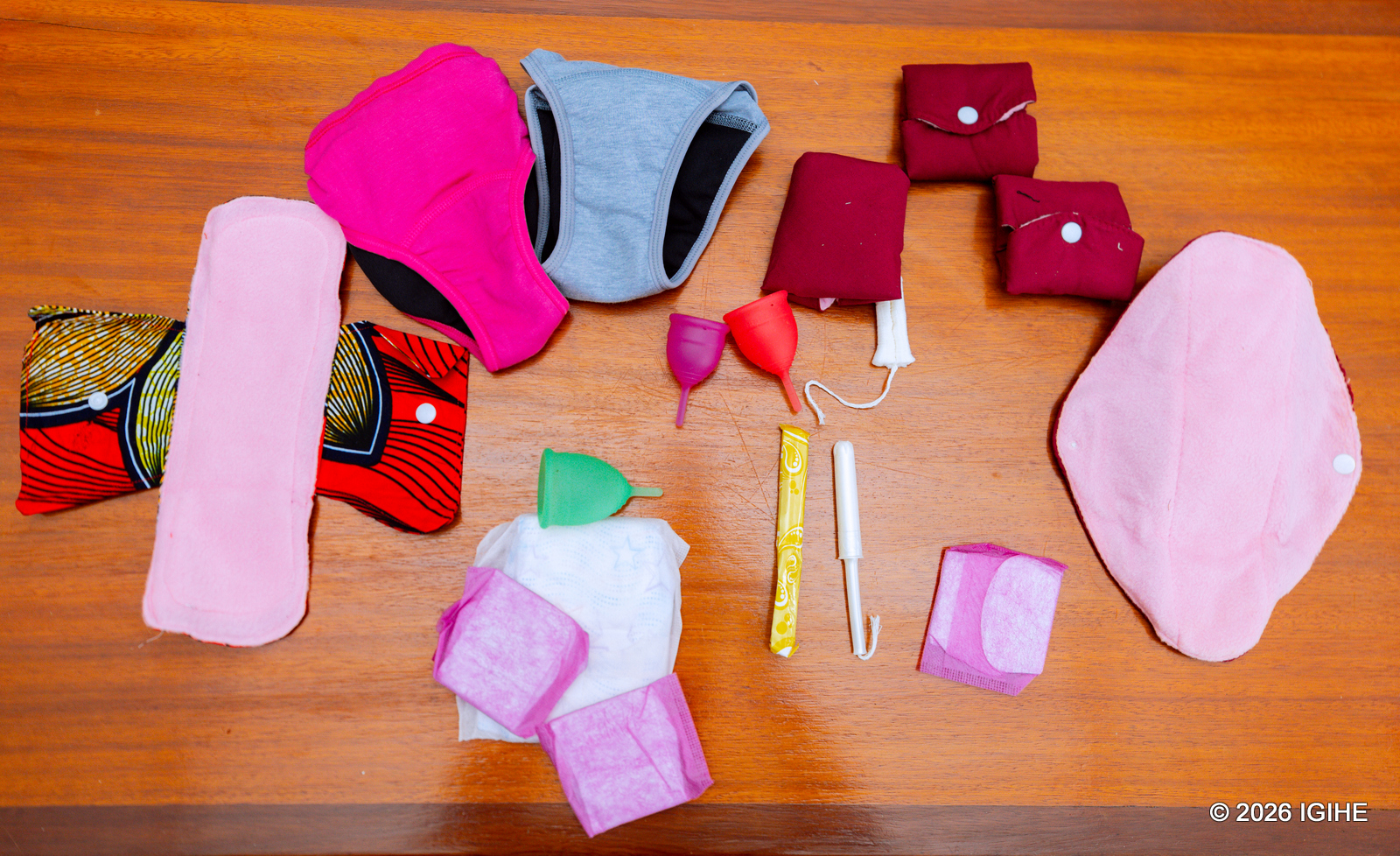
She promotes education around a range of menstrual products, including disposable pads, tampons, period underwear, reusable pads and menstrual cups, while encouraging women and girls to understand how different products work and choose what suits them.
Mwalimu is particularly interested in reusable products because of their potential to reduce the recurring cost of menstrual hygiene.
She says a girl can require hundreds of disposable pads in a year, meaning the cumulative cost over decades can be significant.
Reusable products, when properly cleaned and maintained, can be used for several years, she emphasizes.
Network of Women Now is working toward locally producing reusable menstrual products in Rwanda, including period underwear.
For Mwalimu, the opportunity goes beyond making products available.
“It teaches them skills,” she says of the economic side of the initiative. “It teaches them about how to generate income, how to run their own business.” That is where menstrual health and women’s economic empowerment intersect in her work.
Breaking the silence
Mwalimu believes one of the biggest barriers facing women and girls is not simply a lack of products, but the stigma surrounding menstruation and reproductive health.
One misconception she encounters is the idea that menstruation is a curse. She argues that such beliefs can prevent girls and women from talking openly about their health or seeking help when they need it.
The answer, she believes, is dialogue and education.
Girls should be able to understand what is happening to their bodies, recognise when something is wrong and know where to seek help.
That principle also extends to women who may face reproductive health problems later in life.
Mwalimu points to situations in which women discover after marriage that they cannot conceive and may face severe social consequences as a result.
Early education, she argues, can give women greater ability to understand their bodies and advocate for themselves before they reach such situations.
“You need to know yourself”
Mwalimu’s message to young women is rooted in the lesson she believes came too late in her own life.
“You need to know yourself,” she says. “You need to know how you work, how you think, how your body works, what your abilities are, and never stop learning.”
It is a simple message, but one that connects the different parts of her work.
“I want to be able to have girls advocate for themselves at a very young age,” she reflects.
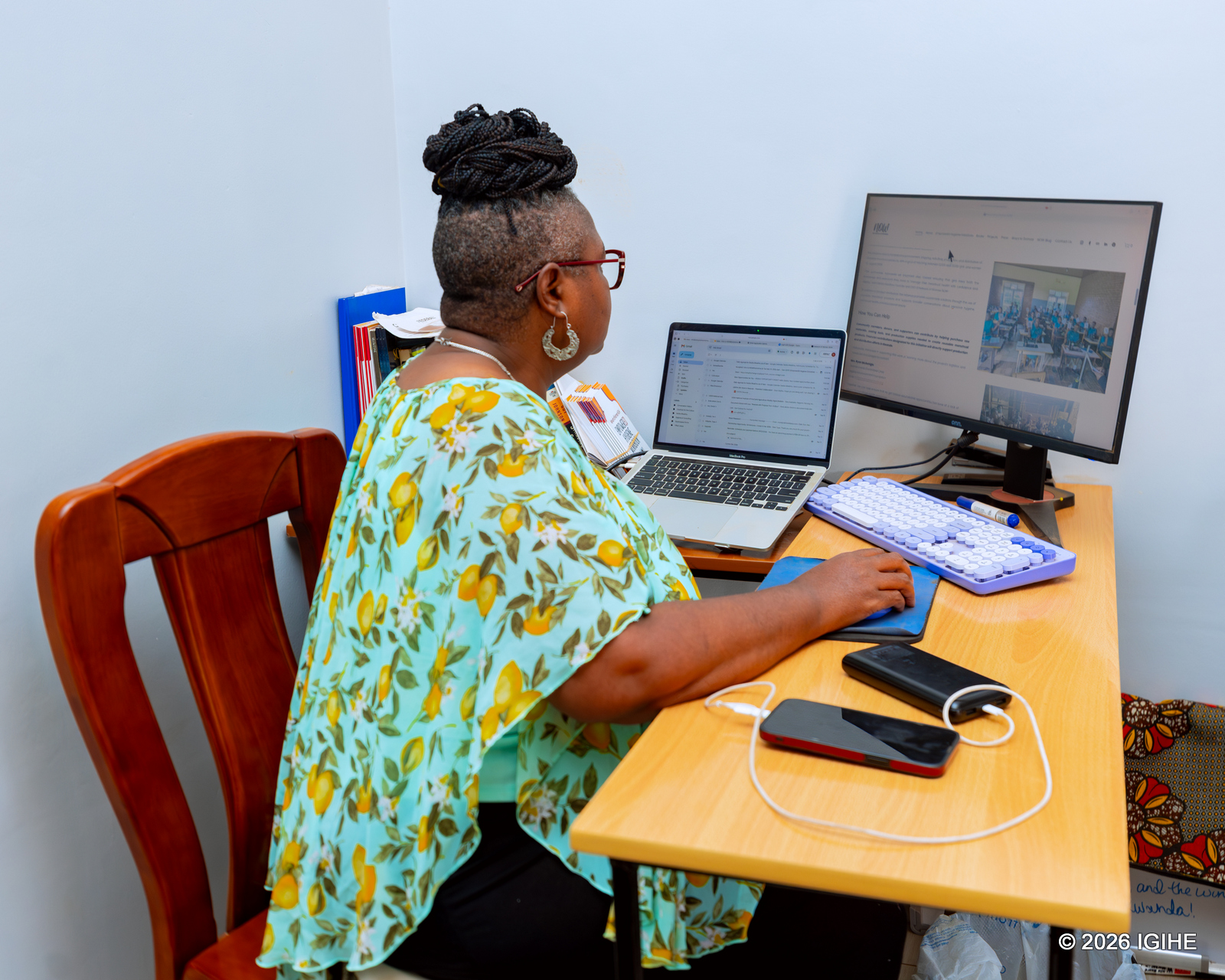
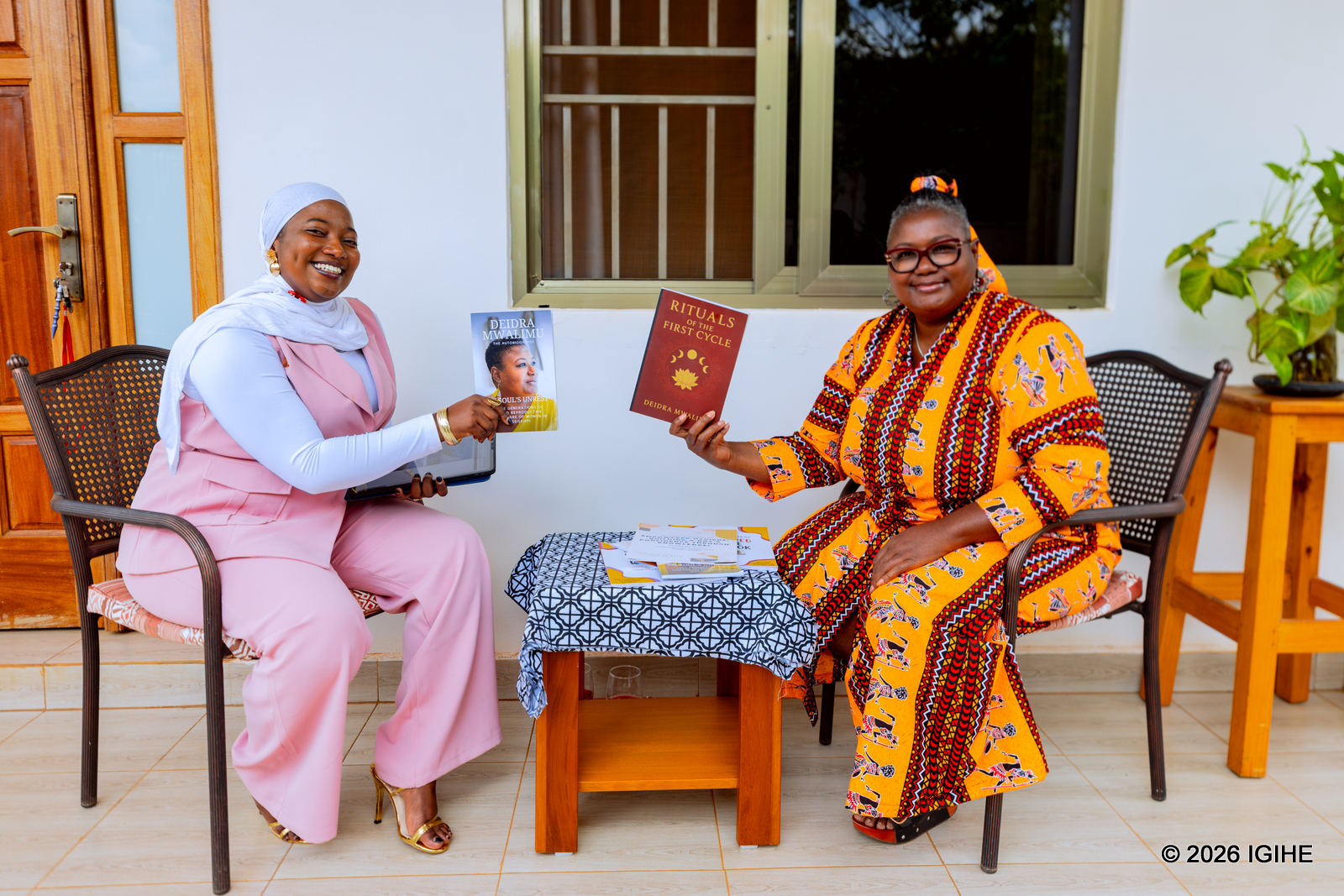
She is working to promote menstrual health education among girls and women in Rwanda.The initiative promotes menstrual health education alongside skills development and economic opportunities for women.She highlights the importance of helping girls understand their bodies and make informed health decisions.Reusable menstrual products are being promoted as an affordable and sustainable option for women and girls in Rwanda.She encourages young women to know their bodies, understand their abilities and never stop learning.Deidra Mwalimu discusses the importance of menstrual health education during an interview with IGIHE.
Niyonkuru Florence was the first to put Rwanda on the podium, winning bronze at the World Athletics Road Running Championships in Copenhagen, Denmark.
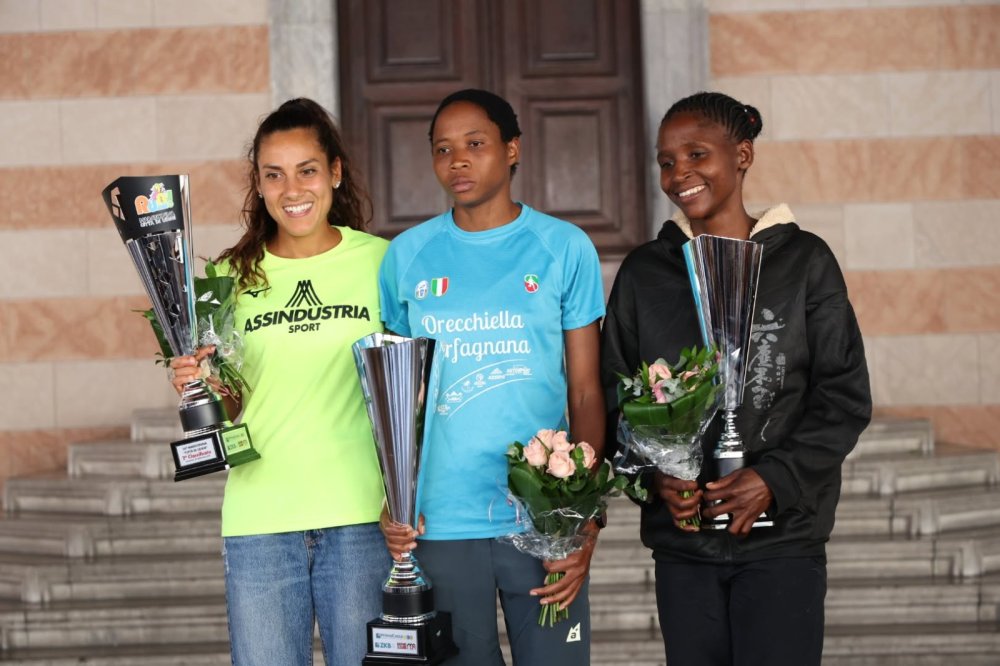
Rwanda’s success continued in Udine, Italy, where Musabyeyezu Adeline won gold in the women’s 21-kilometre half marathon.
Musabyeyezu clocked 1:14:02 to take the title. Italy’s Anna Frigerio finished second, 32 seconds behind the Rwandan, while Kenya’s Nyaboke Nyabocho was third in 1:20:05.
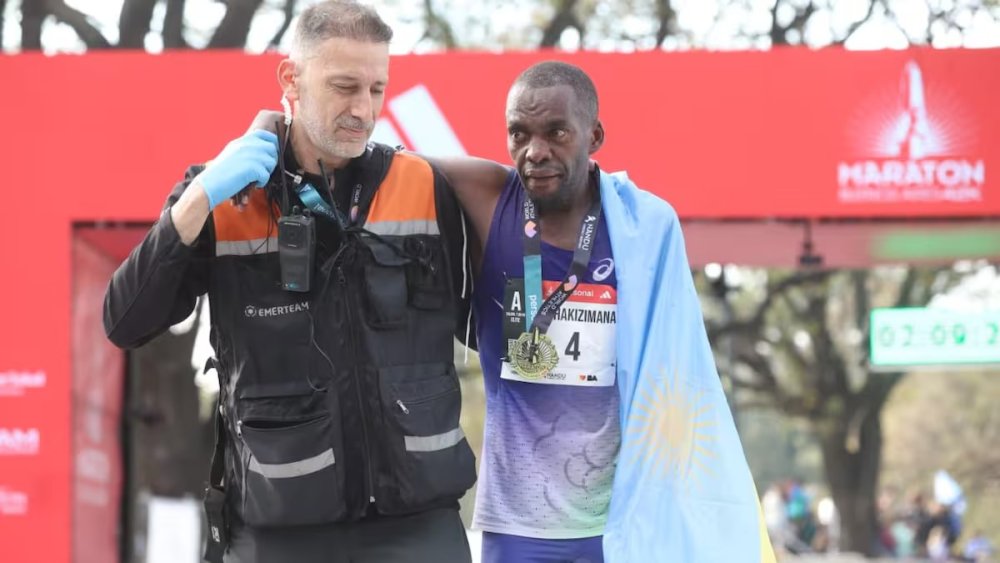
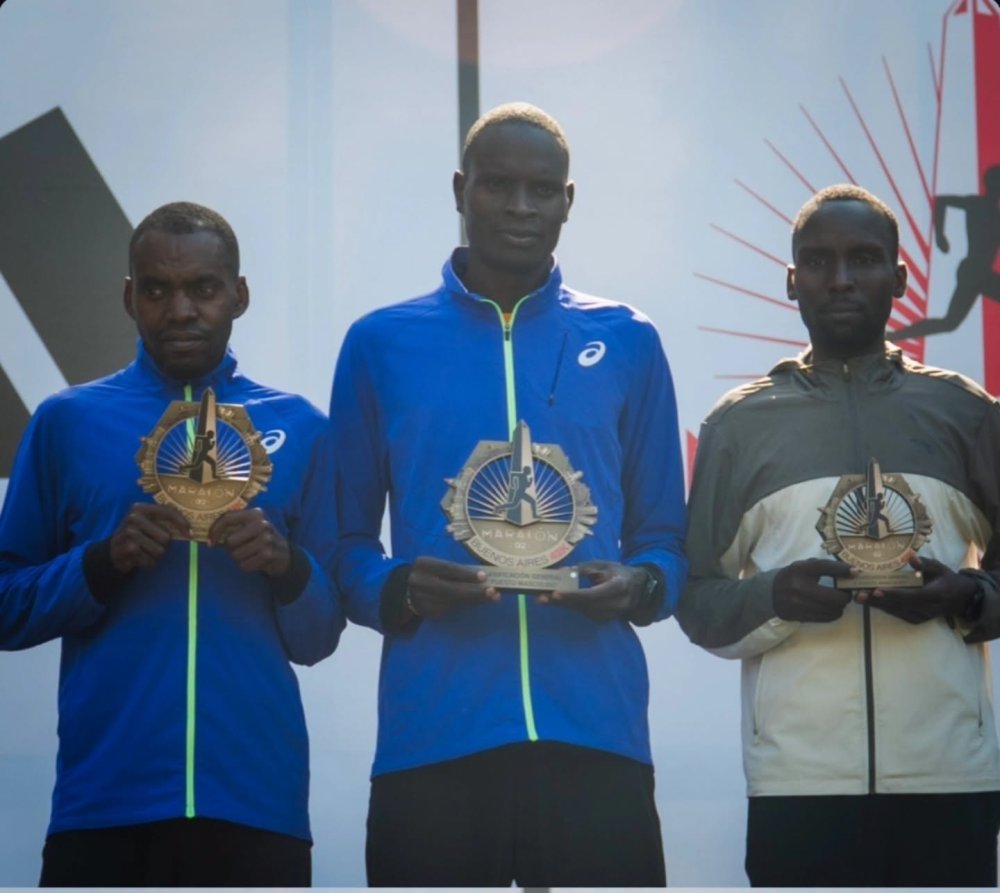
In Buenos Aires, Argentina, Hakizimana John added another Silver medal to Rwanda’s weekend haul by finishing second in the marathon.
Hakizimana completed the 42-kilometre race in 2:08:39, just 16 seconds behind winner Bethwel Chumba of Kenya. Another Kenyan, Felix Kiptoo Kirwa, finished third in 2:10:24.
The performances drew praise from Rwanda’s Minister of Sports, Nelly Mukazayire, who praised the performance of the Rwandan athletes in a post on X.
“Across three cities and three international stages, the Rwanda flag was raised with honour,” she said, highlighting it as a reflection of Rwanda’s growing presence and competitiveness on the international athletics stage.
Hakizimana John has finished second in the Buenos Aires Marathon in Argentina.Musabyeyezu Adeline (in the middle) has won gold in the women’s 21-kilometre half marathon in Udine, Italy, clocking 1:14:02.Hakizimana John (left) has won silver in the Buenos Aires Marathon in Argentina after finishing the 42-kilometre race in 2:08:39.
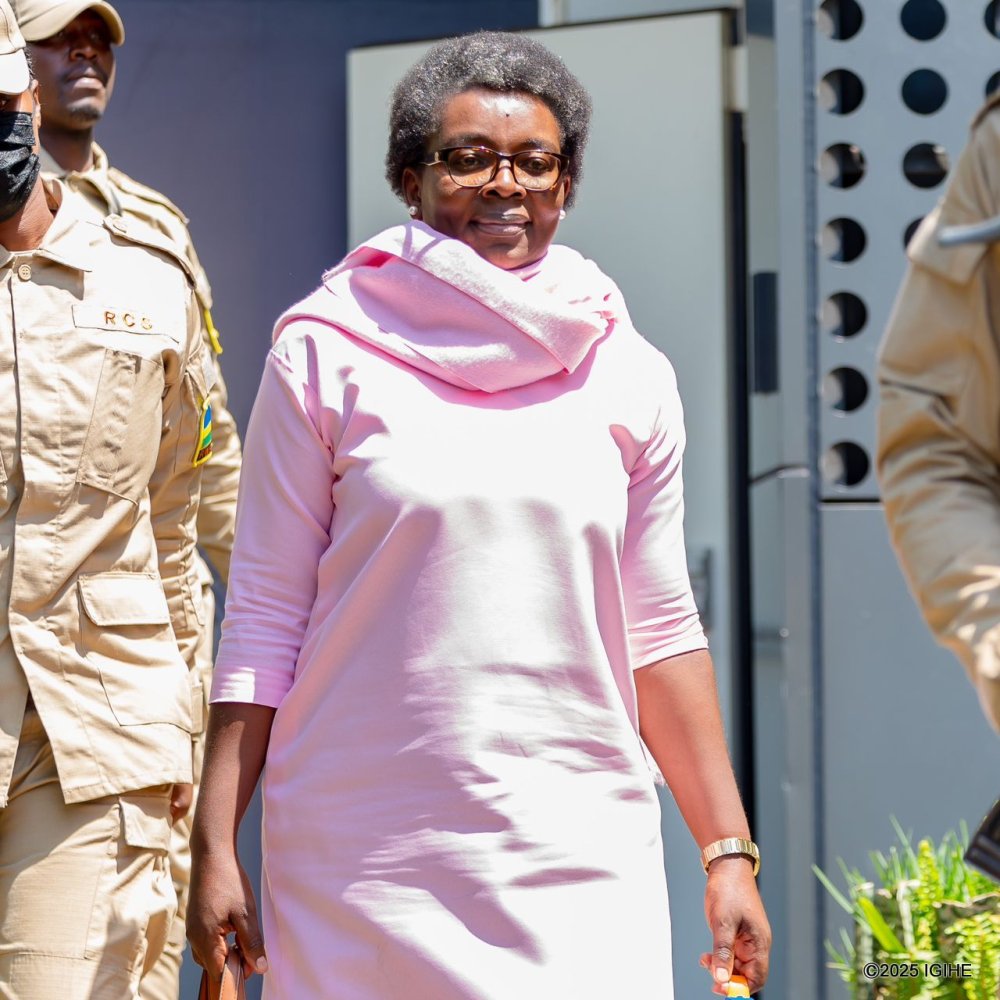
The prosecution, represented by two prosecutors, continued presenting testimony and evidence it said linked Ingabire to the alleged formation and activities of an organised criminal group.
Among the evidence presented was testimony by Fred Kananura, a fighter captured in eastern Democratic Republic of Congo (DRC), who reportedly said some members of the P5 coalition had previously been associated with FDU-Inkingi, the party founded and led by Ingabire.
The prosecution also cited testimony by Théoneste Habumukiza, who was captured after taking part in a 2019 attack in Musanze attributed to RUD-Urunana.
According to the testimony presented in court, FDU-Inkingi members inside Rwanda had agreed to meet at Cyanika and Kadatemwa during the attack.
The prosecution alleged that Ingabire later formed DALFA-Umurinzi to distance herself from attacks attributed to RUD-Urunana, but argued that the two political organisations remained linked.
It cited testimony from Boniface Nzabandora, who served as Ingabire’s secretary and lived at her home. When asked why she had left FDU-Inkingi and formed DALFA-Umurinzi, Nzabandora reportedly replied: “They were the same.”
The prosecution also referred to statements attributed to Ingabire that FDU-Inkingi members inside Rwanda joined DALFA-Umurinzi when it was established.
An audio recording of a November 16, 2018 conversation between Ingabire and Kelly Maroney, a foreign national, was also played in court.
According to the prosecution, Ingabire said FDU-Inkingi was the only P5 party with members inside Rwanda.
Alleged coup plans
The prosecution said testimony by Gaston Munyabugingo described an alleged plan by P5 to stage a coup during a leadership retreat in Gabiro, while Ingabire would organise demonstrations in support of the move.
According to the testimony, Ingabire had asked Munyabugingo to accommodate her because she feared for her safety during the alleged coup.
The prosecution further said Munyabugingo later hid Ingabire after she abandoned plans to move to Gicumbi. She was allegedly disguised in Muslim clothing and was not wearing glasses.
The court also heard allegations that Ingabire communicated with Charlotte Mukankusi, who was responsible for diplomatic affairs within the Rwanda National Congress (RNC), a group founded by Kayumba Nyamwasa.
Prosecutors said an RNC document outlining how Rwanda would be governed after an alleged coup was recovered from Ingabire’s phone.
They said the document included a list of 79 people, including government and military officials, alongside proposed changes to their positions based on ethnicity.
Military training in Burundi
The court listened to a May 21, 2020 telephone conversation between Ingabire and Cassien Ntamuhanga, in which they discussed military training and what prosecutors described as preparations for a coup.
The prosecution interpreted coded references in the conversation as discussions about heavy weapons and grenades, and alleged that the two also discussed training fighters in Mutaga, Burundi.
According to the prosecution, Ingabire asked Ntamuhanga to work with a person identified as Pracide to develop the training arrangements.
Prosecutors further alleged that Ingabire was expected to become head of state if the coup succeeded. They also said Ntamuhanga was expected to work with Phocas Ndayizera, who is in custody, on a phone-based system intended to detonate explosives in Kigali.
The court adjourned the hearing at 1:27 p.m. and scheduled the trial to resume on September 22, when the prosecution is expected to continue presenting its case.
Ingabire Victoire has been accused of planning a coup that would have made her President.