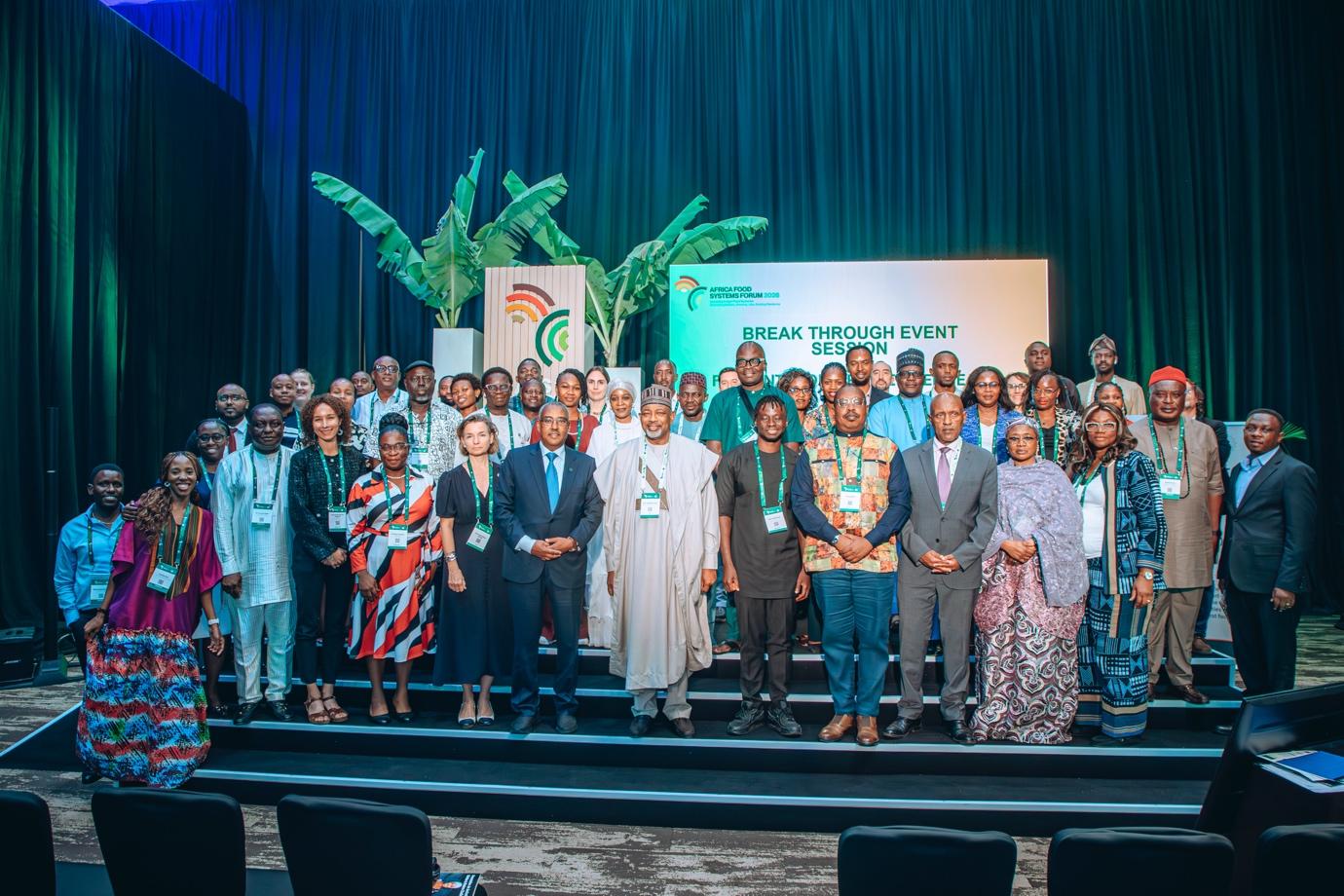
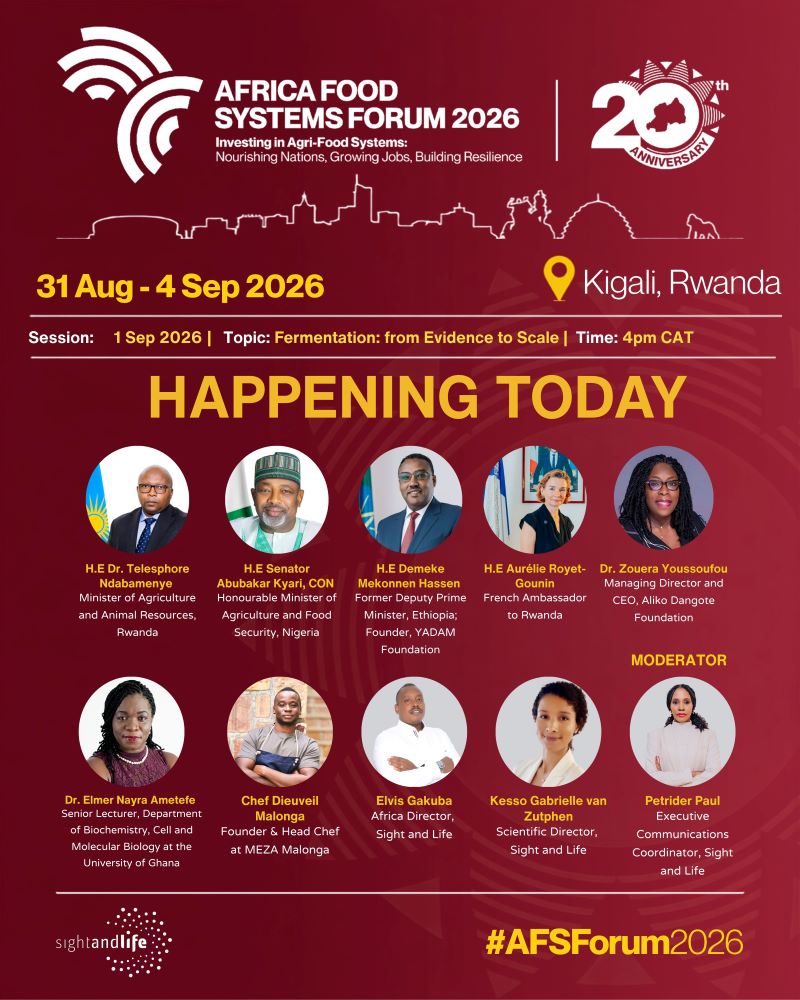
The call came during “Fermentation: from Evidence to Scale,” a high-level Breakthrough Event convened by Sight and Life at the Africa Food Systems Forum 2026 in Kigali, Rwanda.
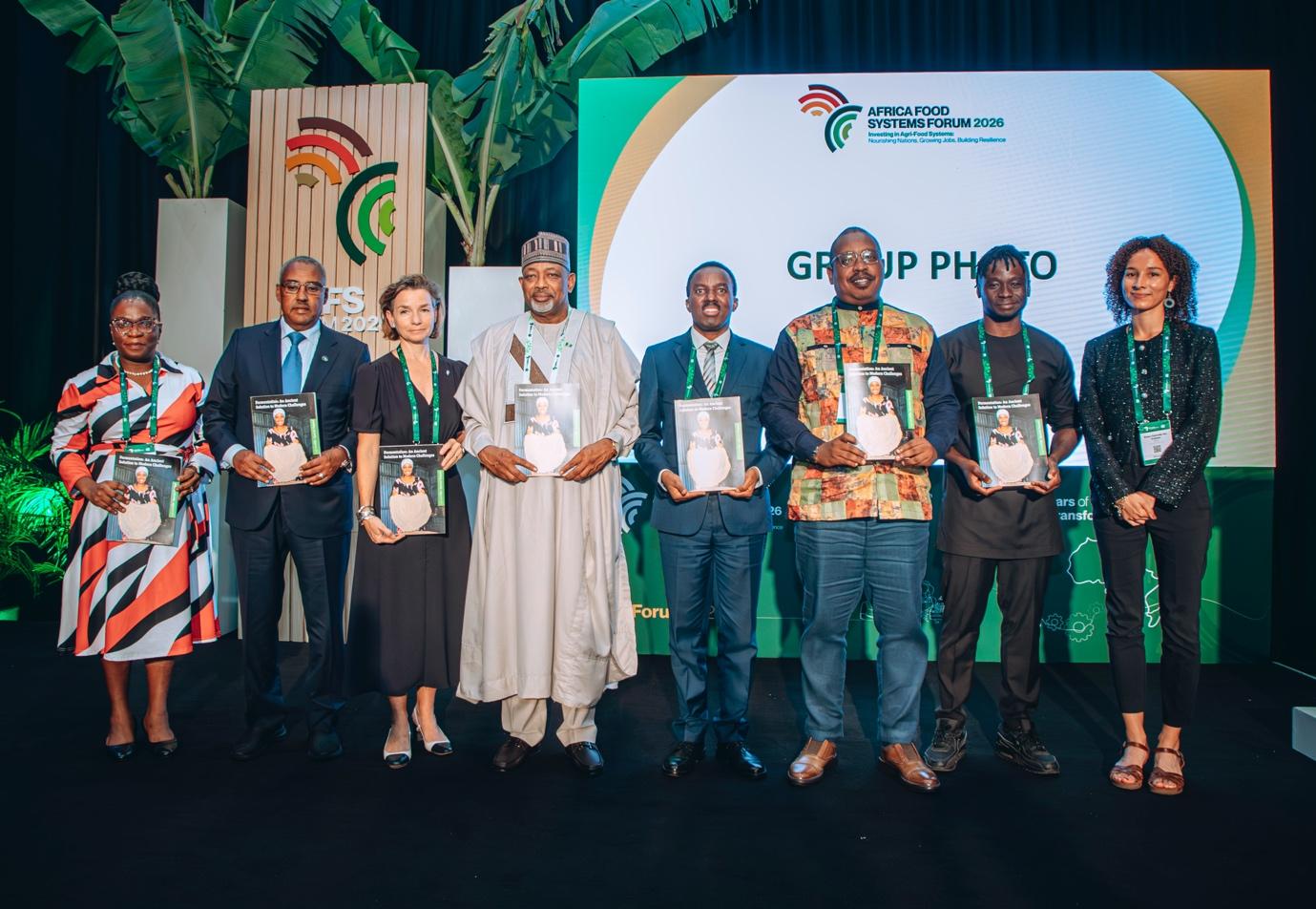
The session brought together senior leaders from Rwanda, Nigeria and Ethiopia, including representatives from the Ministry of Agriculture of Rwanda and Nigeria, the former Deputy Prime Minister of Ethiopia and the French Ambassador to Rwanda, alongside representatives from philanthropy, science and Africa’s culinary community to examine what is needed to move fermented foods from longstanding traditional practice towards wider recognition, investment and responsible scale.
Fermentation has been part of African food cultures for generations, transforming locally produced foods and supporting preservation, dietary diversity and livelihoods. Yet despite its widespread use, its potential remains relatively underrepresented within contemporary nutrition and food systems strategies.
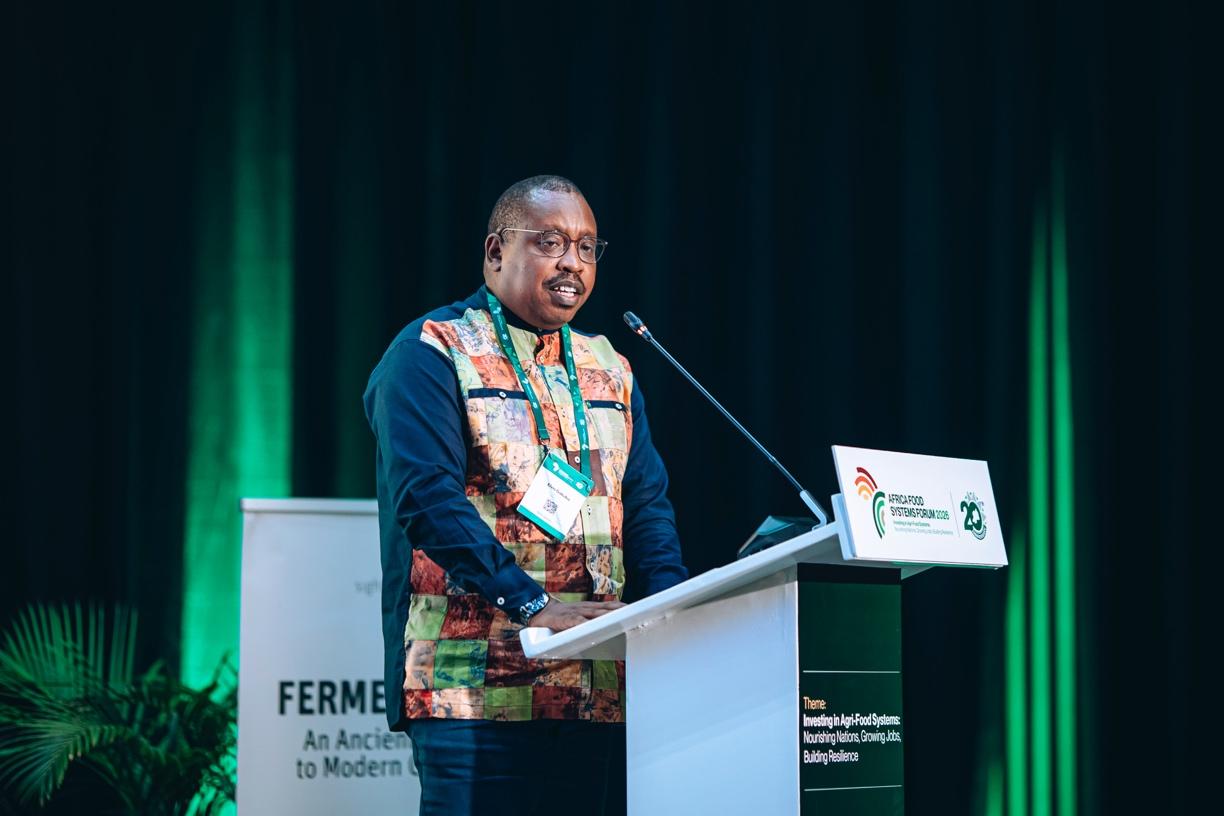
“Fermentation has long been part of how African communities produce, preserve and enjoy food. The opportunity now is to strengthen that foundation with better evidence, innovation and investment so it can contribute more to nutrition, livelihoods and resilience,” said Elvis Gakuba, Africa Director at Sight and Life. “We need to back fermentation as a practical, locally rooted pathway to healthier diets, stronger local economies and more resilient food systems,” he said.
Moving an African food tradition onto the food systems agenda
Discussions throughout the session underscored a central message that fermentation should not be viewed simply as a tradition to preserve, but as an existing part of African food systems whose potential can be strengthened through science, policy and investment.
Speakers explored the diversity of fermented foods already consumed across the continent and the opportunity to build on knowledge embedded within communities rather than beginning solely with solutions developed elsewhere.
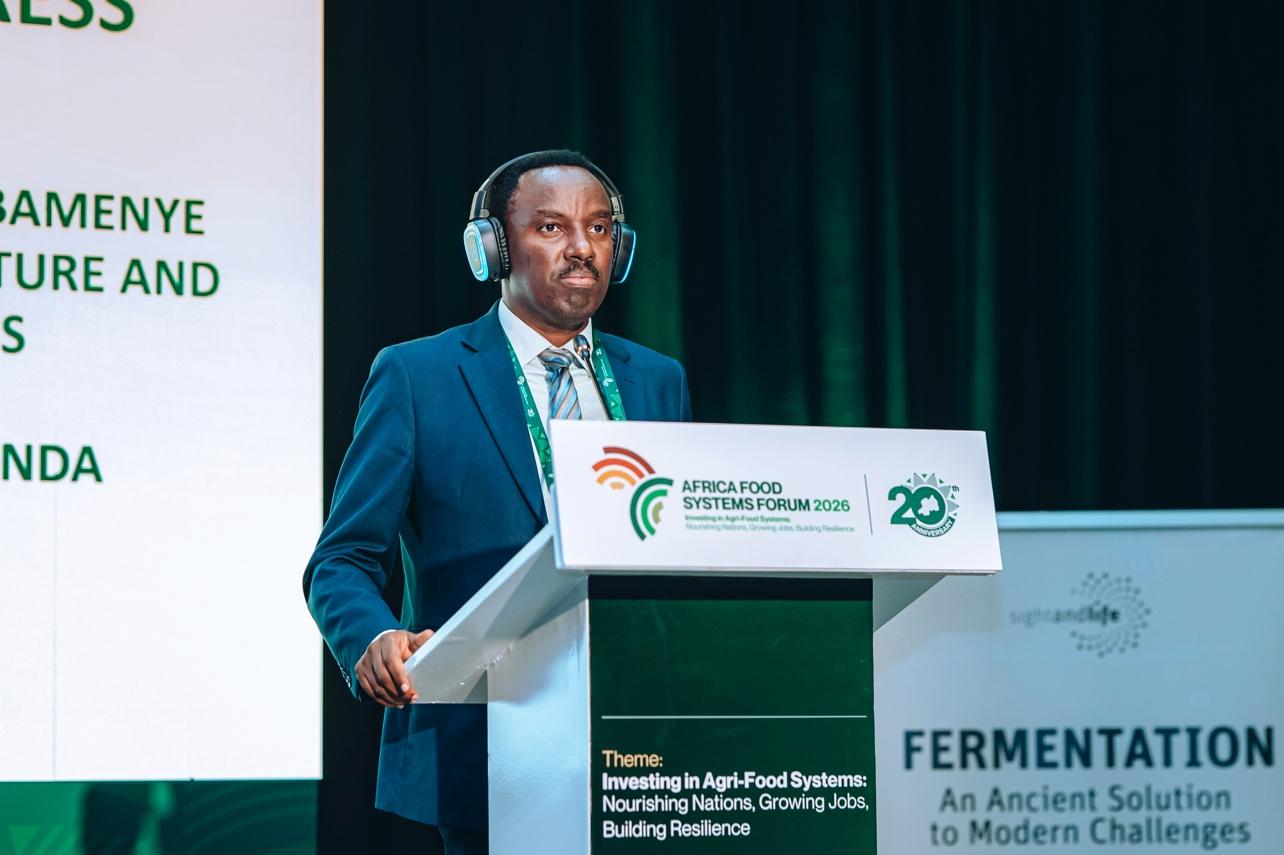
Speaking on behalf of Dr. Telesphore Ndabamenye, Minister of Agriculture and Animal Resources of Rwanda, Dr. Patrick Karangwa, Director General of Agriculture Modernization at the Ministry, highlighted the importance of recognising fermentation within the broader shift towards African-led food systems solutions.
“Fermentation is not a foreign solution being introduced to Africa. It is rooted in our own food traditions and communities,” said Dr. Karangwa. “The opportunity is to strengthen that knowledge through science, standards and policy so that it can contribute more deliberately to nutrition and food systems transformation. We welcome Sight and Life’s leadership in bringing this conversation to the African Food Systems Forum.”
The discussion also examined the practical role governments can play, including strengthening research, food composition data, food safety and quality standards, dietary guidance and other policies that create an enabling environment for fermented foods.
Nigeria: linking fermentation with food security and local value addition
Nigeria’s long history of fermented foods was another important focus of the dialogue.
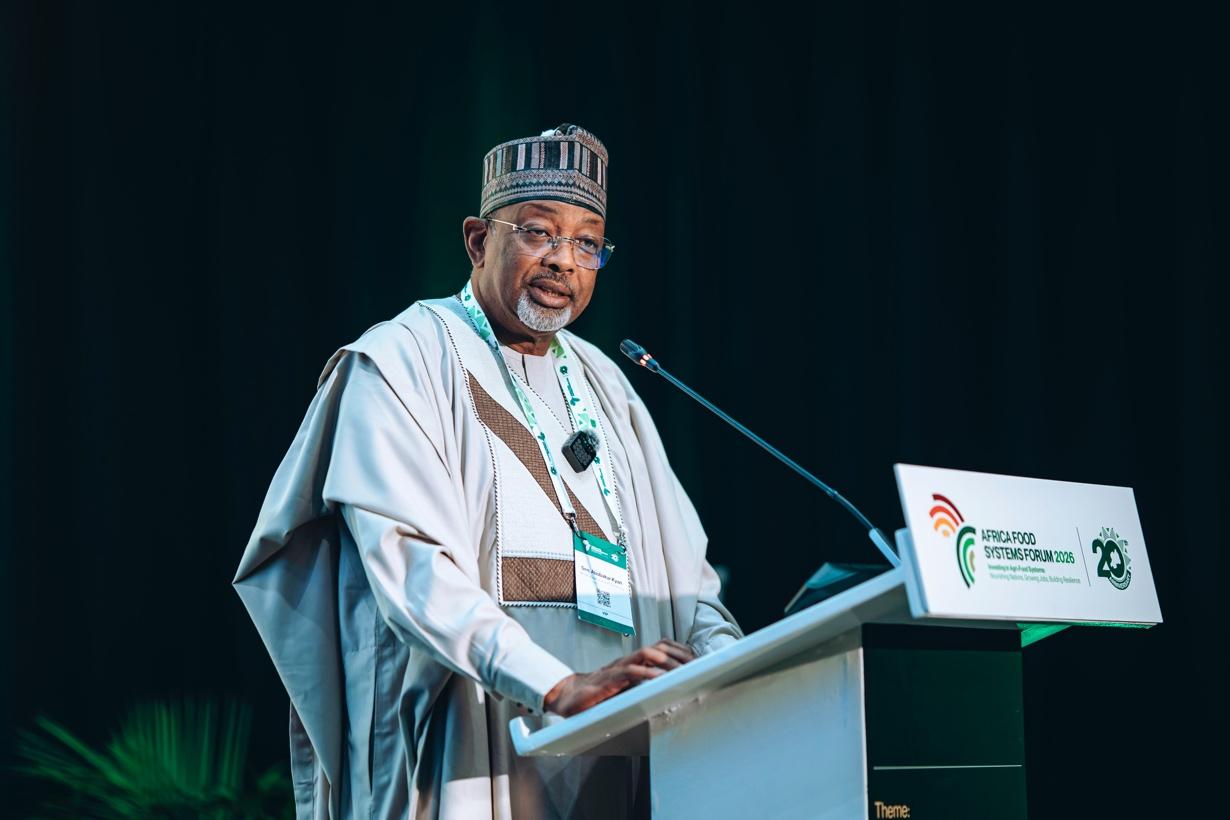
Senator Abubakar Kyari, CON, Minister of Agriculture and Food Security of Nigeria, highlighted the relevance of fermentation to Nigeria’s wider priorities around food security, domestic processing and agricultural value addition.
“Nigeria already has a rich diversity of fermented foods and generations of knowledge around how they are produced. The opportunity is to strengthen what already exists, through research, improved processing, standards, innovation and stronger markets,” said Senator Kyari. “This can create opportunities for better nutrition, for farmers, processors, women entrepreneurs and local businesses throughout our food value chains.”
Speakers emphasised that women are particularly important to this agenda. Across many African communities, women play a central role in the production, processing and sale of fermented foods. Expanding access to finance, technology, markets and business support could therefore enable fermentation to contribute more strongly to both nutrition and women’s economic participation.
A Global South solution rooted in existing knowledge
The session also drew attention to Ethiopia’s extensive fermentation heritage, including foods such as injera that have long been central to diets and culture.
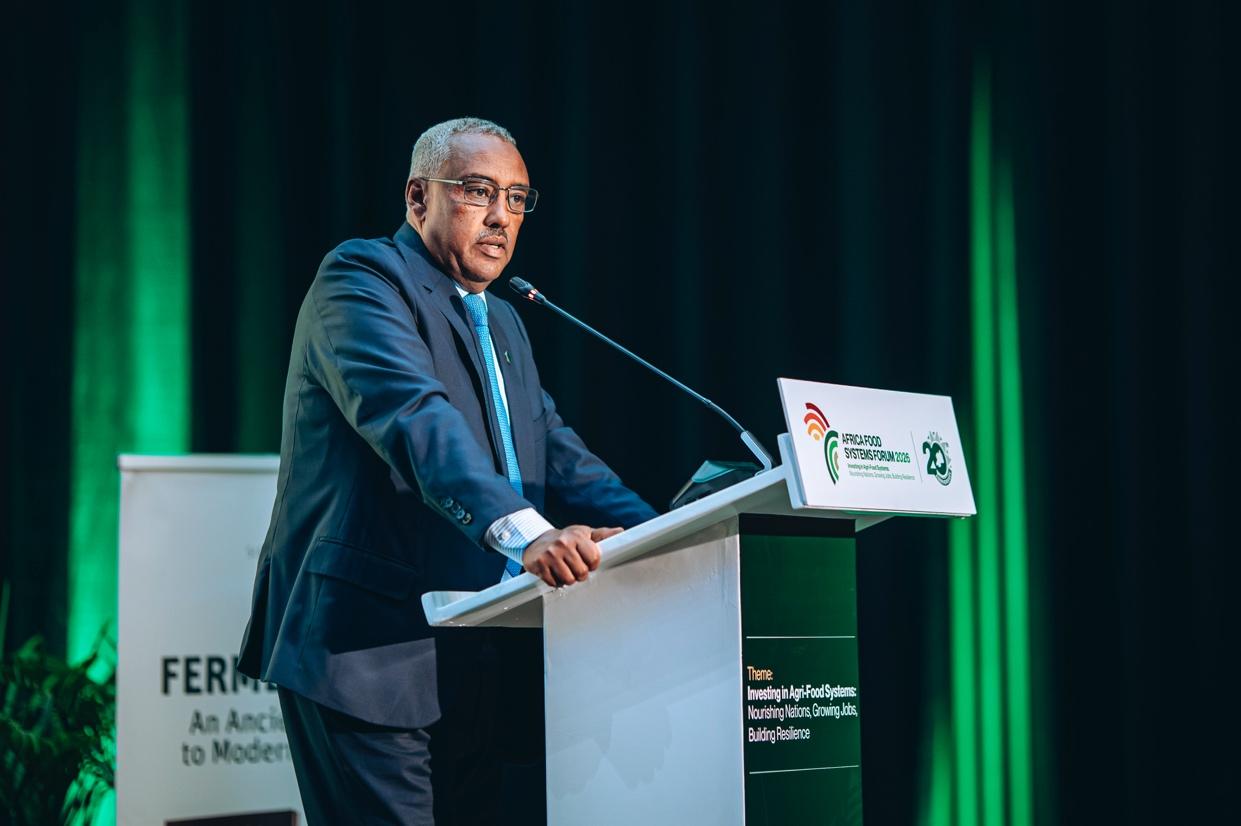
Demeke Mekonnen Hassen, former Deputy Prime Minister of Ethiopia and Founder and Board Chairperson of YADAM Foundation, argued that fermentation demonstrates the value of looking within African food systems for solutions that can be strengthened through science.
“This is a strong example of an initiative emerging from the Global South and building on practices African communities have carried for generations,” said Demeke Mekonnen Hassen. “In Ethiopia, fermented foods are already deeply embedded in our diets and culture. The next step is to strengthen the research around them and create the policy, regulatory and investment environment that allows promising solutions to move to scale.”
He also reaffirmed YADAM Foundation’s interest in working with Sight and Life to strengthen research and explore how fermentation can contribute to nutrition and public health priorities in Ethiopia.
Bringing the evidence to Africa
A central part of the session was Sight and Life’s Special Report, Fermentation: An Ancient Solution to Modern Challenges.
The report brings together the science behind fermentation, examines barriers and opportunities for scale, presents experiences from low- and middle-income countries and outlines a framework for moving from evidence towards action.
At AFSF, Sight and Life shared key insights from the report with a high-level continental audience, while scientists at the session examined what is known, and what still needs to be understood about the nutritional and health potential of African fermented foods.
Dr. Elmer Nayra Ametefe, Senior Lecturer at the University of Ghana, stressed the need to strengthen Africa’s own evidence base.
“Africa’s fermented foods carry generations of knowledge, but science can help us understand their full potential,” said Dr. Ametefe. “By strengthening the evidence around their nutritional and health benefits, we can better position these foods as part of the solutions for healthier diets and stronger food systems.”
The conversation also highlighted the need for greater investment in characterising traditional fermented foods, understanding their composition and safety, and translating scientific findings into products, programmes and policies.
From evidence to investment
Speakers also discussed how funders, development partners and investors can support the evidence, innovation and partnerships needed to take fermentation to scale.
“At CIFF, we are pleased to support this work because it brings together three things that matter for scale: strong evidence, locally rooted solutions and the partnerships needed to move from research into practice. Fermentation is already part of people’s diets and communities; the opportunity now is to strengthen the evidence and enabling conditions so that its potential can be realised more widely and sustainably,” Anna Hakobyan, Chief Impact Officer and Executive Director, Nutrition, Children’s Investment Fund Foundation said.
That emphasis on locally relevant solutions was echoed by Zouera Youssoufou, Managing Director and CEO of the Aliko Dangote Foundation, who highlighted the importance of supporting solutions that can operate within existing food systems and reach communities at scale.
“For the Aliko Dangote Foundation, tackling malnutrition means backing solutions that are practical, locally grounded and capable of reaching people at scale,” said Youssoufou. “Fermentation offers that opportunity, building on foods Nigerians already know, produce and consume, while using evidence and innovation to unlock greater nutritional value, strengthen livelihoods and improve food and nutrition security.”
Participants agreed that moving fermentation to scale will require collaboration across sectors. Governments have a role in creating enabling policy and regulatory environments; researchers must continue strengthening the evidence; businesses and entrepreneurs can translate knowledge into products and markets; and philanthropic and development partners can help support innovation and de-risk early investment.
From conversation to action
Sight and Life used the AFSF session to call for fermentation to receive greater consideration within Africa’s nutrition and food systems agenda.
Rather than creating an entirely new solution, the opportunity lies in strengthening practices and foods that already exist, supporting them with the science, standards, investment and partnerships required to increase their contribution to nutrition, economic opportunity and resilient food systems.
“The question is no longer simply whether fermentation has potential,” Elvis Gakuba added. “The question is what we are prepared to do collectively, through research, policy, partnerships and investment, to unlock that potential. Kigali has helped move that conversation forward, and our focus now must be on turning that momentum into action.”
Sight and Life is expected to continue working with governments, researchers, philanthropic organisations and other partners to strengthen the evidence around fermented foods and identify pathways towards responsible scale.
About Sight and Life
Sight and Life is a Swiss-based innovation and systems-transformation foundation, working to end malnutrition and build resilient food systems. Founded four decades ago on the belief that better evidence can improve lives, we bridge science, governments, markets and communities to turn nutrition research into solutions that reach people at scale.
About the Africa Food Systems Forum
The Africa Food Systems Forum is a leading continental platform for African agriculture and food systems, bringing together governments, businesses, researchers, development partners, farmers and other stakeholders to advance practical action on food systems transformation.
Its mission is to inform, influence and catalyse the transition to sustainable, resilient and inclusive food systems across Africa, with a strong focus on investment, policy reform, women and youth.
For the 2026 edition, the Forum is being held in Kigali, Rwanda, under the theme “Investing in Africa’s Agri-Food Systems: Nourishing Nations, Growing Jobs, Building Resilience.”
Leave a Reply