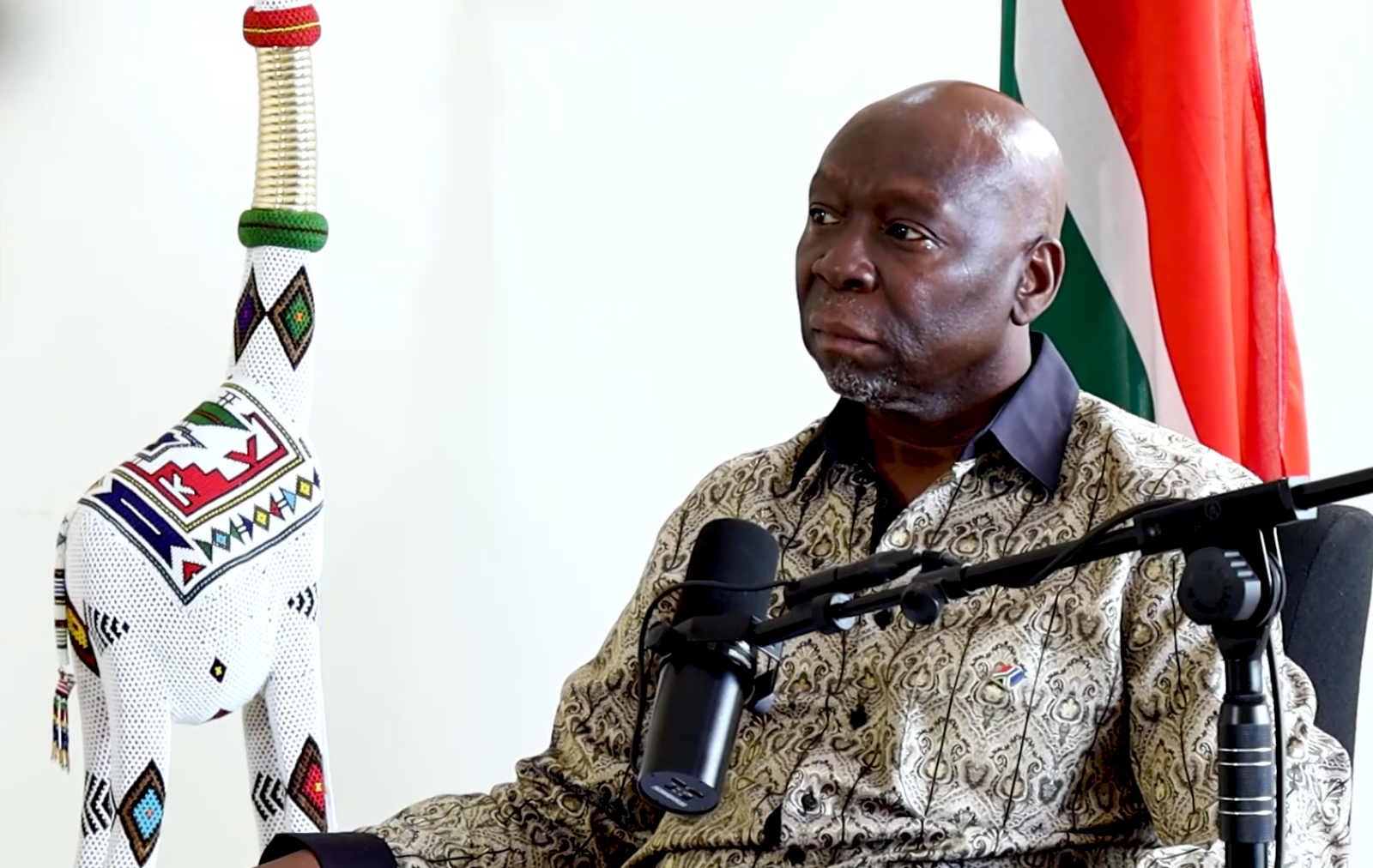
Hlungwane made the remarks in an interview with The Context podcast by The New Times, as Rwanda and South Africa work to restore diplomatic relations following years of tensions.
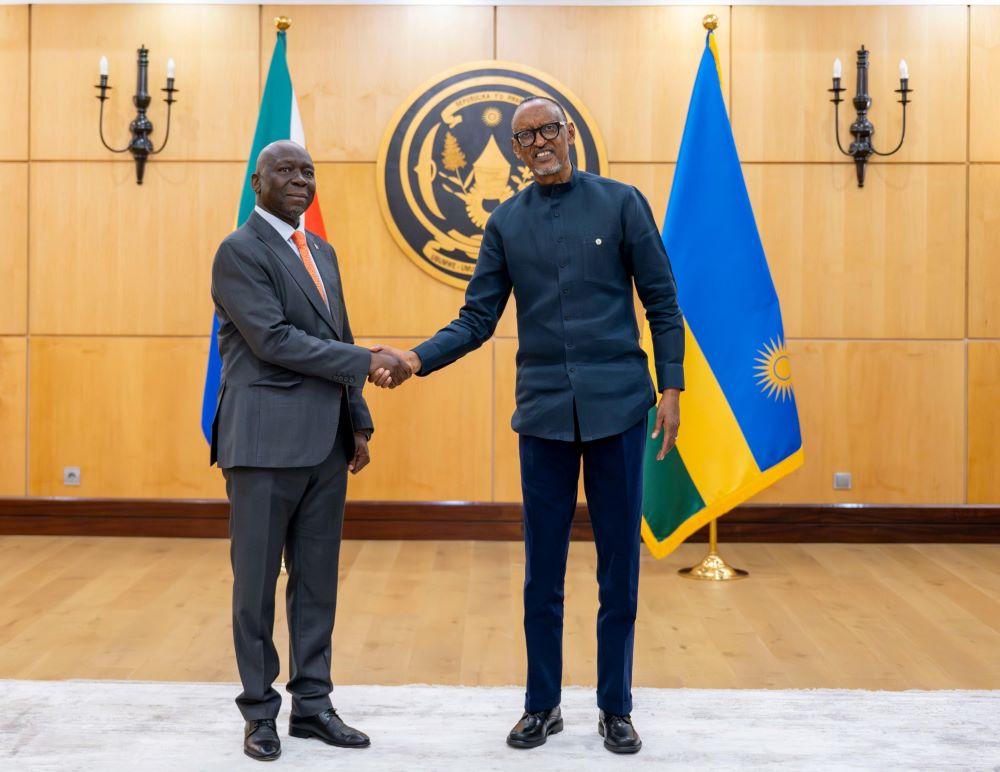
The interview was held a few days after Hlungwane and four other diplomats presented their credentials to President Paul Kagame, formally accrediting them to represent their respective countries and international organisations in Rwanda.
South Africa last had an ambassador in Rwanda in late 2024, when Mandisi Bongani Mabuto Mpahlwa completed his term. He had arrived in Rwanda in 2020.
For years, Rwanda has repeatedly raised concerns over cooperation between FDLR and the Congolese government forces, as well as the group’s persistent genocidal ideology, concerns it says have been downplayed by the international community.
“We know that every country has their threat and they have a right to defend themselves against any threat. And then we believe FDLR is not just a threat to Rwanda; it’s the existential threat,” High Commissioner Hlungwane said.
He added that South Africa recognised Rwanda’s right to protect itself against the group, which he said was among the issues addressed in agreements aimed at resolving the conflict in eastern Democratic Republic of Congo (DRC).
Hlungwane pointed to the Washington agreement, which includes provisions requiring the DRC to stop supporting the FDLR and work towards its neutralization. He said the lack of progress in implementing this commitment remained a concern.
“Rwanda has a right to protect itself and their territorial integrity from being destabilised by such a threat, whether it’s aided by the neighbouring country or by other external actors,” he said.
The High Commissioner’s remarks come as the two countries seek to rebuild relations that deteriorated around 2014.
Their foreign affairs ministers met in June 2026 and agreed on a roadmap to normalise diplomatic relations, including resuming visa issuance to ordinary Rwandan passport holders within 12 months and reactivating the Joint Commission on Cooperation.
Hlungwane said the renewed engagement would provide an opportunity for both countries to address sensitive matters, including legal and security concerns.
“There’s no process like that. We are open. It’s going to be an open commission. Each country is open to raise whatever issue they want discussed,” he said, adding that the commission would involve relevant government departments, including those responsible for justice and security.
On questions surrounding Rwandan dissidents living in South Africa, Hlungwane said his country would not allow individuals or groups to use its territory to mobilise efforts to overthrow another government.
“As a country we have a policy that we will never allow any group to mobilise to overthrow another country under our watch,” he said.
He explained that South Africa also had to observe its international obligations, including those relating to refugees, while addressing legal questions through appropriate judicial and international mechanisms.
Hlungwane said the two countries’ justice departments could discuss such matters through the planned commission, adding that South Africa would not hesitate to act where applicable international legal obligations required it to do so.
The High Commissioner also addressed South Africa’s role in the Southern African Development Community Mission in the DRC (SAMIDRC), saying the mission’s original purpose was to protect civilians but that events on the ground complicated its implementation.
He said South Africa eventually withdrew its troops and emphasised that his country believed the conflict required dialogue among Congolese stakeholders.
“We believe that DRC people must come together, must have a dialogue, must solve their own problems, and ourselves and even Rwanda can assist them in doing that,” he said.
South Africa withdrew troops from DRC in 2025, and were given passage through Rwanda after AFC/ M23 captured Goma.
Hlungwane called for an inclusive national dialogue in the DRC, arguing that a lasting solution must emerge from discussions involving Congolese stakeholders, with the African Union playing a facilitative role.
He said stronger cooperation between Rwanda and South Africa could help advance peace and development across the continent, adding that the two countries had a shared interest in strengthening African institutions and resolving regional conflicts through dialogue.
Leave a Reply