The landmark step follows years of mass screening, free treatment, and aggressive vaccination campaigns that have drastically reduced infections across the country.
Data from RBC shows that nearly 11 million Rwandans have been screened for Hepatitis C over the past eight years, with roughly 63,000 infected individuals receiving curative treatment. Over the same period, 6.5 million people were tested for Hepatitis B, with over 5,000 diagnosed and placed on life-saving antiretroviral therapy.
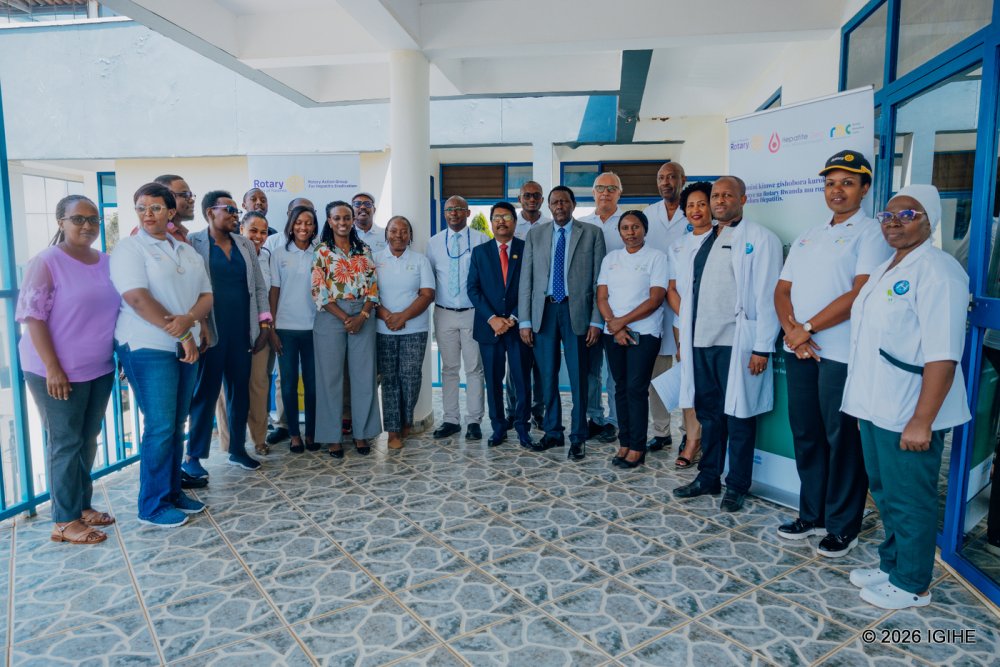
The announcement was made on Tuesday, July 28, during World Hepatitis Day national commemorations held at Hôpital La Croix du Sud in Kigali.
Dr. Charles Berabose, Director of Sexually Transmitted Infections and Other Blood-Borne Infections at RBC, confirmed that Rwanda has fulfilled the requirements to submit its official validation dossier to the WHO.
“To earn WHO validation, a country must screen at least 80 percent of its target population, treat over 70 percent of confirmed cases, guarantee 100 percent blood safety through mandatory donor screening, and equip health facilities nationwide with reliable testing tools. Rwanda has met all these standards,” Dr. Berabose said.
Rwanda launched its National Hepatitis C Elimination Plan in December 2018, bringing diagnostic testing and direct-acting antiviral treatments down to local health centres nationwide.
As a result, Hepatitis C prevalence in the general population dropped from 4 percent in 2017 to 0.17 percent in 2026. Over the same period, Hepatitis B prevalence declined from 3 percent to 0.26 percent.
To stop mother-to-child transmission, Rwanda has also strengthened its routine childhood immunization drive. Building on earlier adult vaccination campaigns, the government introduced a universal birth-dose Hepatitis B vaccine in January 2026, ensuring newborns receive their first shot within 24 hours of birth.
Rotary partnership
As Rwanda shifts focus toward targeted screening for high-risk groups, civil society organizations are stepping in to support the final phase of the campaign.
Rotary Club Rwanda has partnered with RBC to back screening efforts among vulnerable cohorts, including healthcare workers, prison inmates, refugees, and people living with HIV. The organization will also donate testing kits and support public education campaigns.
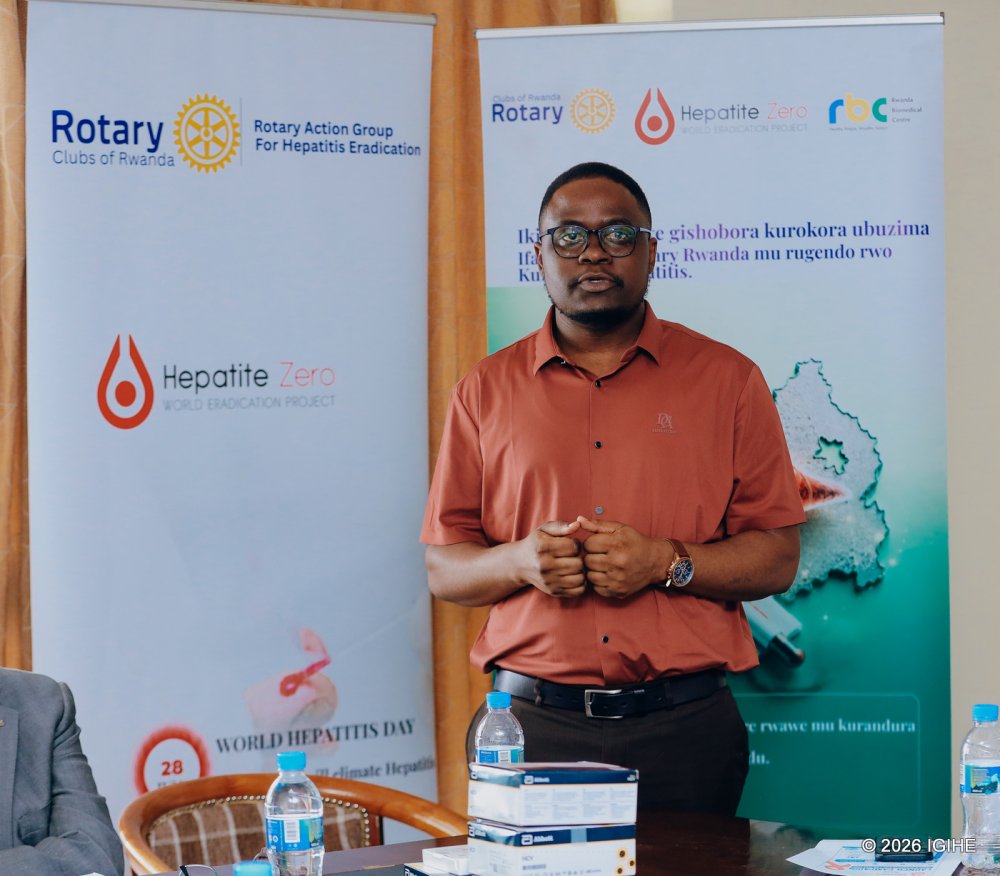
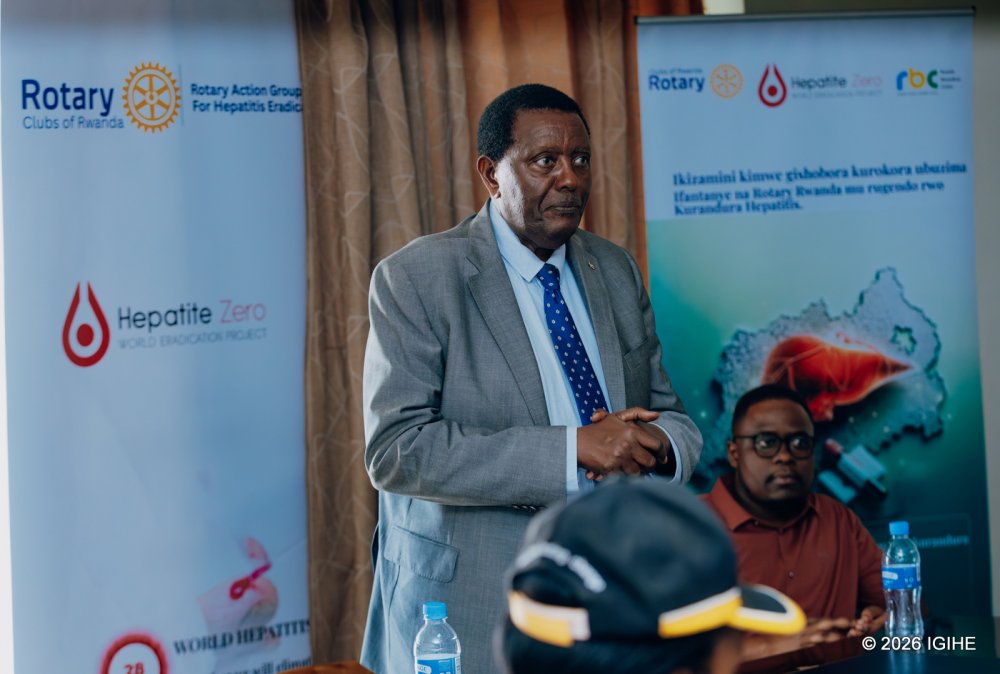
Dr. Alexis Muderevu, Rotary Action Group National Commission Chair for Rwanda Hepatitis B and C Zero campaign, commended the country’s progress, noting that Rwanda is well ahead of international benchmarks.
“Rotary International is supporting African countries in the fight against viral hepatitis. Rwanda is already far ahead of many others because of its commitment. Rather than watching from the sidelines, we want to join Rwanda in this final stretch so that together we can eliminate hepatitis completely,” Dr. Muderevu said.
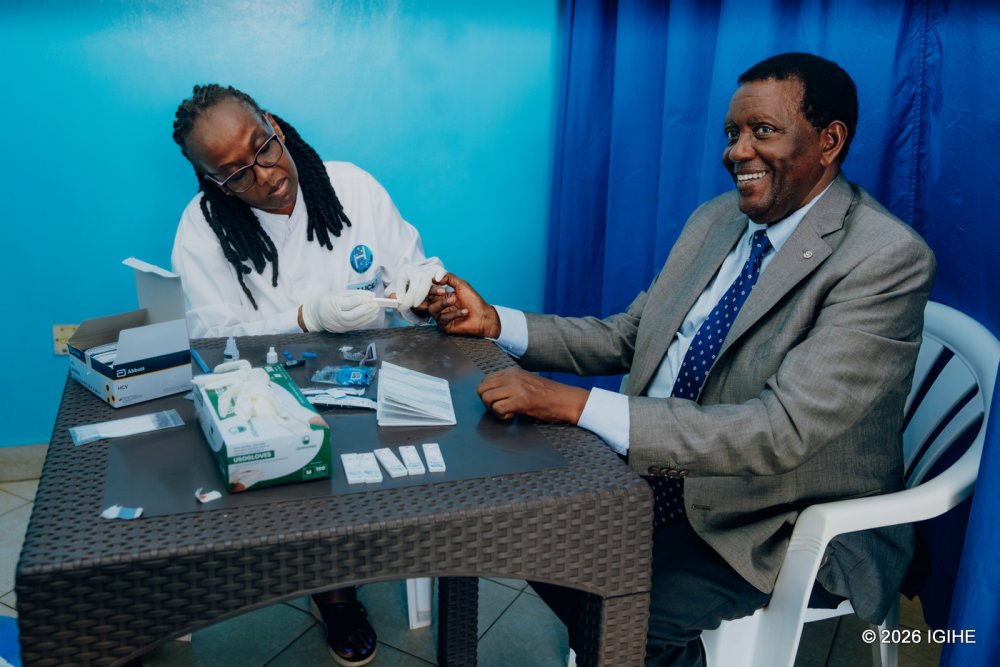
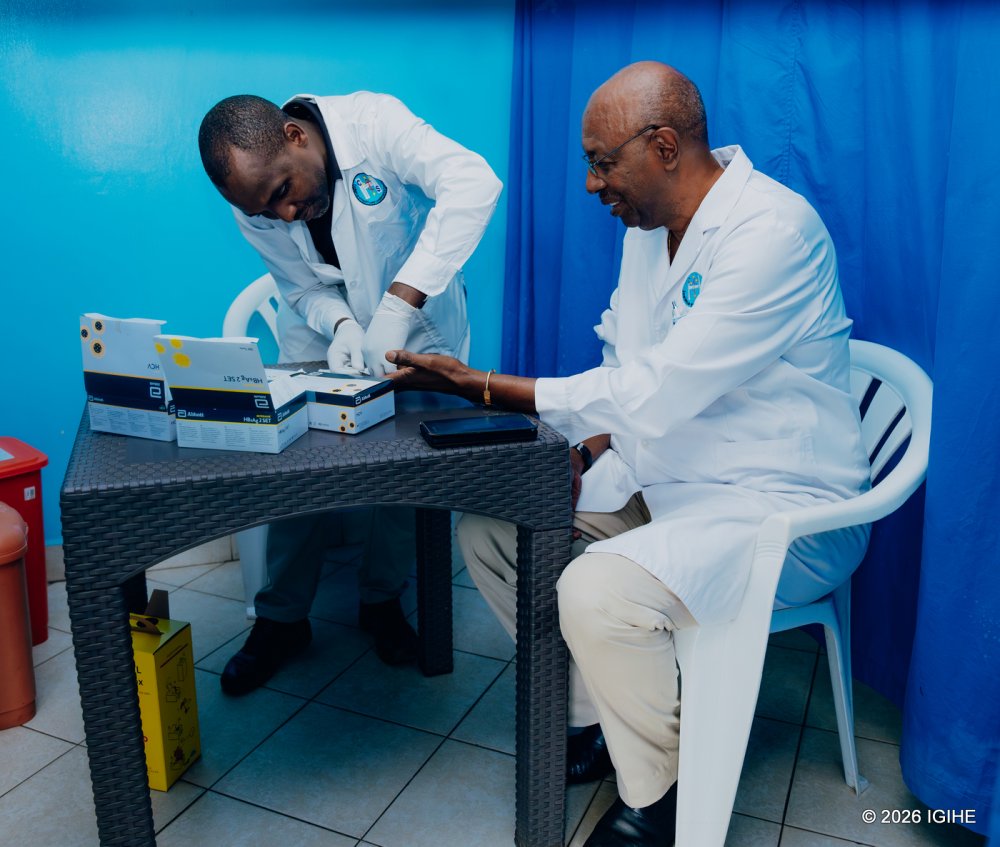
The partnership kicked off with screening for medical personnel at Hôpital La Croix du Sud to ensure health workers know their status before leading community outreach programs.
Marc Kwizera, a healthcare worker at the hospital, stressed the importance of medical staff setting an example.
“It is crucial that health workers are screened first. Knowing our status gives us peace of mind and allows us to safely care for our patients while encouraging the public to get tested,” he said.
Rwanda remains well on track to achieve the WHO target of eliminating viral hepatitis as a major public health threat ahead of the global 2030 deadline.
Leave a Reply