The number of fraud cases declined to 2,879 in the second quarter from 4,128 during the same period in 2025.
The amount involved also fell by 26%, from Rwf637 million in the second quarter of 2025 to Rwf471 million in the same period this year.
However, only 3.6% of the amount involved in fraud during the second quarter had been recovered, highlighting the continued challenge of tracing and recovering funds after fraudulent transactions.
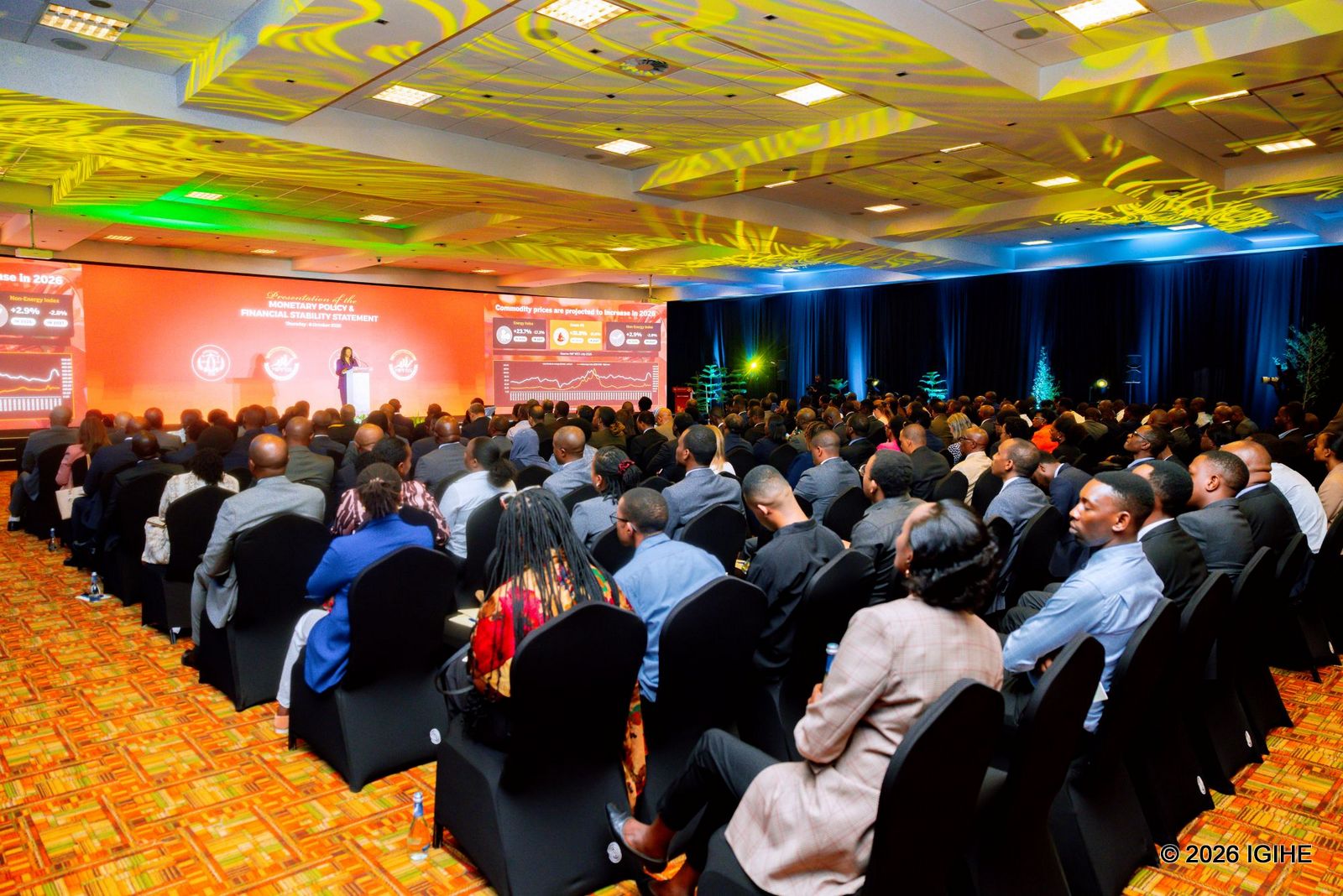
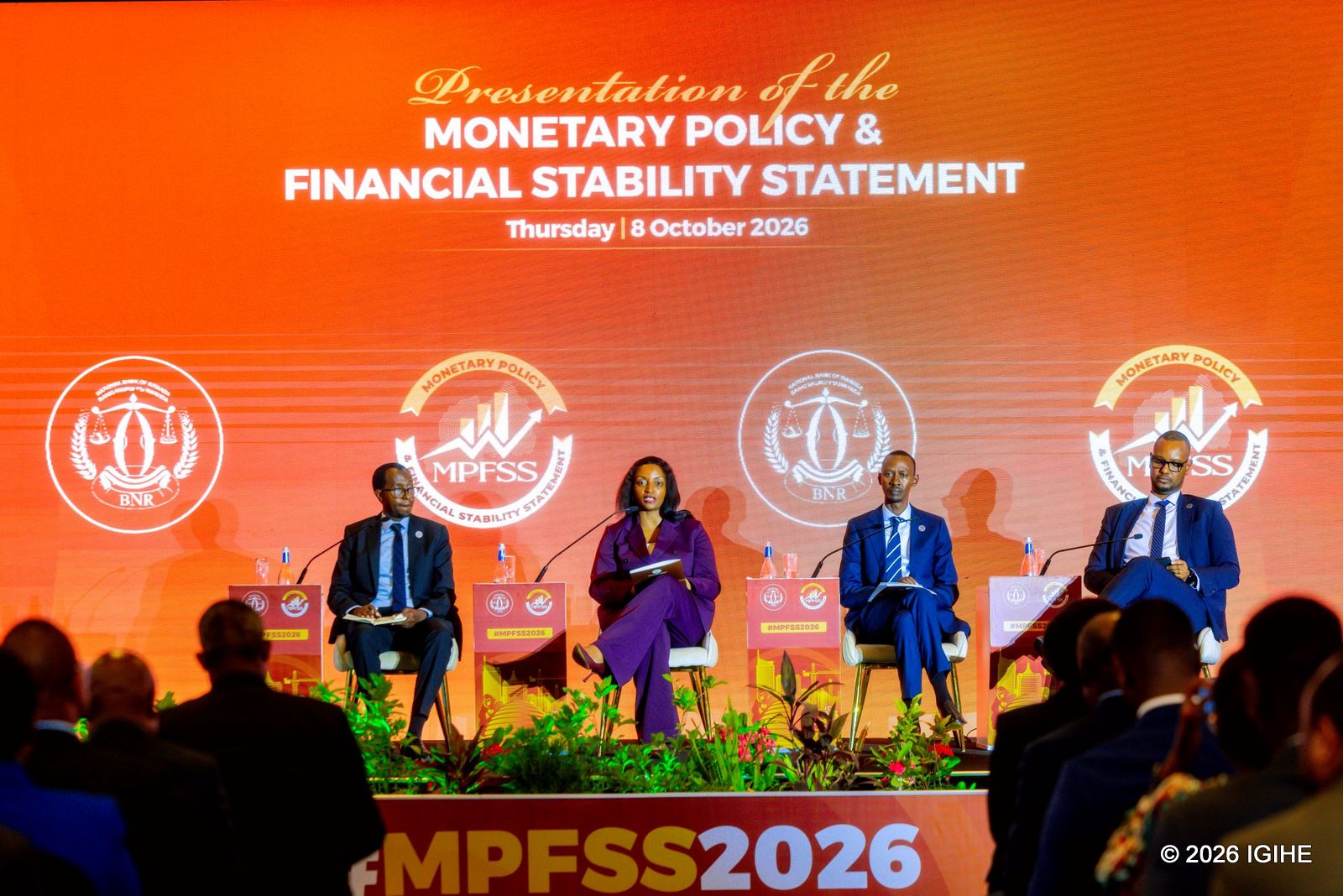
BNR Governor Soraya Hakuziyaremye presented the figures on Thursday, October 8, during the presentation of BNR’s second Monetary Policy and Financial Stability Statement for 2026 at the Kigali Serena Hotel.
Hakuziyaremye said fraud and cyber risks remain key operational concerns as the use of digital financial services continues to expand.
“With digitization, one of our key operational concerns is around fraud and cyber fraud,” Hakuziyaremye stressed.
Governor Hakuziyaremye said the number of fraud cases declined to 2,879 in the second quarter from 4,128 during the same period in 2025.
The decline in fraud comes as digital payments grow rapidly across the country.
The value of electronic payments reached the equivalent of 341% of GDP in the first half of 2026, up from 321% during the same period last year.
Retail payments also increased by 36% to Rwf27.8 trillion in the first six months of 2026, from about Rwf20.4 trillion a year earlier.
Mobile payments were among the key drivers of the growth in digital transactions.
BNR has continued to strengthen measures to address fraud and other risks linked to the rapid adoption of digital financial services, including enhanced electronic know-your-customer requirements and closer monitoring of payment service providers.
The central bank has also urged users to remain vigilant against scams, with social engineering and other deceptive tactics continuing to be used to trick customers into authorising fraudulent transactions.
Financial outlook
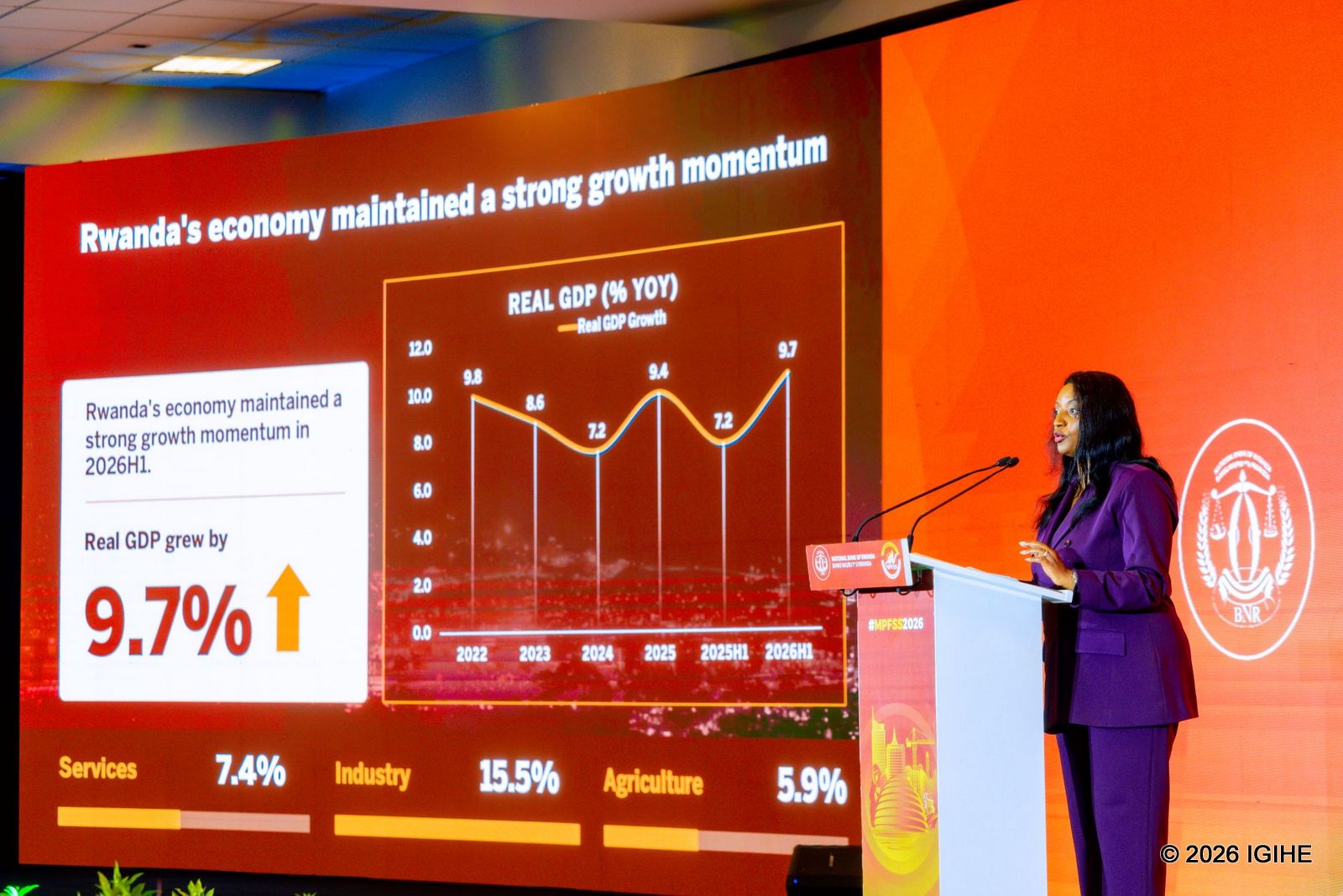
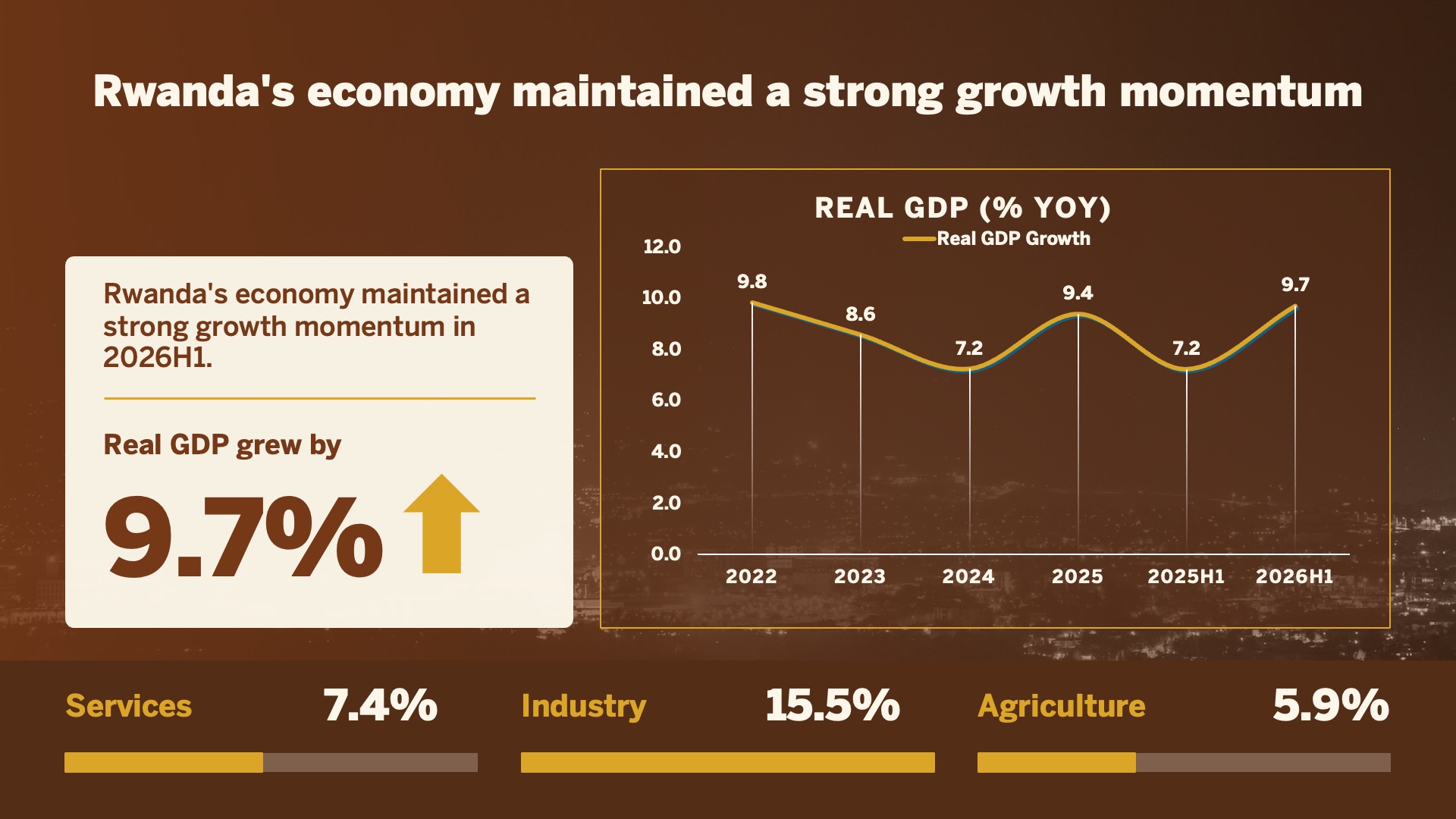
In the period under review, the economy grew by 9.7% with industry leading growth, followed by services. The central bank expects the economy to grow by 7.8% for the full year.
Rwanda’s economy grew by 9.7% in the first half of 2026.
However, inflation remained a key concern, averaging 11.2% in the first half of the year before rising to 15.7% in August, driven mainly by higher food, energy and transport prices. BNR expects inflation to average about 13.9% in 2026 before easing below the upper target band of 8% in the second half of 2027.
The financial sector also continued to expand, with total assets rising by nearly 23% to Rwf17.5 trillion in the first half of the year. Bank lending increased by 22% to Rwf6 trillion.
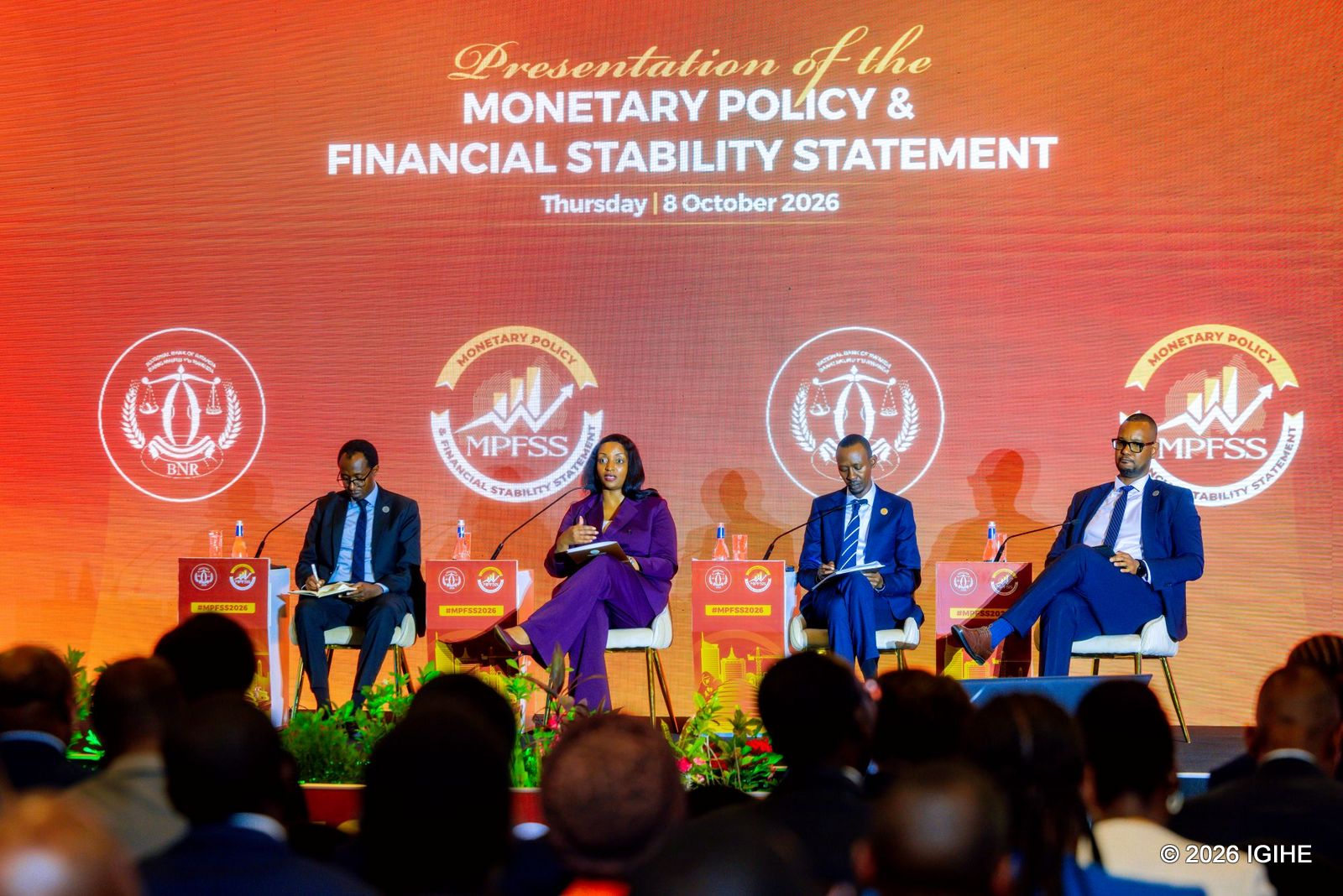
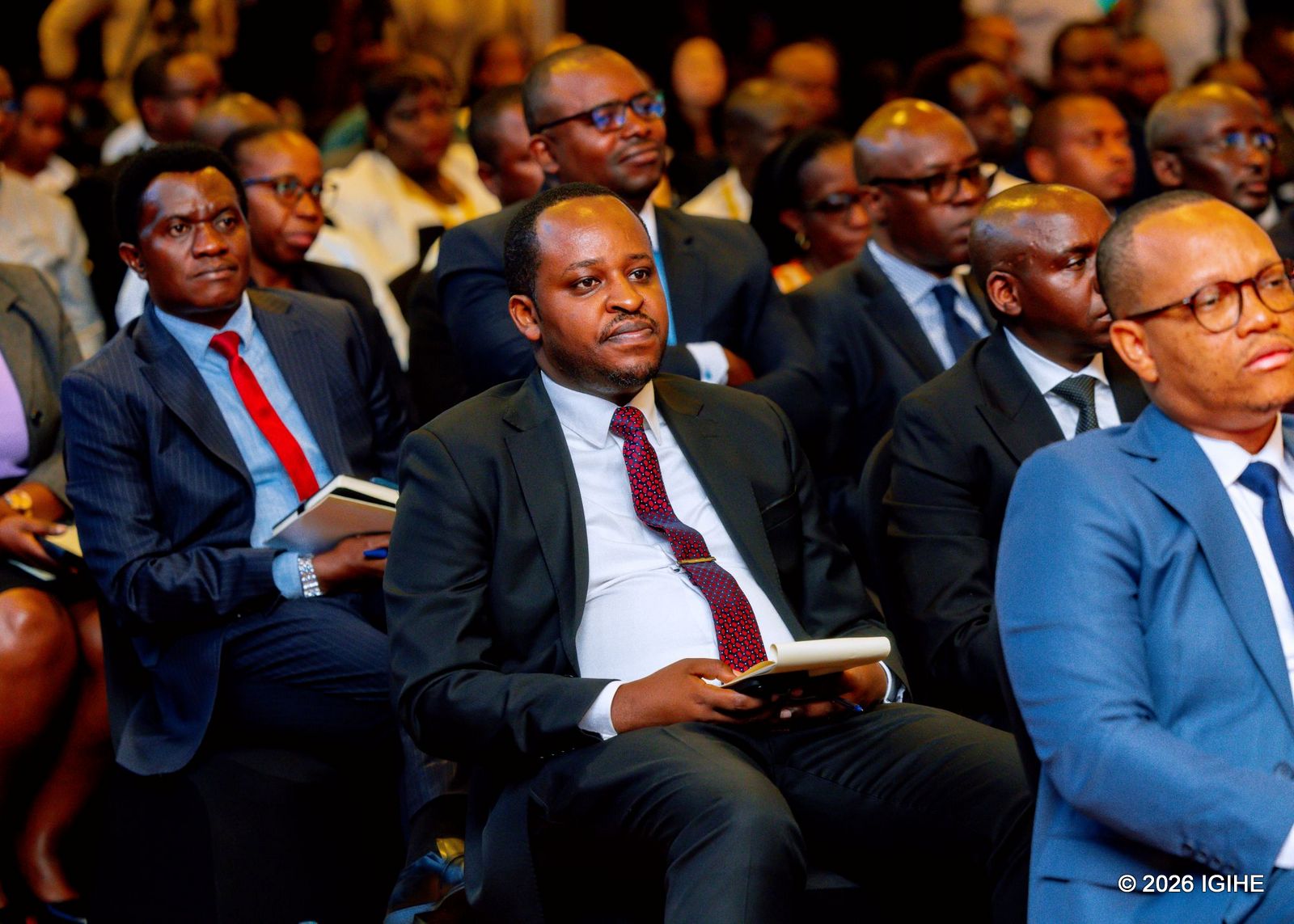
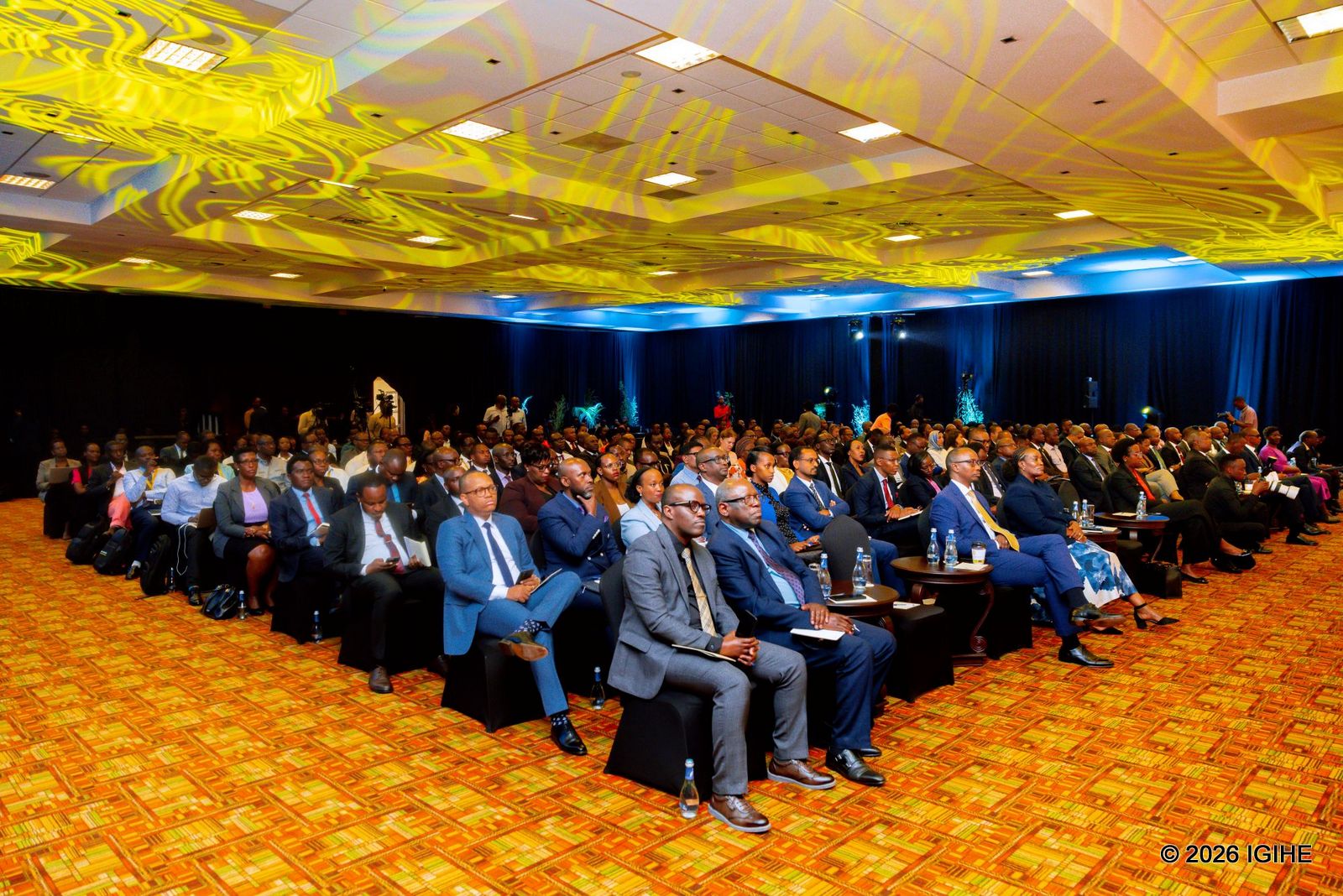
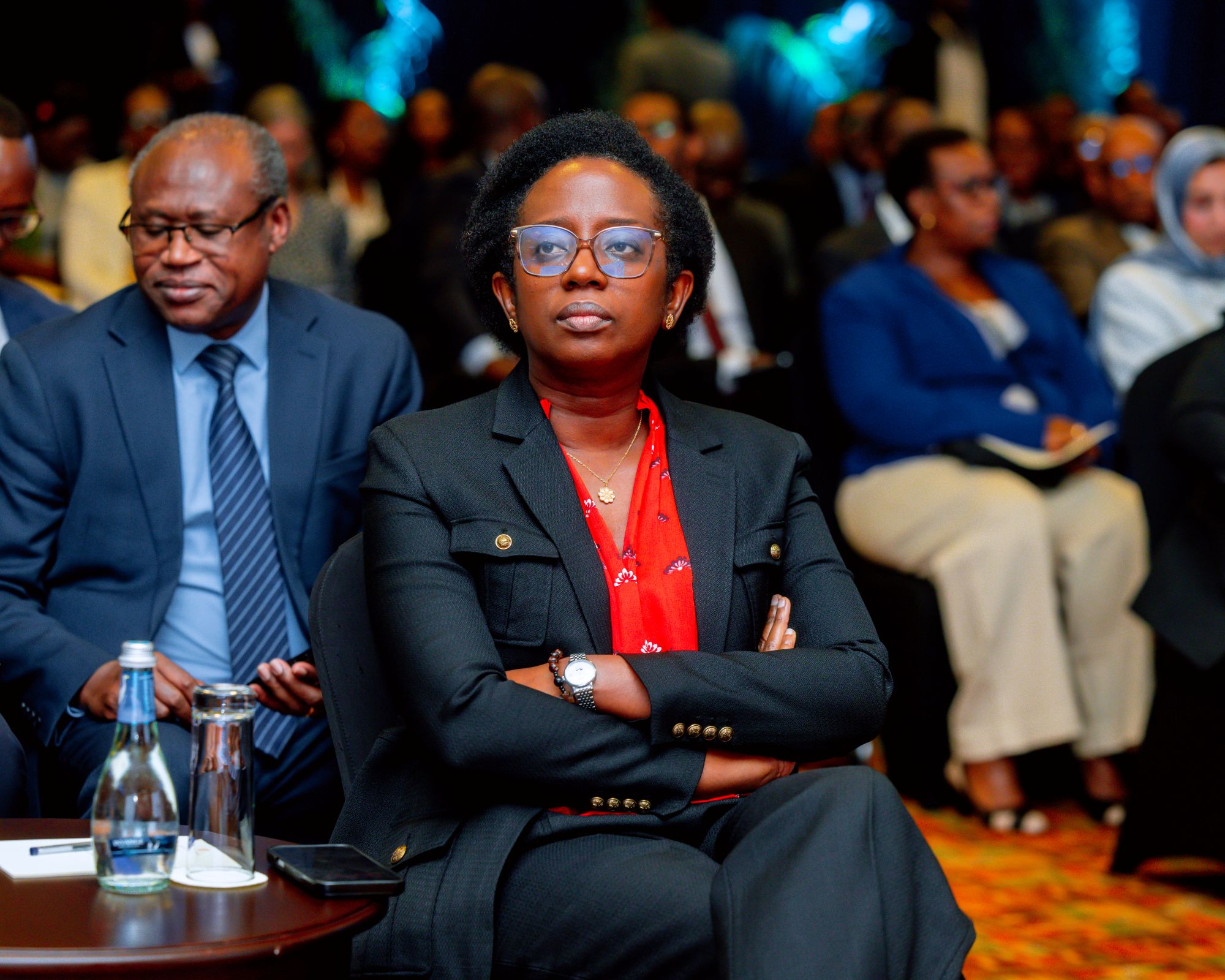
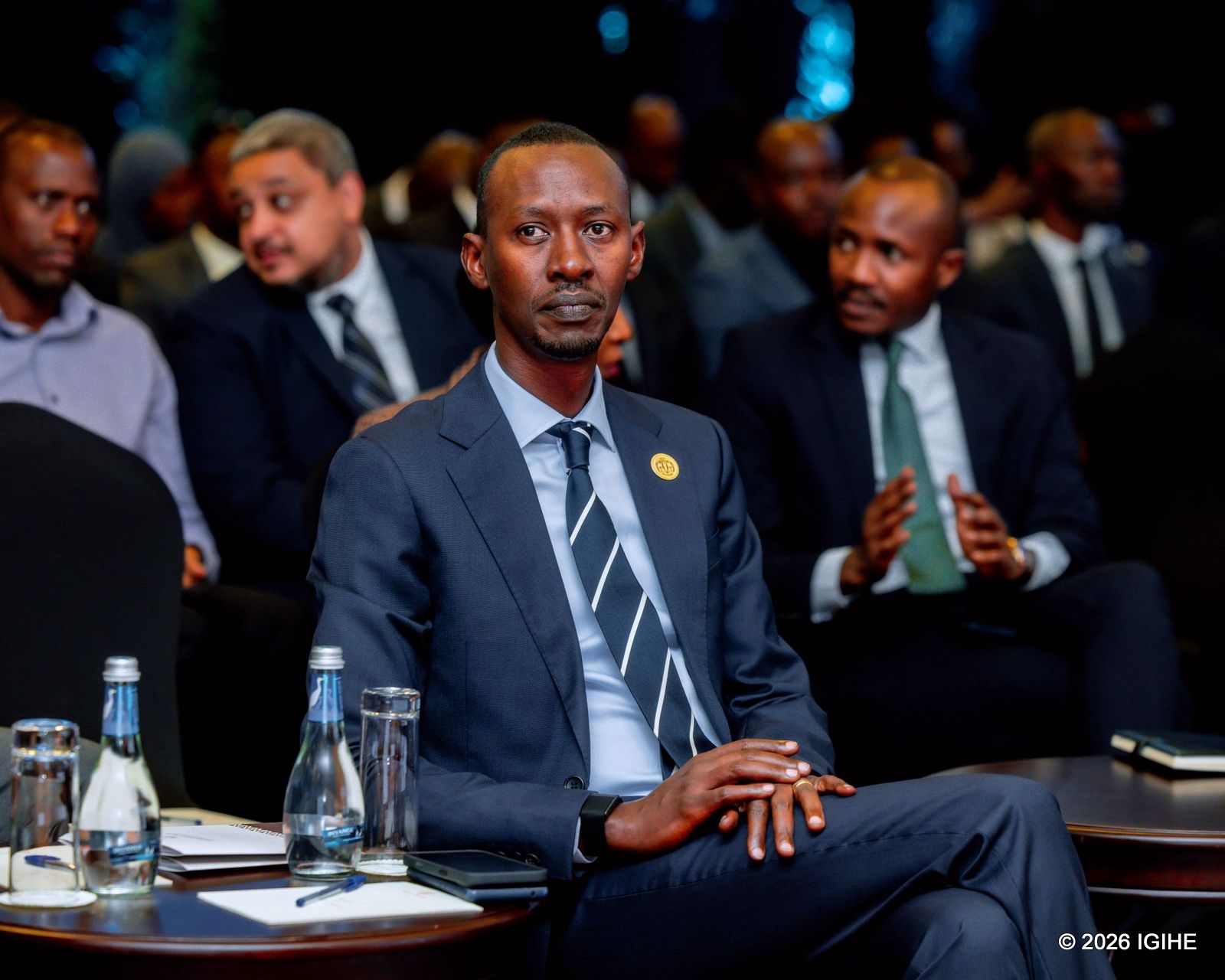
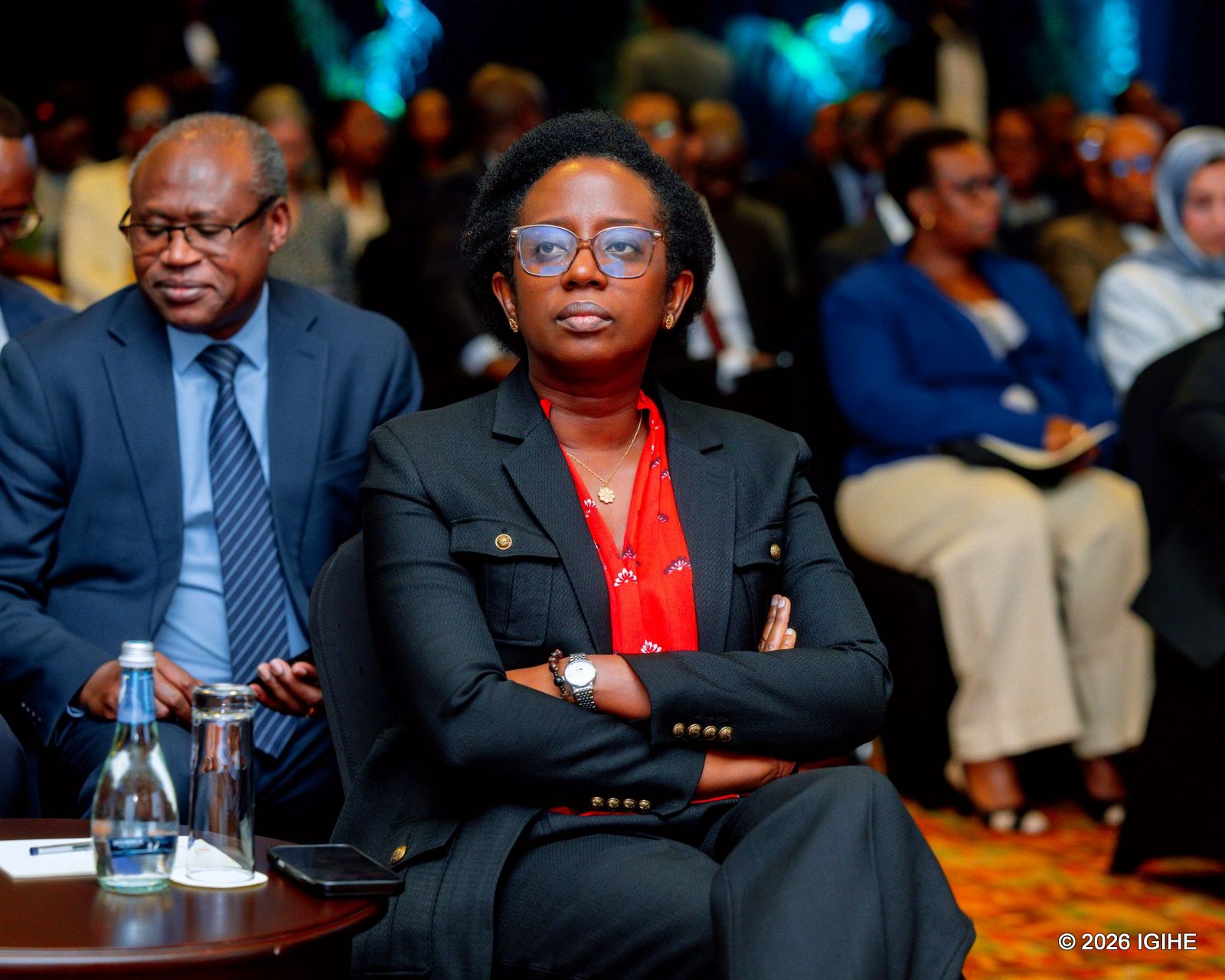
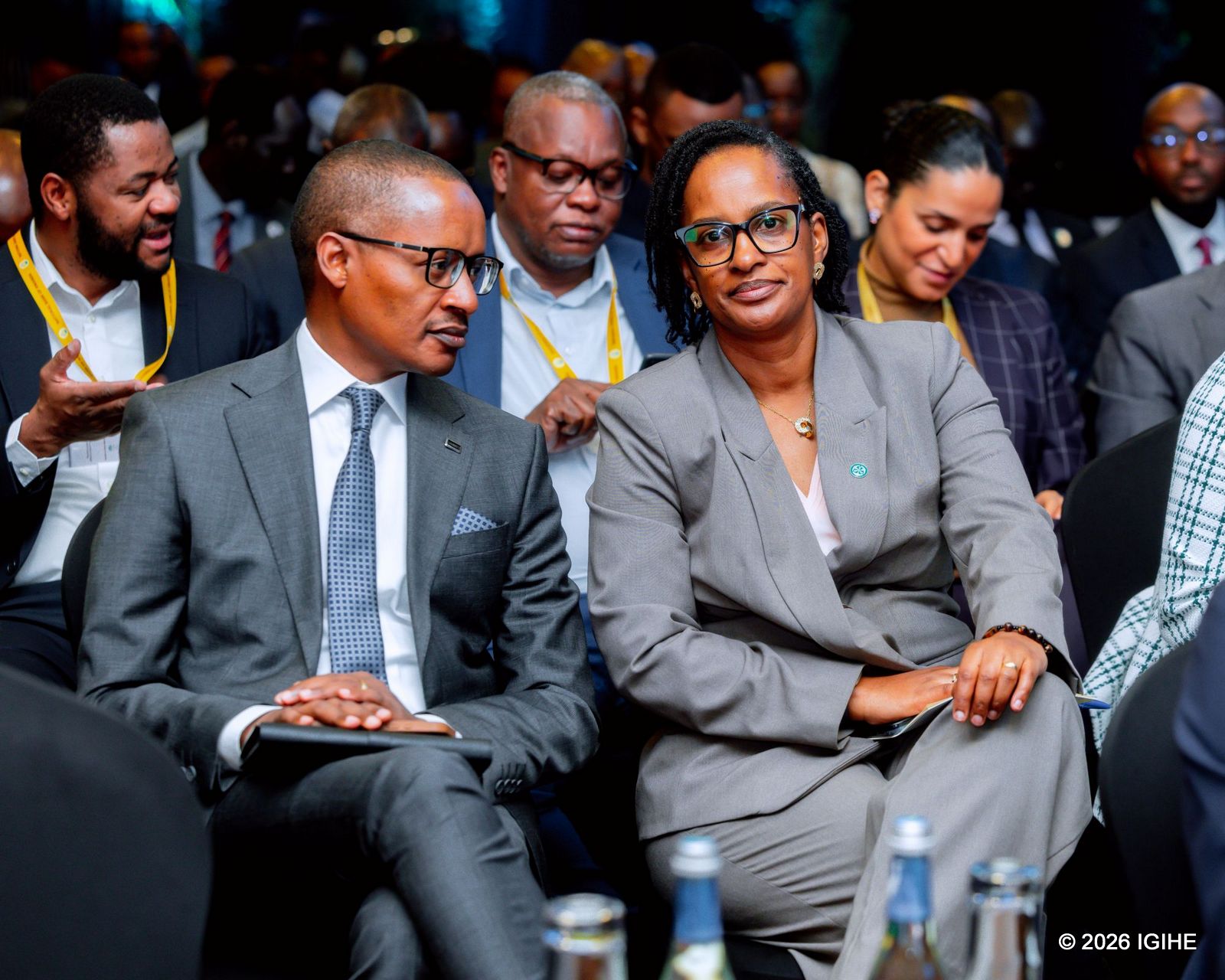
BNR Governor Soraya Hakuziyaremye presented the figures on Thursday, October 8, during the presentation of BNR’s second Monetary Policy and Financial Stability Statement for 2026 at the Kigali Serena Hotel.The briefing brought together government officials, financial sector leaders, and development partners.Bank of Kigali CEO Dr Diane Karusisi follows the briefing.Nick Barigye, Deputy Governor of the National Bank of Rwanda, follows the presentation.
The platform is being developed by the National Bank of Rwanda (BNR) in partnership with the Rwanda Information Society Authority (RISA), the Ministry of Agriculture and the Ministry of Local Government, with support from Access to Finance Rwanda.
BNR Governor Soraya Hakuziyaremye announced the initiative on Thursday, October 8, during the Monetary Policy and Financial Stability Statement held at Kigali Serena Hotel.
She said the six-month pilot began in September and is being implemented through microfinance institutions Umutanguha Finance PLC and COPEDU, as well as Bank of Kigali and the Development Bank of Rwanda.
“The digital agriculture lending platform is aimed at providing smallholder farmers with loans digitally, but also reducing the turnaround time it takes for farmers to get access to loans,” Hakuziyaremye said.
The pilot will assess how digital technology can simplify the loan application and disbursement process before the platform is rolled out more widely in 2027.
The platform will enable farmers to apply for and receive loans digitally in under 48 hours.
According to BNR, a survey found that farmers currently wait about five to seven weeks to obtain agricultural loans, a delay the central bank considers unsuitable for the sector because farmers often need financing within specific production cycles.
The new platform is expected to allow farmers to apply for and receive loans digitally, cutting the process to less than 48 hours from application to disbursement.
The initiative comes as Rwanda seeks to expand access to formal credit for agriculture, which accounted for 5% of total lending in the first half of 2026, up from 3% a year earlier.
In nominal terms, lending to agriculture increased by 177% to Rwf57 billion during the period.
Despite the increase, Hakuziyaremye said agriculture lending remains below the level needed to adequately support the sector.
The digital platform is expected to address some of the barriers that have limited farmers’ access to formal credit, including lengthy application and approval processes.
The initiative is part of broader efforts by financial sector regulators and government institutions to use digital infrastructure to expand access to financial services.
BNR Governor Soraya Hakuziyaremye announced the initiative on Thursday, October 8, during the Monetary Policy and Financial Stability Statement held at Serena Kigali.
The announcement came as BNR presented an overview of Rwanda’s economic and financial performance during the first half of 2026.
The economy grew by 9.7% during the first six months of the year, with industry leading growth, followed by services. The central bank expects the economy to grow by 7.8% for the full year.
However, inflation remained a key concern, averaging 11.2% in the first half of the year before rising to 15.7% in August, driven mainly by higher food, energy and transport prices. BNR expects inflation to average about 13.9% in 2026 before easing below the upper target band of 8% in the second half of 2027.
The financial sector also continued to expand, with total assets rising by nearly 23% to Rwf17.5 trillion in the first half of the year. Bank lending increased by 22% to Rwf6 trillion.
The economy grew by 9.7% during the first six months of the year.
The briefing was attended by delegations from the central banks of Kenya, Uganda, Zambia, Tanzania, Egypt, Somalia, South Sudan and Sweden, which were visiting Rwanda for benchmarking
Hakuziyaremye said Rwanda’s financial system remains resilient, supported by adequate capital and liquidity buffers, while warning that geopolitical uncertainty, cyber risks and fraud remain key risks that the central bank will continue to monitor.
BNR said the results of the agricultural lending pilot will inform the planned nationwide rollout of the platform in 2027.
The BNR Governor presented an overview of Rwanda’s economic and financial performance during the first half of 2026.Nick Barigye, Deputy Governor of the National Bank of Rwanda, follows the presentation.The economy grew by 9.7% during the first six months of the year.Bank of Kigali CEO Dr Diane Karusisi follows the briefing.
The briefing was attended by delegations from the central banks of Kenya, Uganda, Zambia, Tanzania, Egypt, Somalia, South Sudan and Sweden, which were visiting Rwanda for benchmarking
The family made the announcement while sharing details of the arrangements for her funeral, asking those who wish to honour her memory to support survivors instead of sending flowers.
Gauthier is remembered for her efforts to help bring people suspected of involvement in the Genocide who had settled in France to justice. She worked alongside her husband, Alain Gauthier, in identifying suspects, gathering evidence and supporting legal proceedings against them.
Her funeral service will be held at Saint André Church in Reims, northeastern France, on the morning of October 12, followed by her burial in the afternoon.
Gauthier was born in 1954 in what was then Butare Prefecture. She met Alain Gauthier while he was working as a teacher in Rwanda, and they later married in France. The couple had three children.
She was living in France when the Genocide against the Tutsi took place in 1994. About 80 members of her family were killed, an experience that later drove her and Alain to pursue justice for victims.
The couple began their efforts in 1996 and, in 2001, founded the Collective of Civil Parties for Rwanda (CPCR), an organisation that has worked to identify and support the prosecution of people suspected of involvement in the Genocide who were living in France.
The organisation investigated the whereabouts of suspects, gathered evidence and testimonies relating to alleged crimes and submitted cases to French judicial authorities for investigation.
Among those whose cases were pursued with the couple’s involvement are Octavien Ngenzi, Tito Barahira, Dr. Sosthène Munyemana, Dr. Eugène Rwamucyo, Philippe Hategekimana, also known as Philippe Manier or Biguma, Laurent Serubuga and Pascal Simbikangwa.
The couple also pursued a case involving Agathe Kanziga, the widow of former President Juvénal Habyarimana, over allegations concerning her involvement in the planning and execution of the Genocide during its early stages. The investigation into her case was later discontinued.
Gauthier and her husband were recognised for their contribution to efforts to bring Genocide suspects to justice.
On November 18, 2017, President Paul Kagame awarded them the Impeta y’Igihango, an honour recognising outstanding contributions to strengthening relations and cooperation between countries.
The family’s decision to direct donations to vulnerable Genocide survivors reflects Gauthier’s long-standing commitment to supporting survivors and pursuing justice for those killed in the Genocide.
Dafroza Gauthier wil be buried in Reims on October 12, 2026.
During the five-day period, the country exported 9,656 tonnes of agricultural and livestock products to international markets.
Coffee generated the highest earnings among the individual products, with 609 tonnes bringing in $1.66 million. Tea exports amounted to 400 tonnes and generated $1.11 million.
Rwanda also exported 489 tonnes of vegetables worth $508,124, while 718 tonnes of fruits generated $674,055. Flower exports stood at 18 tonnes, earning $86,857.
Livestock products accounted for 285 tonnes of exports worth $558,518.
The largest volume was recorded under the category of miscellaneous products, with 7,137 tonnes exported and generating $5.34 million. The category also accounted for the largest share of the total export value during the period.
Rwandan agricultural and livestock products were exported to markets including China, the United Kingdom, France, the Netherlands, Germany, the United Arab Emirates, Belgium, South Africa, India and several other African countries.
Rwanda exported 9,656 tonnes of agricultural and livestock products to international markets in five days.
The proposed rule would establish a 70,000-U.S.-dollar fee per F-1 non-immigrant student for initial OPT and a 30,000-dollar fee per F-1 non-immigrant student for any subsequent OPT, according to a statement on the department’s website.
DHS is proposing the fees “to combat fraud and abuse, strengthen the integrity of the immigration system, and protect U.S. workers,” the statement said.
“Imposing this new fee structure on Optional Practical Training is the latest in a series of developments that creates deep uncertainty for international students,” NAFSA, the Association of International Educators, said in a statement.
“Driving away the talents, perspectives, and aspirations of international students will only hurt American innovation, economic growth, workforce development, and global leadership,” said Fanta Aw, executive director and CEO of NAFSA.
Since U.S. President Donald Trump returned to the White House, his administration has tightened immigration policies, cracking down on undocumented immigrants and increasing scrutiny of U.S. visa holders.
In September 2025, Trump signed a proclamation raising the fee that companies pay to sponsor H-1B applicants to 100,000 dollars. However, two federal judges have blocked the fee, one in June and another in late September.
The H-1B visa is a non-immigrant U.S. work visa that lets American companies hire foreign workers for specialized jobs.
In August, the DHS proposed a 103,265-dollar fee for H-1B cap-subject petitions, marking the agency’s latest move to restrict the visa program on new grounds.
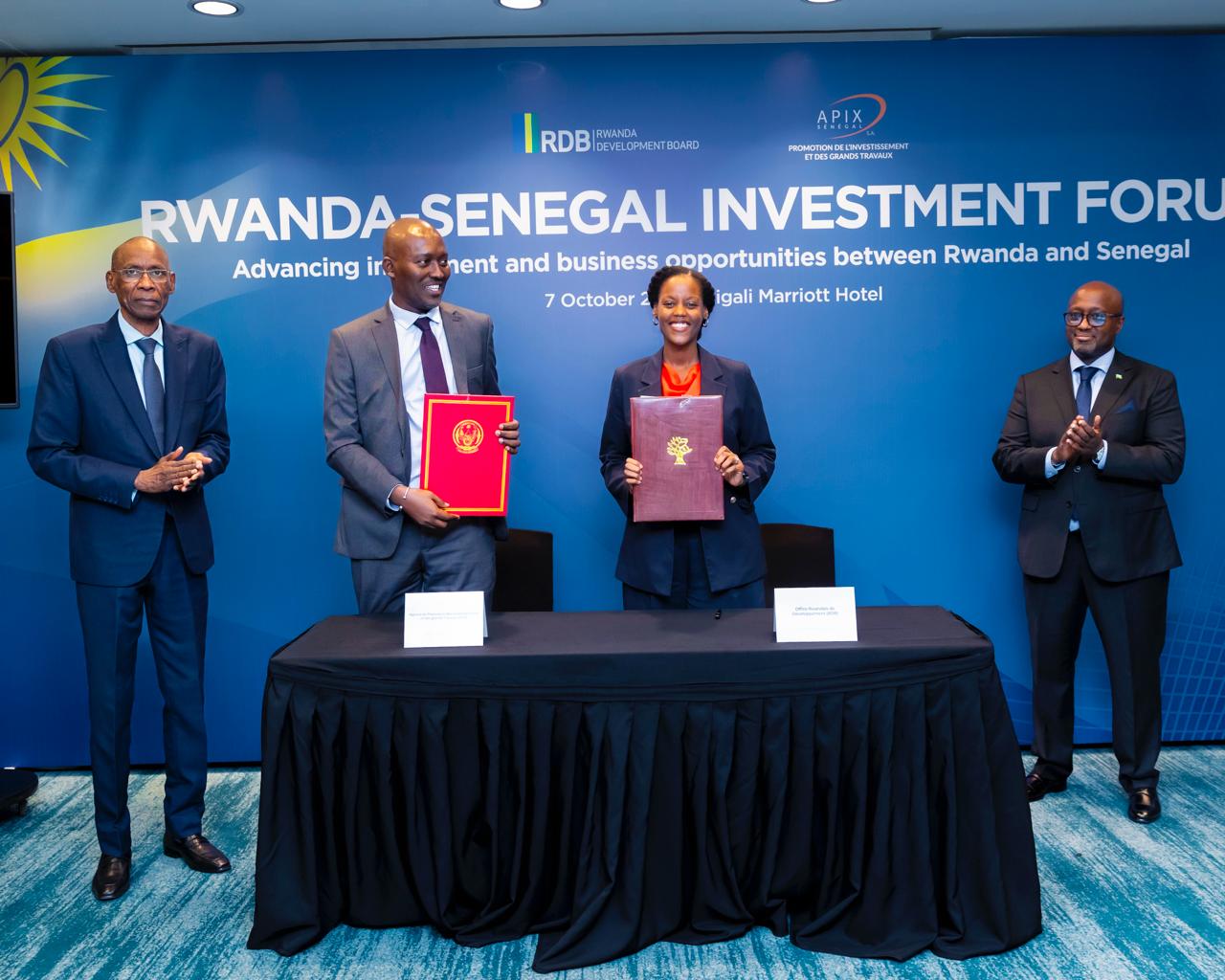
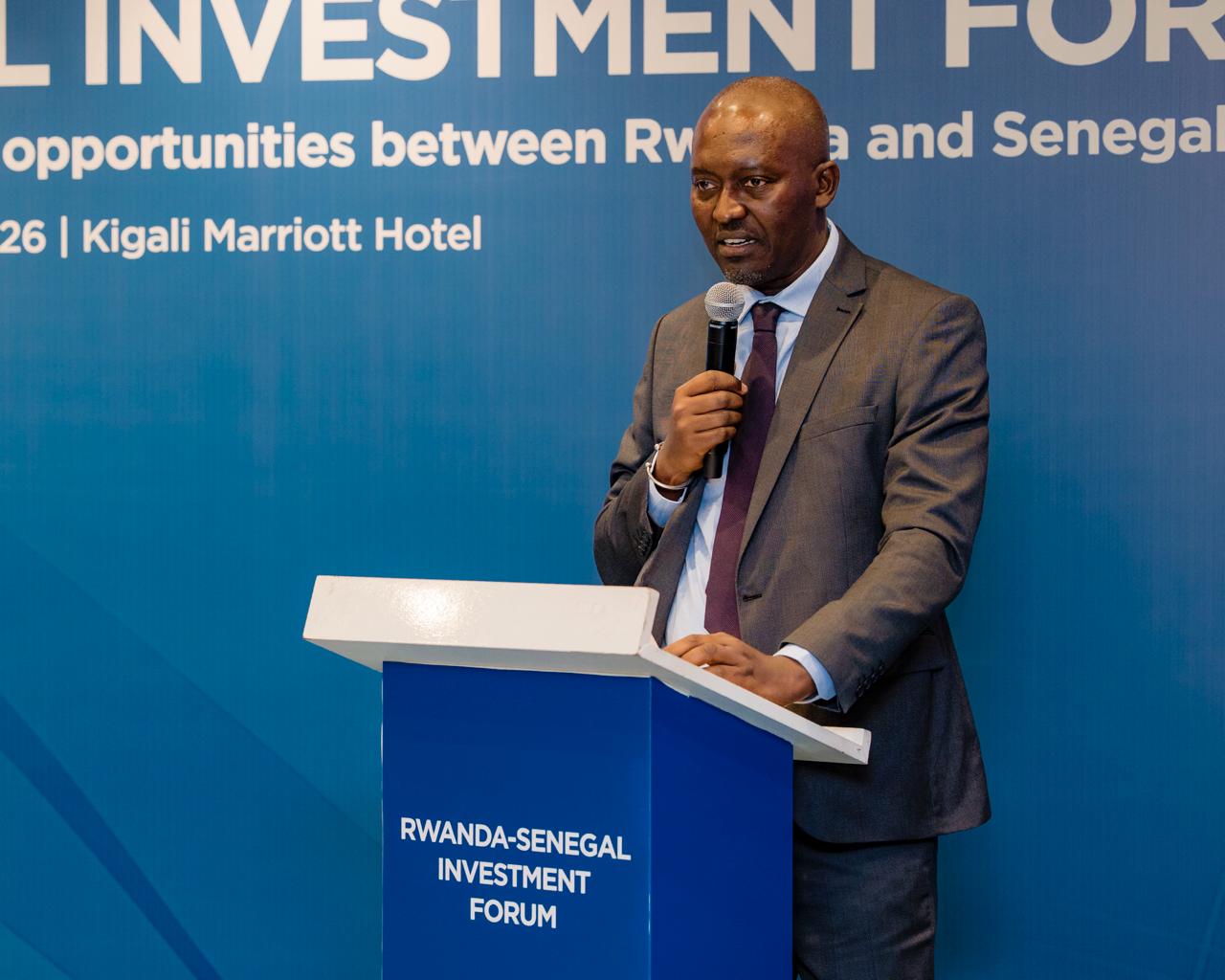
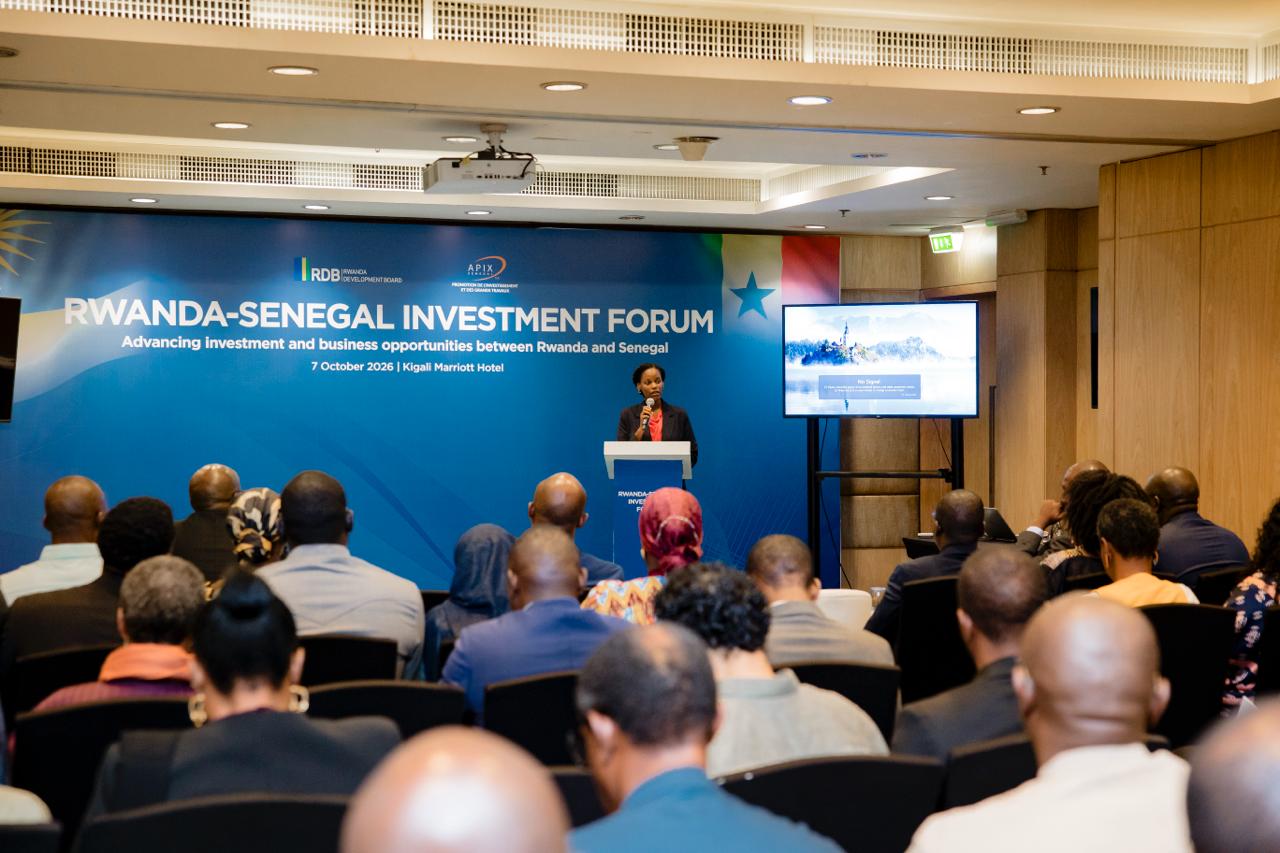
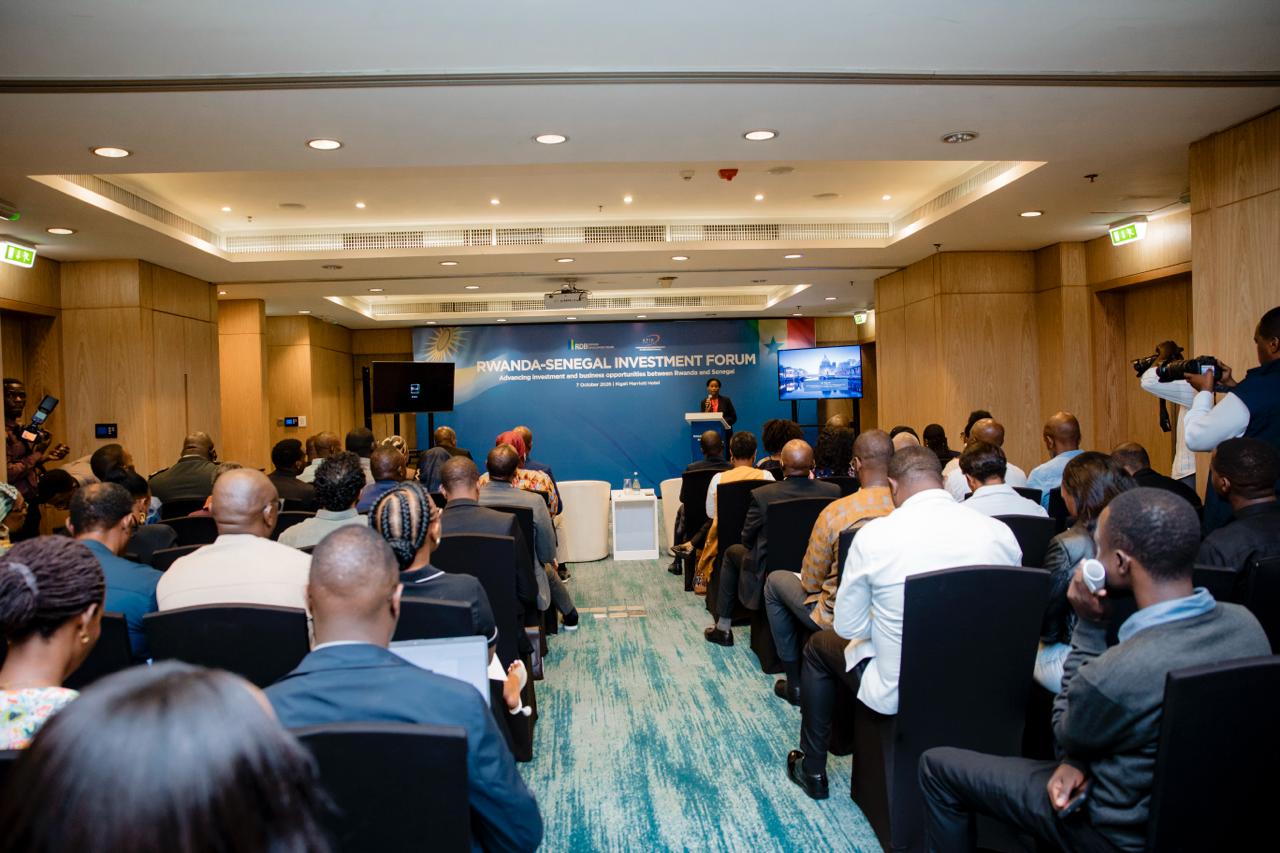
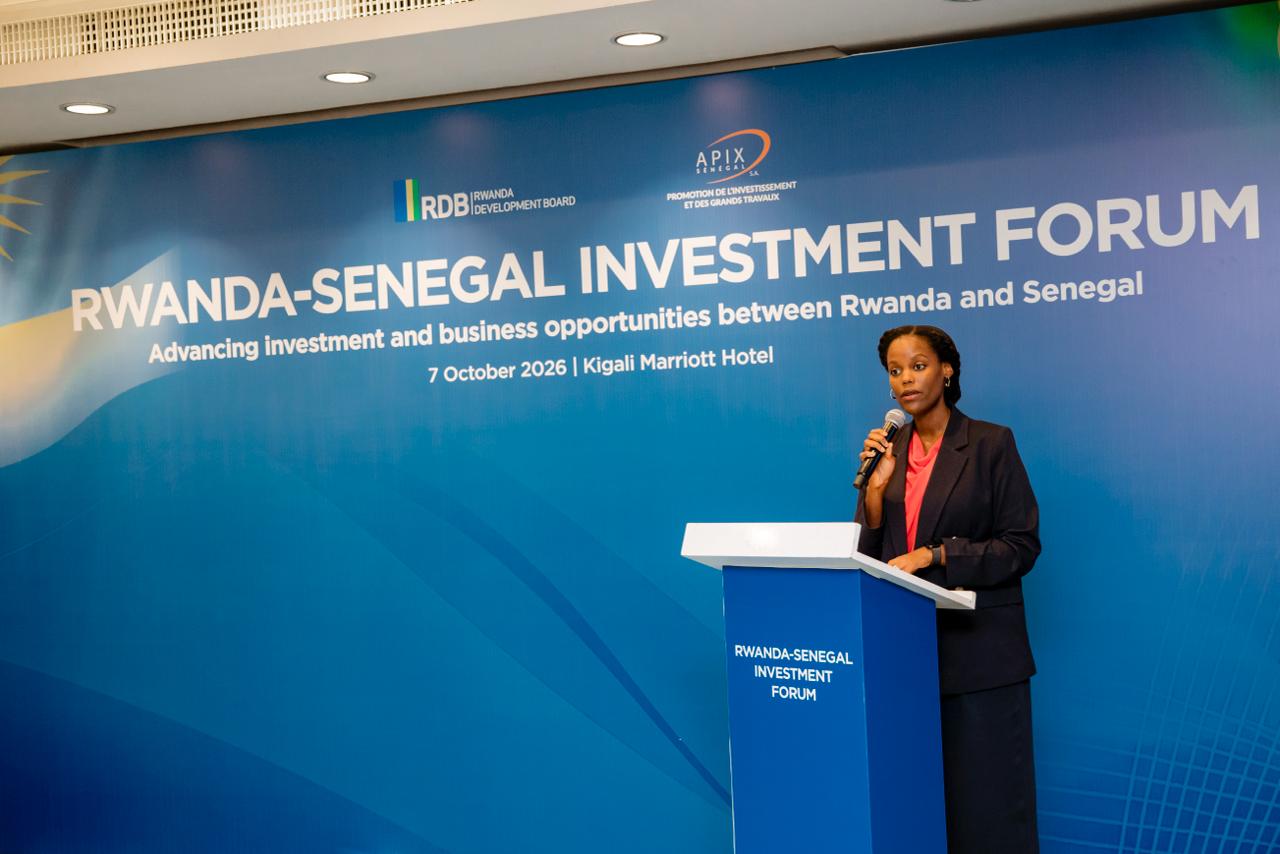
The agreements were signed during a business forum held in Kigali on October 7, 2026, on the sidelines of the inaugural session of the Rwanda-Senegal Joint Commission for Cooperation. The forum brought together government officials, investors, businesses and other stakeholders from both countries.
Participants explored opportunities in transport and logistics, construction, agriculture and agro-processing, textiles, leather, services, tourism, health and education, while business-to-business meetings provided an opportunity to discuss potential trade deals, joint ventures and investment projects.
RDB Deputy Chief Executive Officer Juliana Kangeli Muganza urged businesses to turn the strong political ties between Rwanda and Senegal into lasting economic partnerships.
She highlighted Rwanda’s 9.4% economic growth in 2025 and the second quarter of 2026, as well as $2.62 billion in investments registered through 799 projects in 2025, expected to create more than 38,000 jobs.
Muganza said the RDB supports investors through its One Stop Centre, streamlined procedures and connections with relevant institutions and partners and urged the private sector to trade, invest, build partnerships and create jobs.
APIX Deputy CEO Moustapha Cissé said cooperation should move beyond institutional relations to generate more investment, trade and private-sector partnerships.
He identified agriculture, industry, innovation, infrastructure, logistics, services, tourism, health and education among the priority areas.
Rwanda’s Foreign Minister Olivier Nduhungirehe said the forum should lead to concrete business partnerships rather than remain a platform for dialogue.
“We want this forum to be not simply a space for dialogue, but the starting point for a new phase of cooperation between the business communities of Rwanda and Senegal,” he said.
Senegalese Foreign Minister Cheikh Niang said both countries have complementary strengths that could support stronger economic ties.
“Rwanda and Senegal each have their own strengths. Our collective responsibility is to ensure that these strengths can complement each other more,” he said.
The forum comes amid strong political ties between Senegal and Rwanda, based on mutual respect and a shared commitment to strengthening cooperation.
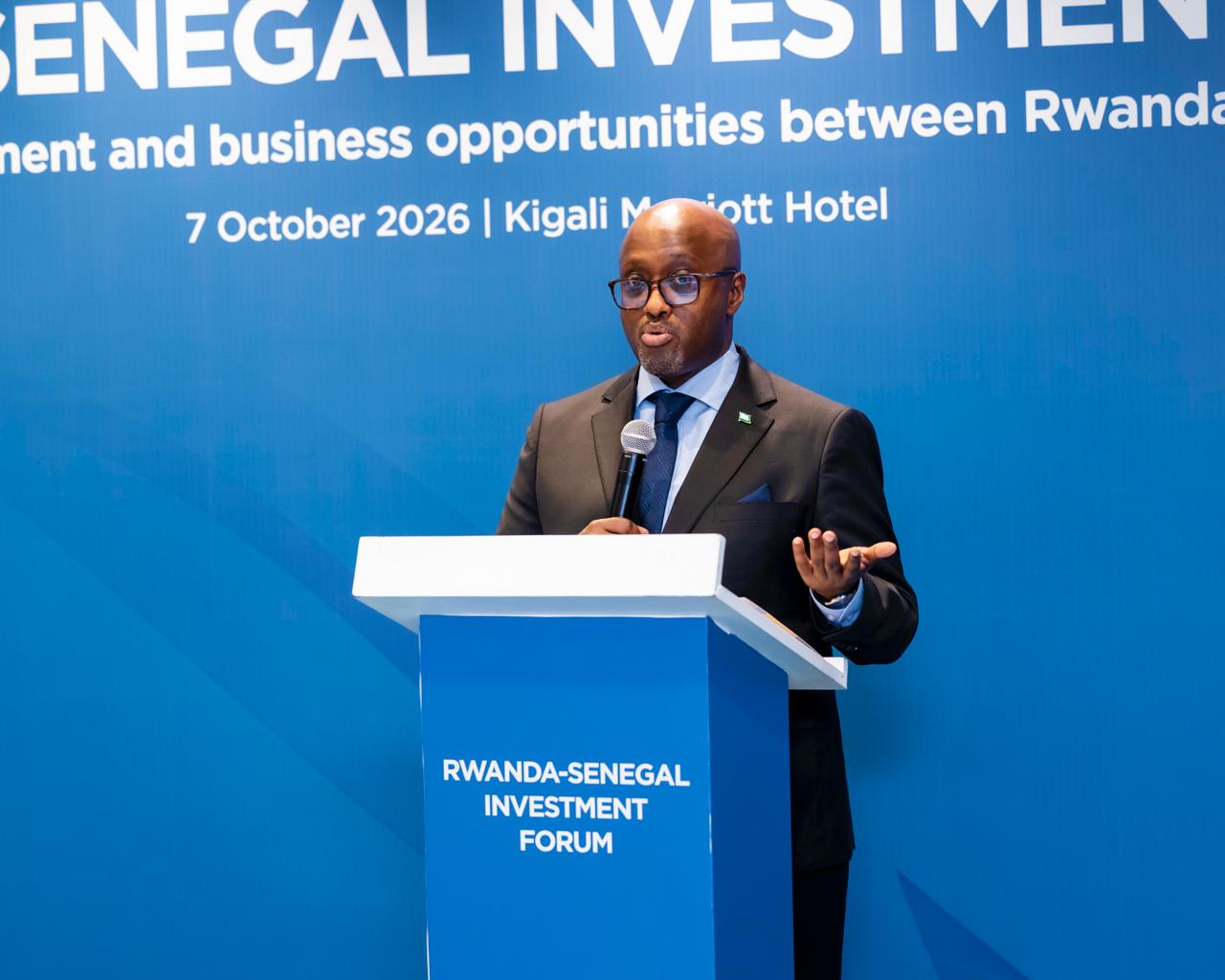
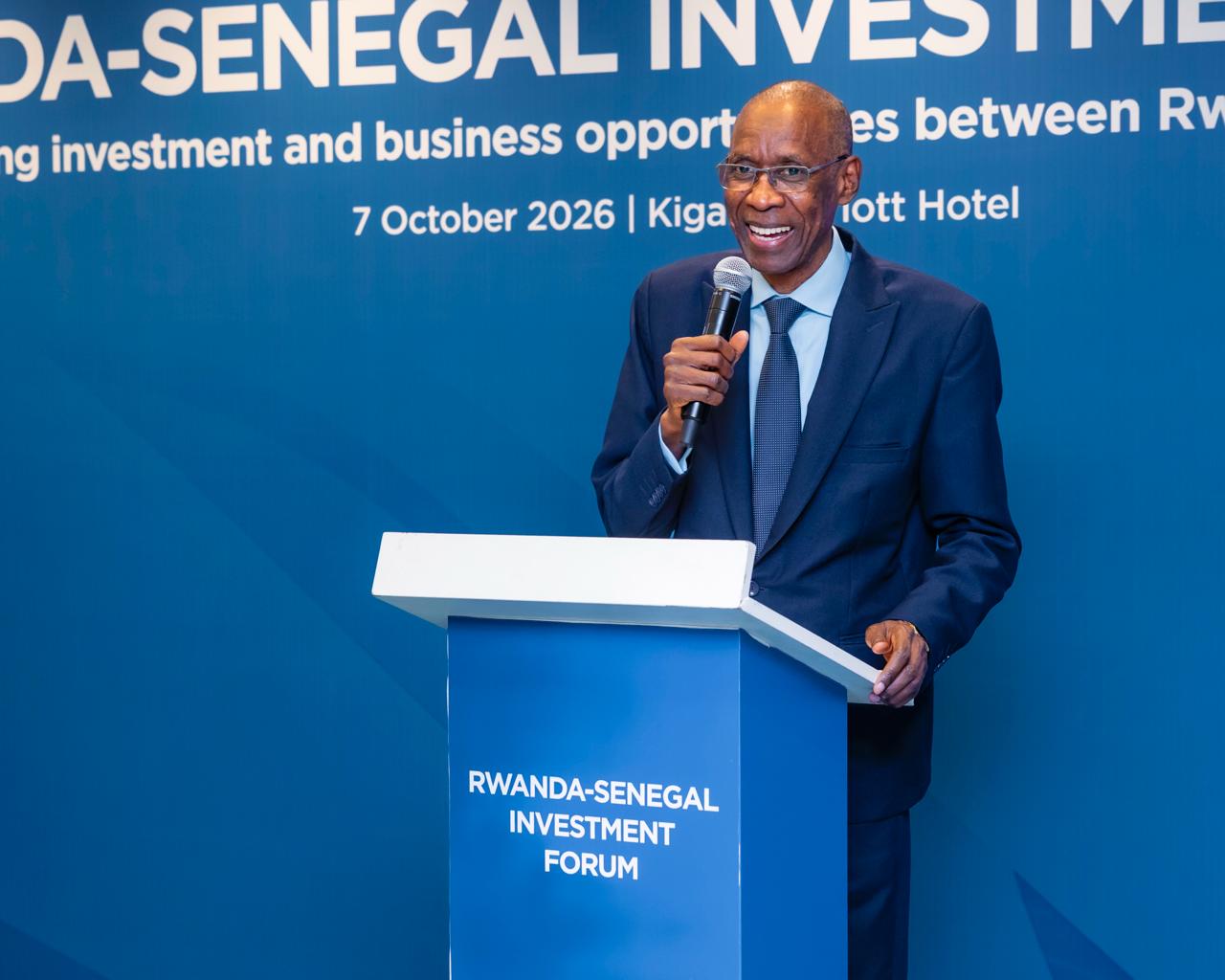
Rwanda’s Foreign Minister Olivier Nduhungirehe has called for the Rwanda-Senegal business forum to lead to concrete partnerships between the two countries’ business communities.Senegal’s Foreign Minister Cheikh Niang has said the two countries’ complementary strengths can create new opportunities for economic cooperation.Senegal’s APIX Deputy CEO Moustapha Cissé has urged the two countries to translate institutional cooperation into increased investment, trade and private-sector partnerships.Rwandan and Senegalese business leaders have explored opportunities for trade, investment and partnerships across sectors including agriculture, logistics, tourism, health and education.RDB Deputy CEO Juliana Kangeli Muganza has called on businesses to turn Rwanda-Senegal political ties into lasting commercial partnerships.
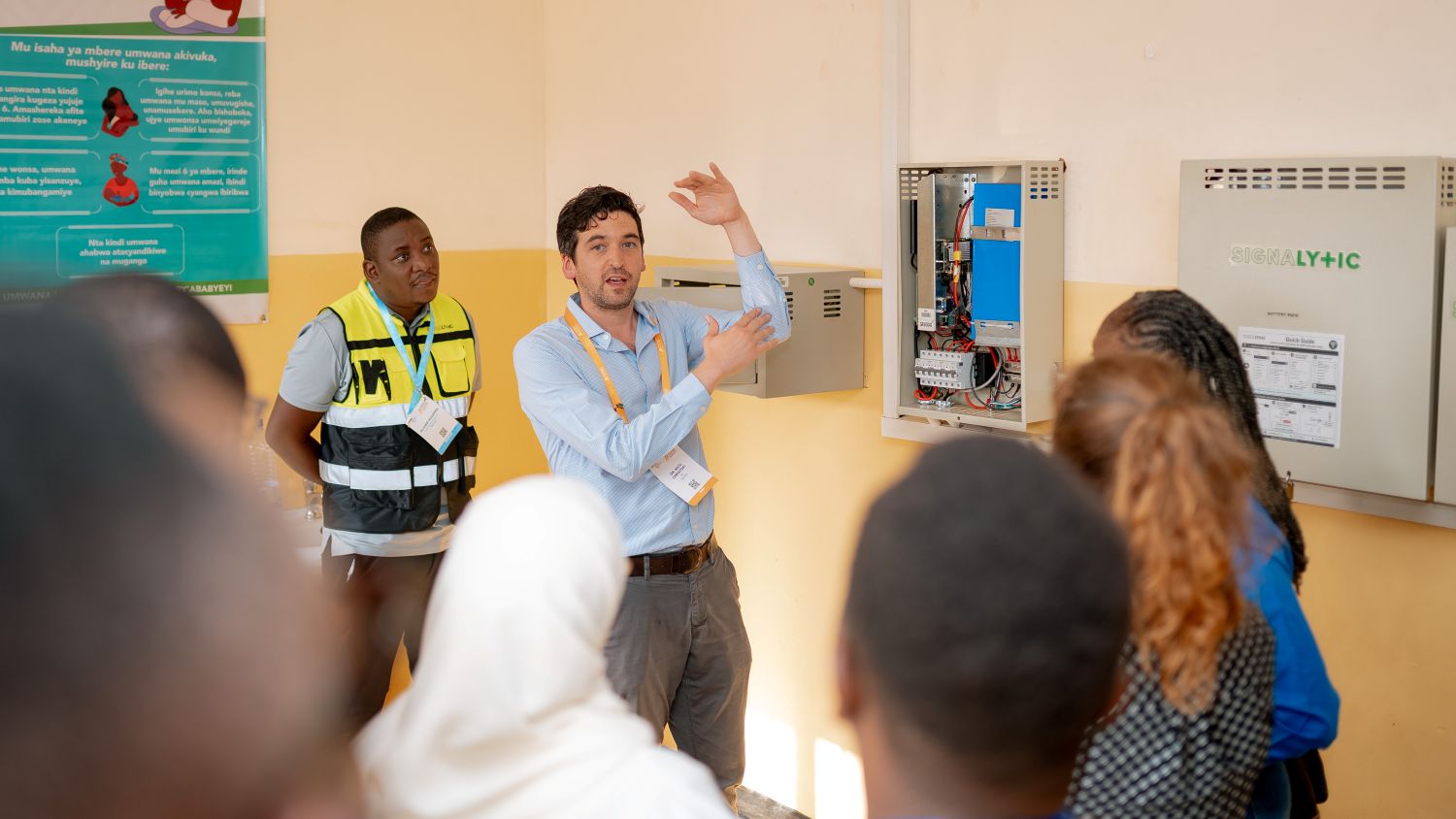
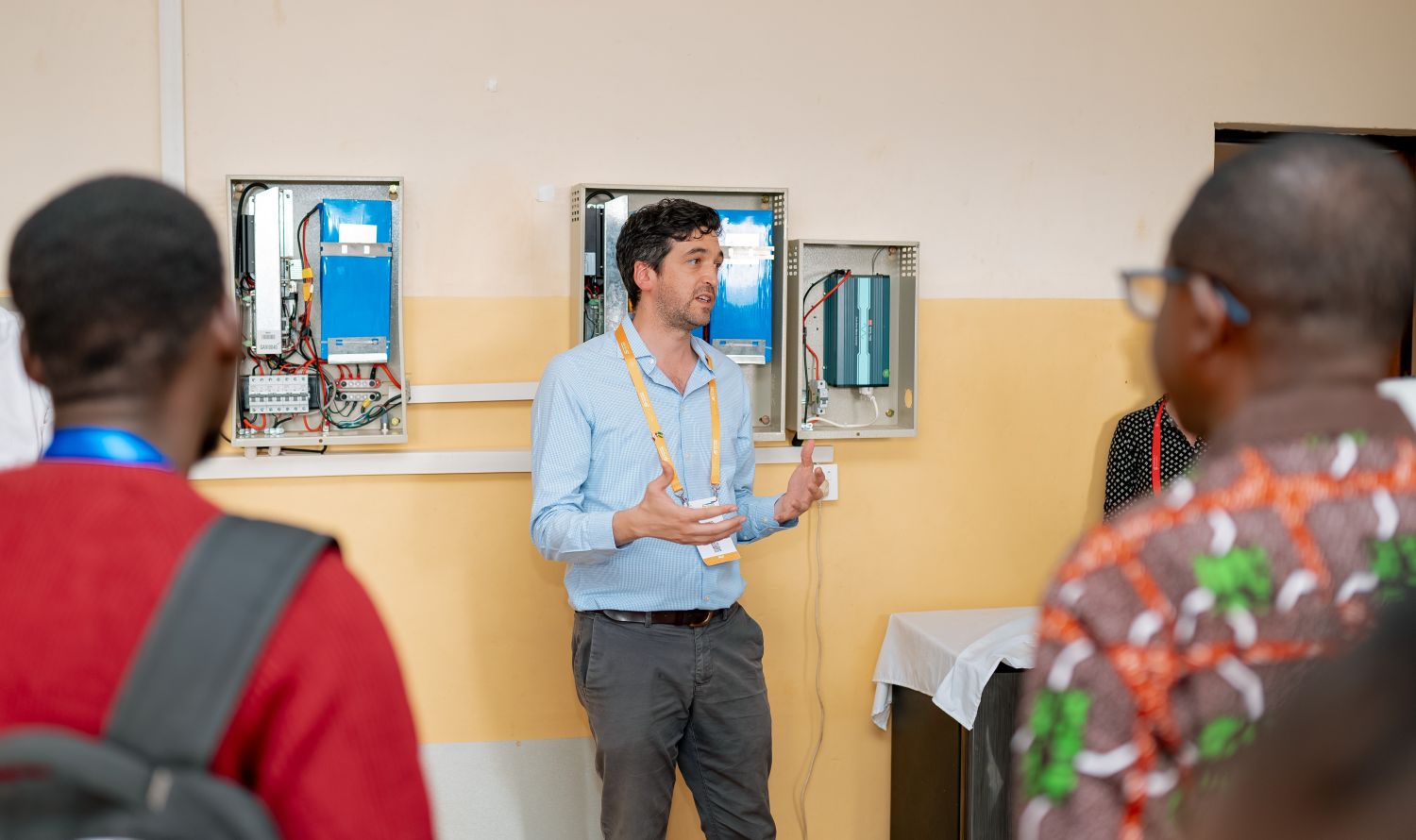
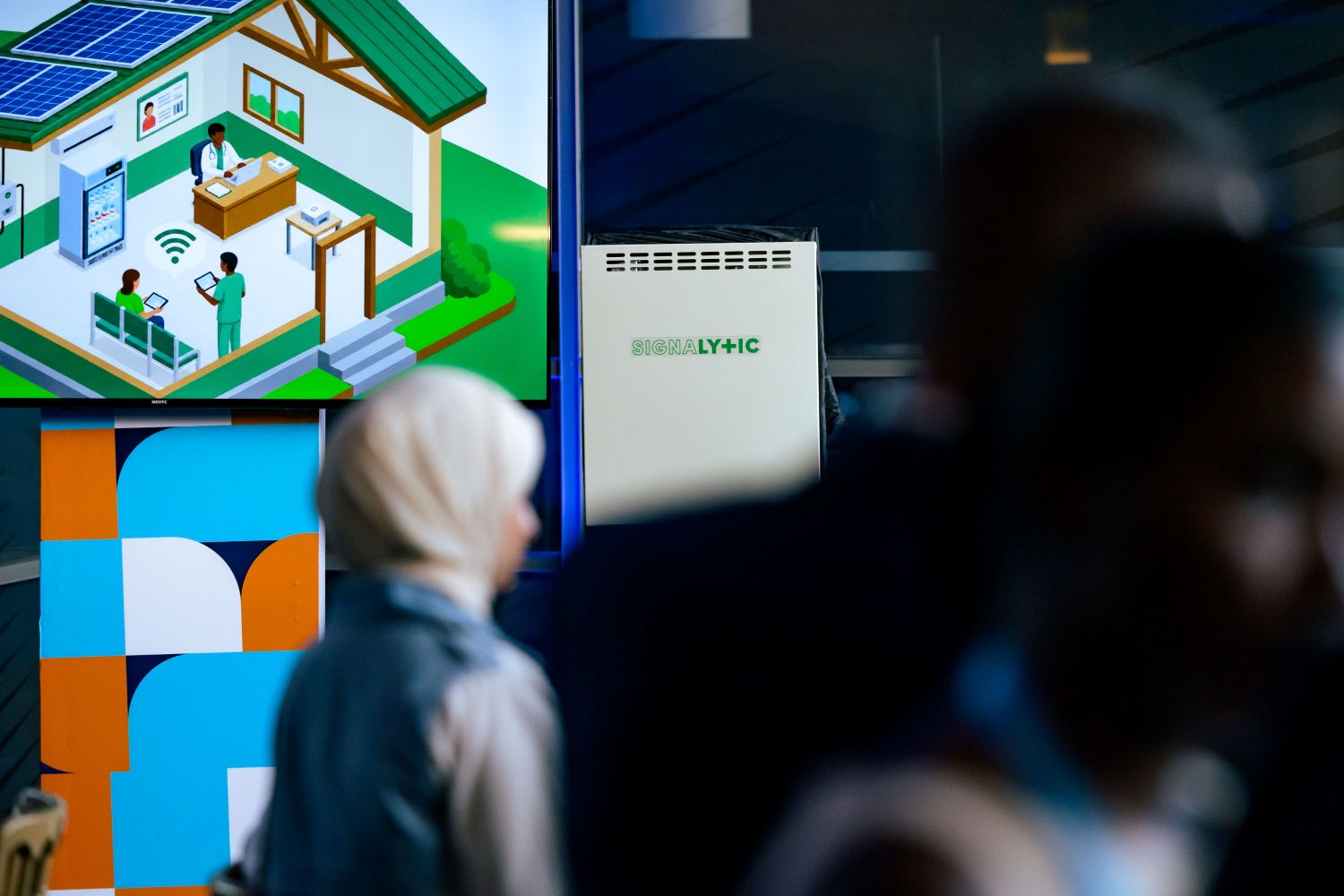
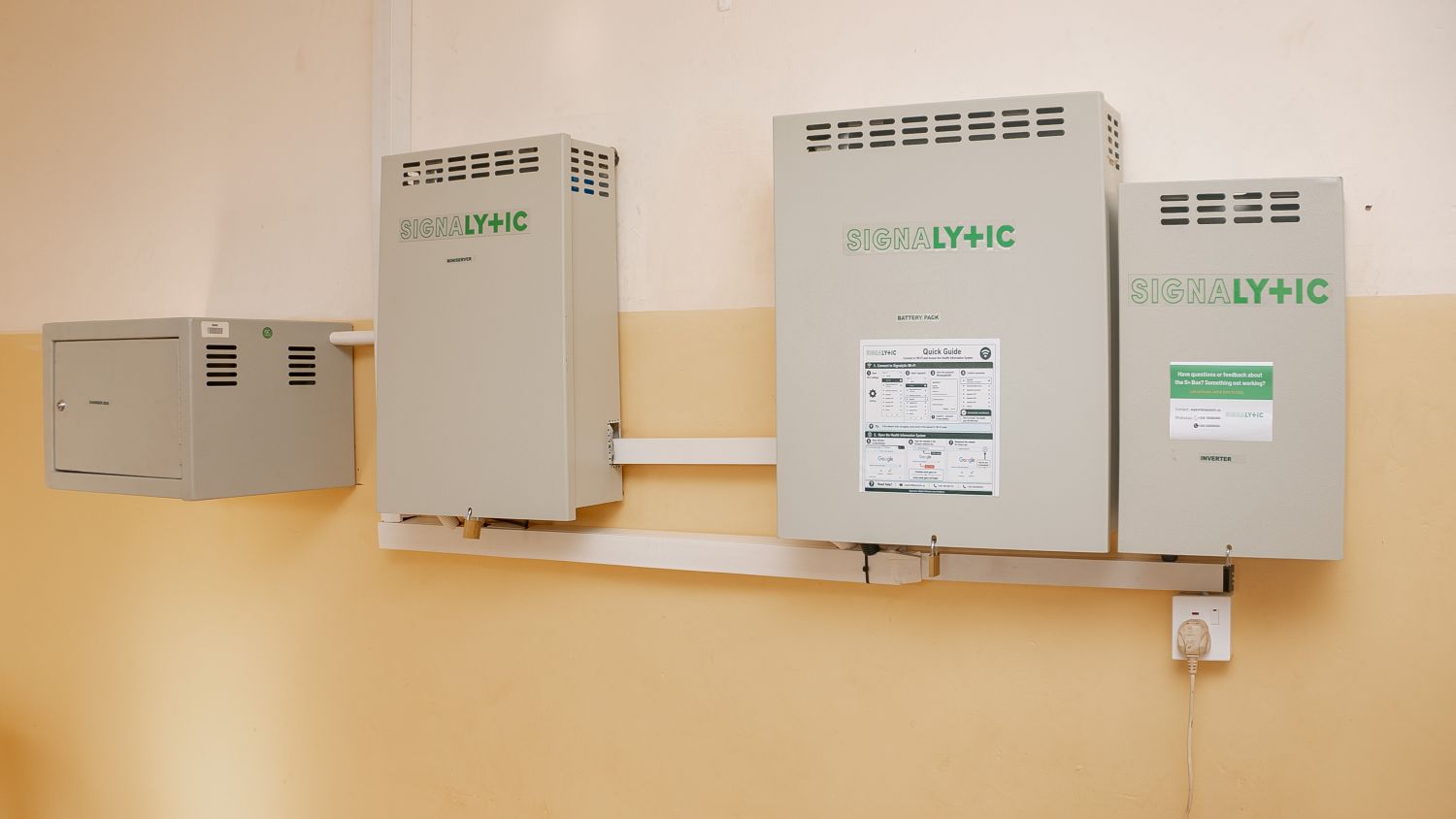
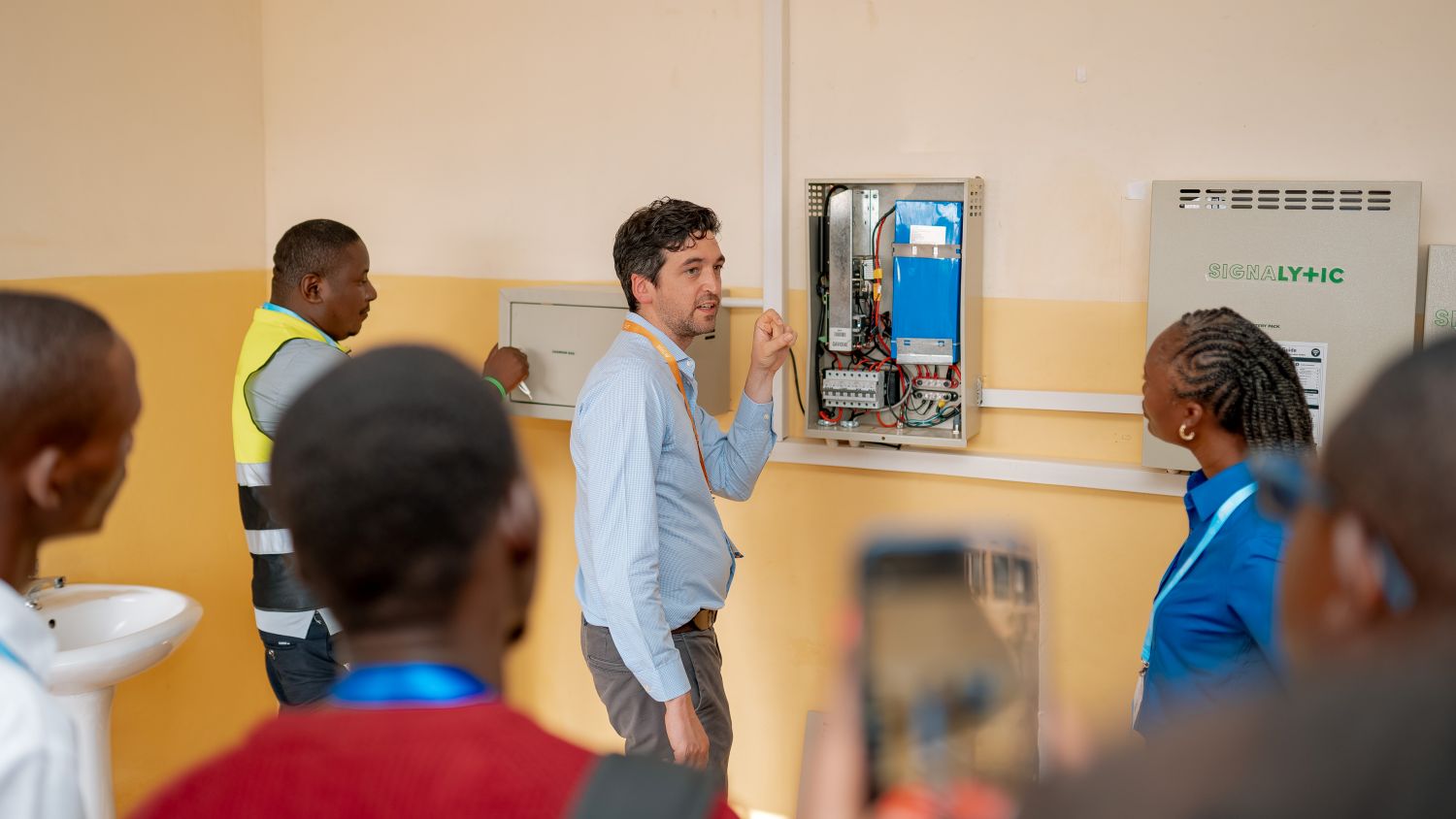
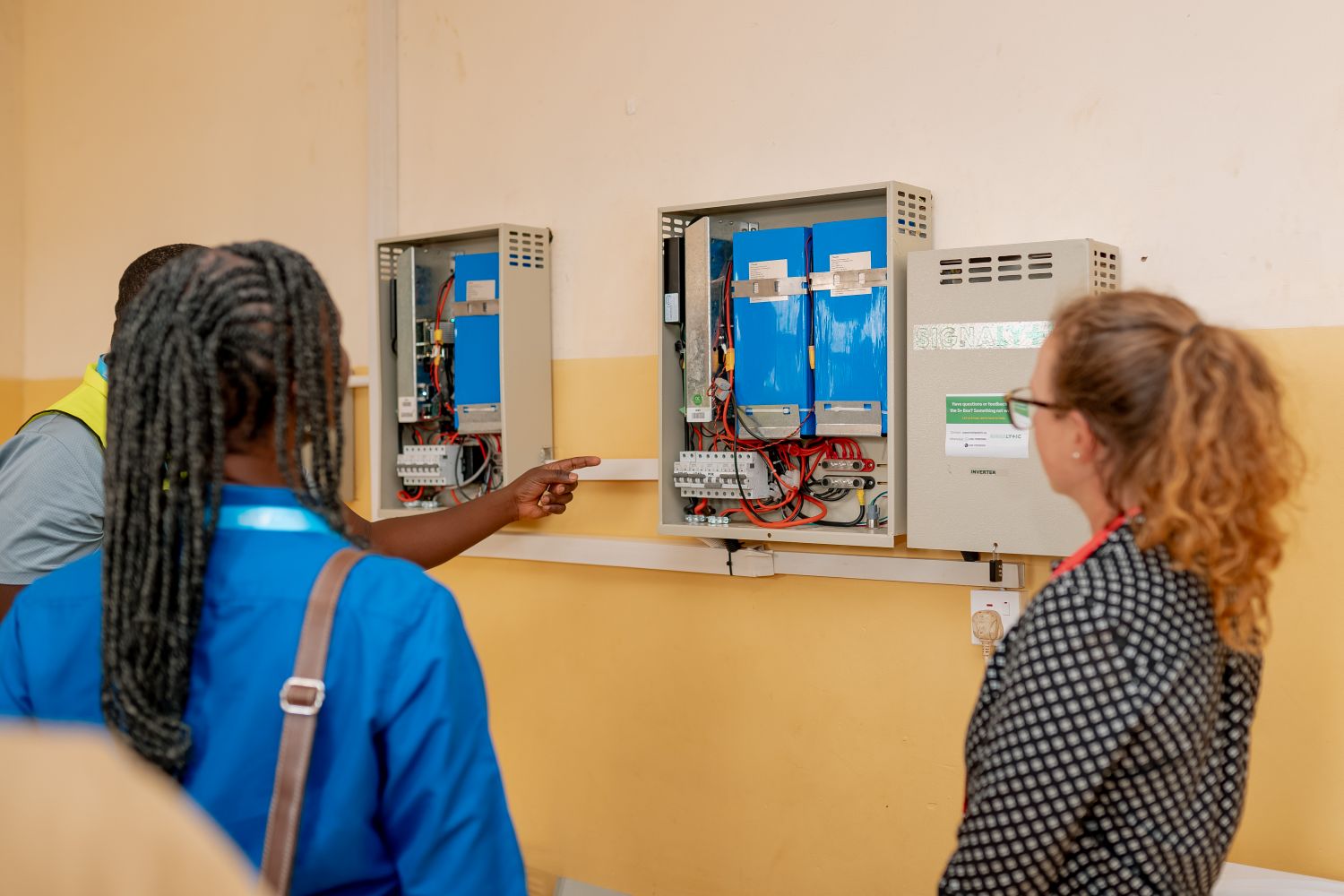
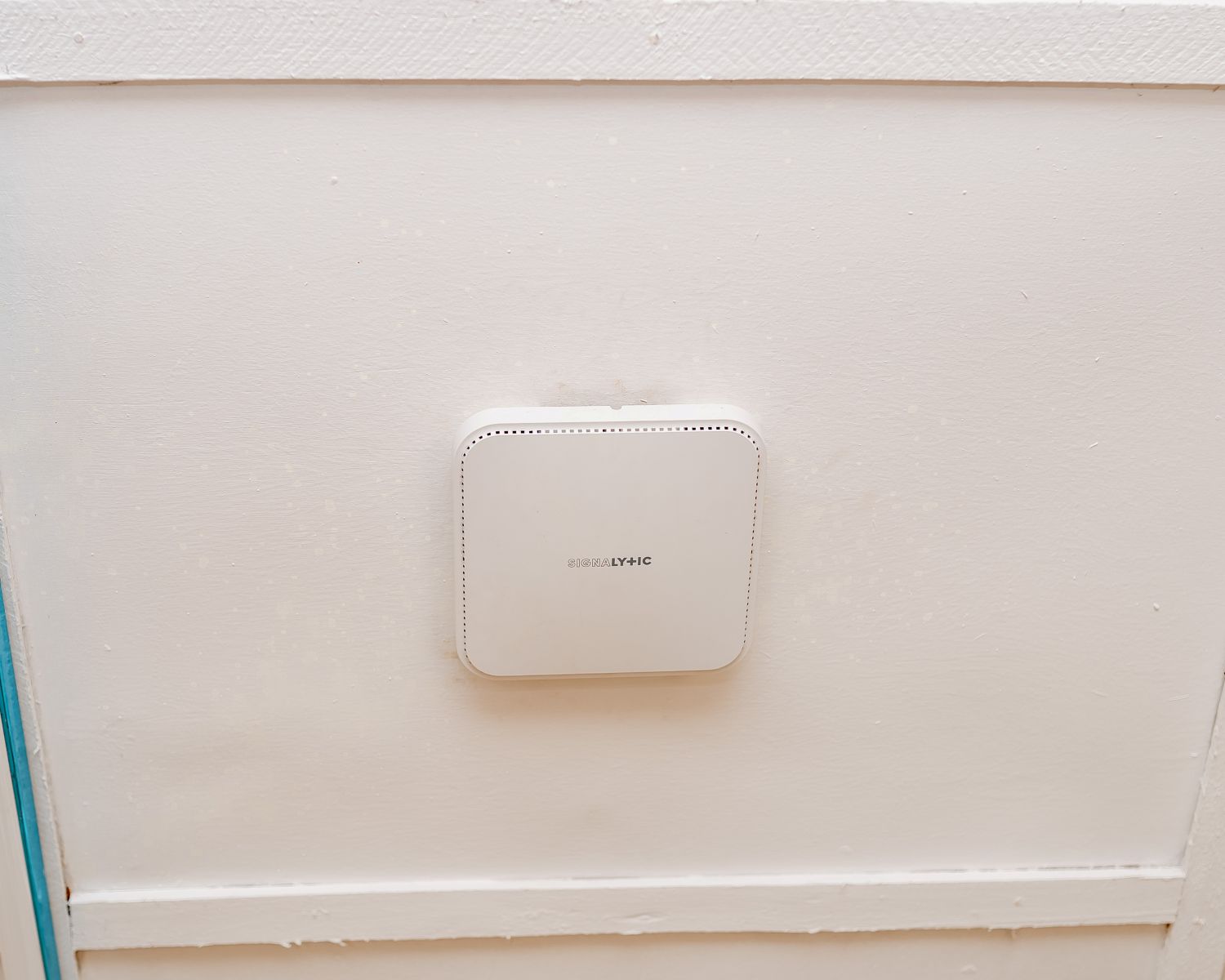
Powered primarily by solar energy, the system provides reliable Wi-Fi and power that allow health workers to seamlessly keep accessing digital health services, from recording patient information and tracking immunizations to verifying insurance and submitting health data. It also powers lifesaving essential equipment such as vaccine refrigerators and tablets.
Developed by health technology company Signalytic, it is part of a transformative rollout with Rwanda’s Ministry of Health and Gavi, the Vaccine Alliance, that has so far reached 65 health posts in 21 districts across five provinces. Another 85 facilities are planned, bringing the target to 150.
The project comes as Rwanda boldly expands digital tools for immunization, vaccine management and health reporting, making the infrastructure beneath those systems an increasingly vital part of service delivery.
For Signalytic CEO Dr. Nico Christofi, the idea emerged from a problem he encountered while in Uganda.
Dr. Christofi, who was a doctor, visited health facilities in eastern Uganda and began investigating why life-saving medicines were not always available where they were needed. He initially suspected a distribution problem, but found that communication and infrastructure were a major part of the challenge.
“It wasn’t that we needed another app. There were so many good apps that were already made,” Christofi told IGIHE on the sidelines of the Africa Health Tech Summit (AHTS).
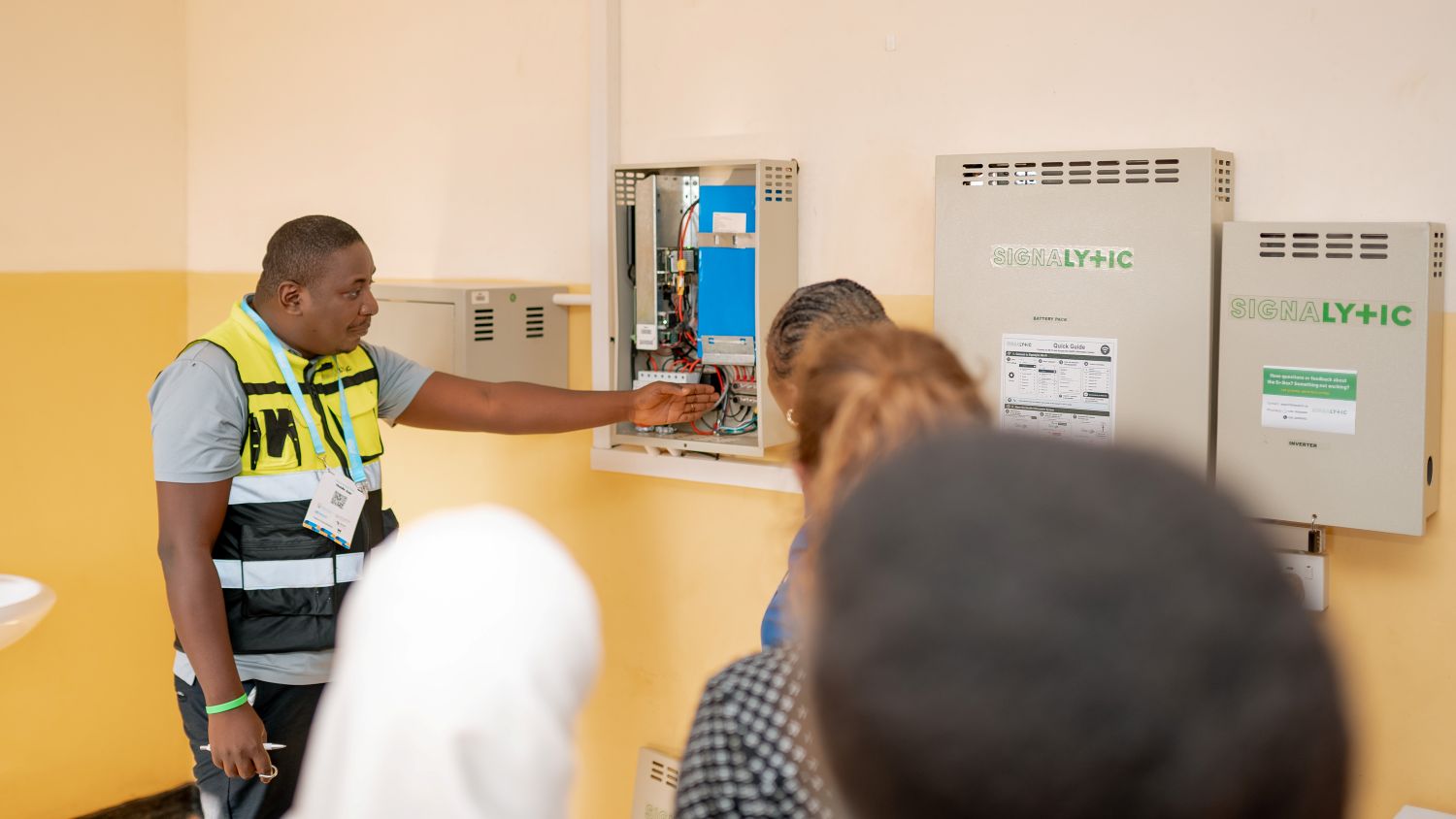
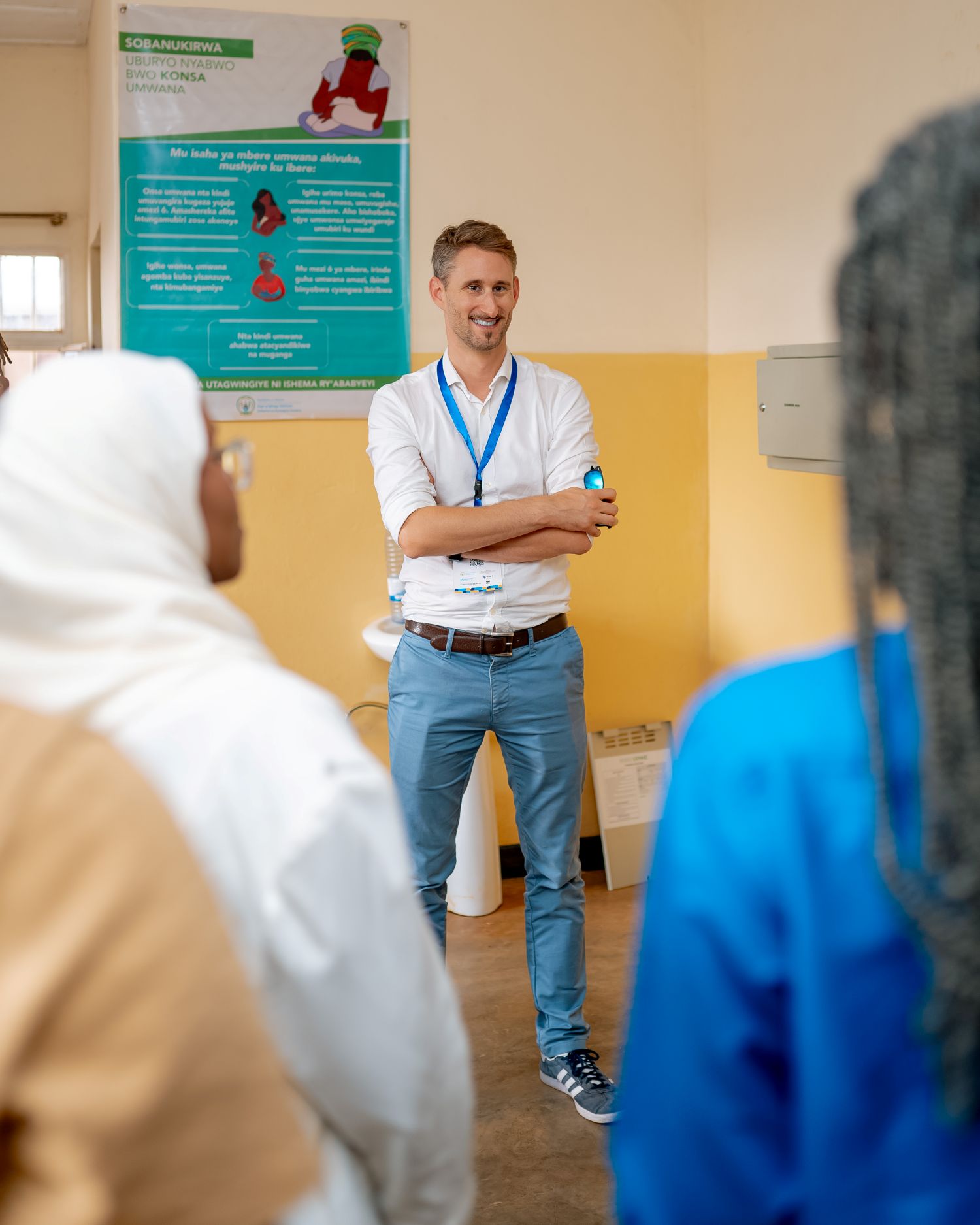
Signalytic CEO Dr. Nico Christofi explains how the technology supports health facilities during a field visit to Rusheshe Health Post in Kicukiro District on Friday, October 2, 2026.
Instead, Signalytic set out to champion a smarter solution: ensure existing digital health tools could work flawlessly and reliably in facilities where electricity and connectivity can be intermittent.
“So instead of making another app, we decided to make sure that all the apps that exist and were developed by ministries and the various players actually work, wherever they are,” he added.
The social enterprise developed its first prototype systems in Uganda in 2020. Over the following years, it refined the technology and massively strengthened its operational capacity across three other African countries, Malawi, Nigeria, and Tanzania, before becoming a technology partner through Gavi’s INFUSE programme. Its highly anticipated Rwanda rollout began early this year.
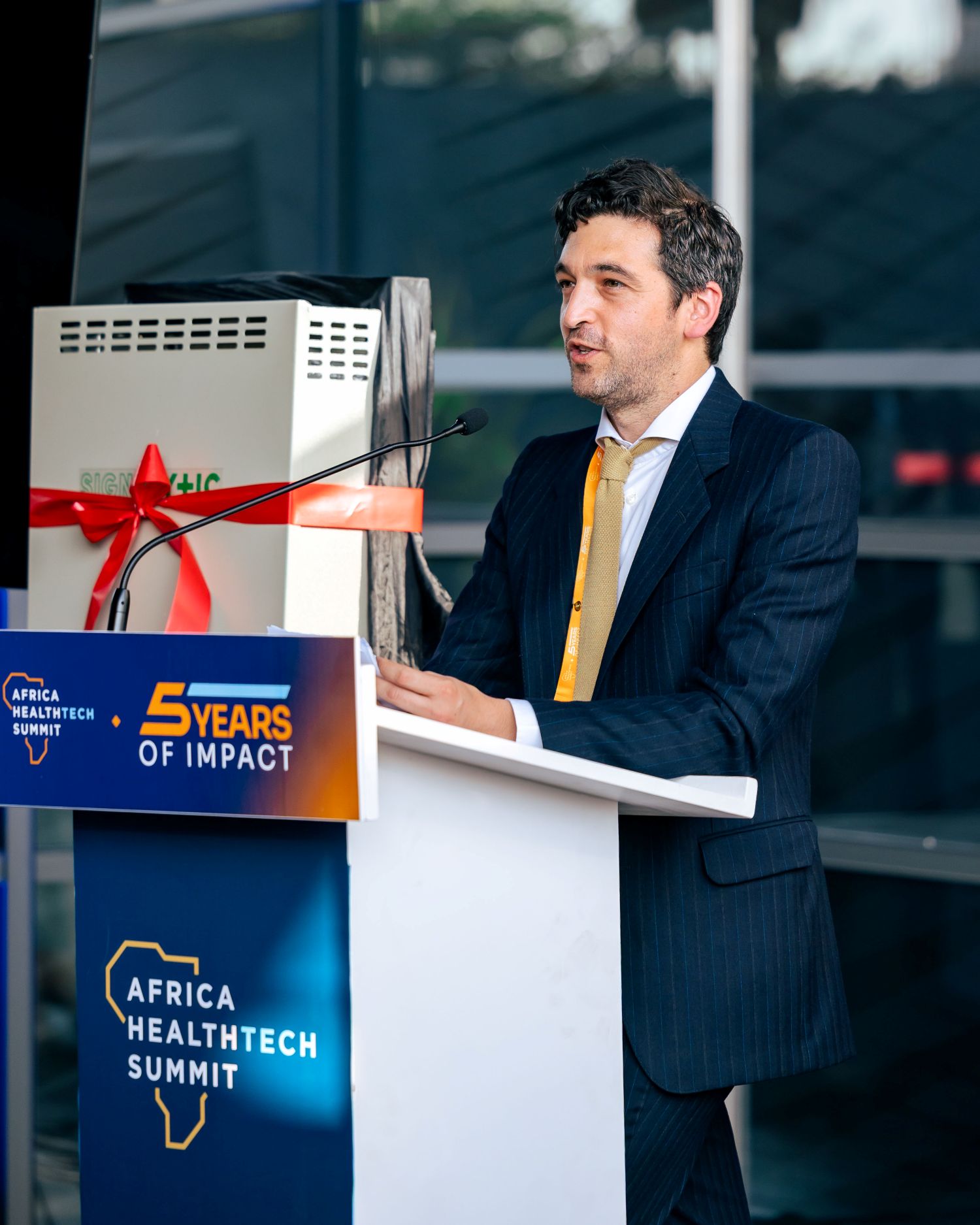
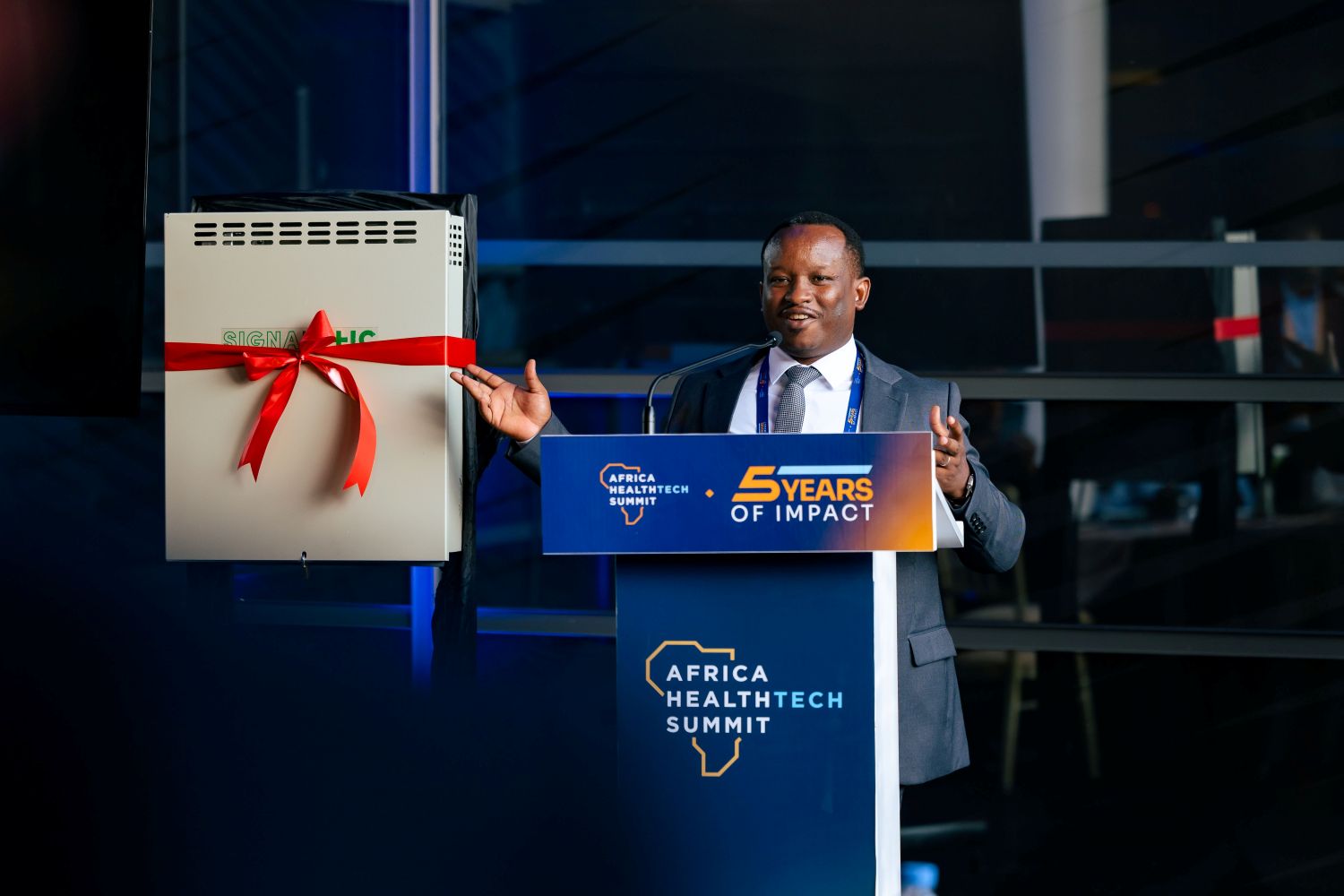
At the project launch on the sidelines of AHTS in Kigali on Friday, Christofi said the next phase of digital health will depend on robustly strengthening the infrastructure that allows new technologies to reach more communities.
He noted that across Africa, about one billion people are served by health facilities where reliable power and connectivity remain critical enablers of digital services.
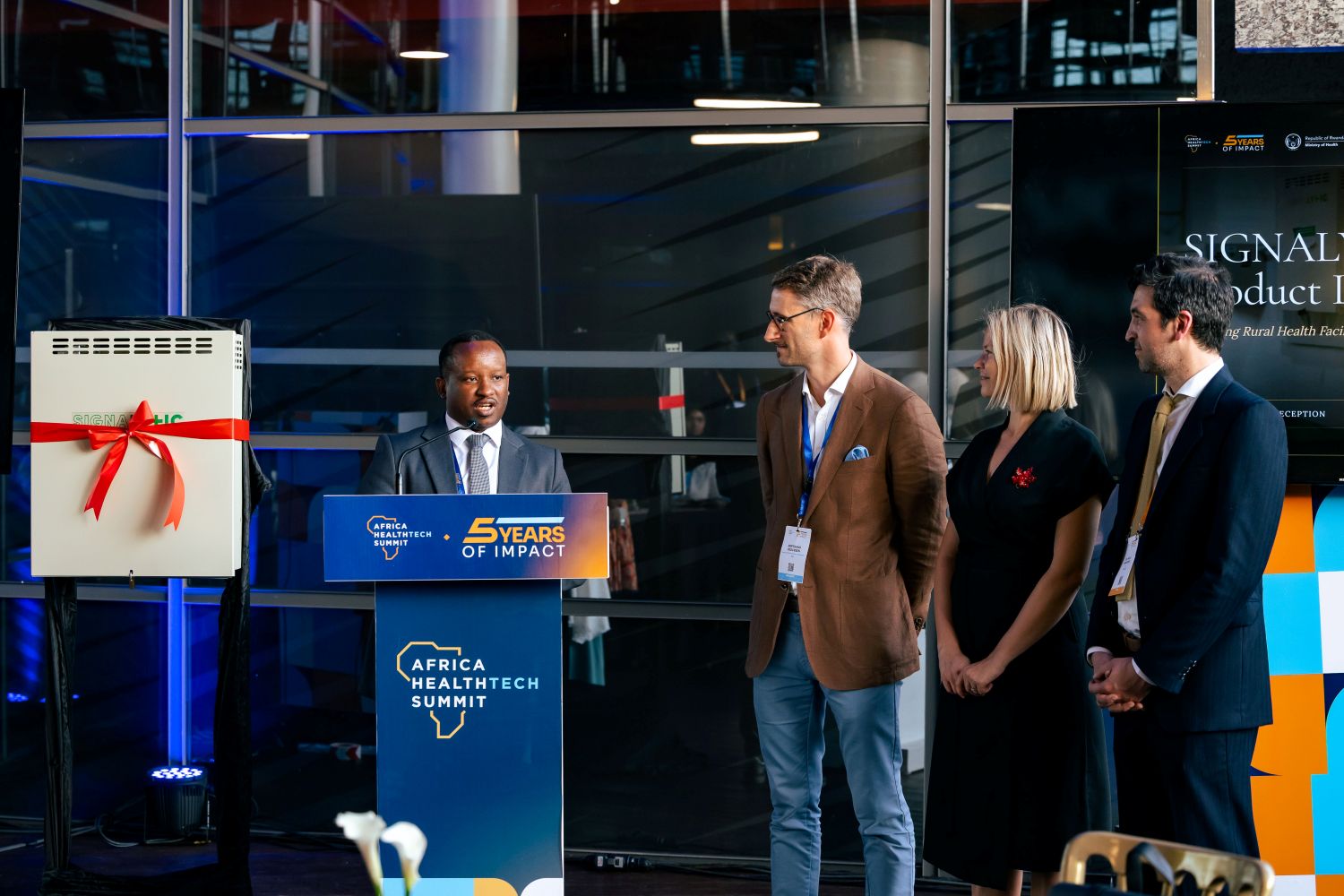
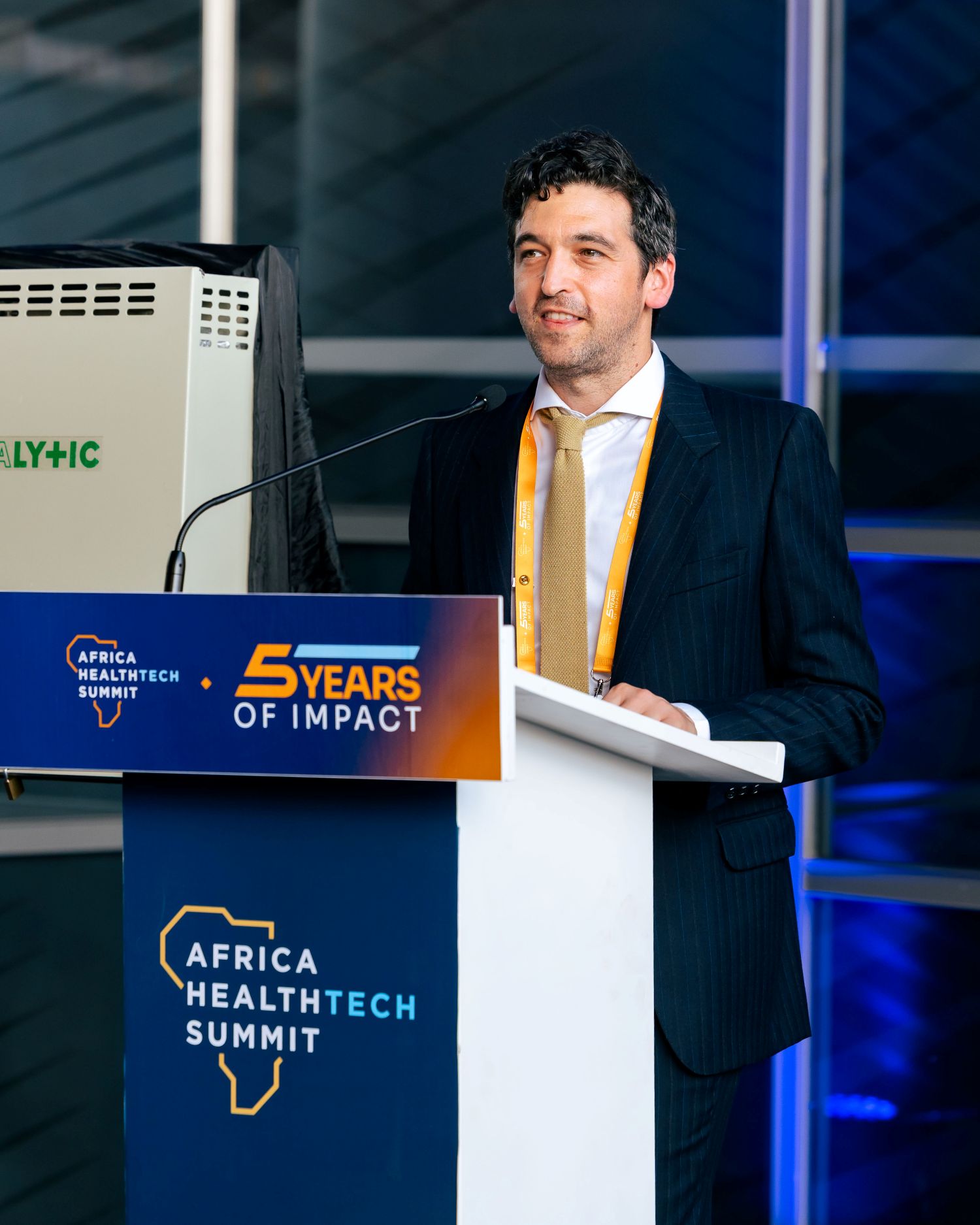
Signalytic CEO Dr. Nico Christofi speaks during the official launch of the product on the sidelines of the Africa HealthTech Summit on Thursday, October 1, 2026.
Christofi also cited a World Bank estimate of $4.9 billion in infrastructure investment needed in health facilities to support the wider rollout of digital health software.
For Signalytic, he said, the opportunity lies in building that foundation alongside governments and other partners so that digital health tools can finally deliver their full potential.
“At Signalytic we believe there is true potential for real digital health,” he said, stressing the absolute importance of a supporting ecosystem that allows digital tools to work reliably across health facilities as countries expand access to technology-enabled healthcare.
Transforming delivery from the ground up
In Rwanda, the system is designed as a reliability layer beneath existing health services.
The solar-and-grid powered unit provides Wi-Fi across the facility while also supplying power for lights, phones, tablets and refrigerators. Even better, when connectivity drops, health workers can continue using supported systems offline and effortlessly synchronize data once the connection is restored.
The solar-and-grid powered unit provides Wi-Fi across the facility while also supplying power for lights, phones, tablets and refrigerators.
Signalytic reported a staggering median uptime of 99.7% across the Rwanda deployment. Seven digital tools are currently online, while 26 local technicians have been trained to support the installations and maintenance.
Dr. Hassan Sibomana, EPI Manager at the Rwanda Biomedical Center, said reliable infrastructure is particularly important for immunization because vaccination data is recorded directly into national systems.
“We also need the internet, because every time people are vaccinating, we immediately record the individual data of the child vaccinated into our central system,” Sibomana said.
Dr. Hassan Sibomana, EPI Manager at Rwanda Biomedical Centre, speaks at the launch about the importance of reliable infrastructure for immunisation data.
Rwanda has more than 1,200 health posts, he said, with at least half expected to provide immunization services, creating massive, exciting room to expand the infrastructure beyond the initial 150 facilities.
At Ituze Second Generation Health Post in Kamonyi District, the transformative change is already visible.
Deputy Head Annick Mubera recalled that the facility previously had no vaccination refrigerator, forcing staff to travel to Kigese Health Center each morning to collect vaccines. Power interruptions could also bring work to a halt, while unstable internet meant health workers sometimes had to wait before recording information.
The new system has significantly changed that routine.
“We now spend much less time on paperwork and much more time on patient care. In turn, our patients no longer spend long hours waiting at the facility. Services are now faster,” Mubera said.
“Most importantly, we have a reliable vaccination fridge that keeps vaccines safe at Ituze.”
Annick Mubera, Deputy Head of Ituze Health Post, said reliable power and connectivity had improved vaccination services at the facility.
The impact extends beyond immunization. Staff can now access digital health systems, verify insurance, manage patient transfers, submit health information and handle vaccine and medicine records with minimal interruptions.
For patients, Mubera said, the benefit is also about bringing services conveniently closer to their communities.
“Mothers no longer have to travel long distances to the health center for basic services. They can access quality healthcare right here in the sector, powered by reliable energy and digital technology,” she said.
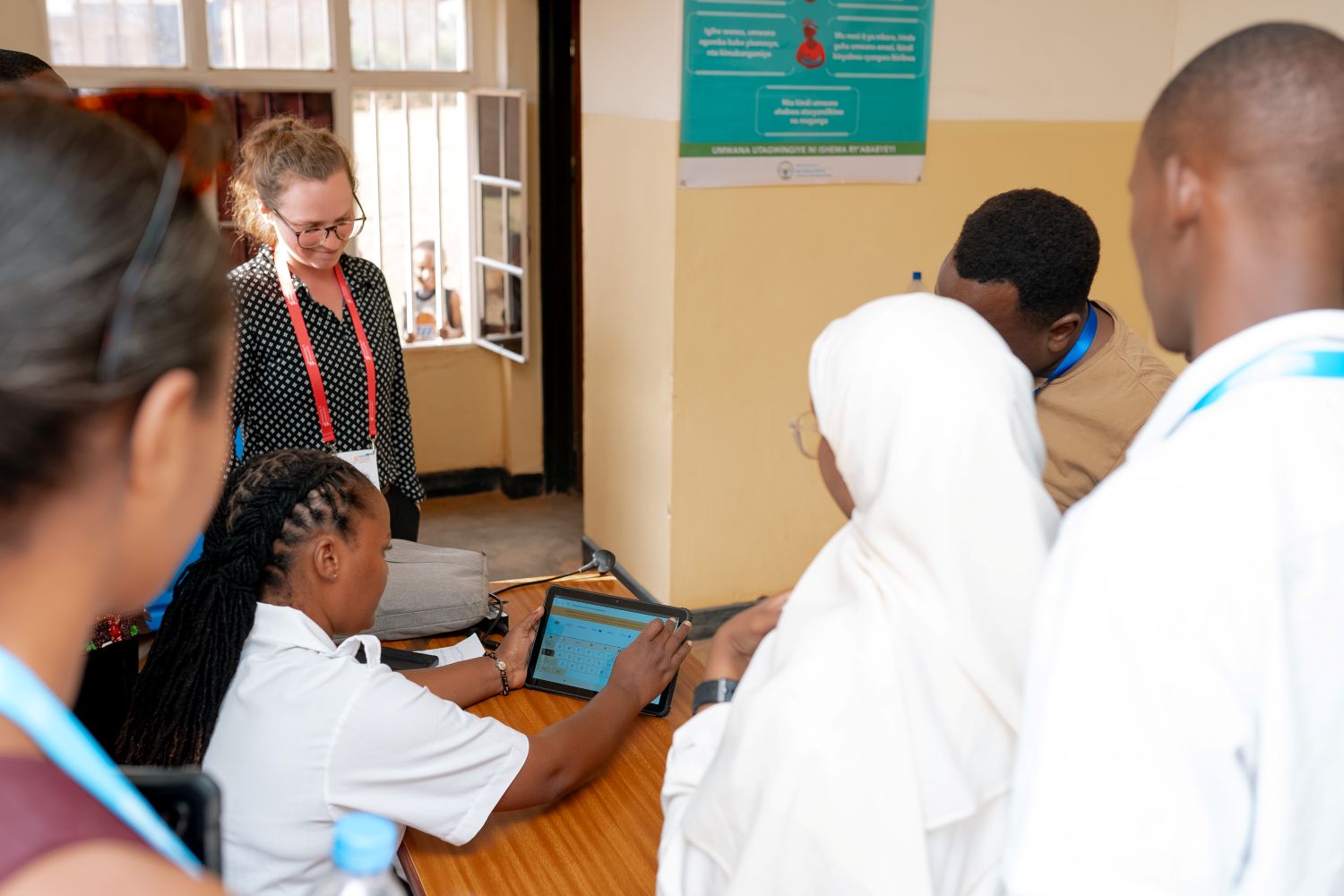
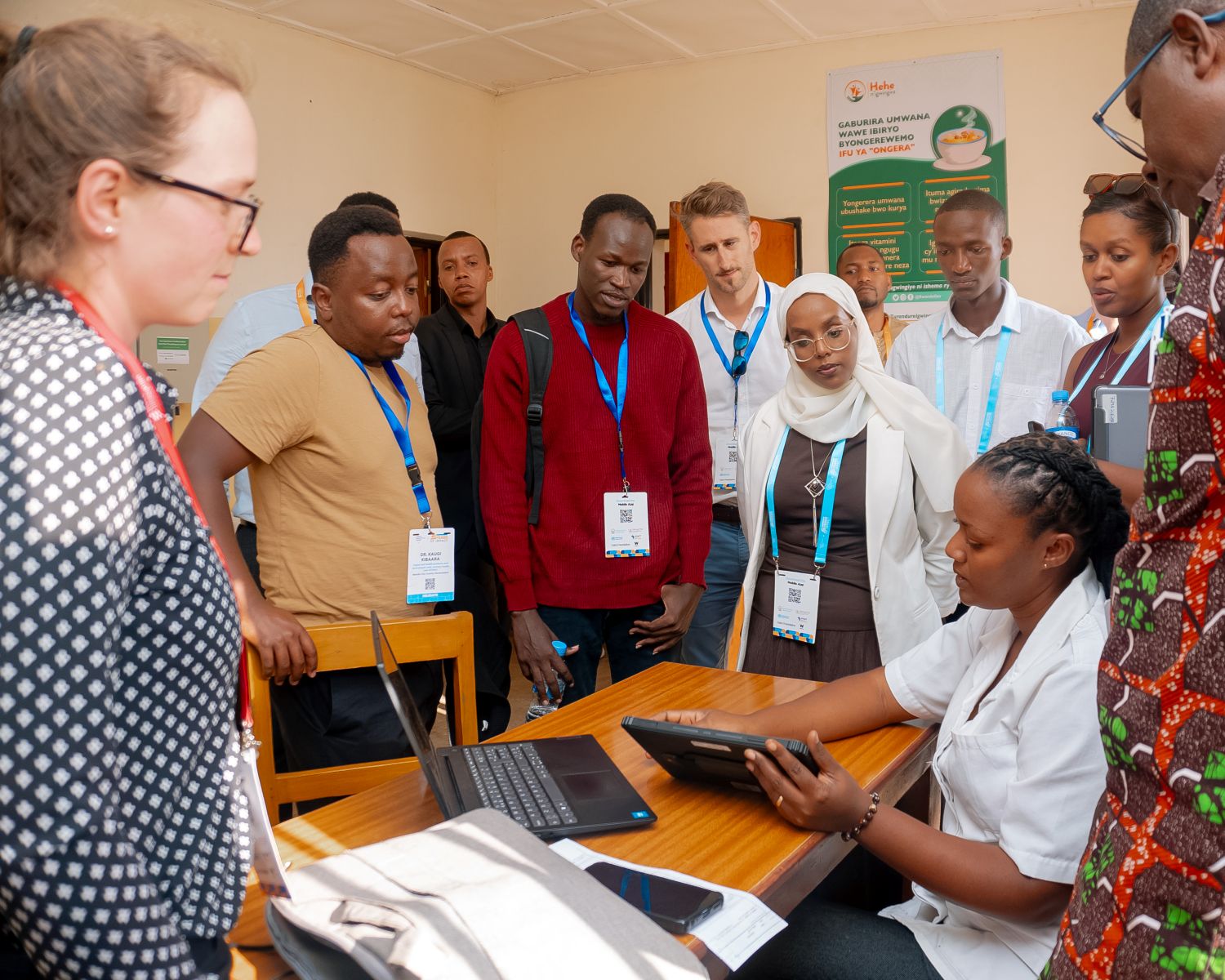
At Rusheshe Health Post, where the system has been in use since July, staff equally say they can now access digital services and operate essential equipment with dramatically fewer interruptions.
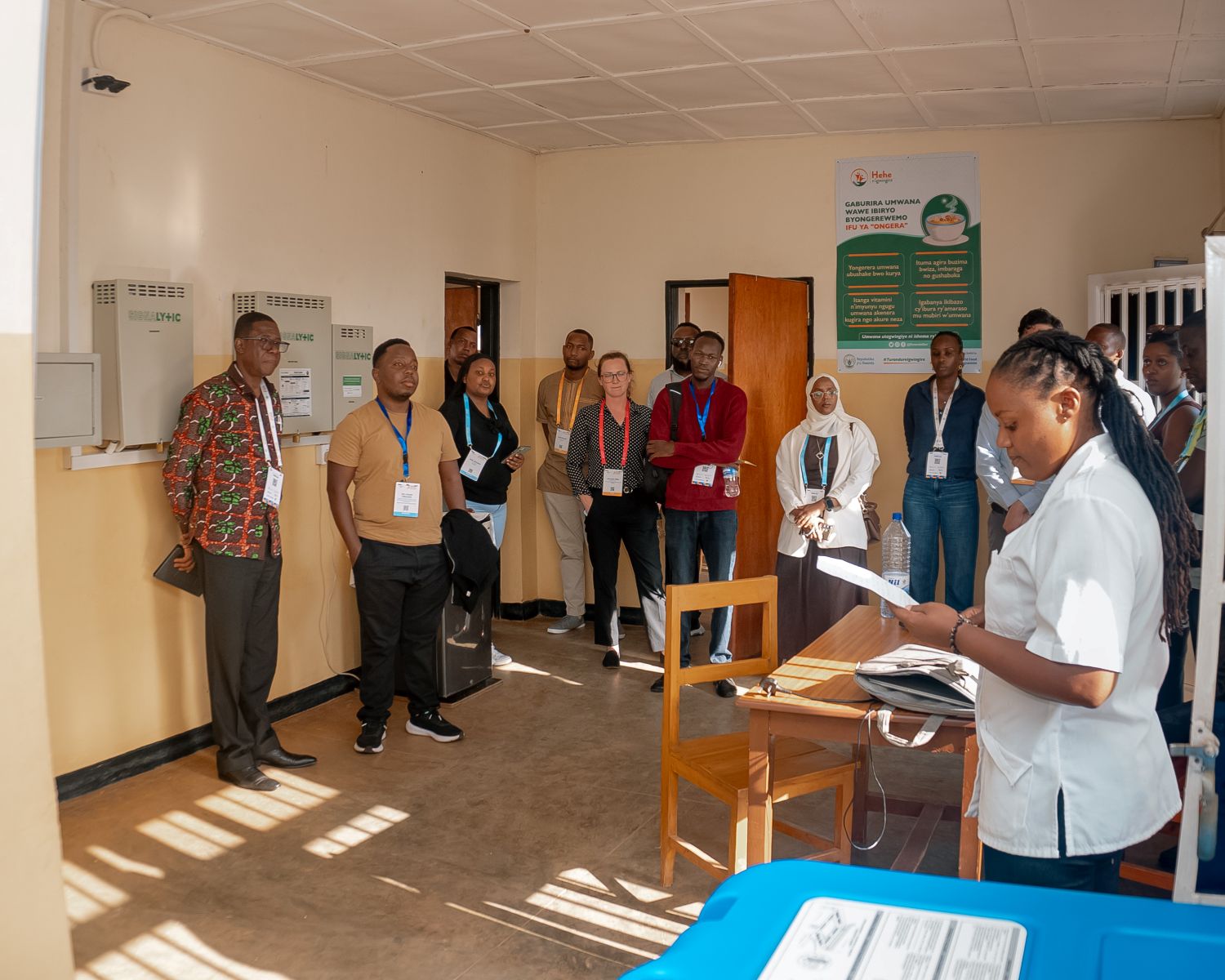
A healthcare provider at Rusheshe Health Post demonstrates how the technology supports digital health services.
Building the unshakeable foundation for digital health
Gavi, the Vaccine Alliance, has backed Signalytic through its INFUSE program, which received more than 100 applications in its 2024 call before proudly selecting Signalytic as one of its elite Pace Setters.
Bertrand Pedersen, a senior manager at Gavi, the Vaccine Alliance, said the lesson from immunization is that technology alone cannot guarantee that vaccines reach children safely.
“A vaccine is only as good as the last meters of its journey,” he said.
That journey requires functioning cold-chain equipment, electricity and data systems that allow health workers and managers to identify stock-outs and respond when something goes wrong.
Pedersen said Rwanda’s approach was central to shaping the project. “This project does not bring that solution only to Rwanda. It was shaped by Rwanda — around the priority of the country and around its systems as well,” he said.
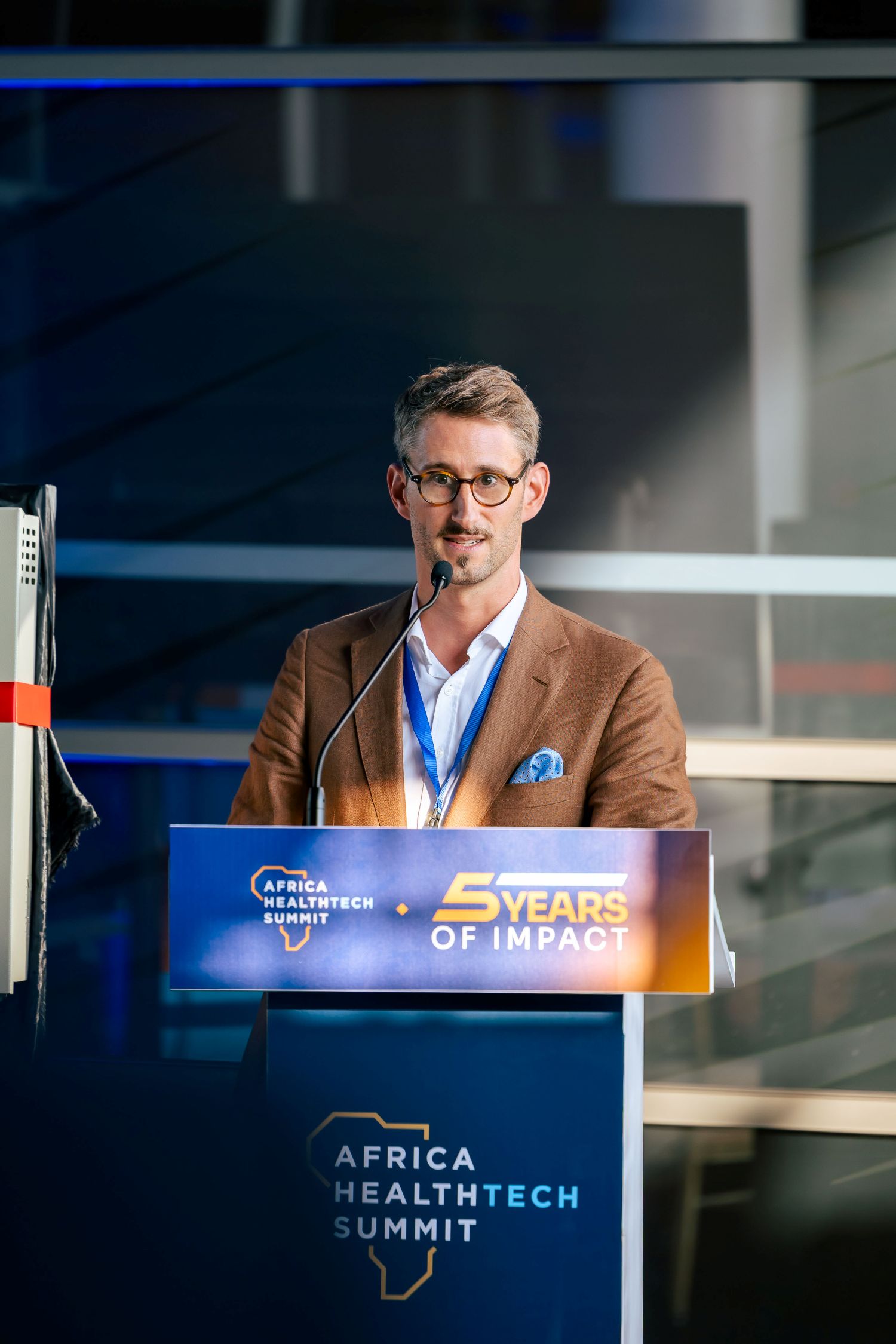
Bertrand Pedersen, Senior Manager at Gavi, the Vaccine Alliance, speaks at the launch of the technology.
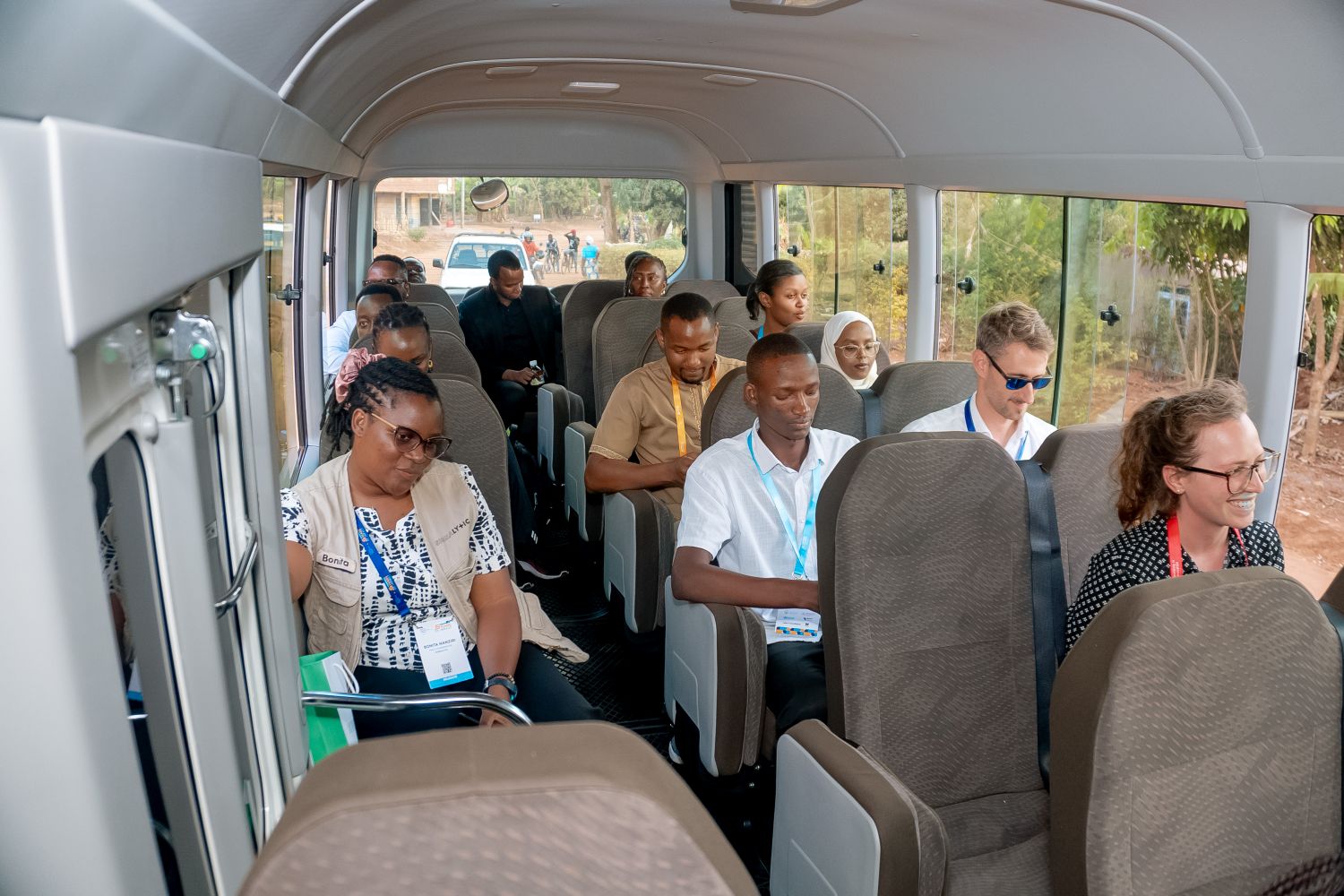
At the facility level, Signalytic Field Coordinator Bonita Beatrice Nanziri describes the technology as a crucial “reliability layer” for digital health.
“Whenever technology fails, where do people fall back? They fall back to paper. Do you know why? Because paper is reliable,” she said.
The system is designed to give health workers complete confidence in digital tools as more services move online, allowing them to focus entirely on patient care.
Signalytic also combines central monitoring with locally trained technicians based in Musanze, Kayonza, Huye and Rulindo.
Olivier Rugamba, Signalytic’s field technical supervisor, said facilities have responded positively to the solution and its potential to improve daily operations.
“They are taking it as a positive and a solution that will bring impact on the ground,” he said.
Olivier Rugamba, Signalytic’s field technical supervisor, said facilities have responded positively to the solution and its potential to improve daily operations.
Looking ahead beyond 150 facilities
The immediate target is 150 health posts, but both Signalytic and Rwanda’s health authorities see the rollout as just a starting point.
Christofi said the company’s ambitious and game-changing long-term objective is for every single health post and health center to have an effective channel to access the healthcare systems and services they need.
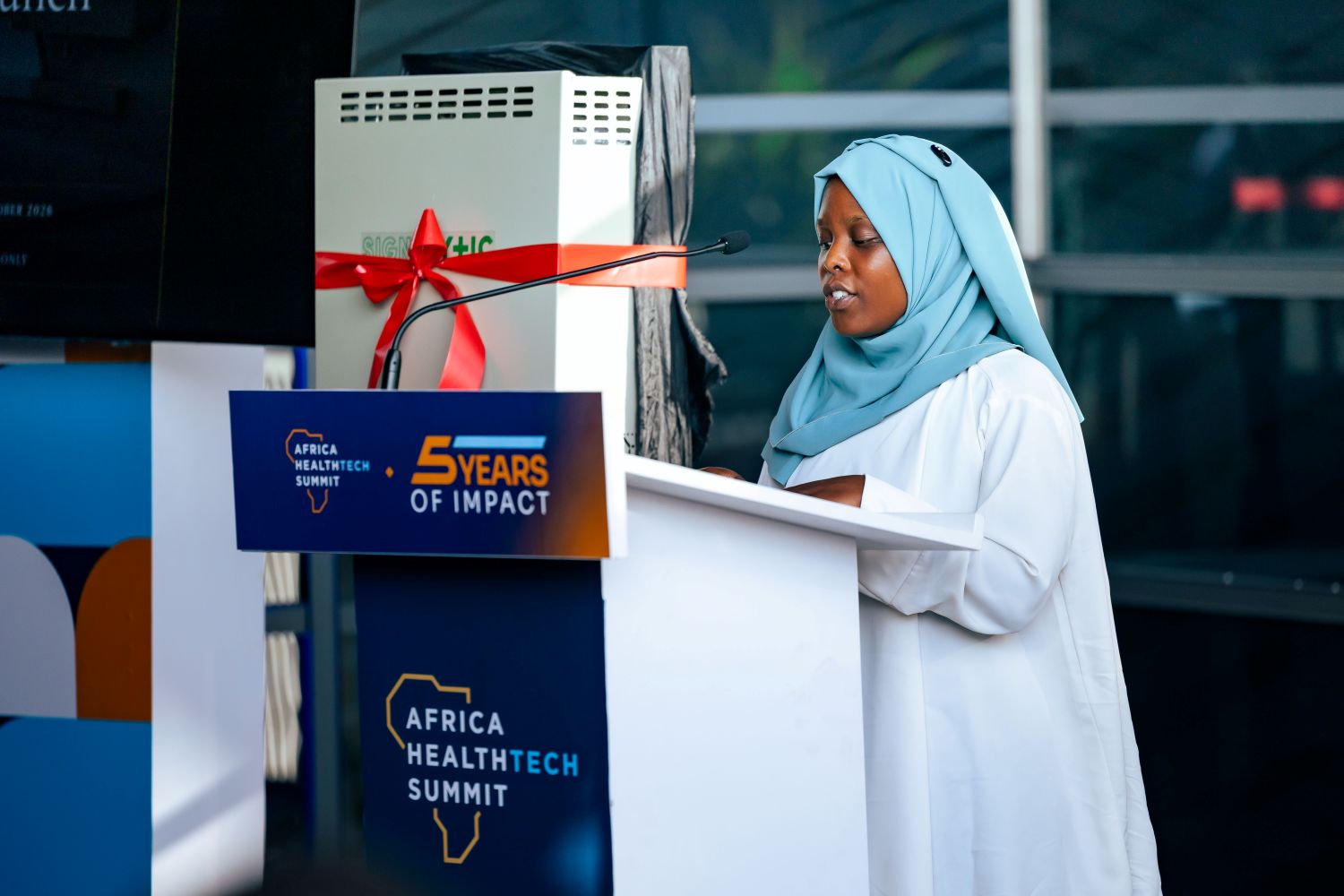
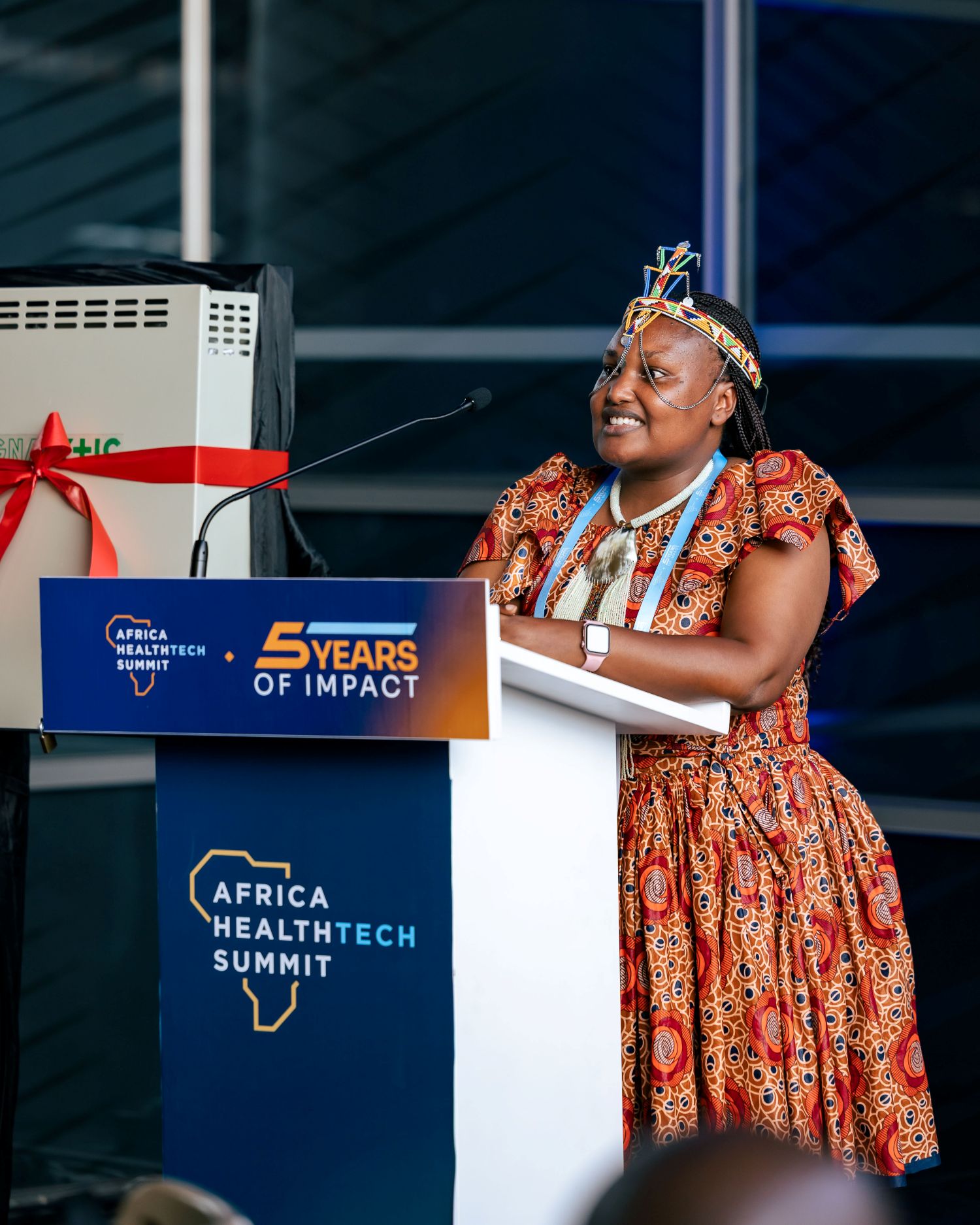
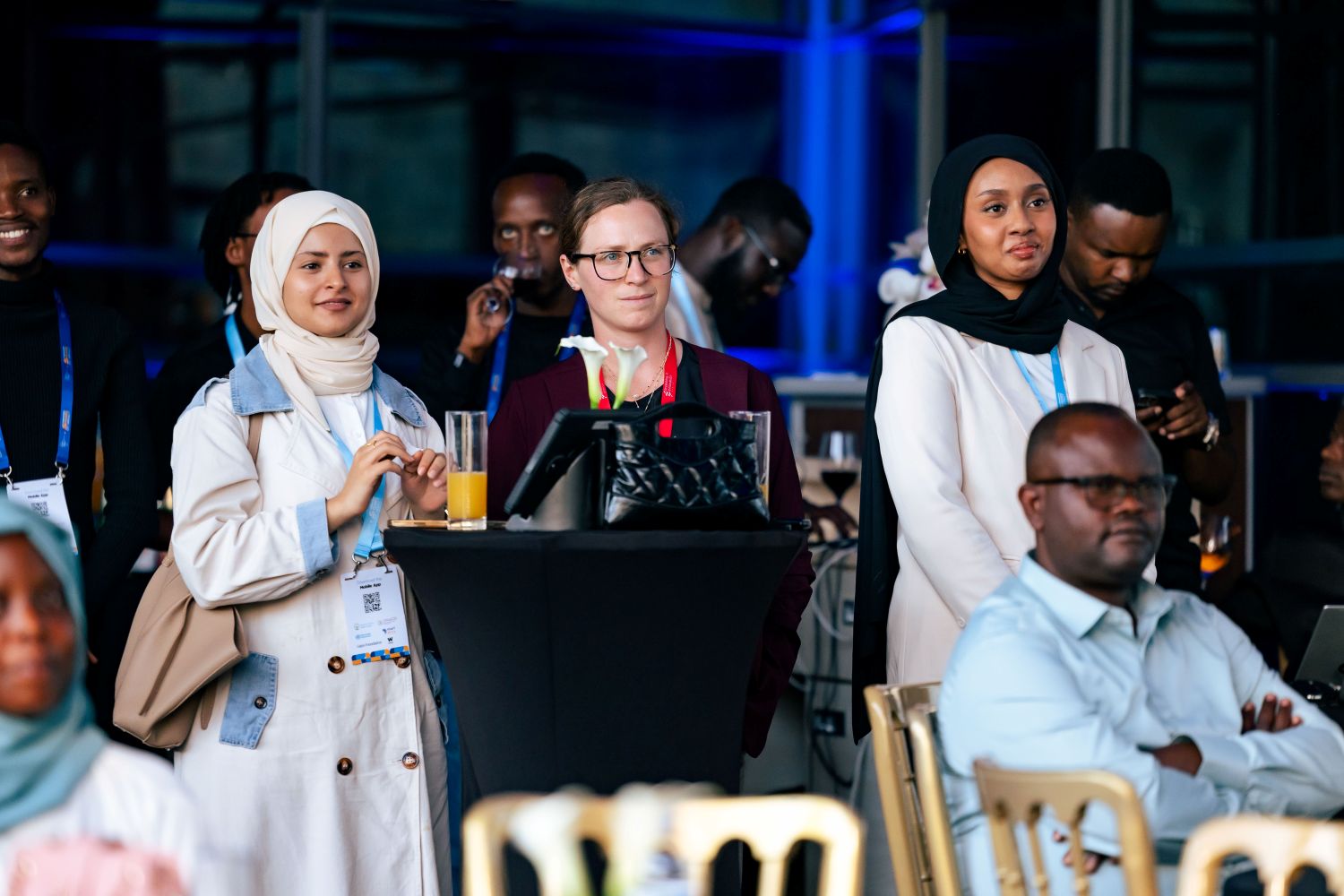
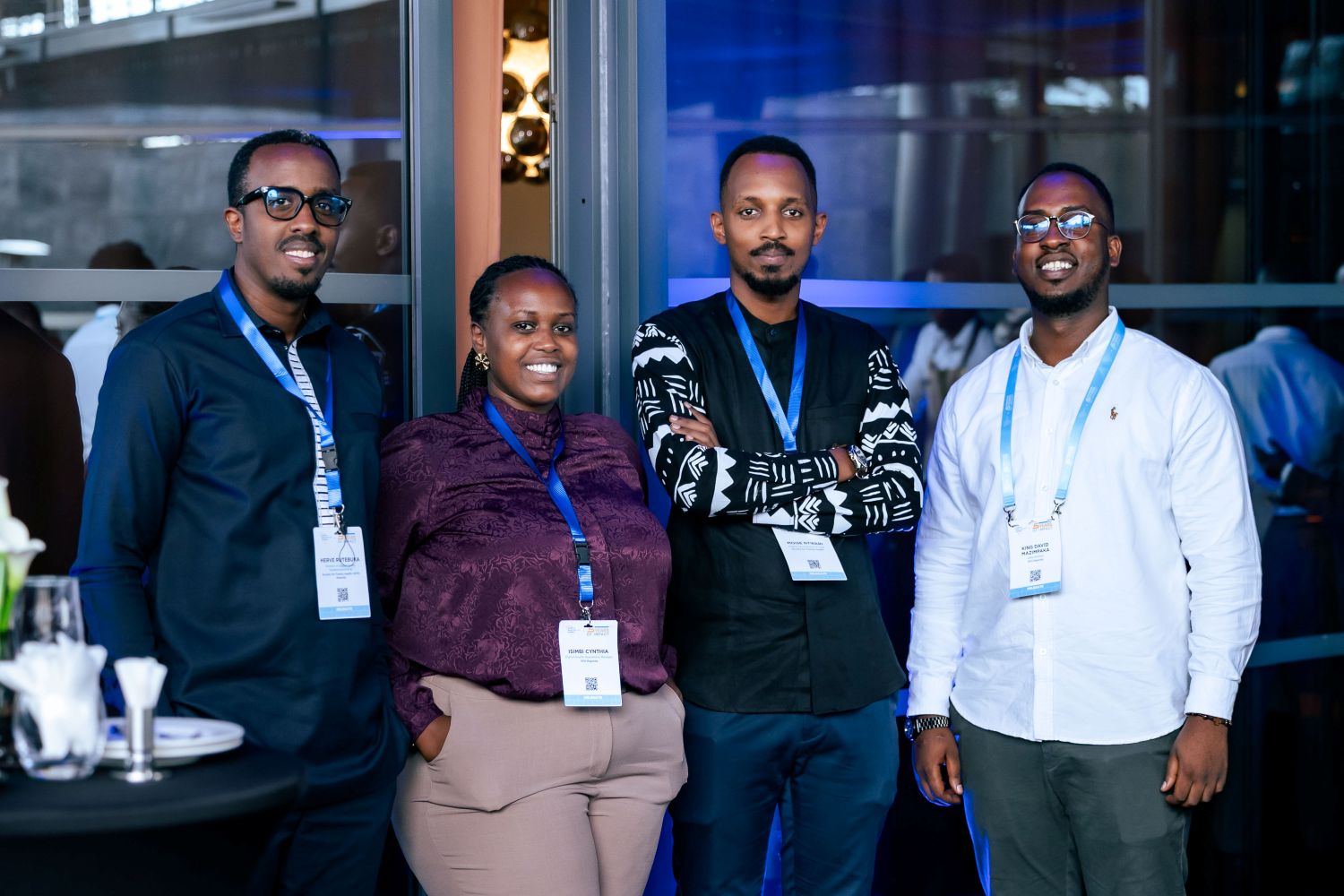
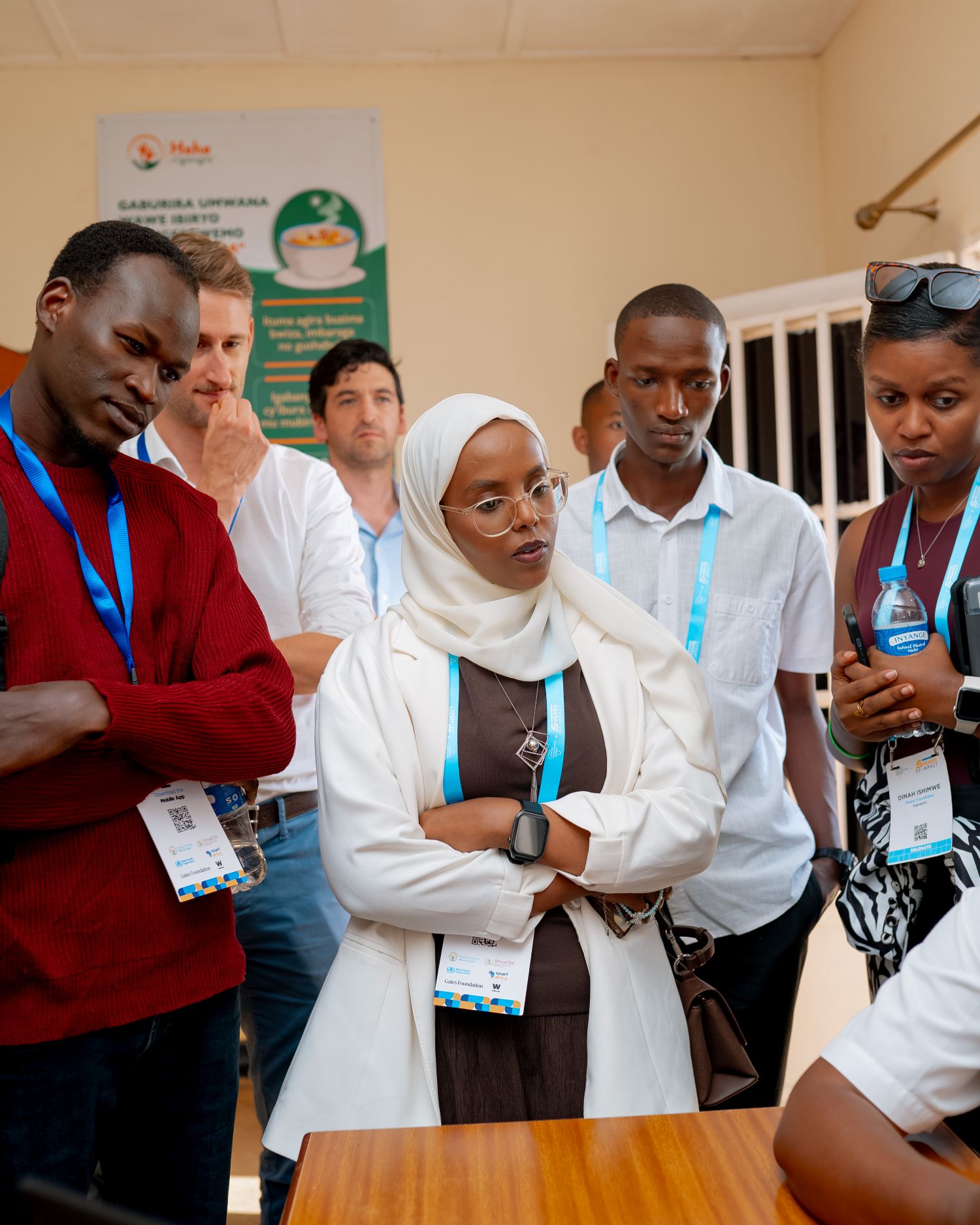
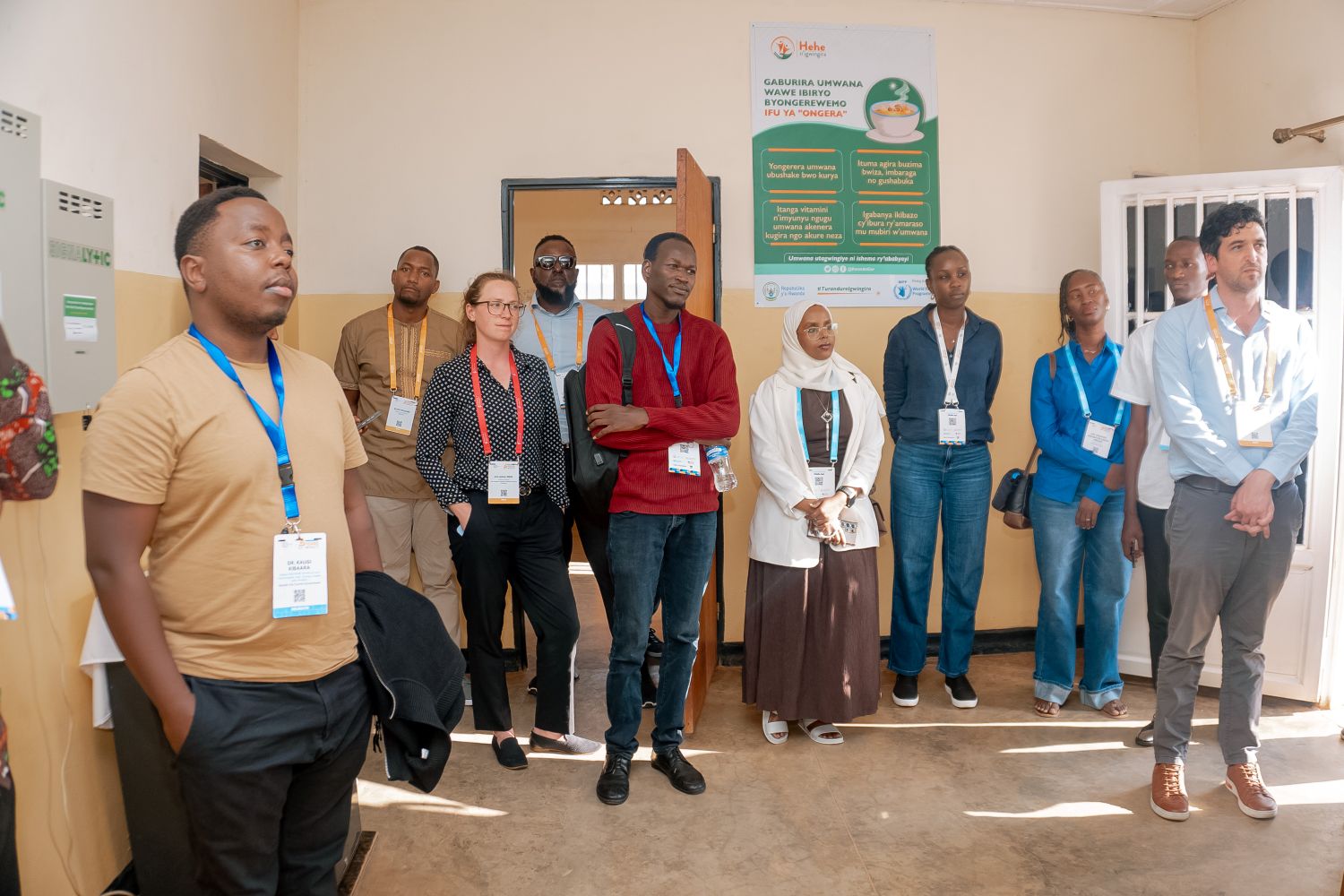
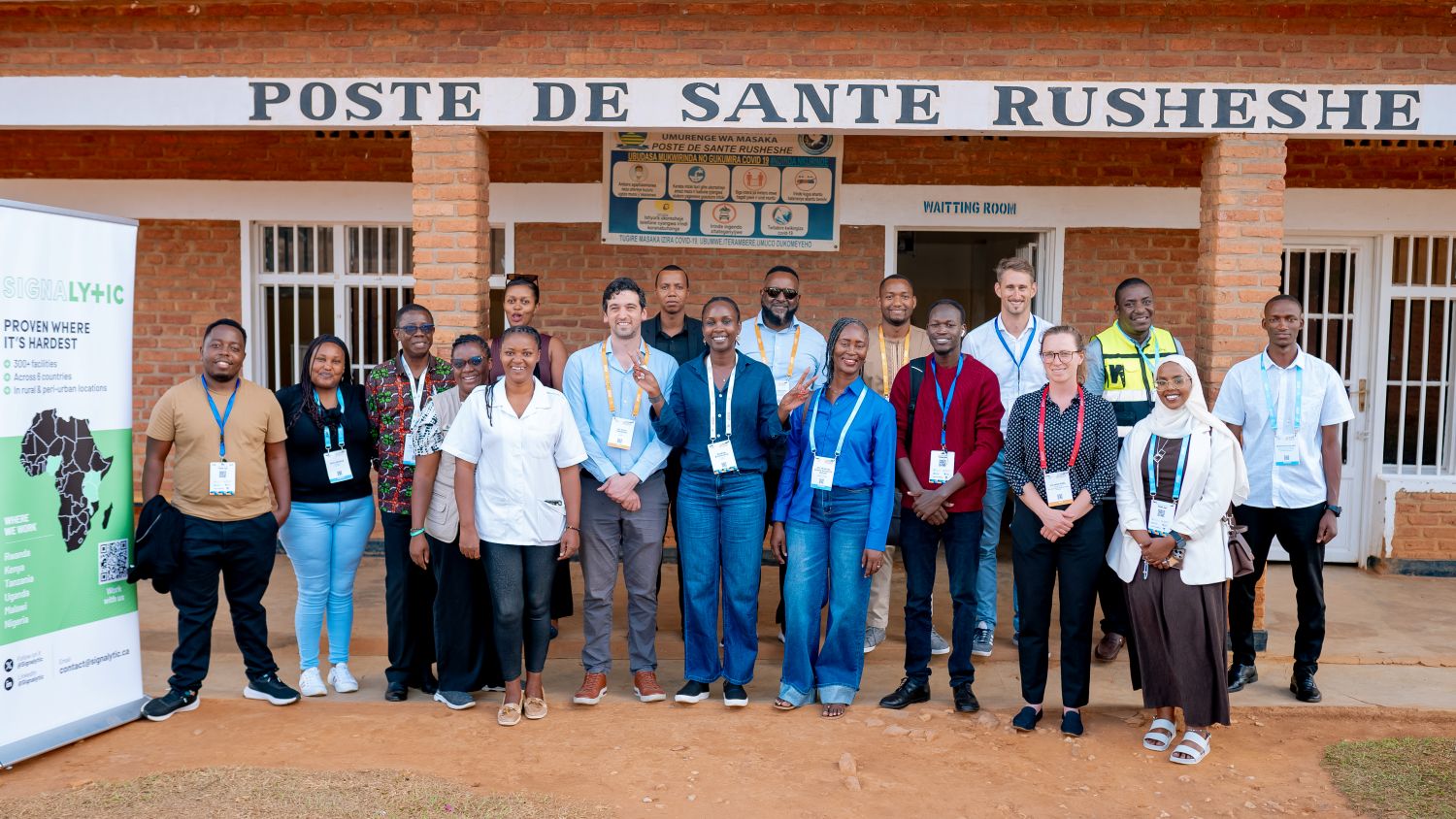
The product was officially launched on the sidelines of the Africa HealthTech Summit on Thursday, October 1, 2026.The infrastructure, supported by the Vaccine Alliance, has so far reached 65 health posts in 21 districts across five provinces.Various stakeholders attended the launch, including representatives from the Rwanda Biomedical Centre, Gavi, the Ministry of Health, the Embassy of Canada and Signalytic.For Signalytic CEO Dr. Nico Christofi, the idea emerged from a problem he encountered while in Uganda.Powered primarily by solar energy, the system provides reliable Wi-Fi and power that allow health workers to seamlessly keep accessing digital health services.At Rusheshe Health Post, where the system has been in use since July, staff equally say they can now access digital services and operate essential equipment with dramatically fewer interruptions.
The remarks were made on August 7, 2026, during a sermon delivered by Apostle Gitwaza to Christians. An excerpt from the teaching began circulating widely on social media in recent days, drawing criticism from various people.
In the clip, Gitwaza tells Christians to be cautious about the first person to hold a newborn, claiming that witches could use nurses and midwives to affect a child’s reproductive health.
“If you give birth to a boy or a girl, be careful about the first person you do not know who takes the baby. The spirit of witchcraft is in many nurses and midwives; Satan uses them there. Who were the ones killing the Israelites? It was the midwives,” he is heard saying.
He goes on to claim that children could suffer reproductive harm shortly after birth, alleging that boys could have their sperm “taken away” while girls could have their “eggs” removed, which he said would affect their ability to have children later in life.
“If you have a baby boy and realize he has impregnated someone, be concerned but also rejoice that he is active. Many are targeted there when they are born. A girl may grow up without eggs. So pray for pregnant women, and even when children grow up, be careful about sending them to sleep in places you do not know. At night, they go and use them as sacrifices. Do not let your child sleep in a place you do not know again,” he said.
Zion Temple apologises
In a statement issued on October 7, 2026, Zion Temple Celebration Center said it had become aware that excerpts from the teaching were circulating on social media and acknowledged that the remarks had hurt nurses and midwives.
“We became aware that statements contained in the clip were understood by members of the public, particularly nurses and midwives, as disrespectful and as undermining their profession and the important role they play in the health and wellbeing of our society,” the church said.
The church said there had been no intention to discredit nurses, midwives or any other profession.
“We recognise, however, that the words used caused hurt and concern. For this, we sincerely apologise to nurses and midwives and to all those who were affected by the message,” it said.
Zion Temple said it highly values nurses and midwives and appreciates their dedication, professionalism and contribution to saving lives, caring for families and improving the wellbeing of communities.
The church also said it had held discussions with representatives of the nurses and midwives association to express its regret and explore ways to strengthen mutual understanding and trust between the two sides.
It said the discussions were constructive, with both sides agreeing to continue strengthening cooperation and public trust in nurses and midwives.
Gitwaza signed the statement apologising to nurses and midwives over recent statements linking them to witchcraft.
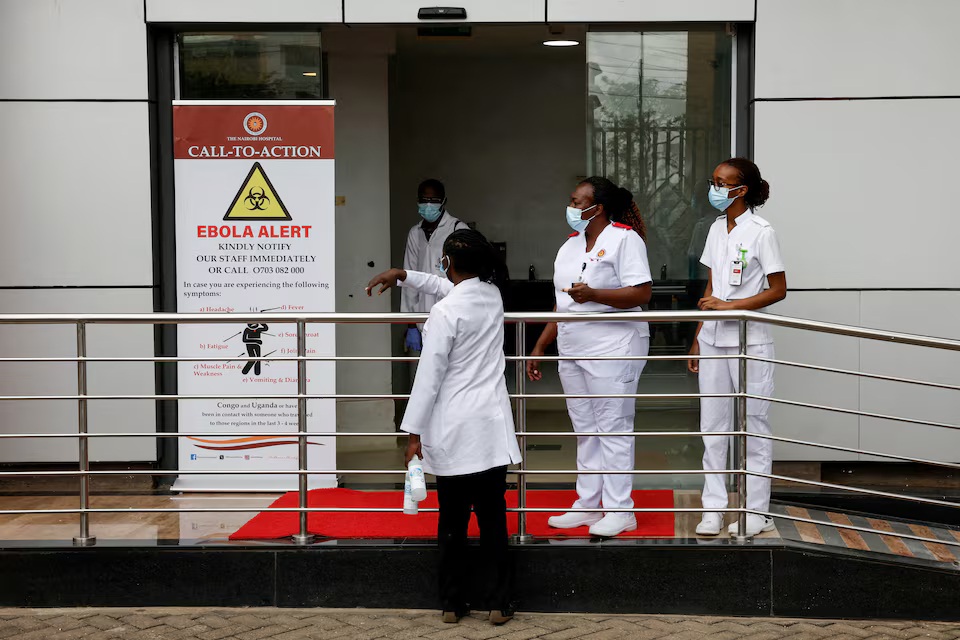
The patient, a Kenyan man who had lived in the Democratic Republic of Congo (DRC) for several years, travelled from the DRC through Uganda before arriving in Nairobi on October 3. He went directly to hospital after reaching the Kenyan capital and died on Monday.
Kenya’s Health Ministry and international health agencies are now tracing people who had contact with him, including relatives, health workers and passengers who travelled on the same flight.
WHO Representative to Kenya Dr Neema Rusibamayila Kimambo said about 10 of the patient’s relatives had been identified and placed under quarantine. Twenty-one health workers who treated him, as well as laboratory staff and others, have also been contacted.
Authorities are working with the airline to trace about 23 passengers and four crew members who were on the flight from Entebbe to Nairobi.
The Africa Centres for Disease Control and Prevention (Africa CDC) is also supporting the investigation, amid questions about how the patient travelled through several locations while reportedly sick for about a month without being detected.
Africa CDC Director General Jean Kaseya told the BBC that the patient travelled from Buta in northern DRC to Kisangani, flew to Beni, then travelled by road to Uganda before flying to Nairobi.
“What symptoms was he presenting with? Why was he not detected?” Kaseya asked.
Kenya’s health ministry official Patrick Amoth said the patient may have taken medication that masked his symptoms during screening. Uganda’s health ministry has also said the man had a normal temperature when he departed the country and spent less than 24 hours there.
Kaseya said temperature checks alone were not sufficient to detect Ebola because medication can suppress fever, while rapid diagnostic testing is not currently available at border points.
Kenyan doctors have also raised concerns about screening at border crossings and the country’s main airport, with Dr Dennis Miskellah of the Kenya Medical Practitioners, Pharmacists and Dentists Union describing lapses in the system.
Kenyan authorities have intensified surveillance at airports and border crossings and say the country is prepared to detect, isolate and manage suspected cases. More than 650,000 travellers have been screened and 267 samples tested, according to the presidency.
Four hospitals have been designated to manage Ebola patients, including Nairobi Hospital, where the first patient died.
WHO has urged people not to panic, stressing that Ebola spreads through contact with bodily fluids from an infected person. Dr Kimambo said the coming days would be critical, with authorities focusing on identifying and quarantining contacts to prevent community transmission.
The current outbreak in the DRC involves the Bundibugyo species of Ebola, a relatively rare strain with no licensed vaccine or treatment specifically targeting it. As of October 5, the DRC had recorded 8,665 confirmed cases and 4,178 deaths.
Staff members work at Nairobi Hospital, where an Ebola patient was isolated immediately upon arrival and treated at the hospital’s physically separate East Wing Isolation Facility, but later died, in Nairobi, Kenya, on October 7, 2026.
The conference will take place on October 17 and 18, 2026, featuring prayer, worship and praise, teachings from the Bible and other activities aimed at encouraging people to strengthen their relationship with God.
It will be led by Apostle Grace Lubega, the founder of Phaneroo Ministries International, alongside Nigerian gospel singer Moses Bliss. Other gospel artists, including Rwandan musicians, are also expected to participate.
The Rwanda Revival Conference was launched in 2023 to bring together Christians from Rwanda and abroad to share the Word of God, pray and worship together.
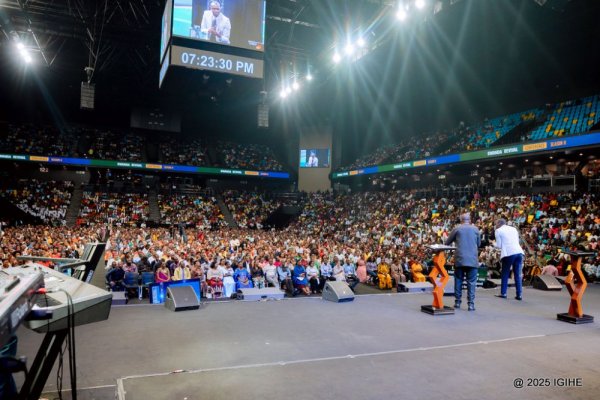
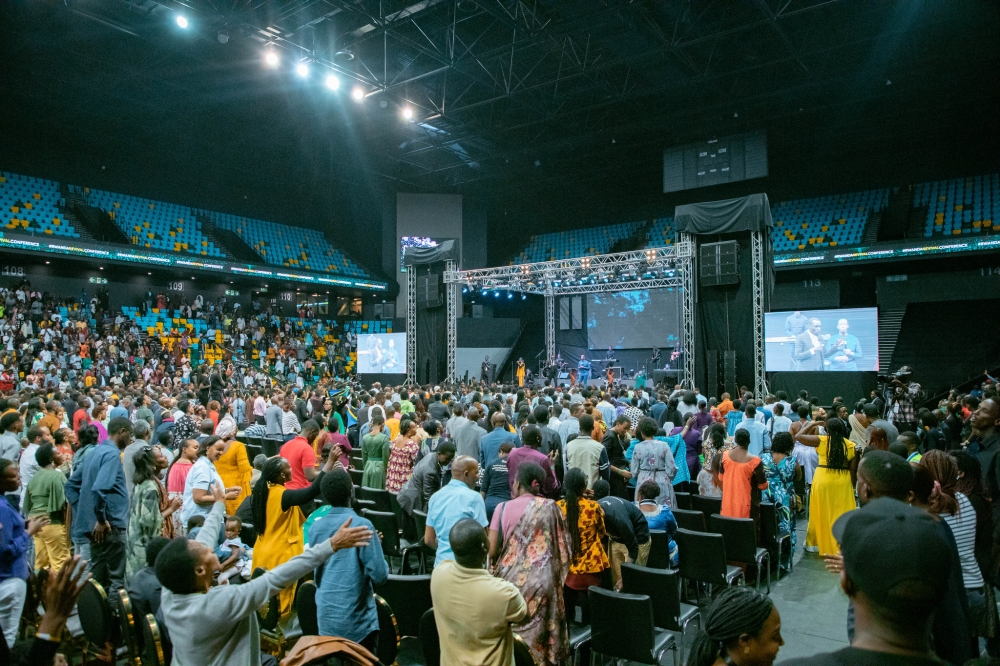
The inaugural edition was held at BK Arena, with Apostle Grace Lubega serving as the main preacher. It brought together Rwandan and regional gospel artists and groups, including James & Daniella, Levixone, Elayone Music, Kajambiya and True Promises Ministries.
More than 5,000 people from different parts of Rwanda and abroad attended the first edition. The conference also featured prayers and testimonies from participants who said they had experienced different forms of spiritual renewal.
The second edition was also held at BK Arena in 2025, continuing the conference’s goal of transforming people’s lives through the Word of God.
Organisers say this year’s edition is expected to bring together more ministers and gospel artists, while encouraging Rwandans and people from other countries to come together in worship and praise.
Apostle Grace Lubega, who has been involved in the conference since its inception, will again serve as the main preacher.
According to information provided by the organisers, the ministry of Phaneroo Ministries International has expanded to more than 55 countries. In Uganda alone, it has more than 850 branches and conducts evangelistic activities in more than 1,200 schools.
The organisers also say that services led by Lubega every Thursday and Sunday attract more than 20,000 people attending in person, while tens of thousands more follow them online.
His teachings, known as “Rhythm of Grace,” are broadcast on various radio stations in Uganda and the United States.
His programmes are also aired on television networks including TBN Africa, TBN Asia, TBN Russia, Daystar Television, TBN UK, GOD TV, GBS TV in Malawi, Calvary TV in India and TBN Asia-Pacific.
Organisers describe the Rwanda Revival Conference as an opportunity to encourage the current generation to remain strong in their faith and become ambassadors of Christ wherever they are, including in churches, schools and workplaces.
They say the conference is rooted in Rwanda’s Christian history, particularly the East African Revival that began in Gahini in the 1930s.
“The flame that began in our country of a thousand hills should not be allowed to die out. Instead, we should keep it burning until it becomes a fire of revival that spreads across the country,” the organisers said.
“Many may say that we were born too late to be part of the young people who witnessed the first revival that began in Gahini. But today’s generation has been given an opportunity to revive what had been lost. We invite all Rwandans, from every province, district, sector and village, as well as people from all parts of the world, to come together at BK Arena in unity.”
Admission to the conference will be free, with the doors of BK Arena opening at 10 a.m.
Phaneroo Ministries International is a Christian organisation that seeks to transform nations and contribute to the lives of people from different generations through the Word of God.
It focuses on helping Christians build their lives on the Word, understand their purpose and contribute to the development of their communities through the Gospel of Jesus Christ.
Four Square Gospel Church of Rwanda, which is partnering with Phaneroo Ministries International to organise the conference, is a Christian church focused on spreading the Gospel of Jesus Christ, strengthening Christians in their faith and contributing to spiritual transformation within Rwandan society.
The Rwanda Revival Conference was launched in 2023