The number of fraud cases declined to 2,879 in the second quarter from 4,128 during the same period in 2025.
The amount involved also fell by 26%, from Rwf637 million in the second quarter of 2025 to Rwf471 million in the same period this year.
However, only 3.6% of the amount involved in fraud during the second quarter had been recovered, highlighting the continued challenge of tracing and recovering funds after fraudulent transactions.
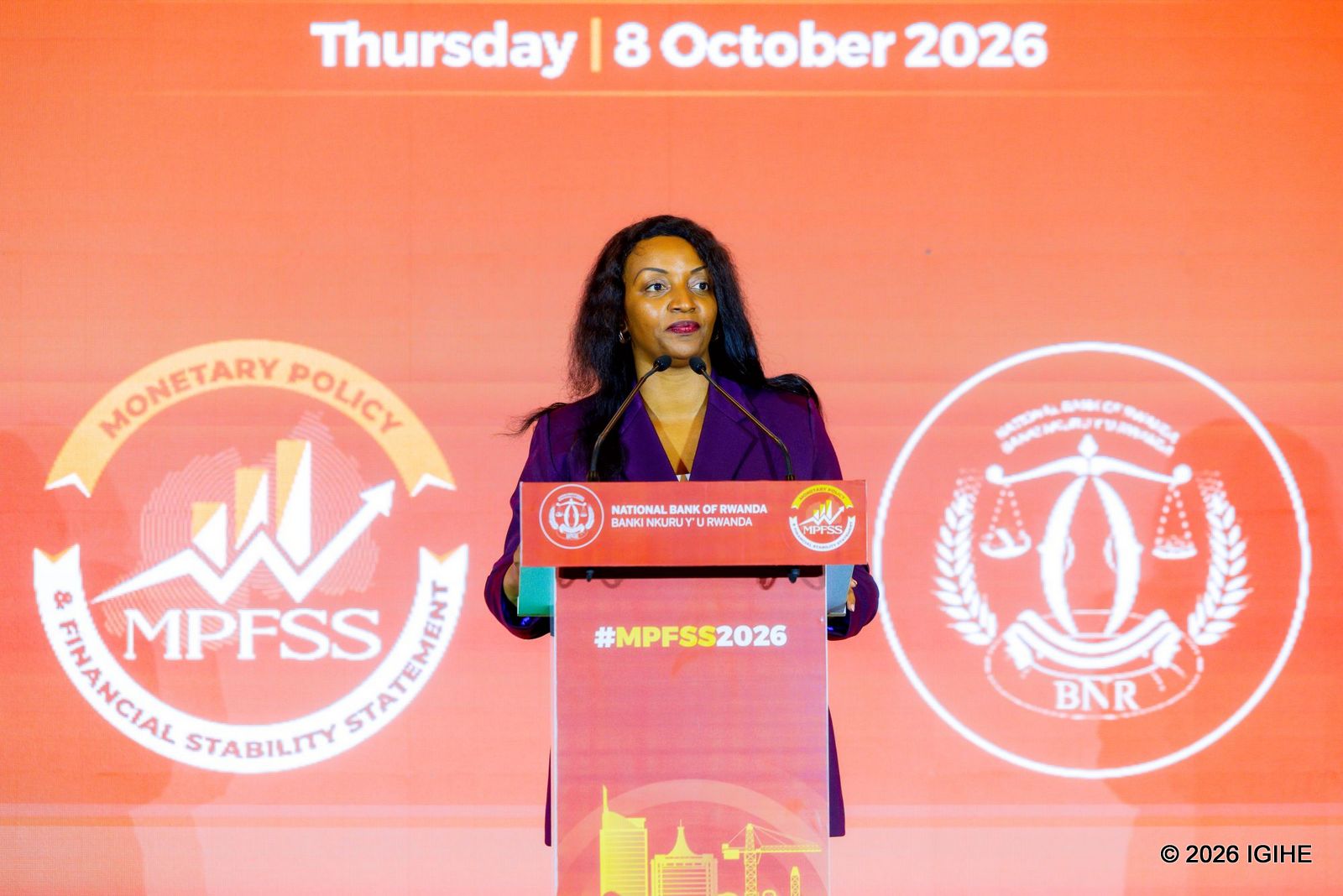
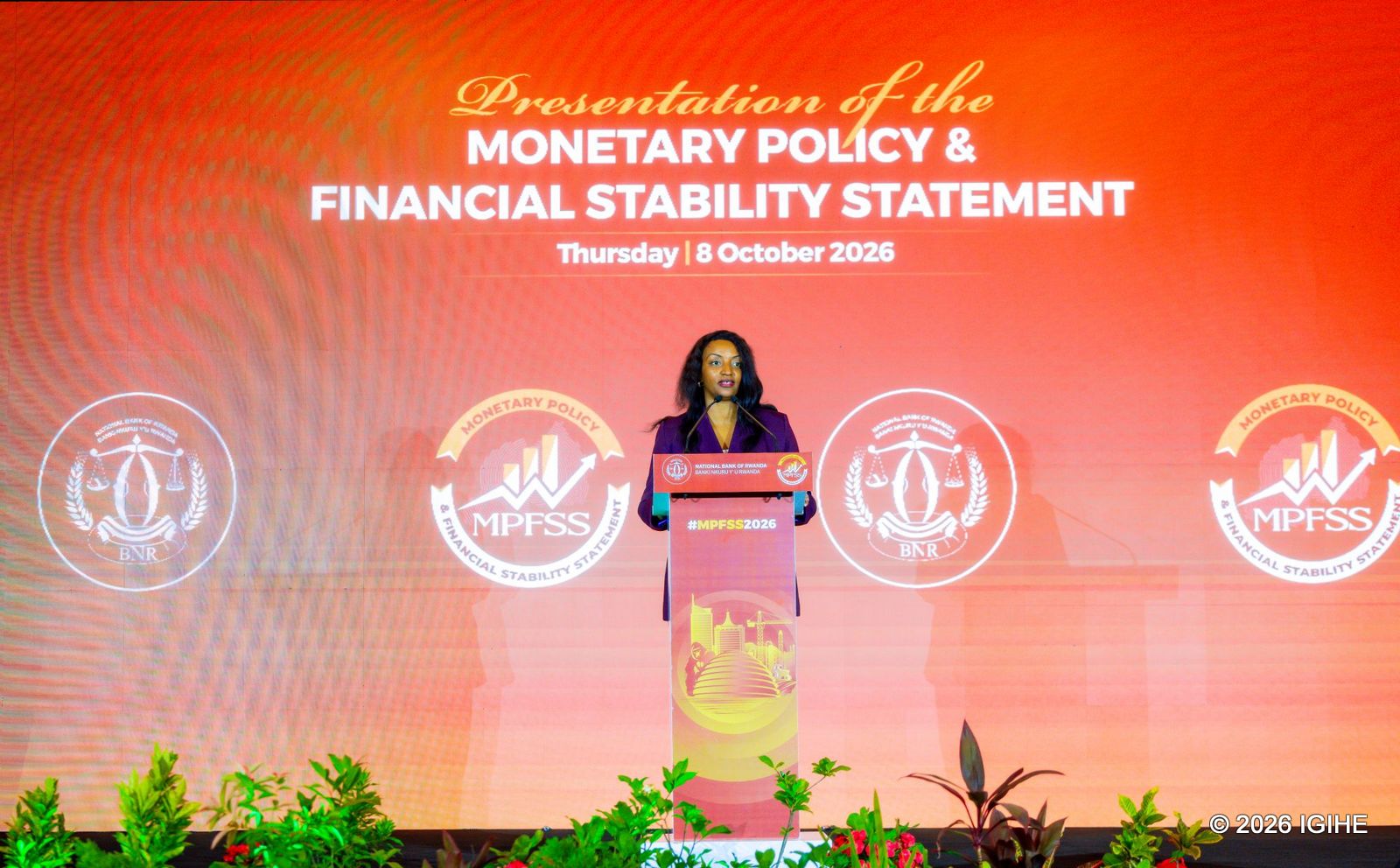
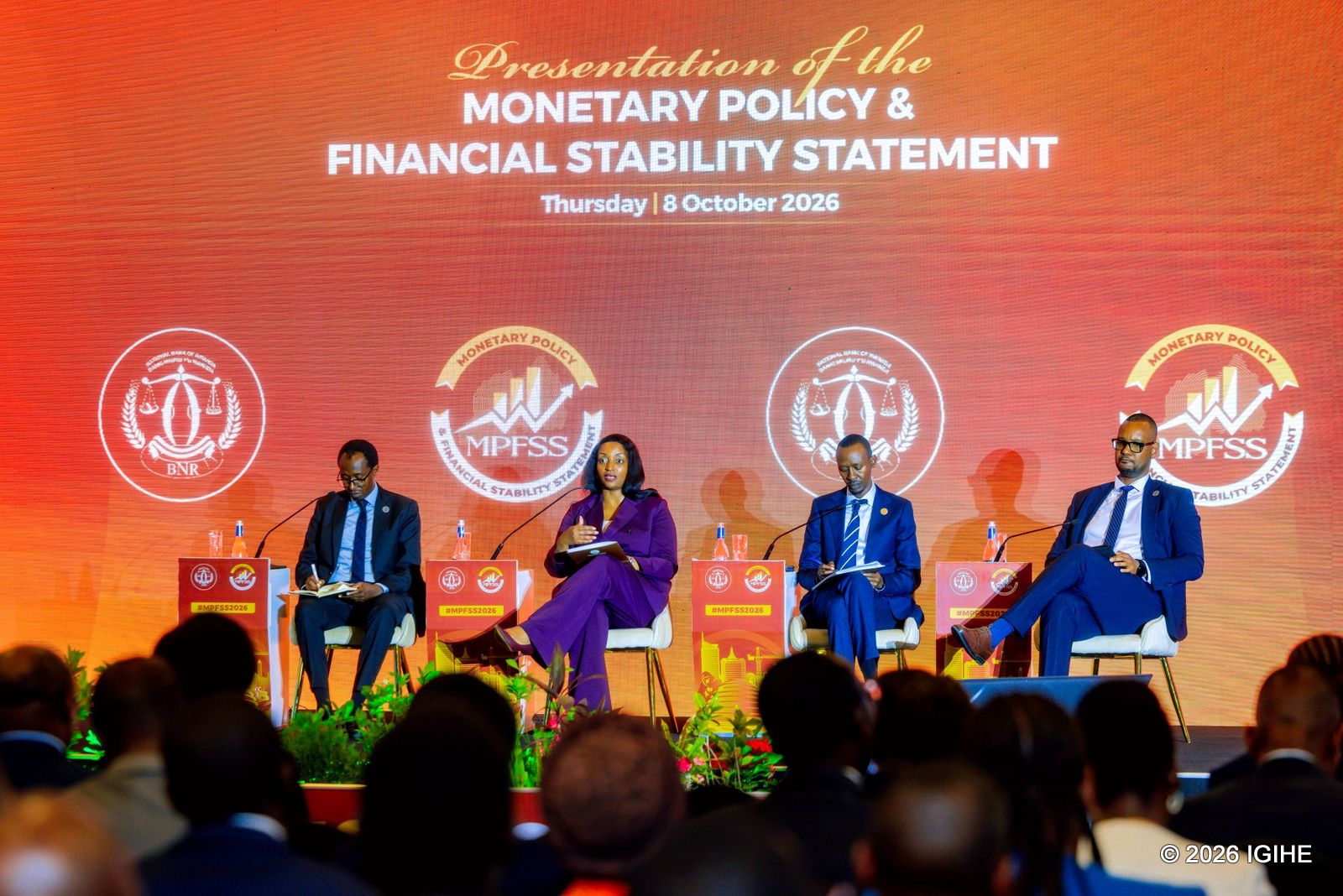
BNR Governor Soraya Hakuziyaremye presented the figures on Thursday, October 8, during the presentation of BNR’s second Monetary Policy and Financial Stability Statement for 2026 at the Kigali Serena Hotel.
Hakuziyaremye said fraud and cyber risks remain key operational concerns as the use of digital financial services continues to expand.
“With digitization, one of our key operational concerns is around fraud and cyber fraud,” Hakuziyaremye stressed.
The decline in fraud comes as digital payments grow rapidly across the country.
The value of electronic payments reached the equivalent of 341% of GDP in the first half of 2026, up from 321% during the same period last year.
Retail payments also increased by 36% to Rwf27.8 trillion in the first six months of 2026, from about Rwf20.4 trillion a year earlier.
Mobile payments were among the key drivers of the growth in digital transactions.
BNR has continued to strengthen measures to address fraud and other risks linked to the rapid adoption of digital financial services, including enhanced electronic know-your-customer requirements and closer monitoring of payment service providers.
The central bank has also urged users to remain vigilant against scams, with social engineering and other deceptive tactics continuing to be used to trick customers into authorising fraudulent transactions.
Financial outlook
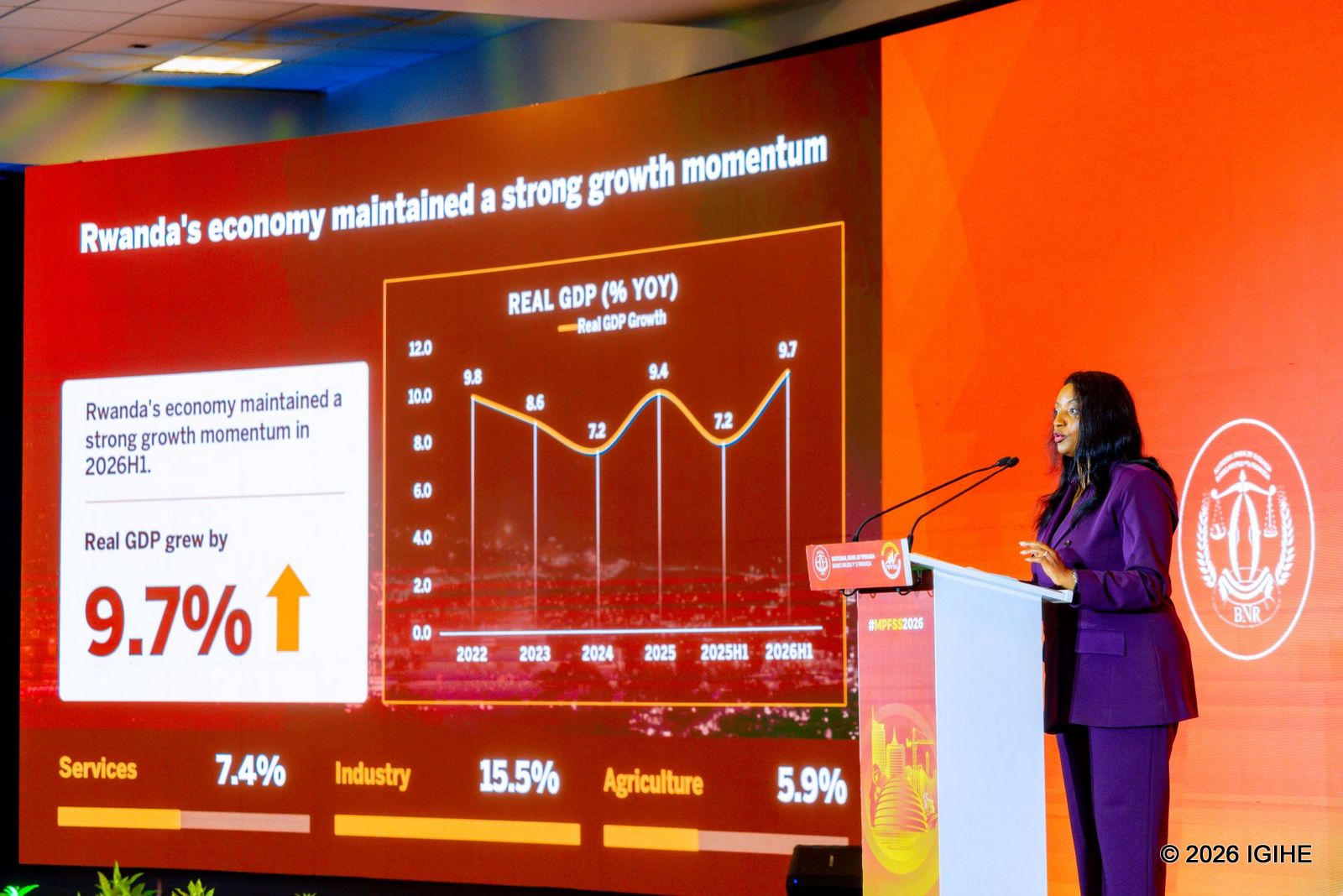
In the period under review, the economy grew by 9.7% with industry leading growth, followed by services. The central bank expects the economy to grow by 7.8% for the full year.
However, inflation remained a key concern, averaging 11.2% in the first half of the year before rising to 15.7% in August, driven mainly by higher food, energy and transport prices. BNR expects inflation to average about 13.9% in 2026 before easing below the upper target band of 8% in the second half of 2027.
The financial sector also continued to expand, with total assets rising by nearly 23% to Rwf17.5 trillion in the first half of the year. Bank lending increased by 22% to Rwf6 trillion.




Leave a Reply