Speaking during her daily morning press conference at the National Palace in Mexico City, Sheinbaum accused political opponents of attempting to provoke a government crackdown in order to generate negative international headlines ahead of the tournament.
However, she ruled out the use of repressive police measures in response to any demonstrations.
“There are groups that want to provoke us, and they are not necessarily teachers. What they want is repression,” Sheinbaum said.
“We will also ensure that the World Cup opening ceremony proceeds smoothly, peacefully and calmly,” she added.
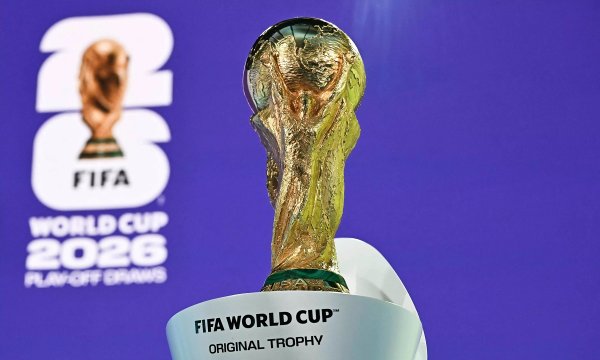
Mexico is one of three host countries for the 2026 FIFA World Cup, alongside the United States and Canada. The country is scheduled to host 13 matches across three cities: Mexico City, Guadalajara and Monterrey.
Sheinbaum’s comments come after the CNTE warned that it could stage protests if the federal government fails to meet its demands, including higher wages and other labor-related concessions.
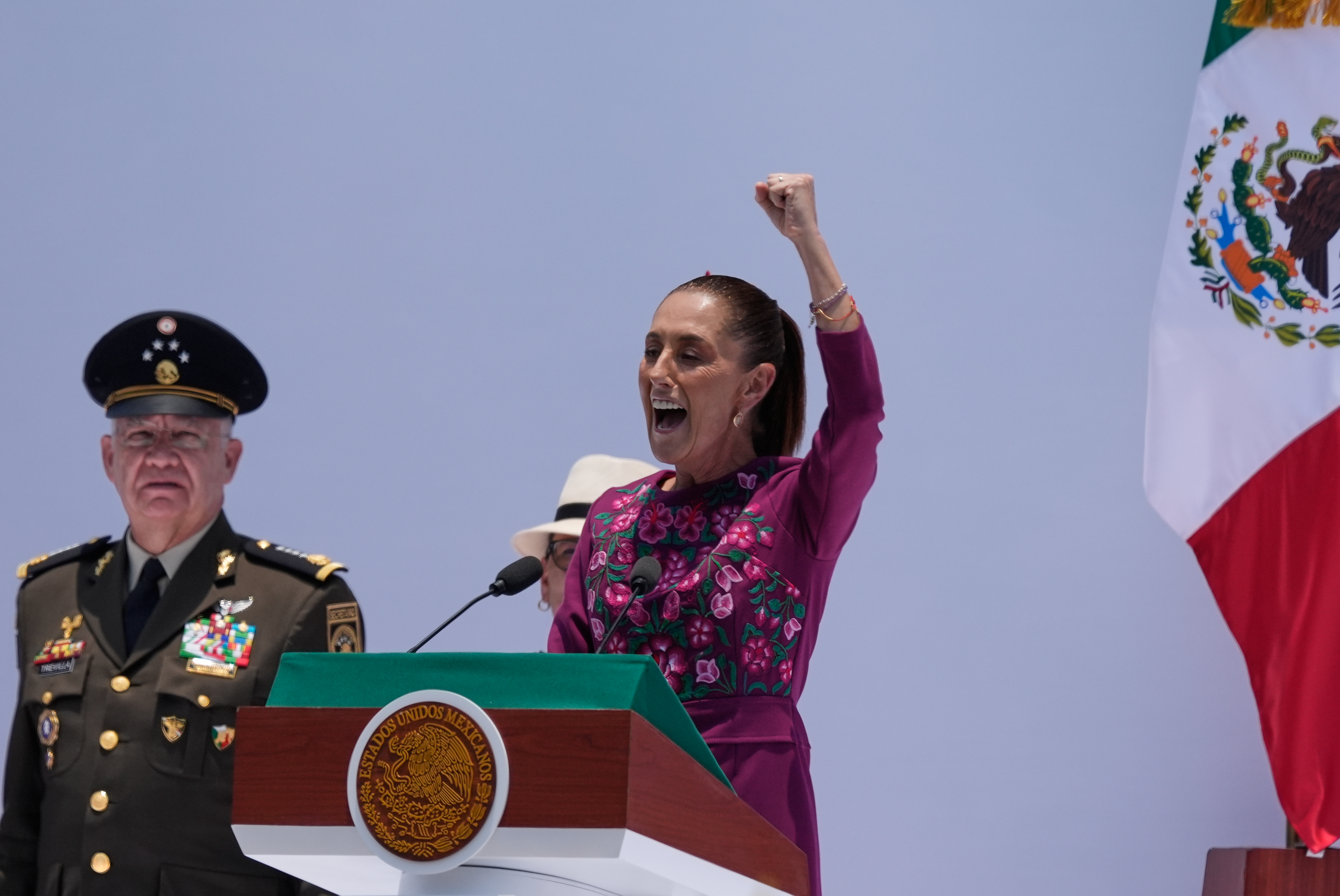
Mexican President Claudia Sheinbaum addresses supporters at the Monument to the Revolution in Mexico City, Sunday, May 31, 2026, marking two years in power. (AP Photo/Marco Ugarte)
Launched on World Oceans Day, which is observed annually on June 8, the third World Ocean Assessment found that the ocean continues to be under severe and accelerating anthropogenic pressure, driven by climate change, pollution and increased human activities.
These pressures are often cumulative, combining to cause widespread biodiversity loss, undermining the ecosystems that support fisheries, coastal protection and human health.
“The third World Ocean Assessment, launched today, documents a deepening crisis driven by climate change, overfishing, biodiversity loss and marine pollution,” UN Secretary-General Antonio Guterres said in a message for the launch of the report.
“We cannot keep treating the ocean as limitless. We must build a new relationship with the ocean: Grounded in science. Framed by international law. And built on shared responsibility — across nations, sectors, and generations — to advance the Sustainable Development Goals,” said Guterres.
The third World Ocean Assessment identified the main human drivers of change to the ocean: human population growth and demographic changes; economic activity; technological advances; changing governance structures and social, economic and geopolitical instability; climate change, biodiversity loss and pollution.
It found that about 16 percent of the total increase in ocean heat content since 1955 has occurred since 2018. The greatest relative warming has been observed in the Atlantic Ocean and the southern parts of the Indian and Pacific Oceans.
The sea level continued to rise at increasing rates, from less than 2 millimeters per year prior to 2015 to 4.3 millimeters per year in 2023, according to the report.
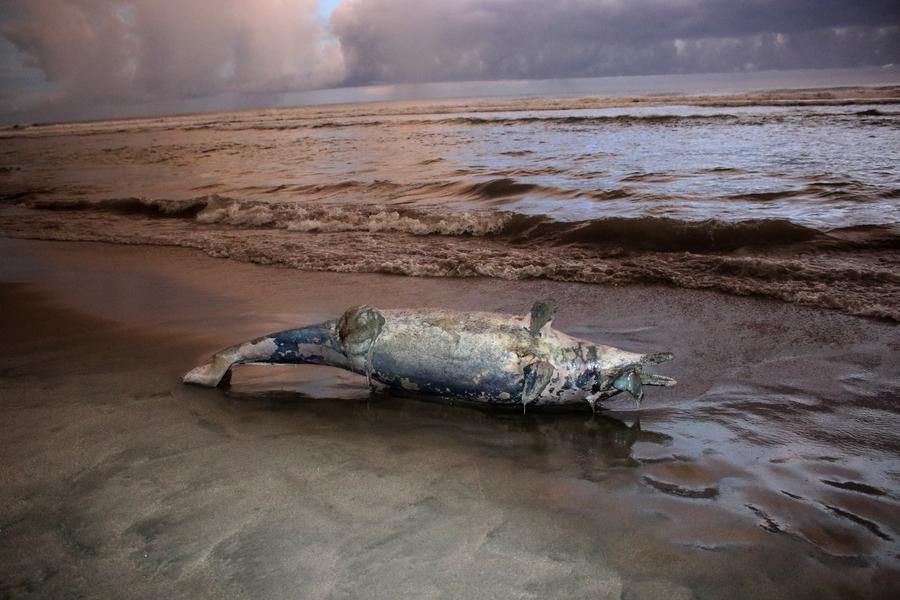
Also, it found that 52.1 million tonnes of plastic waste enter the ocean each year, contributing to an estimated 24.4 trillion microplastic particles, which are now known to affect more than 4,000 marine species.
Large gaps persist in ocean knowledge, the report said, with only 27.3 percent of the seafloor mapped as of 2025, leaving deep-sea ecosystems, biological processes, and cumulative impacts poorly understood.
“The imperative for a healthy and resilient ocean has never been more urgent. Global collaborations and research, and our increased understanding of the ocean, provide essential insights into the state of marine ecosystems, the profound changes they are undergoing and the need for our care,” said Rafael Gonzalez-Quiros, joint coordinator of the group of experts for the third World Ocean Assessment.
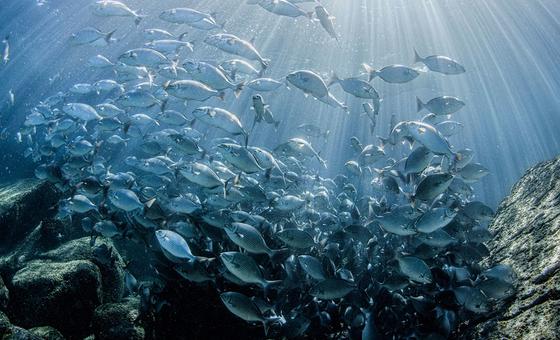
The third World Ocean Assessment found that the ocean continues to be under severe and accelerating anthropogenic pressure, driven by climate change, pollution and increased human activities.
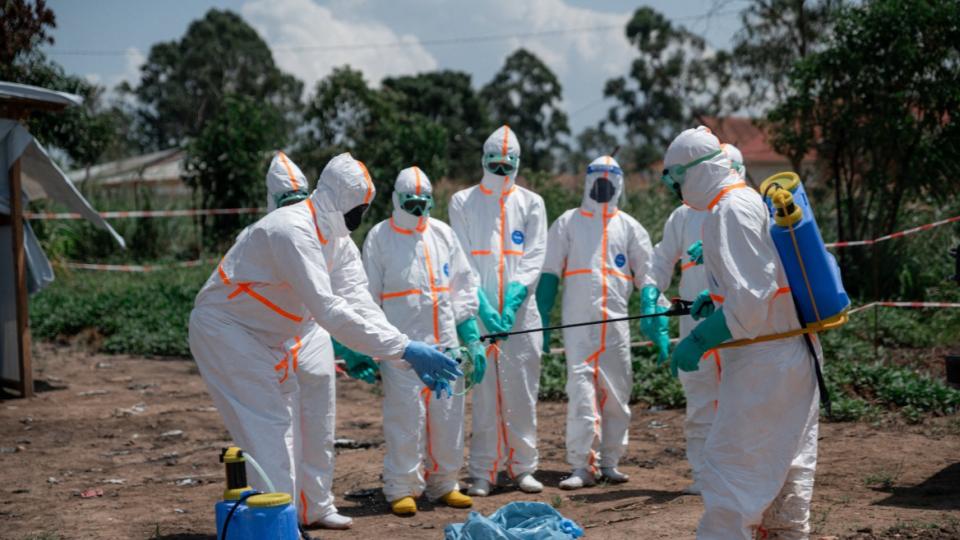
According to an update released Monday, 35 new confirmed cases, including 10 deaths, were recorded on Sunday in the eastern provinces of Ituri and North Kivu. Seven additional patients recovered, bringing the total to 19.
The outbreak was still on an upward weekly trend and the recent slight decline shown in the epidemic curve may reflect delayed laboratory updates, not a real slowdown in transmission, it said.
As of Sunday, 309 people were in isolation or hospitalized, including 116 confirmed cases and 193 suspected cases.
The contact follow-up rate in the three affected provinces rose to 64.4 percent, with 5,418 contacts under follow-up and 3,489 seen. The rate remained well below the target of 95 percent.
Laboratory capacity remained under pressure in North Kivu, with 183 test results pending due to a shortage of reagents.
The current outbreak, caused by the Bundibugyo strain of the Ebola virus, was officially declared by the DRC Health Ministry on May 15.
The affected provinces, namely Ituri, North Kivu and South Kivu, have a combined population of nearly 15 million people and face massive internal displacement and cross-border movements toward neighboring countries.
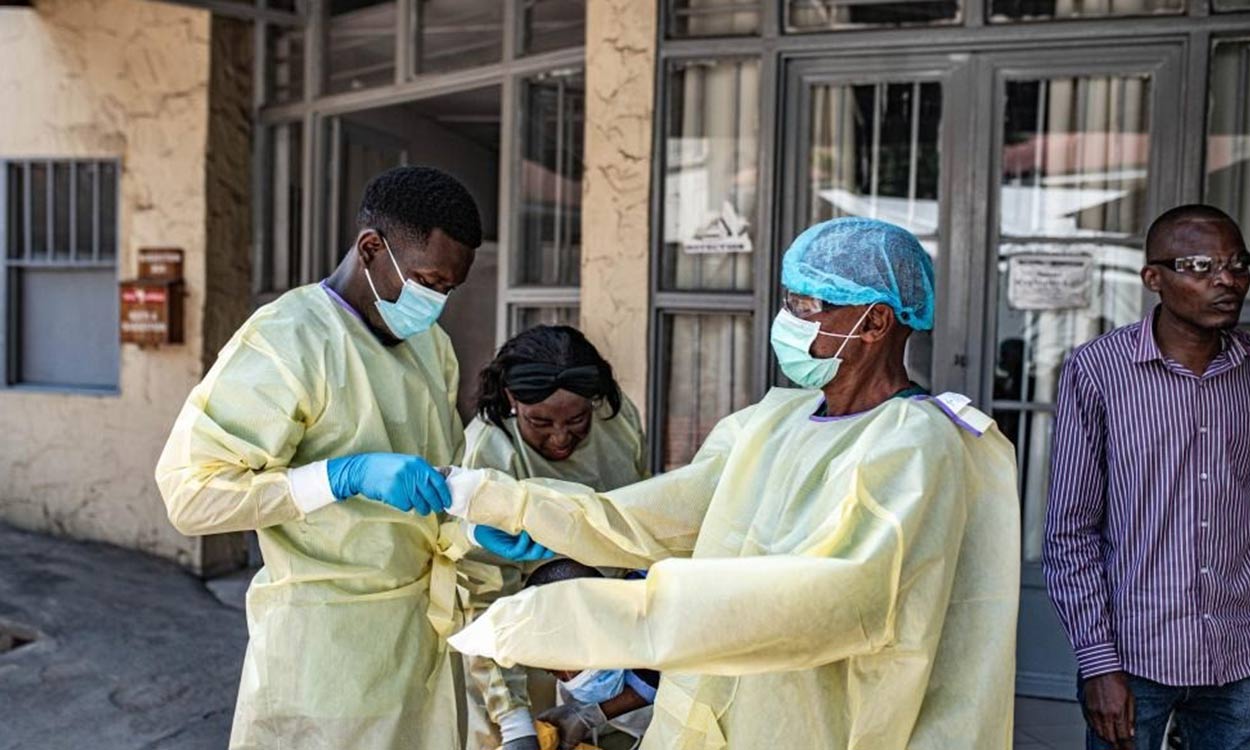
The number of confirmed Ebola cases in the Democratic Republic of the Congo (DRC) has risen to 550, including 101 deaths, with health authorities warning that the outbreak continues to trend upward.
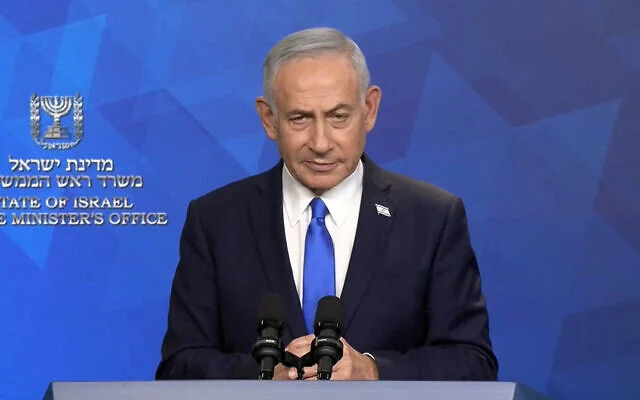
“At the moment, the fire is on hold because after we struck … it (Iran) stopped attacking us,” Netanyahu said in his first televised statement more than 20 hours after Iran first launched missiles at Israel on Sunday night.
If Iran “makes the mistake of attacking us again, we will respond with force,” he added.
Earlier, Israeli Defense Minister Israel Katz said that Israel would continue to carry out attacks against Hezbollah and would strike the Dahieh district, south of the Lebanese capital Beirut, in response to any attack on communities in northern Israel.
Following Netanyahu’s statement, Israel’s Home Front Command said it will lift most civil defense restrictions across the country on Tuesday morning, while restrictions will remain in place in several northern communities near the Lebanese border.
Later on Monday, Israeli ministries announced in statements that Israel’s hospitals have returned to full and normal operations on Monday, while schools are expected to reopen on Tuesday after Israel and Iran halted the exchange of strikes.
Earlier in the day, Iran’s main military command, Khatam al-Anbiya Central Headquarters, announced in a statement the cessation of strikes against Israel, but warned that any further Israeli “aggression and malicious acts,” including in southern Lebanon, would trigger a much more “severe and crushing” response from Tehran.
It said the Iranian armed forces’ actions were carried out in support of the Lebanese people following Israeli attacks in southern Lebanon and the Dahieh district. It also accused the United States of backing Israeli operations and said that Israel should have learned its lesson from Iran’s response.
Iran’s official news agency IRNA said that at least 15 people were wounded in Israeli attacks against Iran on Monday, with no death reported yet.
Following flight restrictions imposed earlier in the day on Iran’s airspace, the country’s Civil Aviation Authority said aviation operations are returning to normal, the semi-official Fars news agency reported.
Meanwhile, COGAT, the Israeli military agency overseeing aid coordination, said the Kerem Shalom crossing and the Rafah crossing into the Gaza Strip will gradually reopen for the entry of humanitarian aid starting Tuesday after being closed on Sunday due to Iranian attacks on northern Israel.
The latest escalation came after the Israeli military conducted airstrikes in the southern suburb of the Lebanese capital Beirut on Sunday, killing at least two people.
Following the Israeli operations, Iran’s Islamic Revolution Guard Corps (IRGC) announced late Sunday that it launched ballistic missiles at the Ramat David Air Base in northern Israel in response to Israel’s “widespread crimes” in southern Lebanon.
The Israeli military on Monday carried out airstrikes on several targets in Iran, including radar sites and a petrochemical company in the southwestern province of Khuzestan. In response, the IRGC launched strikes on the Nevatim and Tel Nof air bases as well as certain industries in Israel.
Prime Minister Benjamin Netanyahu speaks in a video message released on June 8, 2026. Israeli Prime Minister Benjamin Netanyahu said Monday that the fire against Iran is currently “on hold,” but warned that Israel will respond forcefully if Iran resumes its attacks.
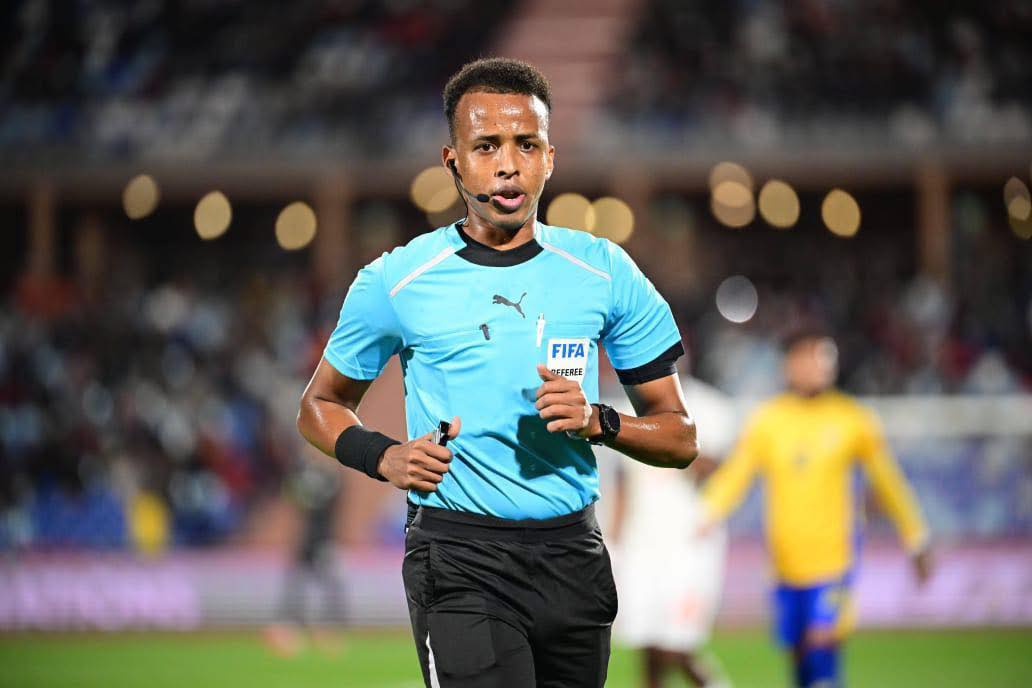
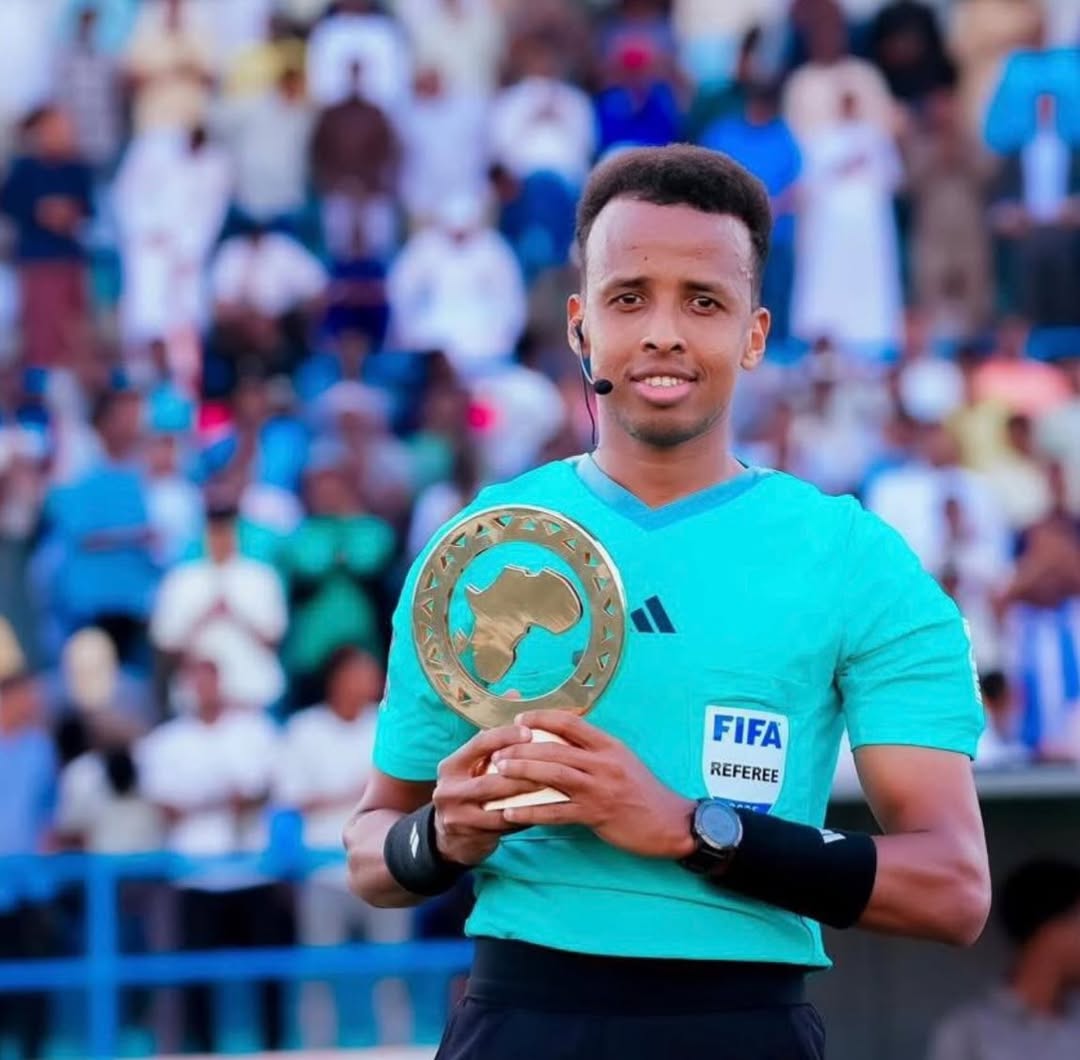
Artan arrived at Miami International Airport on Saturday on a flight from Istanbul and was subjected to additional screening by US Customs and Border Protection (CBP). Following the inspection, authorities determined that he was inadmissible due to unspecified vetting concerns and placed him on a return flight to Turkey.
The 52-year-old was among 52 referees selected by FIFA to officiate at the World Cup, which kicks off on June 11 across the United States, Canada and Mexico.
FIFA confirmed on Monday that Artan would be unable to participate in training or officiate at the tournament.
“FIFA is not involved in host country immigration processes, including visa adjudications,” a FIFA spokesperson said. “In line with previous FIFA events, a host government ultimately determines who receives a visa and who is admitted into their country.”
CBP said all travellers seeking entry into the United States, including athletes, coaches and tournament staff, are subject to inspection and vetting.
“Following inspection, the traveler, a referee for the FIFA World Cup, was determined to be inadmissible due to vetting concerns and was denied entry,” the agency said in a statement.
Officials in Somalia expressed disappointment over the decision. A senior adviser to Somalia’s Ministry of Youth and Sports said Artan had been travelling with valid documents, while a Somali embassy official noted that he had been issued a diplomatic passport to facilitate international travel after experiencing visa-related difficulties in the past.
The case has drawn attention because Somalia remains on President Donald Trump’s travel ban list. While exemptions exist for World Cup athletes and team personnel, those provisions reportedly did not apply to referees.
Artan’s exclusion marks a significant setback for a referee whose rise has been widely celebrated across Africa. In 2025, he was named Africa’s Referee of the Year by the Confederation of African Football and has officiated at major continental competitions, including the Africa Cup of Nations.
Earlier this year, Artan reflected on the challenges he faced pursuing a refereeing career in Somalia.
“At times, I have had to change my route to my local stadium because of explosions in the country,” he said. “You cannot give up as a referee. You have to have a target.”
Despite the setback, Artan struck a positive tone in a statement released on Monday.
“Despite the circumstances, I am in a positive mood and I am focused on the next challenges in my refereeing career,” he said. “I want to thank the football family for their messages and wish my colleagues all the best success during the World Cup.”
Ciise Aden Abshir, a senior adviser to Somalia’s Ministry of Youth and Sports and a former national team captain, said the decision undermined football’s values.
“Denying him entry to the United States and preventing him from officiating scheduled matches harms not only him personally but also undermines football’s commitment to fairness, merit, and the spirit of fair play,” he said.
The incident is the latest controversy surrounding US immigration policies and the World Cup, with concerns previously raised over visa processing delays for some participating nations.
Artan’s exclusion marks a significant setback for a referee whose rise has been widely celebrated across Africa. In 2025, he was named Africa’s Referee of the Year by the Confederation of African Football and has officiated at major continental competitions, including the Africa Cup of Nations.
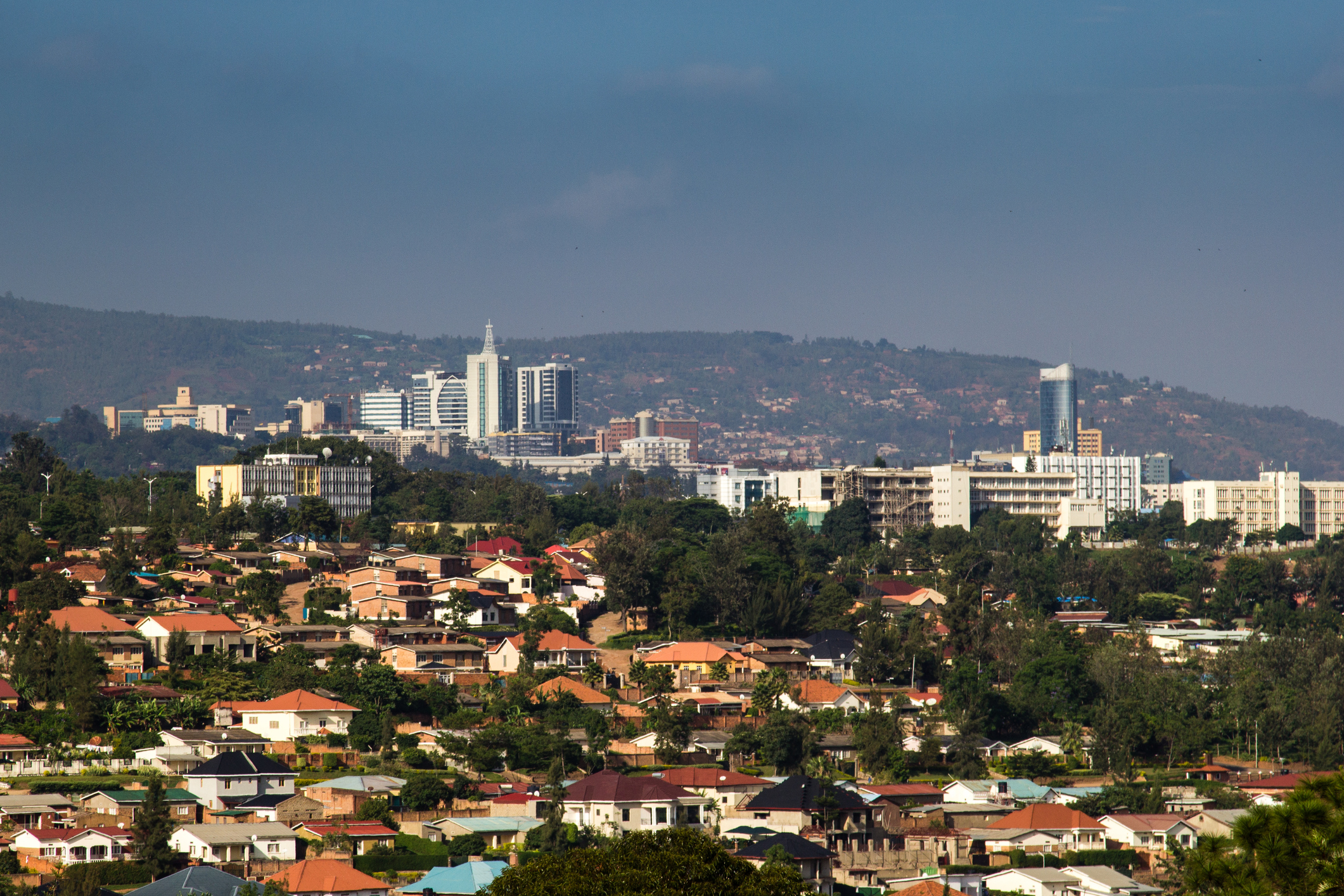
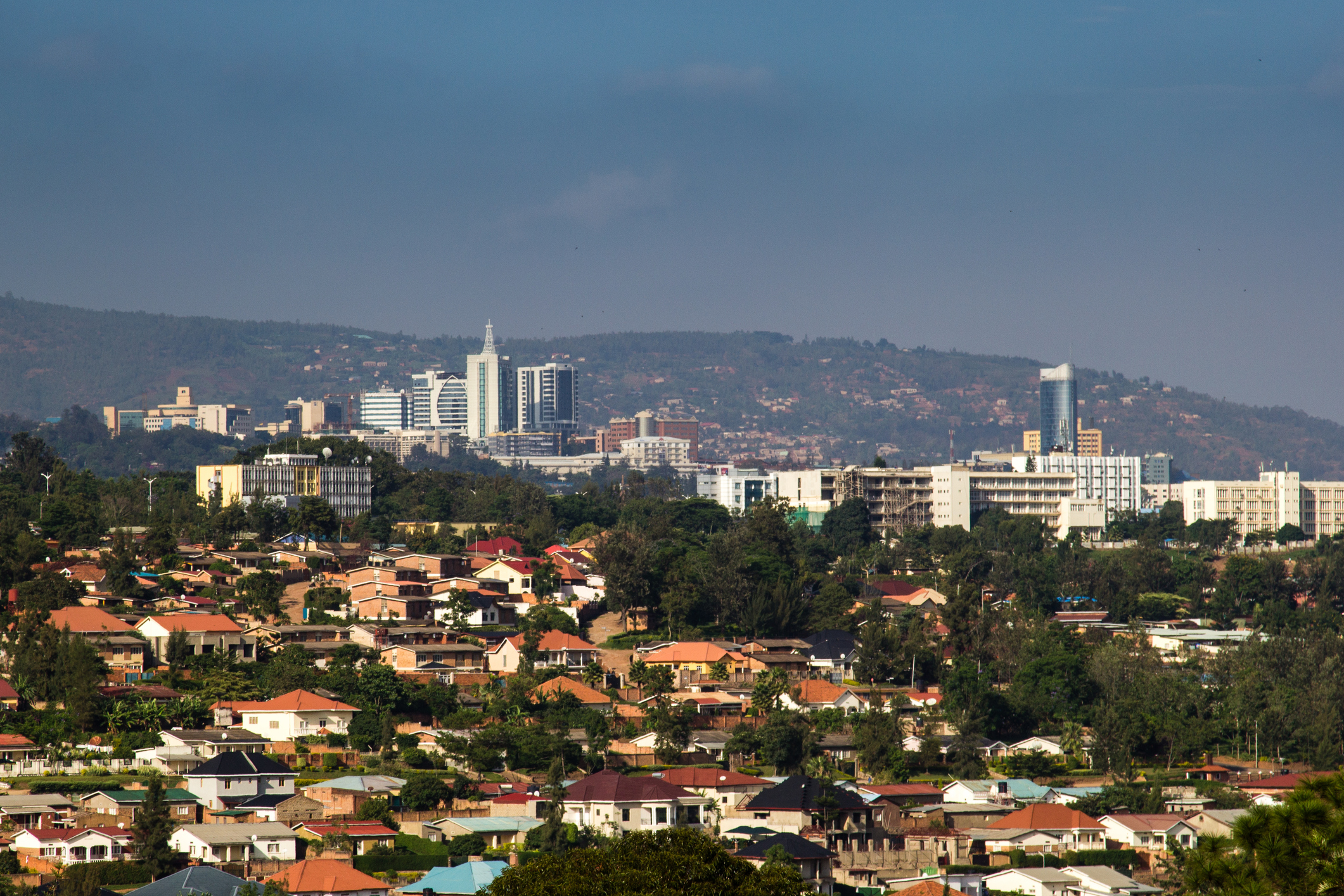
In a communiqué released on Monday, June 8, 2026, the IMF Executive Board approved a 38-month Extended Credit Facility (ECF) arrangement totalling SDR 185.031 million (about US$250 million) and authorised an immediate disbursement of SDR 26.433 million (approximately US$35.7 million).
According to the IMF, the program is designed to help Rwanda navigate tighter global financing conditions while sustaining economic growth, protecting social and development spending, and rebuilding policy buffers.
Rwanda’s economy has continued to demonstrate strong resilience despite a challenging international environment. Economic growth reached 9.4 percent in 2025, significantly exceeding expectations, driven by robust domestic activity and strong export performance, particularly in coffee and mineral exports.
However, inflationary pressures have intensified. Inflation rose to 13.2 percent year-on-year in April 2026, moving above the National Bank of Rwanda’s target range. The IMF attributed much of the pressure to higher global oil and fertilizer prices linked to the ongoing war in the Middle East.
While Rwanda’s external position improved in 2025 and foreign exchange reserves remained healthy at just over four months of import coverage, the IMF warned that the conflict in the Middle East poses significant risks to the country’s outlook. Economic growth is projected to slow to below 6.8 percent in 2026 as higher import costs and financing pressures weigh on the economy.
The IMF-supported program will focus on three key priorities: strengthening macroeconomic policies, managing fiscal and debt risks to preserve sustainable growth, and promoting private sector-led development through improved transparency and oversight of state-owned enterprises.
IMF Deputy Managing Director and Acting Chair Bo Li said Rwanda’s economy had remained resilient despite successive global shocks, reflecting strong policymaking and reform efforts.
“Rwanda’s economy has remained resilient amid successive shocks, reflecting strong reform ownership and agile policymaking,” Li said.
He noted that advancing development goals while rebuilding economic buffers will require a carefully balanced policy approach, including greater exchange rate flexibility and a credible medium-term fiscal consolidation strategy.
The IMF emphasised the importance of strengthening domestic revenue mobilisation, improving public investment management, and enhancing oversight of fiscal risks to maintain Rwanda’s moderate risk of debt distress while protecting social spending.
The Fund also called for a tight and forward-looking monetary policy to address elevated inflation and reinforce confidence in the inflation-targeting framework. Although rapid credit growth warrants close monitoring, the IMF said Rwanda’s financial sector remains stable.
Looking ahead, the IMF stressed that continued structural reforms, including improvements in public investment efficiency and accelerated reforms of state-owned enterprises, will be essential for enhancing economic resilience and fostering stronger private-sector-led growth.
The newly approved ECF arrangement is expected to serve as a key policy anchor for Rwanda as it seeks to manage external shocks, maintain reform momentum, and attract additional financing from development partners.
According to the IMF, the program is designed to help Rwanda navigate tighter global financing conditions while sustaining economic growth, protecting social and development spending, and rebuilding policy buffers.
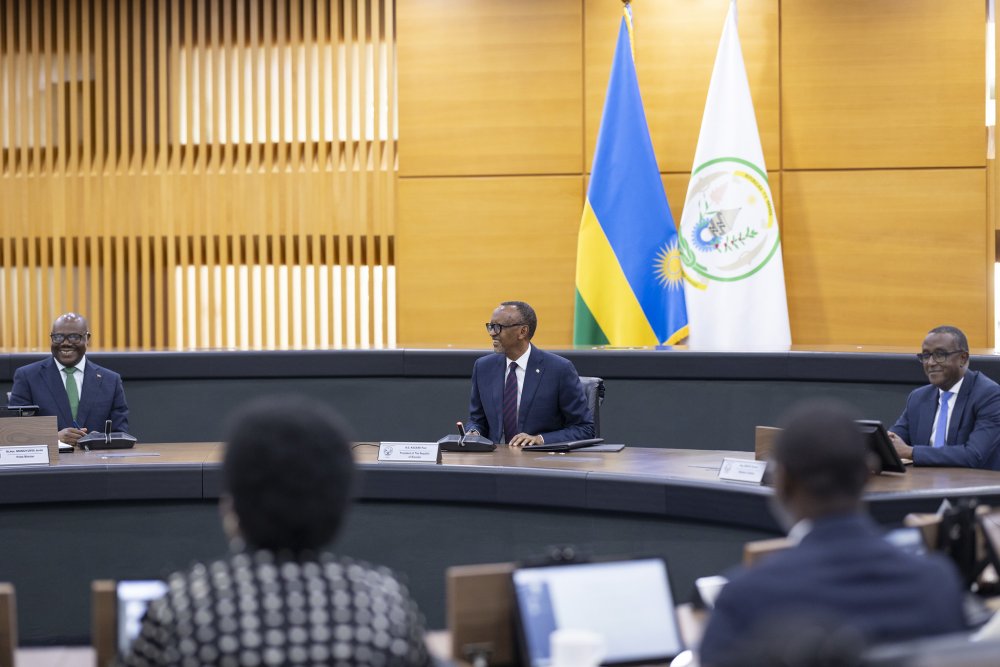
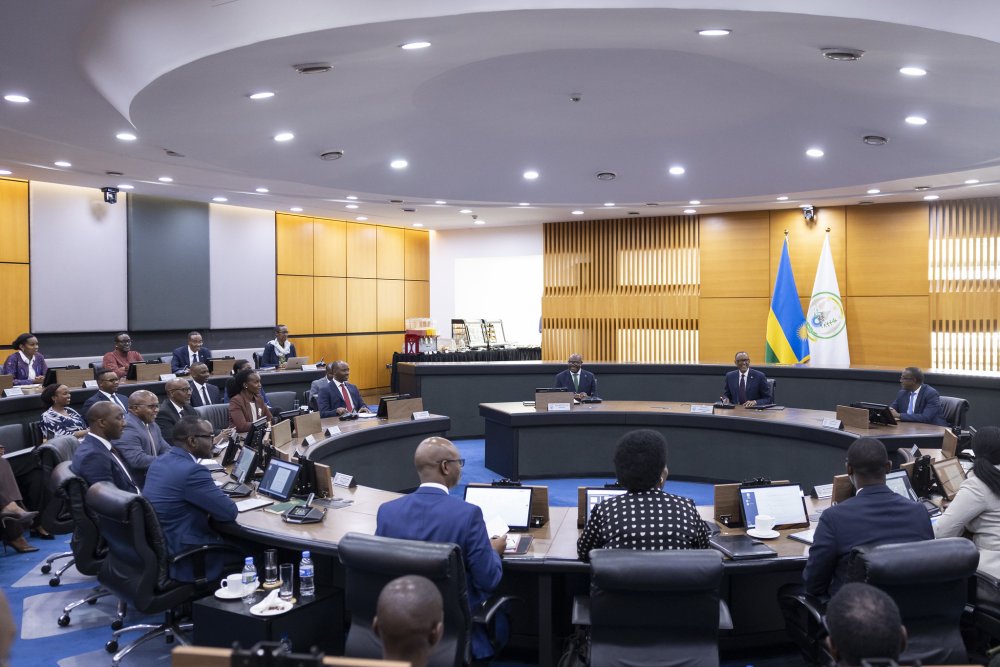
According to a communiqué issued after the meeting held at Urugwiro Village, the National Artificial Intelligence Agency will accelerate artificial intelligence development, innovation, adoption, investment and governance in support of Rwanda’s digital transformation and economic growth.
The agency is expected to play a central role in coordinating the country’s AI agenda as Rwanda seeks to strengthen its position as a regional technology and innovation hub.
The Cabinet also approved the draft law determining State finances for the 2026/27 fiscal year. The proposed budget prioritises strengthening agricultural production, boosting industrial growth, accelerating job creation and maintaining macroeconomic stability.
The approval follows the presentation of the 2026/27 Budget Framework Paper (BFP) to Parliament by Minister of Finance and Economic Planning Yusuf Murangwa on May 11, 2026. The government proposed a national budget of Rwf 7.8 trillion for the upcoming fiscal year, representing an increase of Rwf 844.2 billion from the revised budget for 2025/26.
Cabinet was also briefed on the ongoing Ebola outbreak in the region and Rwanda’s preparedness measures. The Ministry of Health reported that prevention, screening and surveillance efforts have been reinforced at all points of entry to safeguard public health.
The government reassured the public that there are currently no Ebola cases in Rwanda and that all activities continue as normal. Citizens were encouraged to remain vigilant and follow public health guidelines.
Several draft laws relating to financing and development cooperation were approved during the meeting.
Among them were draft laws ratifying loan agreements between Rwanda and the African Development Bank for additional financing of the Muvumba Multipurpose Water Resources Development Programme, a key initiative aimed at enhancing water resource management and supporting agricultural productivity.
Cabinet also approved the ratification of financing agreements between Rwanda and the International Development Association (IDA) for the second phase of the Socio-Economic Inclusion of Refugees and Host Communities in Rwanda Project, the Rwanda Urban Mobility Improvement Project, and the Rwanda Disaster Risk Management Development Policy Financing programme with a Catastrophe Deferred Drawdown Option.
The meeting further approved the ratification of an agreement between Rwanda and Botswana for the elimination of double taxation with respect to taxes on income and the prevention of tax evasion and avoidance.
In a move aimed at expanding Rwanda’s international aviation network, Cabinet approved draft laws ratifying air services agreements between Rwanda and the governments of Algeria, Azerbaijan, Botswana, Costa Rica, Guyana, Morocco, Senegal, Trinidad and Tobago, and the United Kingdom.
The agreements are expected to facilitate greater air connectivity, strengthen trade and tourism links, and support Rwanda’s ambition to become a regional aviation hub.
Cabinet also approved the ratification of the agreement establishing the Africa Risk Capacity (ARC) Agency, a specialised African Union institution that helps member states better prepare for, manage and respond to climate-related disasters and other natural shocks.
Beyond legislative approvals, Cabinet endorsed several policy and administrative measures.
These include a revised headquarters agreement between the Government of Rwanda and the Nile Basin Initiative’s Nile Equatorial Lakes Subsidiary Action Programme Coordination Unit (NELSAP-CU), approval of applications for mineral and quarry licences, and the lease of state land located in Karongi District to Zipline Rwanda Ltd.
The meeting also granted agrément to newly appointed diplomats and representatives of international organisations.
Those approved include Jérémie Blin as Ambassador Extraordinary and Plenipotentiary of the European Union to Rwanda, with residence in Kigali; Dr. Simone Knapp as Ambassador Extraordinary and Plenipotentiary of Austria to Rwanda, with residence in Nairobi; and Dede Ekoue as Country Representative of the International Fund for Agricultural Development (IFAD) in Rwanda, with residence in Kigali.
Cabinet further approved appointments across several public institutions.
At the Gender Monitoring Office, Habiyaremye Rurihose Florien’s term as Deputy Chief Gender Monitor in charge of Gender Mainstreaming was renewed.
Appointments were also made at the Rwanda Development Board, Rwanda Governance Board and the Higher Education Council, covering leadership positions in internal audit, governance, research, service delivery, digitalisation, legal affairs and communications.
The Cabinet was chaired by President Paul Kagame on Monday, June 8, 2026. The Cabinet approved the establishment of a National Artificial Intelligence Agency and endorsed the draft law determining State finances for the 2026/27 fiscal year, among a series of decisions aimed at advancing Rwanda’s economic transformation, digital innovation, infrastructure development and international cooperation.
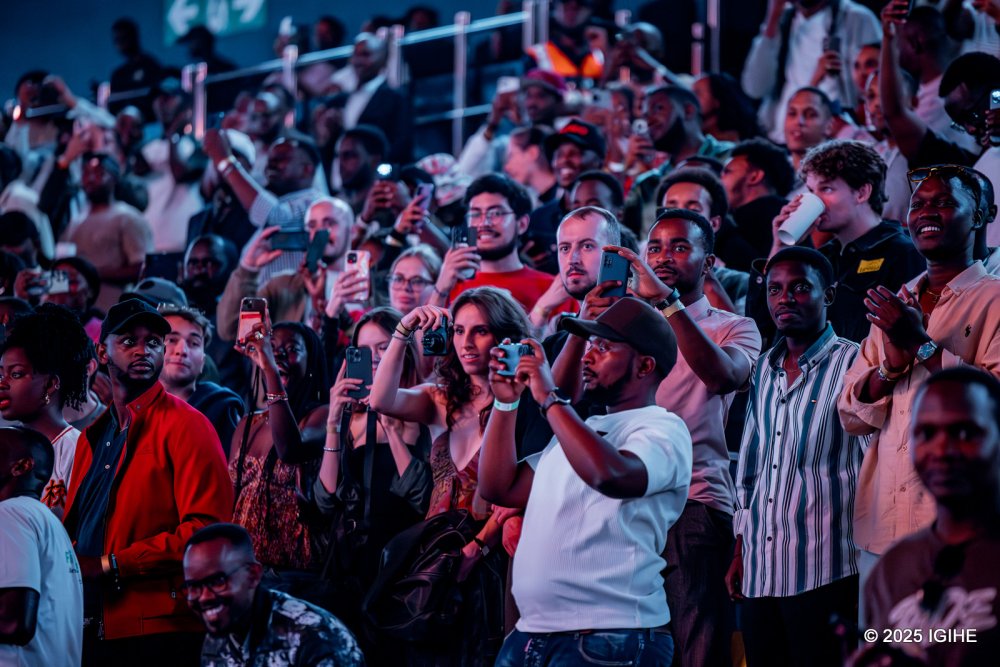
Speaking in an interview with combat sports journalist Tim Wheaton, PFL Africa General Manager Elias Schulze said Kigali has already proven itself as a reliable and high-performance host city, and expressed his wish for it to become the “anchor” of the league’s African calendar.
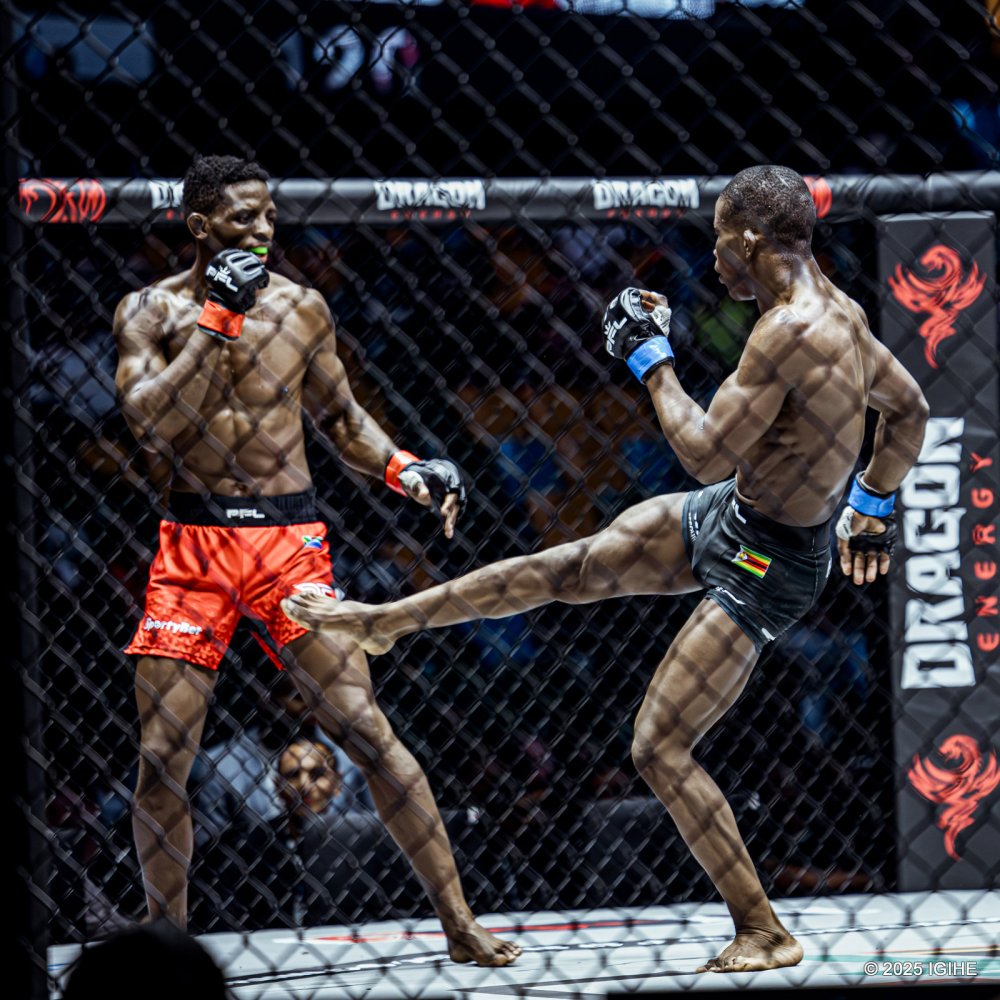
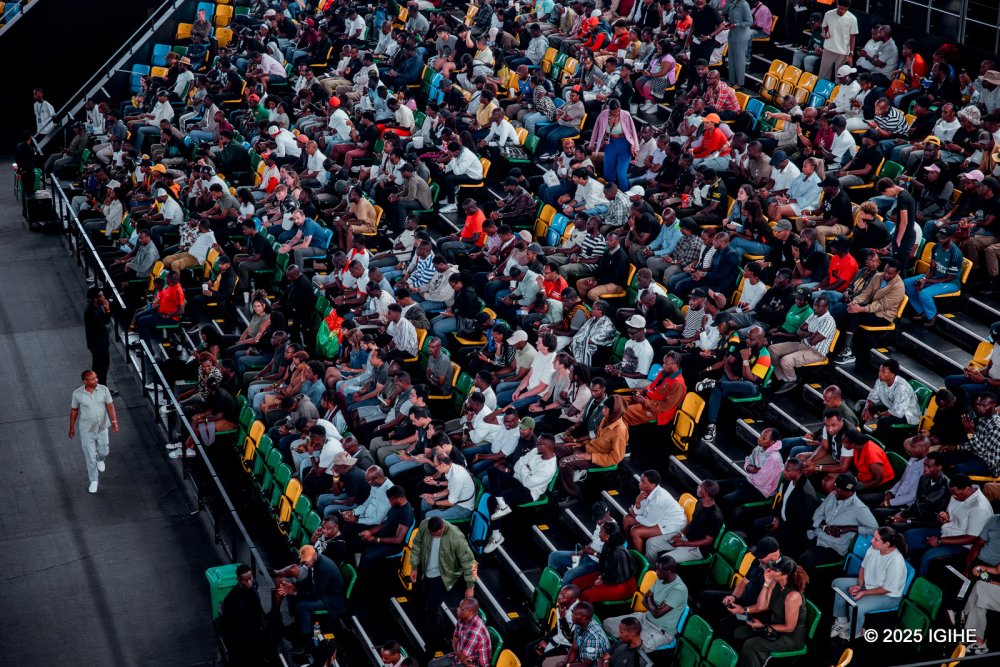
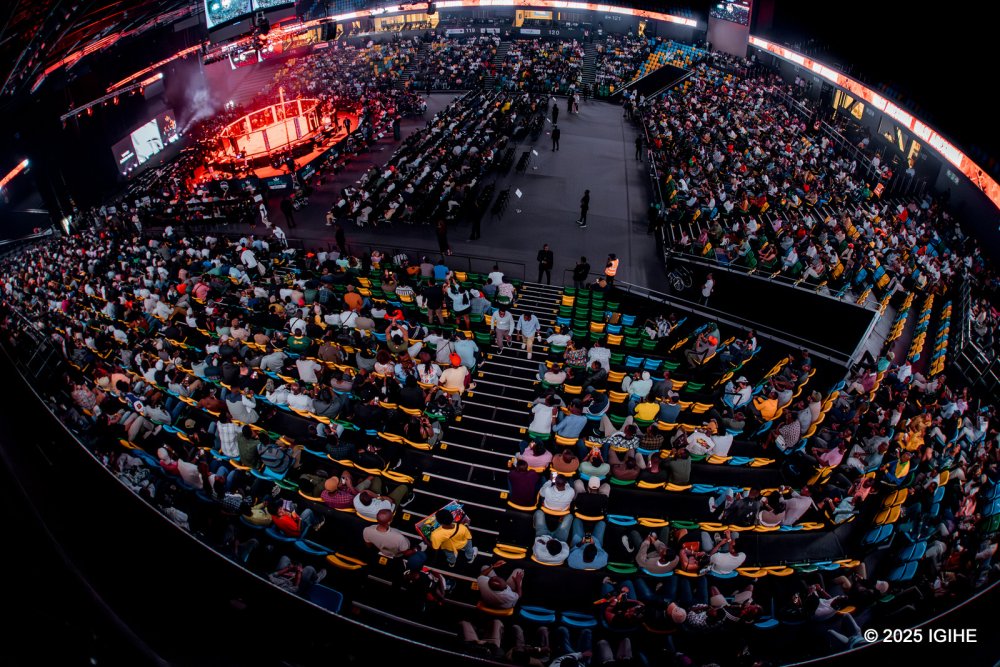
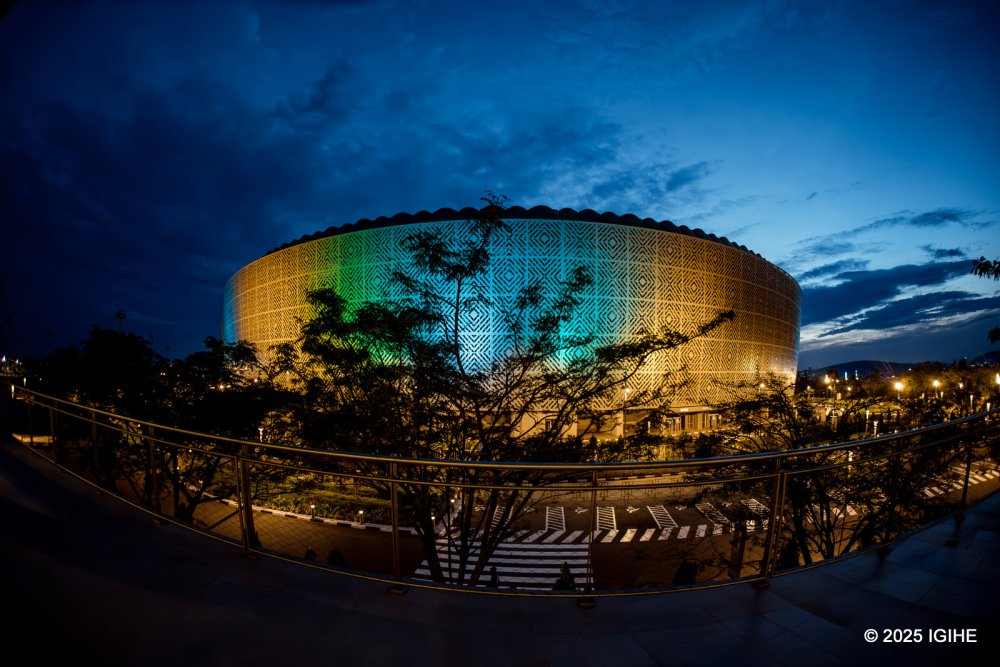
The development follows the successful staging of the PFL Africa Semifinals in Kigali in October last year at BK Arena, where an 11-fight card determined finalists across multiple weight divisions. The event was widely viewed within the organisation as a turning point in proving that Rwanda can deliver world-class MMA production at scale.
Schulze said Rwanda’s appeal lies in its combination of strong infrastructure, safety, and political support, even if MMA remains a relatively new sport for local audiences.
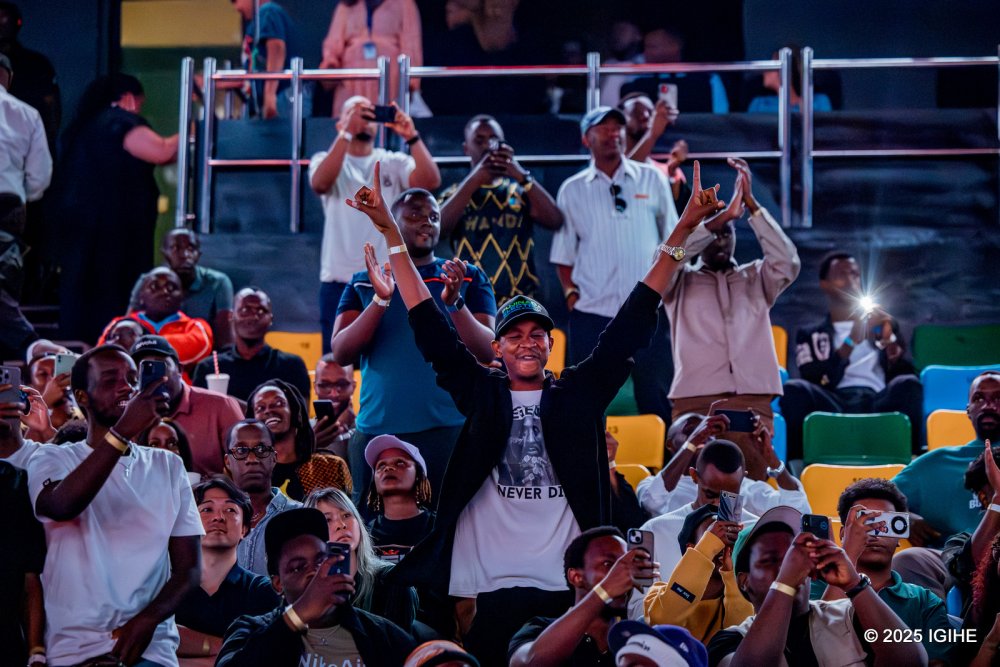
“Rwanda was a unique challenge,” he said. “It has world-class event infrastructure and a very safe environment, but relatively low consumer familiarity with MMA. What surprised us was how quickly people embraced it.”
“The seat for MMA headquarters in Africa is still open,” he said. “Rwanda has the enabling environment, infrastructure, and will to claim it.”
He credited what he called the “Rwandan model”, a strategy focused on deep community integration, for the strong local engagement around the sport. This included fighter homecomings, university activations, gym partnerships, and collaboration with the Ministry of Sports. The organisation said it was surprised by how quickly fans embraced MMA in Rwanda.
According to Schulze, this approach is now being replicated across other African markets as PFL expands its continental footprint. He pointed to key focus markets including Rwanda, Kenya, Nigeria, Angola, and Ivory Coast, with additional interest in Senegal and Tanzania, as well as North Africa, including Egypt, Morocco, and Algeria, as part of its long-term pan-African expansion strategy.
Beyond competition, PFL Africa says it is keen to develop a broader MMA ecosystem in Rwanda and other African markets, including training referees, judges, doctors, and production crews, as well as supporting the development of local fighters capable of competing internationally.
“If we host the finals in Kigali, I’m confident we’ll have at least two or three Rwandan fighters on the card,” Schulze noted.
Rwanda was represented last year by James Opio at the PFL Africa event in Kigali. He featured in a highly anticipated East African featherweight showcase bout against Uganda’s Isaac Omeda.
Organising an event of this scale involves extensive logistics, including transporting and installing specialist production infrastructure such as lighting rigs, broadcast cameras, and regulation cages, alongside coordinating international fighters, coaching teams, and medical staff.
According to Schulze, PFL operates purpose-built cages and production systems across Africa to support back-to-back events in different markets, with South Africa also serving as one of the key established production and staging hubs on the continent. The organisation also works with local partners to recruit technical crews and manage hospitality requirements, including hundreds of hotel room nights for fighters, teams, and officials.
Nigeria set for historic debut after South Africa stop
While Kigali is being positioned as a potential championship hub, Nigeria is set to host a landmark milestone in the league’s expansion, with the continental tour heading to Lagos immediately following its recent stop in Pretoria, South Africa (PFL Africa 1).
The Professional Fighters League will stage PFL Africa 2: Nigeria – First Round on Saturday, June 13, 2026, at the Eko Convention Center in Lagos, marking the country’s entry into the league’s continental circuit.
Because PFL Africa staggers its weight classes to manage the tournament brackets, the Lagos event serves as the official opening First Round (Quarterfinals) exclusively for the Lightweight and Bantamweight tournaments, following April’s opening Welterweight matchups in Pretoria, South Africa.
Schulze described Nigeria as a “must-win market” for the organisation.
“You cannot claim to be a credible operator in Africa and neglect Nigeria,” he said. “It’s going to be a raucous event.”
He added that Nigeria’s strong sporting culture, spanning football, basketball, boxing, and traditional combat disciplines like Dambe, makes it a natural fit for MMA growth. PFL Africa views the country as a potential recurring anchor market alongside Rwanda and other priority destinations.
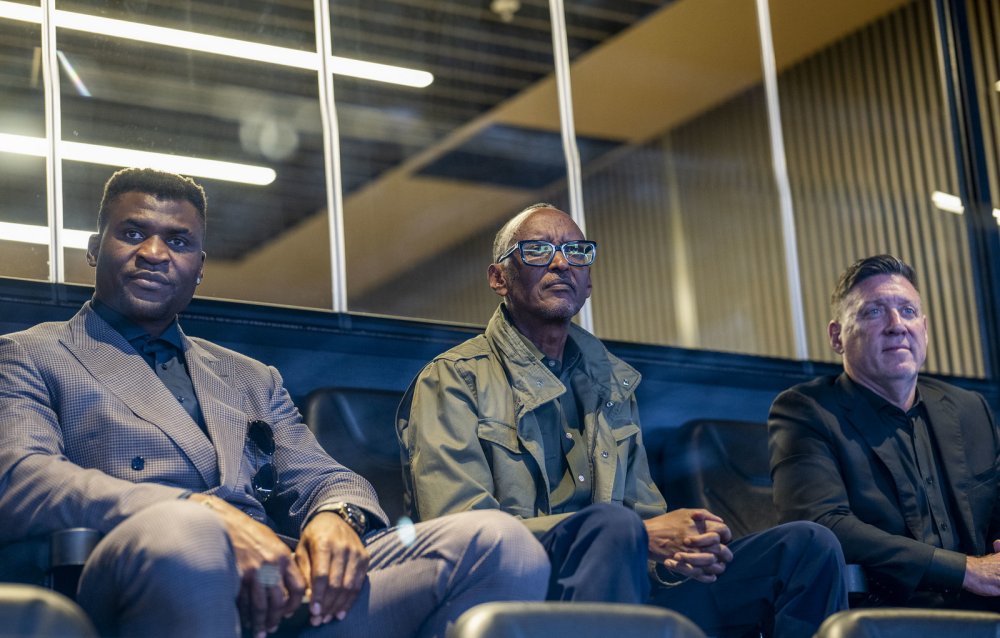
Professional Fighters League (PFL) Africa drew over 4,000 mixed martial arts (MMA) spectators at BK Arena on Saturday, October 18. President Kagame, WBC President Mauricio Sulaimán and MMA legend Francis Ngannou attended PFL Africa matches.Schulze said Rwanda’s appeal lies in its combination of strong infrastructure, safety, and political support, even if MMA remains a relatively new sport for local audiences.Rwanda was represented last year by James Opio at the PFL Africa event in Kigali. He featured in a highly anticipated East African featherweight showcase bout against Uganda’s Isaac Omeda.
The event, organised by DJ Spinny, will bring together music fans for a two-day experience combining live performances and entertainment activities. On July 18, revellers will enjoy performances from various artists, while July 19 will feature additional entertainment alongside the screening of the FIFA World Cup final.
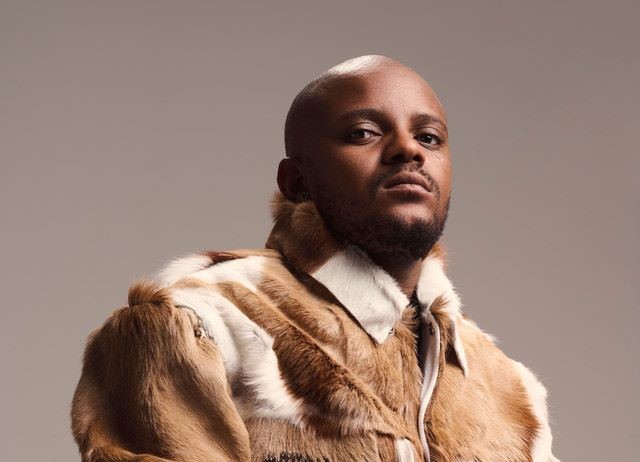
Kabza De Small, born Kabelo Petrus Motha on November 27, 1992, in Mpumalanga and raised in Pretoria, is widely regarded as one of the pioneers of Amapiano, a genre that has gained massive global popularity in recent years.
He began his career as a DJ in 2009 and released his debut album Avenue Sounds in 2016. However, his breakthrough came with the rise of Amapiano, which propelled him to international recognition.
In 2018, his hit track Umshove further cemented his status, followed by successful projects including Pretty Girls Love Amapiano, I Am the King of Amapiano: Sweet & Dust, and Bab’Motha released in 2025.
Kabza De Small is also best known for his collaboration with DJ Maphorisa under the duo Scorpion Kings, a partnership that has played a key role in pushing Amapiano onto the global stage, with collaborations featuring artists such as Wizkid and Burna Boy.
This will be the second edition of the “Spinny and Friends” festival, following its debut in 2025, when DJ Spinny marked a decade in music with shows held in Uganda and Rwanda.
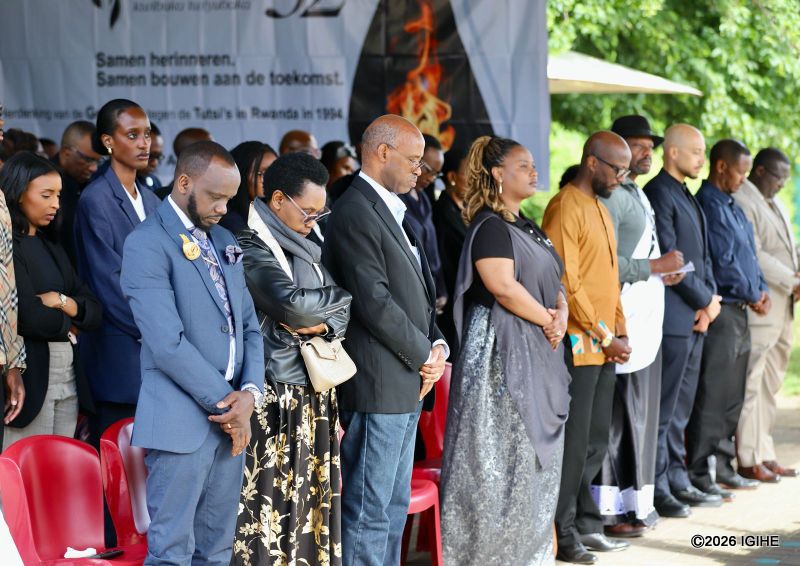
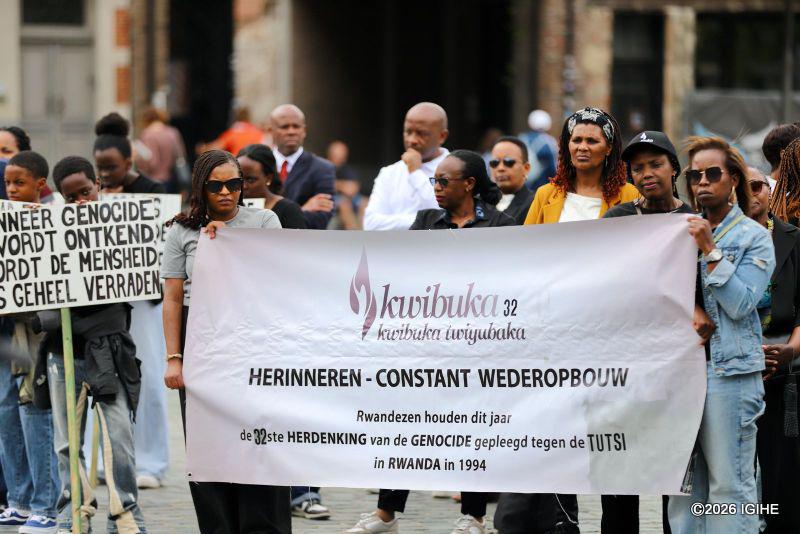
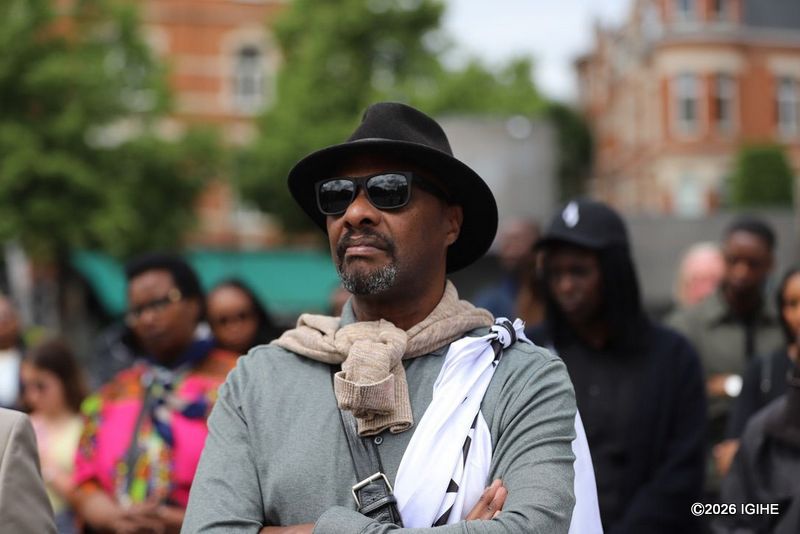
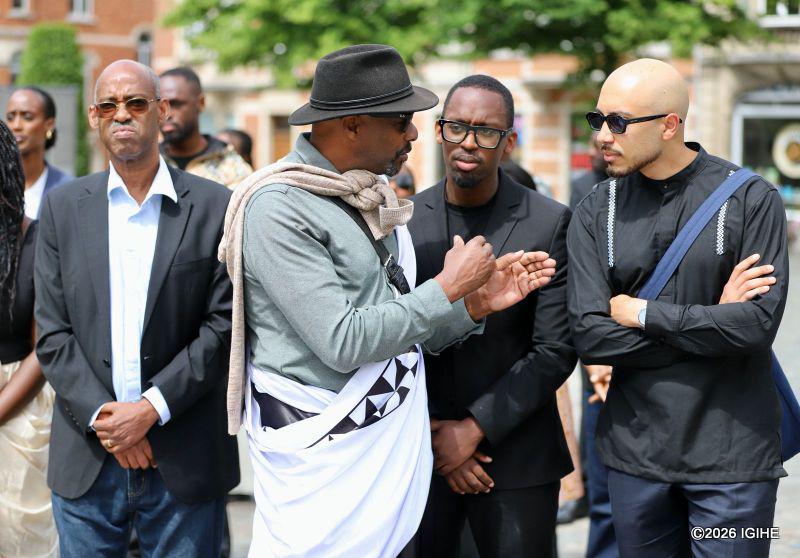
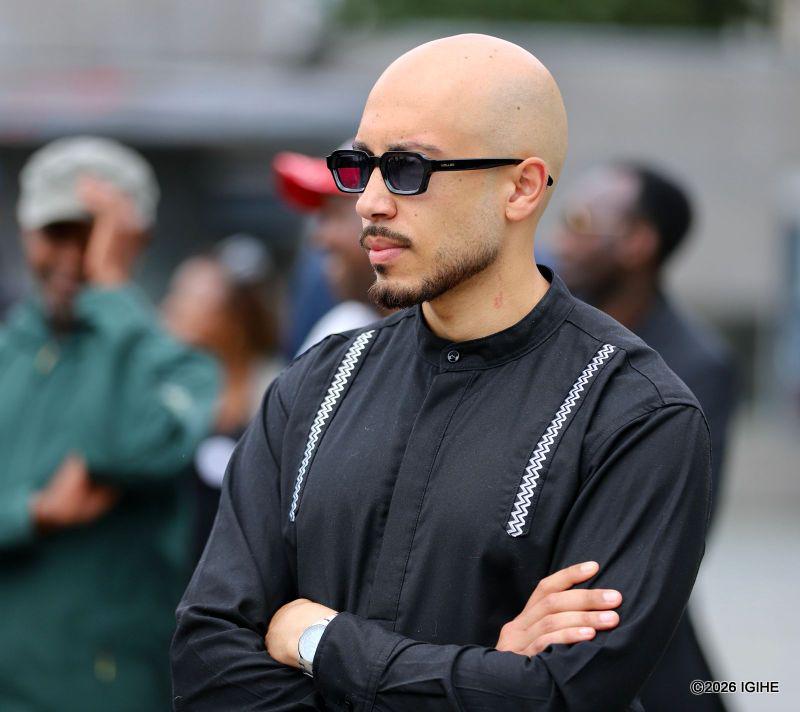
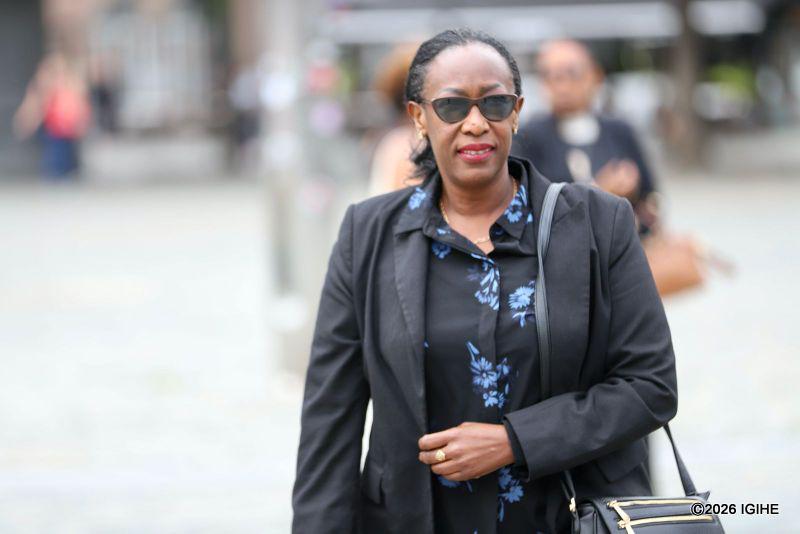
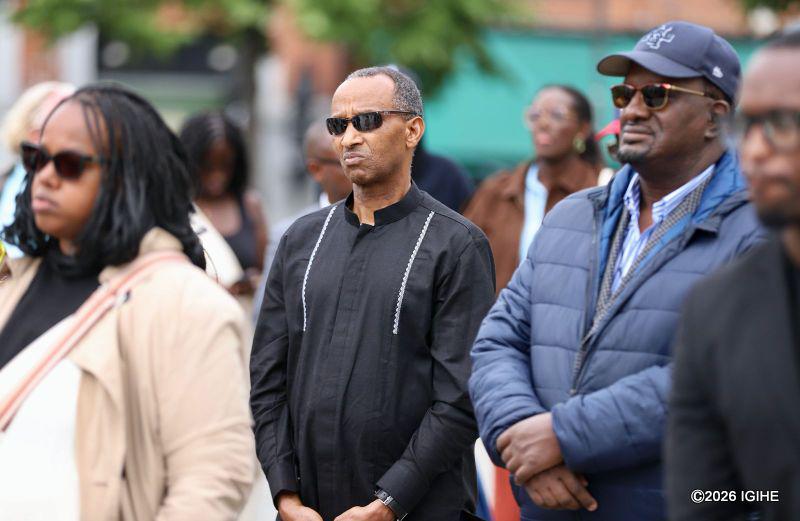
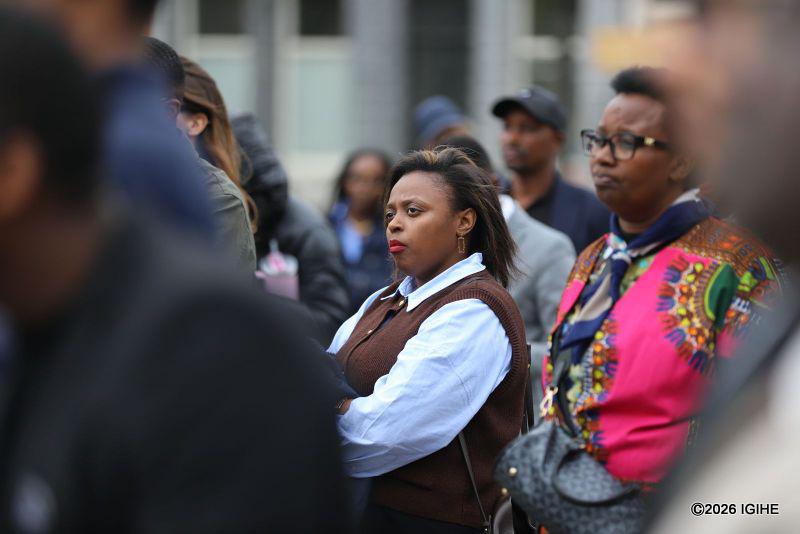
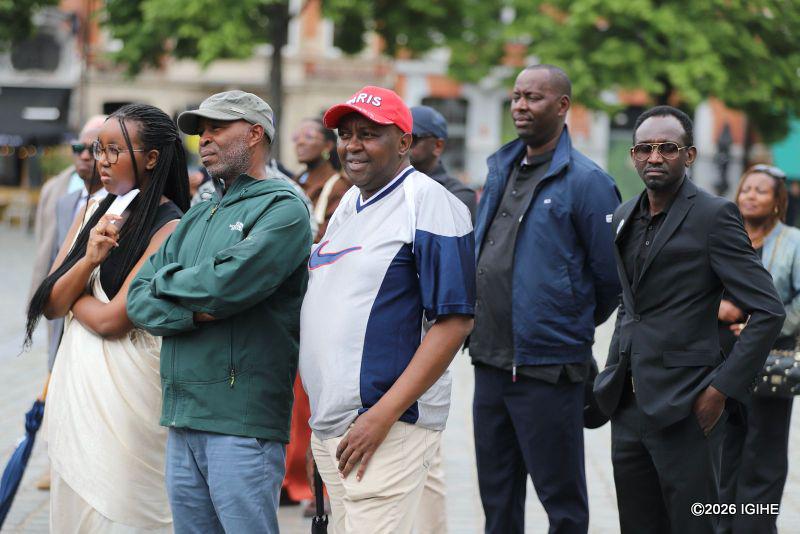
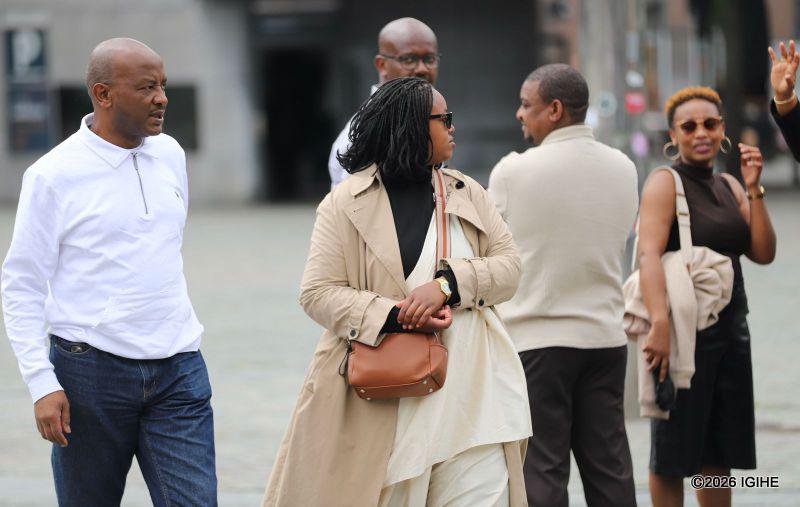
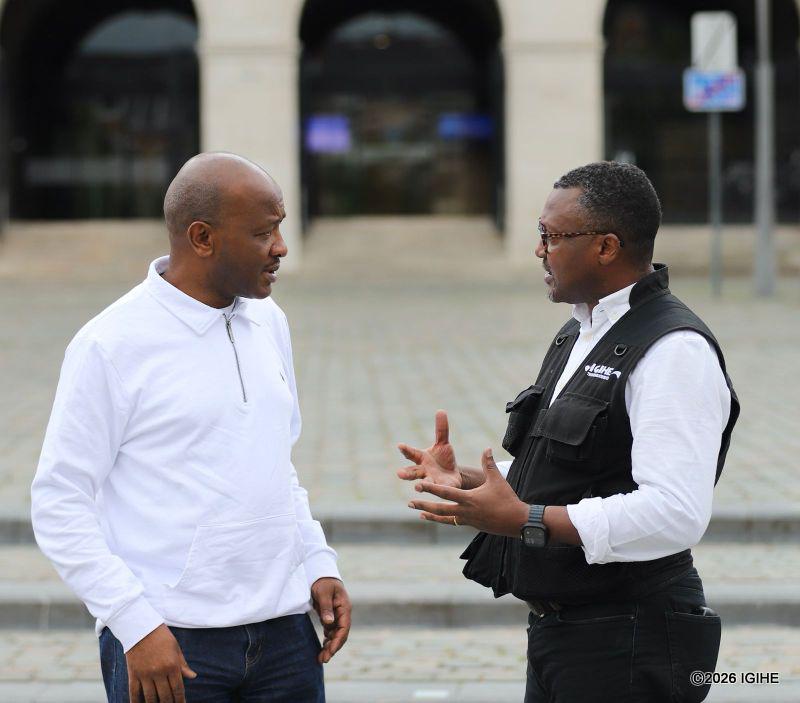
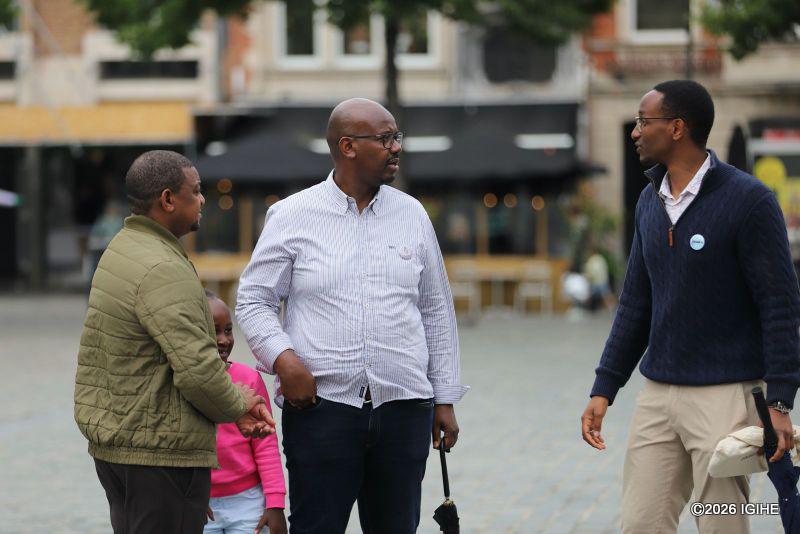
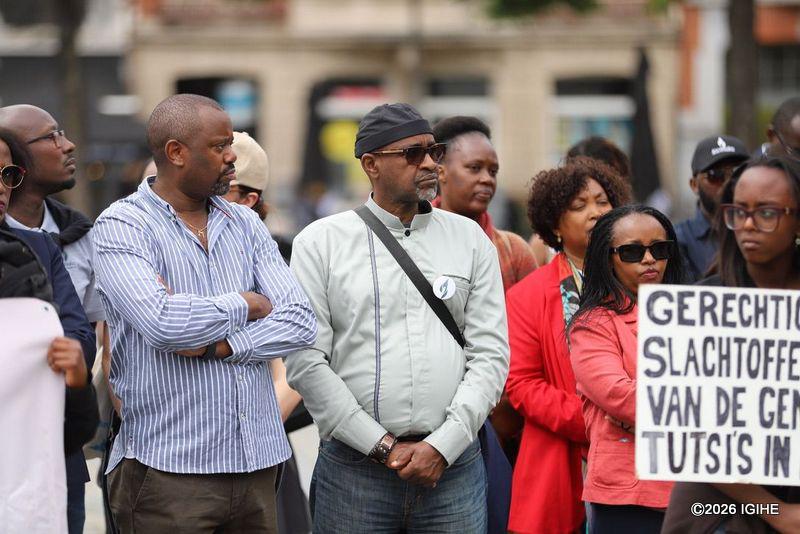
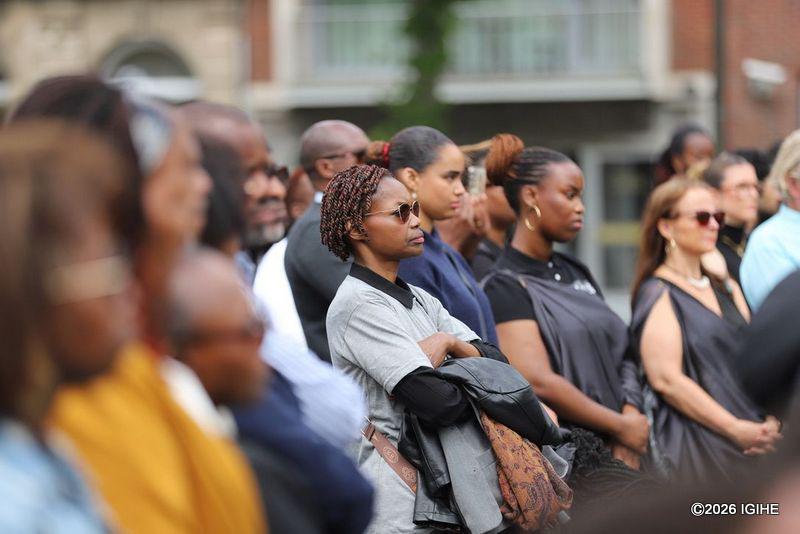
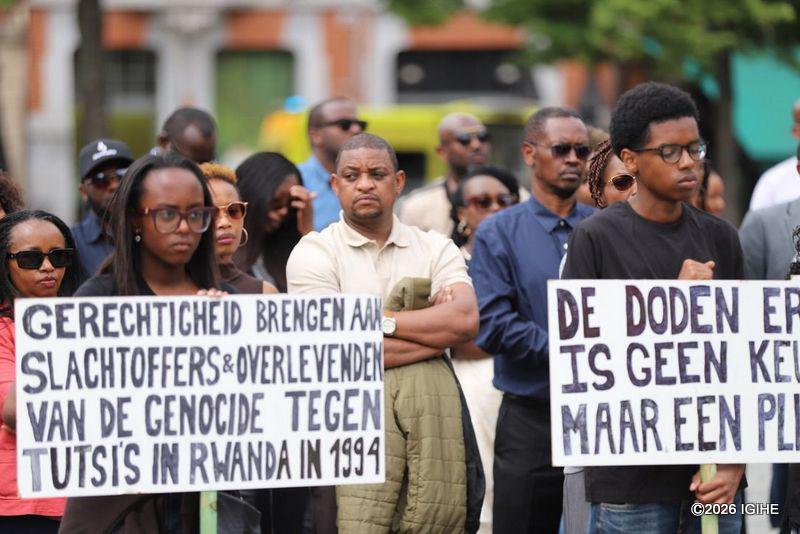
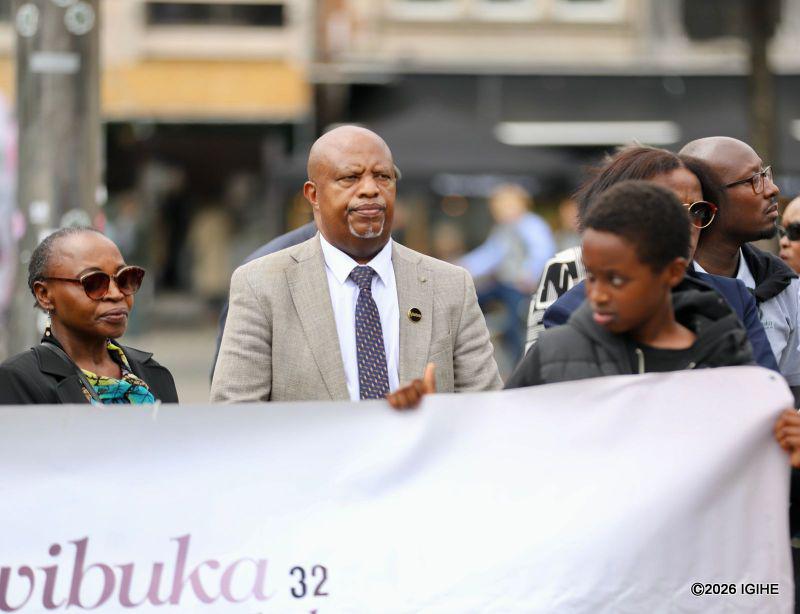
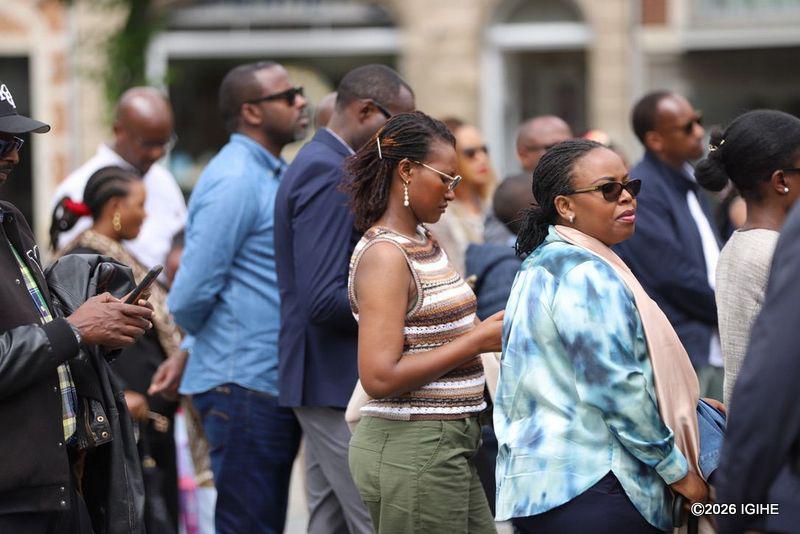
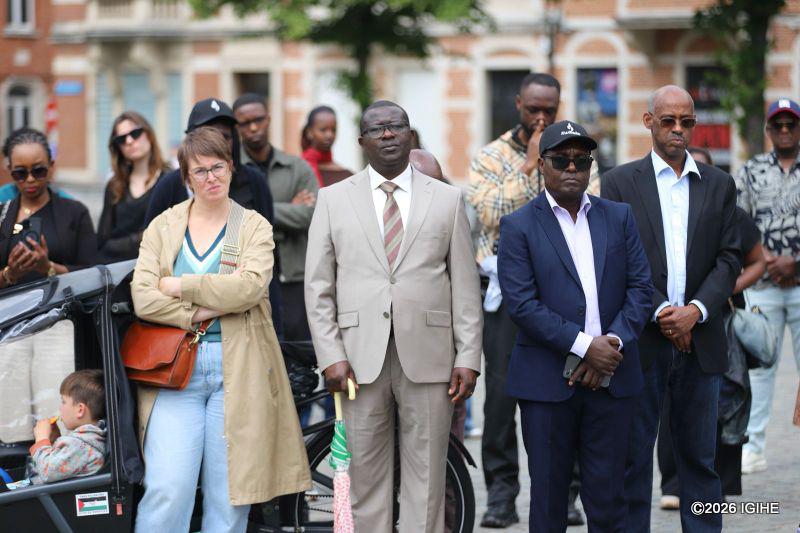
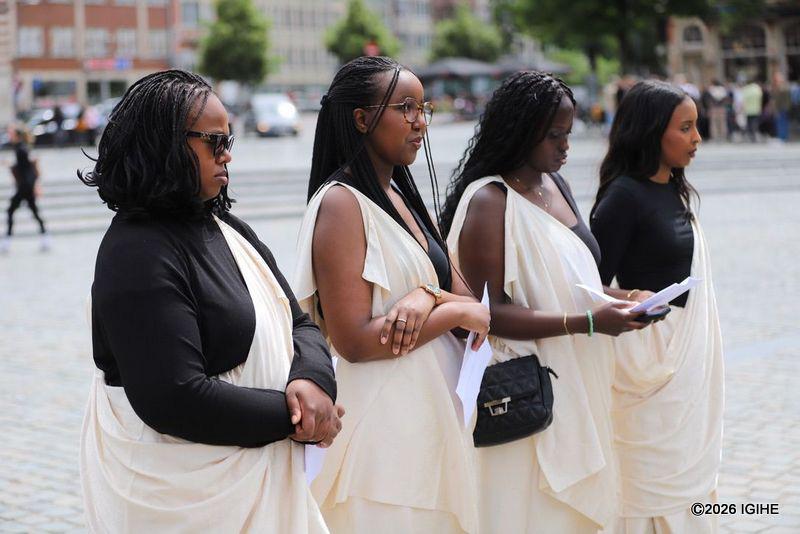
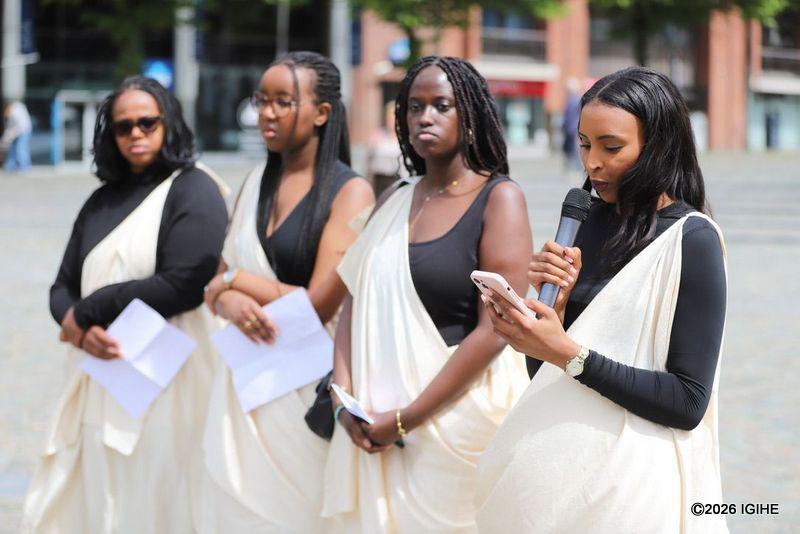
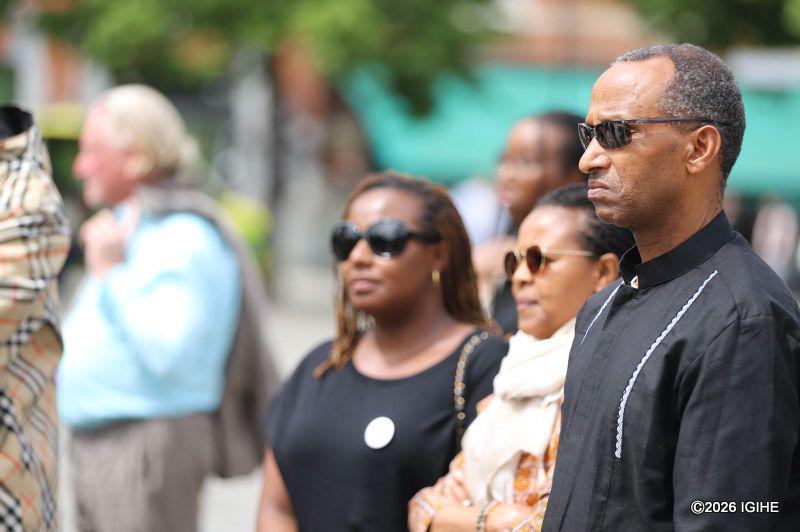
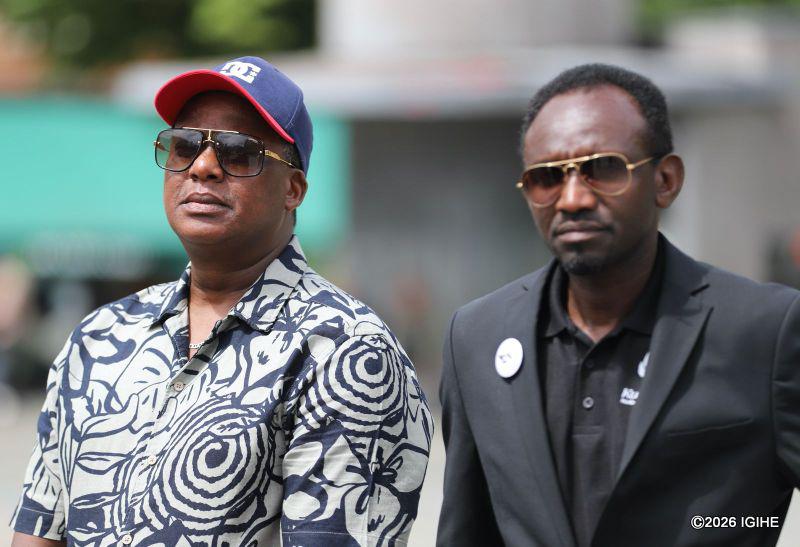
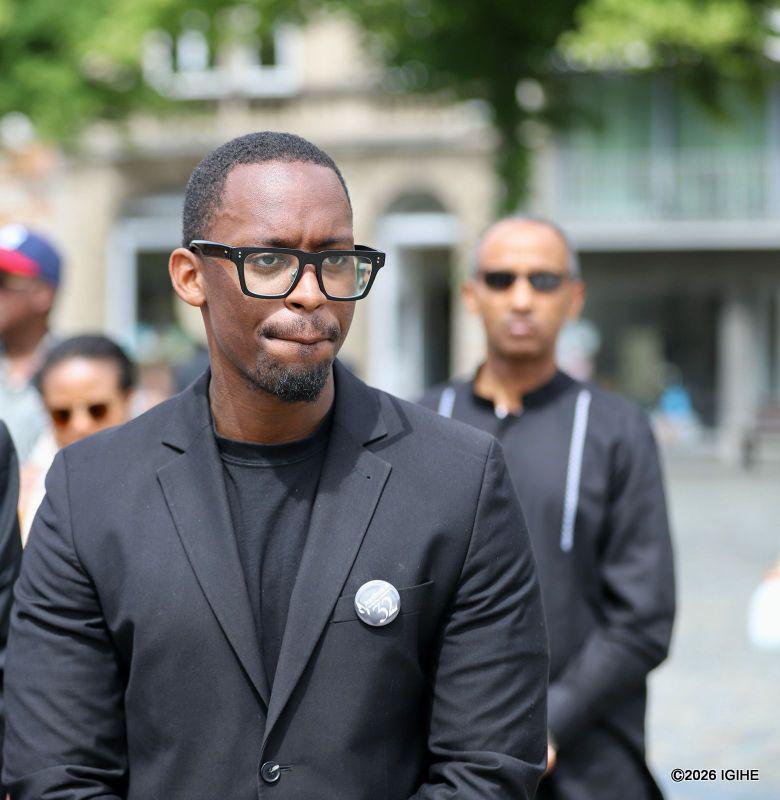
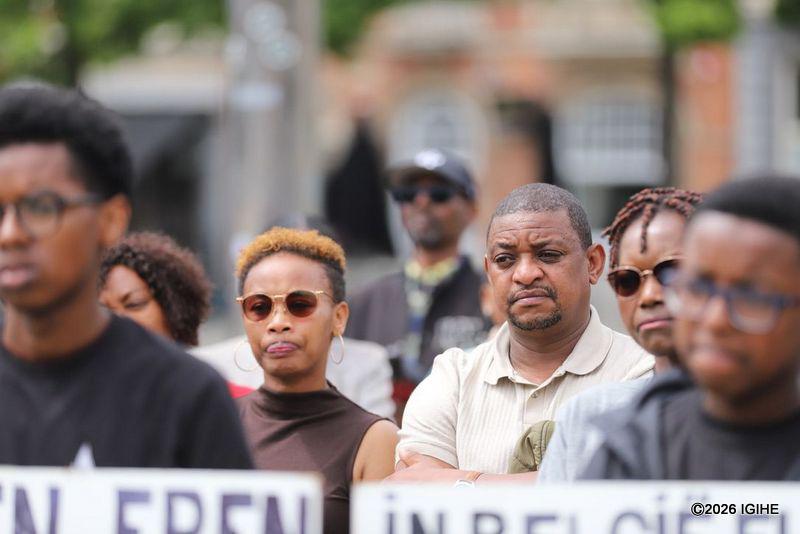
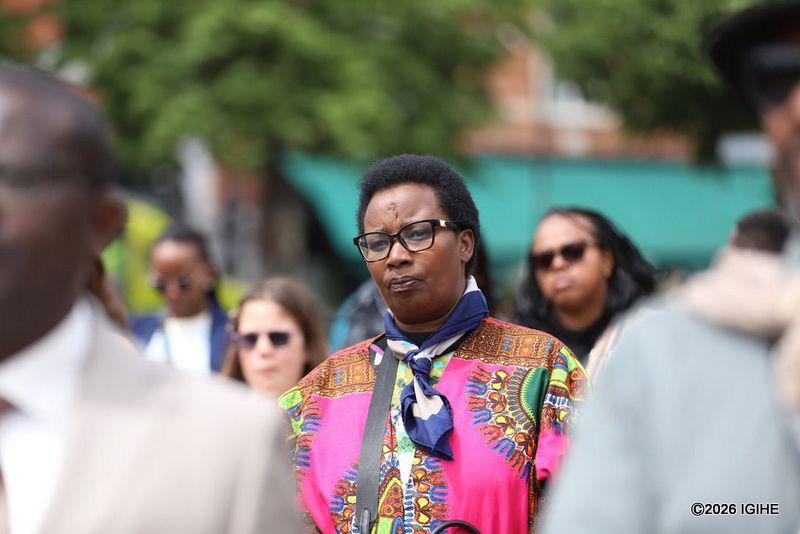
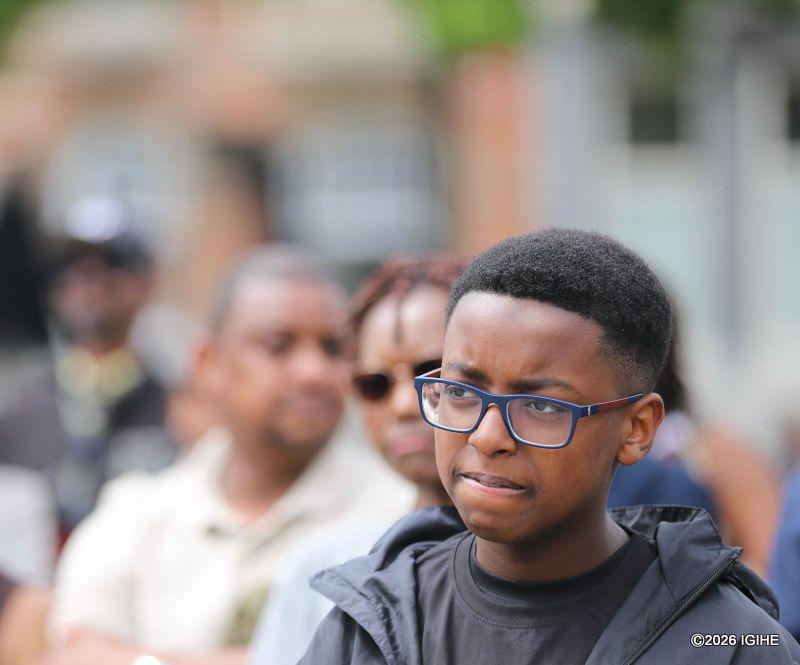
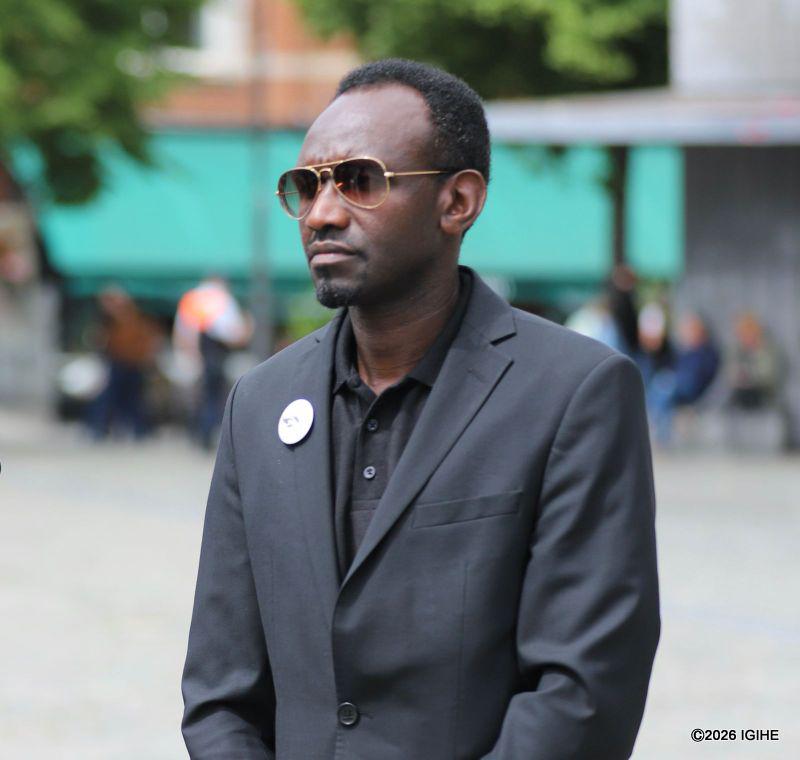
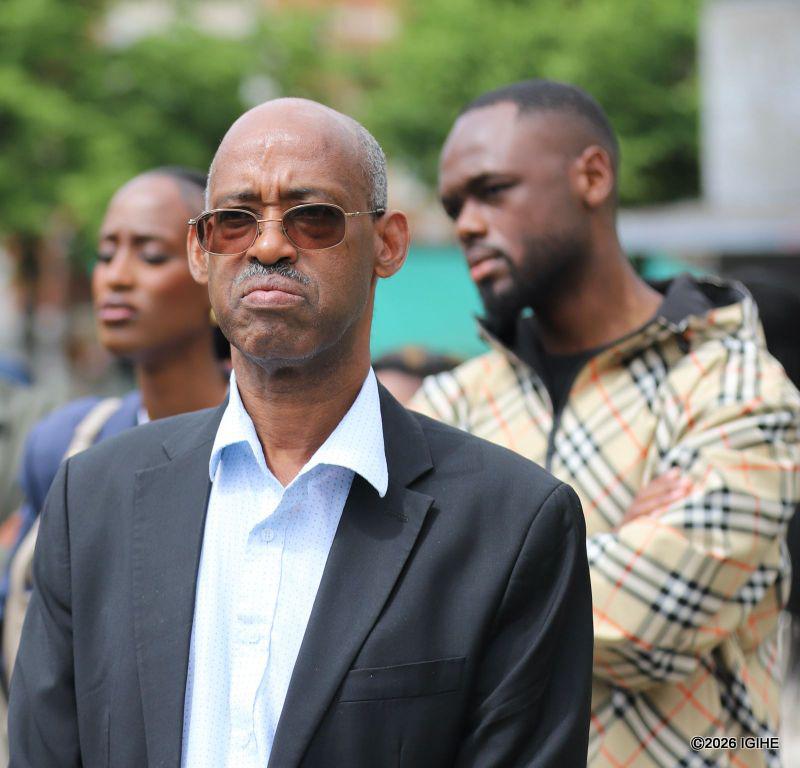
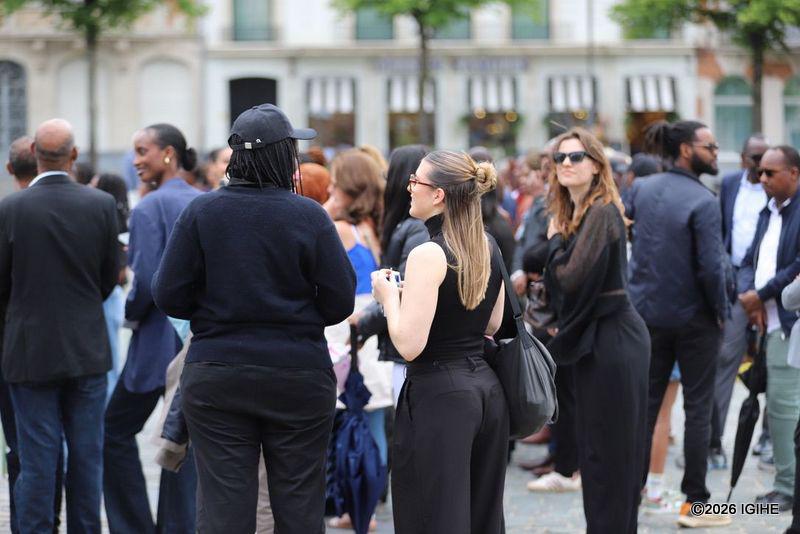
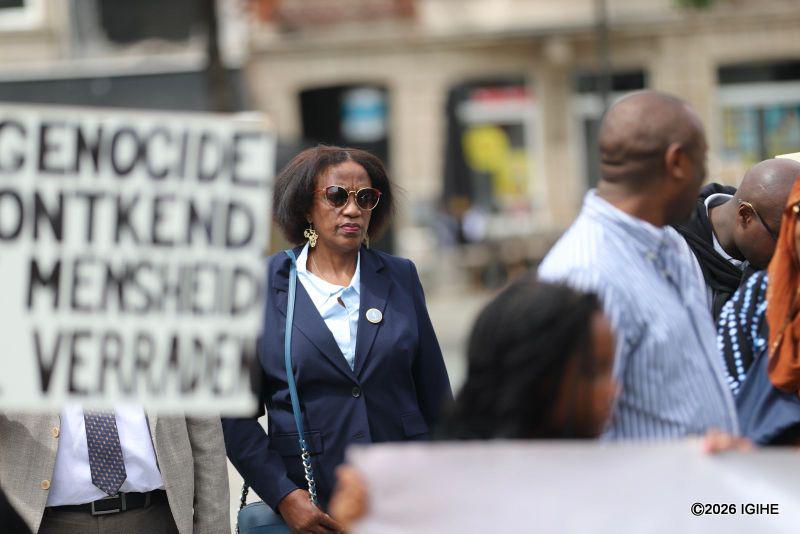
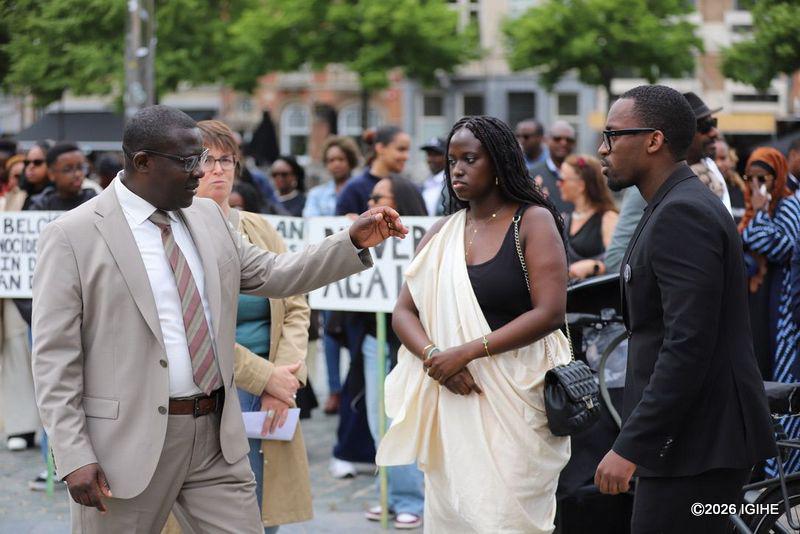
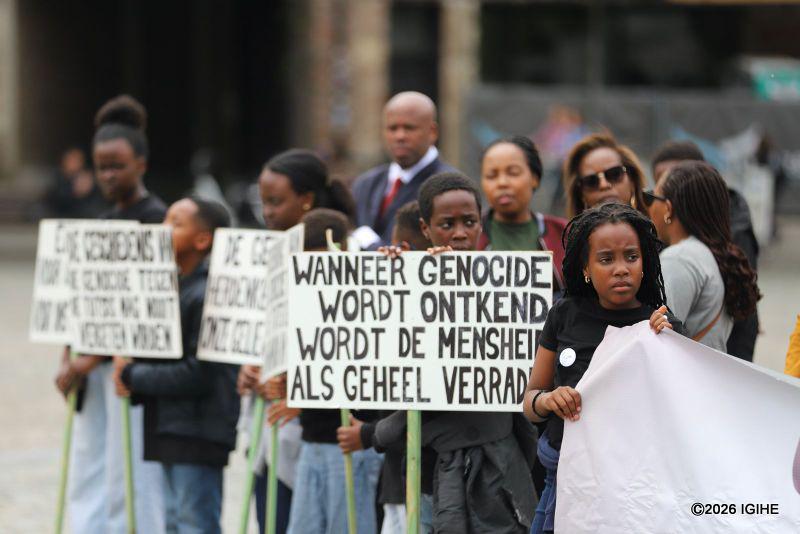
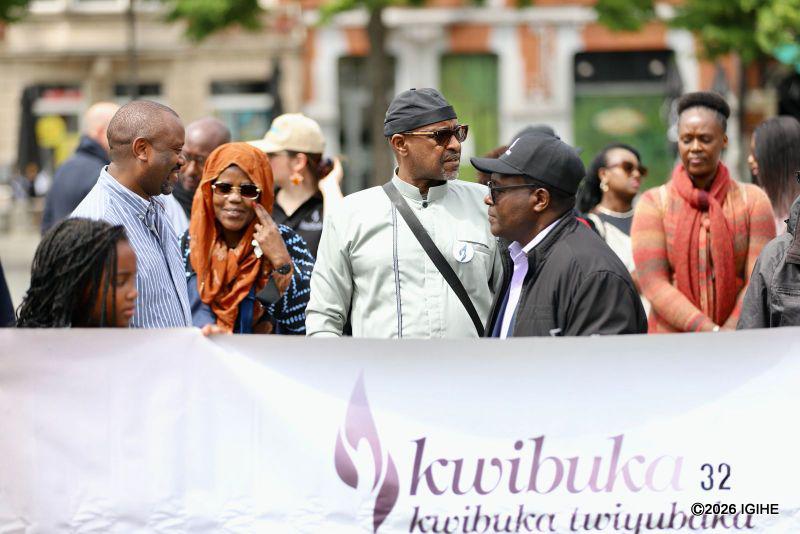
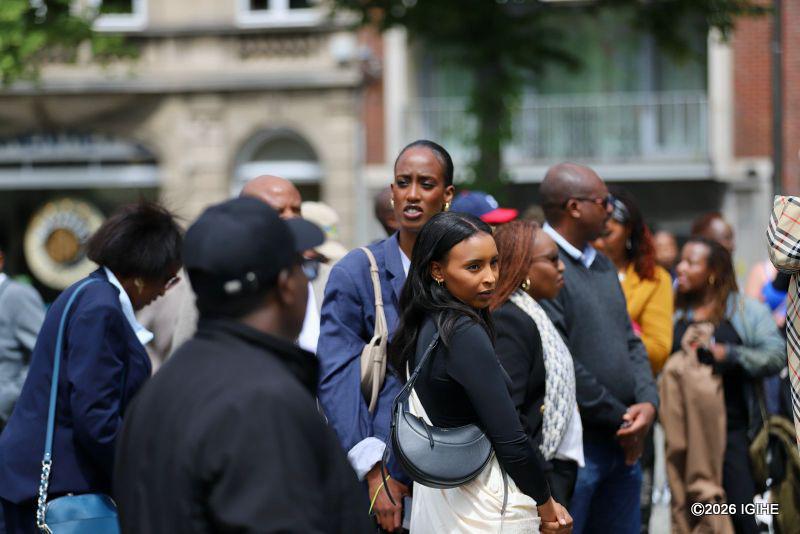
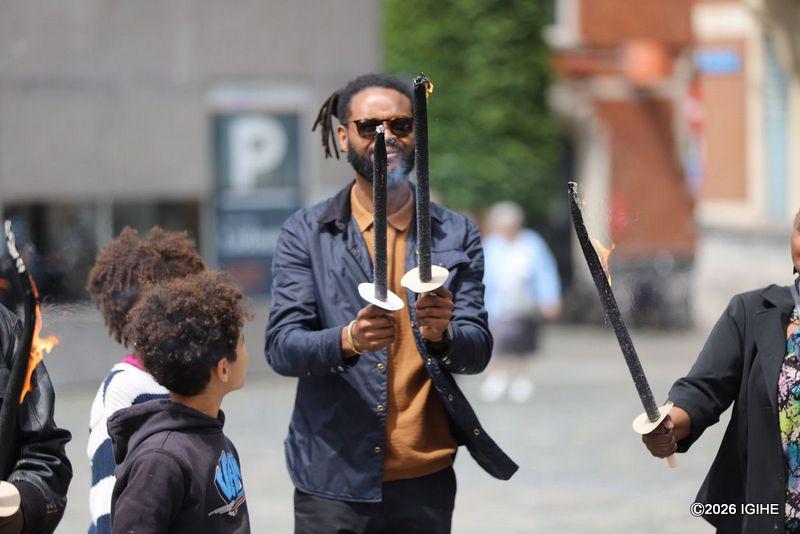
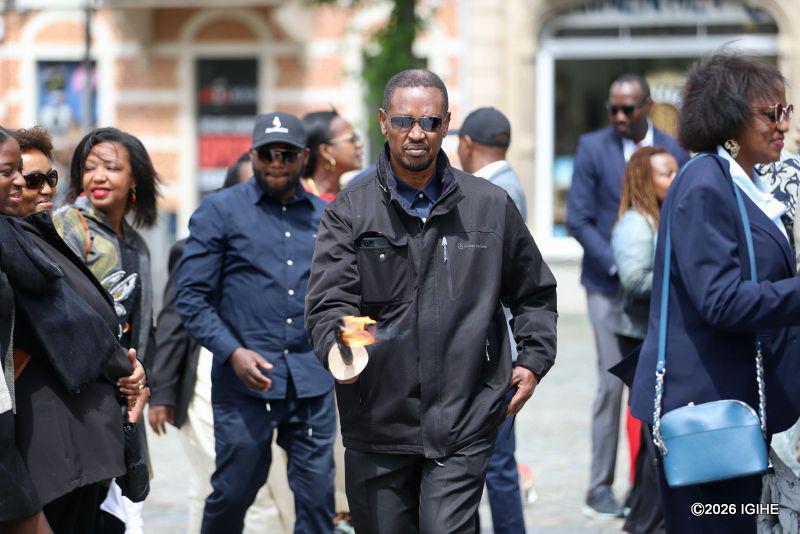
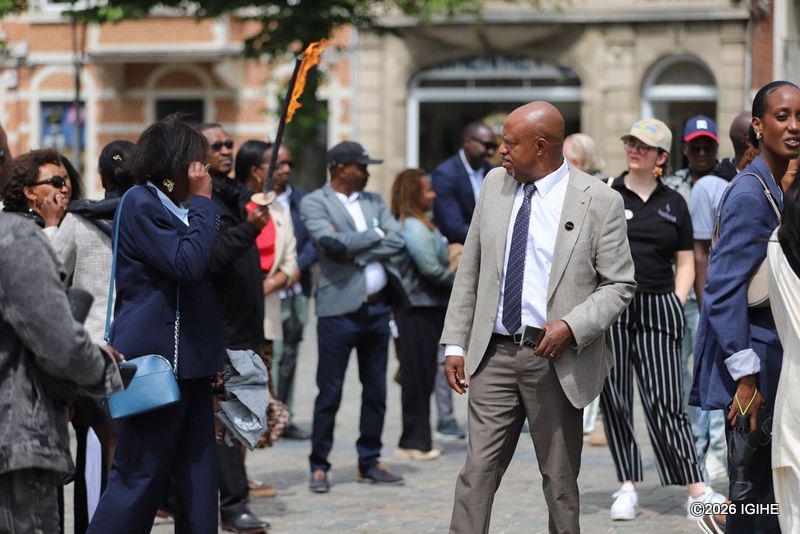
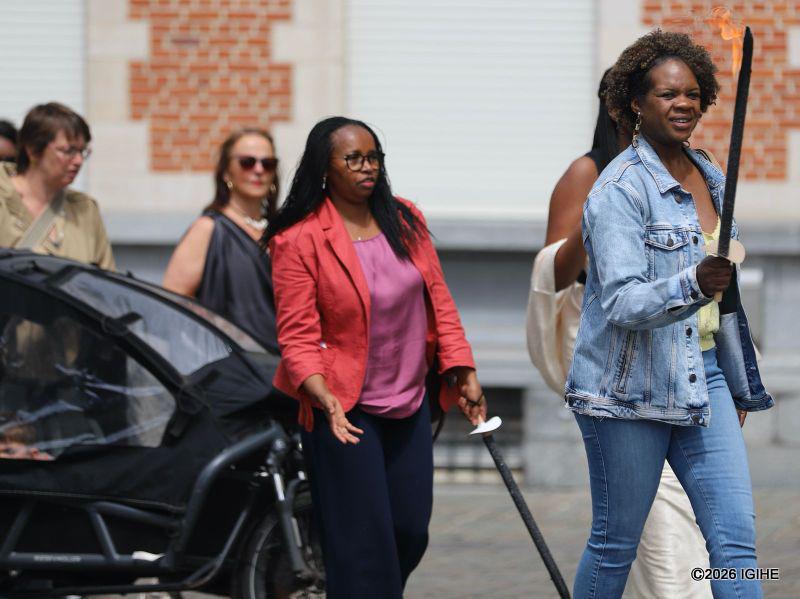
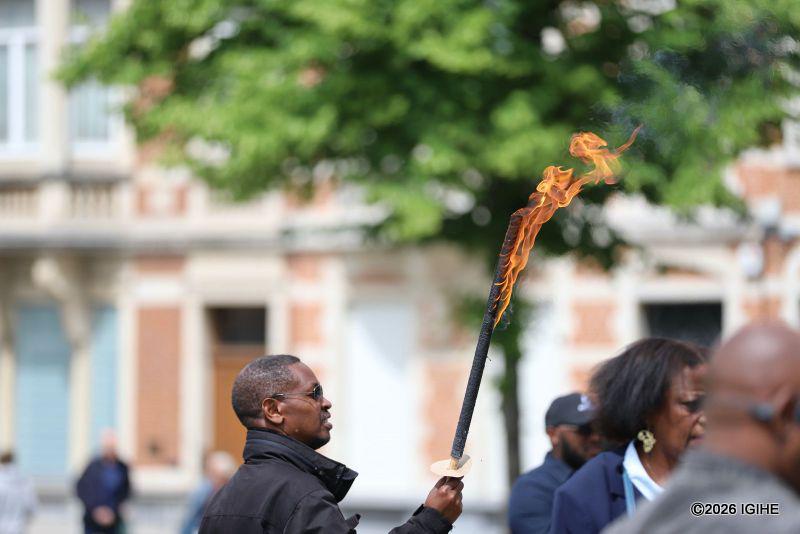
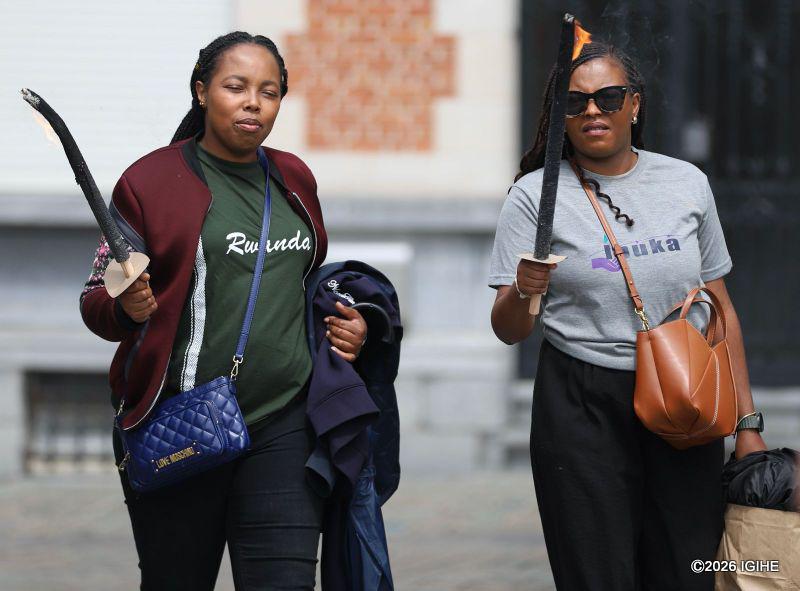
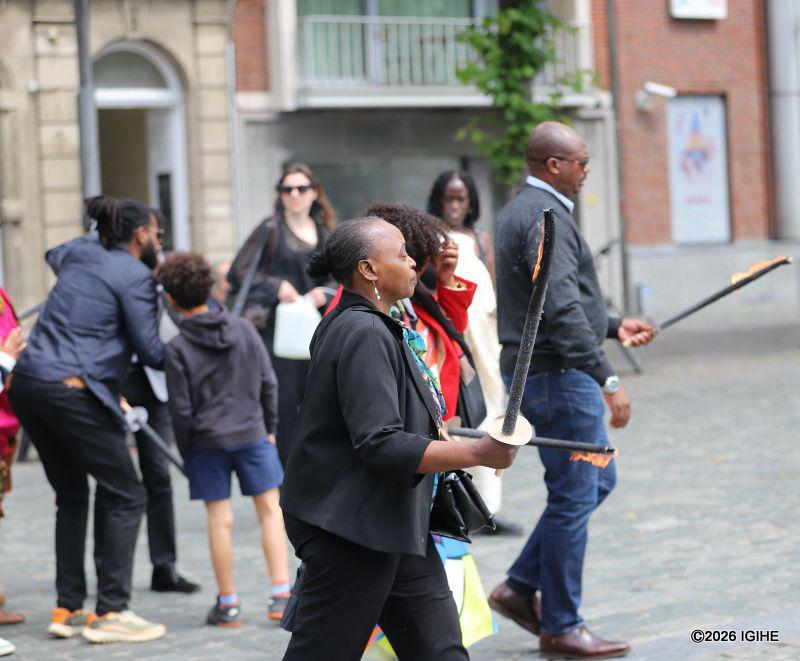
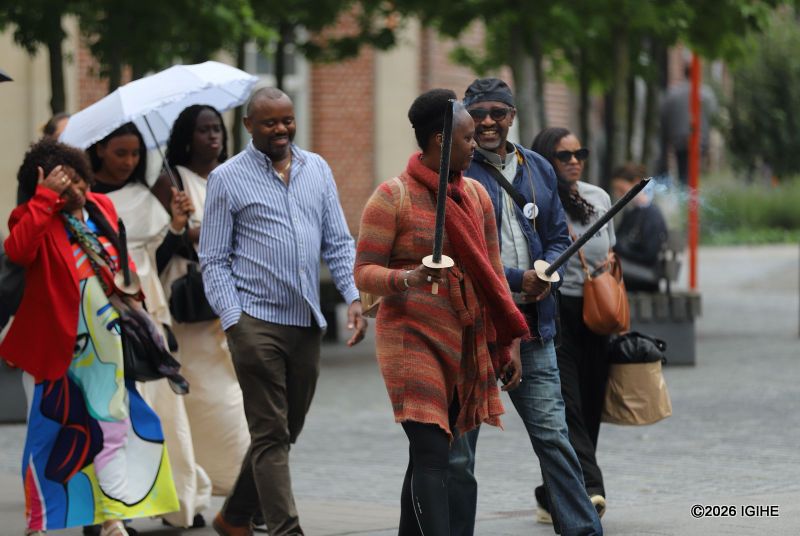
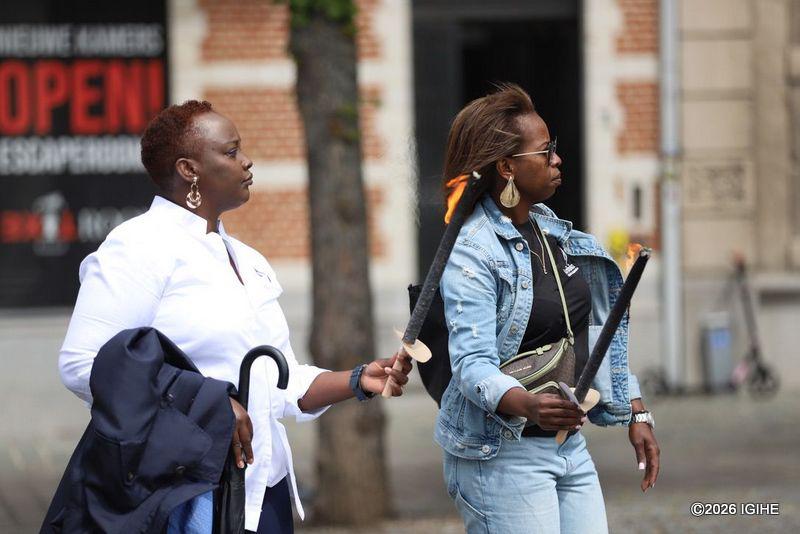
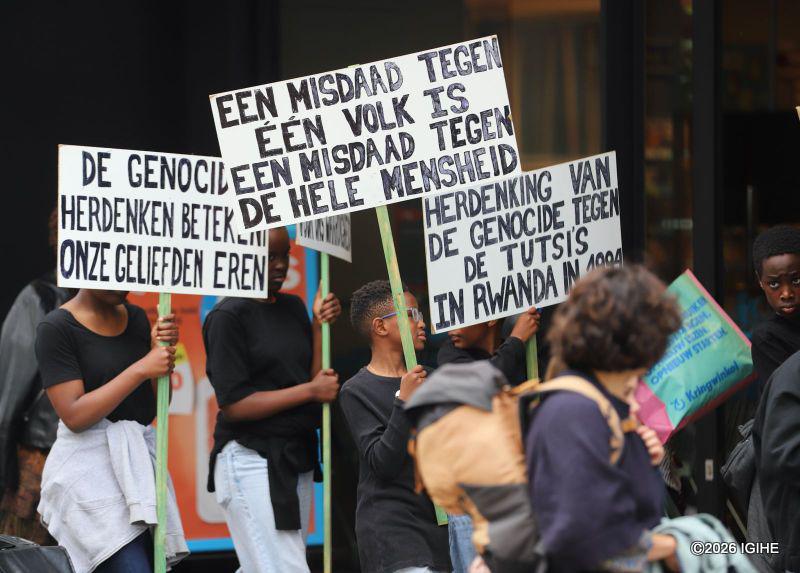
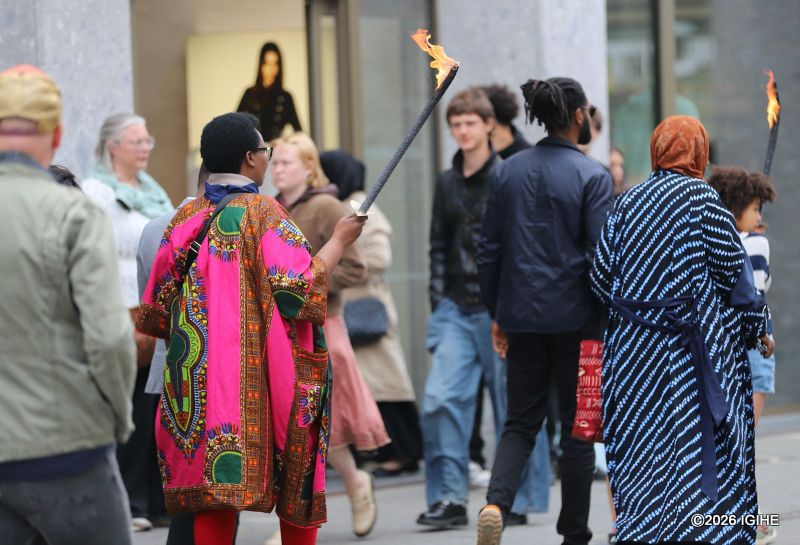
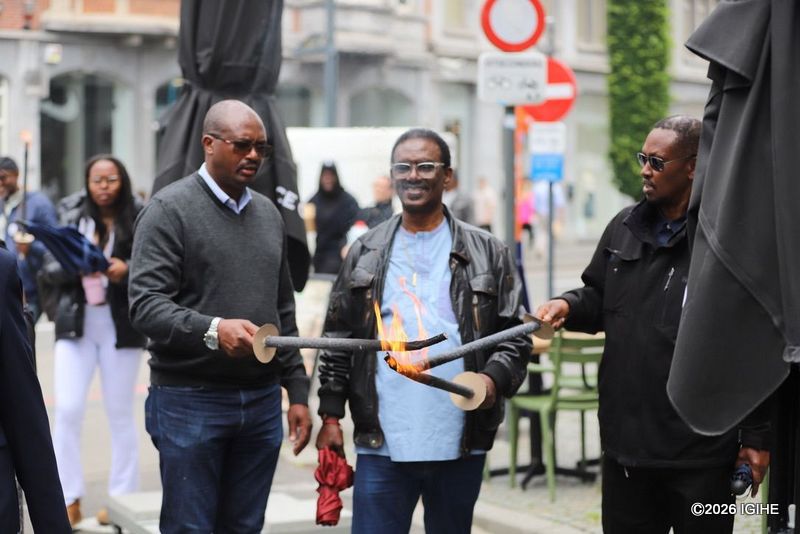
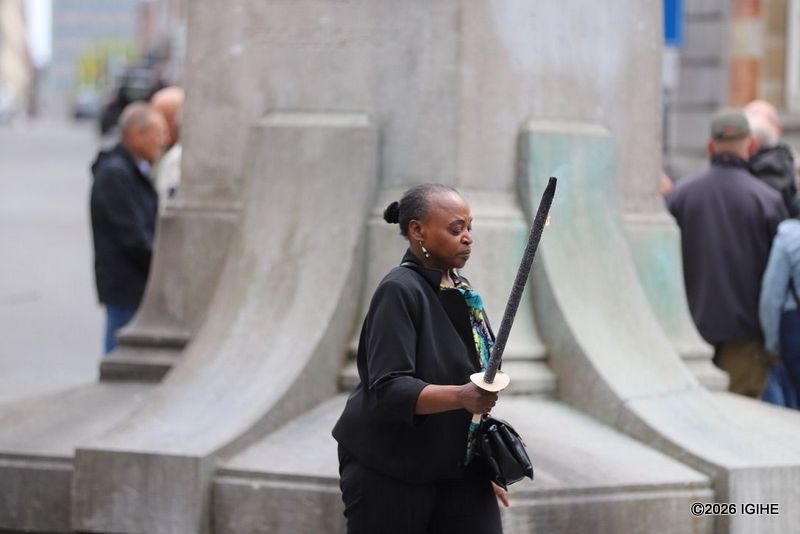
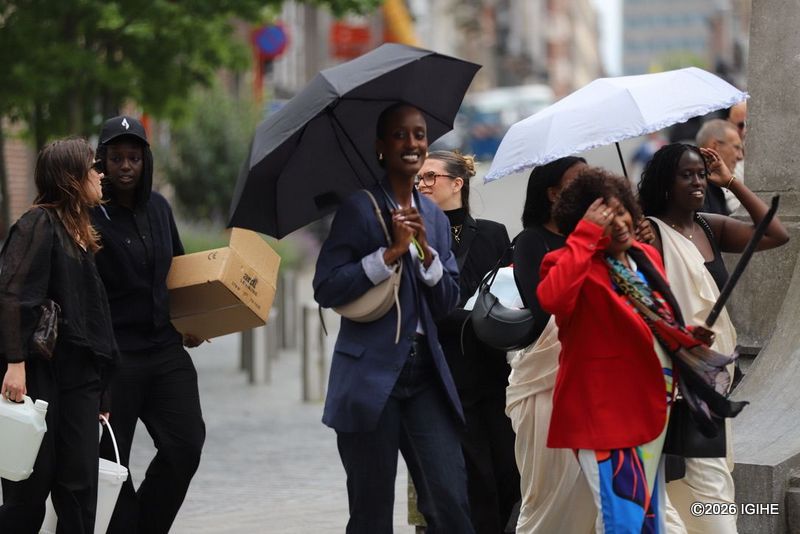
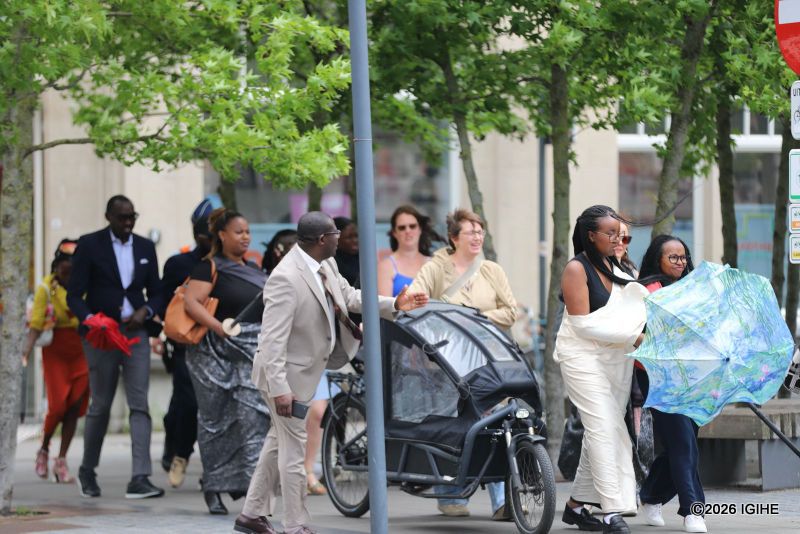
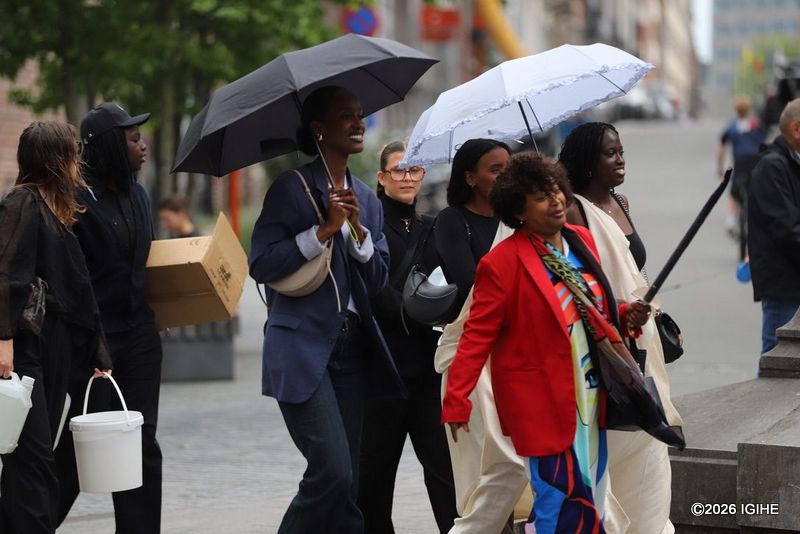
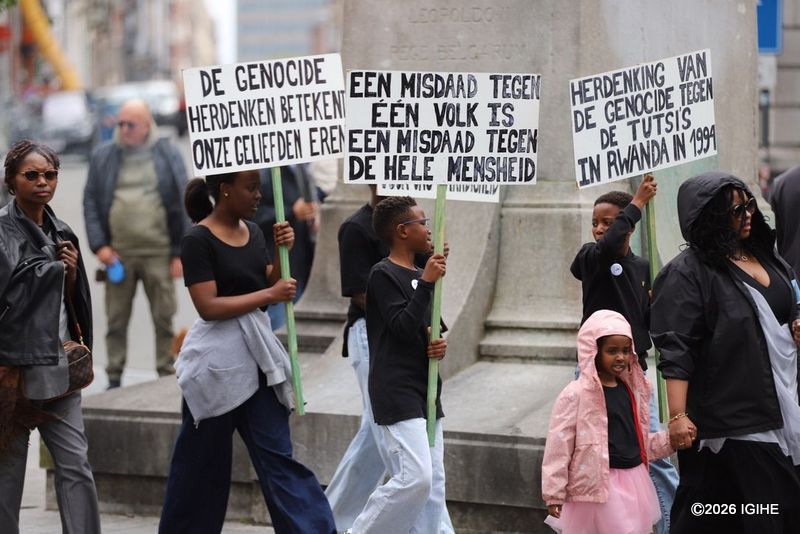
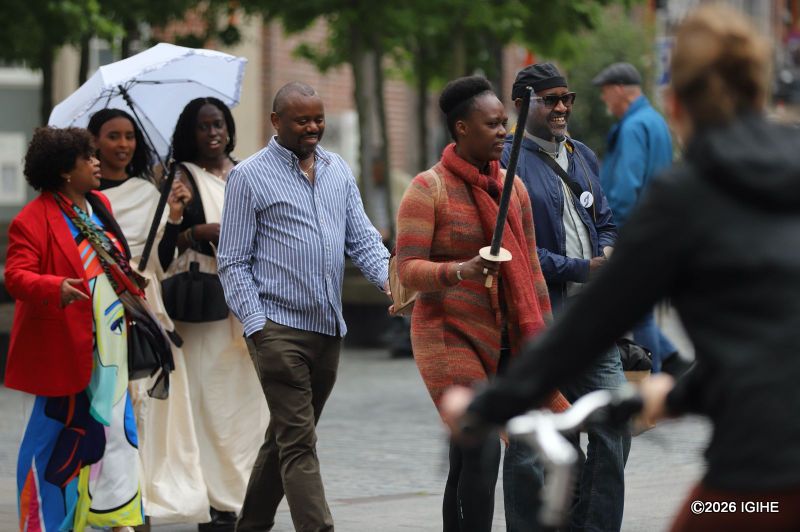
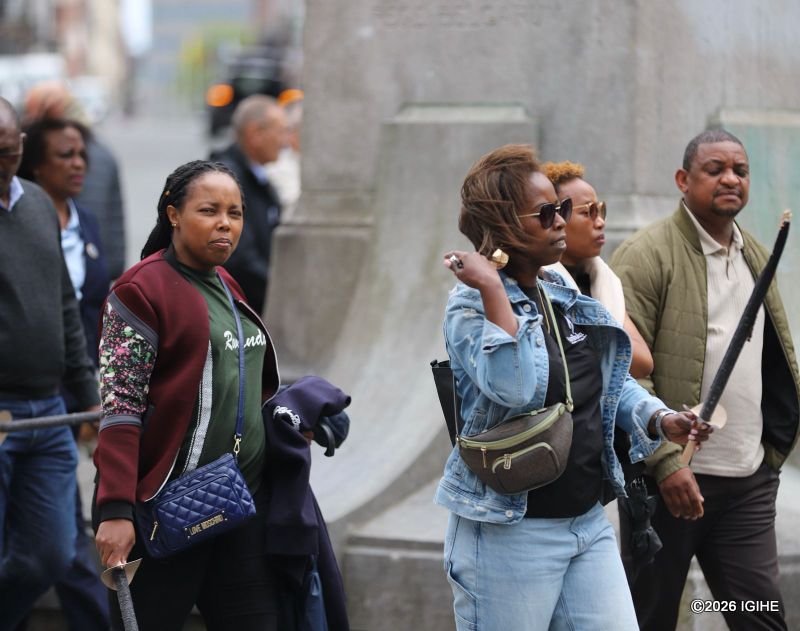
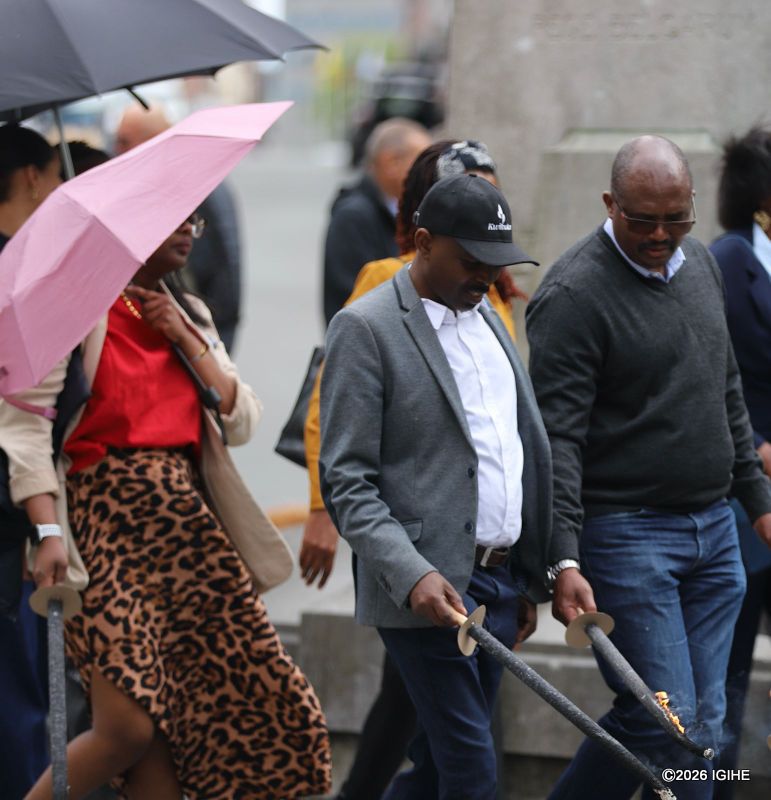
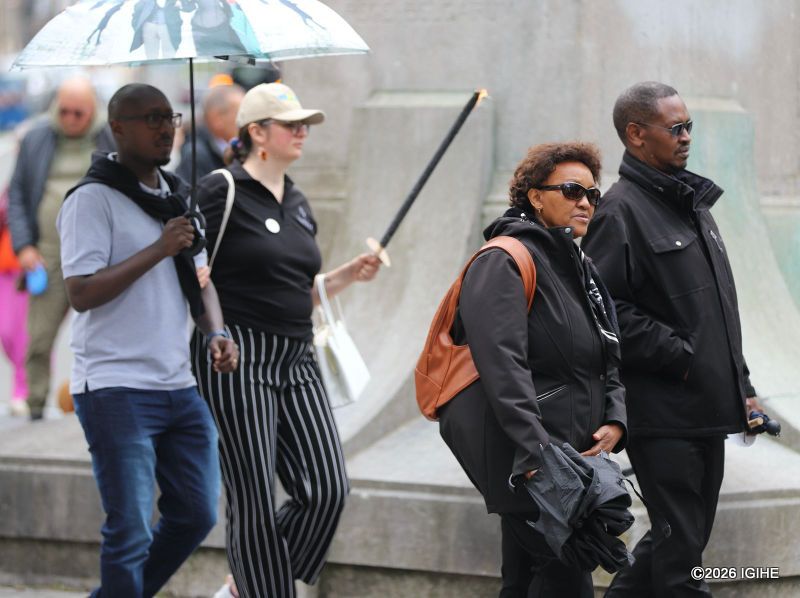
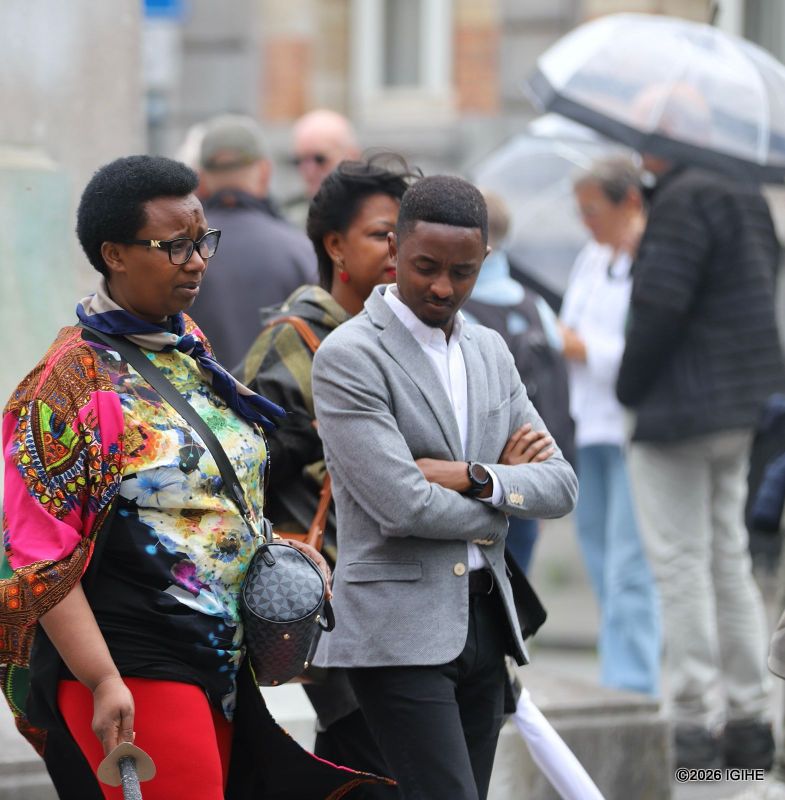
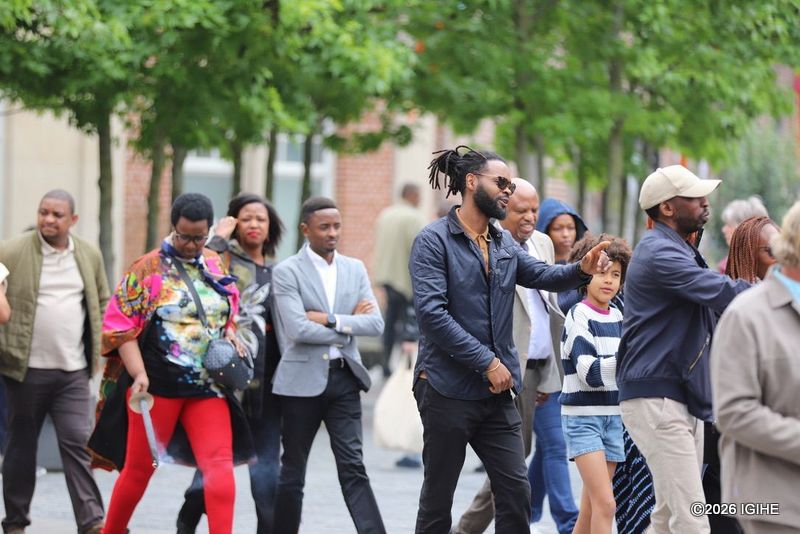
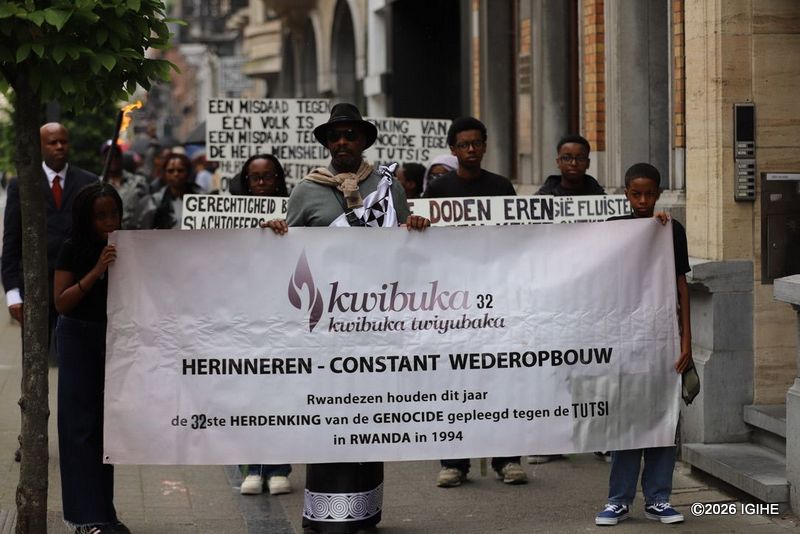
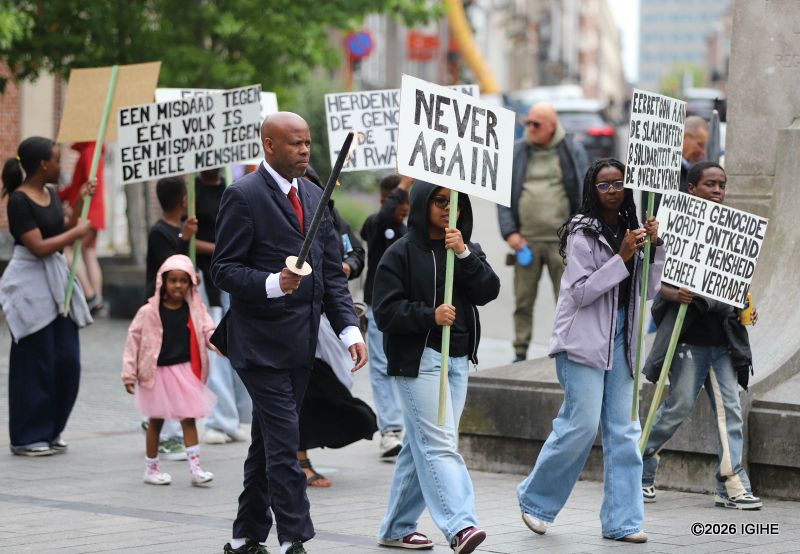
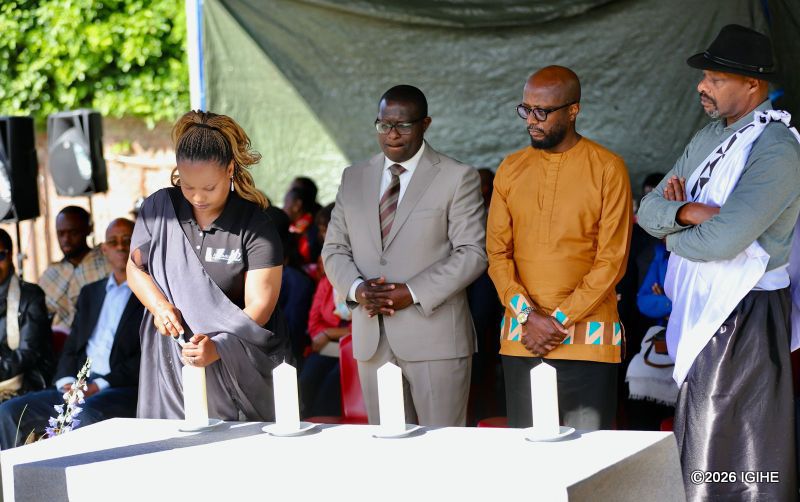
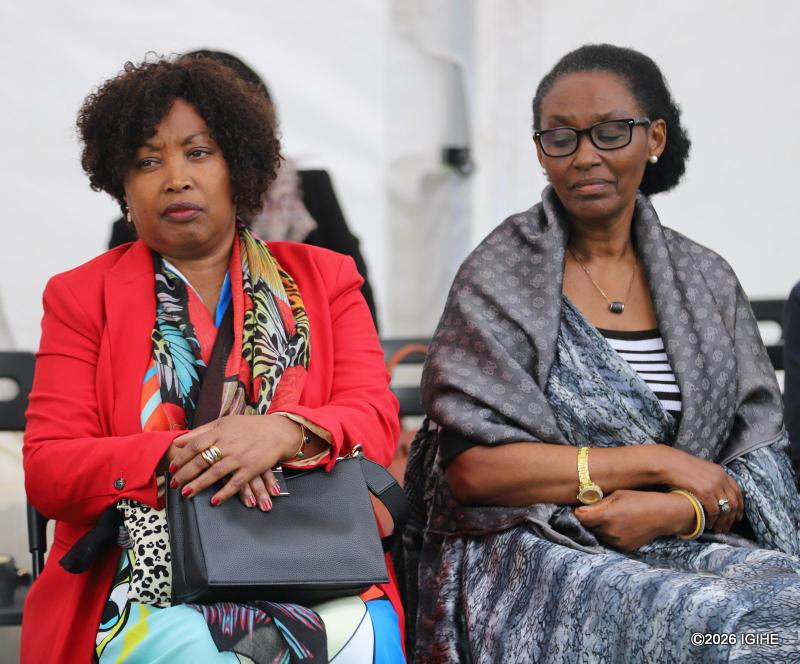
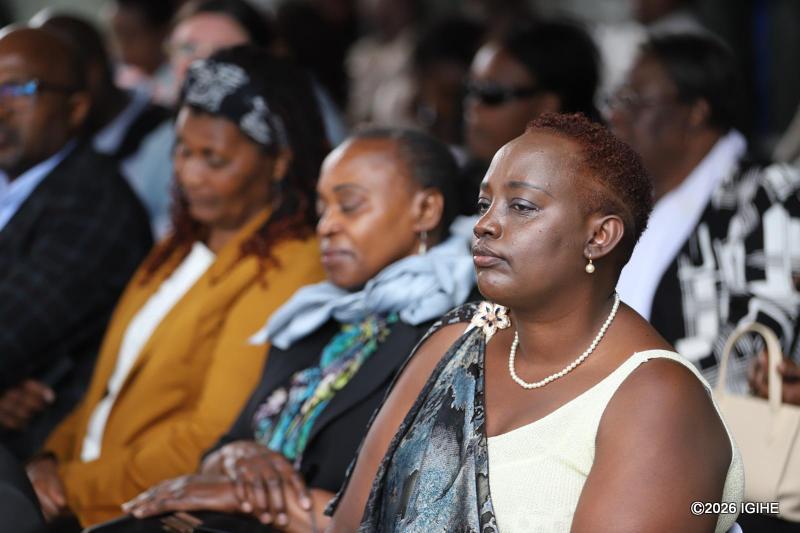
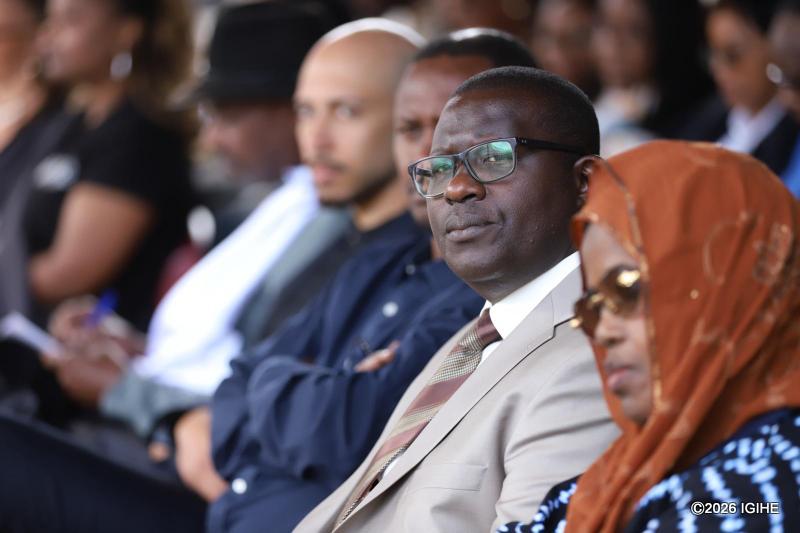
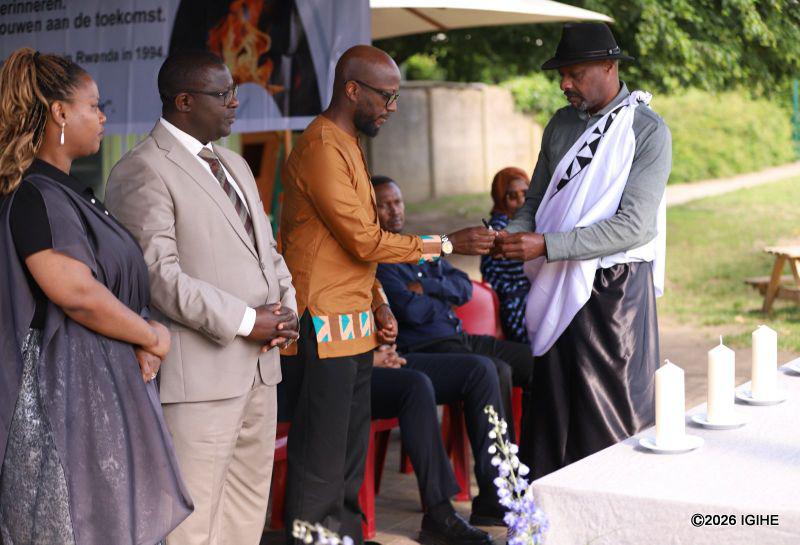
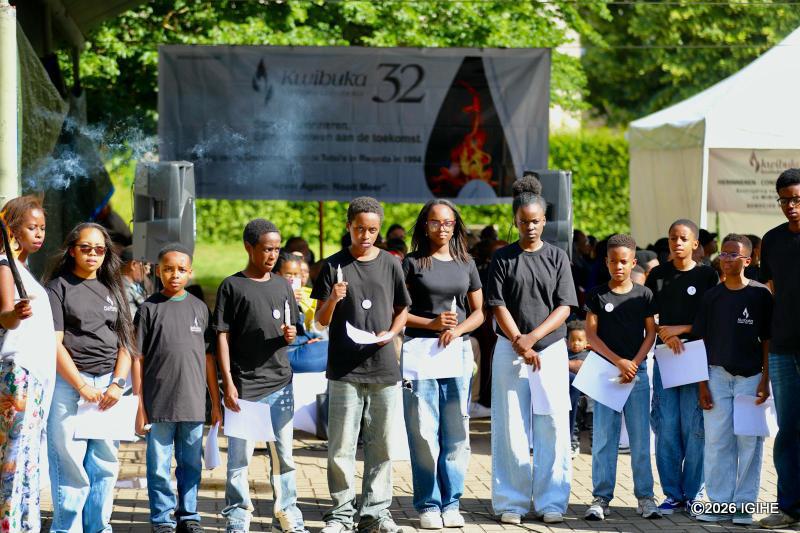
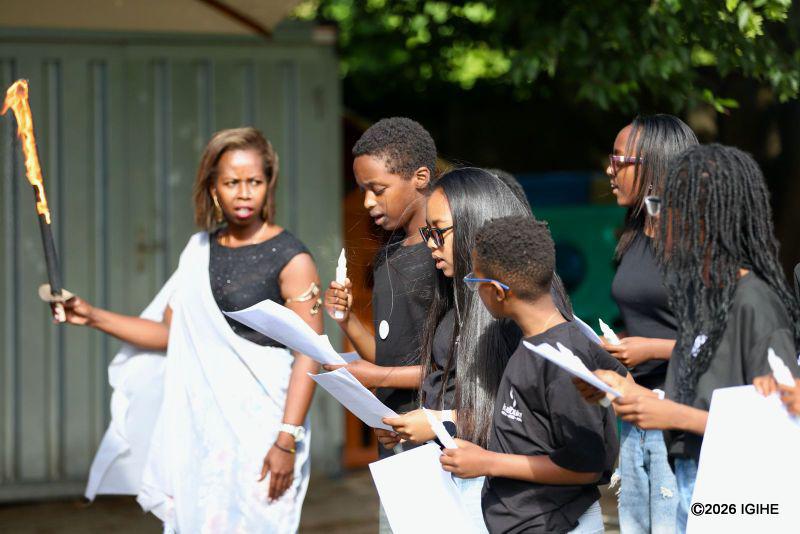
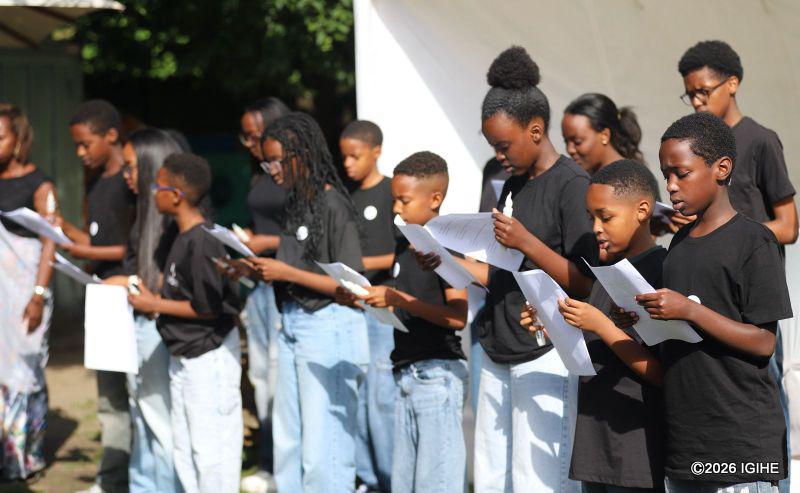
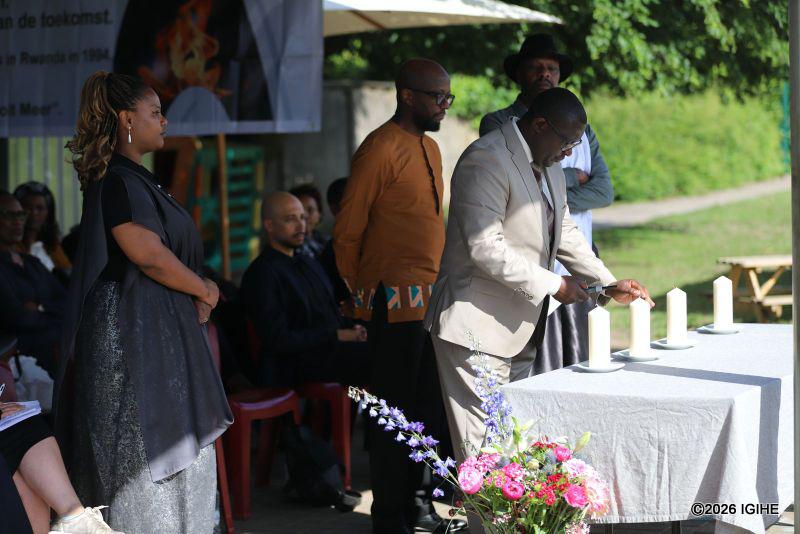
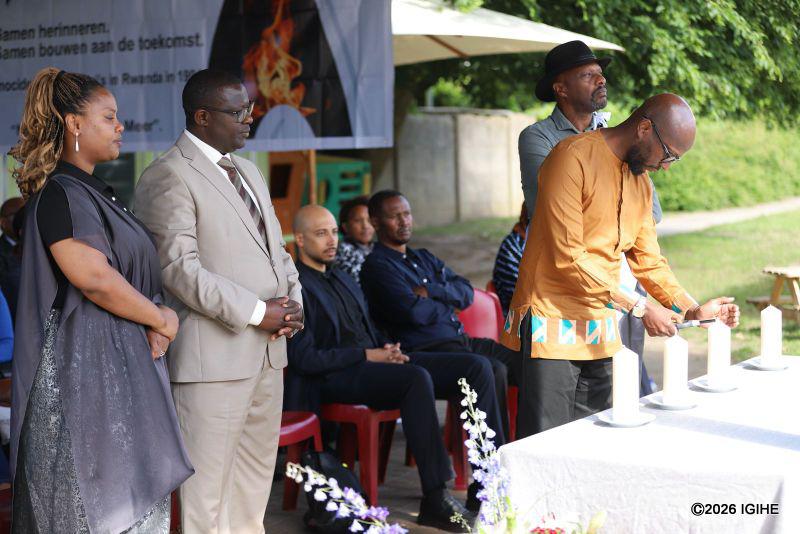
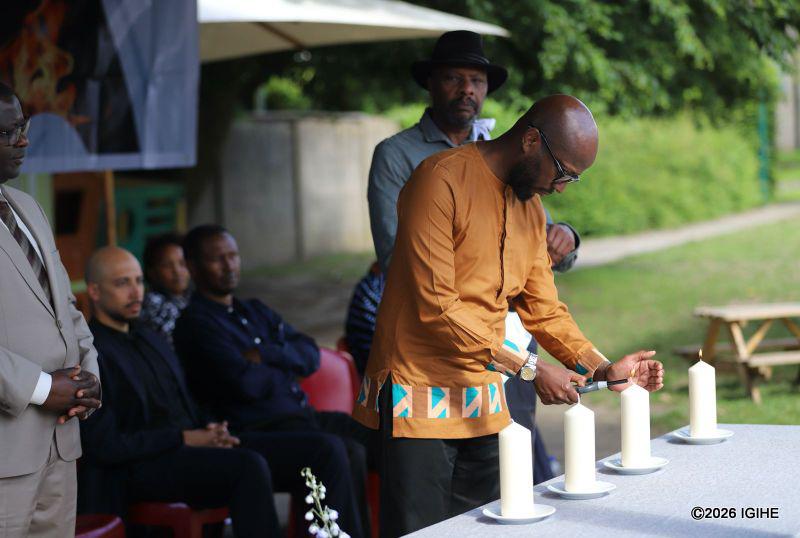
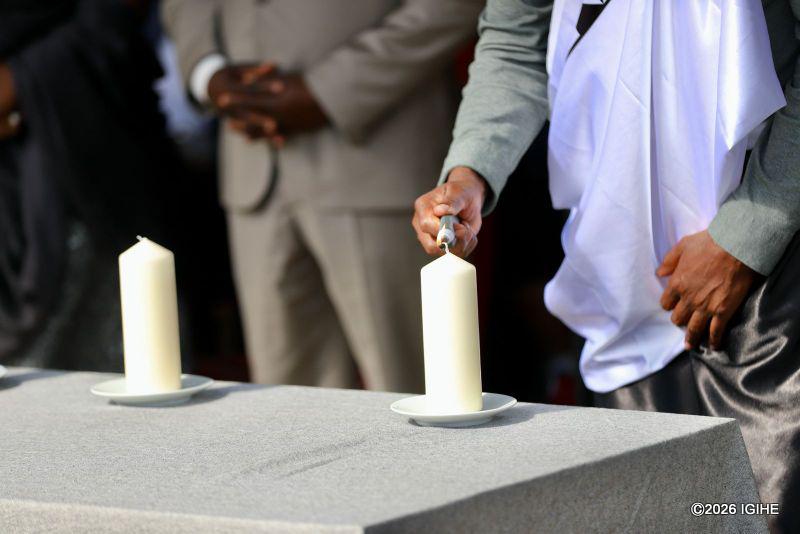
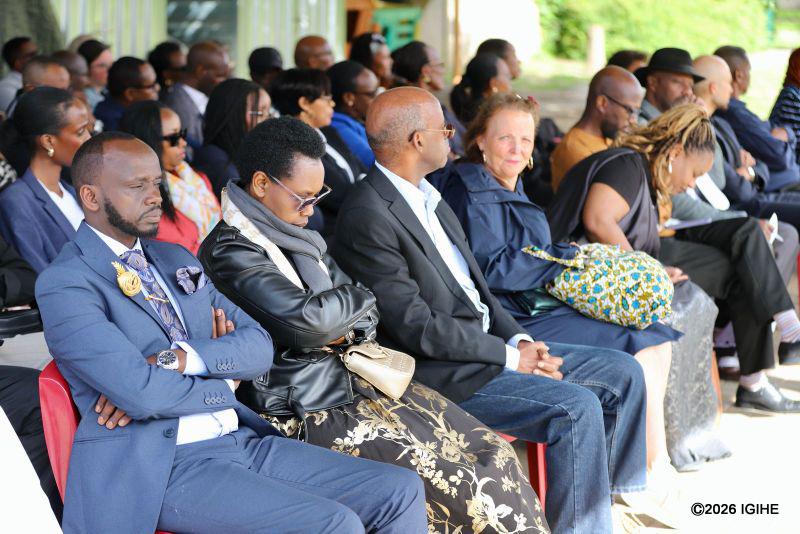
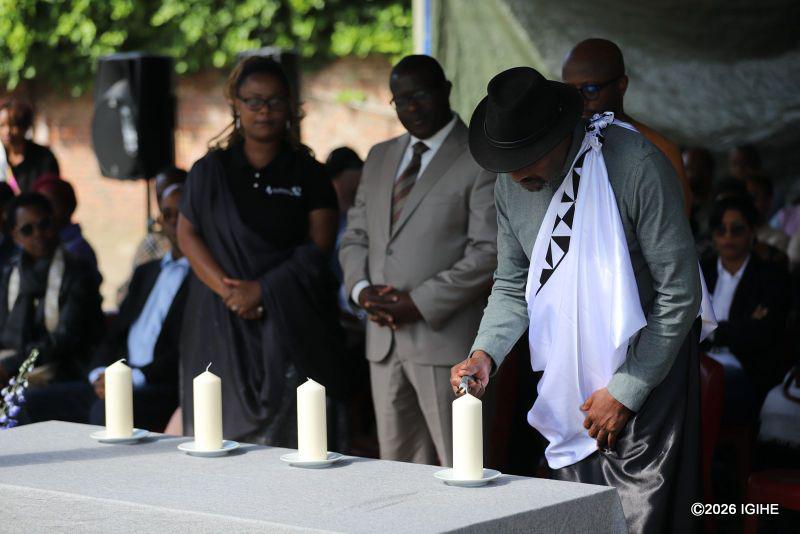
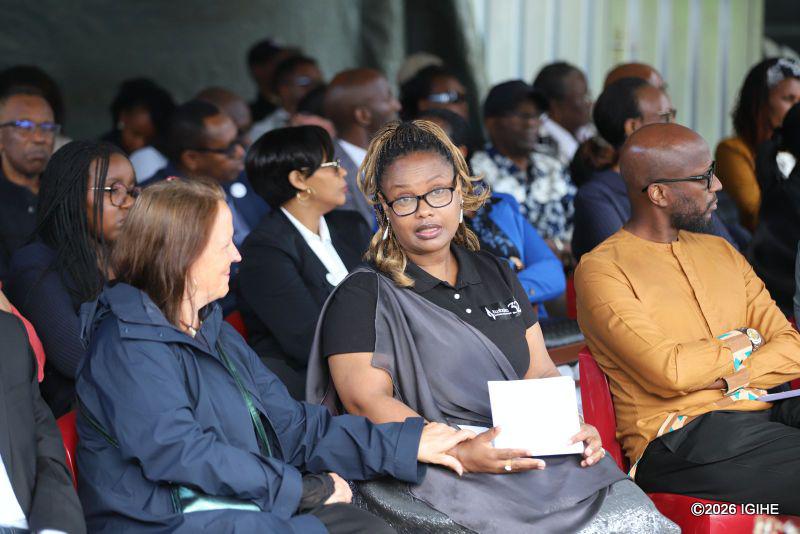
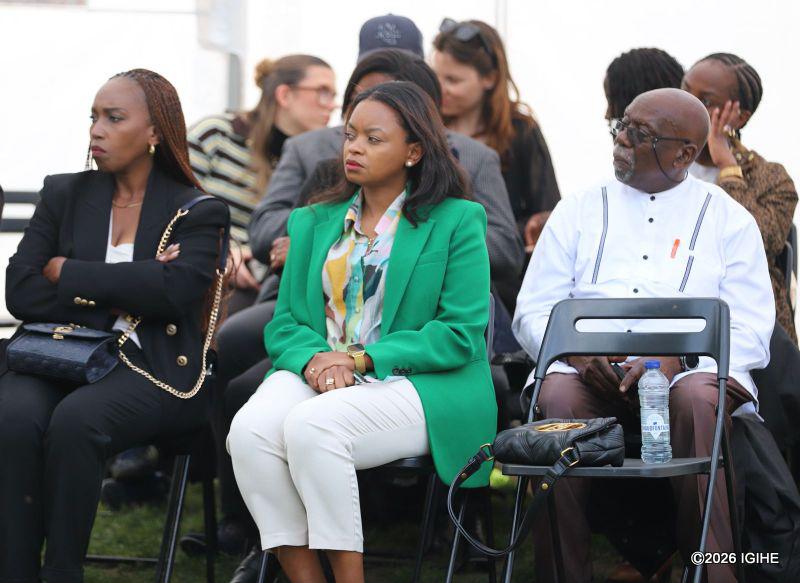
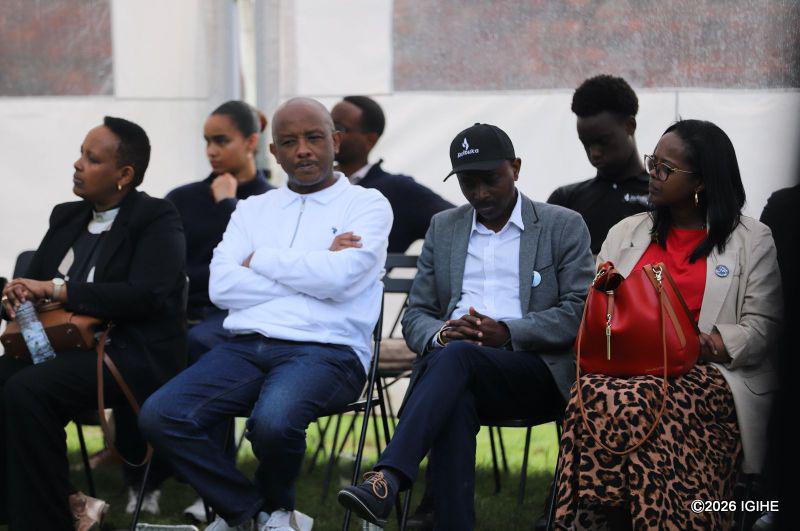
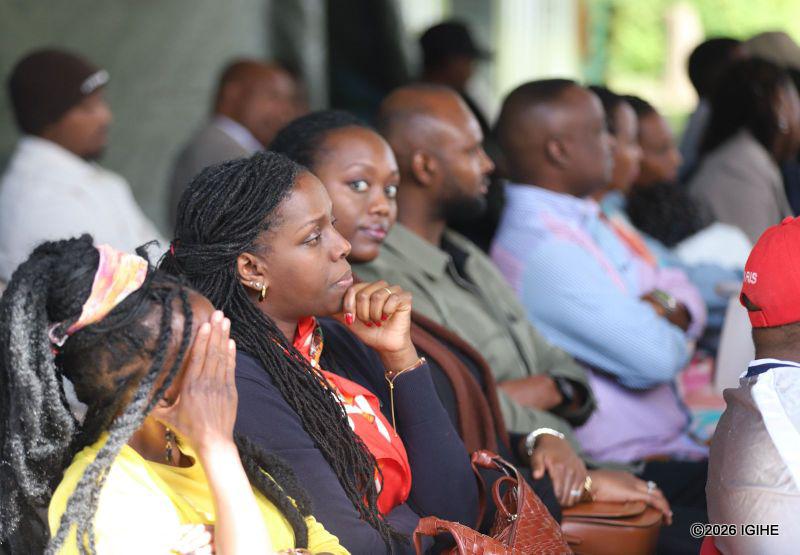
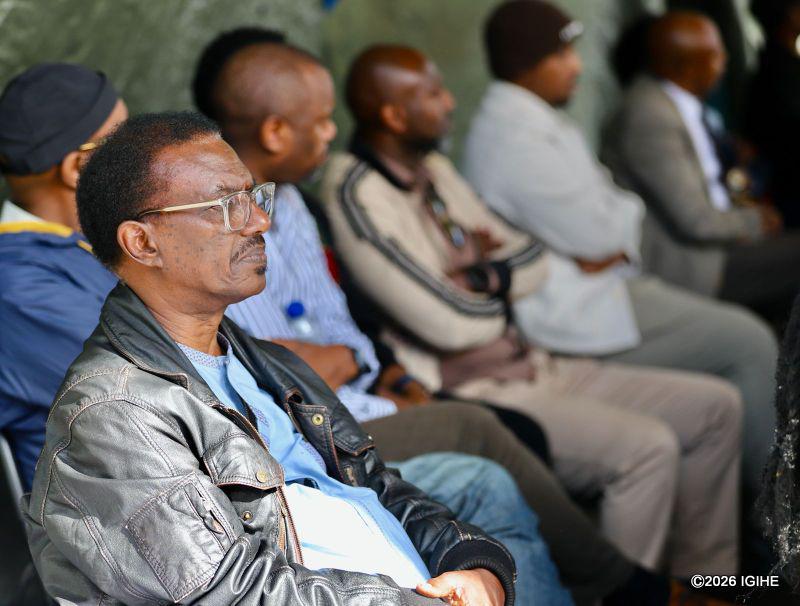
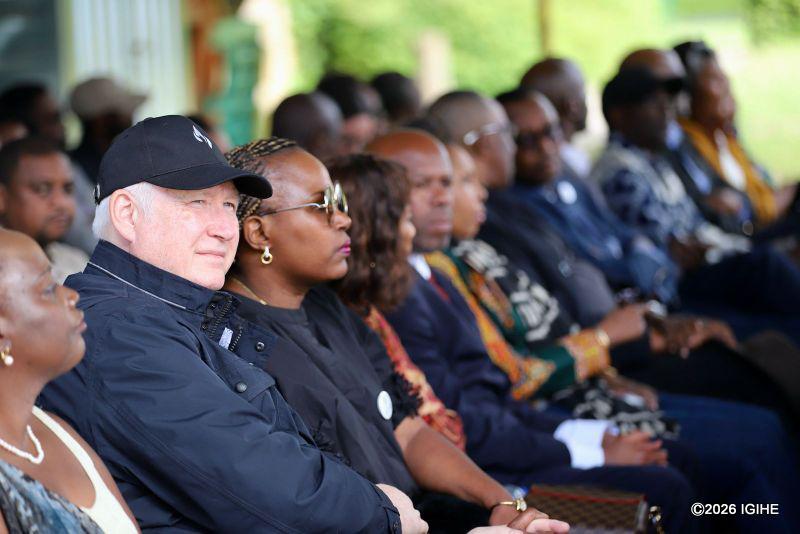
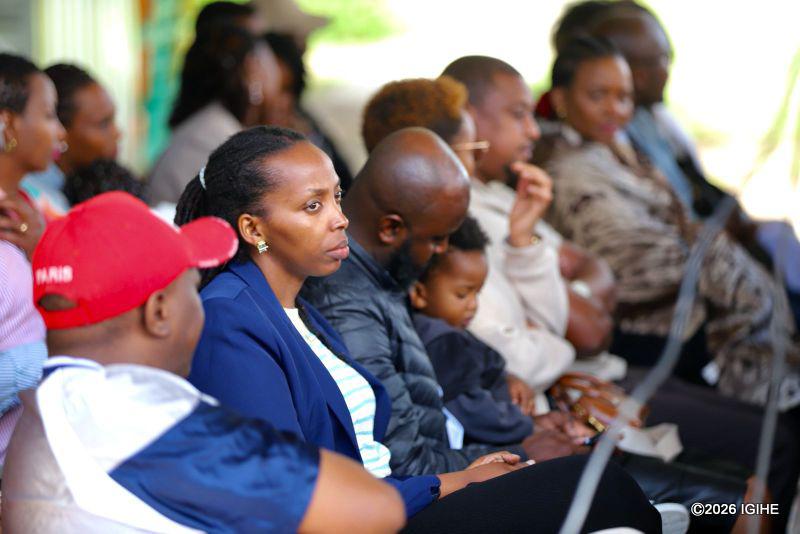
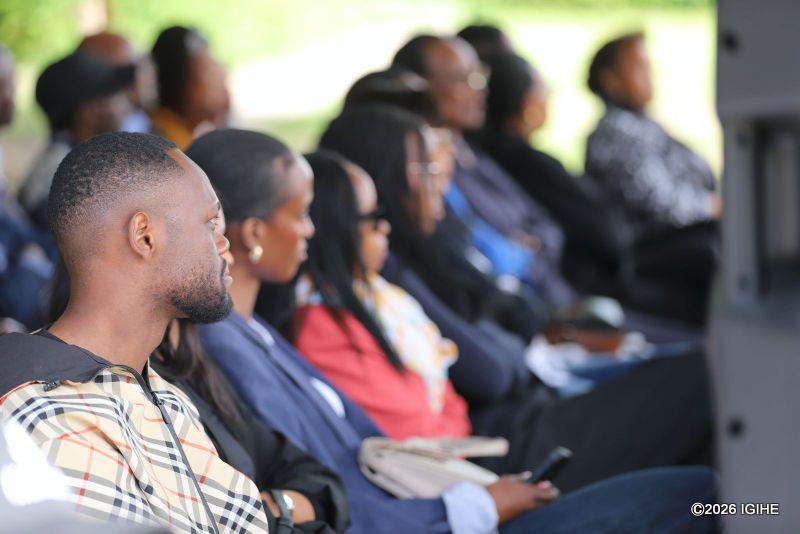
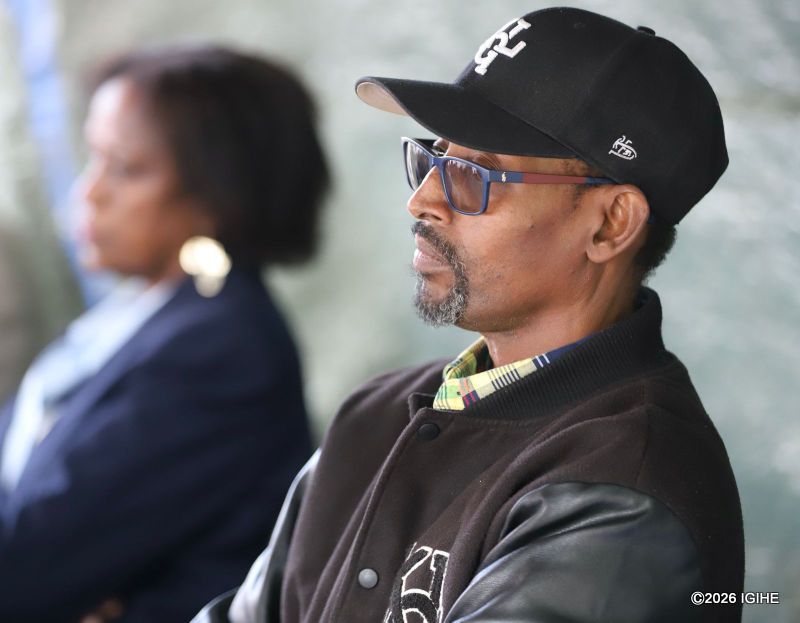
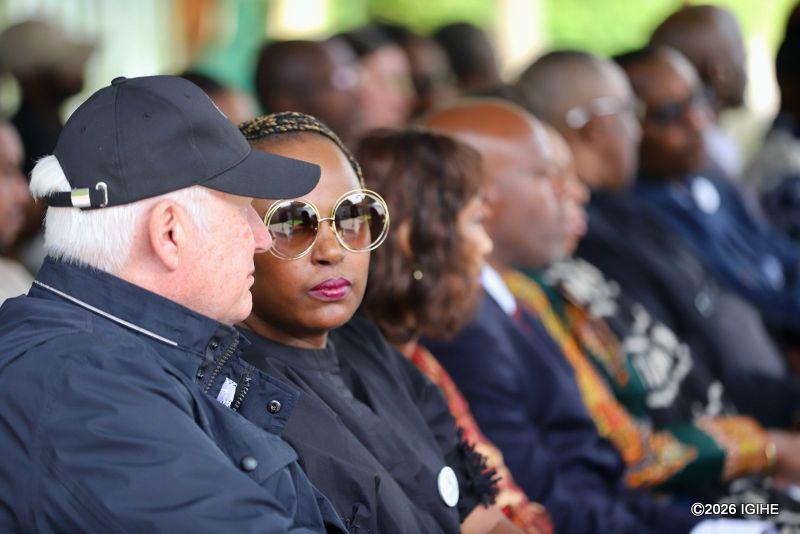
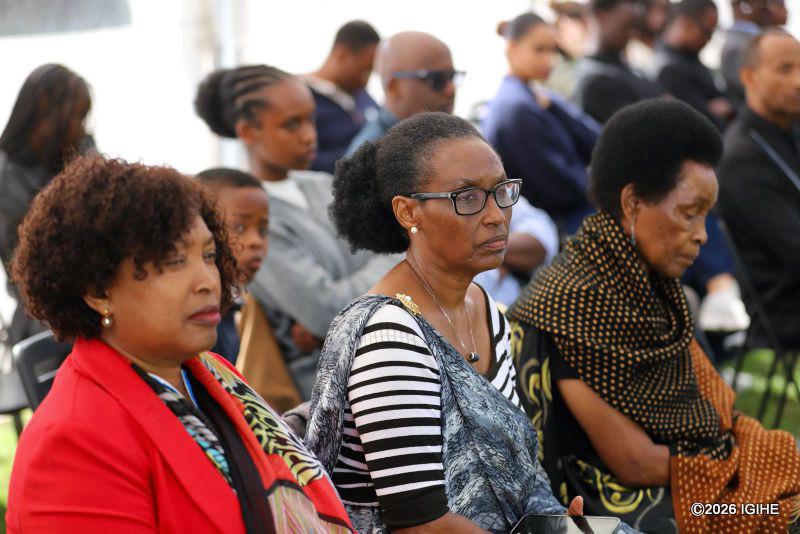
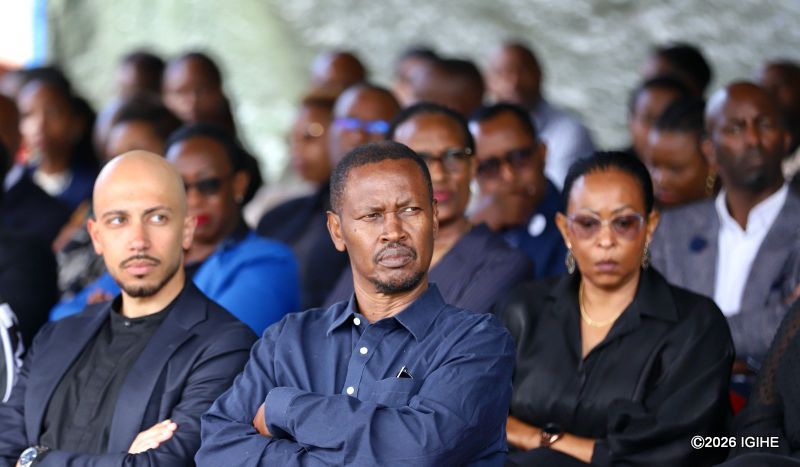
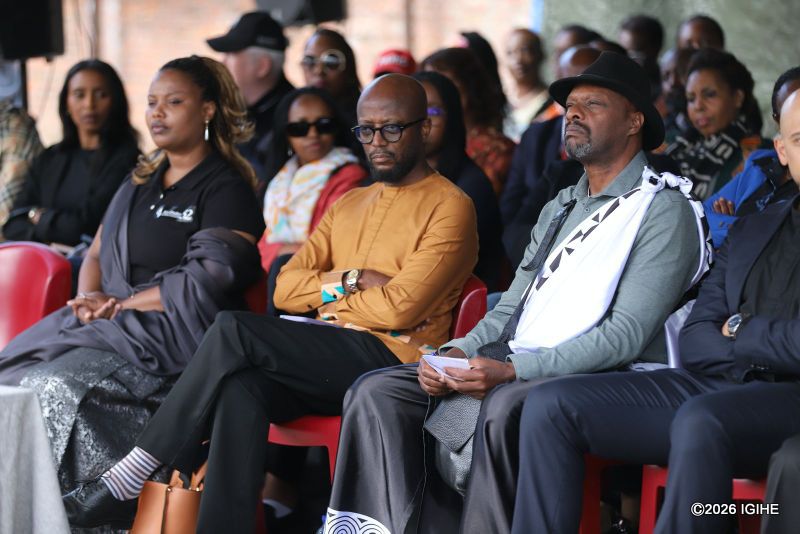
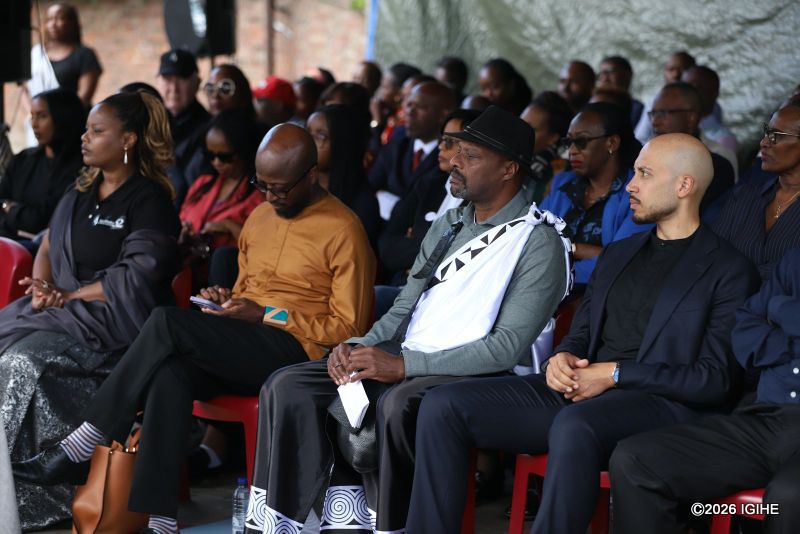
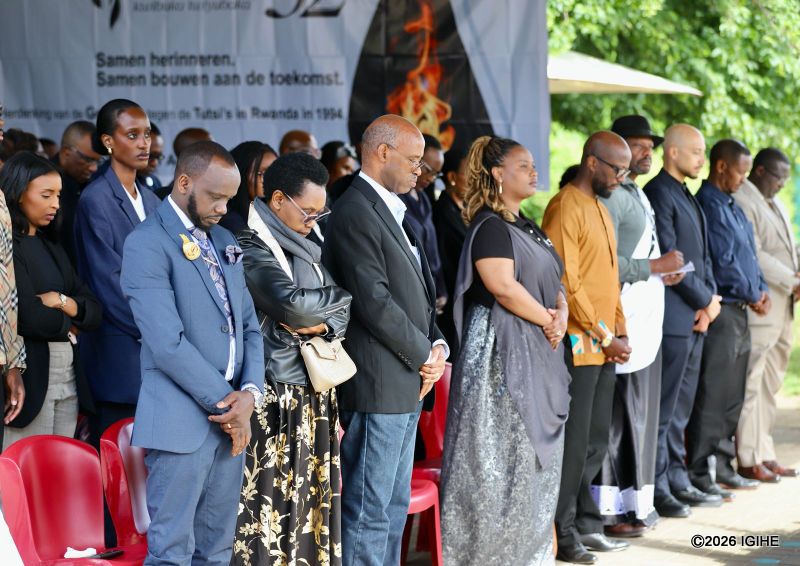
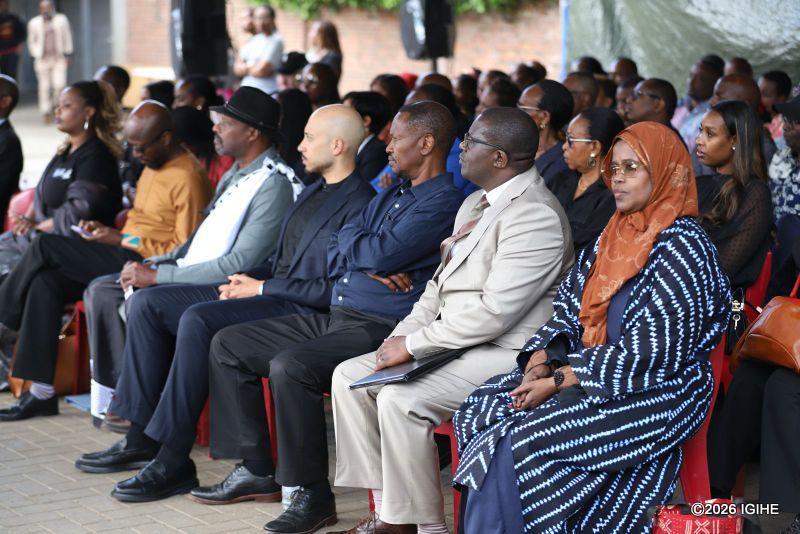
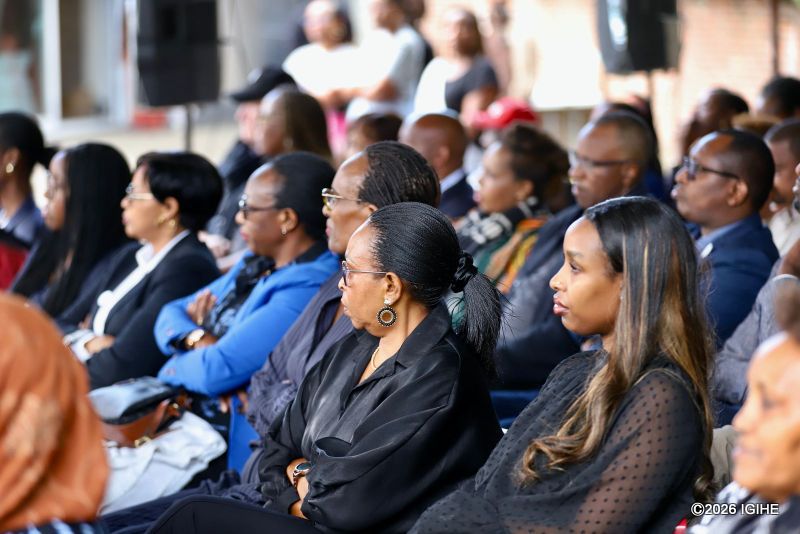
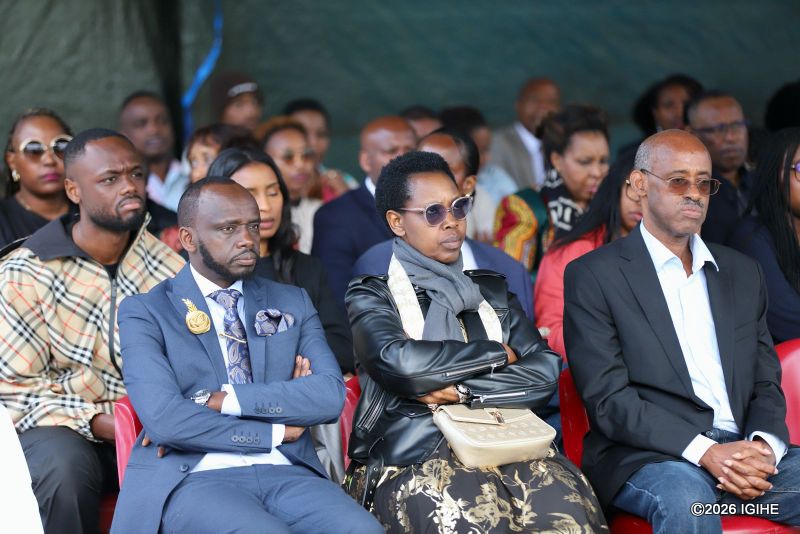
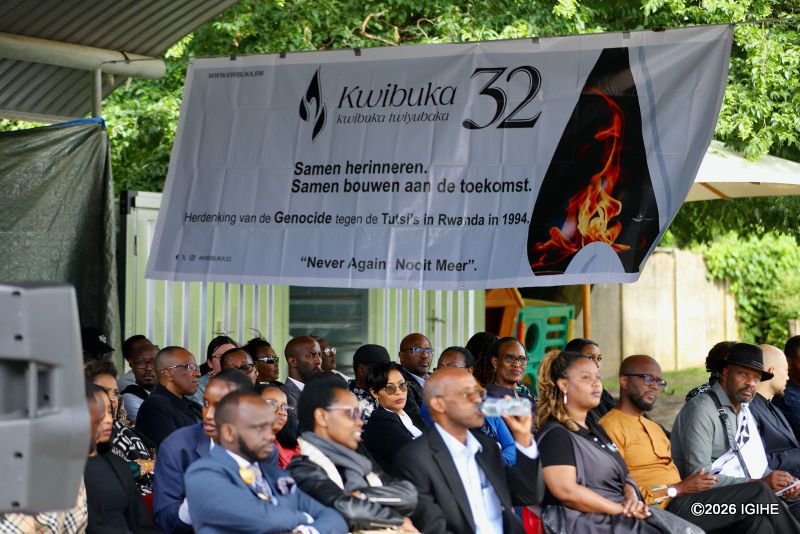
The remembrance event featured a walk from Leuven railway station to Ladeuzeplein, symbolizing solidarity with victims, followed by speeches, testimonies, reflections, and artistic performances dedicated to honoring the memory of those who were killed and reaffirming a commitment to never forget.
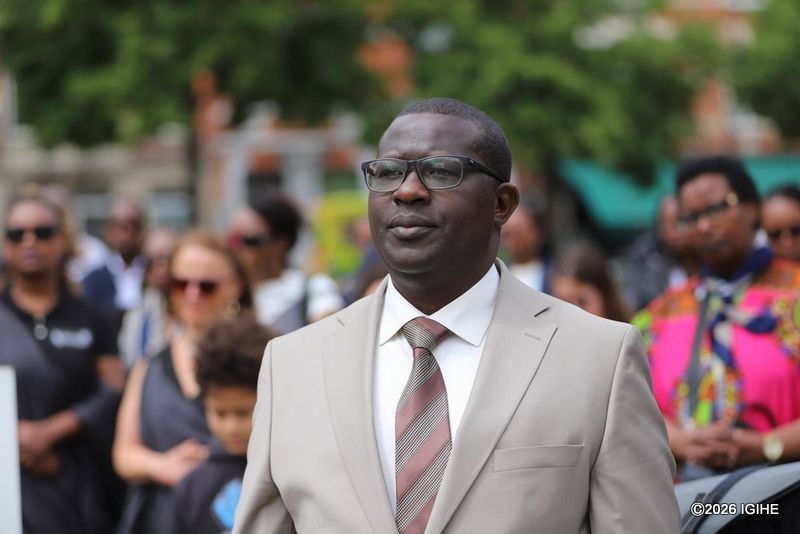
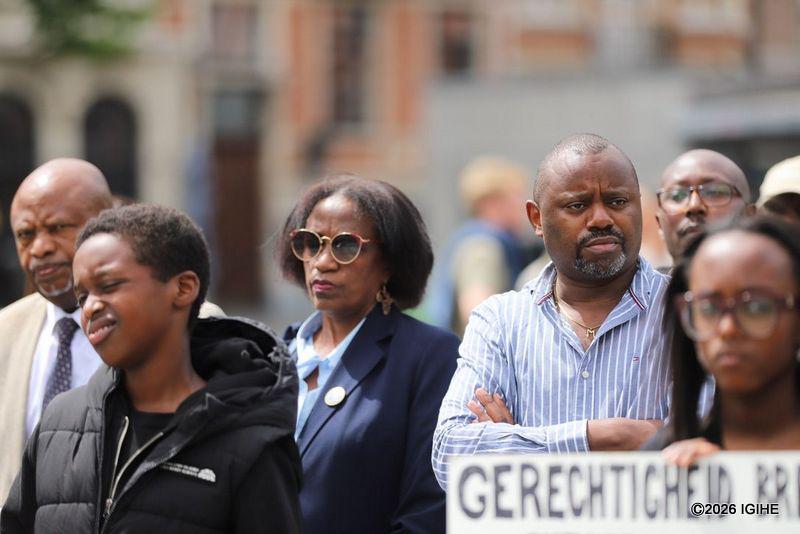
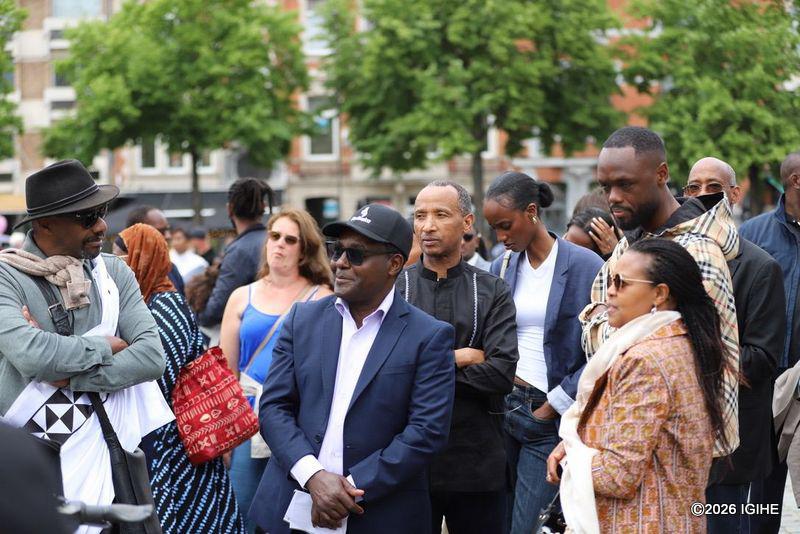
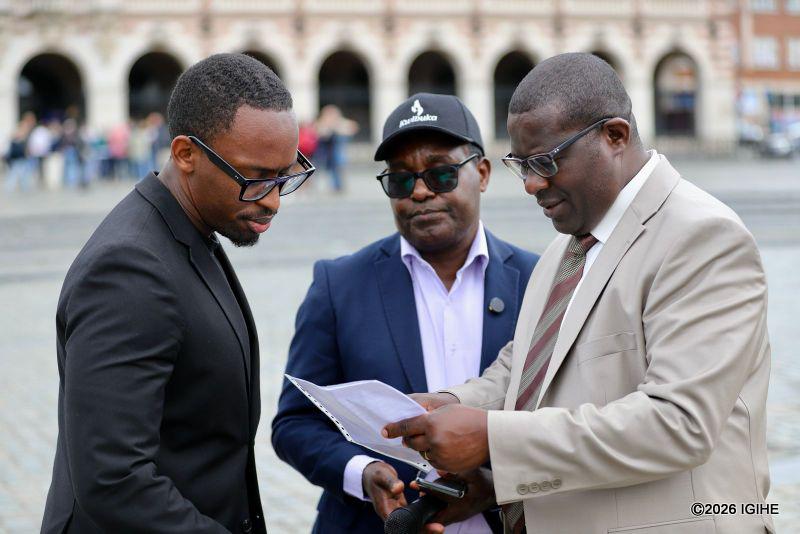
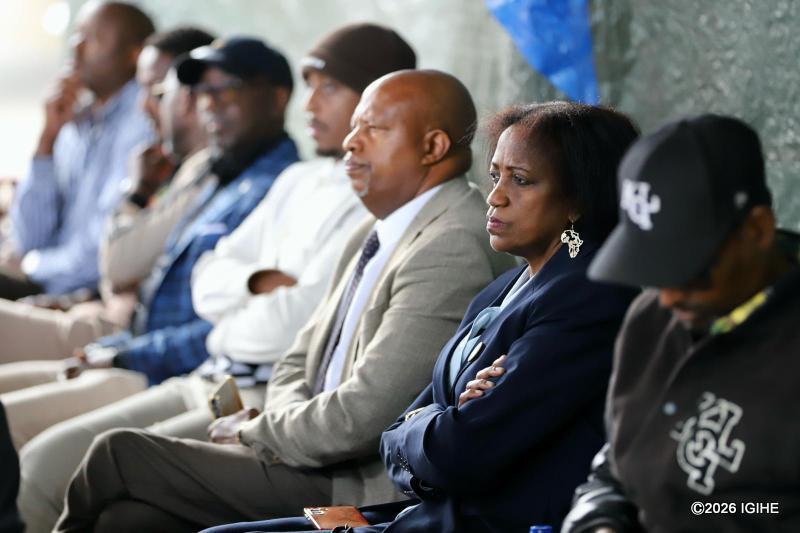
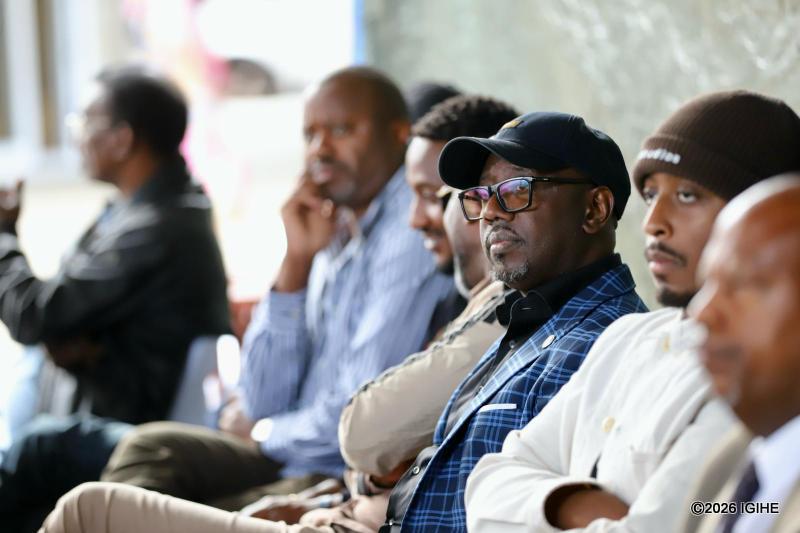
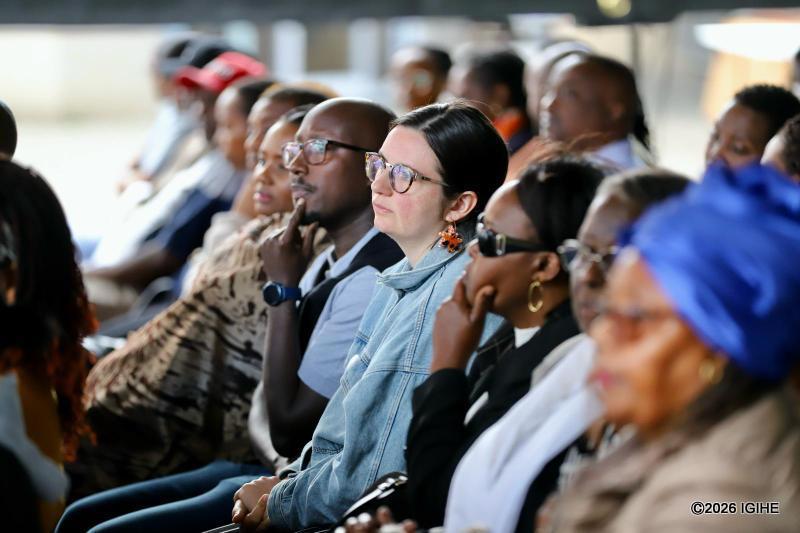
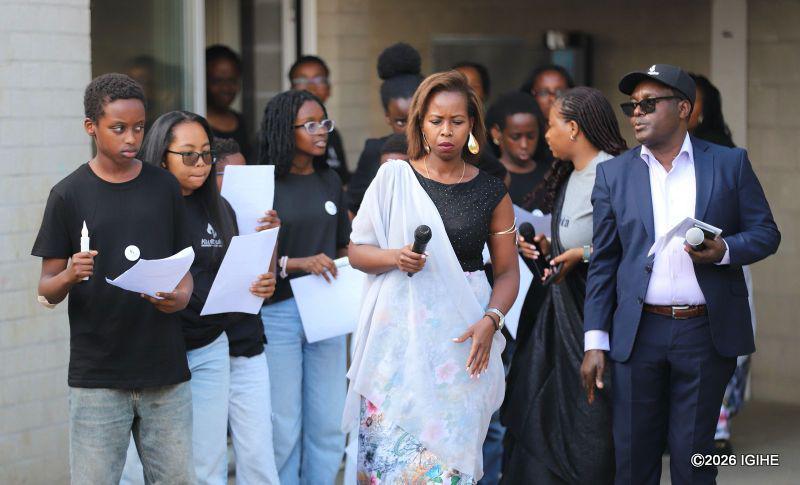
The commemoration was coordinated by Édouard Karangwa and attended by Leuven Alderman for International Affairs Lies Corneillie, alongside representatives of associations and members of the Rwandan youth community in Belgium.
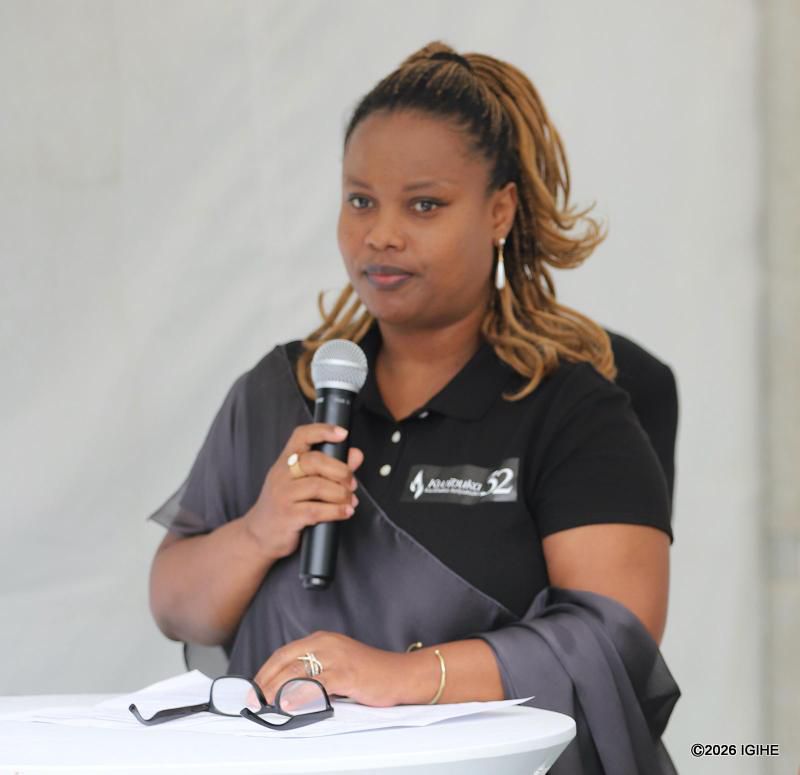
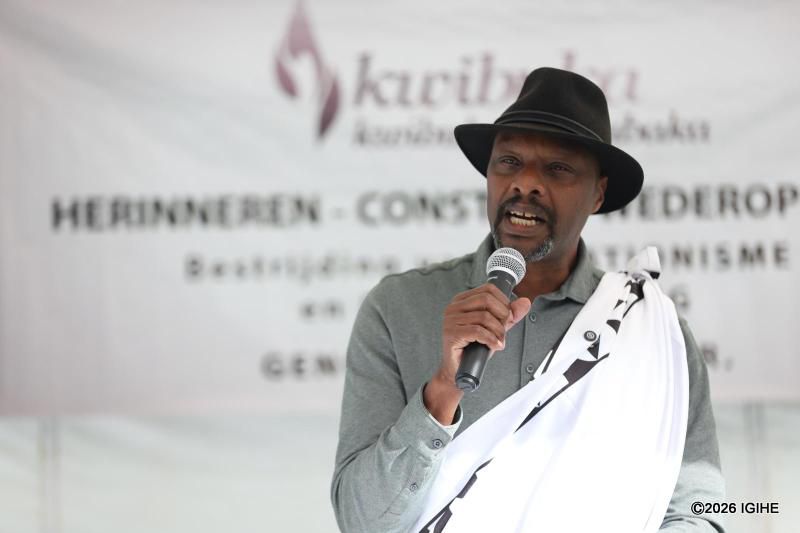
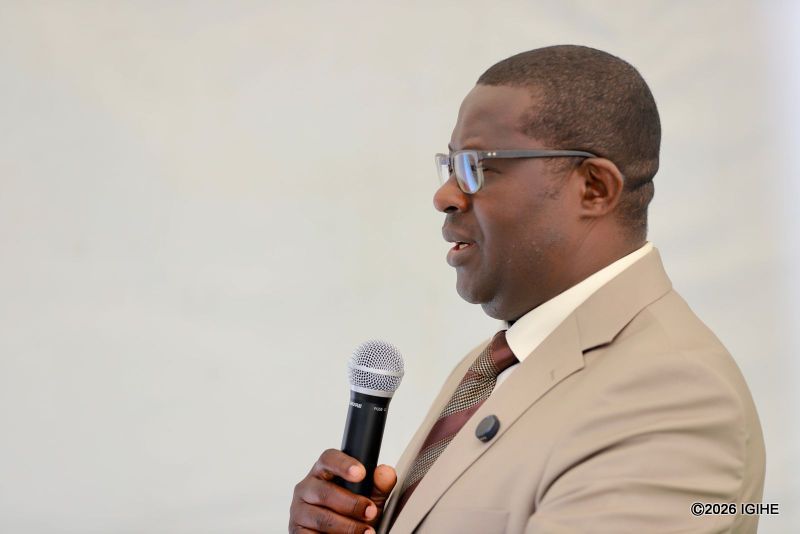
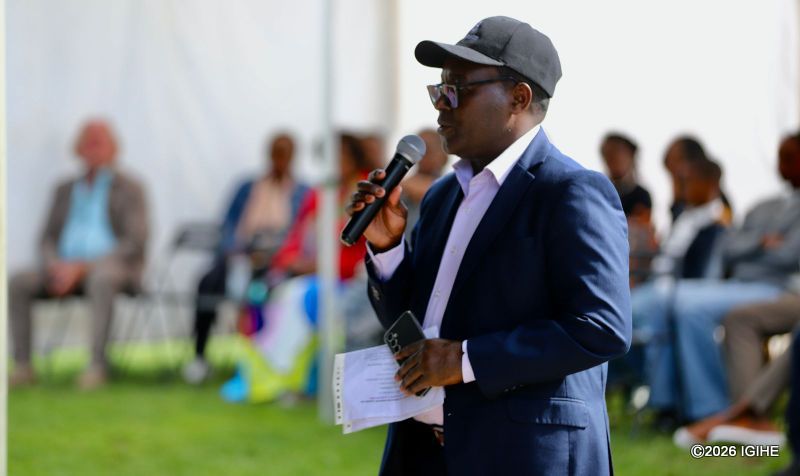
In his opening remarks, Rev. Dr. Martin Ikomeze, President of the Rwandan Diaspora in Belgium (DRB) in Leuven, thanked participants who had traveled from different parts of the country.
According to him, remembrance is a responsibility for every Rwandan and provides a unique opportunity to transmit historical truth.
He stressed the importance of honoring the victims of the Genocide against the Tutsi while continuing efforts toward unity and reconciliation.
Speaking about the role of testimonies, he underlined their importance in preserving memory, combating genocide denial, and transmitting history to younger generations so that such a tragedy may never happen again.
One of the most moving moments of the day was the testimony of Mrs. Jeannette Mukandwari, a survivor of the Genocide against the Tutsi.
Now a mother of two children, she shared a story marked by courage and resilience. Through her personal journey, she demonstrated her determination to overcome the hardships of the past and rebuild her life despite the wounds left by the genocide.
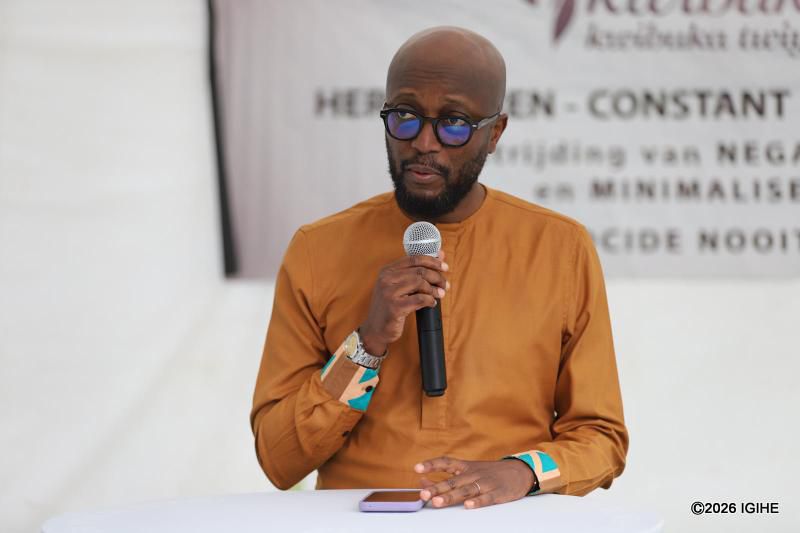
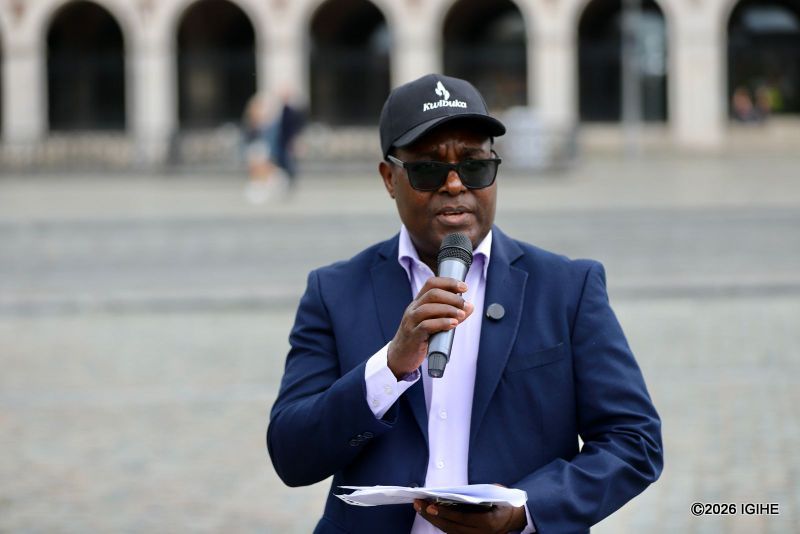
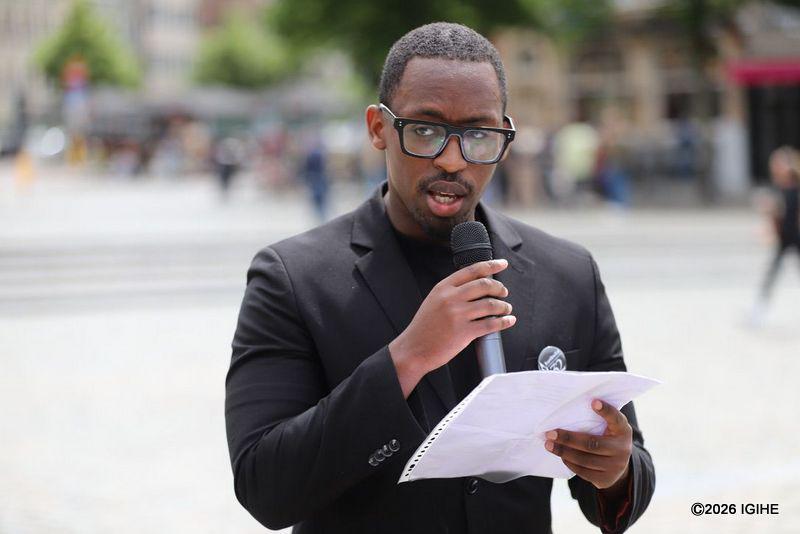
Speaking on behalf of Ibuka, Johan Sebukire highlighted the importance of remembrance for younger generations. He noted that although most young people in the diaspora did not experience the 1994 genocide themselves, they nevertheless carry its legacy through the stories of their families and communities.
He stressed the need to combat genocide denial, preserve the memory of the victims, and pass this history on to future generations.
On this occasion, he also called on the City of Leuven to consider, in consultation with the Rwandan community, the installation of a memorial plaque in honor of the victims of the Genocide against the Tutsi.
According to him, such a memorial site would serve as a place of reflection, an educational tool for future generations, and a powerful symbol of the city’s commitment against hatred, racism, and all forms of discrimination.
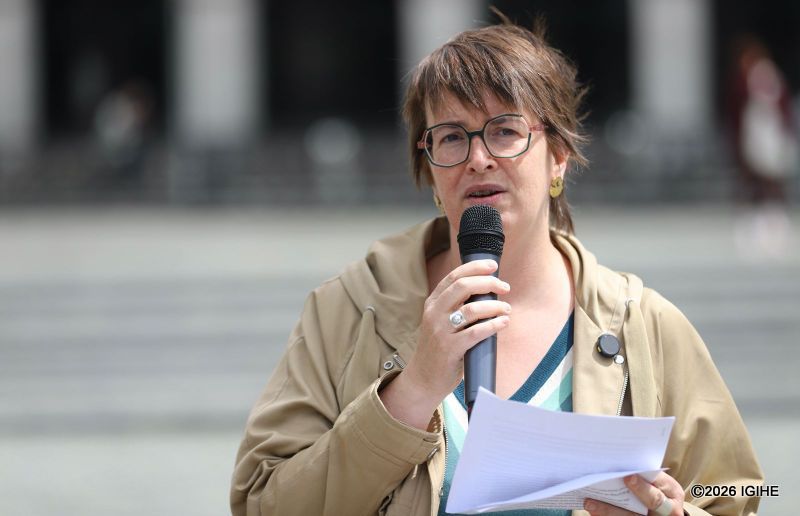
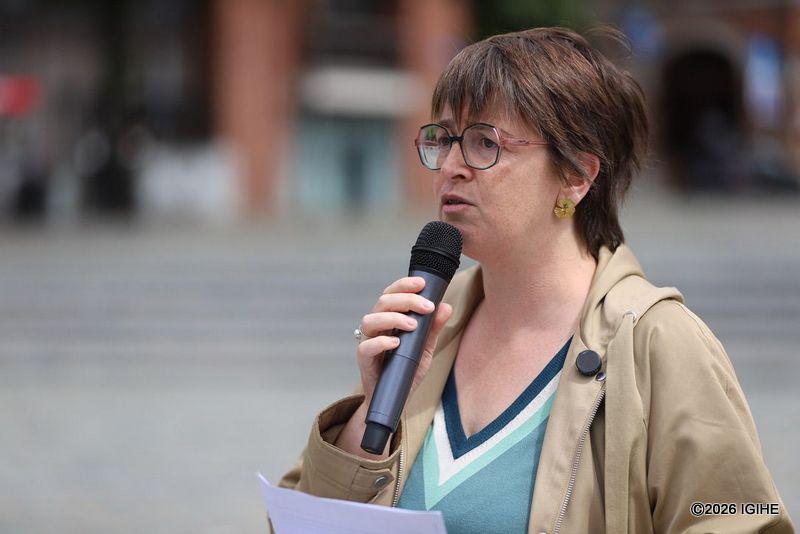
Lies Corneillie, Alderman for International Affairs of the City of Leuven, emphasized the importance of testimonies, the transmission of memory to younger generations, and the duty of remembrance.
She also expressed the City’s willingness to continue the dialogue on the establishment of a memorial site, with the aim of preserving the memory of the victims and raising awareness among future generations.
The Leuven ceremony also marked the final stage of the national program of the 32nd commemoration of the victims of the Genocide against the Tutsi, which had been organized in different cities across Belgium since April 7.
On this occasion, Gakuba Ernest, President of the Rwandan Diaspora in Belgium (DRB), recalled that remembrance is not limited to a particular period of the year but constitutes a permanent responsibility toward the victims and future generations.
Thirty-two years after the genocide, he noted, the wounds remain deep, and commemoration continues to be both a tribute to those who perished and a commitment to truth, as well as a safeguard against genocide denial and genocidal ideology.
He also referred to the historical factors that led to the genocide and the abandonment of Rwanda by the international community in 1994.
Paying tribute to the soldiers of the FPR-Inkotanyi who stopped the genocide and saved countless lives, he praised their decisive role in the liberation of the country.
Addressing young people, particularly those in the diaspora, he encouraged them to take ownership of this history, transmit it faithfully, and uphold the values of truth, unity, courage, and humanity.
The day concluded with a musical tribute by artist Nyiranyamibwa Suzanne. Through several deeply emotional songs, she honored the memory of the victims of the Genocide against the Tutsi and offered participants a moment of reflection and hope.
Beyond remembrance, this 32nd commemoration highlighted the importance of preserving historical truth, supporting survivors, and passing memory on to future generations.
In his address, Rev. Dr. Martin Ikomeze, President of the Rwandan Diaspora in Belgium (DRB) in Leuven, welcomed participants who had come from different cities across Belgium to take part in the 32nd commemoration of the victims of the Genocide against the Tutsi.During the 32nd commemoration of the Genocide against the Tutsi in Leuven, Mrs. Jeannette Mukantwari, a survivor of the genocide and now a mother of two children, shared a moving testimony of courage and resilience.Gakuba Ernest, Federal President of the Rwandan Diaspora in Belgium (DRB), recalled that the duty of remembrance is not limited to a specific period of the year, but constitutes an ongoing responsibility toward the victims and future generations.The ceremony was notably attended by Lies Corneillie, Alderman for International Affairs of the City of LeuvenTwagira Mutabazi Eugène, President of Ibuka – Mémoire et Justice, BelgiqueÉdouard Karangwa served as the coordinator of the ceremony marking the 32nd commemoration of the victims of the Genocide against the Tutsi in Leuven.Johan Sebukire, speaking on behalf of Ibuka, highlighted the importance of the duty of remembrance for younger generations.
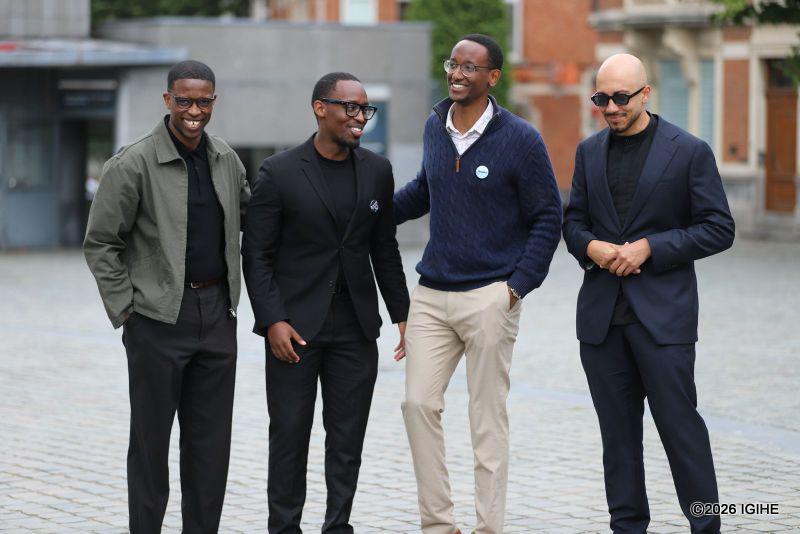
Photos showing the second part of the commemoration event