The planned overhaul is expected to transform ChatGPT from a conversational chatbot into a broader AI platform that integrates coding tools, autonomous AI agents and third-party applications. The changes are reportedly set to begin rolling out in the coming weeks through updates to ChatGPT’s web and mobile platforms.
The move comes as the San Francisco-based company seeks new revenue streams ahead of a widely anticipated initial public offering (IPO). While ChatGPT has attracted nearly one billion users worldwide, many continue to use the service for free, prompting OpenAI to place greater emphasis on paid products and enterprise services.
According to the report, OpenAI is redesigning ChatGPT to highlight coding capabilities, image-generation tools and software developed by external partners such as Canva and Booking.com.
The company believes AI agents capable of performing tasks on behalf of users, including scheduling meetings, booking travel and completing workplace assignments, could become more valuable than traditional chatbots focused primarily on answering questions.
OpenAI has also reorganized several product teams under a unified leadership structure led by Thibault Sottiaux, formerly head of the company’s Codex coding product. The long-term goal, he told the Financial Times, is to develop a personal AI assistant that can support users across both professional and personal activities.
The company has reportedly seen strong growth in Codex, whose weekly active user base has risen to more than five million. Business customers now account for about 40% of OpenAI’s revenue, a figure the company expects to increase further this year.
OpenAI has not publicly announced the reported overhaul.
The planned overhaul is expected to transform ChatGPT from a conversational chatbot into a broader AI platform that integrates coding tools, autonomous AI agents and third-party applications.
The support was extended on June 5, 2026, as part of activities marking the 32nd commemoration of the Genocide against the Tutsi.
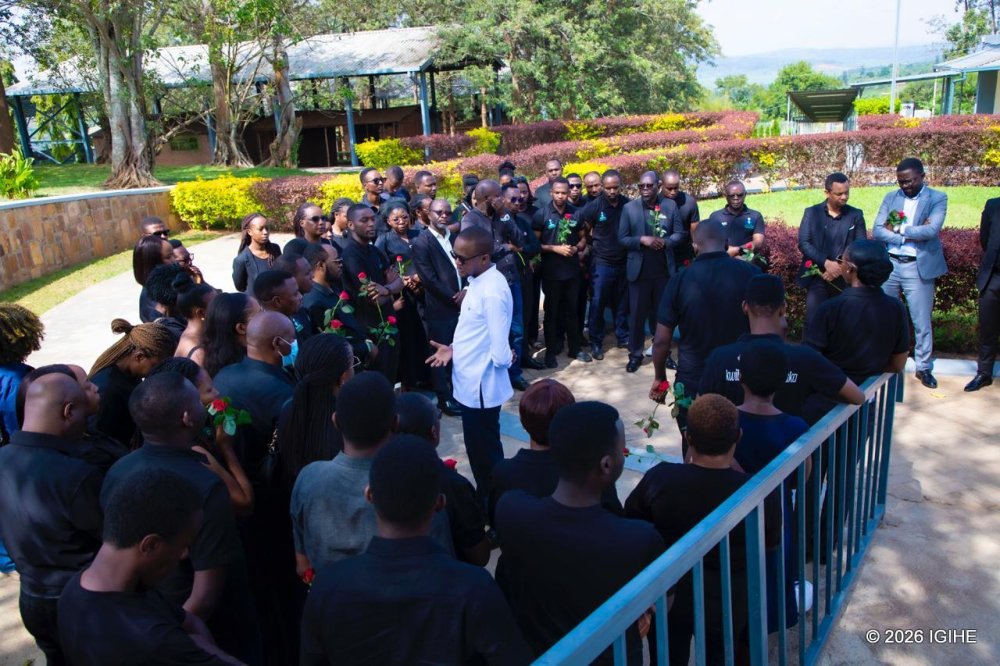
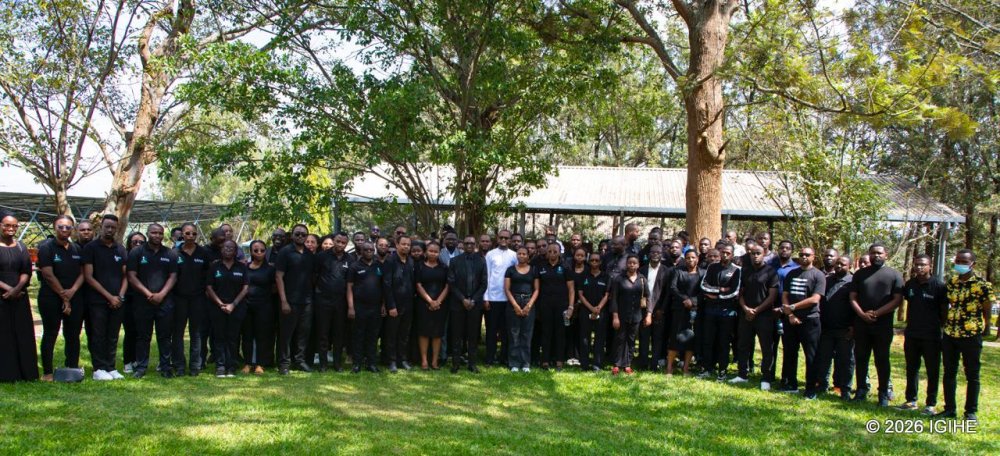
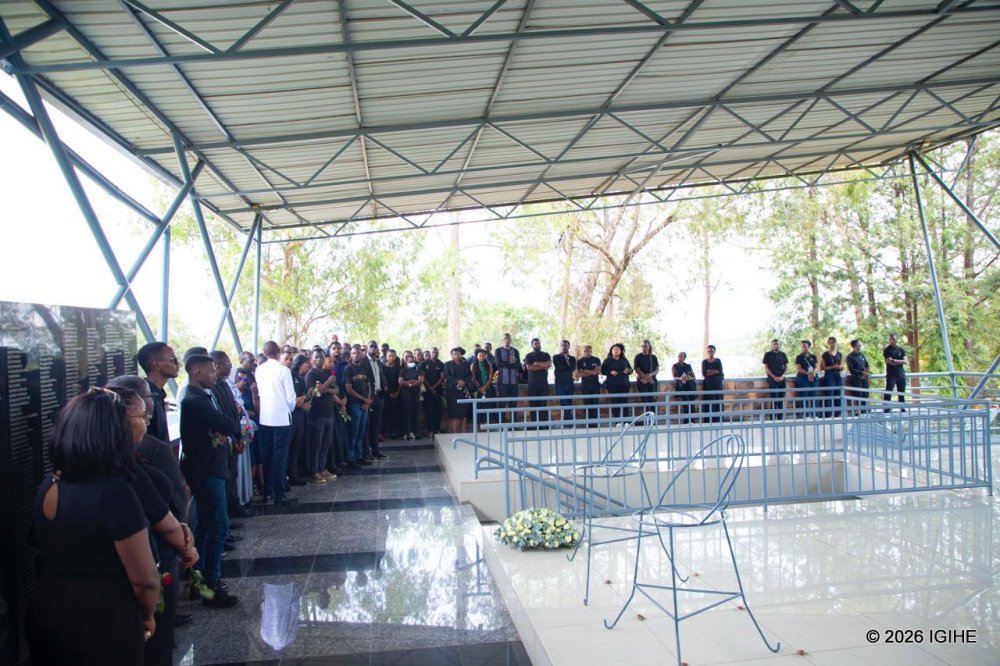
The initiative began with a visit by the hospital’s staff and leadership to the Ntarama Genocide Memorial in Bugesera District, where they were briefed on the history of the genocide in the area and toured a recently opened historical exhibition.
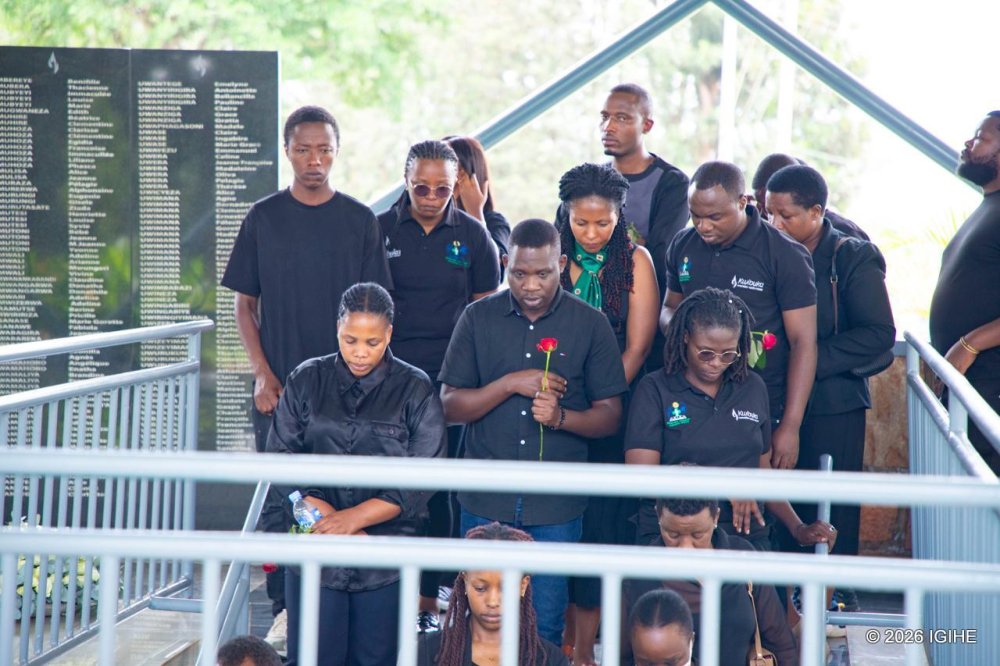
They paid tribute to more than 5,000 victims laid to rest at the memorial and laid wreaths on the graves in their honour.
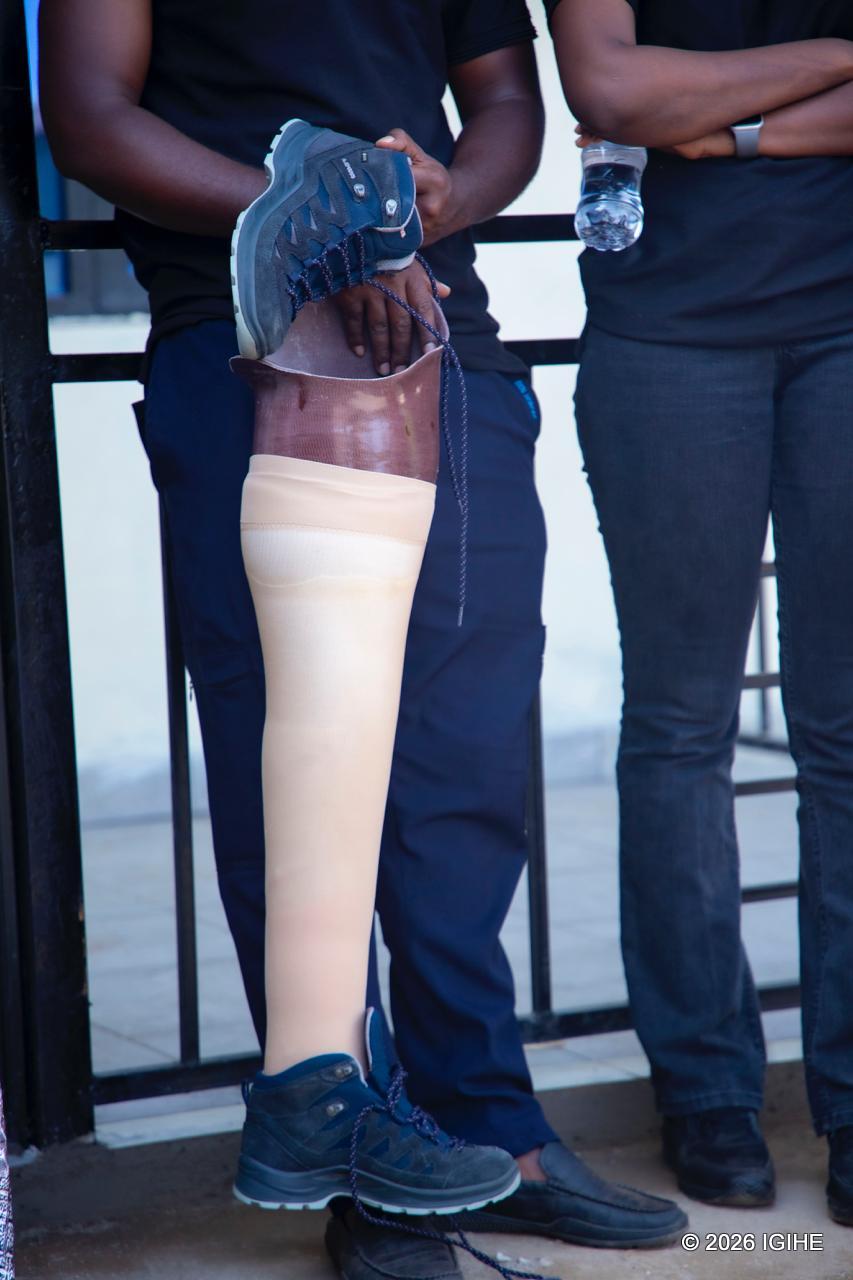
Following the visit, the team travelled to Musabende’s residence, where they handed over a new prosthetic leg valued at Rwf4 million.
They also unveiled a fully renovated house that had previously fallen into severe disrepair and was at risk of collapsing. The home was upgraded to provide safer and more dignified living conditions, and plans are underway to furnish it.
Musabende expressed her gratitude, saying the support had transformed her life after years of hardship. She explained that she had been struggling to live in a deteriorating house because she lacked the financial means to repair it.
“I am very happy,” she said. “I was living in isolation, unable to do much on my own, while watching the house gradually fall apart. The walls had begun separating, and visitors would often tell me to leave the room because it could collapse at any moment. I would simply tell them that if it happened, I would go the same way others had gone before me.”
Musabende said she initially doubted that the promised renovations would materialise, having previously received visitors who documented her situation but never returned with assistance.
“I thought they were making promises that would never be fulfilled,” she said. “But when I saw construction materials arriving, I realised it was really happening.”
She also welcomed the new prosthetic leg, noting that the one she had been using was worn out and missing some parts, while financial constraints had prevented her from replacing it.
The Director General of Inkuru Nziza Hospital, Dr. Mpatswenumugabo Bosco, said supporting survivors of the Genocide against the Tutsi is one of the ways the institution contributes to remembrance and recovery.
“This mother was living in difficult conditions, and we felt compelled to help her secure decent housing so that she can live with dignity,” he said. “As a hospital that specialises in prosthetic and orthotic services, we also decided to provide her with a new prosthetic leg. In a way, it is like extending a helping hand and encouraging her to stand up and move forward.”
Dr. Mpatswenumugabo noted that such initiatives are carried out annually, particularly in Kicukiro District, where the hospital regularly supports Genocide survivors. He added that there are plans to expand the programme to benefit survivors in other parts of the country.
He said the visit to the Ntarama Genocide Memorial was intended to draw lessons from one of the darkest chapters in Rwanda’s history, where people who sought refuge in a church were instead massacred.
“Churches and hospitals are places meant to protect and preserve life, yet those who fled to Ntarama were killed there,” he said. “As a faith-based hospital, this is something we must continue to remember and teach so that such atrocities never happen again.”
Inkuru Nziza Hospital operates under the Inkuru Nziza Church in Rwanda and is known for providing specialised orthopaedic care, rehabilitation services, prosthetics, orthotics and support for people living with disabilities.
Staff of Inkuru Nziza Hospital handed over a renovated home to a survivor of the Genocide against the Tutsi.Staff of Inkuru Nziza Hospital were briefed on the devastating effects of ethnic discrimination and genocide ideology.Eurélie Musabende spoke about the hardship of living in a house that was on the verge of collapsing due to a lack of resources to repair it.The Managing Director of Inkuru Nziza Hospital, Dr. Mpatswenumugabo Bosco, said supporting Genocide survivors is part of the institution’s commitment to remembrance and rebuilding lives.Eurélie Musabende, a resident of Nyarugunga Sector in Kicukiro District, was left disabled by the Genocide against the Tutsi.The recently opened historical exhibition at the Ntarama Genocide Memorial was visited by staff of Inkuru Nziza Hospital.Staff of Inkuru Nziza Hospital toured various sections of the Ntarama Genocide Memorial.The prosthetic limb provided to Genocide survivor Eurélie Musabende.Staff of Inkuru Nziza Hospital paid tribute to victims of the Genocide against the Tutsi laid to rest at the Ntarama Genocide Memorial.
According to an official diplomatic correspondence dated June 3, Foreign Affairs Minister Édouard Bizimana instructed Ambassador Njebarikanuye to return to the political capital of Gitega “as soon as possible” to receive an “urgent communication.”
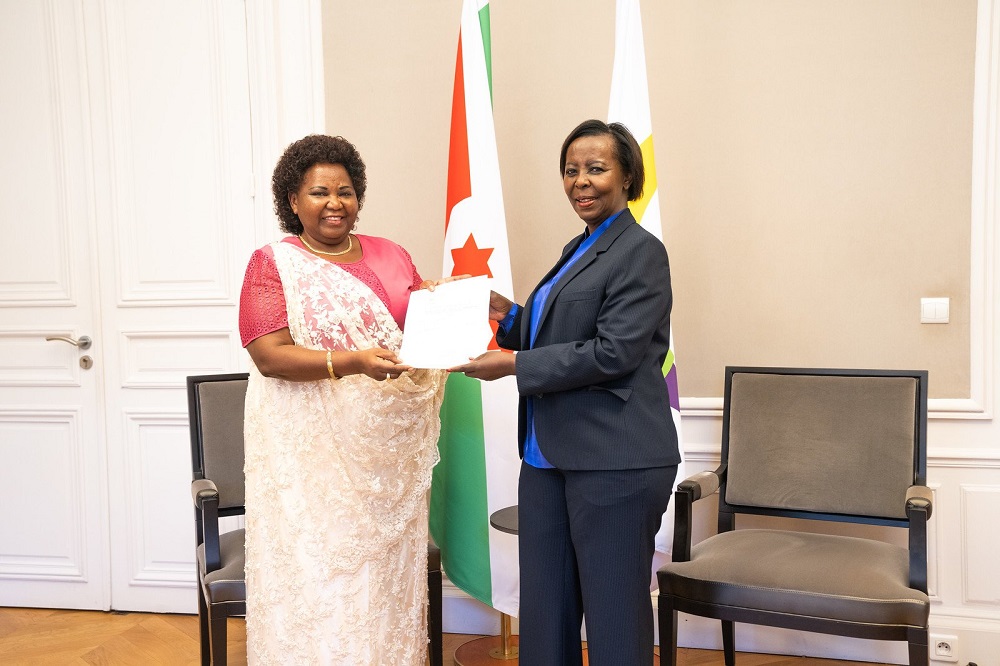
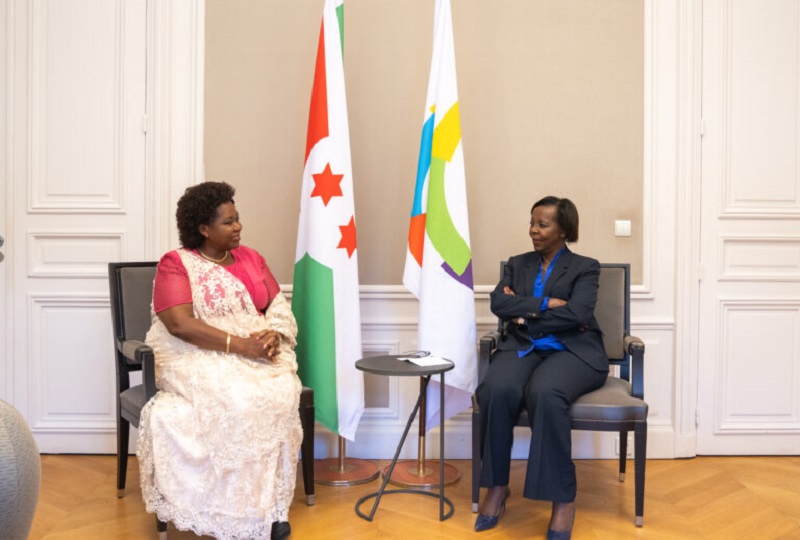
The sudden directive follows a June 2 ceremony at the OIF headquarters in Paris, where Njebarikanuye met with OIF Secretary-General Louise Mushikiwabo. The meeting was part of a standard diplomatic progression to accredit envoys to the Francophonie body, alongside newly designated representatives from Slovenia, Montenegro, Romania, Gabon, and Greece.
During the session, Njebarikanuye presented authorization to act as President Évariste Ndayishimiye’s representative to the OIF Permanent Council. Briefing notes from the organization indicated that discussions focused on bilateral cooperation, specifically regarding regional literacy campaigns and gender equality initiatives.
Minister Bizimana’s recall letter offered no public justification for the abrupt summons, stating only:
“I have the honour to inform you that you are requested to return to the capital as soon as possible in order to receive an urgent communication concerning you.”
Njebarikanuye assumed her posting in Paris on March 16, 2026, holding concurrent accreditation to Portugal, Spain, Monaco, Andorra, Romania, Malta, and Albania.
It remains unclear whether Njebarikanuye’s recall is for temporary consultations or signals a permanent reassignment, though some observers have speculated that her tenure could be cut short.
Burundi’s Ministry of Foreign Affairs has abruptly recalled its newly appointed ambassador to France, Spès-Caritas Njebarikanuye, less than 24 hours after she formally presented her credentials to the International Organisation of La Francophonie (OIF).The meeting was part of a standard diplomatic progression to accredit envoys to the Francophonie body, alongside newly designated representatives from Slovenia, Montenegro, Romania, Gabon, and Greece.
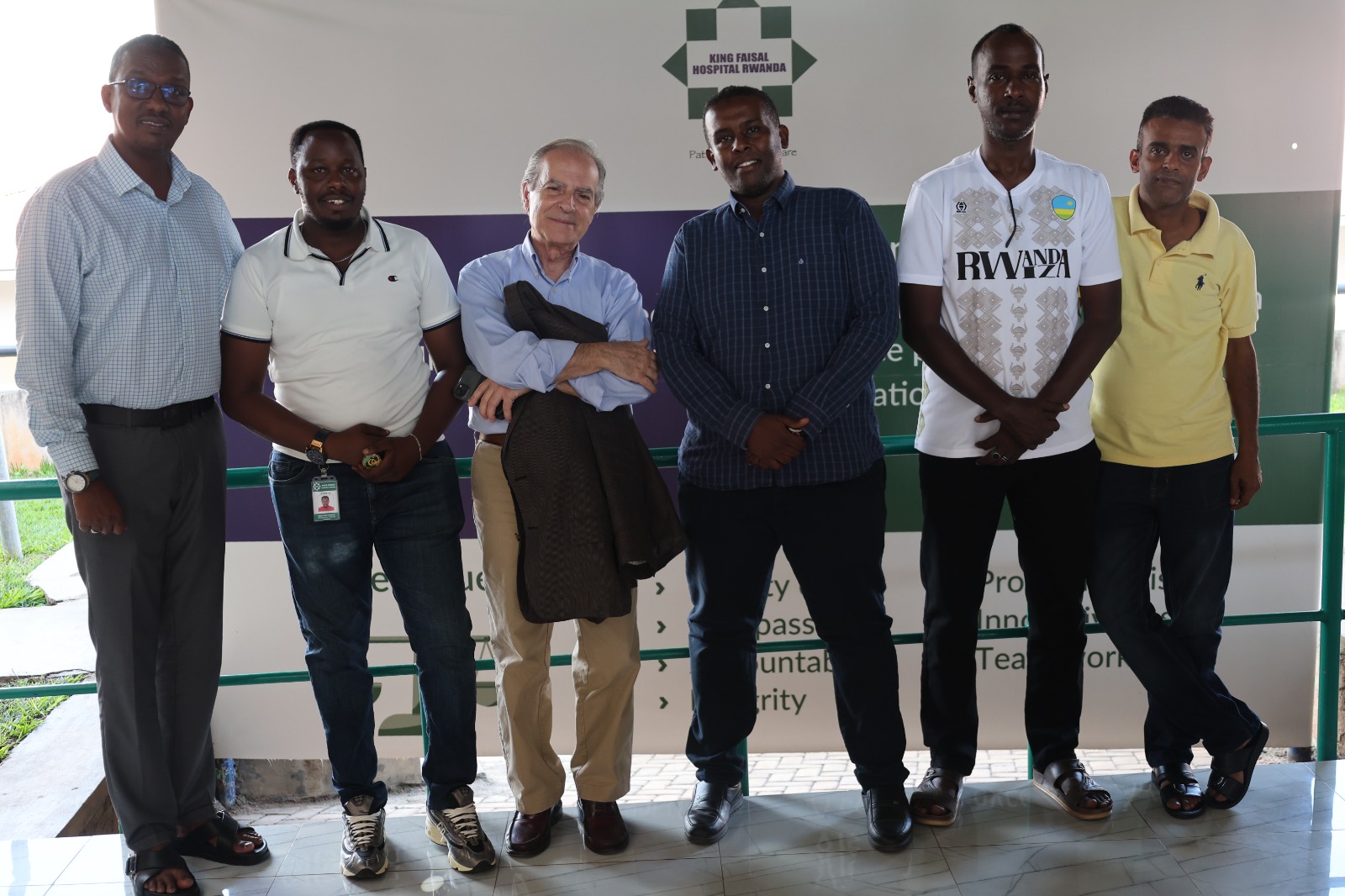
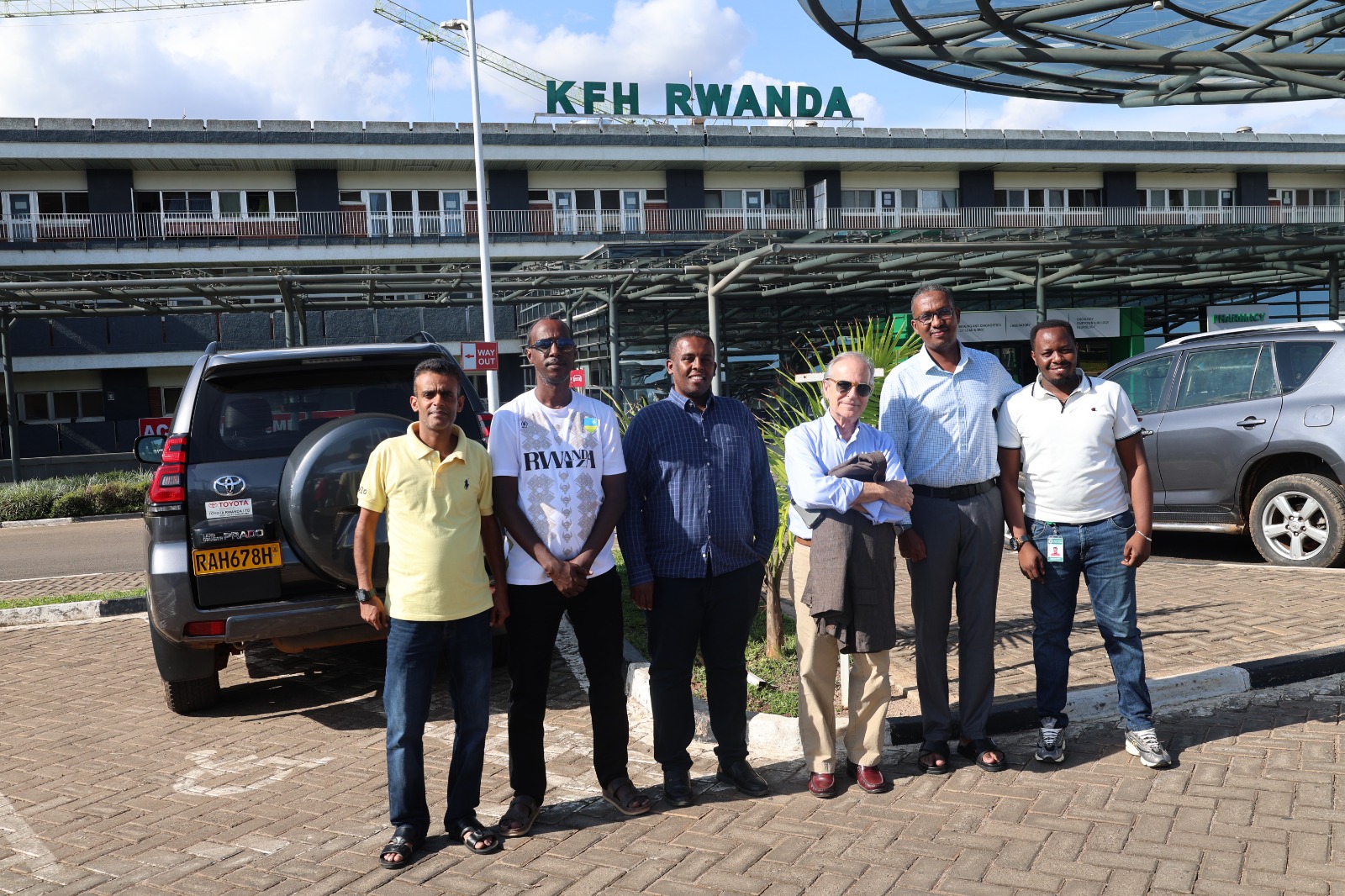
In May 2026, KFH hosted healthcare professionals from Djibouti and Ethiopia under separate capacity-building programs aimed at strengthening cardiac and mental health services in their respective countries. These initiatives reflect the hospital’s broader commitment to advancing healthcare systems across the continent by sharing expertise, fostering innovation, and building sustainable clinical capacity.
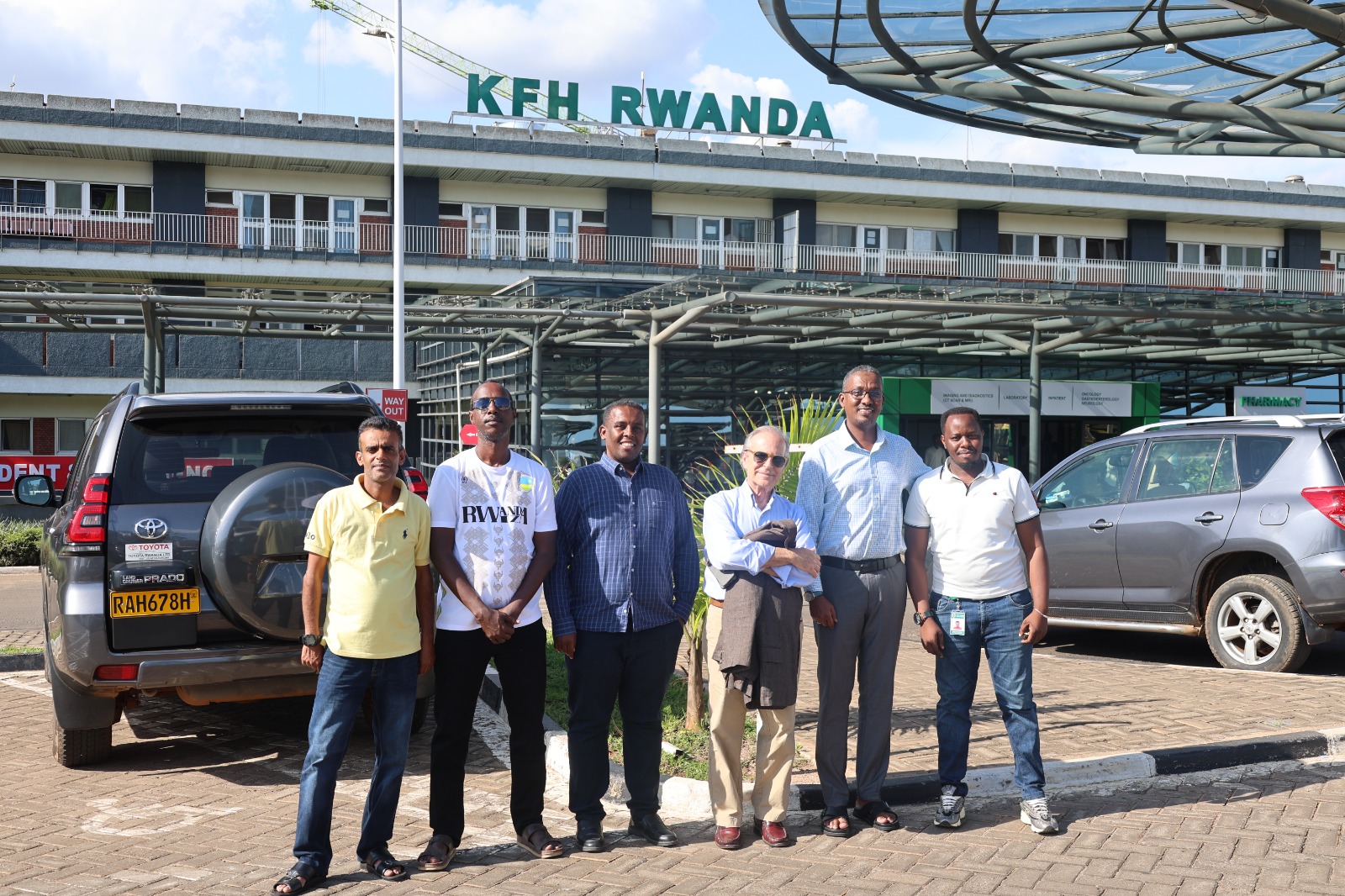
As part of efforts to support the establishment of Djibouti’s new cardiac unit, KFH hosted a delegation of four healthcare professionals from the Military Hospital of Djibouti for a two-week observership program. The delegation comprised a cardiovascular surgeon, two perfusionists, and an anesthesiologist. The observership followed the signing of a Memorandum of Understanding (MoU) between the two institutions and forms part of a broader partnership to strengthen specialized cardiac care services in the region.
The observership provided participants with firsthand exposure to the operations of a high-performing cardiac center, allowing them to observe clinical workflows, multidisciplinary collaboration, patient management systems, and best practices involved in running a successful cardiac program. Through interactions with cardiologists, cardiac surgeons, nurses, perfusionists, and allied health professionals, the delegation gained valuable insights that will support the launch and operation of the Military Hospital of Djibouti’s cardiac unit, expected to commence services in June 2026.
As part of the ongoing collaboration, King Faisal Hospital Rwanda will continue supporting the Military Hospital of Djibouti through technical assistance, mentorship, and operational guidance during the initial implementation phase of its new cardiac unit. To facilitate a successful launch and ensure the delivery of high-quality cardiac care services, KFH will deploy a multidisciplinary team comprising cardiac surgery nurses, a perfusionist, a cardiac anesthesiologist, and a cardiac intensivist. The team will work alongside local healthcare professionals to provide hands-on support, skills transfer, and clinical mentorship as the unit begins operations.
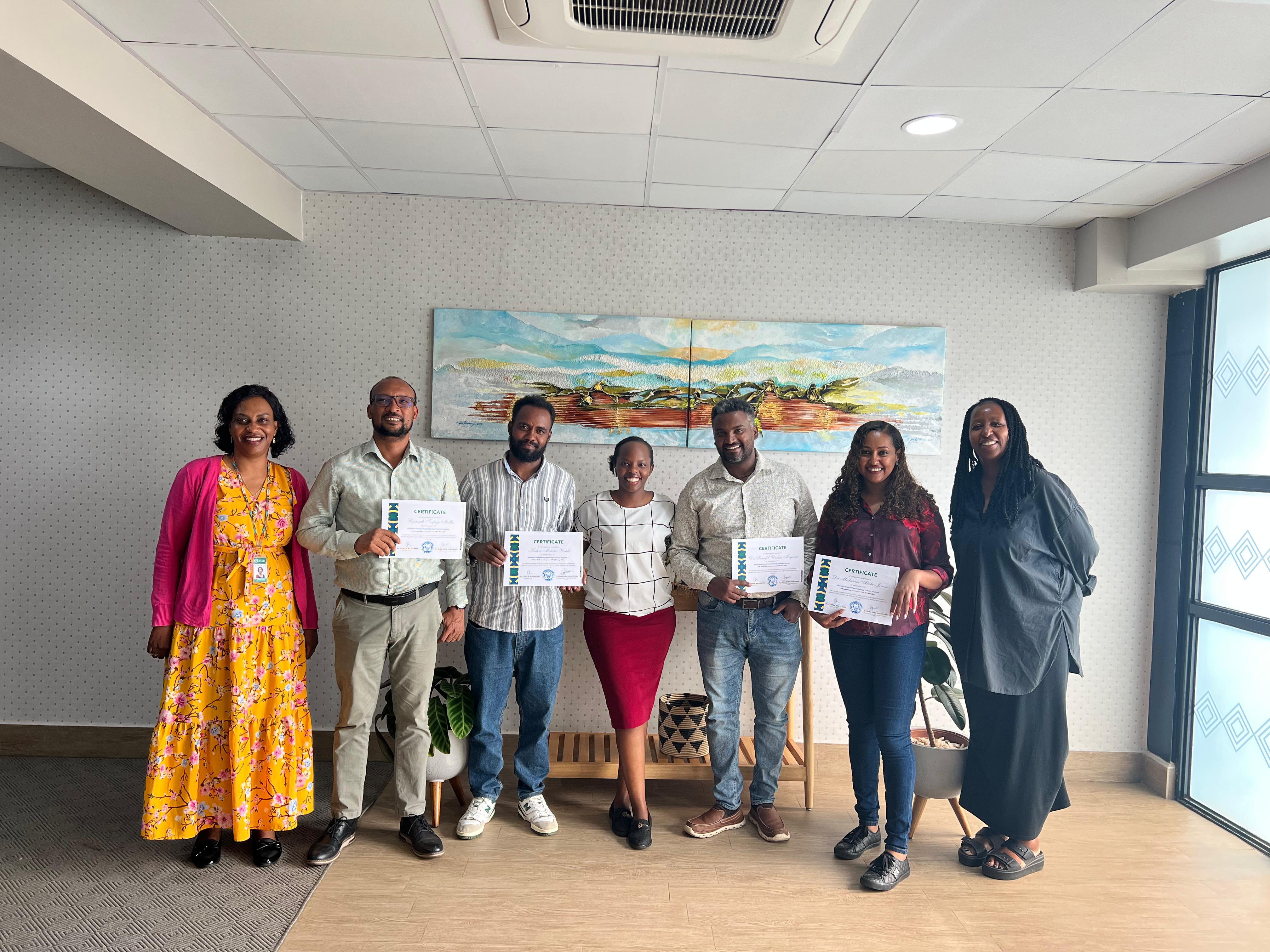
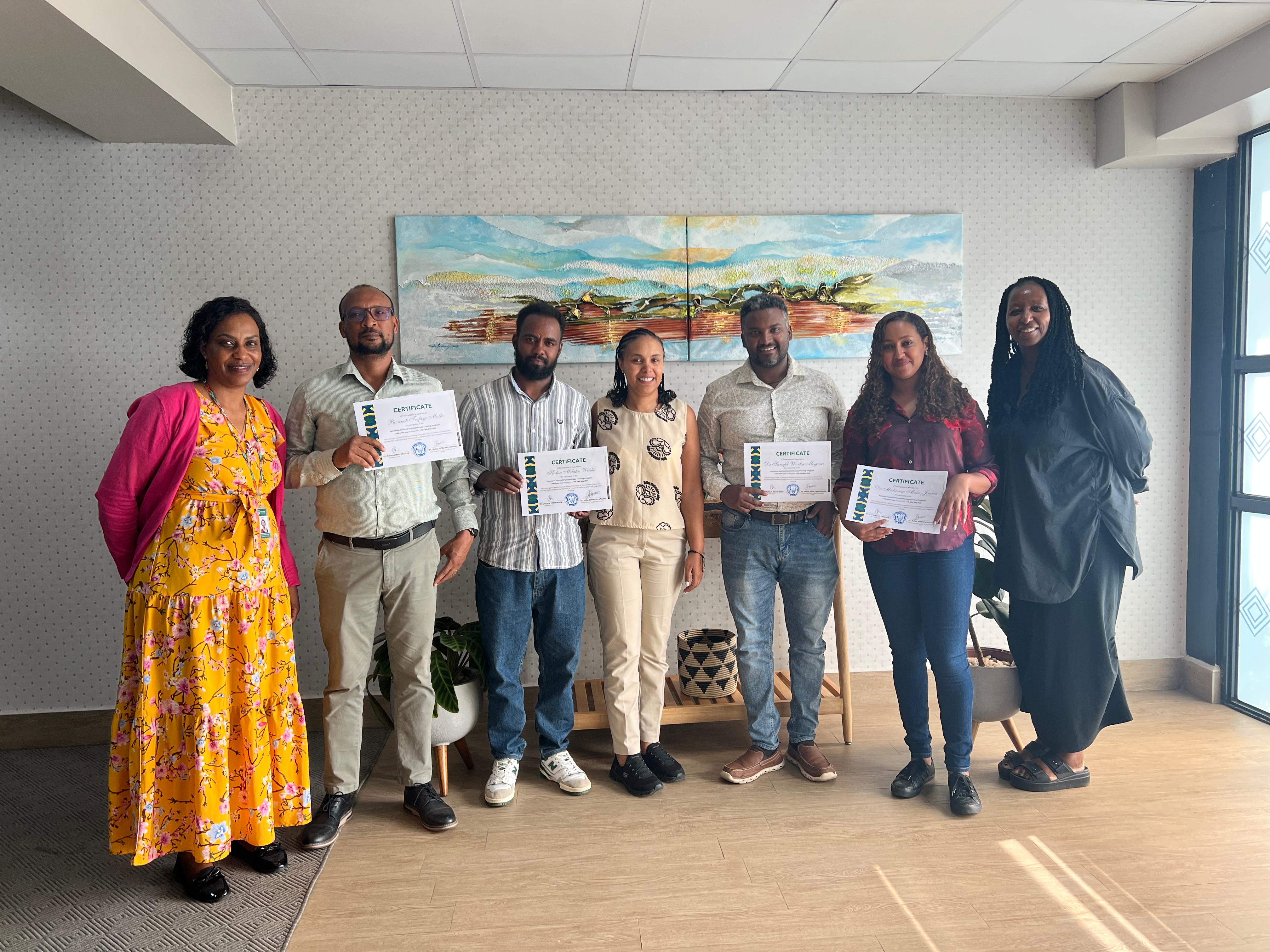
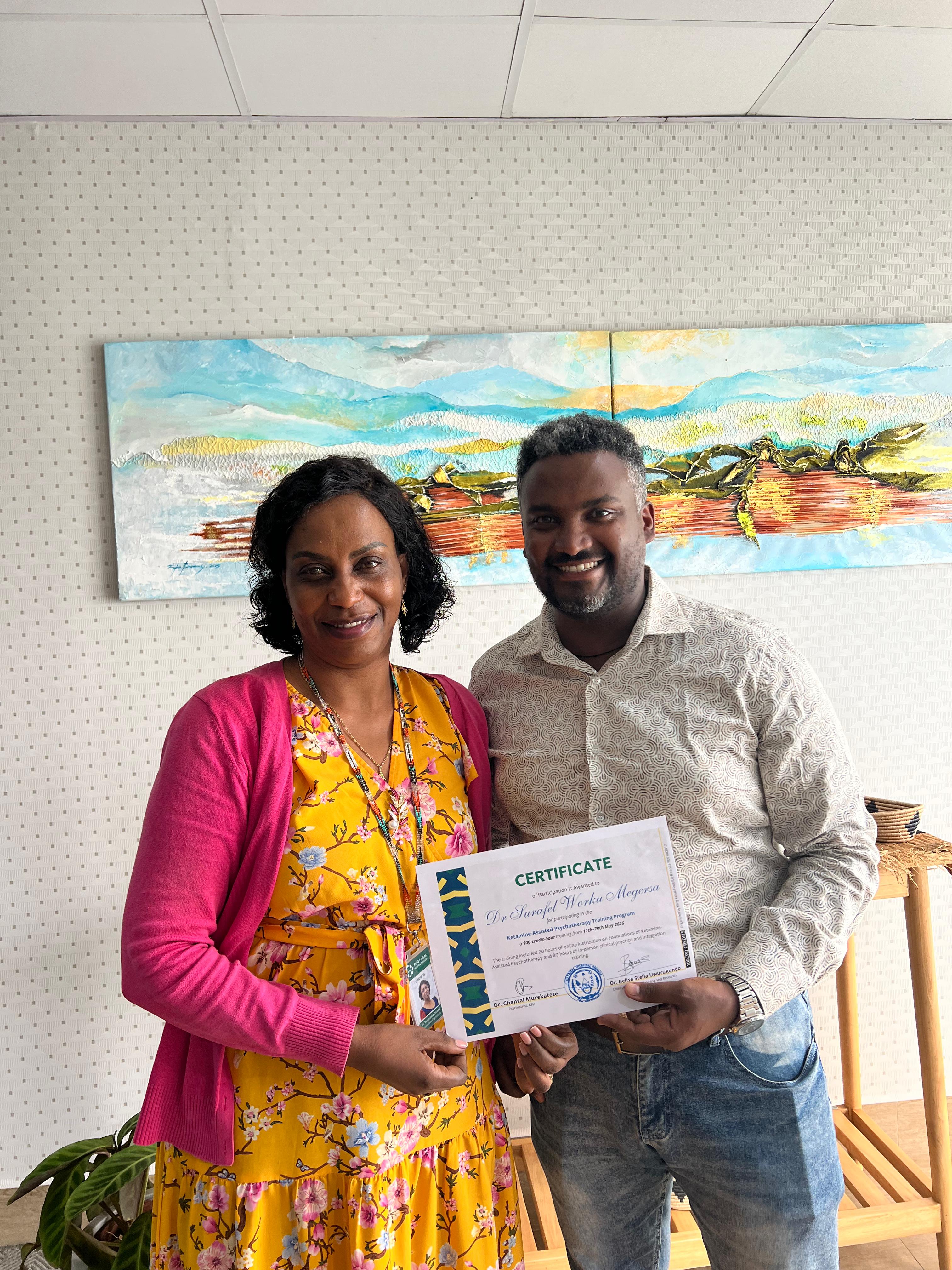
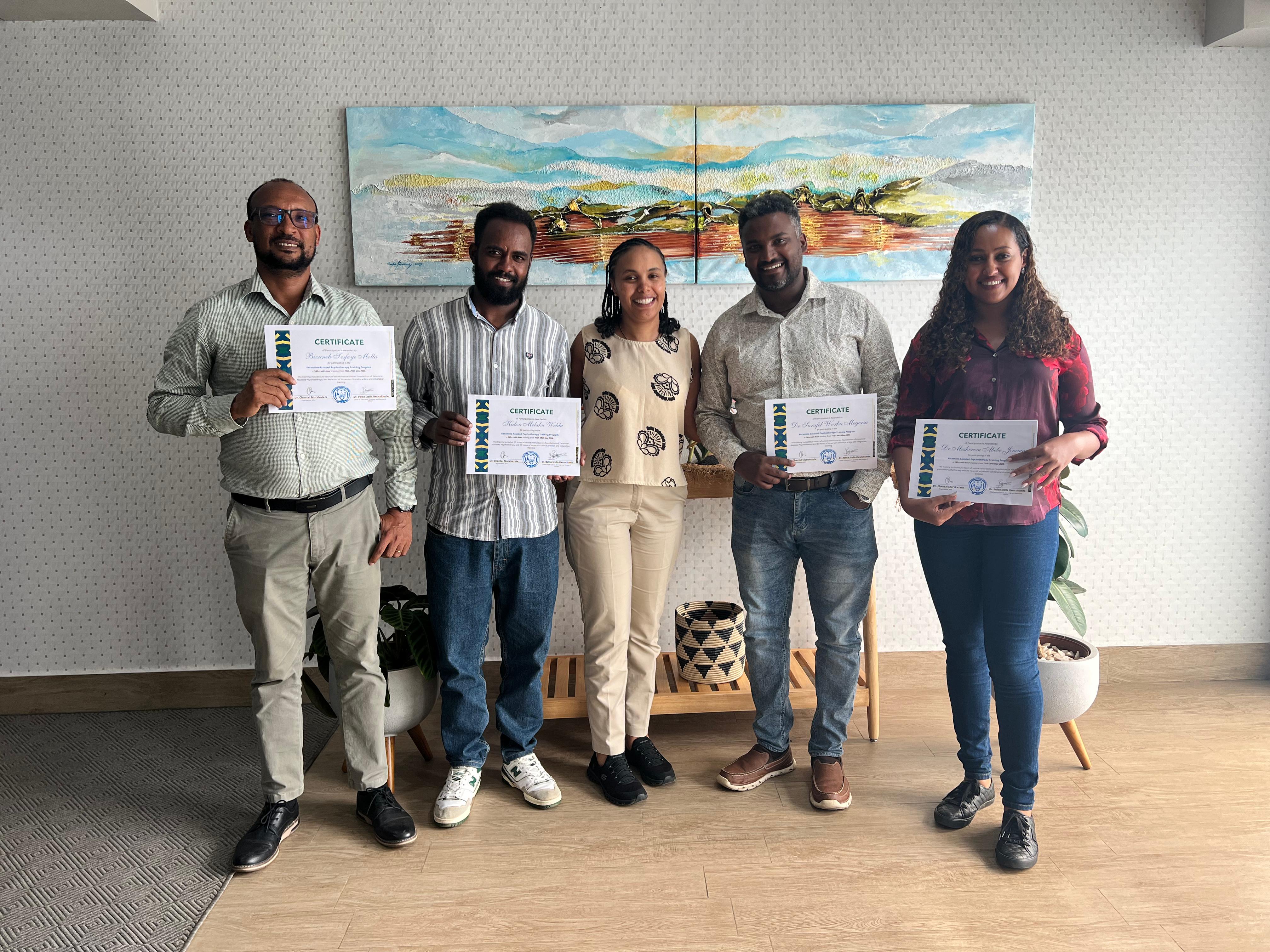
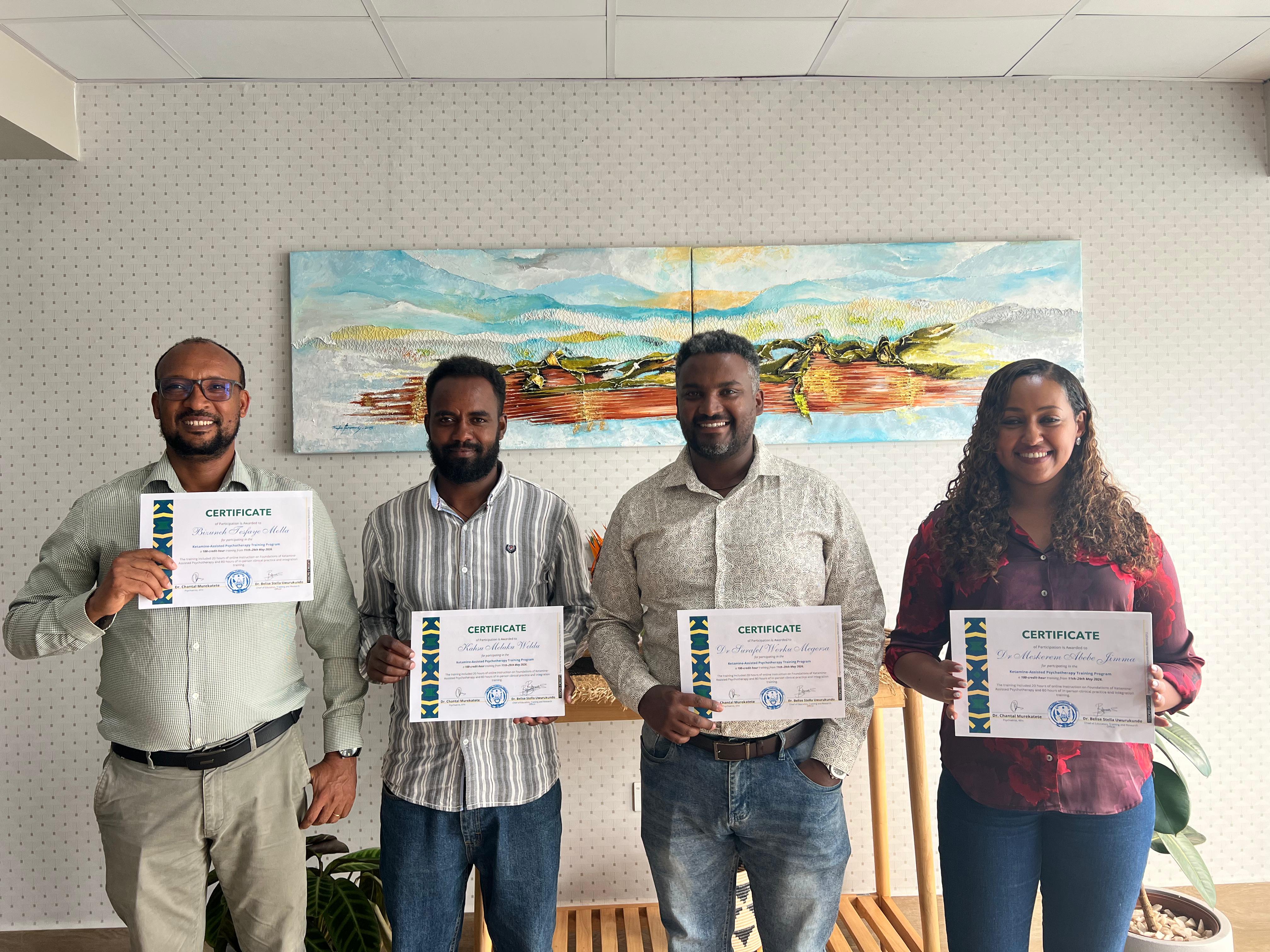
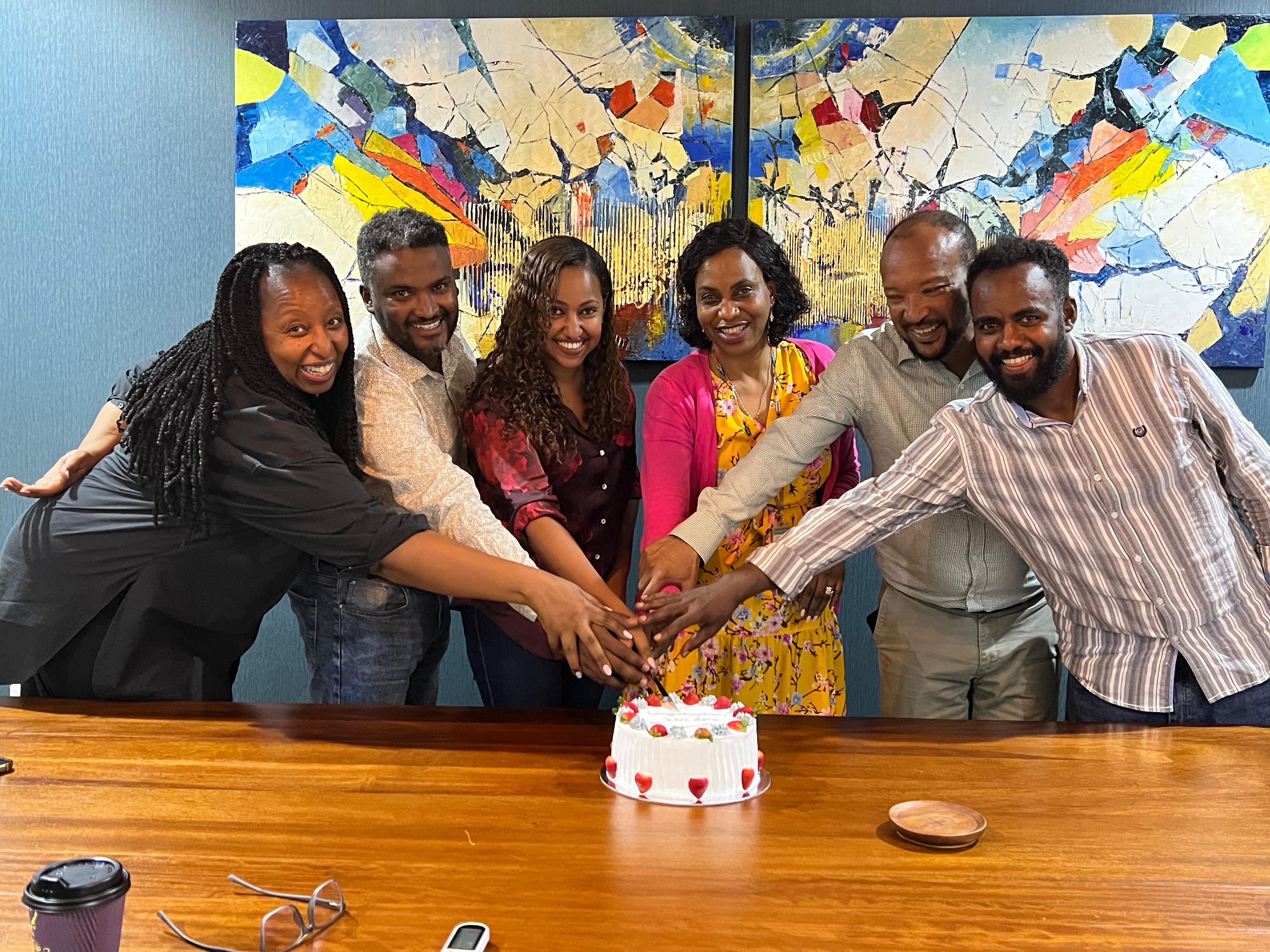
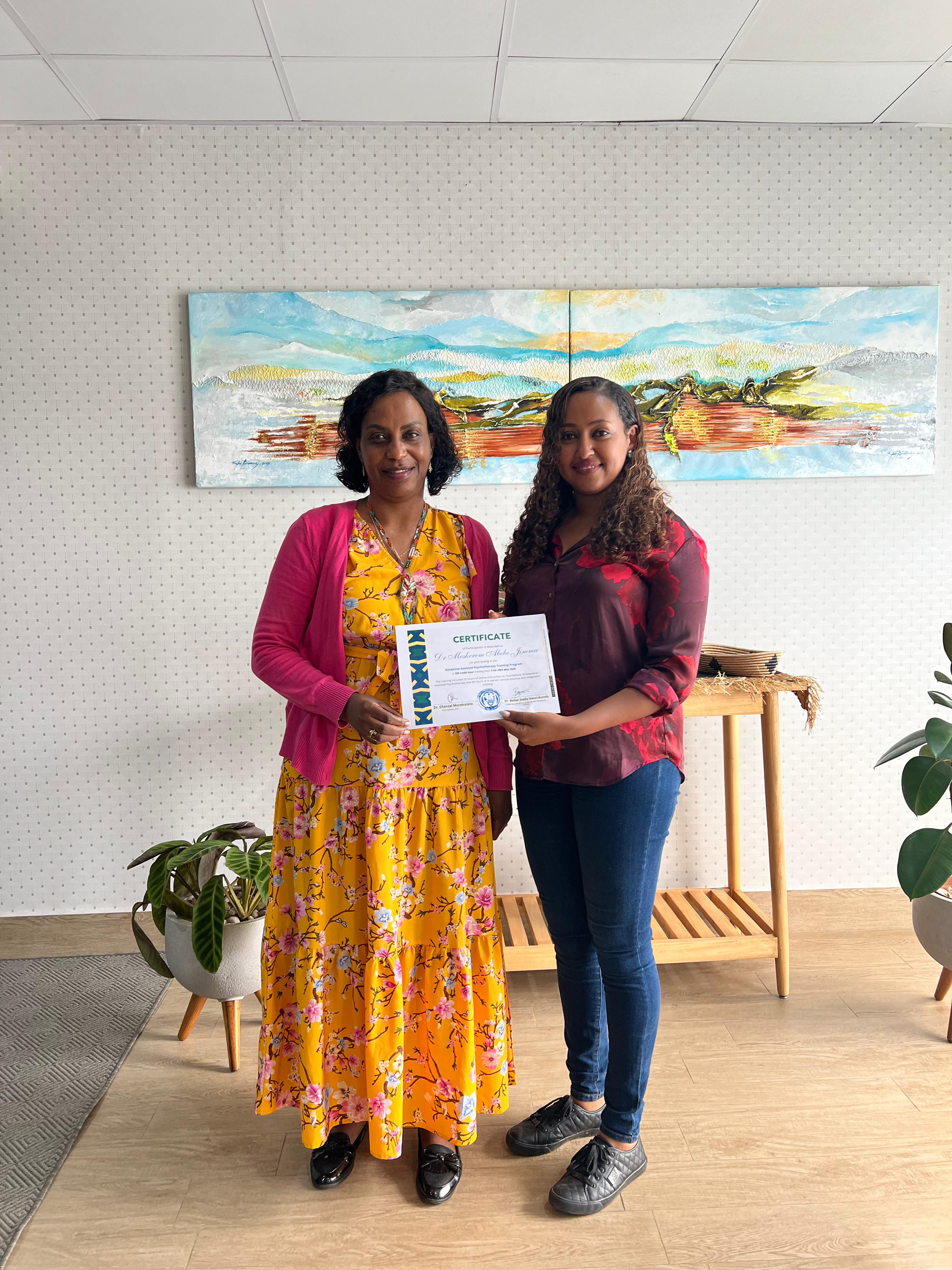
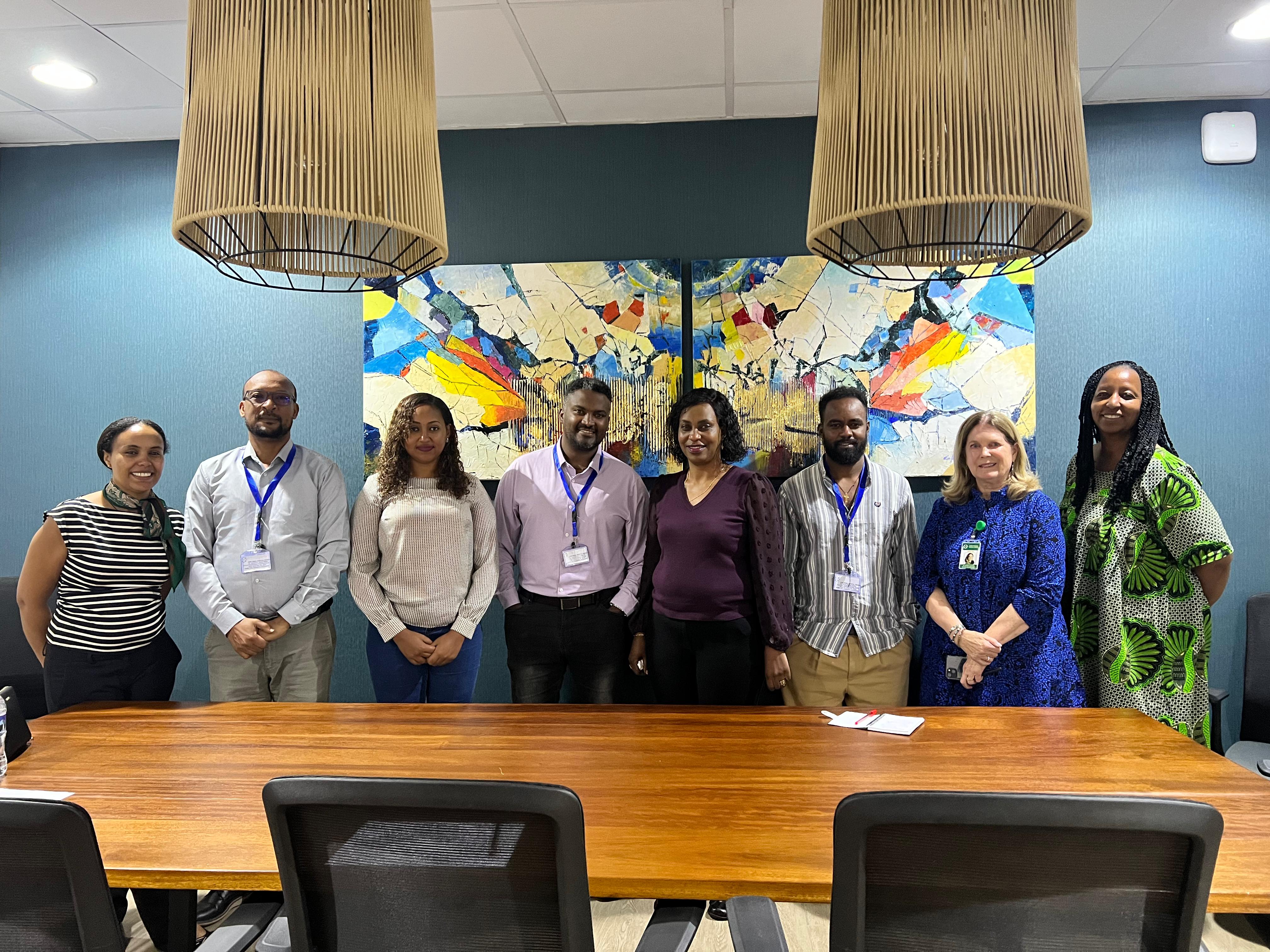
In parallel, KFH completed a three-week Ketamine-Assisted Psychotherapy (KAP) training program for a team of mental health professionals from Saint Paul’s Hospital Millennium Medical College in Ethiopia. Conducted at the hospital’s Ketamine Treatment and Research Center, the training equipped participants with advanced knowledge and practical skills in KAP, an innovative treatment approach increasingly recognized for managing treatment-resistant depression, post-traumatic stress disorder (PTSD), anxiety disorders, and other complex mental health conditions.
The Ethiopian delegation, comprising psychiatrists, a psychologist, and a psychiatric nurse, received comprehensive clinical exposure covering patient assessment, treatment protocols, safety considerations, psychotherapy integration, monitoring procedures, and multidisciplinary approaches to care delivery. The program also provided participants with opportunities to observe real-world clinical applications and engage directly with specialists leading the field at KFH.
The training is expected to support Saint Paul’s Hospital Millennium Medical College’s plans to establish a Ketamine Center in Ethiopia, thereby expanding access to innovative mental health services and strengthening specialized treatment capacity within the country.
According to hospital leadership, both initiatives highlight the importance of regional collaboration in addressing Africa’s growing healthcare needs. By investing in professional development, mentorship, and institutional partnerships, healthcare institutions can accelerate the development of specialized services while improving access to high-quality patient care.
The programs further demonstrate KFH’s growing role as a hub for clinical excellence, medical innovation, and healthcare workforce development. Through initiatives spanning cardiac surgery, mental health, kidney transplant, and other specialized disciplines, the hospital continues to contribute to the strengthening of health systems across the region.
As demand for specialized healthcare services continues to rise across Africa, collaborations such as these underscore the value of knowledge transfer and south-to-south cooperation in building resilient healthcare systems capable of delivering advanced, patient-centered care closer to home.
Military Hospital of Djibouti delegates and King Faisal Hospital Rwanda staff during a cardiac observership program aimed at strengthening specialized cardiovascular care services.Mental health professionals from Saint Paul’s Hospital Millennium Medical College, Ethiopia, with the KFH Team during the training.
“What I would suggest to Iran: You’ve shot your missiles, that’s enough,” Trump told Fox News. “Get back to the table and make a deal.”
Trump also claimed that Washington and Tehran had been close to reaching an agreement before Iran launched the missiles earlier in the day.
“We’re very close. I would say an agreement would be signed on Monday, Tuesday or Wednesday of this coming week. And now this takes place,” he said.
“It’s certainly not going to help negotiations,” Trump said.
In another interview with U.S. media outlet Axios, Trump said he will call Israeli Prime Minister Benjamin Netanyahu and press him not to retaliate for Iran’s missile attack.
“I am going to call Bibi right now and tell him not to retaliate. Each of them had their fun. Israel had its strike, and Iran had its strike. We don’t need another one,” Trump said.
According to CNN, Iran fired at least 10 ballistic missiles toward Israel in at least three separate waves on Sunday. The Israeli military said all of the missiles were intercepted.
Two Israeli sources cited by CNN said Israel would deliver a “powerful” response to the attack, raising concerns about further escalation in the region.
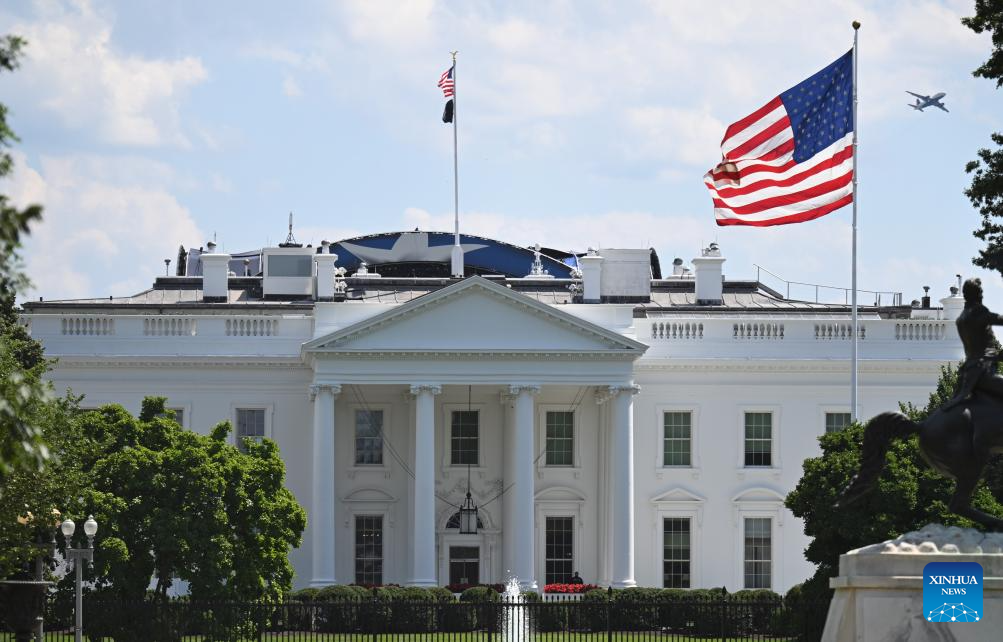
An airplane is pictured above the White House in Washington, D.C., the United States, on June 7, 2026. U.S. President Donald Trump on Sunday urged Iran to stop launching missiles at Israel and return to negotiations after Tehran fired a fresh barrage of ballistic missiles.
The move reflects growing price pressure driven by both domestic and global factors, including higher fuel and transport costs linked to international disruptions.
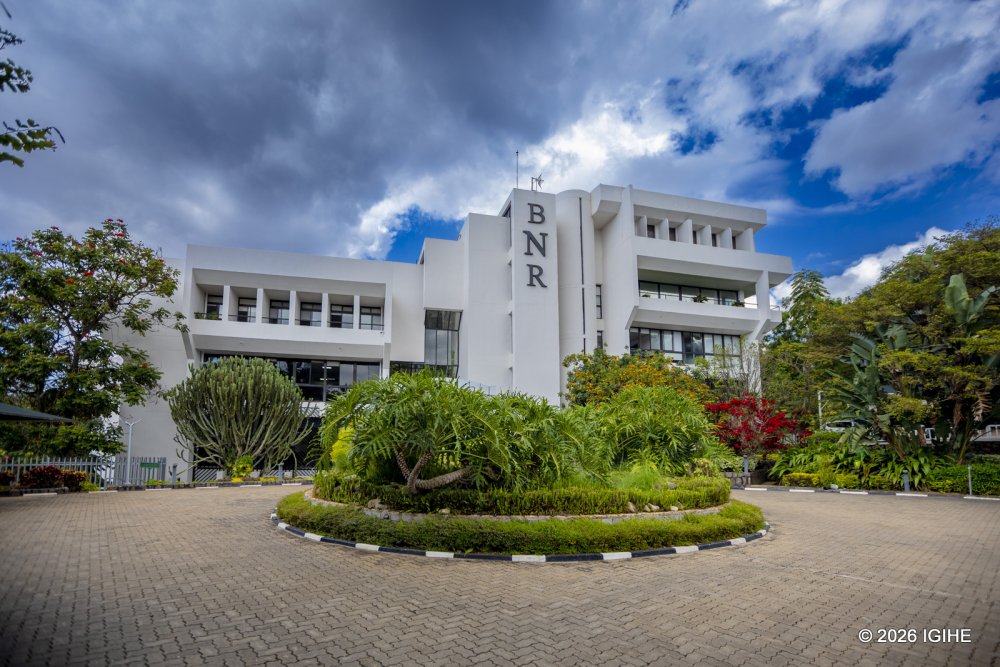
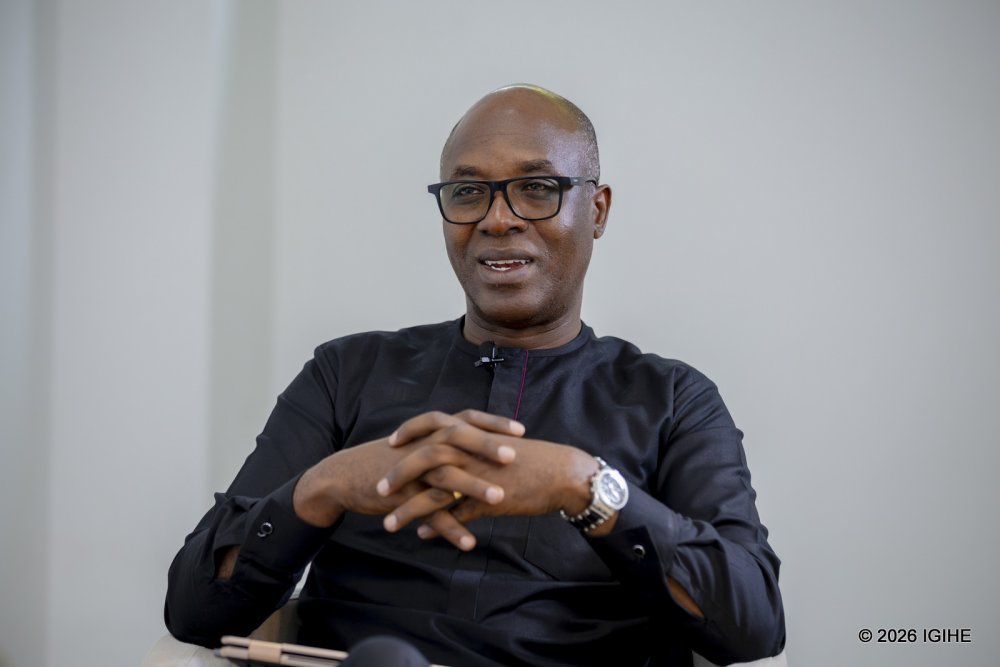
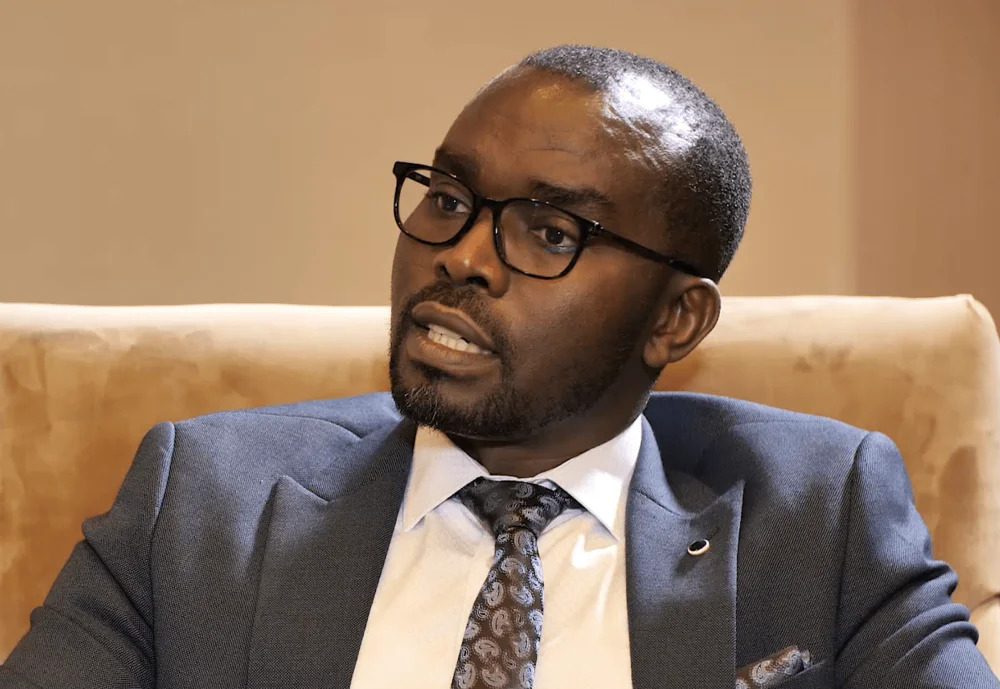
Explaining the decision in an exclusive interview with IGIHE, Prof. Kasai Ndahiriwe, Director of the Monetary Policy Department at BNR, said the central bank is guided by inflation projections and the need to keep price increases within a sustainable range.
“When the Monetary Policy Committee observes that inflation is increasing or is expected to rise beyond the BNR target range of 2% to 8%, action is taken. Inflation should ideally not exceed 8%,” Prof. Kasai said.
He added that the policy rate is one of the key tools used to manage inflation by influencing the cost of borrowing and overall demand in the economy.
“When goods become more expensive, people tend to buy less. Conversely, when prices are lower, consumption increases,” he explained.
According to him, raising the policy rate is designed to reduce excess money circulation in the economy by making borrowing more expensive for households and businesses.
“When BNR raises the policy rate, it signals banks and borrowers to be more cautious in their spending. It is essentially a message encouraging reduced spending to help control inflation,” he said.
Inflation pressures driving policy decisions
Inflation in Rwanda has shown a steady upward trend since the beginning of 2026, rising from 8.9% in January to 9.2% in February and March, before reaching 13% in April.
Prof. Kasai noted that both domestic conditions and global shocks have contributed to the rise in prices.
“The inflation projections show that the rate will remain above 8% this year and in the early part of next year,” he said.
He pointed to external disruptions, including geopolitical tensions affecting global oil supply routes such as the Strait of Hormuz, which handles a significant share of global petroleum trade.
“Intense global developments, including conflicts affecting oil transport routes, have impacted fuel prices, transport costs, and ultimately inflation,” he added.
The BNR adjusts the policy rate depending on how far inflation is from the target range. In the current environment, inflation has moved significantly above the upper limit of 8%, prompting stronger action.
Prof. Kasai said the size of the increase reflects the severity of inflationary pressure.
“A 1% adjustment reflects the fact that inflation is far from the desired range for the Rwandan economy,” he said, noting that forecasts for 2026 point to inflation levels around 13.9%.
Economic growth remains strong despite inflation
Despite inflationary pressures, Rwanda’s economy continues to show strong performance. Real GDP grew by 9.4% in 2025, while economic activity expanded further in early 2026, with the Composite Index of Economic Activities (CIEA) rising by 16.5% in Q1 2026.
External trade also strengthened, with merchandise exports increasing by 63.2% year-on-year in Q1 2026, driven by higher coffee and mineral export volumes and stronger prices. Non-traditional exports rose by 64.8%, led by processed cooking oil and wheat flour.
Prof. Kasai emphasised that strong growth and high inflation can occur at the same time, and should be assessed separately.
“When you look at the economy of Rwanda, GDP has continued to grow strongly. That is one side,” he said.
For ordinary citizens, the policy rate increase translates into higher borrowing costs as commercial banks adjust their lending rates.
However, BNR maintains that the objective is to stabilise prices and protect purchasing power in the long run.
The central bank expects inflation to gradually return within its target range by around 2027, depending on how global and domestic pressures evolve.
Explaining the decision in an exclusive interview with IGIHE, Prof. Kasai Ndahiriwe, Director of the Monetary Policy Department at BNR, said the central bank is guided by inflation projections and the need to keep price increases within a sustainable range.
The Police FC side endured a disappointing 2025/26 campaign despite a promising start to the season. The club finished sixth in the league and was eliminated by Rayon Sports in the quarterfinals of the Peace Cup.
Their only silverware of the season came in February, when they won the Heroes Cup after defeating APR FC on penalties. However, the trophy was not enough to secure continental CAF qualification, unlike in the 2024/25 season.
The underwhelming results have prompted the club’s management to initiate a squad reshuffle, beginning with players whose contracts have come to an end.
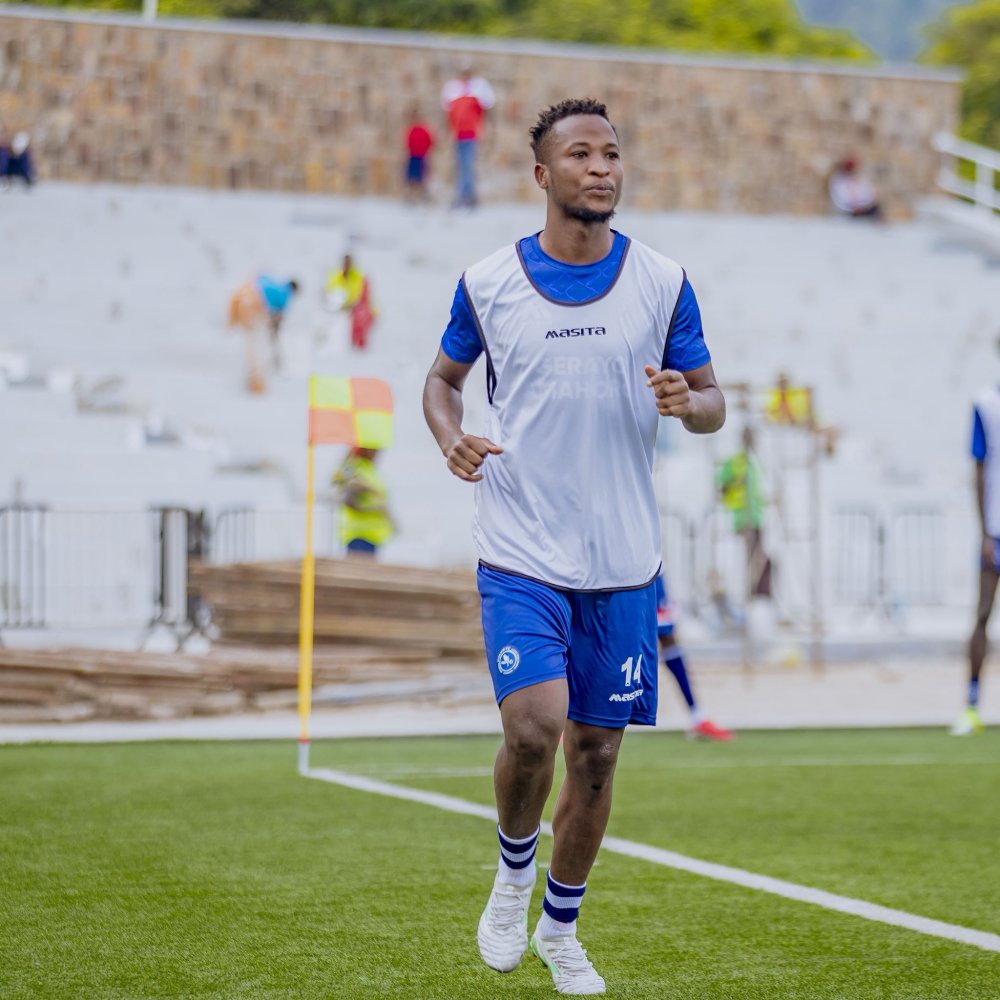
Among those released is Nigerian striker Ani Elijah, alongside Rwanda international Byiringiro Lague, the only Rwandan player in the group of seven departing players.
Others shown the exit include Ghanaian central defender Issah Yakubu, Nigerian defender David Chimezie, Burundian duo Msanga Henry and Richard Kirongozi, and Ugandan midfielder Allan Kateregga.
Msanga is reportedly close to joining Rayon Sports, with reports indicating he has agreed to a two-year deal.
Police FC has yet to officially announce new signings, although the club is reportedly targeting goalkeeper Tuyizere Jean Luc, whose contract with Mukura VS has expired, and midfielder Hoziyana Kennedy, who is also a free agent after leaving Marine FC.
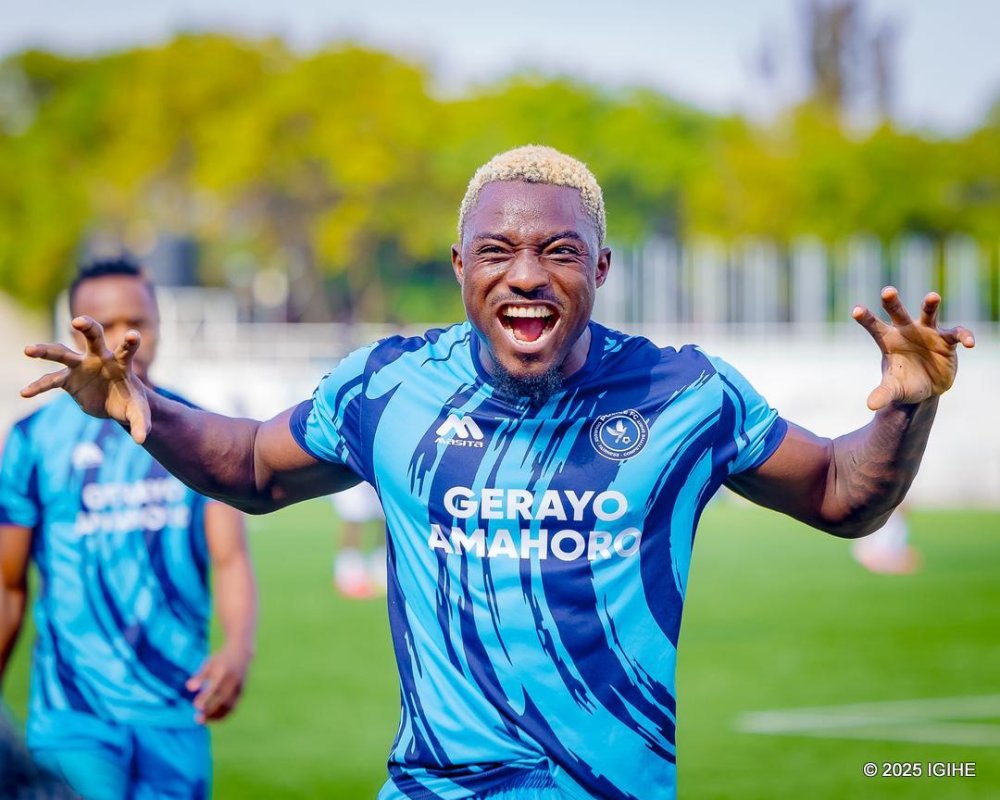
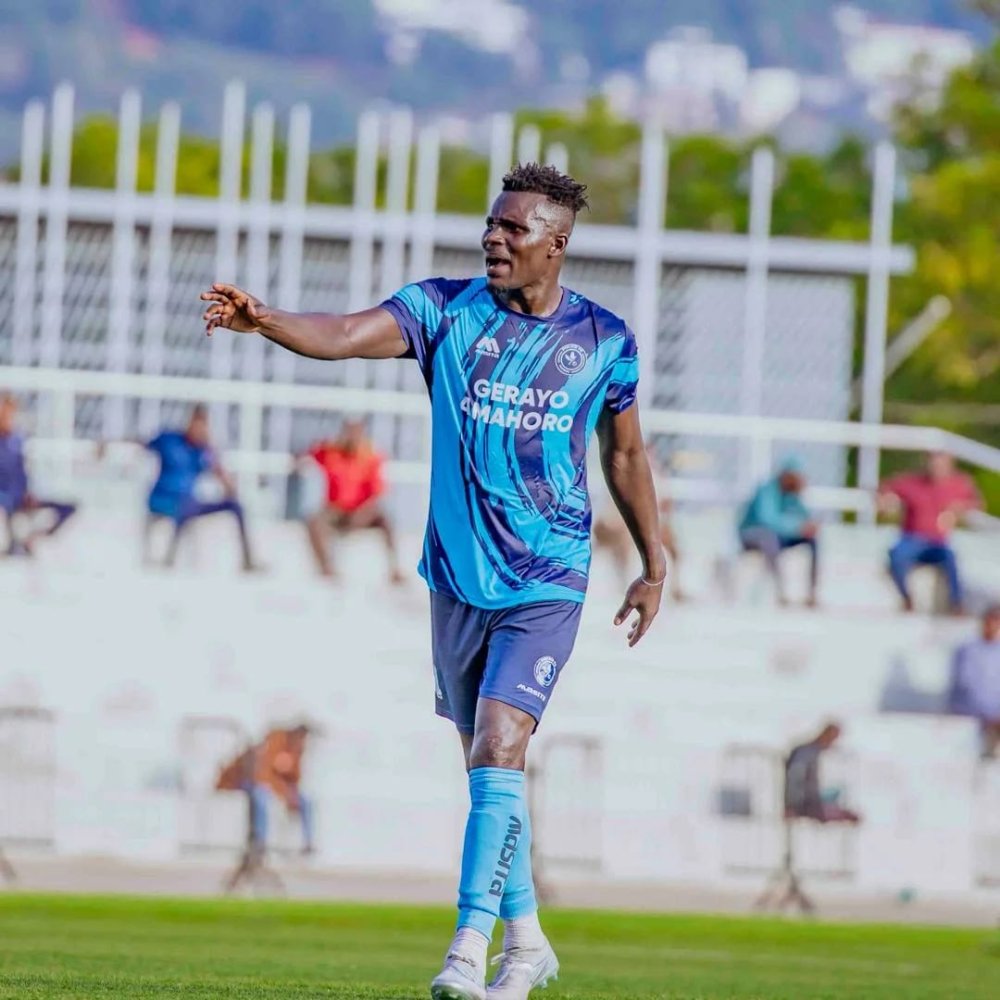
Byiringiro Lague had spent just one and a half years at Police FC.Nigerian striker Ani Elijah parts ways with Police FC after two years at the club.Msanga is reportedly close to joining Rayon Sports, with reports indicating he has agreed to a two-year deal.Ghanaian central defender Issah Yakubu is among the players released by Police FC.
In a national address in Pretoria, the country’s administrative capital, the president said the cabinet had adopted a Comprehensive Approach for Migration Management designed to strengthen immigration enforcement, secure borders, combat corruption, and improve the immigration system and policies.
Under the new approach, Ramaphosa said the government will beef up efforts to identify and deport undocumented migrants, establish dedicated immigration courts to expedite deportation processes, strengthen border security, and impose tougher penalties on employers who knowingly hire undocumented foreign nationals.
The measures come as concerns over illegal immigration have featured prominently in public discourse in recent months, with some community groups staging demonstrations in several cities, including Johannesburg, Durban, Pretoria, and Cape Town.
Ramaphosa said many South Africans have expressed concerns about pressure on public services, unemployment, crime and competition for economic opportunities.
The president cautioned against blaming migrants for all the country’s socio-economic challenges. “Illegal immigration is not the cause of all our economic challenges,” he said, adding that faster economic growth, investment and job creation remain essential to addressing the country’s broader problems.
However, Ramaphosa warned that irregular migration poses security and governance challenges if left unchecked, noting that illegal migration routes often overlap with organized criminal activities, including human trafficking, extortion, illegal mining, drug trafficking, and money laundering.
He also stressed that enforcement of immigration laws remains the responsibility of the state and urged citizens not to take the law into their own hands.
“We will act against forces who are exploiting the concerns of our people about illegal immigration to further their own political, personal or criminal agendas,” he said.
Ramaphosa called on South Africans to tackle the challenge through unity, determination, and respect for the rule of law, and reiterated that South Africa would continue to uphold its constitutional values and international obligations, while ensuring that everyone living and working in the country does so legally.
According to Statistics South Africa, the country is home to an estimated 3.3 million foreign-born residents, with nearly two-thirds originating from southern African countries.
South African President Cyril Ramaphosa on Sunday night announced a series of measures aimed at tackling illegal immigration amid growing public concern over the issue.
The development was announced on June 7, 2026, during the launch of Disc Golf, a sport being introduced in Rwanda for the first time and which is commonly played in natural settings with trees and open grasslands.
Speaking to IGIHE, Nyandungu Eco-Park Manager, Ildephonse Kambongo, said the new attraction forms part of a broader strategy to diversify the park’s offerings and enhance visitors’ experiences.
He explained that the planned zipline will give visitors a unique perspective of the park’s ecosystems, allowing them to appreciate its natural beauty from above.
“We are working on an aerial route that will enable visitors to experience the park from a different angle and enjoy its scenery while suspended above the ground. We expect the facility to be ready by the end of this year or early next year,” he said.
Kambongo noted that discussions with the companies involved in the project are at an advanced stage and that construction is expected to begin soon.
The zipline is among several new attractions planned for the park. Construction is already underway on a four-kilometre walking trail, while dedicated birdwatching areas are being developed near the park’s lakes to allow visitors to observe birdlife more closely.
Management is also considering the introduction of recreational fishing activities as part of efforts to broaden the range of experiences available to visitors.
The park currently charges an entrance fee of Rwf 2,000 for Rwandans and citizens of the East African Community. Additional activities, including bicycle rentals, electric cart rides and children’s recreational facilities, are charged separately.
Officials believe that expanding the range of attractions will encourage more visitors to spend time at the park and contribute to its growing revenue.
Opened in 2022 following the restoration of the Nyandungu Wetland, the park has seen a steady increase in visitor numbers over the years.
The numbers rose from 67,222 visitors in 2023 to 76,754 in 2024. Growth accelerated in 2025, when the park welcomed more than 100,000 visitors by November, representing an increase of over 30% compared to the previous year and the strongest growth recorded since its establishment.
Revenue has followed a similar upward trend, rising from Rwf 158 million in 2024 to more than Rwf 200 million in 2025.
Spanning 121 hectares, Nyandungu Eco-Park includes 70 hectares of wetland and 50 hectares of forest. It is home to more than 60 plant species and over 200 species of birds, making it one of Kigali’s leading urban nature destinations.
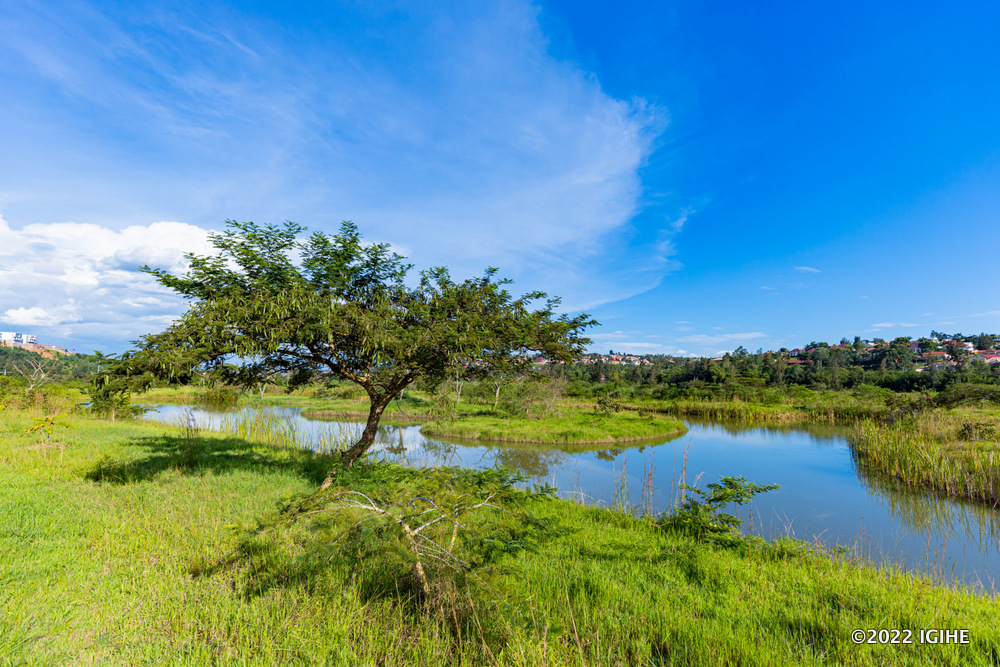
Nyandungu Eco-Park Manager, Ildephonse Kambongo, said the new attraction forms part of a broader strategy to diversify the park’s offerings and enhance visitors’ experiences. Nyandungu Eco-Park includes 70 hectares of wetland and 50 hectares of forest.
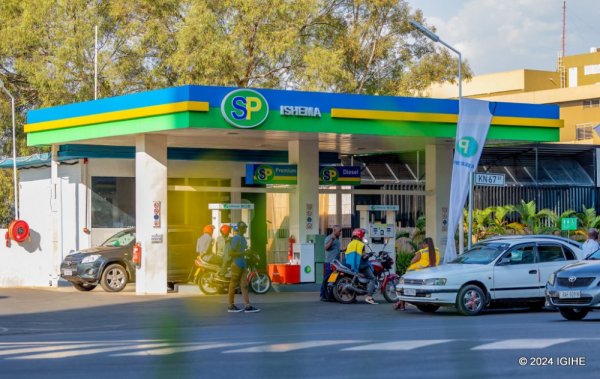
The revelation comes as Rwanda continues efforts to cushion consumers from rising global petroleum prices through fuel subsidies.
On June 5, 2026, the government announced that the retail price of petrol would remain capped at Rwf2,938 per litre, while diesel would retail at no more than Rwf2,927 per litre, up from Rwf2,205 in the previous review.
Despite the increase, the government maintained a subsidy on diesel. Officials said that without the intervention, diesel would have sold at Rwf3,581 per litre.
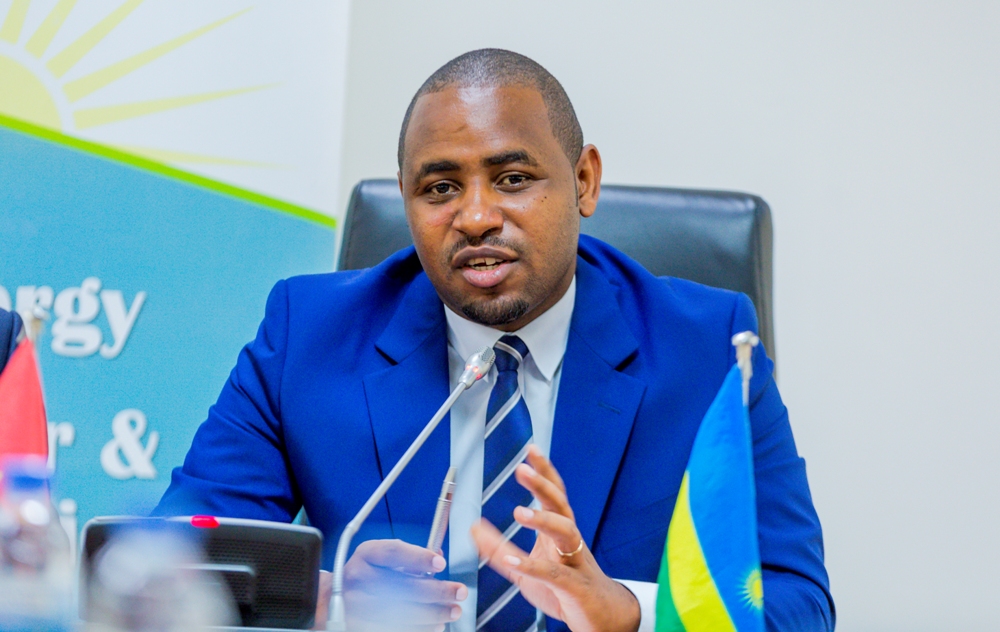
Speaking during a media briefing on June 7, Minister of Trade and Industry Prudence Sebahizi said Rwanda’s comparatively lower fuel prices attracted buyers from neighbouring countries, resulting in a sharp increase in domestic fuel consumption.
Trade Minister Prudence Sebahizi said Rwanda’s lower fuel prices attracted buyers from neighbouring countries, sharply increasing fuel consumption.
Under normal conditions, Rwanda consumes between 1.2 million and 1.5 million litres of diesel per day, alongside 800,000 to 900,000 litres of petrol.
However, during periods of heightened regional price disparities, daily diesel consumption surged to between 2.5 million and 3 million litres.
“The situation showed that we were effectively subsidising fuel for people beyond our borders when our objective was to support Rwandans,” Sebahizi said.
The increased demand was particularly evident at fuel stations near Rwanda’s borders, where supplies were depleted shortly after opening.
“For about a week, some stations located near border areas ran out of fuel within the first two hours of operation because of customers coming from neighbouring countries,” he said.
According to the minister, consumption levels have since normalised following monitoring and corrective measures.
Data from early June indicate that diesel consumption has returned to pre-crisis levels, while petrol consumption has fallen as consumers adapt to higher prices.
Public transport shift cuts petrol demand
Government officials attributed part of the decline in petrol consumption to growing use of public transport.
Passenger numbers on public buses have increased by approximately 15 percent as more commuters opt to leave private vehicles at home.
Rwanda currently operates 390 buses in its public transport network. The fleet is expected to expand with the addition of 100 buses by the end of 2026 and a further 200 in 2027, bringing the total to nearly 700 buses.
State Minister for Infrastructure Jean de Dieu Uwihanganye said the long-term goal is to expand the fleet to between 1,000 and 1,500 buses while continuing to improve supporting road infrastructure.
“We want public transport to become the preferred mobility option for more people,” Uwihanganye said.
State Minister for Infrastructure Jean de Dieu Uwihanganye said the long-term goal is to expand the fleet to between 1,000 and 1,500 buses.
Current petrol consumption has fallen to between 600,000 and 700,000 litres per day, compared with previous levels of up to 900,000 litres. On some days, consumption falls as low as 400,000 litres.
Officials say the trend demonstrates that Rwandans are responding to calls for more efficient fuel use.
Fuel imports remain a major foreign exchange burden
The government also highlighted the broader economic implications of fuel consumption, noting that petroleum imports account for one of the country’s largest foreign currency expenditures.
According to Sebahizi, Rwanda spends more than $700 million annually on petroleum imports, a figure roughly equivalent to the country’s earnings from tourism.
Tourism revenues reached $685 million in 2025, up from $647 million in 2024.
“The foreign currency generated through tourism is almost equal to what we spend on petroleum products each year,” Sebahizi said. “Reducing unnecessary fuel consumption is therefore important for protecting the country’s foreign exchange reserves.”
Sebahizi also addressed concerns over low industrial capacity utilisation, noting that some factories are operating at only about 30 percent of their potential output.
The government is working with manufacturers to increase production and reduce reliance on imported goods, he said.
Officials argue that expanding domestic production and encouraging more efficient energy use will help strengthen Rwanda’s economic resilience amid global market uncertainties.
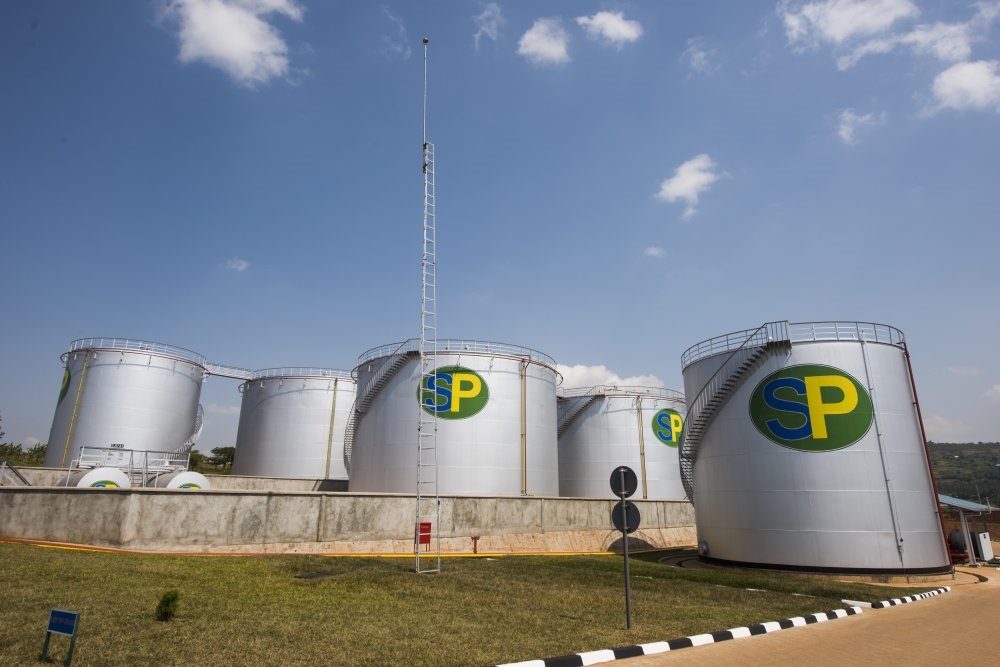
To improve preparedness for future fuel supply disruptions, Rwanda plans to double its strategic petroleum storage capacity.
The country currently has storage facilities capable of holding 117 million litres of petroleum products. Increasing that capacity would allow Rwanda to maintain fuel supplies for at least six months during periods of severe market volatility, officials said.
Rwanda plans to double its petroleum storage capacity.