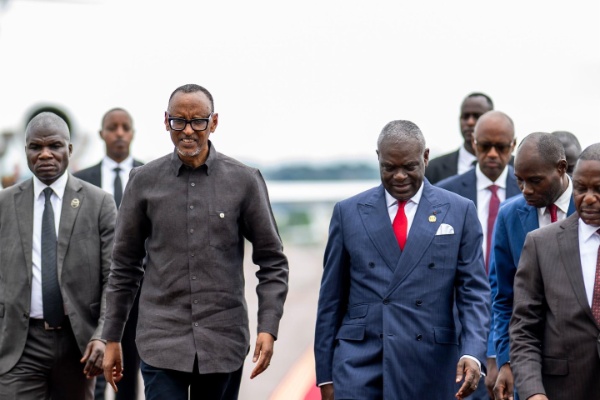
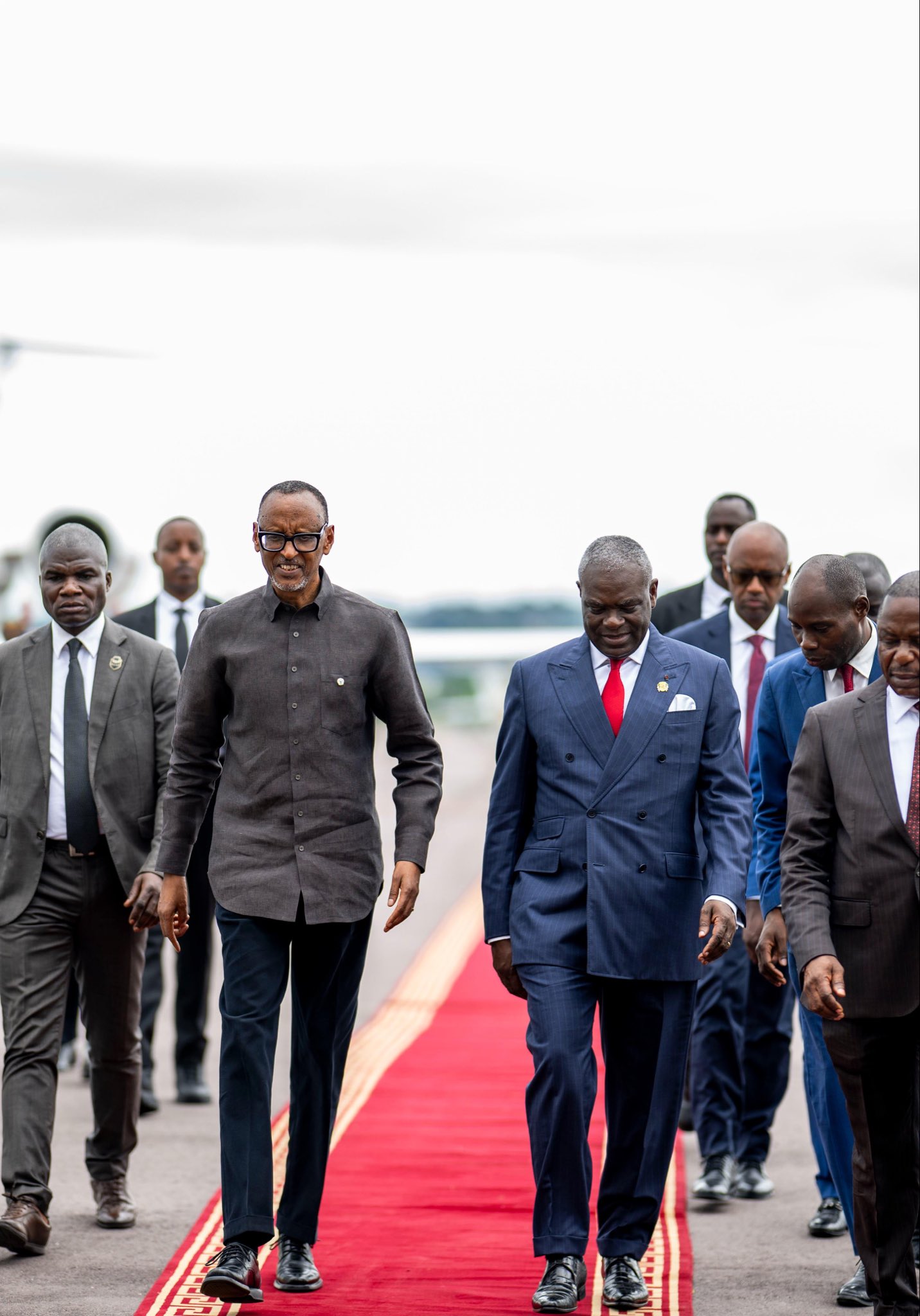
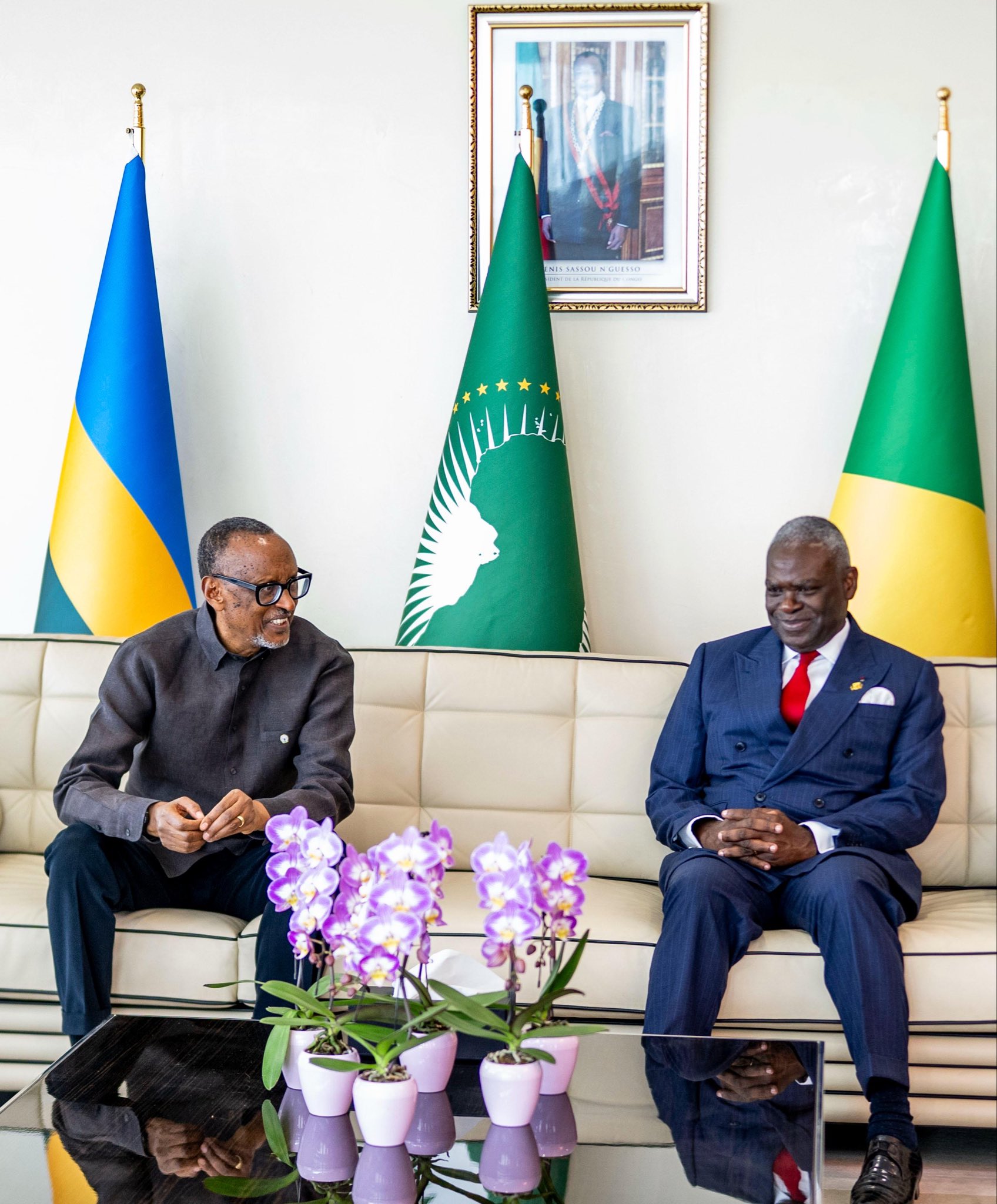
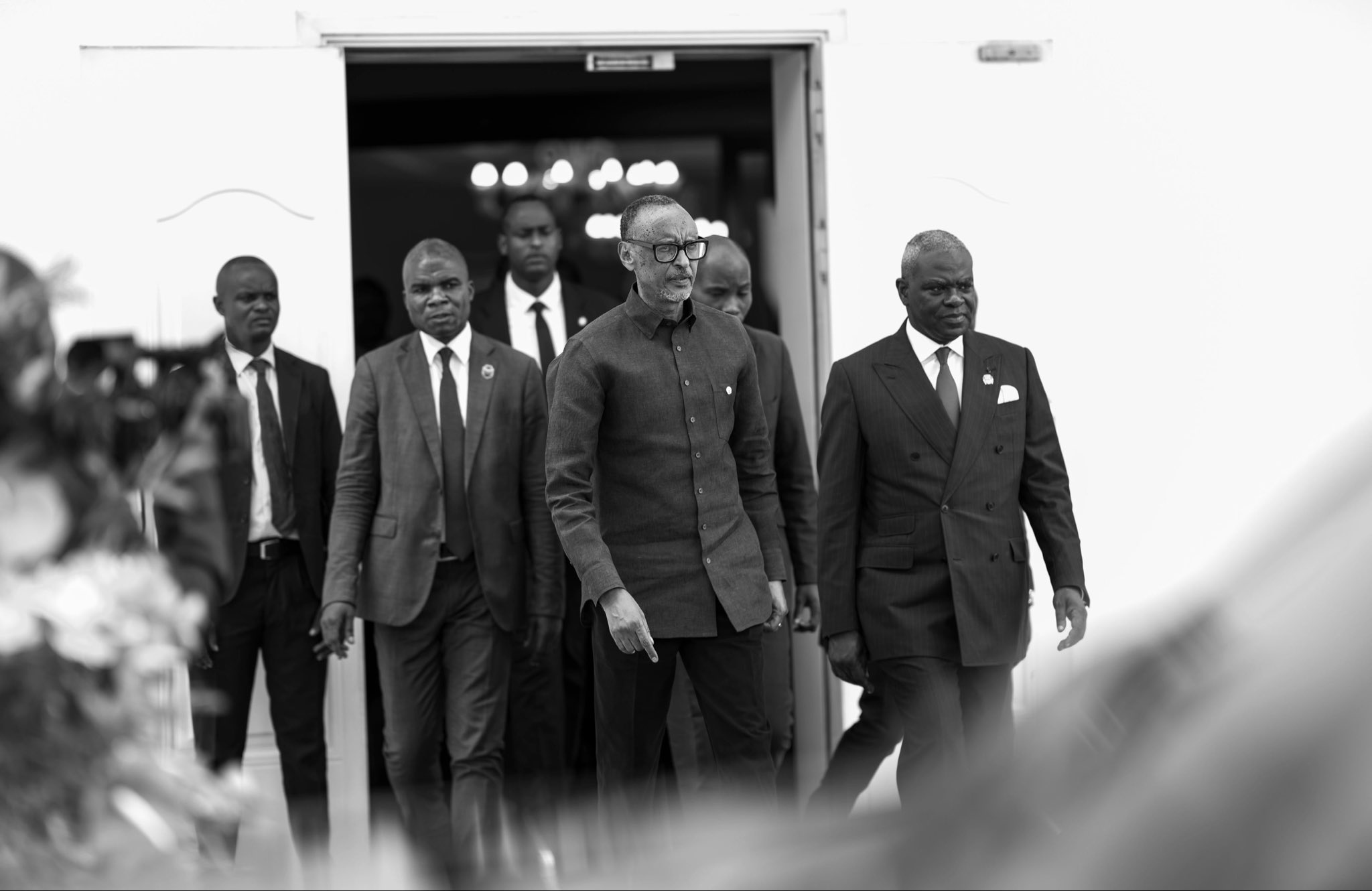
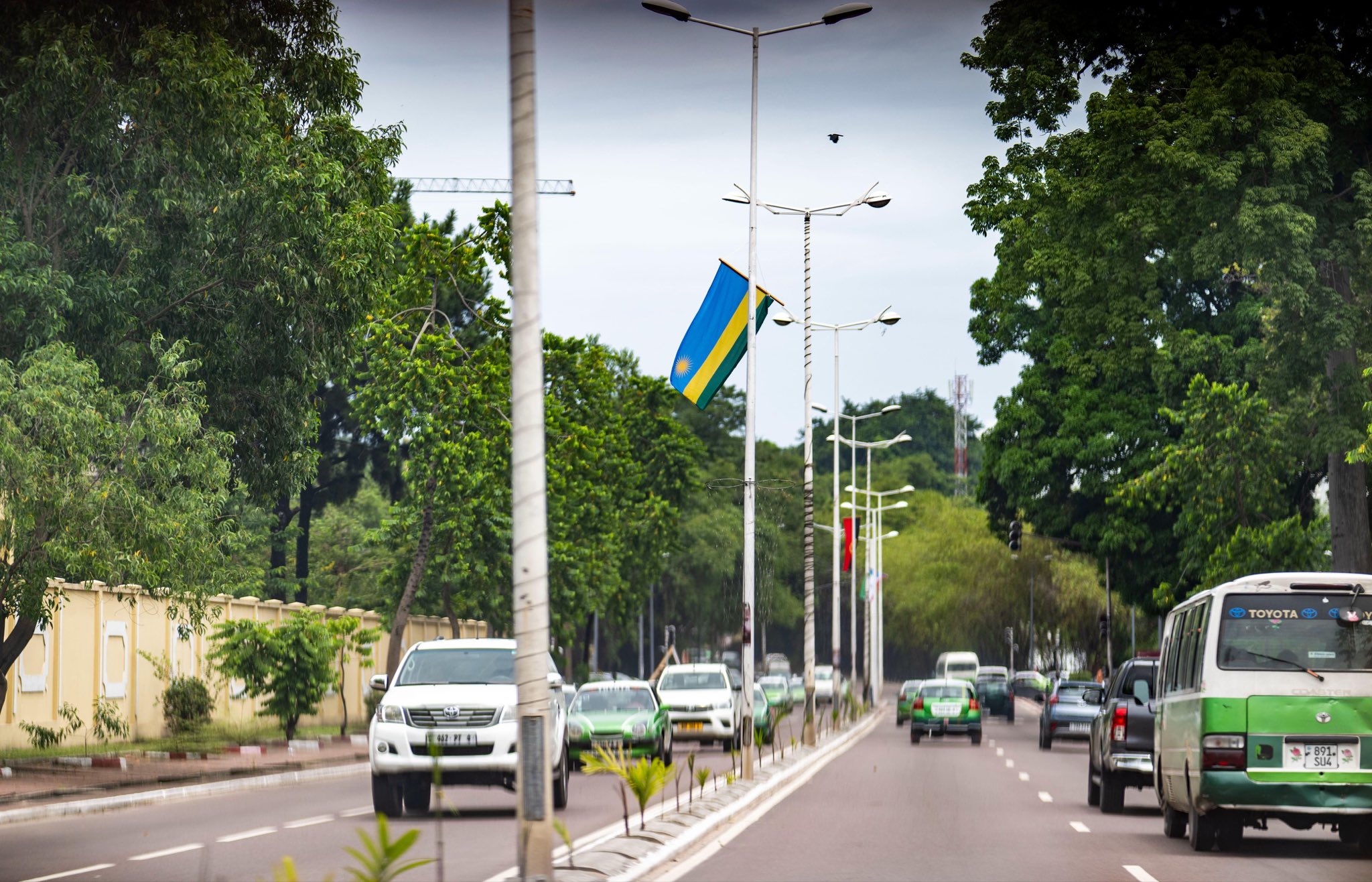
Kagame was received at Maya-Maya International Airport by Republic of the Congo Prime Minister Anatole Collinet Makosso.
The inauguration ceremony is scheduled for Thursday at Unity Stadium, also known as the La Concorde Multipurpose Sports Complex, in Kintélé. The event is expected to bring together heads of state and senior government officials from across Africa.
President Sassou Nguesso was re-elected in mid-March for a five-year term, winning 94.82 percent of the vote according to the Interior Ministry. The election recorded an 84.64 percent turnout, with seven candidates contesting the presidency.
Following the results, President Kagame congratulated Sassou Nguesso on his re-election, reaffirming Rwanda’s commitment to strengthening bilateral relations and cooperation between the two countries.
“Rwanda welcomes the strong quality of our bilateral relations and looks forward to continuing close cooperation in support of our shared priorities and the prosperity of our peoples,” Kagame said in a message posted on X.
Rwanda and the Republic of the Congo have maintained a longstanding partnership marked by cooperation across multiple sectors, including diplomacy, trade, and security. In August 2016, Rwanda opened its embassy in Brazzaville, further strengthening diplomatic engagement.
The two countries signed a series of agreements in 2011 covering trade, air transport, tourism promotion, energy, security, environmental protection, and fisheries. Air connectivity has also been reinforced, with RwandAir operating flights between Kigali and Brazzaville since that year.
Cooperation expanded further in November 2021, when both nations signed agreements on military collaboration, higher education, land management, sustainable development, and trade promotion. Additional deals focused on environmental protection and expanding air transport links.
In the same year, Rwanda’s Housing Authority and Congo-Brazzaville’s SOPRIM entered into a partnership to promote housing development and the construction of affordable, modern homes.
Relations between the two leaders have remained cordial over the years. During a visit to Rwanda in 2023, Sassou Nguesso was awarded the Agaciro Medal by President Kagame in recognition of his contribution to Africa’s development.
President Kagame was received at Maya-Maya International Airport by Republic of the Congo Prime Minister Anatole Collinet Makosso.Rwanda and the Republic of the Congo have maintained a longstanding partnership marked by cooperation across multiple sectors, including diplomacy, trade, and security.
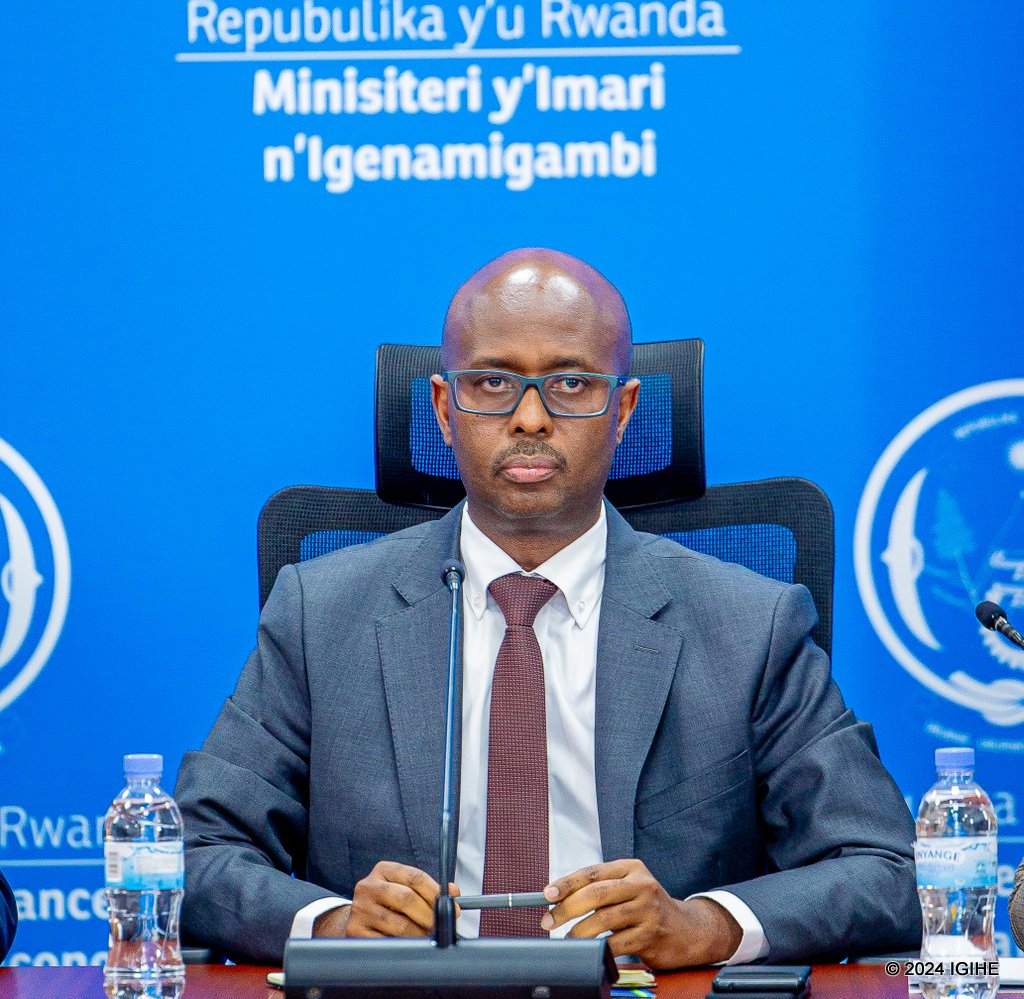
In a statement issued on Tuesday, April 14, the Ministry of Finance and Economic Planning said the commercial loan carries a 15-year maturity and a six-year grace period, positioning it as a cornerstone of the government’s strategy to lower borrowing costs and manage debt sustainably.
The ministry described the transaction as part of a “prudent and proactive approach to sovereign debt management,” adding that Rwanda intends to systematically favour blended finance solutions to secure a low cost of debt, a smooth repayment profile and enhanced access to stable sources of funding.
A key feature of the deal is its backing by two major arms of the World Bank Group: the International Development Association (IDA) and the Multilateral Investment Guarantee Agency (MIGA). The structure combines an IDA Policy-Based Guarantee, which provides first-loss coverage, with a MIGA guarantee acting as second-loss protection. This layered guarantee mechanism reduces risk for lenders and enables Rwanda to secure more competitive financing terms.
Notably, Rwanda becomes the first country to benefit from MIGA’s revised policy allowing second-loss guarantees in cases where IDA provides first-loss coverage, highlighting the deal’s significance as a pioneering model in sovereign financing.
The deal was executed against a backdrop of heightened geopolitical tensions and tightening conditions in emerging market credit, yet Rwanda secured what it described as highly favorable terms, reflecting strong international investor confidence in its credit profile.
In line with its debt management strategy, the government negotiated a six-year grace period to ensure that principal repayments begin only after the maturity of its outstanding Eurobond. This approach aims to avoid refinancing pressures and maintain a stable debt servicing trajectory.
The ministry noted that the combination of a long maturity, an extended grace period, and exceptionally competitive pricing illustrates how the blended finance approach directly translates into tangible benefits for Rwanda.
Proceeds from the facility will be used for general budget support, aligned with a World Bank-supported development programme targeting inclusive growth and job creation across sectors such as infrastructure, health, education, agriculture, and industry.
The transaction builds on Rwanda’s previous €200 million ESG-linked loan completed in 2024 and comes amid improving credit sentiment. Recent actions by Fitch Ratings and Moody’s affirming stable outlooks point to strengthening fiscal metrics and continued structural reforms.
Finance Minister Yusuf Murangwa said the deal highlights the government’s continued focus on innovative financing.
“This landmark financing demonstrates Rwanda’s unwavering commitment to innovative and prudent debt management,” Murangwa said. “Blended finance is at the heart of our borrowing strategy, enabling us to secure long-term funding at an exceptionally competitive cost, while maintaining a smooth repayment profile and safeguarding our debt sustainability.”
He added that the guarantee structure “is a testament to the strength of our partnership with the World Bank Group and a model for future transactions.”
Finance Minister Yusuf Murangwa said the deal highlights the government’s continued focus on innovative financing.
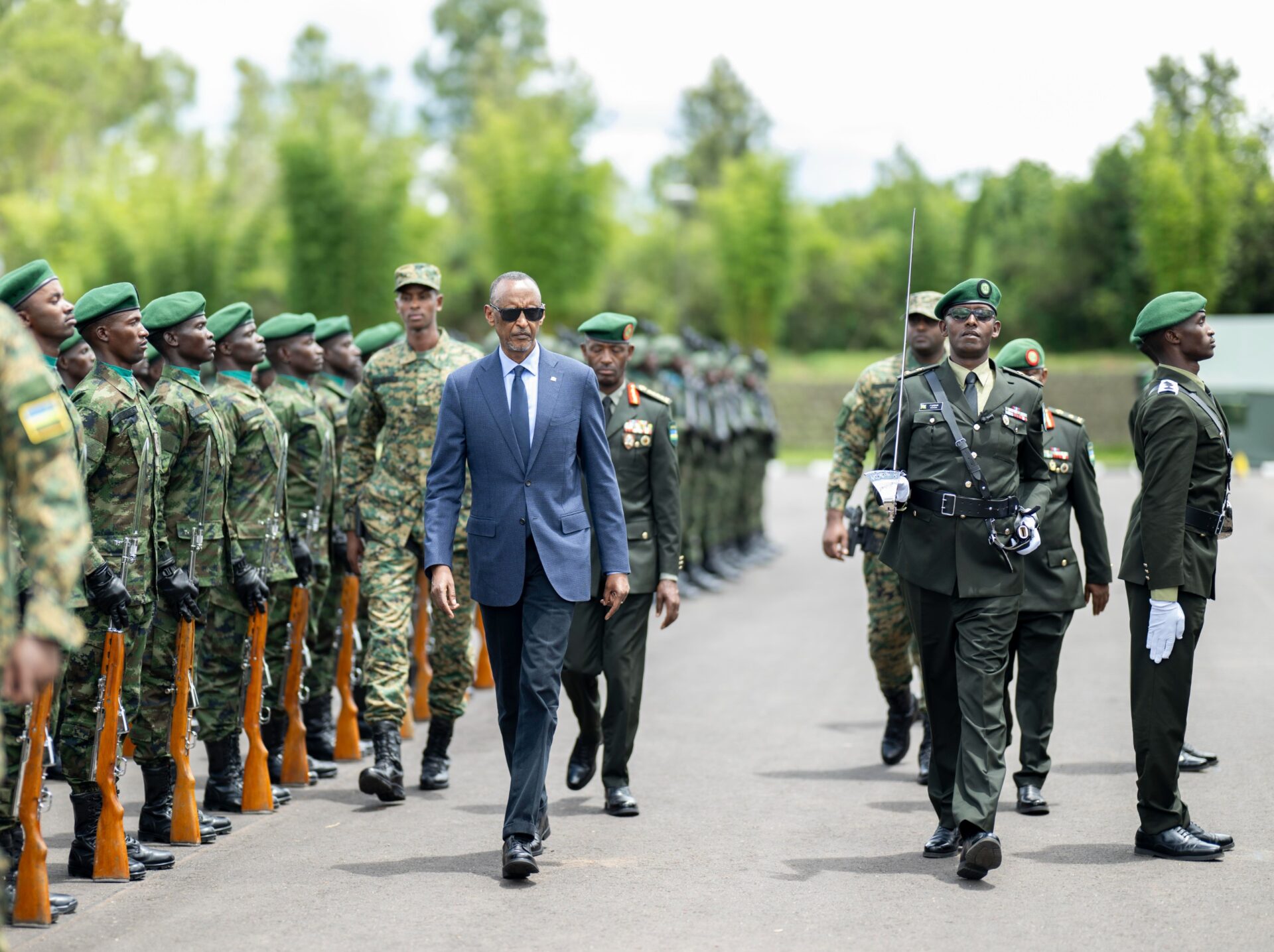
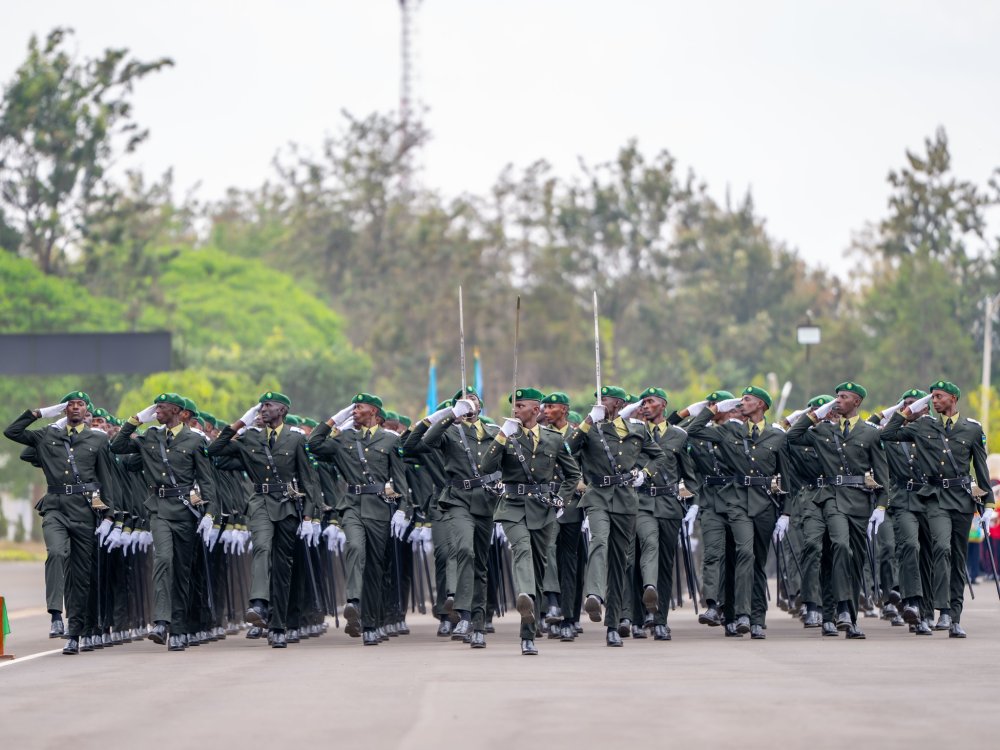
The law provides that the President of the Republic, who is also the Commander-in-Chief of the Rwanda Defence Force, is the Chancellor of the university.
NDU-R brings together military colleges, police training institutions, and academies of the National Intelligence and Security Service (NISS) under one integrated system. The university is jointly overseen by the Ministry of Defence and the Ministry of Education.
It is headquartered in Kigali, although a presidential order may relocate it elsewhere in the country if necessary.
Integrated defence and security institution
The National Defence University–Rwanda includes several constituent institutions such as the National Defence College–Rwanda (NDC-R), Defence College of Health Sciences (DCHS), Defence Institute of Sciences and Technology (DIST), and the Institute for Defence and Strategic Studies (IDSS), all based in Kigali.
Other institutions include the National Intelligence Academy (NIA) in Bugesera District, the Rwanda Defence Force Command and Staff College (RDFCSC) in Musanze District, the National Police College (NPC) in Musanze, and the Rwanda Military Academy (RMA) in Bugesera.
The university is mandated to provide advanced education, training, and research for personnel in defence and security organs, senior government officials involved in national security, and international partners, with the aim of strengthening strategic thinking through high-level academic instruction and research.
Governance structure
The law states that the Chancellor of NDU-R is the President of the Republic and Commander-in-Chief of the Rwanda Defence Force. In this role, the Chancellor provides broad strategic guidance to ensure the university fulfills its mission and presides over graduation ceremonies for the conferment of degrees, certificates, medals, and honorary distinctions, or may designate a representative to perform these duties.
The governance structure also includes a Board of Governors composed of seven external members appointed by presidential order, including a Chairperson and Vice-Chairperson. Members are required to have expertise in national defence and security, higher education teaching and management, institutional administration, research and innovation, or other fields relevant to national development.
The Board further includes the Vice-Chancellor of NDU-R, who serves as rapporteur; the Commandant of the National Defence College–Rwanda; one representative of teaching and research staff elected by peers; one dean elected by peers; the head of quality assurance; and one student representative from the National Defence College–Rwanda.
At least 30% of the Board members must be women, and except for ex officio members, others serve a four-year term renewable once.
Executive and academic leadership
The Executive Organ responsible for daily operations is led by the Vice-Chancellor, assisted by deputy vice-chancellors in charge of academic affairs and research, as well as planning, administration, and finance. A further deputy vice-chancellor may be appointed by presidential order if necessary. Members of the Executive Organ serve five-year renewable terms, with at least 30% female representation.
The university also has an academic governance structure that includes institutional leaders, deans, heads of departments, research and innovation coordinators, quality assurance officers, and student representatives.
Except for ex officio members, other members serve renewable two-year terms, while student representatives serve one academic year.
A student of NDU-R is defined as any person formally admitted and registered to pursue studies under regular or specialized programmes offered by the university, with admission requirements determined by internal regulations.
The university is mandated to provide advanced education, training, and research for personnel in defence and security organs.The law provides that the President of the Republic, who is also the Commander-in-Chief of the Rwanda Defence Force, is the Chancellor of the National Defence University–Rwanda (NDU-R).
The announcement by the Taiwan Work Office of the Communist Party of China (CPC) Central Committee followed a meeting on Friday between Xi Jinping, general secretary of the CPC Central Committee, and Cheng Li-wun, chairwoman of the Chinese Kuomintang (KMT) party, the first such top-level meeting between the two political parties across the Taiwan Strait in a decade.
Invited by the CPC Central Committee and Xi, Cheng led a KMT delegation on a six-day visit to mainland cities including Nanjing, Shanghai and Beijing, which concluded on Sunday.
Atop the 10 initiatives announced by the mainland on Sunday is a proposal to explore a regular communication mechanism between the CPC and the KMT.
The CPC and the KMT will, on the common political foundation of adhering to the 1992 Consensus and opposing “Taiwan independence,” take “stronger measures” to promote cross-Strait exchanges, interaction and integration, the CPC’s Taiwan work office said in a statement.
The Taiwan question is a scar left over by a full-blown civil war fought between the forces led by the CPC and the KMT about eight decades ago. In 1949, the remnants of the defeated KMT retreated to Taiwan, and the People’s Republic of China was founded under the leadership of the CPC.
The unresolved civil war and foreign interference have left the two sides of the Strait in a prolonged state of political confrontation.
However, the fact that Taiwan is an inalienable part of China’s territory has never changed.
The latest policies and measures, according to the statement, aim to advance the peaceful development of cross-Strait relations and enhance the kinship and well-being of compatriots across the Strait.
The policy package demonstrates the mainland’s sincerity, goodwill and firm resolve in promoting the peaceful and integrated development of cross-Strait relations, said Wang Yingjin, director of the cross-Strait relations research center of the Renmin University of China. “The measures will inject fresh momentum into efforts to sustain the steady improvement of cross-Strait relations.”
Infrastructure, travel and trade
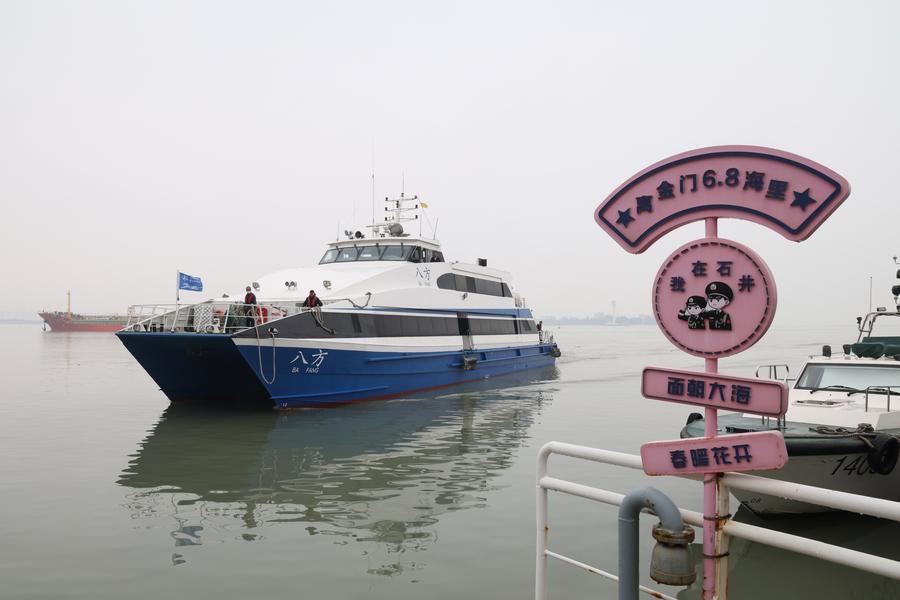
According to the statement, efforts will be made to support the coastal areas of Fujian Province — the mainland region closest to Taiwan — in sharing water, electricity and gas supplies with the offshore islands of Kinmen and Matsu, and to promote construction of sea-crossing bridges linking them, when conditions permit.
The mainland will also move to resume regular direct passenger flights across the Strait, including routes to and from Urumqi, Xi’an, Harbin, Kunming and Lanzhou.
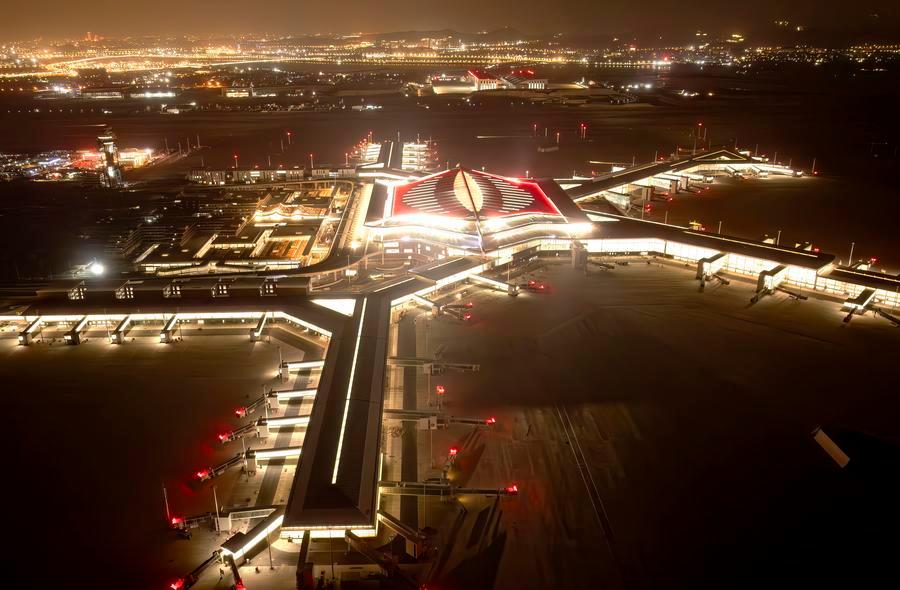
Kinmen will be supported to use a new airport under construction in the nearby mainland city of Xiamen, expected to begin operations by the end of 2026.
Lee Chou-hsi, a Tsinghua University graduate student from Taiwan, welcomed the new measures. “During my undergraduate study in Changsha, I had to transfer flights to and from Taiwan, which was very inconvenient at the time,” said Lee. “More direct flights between mainland cities and Taiwan will surely benefit students and tourists.”
A communication mechanism will be set up on the common political foundation of adhering to the 1992 Consensus and opposing “Taiwan independence” to facilitate the entry of Taiwan’s agricultural and fishery products that meet the quarantine standards into the mainland.
Efforts will also be made to help Taiwan’s agricultural and fishery products gain access to various mainland trade fairs to expand their sales channels.
The mainland will explore building wharves and berths in regions where conditions permit for distant-water fishing vessels from the Taiwan region, and mull providing convenience for the sales of their fish catch on the mainland.
It will also facilitate registration procedures for qualified Taiwan food manufacturers and the entry of their food products into the mainland market.
The mainland will explore the establishment of more trading markets for small-ticket items with Taiwan and support micro, small and medium-sized enterprises from Taiwan to expand business on the mainland.
Mainland cities such as Fuzhou and Xiamen have long established such markets, allowing small businesses from Taiwan to directly sell specialty commodities to mainland buyers.
Wu Chia-ying, executive vice president of the Association of Taiwan Investment Enterprises on the Mainland, said that the measures respond to the practical needs of business development such as reducing operating costs and improving access to the mainland market.
“We hope these measures will be implemented as soon as possible,” Wu said, adding that the association will play a bridging role to help Taiwan businesses better seize opportunities and participate in the country’s modernization drive, contributing to a stronger Chinese economy.
Youth, culture
The statement said that an institutionalized platform will be set up to promote two-way exchanges between young people on both sides of the Strait. The All-China Youth Federation and other relevant mainland institutions will invite 20 youth groups from Taiwan to visit the mainland for exchanges every year.
Fan Chiang-feng, a young Taiwan entrepreneur based on the mainland, said that the establishment of a regular platform for young people on both sides of the Strait would help break down information barriers. “Our generation on both sides of the Strait should move forward together,” he said.
To boost cultural ties, the mainland will allow qualified TV shows, documentaries and animations from Taiwan to be aired, and permit Taiwan residents to take part in the mainland’s fast-growing micro-drama industry.
Working in youth services in Xiamen, Wu Ping-chang from Taiwan was encouraged by the policies. “With more opportunities and confidence, I hope to take cross-Strait stories into the drama production in the future, enabling audiences on both sides to see more authentic and warm exchanges,” Wu said.
The statement also noted that the mainland will promote the resumption of individual tours for Shanghai and Fujian residents to Taiwan.
A pilot scheme allowing mainland individuals to tour Taiwan was introduced in 2011, but was suspended in 2019 — a few years after the secessionist Democratic Progressive Party came to power in Taiwan and stepped up plots to seek “Taiwan independence.”
Sheng Jiuyuan, director of the center for Taiwan studies at Shanghai Jiao Tong University, told Xinhua that the cumulative effect of these measures may reshape the pattern of cross-Strait exchanges.
“The two-way integration across the Strait, grounded in tangible improvements to people’s livelihoods, will lay a broad and durable foundation of public support and foster profound mutual trust,” Sheng said.
An aerial drone photo taken on Jan. 20, 2026 shows a night view of the Xiamen Xiang’an International Airport in Xiamen, southeast China’s Fujian Province.A ferry linking Fujian Province on the mainland with Kinmen approaches a passenger terminal in Quanzhou, southeast China’s Fujian Province, April 3, 2026.
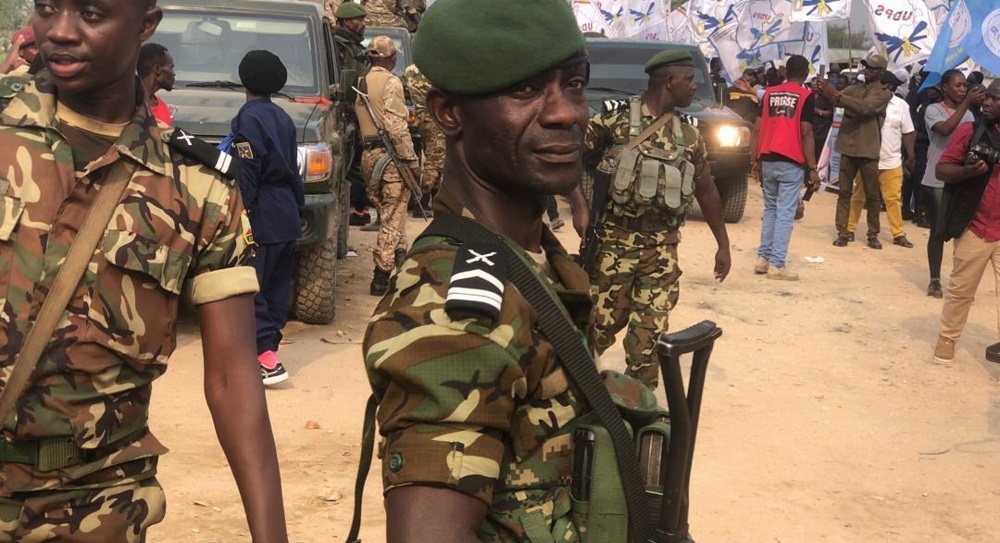
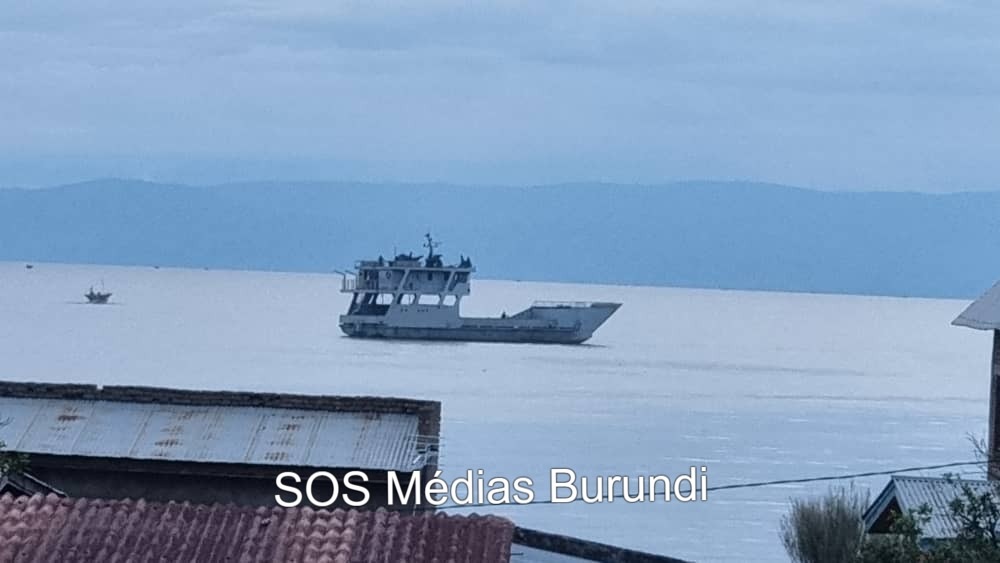
According to SOS Médias, on the evening of April 14, 2026, a large Burundian military vessel was seen at Rumonge port on Lake Tanganyika, carrying soldiers and military equipment.
The vessel continued its journey to the town of Baraka in Fizi Territory, South Kivu. The deployed troops are expected to be sent to frontline areas including Gakenke, Mikenke, Kalingi, and Mulima.
Reports indicate that Burundian forces, together with DRC government troops and Wazalendo militia groups, are planning an offensive aimed at capturing Minembwe commune, a strategic area currently controlled by Twirwaneho, a group formed to protect the Banyamulenge community.
By early December 2025, Burundi reportedly had more than 20,000 troops in South Kivu. Some of these forces were withdrawn after the AFC/M23 coalition took control of several areas in Uvira Territory, including Uvira town.
Sources in South Kivu say that after months of regrouping, the Burundian government has recently resumed military deployments to the front lines in an effort to retake previously lost positions and capture new areas.
The AFC/M23 alliance has claimed that DRC forces, Burundian troops, Wazalendo fighters, FDLR elements, and mercenaries have continued launching attacks in several parts of South Kivu, including Gakenke, Kalingi, and Bidegu.
The group says these operations are aimed at disrupting ongoing peace talks taking place in Switzerland since April 13, accusing the DRC government of preferring military escalation over dialogue.
AFC/M23 maintains that it seeks a political solution to its conflict with the DRC government, but insists it will continue to defend itself and protect civilians if attacks persist.
According to SOS Médias, on the evening of April 14, 2026, a large Burundian military vessel was seen at Rumonge port on Lake Tanganyika, carrying soldiers and military equipment. Sources in South Kivu say that after months of regrouping, the Burundian government has recently resumed military deployments to the front lines in an effort to retake previously lost positions and capture new areas.
Ivorian First Lady Dominique Ouattara discussed the project with Alexandre Roquette, director general of the European Cancer Institute in Abidjan.
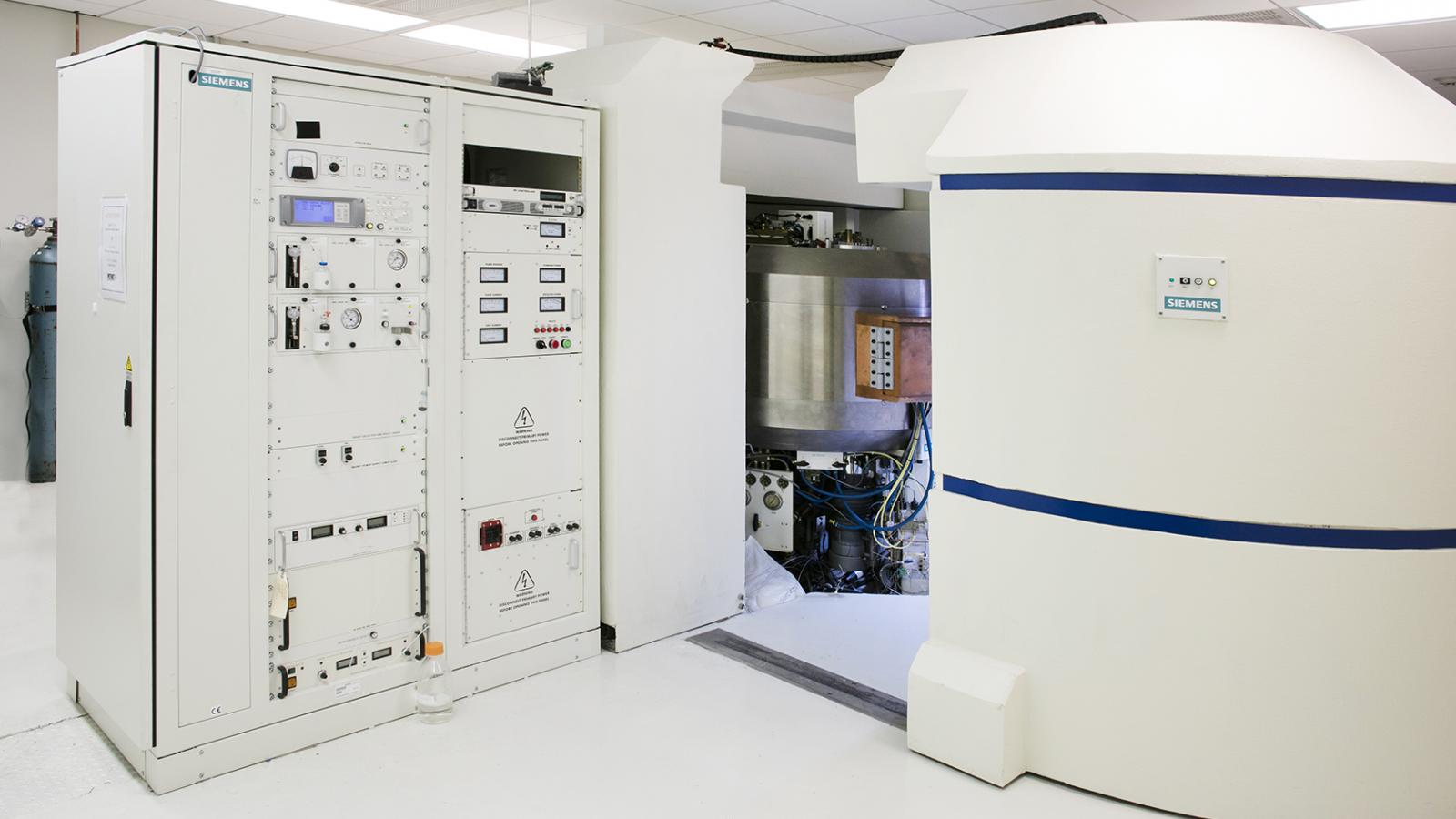
Roquette said the planned European Center for Nuclear Medicine will be equipped with a cyclotron and PET scan technology, making it the first facility of its kind in the region.
He said the center will improve cancer diagnosis and treatment in Cote d’Ivoire and reduce the need for patients to travel abroad for care.
Ouattara applauded the initiative and efforts to strengthen medical infrastructure and expand access to advanced healthcare services.
The project is expected to enhance early disease detection and improve treatment capacity, positioning Cote d’Ivoire as a regional hub for nuclear medicine.
A file photo of a medical cyclotron. The Côte d’Ivoire project is expected to enhance early disease detection and improve treatment capacity.
Pope Leo XIV began his African tour on April 13, starting in Algeria before concluding his visit there on April 14, 2026.
In Cameroon, the Pope is expected to focus on key themes including peace, coexistence, youth development, and holistic human development—covering economic, social, spiritual, and physical dimensions of life.
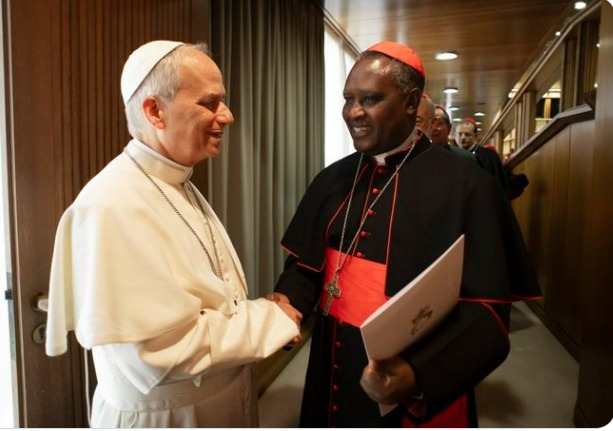
Antoine Kambanda was elevated to Cardinal on November 28, 2020, by Pope Francis.
Since then, the Vatican has appointed him as a member of the Dicastery for Evangelization and the Dicastery for Culture and Education in the Catholic Church.
Cardinals who accompany the Pope on his apostolic journeys are often those whose responsibilities align with the main themes of the visit.
During the wider African tour, Pope Leo XIV is also expected to focus on youth development, human progress, and the impact of corruption and colonial legacy in Angola.
In Equatorial Guinea, the Pope will emphasize education, culture, and the role of the Church in promoting peace.
A significant number of African Cardinals are part of the delegation accompanying Pope Leo XIV on this tour.
The Catholic Church has increasingly appointed African Cardinals to senior global roles, as part of efforts to strengthen the Church’s presence on a continent where more than 20% of its faithful live.
Cardinal Kambanda is among clergy accompanying Pope Leo XIV in Cameroon.
The 6’6” centre, born in Mumias in western Kenya, was selected as the 13th overall pick in the first round of the WNBA Draft, placing her among the newest additions to one of the world’s most competitive women’s basketball leagues.
Okot is known for her strong presence in the paint, elite rebounding ability and growing offensive versatility, attributes that have made her one of the most promising frontcourt players in this year’s draft class.
Her journey began in 2020 at Zetech University in Kenya before she moved to the United States to pursue higher-level competition. She later played for Mississippi State University for two seasons before transferring to the University of South Carolina, where her development accelerated.
At South Carolina, Okot averaged 12.8 points and 10.6 rebounds per game while shooting 57.5 per cent from the field, establishing herself as one of the most efficient players in the programme. She was also part of the Gamecocks squad that reached the NCAA Division I Women’s Basketball Championship final, competing at the highest level of U.S. college basketball.
Her selection by the Atlanta Dream marks a major milestone not only for her career but also for Kenyan basketball, as she becomes the first player from the country to enter the WNBA.
The WNBA Draft is an annual event where franchises select top college and international prospects to strengthen their rosters ahead of the season, which runs from May to September. Draft order is determined by the reverse standings of the previous campaign.
Okot will wear jersey number 26 for the Atlanta Dream, with the jersey already available for fans.
She joins a draft class shaped by a new collective bargaining agreement that has raised the salary cap to $7 million per team, significantly improving rookie contracts and overall earnings. First-year players now earn over $270,000 (about Rwf 393 million), while top picks can earn up to $500,000. Okot’s rookie contract at pick 13 is estimated at around $289,133 (Rwf 420 million).
The Atlanta Dream also selected Indya Nivar (28th overall) and Kejia Ran (43rd overall) to strengthen their squad. The additions join a core that includes Allisha Gray, Rhyne Howard, and Angel Reese as the franchise looks to compete with top teams such as the Las Vegas Aces.
President William Ruto has congratulated her, saying her milestone “fills our nation with pride” and serves as inspiration for young Kenyan athletes.
Okot has previously described her rise as surreal, noting her gratitude for how far she has come since starting basketball only six years ago.
The 6’6” centre, born in Mumias in western Kenya, was selected as the 13th overall pick in the first round of the WNBA Draft, placing her among the newest additions to one of the world’s most competitive women’s basketball leagues.
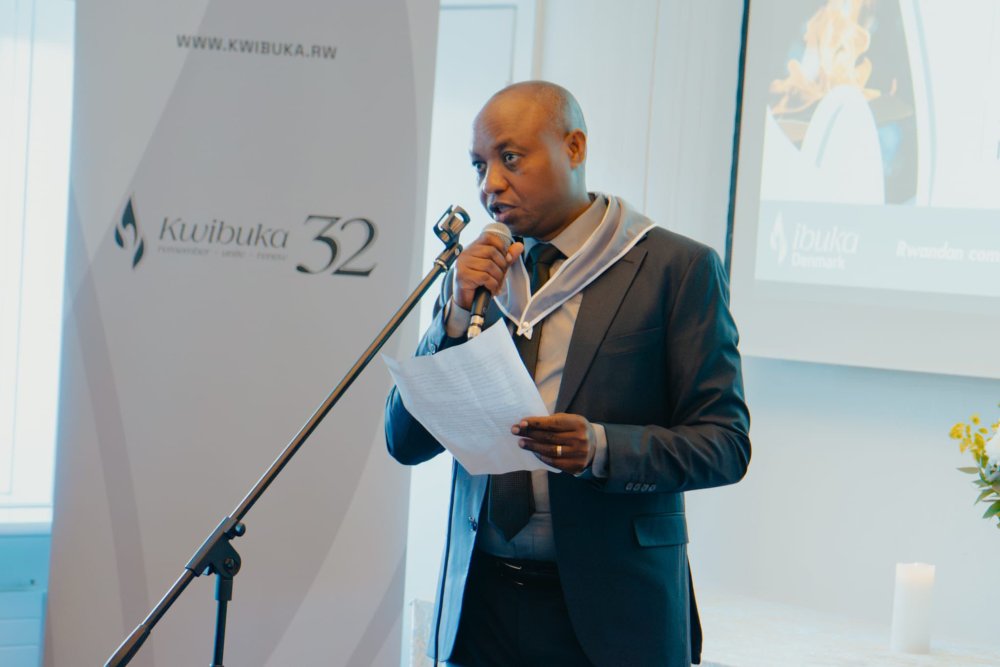
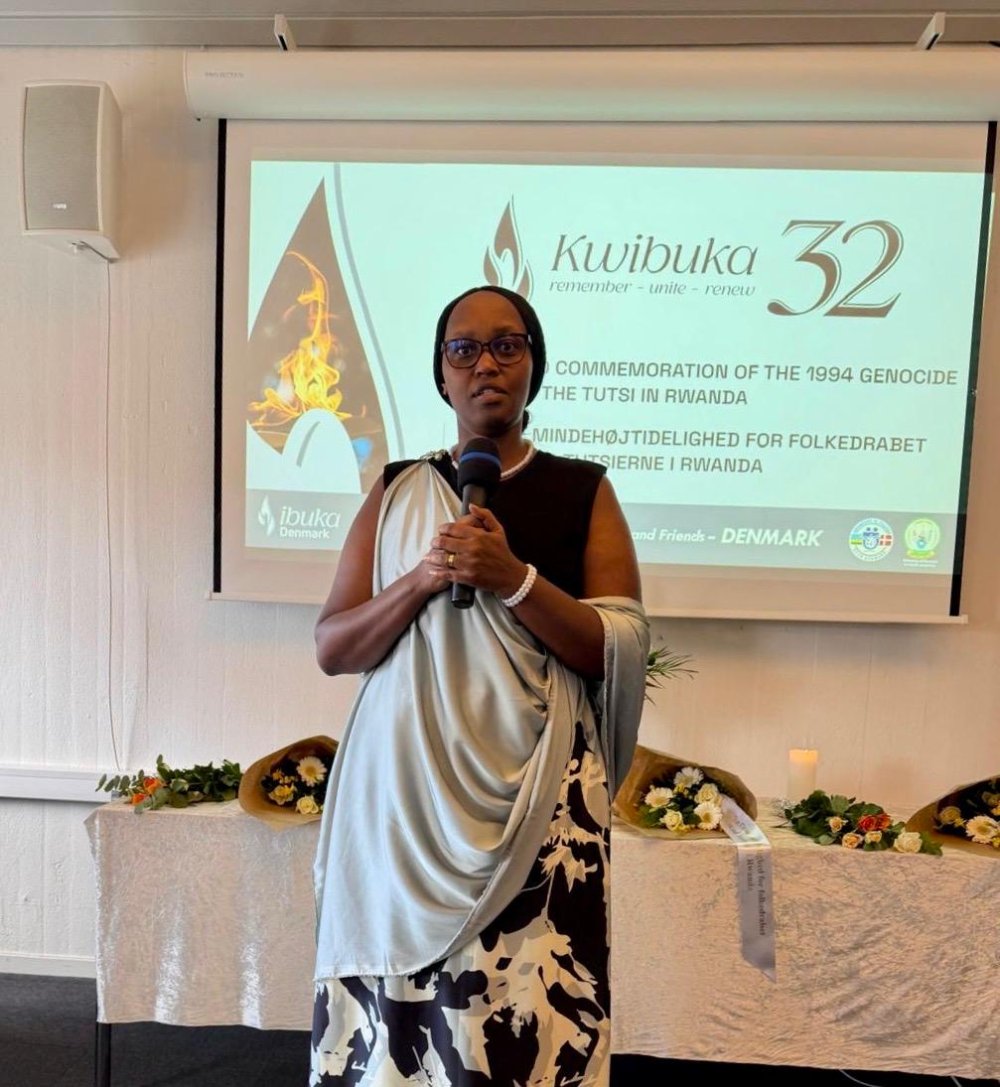
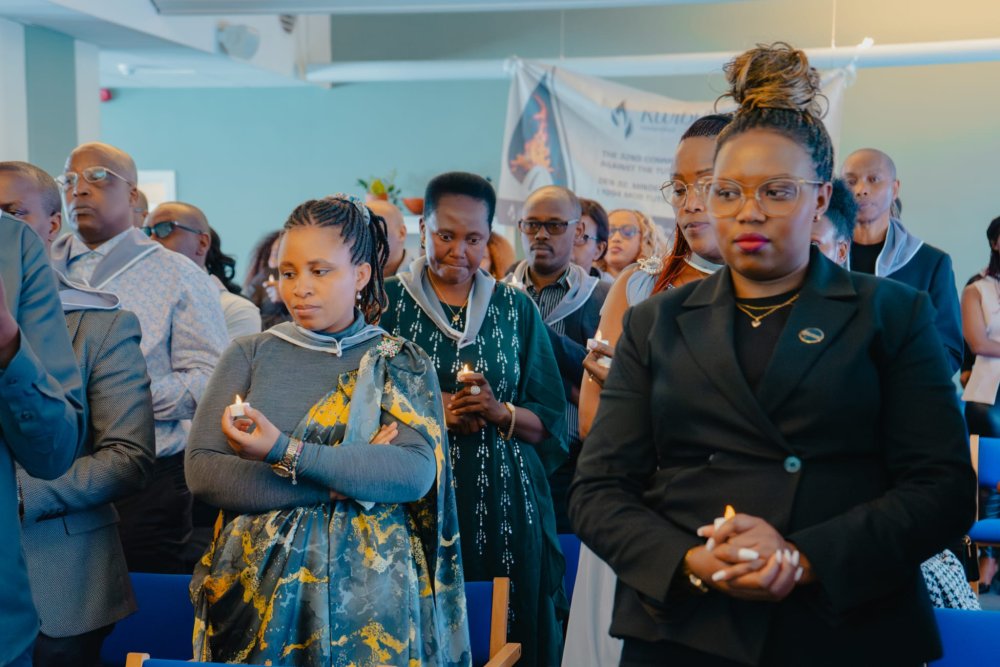
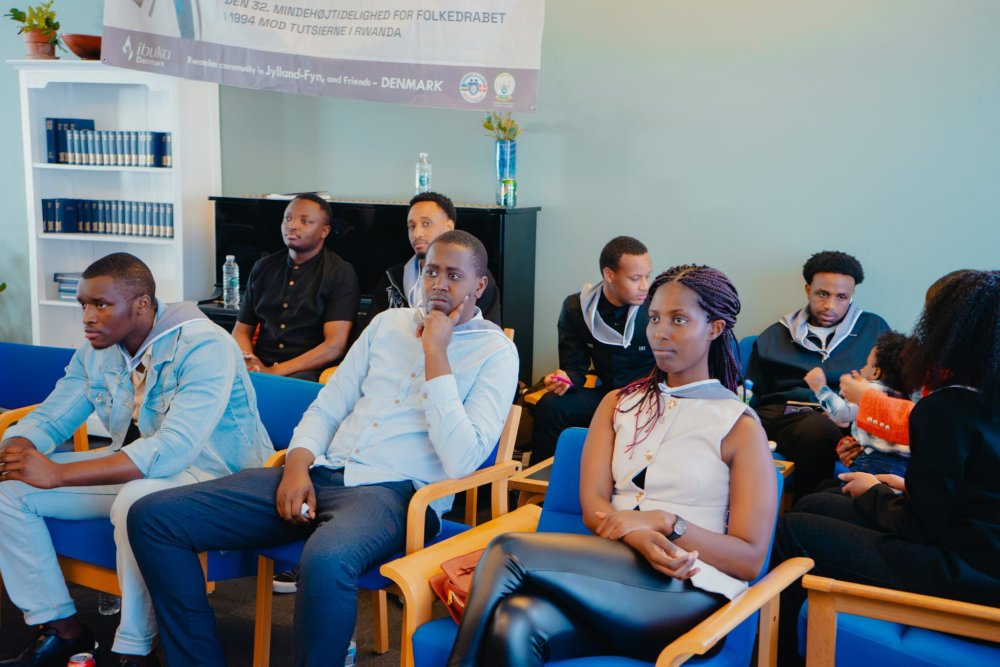
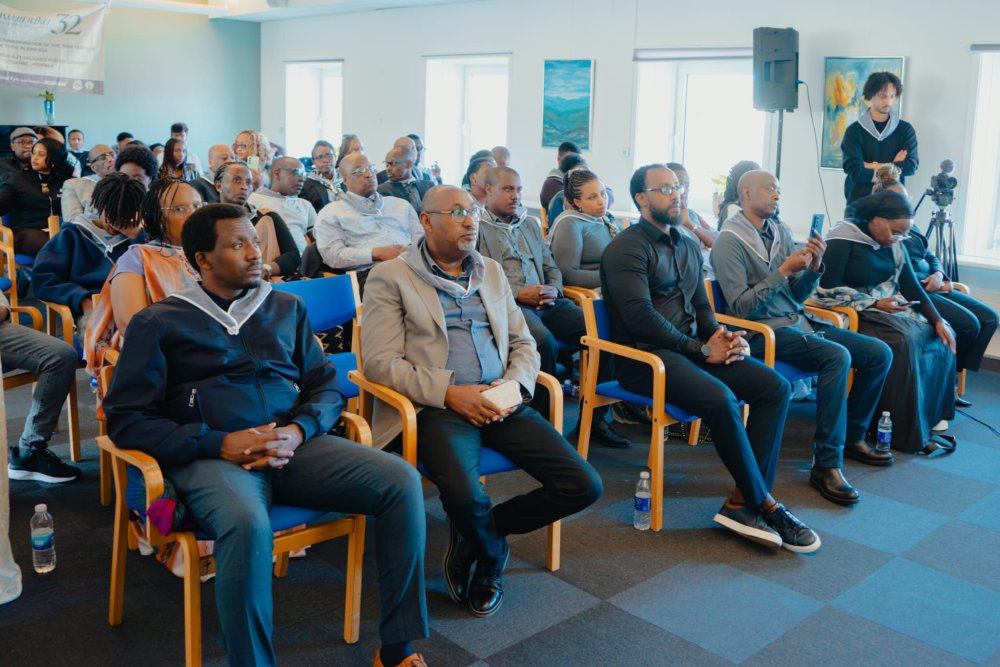
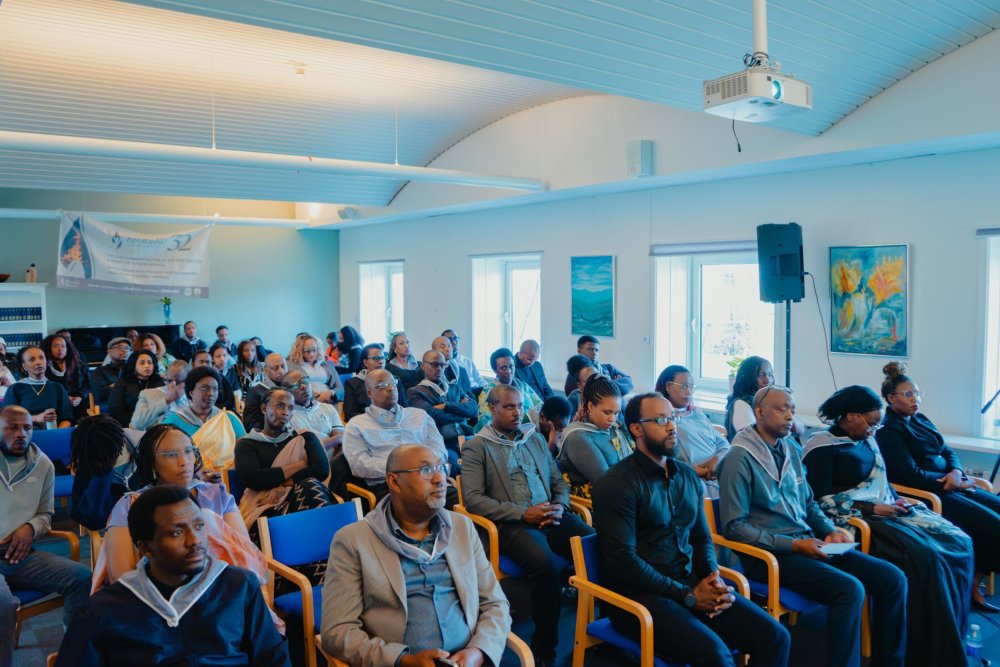
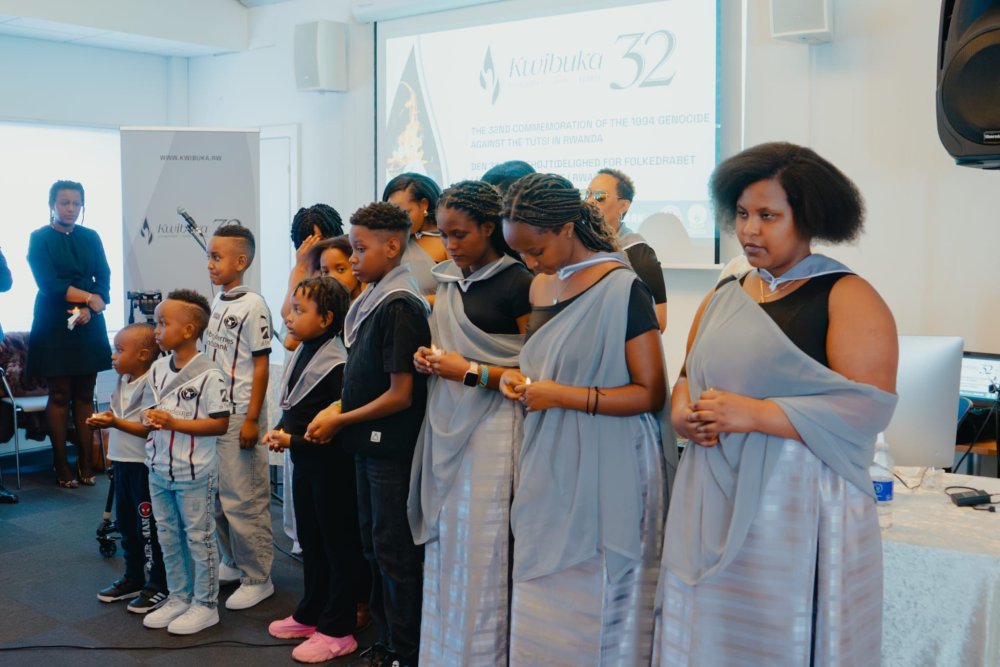
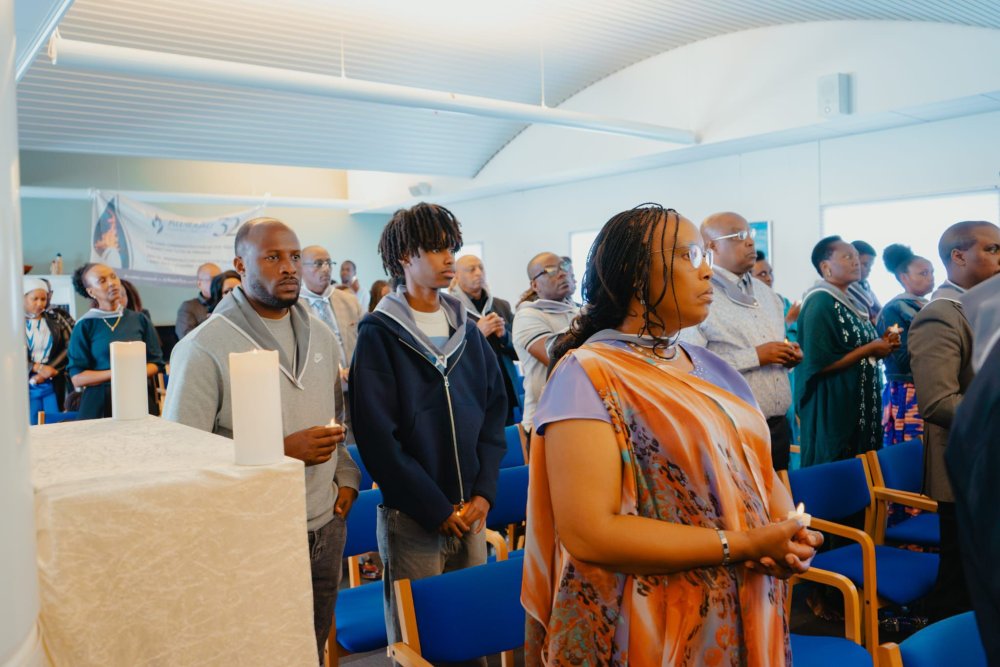
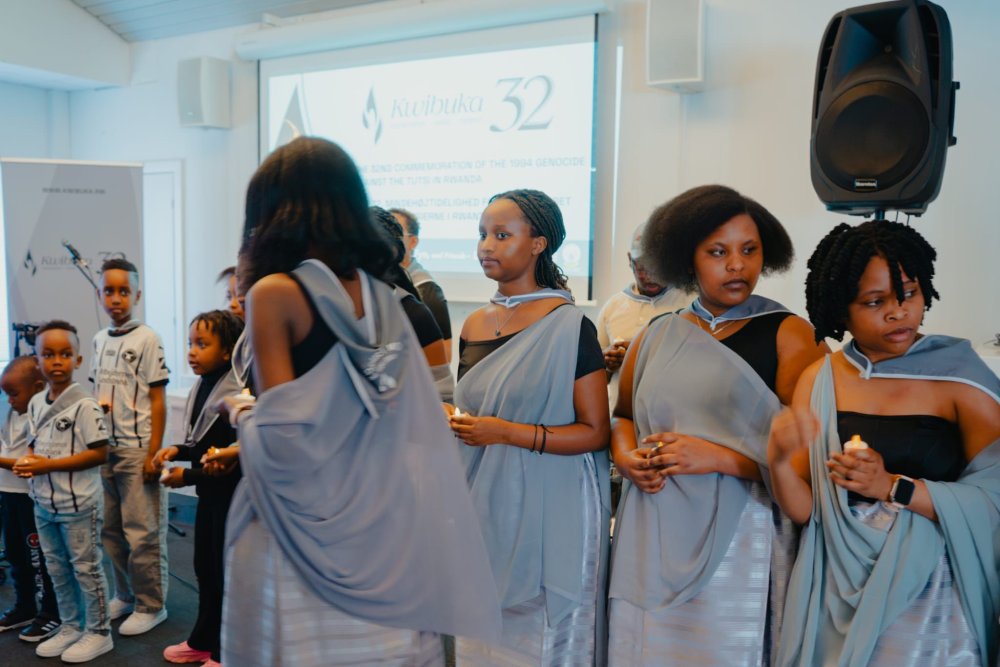
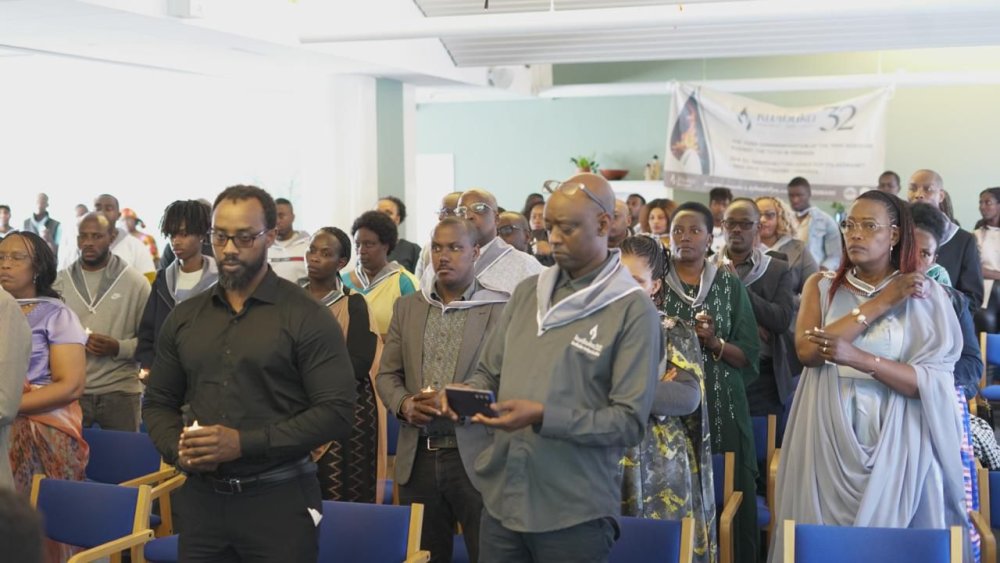
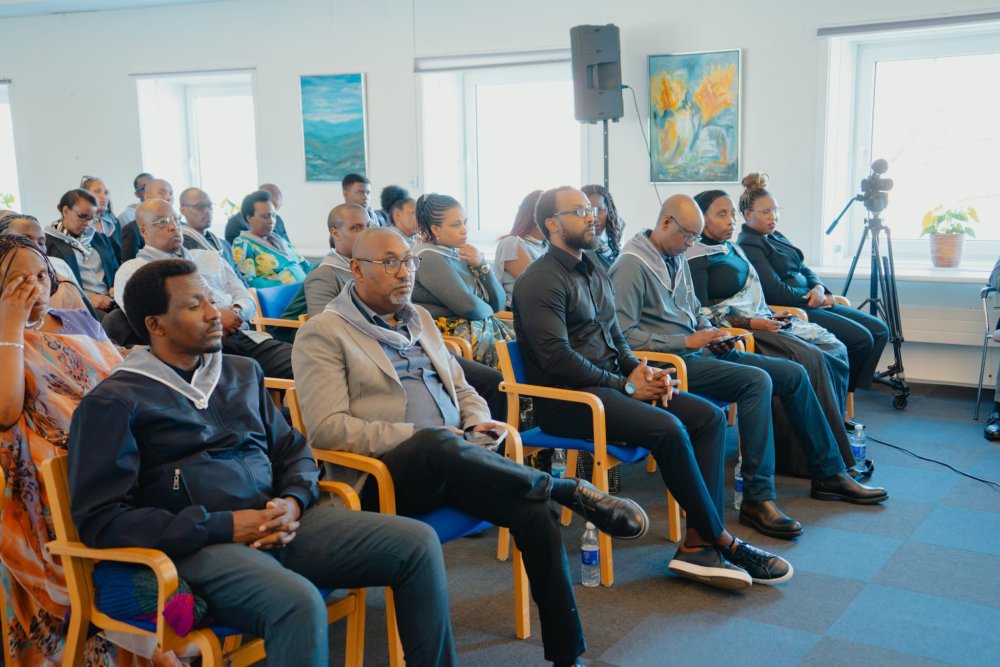
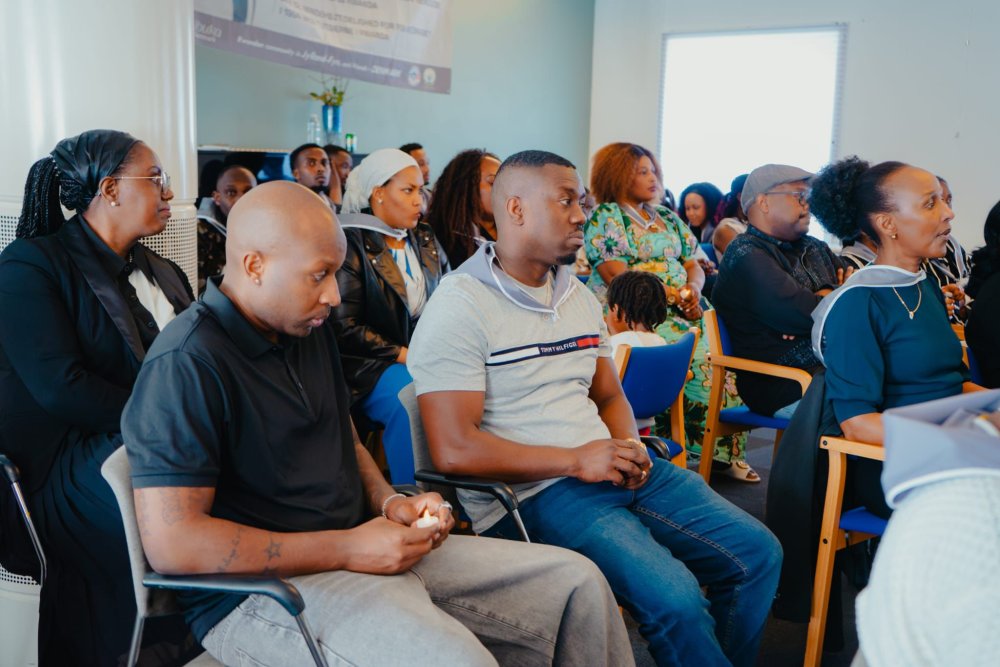
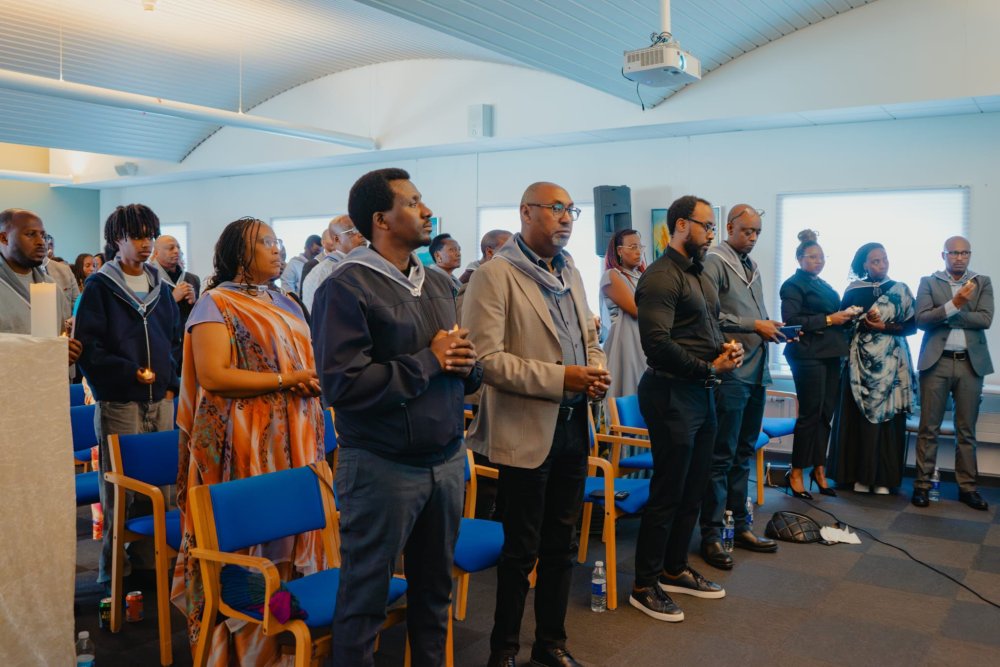
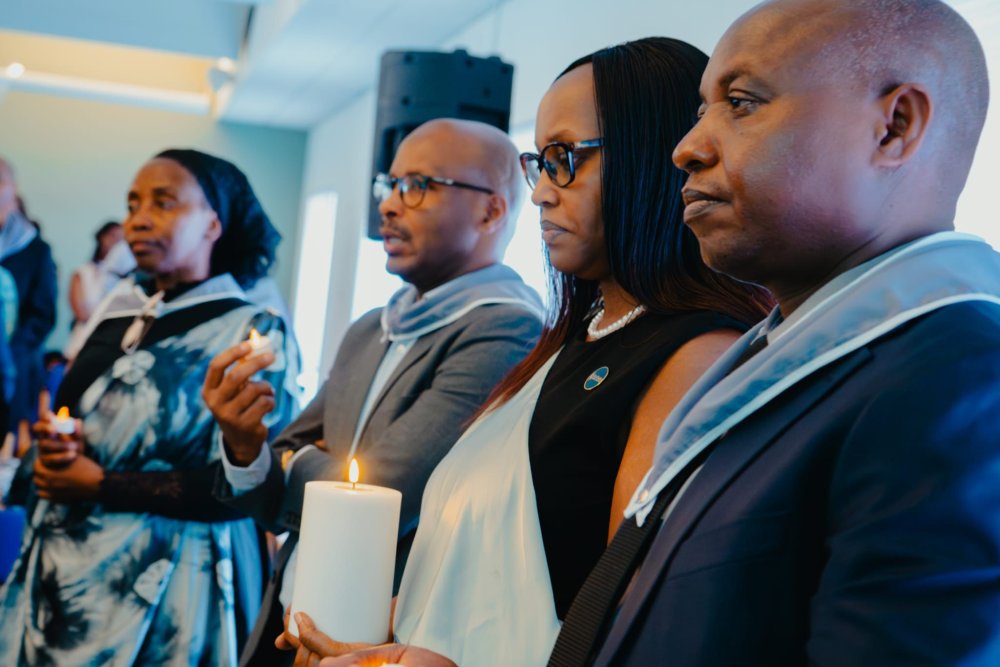
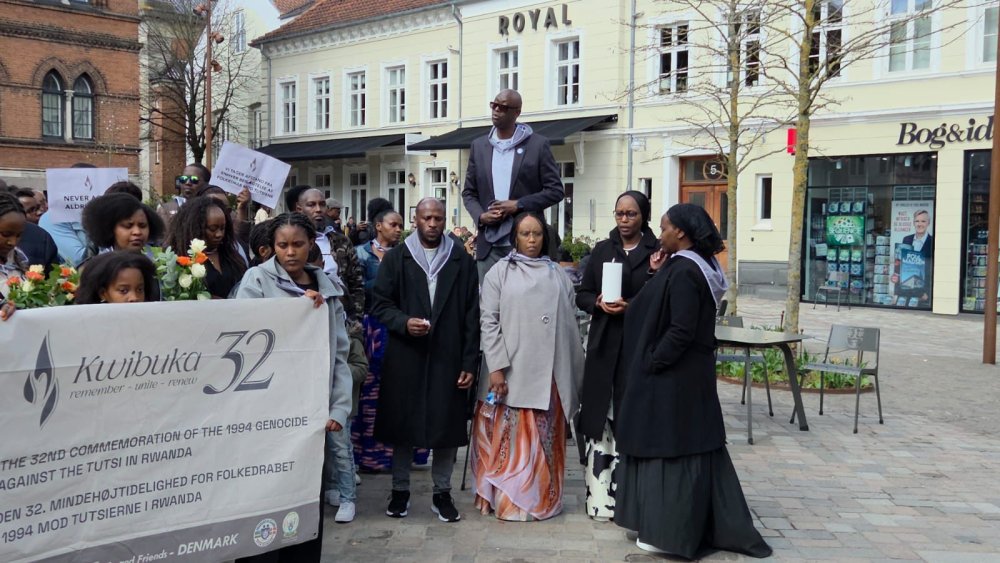
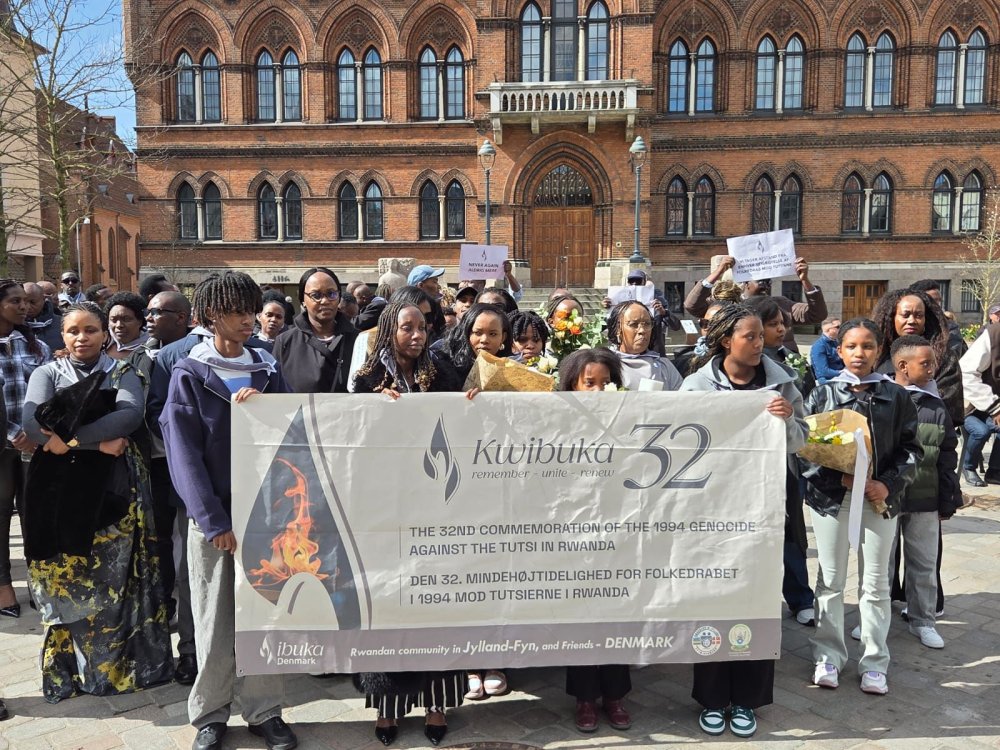
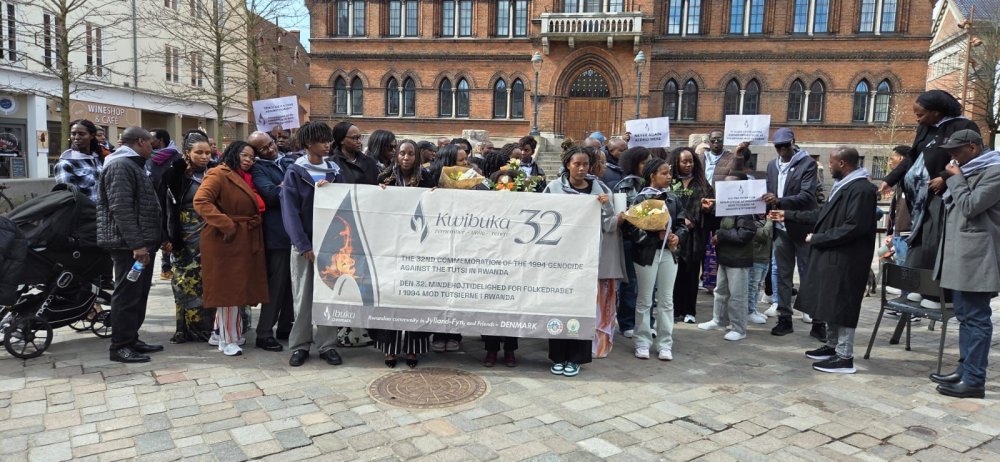
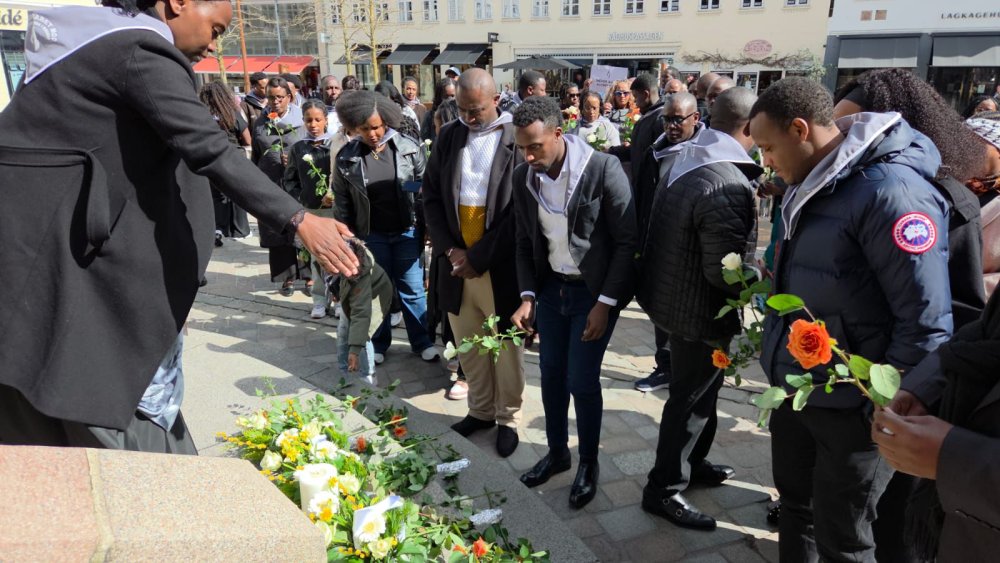
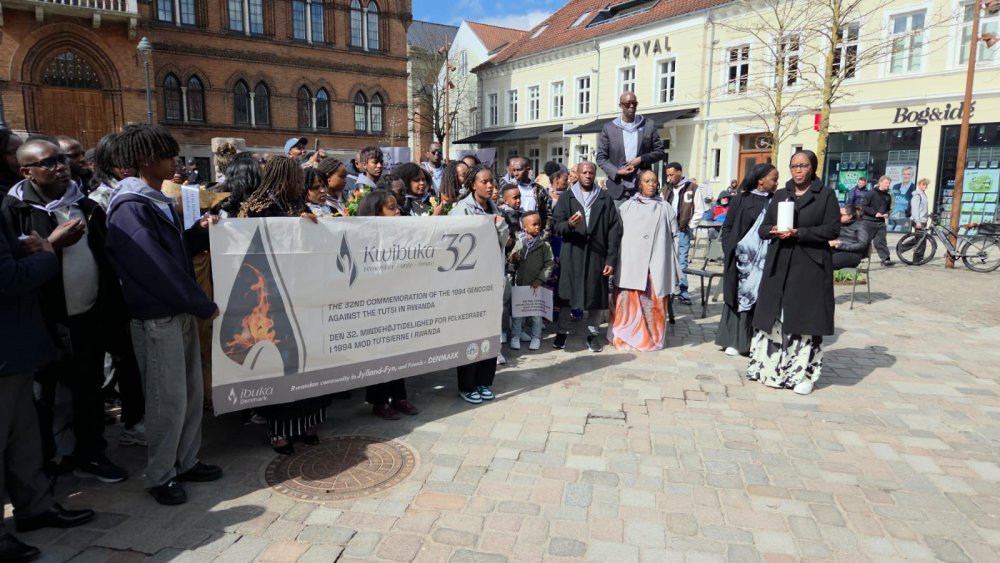
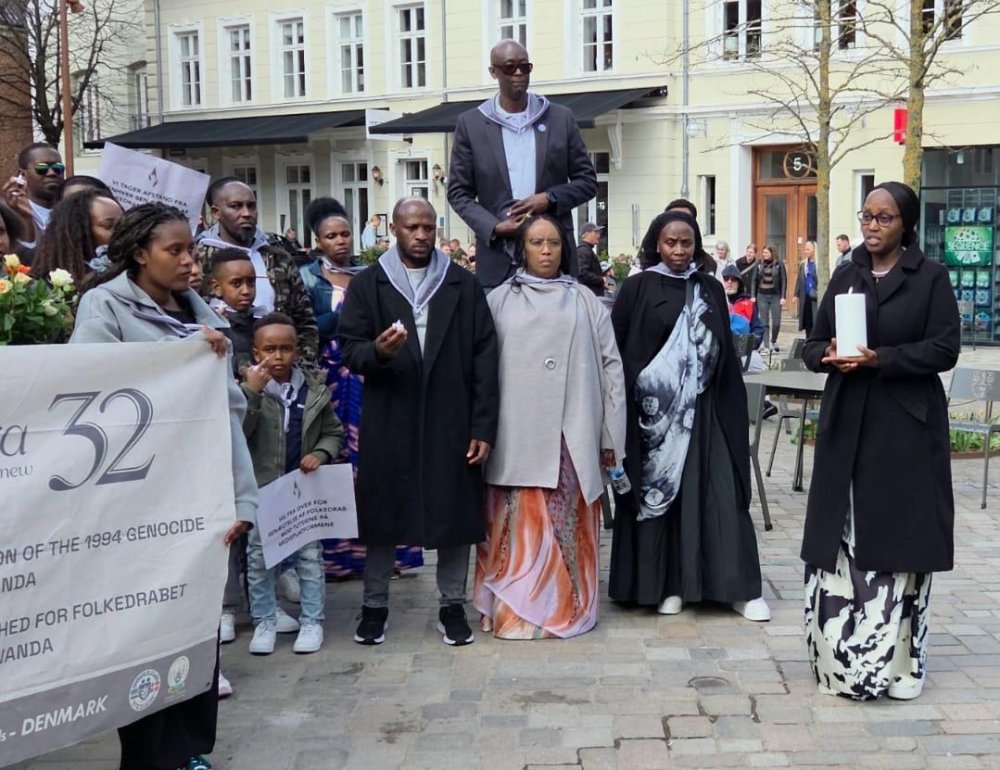
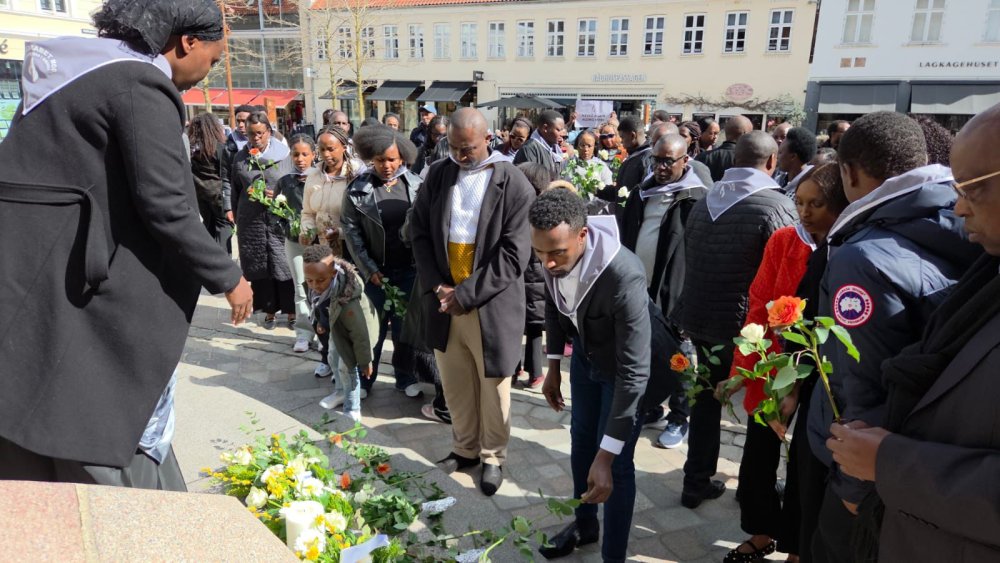
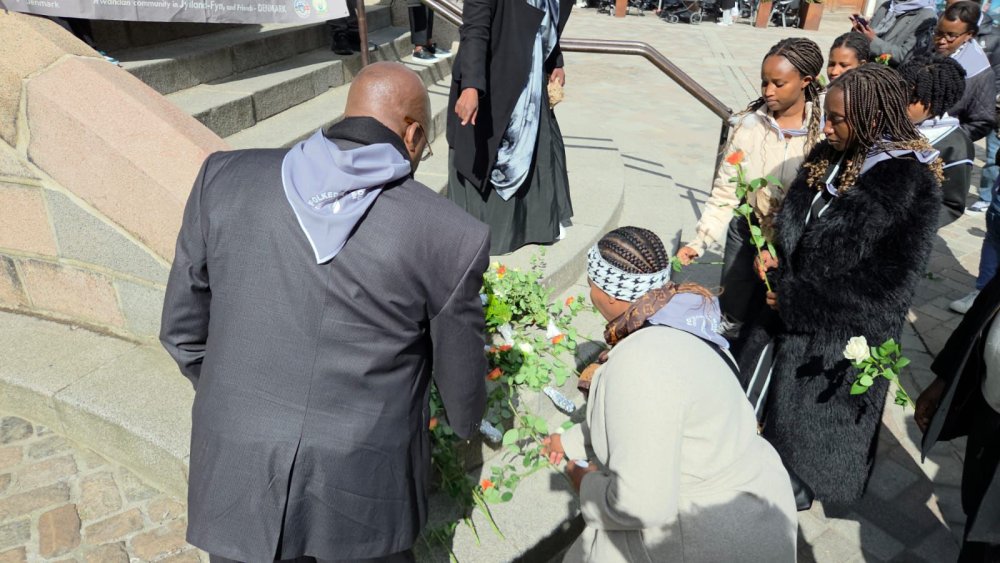
The commemoration event was jointly organized by Ibuka-Denmark and the Embassy of Rwanda in Sweden, which also covers several Nordic countries.
It was attended by Geraldine Umutesi, First Counsellor at the embassy, who represented Ambassador Diane Gashumba.
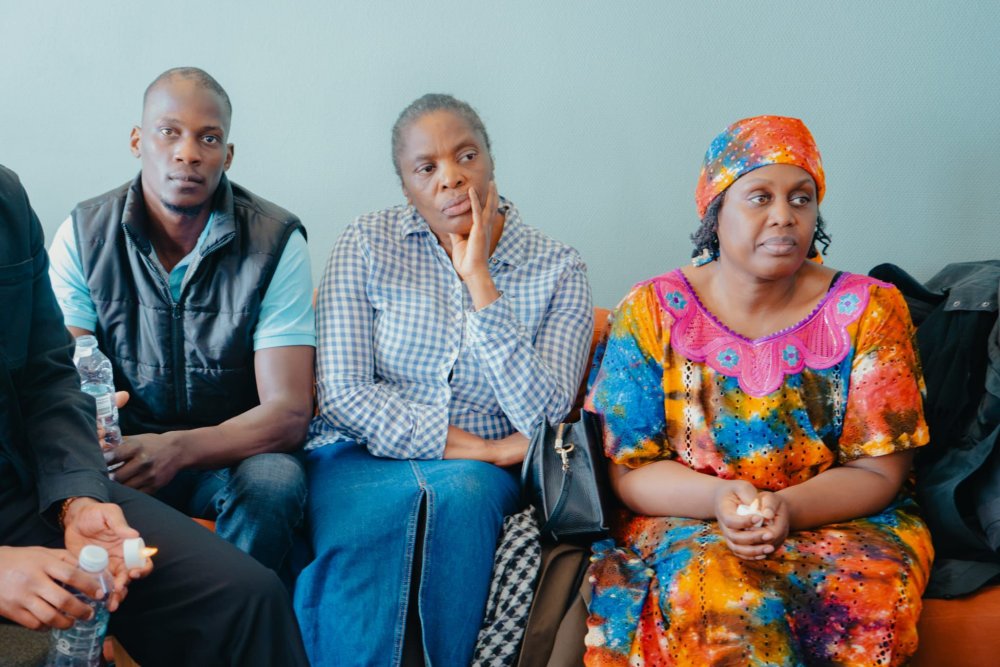
The event featured testimonies from survivors of the Genocide against the Tutsi, sharing how they endured and survived the atrocities.
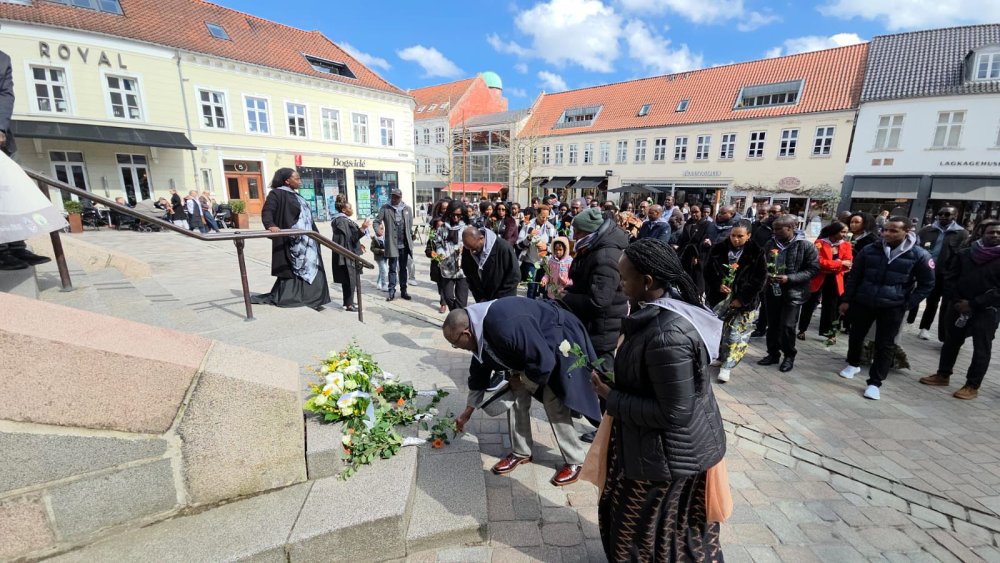
Youth performances, including songs focused on comfort and remembrance, were presented alongside discussions on the historical context that led to the 1994 Genocide against the Tutsi.
The commemoration began with a remembrance walk, followed by opening remarks from Paul Nkubana, head of the Rwandan community in Denmark.
“This is an annual event in our community. Thank you for joining Rwandans and their friends here, because remembrance concerns us all,” he said.
Egide Semukanya, representing Ibuka in Denmark, delivered a talk focusing on the historical events that led to the Genocide against the Tutsi.
He paid tribute to the sacrifices of the Rwandan Patriotic Front (Inkotanyi), many of whose members lost their lives while stopping the genocide and saving survivors.
Semukanya also highlighted Rwanda’s progress today, emphasizing governance rooted in unity beyond ethnic divisions, and collective citizen participation in national development.
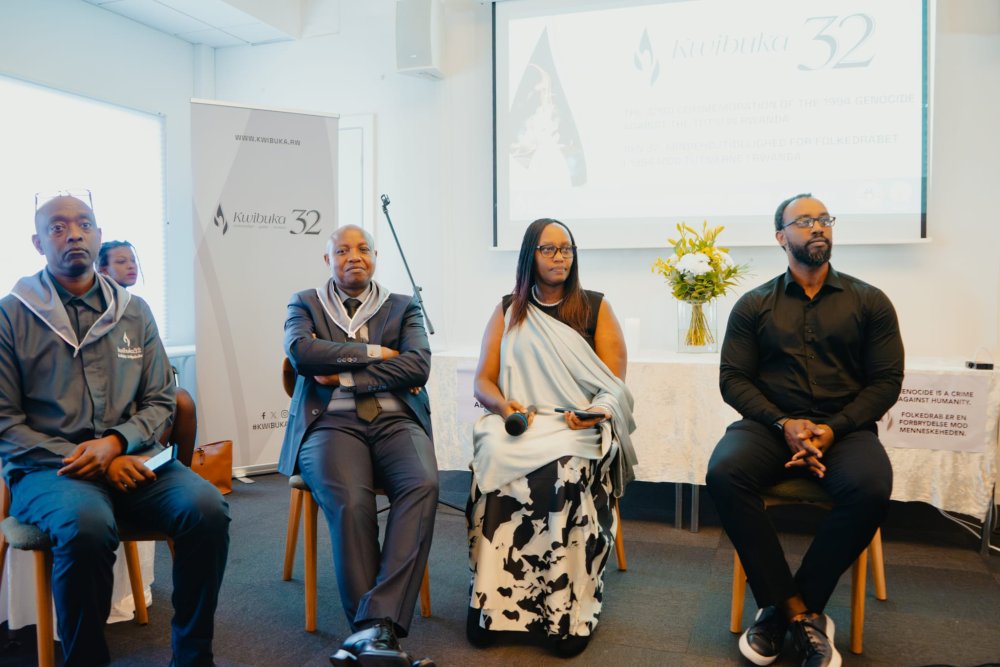
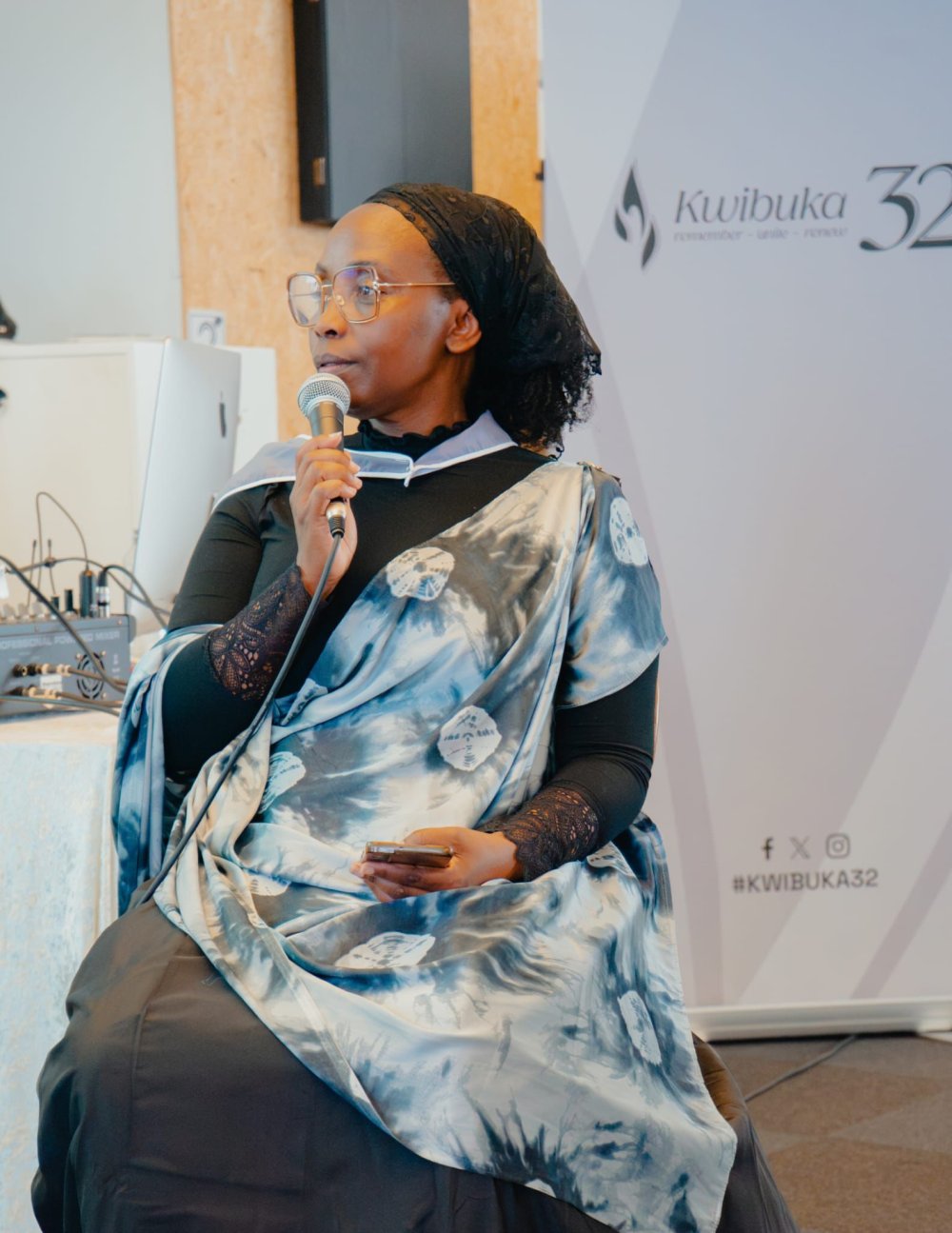
A panel discussion moderated by Jackline Hansen brought together speakers including Dr. Innocent Ngoga, Egide Semukanya, youth representative Jean Claude Gakimbiri, and Geraldine Umutesi.
In her remarks, Umutesi emphasized that today’s Rwanda, under the visionary leadership of President Paul Kagame, promotes unity through initiatives such as the Ndi Umunyarwanda program.
“Avoid divisionism, because it is what led us to where we are today, remembering victims of the Genocide against the Tutsi,” she said.
She urged participants to actively challenge genocide denial and trivialization, particularly when motivated by personal or political interests, calling for adherence to historical truth.
“The truth is clear and visible to everyone—except those who have an interest in hiding what they or their parents did,” she noted.
Umutesi also reminded attendees that during the 1994 Genocide against the Tutsi, Rwanda was largely abandoned as the international community stood by.
She warned that similar patterns appear to be unfolding today in Democratic Republic of the Congo, where violence targeting Kinyarwanda-speaking communities, especially Tutsis, continues.
“Those who once destroyed Rwanda are now collaborating with authorities in the DRC in acts of violence and killings, while the world watches. It is painful that the lessons from Rwanda’s history have not been learned,” she said.
Umutesi concluded by commending the Rwandan community leadership in Denmark, particularly those in Jutland and Funen, for organizing the commemoration, and reassured them of the embassy’s continued support.
Egide Victor Semukanya, head of Ibuka Denmark, emphasized that remembrance concerns everyone. Geraldine Umutesi, First Counsellor at the Embassy of Rwanda, attended the commemoration event. Dr. Innocent Ngoga, Egide Semukanya (head of Ibuka Denmark), Jean Claude Gakimbiri, and Geraldine Umutesi, First Counsellor at the Embassy of Rwanda to the Nordic countries, delivered presentations during the event.The discussion session was moderated by Jackline Hansen and brought together Dr. Innocent Ngoga, Egide Semukanya (head of Ibuka Denmark), Jean Claude Gakimbiri, and Geraldine Umutesi.
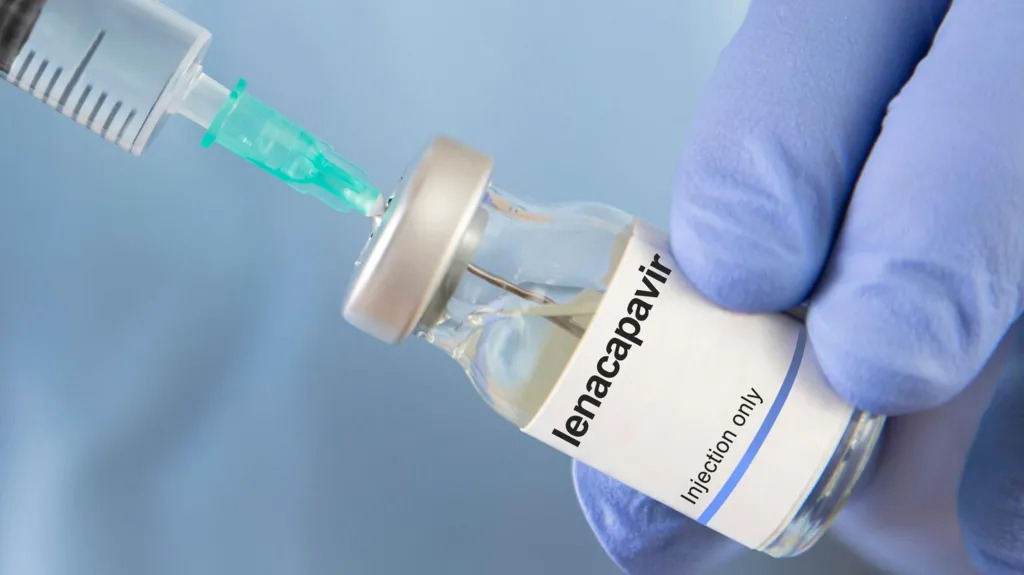
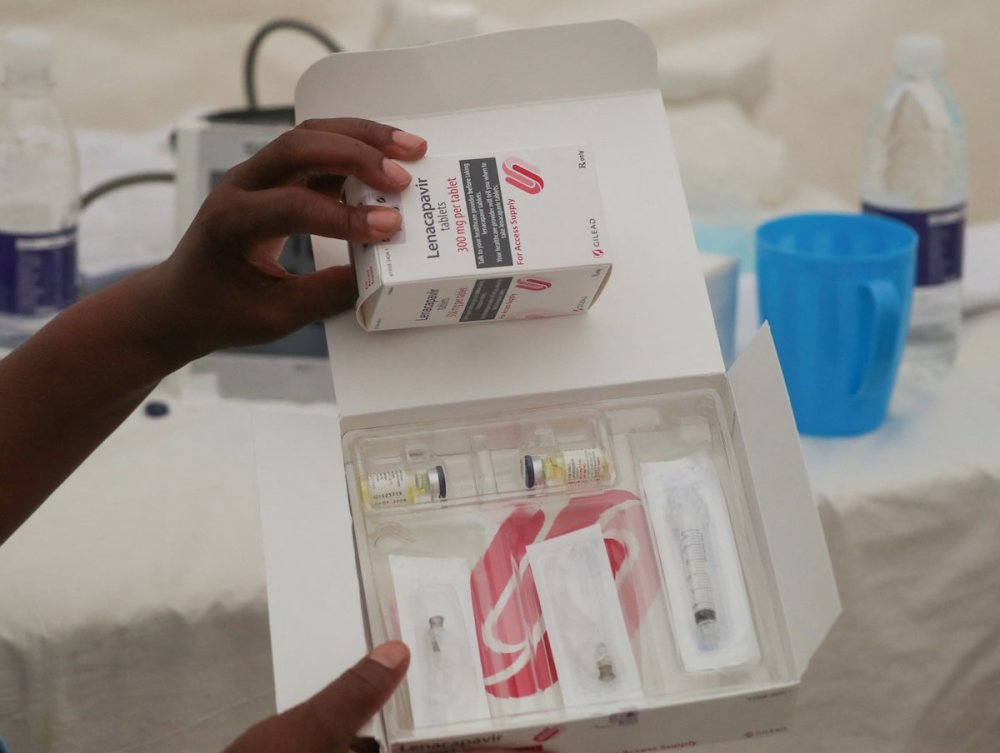
The announcement, made on April 14, 2026, comes as the two partners scale up their commitment to increase access to HIV pre-exposure prophylaxis (PrEP) using lenacapavir, a twice-yearly injectable that has shown near 100% effectiveness in clinical trials.
Under the expanded initiative, an additional 1 million people are expected to be reached over the next three years, bringing the total target to 3 million people by 2028.
Lenacapavir is designed as a long-acting alternative to daily oral PrEP, offering a discreet and highly effective option for HIV prevention. Health experts say it could transform prevention efforts, particularly among populations that face challenges with daily medication adherence.
“This expanded commitment in partnership with the United States reflects both the scale of the opportunity and the urgency of the moment,” said Peter Sands, Executive Director of the Global Fund. He noted that long-acting prevention tools could help overcome long-standing barriers that have limited uptake of HIV prevention services.
Rwanda joins Benin, Botswana, Dominican Republic, Fiji, Georgia, Haiti, Honduras, Indonesia, Morocco, Papua New Guinea and Thailand as new countries supported for introduction of the injectable prevention tool.
The rollout builds on earlier distribution to nine African countries, including Kenya, Uganda, South Africa, Nigeria, Zambia and Zimbabwe, where early data shows strong uptake among priority groups such as adolescent girls and young women, pregnant and breastfeeding women, and individuals accessing PrEP for the first time.
According to the Global Fund, the expanding interest from countries reflects growing demand for more user-friendly HIV prevention methods that reduce reliance on daily pills. Early implementation data suggests that injectable PrEP could significantly improve access among people who have not previously used prevention services.
The initiative is also being supported through voluntary licensing agreements by Gilead Sciences, allowing manufacturers to produce more affordable generic versions of lenacapavir. This is expected to expand supply in the coming years, alongside ongoing shipments of the original product.
Global Fund officials say the priority now is ensuring rapid but responsible rollout, with strong involvement of community-led organisations in building awareness, trust, and uptake in high-risk populations.
“The level of country demand we are seeing is both encouraging and urgent,” said Mark Edington, Head of Grant Management at the Global Fund. “Countries recognise the transformative potential of LEN to reach populations that have not been adequately served by existing tools.”
The Global Fund emphasised that it is working closely with governments and partners to align implementation with national HIV strategies and ensure equitable access as the program scales up.
The expanded initiative is expected to significantly strengthen global HIV prevention efforts, with Rwanda among the countries set to benefit from the introduction of one of the most promising new prevention technologies in recent years.
Under the expanded initiative, an additional 1 million people are expected to be reached over the next three years, bringing the total target to 3 million people by 2028.