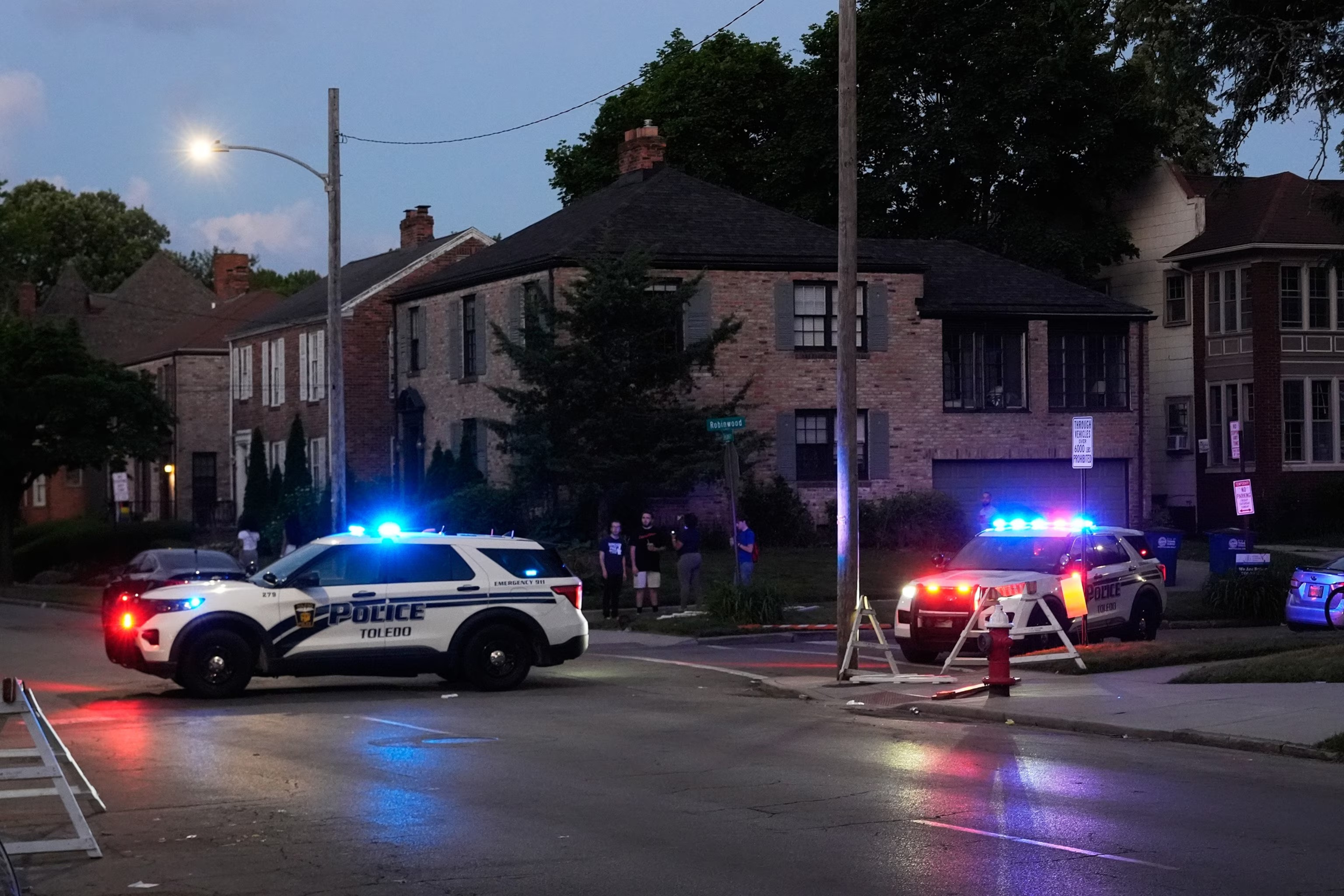
It appeared there were at least two people who were “probably shooting at each other,” Toledo Deputy Police Chief Joe Heffernan said, adding that police are still searching for the suspects and advise the public to avoid the surrounding areas.
Toledo Police Department officers responded to a report of a person shot in an area near the Old West End Festival at approximately 5:37 p.m. local time (2137 GMT) and discovered multiple shooting victims. The injured were taken to hospitals for treatment.
The Old West End Festival is a two-day event featuring live music, food markets, house tours and shopping.
At least 12 people were shot Saturday afternoon near a community festival in Toledo, U.S. state of Ohio, with two in critical condition.
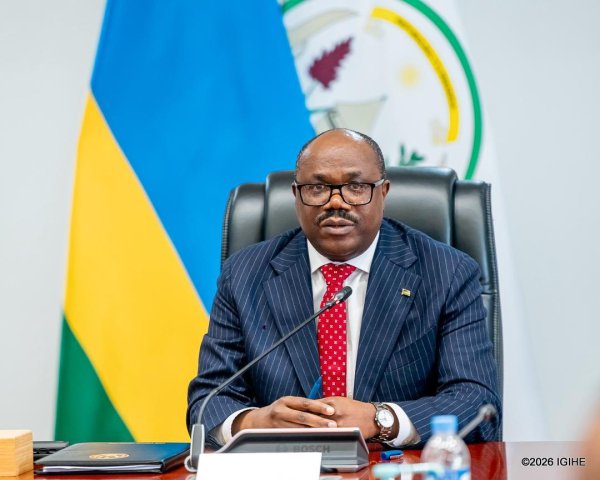
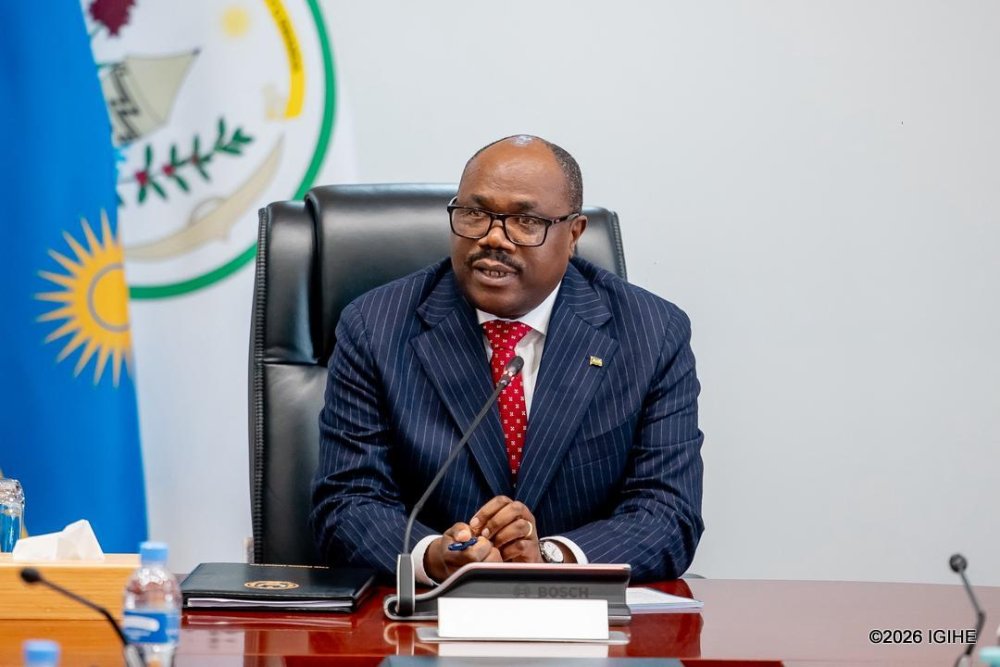
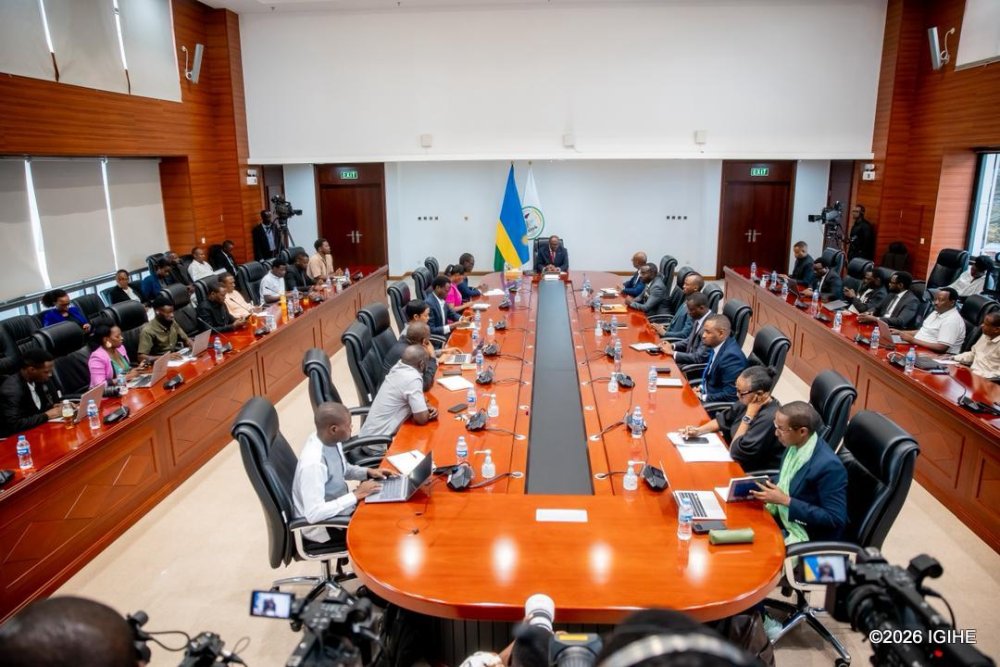
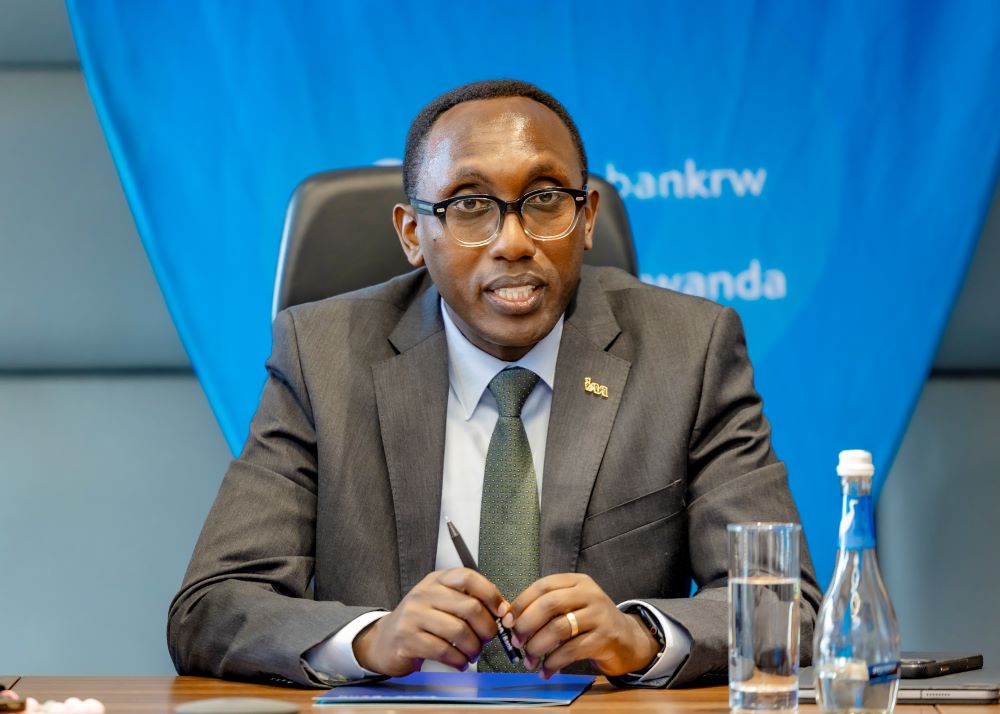
Speaking during a press briefing on June 6, Prime Minister Dr. Justin Nsengiyumva said Rwanda has strengthened surveillance, prevention and response systems to protect public health while ensuring that economic and social activities continue uninterrupted.
“The Ebola outbreak continues to be reported in the eastern region of Africa. However, Rwanda has strengthened its prevention measures and monitoring, and we are confident in protecting the lives of our citizens without disrupting economic activities and the normal social life of the population,” he said.
Nsengiyumva noted that the Ministry of Health and the Rwanda Biomedical Centre (RBC) are closely tracking developments in the region and will continue updating the public on preventive measures. He urged citizens to remain vigilant, observe good hygiene practices and seek medical attention if they experience symptoms associated with the disease.
Minister of Health Dr. Sabin Nsanzimana said Rwanda’s preparedness efforts are anchored on five pillars: public awareness and communication, surveillance, detection capacity, response capability, and human resources.
He said the country has continued to strengthen systems across all these areas, with a particular focus on prevention and early detection.
“The goal is prevention; we do not want to be in a situation where we are reacting after the fact,” he said, adding that health authorities closely follow developments in neighbouring countries, particularly in areas near Rwanda’s borders.
According to Nsanzimana, Rwanda has the capacity to rapidly identify suspected cases, including at border points, with test results often available within six hours. He also highlighted ongoing simulation exercises and training for healthcare workers, emergency responders and communication teams to ensure a coordinated response.
The current regional outbreak involves the Bundibugyo strain of Ebola, for which there is no approved vaccine or specific antiviral treatment, making surveillance, early detection and rapid containment critical to preventing its spread.
According to recent health data, the Democratic Republic of Congo has reported 452 confirmed cases and at least 82 deaths, while Uganda has recorded 19 confirmed cases and 2 deaths, including infections in Kampala, Wakiso and western border areas. Health authorities say ongoing transmission in neighbouring countries continues to require heightened vigilance across the region.
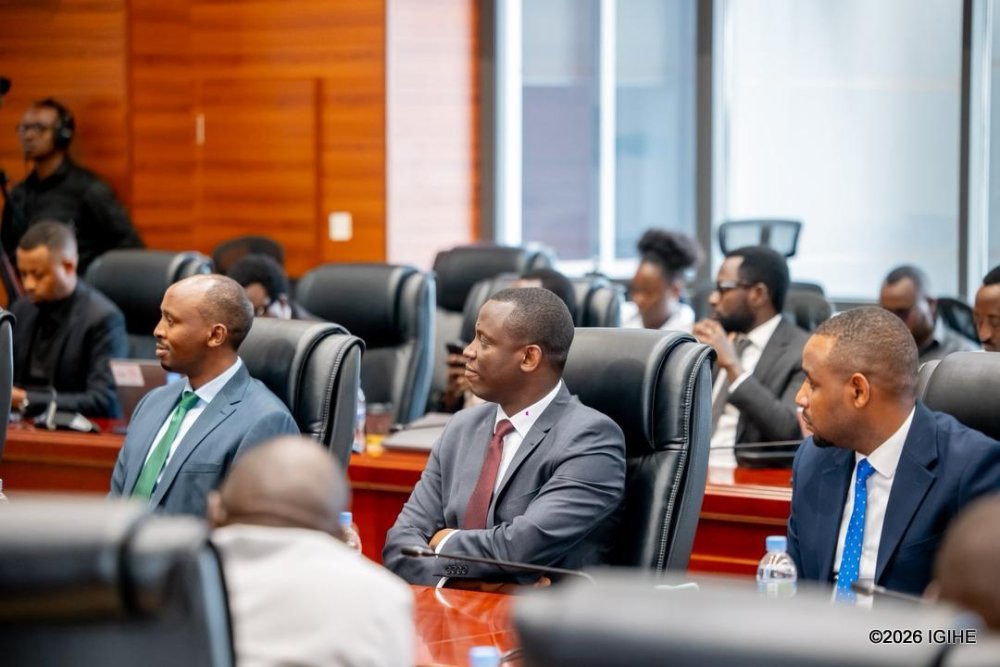
Speaking during a press briefing on June 6, Prime Minister Dr. Justin Nsengiyumva said Rwanda has strengthened surveillance, prevention and response systems to protect public health while ensuring that economic and social activities continue uninterrupted.Minister of Health Dr. Sabin Nsanzimana (left) said Rwanda’s preparedness efforts are anchored on five pillars: public awareness and communication, surveillance, detection capacity, response capability, and human resources.
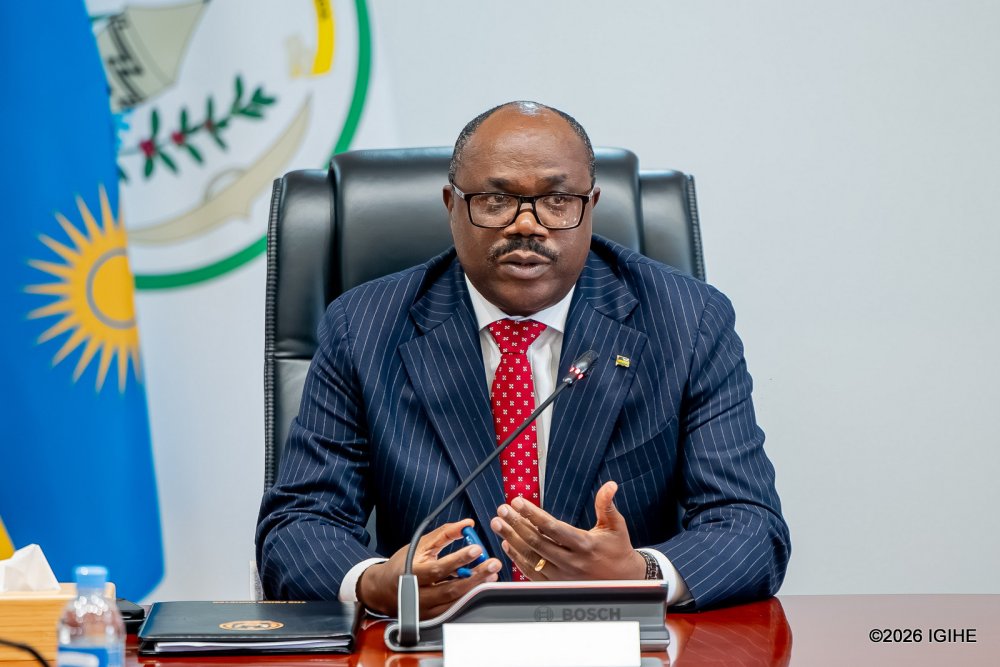
He made the remarks on Saturday during a press briefing on Rwanda’s economic situation and the impact of ongoing global tensions, particularly in the Middle East, on fuel prices and the wider economy.
According to the Prime Minister, diesel prices have risen by about Rwf 700 per litre due to increases on the international market. However, he noted that the government continues to cushion consumers through a subsidy that currently covers about 18.26% of the cost.
He explained that the official price released by RURA already reflects this support.
“In reality, the market price without subsidy would have been Rwf 3,581 per litre, but it was set at 2,927 Rwf,” he said.
On June 5, 2026, RURA announced that from June 6, the maximum pump prices would remain at Rwf 2,938 per litre for petrol and Rwf 2,927 for diesel.
Data shows that fuel prices have risen sharply since March 2026. Petrol has increased by about 47.7%, rising from Rwf 1,989 to Rwf 2,938 per litre, while diesel has gone up by 50.3%, from Rwf 1,948 to Rwf 2,927.
Diesel has seen a steeper rise between April and June, climbing from Rwf 2,205 to the current price level, while petrol has remained stable since mid-April at Rwf 2,938.
Dr. Nsengiyumva said the government will continue intervening to limit the impact of rising fuel costs on citizens’ livelihoods.
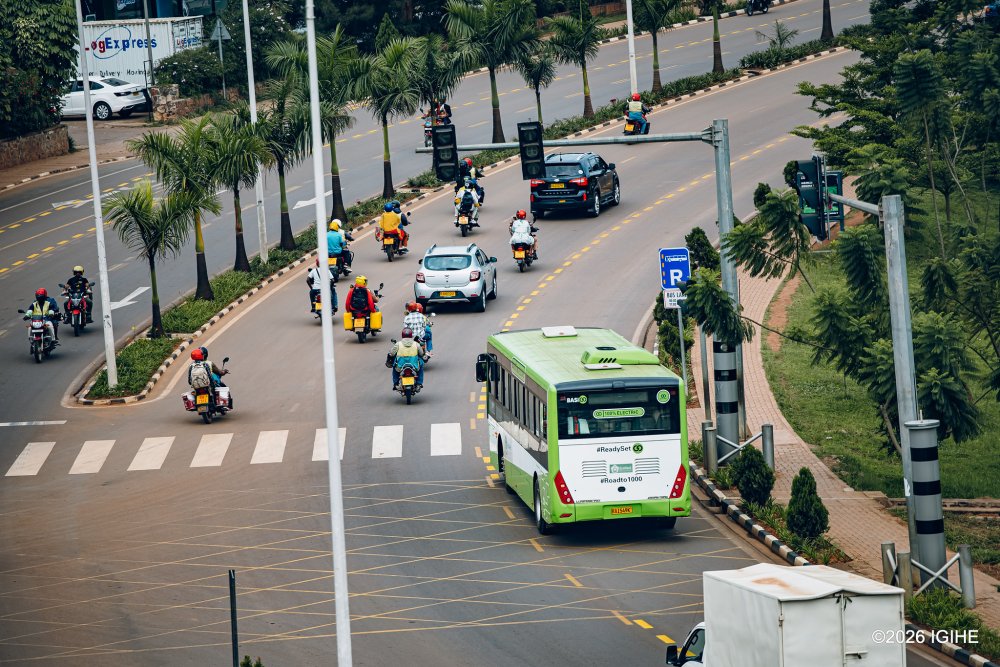
The Prime Minister further highlighted that subsidies will continue in key sectors, particularly public transport, to prevent fare increases.
He gave the example of a trip from Nyabugogo to Musanze, which would cost Rwf 4,281 without subsidies, but currently costs Rwf 3,821, with the government covering the remaining Rwf 460.
He added that agriculture will also continue to receive support through subsidies on inputs such as fertilizers and irrigation, as part of efforts to shield the sector from global economic pressures.
Dr. Nsengiyumva said the government will continue intervening to limit the impact of rising fuel costs on citizens’ livelihoods.
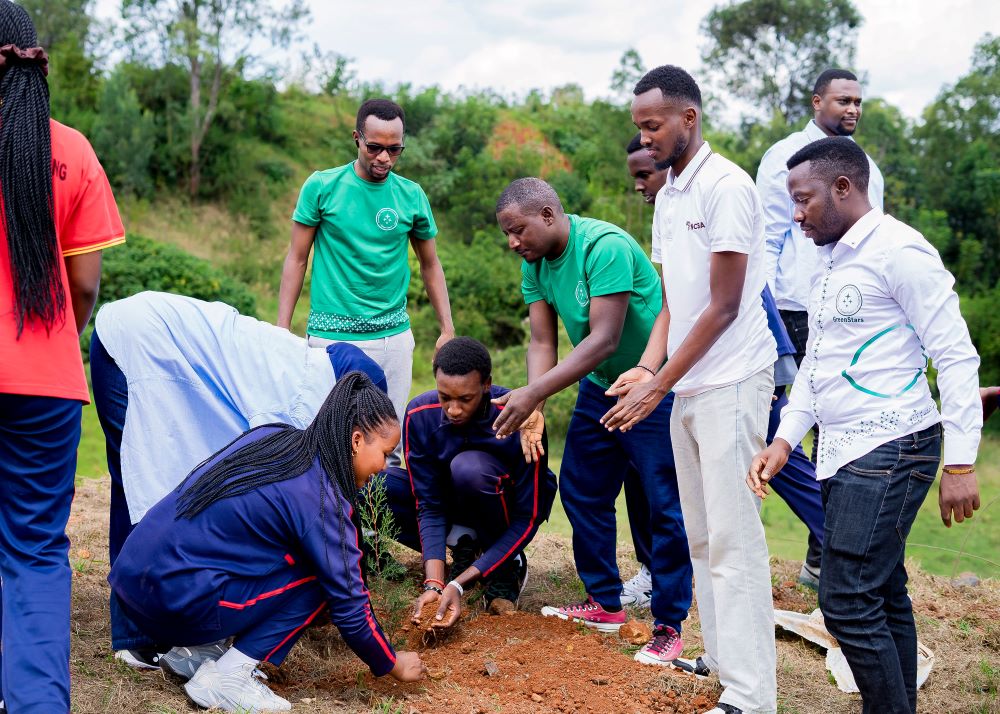
Held in partnership with GreenStarz Impakt Hub, a youth-focused organization that promotes environmental sustainability, climate action, and community development, the initiative brought together NCBA staff, Excella High School administration, and more than 100 Grade 12 students for a day of learning, reflection, and action centered on environmental responsibility.
The activity forms part of NCBA Rwanda’s commitment to plant 10,000 trees annually, contributing to NCBA Group’s regional Change the Story sustainability agenda, which seeks to grow 10 million trees across its markets by 2030 while mobilizing communities to take meaningful climate action.
Rather than focusing solely on tree planting, the event emphasized the importance of educating young people about environmental stewardship and empowering them to become active participants in building a more sustainable future.
Growing futures through environmental education
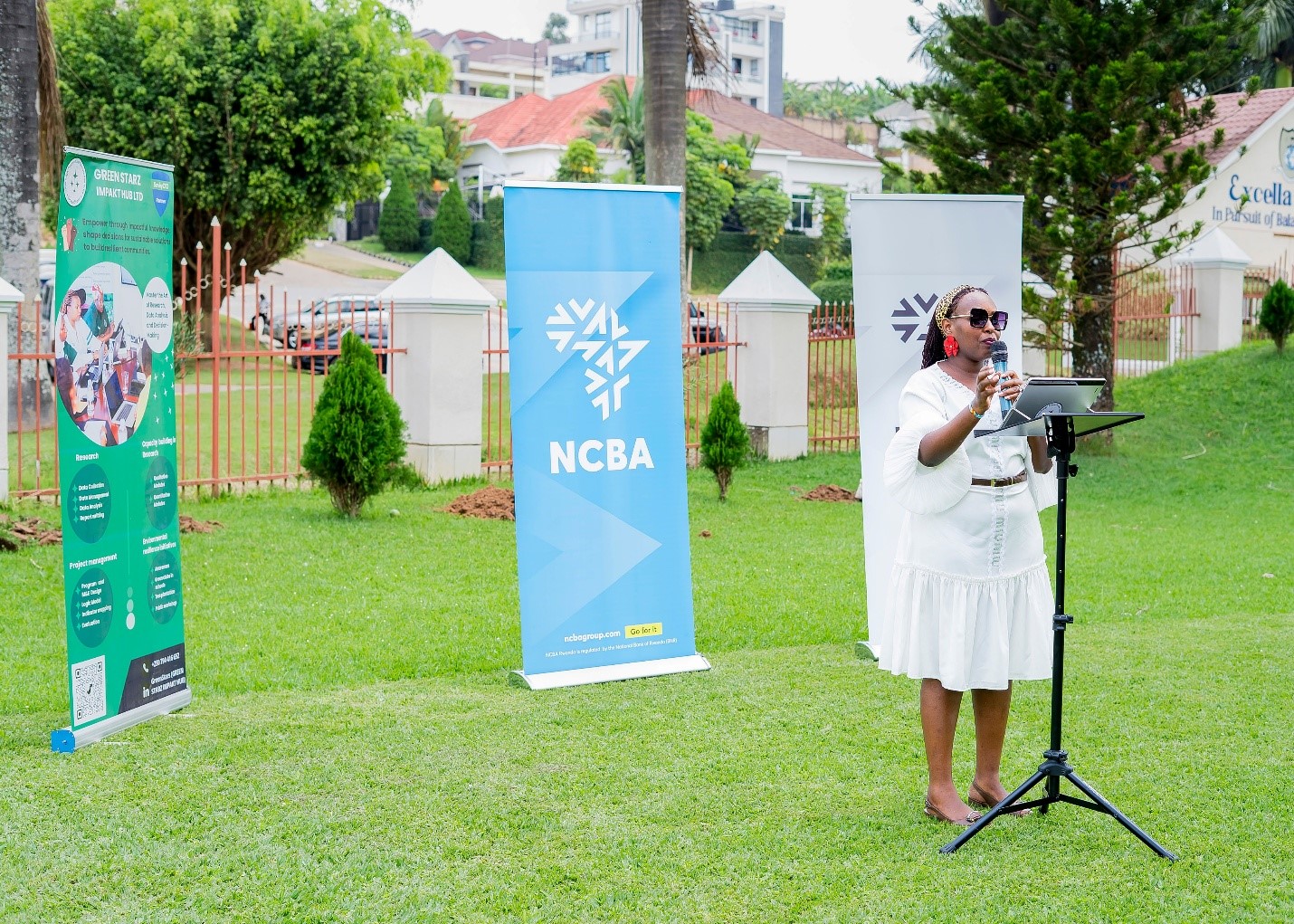
Addressing participants, Abigael Muriuki, Sustainability Analyst at NCBA Group Kenya, speaking on behalf of NCBA Rwanda, encouraged students to recognize the connection between personal growth and environmental responsibility.
“To the students here today, I want to share a simple thought. Just like these trees, your future depends on the foundations you build today. Trees need strong roots to grow tall and withstand challenges. In the same way, your education, discipline, character, and values will become the roots that support your success in life.”
She challenged students to view sustainability not as a distant concept, but as a responsibility that begins with everyday choices.
“The best time to plant a tree was twenty years ago. The second-best time is today.”
“That message goes beyond trees,” she added. “The decisions you make today about your education, your community, and your environment will shape the future you inherit. Every action matters. Every tree matters. Every student matters.”
Muriuki noted that the initiative reflects NCBA’s purpose of Banking on Belief—believing in the potential of individuals and communities to create lasting change.
“At NCBA, we believe that changing the story starts with investing in people. Today’s activity is about more than environmental conservation. It is about equipping young people with the knowledge, values, and sense of responsibility needed to create a sustainable future. Every student we engage today has the potential to become a champion for positive change tomorrow.”
Changing the story, one student at a time
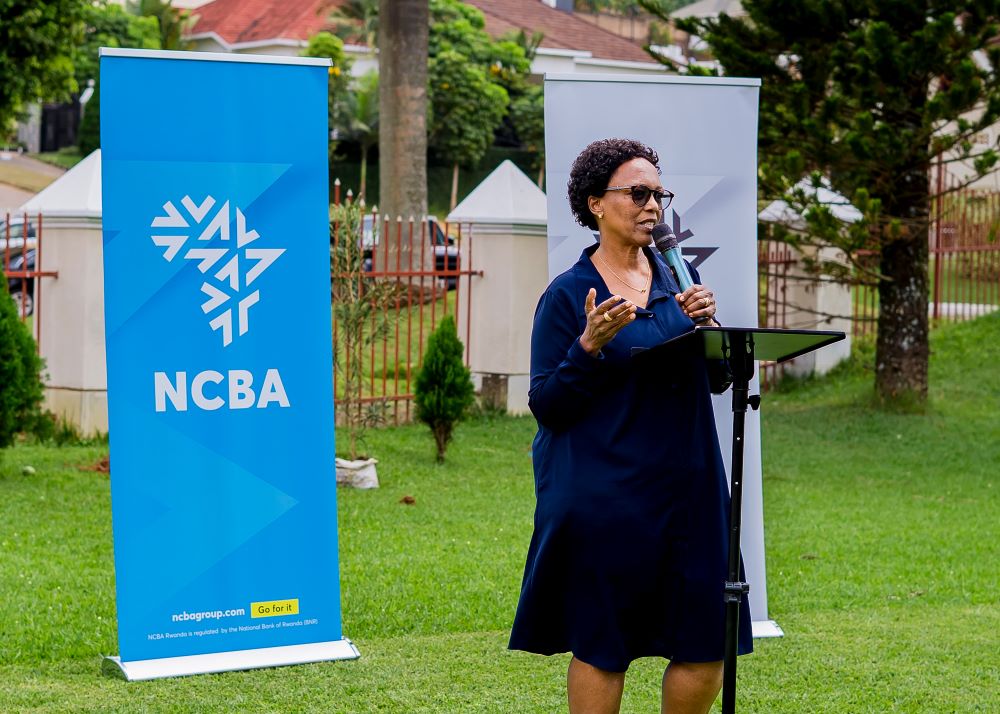
Receiving participants on behalf of Excella High School, Madam Peace Uwineza, Deputy Director of the school, expressed appreciation to NCBA Rwanda for choosing the institution as part of its World Environment Day activities and acknowledged GreenStarz Impakt Hub’s contribution to the programme.
“We are grateful to NCBA Rwanda for choosing Excella High School as part of this meaningful initiative and to GreenStarz Impakt Hub for helping bring it to life. Today’s activity has shown our students that environmental conservation is not someone else’s responsibility. It belongs to all of us.”
She added that exposing students to practical environmental action helps transform awareness into responsibility.
“Our students have not only planted trees today; they have gained a deeper understanding of why protecting the environment matters. When young people understand that their actions can make a difference, they become powerful agents of change within their schools, families, and communities.”
Speaking during the event, Abigael Miriam Bisimwa of GreenStarz Impakt Hub emphasized the unique role young people play in advancing environmental conservation.
“Young people have the creativity, energy, and influence needed to transform communities. When we empower students with knowledge and practical opportunities to take action, we are investing in a future generation that understands the importance of protecting natural resources and building sustainable communities.”
The event concluded with a tree-planting exercise across the school grounds, giving students an opportunity to translate learning into action and leave behind a lasting contribution to their environment.
As NCBA Rwanda continues its journey toward achieving its annual target of 10,000 trees, initiatives such as this demonstrate that meaningful environmental impact begins with education. Through its Change the Story sustainability agenda and its purpose of Banking on Belief, the bank is investing not only in greener landscapes but also in a generation of informed, responsible, and environmentally conscious young leaders who will help shape Rwanda’s sustainable future.
Abigael Muriuki, Sustainability Analyst at NCBA Group Kenya, addresses Excella students during World Environment Day celebrations in Kigali.Excella students celebrated World Environment Day by planting trees on their school grounds as part of NCBA Rwanda’s sustainability campaign.NCBA Rwanda staff and Excella High School students plant trees during World Environment Day activities aimed at promoting environmental sustainability.Abigael Miriam Bisimwa of GreenStarz Impakt Hub addressed students on the role of youth in environmental conservation.Madam Peace Uwineza, Deputy Director of Excella High School, speaks during World Environment Day celebrations at the school.Students of Excella High School participated in a tree-planting exercise as part of NCBA Rwanda’s World Environment Day initiative.
Major General Wu was received by the Rwanbatt-1 Contingent Commander, Lieutenant Colonel Paul Ndushabandi, along with subordinate commanders and staff officers. During the visit, he was briefed on key operations conducted by the contingent in support of civilian protection and force protection for humanitarian assistance activities.
In his remarks, Major General Wu commended the Rwanbatt-1 troops for their dedication, professionalism, and significant contribution to the UNMISS mandate through their efforts to promote peace, security, and stability in South Sudan.
As part of the visit, the Force Commander toured the Rwanbatt-1 Camp and participated in a symbolic tree-planting ceremony.
Maj Gen Junhui Wu participates in a symbolic tree-planting ceremony with Rwandan peacekeepers at UN Tomping Base Camp in Juba.UNMISS Force Commander Maj Gen Junhui Wu visits Rwandan peacekeepers (Rwanbatt-1) at Tomping Base Camp in Juba, where he was briefed on ongoing operations in South Sudan.Rwanbatt-1 troops welcomed UNMISS Force Commander Maj Gen Junhui Wu at their base in Juba, South Sudan, during an official visit.
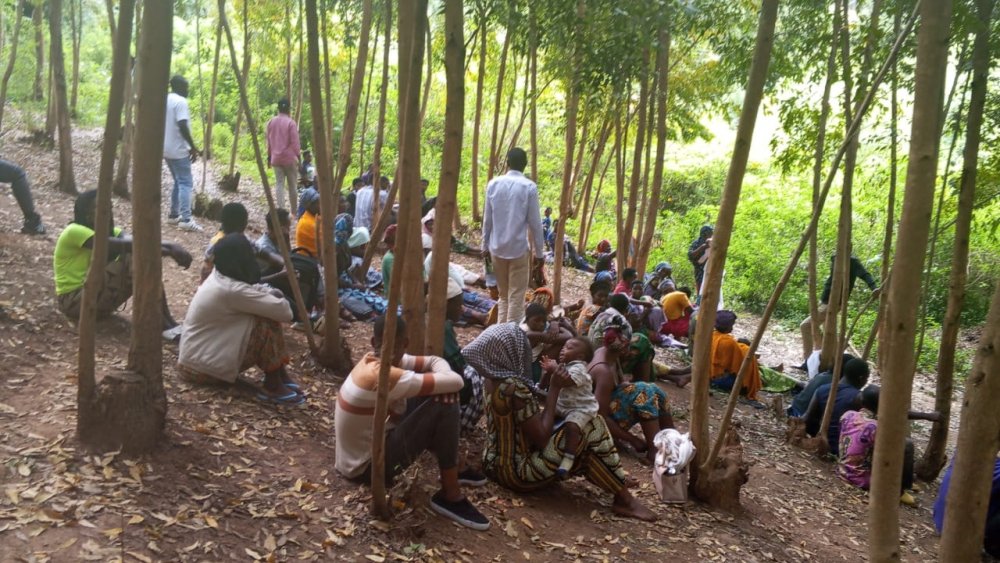
The arrests were made on Friday, June 5, 2026. Of those detained, 46 were found in Kigabiro Sector, Cyanya Cell, inside a forest where worshippers had nicknamed the site “Senga usubizwe” (Pray and be answered).
Among the 46 were 12 men and 34 women, including 10 nursing mothers. Ten students who were preparing for national examinations were also among those arrested after reportedly skipping school to pray, hoping for good results.
Another group of 22 people was arrested in Gahengeri Sector, Kagezi Cell, at Samatare rock site. The area had previously been sealed off by authorities using concrete due to safety concerns, but worshippers reportedly broke through the structure to access the site. Five nursing mothers were among those detained.
The Vice Mayor of Rwamagana in charge of Economic Development, Kagabo Rwamunono Richard, told IGIHE that those arrested were found praying in different illegal locations, with most coming from Rwamagana and others from Kayonza, Nyagatare, and Gatsibo districts.
“Most of them are from Rwamagana, but others came from Kayonza, Nyagatare, and Gatsibo. These are not authorized worship sites. They are forest areas that pose serious risks to their safety. We also found others at Samatare rock, which we had closed because it is dangerous. It is unfortunate that people choose such places to seek God,” he said.
He also accused the group of defying government decisions and damaging infrastructure that had been put in place for their protection.
He cited Samatare cave, where the government reportedly spent over Rwf3 million to secure the site and prevent accidents.
“Our message is that God is not found in caves or forests, and certainly not in places that endanger lives. The government does not allow such practices. Everyone should use recognized places of worship. Churches are available,” he said.
Authorities said the arrested individuals are currently undergoing civic education. They also indicated that the suspects may be required to pay for the damaged infrastructure and could face penalties for defying government directives and mobilizing others to do the same.
In 2024, during the Marburg virus outbreak in Rwanda, the Ministry of Health reported that the first patient was believed to have been infected through bats found in a mining cave near Kigali.
Since then, several cave sites across the country have been closed or reinforced. At Samatare rock, where some of the worshippers were arrested, authorities had previously spent more than Rwf3.3 million reinforcing the site for public safety, before it was damaged again by those accessing it for prayer.
Of those detained, 46 were found in Kigabiro Sector, Cyanya Cell, inside a forest where worshippers had nicknamed the site “Senga usubizwe” (Pray and be answered).
The documents were recently uncovered by Seiya Matsuno, a historian and researcher at the International Peace Research Institute of Meiji Gakuin University, in Japan’s National Archives.
Matsuno said the materials not only provide new evidence about Japan’s wartime production of poison gas munitions but also illustrate the dark reality of a government and military apparatus that placed war above society and human life.
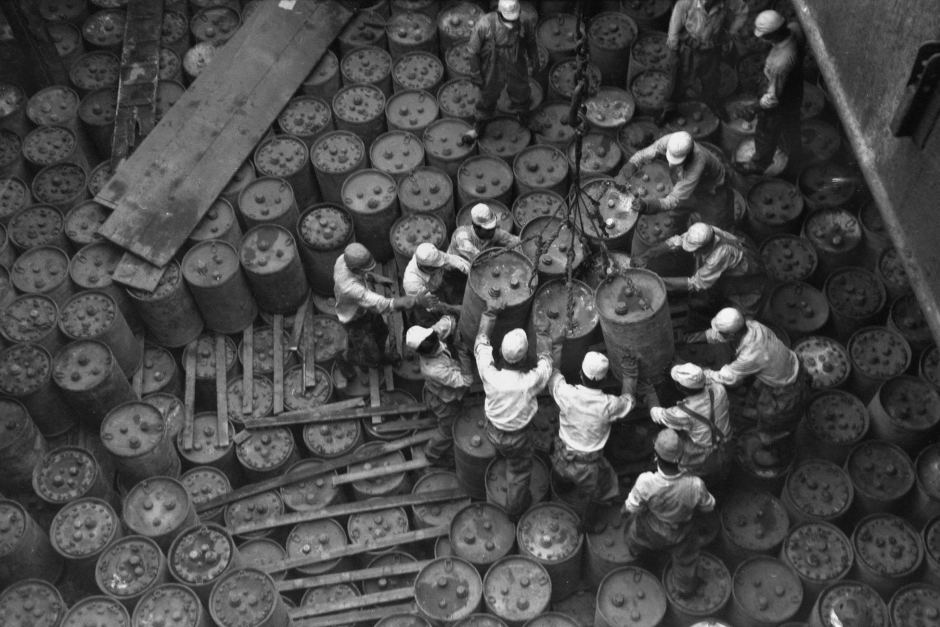
The newly found document, titled “Compilation of Reports on the Implementation of Military Mobilization,” is a production report covering fiscal 1941 operations at the Sone Manufacturing Plant of the Tokyo Second Army Arsenal.
Matsuno analyzed the material and published his findings in the June 2026 issue of the Japanese magazine Sekai.
According to Matsuno’s research, the Sone plant, formerly located in Kitakyushu City in Fukuoka Prefecture, was responsible for filling artillery shells with toxic chemical agents and assembling poison gas bombs. The facility also manufactured smoke shells and incendiary bombs.
The material documents accidents that occurred during poison gas bomb production and the injuries suffered by workers. Until now, such incidents had largely been known only through testimonies from former employees. The newly discovered records provide documentary evidence supporting those accounts.
Matsuno told Xinhua that the material also shows how poison gas bomb production expanded alongside Japan’s growing war efforts. During fiscal 1941, the Sone plant increased its workforce and boosted output.
He noted that, at the time, Japan was continuing its war in China, preparing for a possible conflict with the Soviet Union and planning military expansion into Southeast Asia.
Matsuno emphasized that the Japanese military’s use of chemical weapons in China and elsewhere violated international law, adding that the military also conducted human experiments and committed other war crimes, which reflected the brutal nature of Japan’s wartime aggression.
Under the rule of Japanese militarism, the country became increasingly consumed by war fervor.
Matsuno said that the newly discovered records reveal a period in which the government and military subordinated all aspects of society to the war effort, while dissenting voices were systematically suppressed.
War brings only suffering and misfortune, Matsuno noted, stressing the importance of uncovering the realities of wartime history to prevent similar tragedies from recurring.
Understanding how Japan became a country that inflicted serious harm on many Asian nations, and examining the conditions that made such developments possible, remain important tasks for contemporary Japanese society, he added.
Newly discovered historical records have shed fresh light on the operations of a Japanese poison gas bomb factory during World War II.
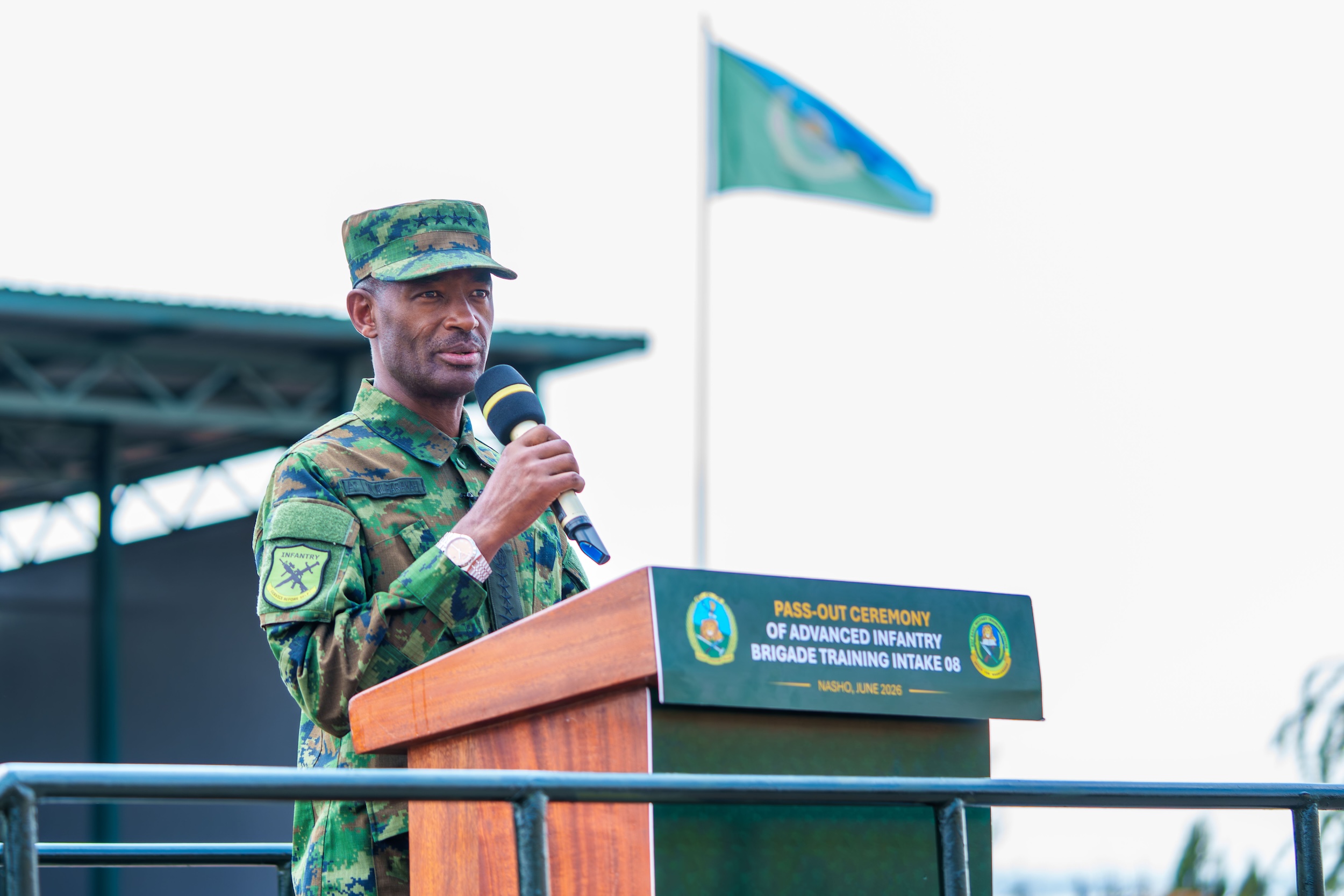
The officers, Lt Col Pacifique Kanyandekwe and Maj John Muhikira, graduated on June 4, 2026, after completing their programme in military leadership and joint command studies.
According to the Ministry of Defence, their graduation reflects dedication, professionalism, and a strong commitment to military excellence, highlighting Rwanda’s continued focus on strengthening professional military education and regional security cooperation.
The graduation ceremony brought together senior military officials and representatives from regional defence institutions.
Among those present were Brig Gen Ronald Rwivanga, Director of the Eastern Africa Standby Force (EASF), Brig Gen Andrew Nyamvumba, Commandant of the RDF Senior Command and Staff College, and Col Celestin Kamanda, Defence Attaché of Rwanda to Kenya.
Brig Gen Ronald Rwivanga, Director of the Eastern Africa Standby Force (EASF), Brig Gen Andrew Nyamvumba, Commandant of the RDF Senior Command and Staff College, and Col Celestin Kamanda, Defence Attaché of Rwanda to Kenya were among those present at the ceremony. The officers, Lt Col Pacifique Kanyandekwe and Maj John Muhikira, graduated on June 5, 2026.
Zelensky published a letter on Thursday proposing a face-to-face meeting with Putin, with the participation of Europe and the United States, to discuss the peace process.
“I don’t see the point yet,” Putin said, answering a question about whether he would meet with the author of the “open letter.”
He added that he never refused to meet with Zelensky, but is against “beating around the bush.”
Putin said Russia does not need short-term agreements, but rather ones “for a long historical perspective” and solutions in place before such a meeting can take place.
Kremlin spokesman Dmitry Peskov said Thursday that Zelensky can come to Moscow any time if he wishes to hold talks with Putin.
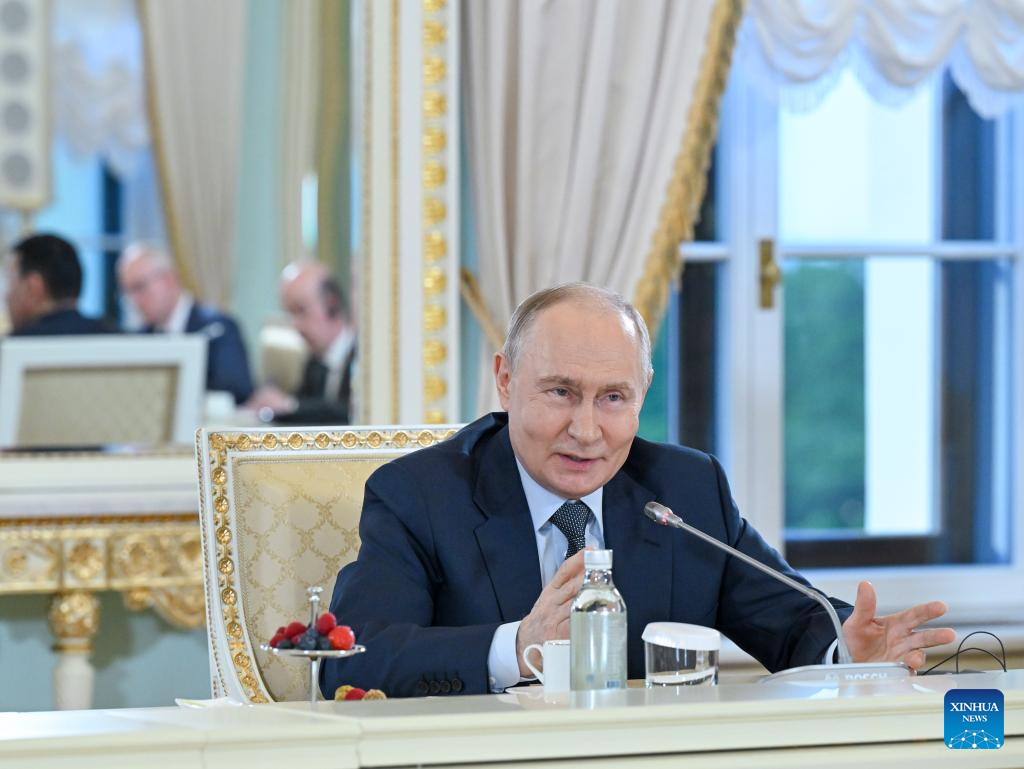
Russian President Vladimir Putin is pictured at a meeting with heads of major international news agencies attending the 29th St. Petersburg International Economic Forum (SPIEF), in St. Petersburg, Russia, on June 4, 2026. Photo by Xinhua/Hao Jianwei
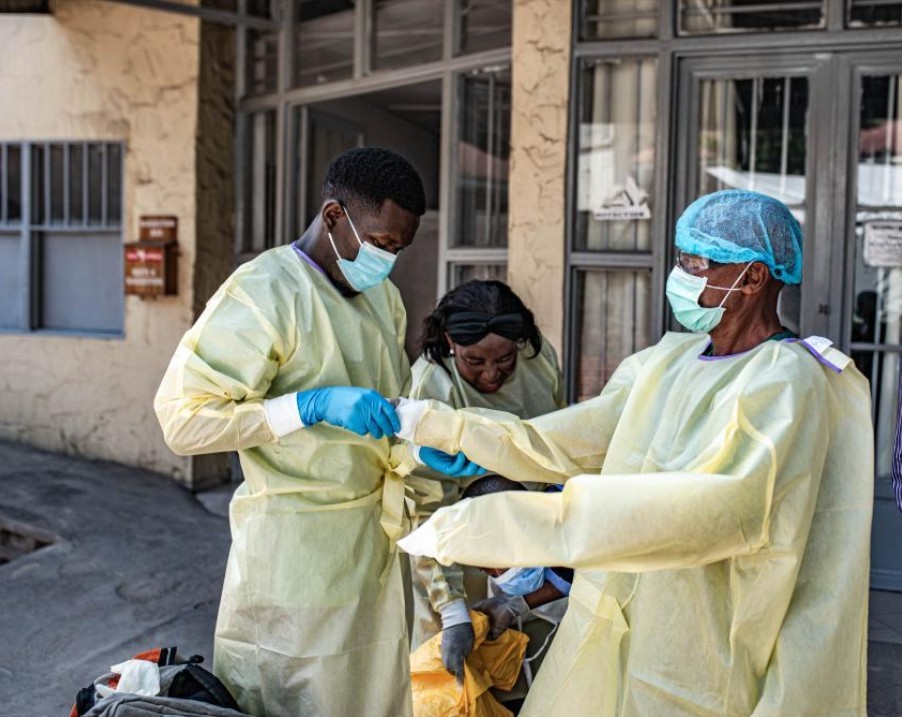
According to the report, health authorities reported 71 new confirmed cases on June 4, including 21 deaths, in Ituri and North Kivu provinces, a sign of rapid and continuing community transmission amid the outbreak caused by the Bundibugyo strain of the virus.
A total of 258 patients are in isolation or hospital care, while eight people have recovered.
Contact tracing remains a major gap, the report said, noting that of 4,766 contacts under follow-up across the three provinces, only 2,755 have been seen, representing an overall follow-up rate of 57.8 percent.
The DRC health authorities listed the main challenges facing the response, including resistance to post-mortem swabbing, insufficient standardized Ebola treatment capacity, weak contact tracing, shortages of essential medicines, inadequate infection-prevention supplies in North Kivu, poor alert reporting and a 21.5-million-U.S.-dollar funding gap.
Uganda has also confirmed three new Ebola cases, bringing the cumulative number of infections to 19, the Ugandan Ministry of Health said on Friday.
The Africa Centers for Disease Control and Prevention and the World Health Organization on Friday launched a continental Ebola outbreak preparedness and response plan, aiming to raise 518 million U.S. dollars to support African countries to prepare for, rapidly detect and respond to the outbreak for the period between June and November.
The number of confirmed Ebola cases in the Democratic Republic of the Congo (DRC) has risen to 452