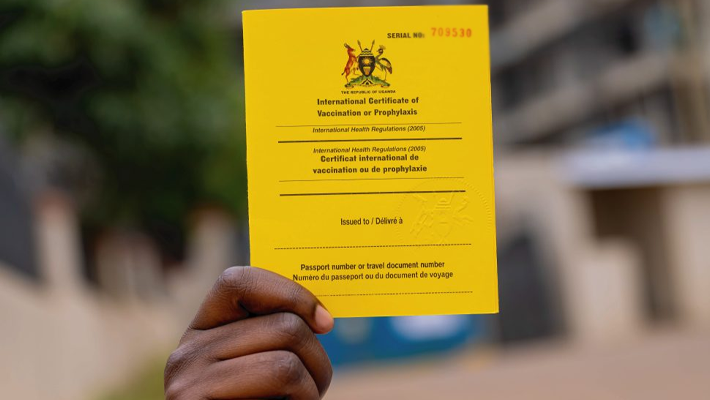
The Ministry of Internal Affairs, through the Directorate of Citizenship and Immigration Control, announced the change in a notice issued on Friday, saying travellers to Uganda no longer need to provide proof of yellow fever vaccination.
“Accordingly, travellers to Uganda do not require a Yellow Fever vaccination certificate for entry,” the ministry said.
The clarification followed a request from the Uganda Tourism Board seeking confirmation on whether travellers were still required to present the certificate at the border.
The ministry noted that the yellow fever vaccination certificate is also not listed among the requirements on Uganda’s e-visa application portal or the website of the National Citizenship and Immigration Control.
The change means international travellers, including those arriving from countries where yellow fever vaccination certificates had been required for travel to Uganda, can enter the country without the document.
Uganda introduced the mandatory yellow fever vaccination card requirement for travellers entering and leaving the country in May 2024. The measure was introduced amid efforts to increase vaccination coverage and address vaccine hesitancy.
At the time, the requirement was accompanied by a nationwide free yellow fever vaccination campaign targeting about 14 million people aged between one and 60 years.
Yellow fever is a viral disease transmitted by infected mosquitoes and can cause severe illness. Vaccination remains an important public health measure in countries where the disease poses a risk.
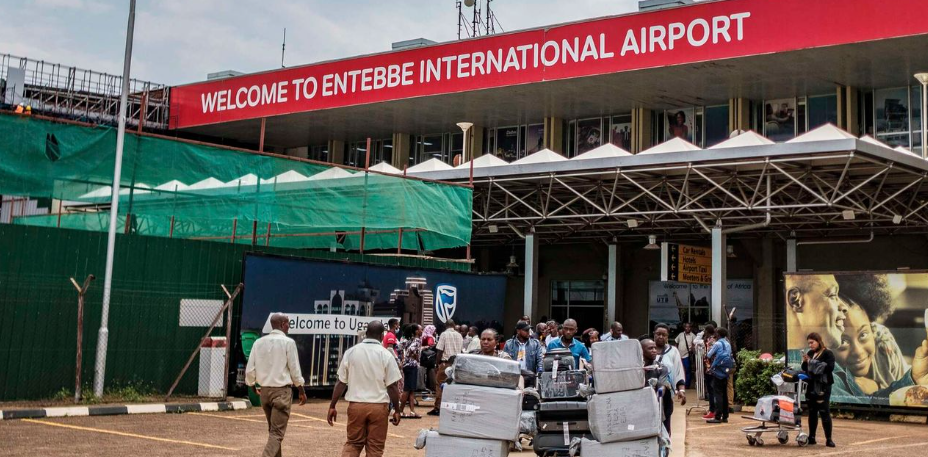
Travellers at Entebbe International Airport. Uganda introduced the mandatory yellow fever vaccination card requirement for travellers entering and leaving the country in May 2024.
In a statement issued on Saturday, October 3, 2026, the Office of the Government Spokesperson described Gauthier’s work as a lasting contribution to memory, truth and justice.
“Today we mourn the passing of Dafroza Mukarumongi Gauthier, whose tireless work to bring to justice suspects of the 1994 Genocide against the Tutsi, earned her Rwanda’s Igihango National Order of Outstanding Friendship in 2017,” the statement said.
The government extended condolences to Gauthier’s husband, Alain Gauthier, her family and friends, as well as others whose lives she touched.
Gauthier spent decades working alongside her husband to pursue justice for victims of the Genocide against the Tutsi, particularly by helping efforts to prosecute suspects who had settled in France.
The couple founded the Collectif des parties civiles pour le Rwanda (CPCR) in 2001, an organisation that gathered evidence and testimonies for cases involving suspected Genocide perpetrators living in France.
Their work involved identifying suspects, collecting evidence in Rwanda, speaking with survivors and detainees, and preparing case files for judicial authorities. Gauthier also helped translate Kinyarwanda documents into French for use in court proceedings.
The couple founded the Collectif des parties civiles pour le Rwanda (CPCR) in 2001, an organisation that gathered evidence and testimonies for cases involving suspected Genocide perpetrators living in France.
Her work was deeply personal. Born in Butare in 1954, Gauthier was living in France with her husband when the Genocide against the Tutsi began in 1994. She had returned to Kigali in February that year, but her mother urged her to leave as the security situation deteriorated.
Gauthier tried to persuade relatives to leave Rwanda but was unable to convince them. About 80 members of her family were killed during the Genocide.
Following the Genocide, she and Alain began working to ensure that those suspected of involvement would face justice. Their efforts began in 1996 and continued for decades, despite the financial and personal costs involved.
Beyond legal cases, the couple visited schools and universities to educate young people about the Genocide and contributed to efforts to preserve its history and counter Genocide denial.
Gauthier regarded justice as an important way of restoring dignity to victims by ensuring that their identities and experiences were recognised rather than reduced to statistics.
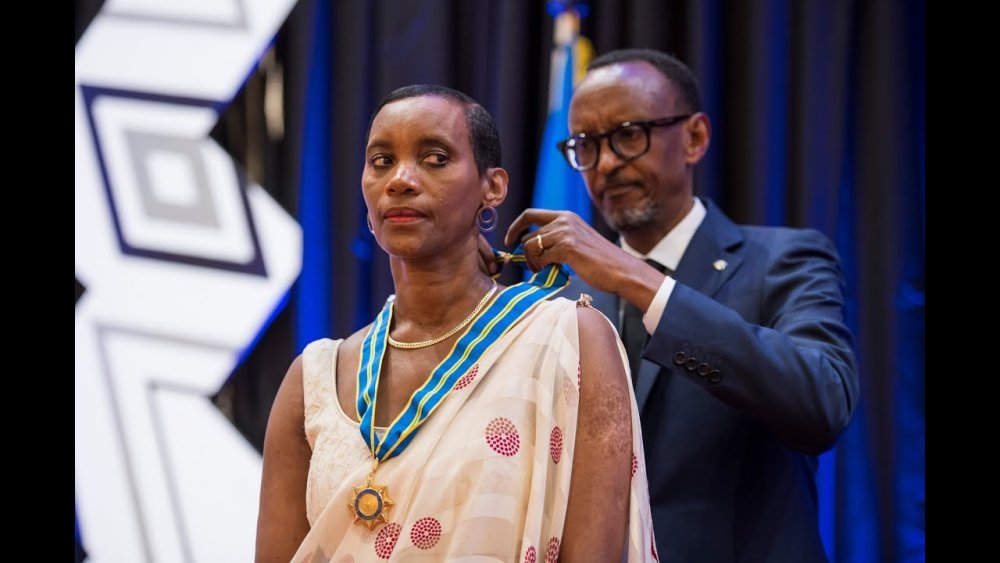
In recognition of their contribution, President Paul Kagame awarded Dafroza and Alain Gauthier the Impeta y’Igihango, Rwanda’s National Order of Outstanding Friendship, in November 2017.
The honour recognises individuals who make outstanding contributions to strengthening friendship and cooperation between Rwanda and other countries, as well as promoting the dignity of Rwanda and Rwandans internationally.
The couple’s decades-long pursuit of justice was documented in the 2023 book Rwanda, à la poursuite des génocidaires, written by journalist Thomas Zribi in collaboration with illustrator Damien Roudeau, with a foreword by artist and writer Gaël Faye.
The Government of Rwanda said Gauthier’s “courage and unwavering commitment to memory, truth and justice leave an enduring legacy.”
In recognition of their contribution, President Paul Kagame awarded Dafroza and Alain Gauthier the Impeta y’Igihango, Rwanda’s National Order of Outstanding Friendship, in November 2017.
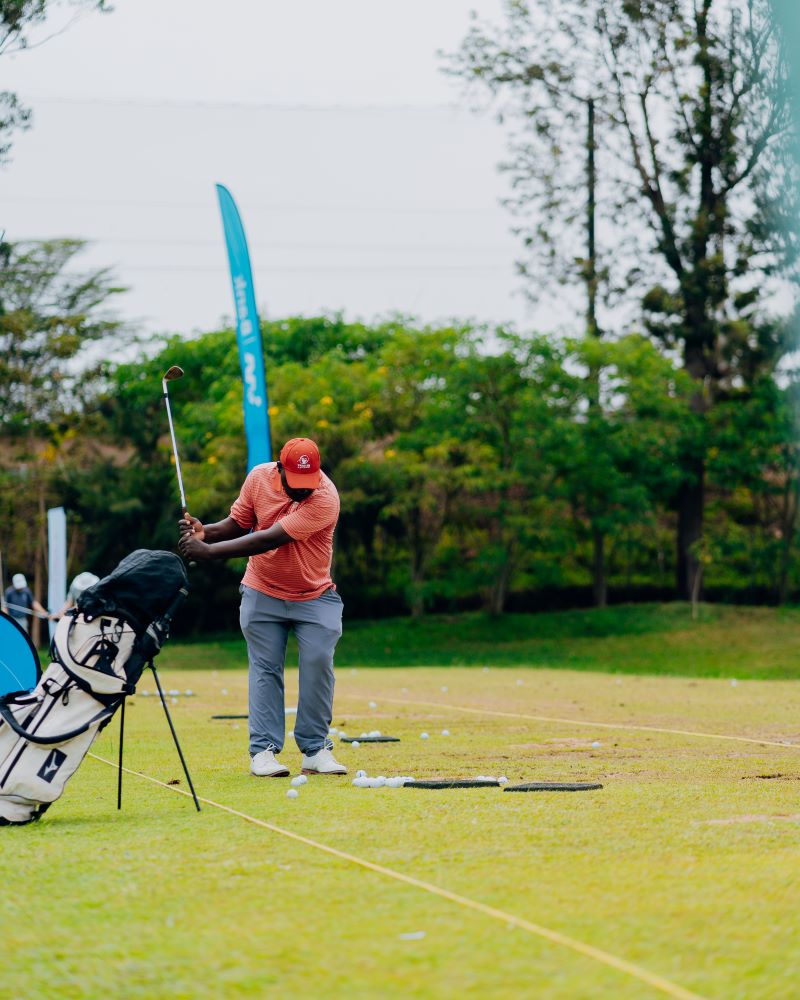
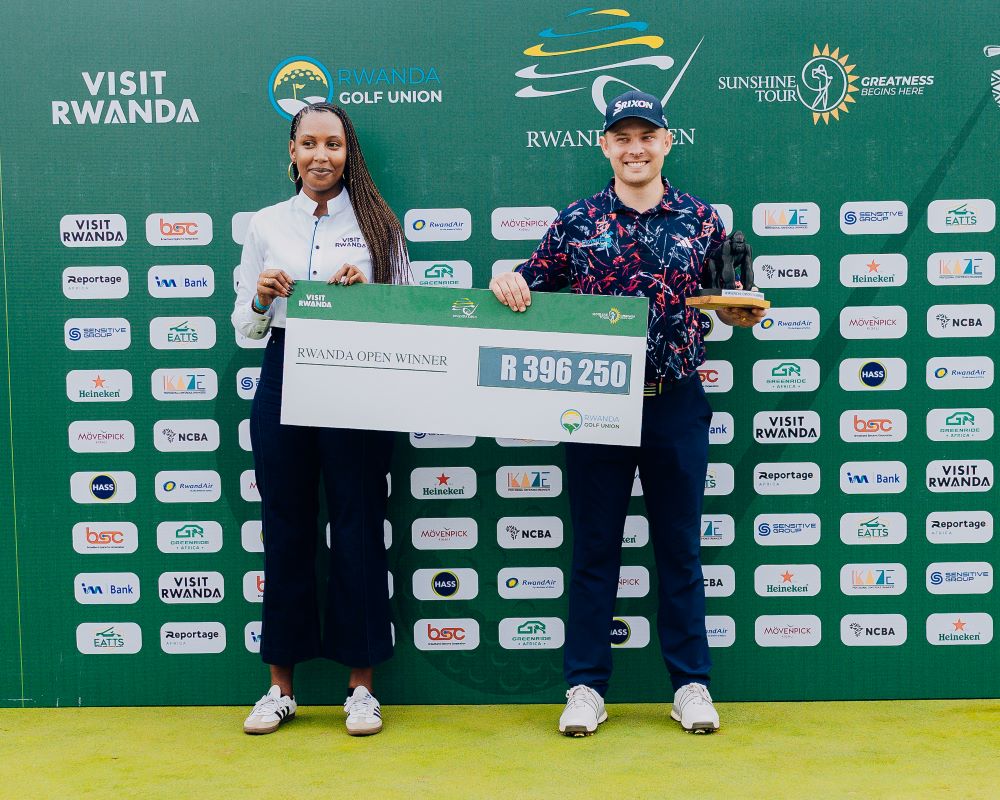
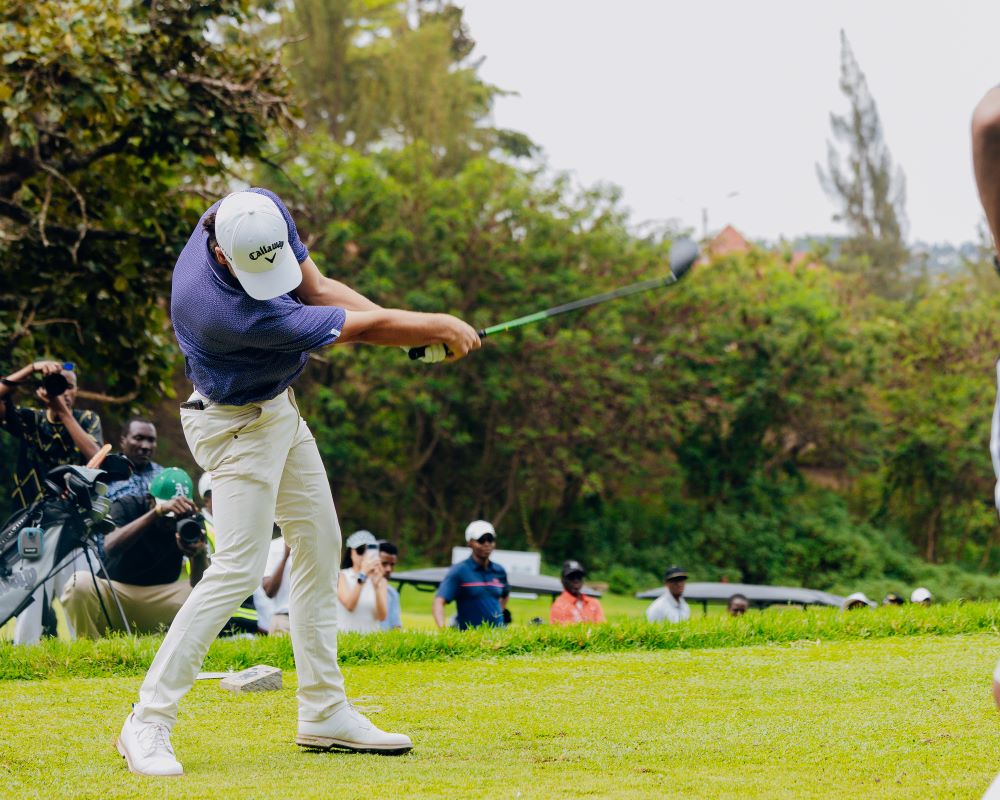
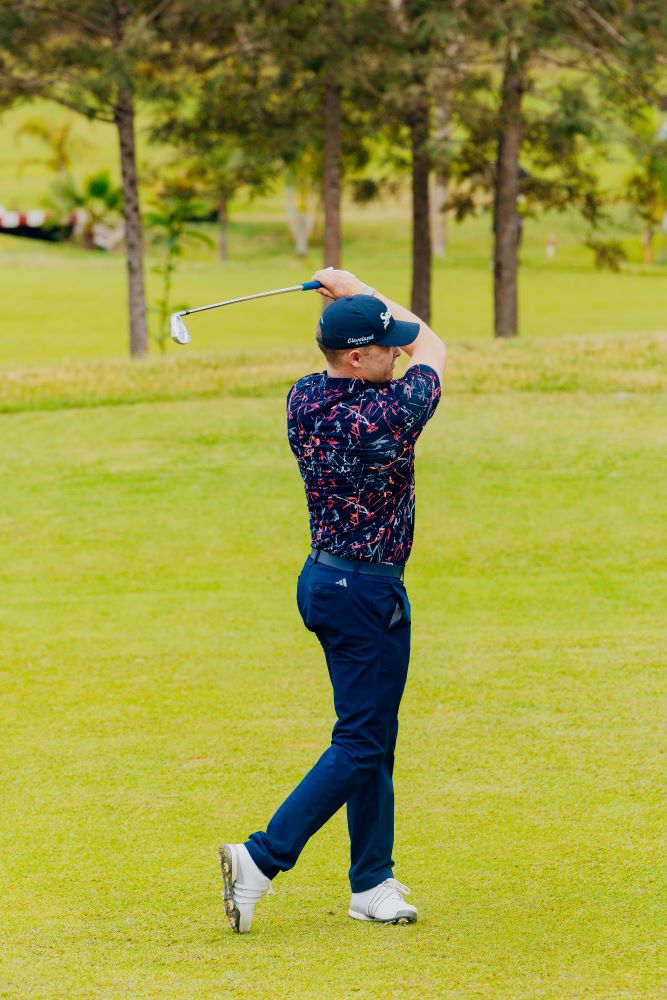
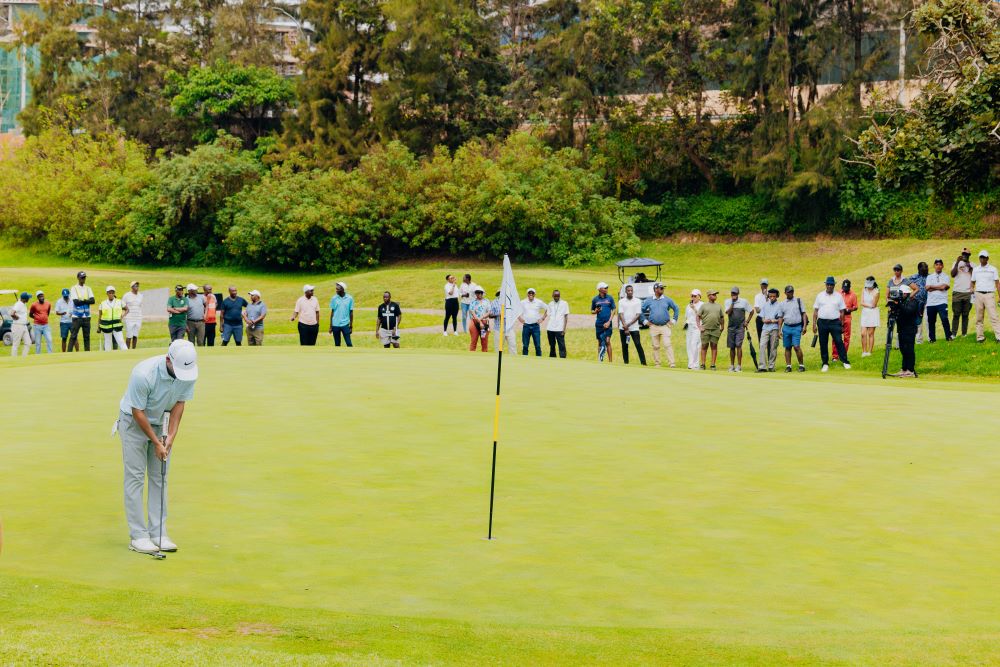
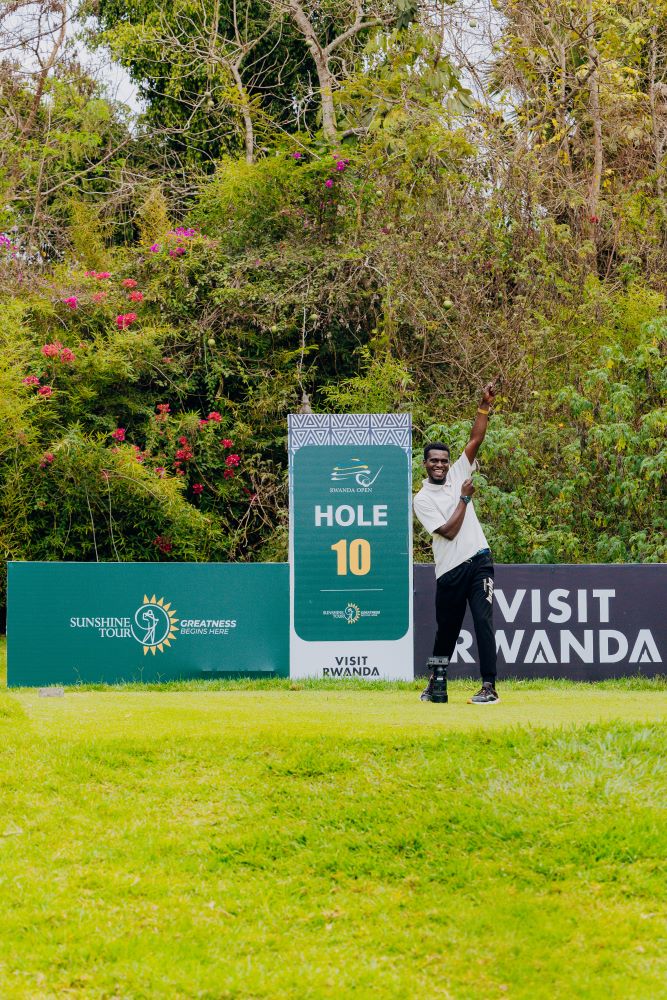
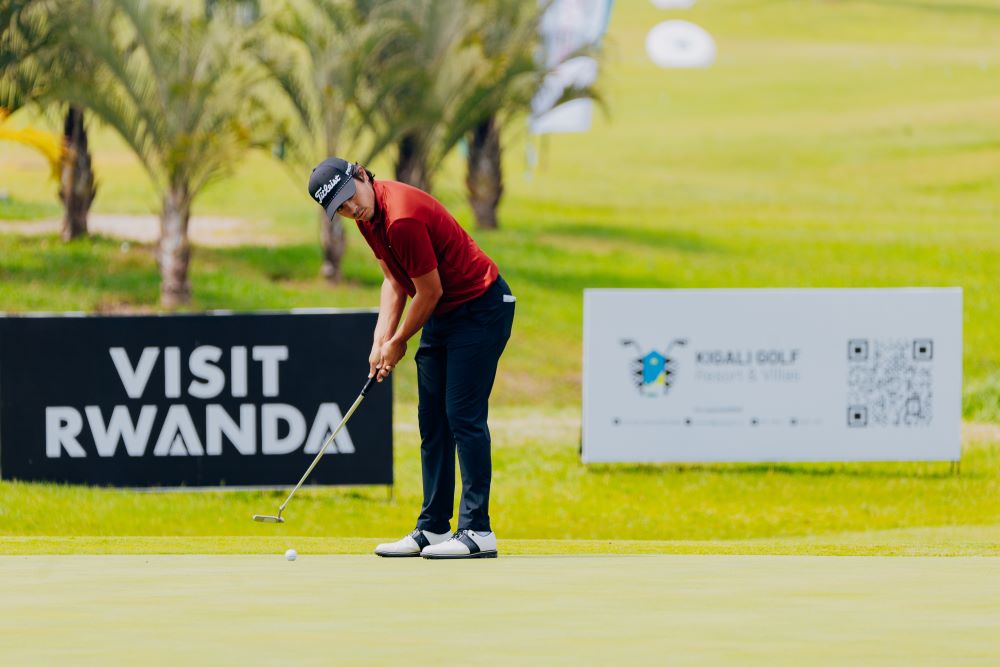
The international Sunshine Tour event, which was combined with the annual Rwanda Open, was held on Sunday, September 27, 2026, at Kigali Golf Resorts & Villas.
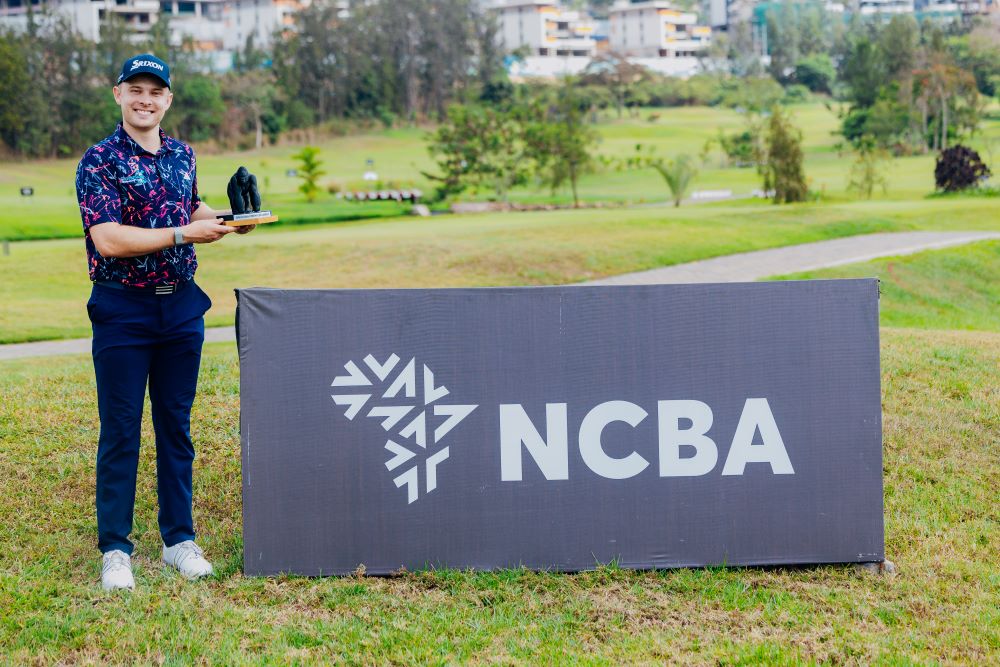
About 150 players from different countries took part in the tournament, which was won by South African golfer Kyle De Beer.
The tournament also provided an opportunity for Rwandan golfers to compete at an international level, with 13 players representing the country.
Permanent Secretary at the Ministry of Sports, Ngabo Brave Olivier, said Rwanda aims to increase the number of players competing in the tournament, both from Rwanda and abroad.
“The doors are open to everyone who wants to come to Rwanda. We want the number of players competing in the tournament to increase beyond 150, while also increasing the number of Rwandans to a level where we can eventually win the tournament,” he said.
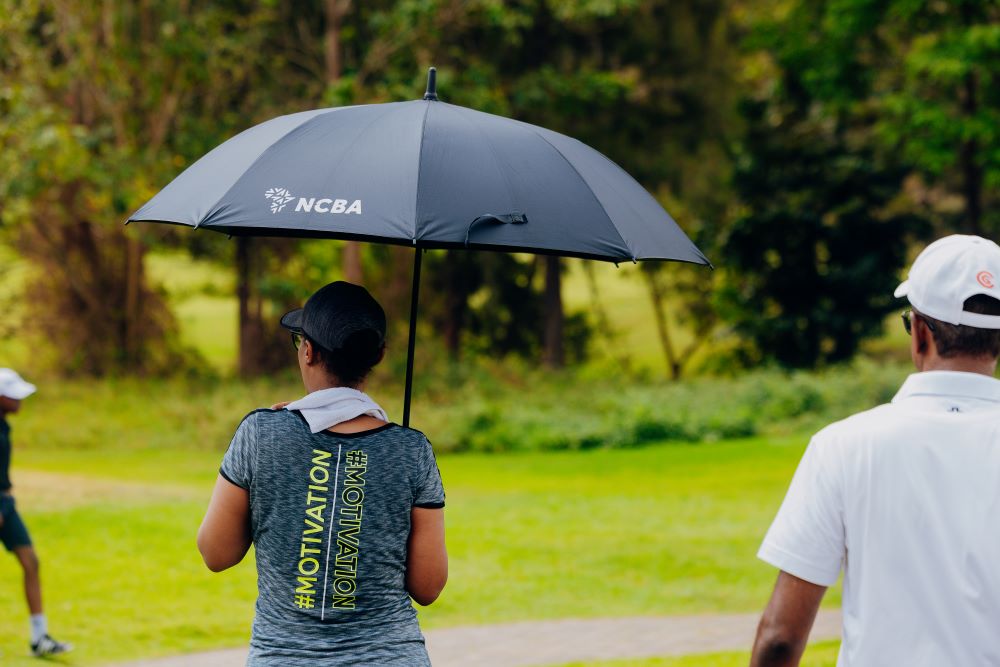
The goal of increasing participation in golf is among the reasons NCBA Bank Rwanda has continued to support the tournament. The bank also supports Kenyan golfer Njoroge Kibugu, who has competed in several tournaments backed by the bank.
Since 2023, NCBA Bank Rwanda has joined its operations in Kenya, Uganda and Tanzania in supporting Rwandan golfers to access international competitions, including tournaments bringing together top players from across the region.
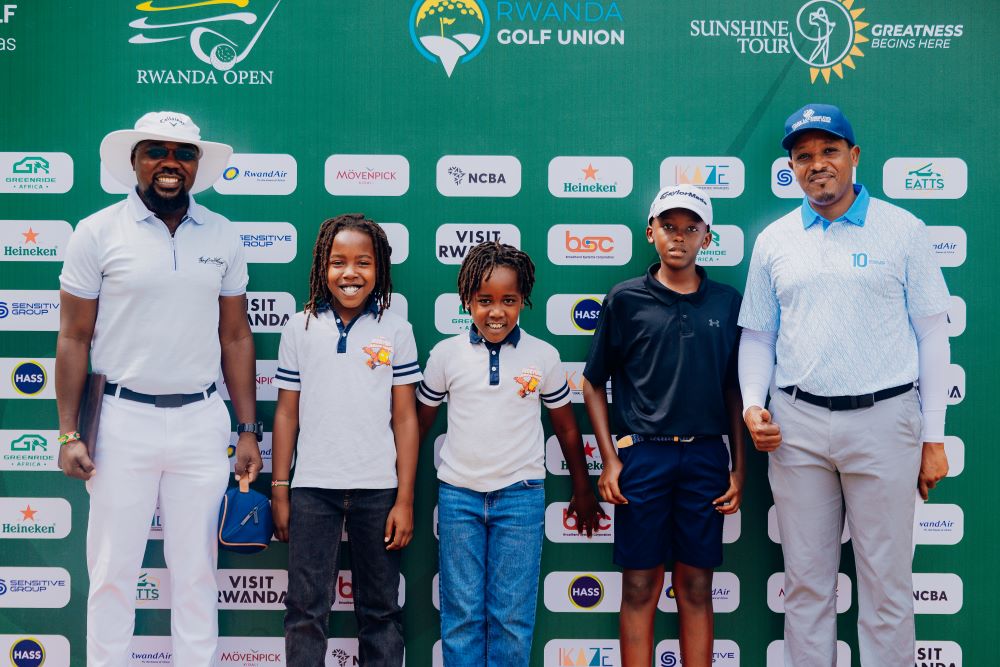
In 2024, the bank expanded its support to junior golfers through competitions such as the NCBA Junior Golf Series, which has reached about 4,000 children.
In 2026, NCBA invested more than Rwf683 million in over 160 golf tournaments across East Africa, including competitions organised in Kigali.
The bank’s continued involvement in golf is aimed at supporting the development of the sport while creating more opportunities for players, particularly young golfers, to gain competitive experience.
NCBA Bank Rwanda has expanded its support for golf by sponsoring the Rwanda Open 2026 at Kigali Golf Resorts & Villas.NCBA Bank Rwanda has continued to support Rwandan golfers seeking opportunities to compete in international tournaments.NCBA Bank Rwanda has supported junior golf through competitions that have reached about 4,000 children since 2024.NCBA Bank Rwanda has continued supporting golf in Rwanda through its sponsorship of the Rwanda Open 2026.About 150 golfers have competed in the Rwanda Open 2026, supported by NCBA Bank Rwanda.
The bank highlighted its role during its annual engagement with customers in Musanze, where management and clients discussed progress made and challenges affecting access to financial services.
Private-sector representatives said BPR Bank has played a significant role in Musanze’s ongoing urban redevelopment, contributing to about 40% of more than 75 buildings completed so far.
Tugengwenayo Theonas, Chairperson of the Private Sector Federation in Northern Province and the Musanze City Redevelopment Committee, said improved access to larger loans and faster processing had made a difference.
“We appreciate the increase in the size of loans and the reduction in the time it takes for a businessperson to access them. We estimate that the bank has contributed about 40% to the more than 75 buildings that have been completed,” he said.
He said the third phase of the redevelopment programme includes 60 projects expected to be completed by 2029, calling for continued support from financial institutions.
Musanze is also seeking investment in modern private schools, entertainment facilities, agricultural projects and parking infrastructure. Business owners also welcomed a decline in reliance on informal high-interest lending.
BPR Bank Rwanda Executive Director of Commercial Businesses Shema Mugisha said the bank’s services are shaped by feedback from its customers.
“Our goal is that the customer comes first. We are celebrating what has been achieved while also listening to you so that you can advise us, because we cannot perform well without you,” he said.
Shema said the bank had also changed how it values property used as collateral following concerns raised by customers in Musanze.
“Last year, you told us that when we took land or other property here in Musanze as collateral, we valued it at a low rate. We have now corrected that, and it is valued at 70%, instead of the 30% that was previously used,” he said.
BPR Bank Rwanda Chief Executive Officer Mutesi Patience said the bank regards businesses as partners and has increased its lending capacity in response to their needs.
She said the maximum lending capacity for an individual has risen to Rwf52 billion from Rwf25 billion in 2023.
“We see ourselves as partners of members of the private sector in the development journey. Along this journey, you have given us many ideas that have helped us,” Mutesi said.
She said the bank would continue improving its services to shorten the time customers spend seeking financing, including through digital platforms that allow some customers to access lending services using their phones.
Musanze District Mayor Nsengimana Claudien urged businesses involved in the city’s redevelopment to work with financial institutions to secure the financing needed to complete their projects.
“No one has enough money in their pocket to immediately complete a modern building project. Improve your investment projects aimed at transforming the appearance of Musanze and approach the bank for support,” he said.
He also encouraged businesses to pursue complementary projects capable of creating jobs for local residents.
Northern Province Governor Mugabowagahunde Maurice commended BPR Bank for responding to concerns raised by its customers.
He said Musanze aims to strengthen its position as a tourism centre and agricultural hub while making better use of its land.
“We want Musanze to continue being a city of opportunity and a hub for tourism. We also want it to remain an agricultural hub that makes efficient use of limited land while enabling its residents to earn a living,” he said.
Mugabowagahunde also credited improved access to bank financing with reducing reliance on an informal form of high-interest borrowing that has previously exposed some residents to financial difficulties.
He said delays in accessing formal loans had previously pushed people with urgent financial needs towards such lenders.
BPR Bank Rwanda says its regular engagement with customers enables it to identify challenges affecting them and improve its services in response.
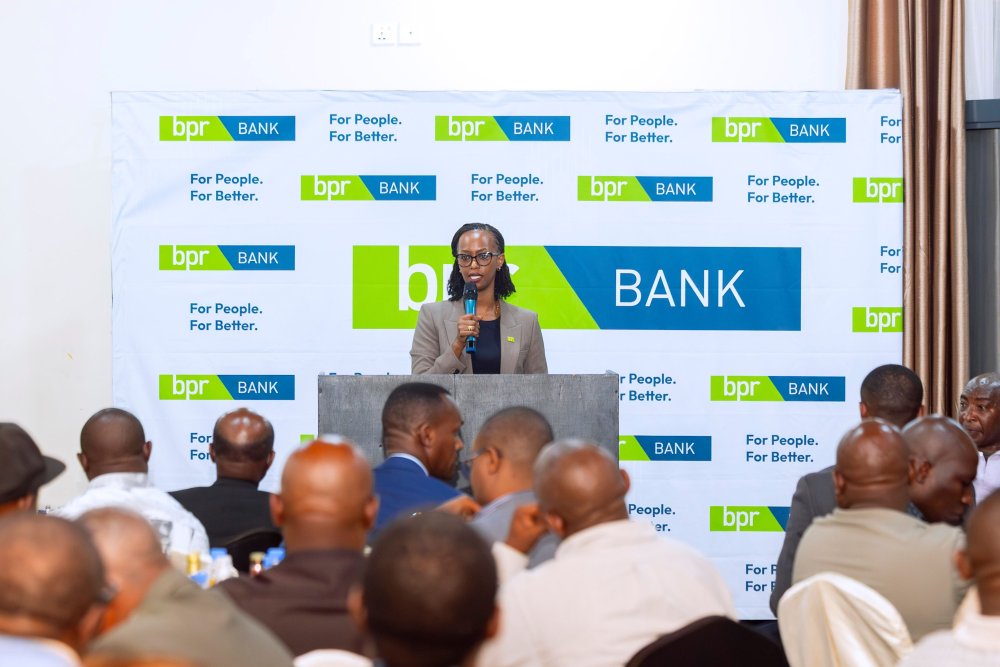
BPR Bank Rwanda Chief Executive Officer Mutesi Patience has reminded Musanze business owners that the bank considers them partners and therefore engages with them to understand and respond to their needs.BPR Bank Rwanda Executive Director of Commercial Businesses Shema Mugisha has told customers in Musanze that the bank cannot succeed without their support and feedback.Governor Mugabowagahunde has credited BPR Bank with helping curb high-interest informal lending that had exposed residents to financial losses.BPR Bank Plc customers received a warm welcome at the event’s venue.
The study, published in BMJ Public Health, analysed blood pressure measurements collected through Our Future Health, the UK’s largest health research programme.
Researchers examined data from adults who enrolled between 2022 and 2025 to assess how common hypertension was and how many people had been diagnosed, treated and successfully controlled.
The researchers found that 37.2% of participants met the study’s definition of hypertension.
The condition was defined using World Health Organization criteria as a systolic blood pressure reading of at least 140 millimetres of mercury, a diastolic reading of at least 90 mmHg, or the use of blood pressure-lowering medication.
Among those with hypertension, 58.8% were considered to have undetected high blood pressure.
This meant they had not previously been diagnosed by a health professional and were not taking medication to lower their blood pressure.
The prevalence of hypertension increased substantially with age. About 15% of adults aged 18 to 39 had high blood pressure, compared with about 71% among people aged 80 and older.
After adjusting for age, hypertension was also more common among men than women, at about 42% compared with 29%.
The researchers also found that receiving treatment did not always mean that blood pressure was adequately controlled.
Among participants taking one or more blood pressure-lowering medicines, 50.2% still had readings of at least 140/90 mmHg.
Wenyu Liu, a medical statistician at Oxford Population Health and the study’s lead author, said the findings show that high blood pressure is present across many demographic groups, including younger adults.
The researchers said the findings point to a need for more proactive detection of hypertension, alongside targeted treatment for people at higher risk of cardiovascular disease.
Iain Turnbull, a GP and clinical research fellow at Oxford Population Health, said many patients with high blood pressure remain undetected or are not adequately treated.
The study’s authors noted that hypertension is an important contributor to cardiovascular disease, stroke and premature death.
They concluded that population-wide prevention strategies and improved identification and treatment could help address the high level of undetected and inadequately controlled hypertension in England.
A blood pressure monitor is used to measure a patient’s blood pressure, highlighting the importance of detecting and managing hypertension.
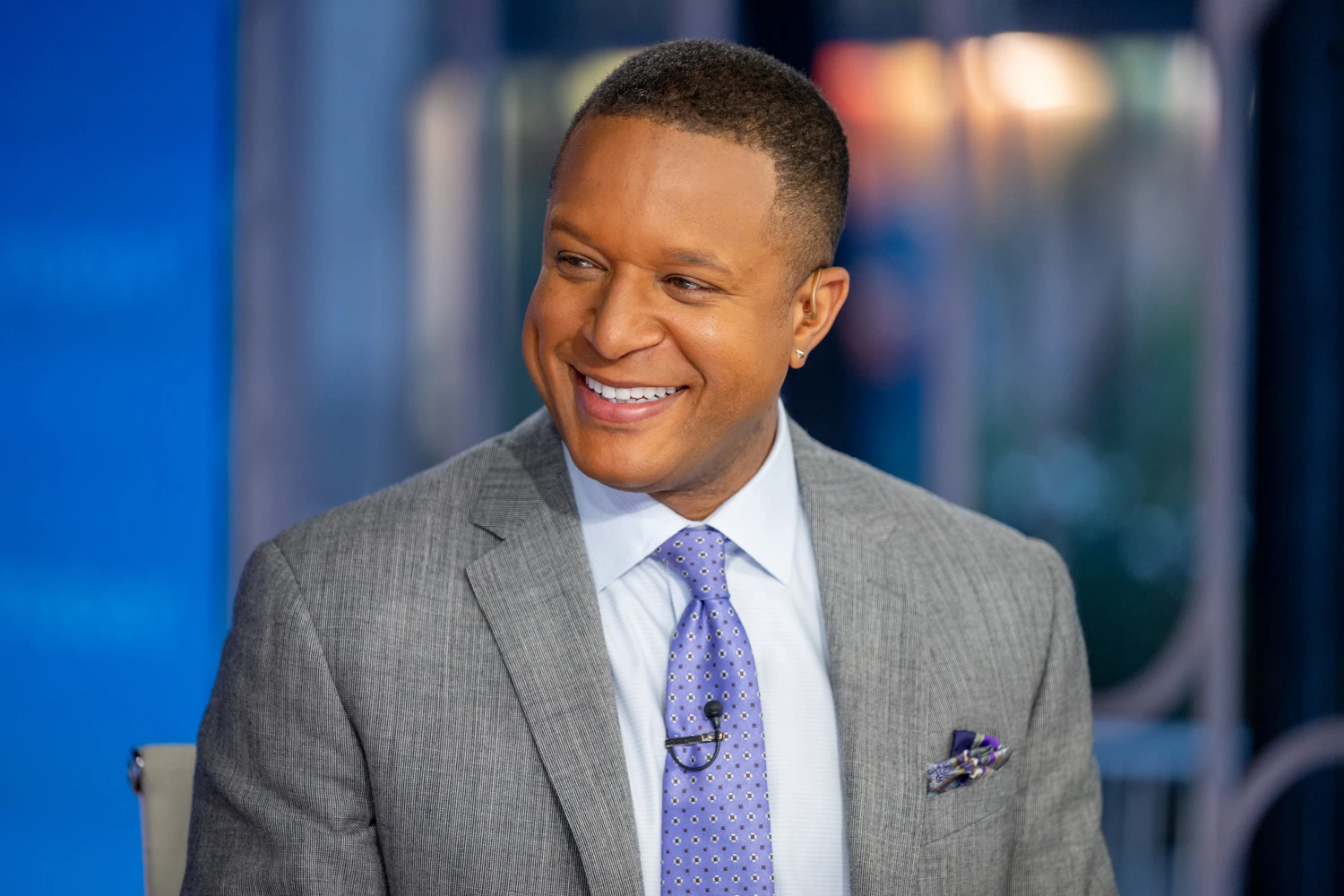
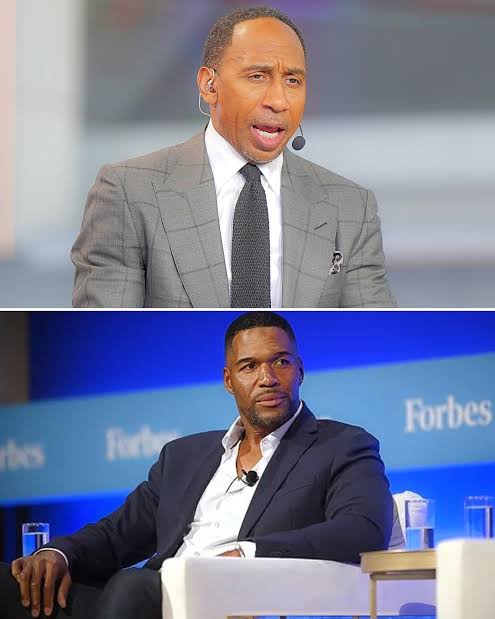
The exchange took place on Today as the hosts discussed the “Hotter Than Your First Cup of Coffee” category, which features Melvin, Strahan, ABC’s Gio Benitez and CBS Mornings anchor Vladimir Duthiers.
Roker, 72, made it clear that he was supporting Melvin, 47, and humorously suggested that the competition was not particularly close.
When an image showing the nominees appeared on screen, Roker praised Melvin and joked that his appearance put the other nominees at a disadvantage.
Saturday Today anchor Laura Jarrett attempted to keep the conversation friendly, telling Roker that there was no need to criticize the other nominees. Roker responded playfully that he intended to do exactly that.
He then singled out Strahan, joking that the former NFL player should not be counted because he is not on Good Morning America on Mondays due to his football commitments.
Melvin responded to the teasing by laughing, while Roker continued his lighthearted campaign for his colleague.
The exchange came shortly after Melvin’s nomination was announced on Today.
His co-hosts had already been joking with him about being included in PEOPLE’s annual readers’ poll.
When the nomination was initially revealed, Roker joked that Melvin’s wife, sports broadcaster Lindsay Czarniak, might have her own opinion about her husband being considered among the hottest morning television hosts.
Roker also joked that she had sent Melvin iced coffee because she did not think he was much hotter than the drink.
Other television personalities have also been reacting to the poll. At CBS Mornings, Gayle King and Nate Burleson supported their colleague Vladimir Duthiers after learning about his nomination.
PEOPLE’s 2026 Sexiest Man Alive Readers’ Choice Poll features 14 categories covering personalities from television, entertainment, sports and other areas of popular culture.
Voting remains open until October 12, with the results scheduled to be announced later in October.
For Roker and Melvin, the nomination has provided another opportunity for the Today team to joke with one another on air, turning the annual poll into a lighthearted moment among the morning show’s hosts.
Al Roker jokes about Michael Strahan while supporting Craig Melvin in PEOPLE’s Sexiest Man Alive Readers’ Choice Poll.
Pike was taken to hospital after Tennessee officials stopped an attempt to execute her by lethal injection on September 30 at Riverbend Maximum Security Institution in Nashville.
Her lawyers provided the latest details about her condition in a court filing on Friday, October 2.
According to the filing, hospital staff were working to save Pike’s life and remove pentobarbital from her system.
She had been given two doses of the drug during the execution attempt.
Pike’s attorneys said they believe problems with the intravenous lines caused the drug to enter surrounding tissue rather than properly entering her bloodstream.
They alleged that members of the execution team failed to recognize that the IV lines were not correctly placed before administering a second dose.
The attorneys also said Pike suffered significant injuries to both arms.
Her legal team has asked a Tennessee court to require the state Department of Correction to preserve evidence connected to the failed execution, saying the material could be important in determining what happened.
The execution team reportedly spent about an hour attempting to administer the lethal drugs.
Pike’s defense lawyer Randy Spivey said he counted at least seven needles in her left arm. Neither the initial dose nor the second dose resulted in her death.
Tennessee officials have not publicly provided a detailed explanation for the failure.
The state Department of Correction has previously said the execution followed its established protocol.
Tennessee Governor Bill Lee ordered an independent review of the incident and halted further executions in the state for the remainder of 2026.
Another execution that had been scheduled for this year was also postponed.
Pike, 50, was sentenced to death for the 1995 killing of 19-year-old Colleen Slemmer, who was her classmate. Pike was 18 at the time of the crime.
She had been the only woman on Tennessee’s death row and was scheduled to become the first woman executed by the state in more than two centuries.
The failed execution has renewed questions about Tennessee’s lethal injection procedures.
The state had previously conducted a review of its execution process after another execution was halted in 2022 over concerns about the state’s lethal injection drugs and procedures.
Christa Pike, a Tennessee death row inmate, remains unconscious and on a ventilator after a failed lethal injection execution attempt in Nashville.
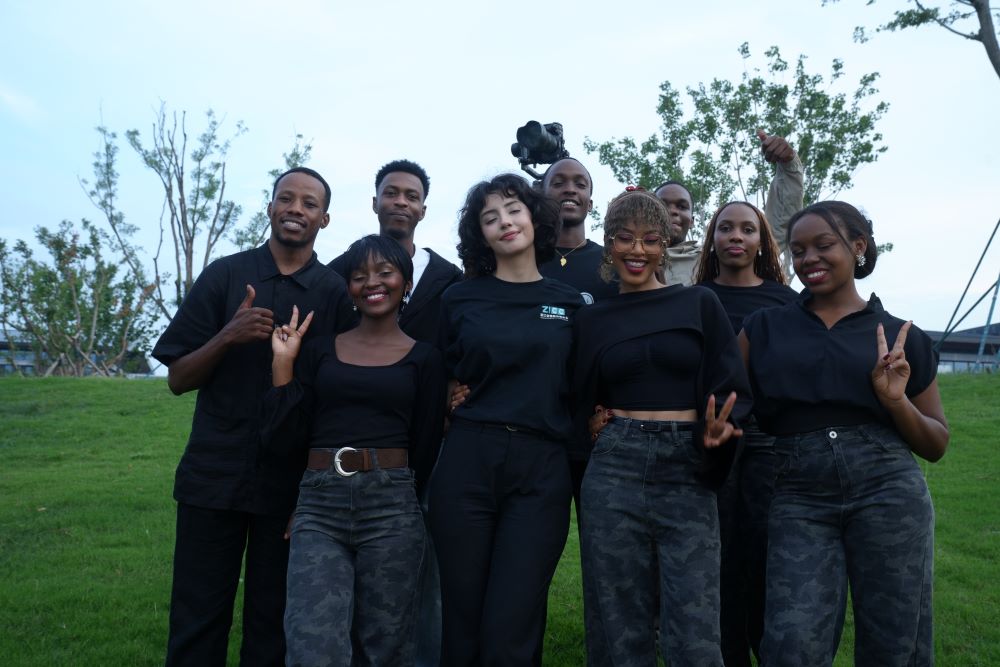
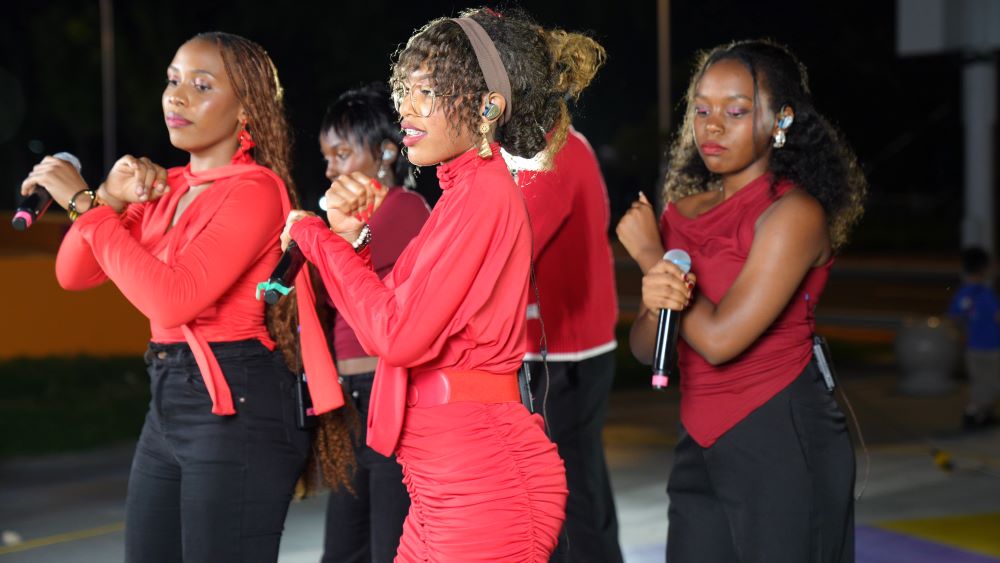
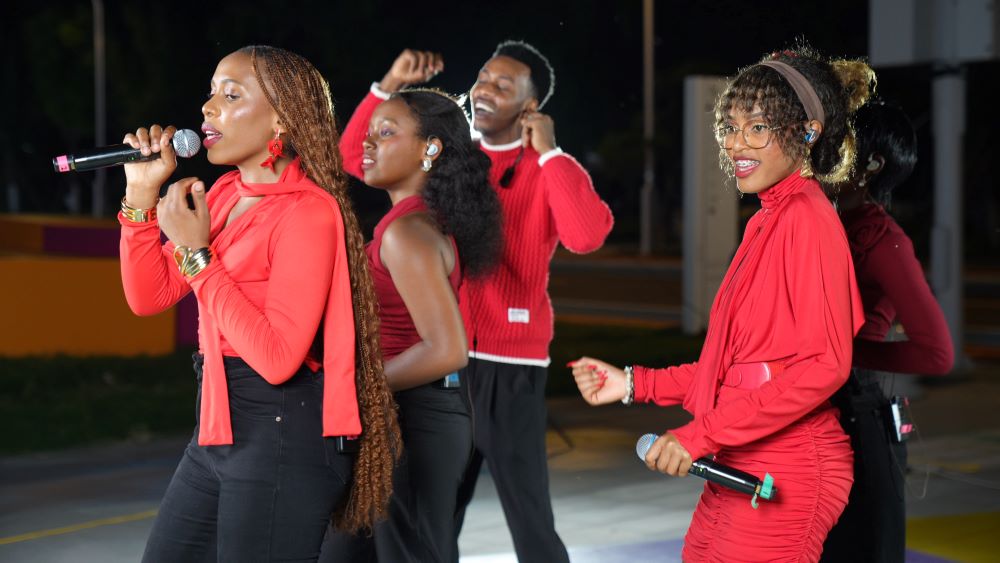
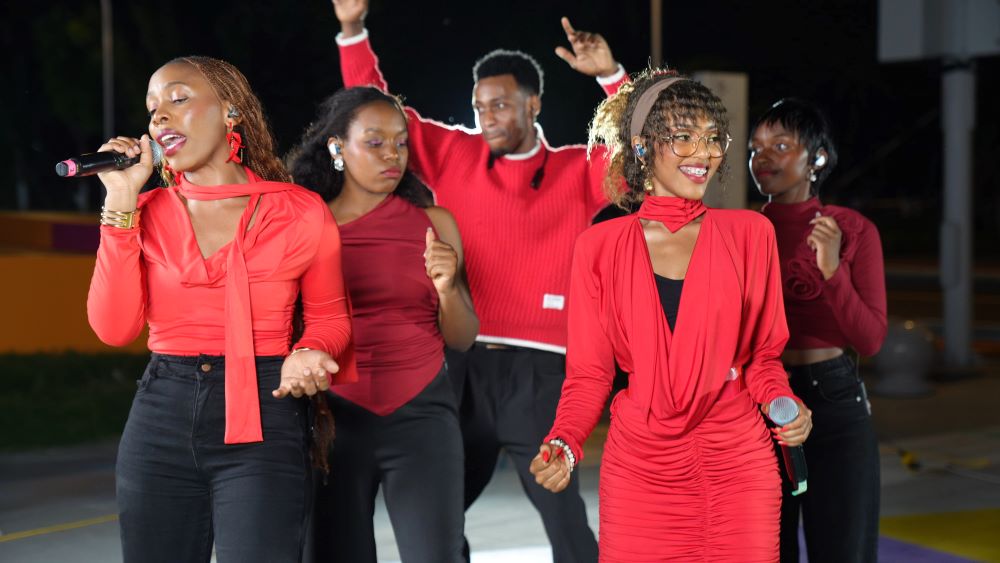
The response surprised them and what followed has turned their shared love of music into a journey connecting Rwanda and China, with more than 10 million followers now following their performances.
Before coming together, however, each had followed a different path.
Most had experience singing in church, while others were involved in different areas of music. Cyuzuzo Dany, for instance, worked as a taxi driver while also serving as a vocal coach, singing in church.
For Tesi Deborah, music had been part of life from an early age. After studying at Nyundo School of Art and Music; she performed at hotels, restaurants and weddings.
Despite their different backgrounds, music remained the common thread.
“We loved to sing; it was our life,” Tesi said.
Their interest in Chinese music grew from a desire to explore a different culture through song. Cyuzuzo first discovered Chinese music on YouTube and was surprised by the huge audiences some songs had attracted.
“I was like, ‘How?’ Because I didn’t even know that China had music like that,” he recalled.
Curiosity soon became fascination. The singers, known in China as the ‘Rwanda Youth Group,’ began listening to Chinese songs, learning them and posting short covers online.
For Habari Bora, another Nyundo School of Art and Music graduate, the inspiration also came from watching people sing Chinese songs online.
“I was very excited. I said, ‘Why not? I can try as well?’” she said.
The internet eventually brought the singers together. After Habari and another member posted their own videos, Cyuzuzo noticed their performances and contacted them, opening the door to collaboration and connections with Chinese audiences.
Members of the Rwanda Youth Group have performed Chinese songs for diverse audiences in China and beyond.
Learning Chinese through music
Performing Chinese songs has required patience, particularly because singing a song is different from speaking its language.
Their learning process begins with repeated listening. They first absorb the melody and emotion before studying the lyrics. They use pinyin (the official Latin alphabet system used to spell and pronounce Mandarin Chinese) rather than Chinese characters, often writing the lyrics down and repeatedly listening and singing along.
Noella Mugisha said the process can be surprisingly quick when they concentrate.
Yet the singers say they connected with Chinese music long before they could understand its words. As musicians, they respond first to melody, chords and vocal expression.
“First of all, we listen to the melody,” Noel Nshunguyase explained. “I cannot understand the language or know what they mean, but I can feel that the song is sad or happy because of the chords.”
For Cyuzuzo, some Chinese songs evoke memories of childhood, love, heartbreak and loss. Habari also discovered similarities between some Chinese musical techniques and those used in Rwanda.
“At first it started funny because of the language, but now I’m feeling the connection,” she said.
That connection has also shaped how Rwandan audiences view their music. Friends and former classmates were initially surprised to see them singing in Chinese, but their positive reactions became a source of motivation.
As their online following grew, so did opportunities and connections. For Tonia Niyongabo, music provides a powerful way for people from different cultures to understand one another.
“Globally, all of us human beings are united through music. We are one through music,” she said.
The emotional impact of their music has also reached individual fans. Cyuzuzo recalled one person who said their cover of a song reminded him of the loss of his mother and brought him to tears.
“That was very touching,” he recalled.
The singers say their music has also helped some Chinese people discover Rwanda. Cyuzuzo recalled meeting Chinese investors in Rwanda who said they knew about the country through their music and online presence.
For the group, however, more than 10 million followers represent people rather than just a number.
“It’s all love,” Cyuzuzo said, thanking fans for their likes, shares, comments and continued support.
The singers plan to keep learning Chinese songs, strengthening their connection with fans and using music to bring Rwandans and Chinese closer.
“Singing Chinese songs as Rwandans is our way of talking to Chinese fans, and conveying our message that we love them, respect them and we want to be friends with them,” Cyuzuzo said.
Zeng Guangyu, Director of the Confucius Institute at the University of Rwanda, described the Rwanda Youth Group as a striking example of cross-cultural communication, noting that their performances introduce Chinese audiences not only to Chinese music but also to Rwanda.
The Confucius Institute promotes Chinese language and culture through education and cultural exchange.
“I see the Rwanda Youth Group as a phenomenon of cross-cultural integration,” Zeng said. “While sharing Chinese songs, they also introduce audiences to Rwanda.”
He noted that by learning and performing Chinese songs, the singers have gained a deeper understanding of the emotions and stories conveyed through the music, while their short videos have allowed Chinese audiences thousands of kilometres away to discover more about Rwanda.
Zeng also praised the singers’ ambition and hard work, saying their journey demonstrates how young Rwandans can use creativity and music to build connections between cultures.
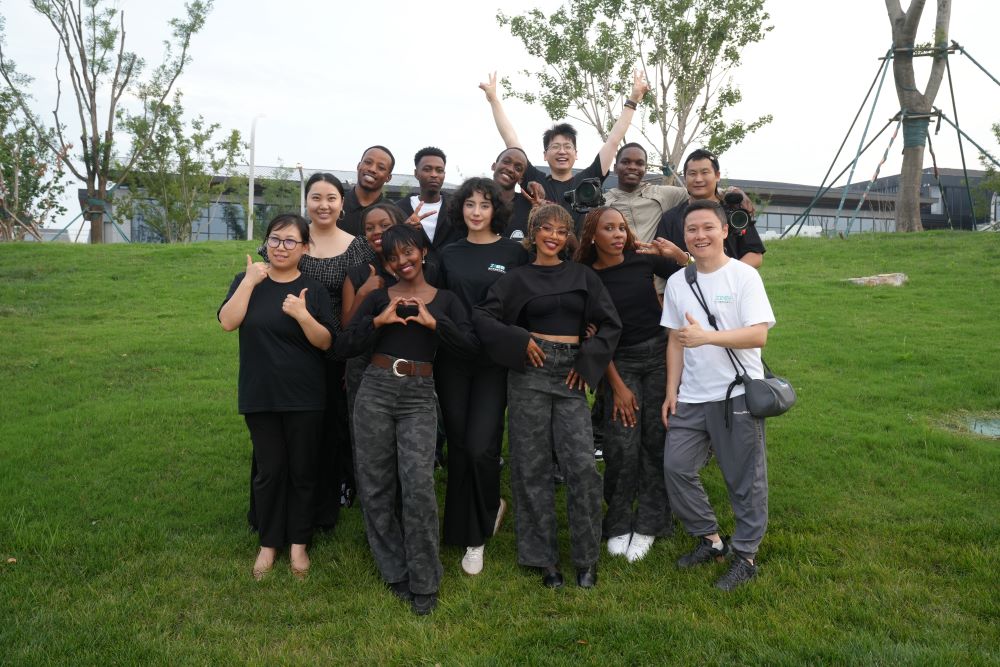
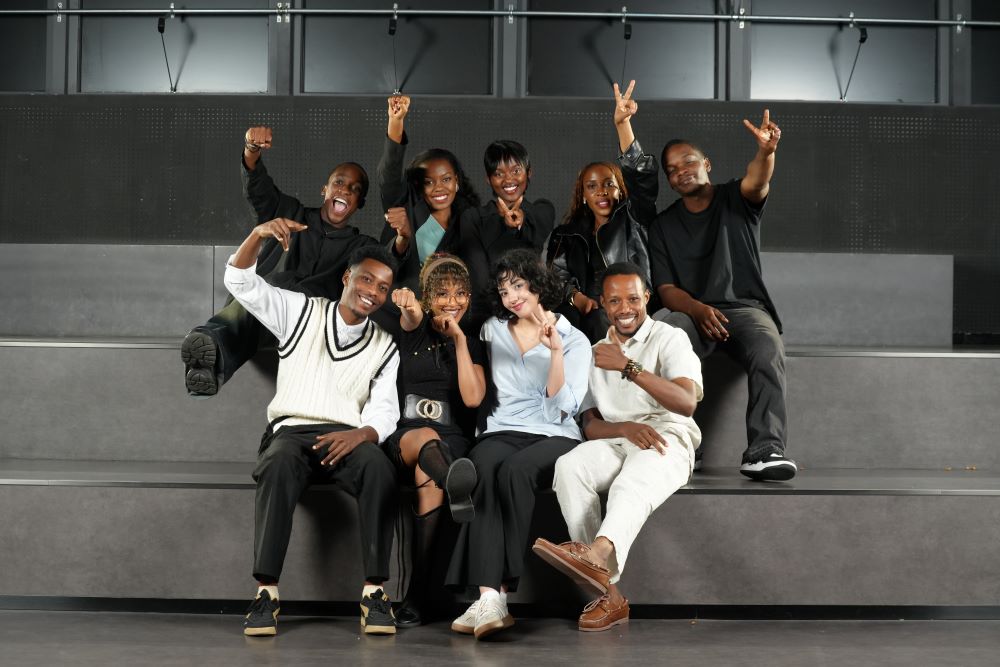
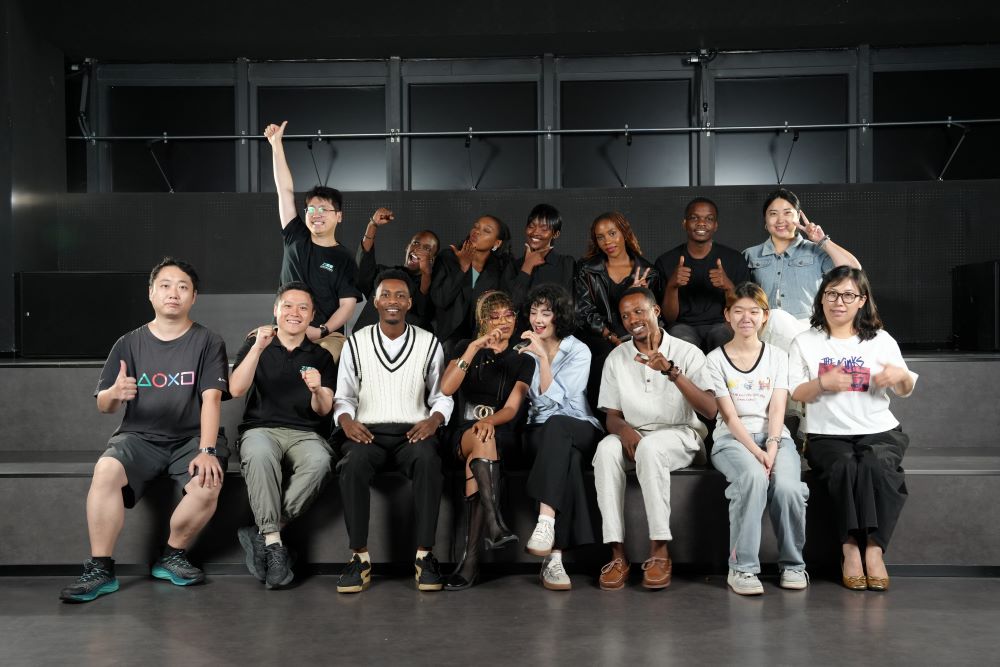
Members of the Rwanda Youth Group have used music to build connections between Rwandan and Chinese audiences.The group’s performances have attracted media attention in China, helping to strengthen interest in Rwanda and its culture.The Rwandan singers have attracted millions of followers through short videos of their Chinese song performances.The singers pose for a photo with journalists from the Zhejiang International Communication Center after sharing their experiences of learning Chinese songsMembers of the Rwanda Youth Group with a team of journalists from the Zhejiang International Communication Center during an exchange focused on their musical journey.
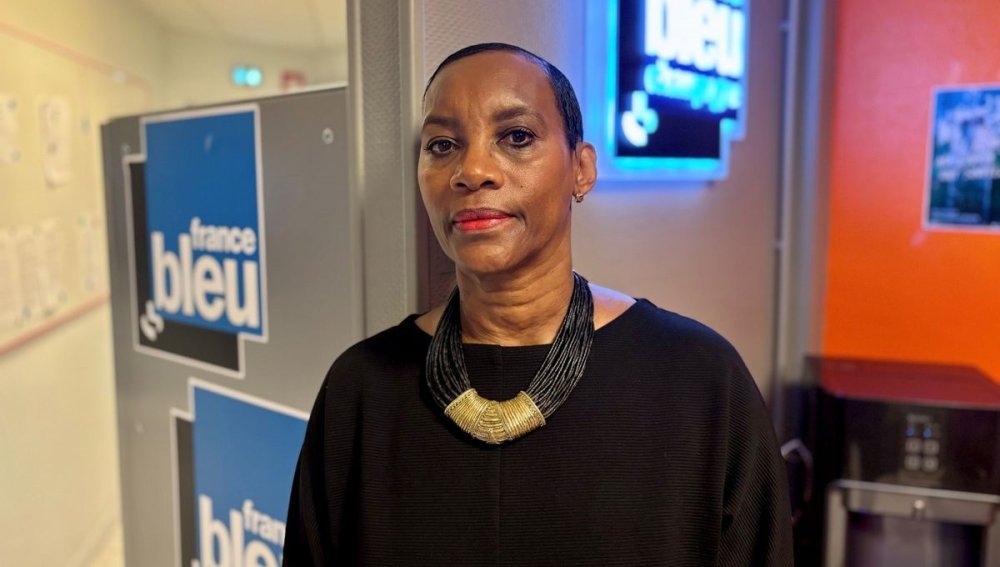
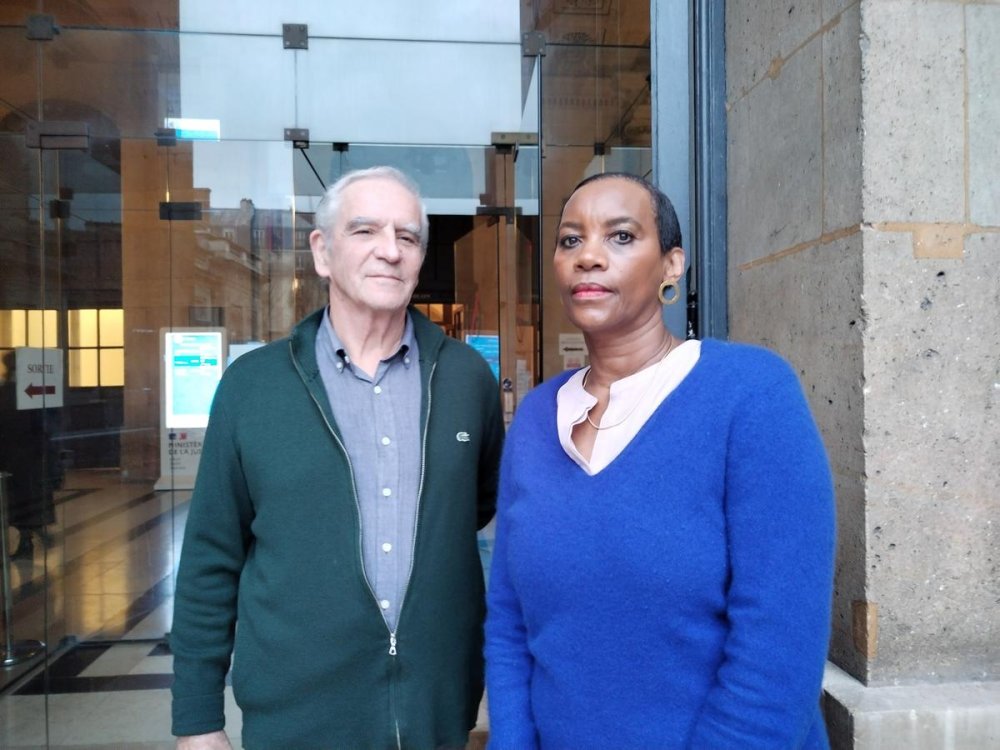
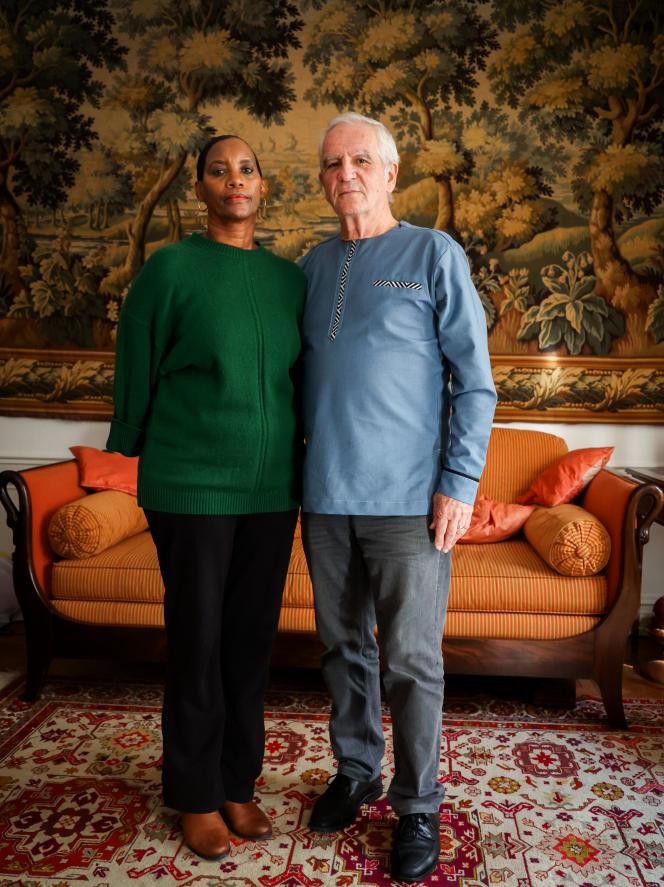
Dafroza was widely known for her efforts to seek justice for victims of the Genocide alongside her husband, Alain Gauthier. Together, they founded the Collectif des parties civiles pour le Rwanda (CPCR), an organisation that gathered evidence and testimonies used in efforts to prosecute Genocide suspects living in France.
In recognition of their work, President Paul Kagame awarded the couple the Impeta y’Igihango medal ((National Order of Outstanding Friendship) on November 18, 2017.
The honour is given to individuals who have made outstanding contributions to strengthening friendship and cooperation between Rwanda and other countries, as well as promoting the dignity of Rwanda and Rwandans internationally.
Dafroza was born in Butare in 1954. She studied chemistry at university in France, where she met Alain Gauthier, a Frenchman who was then working as a teacher in Rwanda.
They later married and settled in France, where they were living when the Genocide against the Tutsi began. They had three children.
The Genocide claimed the lives of about 80 members of her family, leaving her with a profound personal loss.
In February 1994, Dafroza was in Kigali, but her mother urged her to return to France as the security situation continued to deteriorate. Dafroza tried to convince her relatives to leave Rwanda, but they were unable to do so. It was the last time she saw them.
After the Genocide, Dafroza and her husband committed themselves to ensuring that those suspected of involvement would not remain at large. They began their efforts to seek justice for Genocide victims in 1996 and founded CPCR in 2001.
Their work included tracing Genocide suspects living in France, travelling to Rwanda to gather evidence from places where crimes had been committed, speaking to survivors and detainees, and preparing case files for judicial authorities.
Dafroza also played an important role in translating Kinyarwanda documents into French for use in court proceedings. Her knowledge of Rwanda, its language and its history helped her collect and interpret evidence.
Their pursuit of justice came with significant personal sacrifices, including financial costs and time spent away from their children.
Beyond efforts to bring Genocide suspects to justice, Dafroza and her husband visited schools and universities to educate young people about the Genocide. They also contributed to efforts to preserve its history and counter Genocide denial.
Dafroza regarded justice as a way of restoring dignity to the victims of the Genocide. She argued that trials helped keep their names alive by showing who they were and what happened to them, rather than reducing them to statistics.
Her journey with her husband was documented in the 2023 book Rwanda, à la poursuite des génocidaires. The book was written by journalist Thomas Zribi in collaboration with illustrator Damien Roudeau, with a foreword by artist and writer Gaël Faye.
On November 18, 2017, President Paul Kagame awarded Dafroza for her contribution to bringing those responsible for the 1994 Genocide against the Tutsi to justice.Dafroza and Alain Gauthier have founded the Collectif des parties civiles pour le Rwanda (CPCR), which has helped gather evidence against Genocide suspects in France.Dafroza Gauthier has worked alongside her husband, Alain Gauthier, to pursue justice for Genocide victims in France.
Dr. Lassina Zerbo, Chairman of the Rwanda Atomic Energy Board (RAEB), said Rwanda’s nuclear journey began about six or seven years ago with a decision to pursue small modular reactors (SMRs) while investing early in the human capacity needed to support the programme.
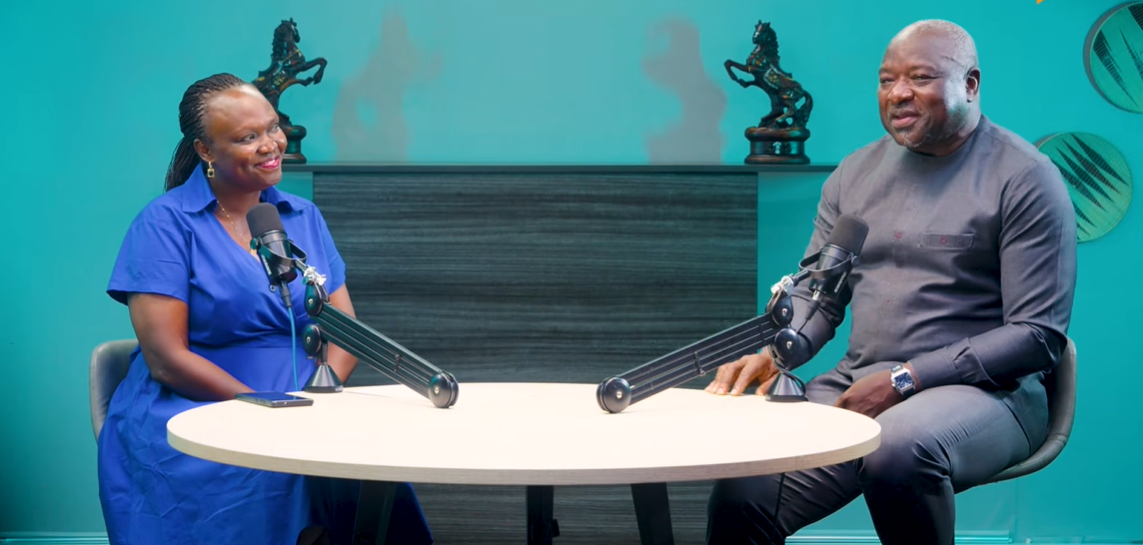
Speaking on the Dossier podcast, hosted by celebrated journalist Jackie Lumbasi, the chairperson described the approach as a deliberate effort to prepare Rwanda’s workforce before a nuclear power plant is built.
President Paul Kagame has said Rwanda remains on track to have nuclear energy operational by the early 2030s. In May 2026, he said the country’s completion of the International Atomic Energy Agency’s Phase I Integrated Nuclear Infrastructure Review confirmed that it was on course. Rwanda is targeting up to 1.5 gigawatts of nuclear generation capacity by 2050.
Rwanda is currently collaborating with the United States, Russia, and other private entities to develop small modular reactors and microreactors for its energy sector.
For Dr. Zerbo, the foundation of the programme is not the reactor itself, but the people who will eventually operate and regulate it.
“A month ago we had 26 Rwandan master’s degree graduates in nuclear science and technology,” he said, referring to graduates specialising in areas including safety, security and electrical engineering.
He said the graduates were expected to join RAEB, while Rwanda has also been sending students abroad to study nuclear science and technology.
The strategy, he argued, ensures that Rwanda does not wait until construction begins to start developing the expertise needed to support the industry.
“You don’t bring thousands of experts from the international world and then say, ‘Come to Rwanda, we want to build a plant,’” Dr. Zerbo said. “Do you have a certified welder or do you have a certified medical doctor or whatever? And then you say, ‘No, we don’t have.’”
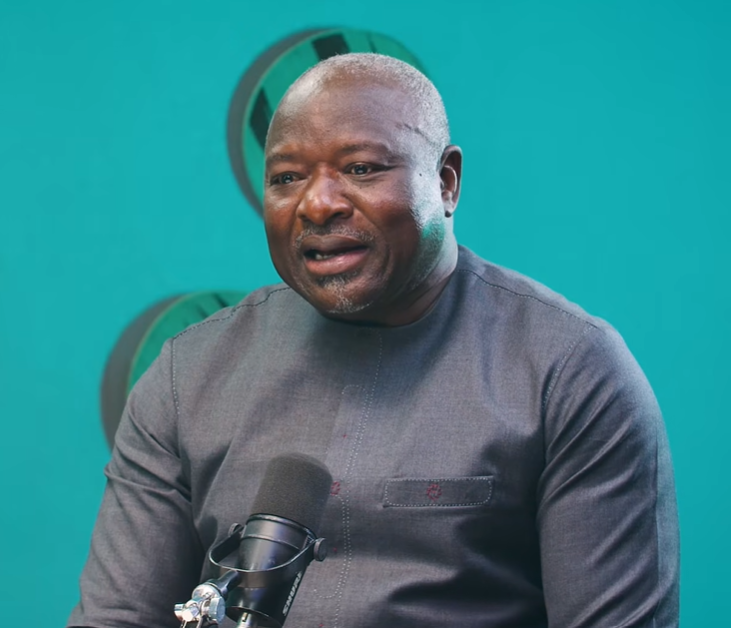
Dr. Lassina Zerbo (right), Chairman of the Rwanda Atomic Energy Board, said Rwanda is pursuing small modular reactors while investing in nuclear expertise.
Building an African nuclear platform
Dr. Zerbo also sees Rwanda’s nuclear programme as part of a wider effort to give African countries a stronger role in determining how nuclear technology can contribute to the continent’s development.
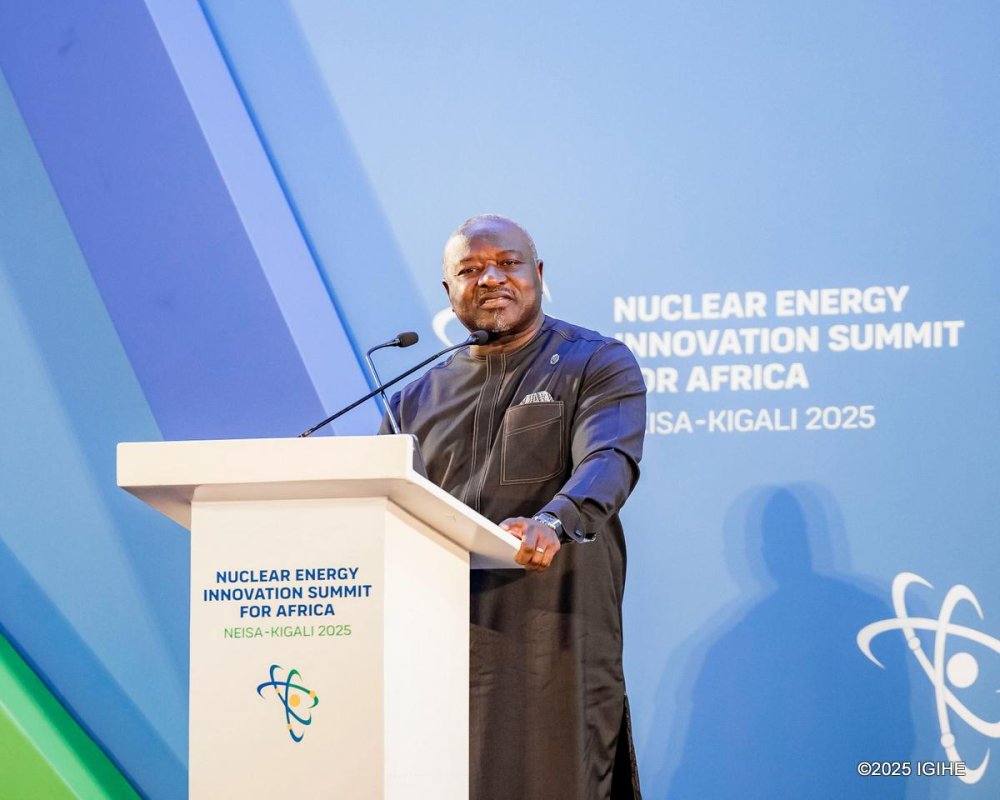
That thinking led to the creation of the Nuclear Energy Innovation Summit for Africa, which has been hosted in Rwanda for its first two editions.
The second edition attracted about 1,500 participants, according to Dr. Zerbo, bringing together African stakeholders, international institutions and companies from countries including France, Britain, Germany, Russia, China and the United States.
He said the platform was designed to allow Africans to discuss nuclear development together while working with international partners.
President Kagame has given the green light for the third edition to be held in Lomé, Togo, Dr. Zerbo said, in a move he said would make the initiative more inclusive across the continent.
The International Atomic Energy Agency has also been involved in Rwanda’s nuclear programme. Dr. Zerbo singled out IAEA Director General Rafael Mariano Grossi for supporting the summit and Rwanda’s wider efforts.
President Paul Kagame said in May that Rwanda remains on track to have nuclear energy operational by the early 2030s.
Why nuclear matters beyond electricity
The RAEB boss argues that the case for nuclear power in Africa goes beyond connecting households to electricity.
He sees reliable electricity as a prerequisite for industrialisation, agriculture and economic competitiveness, particularly at a time when African businesses face high energy costs and unreliable supply.
“If a farmer produces and processes, they need energy to process their products and keep them for longer so they can eventually export them,” he said.
For industries such as cement or glass manufacturing, Dr. Zerbo argues that intermittent power can make production difficult. Nuclear, he said, could provide the steady baseload electricity required by such industries, alongside renewable sources.
“Nuclear energy is not at the expense of, or in competition with, renewable energy,” he stressed. “We want to have an energy mix that provides a baseload and helps avoid the load-shedding that we are facing in many African countries today.”
He also pointed to nuclear technology’s applications beyond electricity, including cancer treatment, agriculture and food preservation.
The shift toward smaller reactors
A central part of Rwanda’s strategy is its interest in smaller nuclear technologies.
Dr. Zerbo described microreactors as a further evolution from conventional nuclear plants and small modular reactors. He said some concepts are being developed around units that could fit within a 40-foot container.
He gave the example of a one-megawatt microreactor potentially supplying about 3,000 families continuously for seven to 15 years without maintenance, while noting that the number of households served would vary depending on electricity consumption.
Developers are also working on higher-capacity microreactors that could supply facilities such as data centres, whose electricity requirements are growing alongside artificial intelligence.
For Rwanda, smaller reactors could potentially offer a more adaptable option for a country with a relatively small electricity system compared with the large grids of major industrial economies.
The chairperson also pointed to evolving reactor technologies that could reduce water requirements and potentially allow nuclear systems to operate in locations where conventional reactors would face greater cooling constraints.
Dr. Zerbo sees Rwanda’s nuclear programme as part of efforts to give Africa a greater role in shaping nuclear technology for development.
Safety, waste and public trust
Nuclear safety remains one of the most important questions surrounding the technology.
Dr. Zerbo acknowledged that nuclear energy carries risks but argued that technological development has changed the nature of those risks, particularly with newer reactor designs.
He referenced the Fukushima disaster, noting that the Japanese nuclear accident followed a major tsunami, and argued that discussions about nuclear safety should consider the broader circumstances surrounding such events. His argument is not that nuclear technology is risk-free.
“I’m not trying to say that there’s no risk,” he remarked. “But I believe that with the evolution of science, technology, and the innovation that we are noticing today, the risk with the small modular reactors and the micro reactors is less than the conventional ones we know of so far.”
Waste management is another challenge. Dr. Zerbo said emerging technologies could eventually allow some nuclear waste to be reused as fuel in other reactor systems, potentially reducing the amount requiring long-term management.
The financing challenge
The cost of nuclear infrastructure remains a major hurdle for African countries. The RAEB chair said financing should be considered alongside the infrastructure that depends on reliable energy, rather than treating nuclear power as a standalone investment.
He pointed to the World Bank’s changing position on financing nuclear energy and said discussions were underway on how international financial institutions could support nuclear projects.
He argued that African institutions, including the African Development Bank, should also consider how nuclear energy fits into the continent’s infrastructure financing needs.
For countries that cannot independently finance a large reactor, the chairperson proposed another possibility: regional energy hubs.
Rather than every African country building its own large nuclear plant, countries could develop nuclear capacity that supplies neighbouring markets through existing regional electricity pools.
Rwanda could potentially become an energy hub if it develops a nuclear power plant, while coastal countries such as Tanzania could explore floating nuclear units, he said.
Dr. Lassina Zerbo, former Prime Minister of Burkina Faso, became Chairman of the Rwanda Atomic Energy Board on October 13, 2021, following his appointment by President Paul Kagame.
A long-term commitment
For the RAEB boss, nuclear development is ultimately a project that extends far beyond the political cycle.
A nuclear programme can involve commitments lasting decades, meaning countries must carefully consider technology providers, financing arrangements, regulation, safety and long-term partnerships.
“It’s like getting married,” he said of selecting a nuclear partner. “You don’t wake up in the morning and then say this is my partner. You think about it: I’m engaging my country, my population for 50 to 60 years.”
He believes Africa now has a growing pool of scientists and engineers capable of participating in that process.
“Now it’s different,” Dr. Zerbo said. “We have thousands of experts in nuclear science and technology across Africa, and more are coming. They will help make a difference for the continent.”
Watch the full conversation below as Dr. Lassina Zerbo delves into Rwanda’s nuclear ambitions, the push for small modular reactors, Africa’s growing nuclear expertise, energy security, financing, safety and what the future of nuclear power could mean for the continent.