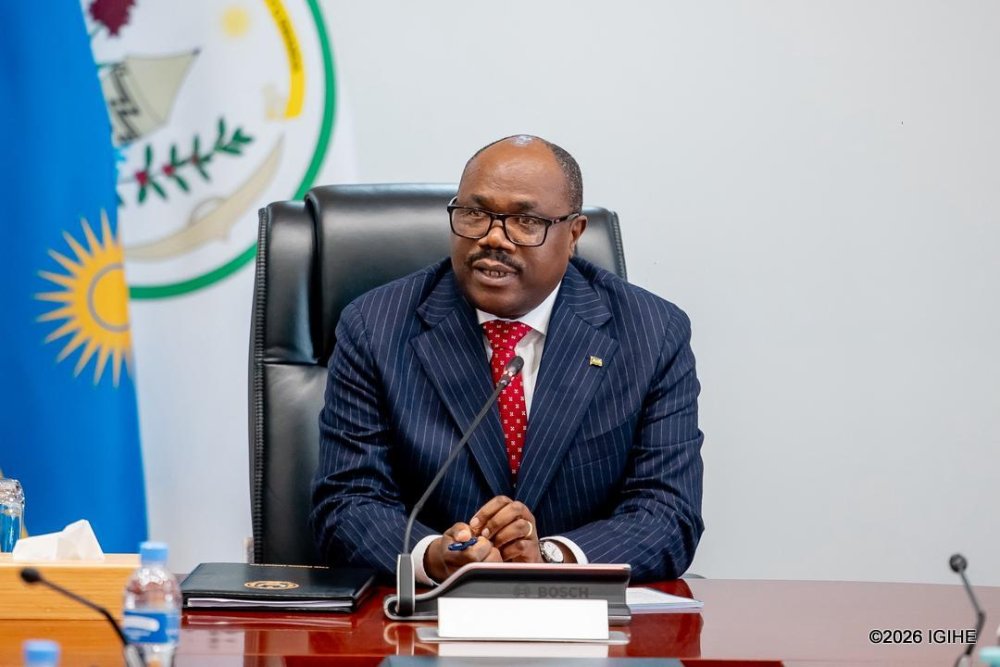
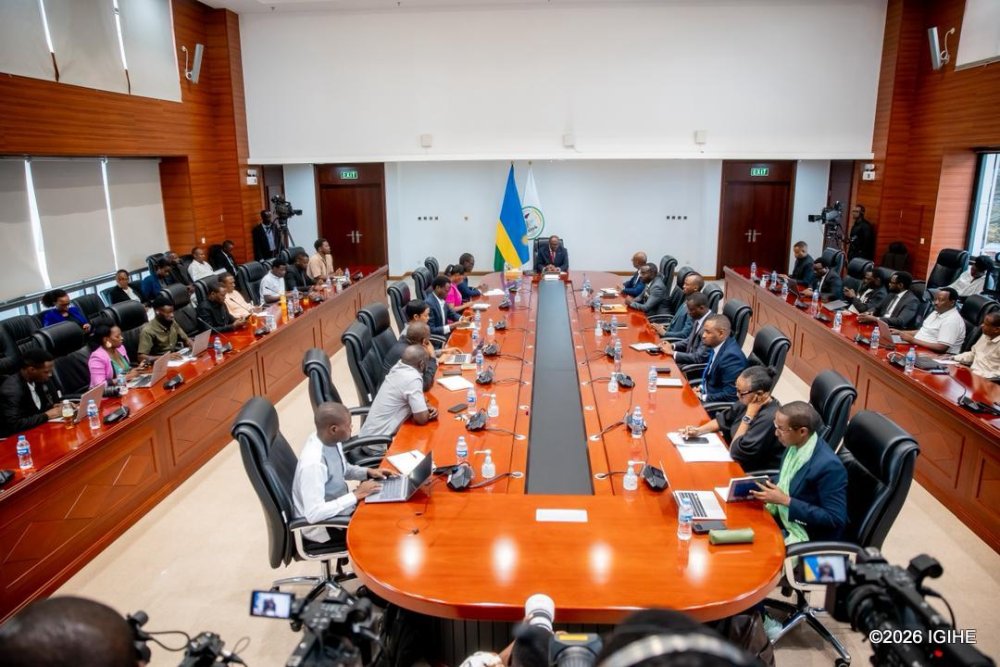
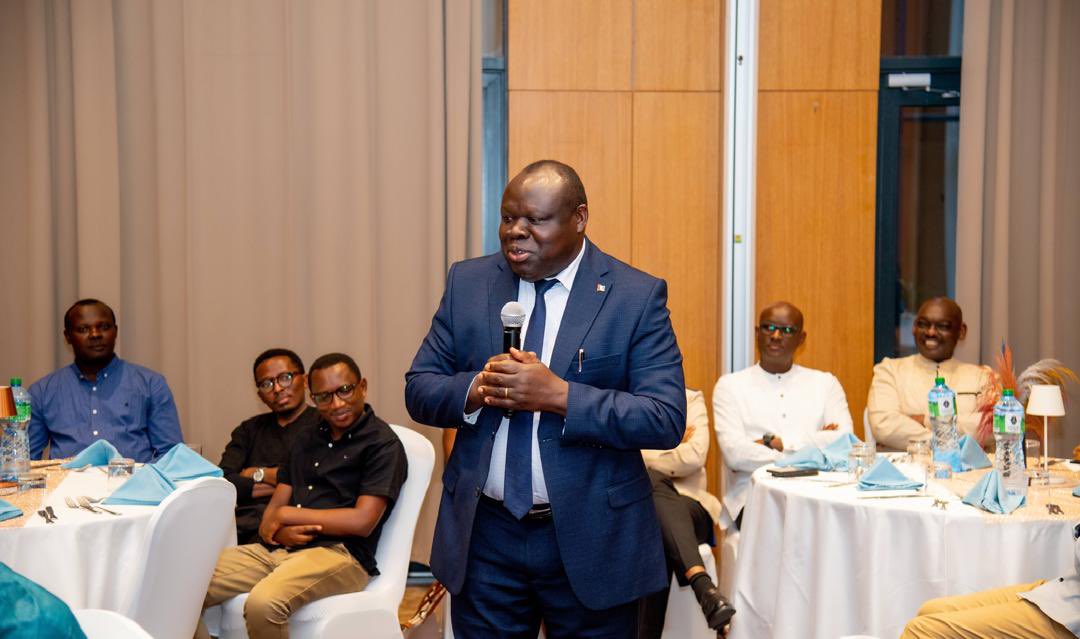
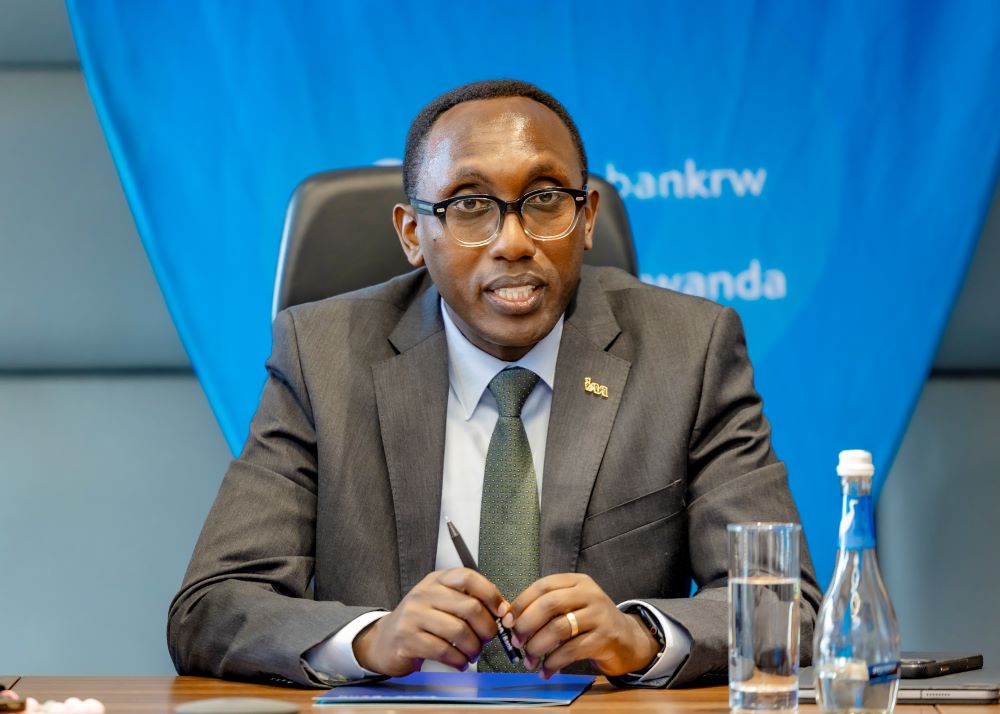
He made the remarks on June 6, 2026, during a press conference.
Rwanda’s current minimum wage was set in 1974 at Rwf100 per day for employees working in the formal sector.
The issue is frequently debated in public discourse, with concerns often linked to rising living costs, while incomes for many workers remain relatively unchanged.
Dr. Nsengiyumva noted that while workers naturally expect higher pay, employers view wage increases in relation to production costs and business sustainability.
“For workers, when the minimum wage is increased above prevailing market levels, it is seen as positive because they earn more. However, from the employer’s perspective, it increases the cost of producing goods and services,” he said.
He illustrated the impact with an example of a business currently paying Rwf50,000 per worker. If a minimum wage of Rwf80,000 were imposed, he said, the employer would have to significantly adjust operational costs.
“An employer who previously hired 10 workers may find it difficult to sustain all of them and may reduce the workforce to seven. As a country, we must ask whether we have truly benefited if three people lose their jobs,” he said.
According to him, while the remaining employees may earn more, the increase could simply reflect the redistribution of wages from those who were laid off.
He cautioned against focusing solely on nominal wage figures without considering broader economic dynamics.
“Increasing wages on paper while prices also rise achieves little. What matters is how we help workers become more productive. The key question is: how much value are we generating from the work being done? Employees should not rely on guaranteed wages alone while delivering low productivity, just as employers should not expect high output without fair compensation,” he said.
Dr. Nsengiyumva emphasised that productivity growth is the foundation for sustainable wage increases.
“If productivity increases, wage growth will follow naturally. Employers do not need to be reminded to increase wages when workers are generating higher value,” he added.
He also highlighted persistent productivity gaps in key sectors, particularly agriculture, where yields remain below potential. For instance, maize production may average around two tonnes per hectare, despite the capacity to produce significantly more under improved practices.
The government, he said, continues to prioritise investment in skills development and capacity building to enhance workforce productivity. He further noted that Rwanda is focusing on creating higher-quality jobs that require specialised skills and offer improved remuneration.
According to the National Institute of Statistics of Rwanda (NISR), 238,491 non-agricultural jobs were created in 2025, marking an 8.9% increase compared to the previous year.
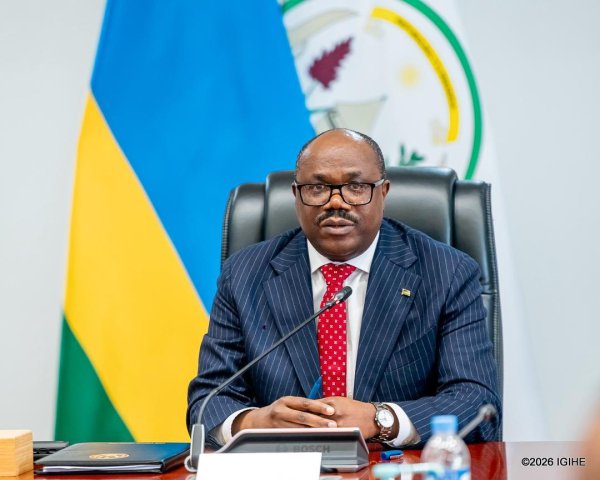
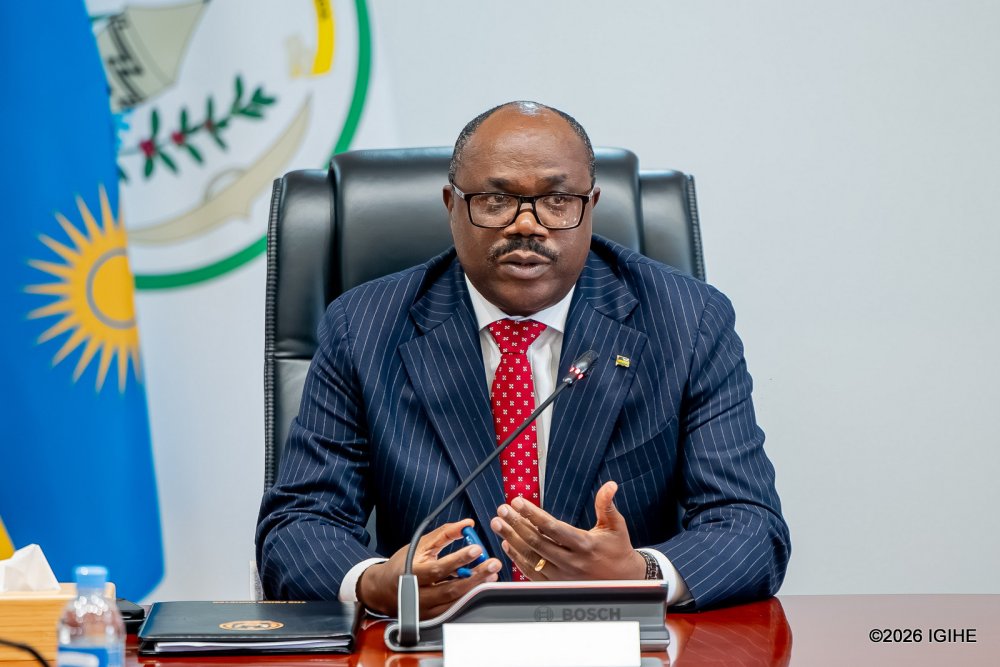
Prime Minister Dr. Justin Nsengiyumva has said that discussions on the minimum wage should not be the primary focus, arguing instead that raising productivity is the sustainable path to higher incomes, as employers are more likely to increase wages when output improves.The PM made the remarks on June 6, 2026, during a press conference.
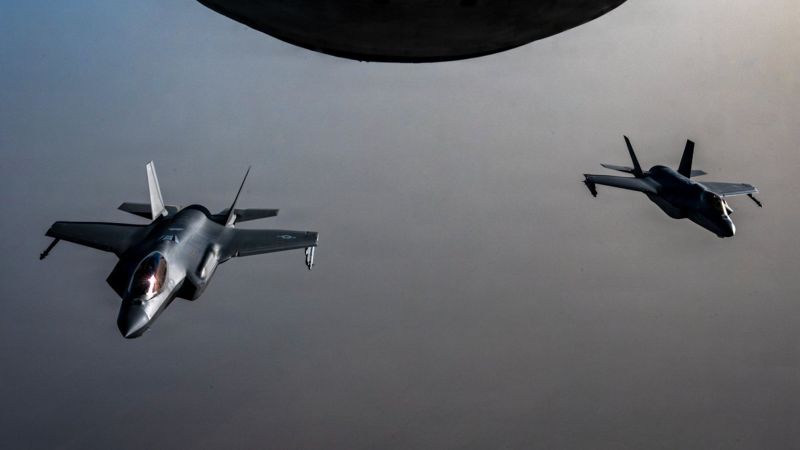
“Earlier today, U.S. forces in the Middle East shot down two Iranian one-way attack drones that threatened international maritime traffic in the Strait of Hormuz,” the U.S. Central Command (CENTCOM) said on X.
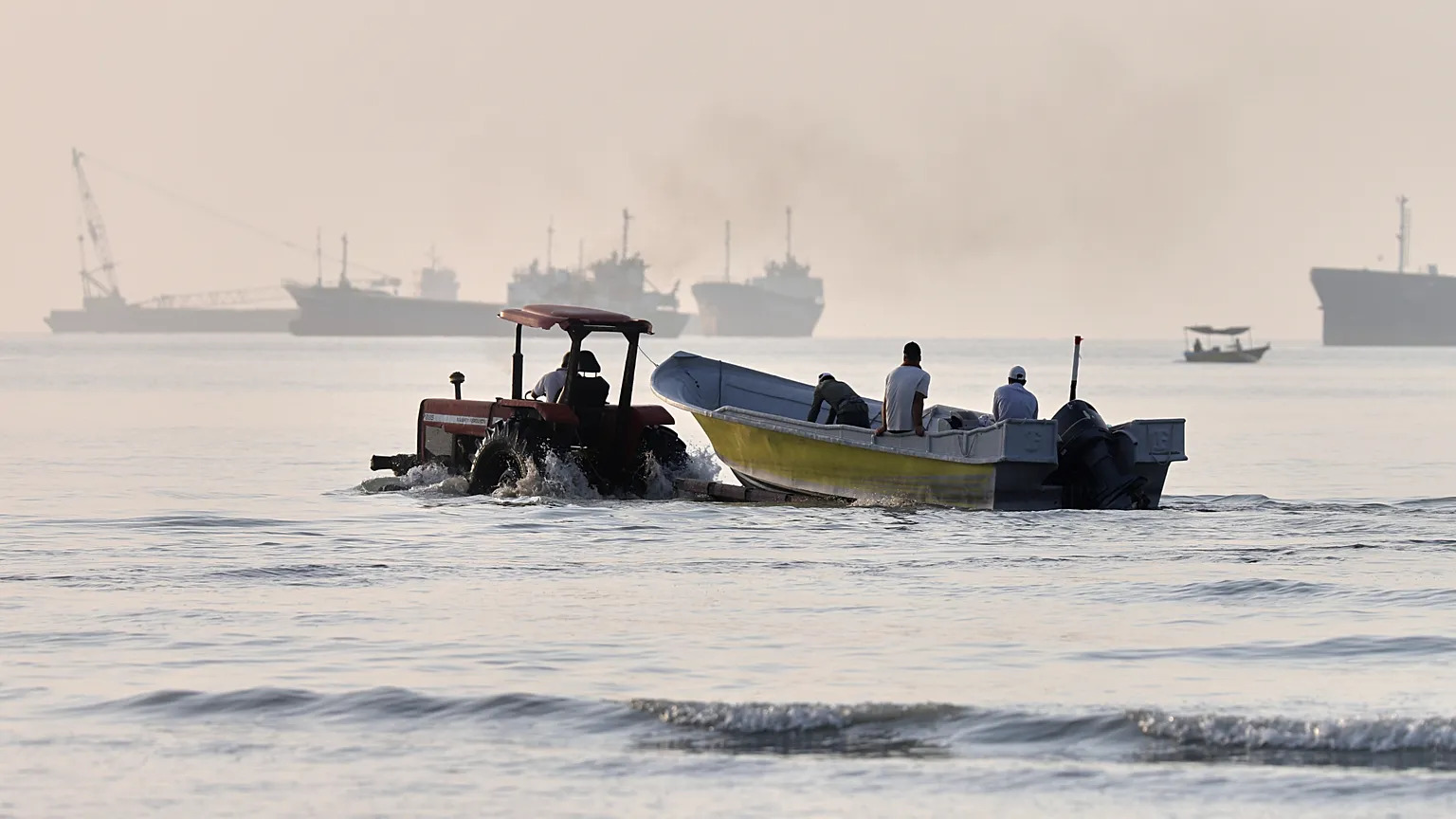
Shipping traffic through the Strait of Hormuz has been largely blocked by Iran since February 28 2026, when the United States and Israel launched air strikes against Iran. In retaliation, Iran launched missile and drone attacks on Israel, U.S. military bases in the region, and U.S.-allied Gulf states. The Iranian Revolutionary Guard Corps issued warnings forbidding passage through the strait, boarded and attacked merchant ships, and laid sea mines in the waterway.
The collapse in traffic has been swift and severe. As of March 10, the number of ships transiting the strait dropped from 129 per day to just 4, a fall of 97%. As of May, more than 1,550 commercial vessels were stranded and 22,500 mariners trapped in and around the strait. All major carriers, including Maersk, CMA CGM, MSC, and Hapag-Lloyd, have suspended transits. As of June 6, the strait remains effectively closed.
The war has produced the largest disruption to the global oil market in history, according to the IEA. Cumulative oil supply losses from Middle East producers now exceed one billion barrels, with more than 14 million barrels per day of oil production shut in. LNG supplies from Qatar and the UAE have been reduced by over 300 million cubic metres per day since March 1, and the Ras Laffan facility in Qatar, the largest liquefaction facility in the world, has been offline since it was attacked on March 2.
The cost to Rwanda
Rwanda is feeling the crisis directly. Diesel prices in Rwanda were revised upward by Rwf 722 on Friday to retail at Rwf 2,927 per litre in the latest review. Petrol remains unchanged at Rwf 2,938.
Prime Minister Justin Nsengiyumva told the media on Saturday that Rwanda is subsidising 18% of diesel costs to cushion consumers against global shocks. Without this support, pump prices would hit Rwf 3,581 instead of the Rwf 2,927 recently set by the Rwanda Utilities Regulatory Agency (RURA).
The pain extends beyond the fuel pump. One third of global seaborne trade in fertilisers passes through the Strait of Hormuz, and several African countries are heavily dependent on those imports. Energy-importing economies in Africa are feeling the strain from higher import bills on top of already limited fiscal space, and low-income countries are especially at risk of food insecurity.
The latest drone incident underlines how far the crisis is from resolution. The two countries have been engaged in indirect talks, but those negotiations have yet to halt military exchanges. While Saudi Arabia and the UAE have successfully redirected some exports to terminals outside the strait, mounting supply losses are depleting global oil inventories at a record pace.
Shipping traffic through the Strait of Hormuz has been largely blocked by Iran since February 28 2026, when the United States and Israel launched air strikes against Iran.
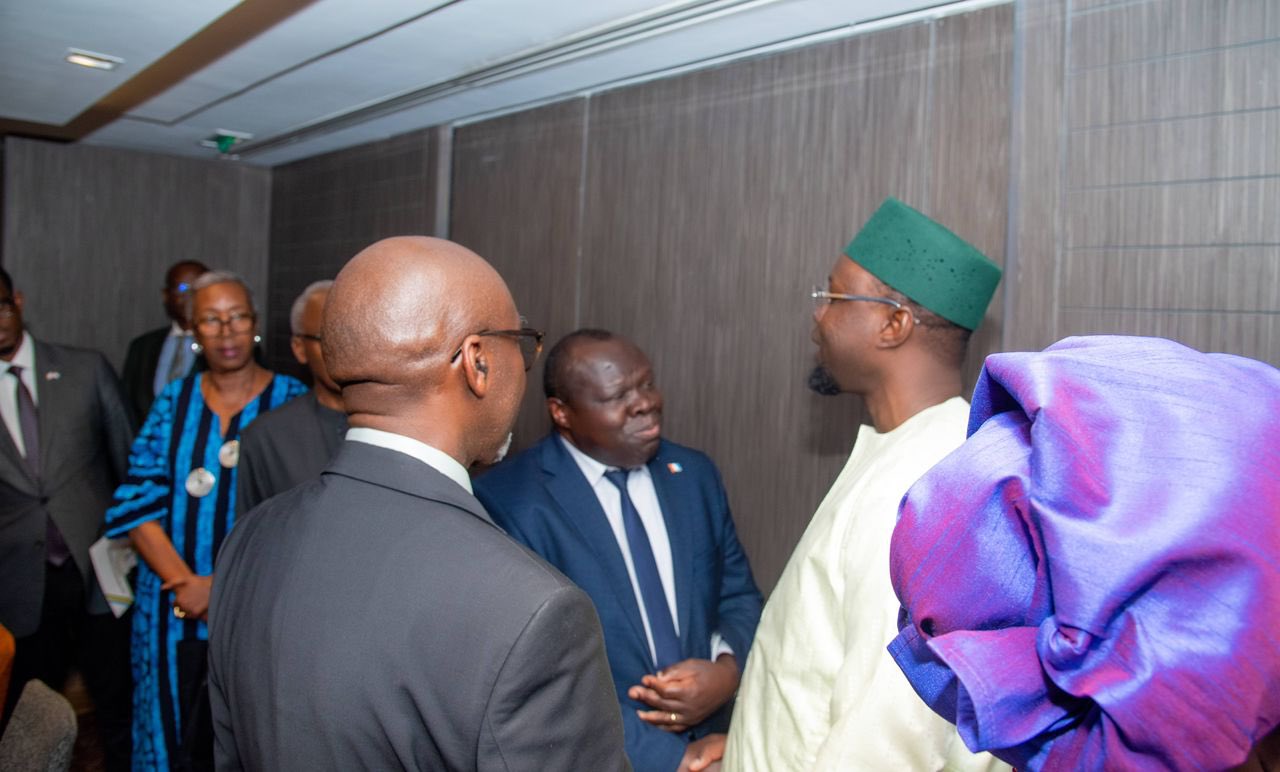
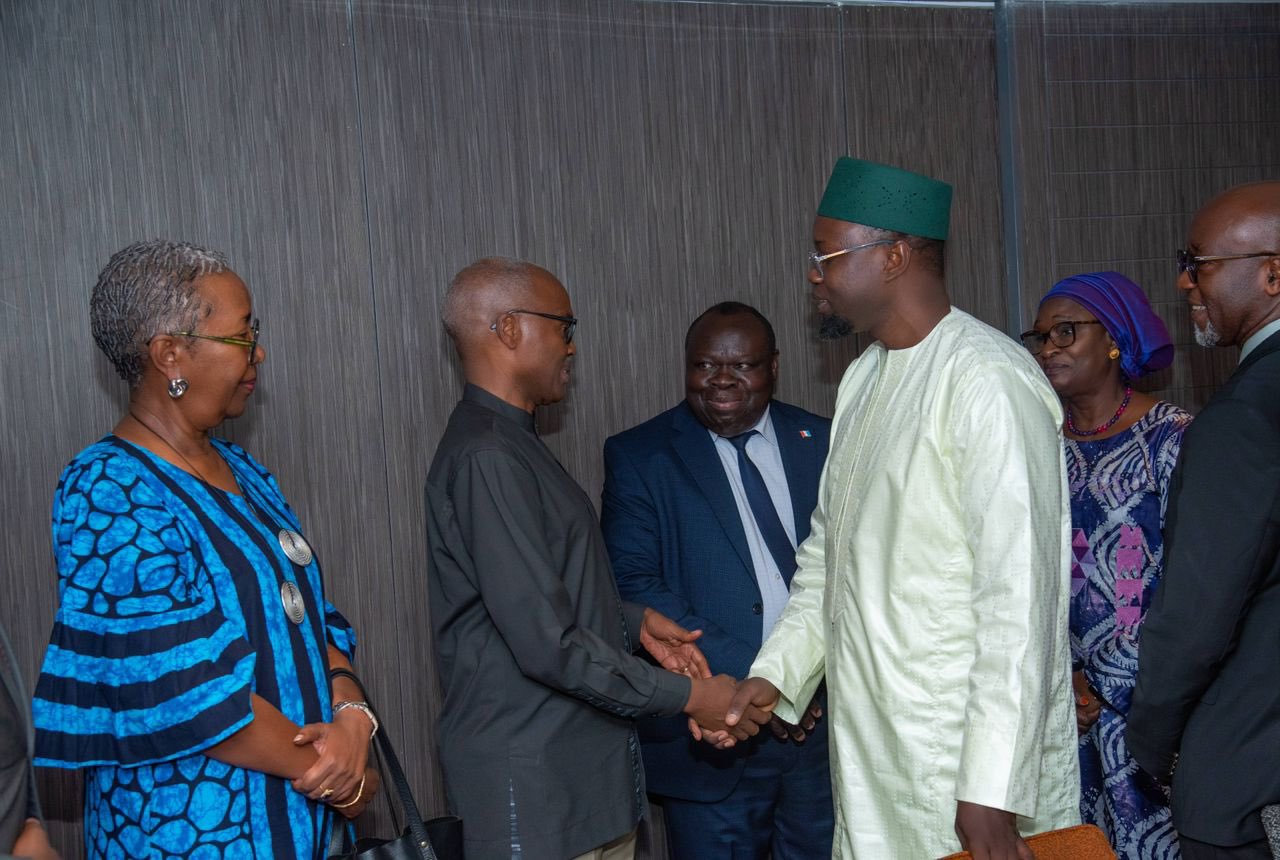
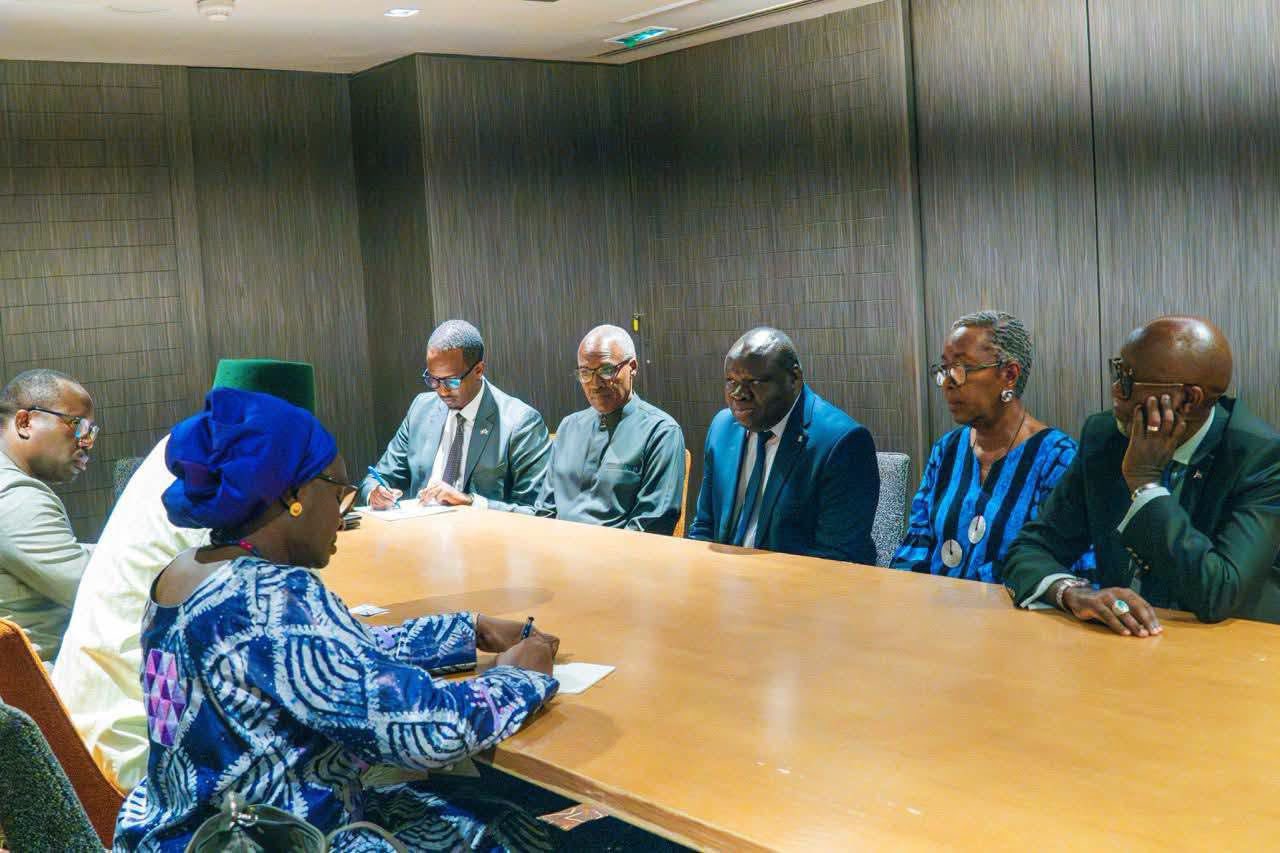
The meeting took place on June 6, 2026, during an engagement in Dakar, where the RPF-Inkotanyi delegation was received by PASTEF leadership.
Amb. Bazivamo delivered a congratulatory message from the Chairman of FPR-Inkotanyi and President of the Republic, Paul Kagame, to PASTEF on the occasion of its first National Congress. He also expressed appreciation for the invitation extended to RPF-Inkotanyi to take part in the historic gathering.
The two leaders exchanged views on a range of issues of mutual interest, with emphasis on advancing party-to-party cooperation and consolidating the strong bilateral relationship between Rwanda and Senegal.
During his address at the congress, Amb. Bazivamo highlighted shared values between PASTEF and FPR-Inkotanyi, including patriotism, national sovereignty, integrity, good governance, unity, and African self-determination.
He reaffirmed FPR-Inkotanyi’s commitment to continued engagement with PASTEF, noting that exchanges of experience, political dialogue, and shared ideas would contribute to strengthening governance capacity and advancing sustainable development in both countries and across Africa.
He also extended an invitation to the PASTEF leadership to visit Rwanda in the near future.
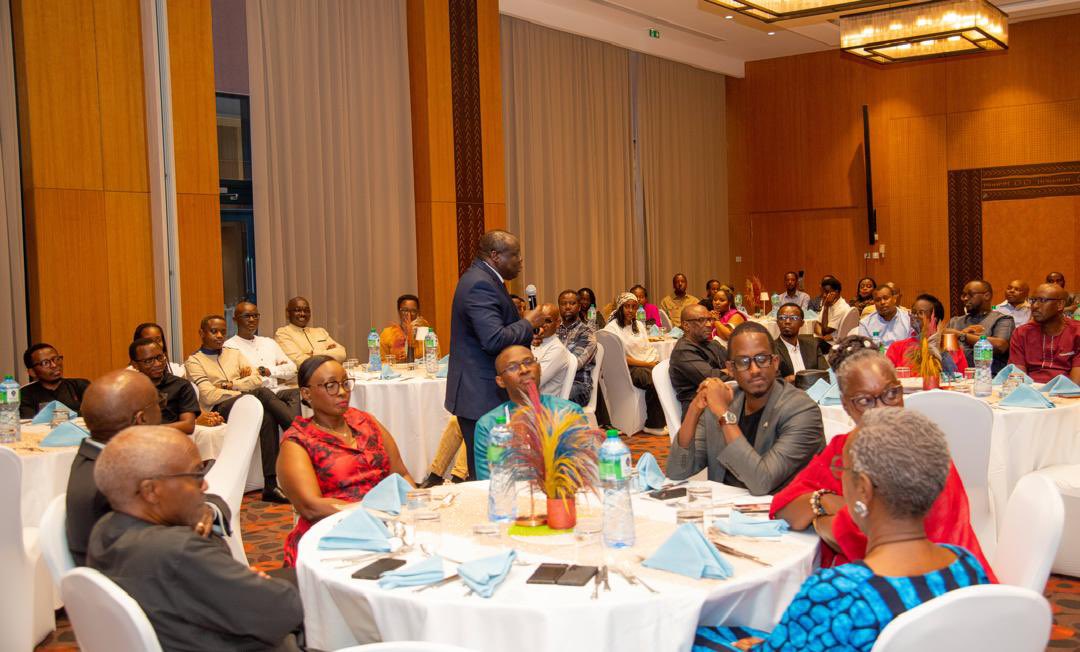
During his visit, the Secretary General of RPF-Inkotanyi, Amb. Christophe Bazivamo, met with Rwandans living in Senegal. In his remarks, Amb. Bazivamo thanked them for their contribution to the country’s development and outlined key national development policies.
He also urged them to remain united as Rwandans and to strive for development in their respective activities.
Amb. Bazivamo was accompanied by Senators Bibiane Mbaye Gahamanyi and Dr. Charles Murigande.
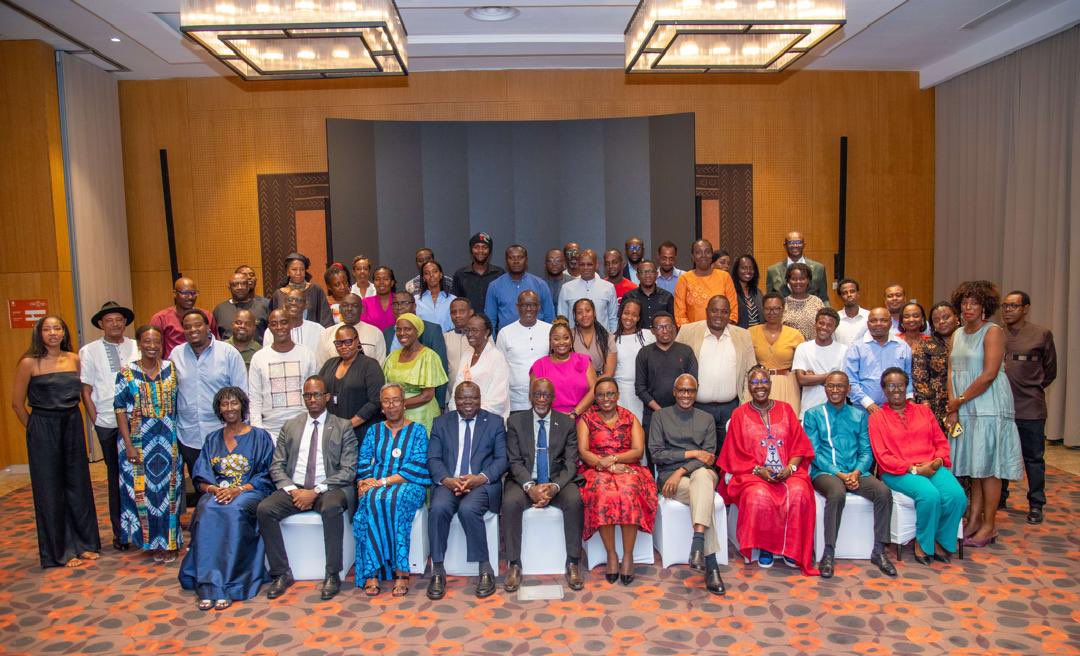
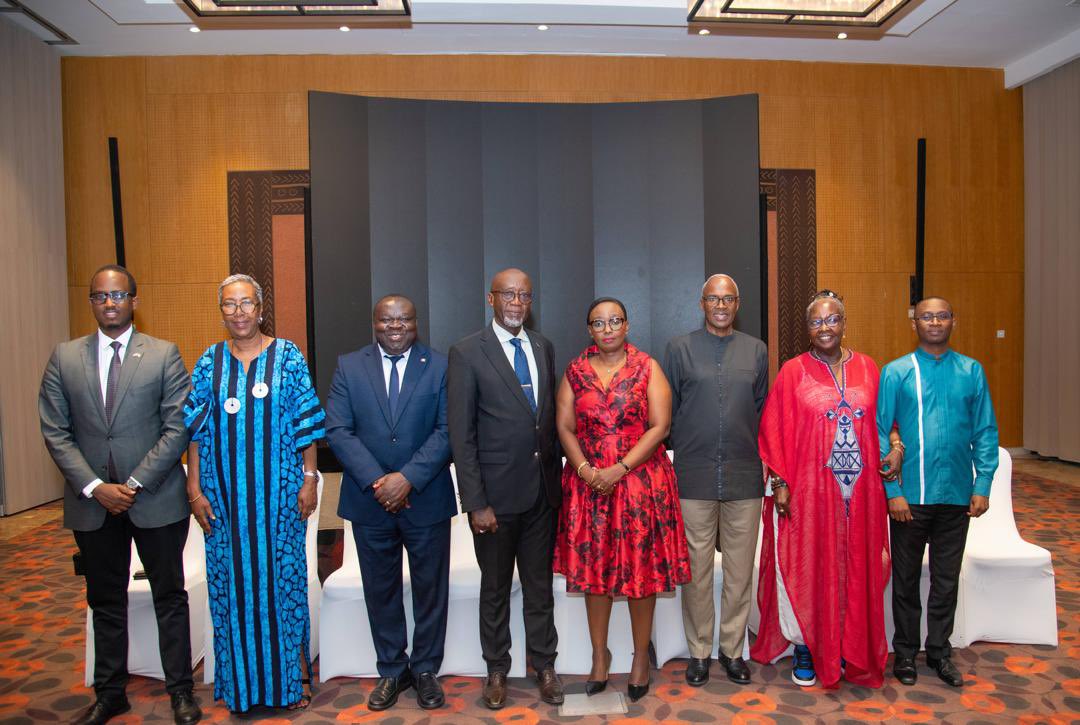
Amb. Bazivamo delivered a congratulatory message from the Chairman of FPR-Inkotanyi and President of the Republic, Paul Kagame, to PASTEF on the occasion of its first National Congress.The meeting took place on June 6, 2026, during an engagement in Dakar, where the RPF-Inkotanyi delegation was received by PASTEF leadership.Amb. Bazivamo also extended an invitation to the PASTEF leadership to visit Rwanda in the near future.During his visit, the Secretary General of RPF-Inkotanyi, Amb. Christophe Bazivamo, met with Rwandans living in Senegal.In his remarks, Amb. Bazivamo thanked them for their contribution to the country’s development and outlined key national development policies.
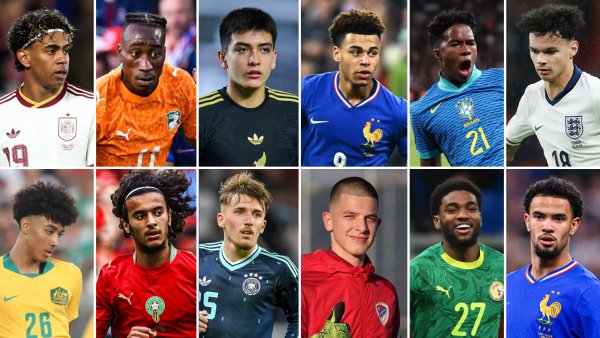
The tournament, scheduled from June 11 to July 19, 2026, will bring together the world’s top national teams. Alongside established stars, several emerging young talents are expected to play a major role for their countries, with some already viewed as long-term cornerstones of their national sides.
Below is a selection of young players expected to attract significant attention at the tournament, with one of them potentially emerging as the standout performer in the race for the Best Young Player award.
The current holder of the award is Enzo Fernández, who claimed the honour at the 2022 World Cup after helping Argentina lift the trophy. He was 21 at the time.
Lamine Yamal (Spain)
Lamine Yamal is among the leading contenders for the Best Young Player award, if he can overcome a hamstring injury that has clouded his World Cup preparations.
The 18-year-old is among the leading contenders for the Best Young Player award
The 18-year-old FC Barcelona forward played a key role in helping his club secure the Spanish league title, though he missed the final weeks of the season with a hamstring injury that has clouded his World Cup preparations. Spain manager Luis de la Fuente has expressed confidence he will be fit for their opening game, but his level of involvement remains uncertain.
He is expected to feature alongside Pau Cubarsí, as Spain looks to mount a serious title challenge. Yamal has already established himself as one of football’s most exciting prospects following his breakthrough at Euro 2024, where he became the youngest player to feature and score in the tournament’s history, as Spain won their fourth European Championship title.
Yan Diomande (Côte d’Ivoire)
Yan Diomande will enter the tournament at 19 years and 209 days.
He is among the most closely watched young players, having scored three goals in his last nine international appearances.
Yan Diomande will enter the tournament at 19 years and 209 days.
Diomande currently plays for RB Leipzig, although he is reportedly attracting interest from several European giants, including Liverpool, Paris Saint-Germain, and Bayern Munich, with a potential €100 million valuation.
Arda Güler (Türkiye)
Arda Güler remains one of the most highly anticipated young talents at the tournament.
Arda Güler remains one of the most highly anticipated young talents at the tournament.
The 21-year-old midfielder has stated he has no fear of any opponent at the World Cup. Following his impressive performances at Euro 2024, he is expected to lead Türkiye’s creative line alongside Kenan Yıldız.
Nico O’Reilly (England)
Nico O’Reilly is regarded as one of England’s most promising young talents.
The 21-year-old has shown remarkable versatility, operating both in defence and midfield.
After a breakthrough season with Manchester City, the 21-year-old has shown remarkable versatility, operating both in defence and midfield. He made 34 Premier League appearances, scoring five goals and providing three assists, and finished the campaign with nine goal involvements across all competitions, earning the Premier League Young Player of the Season award.
Nico Paz (Argentina)
Nico Paz is viewed as one of Argentina’s most exciting creative prospects.
The player turns 39 during the tournament, approaching what could be his final World Cup.
He is widely tipped as a potential successor in Argentina’s midfield evolution as Lionel Messi, who turns 39 during the tournament, approaches what could be his final World Cup.
Paz enjoyed an impressive 2025/26 campaign with Como 1907, scoring 12 goals and registering seven assists, helping the club secure UEFA Champions League qualification.
Rayan (Brazil)
Rayan Vitor Simplício Rocha is among Brazil’s emerging attacking prospects heading into the tournament.
Rayan Vitor Simplício Rocha is among Brazil’s emerging attacking prospects heading into the tournament.
The 19-year-old earned his call-up following an injury to Chelsea’s Estêvão Willian. He has already impressed in international friendlies, including Brazil’s 6–2 win over Panama.
After scoring 20 goals for Vasco da Gama, Rayan joined Bournemouth, where he has added five goals and two assists in 15 appearances, contributing to the club’s historic qualification for the UEFA Europa League.
Gilberto Mora (Mexico)
Gilberto Mora is expected to be the youngest player at the tournament at just 17 years and 240 days.
Gilberto Mora is widely regarded as one of the brightest young prospects in international football.
He made history in 2025 as one of Mexico’s youngest senior national team call-ups and played a key role in their CONCACAF Gold Cup triumph, where he also became the youngest player to feature.
Mora, who has also competed at the FIFA U-20 World Cup, is widely regarded as one of the brightest young prospects in international football.
Ibrahim Mbaye (Senegal)
Ibrahim Mbaye is one of Senegal’s most promising young attackers.
The 18-year-old is one of Senegal’s most promising young attackers.
The 18-year-old is still developing at Paris Saint-Germain but is expected to be part of Senegal’s attacking options at the tournament. He scored three goals in 24 appearances last season.
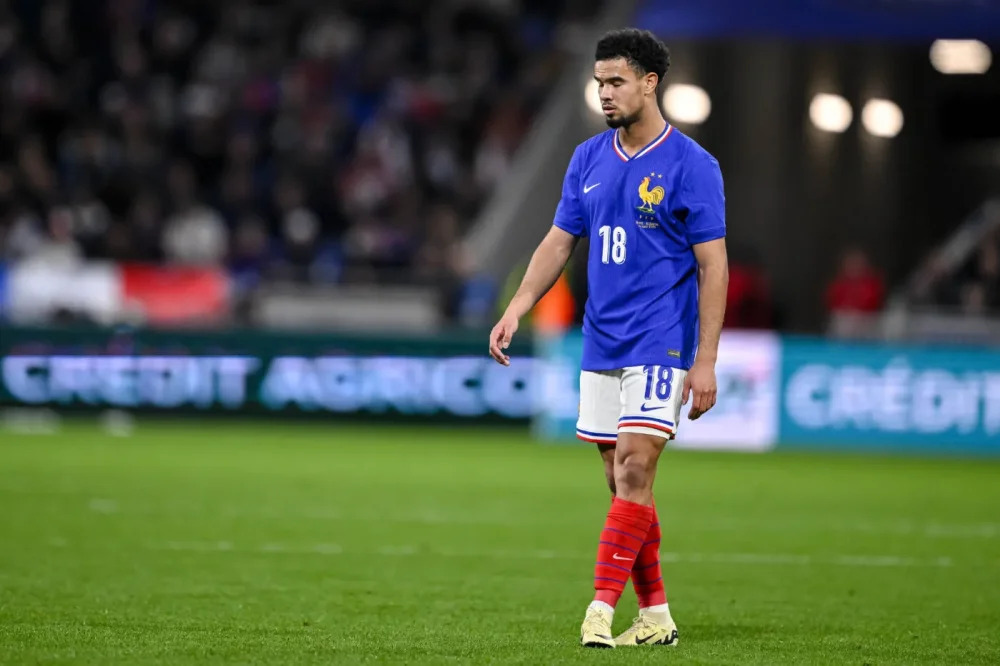
Warren Zaïre-Emery (France)
Warren Zaïre-Emery is one of the most highly rated midfield prospects in world football.
Warren Zaïre-Emery is one of the most highly rated midfield prospects in world football.
The 20-year-old is expected to compete for a place in a highly competitive French midfield featuring Aurélien Tchouaméni, Adrien Rabiot, N’Golo Kanté, and Manu Koné.
He made 32 appearances this season, scoring three goals and providing four assists across all competitions.
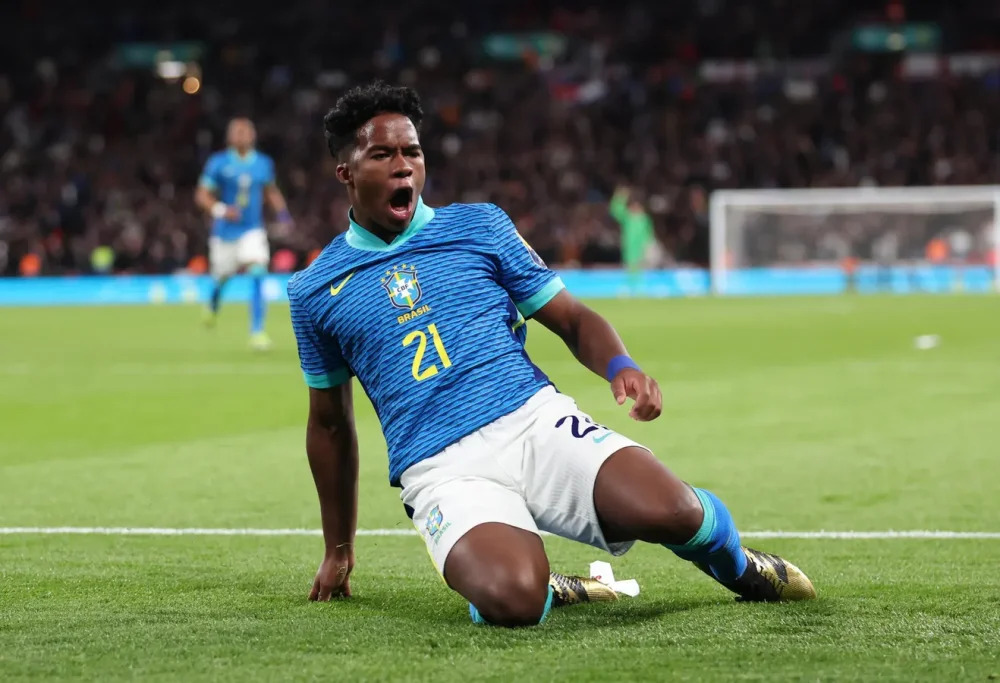
Endrick (Brazil)
Endrick is part of Brazil’s squad as they aim to reclaim the World Cup title for the first time in 24 years.
Endrick is part of Brazil’s squad aiming to win their first World Cup in 24 years.
The 19-year-old Real Madrid forward, who spent the second half of the season on loan at Olympique Lyonnais, continues to develop his reputation as one of the most exciting attacking prospects in world football.
Désiré Doué (France)
Désiré Doué has quickly established himself as one of Paris Saint-Germain’s most promising young talents.
Désiré Doué is one of Paris Saint-Germain’s most promising young talents.
The 21-year-old has already contributed to PSG’s recent European success, although his international opportunities remain limited due to strong competition in France’s attacking positions.
He has earned multiple individual accolades in both Ligue 1 and European competitions.
Lennart Karl (Germany)
Lennart Karl is among Germany’s emerging talents expected to feature at the World Cup.
Lennart Karl is one of Germany’s emerging talents expected at the World Cup.
The 18-year-old continues to develop at Bayern Munich, competing for a place alongside established young stars such as Jamal Musiala and Florian Wirtz.
This season, he has registered five goals and five assists in the Bundesliga, along with four goals in the UEFA Champions League.
Other young players to watch
Hugo Sochurek (Czech Republic, 18)
Hamza Abdelkarim (Egypt, 18)
Bara Sapoko Ndiaye (Senegal, 18)
Mladen Jurkas (Bosnia and Herzegovina, 18)
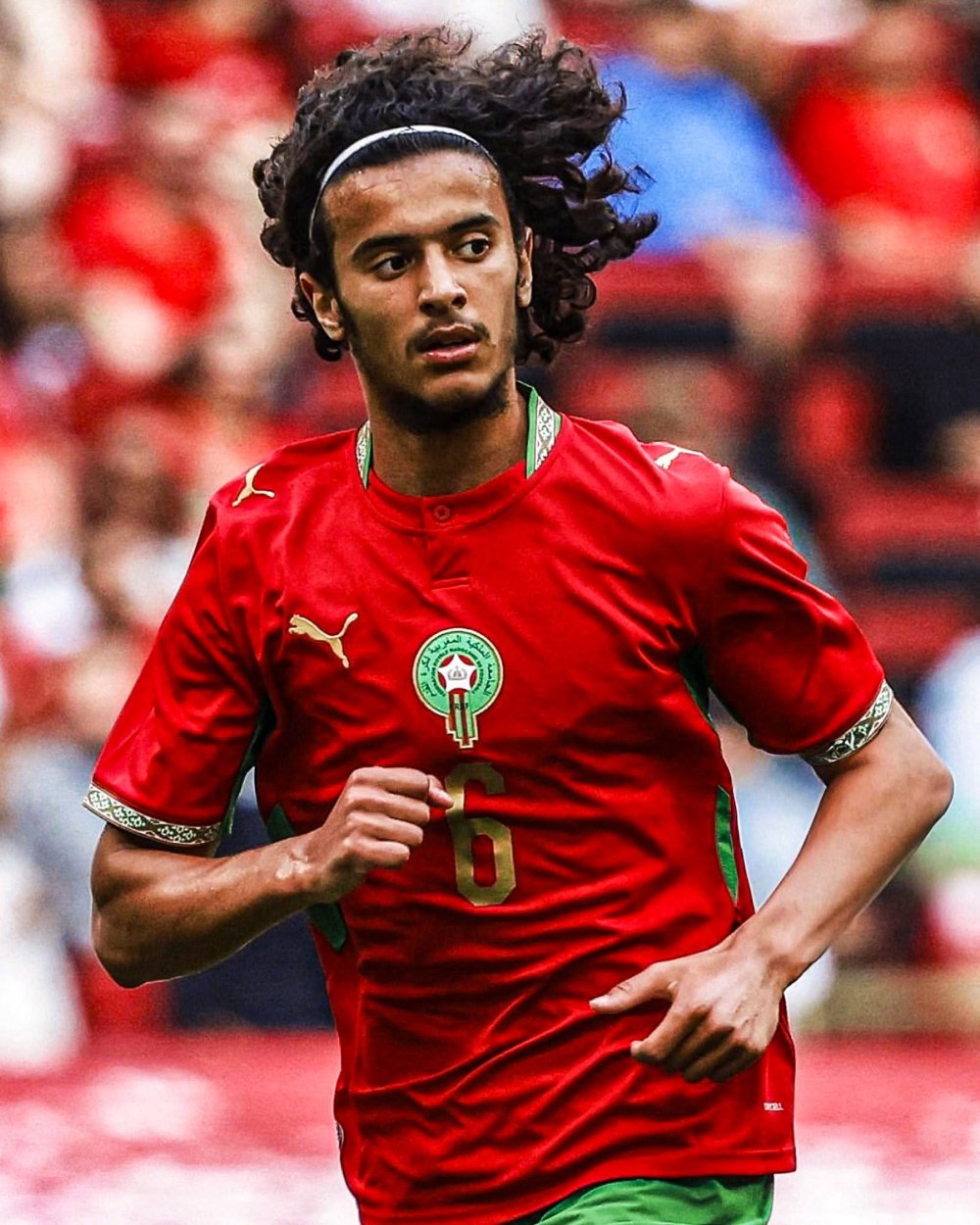
Ayyoub Bouaddi (Morocco, 18)
Kerim Alajbegovic (Bosnia and Herzegovina, 18)
Rayan Elloumi (Tunisia, 18)
Lucas Herrington (Australia, 18)
Behruzjon Karimov (Uzbekistan, 18)
Kendry Páez (Ecuador, 19)
Tyler Fletcher (Scotland, 19)
Luka Vušković (Croatia, 19)
Ayyoub Bouaddi is set to represent Morocco at the World Cup.
It appeared there were at least two people who were “probably shooting at each other,” Toledo Deputy Police Chief Joe Heffernan said, adding that police are still searching for the suspects and advise the public to avoid the surrounding areas.
Toledo Police Department officers responded to a report of a person shot in an area near the Old West End Festival at approximately 5:37 p.m. local time (2137 GMT) and discovered multiple shooting victims. The injured were taken to hospitals for treatment.
The Old West End Festival is a two-day event featuring live music, food markets, house tours and shopping.
At least 12 people were shot Saturday afternoon near a community festival in Toledo, U.S. state of Ohio, with two in critical condition.
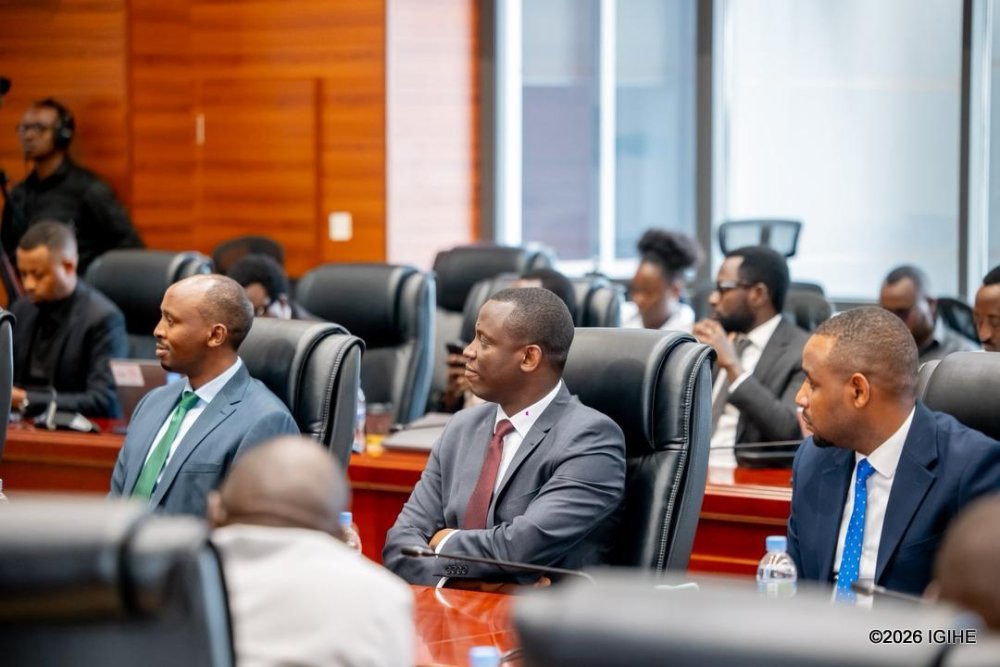
Speaking during a press briefing on June 6, Prime Minister Dr. Justin Nsengiyumva said Rwanda has strengthened surveillance, prevention and response systems to protect public health while ensuring that economic and social activities continue uninterrupted.
“The Ebola outbreak continues to be reported in the eastern region of Africa. However, Rwanda has strengthened its prevention measures and monitoring, and we are confident in protecting the lives of our citizens without disrupting economic activities and the normal social life of the population,” he said.
Nsengiyumva noted that the Ministry of Health and the Rwanda Biomedical Centre (RBC) are closely tracking developments in the region and will continue updating the public on preventive measures. He urged citizens to remain vigilant, observe good hygiene practices and seek medical attention if they experience symptoms associated with the disease.
Minister of Health Dr. Sabin Nsanzimana said Rwanda’s preparedness efforts are anchored on five pillars: public awareness and communication, surveillance, detection capacity, response capability, and human resources.
He said the country has continued to strengthen systems across all these areas, with a particular focus on prevention and early detection.
“The goal is prevention; we do not want to be in a situation where we are reacting after the fact,” he said, adding that health authorities closely follow developments in neighbouring countries, particularly in areas near Rwanda’s borders.
According to Nsanzimana, Rwanda has the capacity to rapidly identify suspected cases, including at border points, with test results often available within six hours. He also highlighted ongoing simulation exercises and training for healthcare workers, emergency responders and communication teams to ensure a coordinated response.
The current regional outbreak involves the Bundibugyo strain of Ebola, for which there is no approved vaccine or specific antiviral treatment, making surveillance, early detection and rapid containment critical to preventing its spread.
According to recent health data, the Democratic Republic of Congo has reported 452 confirmed cases and at least 82 deaths, while Uganda has recorded 19 confirmed cases and 2 deaths, including infections in Kampala, Wakiso and western border areas. Health authorities say ongoing transmission in neighbouring countries continues to require heightened vigilance across the region.
Speaking during a press briefing on June 6, Prime Minister Dr. Justin Nsengiyumva said Rwanda has strengthened surveillance, prevention and response systems to protect public health while ensuring that economic and social activities continue uninterrupted.Minister of Health Dr. Sabin Nsanzimana (left) said Rwanda’s preparedness efforts are anchored on five pillars: public awareness and communication, surveillance, detection capacity, response capability, and human resources.
He made the remarks on Saturday during a press briefing on Rwanda’s economic situation and the impact of ongoing global tensions, particularly in the Middle East, on fuel prices and the wider economy.
According to the Prime Minister, diesel prices have risen by about Rwf 700 per litre due to increases on the international market. However, he noted that the government continues to cushion consumers through a subsidy that currently covers about 18.26% of the cost.
He explained that the official price released by RURA already reflects this support.
“In reality, the market price without subsidy would have been Rwf 3,581 per litre, but it was set at 2,927 Rwf,” he said.
On June 5, 2026, RURA announced that from June 6, the maximum pump prices would remain at Rwf 2,938 per litre for petrol and Rwf 2,927 for diesel.
Data shows that fuel prices have risen sharply since March 2026. Petrol has increased by about 47.7%, rising from Rwf 1,989 to Rwf 2,938 per litre, while diesel has gone up by 50.3%, from Rwf 1,948 to Rwf 2,927.
Diesel has seen a steeper rise between April and June, climbing from Rwf 2,205 to the current price level, while petrol has remained stable since mid-April at Rwf 2,938.
Dr. Nsengiyumva said the government will continue intervening to limit the impact of rising fuel costs on citizens’ livelihoods.
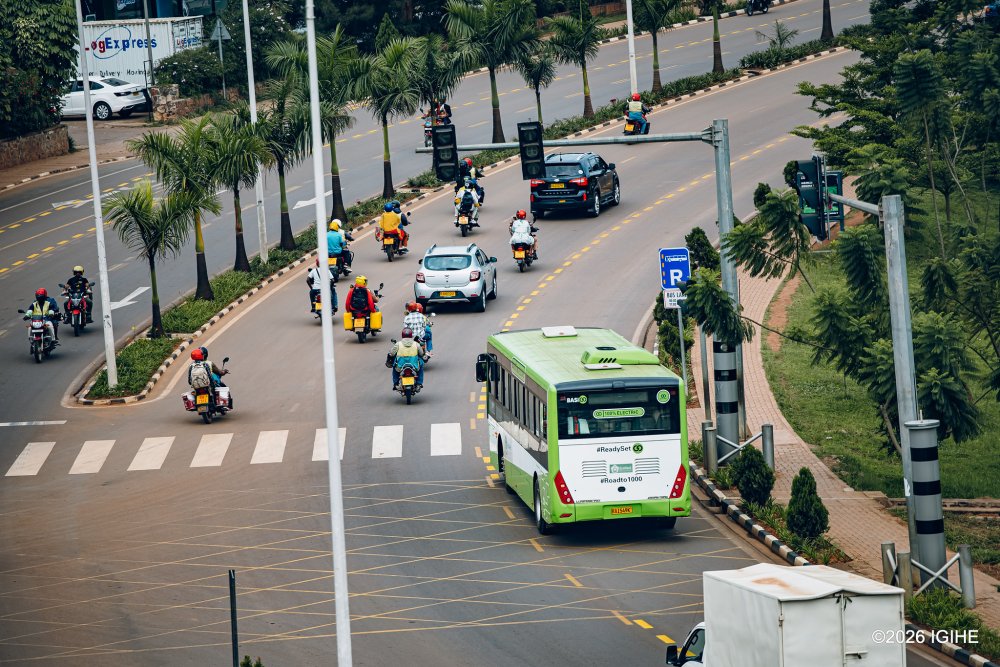
The Prime Minister further highlighted that subsidies will continue in key sectors, particularly public transport, to prevent fare increases.
He gave the example of a trip from Nyabugogo to Musanze, which would cost Rwf 4,281 without subsidies, but currently costs Rwf 3,821, with the government covering the remaining Rwf 460.
He added that agriculture will also continue to receive support through subsidies on inputs such as fertilizers and irrigation, as part of efforts to shield the sector from global economic pressures.
Dr. Nsengiyumva said the government will continue intervening to limit the impact of rising fuel costs on citizens’ livelihoods.
Held in partnership with GreenStarz Impakt Hub, a youth-focused organization that promotes environmental sustainability, climate action, and community development, the initiative brought together NCBA staff, Excella High School administration, and more than 100 Grade 12 students for a day of learning, reflection, and action centered on environmental responsibility.
The activity forms part of NCBA Rwanda’s commitment to plant 10,000 trees annually, contributing to NCBA Group’s regional Change the Story sustainability agenda, which seeks to grow 10 million trees across its markets by 2030 while mobilizing communities to take meaningful climate action.
Rather than focusing solely on tree planting, the event emphasized the importance of educating young people about environmental stewardship and empowering them to become active participants in building a more sustainable future.
Growing futures through environmental education
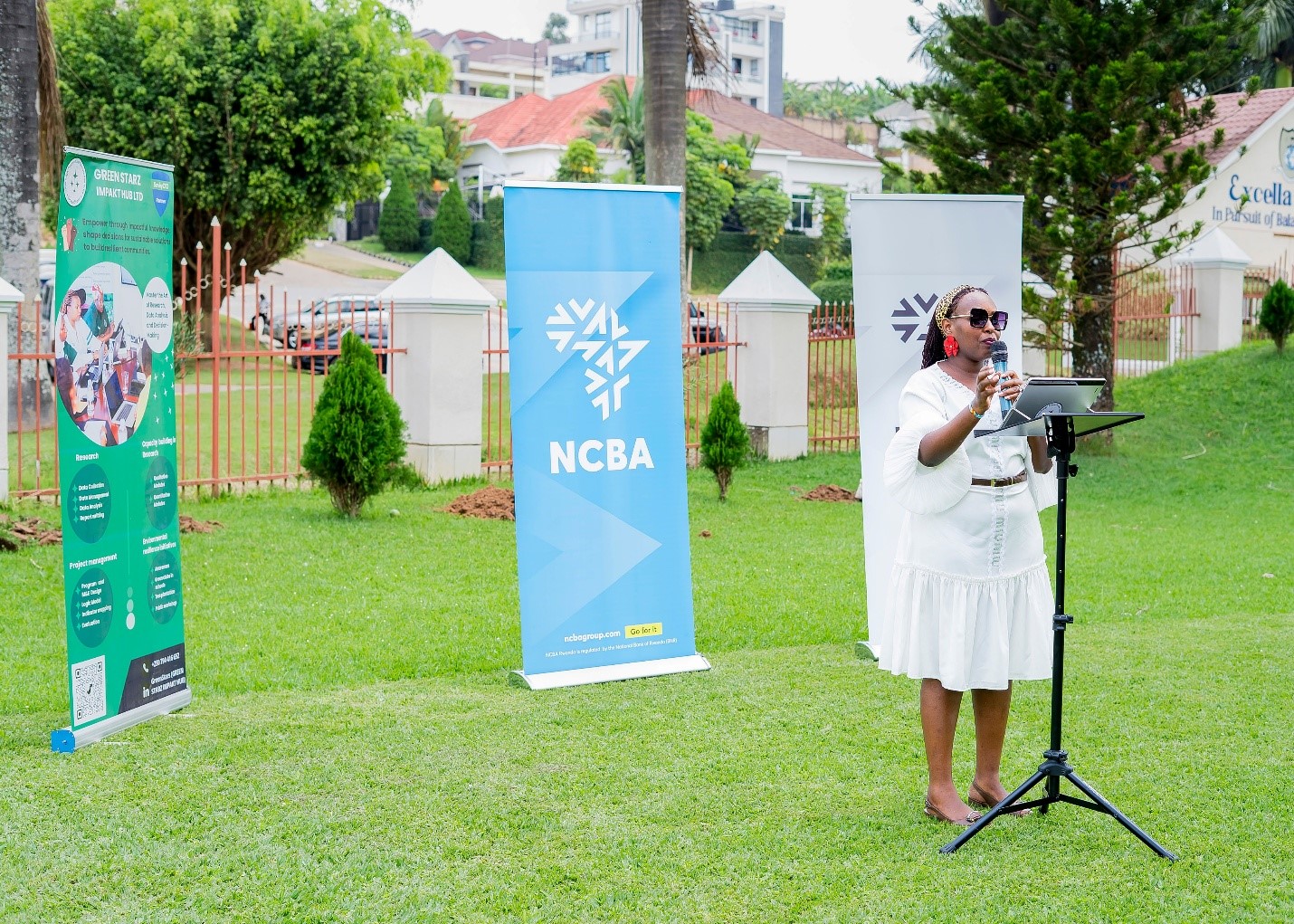
Addressing participants, Abigael Muriuki, Sustainability Analyst at NCBA Group Kenya, speaking on behalf of NCBA Rwanda, encouraged students to recognize the connection between personal growth and environmental responsibility.
“To the students here today, I want to share a simple thought. Just like these trees, your future depends on the foundations you build today. Trees need strong roots to grow tall and withstand challenges. In the same way, your education, discipline, character, and values will become the roots that support your success in life.”
She challenged students to view sustainability not as a distant concept, but as a responsibility that begins with everyday choices.
“The best time to plant a tree was twenty years ago. The second-best time is today.”
“That message goes beyond trees,” she added. “The decisions you make today about your education, your community, and your environment will shape the future you inherit. Every action matters. Every tree matters. Every student matters.”
Muriuki noted that the initiative reflects NCBA’s purpose of Banking on Belief—believing in the potential of individuals and communities to create lasting change.
“At NCBA, we believe that changing the story starts with investing in people. Today’s activity is about more than environmental conservation. It is about equipping young people with the knowledge, values, and sense of responsibility needed to create a sustainable future. Every student we engage today has the potential to become a champion for positive change tomorrow.”
Changing the story, one student at a time
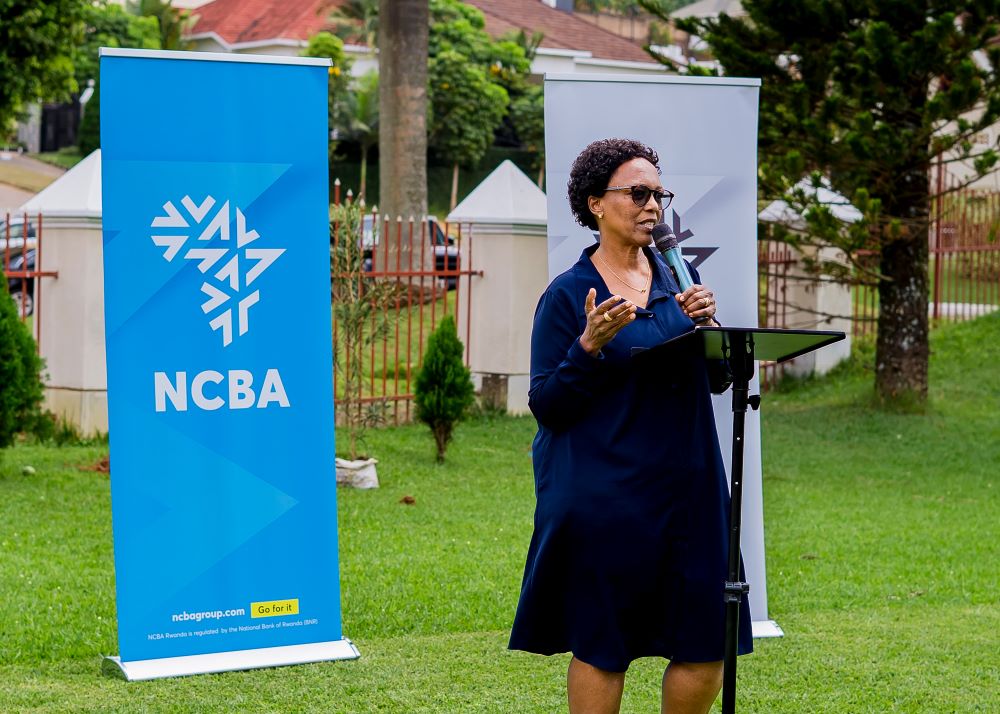
Receiving participants on behalf of Excella High School, Madam Peace Uwineza, Deputy Director of the school, expressed appreciation to NCBA Rwanda for choosing the institution as part of its World Environment Day activities and acknowledged GreenStarz Impakt Hub’s contribution to the programme.
“We are grateful to NCBA Rwanda for choosing Excella High School as part of this meaningful initiative and to GreenStarz Impakt Hub for helping bring it to life. Today’s activity has shown our students that environmental conservation is not someone else’s responsibility. It belongs to all of us.”
She added that exposing students to practical environmental action helps transform awareness into responsibility.
“Our students have not only planted trees today; they have gained a deeper understanding of why protecting the environment matters. When young people understand that their actions can make a difference, they become powerful agents of change within their schools, families, and communities.”
Speaking during the event, Abigael Miriam Bisimwa of GreenStarz Impakt Hub emphasized the unique role young people play in advancing environmental conservation.
“Young people have the creativity, energy, and influence needed to transform communities. When we empower students with knowledge and practical opportunities to take action, we are investing in a future generation that understands the importance of protecting natural resources and building sustainable communities.”
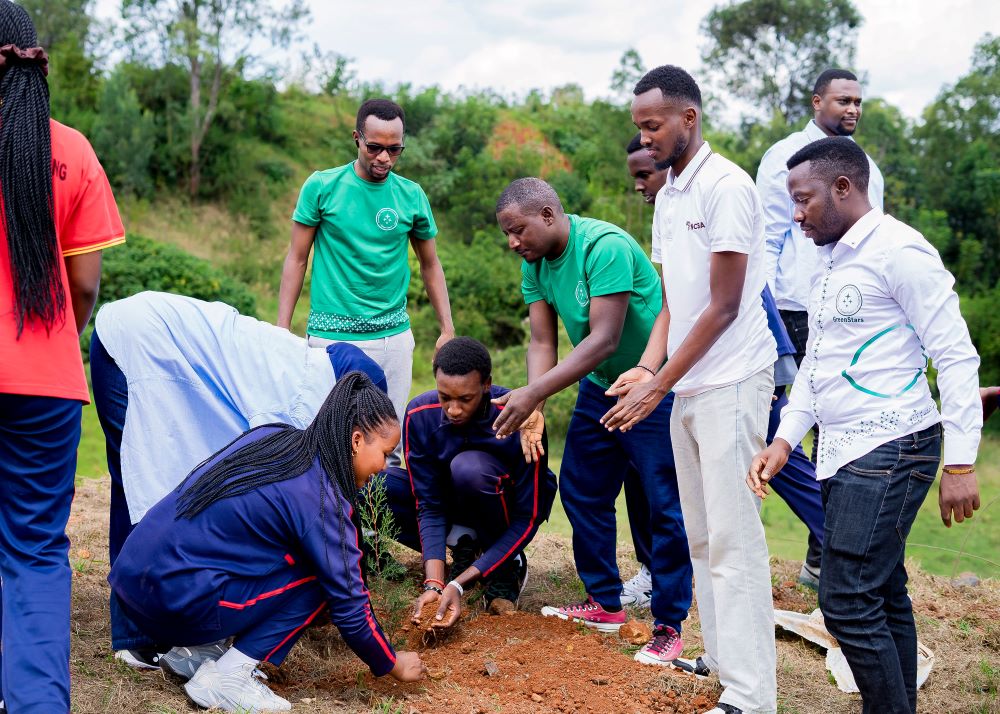
The event concluded with a tree-planting exercise across the school grounds, giving students an opportunity to translate learning into action and leave behind a lasting contribution to their environment.
As NCBA Rwanda continues its journey toward achieving its annual target of 10,000 trees, initiatives such as this demonstrate that meaningful environmental impact begins with education. Through its Change the Story sustainability agenda and its purpose of Banking on Belief, the bank is investing not only in greener landscapes but also in a generation of informed, responsible, and environmentally conscious young leaders who will help shape Rwanda’s sustainable future.
Abigael Muriuki, Sustainability Analyst at NCBA Group Kenya, addresses Excella students during World Environment Day celebrations in Kigali.Excella students celebrated World Environment Day by planting trees on their school grounds as part of NCBA Rwanda’s sustainability campaign.NCBA Rwanda staff and Excella High School students plant trees during World Environment Day activities aimed at promoting environmental sustainability.Abigael Miriam Bisimwa of GreenStarz Impakt Hub addressed students on the role of youth in environmental conservation.Madam Peace Uwineza, Deputy Director of Excella High School, speaks during World Environment Day celebrations at the school.Students of Excella High School participated in a tree-planting exercise as part of NCBA Rwanda’s World Environment Day initiative.
Major General Wu was received by the Rwanbatt-1 Contingent Commander, Lieutenant Colonel Paul Ndushabandi, along with subordinate commanders and staff officers. During the visit, he was briefed on key operations conducted by the contingent in support of civilian protection and force protection for humanitarian assistance activities.
In his remarks, Major General Wu commended the Rwanbatt-1 troops for their dedication, professionalism, and significant contribution to the UNMISS mandate through their efforts to promote peace, security, and stability in South Sudan.
As part of the visit, the Force Commander toured the Rwanbatt-1 Camp and participated in a symbolic tree-planting ceremony.
Maj Gen Junhui Wu participates in a symbolic tree-planting ceremony with Rwandan peacekeepers at UN Tomping Base Camp in Juba.UNMISS Force Commander Maj Gen Junhui Wu visits Rwandan peacekeepers (Rwanbatt-1) at Tomping Base Camp in Juba, where he was briefed on ongoing operations in South Sudan.Rwanbatt-1 troops welcomed UNMISS Force Commander Maj Gen Junhui Wu at their base in Juba, South Sudan, during an official visit.
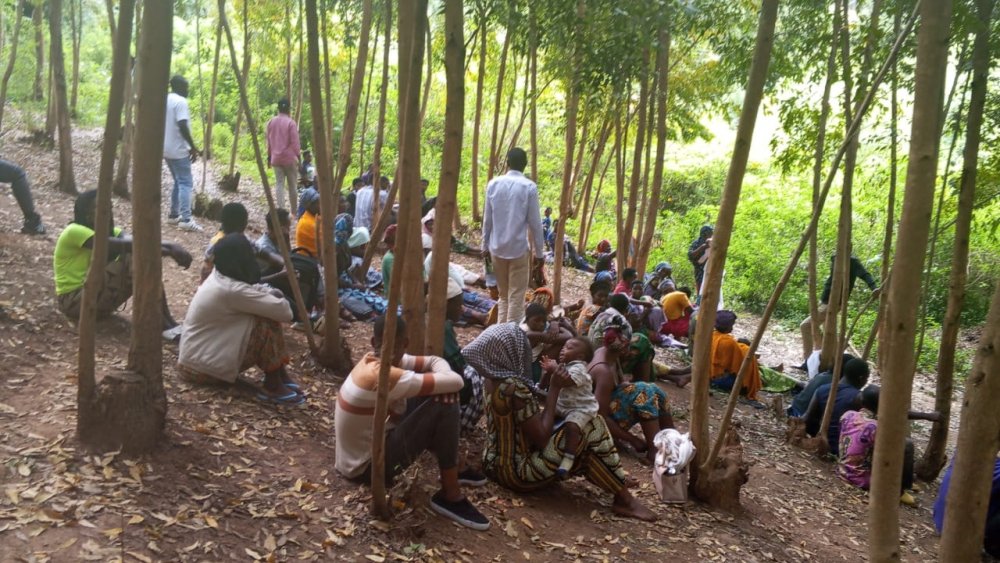
The arrests were made on Friday, June 5, 2026. Of those detained, 46 were found in Kigabiro Sector, Cyanya Cell, inside a forest where worshippers had nicknamed the site “Senga usubizwe” (Pray and be answered).
Among the 46 were 12 men and 34 women, including 10 nursing mothers. Ten students who were preparing for national examinations were also among those arrested after reportedly skipping school to pray, hoping for good results.
Another group of 22 people was arrested in Gahengeri Sector, Kagezi Cell, at Samatare rock site. The area had previously been sealed off by authorities using concrete due to safety concerns, but worshippers reportedly broke through the structure to access the site. Five nursing mothers were among those detained.
The Vice Mayor of Rwamagana in charge of Economic Development, Kagabo Rwamunono Richard, told IGIHE that those arrested were found praying in different illegal locations, with most coming from Rwamagana and others from Kayonza, Nyagatare, and Gatsibo districts.
“Most of them are from Rwamagana, but others came from Kayonza, Nyagatare, and Gatsibo. These are not authorized worship sites. They are forest areas that pose serious risks to their safety. We also found others at Samatare rock, which we had closed because it is dangerous. It is unfortunate that people choose such places to seek God,” he said.
He also accused the group of defying government decisions and damaging infrastructure that had been put in place for their protection.
He cited Samatare cave, where the government reportedly spent over Rwf3 million to secure the site and prevent accidents.
“Our message is that God is not found in caves or forests, and certainly not in places that endanger lives. The government does not allow such practices. Everyone should use recognized places of worship. Churches are available,” he said.
Authorities said the arrested individuals are currently undergoing civic education. They also indicated that the suspects may be required to pay for the damaged infrastructure and could face penalties for defying government directives and mobilizing others to do the same.
In 2024, during the Marburg virus outbreak in Rwanda, the Ministry of Health reported that the first patient was believed to have been infected through bats found in a mining cave near Kigali.
Since then, several cave sites across the country have been closed or reinforced. At Samatare rock, where some of the worshippers were arrested, authorities had previously spent more than Rwf3.3 million reinforcing the site for public safety, before it was damaged again by those accessing it for prayer.
Of those detained, 46 were found in Kigabiro Sector, Cyanya Cell, inside a forest where worshippers had nicknamed the site “Senga usubizwe” (Pray and be answered).