The Copernicus Climate Change Service (C3S) said the global average surface air temperature in May 2026 was 15.81 degrees Celsius, 0.55 degrees Celsius above the 1991-2020 average. The reading was second only to May 2024 and 1.42 degrees Celsius above estimated pre-industrial levels.
Sea surface temperatures between 60 degrees south latitude and 60 degrees north latitude averaged 20.90 degrees Celsius, the second-highest on record for May, as the tropical Pacific continued its transition toward El Nino conditions expected to develop in the coming months.
Western Europe was hit by an early and intense heatwave in the second half of May, with France, Britain, Ireland, Spain and Portugal hitting multiple local temperature records. In some areas, “feels-like” temperatures reached 35 to 40 degrees Celsius.
“In Europe, an unusually early and intense heatwave demonstrates how quickly climate extremes are becoming the new normal rather than the exception,” said Samantha Burgess, strategic lead for climate at the European Centre for Medium-Range Weather Forecasts.
The C3S said the continued warming trend, combined with persistently high ocean temperatures and emerging El Nino conditions, highlights growing risks of more frequent and intense climate extremes worldwide.
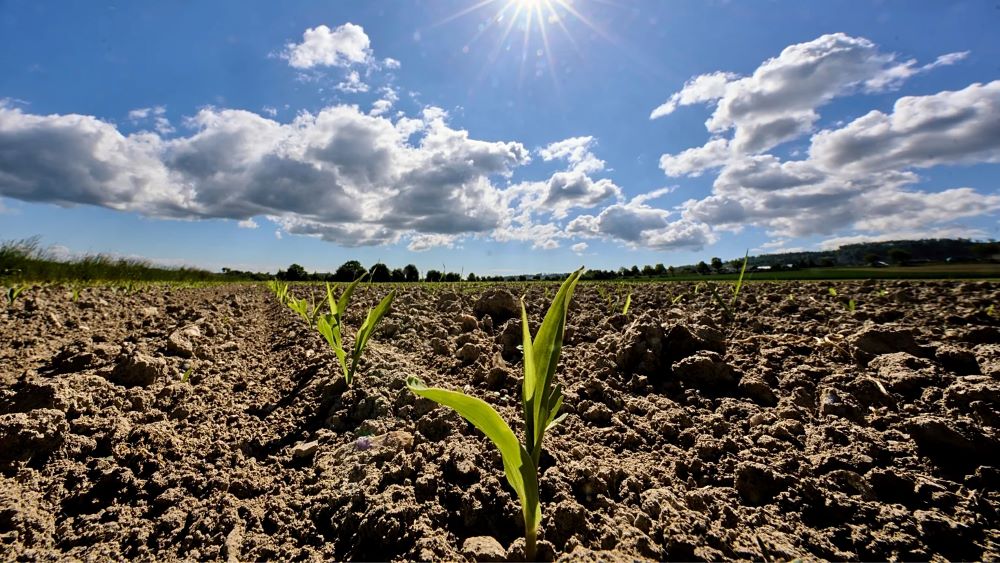
This May was the world’s second warmest ever recorded, exceeded only by May 2024, according to the EU’s Copernicus Climate Change Service (C3S), bringing unusually dry conditions to northwestern Europe.
According to a statement released by the Commission, the proposed measures include suspending the automatic adjustment mechanism of the oil price cap until next January, which would allow oil markets to stabilise while maintaining pressure on Russian revenues.
Thirty additional vessels would be added to the sanctions list, on top of the 632 already designated. For the first time, sanctions would also target vessels providing support services to the “shadow fleet,” including bunkering operations.
In addition, the proposal includes restrictions on ports, airports and refineries involved in trading or processing Russian oil. The sale of liquefied natural gas (LNG) tankers to Russia would also be restricted.
On financial and crypto-related measures, the Commission would expand transaction bans to 31 additional Russian banks, as well as to 20 banks, crypto firms, platforms and oil traders in third countries.
On trade, the proposed package introduces new export restrictions on goods and technologies used by Russia’s military-industrial sector, as well as drone-related equipment.
The Commission also proposed import bans on goods worth around 60 million euros (69.4 million U.S. dollars), including certain metals and automotive parts, as part of efforts to reduce dependence on Russian imports.
For the first time, the EU would also target Russia’s fisheries sector, proposing substantial restrictions on imports of certain fish products and a complete ban on others, including cod.
Von der Leyen also announced a new measure under the package to ban entry into the EU of individuals who have served in the Russian armed forces since the start of the Ukraine conflict.
The proposal still requires approval by all EU member states before it can enter into force.
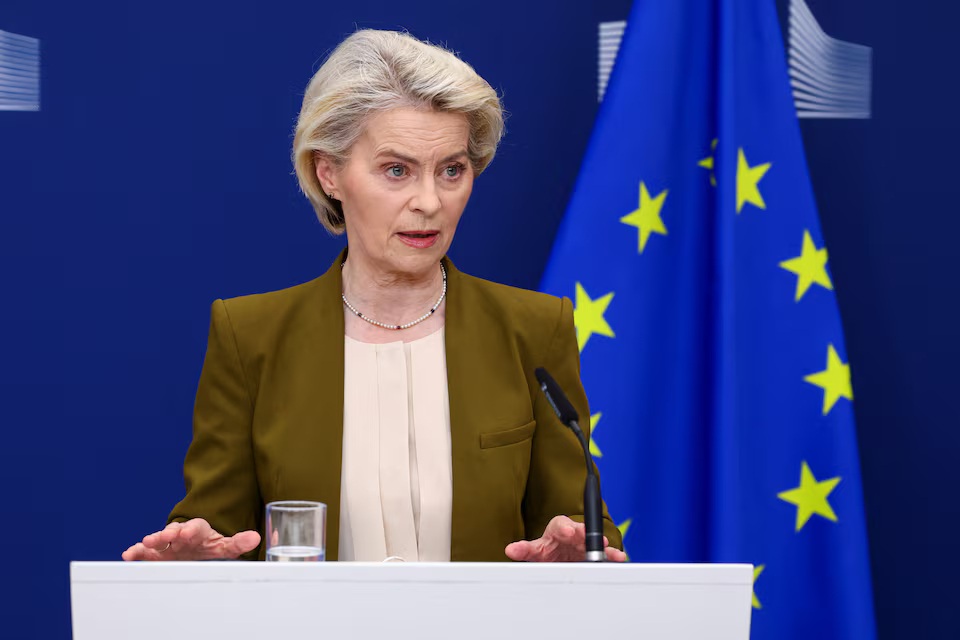
European Commission President Ursula von der Leyen talks to the press on the 21st sanctions package against Russia in Brussels, Belgium, June 9, 2026. The European Commission has proposed the 21st package of sanctions against Russia, targeting key sectors including energy, financial services and crypto, trade and, for the first time, fisheries, European Commission President Ursula von der Leyen said Tuesday.
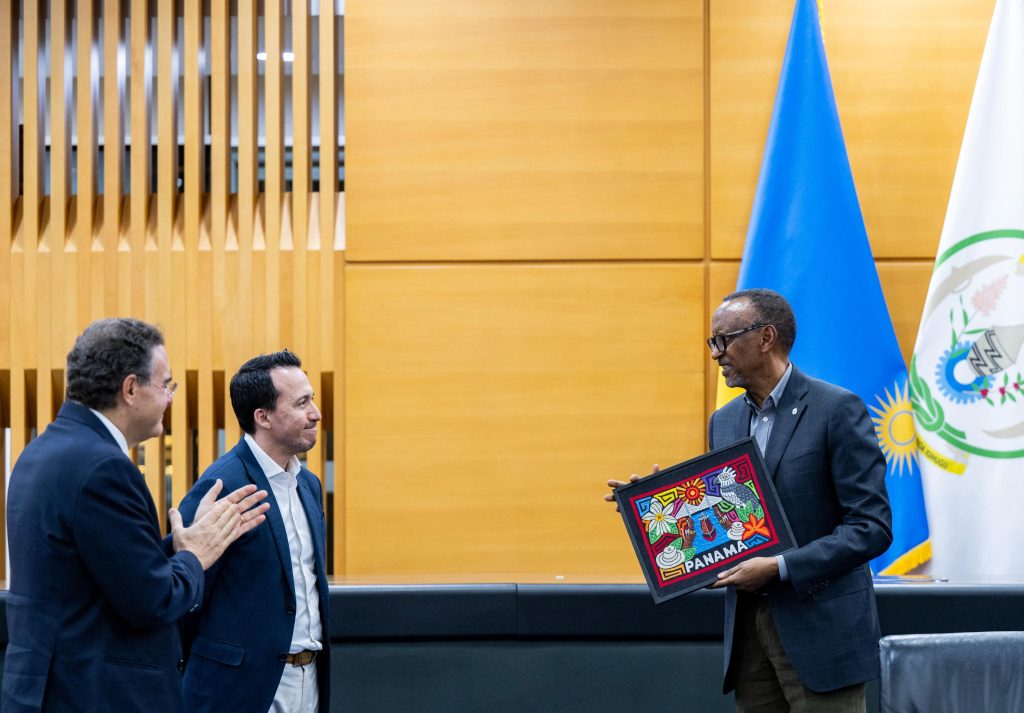
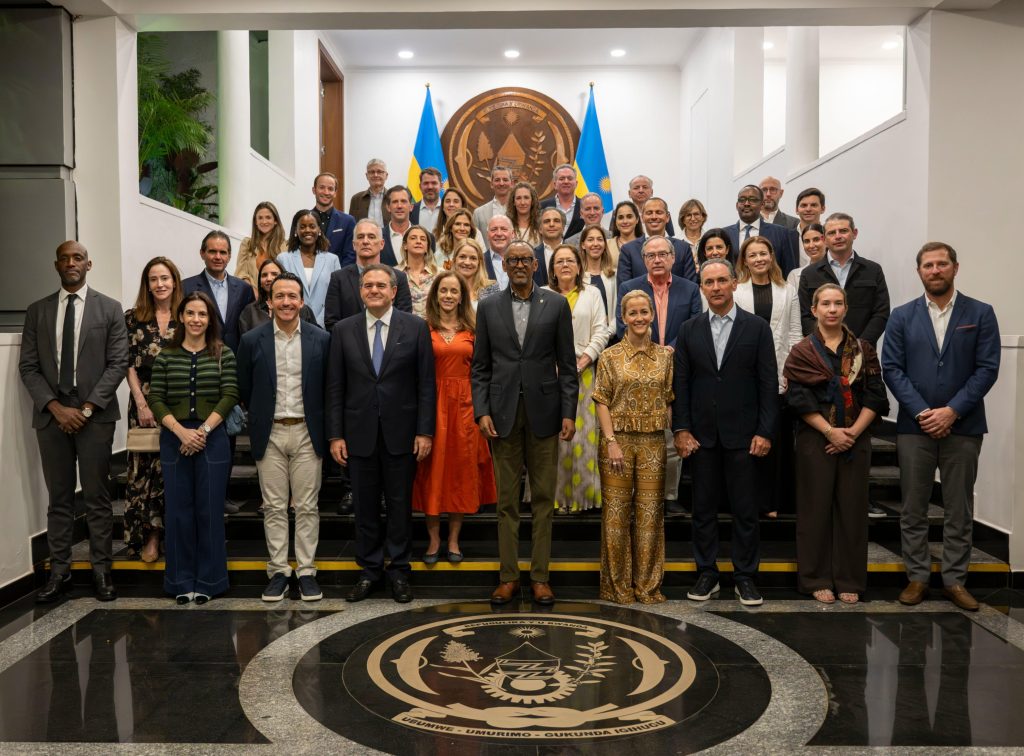
The delegation was led by Rogelio Romero, Chapter Representative of YPO Gold Panama and Chief Executive Officer of Concretex Panama.
According to the Office of the President, the meeting explored Rwanda’s development journey, the country’s growing entrepreneurship ecosystem, and prospects for strengthening business and economic partnerships between Rwanda and Panama.
YPO is a global leadership community that connects more than 38,000 business leaders across over 130 countries. Its members include chief executives, entrepreneurs, and senior executives who lead companies and organizations across a wide range of sectors.
The Panama Chapter brings together senior executives from some of the country’s leading firms and investment groups, creating a platform for business networking and investment opportunities.
The visit reflects growing international interest in Rwanda as a destination for investment and innovation, driven by the country’s business-friendly environment, economic reforms, and expanding private sector.
The discussions also highlighted the potential for increased cooperation between Rwandan and Panamanian businesses, particularly in areas that support entrepreneurship, trade, and investment.
Rwanda has continued to position itself as a hub for business and innovation in Africa, attracting investors and business leaders from around the world seeking new opportunities and partnerships.
In 2025, Rwanda recorded a significant increase in investor commitments, underscoring the country’s growing appeal as a destination for business and investment. According to official figures, total registered capital reached $2.62 billion (approximately Rwf 3.8 trillion) across 799 pipeline projects, a substantial increase from the 612 projects registered the previous year.
Once fully implemented, these projects are expected to create more than 38,000 jobs, further supporting Rwanda’s economic growth and employment objectives. The real estate, manufacturing, and mining sectors attracted the largest share of the registered capital, highlighting the diversity of opportunities available to investors.
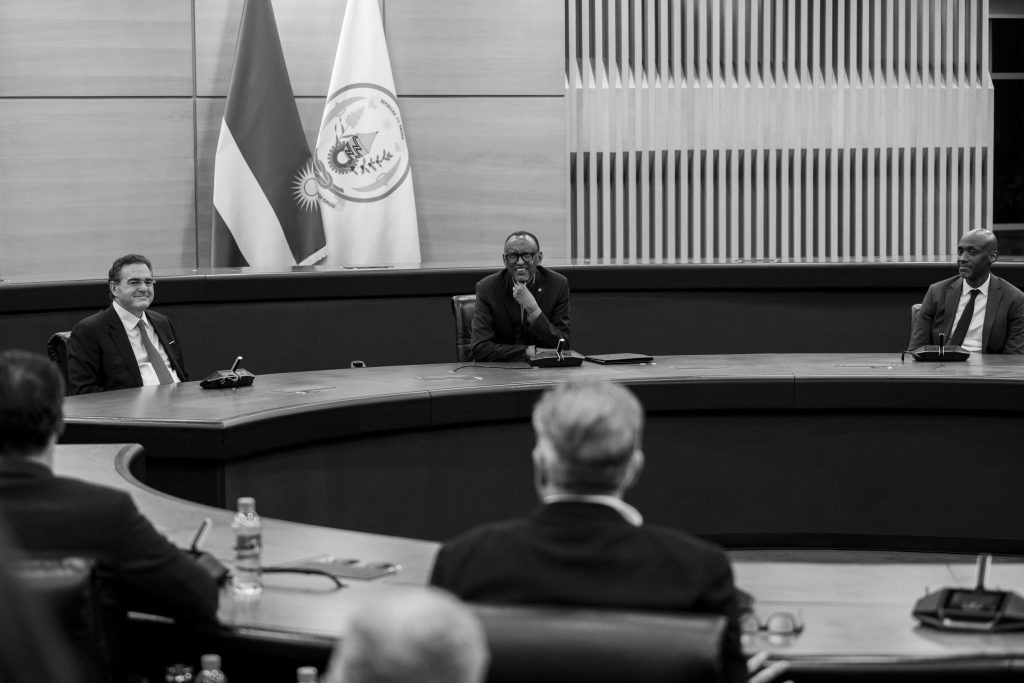
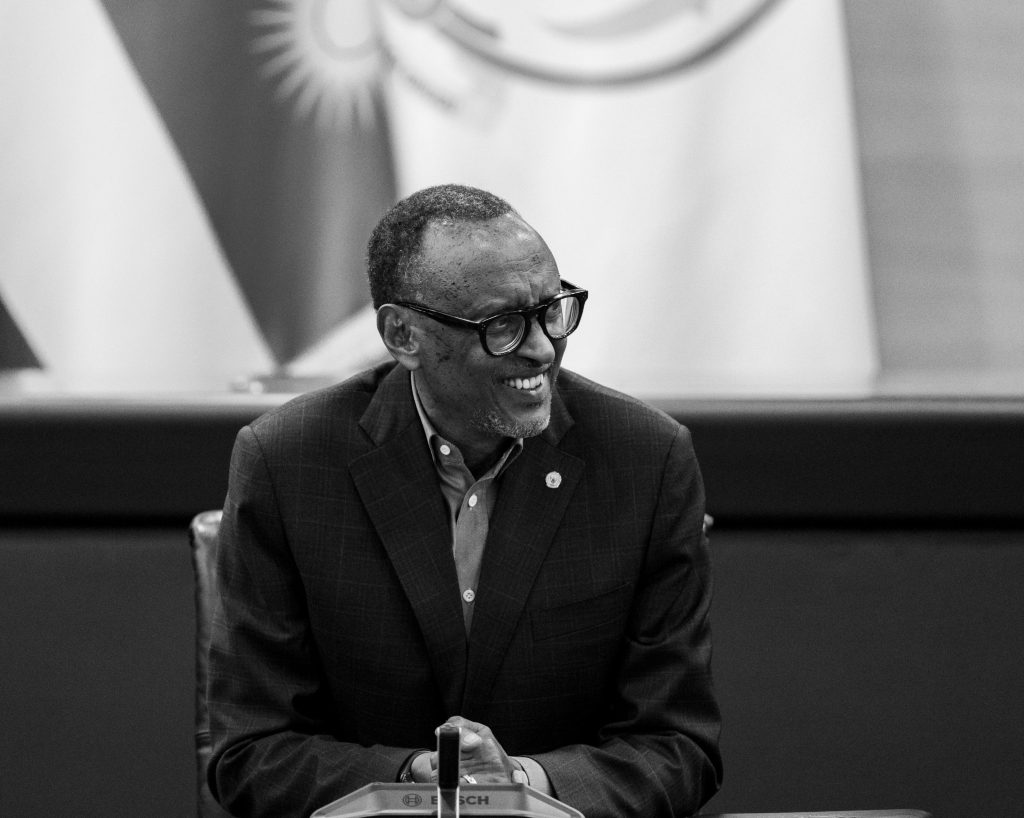
President Paul Kagame on Tuesday received a delegation of 19 members of the Young Presidents’ Organization (YPO) and their spouses at Urugwiro Village.According to the Office of the President, discussions focused on Rwanda’s economic transformation, entrepreneurship, and opportunities for business collaboration with Panama.The delegation was led by Rogelio Romero, Chapter Representative of YPO Gold Panama and Chief Executive Officer of Concretex Panama.The meeting explored Rwanda’s development journey, the country’s growing entrepreneurship ecosystem, and prospects for strengthening business and economic partnerships between Rwanda and Panama.
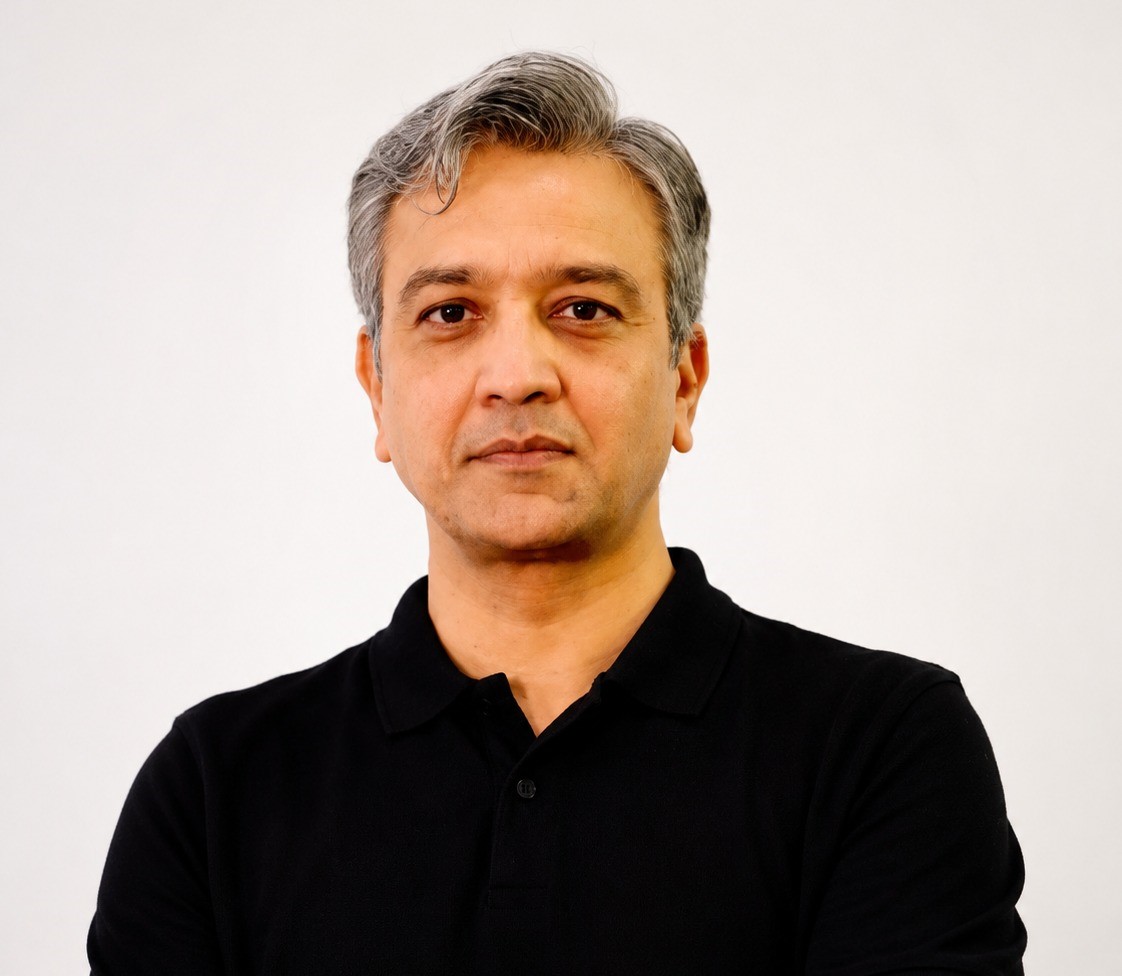
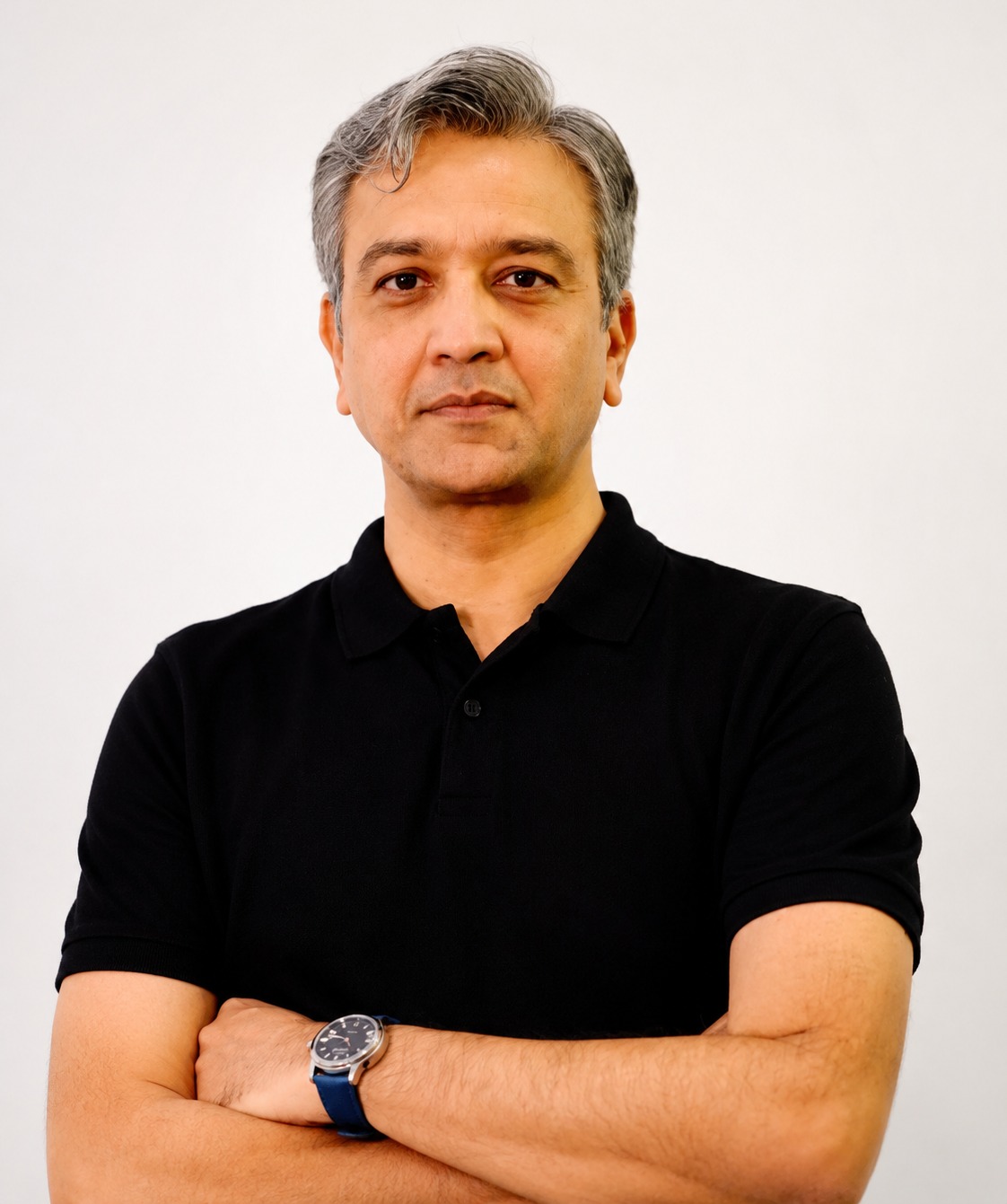
Anant joins Spiro with more than two decades of leadership experience across India, the Middle East and Africa, building and scaling businesses across electric mobility, energy and industrial sectors.
Most recently, he served as CEO of Indofast Energy, the joint venture between IndianOil and SUN Mobility, where he led the development of one of India’s largest battery-swapping networks, comprising more than 1,800 stations and serving nearly 90,000 vehicles daily.
The appointment comes at a pivotal moment for Spiro following its landmark US$215 million financing round, one of the largest investments ever made in Africa’s electric mobility sector.
As Spiro is accelerating on its mission to transform mobility across Africa, Anant’s broad mandate will span battery swapping, leasing, logistics, energy, and vehicle manufacturing. As CEO Mobility, Kaushik Burman will continue to further consolidate Spiro’s leadership and fleet in Spiro’s 7 existing markets and beyond.
Commenting on the development; Gagan Gupta, Founder and Chairman of Spiro said: “As Spiro is accelerating on its mission to transform mobility across Africa through clean, affordable and accessible electric transportation solutions, Anant will consolidate the Group’s strategic initiatives and guide the company through its next chapter of growth and execution in mobility, energy and tech.”
Commenting on his appointment, Anant Badjatya said: “Africa represents the most exciting frontier for electric mobility. Spiro has built a unique platform and is exceptionally well positioned to accelerate the transition to cleaner and more accessible mobility across the continent. I look forward to working with our teams, partners and stakeholders to drive the next phase of growth and impact.”
Spiro is Africa’s largest electric mobility company and operates the continent’s most extensive battery-swapping network for electric two-wheel vehicles.
With more than 100,000 electric motorcycles on the road, over 2,500 swapping stations and more than 30 million battery swaps to date, Spiro is replacing expensive fossil-fuel transport with affordable, accessible and sustainable mobility solutions.
Through its growing regional production and assembly footprint, Spiro is committed to building electric vehicles made in Africa by Africans for Africa and the world.
Spiro has appointed former Indofast Energy CEO Anant Badjatya as Group CEO to lead its next phase of growth
The emerging “anti-slop” trend reflects a backlash against AI-generated visuals, which critics say often feel overly smooth, uncanny, and detached from human labour. Instead, creatives are turning to analogue techniques and unpolished, DIY-inspired design choices as a way of reasserting human authorship in visual culture.
At industry events in the US promoting generative AI tools, technology advocates have highlighted how quickly campaigns can now be produced using artificial intelligence. Rob Wrubel, co-founder of ad firm Silverside, pointed to significantly shortened production timelines enabled by AI systems, though some outputs have faced criticism for lacking authenticity and emotional depth.
Concerns also extend to how AI models are trained on vast datasets that include existing creative work. Photographer and designer Michael Schmelling, whose work features intentionally scribbled, hand-drawn-style covers and artwork, says the shift is already visible in the creative sector.
“This AI stuff has just been rammed down our throats,” he said. “AI is everywhere. And all of a sudden there’s a backlash.”
He also criticised the economic model behind generative AI, arguing that it often benefits from artists’ work without fair compensation.
A similar emphasis on human-made craft can be seen in stop-motion advertising work by Stoopid Buddy Stoodios for the Green Bay Packers in the US, which used physical models and frame-by-frame animation instead of digital generation.
Co-founder John Harvatine IV said: “We do everything here by hand.” He added that audiences responded strongly to the visible craftsmanship behind the project.
While the studio does use some digital tools, it prioritises physical production over automated creation, a contrast that has resonated with audiences amid growing debate over AI-generated media.
Observers say the shift echoes earlier technological disruptions in art history. The rise of photography in the 19th century, for instance, pushed painters toward movements such as impressionism and surrealism rather than strict realism. Some analysts suggest AI may be triggering a similar redefinition of creative value today.
Still, some creatives remain cautious about the durability of the trend. As journalist John Semley notes, there may eventually be a “backlash to the backlash” as AI tools become further embedded in everyday creative workflows.
For now, however, the divide is increasingly visible: while AI accelerates polished production in global advertising and media hubs, a growing counter-movement is reasserting imperfection, texture, and the unmistakable mark of human creation.
Behind the scenes of Stoopid Buddy Stoodios’ stop-motion animation ad for the Green Bay Packers. As artificial intelligence reshapes creative industries across the world, including in major media and advertising markets such as the United States and Europe, a growing number of artists are responding with a contrasting aesthetic: visibly handmade, imperfect, and deliberately rough design.
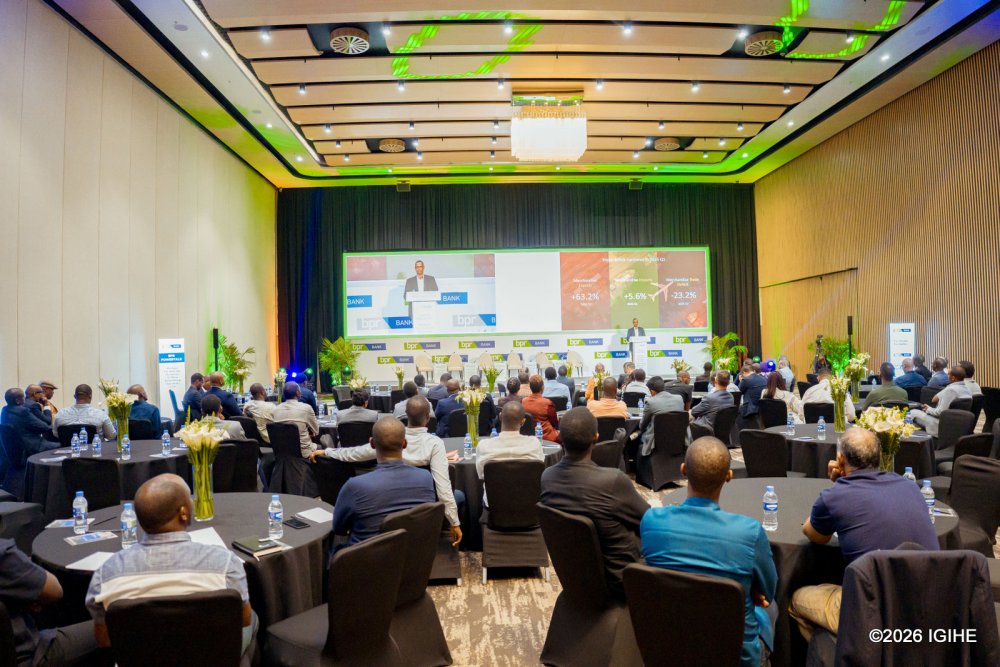
Through these engagements, the bank convenes clients operating in a particular sector alongside industry experts to assess prevailing challenges and identify opportunities for collaboration that can drive growth.
According to BPR Bank Rwanda PLC’s Chief Finance Officer, Vincent Ngirikiringo, the initiative was conceived as a platform for dialogue between the bank and stakeholders across different sectors of the economy.
“We designed these discussions as a forum for exchanging ideas with our partners in various sectors of the economy. It is an ongoing initiative that will also cover industries such as construction, agriculture and others,” he said.
The first edition brought together players from the energy, transport and manufacturing sectors, all of which depend heavily on petroleum products and have been significantly affected by recent global market disruptions.
The challenges stem largely from the conflict involving Iran, which disrupted global oil markets following the closure of the Strait of Hormuz, a critical shipping route through which more than 20 million barrels of oil pass each day, representing around 20% of global consumption.
As a result, petroleum prices surged, rising by about 45% since the Middle East conflict began in late February 2026.
A barrel of petroleum products that had been trading between $65 and $70 climbed to around $130 in April before easing slightly. By early June 2026, prices were fluctuating between $90 and $95 per barrel.
The Iran conflict also led to the loss of approximately 1.5 billion barrels of unprocessed petroleum products that never reached the market.
Globally, the sector is estimated to have incurred losses exceeding $50 billion as a consequence of the crisis.
Representatives from the public and private sectors discussed possible solutions to the challenges posed by rising petroleum product prices.
Rwanda among the affected countries
The impact was also felt in Rwanda. On August 5, the price of diesel increased by Rwf722 per litre, reaching Rwf2,927 from Rwf2,205, while petrol remained unchanged at Rwf2,938 per litre.
Earlier, on April 16, 2026, petrol prices rose by Rwf635 per litre, increasing from Rwf2,303 to Rwf2,938, while diesel remained at Rwf2,205.
The previous adjustment had been made on April 3, 2026, when petrol prices increased by Rwf314 to reach Rwf2,303 per litre, while diesel rose by Rwf257 to Rwf2,205.
The increases contributed to broader inflationary pressures. According to the National Institute of Statistics of Rwanda (NISR), consumer prices in April 2026 were 13% higher than April 2025. In March 2026, annual inflation stood at 9.2%.
The root cause, according to Eric Mutaganda, Chairperson of the Petroleum Traders Association of Rwanda and Managing Director of Merez, is the disruption caused by the Iran conflict.
“The Iran conflict had a significant impact on us, but together with the Government of Rwanda we managed to reduce its severity. The government provided subsidies to ensure Rwandans did not face the full burden that would otherwise have occurred. Although oil prices increased by 45%, the actual procurement costs multiplied five times,” he explained.
The figures illustrate the point. Before the conflict began in early February, a tonne of petroleum products cost around $300. Today, the same quantity costs approximately $1,650.
Mutaganda noted that addressing such shocks requires substantial strategic storage capacity that can shield the country during supply disruptions, with financial institutions playing a key role in supporting such investments.
Rwanda currently has storage facilities capable of holding about 110 million litres of petroleum products, enough to cover roughly one and a half months of demand. However, experts estimate that the country would need storage capacity of around 400 million litres to comfortably sustain supplies for four months during a global crisis.
Rwanda imports approximately 60 million litres of fuel every month. Of this, aviation fuel accounts for about 10 million litres, diesel 30 million litres and petrol 20 million litres.
Mutaganda said that while March and April were particularly challenging, the situation has since improved.
“We experienced difficulties in March and April, but things have started returning to normal. Some of our suppliers also faced disruptions. We have not yet reached the volumes we used to import, but supply conditions have improved and all fuel products are now available. We hope the Iran conflict comes to an end soon,” he said.
Most of Rwanda’s petroleum products are imported through Tanzania’s Port of Dar es Salaam, which handles between 90% and 95% of the country’s fuel imports. The remaining 5% to 10% comes through Kenya’s port system.
Fuel imports are handled by between 10 and 15 companies, including Merez, a Rwandan-owned company that has operated for 25 years. It employs more than 300 people and operates 19 fuel stations across the country.
“Our target is to end this year with 20 fuel stations. We employ Rwandans, and the company is 100% Rwandan-owned,” Mutaganda said.
He added that private sector operators are also working alongside the government to expand national storage capacity. Merez, for example, plans to construct a 20-million-litre fuel storage facility in Nyacyonga, Gasabo District.
“We are currently seeking the necessary approvals from the City of Kigali so construction can begin. Other companies are also planning similar projects to increase the country’s storage capacity,” he said.
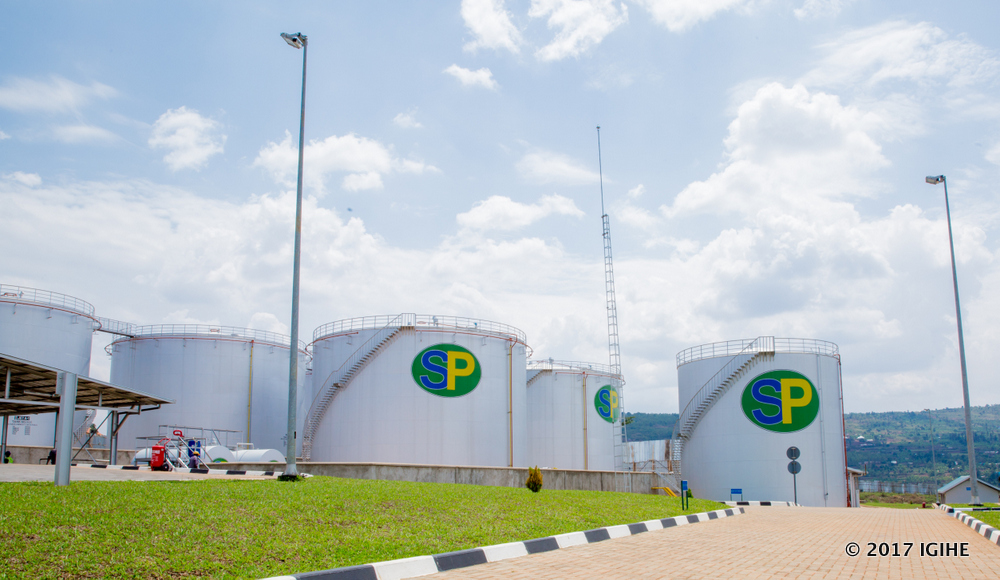
In addition to Merez, Société Pétrolière (SP) is building liquefied petroleum gas storage facilities valued at more than Rwf60 billion. The facilities will have the capacity to store 9,000 tonnes of cooking gas, enough to supply the country for about two months.
Eric Mutaganda, Chairperson of the Rwanda Association of Petroleum Product Traders and Managing Director of Merez, said the sector imports about 60 million litres of petroleum products each month.
BPR Bank Rwanda steps in
BPR Bank Rwanda is among the country’s largest banks. In 2025, it recorded profits exceeding Rwf40.8 billion. The bank also extended loans worth Rwf666 billion in 2024, underscoring its contribution to Rwanda’s economic development.
It is against this backdrop that the bank decided to convene stakeholders in the petroleum sector to explore practical solutions, particularly given its capacity to provide financing that can help businesses weather the crisis.
Mutaganda said the role of banks has become even more critical as import costs have multiplied.
“If fuel costs increase fivefold, it means you need five times more capital than before to purchase the same quantity of products. That is where banks come in by increasing financing capacity. Banks have supported us, and when support continues during difficult periods, it helps businesses stay afloat until conditions improve,” he said.
Ngirikiringo reassured industry players that BPR remains committed to engaging with stakeholders because petroleum products are fundamental to economic activity.
“We cannot achieve sustainable development if these challenges are not properly addressed. Given the impact of the Iran conflict on global fuel prices, there are consequences for both livelihoods and the economy. We are discussing what can be done to ensure Rwanda remains economically resilient despite these challenges,” he said.
He explained that BPR is exploring ways to facilitate fuel imports by providing financing mechanisms that enable importers to secure supplies without having to make immediate full payments.
“We provide facilities that allow importers to bring petroleum products into the country and settle payments once the products arrive. Instead of sending money in advance and waiting for delivery, we can support them. Because we have established relationships with international banks and suppliers, our clients can access products without excessive pressure and with greater certainty,” he explained.
Ngirikiringo added that BPR also provides conventional loans that support infrastructure investments, including the construction of fuel storage facilities that can help expand national reserves.
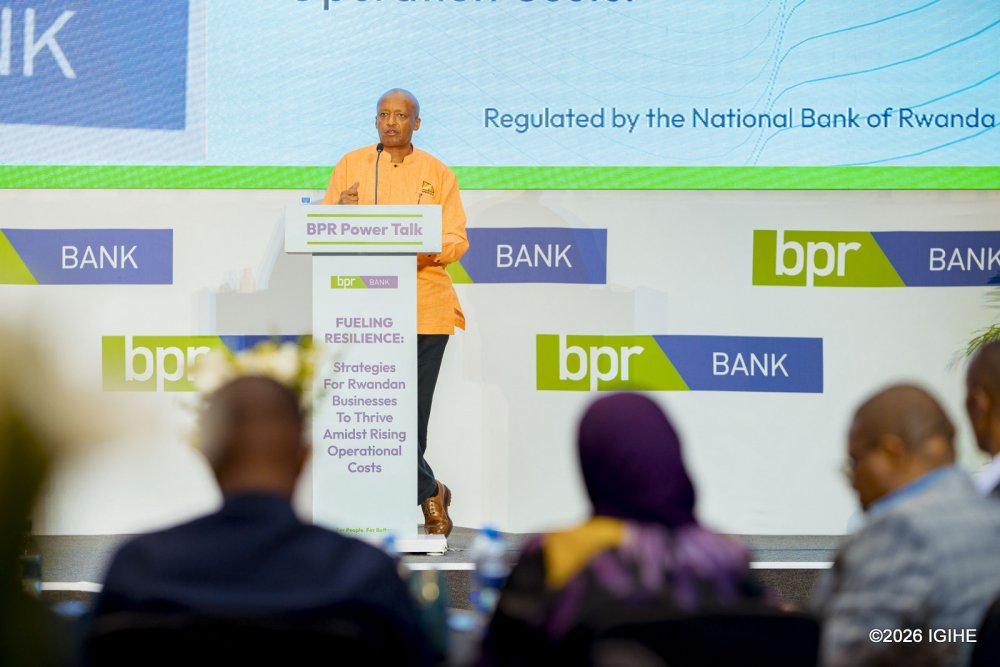
BPR Bank Rwanda PLC’s Chief Finance Officer, Vincent Ngirikiringo, reassured petroleum traders facing capital constraints amid rising fuel costs.
Reassurance from the National Bank of Rwanda
The Chief Economist at the National Bank of Rwanda (BNR), Dr. Thierry M. Kalisa, said the Iran conflict had shaken global petroleum markets because of disruptions linked to the closure of the Strait of Hormuz.
“Rwanda imports petroleum products because we do not produce them locally. As a result, domestic prices increased. Transport is one of the largest components of household expenditure in Rwanda. About 12% of household income is spent on transportation. When transport costs rise, the prices of many other goods and services also increase,” he said.
To illustrate that the issue extends far beyond Rwanda, Dr. Kalisa noted that global inflation had initially been projected at 4.4% in 2026 and 3.7% in 2027, although those projections could be revised upward depending on global economic conditions. Meanwhile, global economic growth is forecast at 3.1% in 2026 and 3.2% in 2027.
“What is happening is not unique to Rwanda. It is a concern shared by countries around the world, though it affects them through different channels,” he said.
He explained that Rwanda has already put in place measures to help cushion the economy, including efforts to narrow the trade deficit through increased exports such as coffee, minerals and other products.
Dr. Kalisa noted that despite these efforts, Rwanda will continue importing essential commodities that cannot be produced locally, including petroleum products, which account for imports worth more than $650 million annually.
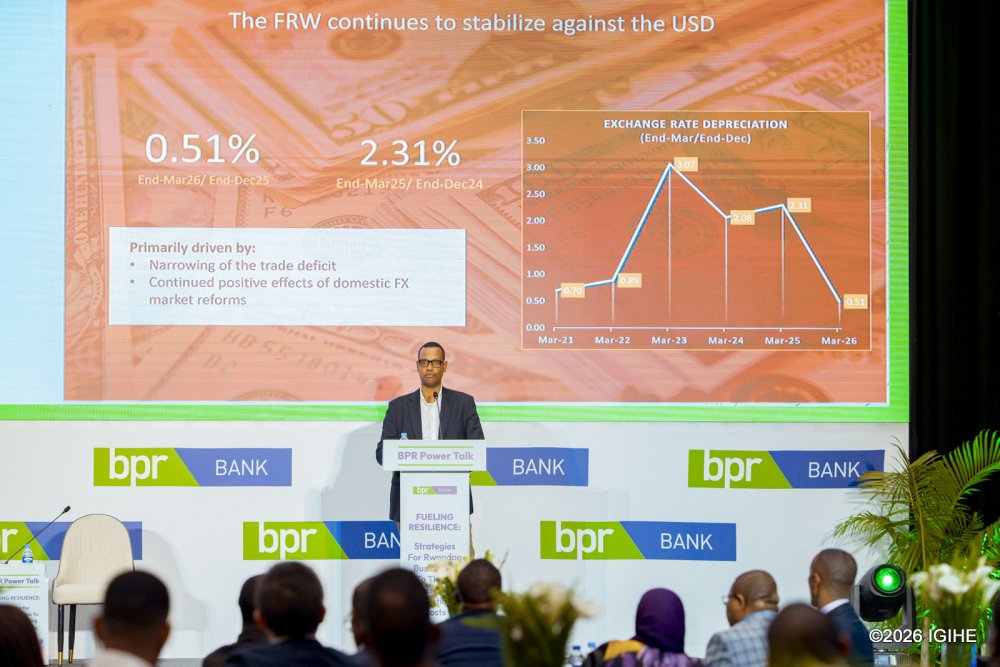
He highlighted the stability of the Rwandan franc against the US dollar as another factor helping fuel importers manage costs.
This was evident during the first quarter of the year, when the franc depreciated by only 0.5%.
“Compared to previous years, that is a very low level. This is extremely important for importers because exchange-rate movements have remained relatively stable. It allows them to continue importing goods without facing major increases in the value of their import bills,” he said.
If current economic performance is maintained, Rwanda’s economy is expected to grow by 6.8%, lower than the 9.4% growth recorded in 2025 but still reflecting continued expansion despite global headwinds.
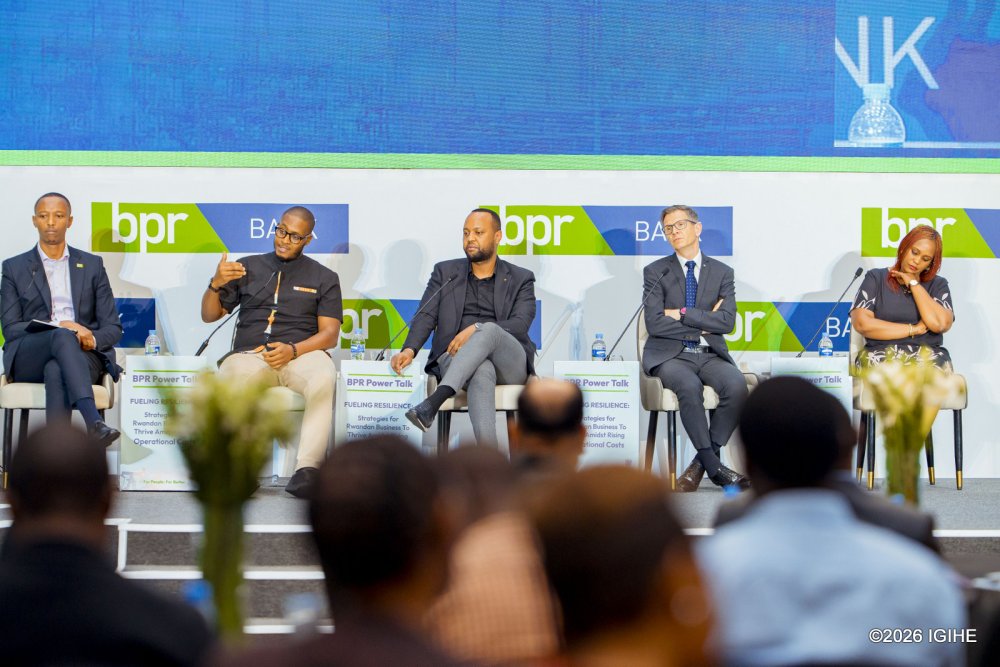
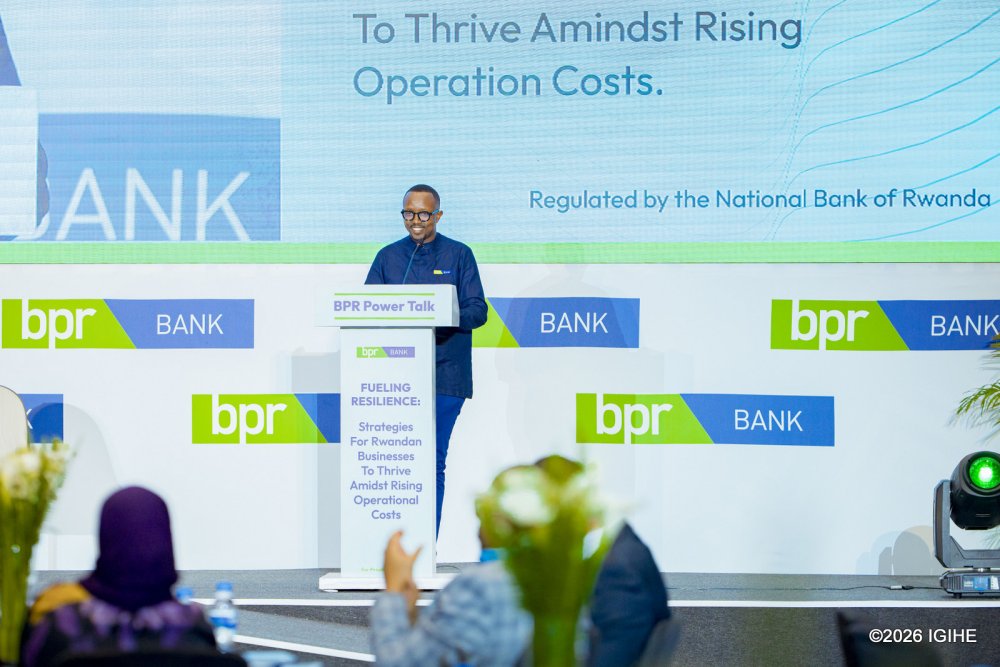
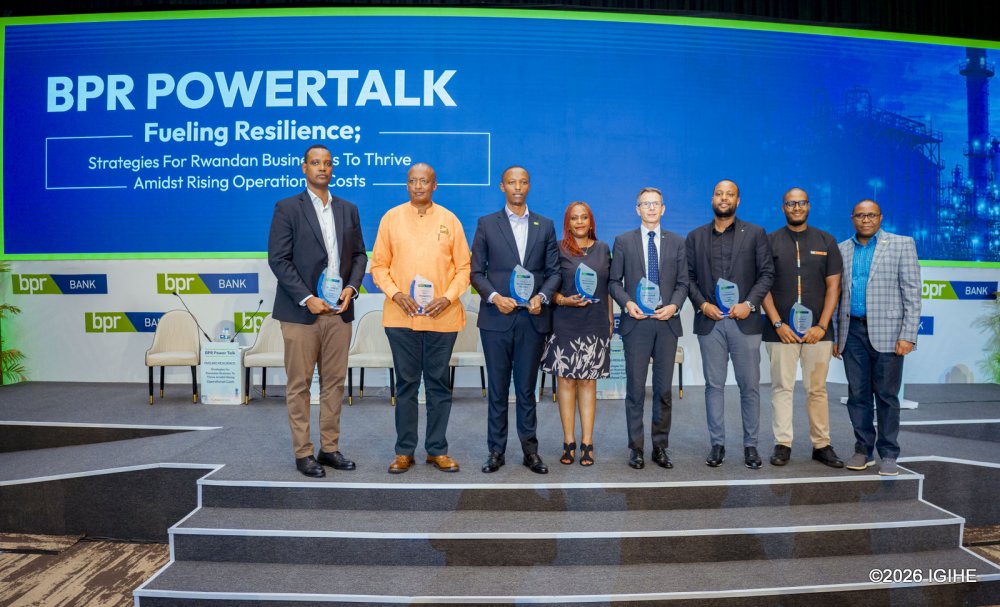
Dr. Thierry M. Kalisa, Chief Economics at the National Bank of Rwanda, outlined measures being taken to mitigate the impact of rising prices.Speakers who shared insights on addressing rising fuel prices were recognized with awards following the discussions.BPR Bank Rwanda PLC brought together stakeholders from the energy sector to explore solutions to the challenges currently affecting the industry.
Now, the rising comedian is setting his sights beyond Rwanda’s borders.
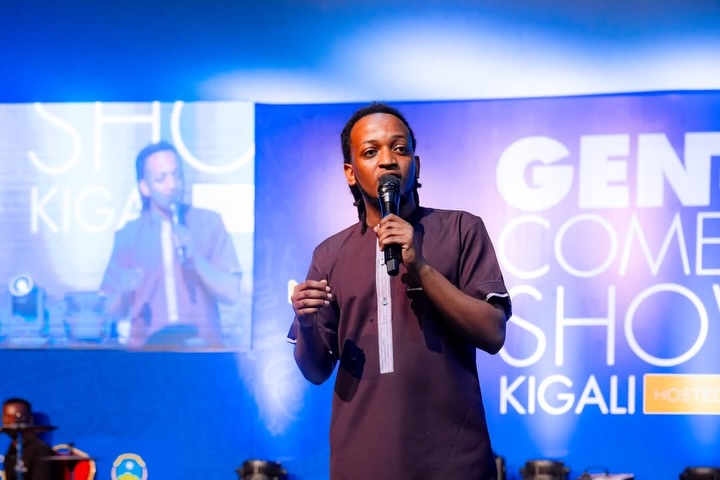
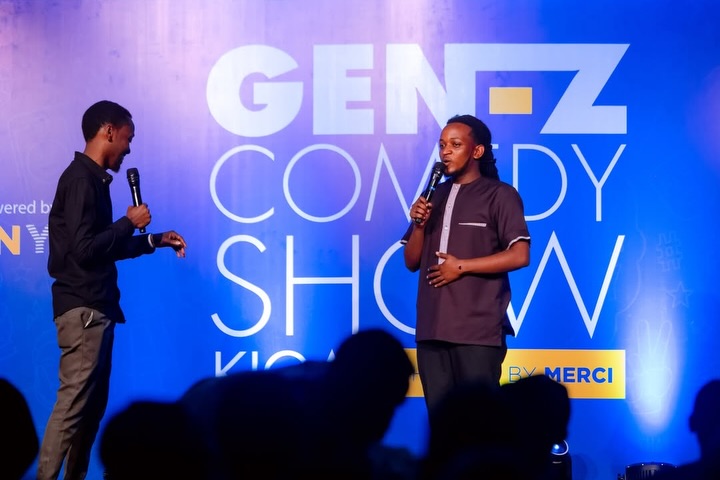
Having established himself as one of the standout performers on Kigali’s popular Gen-Z Comedy platform, Muhinde is increasingly performing in English as part of a broader ambition to reach audiences across East Africa and eventually on the global comedy stage.
“It wasn’t really about leaving Kinyarwanda behind; it was about realising that I could do both,” Muhinde told IGIHE, emphasising that performing in English does not mean abandoning the Kinyarwanda roots that helped shape his career.
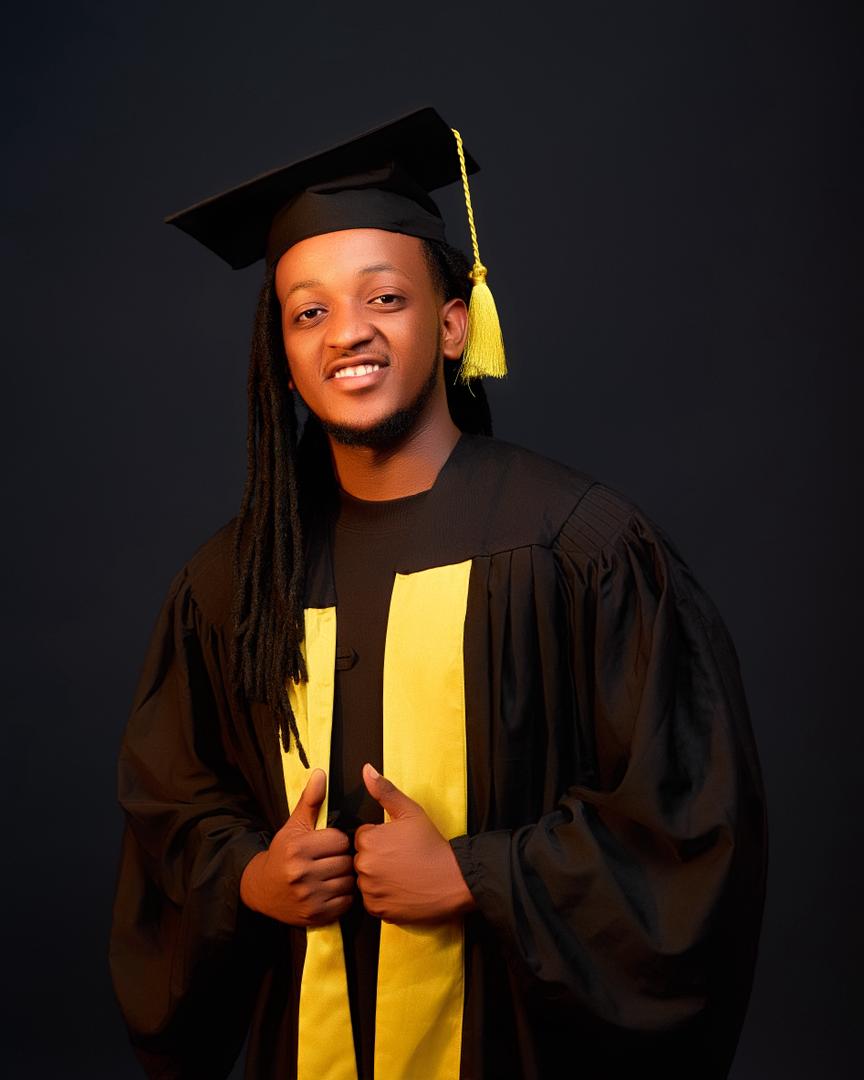
The comedian, who recently completed his studies at Rwanda Polytechnic in Musanze, believes performing in English is a necessary step if he is to take Rwandan comedy to international audiences.
“Over the years, we’ve invited international comedians to Rwanda, and some of them have been willing to share their platforms and opportunities with us. That made me realise that if I want to reach international audiences and grow beyond Rwanda, I need to be able to perform in English as well,” he explained.
Muhinde’s journey into comedy began long before he stepped onto a professional stage. Born on April 10, 2003, he grew up entertaining friends, neighbours, and family members with his natural ability to find humour in everyday situations.
He credits Rwandan comedy pioneer Babu Joe as one of his earliest inspirations.
“I used to make everyone laugh and leave them in stitches. Anywhere you could find me, people around were always laughing,” he recalled.
That talent eventually led him to perform at a show organised by Babu before joining Gen-Z Comedy in 2022, where he quickly became one of the platform’s most recognisable young comedians.
His rise, however, was not without challenges.
While building his comedy career, Muhinde was also pursuing higher education in Musanze, often travelling between Musanze and Kigali to perform.
“The hardest part was when comedy shows happened on the same days as exams or important classes. There were times when I had to make difficult decisions and manage my time very carefully,” he said.
Those sacrifices paid off on May 28, 2026, when he headlined the highly anticipated “Graduation Comedy Special” at Camp Kigali, a show organised by his mentor Fally Merci to celebrate both his academic achievement and his growth as a comedian.
The event marked a symbolic transition from student comedian to a performer with regional ambitions.
Although performing in English presents new challenges, Muhinde says he has invested significant time in improving his craft through workshops, preparation and learning from experienced comedians.
One lesson that has transformed his performances is learning to think directly in English rather than translating jokes from Kinyarwanda.
“If you’re going to perform comedy in another language, you need to think in that language. If you think in your native language and then translate the joke later, it can lose its rhythm, meaning and impact,” he said.
Known for his crowd work and roasting skills, Muhinde acknowledges that performing outside Rwanda will require adaptation, especially in front of audiences unfamiliar with local celebrities and cultural references.
“When performing for an international audience, I know I can’t rely on references to Kigali celebrities or local inside jokes. That’s why research becomes very important,” he noted.
Despite those adjustments, he believes Rwandan comedy has something unique to offer international audiences.
“What makes our humour unique is our perspective and the way we tell stories,” he said. “I’ve learned how to turn my struggles, challenges and even things people might see as weaknesses into comedy. People connect with that because it’s honest.”
For now, Muhinde’s immediate focus is East Africa.
Uganda, Kenya and Tanzania top his list of countries where he hopes to perform, with Uganda holding special significance due to his connections with the country’s vibrant comedy scene through collaborations with Comedy Store Uganda.
“My goal is to grow across East Africa first before expanding to other international stages,” he said.
To accelerate that journey, Muhinde is increasingly relying on digital platforms. He has begun performing regularly at English-language comedy events in Rwanda and plans to use recordings from those shows to build a presence on YouTube, TikTok and Instagram.
“Social media is one of the most important tools I have for reaching international audiences,” he explained.
Looking ahead, Muhinde sees himself becoming an internationally recognised comedian within the next two to three years. Among his goals are releasing his first English-language comedy special and representing Rwanda on stages abroad.
But his ambitions extend beyond personal success.
“My ultimate dream is not only to build a successful career for myself but also to create opportunities for others,” he said. “I would love to have my own comedy show that gives a platform to young comedians, helping them showcase their talent and grow in the industry.”
For a comedian whose career began with jokes among friends and neighbours, the journey from Kigali to the international stage may still be unfolding. Yet with a growing audience, an expanding English-language repertoire, and clear ambitions beyond Rwanda’s borders, Muhinde appears determined to prove that Rwandan comedy can resonate far beyond home.
Having established himself as one of the standout performers on Kigali’s popular Gen-Z Comedy platform, Muhinde is increasingly performing in English as part of a broader ambition to reach audiences across East Africa and eventually on the global comedy stage.Muhinde sees himself becoming an internationally recognised comedian within the next two to three years. On May 28, 2026, Muhinde headlined the highly anticipated “Graduation Comedy Special” at Camp Kigali, a show organised by his mentor Fally Merci to celebrate both his academic achievement and his growth as a comedian.The comedian, who recently completed his studies at Rwanda Polytechnic in Musanze, believes performing in English is a necessary step if he is to take Rwandan comedy to international audiences.
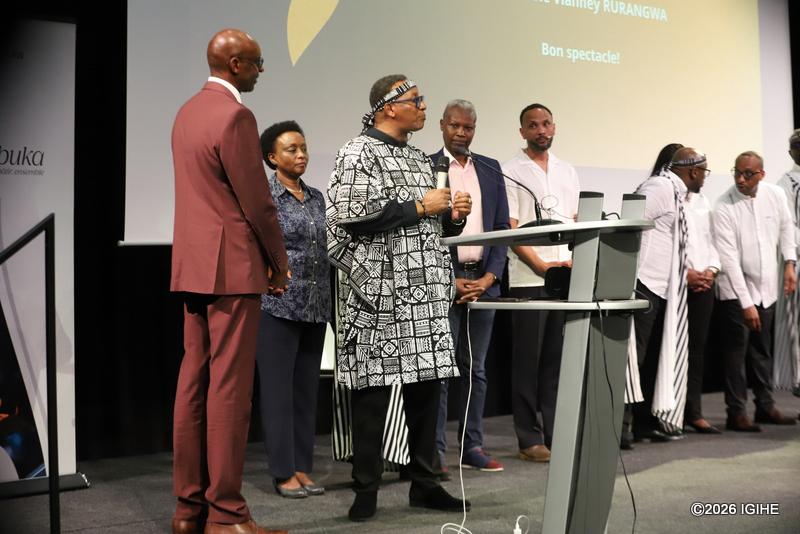
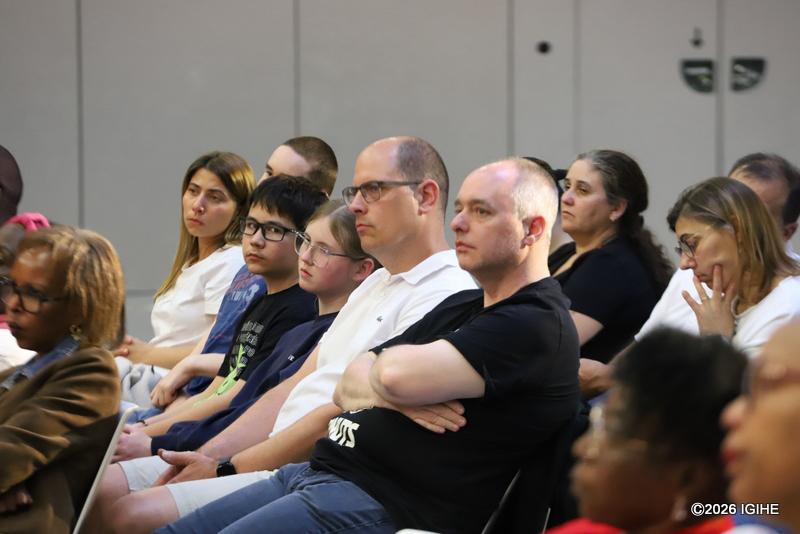
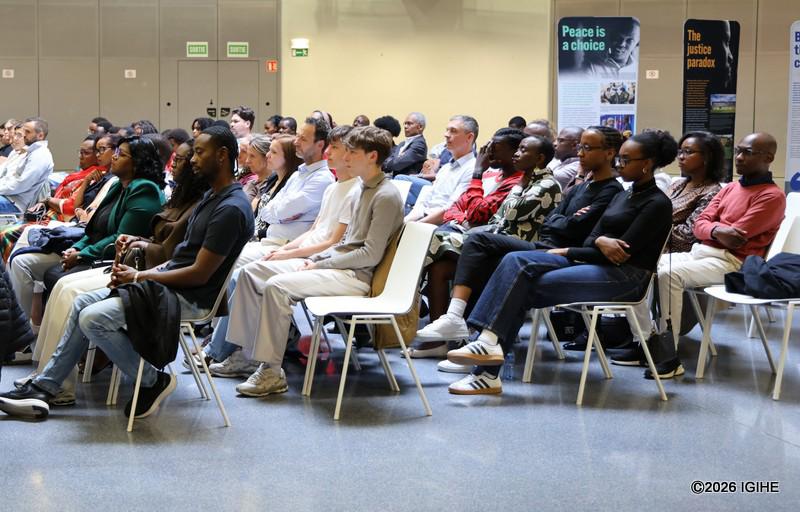
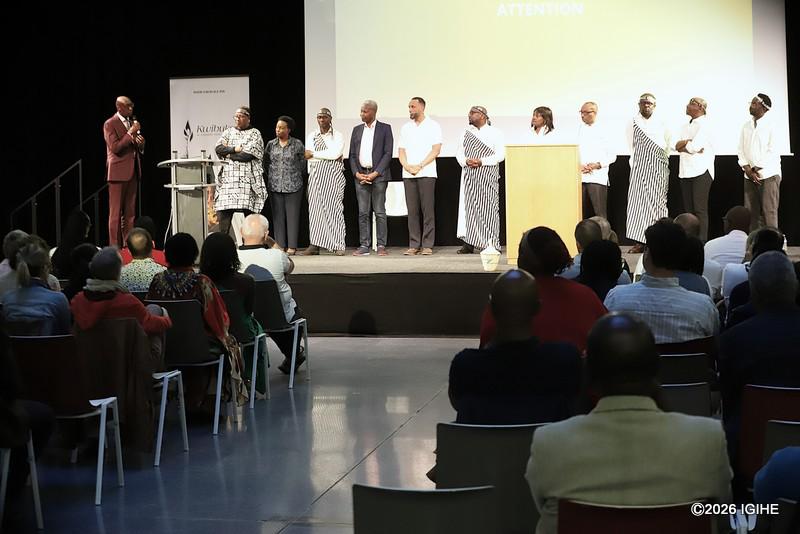
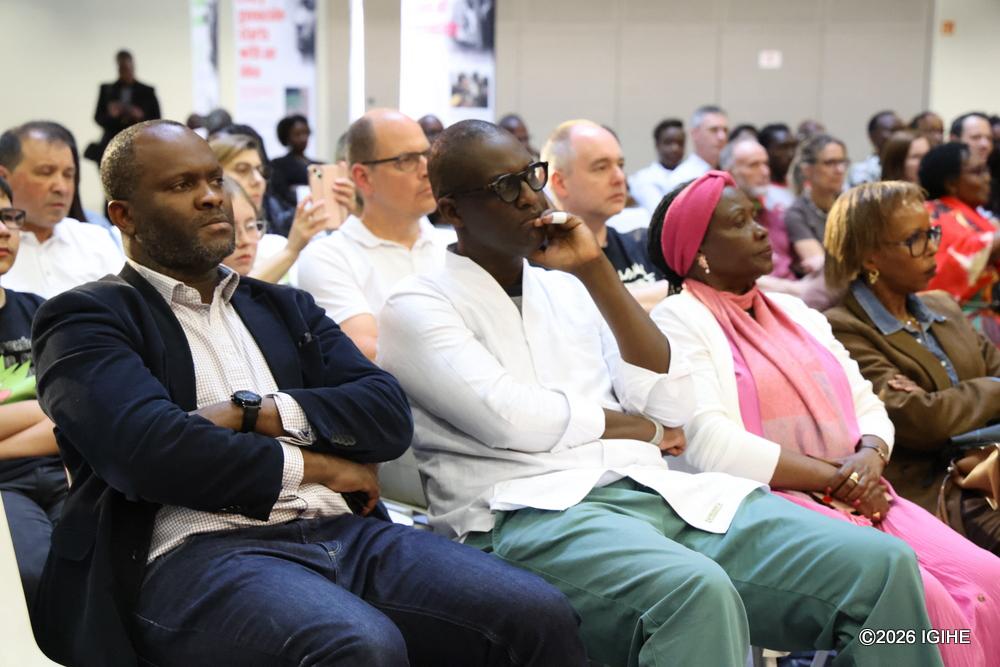
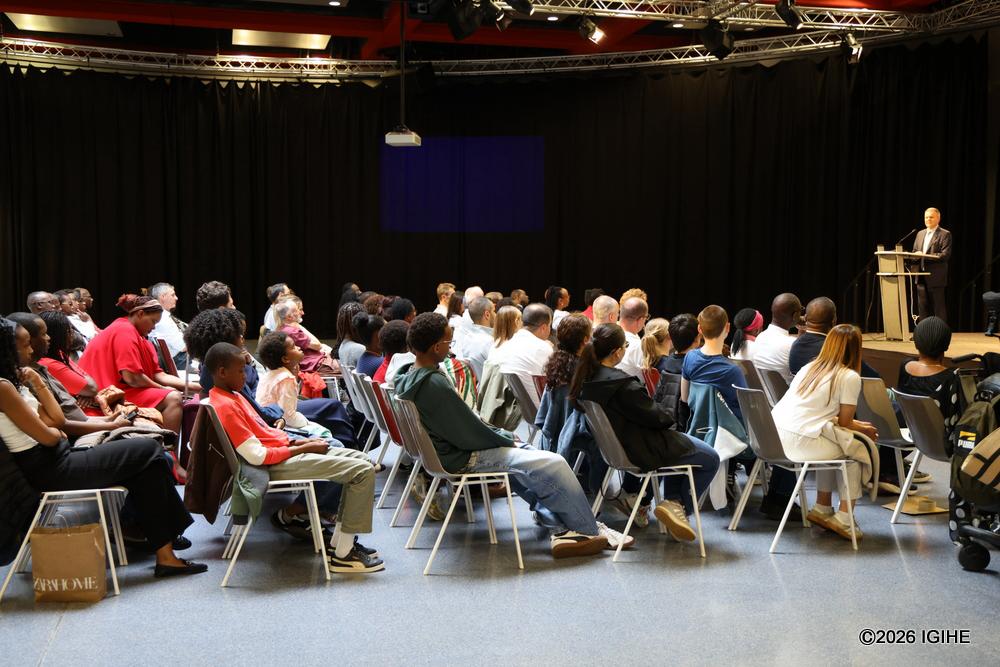
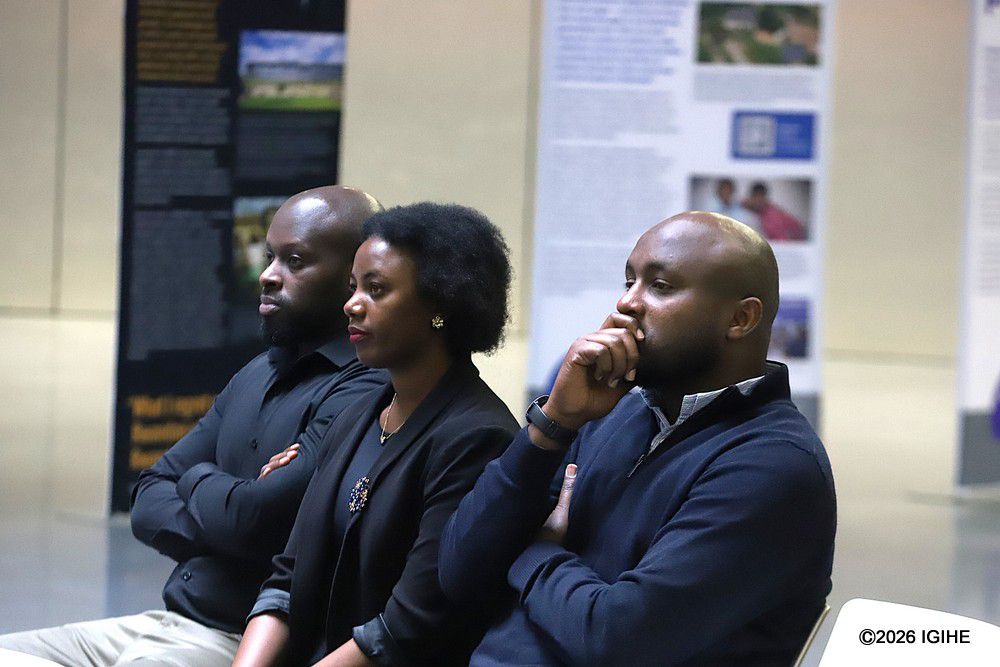
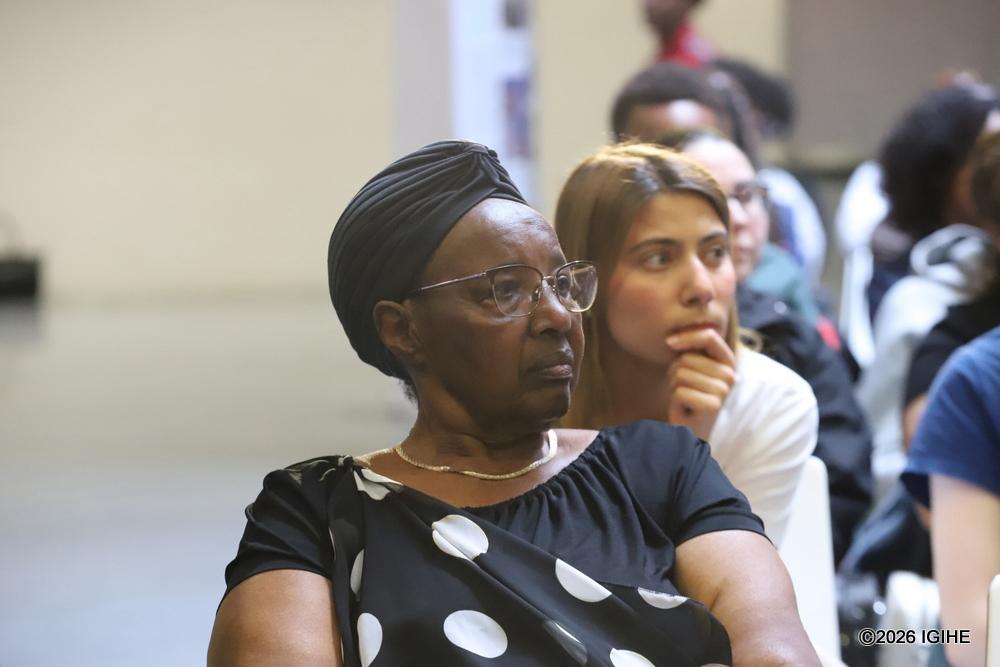
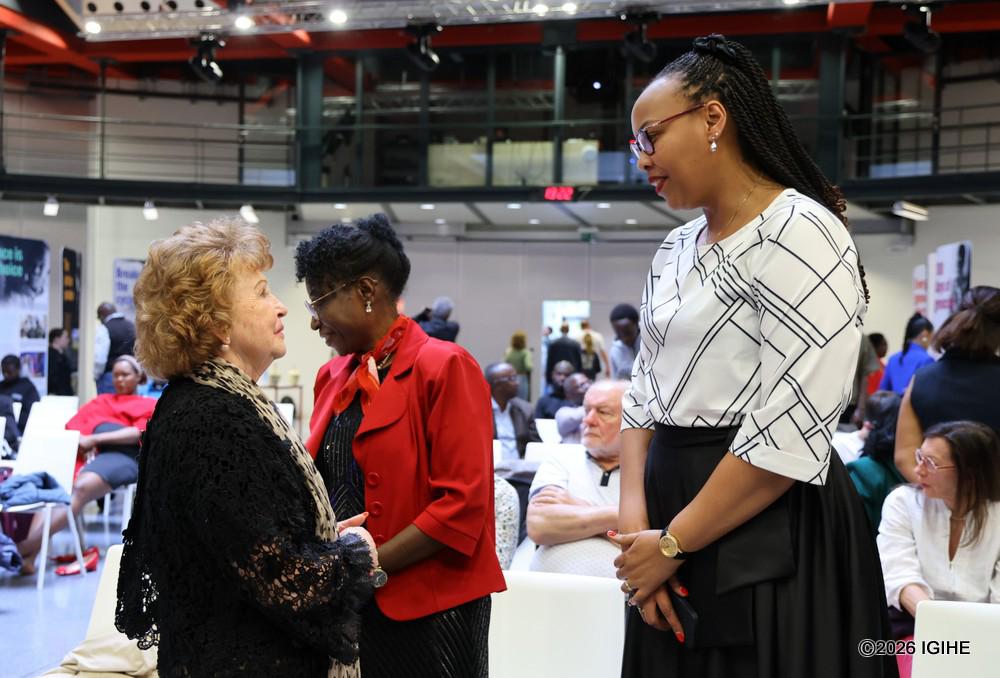
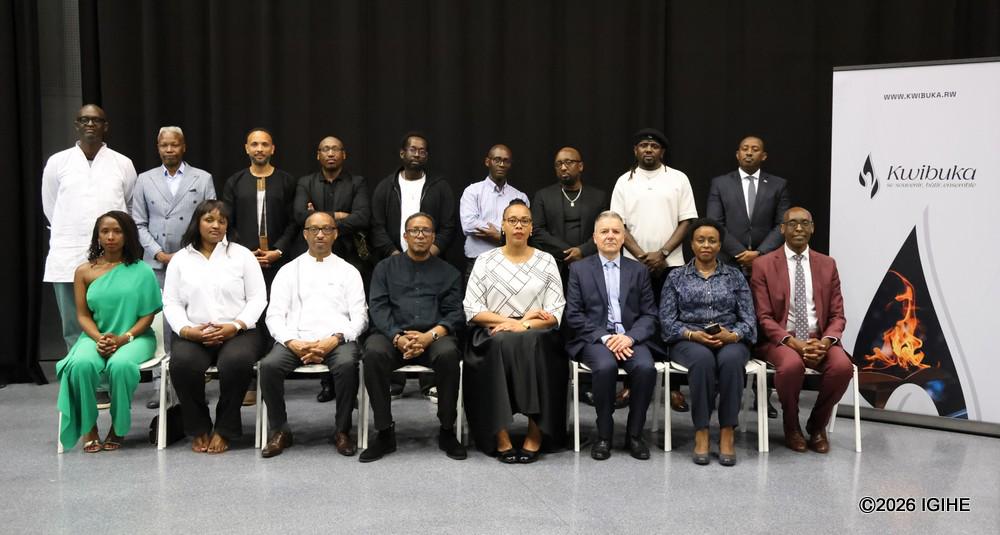
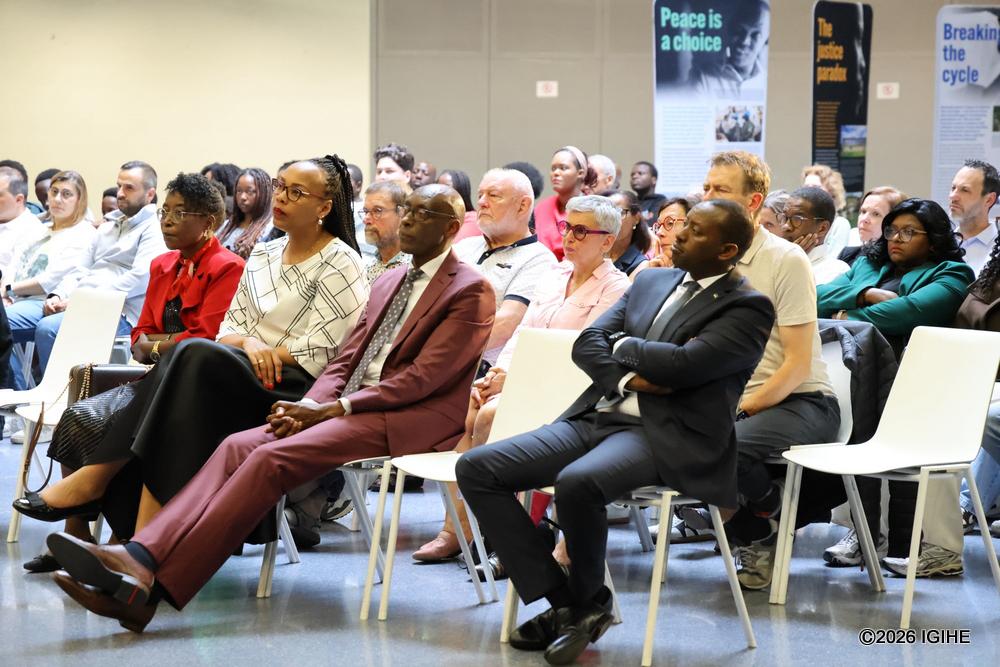
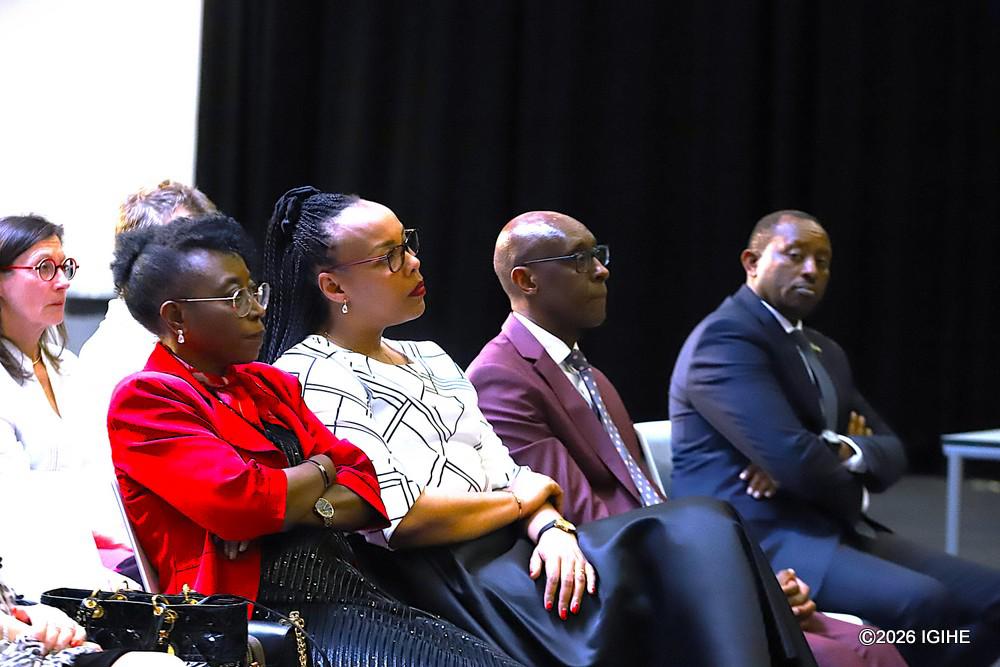
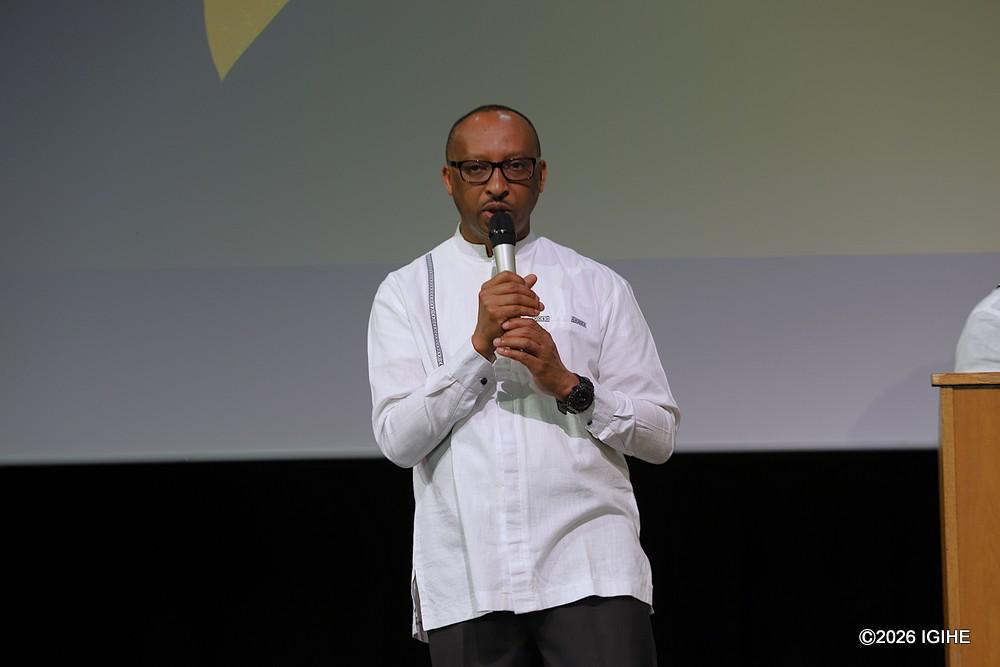
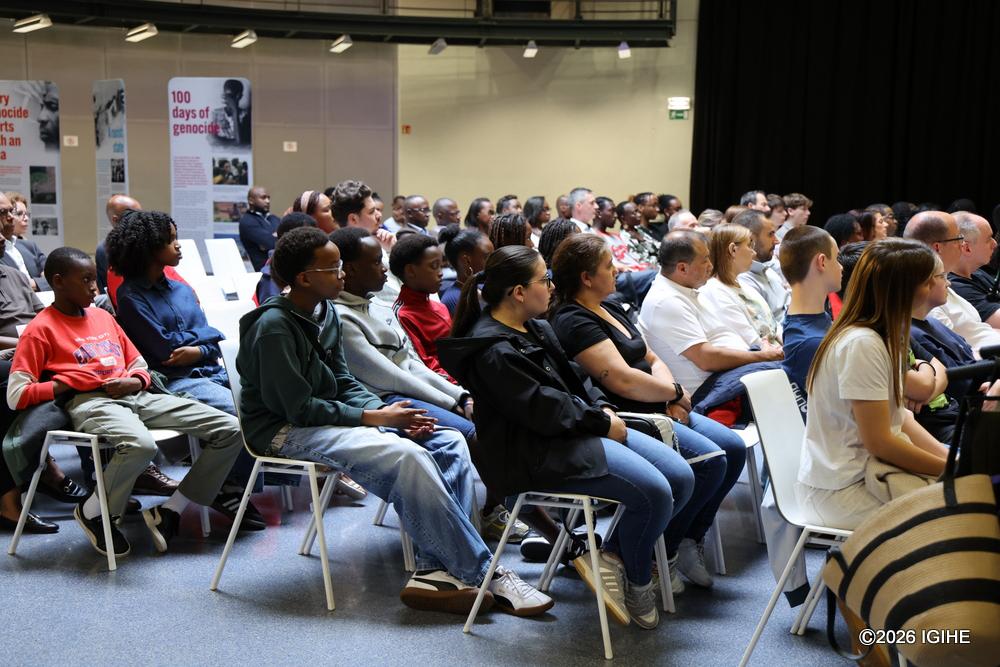
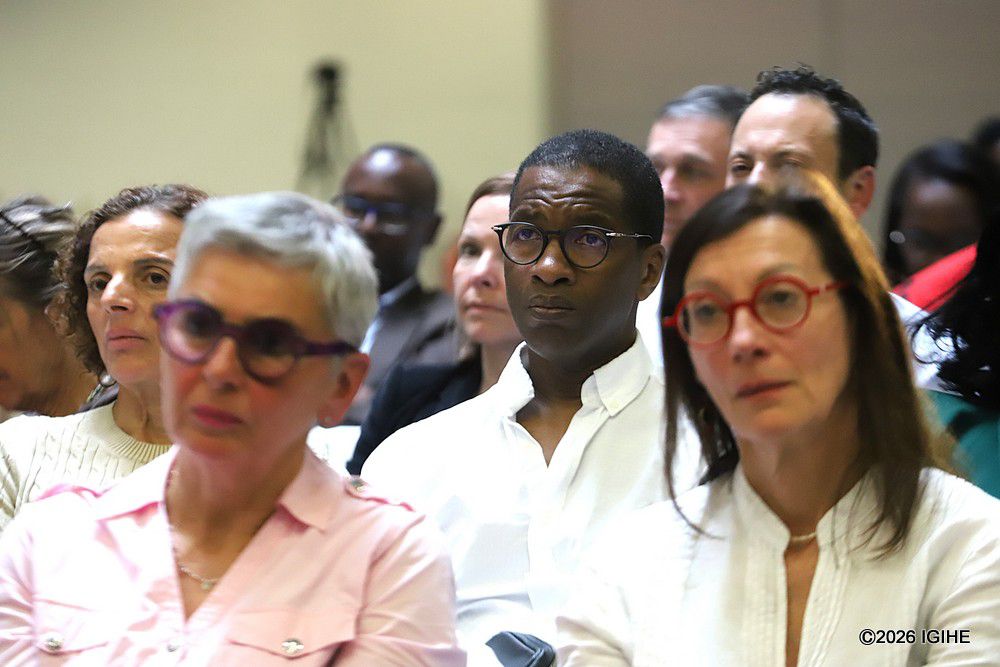
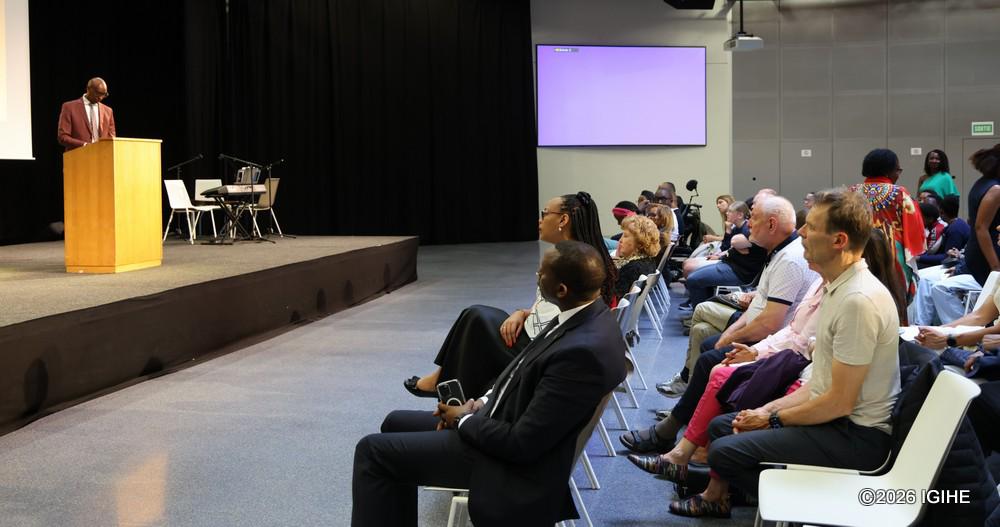
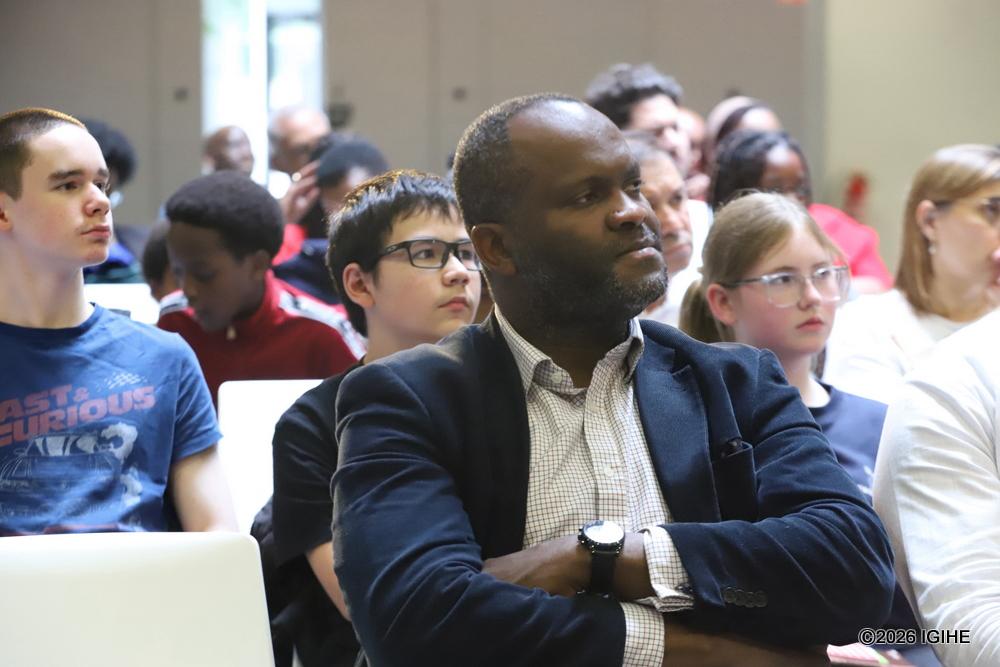
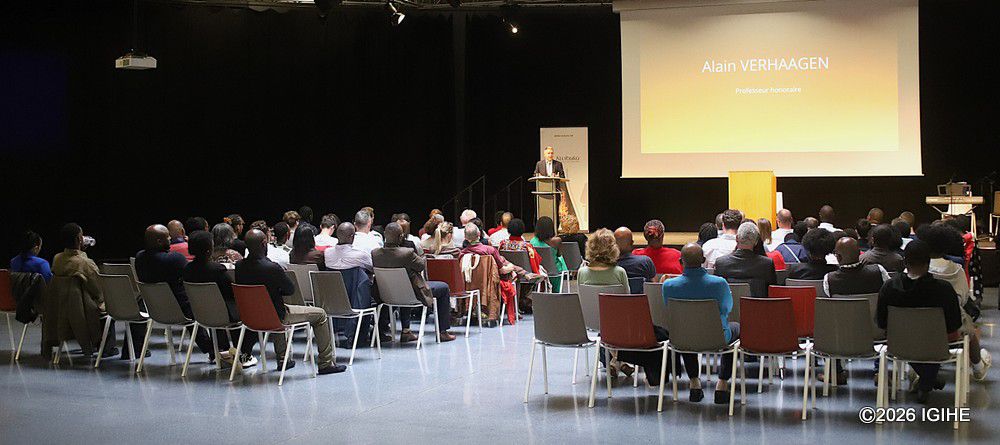
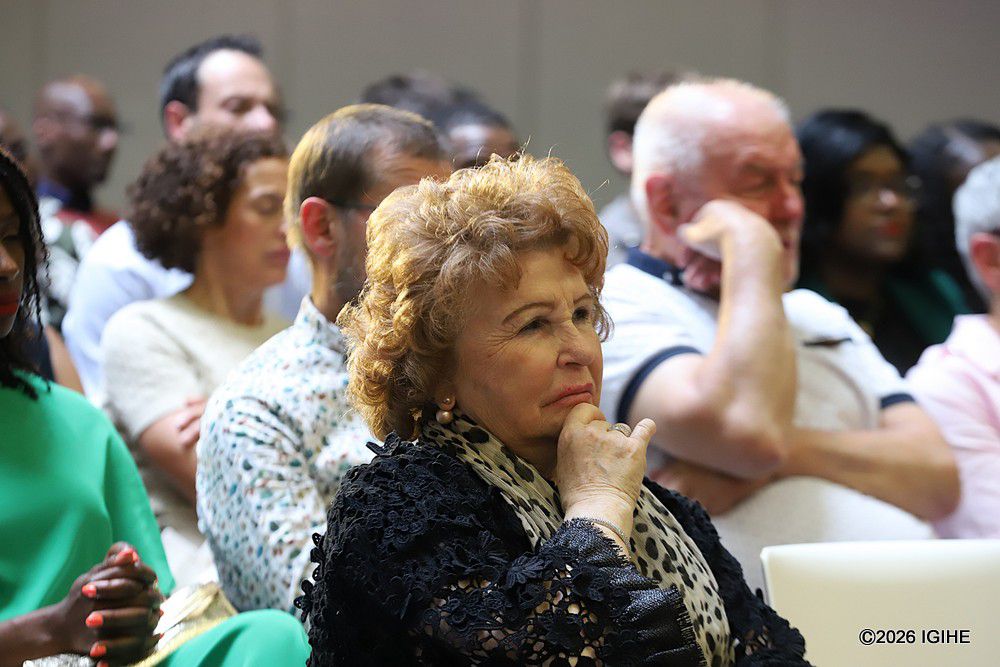
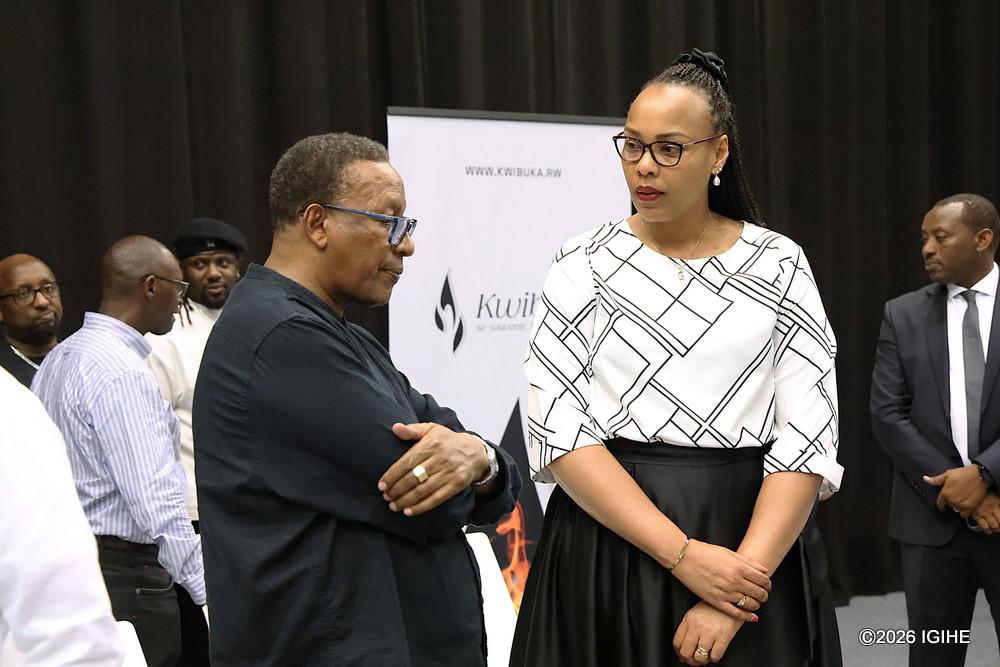
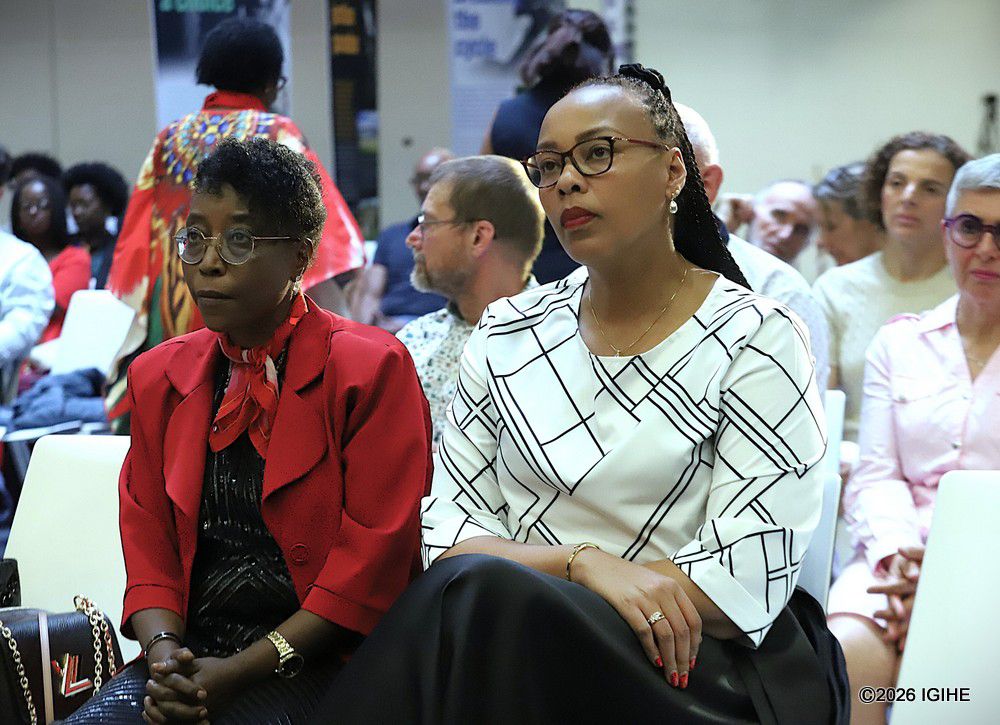
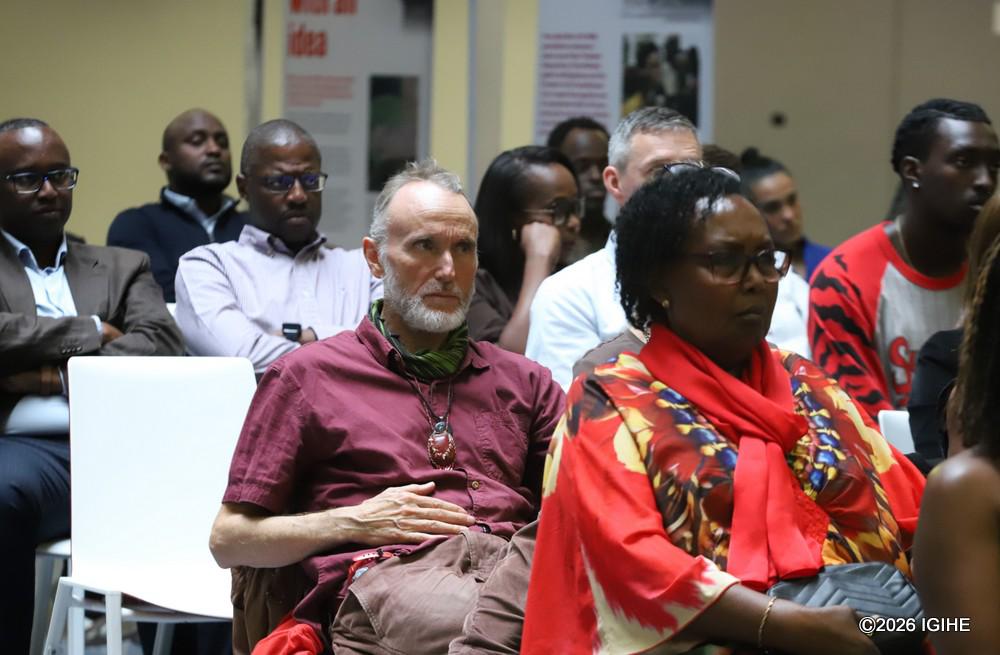
The event brought together many members of the Rwandan community as well as several distinguished guests, including the Ambassador of Rwanda to Luxembourg, Aurore Mimosa Munyangaju.
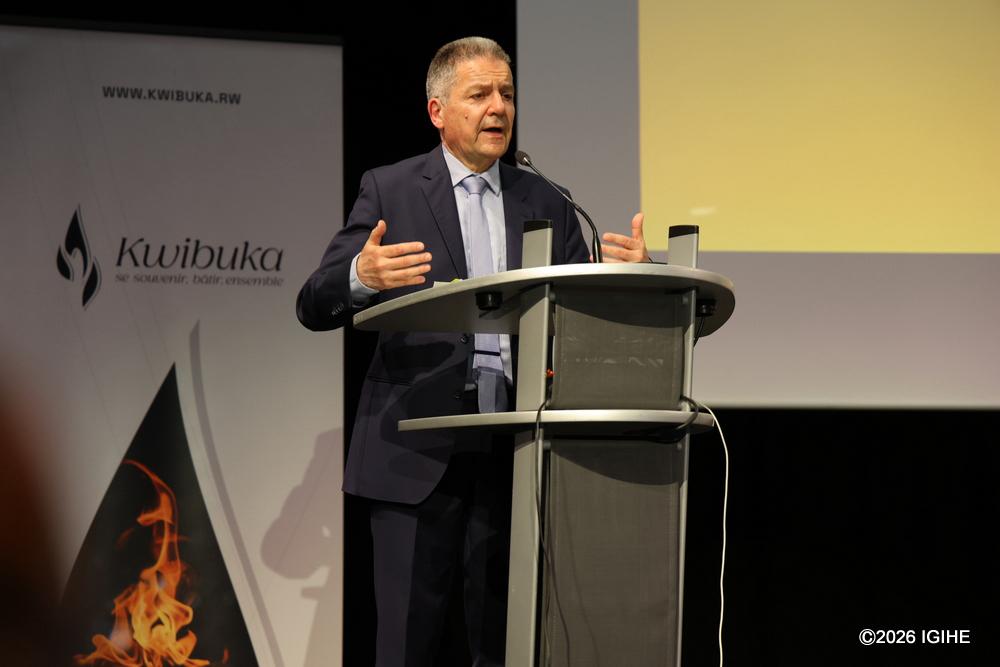
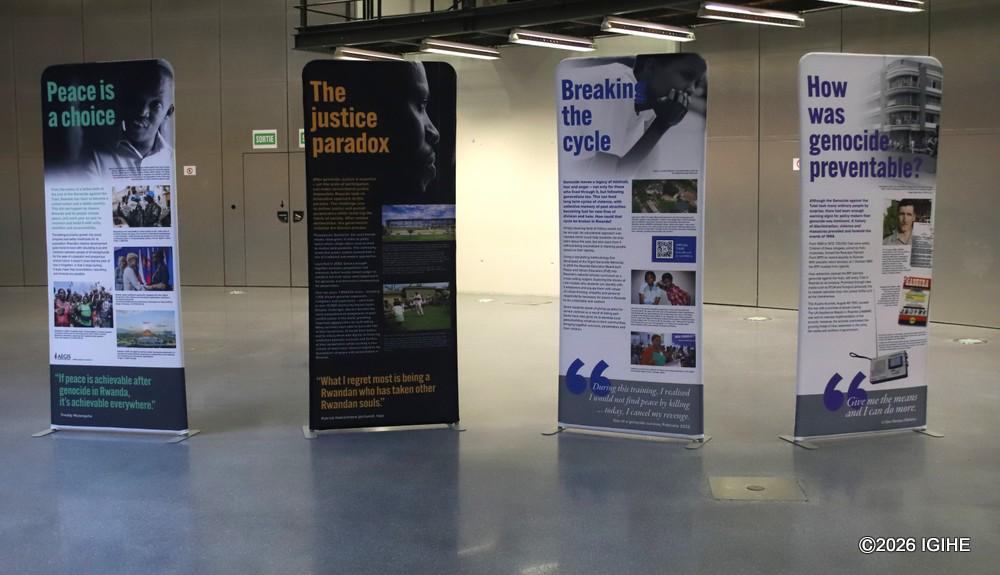
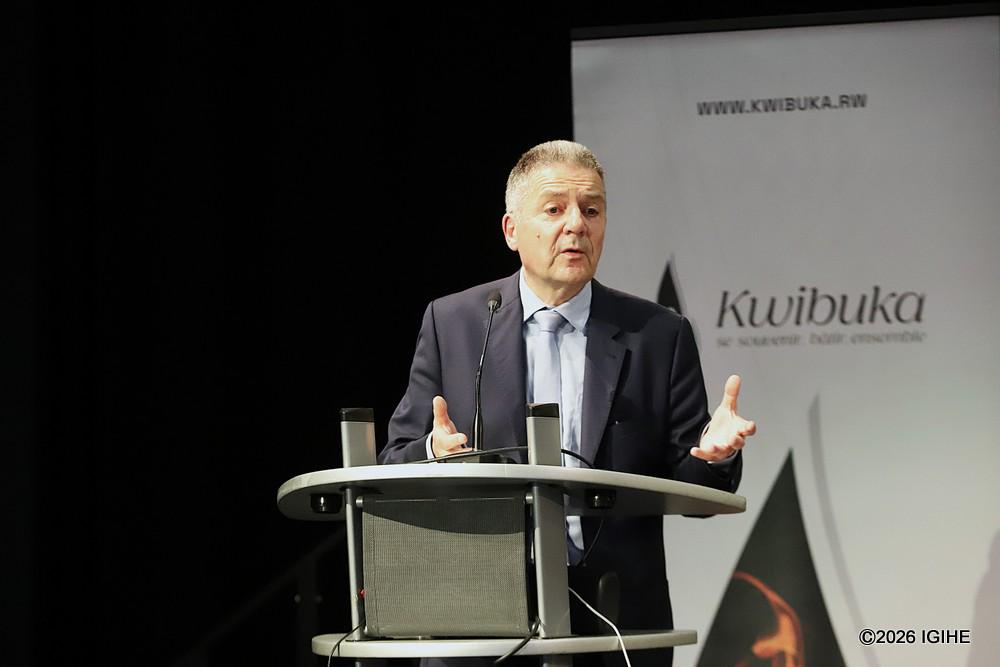
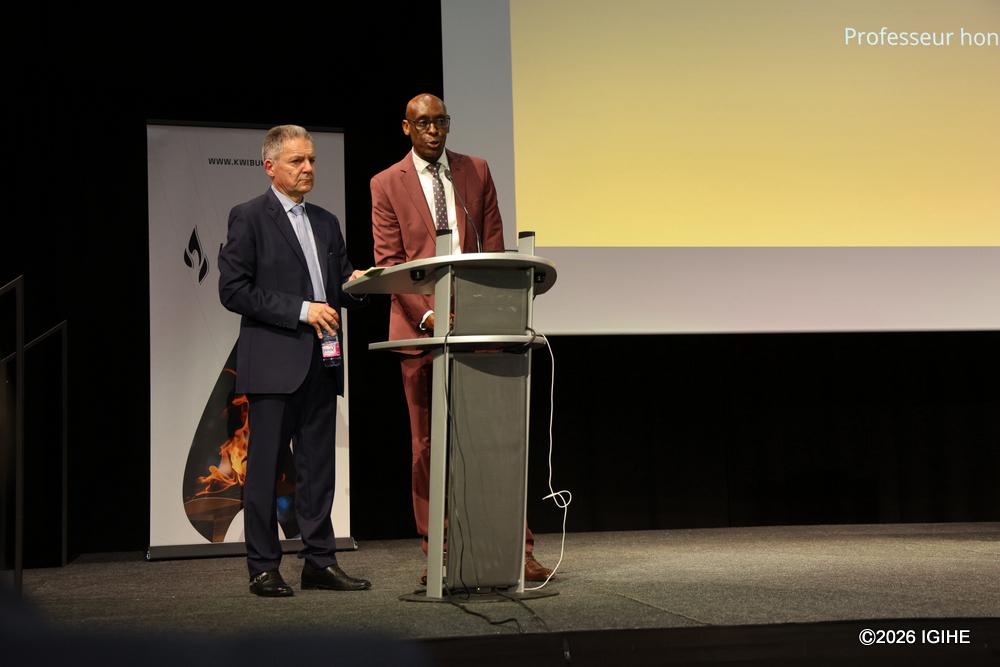
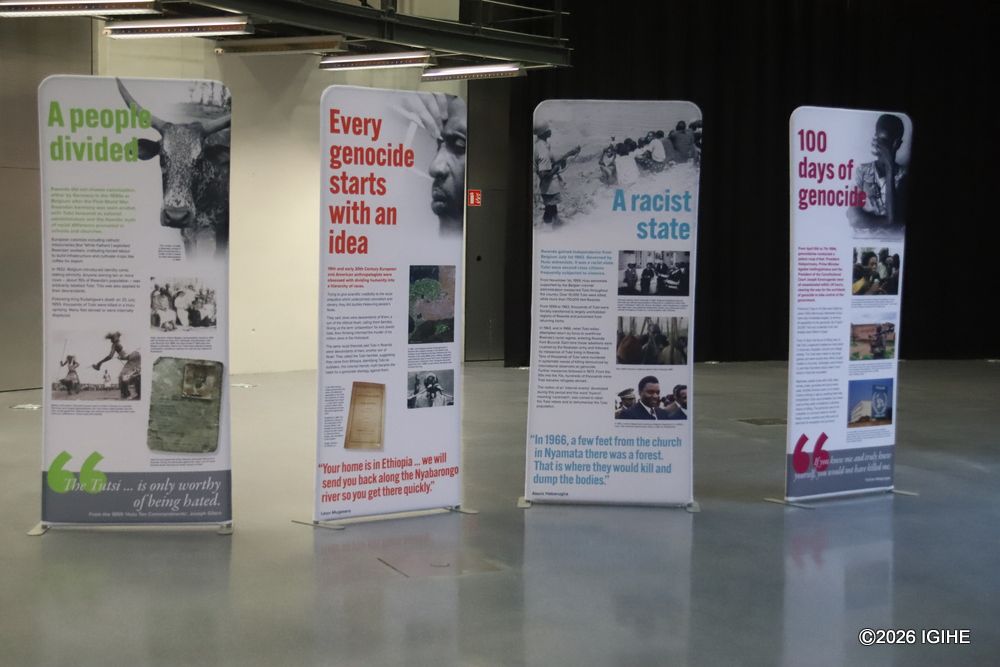
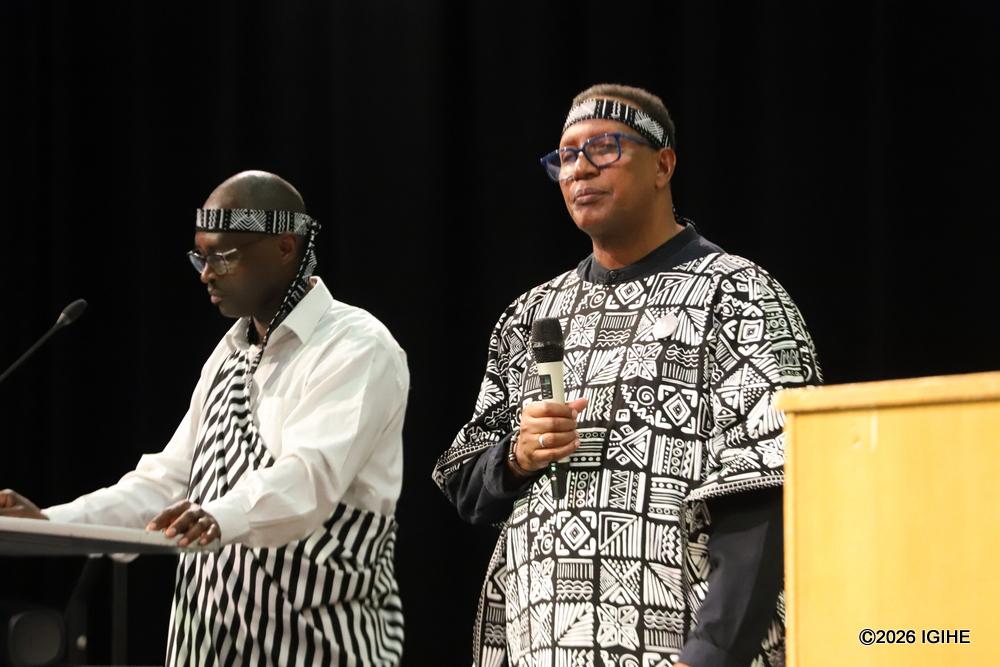
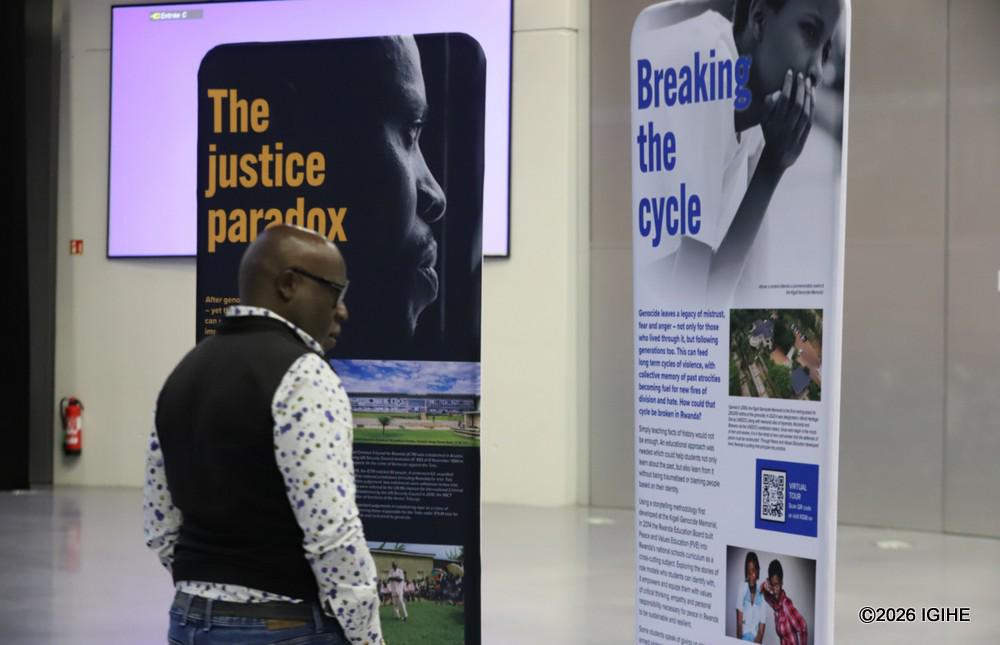
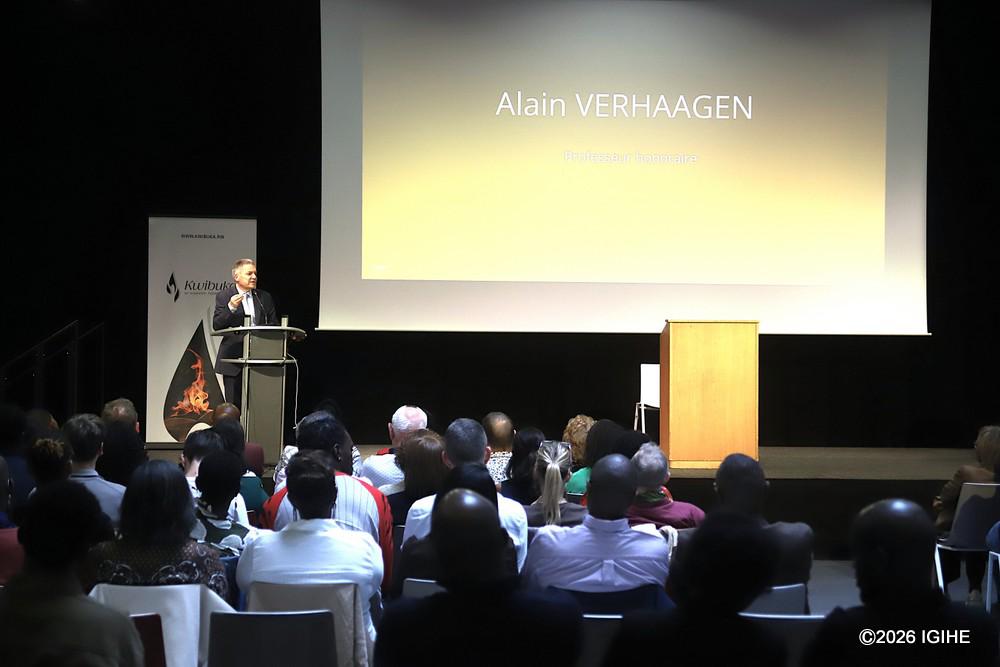
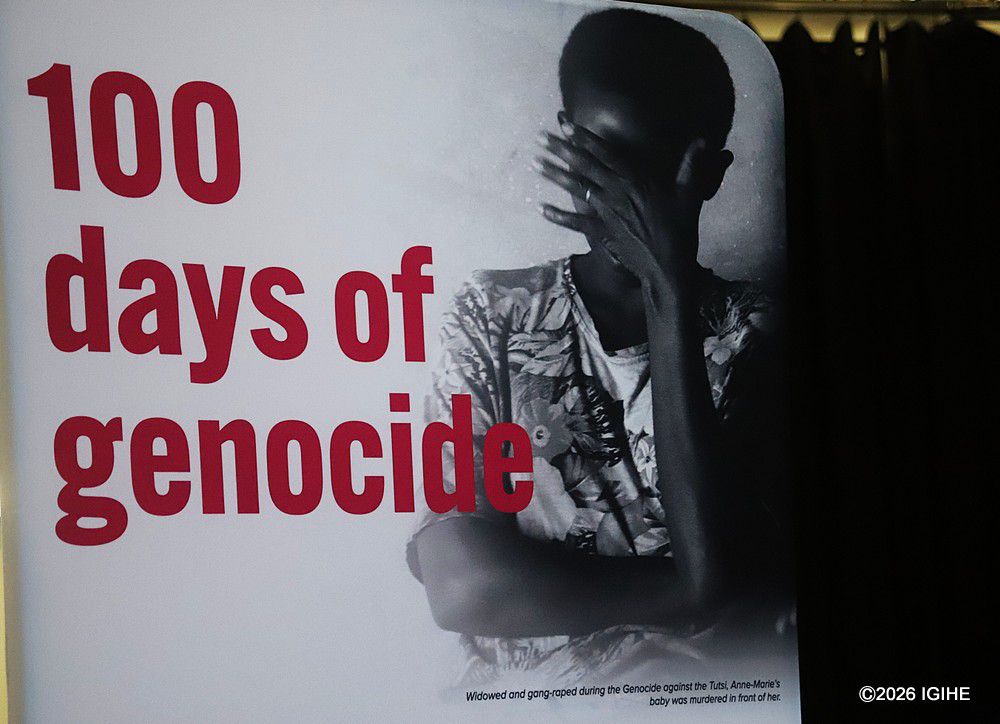
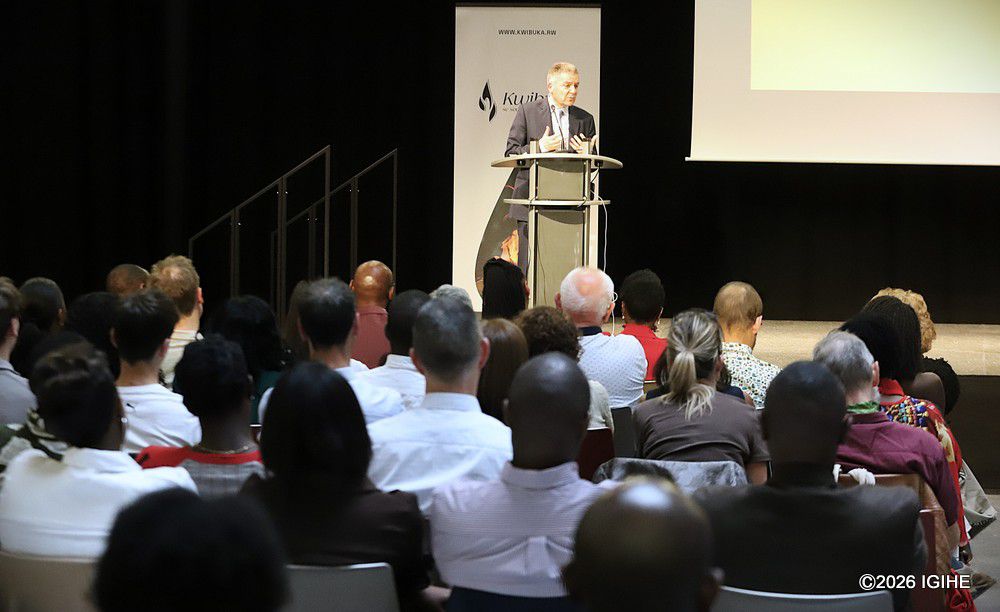
The evening was further enriched by a presentation from Professor Alain Verhaagen, who provided historical insight into the mechanisms that led to the Genocide against the Tutsi in Rwanda and the country’s reconstruction process based on unity, reconciliation, and peace.
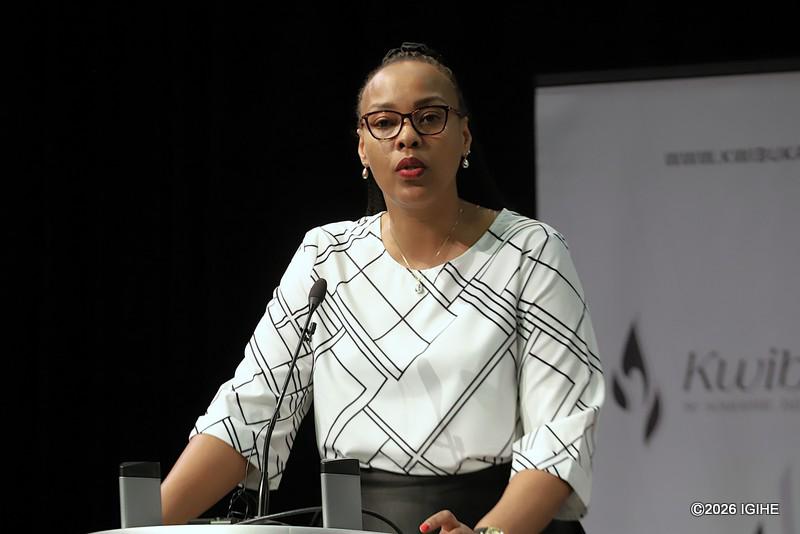
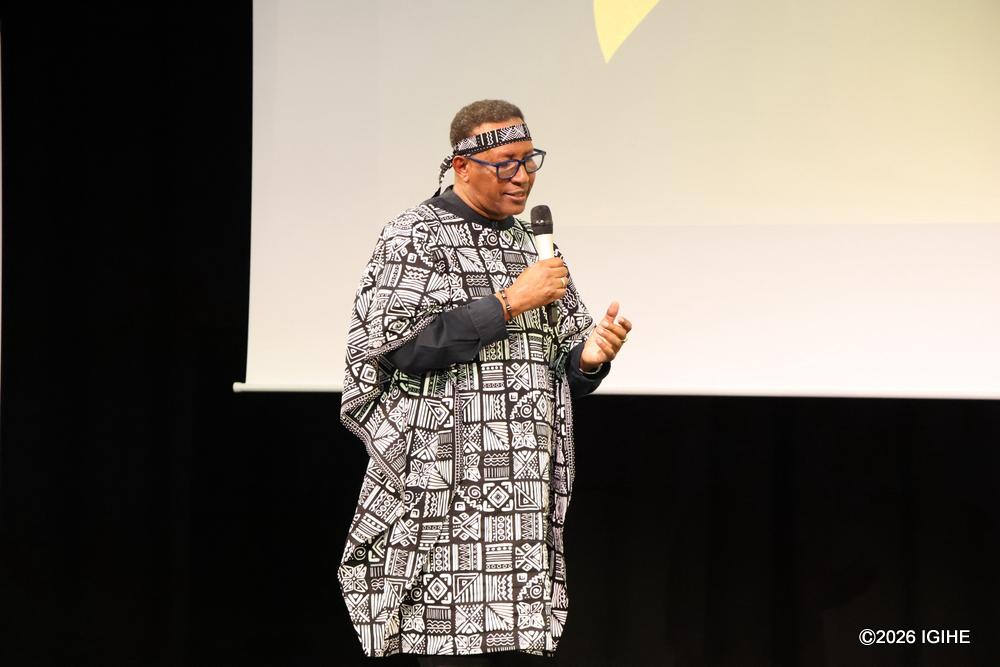
In her remarks, the Ambassador praised the play as a work that goes beyond artistic expression to become a powerful vehicle of memory, conveying essential values such as unity, respect, solidarity, resilience, and dialogue.
She emphasized the fundamental role of culture and the arts in preserving memory and passing this legacy on to younger generations.
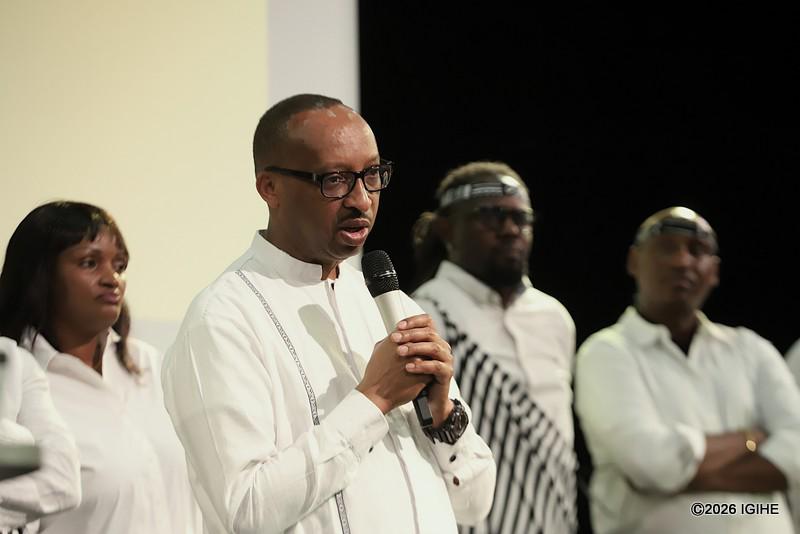
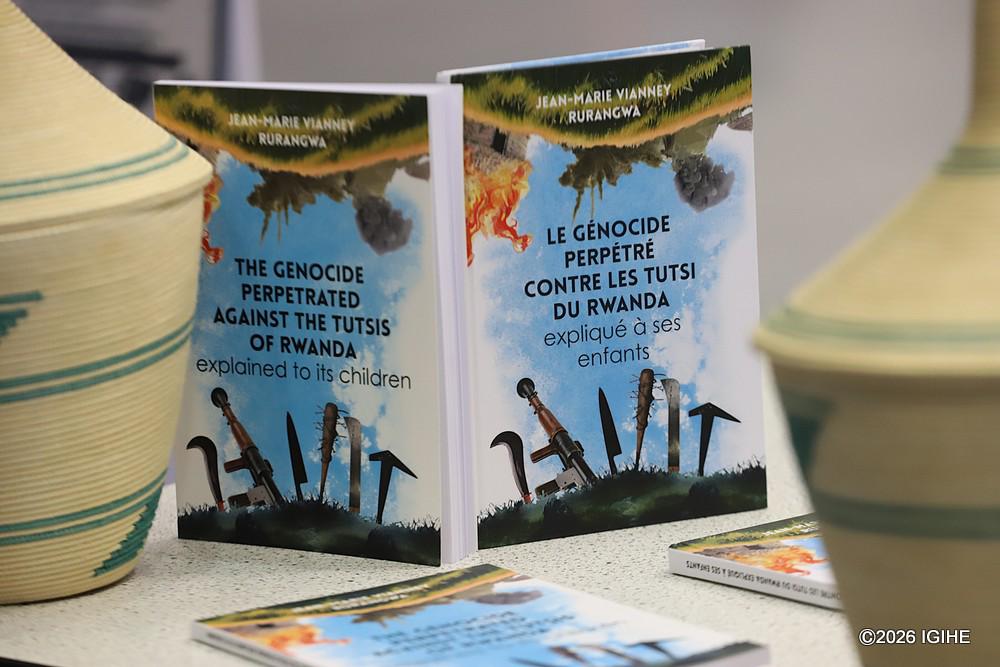
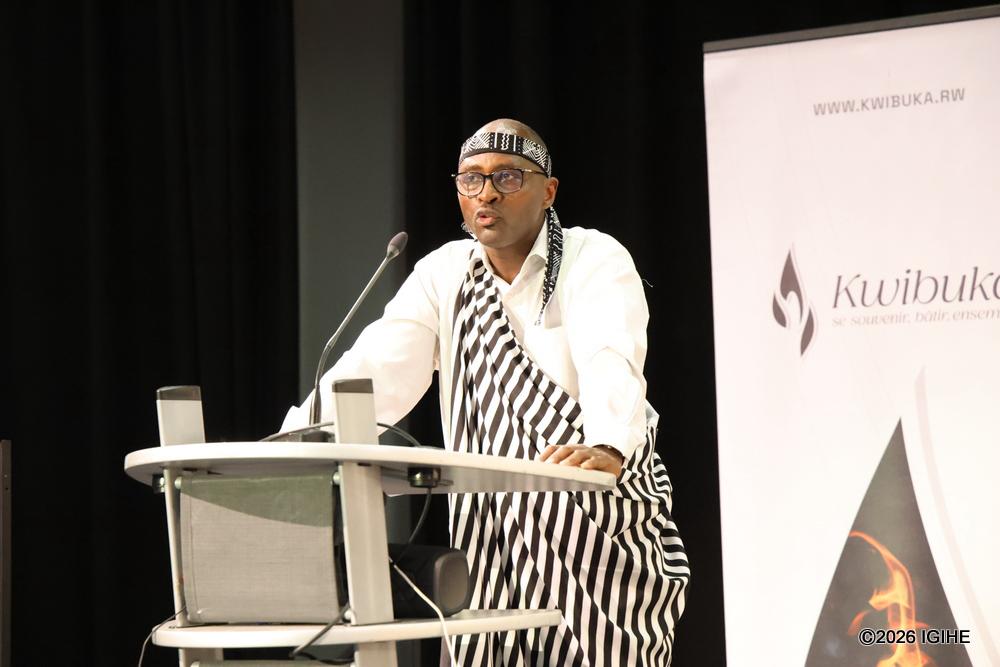
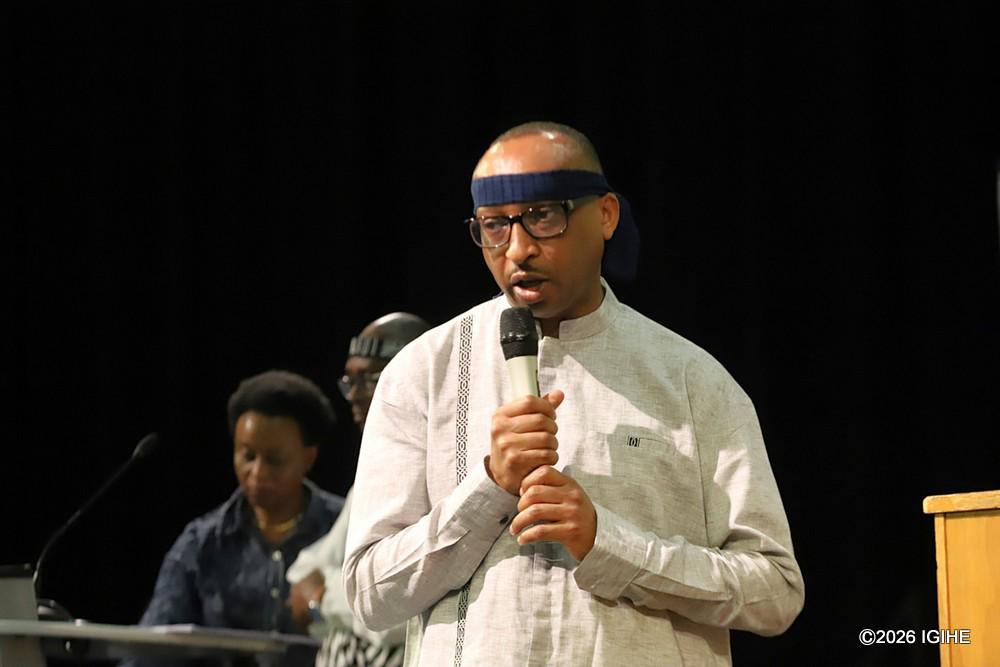
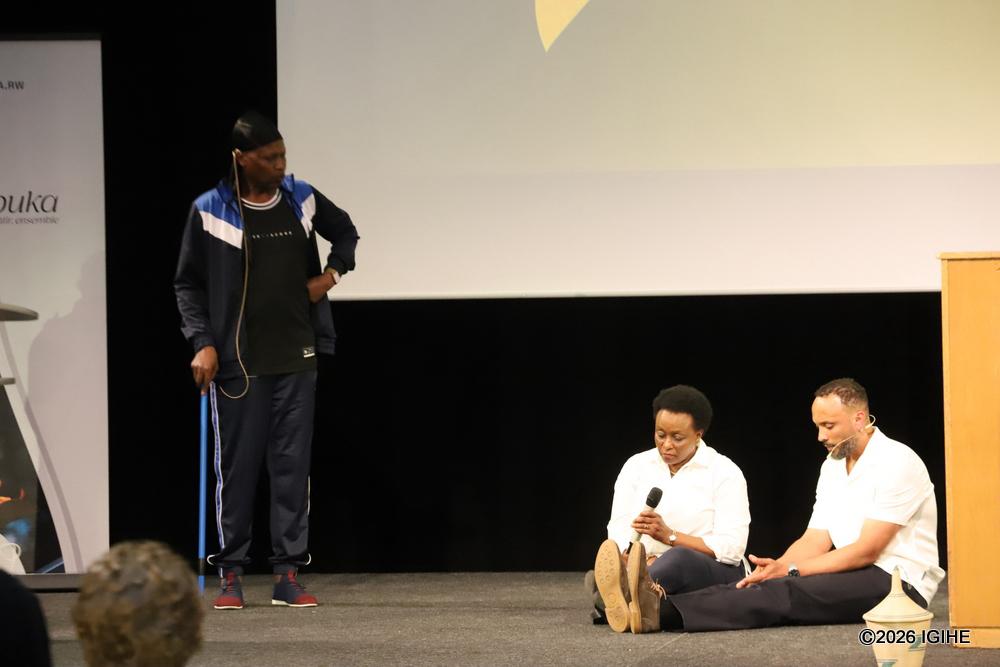
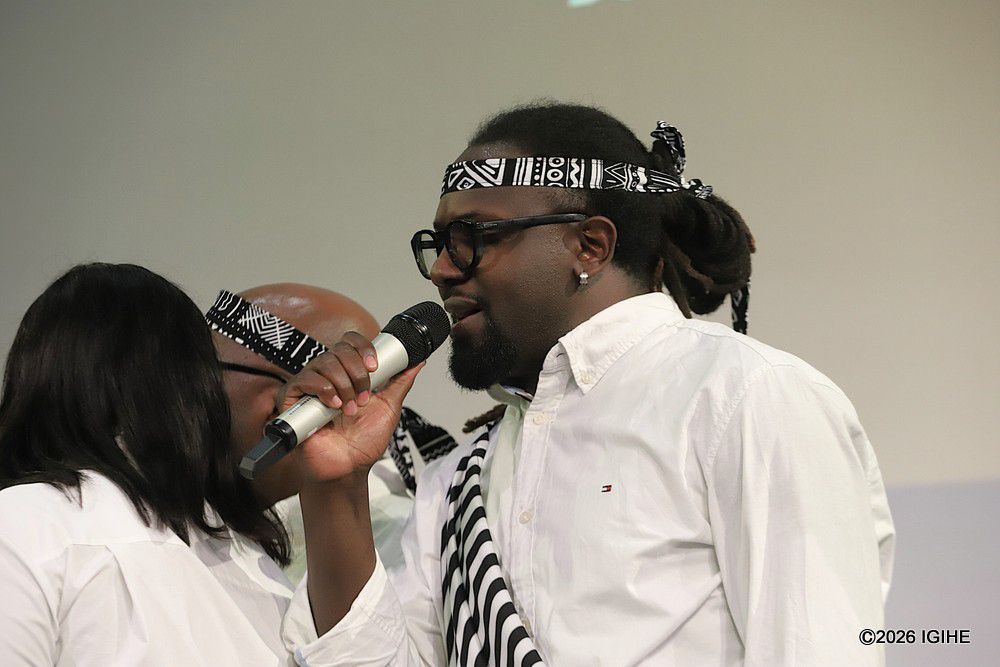
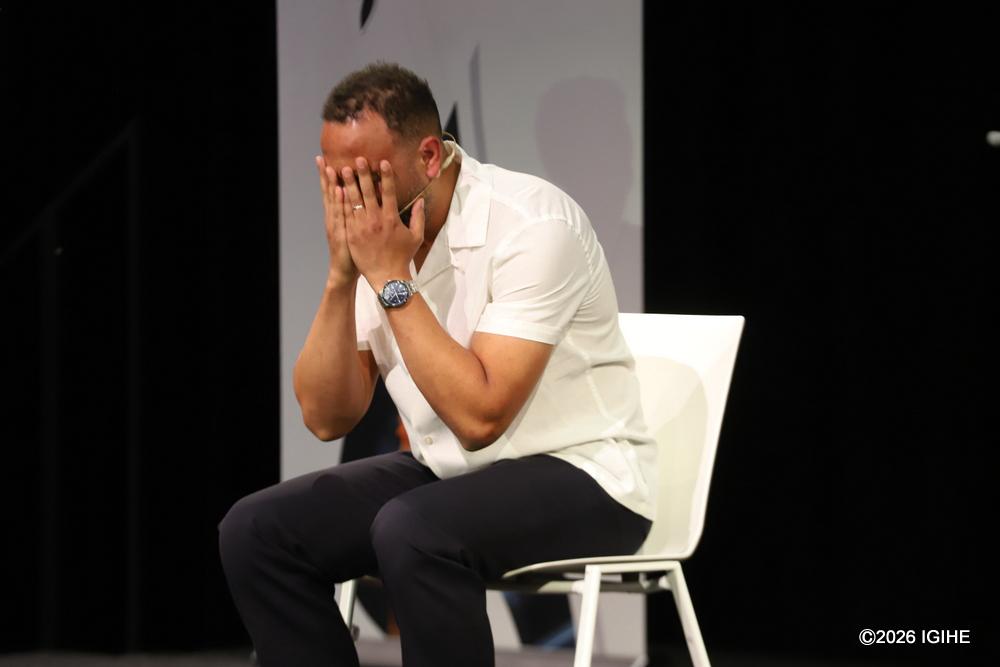
In an interview following the performance, author and director Jean-Marie Vianney Rurangwa expressed his delight at presenting Wipe Away Your Tears and Stand Up in the Grand Duchy of Luxembourg.
Having already brought the play to several countries, including Rwanda, Uganda, Egypt, the United States, Belgium, Poland, Senegal, and Guinea-Conakry, he said he was honored to have been invited by Ibuka Luxembourg in collaboration with the Embassy of Rwanda in the Grand Duchy of Luxembourg.
He extended his sincere gratitude to all the artists, organizers, partners, and everyone who contributed to the success of the performance. He also expressed his deep appreciation to the audience for their presence, attention, and commitment to the duty of remembrance.
According to him, everyone’s contribution helped make the Luxembourg stage of this journey a significant moment of commemoration, transmission, and reflection.
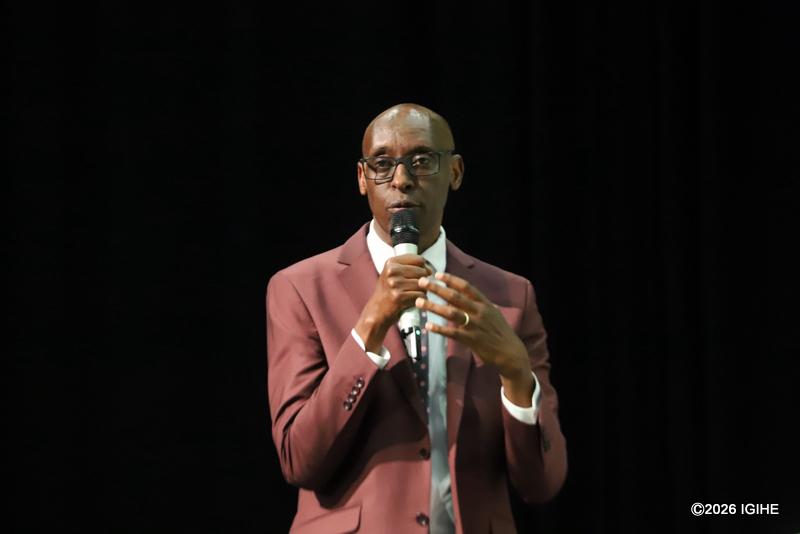
For his part, Kalisa Didace, President of Ibuka Luxembourg, recalled the importance of preserving the memory of the victims and continuing the fight against genocide denial, racism, and all forms of discrimination.
He also noted that this initiative, one of the first organized by the young association founded last March, is fully in line with its mission of transmitting memory to present and future generations.
Through discussions, testimonies, and the power of theatre, the evening reaffirmed the importance of remembrance while conveying a message of hope, human dignity, and collective commitment to peace, mutual understanding, and social cohesion.
It also highlighted the essential role of culture in preserving the memory of the Genocide against the Tutsi and transmitting its lessons to future generations.
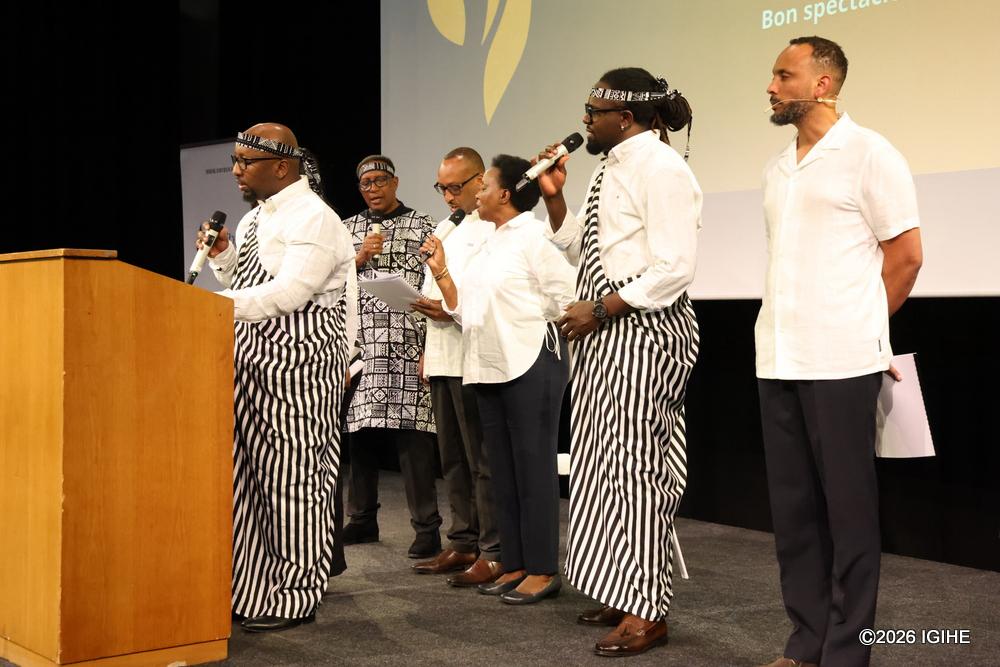
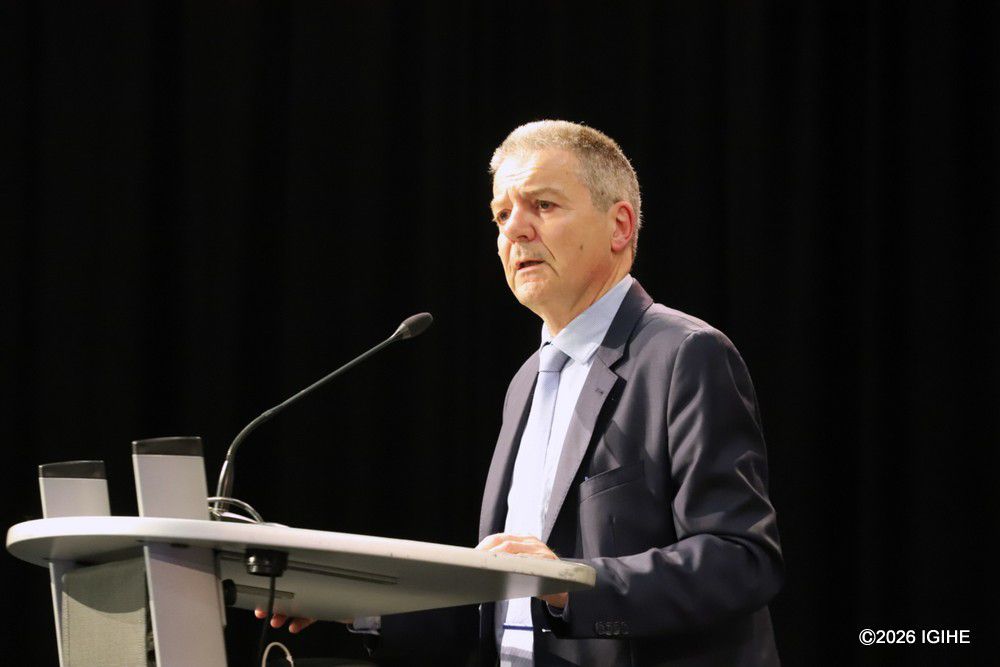
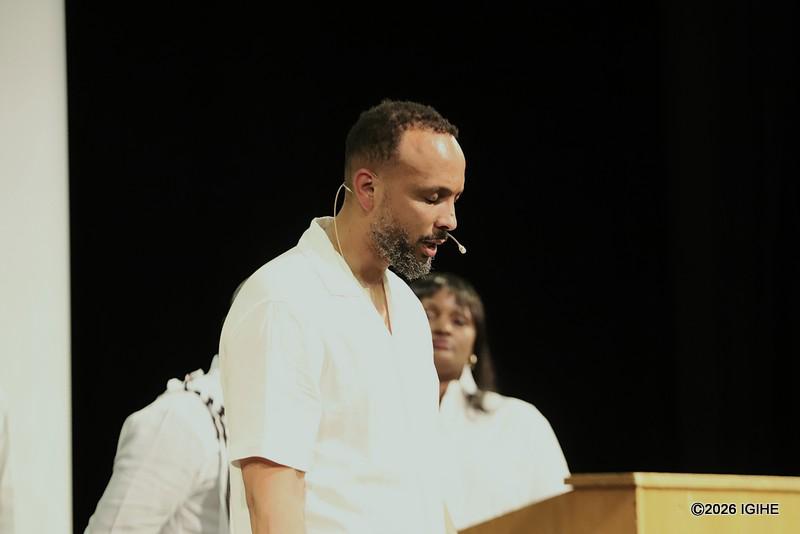
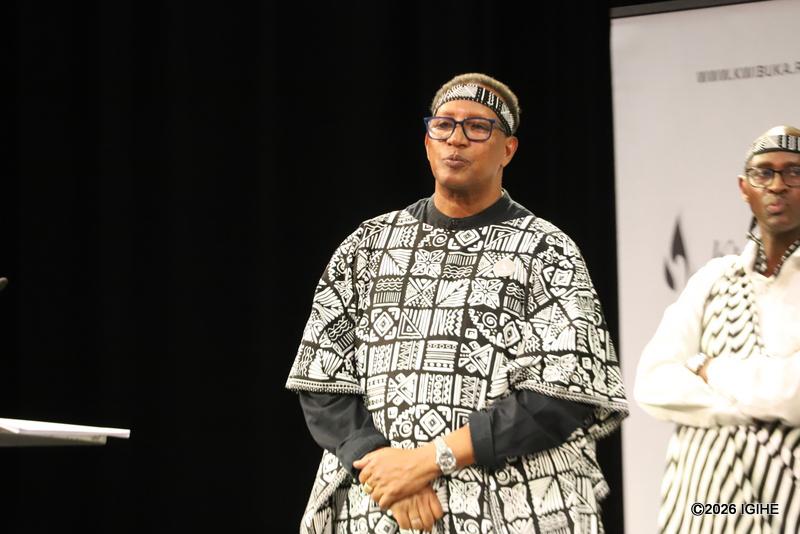
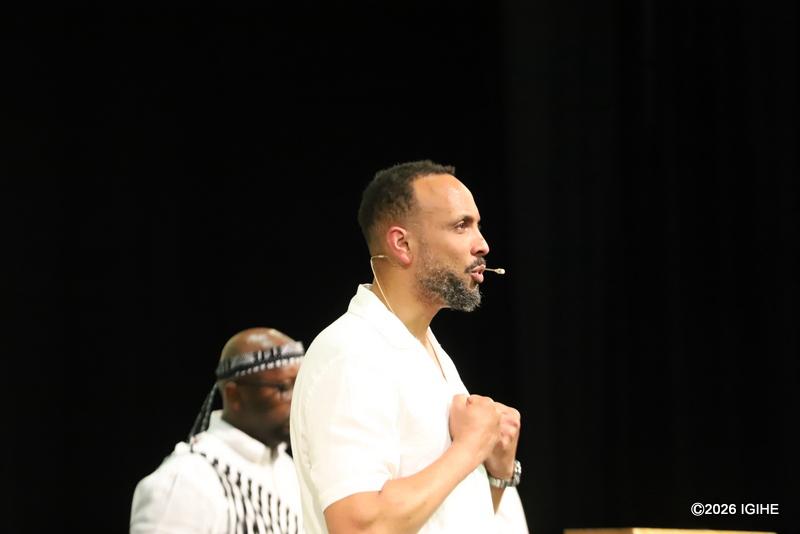
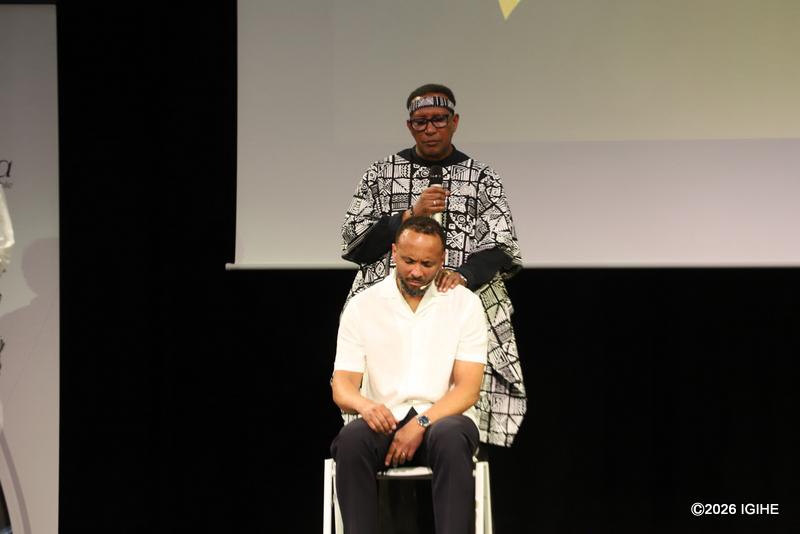
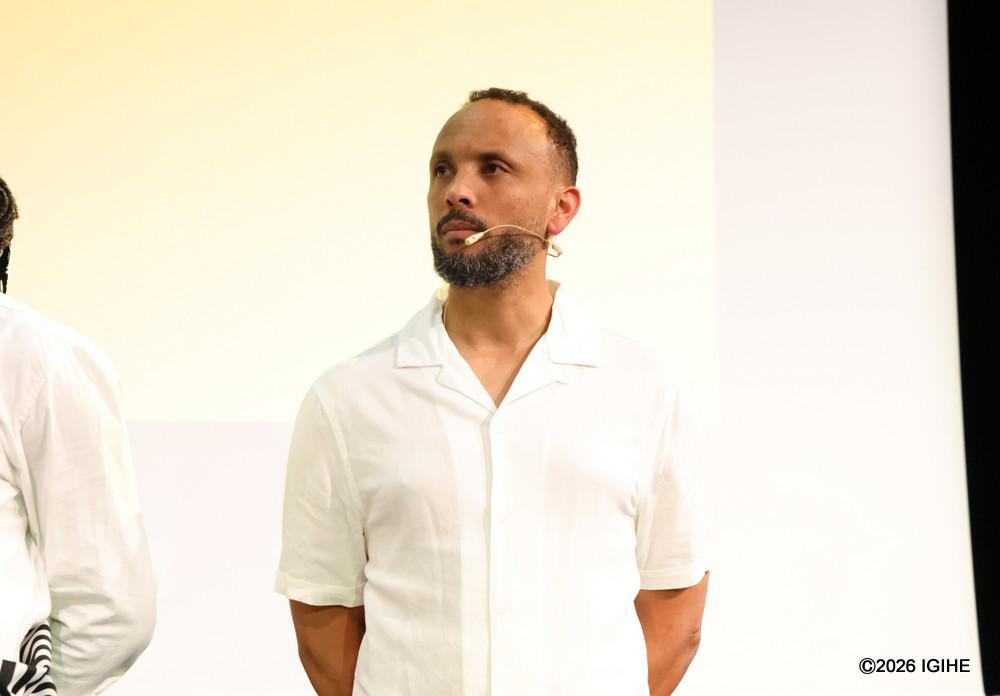
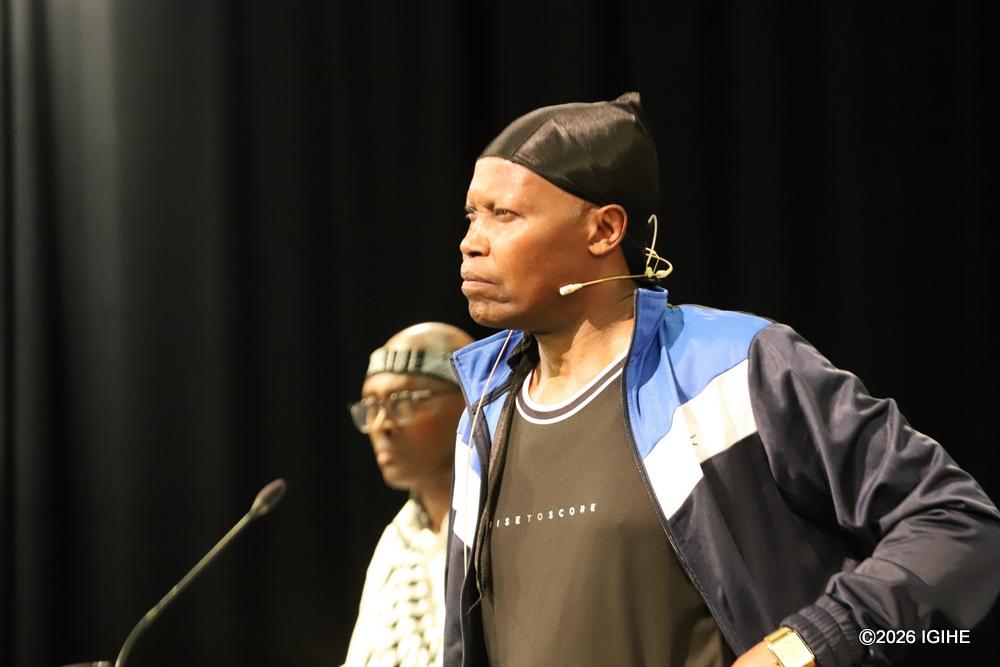
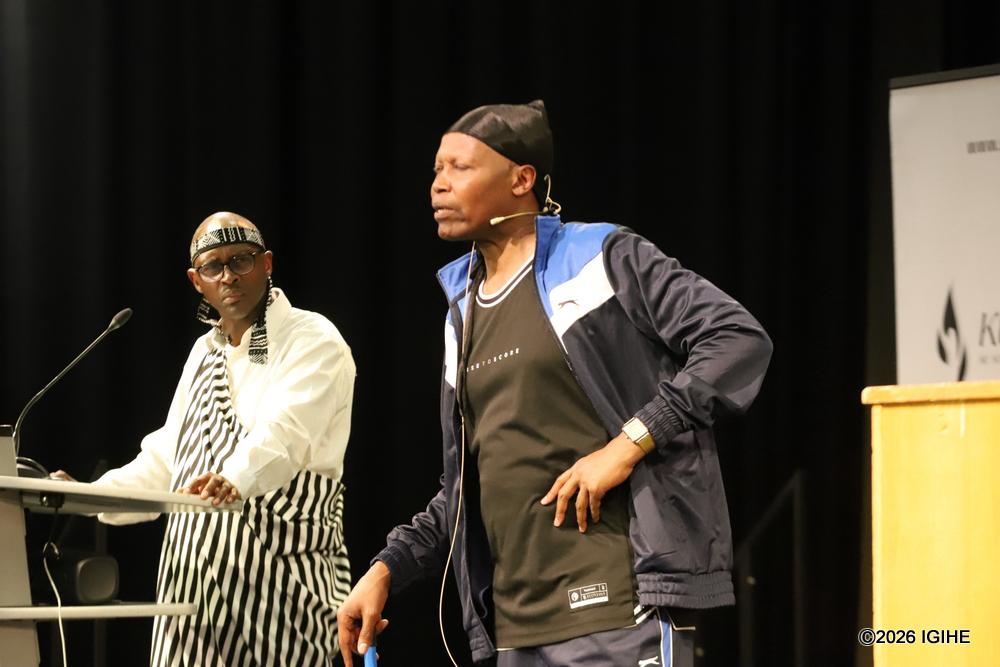
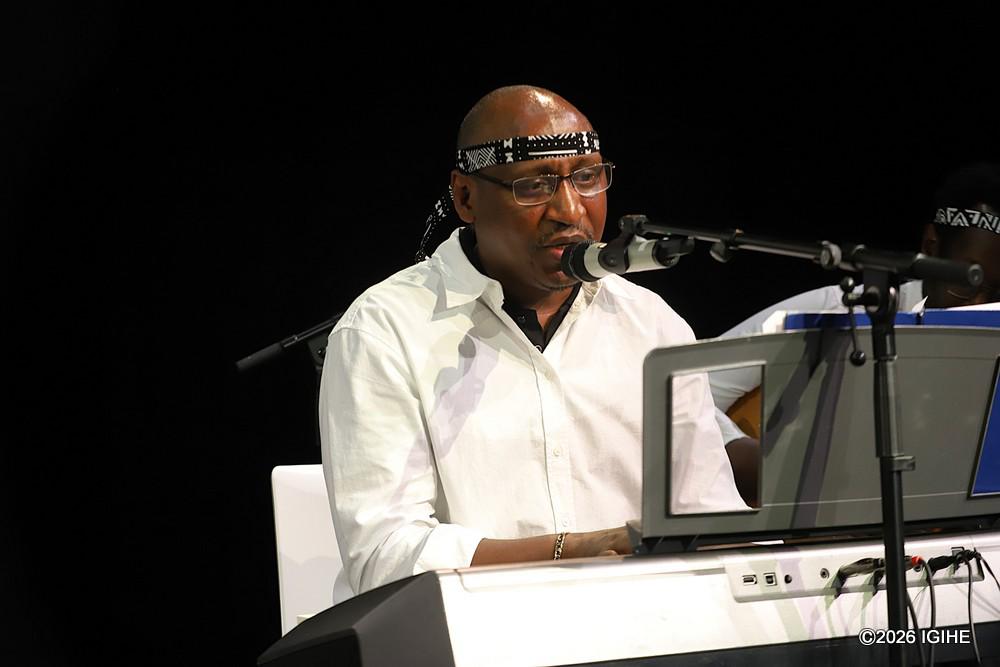
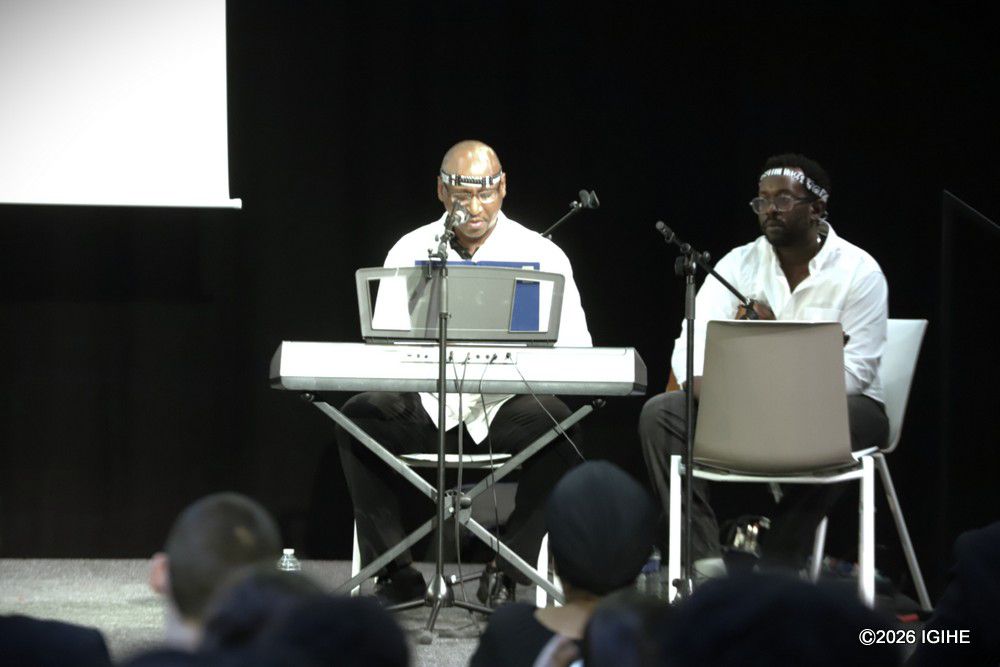
Professor Alain Verhaagen provided historical insight into the mechanisms that led to the Genocide against the Tutsi in Rwanda and the country’s reconstruction process, founded on unity, reconciliation, and peace.Author and director Jean-Marie Vianney Rurangwa expressed his delight at presenting Wipe Away Your Tears and Stand Up in the Grand Duchy of Luxembourg.Martin Janssens is also a member of the cast of this theatrical production.Amb. Aurore Mimosa Munyangaju praised the play as a work that transcends artistic expression to become a powerful vehicle of remembrance, conveying essential values such as unity, respect, solidarity, resilience, and dialogue. Kalisa Didace, President of Ibuka Luxembourg, recalled the importance of preserving the memory of the victims and continuing the fight against genocide denial, racism, and all forms of discrimination.Lawyer André Karongozi, a member of the cast of this theatrical production.Author and director Jean-Marie Vianney Rurangwa expressed his delight at presenting Wipe Away Your Tears and Stand Up in the Grand Duchy of Luxembourg.Professor Alain Verhaagen provided historical insight into the mechanisms that led to the Genocide against the Tutsi in Rwanda and the country’s reconstruction process, founded on unity, reconciliation, and peace.
The court’s governing body, the Bureau of the Assembly of States Parties, announced on Monday that Khan’s case will be referred to a special session of the ICC’s 125-member states, which will ultimately decide his future at the world’s top war crimes tribunal.
The suspension follows a vote by the bureau’s executive committee after reviewing findings from a United Nations investigation, advice from an ad hoc panel of judicial experts, and written submissions related to the case.
In its statement, the bureau emphasised that the suspension “is not an indication of the final outcome” of the proceedings. The decision and supporting documentation will remain confidential.
Khan, 56, has strongly denied the allegations and rejected the suspension. In a statement issued through his lawyers, he described the decision as “unlawful, procedurally unfair and unsupported by evidence.”
The allegations, first reported in 2024, were brought by a female ICC staff member who accused Khan of engaging in coercive and non-consensual sexual conduct between 2023 and 2024. The alleged incidents are said to have occurred during work trips, in Khan’s office in The Hague, and at his residence.
According to media reports, a UN investigation found a “factual basis” for the allegations. However, a three-judge panel tasked with reviewing the findings reportedly concluded that the evidence was not sufficiently conclusive to establish misconduct.
Khan’s legal team has argued that the judges unanimously determined that the investigation’s factual findings did not establish misconduct or a breach of duty. The prosecutor has also maintained that the allegations are part of a politically motivated campaign against him.
The case marks an unprecedented moment for the ICC. Khan is the first chief prosecutor to be formally suspended by the court’s oversight body. The referral of disciplinary proceedings to all member states could ultimately lead to a vote on whether he should be removed from office.
Only the Assembly of States Parties has the authority to dismiss the prosecutor. A majority vote in a secret ballot would be required, meaning at least 63 of the court’s 125 member states would need to support his removal.
Khan has already been on voluntary leave from the Office of the Prosecutor since May while the inquiry was underway. As a result, his suspension is not expected to significantly affect the court’s day-to-day operations.
A date for the special session of member states has not yet been announced.
Khan has served as ICC prosecutor since 2021 and gained international prominence for pursuing investigations and arrest warrants in several high-profile conflicts, including cases related to the war in Gaza and former Philippine President Rodrigo Duterte’s anti-drug campaign.
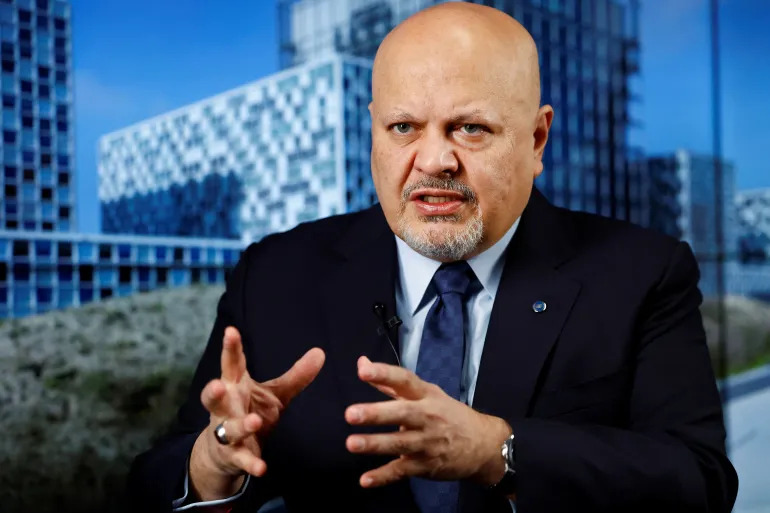
Karim Khan is the first ICC prosecutor to be formally suspended from his role by the court’s oversight body.
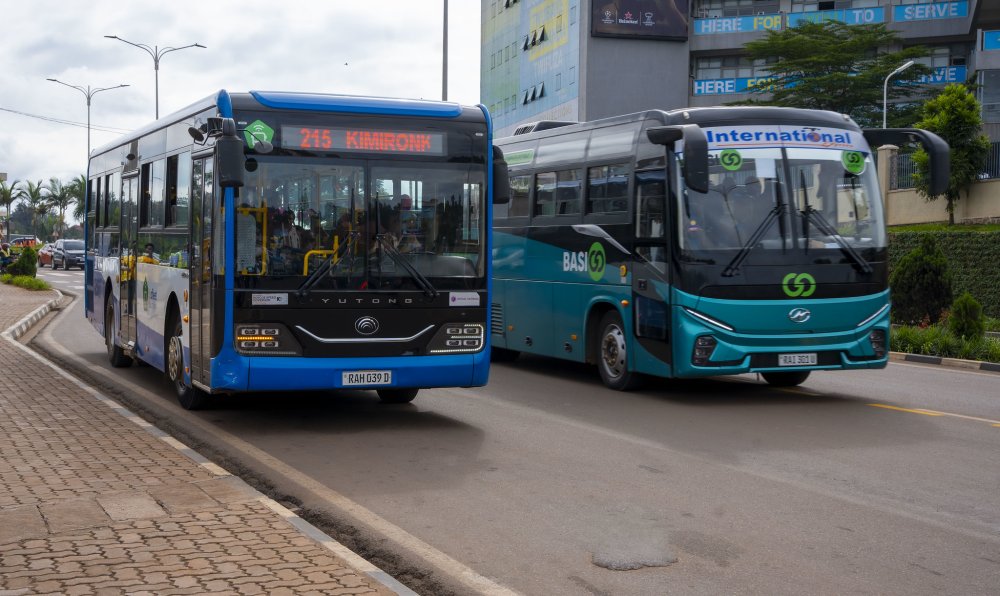
The announcement was made by the Minister of State for Infrastructure, Ambassador Jean de Dieu Uwihanganye, after the price of diesel rose by Rwf722 per litre, from Rwf2,205 to Rwf2,927, largely due to rising international fuel prices.
Diesel price hikes typically lead to higher transport costs, as most buses and public transport vehicles operating in Rwanda run on diesel.
However, Uwihanganye assured commuters that transport fares would remain unchanged.
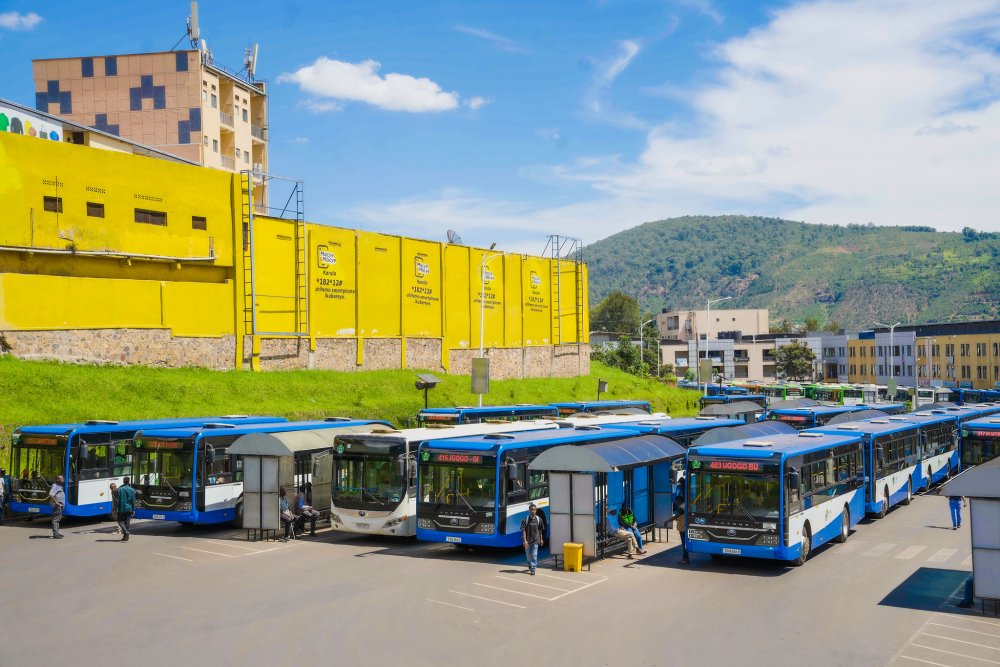
“Public transport buses will continue purchasing diesel at the previous price because the Government will provide a subsidy. We have worked with fuel station operators and transport companies to make this possible. The objective is to ensure that the benefit reaches ordinary citizens,” he said during an interview with RadioTV1.
He added that transport fares would remain stable across the country, including in Kigali and the provinces, because the main factor that would ordinarily drive fare increases has been addressed.
“The cost of transport will not increase anywhere in the country, whether in Kigali or upcountry,” he said. Uwihanganye also noted that businesses are being encouraged to adapt to the changing fuel market and consider investing in electric vehicles as part of long-term efforts to reduce dependence on fossil fuels.
Claudien Habimana, Chief Executive Officer of Société Pétrolière (SP), one of Rwanda’s leading petroleum importers and distributors, confirmed to IGIHE that fuel companies had been informed about the subsidy plan, although it has not yet been implemented as authorities finalize operational details.
“The Rwanda Utilities Regulatory Authority [RURA] is still holding discussions with bus operators. Once they reach an agreement, we will receive guidance on how the system will work,” Habimana said.
“For now, public transport operators are paying the market price because we have not yet received official instructions. The discussions are ongoing, and we expect the framework to be finalized within the next few days.”
According to Habimana, RURA is preparing regulations that will determine how the diesel subsidy for public transport operators will be administered.
He explained that several options can be considered. Under one model, fuel stations could sell diesel to bus operators at the subsidized rate of Rwf2,205 per litre and later claim reimbursement from the Government. Another option would require transport companies to pay the full market price and then seek reimbursement through the subsidy scheme.
“If the proposal is approved, we could receive payment after deducting the subsidy and then recover the difference from the Government. Alternatively, bus operators could pay the full amount and later apply for reimbursement. Discussions are still ongoing regarding the most practical approach,” Habimana said.
On July 5, the Rwanda Utilities Regulatory Authority announced new fuel prices, maintaining petrol at Rwf2,938 per litre while increasing diesel from Rwf2,205 to Rwf2,927 per litre.
Prime Minister Dr. Justin Nsengiyumva recently revealed that without government intervention, the price of diesel could have reached Rwf3,581 per litre.
The recent surge in global fuel prices has largely been attributed to escalating tensions involving the United States, Israel and Iran. The conflict has disrupted shipping through the Strait of Hormuz, a strategic maritime route through which around 20 percent of the world’s daily oil supply passes.
This photo shows buses parked at Downtown Bus Park. The Government of Rwanda has been subsidizing public transport to lessen the burden on passengers.