The “Argentina Out” campaign gained massive traction following a series of controversial matches during the tournament, which culminated in Spain defeating Argentina 1–0 in extra time in the World Cup final.
Throughout the competition, supporters of the petition accused FIFA and match officials of systematically favoring Argentina and captain Lionel Messi.
Before closing, the appeal collected 23,316,108 signatures from fans across roughly 170 countries. It fell just short of the Guinness World Record of 24,319,181 signatures, set in 1997 by the Jubilee 2000 movement, which advocated for the cancellation of debts owed by developing nations.
Accusations of bias and viral backlash
Organizers launched the “Argentina Out” campaign following heated knockout fixtures, including a contentious round-of-16 clash against Egypt, arguing that the tournament’s integrity had been compromised.
“Why should the rest of the world compete when the winner has already been decided? Exclude Argentina from the World Cup and give everyone else a fair chance,” the petition’s central statement read.
Allegations of official leniency toward Argentina spread rapidly online, driving viral discussions, fan protests, and AI-generated media across social platforms.
Heated final and disciplinary probe
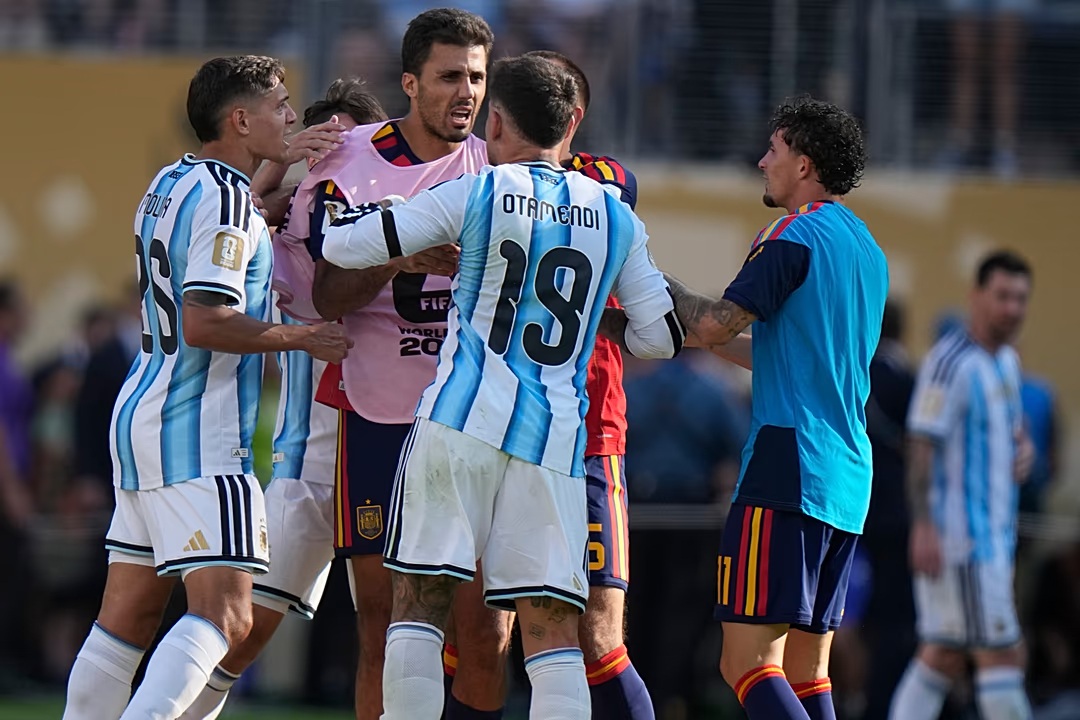
The controversy reached a boiling point after the final whistle of the championship match in East Rutherford, New Jersey. Tensions erupted into post-match altercations involving several Argentine players and staff:
Nahuel Molina was involved in a confrontation with Spanish players on the pitch.
Leandro Paredes clashed directly with Spain defender Eric García.
Assistant coach Roberto Ayala and other team members were implicated in additional arguments during the post-game chaos.
In response to the scenes, FIFA’s Disciplinary Committee appointed an ethics prosecutor to review whether the actions breached regulations on sporting conduct or brought the governing body into disrepute.
Campaign closure and final outcome
Despite the scale of the “Argentina Out” drive, FIFA did not act on the petition’s demands, as fan-driven petitions carry no formal regulatory authority over tournament operations.
Following Spain’s extra-time victory sealed by Ferran Torres, the petition’s organizers officially closed the drive, signing off with a message celebrating the final result:
“FIFA ignored us, but Spain delivered. Thank you Spain.”
Argentina’s Nicolas Otamendi and Nahuel Molina fight with Spain’s Rodri after the World Cup final.
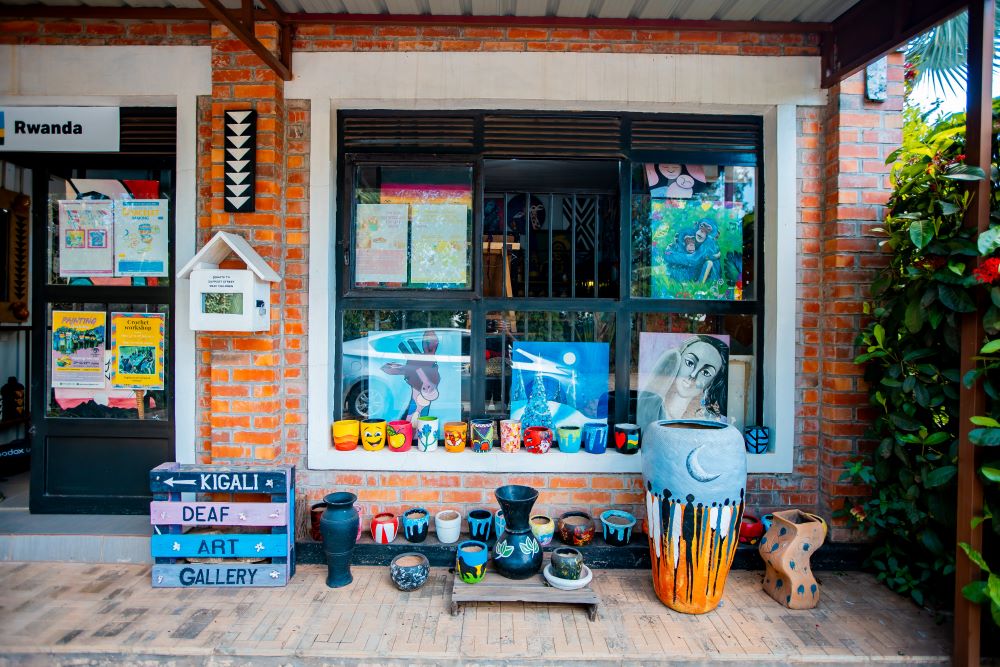
Located in Kimironko, Gasabo District, the art space provides a platform where people with hearing and speech impairments use their creativity and skills to produce unique artworks while building their livelihoods.
The gallery was founded by Nahimana Prince, an entrepreneur living with a combined disability that affects his ability to hear and speak.
Despite these challenges, Nahimana pursued his education, graduated from university, and turned his passion for art into a successful business venture.
Today, Kigali Deaf Art Gallery showcases a variety of handmade artworks, with some pieces valued at up to Rwf1 million.
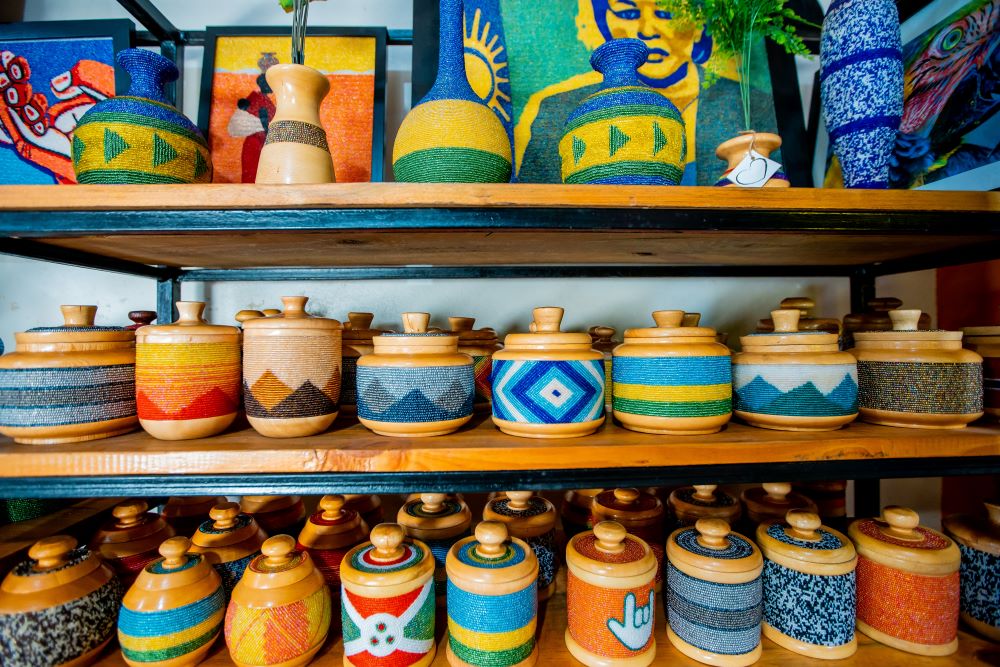
Among the gallery’s most expensive creations is a piece made from beads, whose high price is attributed to the cost of the materials used. Nahimana explained that the beads are imported from abroad, making the final artwork more valuable.
Speaking to IGIHE, Nahimana shared his journey of establishing the gallery and creating opportunities for other people with hearing and speech impairments to showcase their talents.
After completing a three-year university course in art in Uganda, Nahimana returned to Rwanda in 2018 and began applying the knowledge and skills he had gained. He started producing different artworks and later received authorization from the Rwanda Development Board (RDB) to operate his business officially.
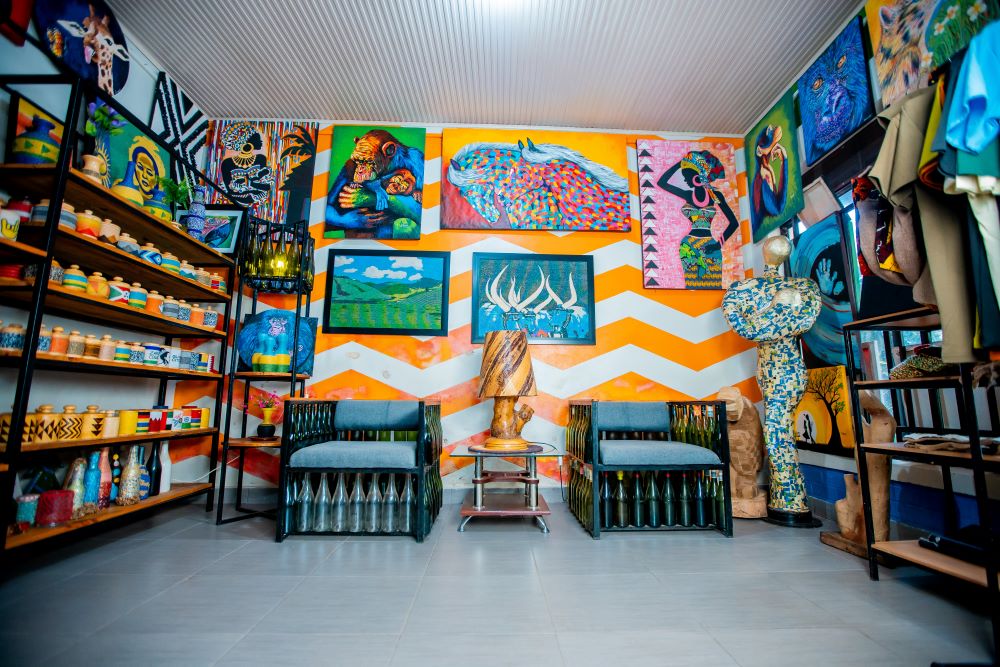
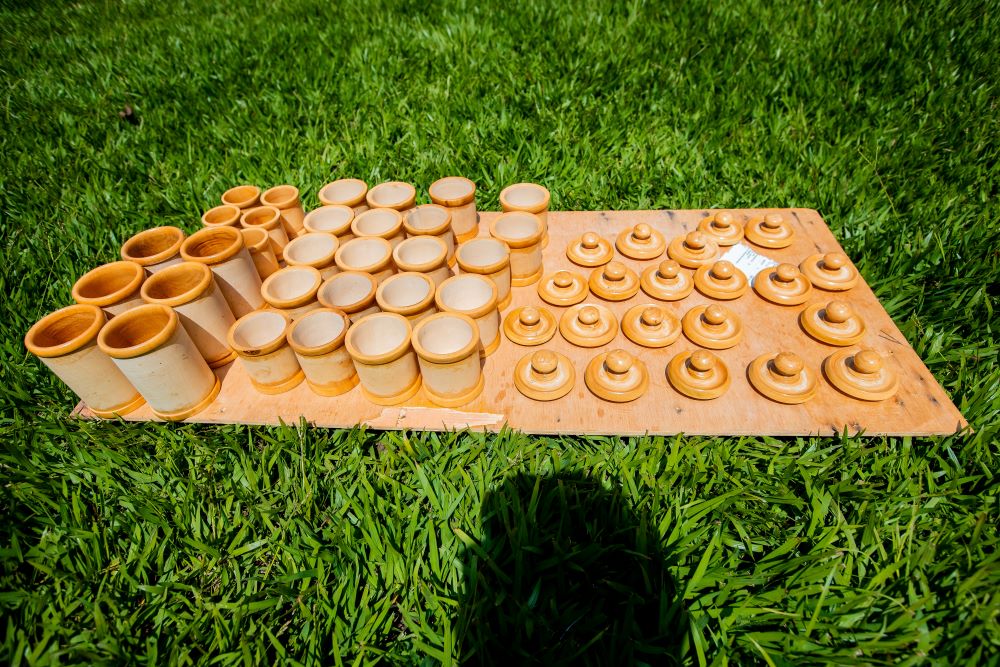
At Kigali Deaf Art Gallery, artists create a wide range of products, including paintings, bead artwork, necklaces, handbags, accessories, and other creative items. They also transform old materials that many people consider useless into new and valuable products.
The artworks are sold at different prices depending on their design and materials, with some costing hundreds of thousands of Rwandan francs and others reaching Rwf1 million.
“Our bead artworks are the most outstanding because the materials we use are imported and expensive. This is why some pieces can cost more than Rwf1 million. Other products are sold at more affordable prices,” Nahimana said.
Nahimana said he decided to work with people who have hearing and speech impairments because many of them have exceptional talents that match the type of creative work done at the gallery.
However, he noted that many talented people with disabilities face challenges, including limited opportunities to showcase their abilities and difficulties communicating with the wider community.
Through Kigali Deaf Art Gallery, Nahimana aims to provide them with a supportive environment where they can work together, improve their skills, gain confidence, and become financially independent.
One of the gallery’s employees, Muhorakeye Hawa, said joining the initiative helped her develop her talent because she found herself among colleagues who share similar experiences.
“When I joined Kigali Deaf Art Gallery, it became much easier for me. I have been able to improve my talent because the work we do matches my abilities. The advantage is that the people I work with also have hearing and speech impairments, which makes communication much easier,” she said.
Muhorakeye also studied tailoring in Uganda, but she said working at the gallery helped her gain additional skills that contributed to improving her creativity.
Another employee, Ganza Eric, said the gallery has helped him acquire new skills and encouraged parents to support children with disabilities by helping them discover and develop their talents.
He criticized parents who prevent children with disabilities from attending school because of misconceptions about their abilities, saying education and support can help them achieve their goals.
Established in 2019, Kigali Deaf Art Gallery currently employs 14 people, including nine men and five women, all living with hearing and speech impairments.
Nahimana urged parents to understand their children, identify their talents, and provide them with opportunities to grow. He emphasized that people with disabilities have different ways of expressing themselves, including through writing and other forms of communication.
Despite its achievements, the gallery still faces challenges, especially in attracting customers due to communication barriers. Nahimana called for more efforts to promote sign language so that more people can learn it and improve communication with people who are deaf or have speech impairments.
For Nahimana and the artists at Kigali Deaf Art Gallery, disability is not a limitation but a motivation to prove that talent, determination, and opportunity can transform lives.
Many of the artworks produced at Kigali Deaf Art Gallery are primarily crafted using beads.Kigali Deaf Art Gallery produces a wide range of artworks, including bead creations, paintings, sculptures, and other handmade pieces.At Kigali Deaf Art Gallery, discarded or old items are given a new life through creative transformation.Kigali Deaf Art Gallery, is an art centre operated entirely by people with hearing and speech impairments.Kigali Deaf Art Gallery features artworks worth as much as Rwf1 million.Ganza Eric, an employee at Kigali Deaf Art Gallery, said that his time at the gallery has helped him acquire new skills and contributed to his personal development.Nahimana Prince, the founder of Kigali Deaf Art Gallery, supports people with hearing and speech impairments to achieve self-reliance by nurturing their talents and helping them turn their abilities into opportunities.Muhorakeye Hawa, an employee at Kigali Deaf Art Gallery, said she decided to join the gallery after finding an environment where she could work alongside colleagues who share similar hearing and speech impairments.
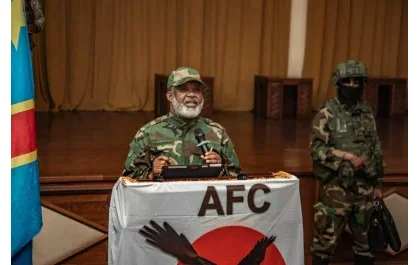
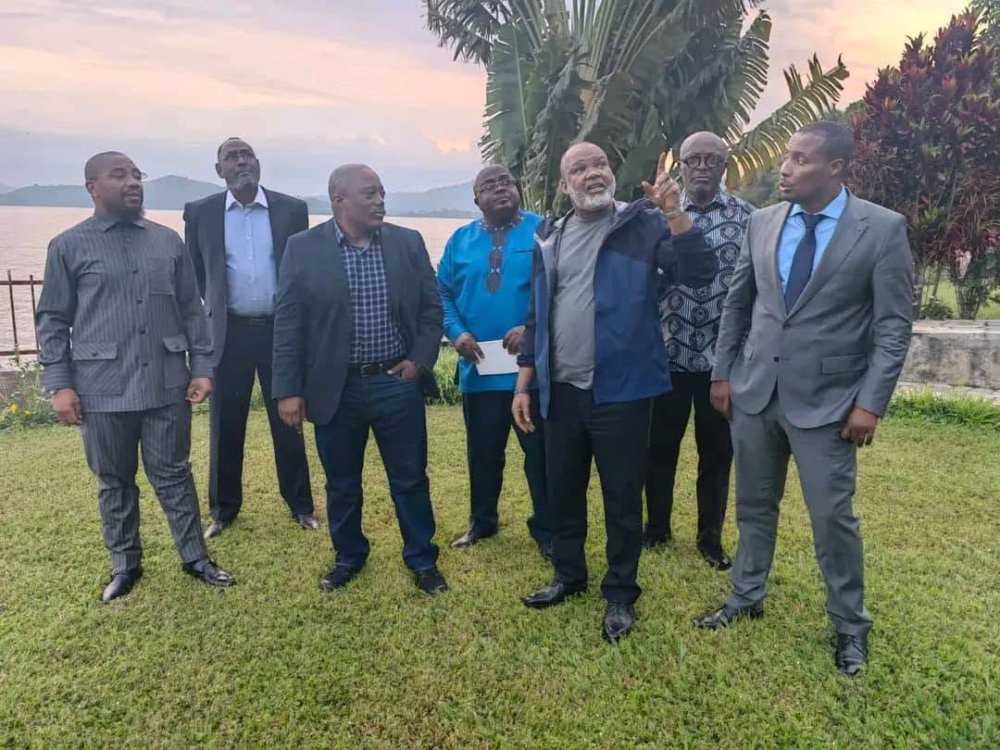
Speaking in an interview with Grand Lacs News on YouTube, Nangaa was asked about his relationship with Kabila, who has been residing in territory controlled by the AFC/M23 alliance, as well as the role the former president could play in addressing the DRC’s current political crisis.
Nangaa argued that in many countries, former heads of state are regarded as valuable national assets whose experience continues to benefit their nations long after they leave office.
“In other countries, a former head of state is considered a national asset. Look at how former presidents are treated in Kenya, Ghana and South Africa. They continue to contribute to their countries and are respected for their experience,” he said.
He said the DRC has failed to make full use of the expertise of its former leaders, adding that Kabila’s years in office have given him unique knowledge that could help the country overcome its current challenges.
Nangaa also questioned why African countries often rely on former foreign presidents to mediate conflicts while overlooking their own former leaders, who have a better understanding of the political and historical realities on the ground.
“When mediation efforts are launched, former heads of state from other countries are invited to help solve our problems, yet they are unfamiliar with our realities. We already have someone with that experience. Why not make use of him?” he wondered.
On his relationship with Kabila, Nangaa said they maintain a strong working relationship and insisted that the former Congolese president deserves respect.
“We have a very good relationship. He is our former head of state and former president, and he deserves respect,” he said.
Nangaa further argued that Kabila continues to wield significant influence in Congolese politics.
“Does he still have influence? The answer is yes,” he said.
He added that Kabila’s 18 years in office placed a responsibility on him to contribute to the country’s future, expressing hope that the former president would take part in efforts aimed at restoring peace and stability in the DRC.
Responding to reports of divisions within the AFC/M23 alliance, Nangaa dismissed suggestions of a serious rift, saying any disagreements that may exist are limited to individual members and do not affect the unity of the movement.
“M23 and AFC are not two separate entities,” he said.
Nangaa’s remarks come despite a ruling by the DRC’s High Military Court in September 2025, which found Kabila guilty of involvement in the conflict in the eastern part of the country and sentenced him to death.
His comments also come as President Félix Tshisekedi prepares what he has described as inclusive national dialogue aimed at bringing together Congolese stakeholders to discuss the country’s future.
However, reports indicate that representatives of the AFC/M23 alliance and former President Joseph Kabila are not expected to participate in the talks.
Corneille Nangaa says Joseph Kabila should help resolve DR Congo’s crisis
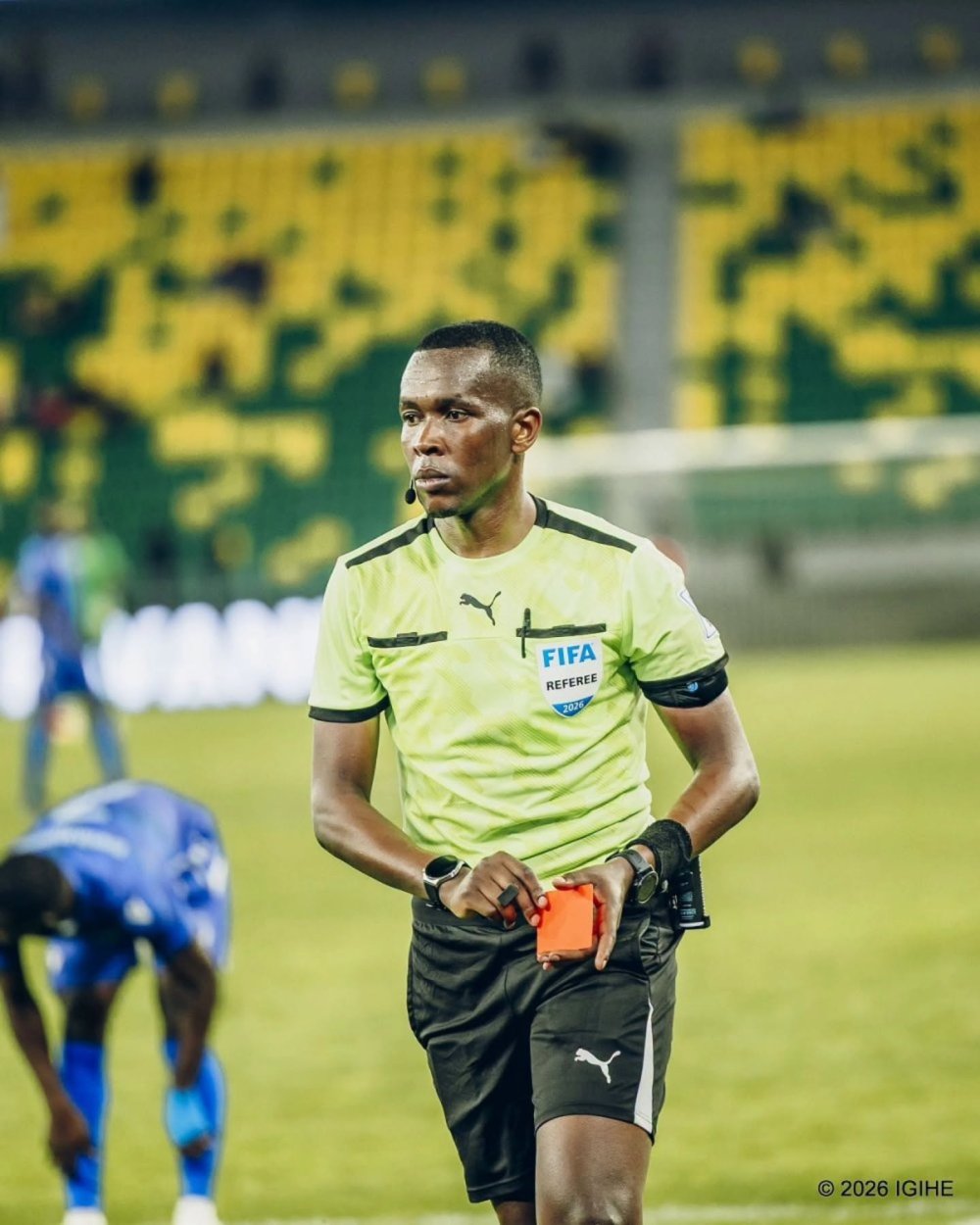
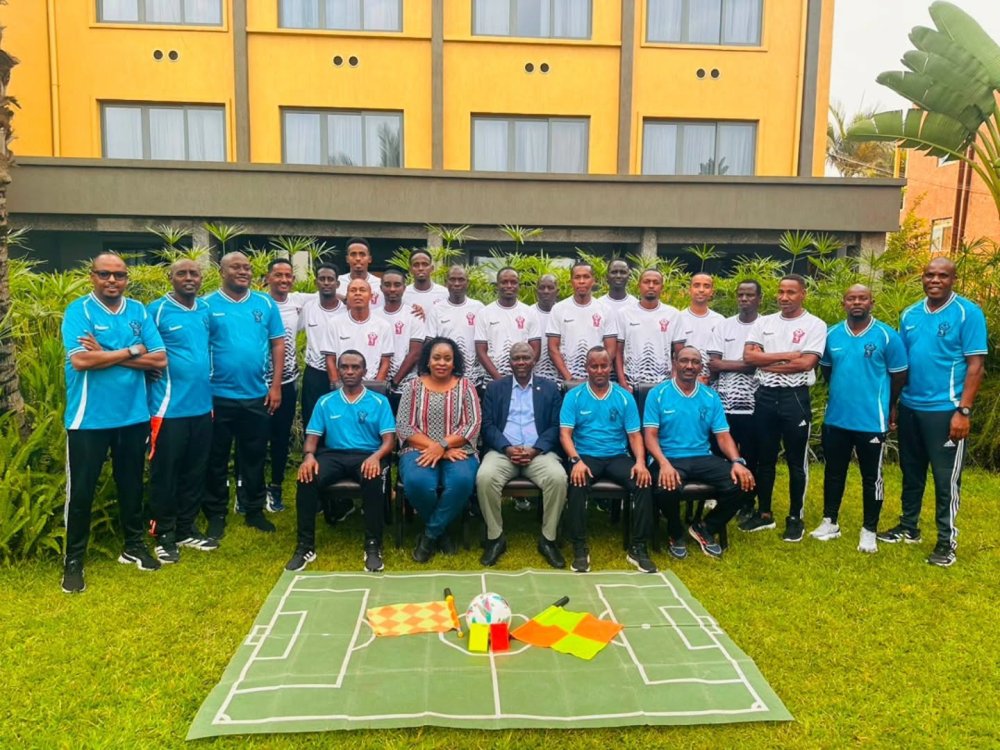
The Council for East and Central Africa Football Associations (CECAFA) unveiled a list of 19 match officials for the tournament, including Samuel Uwikunda as a centre referee and Dieudonne Mutuyimana and Didier Ishimwe as assistant referees.
The officiating team comprises nine centre referees and 10 assistant referees drawn from CECAFA member associations. The tournament returns to Rwanda for the first time since 2019.
The selected centre referees are Samuel Uwikunda (Rwanda), Dickens Mimisa (Kenya), Saddam Houssein Mansour (Djibouti), Nasir Salum Siyah (Zanzibar), Ahmed Arajiga (Tanzania), Dick Okello (Uganda), Abdifatah Said Mire (Somalia), Malong Ring (South Sudan) and Sabri Muhammad Fadi (Sudan).
The assistant referees are Dieudonne Mutuyimana (Rwanda), Didier Ishimwe (Rwanda), Ally Ramadhani Rajabu (Tanzania), Hamdani Said Ally (Tanzania), Samuel Karia (Kenya), Ronald Katenya (Uganda), Omer Hamid (Sudan), Eleyeh Robleh (Djibouti), Gasim Muder Dhiya (South Sudan) and Mahad Ali Mohamud (Somalia).
CECAFA Head of Refereeing Ali Ahmed, Ali Ahmed, said the officials have already begun preparations ahead of the regional competition, which will feature 12 teams.
“We selected referees from different member associations. They started their preparations on Tuesday and we are confident they will deliver quality performances throughout the tournament,” he said.
Ahmed added that the preparations are also intended to help officials build experience ahead of the 2027 Africa Cup of Nations (AFCON), which will be jointly hosted by Kenya, Tanzania and Uganda.
The 2026 CECAFA Kagame Cup kicks off on Friday, with Vipers SC of Uganda taking on Garde Républicaine FC of Djibouti in the opening match, before Rwanda’s APR FC faces Gor Mahia FC of Kenya.
The officiating team comprises nine centre referees and 10 assistant referees drawn from CECAFA member associations.Samuel Uwikunda is among three Rwandan referees selected to officiate at the 2026 CECAFA Kagame Cup.
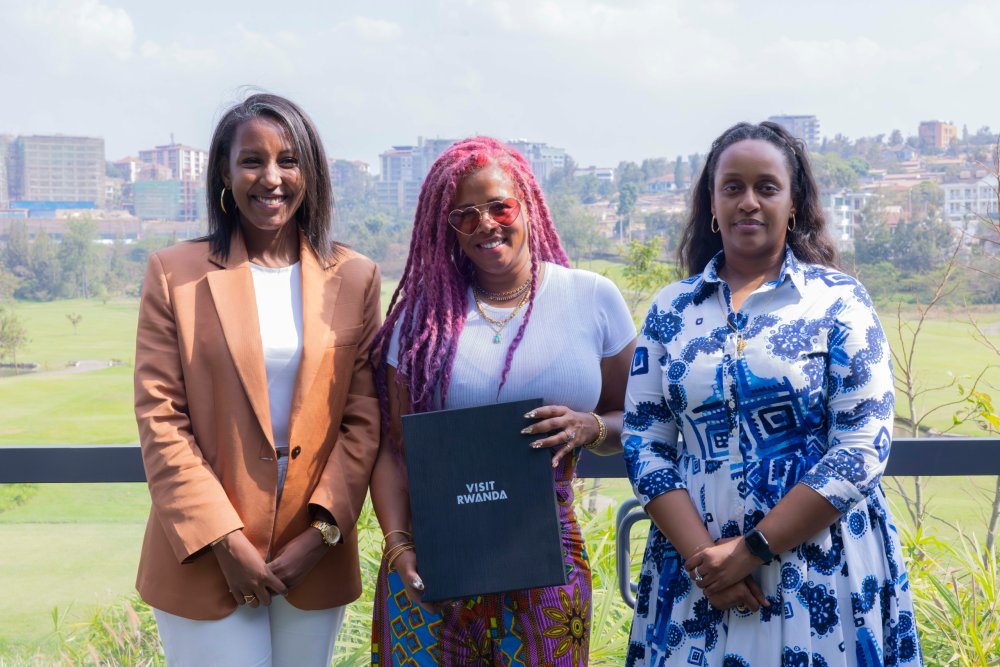
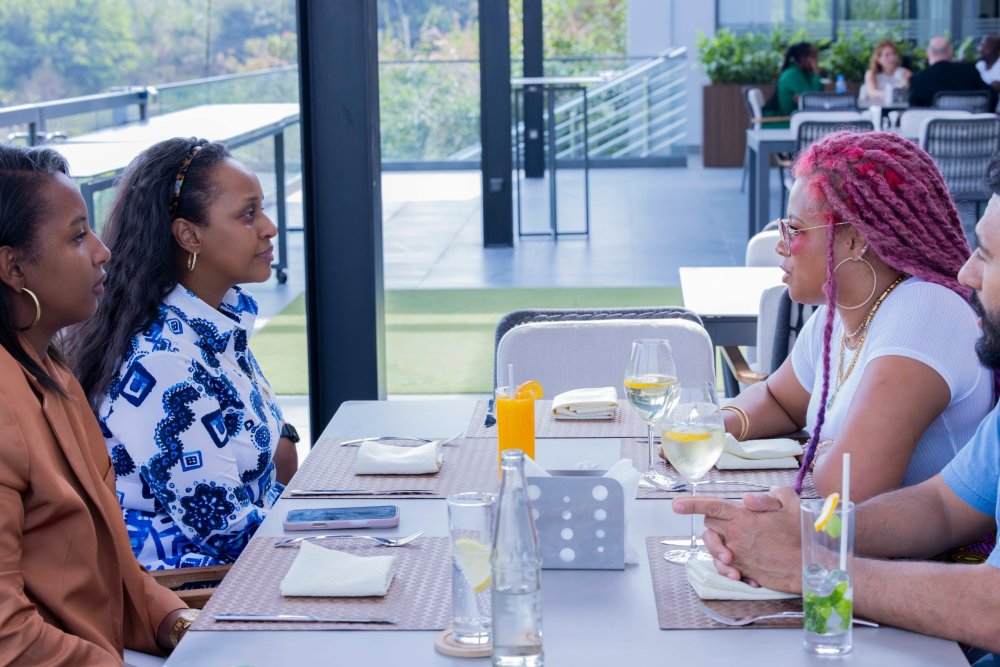
On July 22, 2026, RDB’s Chief Tourism Officer, Irène Murerwa, and the Deputy Chief Executive Officer of the Rwanda Convention Bureau (RCB), Maëva Haguma, held talks with Kelis to discuss possible areas of collaboration.
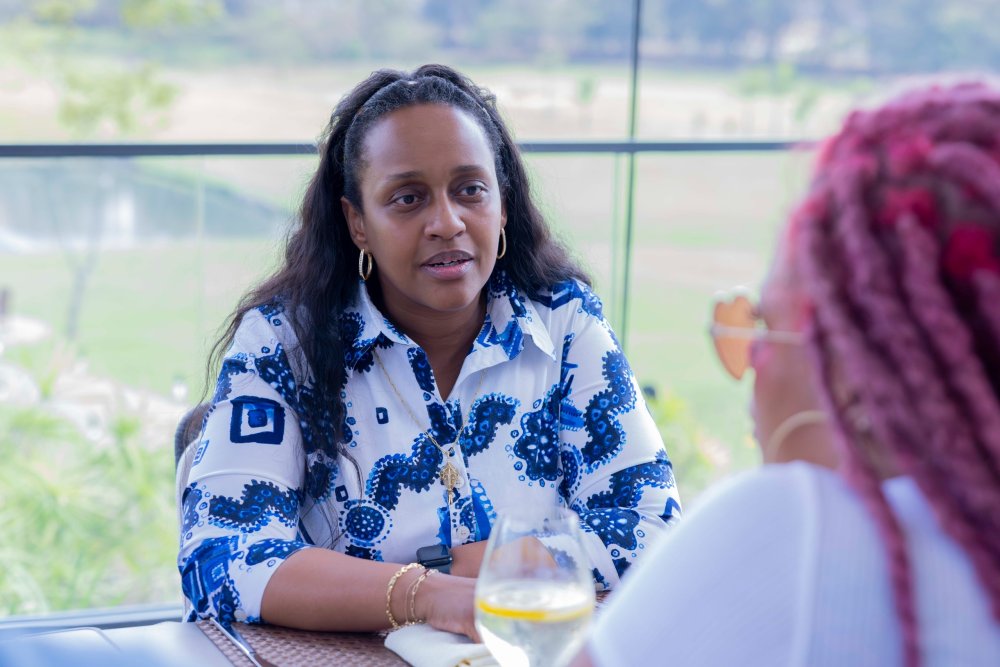
According to RDB, the discussions focused on ways to position Rwanda as an attractive destination for tourism and investment, particularly among American travelers and investors interested in visiting the country or pursuing business opportunities there.
Although no specific projects or timeline have yet been announced, a partnership with Kelis could significantly expand Rwanda’s international visibility by reaching her large audience in the United States and other parts of the world.
With a career spanning music, fashion, business and culinary arts, Kelis could help showcase Rwanda’s tourism attractions, investment opportunities and vibrant business environment through a variety of platforms.
Rwanda has increasingly partnered with internationally recognized personalities to promote the country’s natural attractions and strengthen its tourism sector, particularly through the Visit Rwanda campaign. Such collaborations are intended to attract new groups of visitors and investors from key international markets, including the United States.
Who is Kelis Rogers?
Kelis Rogers is an American singer, songwriter, entrepreneur and professionally trained chef. Born on August 21, 1979, in Harlem, New York, she rose to fame with the release of her debut album, Kaleidoscope, in 1999.
She achieved global recognition with her 2003 hit single “Milkshake,” which became one of her signature songs and established her as an international music star. Throughout her career, Kelis has sold millions of records worldwide and earned Grammy Award nominations.
Beyond music, Kelis trained at the prestigious Le Cordon Bleu culinary school. She is also the author of the cookbook My Life on a Plate and founded Bounty & Full, a lifestyle brand specializing in skincare, haircare and food products. Her success across multiple industries has made her one of the most recognizable American entertainers turned entrepreneurs.
RDB Chief Tourism Officer Irène Murerwa and the Deputy Chief Executive Officer of the Rwanda Convention Bureau (RCB), Maëva Haguma, met with American singer and entrepreneur Kelis Rogers for discussions on potential areas of collaboration.RDB Chief Tourism Officer Irène Murerwa and Rwanda Convention Bureau (RCB) Deputy Chief Executive Officer Maëva Haguma welcomed Kelis Rogers.Irène Murerwa, RDB’s Chief Tourism Officer.American artist Kelis Rogers explores partnership opportunities with Rwanda.
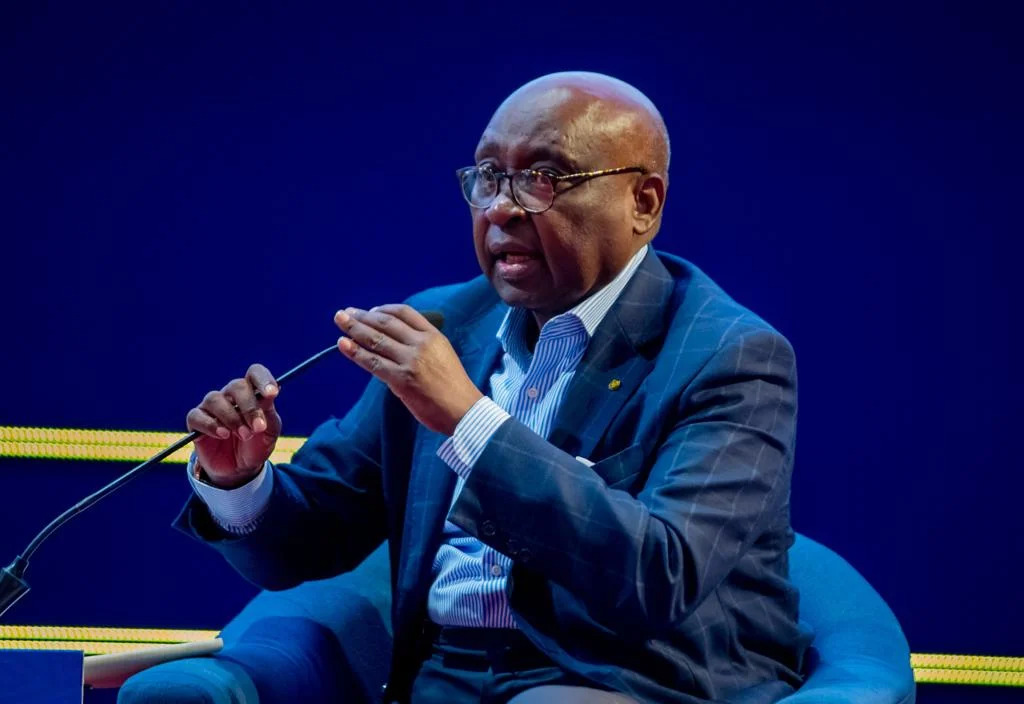
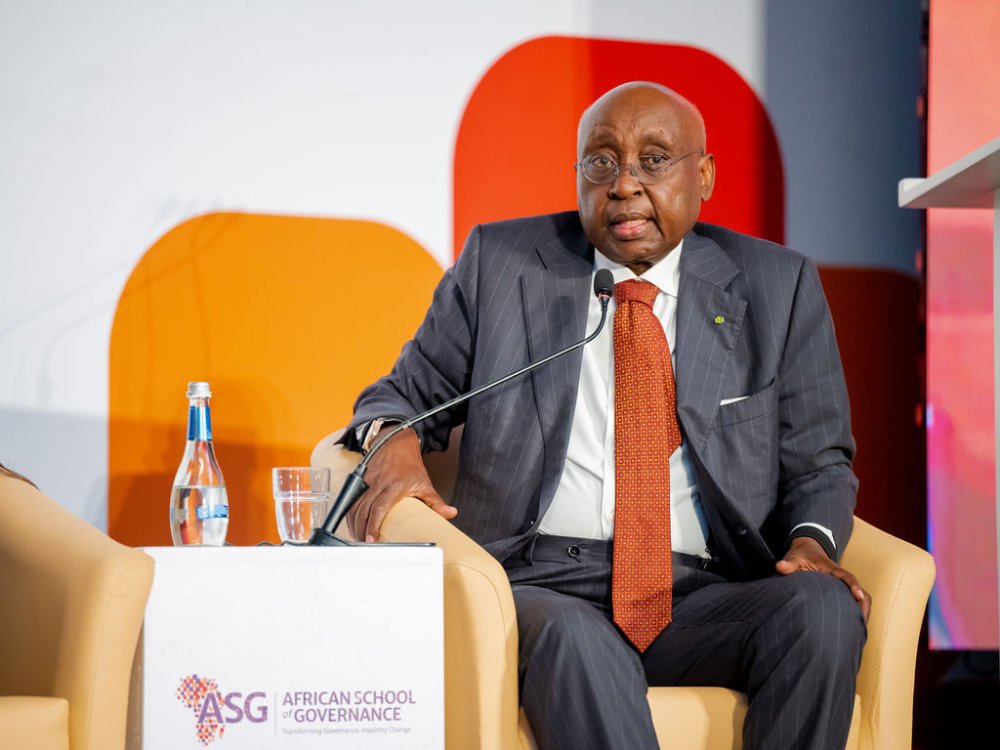
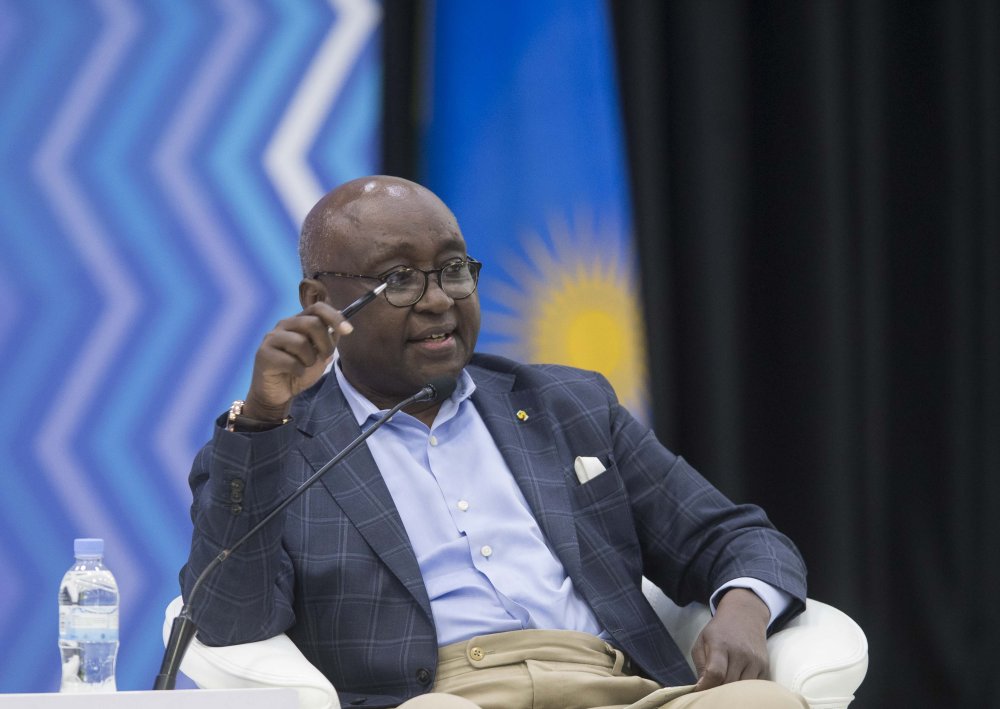
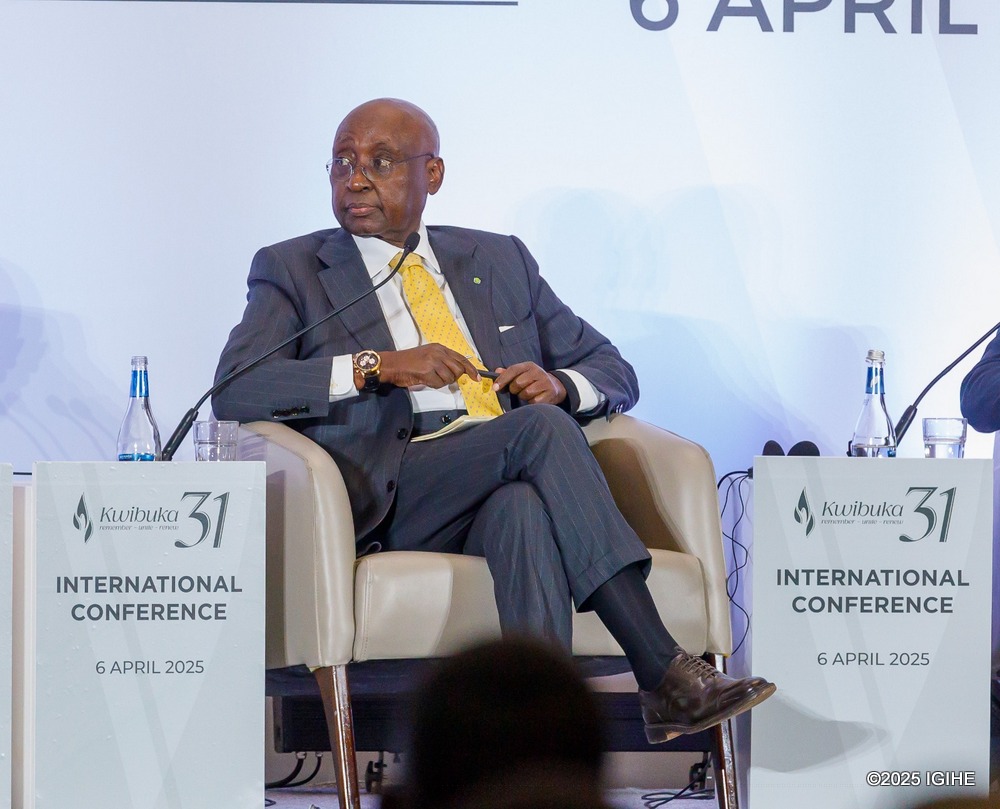
Born on October 5, 1951, in Byumba, Rwanda, Kaberuka grew up during a difficult period in the country’s history. The persecution of 1959 forced many Rwandans, including his family, into exile. Decades later, he would become one of the key figures involved in rebuilding Rwanda’s economy after the 1994 Genocide against the Tutsi and would go on to lead one of Africa’s most important financial institutions.
Kaberuka studied economics and development, beginning his higher education at the University of Dar es Salaam. He later obtained a Master of Philosophy in Development Studies from the University of East Anglia in 1979 before earning a PhD in Economics from the University of Glasgow.
His economic thinking was shaped by his experiences studying in the United Kingdom during the economic turmoil of the 1970s. In an interview with Jeune Afrique, Kaberuka recalled how Britain’s economic crisis, marked by high inflation and a request for support from the International Monetary Fund in 1976, influenced his views.
“The economic and industrial crisis had a profound impact on me,” Kaberuka recalled. “Imagine the United Kingdom with 25 percent inflation having to seek assistance from the International Monetary Fund in 1976. It taught me to be skeptical of theories. Since then, my approach has been simple: What works?“
Kaberuka’s economic thinking was shaped by his experiences studying in the United Kingdom during the economic turmoil of the 1970s.
Rebuilding Rwanda’s economy
After the 1994 Genocide against the Tutsi, Kaberuka returned to Rwanda and became part of the team that helped rebuild the country’s economy.
As Minister of Finance and Economic Planning from 1997 to 2005, he introduced reforms that focused on liberalising the economy, strengthening domestic revenue collection, granting greater independence to the central bank and maintaining strict fiscal discipline.
His leadership during this period contributed to Rwanda’s economic recovery, with development institutions such as the French Development Agency describing the country’s approach as an effective development model in sub-Saharan Africa.
In 2005, Kaberuka was elected President of the African Development Bank (AfDB), a position he held until 2015.
During his decade at the helm of the institution, he oversaw a major expansion of the bank’s financial capacity, with its capital increasing from $30 billion to $100 billion and annual commitments doubling.
Leading through the 2008 financial crisis
Kaberuka’s leadership was tested during the global financial crisis of 2008, when concerns grew that Africa could face severe economic consequences.
He recalled receiving calls from worried officials asking whether Africa would become the continent most affected by the crisis.
To assess the situation, he brought together finance ministers and central bank governors in Tunis, where the AfDB was then headquartered, to discuss the impact and agree on a response.
The assessment was that African banking systems would remain relatively resilient because they were less connected to Western financial markets. However, the continent would face challenges from declining global demand and reduced trade volumes.
Rather than applying a single economic prescription across countries, Kaberuka promoted solutions adapted to local circumstances, including budget support, balance-of-payments assistance and infrastructure investments.
Economist Modibo Makalou Mao noted that during the crisis, Kaberuka avoided standard solutions and instead favoured approaches adapted to the size, level of development and needs of individual economies.
In Togo, AfDB financing supported strategic projects such as the Lomé-Cotonou corridor, which was viewed as a stronger driver of growth than traditional fiscal adjustment measures.
Kaberuka was elected President of the African Development Bank (AfDB) in 2005, a position he held until 2015.
Supporting African industrial growth
During his leadership at the AfDB, Kaberuka also focused on supporting industrial small and medium-sized enterprises (SMEs), inspired by Germany’s Mittelstand model.
He argued that SMEs were central to economic transformation because they played a major role in job creation.
“The foundation of its success is SMEs. They are the ones that impact the unemployment curve,” he said, referring to Germany’s experience.
A champion of financial self-reliance
After leaving the AfDB, Kaberuka continued working on global and continental development issues.
He served as Chair of the Board of the Global Fund and later as the African Union’s Special Envoy for COVID-19, where he advocated for Africa to gradually reduce its dependence on external assistance.
While recognising the importance of international solidarity, particularly in the fight against HIV/AIDS, he argued that such support should not replace long-term financial independence.
“The pandemic and the recent withdrawal of USAID have confirmed the need for autonomy,” he said.
Frannie Leautier, an executive at SouthBridge Investments, the investment firm co-founded by Kaberuka, said his view of finance goes beyond mobilising resources.
“Donald Kaberuka has always seen in finance much more than a mechanism for mobilising resources. For him, it is a lever of dignity, sovereignty and transformation,” she said.
A lasting influence on Africa’s development agenda
Even after leaving public office, Kaberuka has remained active in discussions on Africa’s economic future, advocating for stronger institutions, industrial growth and greater financial independence.
His career reflects a rare combination of policymaking, financial leadership and development expertise, from helping rebuild Rwanda’s economy to transforming the African Development Bank into a stronger continental institution.
At 74, Kaberuka remains a prominent voice in Africa’s development debate, with a legacy built on his belief that financial systems should serve development and ultimately improve people’s lives.
At 74, Kaberuka remains a prominent voice in Africa’s development debate.
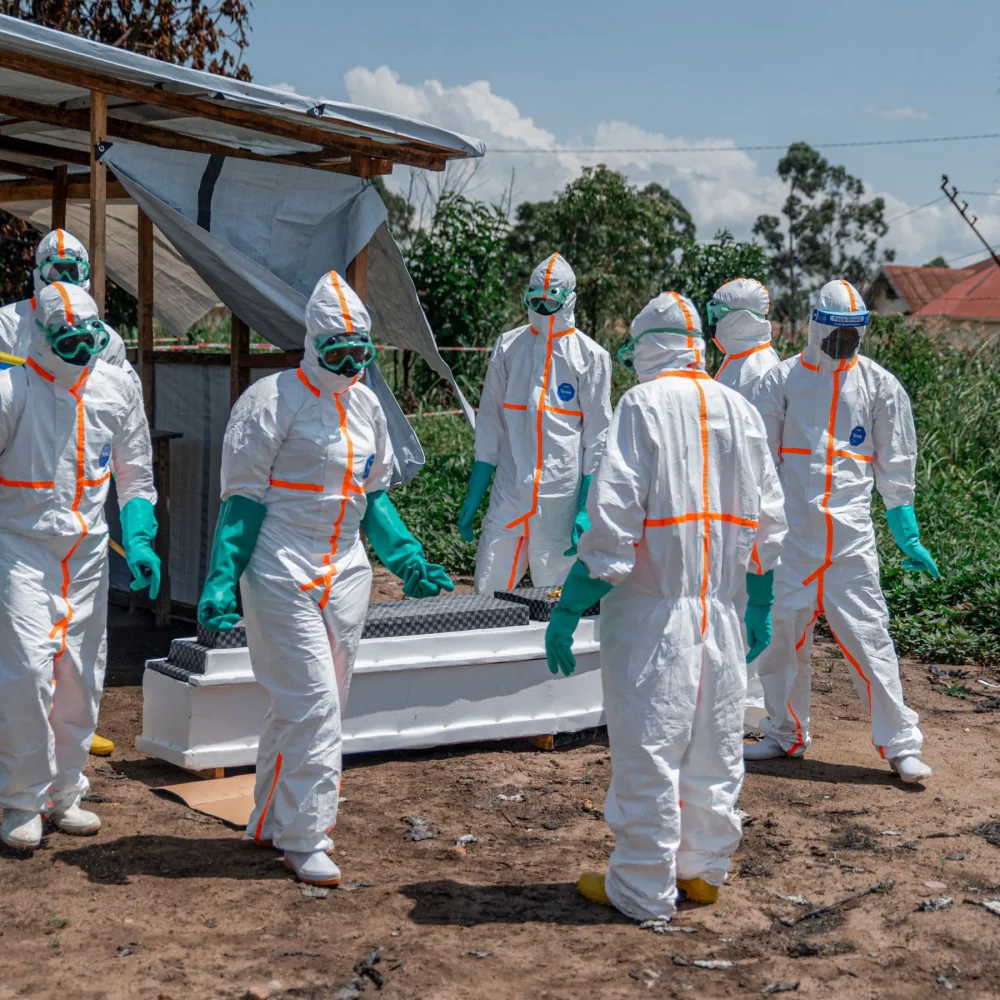
According to figures released by the DRC Ministry of Health, as of July 21, 2026, a total of 1,033 people had died from the disease, while the number of confirmed infections had reached 2,536 cases.
The latest statistics show that the fatality rate among confirmed Ebola patients stands at 40.7 per cent, meaning that approximately four out of every 10 people diagnosed with the virus have lost their lives.
The Ministry’s report, based on laboratory results from the National Institute of Biomedical Research (INRB), indicates that 63 new cases were confirmed within 24 hours.
The eastern province of Ituri remains the epicentre of the outbreak, accounting for 88.6 per cent of all confirmed cases recorded in the country.
On July 21 alone, Ituri reported 46 new infections, particularly in the areas of Bunia, Rwampara and Drodro. The province continues to register the highest number of Ebola cases and deaths since the outbreak was declared.
The outbreak has also severely affected North Kivu Province, where the fatality rate among confirmed cases has reached 58.7 per cent, the highest among all affected areas. However, no new Ebola infections have been reported in areas under the control of the AFC/M23 alliance.
Currently, 738 people are either isolated or receiving treatment at Ebola care centres across the affected provinces of Haut-Uélé, Ituri, North Kivu and Tshopo. Meanwhile, South Kivu Province has not recorded new cases for nearly two months.
Health authorities say that tracing people who have been in contact with infected individuals remains one of the biggest challenges in controlling the outbreak.
The Ministry reported that contact tracing activities are being conducted at a national rate of 77.2 per cent, although concerns remain that some cases may not be detected or that some contacts may not be adequately followed up.
Meanwhile, Uganda, which also reported cases of Ebola, has confirmed that it has not recorded any new infections since June 21, 2026. The country recorded a total of 20 Ebola cases, including two deaths.
A total of 1,033 people have died from the Bundibugyo Ebola outbreak in DR Congo.
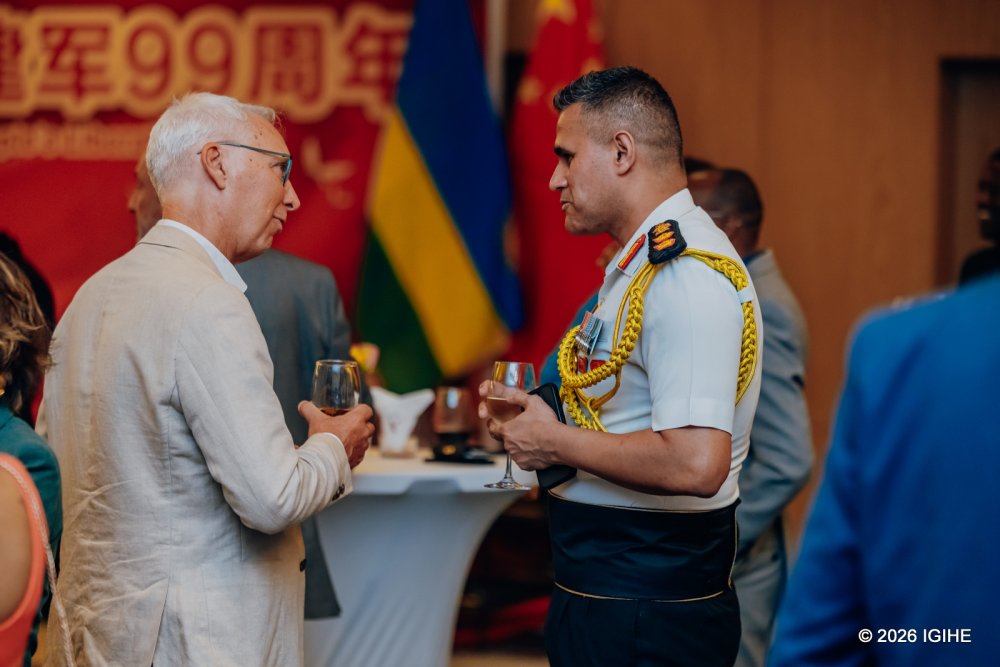
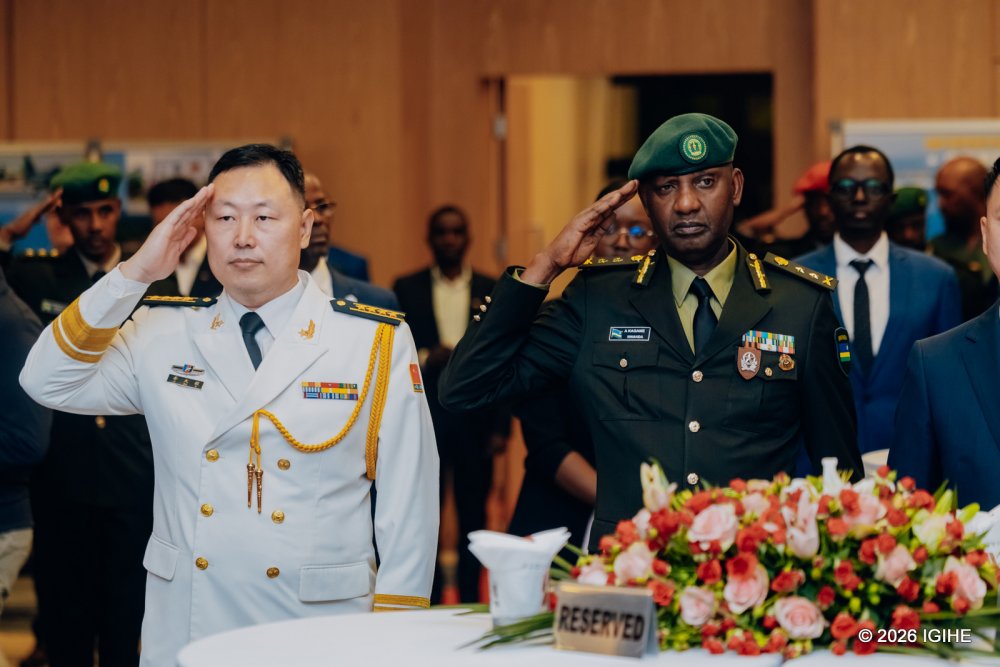
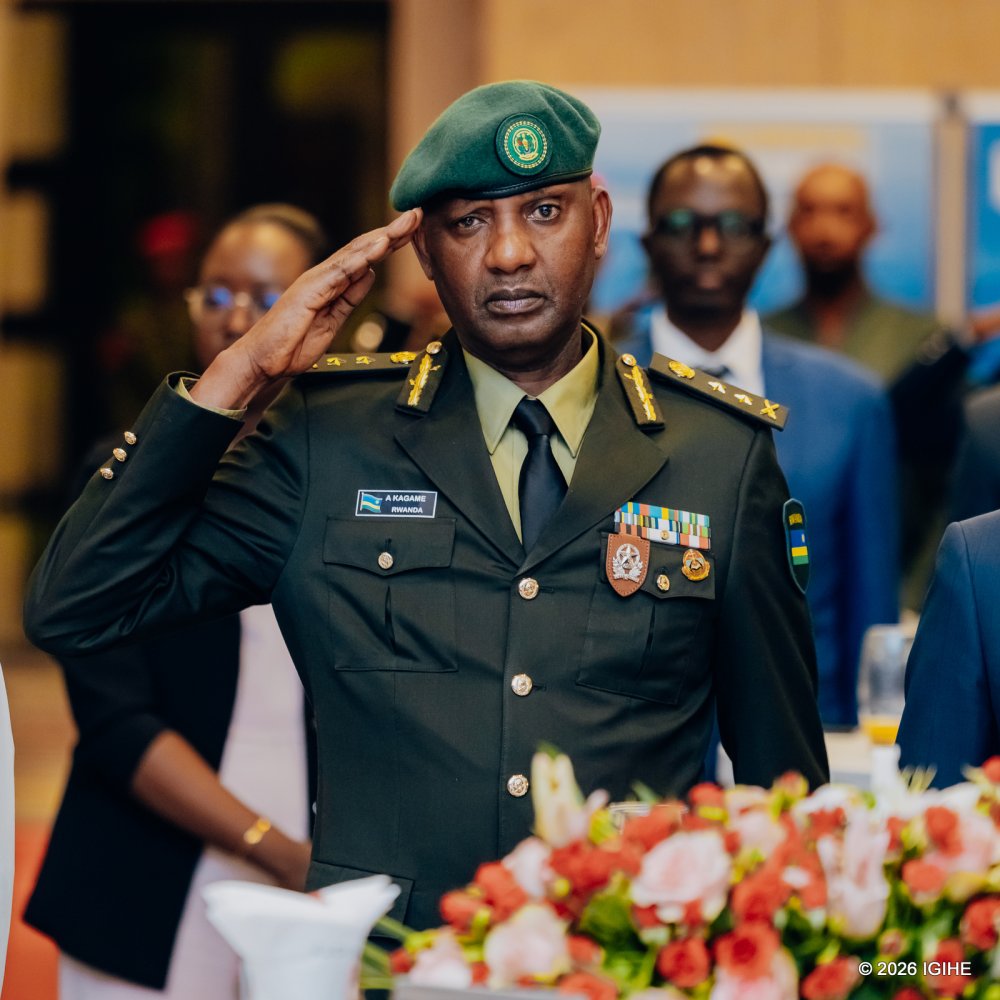
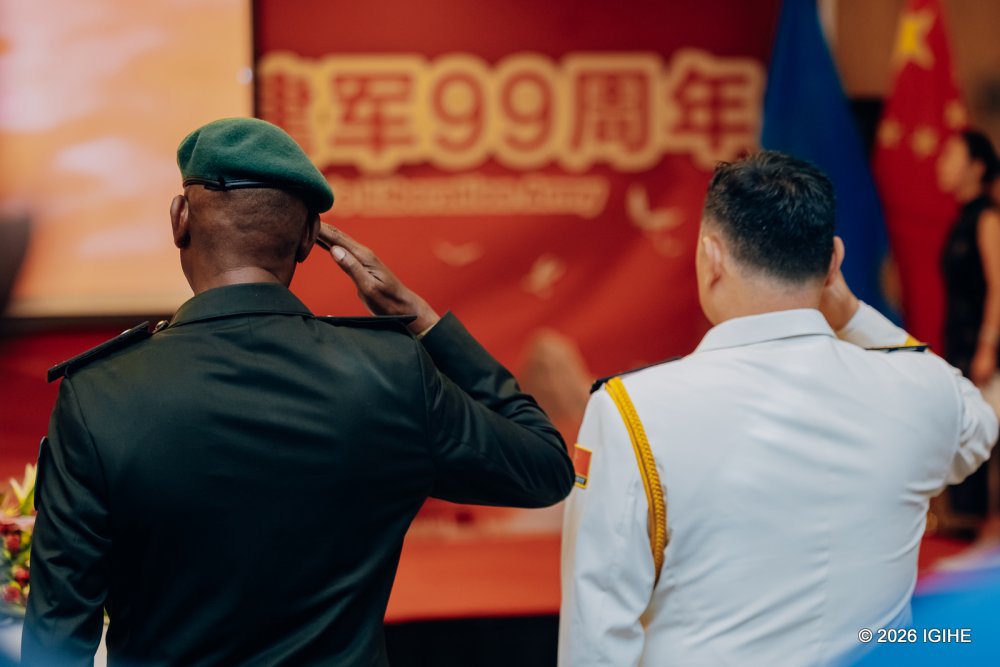
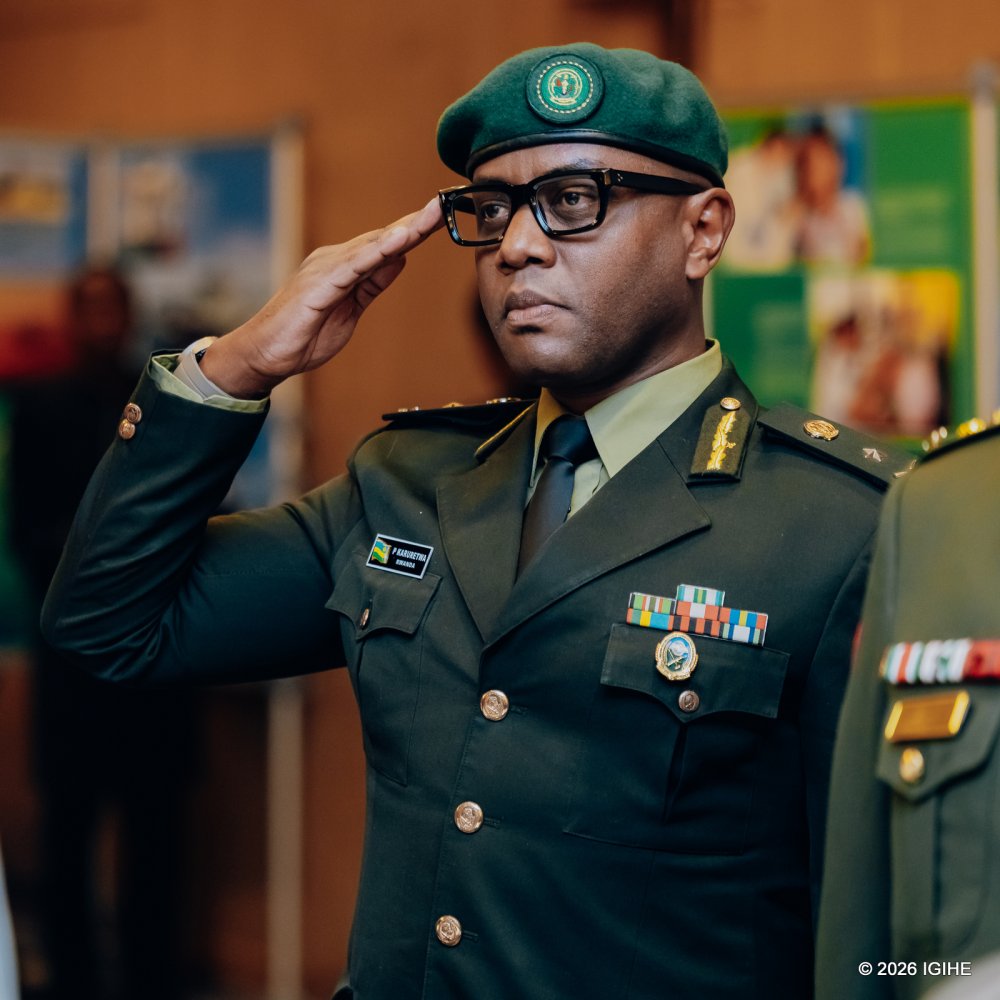
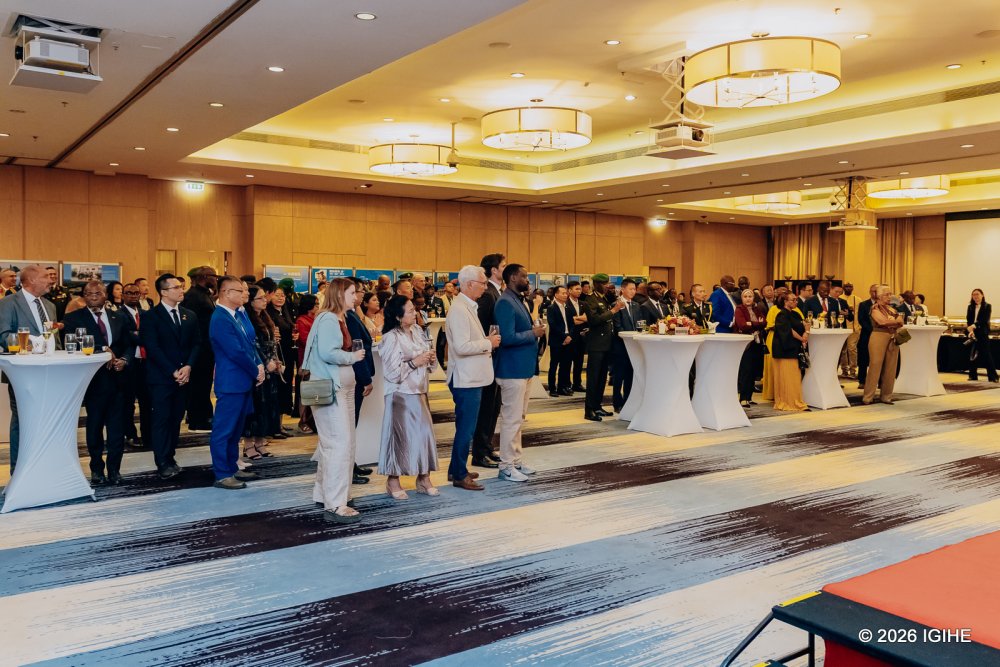
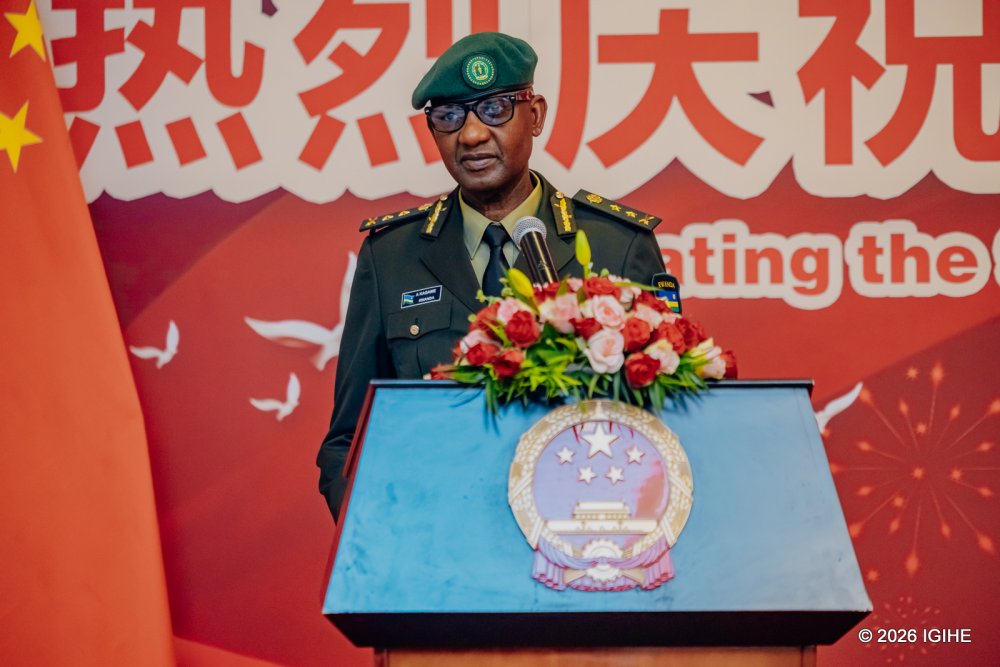
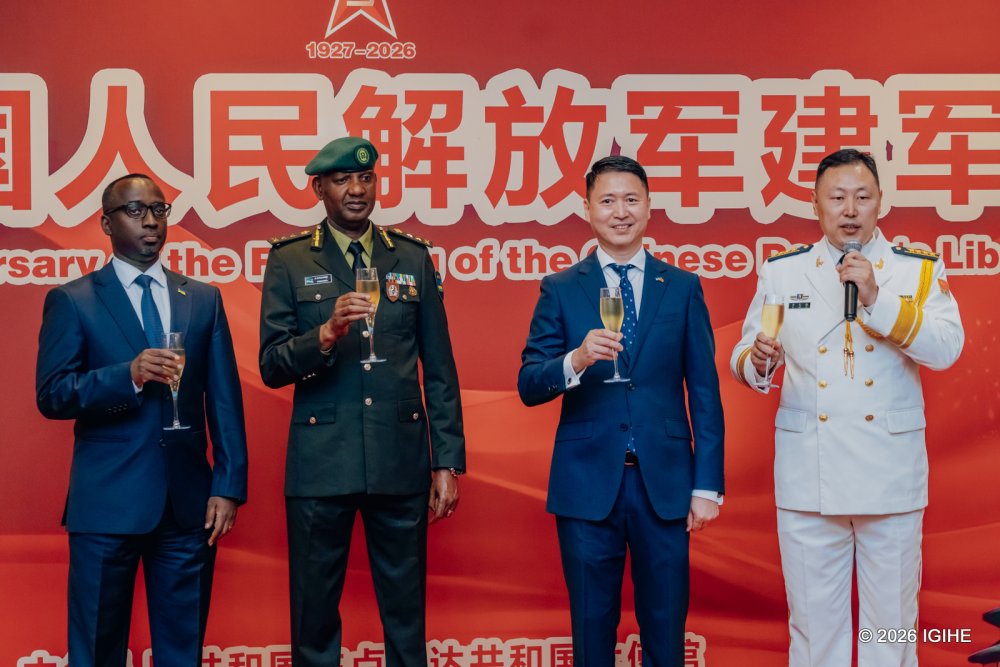
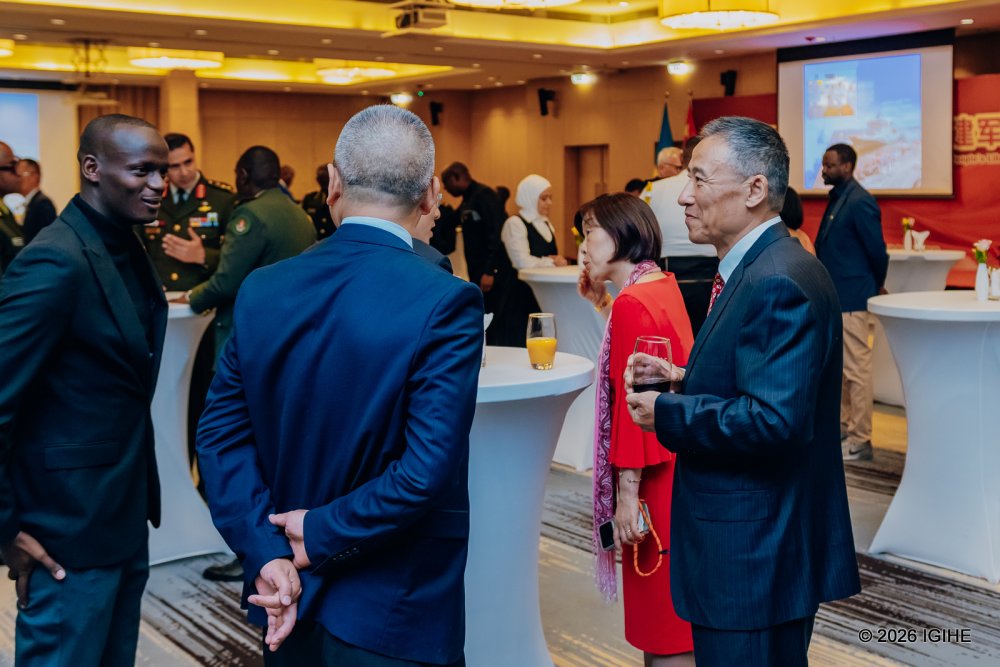
Speaking at the celebration in Kigali, Major General Alex Kagame, Chief of Staff of the Rwanda Defence Force (RDF) Reserve Force, congratulated the Chinese government and the PLA, describing the army as a modern force that has contributed to international peace and security.
Maj Gen Kagame said Rwanda values its longstanding friendship with China, noting that defence cooperation between the two countries has grown over the years.
“China’s consistent support in professional military education and specialized training has made meaningful contributions to the continued development of RDF capabilities,” he said.
He added that Rwanda remains committed to strengthening cooperation with China, highlighting the importance of collaboration between the two armed forces in responding to complex and interconnected challenges amid an evolving international security environment.
“This reality underscored the importance of trusted partnerships that promote capacity building, professional excellence and collective efforts towards working with regional and international peace stability.
“Rwanda remains committed to working closely with China in pursuit of these shared objectives,” he noted.
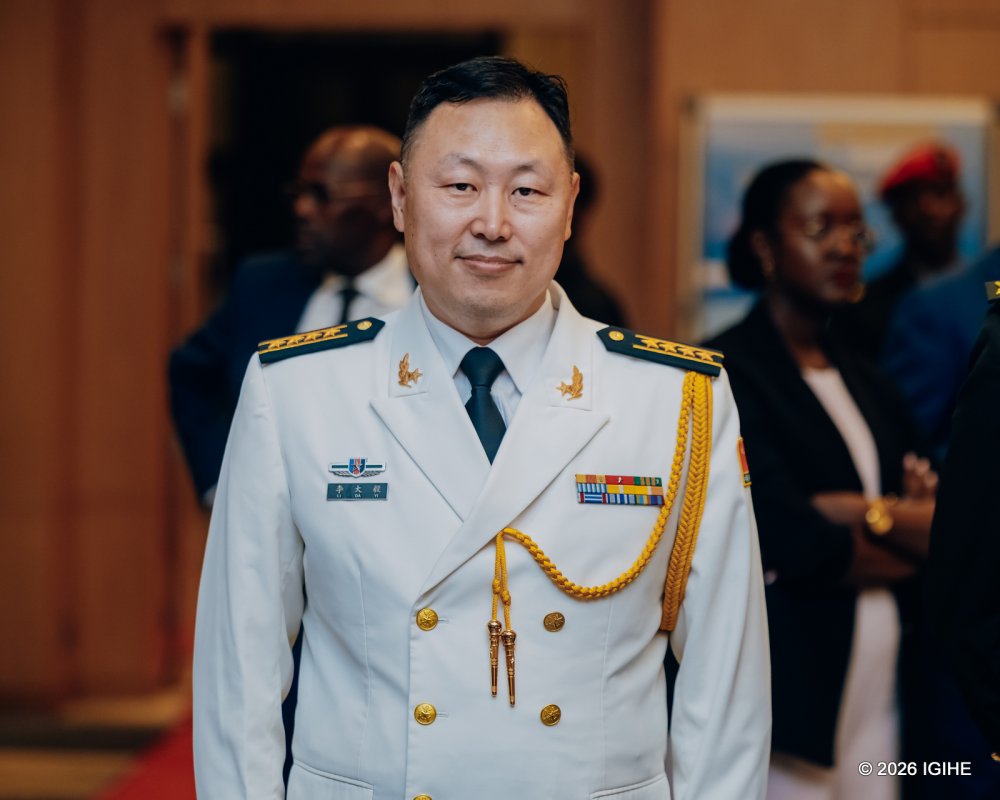
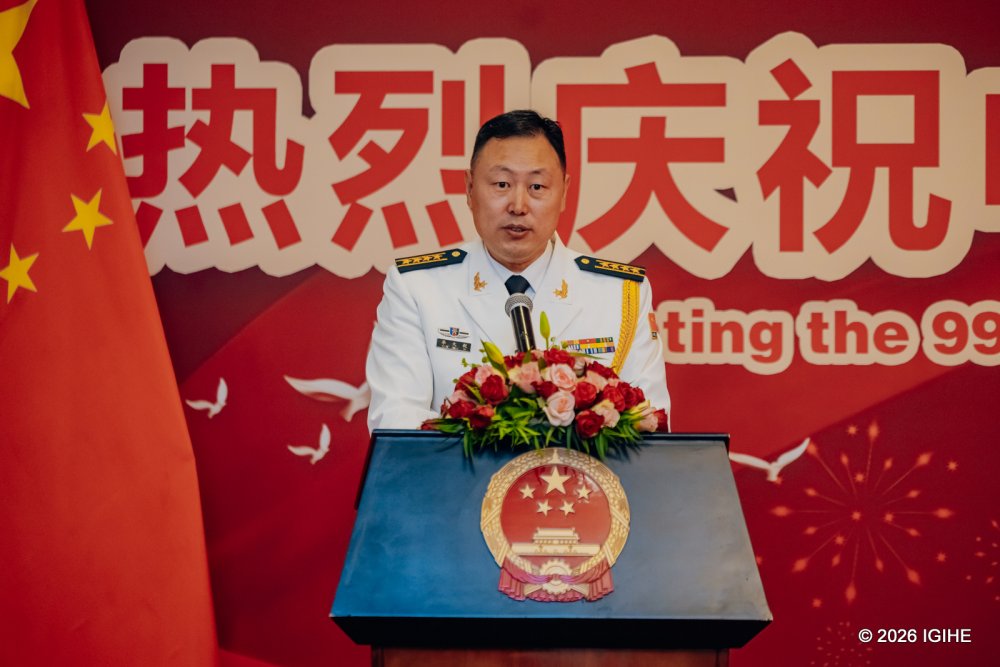
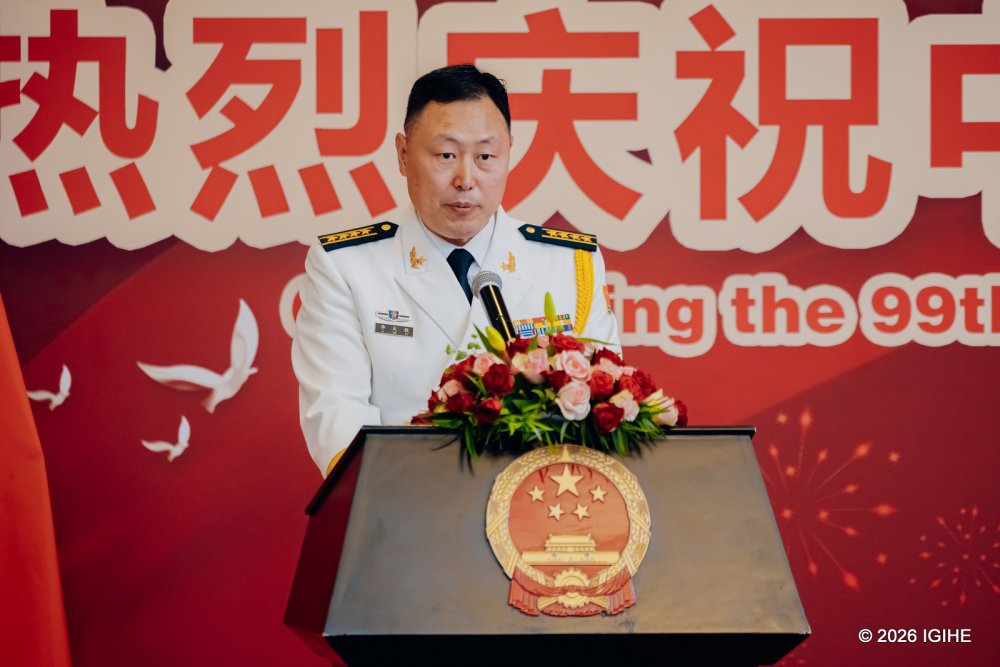
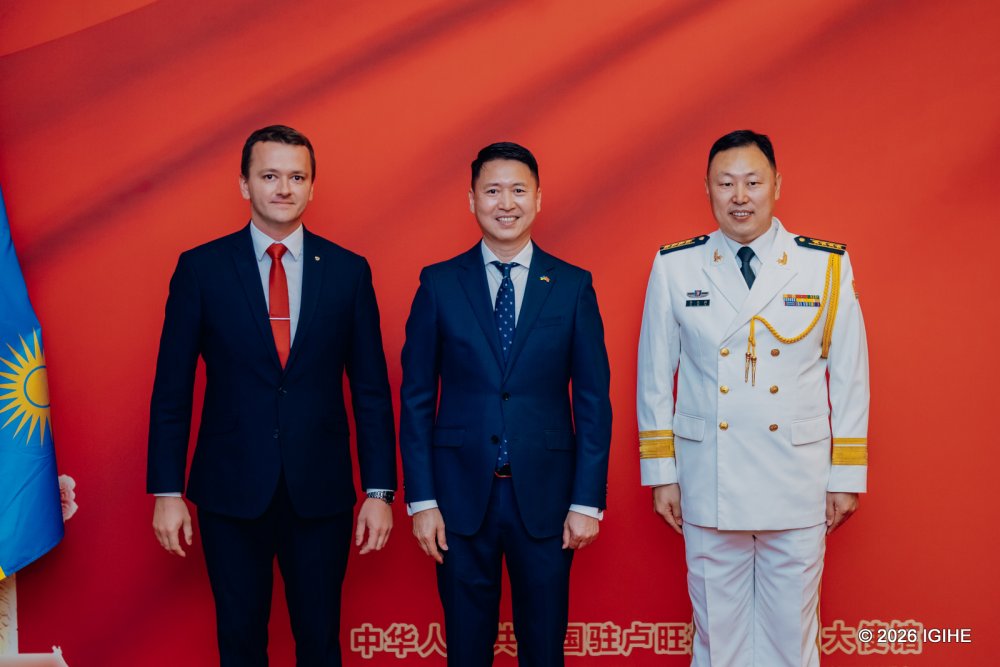
The Chinese Defence Attaché to Rwanda, Senior Captain Li Dayi, said the PLA’s development has been guided by China’s commitment to peaceful development and its belief that peace and harmony among nations are essential.
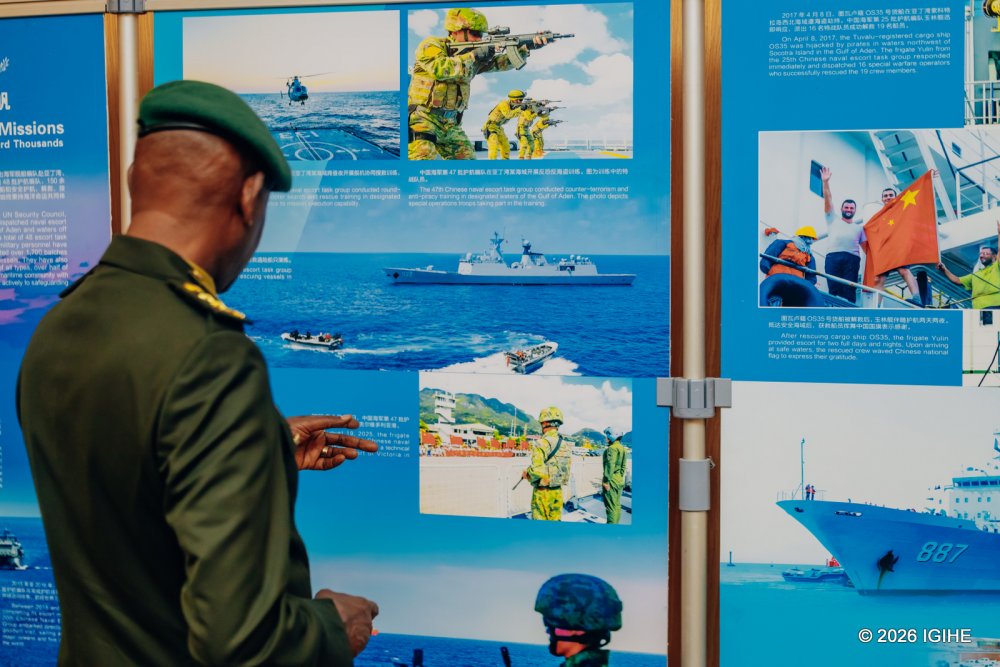
He highlighted China’s contribution to global peacekeeping, noting that since joining UN peacekeeping operations in 1990, the Chinese military has deployed more than 50,000 peacekeepers to missions across more than 20 countries and regions.
Capt Li said China-Rwanda military cooperation has continued to grow through defence exchanges and expressed China’s commitment to further deepening the partnership.
“China is willing to work with Rwanda, guided by the important consensus reached by the two heads of state, to elevate the military-to-military relationship to a new level on the basis of mutual respect, equality and mutual benefit,” he said.
He added that such cooperation would contribute to regional peace, stability and shared development.
The PLA was founded on August 1, 1927, and has since developed into one of the world’s largest military forces.
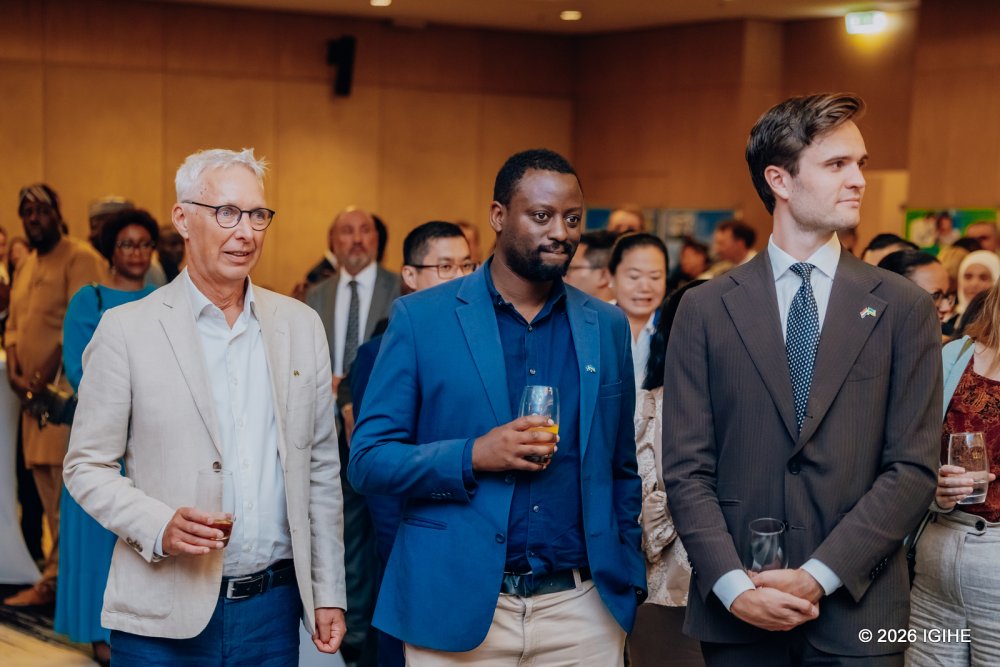
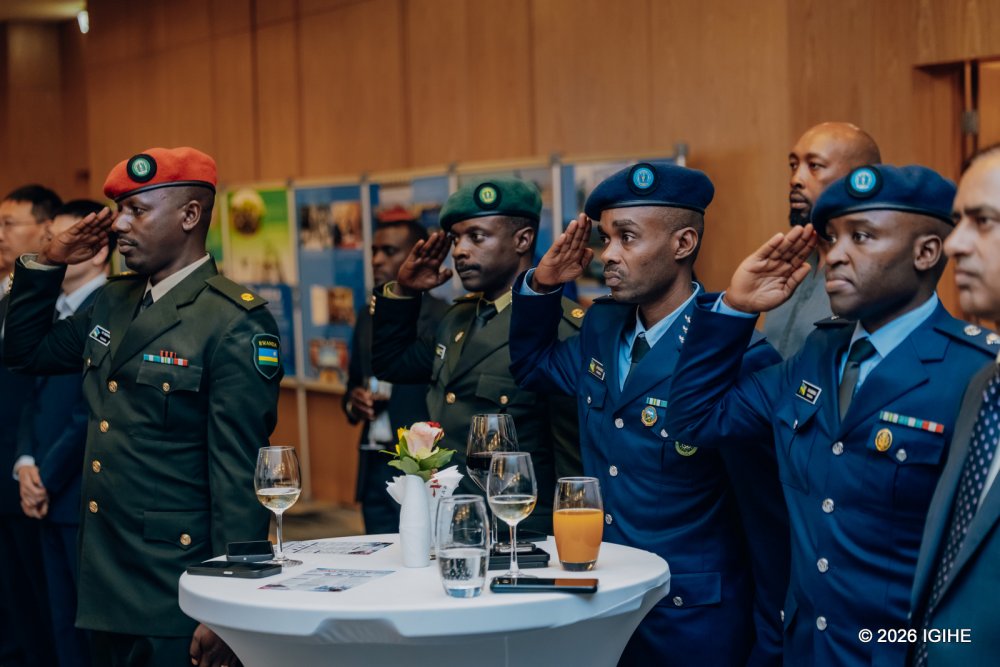
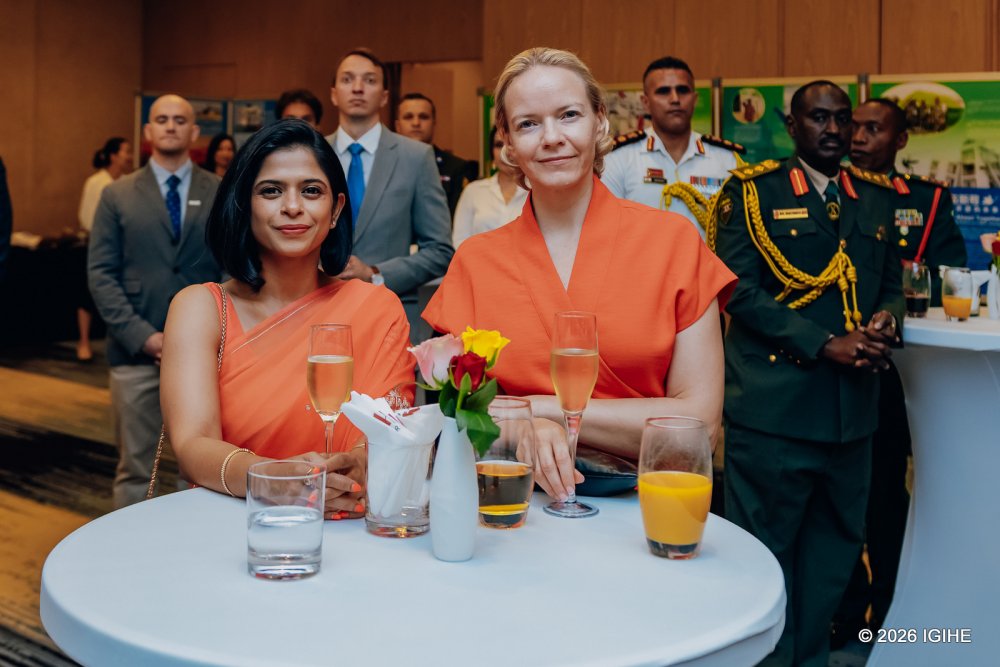
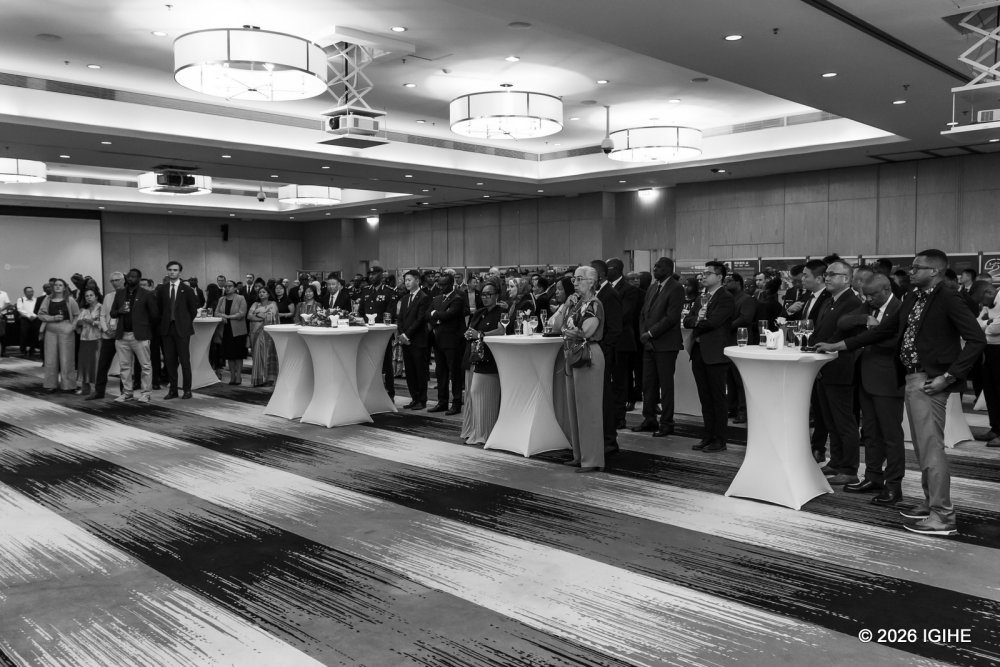
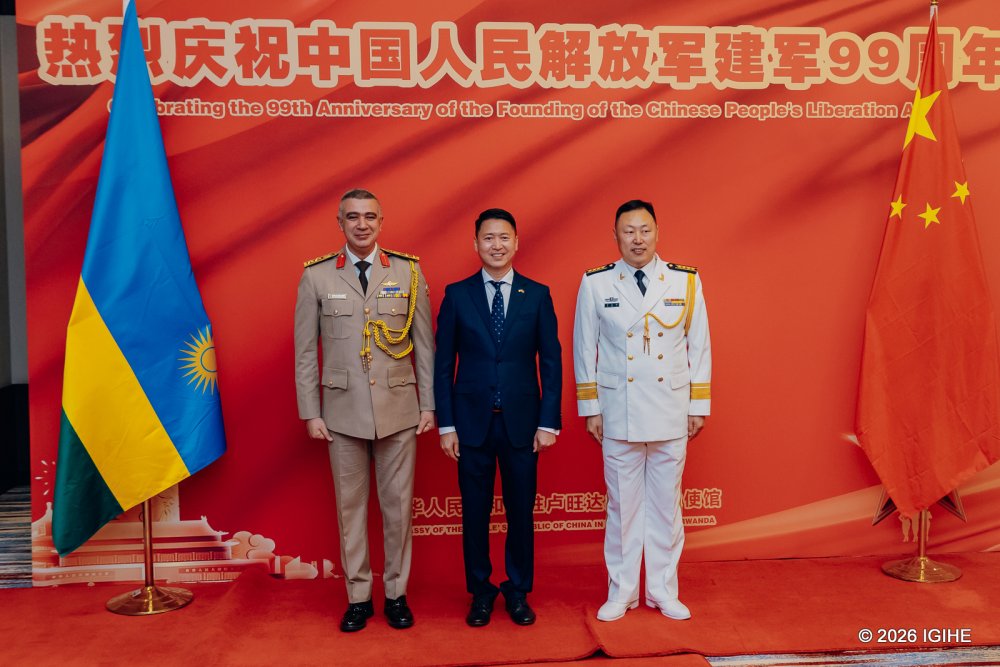
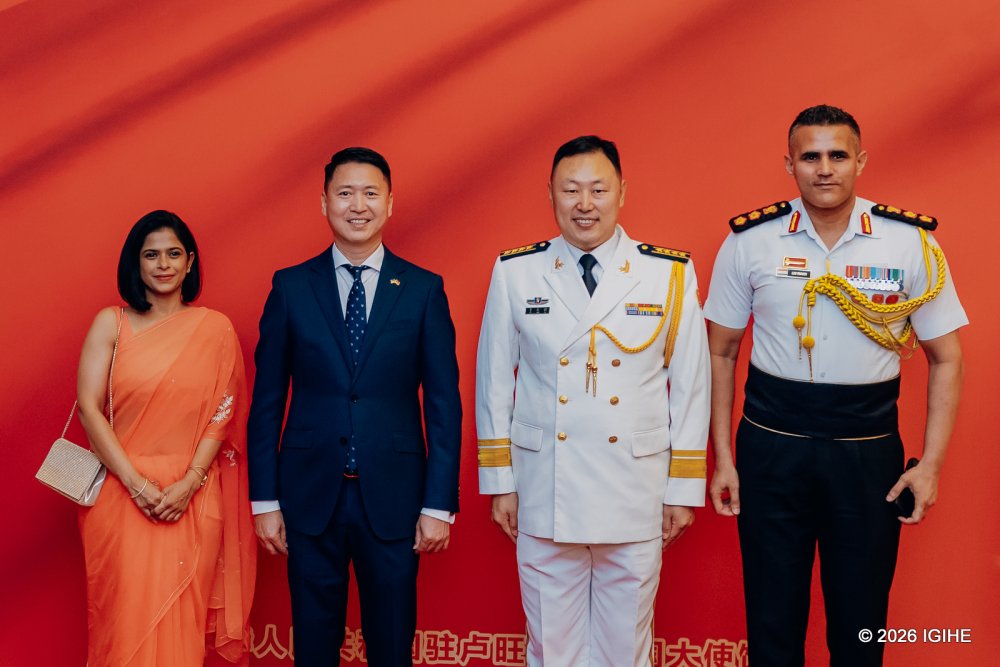
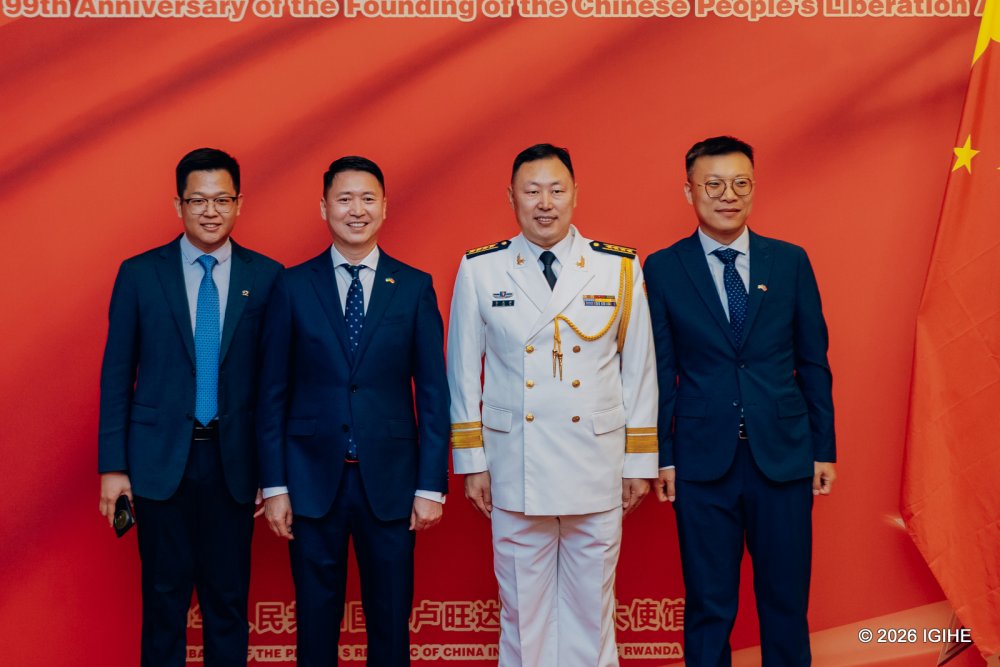
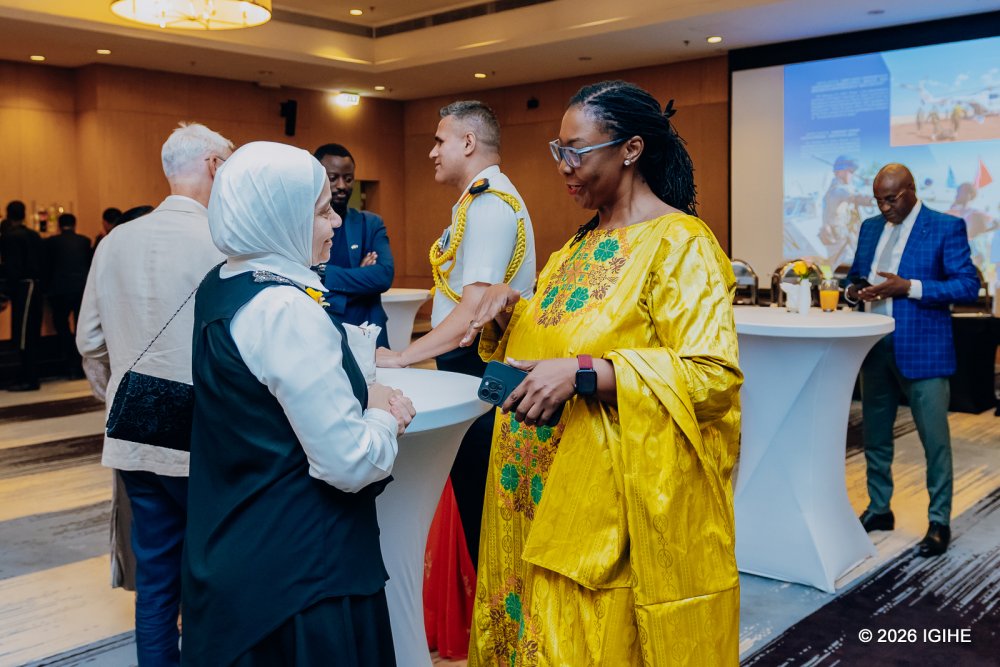
The anniversary celebration brought together government officials, diplomats, defence attachés, members of the Chinese community and friends to commemorate its history and achievements.
Photos from the celebration of the 99th anniversary of the Chinese People’s Liberation Army (PLA) in Kigali
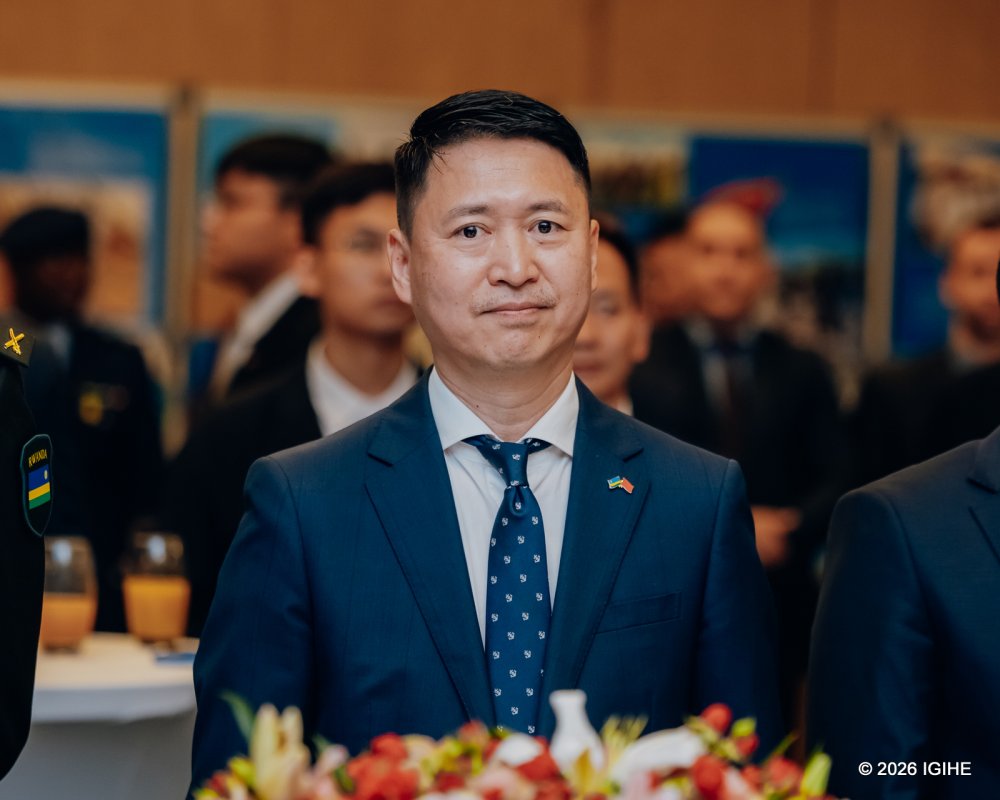
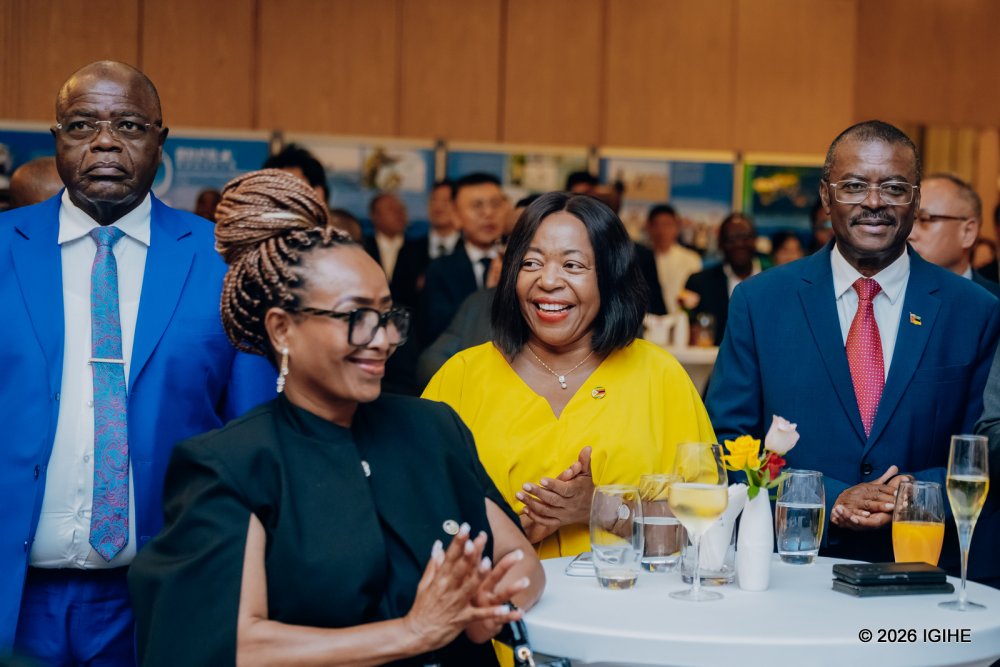
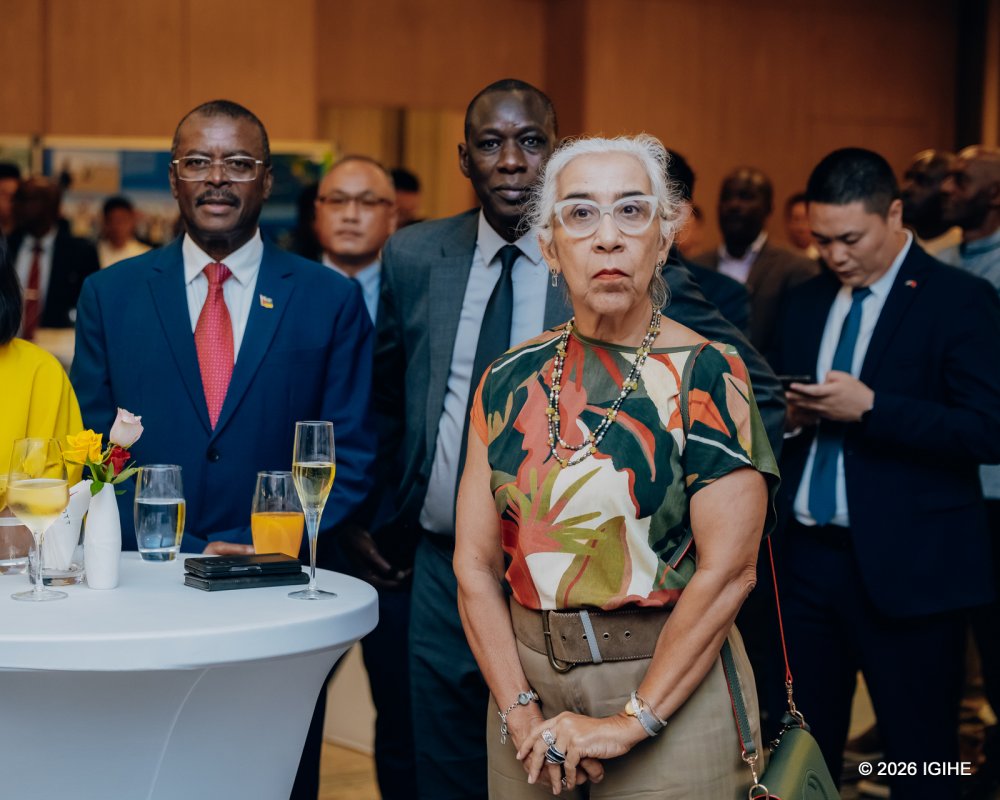
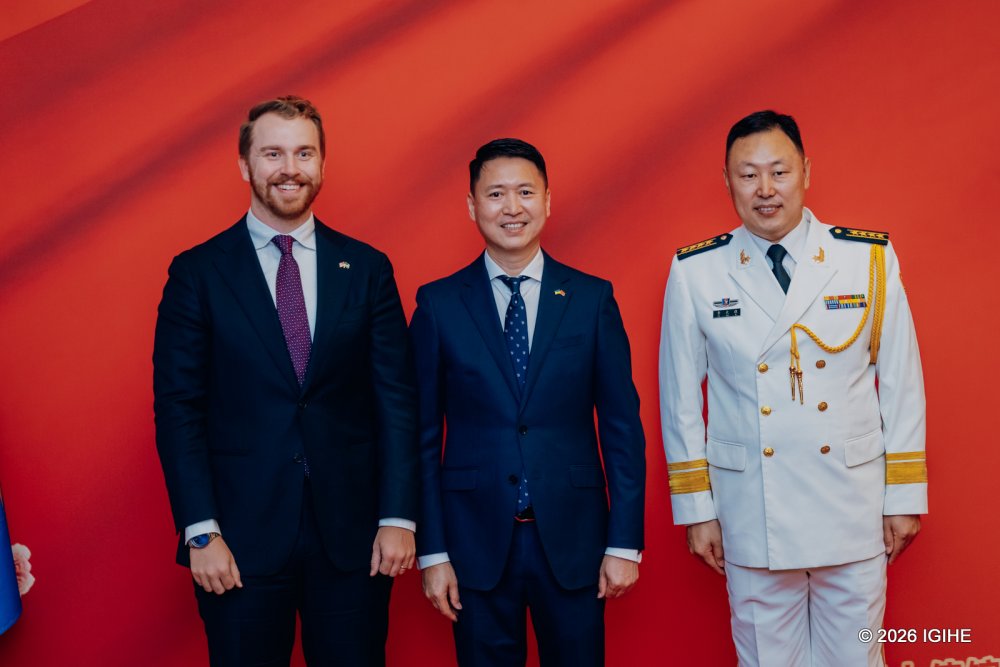
Maj Gen Alex Kagame congratulates the Chinese government and the People’s Liberation Army during the PLA anniversary celebration in Kigali.Chinese Defence Attaché Senior Capt Li Dayi highlighted China’s contribution to global peacekeeping during the PLA anniversary event in Kigali.Guests follow remarks during a ceremony marking the 99th anniversary of the founding of the Chinese People’s Liberation Army in Kigali.RDF representatives and Chinese officials attended the celebration of the 99th anniversary of the Chinese People’s Liberation Army in Kigali.Rwanda and China officials gather in Kigali to mark the 99th anniversary of the founding of the Chinese People’s Liberation Army.Senior Capt Li Dayi, Chinese Defence Attaché to Rwanda, addresses guests during the PLA’s 99th anniversary celebration held in Kigali.The celebration brought together government officials, diplomats, defence attachés and members of the Chinese community in Kigali.Maj Gen Alex Kagame, Chief of Staff of the RDF Reserve Force, delivers remarks during the celebration of the 99th anniversary of the founding of the Chinese People’s Liberation Army in Kigali.
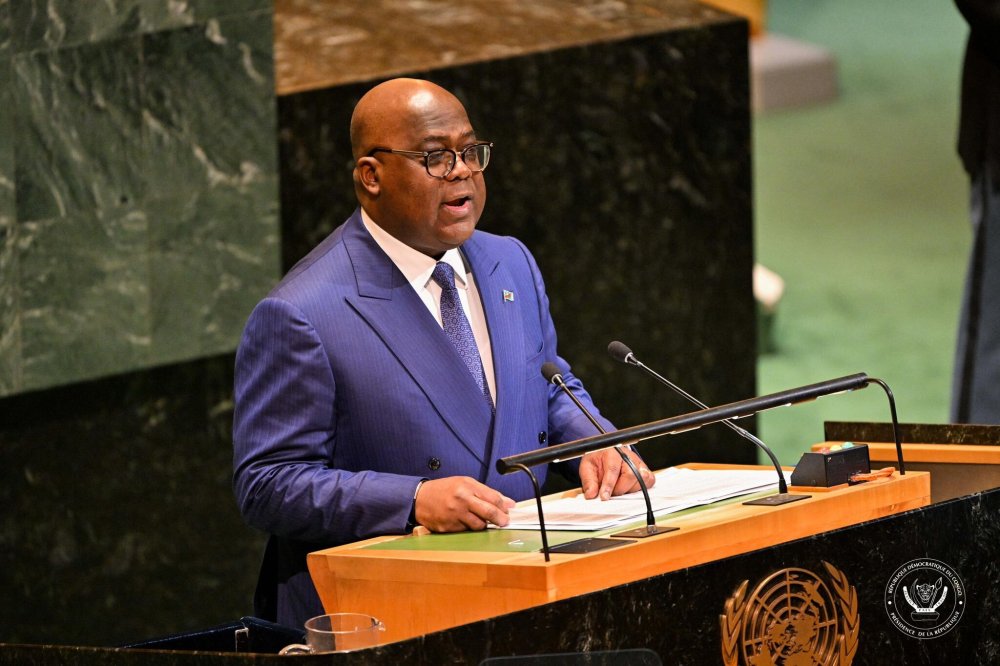
The case accuses Rwanda of deploying troops on Congolese territory over the past 30 years and violating several international conventions, including the 1948 Genocide Convention, conventions against torture and racial discrimination, and those protecting women’s rights.
Through its Minister of Justice and Attorney General, Guillaume Ngefa, the DRC government asked the ICJ to formally declare that Rwanda was responsible for these alleged violations.
These are serious allegations that deserve careful judicial examination. However, the political motivations behind the lawsuit also warrant scrutiny.
By taking Rwanda to The Hague, analysts say, Kinshasa is not only pursuing legal action but also advancing a broader political strategy aimed at portraying Rwanda as the principal culprit while diverting attention from the DRC government’s own role in the conflict, particularly its collaboration with armed groups operating in eastern DRC.
The proceedings are therefore likely to be more than a legal dispute. They also represent a contest over international perception, responsibility, and accountability under international law.
The issue is not that the DRC has chosen to seek justice through international courts, every sovereign state has that right. Rather, the concern lies in what Kinshasa chooses to emphasize and what it chooses to ignore.
The ICJ case and the battle over responsibility
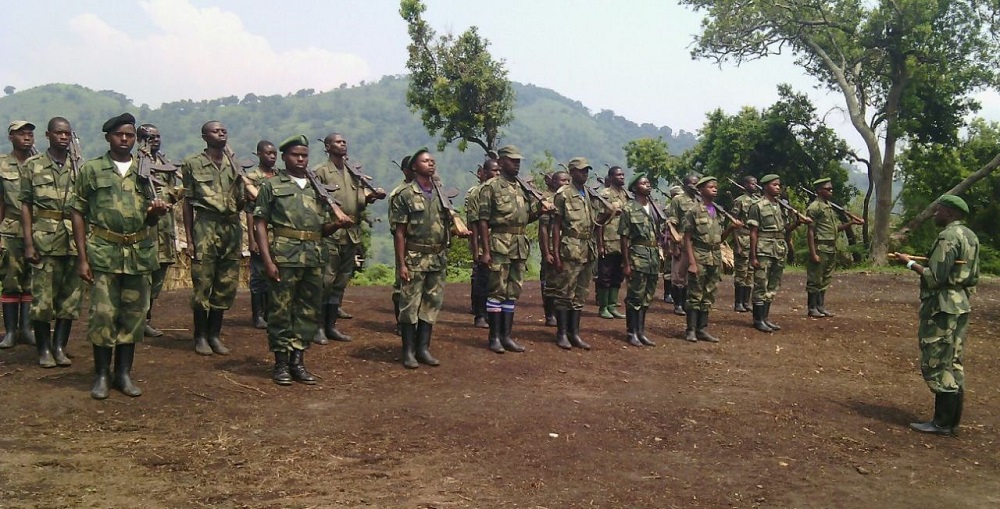
While asking the international community to examine its accusations against Rwanda, the Congolese government has largely overlooked allegations concerning its own cooperation with the Democratic Forces for the Liberation of Rwanda (FDLR), an armed group founded by individuals responsible for the 1994 Genocide against the Tutsi, as well as its collaboration with the Wazalendo coalition of militias and the use of foreign mercenaries.
The FDLR is not an ordinary armed group. It was established by former members of the Rwandan Armed Forces and Interahamwe militia who fled to the DRC after participating in the 1994 Genocide against the Tutsi.
FDLR ties raise questions over Kinshasa’s accusations
For years, the group has been accused of ethnic killings, rape, child recruitment, and numerous other serious human rights violations. It is also under sanctions imposed by both the United Nations and the United States.
A UN Group of Experts report published in late June 2026 concluded that the FDLR continues to pose a major threat to peace and security in eastern DRC and the wider region, while rebuilding its capabilities with support from the Kinshasa government.
The FDLR itself claims to have more than 10,000 fighters, with nearly half actively engaged in military operations. The group’s special force unit (CRAP) claims to have more than 20,000 combatants.
However, UN experts and intelligence assessments estimate that the FDLR has between 3,500 and 4,500 fighters, while the Washington Peace Agreement estimated the group’s strength at between 3,000 and 3,500.
In June 2025, the Rwanda Defence Force stated that the FDLR had between 7,000 and 10,000 fighters at the time and noted that the group routinely blends into civilian populations when anticipating military operations.
Despite these assessments, the Kinshasa government has continued to regard the FDLR not as a terrorist organization to be dismantled but as a key military partner in its campaign against AFC/M23.
The June 2026 UN Group of Experts report on the DRC found that the Congolese government continued to use Wazalendo militias as auxiliary forces while maintaining cooperation with the FDLR despite previous commitments to dismantle the group.
According to the report, FDLR fighters and Wazalendo militias operated alongside the Armed Forces of the DRC (FARDC) on several front lines.
UN investigators also documented continued financial and logistical support for these groups, including substantial monthly payments channelled through provincial authorities.
Congolese military aircraft reportedly transported uniforms, weapons, ammunition, and food supplies to FDLR positions on multiple occasions, while the FARDC provided air support during joint operations.
The report further cited government and military officials who allegedly assured FDLR leaders that their cooperation would continue because the group remained strategically important in the fight against AFC/M23.
The DRC continues to maintain ties with the FDLR and strengthen military cooperation with the armed group.
Retired Colonel Augustin Nshimiyimana, commonly known as “Bora” and a former senior FDLR commander, recently claimed that cooperation between the DRC government and the FDLR remains active, noting that several senior FDLR figures now occupy positions within the FARDC command structure in Kinshasa.
A government that claims to be committed to combating genocide-related crimes struggles to maintain credibility while working alongside an armed group established by individuals implicated in genocide.
Similarly, the DRC faces questions about presenting itself before an international court as a defender of Congolese civilians while supporting armed groups that have been accused of targeting the same civilians.
For Rwanda, the continued presence of the FDLR near its borders represents a serious national security concern rooted in the legacy of the 1994 Genocide against the Tutsi and the genocidal ideology the group continues to promote.
This explains why Kigali views continued cooperation with the FDLR as a significant regional security threat.
Hate speech and ethnic tensions deepen the regional crisis
The consequences of that alliance have been particularly severe for Congolese Tutsi communities, who have increasingly been portrayed as foreigners, spies, or proxies for Rwanda.
Political rhetoric has frequently conflated Rwanda, AFC/M23, Congolese Tutsi communities, and Kinyarwanda-speaking Congolese into a single perceived enemy.
In 2023, former minister and Member of Parliament Justin Bitakwira appeared on television portraying Tutsi and Banyamulenge communities as foreigners and enemies. His remarks were followed by violence and the displacement of civilians.
UN experts warned that his statements risked inciting discrimination, hatred, and violence. The 2026 UN report also linked him to efforts to coordinate recruitment into Wazalendo militias.
UN reports have documented the displacement of thousands of Congolese Tutsi fleeing attacks by Wazalendo militias and the FDLR.
In one incident, the armed groups burned the village of Nturo in Masisi Territory, North Kivu Province. Videos circulated online celebrating the destruction of Tutsi homes.
Although Rwanda is frequently associated with the AFC/M23 conflict, the country maintains that it is not behind the crisis.
Instead, the country voiced concerns over the continuing threat posed by the FDLR, whose stated objective remains to destabilize Rwanda.
Minister Nduhungirehe recently dismissed the DRC’s case against Rwanda at ICJ as ‘a political manoeuvre’.
Human Rights Watch has also documented killings, beatings, looting, and other abuses committed by Wazalendo militias backed by Kinshasa, targeting civilians on the basis of their ethnicity.
Amnesty International has similarly reported that the Congolese government’s failure to address hate speech directed at Banyamulenge and other Congolese Tutsi has fostered a climate of impunity.
Such rhetoric has also reached the country’s highest security institutions. In December 2025, then FARDC spokesperson Maj. Gen. Sylvain Ekenge appeared on national television making derogatory remarks about Tutsi women, urging Congolese men not to marry them and suggesting such marriages could provide a pathway for enemies to infiltrate the country.
For a senior military official to make such statements on state television illustrated how deeply ethnic hostility had penetrated state institutions.
During armed conflict, hate speech is far from trivial. When political or military leaders repeatedly associate a particular ethnic community with treason or disloyalty, they create conditions that can facilitate discrimination, arbitrary detention, forced displacement, and violence against that population.
From a political perspective, the DRC’s case before the ICJ also serves a domestic purpose.
It reframes the country’s complex security crisis as the result of foreign aggression, directing both domestic and international attention toward Rwanda rather than toward longstanding challenges within the DRC itself, including corruption, weaknesses within the national army, poor governance, support for armed groups, and the promotion of ethnic divisions.
If Kinshasa truly wants justice, it should first end its cooperation with the FDLR, dismantle networks supporting armed groups, prosecute officials spreading ethnic hatred, and protect Congolese Tutsi who are treated as foreigners.
The government should also allow independent investigations into alleged crimes committed by FARDC forces and their Wazalendo allies.
Otherwise, the DRC’s case before the International Court of Justice could be seen as a way of diverting attention rather than a genuine pursuit of justice.
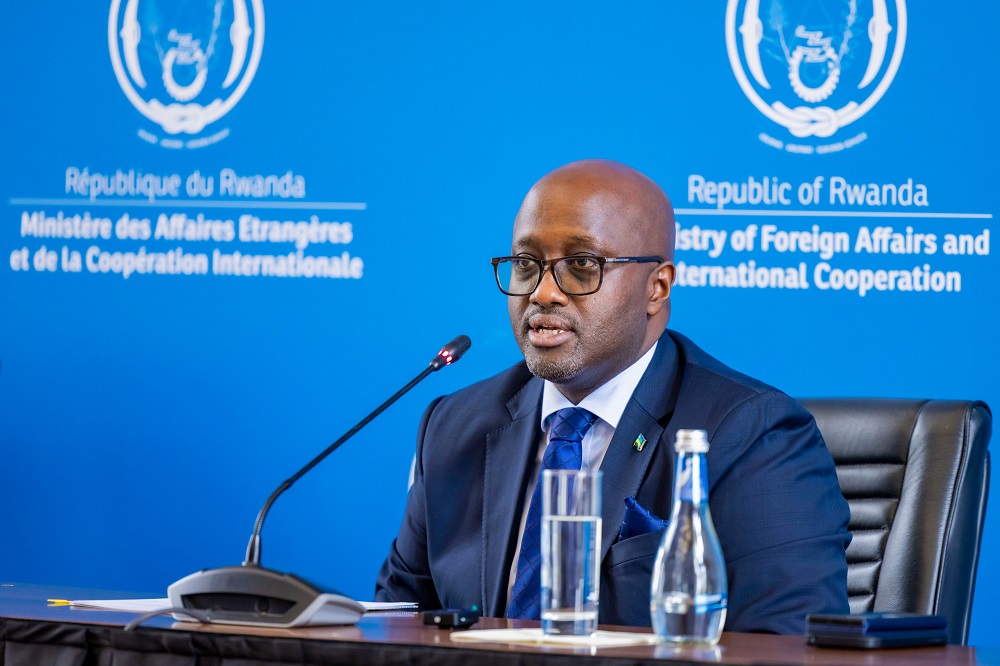
Rwanda’s Minister of Foreign Affairs and International Cooperation, Ambassador Olivier Nduhungirehe, has criticised the case filed by the DRC government before the ICJ.
Speaking to France 24 journalist Marc Perelman in a recent interview, Minister Nduhungirehe dismissed the move as “a political manoeuvre” by the Government of DRC which is collaborating with the FDLR genocidal group.
“First, who collaborates with the genocidal force? It is the Congolese government. Second, who is shelling the civilian population? It is the government of Tshisekedi. who is fueling hate speech against the Congolese Tutsi? There are people linked to Tshisekedi including former spokesperson of the army Maj. Gen. Sylvain Ekenge”
The Tshisekedi administration is accused of seeking to tarnish Rwanda’s image while ignoring violations of international law.
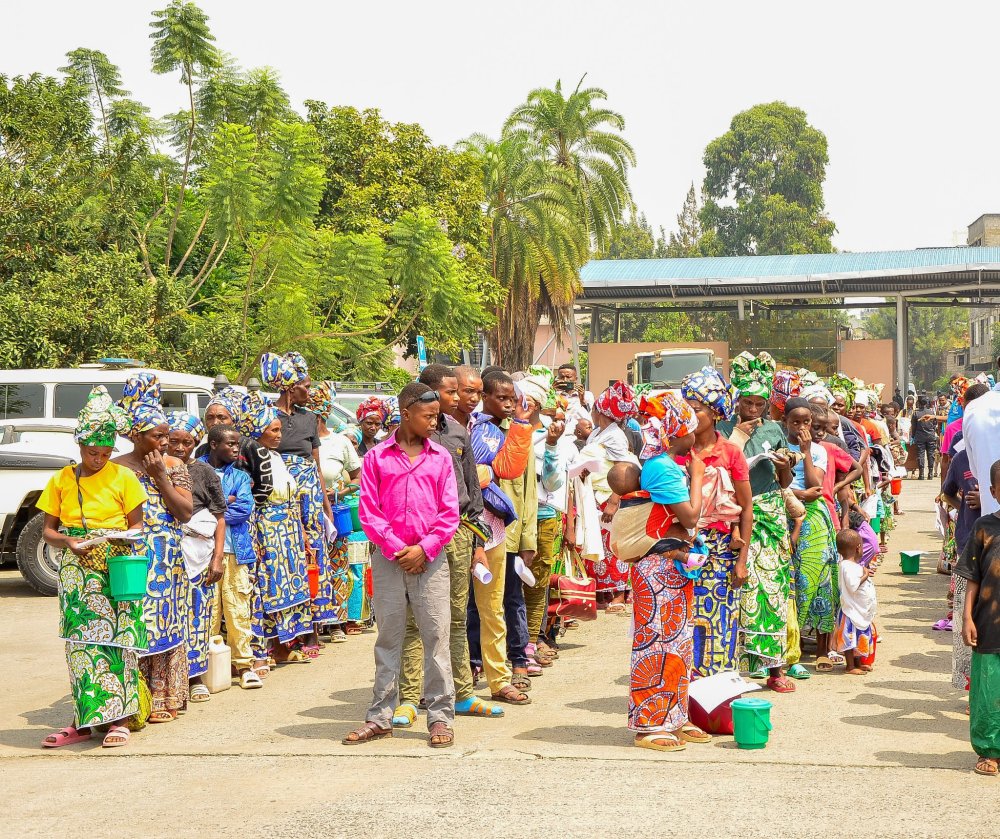
The returnees were received on on July 22, 2026, at the Grande Barrière border post in Rubavu District. They include 43 men, 115 women and 263 children from 136 families.
Among them was Mwemezi Dusabe, who returned from Kanyabayonga. She recounted that her husband and five of her children were killed, while she managed to return to Rwanda with her four surviving children.
Another returnee, Ndayambaje Sebutozi, who had been living in Rutongo in Rutshuru Territory, said he fled Rwanda in 1998. He explained that returning home was nearly impossible because anyone the FDLR suspected of planning to repatriate was killed.
Sebutozi said the security situation improved after the AFC/M23 captured Rutshuru, enabling him to finally decide to return to Rwanda.
He added that upon arriving in Rwanda, he found peace and was warmly welcomed. He used the opportunity to urge fellow Rwandans still living in the forests of eastern DRC to return home.
The Mayor of Rubavu District, Prosper Mulindwa, said the returnees will receive all necessary support to rebuild their lives and access opportunities they had previously been denied.
“We are grateful that they were able to learn the truth and free themselves from the captivity that prevented them from returning home,” he said.
“They will continue to receive support like all other Rwandans, in line with Rwanda’s policy of improving citizens’ livelihoods. They will benefit from programmes aimed at lifting people out of poverty, including Girinka and other development initiatives.”
The government assistance package includes initial financial support to help them restart their lives. Each returnee aged 18 and above will receive US$188, while those under 18 will receive US$113. In addition, every returnee will receive essential food supplies worth Rwf45,000.
Children made up the majority of the 421 Rwandans who returned home.The 421 Rwandans who had been held captive by the FDLR were received at the La Corniche border crossing upon their return to Rwanda.Rubavu District Mayor Prosper Mulindwa said the Rwandans who had been held captive by the FDLR will receive all the support and essential services needed to rebuild their lives.