The exchange unfolded on X after Hudson criticised the U.S. Embassy in Kigali for reposting U.S. Secretary of State Marco Rubio’s latest criticism of the ICC.
The embassy had shared Rubio’s statement declaring that the United States “will never surrender sovereignty to an unaccountable global tribunal” and announcing what he described as a comprehensive campaign to end what Washington calls the ICC’s “illegitimate overreach.”
Reacting to the embassy’s post, Hudson argued that Rwanda was an inappropriate example for the United States to use in criticising the court.
“This feels so discordant coming from our embassy in Kigali, a country that has benefitted from restorative and international justice and is often cited as a reason for creating the ICC,” Hudson wrote.
He argued that criticism of the ICC should also be accompanied by recognition of the role international justice mechanisms play in promoting accountability.
Responding directly to Hudson on Friday, Makolo said Rwanda has never regarded the ICC as central to its pursuit of justice.
“Rwanda is the wrong example to use to defend the ICC. We have consistently opposed the ICC as a selective, unaccountable institution which has been used to target Africans disproportionately,” Makolo wrote.
She explained that after the Genocide against the Tutsi, Rwanda established Gacaca, a community-based justice and reconciliation system that handled nearly two million cases over a ten-year period.
According to Makolo, the Gacaca courts delivered justice efficiently and at relatively low cost while uncovering the truth, ensuring accountability, and helping rebuild communities torn apart by the genocide.
“Gacaca was pivotal to Rwanda’s recovery, progress and stability,” she said. “A distant, biased court such as the ICC could never have delivered justice and reconciliation on that scale—not in our lifetime.”
Hudson, who is Managing Partner at political and investment risk advisory firm 54 Advisors, is an analyst specialising in African security, governance and geopolitical risk. He previously served in the U.S. government, including as Director for African Affairs at the White House National Security Council during the George W. Bush administration and as chief of staff to successive U.S. Presidential Special Envoys for Sudan.
The exchange comes amid renewed criticism of the ICC by the administration of U.S. President Donald Trump. In his statement, Rubio accused the court of attempting to become “the unaccountable arbiter of a new global law” with powers that threaten U.S. sovereignty.
“We will teach the ICC the full meaning of American resolve,” Rubio said.
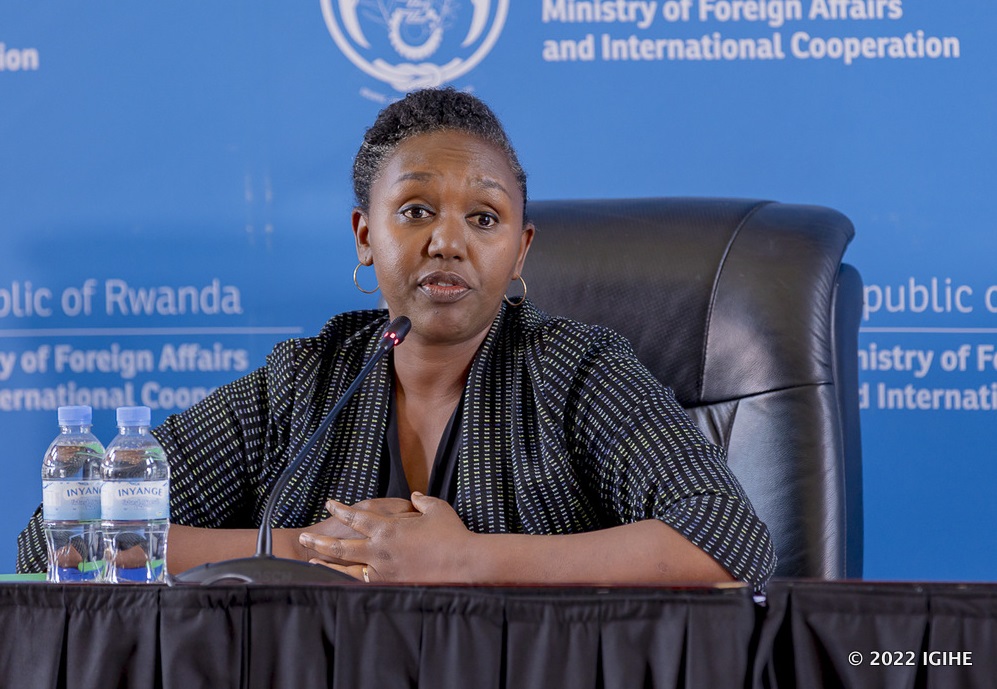
Rwanda’s Government Spokesperson, Yolande Makolo, has rejected claims by American analyst Cameron Hudson that Rwanda benefited from the International Criminal Court (ICC), insisting that the country has consistently opposed the Hague-based tribunal and instead relied on its home-grown Gacaca courts to deliver justice after the 1994 Genocide against the Tutsi.
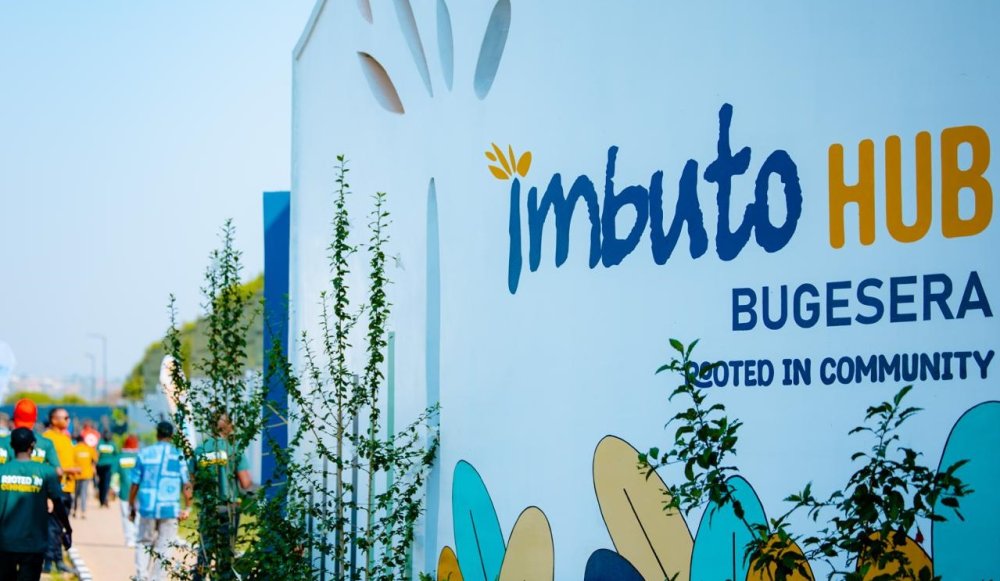
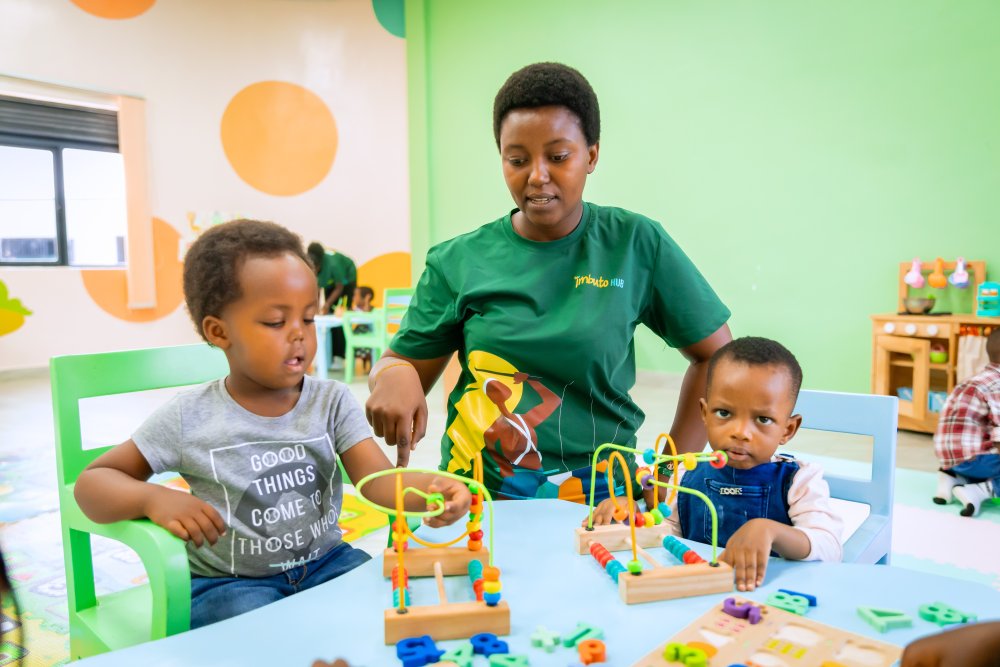
The initiative was unveiled on Friday, July 24, 2026, in Nyamata Sector, Bugesera District, where First Lady Jeannette Kagame inaugurated the first Imbuto Hub.
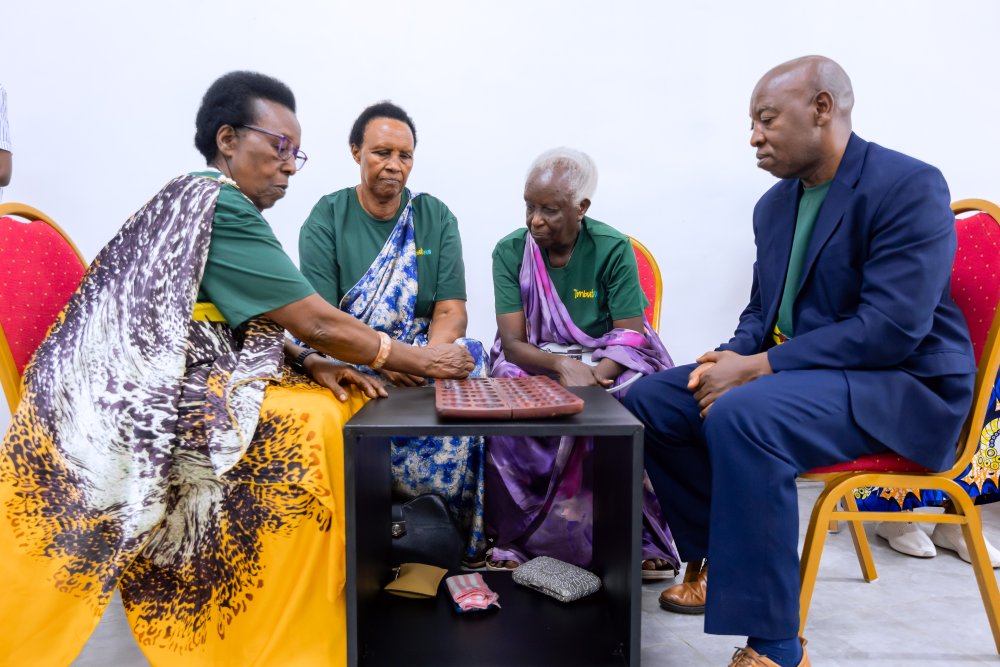
The Bugesera hub will provide a wide range of free services, including counselling on health and wellbeing, sports and recreation, digital skills, vocational training, early childhood care, and other community-focused programmes. The services are designed to benefit children, youth and adults.
Although the programme has begun in Bugesera, Imbuto Foundation plans to expand it to Kicukiro, Rwamagana and Muhanga districts in the next phase.
The foundation also intends to establish at least one Imbuto Hub in every district over the next five years to improve the wellbeing of families across the country.
As part of the initiative, the Kimisagara Youth Centre has already been renovated and equipped to offer the full range of services available at an Imbuto Hub.
The Imbuto Hubs project was conceived as Imbuto Foundation marked its 25th anniversary, representing a new approach to bringing essential services closer to communities.
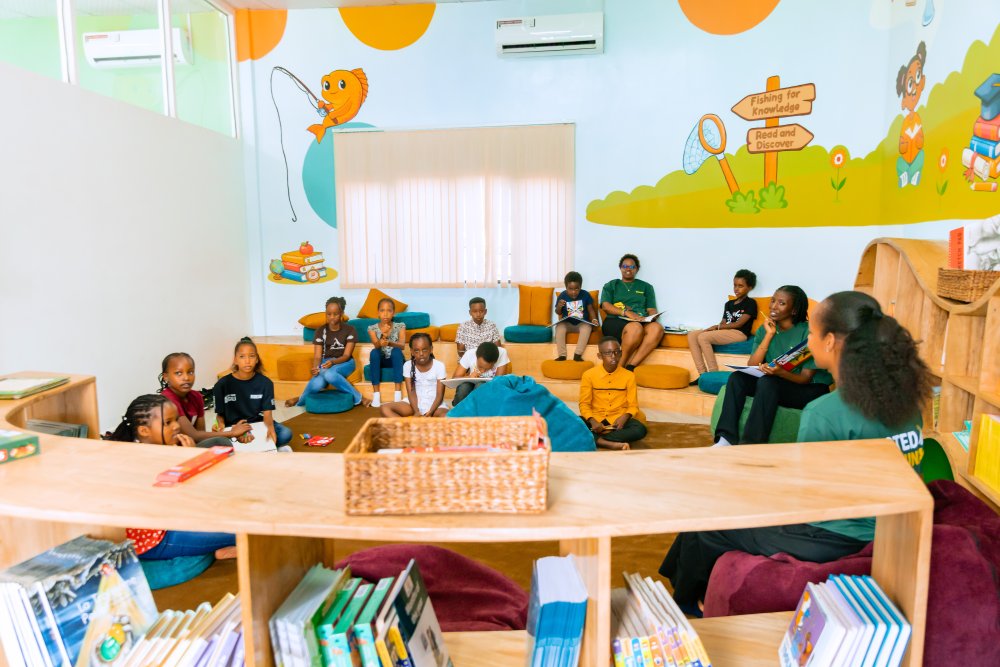
The Bugesera hub features sports facilities, recreational spaces, areas for community engagement, a library, and child-friendly spaces for young children, whether accompanied by parents or on their own.
The hubs will also host business and entrepreneurship advisers, innovation mentors, development partners and accomplished professionals who can inspire and guide young people.
Older youth will have access to vocational training in areas such as tailoring, hairdressing, carpentry, handicrafts, and literacy, among other skills. The specific vocational courses and services offered at each hub will be tailored to the needs of the surrounding community.
Speaking at the launch, Imbuto Foundation Director General Elodie Shami said the establishment of Imbuto Hubs is intended to strengthen families and communities by creating spaces where people can learn, connect and thrive.
She said this will be achieved through sports, recreation, early literacy programmes for children, technology and other community-based activities.
“This is the culture we want to build. It is not just the culture of Imbuto Foundation; it is something that is rooted in the community,” she said.
Shami stressed that the initiative is about more than constructing buildings.
“Buildings alone do not transform the wellbeing of families. It is people and our partners who make that happen. That is the journey we are inviting everyone to join. We are not simply asking for support to build structures; we are asking people to be part of building stronger families and communities,” she said.
Bugesera District Mayor Richard Mutabazi described the project as a major milestone for youth development, talent promotion and good governance.
He said the initiative was developed after assessing the needs of children and young people, resulting in facilities that include sports grounds, recreational spaces and other community services.
“Previously, young people in Bugesera had limited access to sports infrastructure, and the facilities that existed were outdated,” Mutabazi said.
“We are delighted that our youth now have a modern centre that will help them expand their knowledge, foster innovation and prepare them to contribute to the country’s development,” he added.
The newly launched Imbuto Hub in Bugesera will provide free services ranging from health counselling and digital skills training to sports, recreation and vocational education.The Imbuto Hubs initiative was conceived as Imbuto Foundation celebrated its 25th anniversary, introducing a new community-centred approach to family development.The Bugesera Imbuto Hub features modern sports facilities, a library, child-friendly spaces and community learning areas designed to strengthen family wellbeing.Children, youth and adults are expected to benefit from the wide range of free programmes offered through the Imbuto Hub in Bugesera.Imbuto Foundation Director General Elodie Shami says the Imbuto Hubs initiative is designed to strengthen families by creating spaces where communities can learn, connect and thrive.
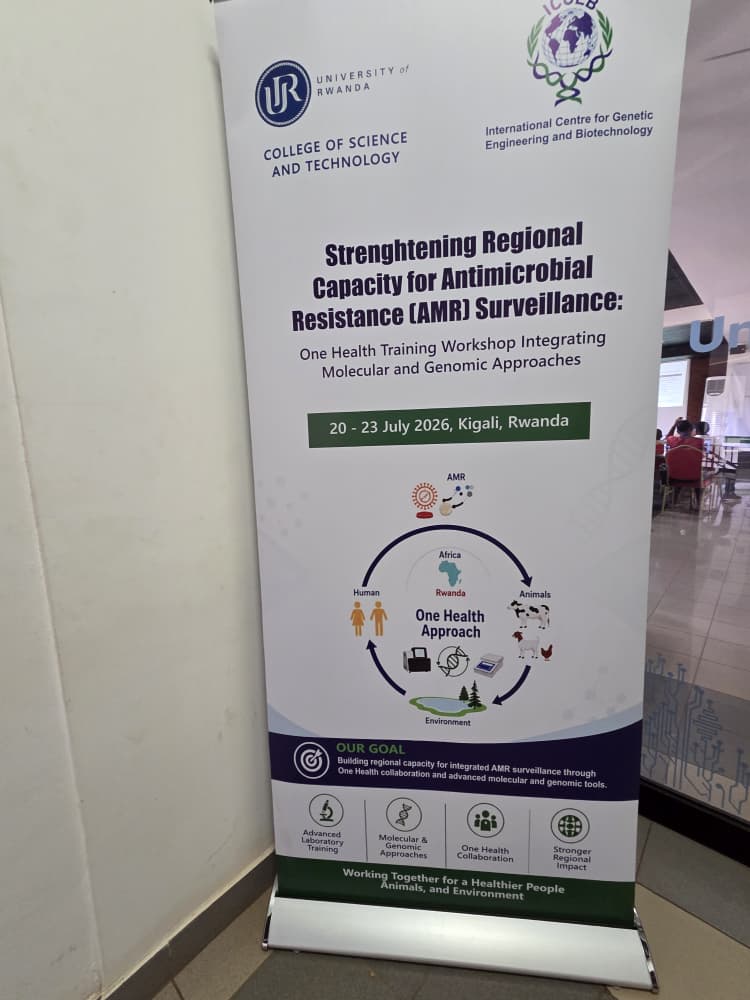
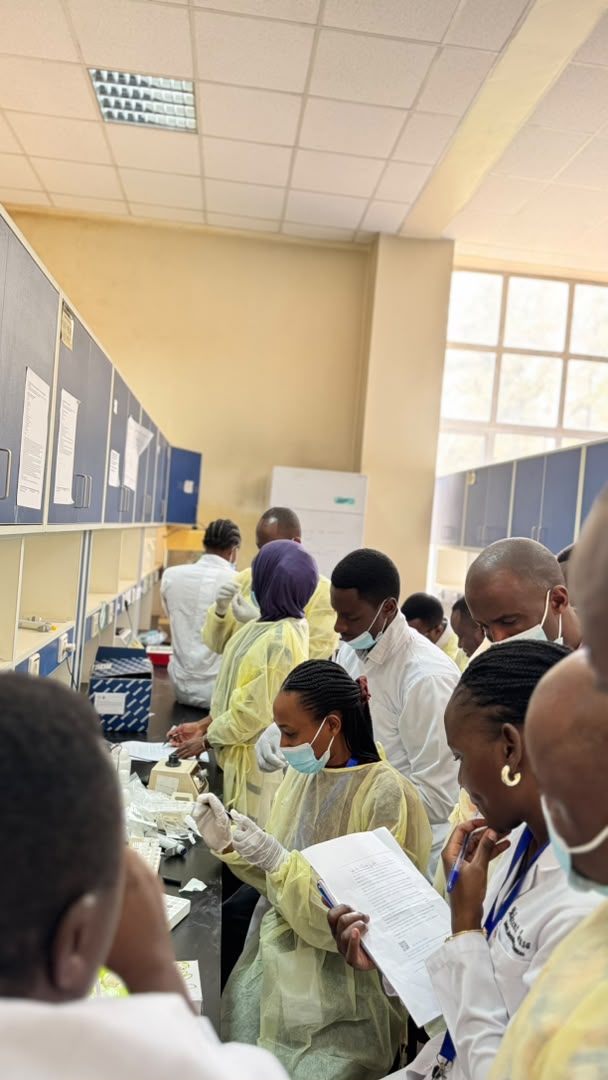
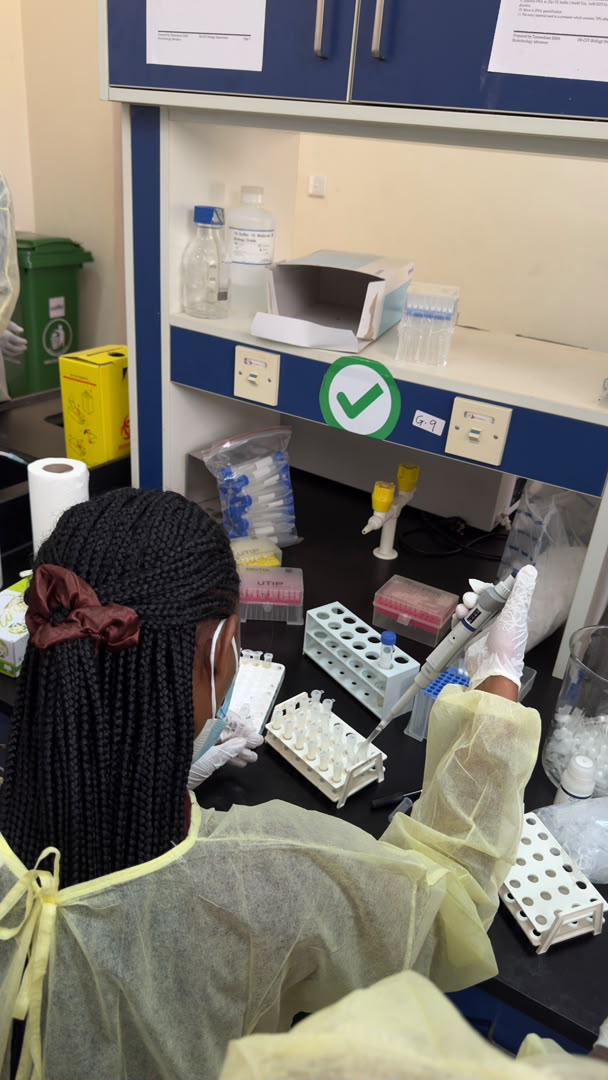
The four-day workshop, held from 20–23 July 2026 at UR-CST in Kigali, brought together 50 researchers, laboratory scientists, veterinarians, public health professionals, and academics from Rwanda, Ethiopia, Kenya, Tanzania, Burundi, and South Africa. Supported by funding from ICGEB and the University of Rwanda, the programme equipped participants with advanced knowledge and practical skills in molecular biology, genomics, bioinformatics, and integrated AMR surveillance.
Opening the workshop on behalf of the Dean of the School of Science, Prof. Banzi Wellars welcomed participants to the University of Rwanda and emphasized the importance of investing in scientific capacity to address AMR as one of today’s most pressing public health challenges. He encouraged participants to make the most of the opportunity to learn from leading experts and to build lasting professional networks that will strengthen AMR surveillance and research across the region.
Representing ICGEB, Prof. Stefano Cacciatore reaffirmed the organization’s commitment to supporting scientific excellence and capacity development in its member countries. He encouraged participants to take advantage of ICGEB’s research grants, fellowships, and training programmes that promote innovation and international scientific collaboration.
Speaking during the opening ceremony, Prof. Dieudonné Mutangana, ICGEB Liaison Officer in Rwanda and the Head of Biology Department at UR, highlighted the growing threat posed by AMR and the need for coordinated regional action.
“This workshop represents a critical step in addressing a mounting global public health threat that transcends boundaries, affecting humans, animals, food systems, and our environment alike.”
He commended the collaboration between UR and ICGEB for bringing together international and local expertise to strengthen Africa’s scientific capacity to respond to AMR.
Presenting the objectives of the workshop, Dr. Jean Paul Nshizirungu, the workshop coordinator, stressed that AMR requires collective action across institutions and borders. He noted that beyond strengthening technical competencies in AMR surveillance, the training was designed to foster long-term regional partnerships that will advance collaborative research, knowledge sharing, and evidence-based public health interventions.
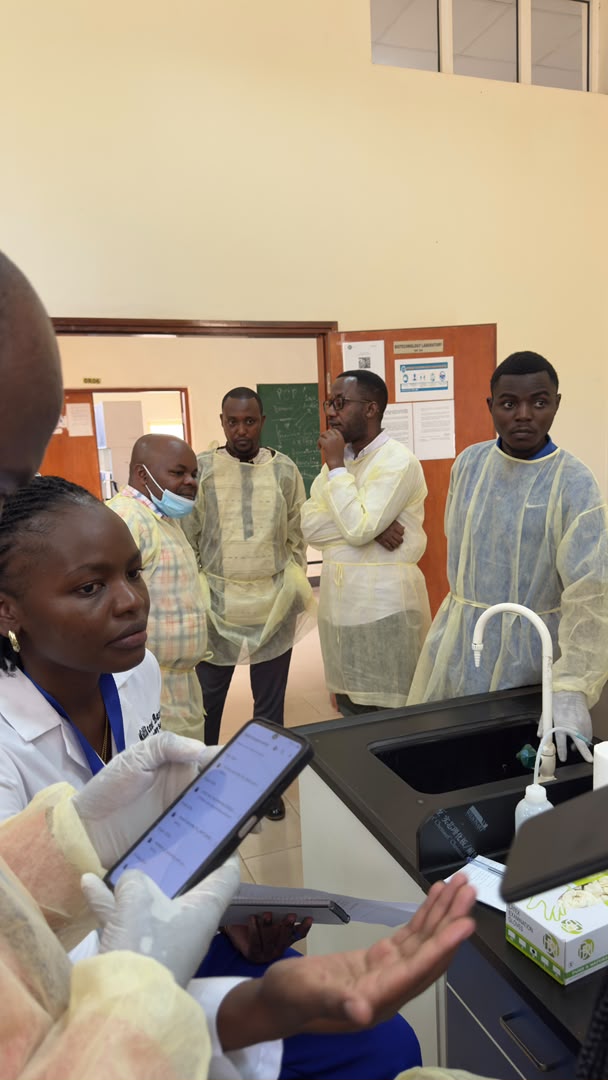
Throughout the programme, participants engaged in expert-led lectures and intensive laboratory practical sessions covering AMR from national, regional, and global perspectives.
The training focused on mechanisms and drivers of AMR, AMR surveillance data collection and analysis, molecular diagnostics, genomics and sequencing technologies, bioinformatics for AMR gene analysis, the One Health approach, and strategies for preventing AMR.
Speaking at the closing ceremony, the Principal of the UR-CST, Prof. Gatare Ignace, commended the organizers, facilitators, and participants for their commitment to strengthening regional scientific capacity. He encouraged participants to apply the knowledge and practical skills acquired during the workshop to improve AMR surveillance systems within their institutions and countries, emphasizing that the workshop’s impact would ultimately be reflected in stronger public health systems and enhanced research collaboration.
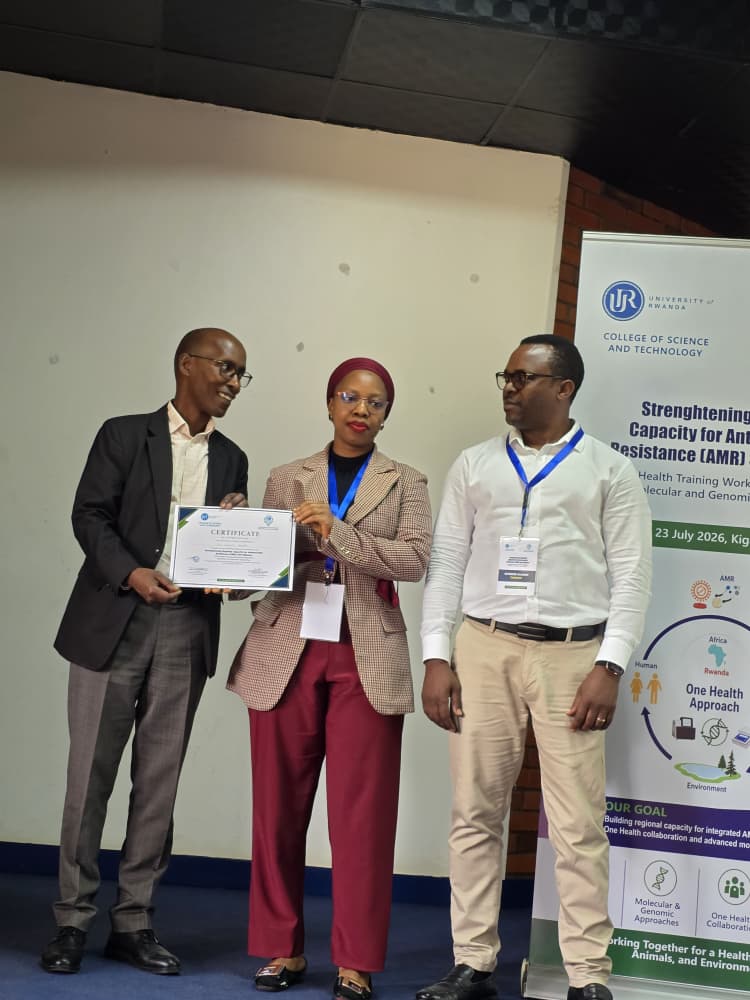
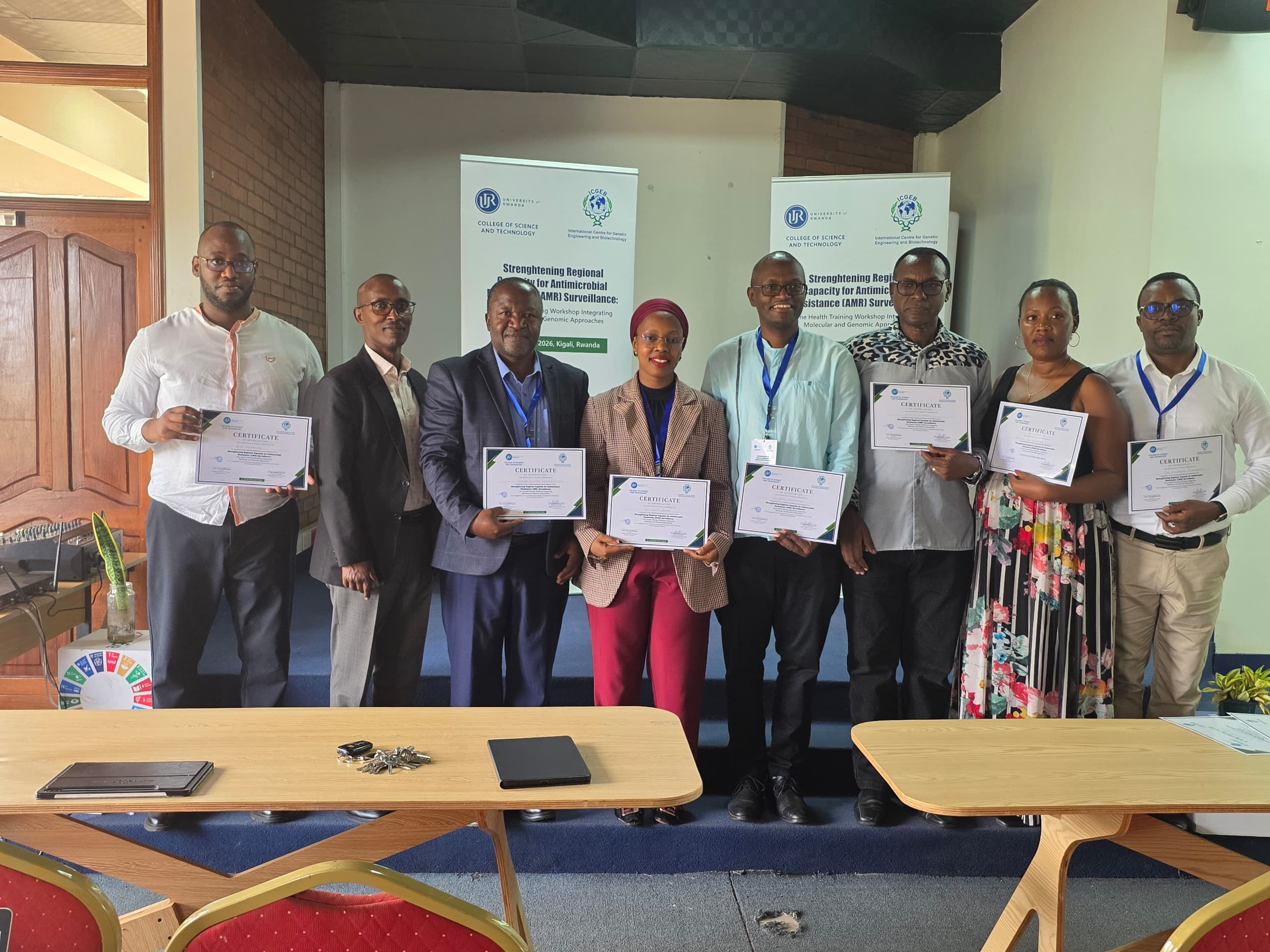
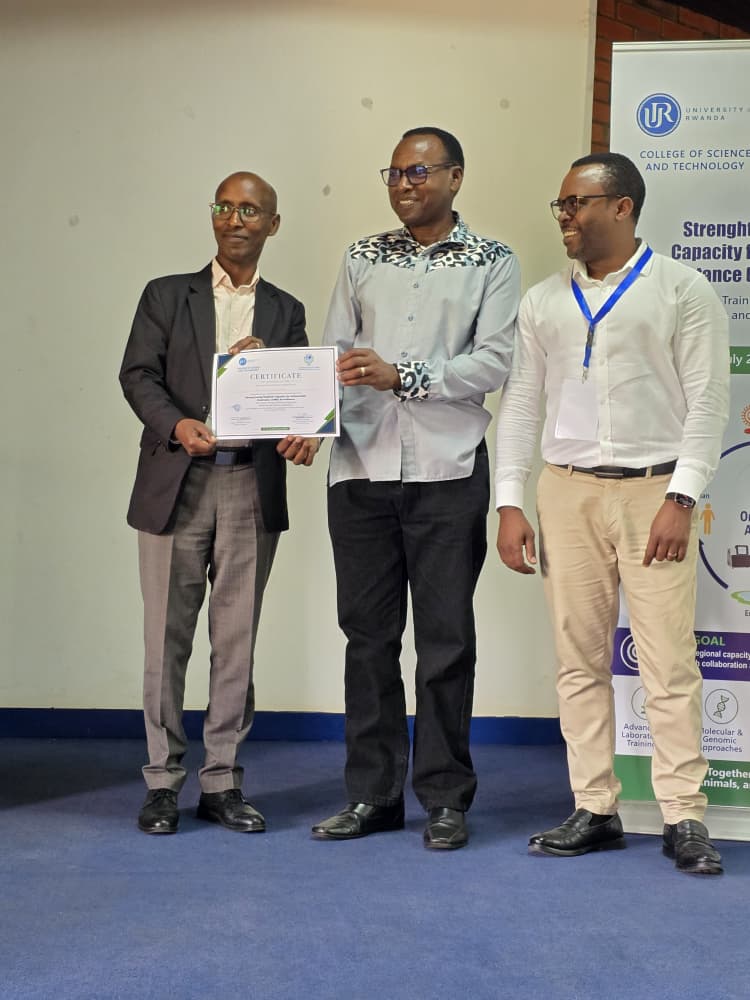
The workshop concluded with the awarding of certificates to participants, recognizing the successful completion of the intensive training programme.
Participants reaffirmed their commitment to strengthening collaboration, advancing research, and applying the knowledge gained to enhance antimicrobial resistance surveillance and response across the region.
By bringing together experts and participants from six African countries, the initiative underscores the University of Rwanda’s commitment to advancing scientific excellence, promoting regional partnerships, and developing the skilled human resources needed to address complex global health challenges.
The collaboration with ICGEB reflects a shared vision of strengthening Africa’s capacity to combat antimicrobial resistance through innovative research, knowledge exchange, and the One Health approach.
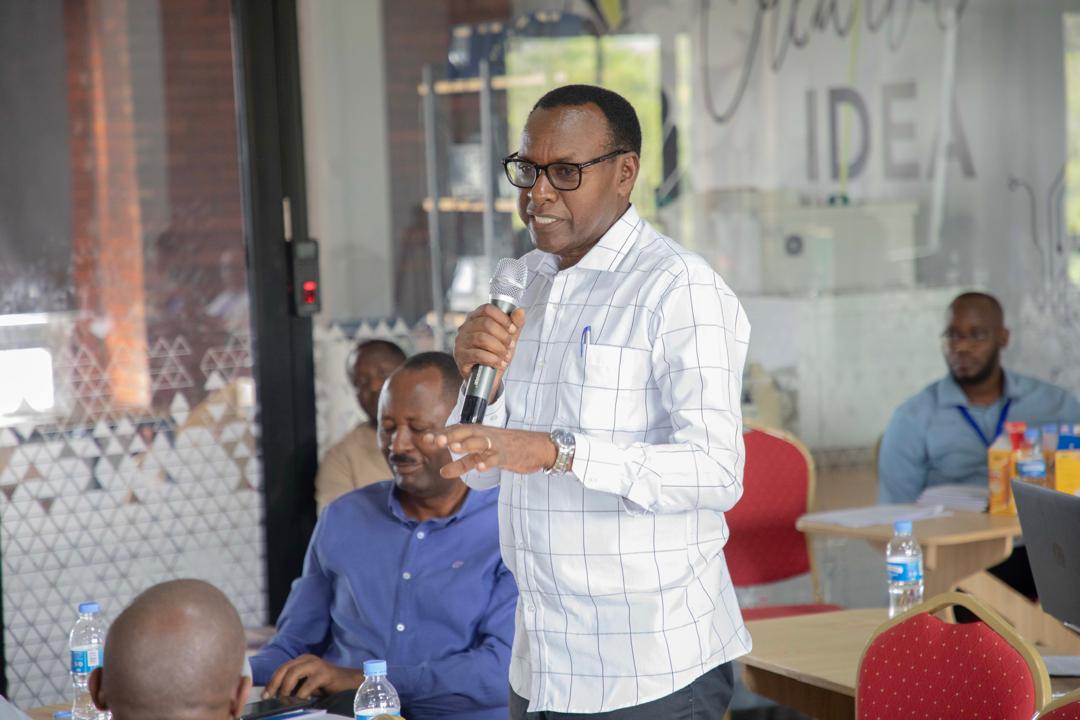
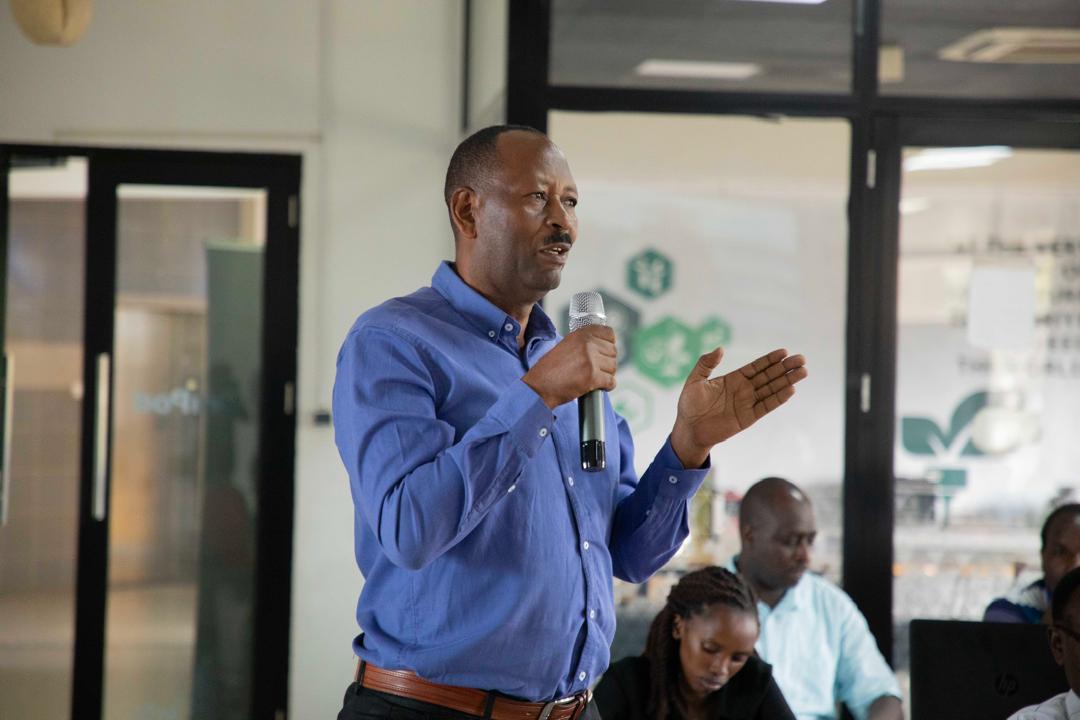
Participants posing for a photo after the One Health training workshop.Experts shared knowledge on antimicrobial resistance during the regional workshop.Researchers and health professionals from six African countries took part in the training.Scientists engaged in practical laboratory sessions during the four-day training.Participants gained hands-on skills in genomics and bioinformatics during the workshop.Participants received certificates after completing the AMR training programme.The training on antimicrobial resistance surveillance was hosted by UR-CST.
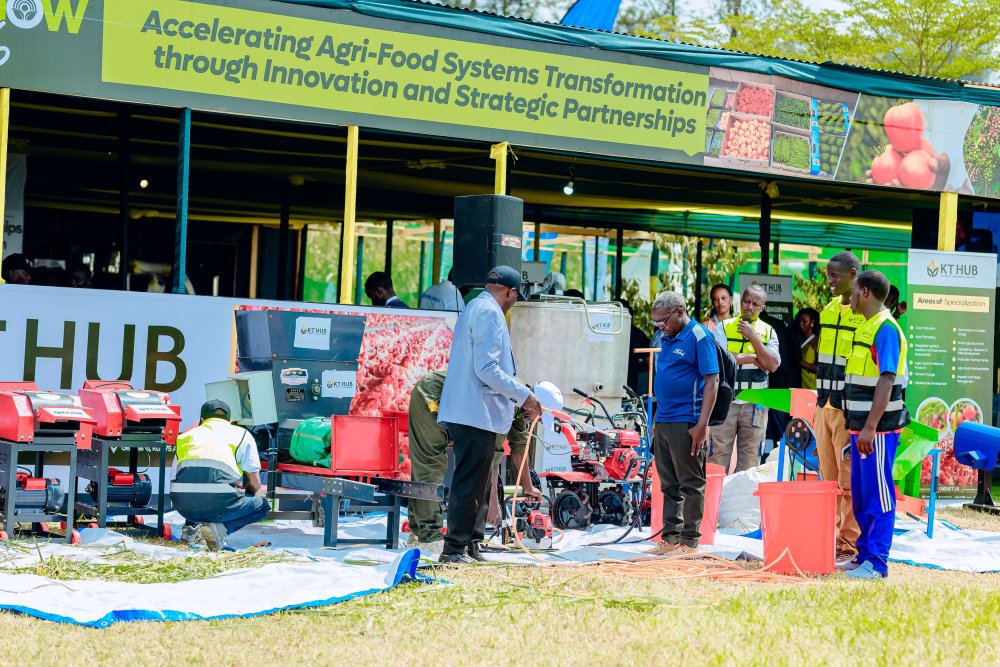
The technology, developed by KT Hub, Rwanda-based integrated agricultural and agribusiness hub, was unveiled during the 19th Rwanda Agricultural Show organised by the Ministry of Agriculture and Animal Resources (MINAGRI).
The innovation uses advanced cameras to examine animals before artificial insemination, allowing veterinarians to identify possible reproductive health challenges and confirm whether the semen being used is of good quality before it is introduced.
The exhibition was officially opened on July 23, 2026, at Mulindi in Kigali and will continue for 10 days, bringing together farmers, agricultural companies, researchers, government officials and other stakeholders to showcase innovations transforming Rwanda’s agriculture and livestock sectors.
MINAGRI revealed that this year’s exhibition attracted more than 600 exhibitors, including individuals, groups and companies from Rwanda and abroad. The number has increased compared to more than 500 exhibitors recorded in 2025 and about 300 exhibitors approximately five years ago.
Among the major innovations showcased was KT Hub’s artificial insemination technology, which seeks to address one of the challenges faced by livestock farmers where animals fail to conceive after insemination despite farmers following the required procedures.
KT Hub Managing Director Kabahizi Théoneste told IGIHE that the company developed the technology in partnership with the Rwanda Agriculture and Animal Resources Development Board (RAB), covering the entire process from importing animal semen to delivering it to veterinarians responsible for carrying out insemination.
He explained that the technology helps determine why artificial insemination may fail, especially in situations where farmers are unable to identify the exact cause.
“Sometimes semen can be collected properly from a male animal and stored under the right conditions, but when it is introduced into a cow or another animal, it may fail because it was wrongly placed. Some farmers believe that if a cow shows signs of fertility in the evening, it should be artificially inseminated the following morning for a better chance of conception.
However, the camera helps determine whether the reproductive system has any problems and whether it is the appropriate time for insemination,” Kabahizi said.
He added that some animals fail to conceive because of infections or other reproductive health problems that may not be visible without proper examination.
“There are cases where the area where insemination is performed has infections or other conditions that prevent successful fertilisation.
With this technology, veterinarians first examine the animal using a camera. If a problem is detected, treatment is provided before insemination is attempted again. In some cases, hormonal treatment can also be used to make the animal ready for breeding sooner,” he explained.
The technology also includes another camera designed to examine semen quality before insemination. Veterinarians capture an image of the semen, and the system provides information showing whether it is still healthy and suitable for use.
Kabahizi said KT Hub is also promoting improved cattle breeds from Brazil, which are expected to produce higher-quality milk. He noted that future generations of these cattle could produce between 25 and 30 litres of milk per day.
KT Hub introduced the technology to the government, and following its launch, the solution will gradually be made available to livestock farmers across the country.
The company also supplies animal semen and has the capacity to store up to 10 million doses, ensuring a reliable supply for artificial insemination programmes.
Veterinarians will receive specialised training on how to use the technology before being equipped with the necessary tools, including two cameras, to provide artificial insemination services to farmers.
Speaking at the exhibition, Minister of Agriculture and Animal Resources Dr. Telesphore Ndabamenye said this year’s theme focuses on promoting innovation in agriculture and livestock, noting the importance of the sectors to Rwanda’s economy.
He said agriculture and livestock contribute nearly 19 percent of Rwanda’s Gross Domestic Product (GDP), while about 70 percent of industries in the country depend on agricultural production.
“These figures show that improving agricultural and livestock production cannot be achieved without innovation and partnerships aimed at addressing the challenges affecting these sectors in Rwanda,” Dr. Ndabamenye said.
He added that the innovations showcased during the exhibition demonstrate potential solutions to challenges facing farmers, making it important to bring together innovators, stakeholders and users to discuss and promote their adoption.
The Minister said that, some of the showcased technologies could begin being implemented during the 2027 A farming season, with continued government support.
According to MINAGRI, Rwanda’s milk production has increased significantly over the past 14 years, tripling from 334,727 tonnes in 2010 to 1,092,430 tonnes in 2024.
During the same period, annual milk consumption per person increased from 37.3 litres to 79.9 litres, reflecting growth in the country’s dairy sector.
Modern agricultural equipment was also showcased.Rwanda’s Minister of Agriculture and Animal Resources, Dr. Telesphore Ndabamenye, said that innovation in agriculture and livestock is essential, noting that the sectors contribute nearly 19 percent of the country’s Gross Domestic Product (GDP).
The 19th Agricultural Show has officially opened. KT Hub Managing Director, Kabahizi Théoneste, said that the technology-based artificial insemination programme for cows and pigs will help address challenges where animals fail to conceive after being inseminated.
During his two years in office, Starmer’s approach to Rwanda was defined less by efforts to strengthen ties and more by his decision to end the UK’s asylum partnership with the country.
Relations between the two countries deteriorated further as conflict intensified in eastern Democratic Republic of Congo (DRC), prompting the UK to impose sanctions on Rwanda over allegations of its involvement in the conflict.
Ending the Rwanda asylum plan
Starmer entered office promising to immediately end the policy of sending asylum seekers to Rwanda. He fulfilled that pledge as soon as he became Prime Minister on July 5, 2024, arguing that the scheme was a waste of taxpayers’ money.
The decision left Rwanda taking the UK to international arbitration, seeking compensation for payments it said were still owed after it had already invested heavily in preparations to receive asylum seekers.
At the same time, Starmer’s government suspended some UK financial support to Rwanda, citing contested allegations that Rwanda was involved in the conflict in eastern DRC.
Why did Starmer leave office?
On June 22, 2026, Starmer announced he would resign as leader of the Labour Party after mounting pressure from Labour MPs and ministers.
Many within the party feared he would not be the right person to lead Labour into the next general election as Nigel Farage’s Reform UK gained momentum among British voters.
The election of Andy Burnham as MP for Makerfield in northern England further intensified pressure on Starmer and marked the beginning of the end of his leadership.
Starmer agreed to step aside and pledged to support a smooth transition. He remained Prime Minister until July 20, 2026, when Burnham officially took office.
His departure followed declining public approval, criticism of his domestic policies, concerns over the economy and cost of living, and fears Labour could lose the next general election.
The Rwanda deal that defined his tenure
The UK-Rwanda Migration and Economic Development Partnership was launched in April 2022 under Conservative Prime Minister Boris Johnson.
The agreement provided for some asylum seekers who entered the UK through irregular routes—particularly those crossing the English Channel in small boats—to be relocated to Rwanda, where their asylum claims would be processed.
Supporters argued the plan would deter people-smuggling gangs that profit from illegal migration and often put migrants’ lives at risk.
The first deportation flight was due to leave on June 14, 2022, but was halted at the last minute following an interim ruling by the European Court of Human Rights.
In November 2023, the UK Supreme Court ruled that the scheme was unlawful, citing concerns that asylum seekers sent to Rwanda could ultimately be returned to countries where they faced persecution.
The government of Rishi Sunak responded by signing a new treaty with Rwanda in December 2023 and passing legislation declaring Rwanda a safe country for asylum seekers.
Although Parliament approved the legislation, the plan had not been implemented by the time Starmer took office in July 2024.
Opposition before taking office
Starmer opposed the Rwanda policy long before becoming Prime Minister. In June 2022, while serving as Leader of the Opposition, he dismissed the plan as a distraction rather than a genuine solution to irregular migration.
He argued that small-boat crossings should instead be tackled through closer cooperation with France, European law enforcement agencies and efforts to dismantle people-smuggling networks before migrants reached the UK’s shores.
Starmer maintained that individuals with no legal right to remain in Britain should be returned to their countries of origin, but insisted that deporting them to Rwanda was expensive and ineffective.
On May 10, 2024, during a speech in Dover, he publicly pledged that if elected Prime Minister, he would immediately cancel the Rwanda plan.
He described it as a political “gimmick” designed to appeal to voters without solving the migration crisis.
Instead, he promised to redirect the funding into establishing a new Border Security Command bringing together investigators, intelligence officers, border officials and police.
He also argued that anti-terrorism legislation could be used to target criminal gangs involved in people smuggling.
Labour’s 2024 election manifesto similarly pledged that money allocated to the Rwanda scheme would instead be invested in border security and combating organised crime.
“Dead and buried”
Labour won the July 4, 2024 general election, making Starmer Prime Minister. During his first press conference on July 6, he confirmed that the Rwanda asylum plan had been scrapped.
He famously declared that the scheme was “dead and buried before it started,” arguing it had never served as a deterrent to irregular migration.
The decision halted deportations to Rwanda but did not automatically terminate the legal agreement between the two countries.
Rwanda insisted it was under no obligation to refund money already received because it had fulfilled its commitments, including preparing accommodation, staffing and reception facilities for relocated migrants.
Arbitration over payments
Rwanda argued that the UK still owed scheduled payments for 2025 and 2026. On November 24, 2025, Rwanda filed a case before the Permanent Court of Arbitration in The Hague, with the claim becoming public in January 2026.
Kigali sought more than £100 million, including two scheduled payments of £50 million each, as well as additional damages for what it described as a breach of contract.
The UK maintained that both governments had agreed in November 2024 that no further payments would be made.
The agreement was formally terminated on March 16, 2026. An arbitration ruling issued on June 1, 2026, rejected Rwanda’s claim for additional payments. Rwanda accepted the decision and announced it would not appeal.
Tensions over DRC conflict
Migration was not the only issue that strained UK-Rwanda relations during Starmer’s tenure. In early 2025, fighting escalated in eastern DRC as AFC/M23 captured Goma and Bukavu. The UK accused Rwanda of supporting the rebel group and deploying troops in Congolese territory.
Rwanda consistently rejected the allegations, maintaining that its defensive measures were aimed at protecting its national security by countering the FDLR militia and other armed groups it says threaten the country.
On February 25, 2025, the UK announced a series of measures against Rwanda. These included suspending high-level participation in Rwandan government events, limiting trade promotion activities, freezing direct financial assistance to the Rwandan government, except for support benefiting the vulnerable communities, and suspending future defence training.
London also said it would review export licences for military-related equipment destined for Rwanda and consider additional sanctions in coordination with international partners.
Rwanda condemned the measures as unjustified sanctions that demonstrated the UK’s bias in the conflict. Kigali argued that it could not be expected to compromise its own national security or that of its citizens.
As of April 2026, the UK maintained that the measures introduced in 2025 remained in place while continuing to call on all parties to implement the commitments contained in regional peace agreements.
Migration challenge remains
Although Starmer fulfilled his pledge to end the Rwanda scheme, irregular migration to the UK continued.
Since he took office, more than 77,000 migrants have reportedly entered the UK through irregular routes, raising questions among critics about whether abolishing the Rwanda policy has helped address the small-boats crisis.
Sir Keir Starmer’s two-year tenure as United Kingdom Prime Minister came to an end on July 20, 2026.
The platform was officially unveiled on July 23, 2026, during an event that brought together NCBA Bank Rwanda officials, partners, customers and social media influencers.
ConnectPlus is designed to support businesses, particularly large enterprises, by providing them with a convenient digital solution to manage their banking needs without having to visit physical bank branches.
Through the platform, businesses will be able to process payments, manage employee salaries, monitor accounts and conduct various financial transactions in a faster, safer and more efficient way.
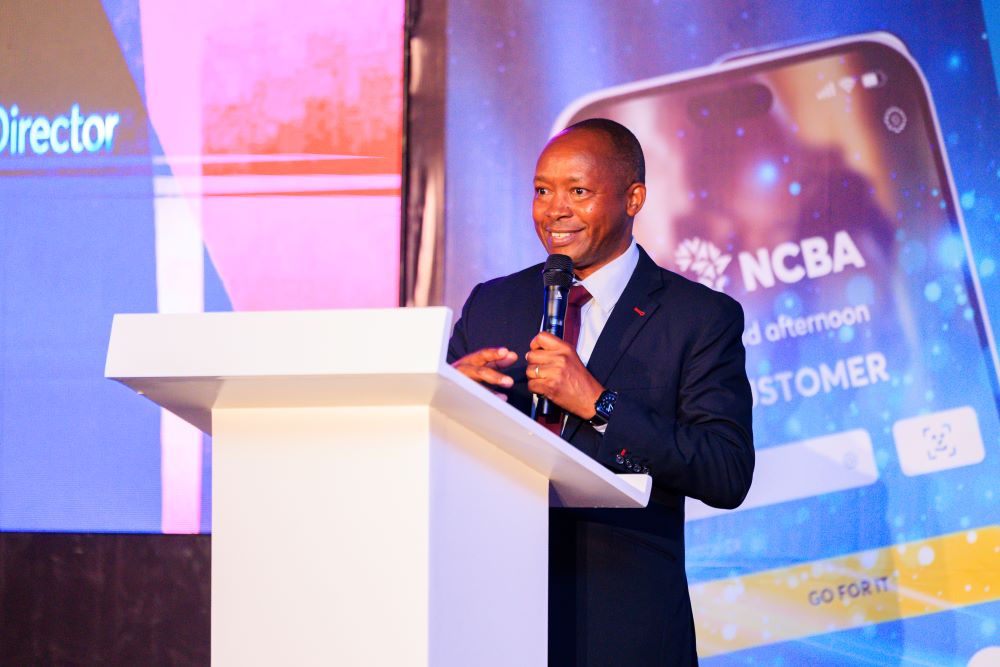
Speaking during the launch, NCBA Bank Rwanda Managing Director and CEO Maurice Toroitich said the introduction of ConnectPlus reflects the bank’s commitment to using technology to improve customer experience and make financial services more accessible.
He explained that the bank is focused on developing digital solutions that allow customers to access services wherever they are while saving time and improving convenience.
“Technology is one of our key priorities at NCBA Bank. We want our customers to access our services without necessarily visiting our branches, but instead use digital solutions that allow them to manage their financial needs easily using their phones,” Toroitich said.
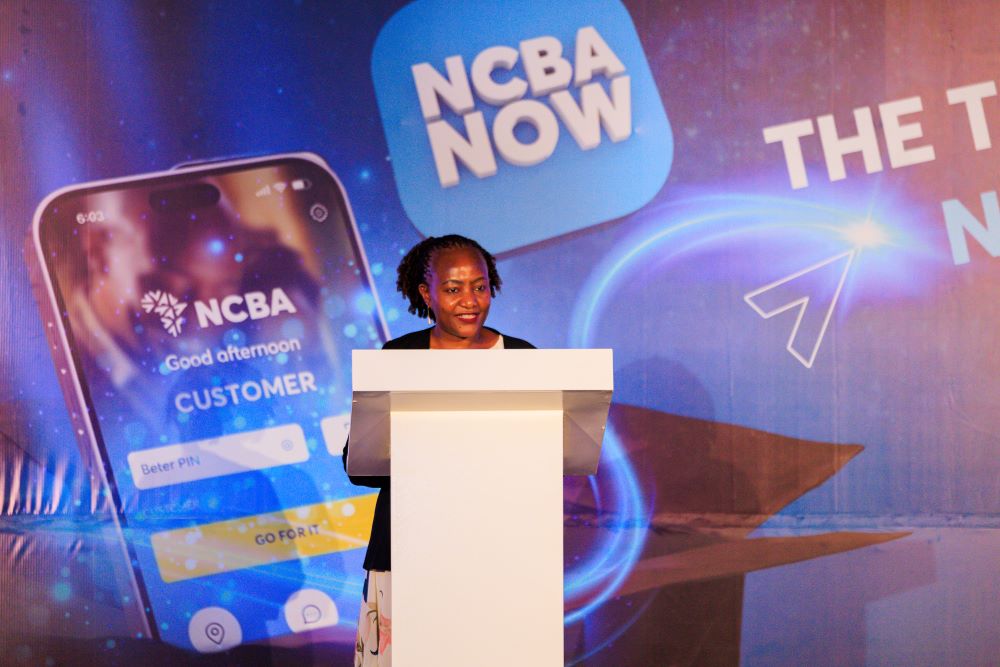
Catherine Ngali, Senior Manager of Channels and Product Development at NCBA Bank Rwanda, said the launch of NCBA NOW and NCBA ConnectPlus marks an important step in the transformation of banking services.
She noted that the platforms are designed to make financial services more convenient for both individual customers and businesses by providing simple, secure and efficient ways to access and manage their accounts.
Samuel Gatari the Head of Retail Banking and Branch Network at NCBA Bank Rwanda revealed that the bank’s mobile financial service, MoKash, has already attracted more than five million customers, with young people accounting for about 60 percent of its users.
He said the growing number of digital banking users demonstrates the increasing demand for technology-driven financial solutions that make banking services more accessible.
NCBA Bank Rwanda is a subsidiary of NCBA Group, a financial institution operating in five African countries: Kenya, Uganda, Tanzania, Rwanda and Côte d’Ivoire.
The bank began operations in Rwanda in 2016 and currently operates branches in Kigali, as well as Musanze, Nyagatare, Rubavu, Kayonza and Rusizi districts.
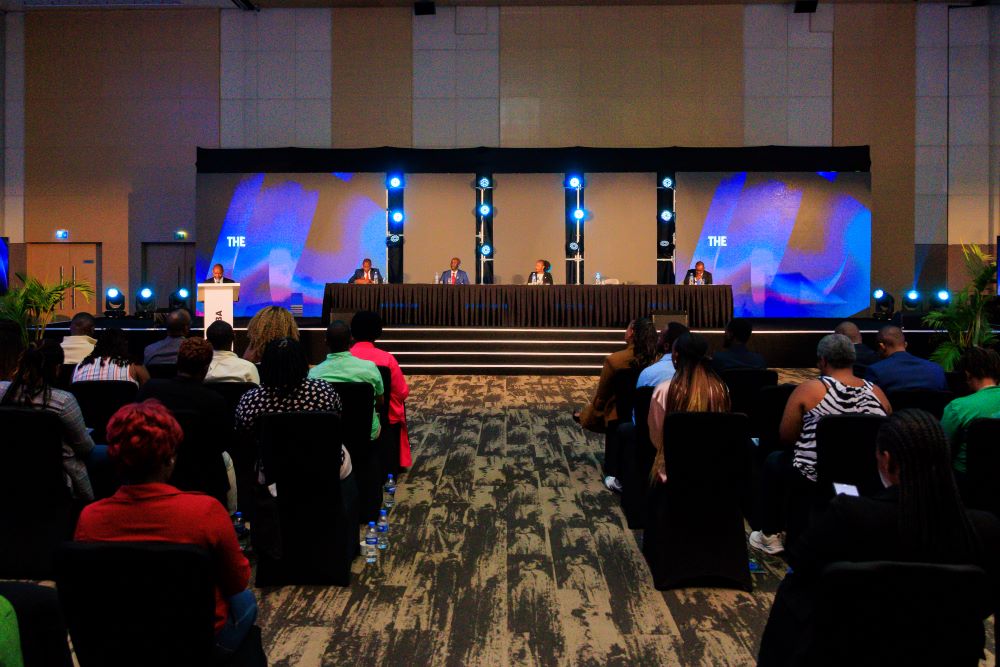
Catherine Ngali, the Senior Manager of Channels and Product Development at NCBA Group, stated that NCBA NOW and NCBA ConnectPlus represent a new milestone in the transformation of digital banking services.NCBA Bank Rwanda Managing Director and CEO Maurice Toroitich said that the platforms were introduced to enable customers to access and use the bank’s services without having to visit its physical branches.The event was attended by NCBA Bank Rwanda officials, partners and customers.Rwandan artist Ariel Wayz entertained attendees during the event.NCBA Bank Rwanda has launched a digital platform to help customers access its services through technology.
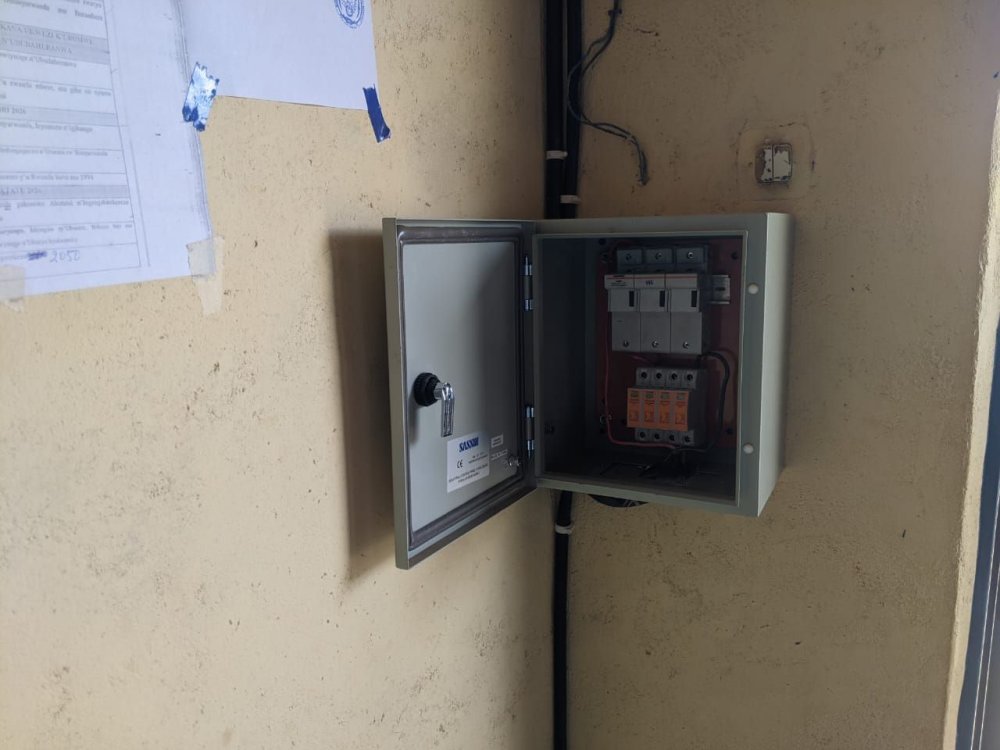
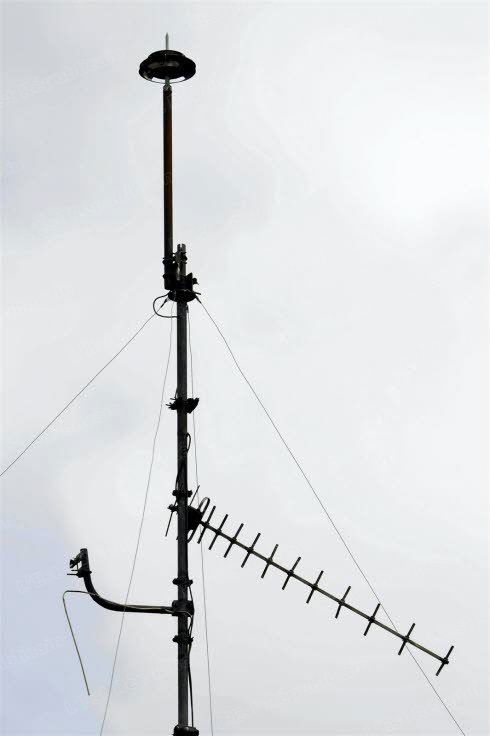
The disclosure was made by the Director General of Surveillance and Preparedness at MINEMA, Christine Niyotwambaza, on July 23, 2026, during the inauguration of high-capacity lightning protection systems installed at GS Musango and Musango local church center, in Rwankuba Sector, Karongi District.
They are located in one of the five sectors in Karongi District that are frequently affected by lightning strikes.
Residents say lightning remains a deadly threat in the area.
John Dushimimana, a resident of Rwankuba Sector, told IGIHE that lightning has repeatedly claimed lives, killed livestock and damaged electrical appliances. “I know more than seven people from Rwankuba Sector who have died after being struck by lightning. The main reason is that we do not have lightning protection systems in our homes. We do not know where to buy them or how much they cost,” he said.
Karongi District Vice Mayor in charge of Economic Development, Julienne Ntakirutimana, said the sectors most vulnerable to lightning are Rwankuba, Gitesi, Ruganda and Rugabano because they lie along the Congo-Nile Ridge, where high-altitude terrain makes lightning strikes more common.
Niyotwambaza said the high cost of lightning protection systems is the main reason many households remain unprotected.
“Lightning protection systems are very expensive. You cannot find one costing less than Rwf3 million,” she said.
She revealed that MINEMA, in partnership with RP Karongi College, the Rwanda Standards Board (RSB) and the National Council for Science and Technology (NCST), is set to assess a locally developed lightning protection system next week.
According to Niyotwambaza, Rwanda currently lacks the capacity to certify the equipment, meaning it will be sent abroad for technical evaluation.
“If experts who specialize in lightning protection confirm that it meets the required safety standards, we will move to the next stage of manufacturing it locally. Once production begins in Rwanda, we will also work on reducing its cost so that ordinary citizens can afford to install it on their homes,” she said.
MINEMA statistics show that over the past four years, lightning strikes have killed 287 people and left more than 950 others with permanent disabilities.
Amiri Mugarura, an official at Otawa, a company that distributes lightning protection systems in Rwanda, said plastering houses with cement and wearing plastic-soled shoes can reduce the risk of being struck by lightning by up to 85 percent.
Officials inaugurated high-capacity lightning protection systems at GS Musango and Musango Local Church Centre in Karongi District, one of the areas most vulnerable to lightning strikes.MINEMA says locally developed lightning protection systems will undergo technical assessment as Rwanda seeks to reduce costs and expand access to the life-saving technology.Christine Niyotwambaza, Director General of Surveillance and Preparedness at MINEMA, said Rwanda is working toward local production of lightning protection systems to make them more affordable for households.
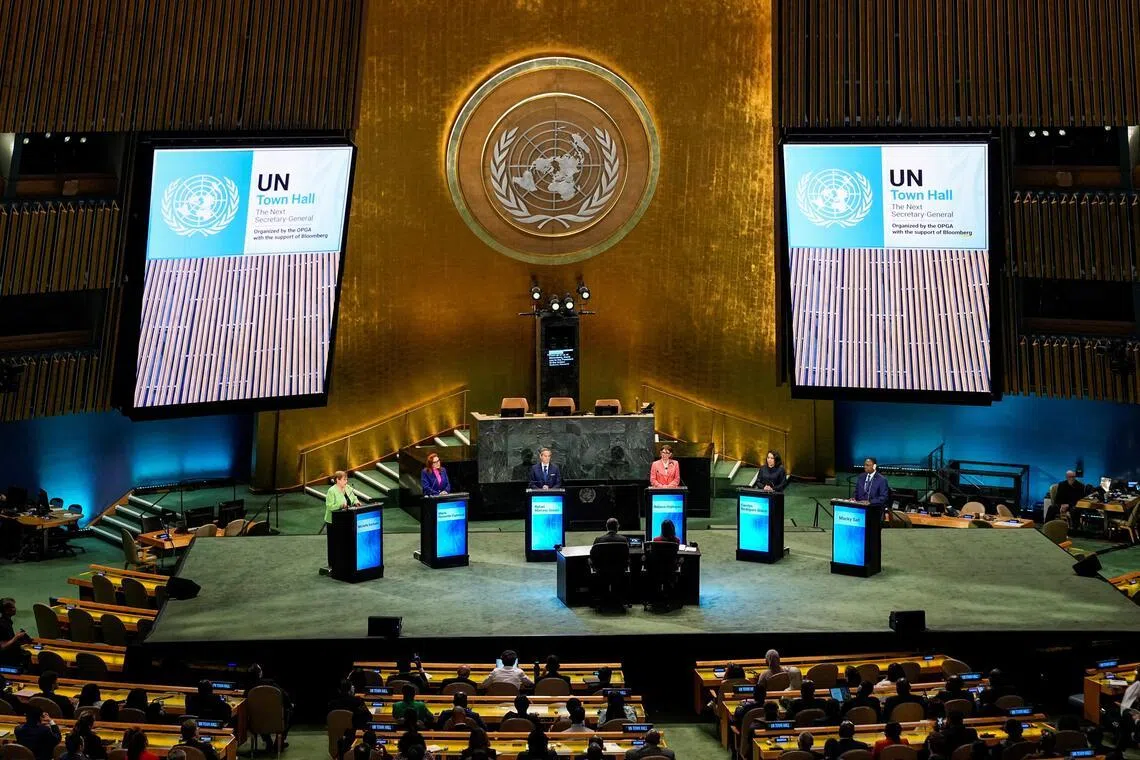
The meeting, organized by UN General Assembly President Annalena Baerbock, with the support of media company Bloomberg, was streamed live on UN Web TV and Bloomberg platforms.
“Today marks a critical step in the selection of the next secretary-general of the United Nations, probably one of the most challenging but also most honorable jobs in the world,” said Baerbock in her opening remarks.
“The person we choose will not only be the face of this house of humanity but also its custodian. She or he will stand up for the United Nations Charter and all three pillars — peace and security, sustainable development and human rights — in a time of unprecedented challenges yet also new opportunities,” she said.
The six candidates — Michelle Bachelet, former Chilean president and former UN high commissioner for human rights; Maria Fernanda Espinosa, former UN General Assembly president and former foreign minister and defense minister of Ecuador; Rafael Mariano Grossi of Argentina, current director general of the International Atomic Energy Agency; Rebeca Grynspan, former vice president of Costa Rica; Carolyn Rodrigues Birkett, Guyana’s permanent representative to the United Nations; Macky Sall, former president of Senegal — attended the meeting and answered questions from both Bloomberg mediators and audience members.
At the end of the meeting, the six candidates were asked to outline their priorities for their first 100 days as UN secretary-general if elected.
The term of the current UN secretary-general, Antonio Guterres, expires at the end of this year. The next secretary-general will take over on Jan. 1, 2027.
Six candidates are competing to succeed current UN Secretary-General Antonio Guterres, whose term ends in 2026.
“Seizing another nation’s assets to pay for unrelated future claims is an incendiary precedent,” he said on X. “Those who celebrate or profit from such funds should remember: once governments normalize confiscation, no one’s assets are safe. Ensuing chaos will not be pretty or peaceful.”
Araghchi’s remarks came as U.S. President Donald Trump said Thursday that “any and all damages done to Ships, Cargo, or anything related thereto, will be paid for by Iranian Money that the United States has in its possession, and controls.”
“These damages may be very substantial but, nevertheless, this is the fair and equitable thing to do,” Trump wrote on Truth Social.
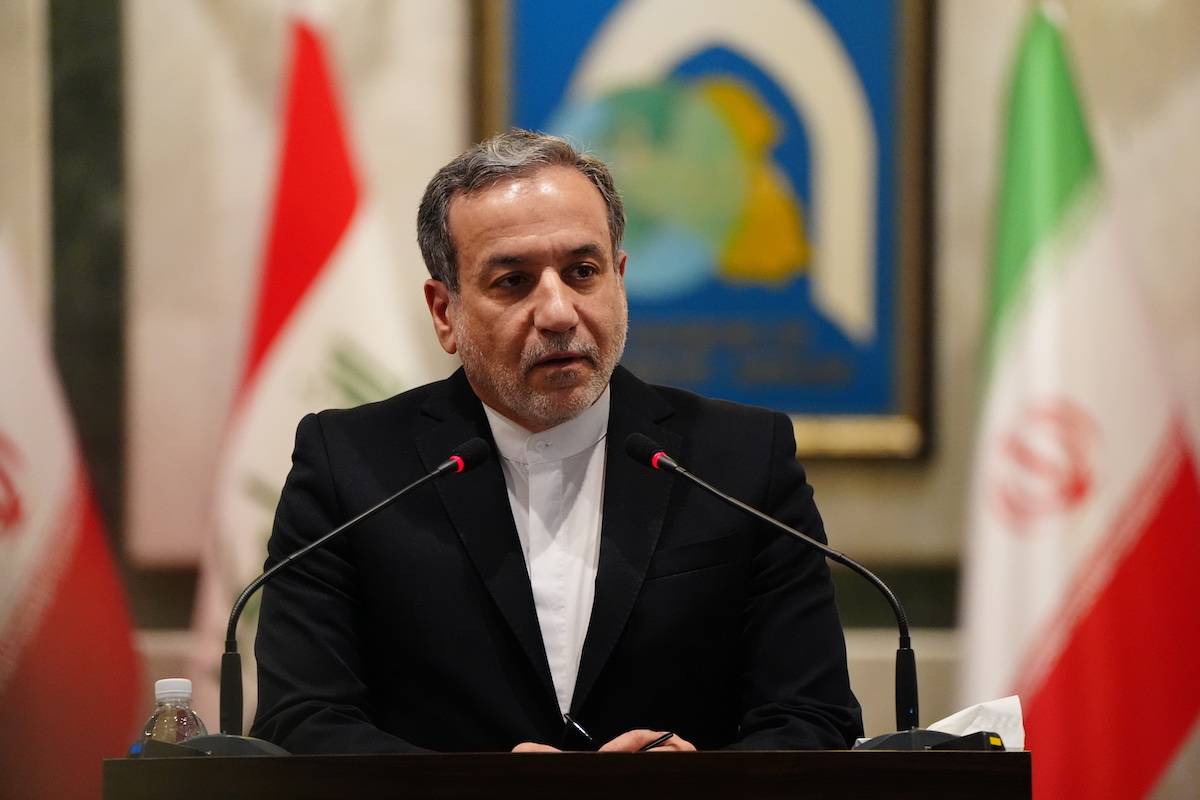
Iranian Foreign Minister Seyed Abbas Araghchi in Baghdad, Iraq on October 13, 2024. [Murtadha Al-Sudani – Anadolu Agency]
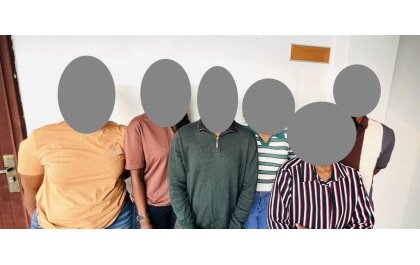
Among those rescued, 101 were brought back from Cambodia, 58 from Laos, 31 from Myanmar, and 99 from Oman.
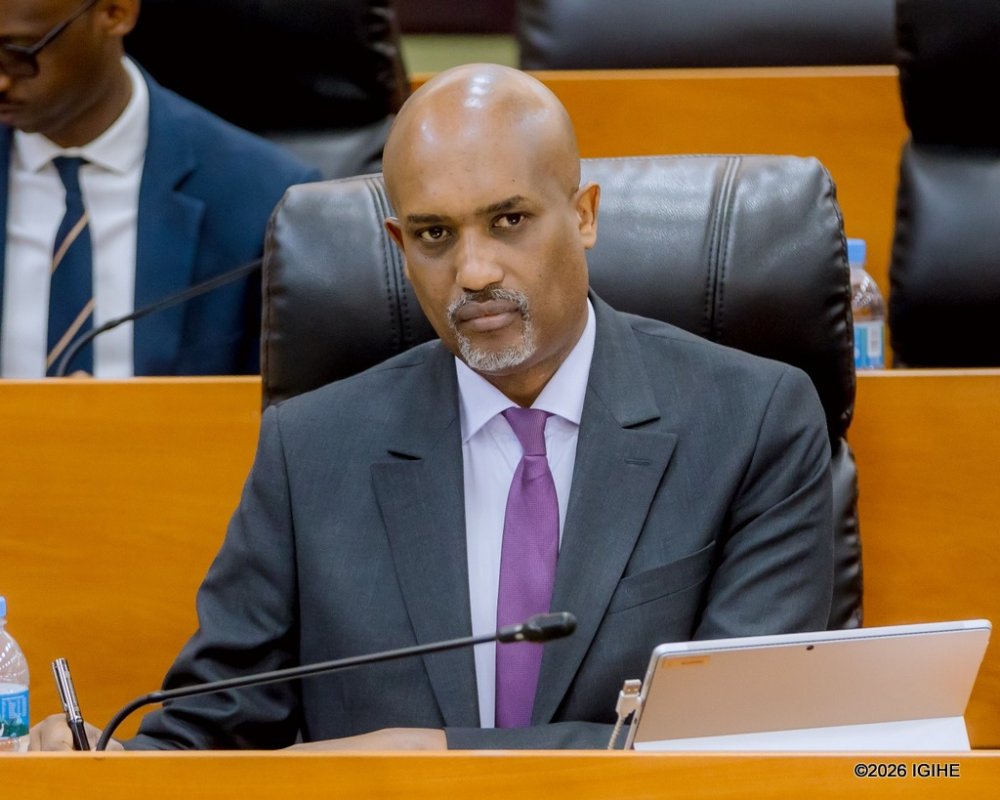
Dr. Ugirashebuja made the remarks on July 23, 2026, during a meeting with members of the Rwanda Senate’s Committee on Foreign Affairs, Rwandans’ Unity and Security.
He told senators that Rwanda has ratified several international conventions aimed at combating human trafficking and continues to implement measures outlined in those agreements, although challenges remain.
The government’s efforts include prosecuting individuals involved in trafficking, preventing the crime through public awareness campaigns, protecting victims, and strengthening cooperation among different stakeholders involved in combating human trafficking.
In terms of prosecution, 54 people have been convicted and punished for human trafficking offences in Rwanda over the past three years. Among them, 12 were convicted in 2025, 18 in 2024, and 24 in 2023.
Dr. Ugirashebuja said Rwanda has also continued efforts to rescue and repatriate victims who were trafficked to different countries.
“In this regard, during the 2025/2026 financial year (up to March 2026), the Ministry of Foreign Affairs, in collaboration with the International Organization for Migration (IOM) and other institutions, helped bring back 289 people. These included 101 from Cambodia, 58 from Laos, 31 from Myanmar, and 99 from Oman,” he said.
He added that significant efforts are also being made to prevent trafficking, noting that the Directorate General of Immigration and Emigration (DGIE) has introduced technological systems to help detect and prevent cross-border human trafficking.
According to DGIE, the system contributed to the rescue of 673 people who were at risk of being trafficked last year.
Dr. Ugirashebuja noted that many trafficking victims are often taken to Asian countries, adding that the cross-border nature of the crime makes investigations and prosecution more difficult.
He explained that traffickers can operate from different countries, making it challenging to track them down, while limited expertise among some investigators and other factors also create obstacles.
DGIE also highlighted another major challenge: some individuals who are expected to help fight human trafficking are sometimes involved in the crime themselves.
The agency revealed that 45 children were rescued from Uganda last year after being lured with promises of better opportunities. Each child reportedly paid $8,500 to be taken there, despite the fact that such resources could have been invested in improving their lives at home.
DGIE said one of the most worrying discoveries was that a pastor was allegedly involved in trafficking some of the rescued children and is currently facing legal proceedings.
“There are people we trust and believe could never be involved in such acts, including religious leaders. These are people who advise others, but we discovered that some of them were involved. They were trafficking these young people.
Among the 45 children, we found that pastors, including a husband and wife where the wife is a pastor and the husband is a bishop, were among those who took them. It is difficult to understand that such a business is still involving people whom society trusts and would never suspect,” DGIE said.
The agency also revealed that 28 Rwandan children are currently in South Korea after being taken there by a pastor, and the government is working to bring them back.
DGIE warned that child trafficking has become a growing concern, especially because some rescued victims still request to return to the same environments where they were exploited.
“Child trafficking among Rwandans has become a serious issue. What makes it even more worrying is that some of those we rescue tell us to return their documents because they want to go back to the jobs they found there. Yet these are the same people who were taken there by traffickers in the first place,” the agency said.
DGIE further noted that some Rwandans who have experienced trafficking sometimes go on to deceive others and encourage them to travel under similar arrangements.
The agency also emphasized that although attention is often focused on people trafficked overseas, many victims are also exploited in neighbouring countries, where they face forced labour, sexual exploitation and other forms of abuse.
“This problem is extremely worrying. Our children are dying, our children are being traded like commodities, and they reach places where they lose their dignity. However, through cooperation among different institutions, this problem can be stopped,” DGIE said.
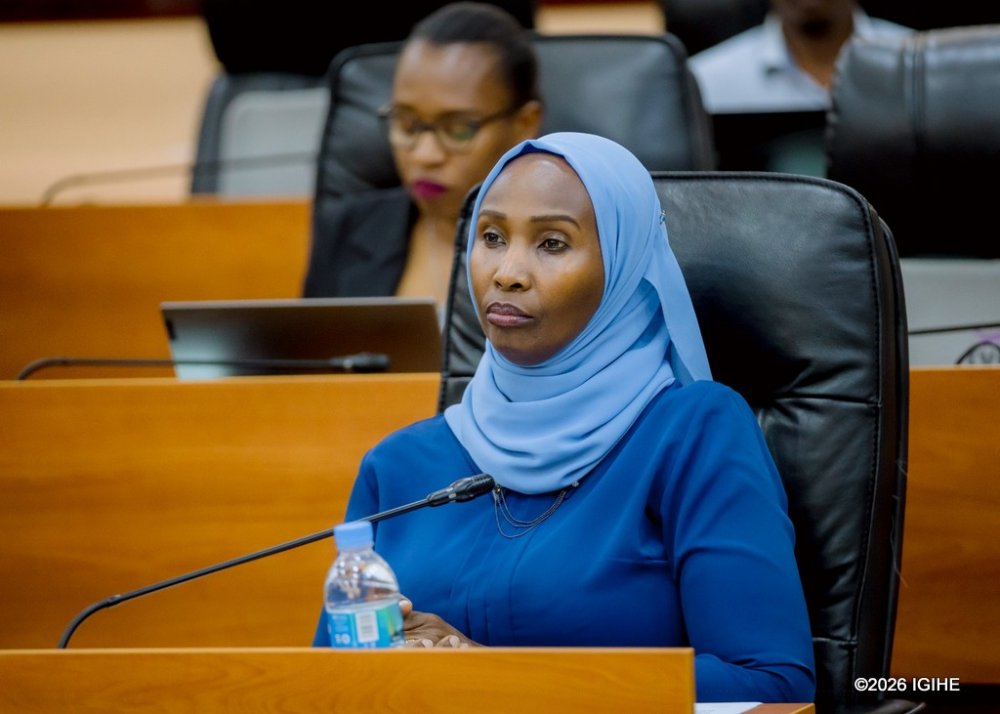
The Chairperson of the Senate Committee on Foreign Affairs, Rwandans’ Unity and Security, Senator Murangwa Ndangiza Hadidja, said addressing human trafficking requires cooperation from all sectors, as well as educating young people to change the belief that opportunities and a better life can only be found abroad.
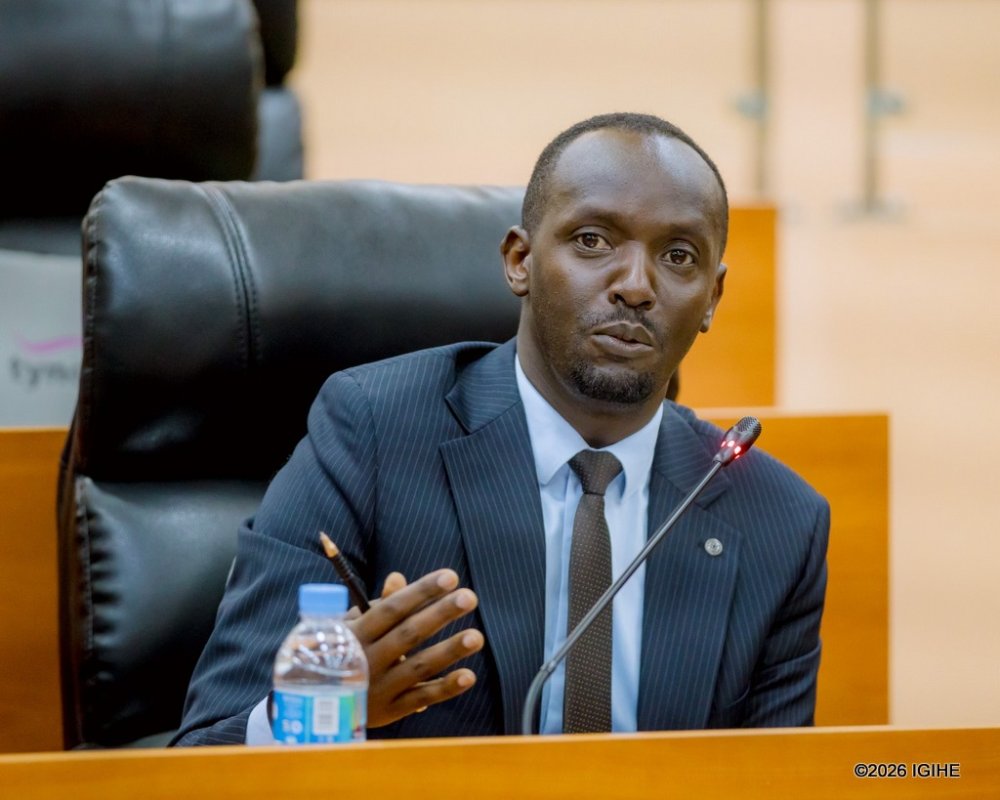
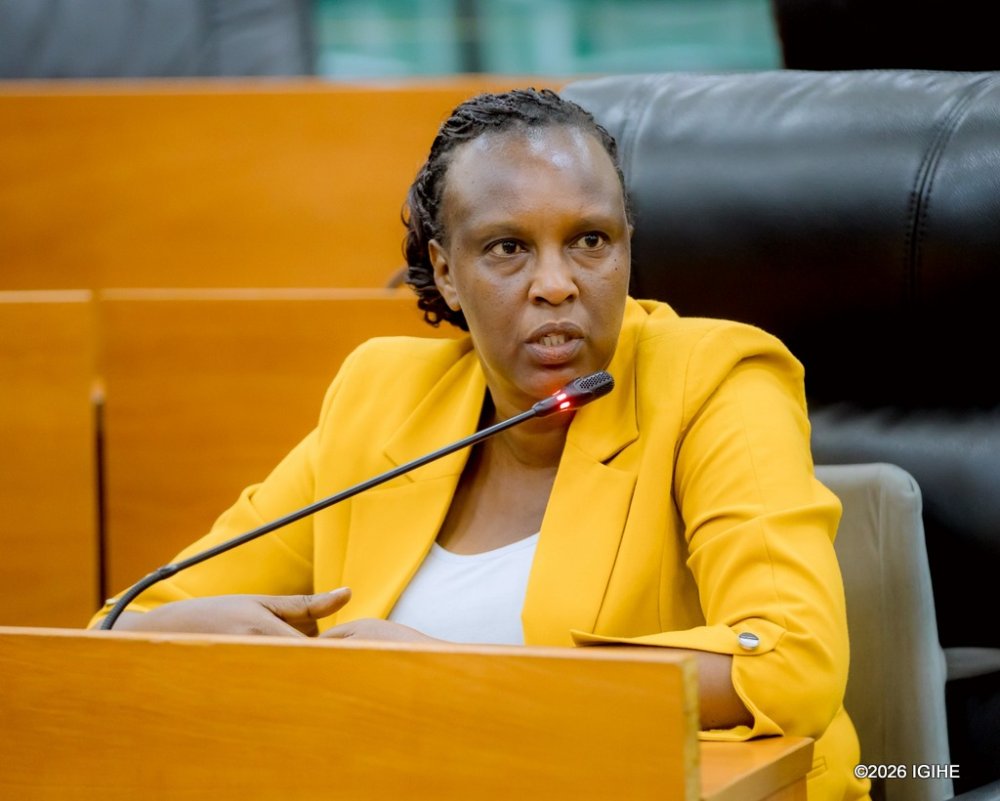
Meanwhile, Uwamahoro Christine, who heads the Human Trafficking Crimes Unit at the Rwanda Investigation Bureau (RIB), said prosecuting traffickers can sometimes be difficult due to a lack of sufficient evidence, victims’ reluctance to provide information, and challenges in accessing electronic devices such as phones and computers used in trafficking activities, which are often seized in other countries.
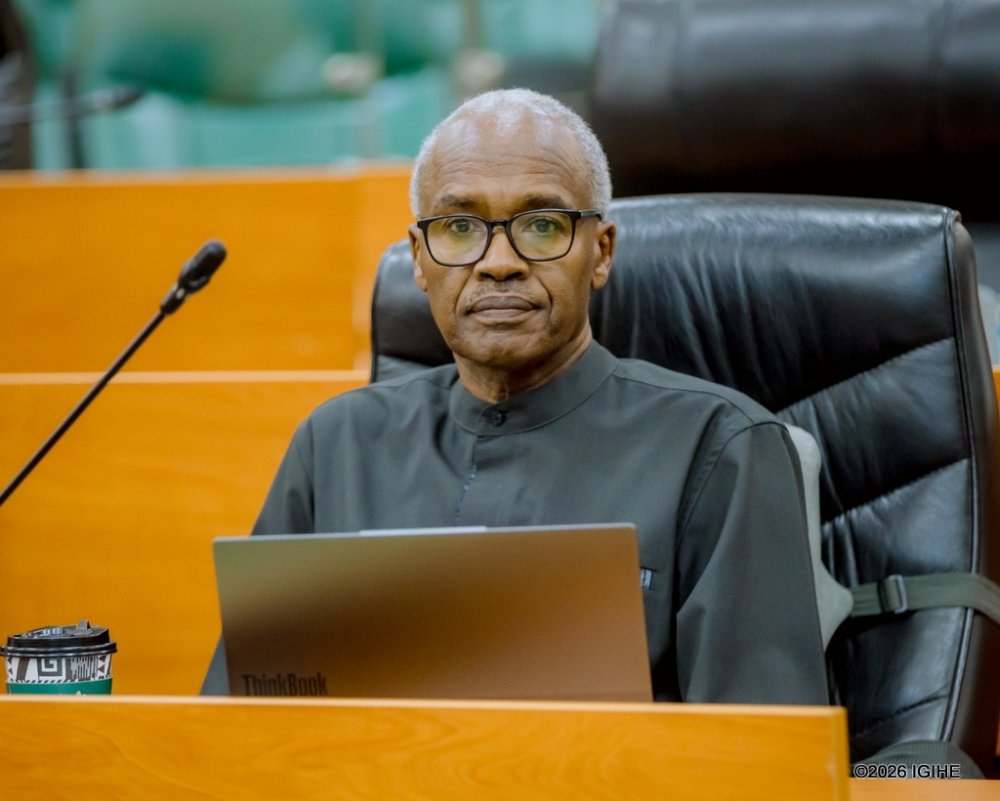
Senator Dr. Charles Murigande called for stronger awareness campaigns to ensure that everyone understands the dangers of human trafficking. He said people who ignore warnings and fall into trafficking traps should understand that they had been warned about the risks.
“Someone may later say, ‘I was told, I was warned,’ similar to the saying that someone who refuses to listen to advice will learn through hardship. We need stronger awareness campaigns,” he said.
Minister of Justice Dr. Emmanuel Ugirashebuja has expressed concern over the growing threat of human trafficking.
Rwanda considers making human trafficking a crime with no time limit for prosecution
Rwanda is considering classifying human trafficking as a crime that would not be subject to a statute of limitations, allowing perpetrators to face prosecution regardless of how much time has passed since the offence was committed.
Minister of Justice and Attorney General Dr. Emmanuel Ugirashebuja said the proposal is being considered because cases of human trafficking often involve delayed discovery of evidence, which can make it difficult to hold offenders accountable within existing legal deadlines.
He explained that discussions on the matter are still ongoing, but said introducing such a measure would ensure that victims can seek justice whenever crucial evidence becomes available.
“The reason we are considering this is that, in some cases, evidence only emerges after a considerable period of time. A person may have been trafficked, but the crime may only be discovered later when, fortunately, the victim finds a way to report it to the relevant authorities, although this process is often extremely difficult for them,” Dr. Ugirashebuja said.
He added that removing the time limit for prosecuting such cases would strengthen accountability and ensure that offenders do not escape justice simply because evidence took time to emerge.
“When a crime is placed among those that do not expire with time, it means that whenever evidence becomes available, legal action can be taken, the person responsible can be prosecuted, and, if found guilty, punished,” he said.
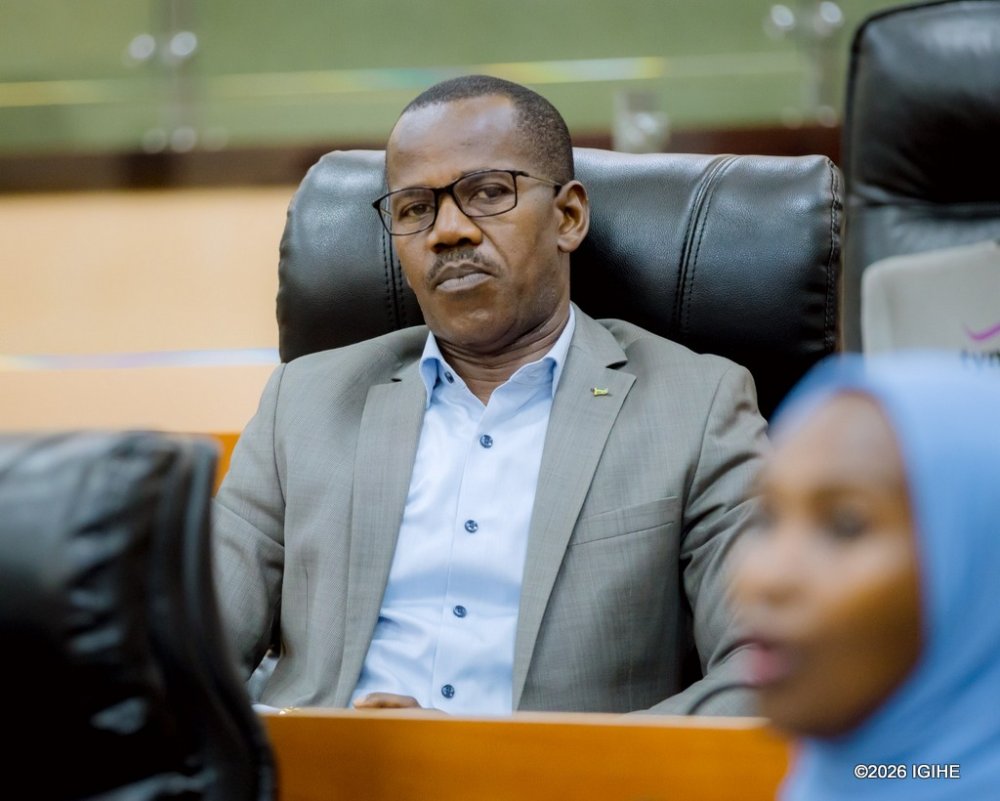
However, Senator Uwizeyimana Evode said the decision requires careful consideration, warning that expanding the category of crimes without a statute of limitations could have implications for Rwanda’s international cooperation, particularly in areas involving the extradition and transfer of suspects.
He emphasized that while combating human trafficking remains a priority, any legal changes should be carefully assessed to ensure they align with Rwanda’s justice system and international obligations.
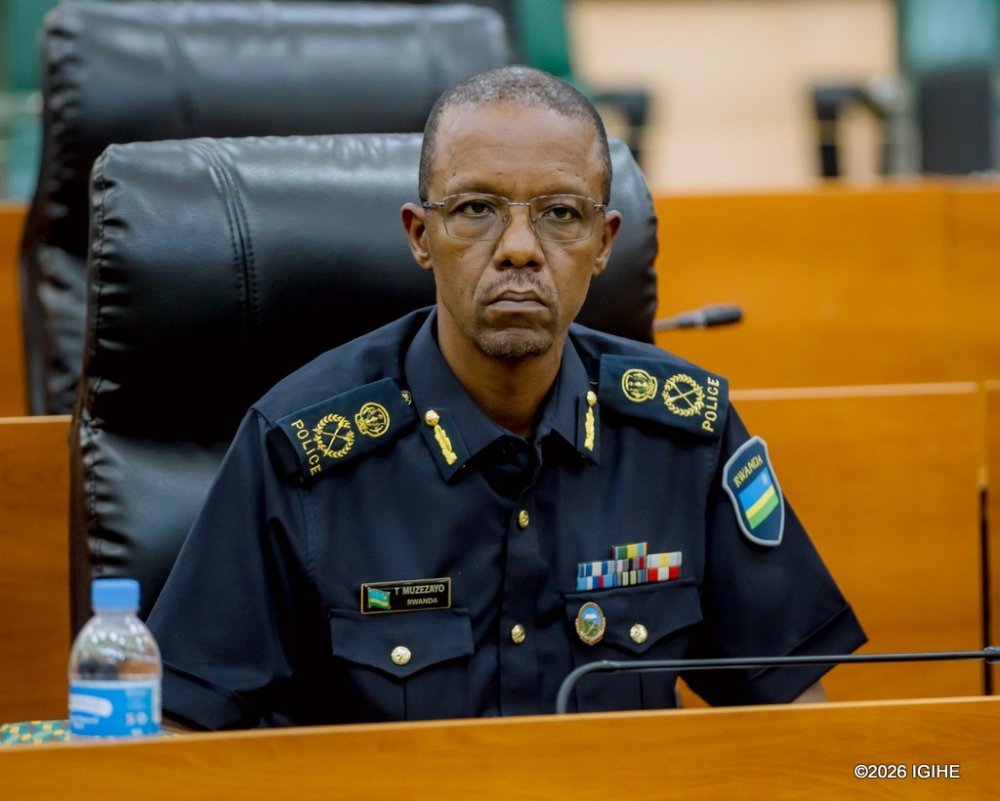
Senator Dr. Charles Murigande called for stronger public awareness campaigns to combat human trafficking.Senator Uwizeyimana Evode called for careful consideration in the proposal to classify human trafficking as a crime that does not expire with time.ACP T. Muzezayo, head of the Police Unit responsible for combating human trafficking and organised crime, called for stronger cooperation in the fight against such crimes.Senator Murangwa Ndangiza Hadidja, Chairperson of the Rwanda Senate Committee on Foreign Affairs, Rwandans’ Unity and Security, called for stronger cooperation among all stakeholders in the fight against human trafficking.Uwamahoro Christine, who heads the Human Trafficking Crimes Unit at the Rwanda Investigation Bureau (RIB), said that bringing human trafficking offenders to justice can sometimes be challenging due to insufficient evidence.