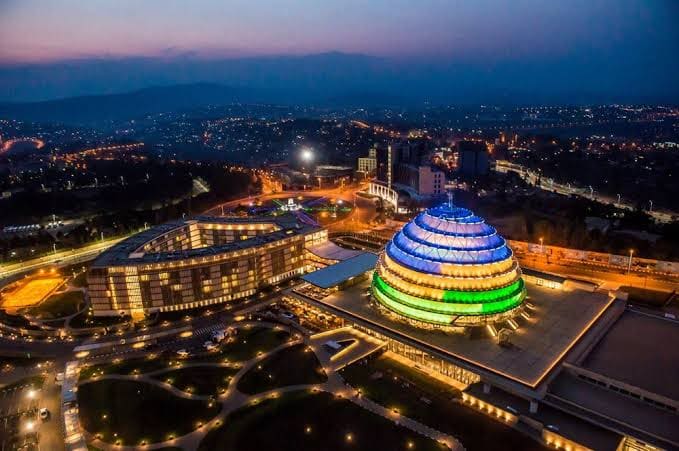
From DJs and live music to crowded clubs, street food and late-night gatherings, the night can stretch until sunrise in some of the continent’s biggest cities.
However, Kigali follows a different rhythm.
In August 2023, the Rwandan government introduced new rules governing nightlife and other non-essential services, setting closing times of 1 a.m. on working days and 2 a.m. on weekends. The measures, which took effect in September that year, were introduced as part of efforts to control noise pollution and regulate night-time entertainment.
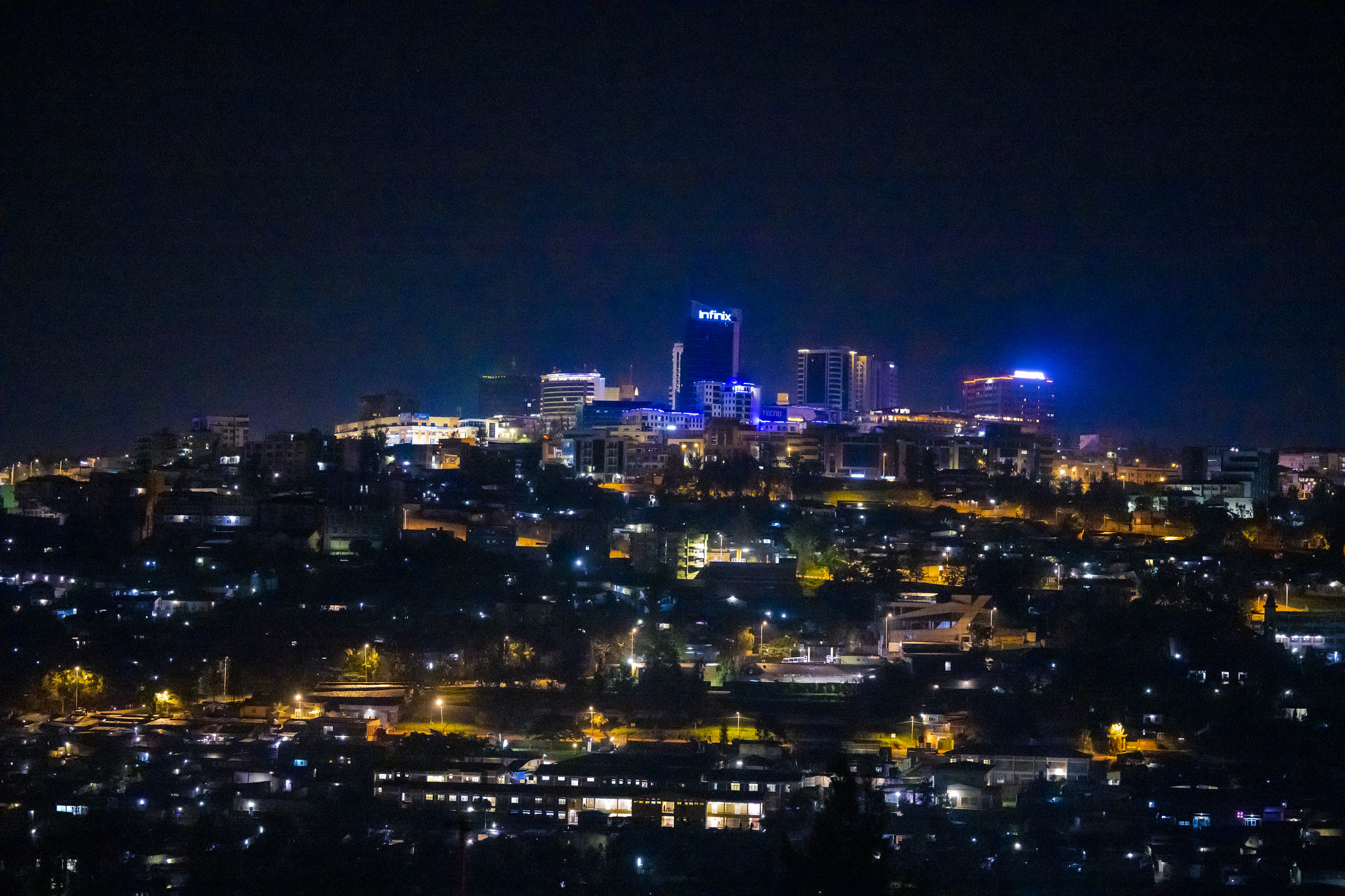
For some residents, the limits contribute to a quieter and more orderly city at night. For nightlife lovers, however, the early closing time can mean the party ends just as the night is reaching its peak.
The closing hours are part of wider regulations governing entertainment venues. Kigali also has strict noise-control requirements aimed at protecting public safety, community wellbeing and reducing noise pollution.
Entertainment venues are expected to be soundproofed or keep their sound levels low enough not to disturb surrounding communities. Authorities conduct inspections, and venues that exceed permitted sound levels can be required to use calibrated sound meters. Violations of noise or closing-time regulations can result in fines or temporary closure.
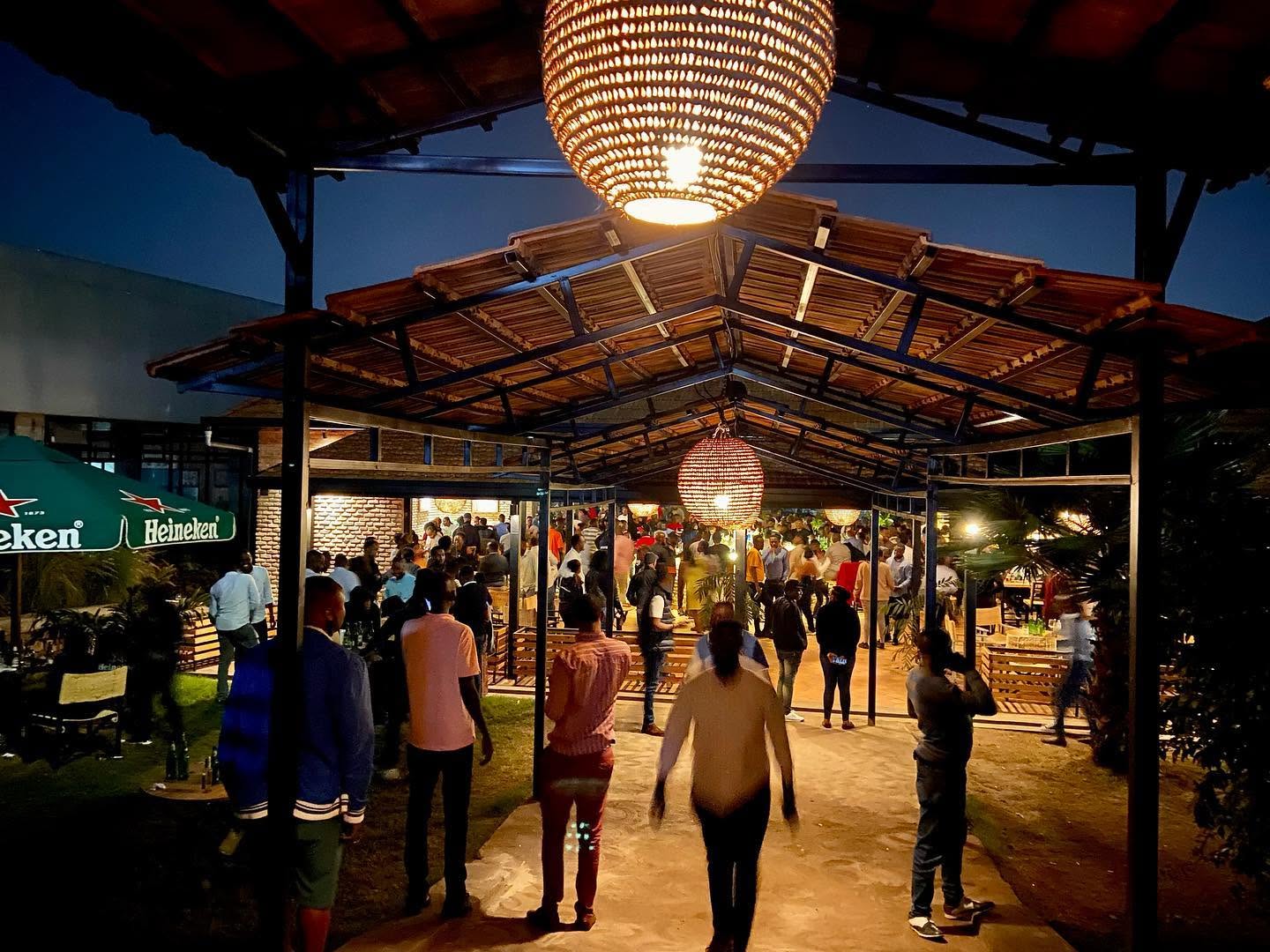
The result is a nightlife scene that is more controlled than in some neighbouring capitals.
But Kigali has another advantage: safety.
Kigali is widely regarded as one of Africa’s safer capitals, with relatively low levels of violent crime and a strong perception of personal safety. Numbeo’s city data, for example, gives Kigali a high perceived safety level for walking alone at night.
That sense of security changes the experience of going out.
The city is relatively easy to navigate at night, with visible policing and transport options that allow people to move between entertainment spots and get home after a night out. Moto-taxis and ride-hailing services make late-night transport more accessible.
Strict drink-driving enforcement and restrictions on public drinking outside licensed venues further contribute to the city’s orderly streets.
Then there is cleanliness.
Kigali’s nightlife does not usually spill into the kind of high-density street chaos seen in some of Africa’s larger entertainment capitals. The city’s streets remain notably clean, even as people move between restaurants, bars, hotels and intimate lounges.
The Africa Report’s 2025 ranking of Africa’s cleanest cities placed Kigali first, based on a survey of 7,877 respondents, most of whom were permanent residents of the cities surveyed.
It is a quality that also shapes the way the city feels after dark.
That does not mean Kigali lacks energy. It simply expresses it differently.
The city’s nightlife is developing around a balance between entertainment and the orderly character for which Kigali is known.
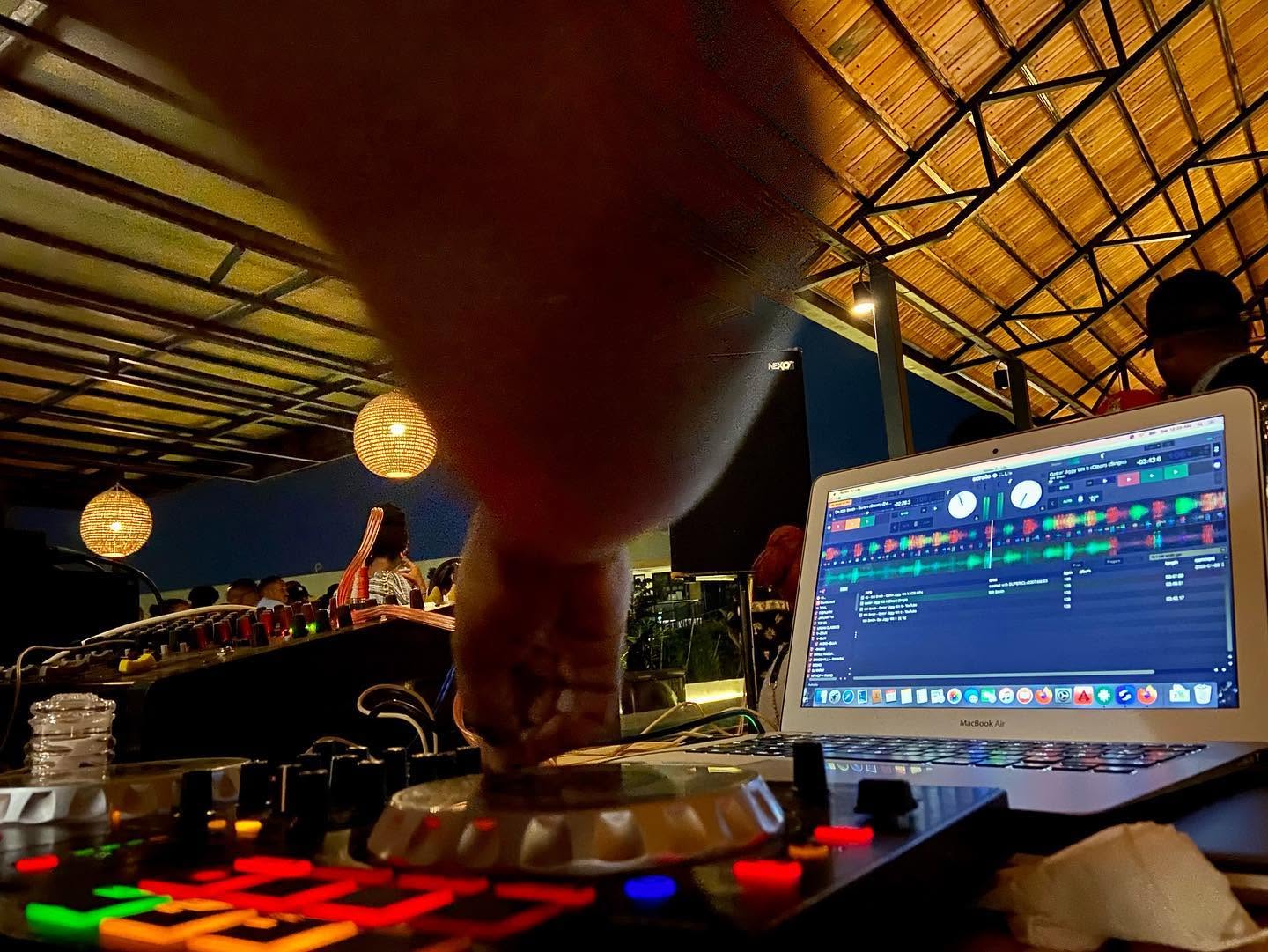
There is also a different approach to street food in Kigali.
Unlike cities where street food vendors are a constant presence during the day and into the night, Kigali’s streets do not have the same density of informal food sellers.
Street vending has long been restricted as part of efforts to organise commercial activity and improve hygiene, safety and the use of public spaces. City authorities have instead worked to move vendors into designated markets.
For someone used to cities where you can step out of a nightclub and immediately find a roadside vendor serving a hot meal, Kigali can feel different.
The issue is also connected to public health.
Rwanda’s health authorities place strong emphasis on food safety, hygiene and the prevention of food- and waterborne diseases. National guidelines call for stronger hygiene practices throughout the food chain and inspections of food establishments and food handlers. The Rwanda Biomedical Centre has also highlighted food contamination as a public-health concern.
For those still hungry, options can include brochettes in neighbourhoods such as Nyamirambo, food at some hotels and restaurants that operate late, or designated food areas such as Biryogo.
That is different from cities where street food is itself a major part of the nightlife experience.
Kampala: when the night is only getting started
Across the border in Uganda, Kampala offers a very different nightlife experience.
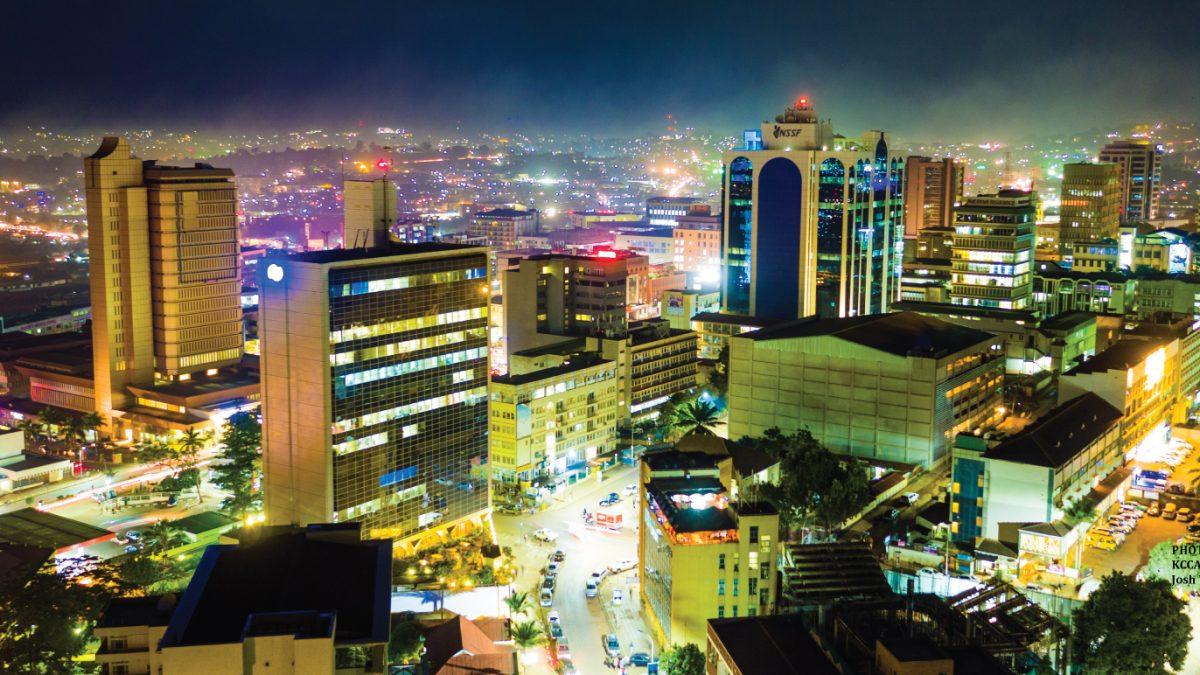
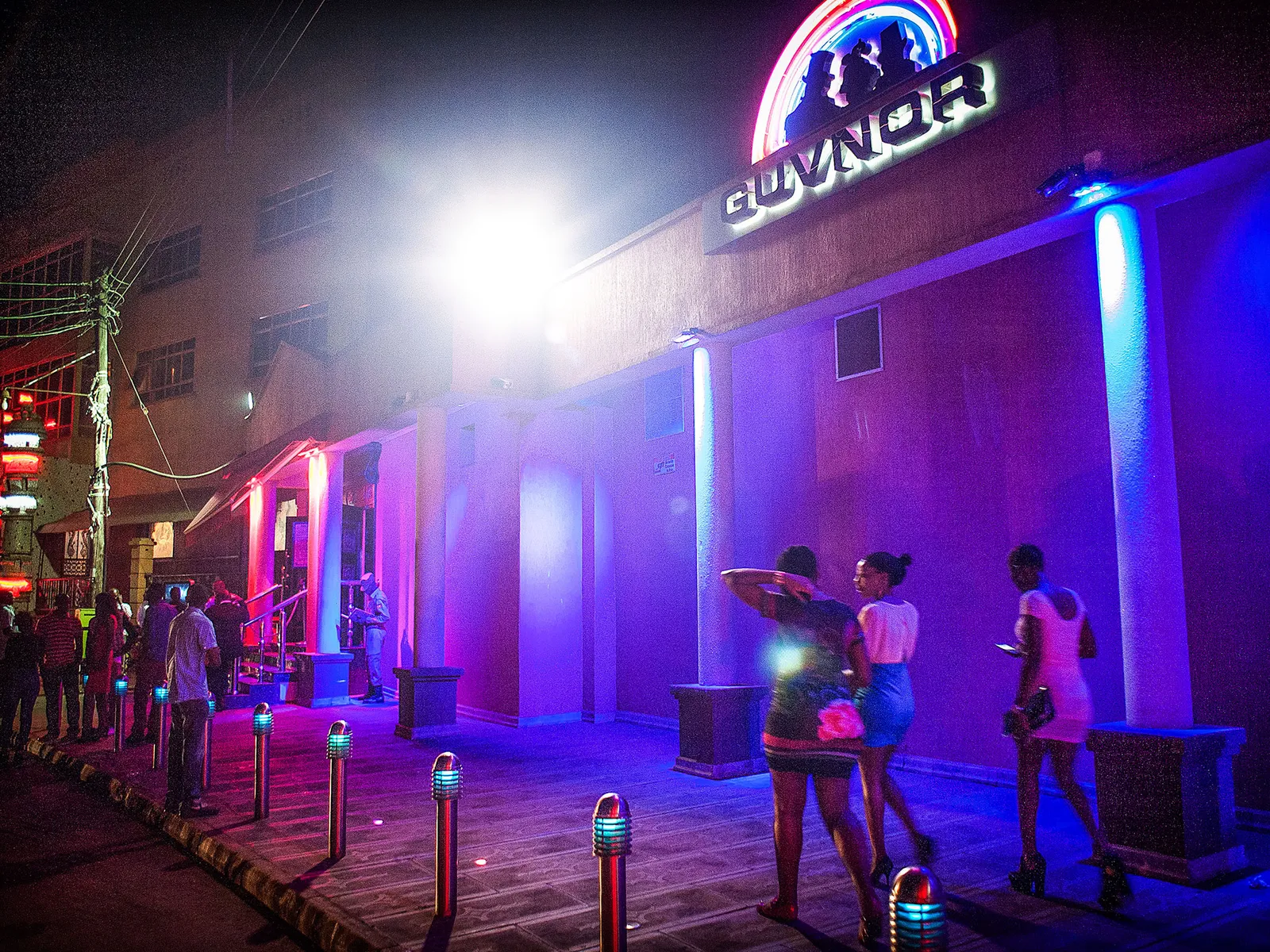
The city has developed a reputation for entertainment that continues deep into the night, with some clubs and lounges operating until 4 a.m., 5 a.m. or even 6 a.m.
Music is at the centre of the experience, with Amapiano and Afrobeats featuring prominently in many entertainment venues. Different neighbourhoods also offer a range of experiences, from casual bars to more sophisticated lounges and clubs.
For someone used to Kigali’s closing times, Kampala can therefore feel like the night has only just started when Kigali’s clubs are preparing to close.
Nairobi: variety is the attraction
Nairobi offers another version of African nightlife.
The Kenyan capital has a diverse entertainment scene that includes nightclubs, rooftop bars, lounges, live music venues and restaurants that also stay open into the early morning hours.

Rather than having one dominant nightlife identity, Nairobi offers different experiences depending on the neighbourhood, venue and crowd.
Some nights are centred around live music or relaxed rooftop settings, while others are built around clubs and late-night parties. The city’s variety is part of what makes it attractive to different types of nightlife audiences.
Lagos: where nightlife meets entertainment culture
Then there is Lagos, where nightlife is closely connected to Nigeria’s huge music and entertainment industry.
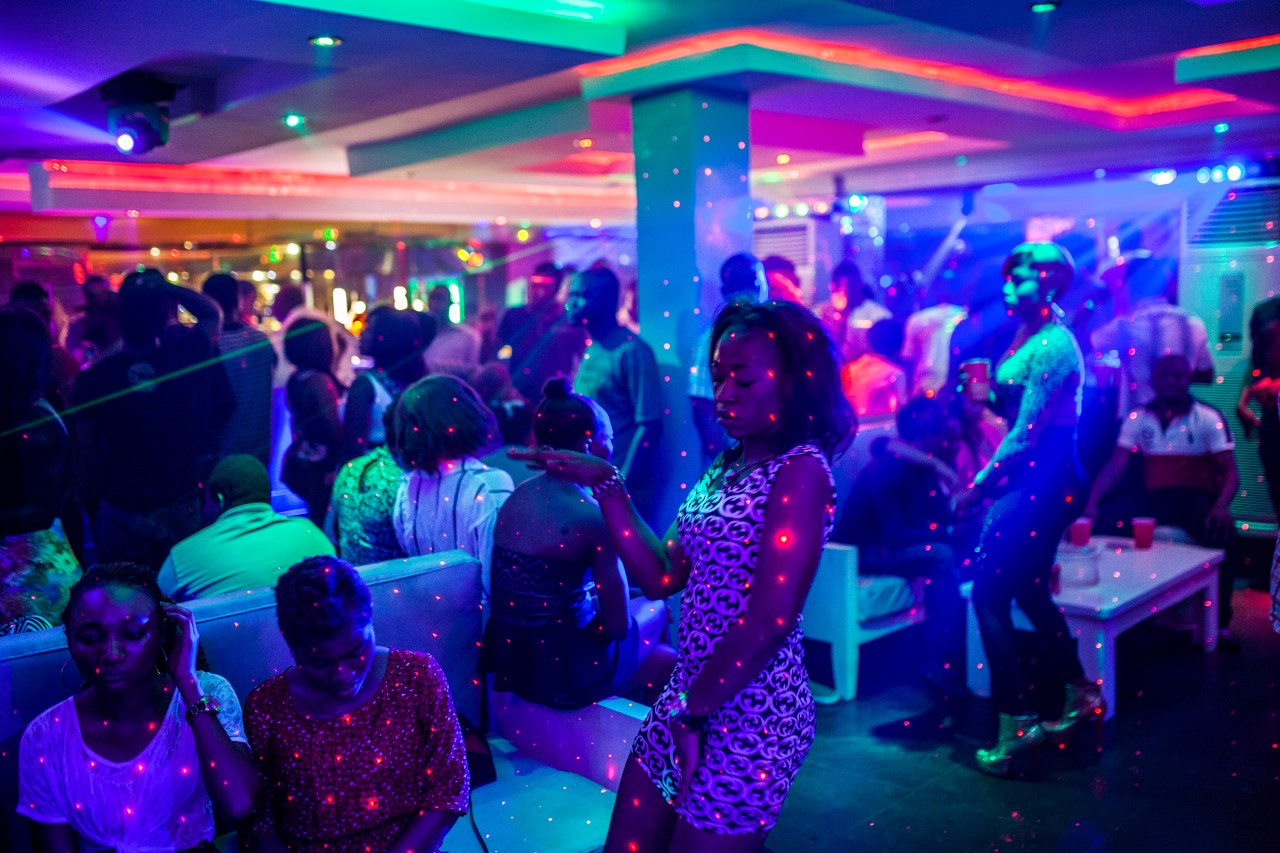
Afrobeats, celebrity culture, concerts, beach parties and nightclubs all contribute to a nightlife culture that can continue well into the early morning.
Some nightlife guides describe clubs in Lagos reaching their busiest period between about 2 a.m. and 4 a.m., hours when Kigali’s entertainment venues are already required to be closed.
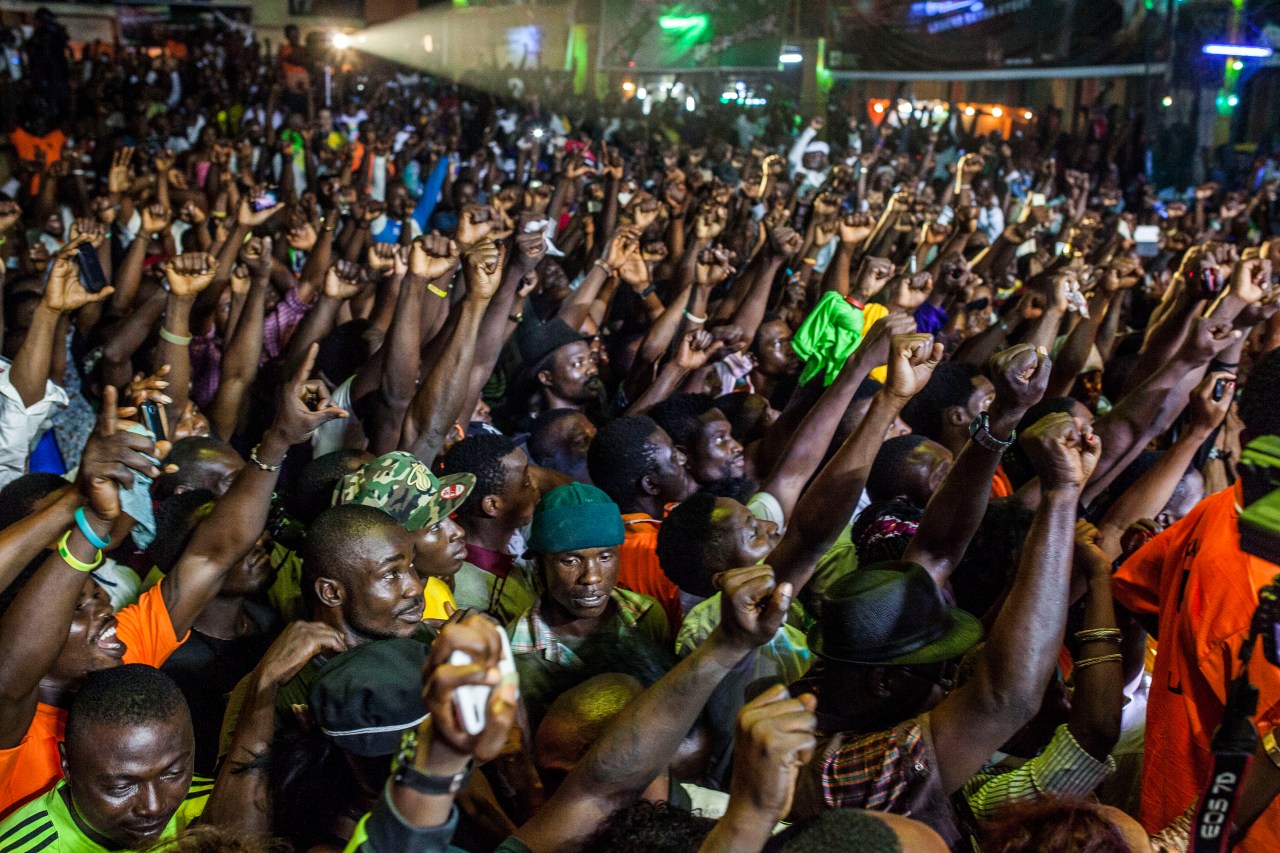
For young people seeking an all-night entertainment experience, Lagos, Kampala, Nairobi and other African cities operate on a very different timetable from Kigali.
So, where does Kigali stand?
The comparison shows that there is no single African nightlife formula.
Kampala, Nairobi, Lagos and other African cities offer nights that can stretch towards sunrise. Many provide a wide range of entertainment experiences, from busy street scenes to large clubs and all-night parties.
Kigali operates differently.
Its nightlife is shaped not only by closing times but also by safety, cleanliness, noise control, public order and the interests of surrounding communities.
The result is a city where nightlife tends to be more contained, cleaner and increasingly oriented towards restaurants, hotel bars, rooftop venues and elevated lounges rather than high-density street chaos or around-the-clock party hubs.
That gives Kigali a nightlife identity of its own.
You can still dress up, meet friends, listen to music, drink, dance and stay out late. But the experience is less about chasing sunrise and more about the quality of the evening itself. Perhaps that is what makes Kigali’s nightlife different.
Leave a Reply