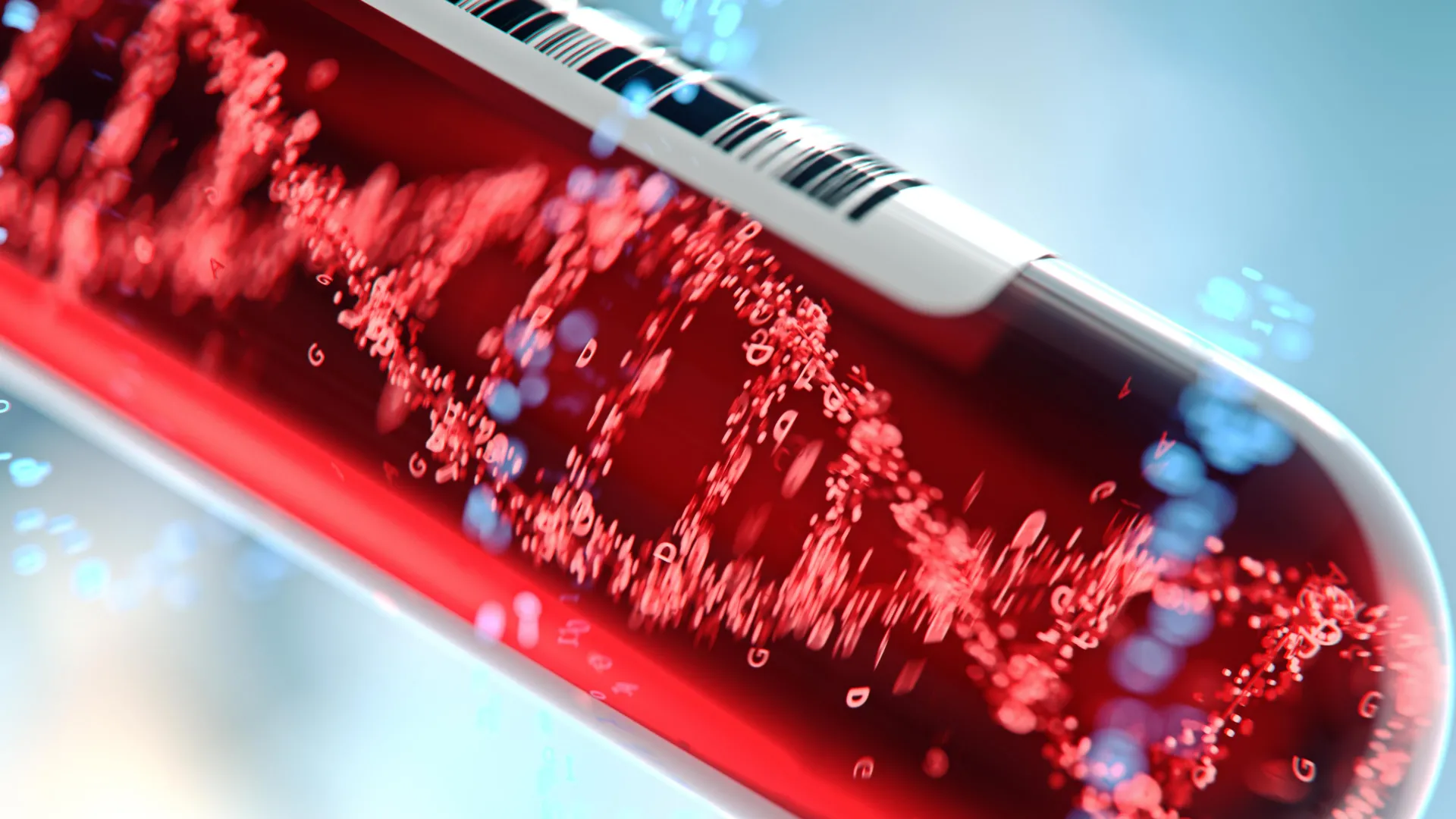
The test, called MethylScan, analyses small pieces of DNA circulating in the bloodstream.
These fragments, known as cell-free DNA, can carry information about the tissues they come from, including changes linked to cancer and other diseases.
Researchers focused on chemical changes in DNA called methylation.
These patterns differ between tissues and can change when cells become diseased or cancerous.
By studying them, MethylScan can look for abnormal signals and potentially identify the tissue where they originated.
The researchers tested the technology using blood samples from 1,061 people, including patients with liver, lung, ovarian and stomach cancers, people with liver diseases, individuals with benign lung nodules and healthy participants.
Using machine learning, the team found that at 98% specificity, MethylScan detected about 63% of cancers across all stages. For cancers at an early stage, it detected around 55% of cases.
The test performed better among people at high risk of liver cancer. Among patients with liver cirrhosis or hepatitis B, it detected nearly 80% of liver cancer cases.
Researchers also found that the test could distinguish between different liver diseases, correctly classifying about 85% of patients with conditions including viral hepatitis and metabolic-associated liver disease.
However, MethylScan is still in the research stage and is not ready to replace existing cancer screening or diagnostic tests.
The researchers say larger studies are needed to determine how accurately the test performs in real-world screening.
If future research confirms the findings, the technology could eventually provide doctors with a simpler and less invasive way to detect cancer and identify where it started.

Leave a Reply