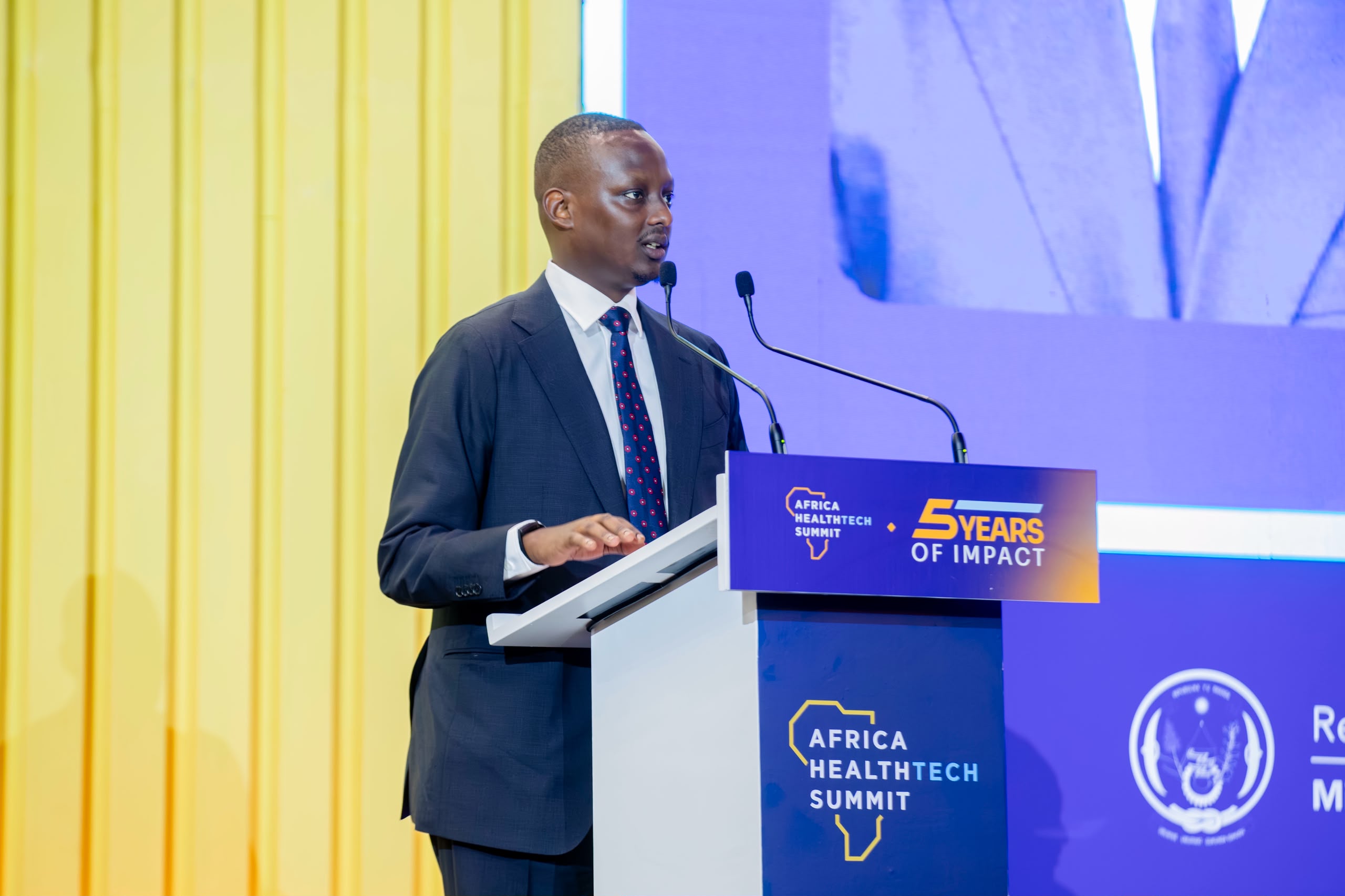
Minister of State for Health Dr Yvan Butera revealed this on Wednesday while opening the fifth Africa HealthTech Summit (AHTS) at the Kigali Convention Centre.
The three-day summit, running from September 30 to October 2, brings together governments, health technology companies, investors, development partners and innovators under the theme “Wellness for All, Powered by Intelligent Health Systems.”
Butera said Rwanda’s experience with health intelligence had prompted other countries to establish similar centres, with Tanzania, Nigeria, Ethiopia and Liberia among those pursuing the model.
“Ever since that time, since we set up our health intelligence centre here in Rwanda, we have 11 countries that are also setting health intelligence centres in their own countries,” Butera shared.
He said the countries are also working through the Health Intelligence Center for Africa, a network headquartered in Kigali that aims to coordinate collaboration and allow countries to learn from each other.
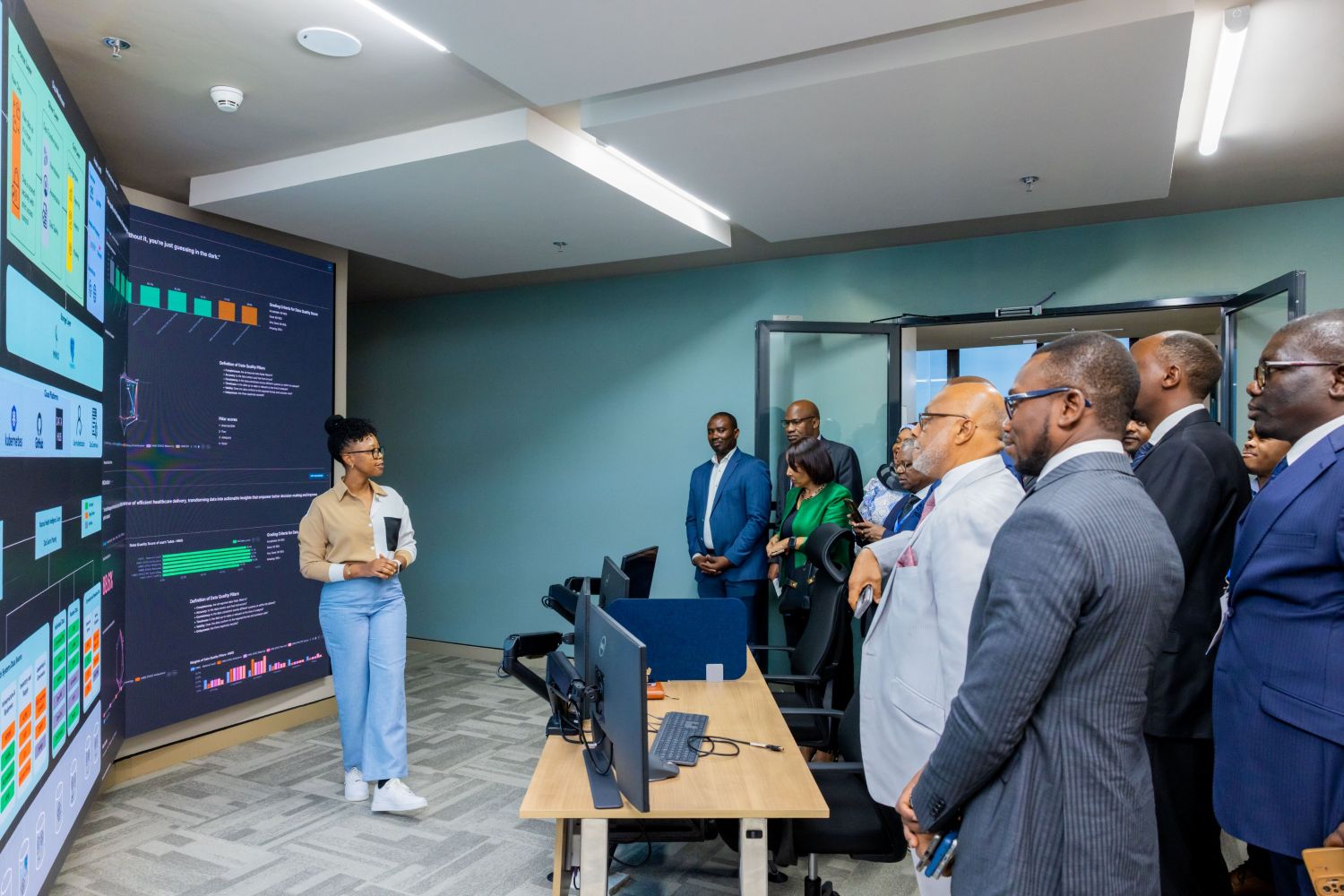
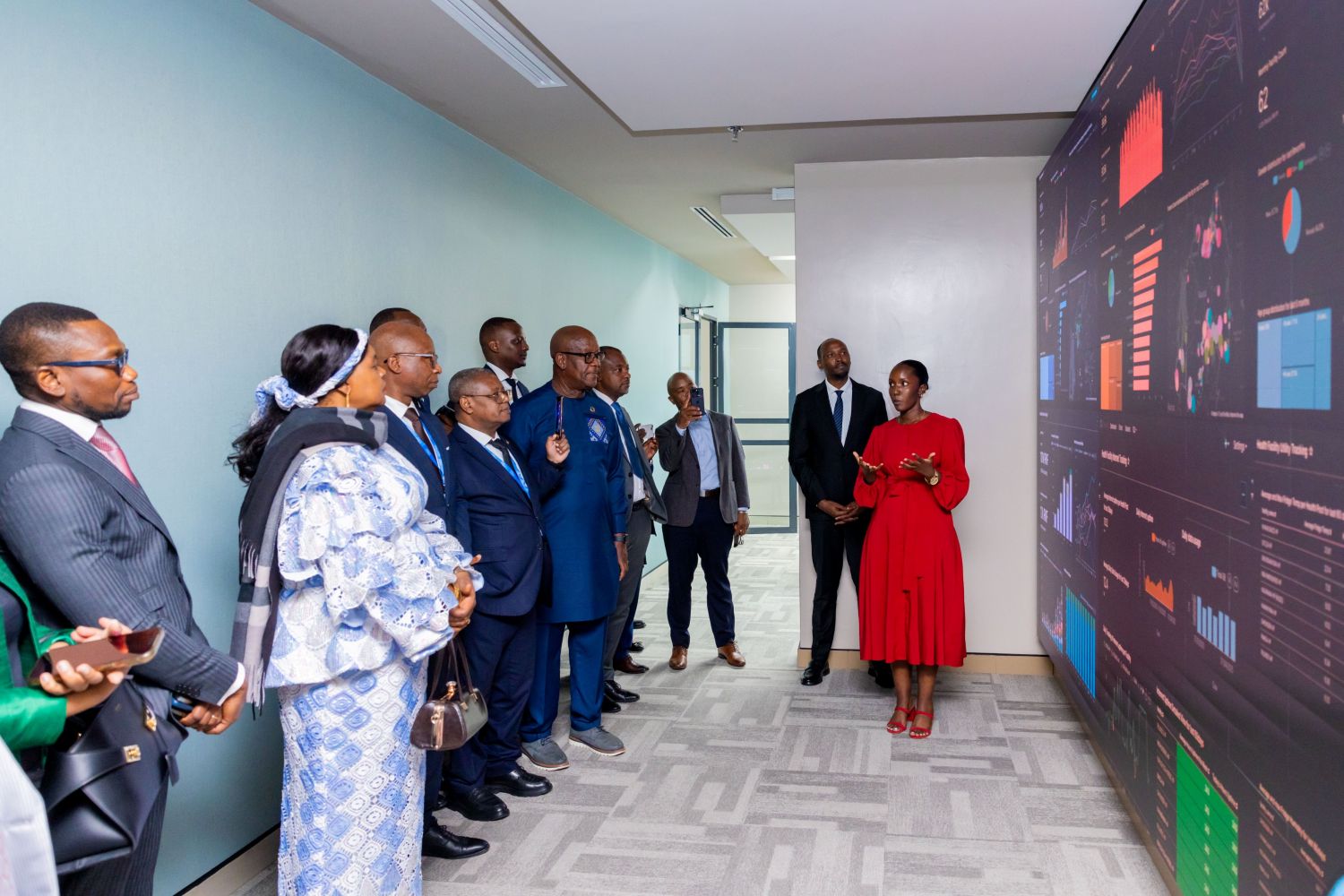
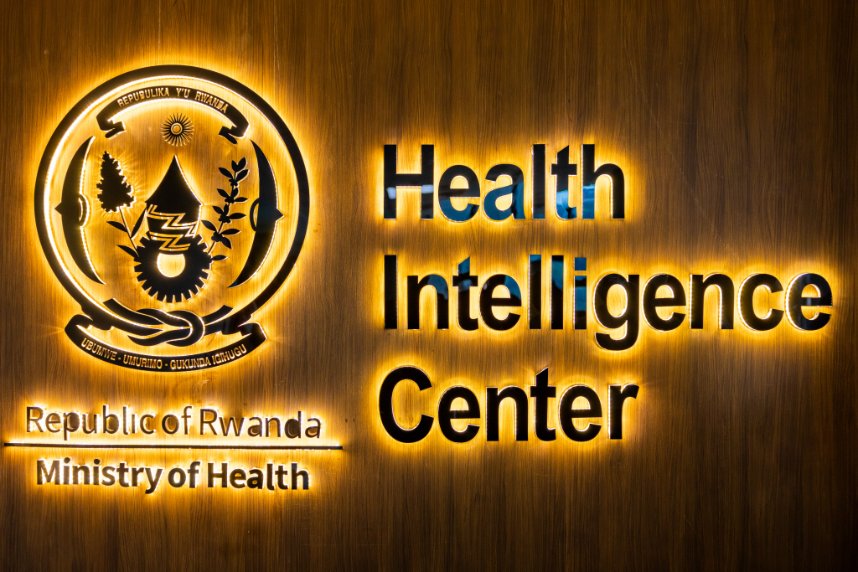
Rwanda established its National Health Intelligence Centre to bring together data generated across the health system and turn it into information that can support decision-making.
The hub was launched on the sidelines of the Global AI Summit on Africa on April 3, 2025. The centre employs a diverse team, including medical doctors, data scientists, software developers and programmers.
The initiative tracks the efficiency of public health equipment, such as ambulances and hospital refrigeration systems, while collecting and analysing medical procedure outcomes to inform policy.
A key feature of the facility is its data warehouse, which stores patient care records, routine reports from healthcare facilities, and feedback from community health workers and the public.
The data is used to assess service delivery, monitor hospital performance and improve health system efficiency.
The approach is part of a wider digitisation of Rwanda’s health system, including the use of community electronic medical records.
Butera said more than 54,000 community health workers have been equipped with smartphones containing a Rwanda-tailored community electronic medical record system.
The system allows health workers to record and follow up patients, identify people at risk and provide information that health authorities can use to monitor emerging health trends.
Butera said the technology had also changed how health authorities identify and respond to emerging problems.
“From my office, I’m able to see, quickly scan the entire country, what’s happening and what is mushrooming,” he revealed, citing the ability to identify issues such as medicine stock-outs and concentrations of conditions including high blood pressure.
The system is also being used to improve maternal healthcare by allowing information gathered at community level to be accessed by health centres, hospitals and specialists.
Butera said Rwanda had recorded a 30% reduction in maternal mortality over the past two years through interventions including earlier identification of high-risk pregnancies and better coordination between levels of care.
He also highlighted Rwanda’s virtual hospital, which connects district hospitals with specialist doctors who can support healthcare teams remotely.
Specialists can follow procedures taking place in district hospitals in real time and guide general practitioners through complex cases, including surgery.
Butera said the programme had helped save around 15 mothers who were classified as near-miss cases.
Eric Remera, Director of Rwanda’s National Health Intelligence Centre, echoed the sentiments, saying, “Our mission is to change the traditional direction of information, whereby data flowed only upwards. Currently, we also want advantages that move the other way: giving providers better tools, reducing paperwork, and helping them make better decisions at the right time.”
He added that Rwanda’s experience was not being presented as a finished model, but as an ongoing process from which other countries could learn.
“We hope that our experience can contribute to the wider conversation about how we build intelligent, sovereign, and people-centred health systems,” Remera said.
The expansion of Rwanda’s health intelligence model comes as African countries look for ways to address shortages of healthcare workers while extending specialised services to underserved communities.
WHO Representative and Head of Mission in Rwanda Dr Brian Chirombo, speaking on behalf of the United Nations Resident Coordinator, said Rwanda’s experience showed the importance of connecting health workers with data, digital tools and support.
He said digital transformation should focus on equity, trust and measurable impact, while ensuring that data privacy, security and human rights remain central to the development of intelligent health systems.
The UN is supporting Rwanda in areas including the National Health Intelligence Centre, telemedicine, disease surveillance, digitisation of health facilities and community electronic medical records.
Jean-Philbert Nsengimana, chairman of AHTS and Chief Digital Advisor for Africa CDC, said the summit was increasingly focused on moving digital health initiatives beyond individual projects and into systems that can operate at scale.
He said Rwanda had been the first country to establish a National Health Intelligence Centre on the continent and was also working towards fully digitising primary healthcare.
The summit has attracted about 4,300 registered delegates from Africa and beyond, according to Nsengimana, with dozens of sessions planned during the three-day event.
Leave a Reply