Based in Gicumbi District in Rwanda’s Northern Province, the university says its approach is guided by its vision of becoming a “Radiating University of academic and professional excellence for sustainable socio-economic development.”
UTAB Vice Chancellor Fr. Dr. Gilbert Munana, said universities should contribute to society beyond producing graduates.
“A university should not only transform the lives of the students who pass through its gates; it should also contribute to transforming the communities and society to which those students belong.”
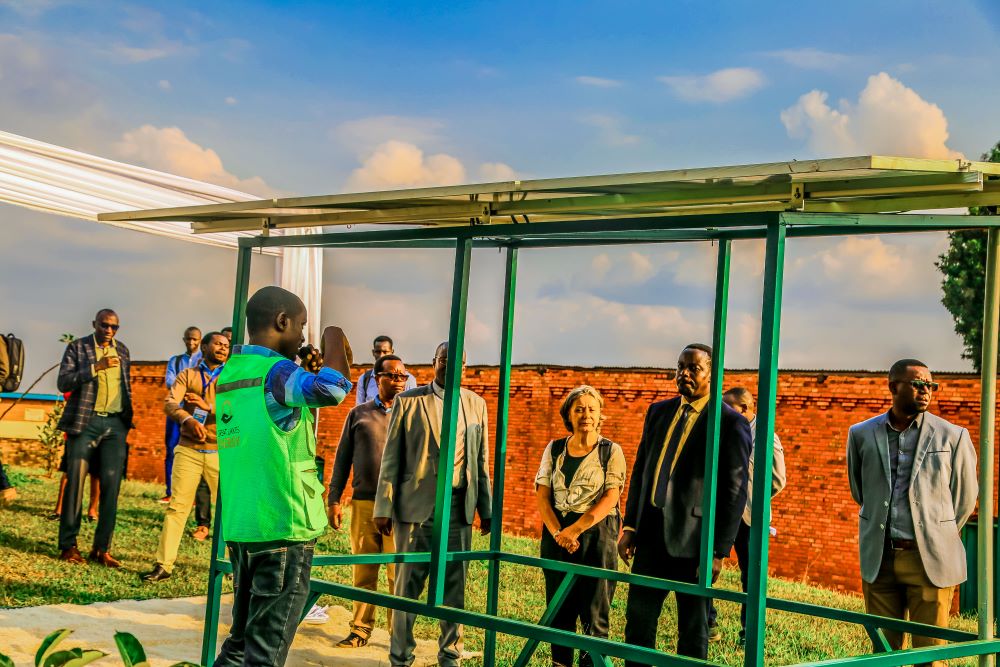
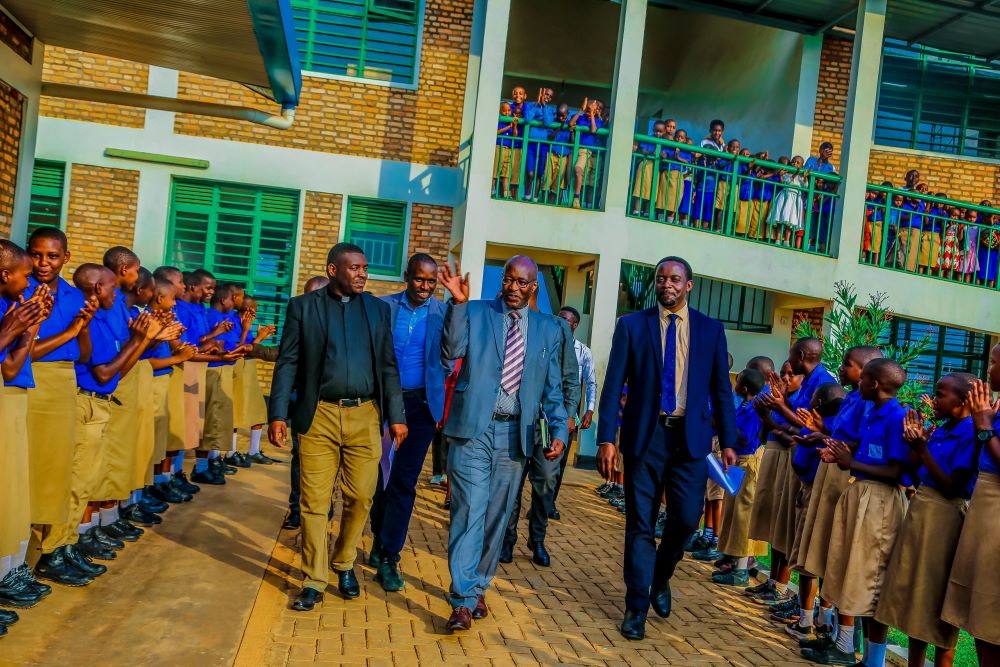
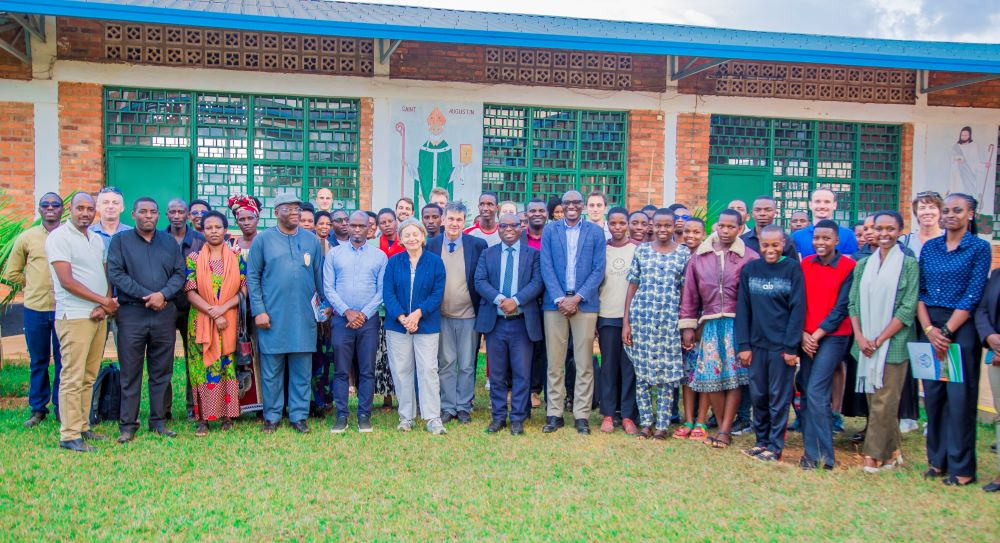
One example is the UTAB Living Lab at GS Byumba, established under the GREATER Project to connect education with practical community experiences.
The facility brings together students, educators, researchers and community members to identify challenges and explore solutions, particularly in renewable energy. The model also seeks to position communities as partners in learning, research and innovation.
The approach was highlighted during Global Goals Week on September 1, 2026, when the Living Lab hosted activities under the theme, “Strengthening Practical-Oriented and Community-Engaged Education through Living Labs for Sustainable Development.”
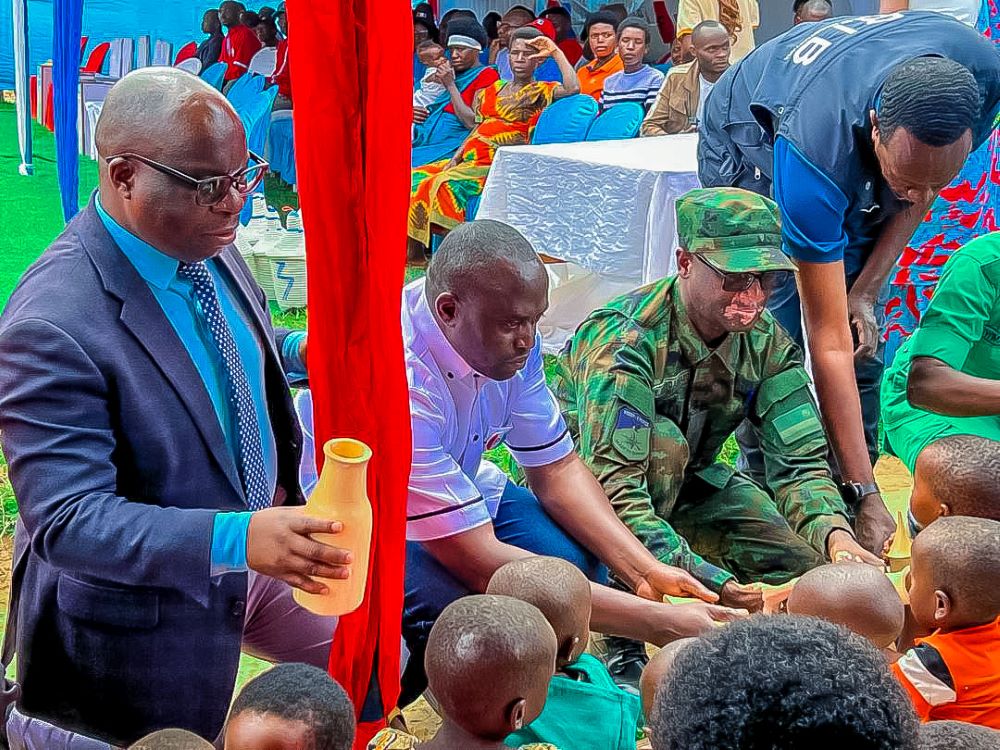
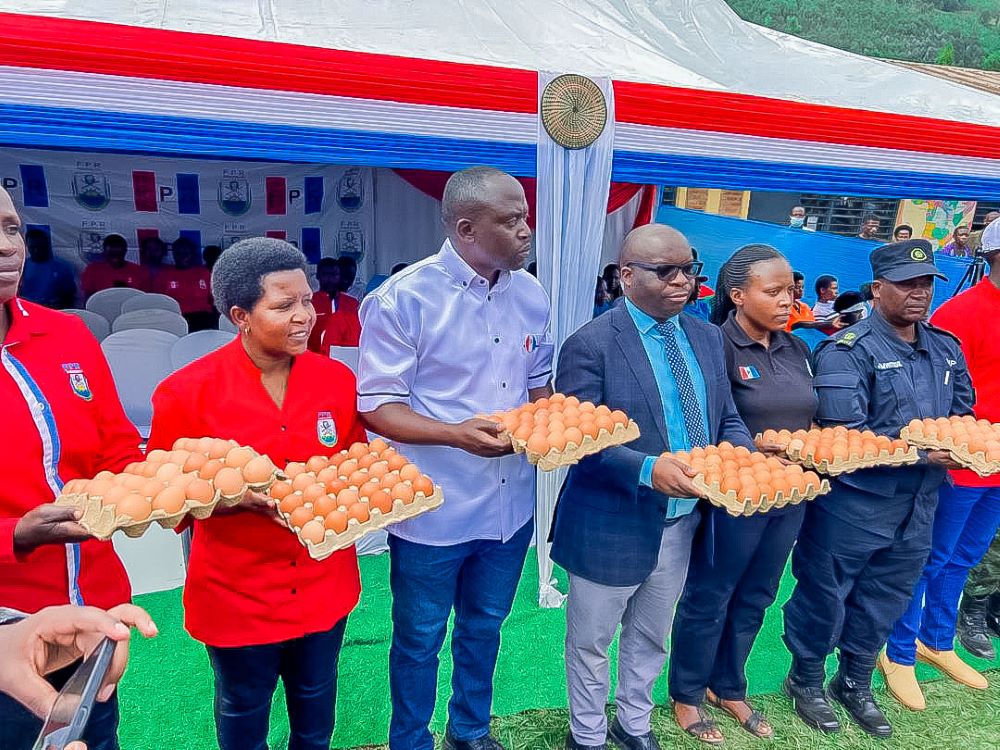
UTAB has also undertaken initiatives targeting household nutrition. On July 8, the university provided 504 families with children under five with hens and feed, alongside awareness sessions on the causes and consequences of malnutrition and stunting and ways to address them.
The initiative is part of the university’s efforts to work with other stakeholders to improve nutrition among vulnerable households while strengthening livelihoods and human capital.
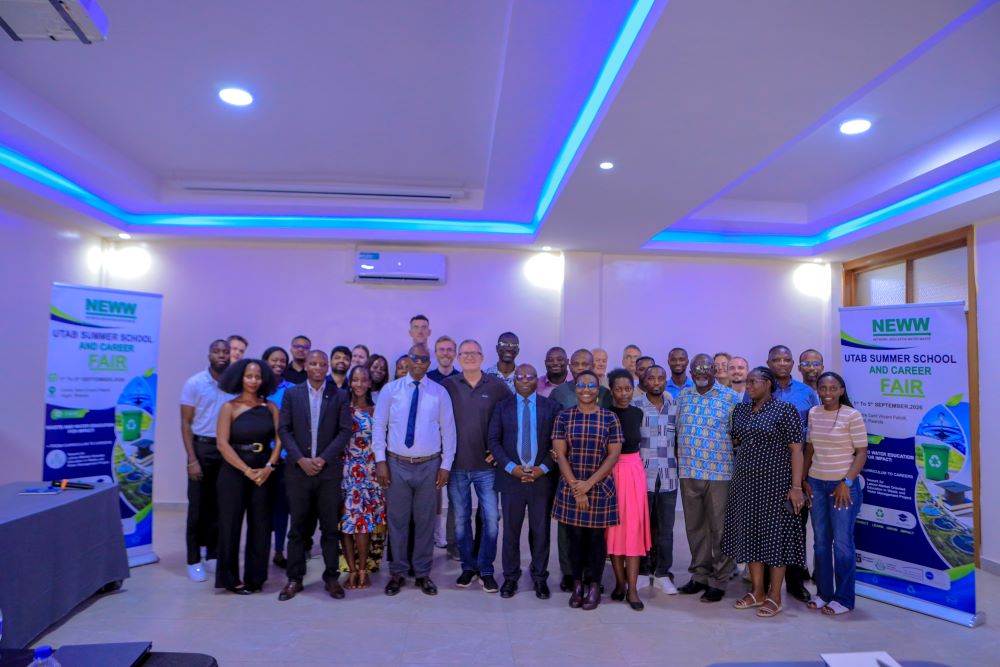
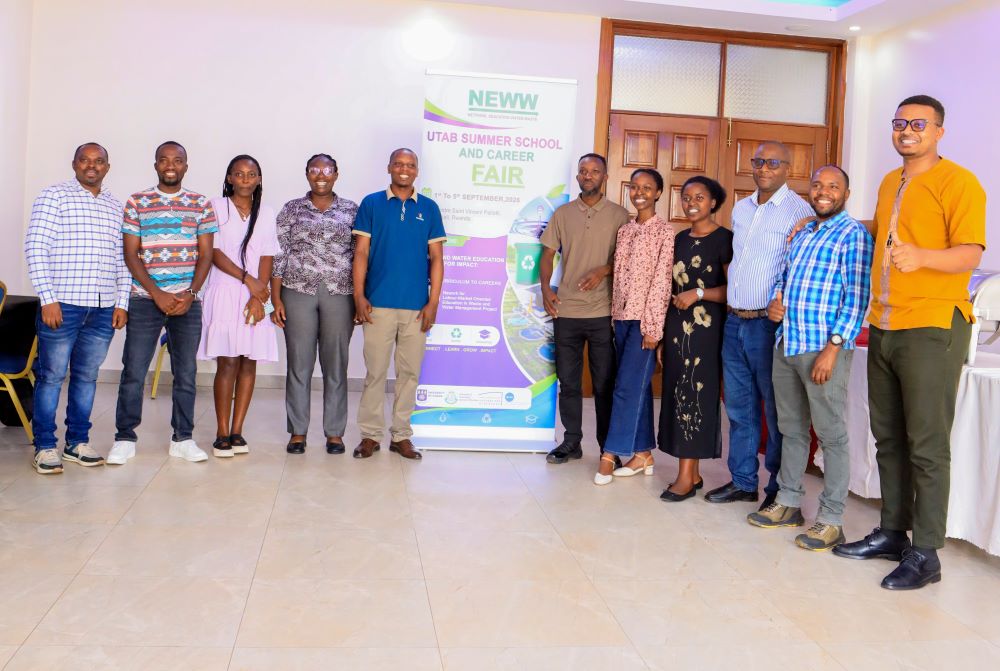
Its engagement with the labour market is also reflected in the Network for Labour-Market-Oriented Education in Waste and Water Management (NEWW) project. The initiative links teaching and applied research with industry needs through practice-oriented curricula, expert engagement and interaction with employers.
During the 2026 NEWW Summer School and Career Fair, held in Kigali from September 1 to 5, students, academics, researchers and industry partners from Rwanda, Ghana and Germany participated in discussions on curriculum development, practical learning and research in waste and water management. The event also provided opportunities for students to interact with potential employers.
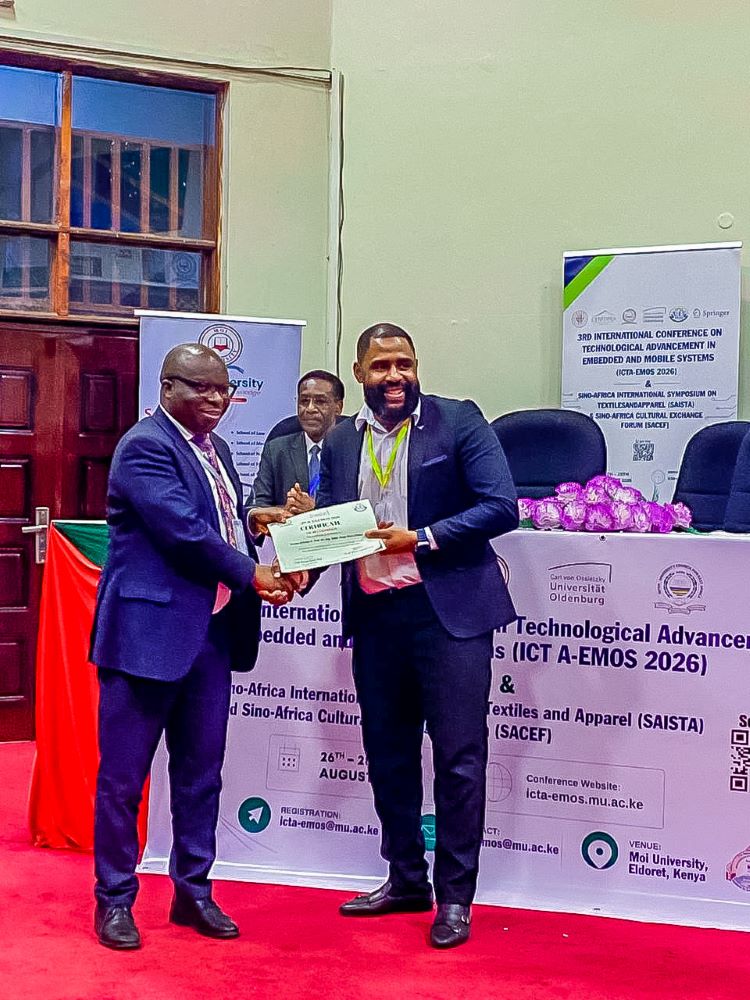
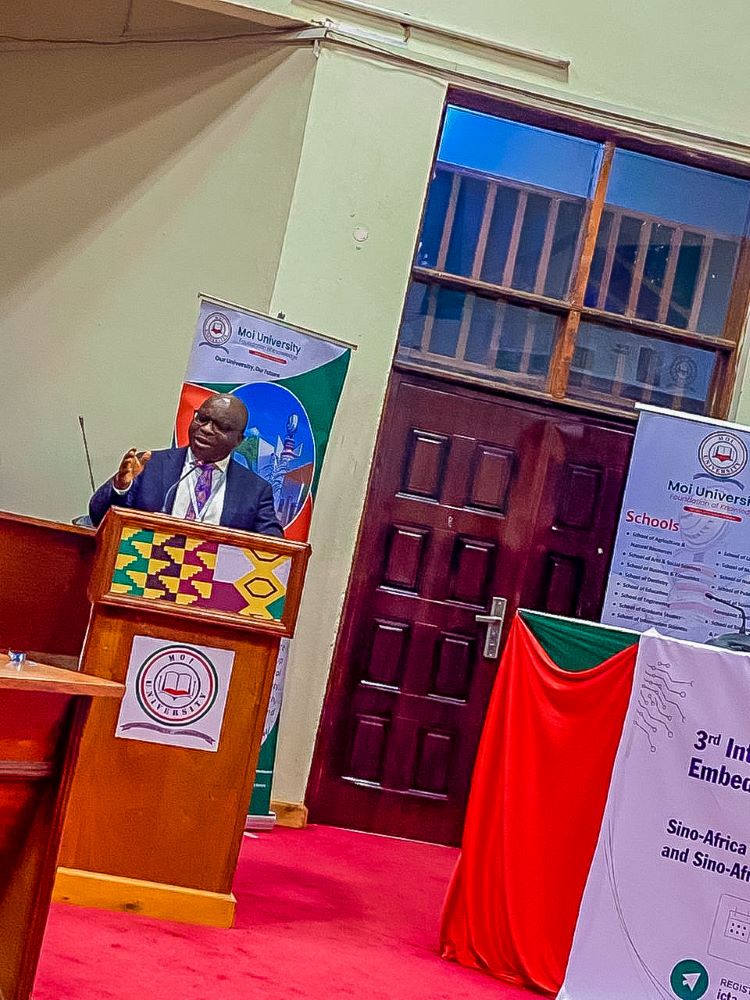
UTAB is further expanding its regional academic partnerships. From August 26 to 28, the university participated in the 3rd International Conference on Technological Advancement in Embedded and Mobile Systems (ICTA-EMOS 2026), hosted by Moi University in Eldoret, Kenya.
At the conference, Dr. Munana highlighted the importance of regional university networks in strengthening institutional capacity and the global visibility of African universities.
The university says its partnerships have also created opportunities for staff and student mobility and capacity building in countries including Ghana, China, Italy, Poland and Germany.
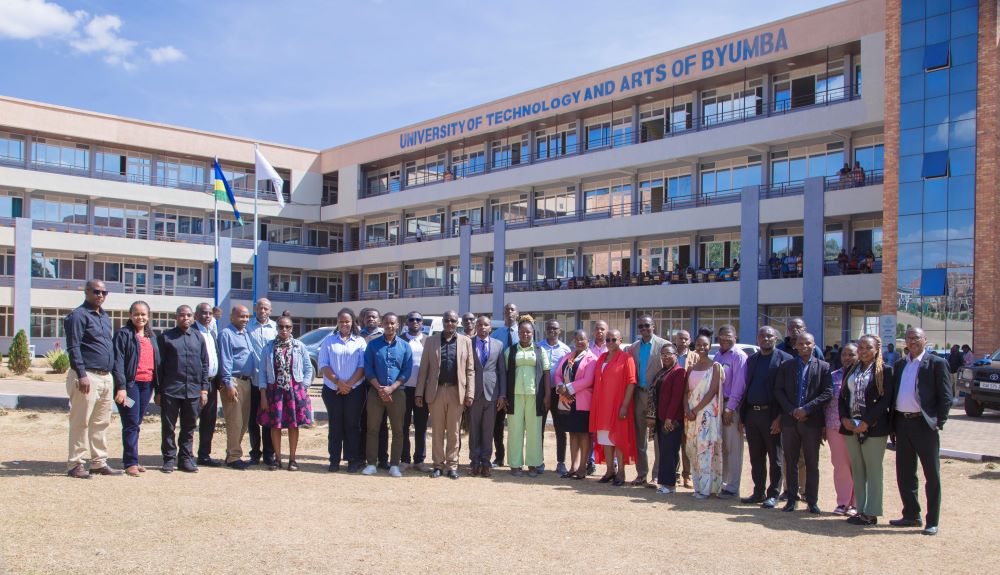
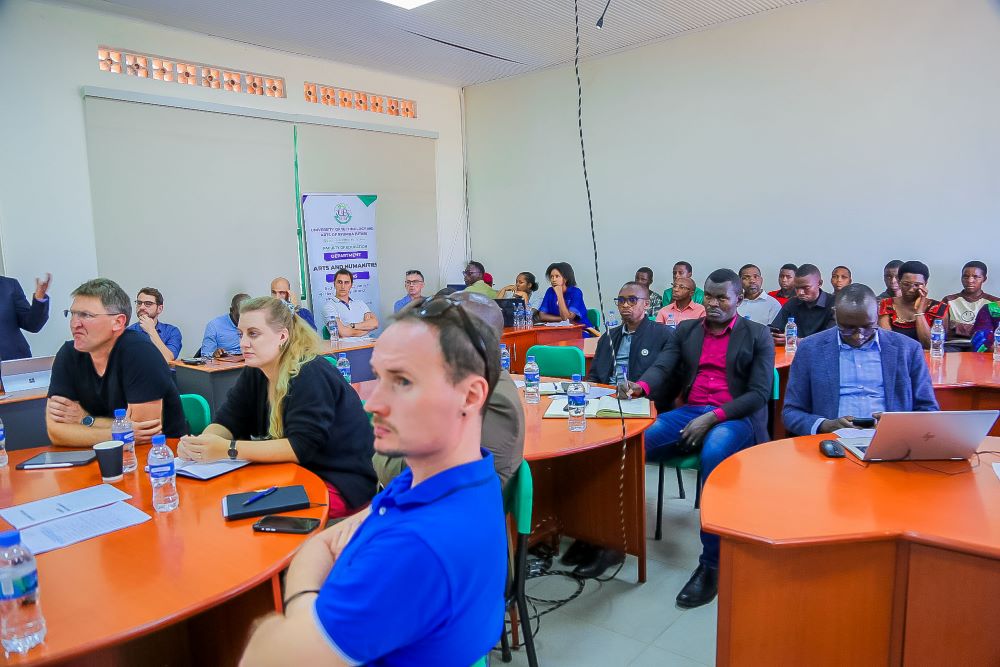
Meanwhile, UTAB is seeking to align its research with national development priorities. On August 28, it held a Research Agenda Stakeholders’ Workshop bringing together representatives from government, academia, the private sector, civil society and development partners.
The workshop sought to identify pressing challenges and guide academic staff in developing research projects focused on practical solutions and Rwanda’s socio-economic development.
Climate resilience is among the areas receiving increased attention. UTAB has introduced a Master of Science in Urban Environment and Climate Resilience, designed to develop professionals capable of addressing environmental risks, climate adaptation and sustainable urban development.
The university says the programme is intended to strengthen the human capital needed to help communities anticipate and respond to environmental and urban challenges.
Dr. Munana said universities have a responsibility to connect education, research and practical needs.
“Our responsibility is not simply to produce graduates, but to equip them with knowledge and practical skills that can be applied to real challenges.”
Through its Living Lab, community initiatives, industry partnerships, research agenda and new academic programmes, UTAB is seeking to strengthen the connection between higher education and the communities and industries it serves.

Leave a Reply