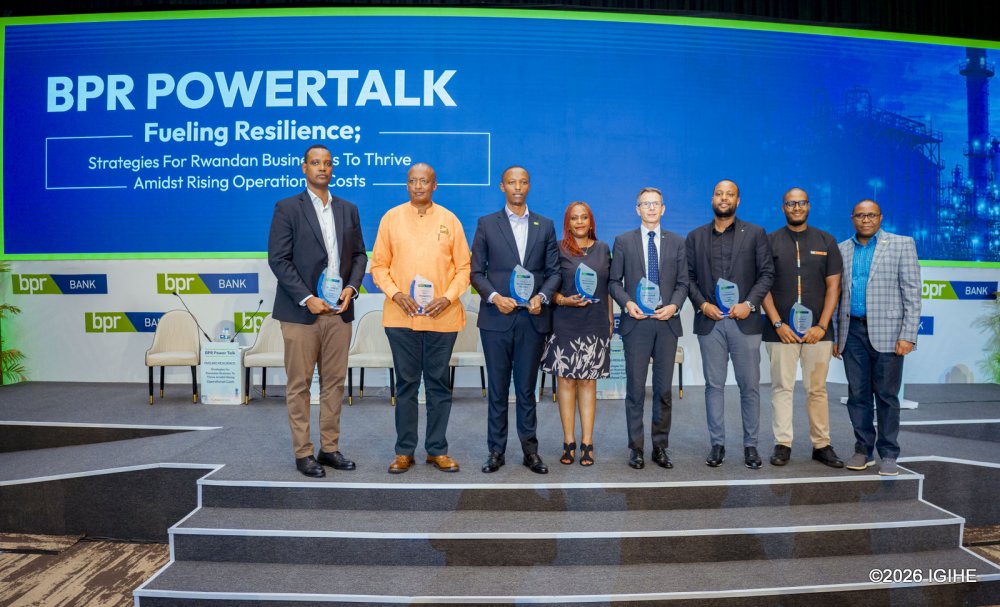
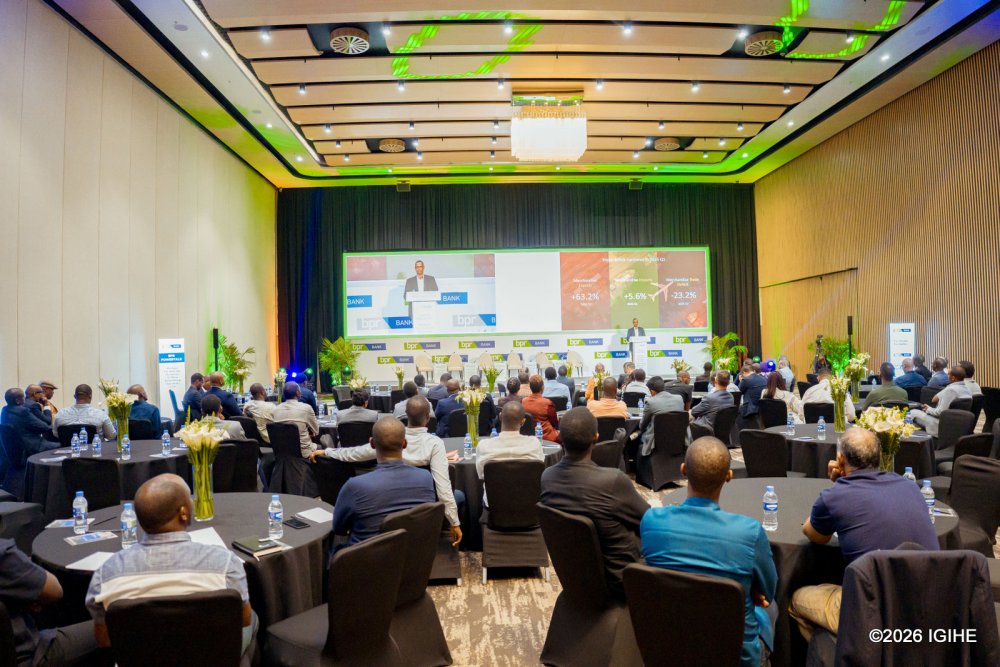
Through these engagements, the bank convenes clients operating in a particular sector alongside industry experts to assess prevailing challenges and identify opportunities for collaboration that can drive growth.
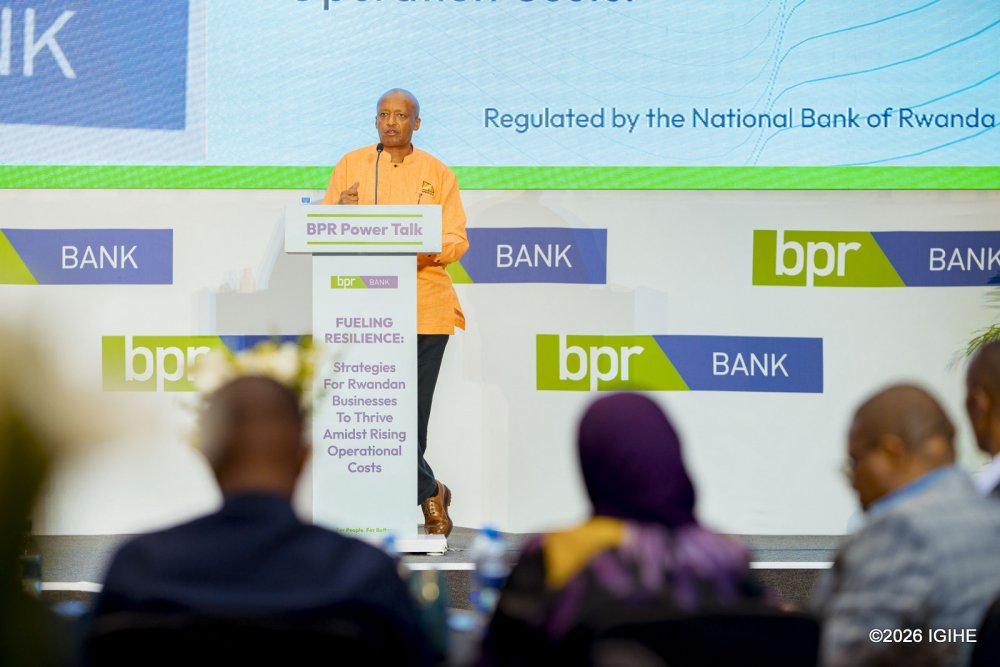
According to BPR Bank Rwanda PLC’s Chief Finance Officer, Vincent Ngirikiringo, the initiative was conceived as a platform for dialogue between the bank and stakeholders across different sectors of the economy.
“We designed these discussions as a forum for exchanging ideas with our partners in various sectors of the economy. It is an ongoing initiative that will also cover industries such as construction, agriculture and others,” he said.
The first edition brought together players from the energy, transport and manufacturing sectors, all of which depend heavily on petroleum products and have been significantly affected by recent global market disruptions.
The challenges stem largely from the conflict involving Iran, which disrupted global oil markets following the closure of the Strait of Hormuz, a critical shipping route through which more than 20 million barrels of oil pass each day, representing around 20% of global consumption.
As a result, petroleum prices surged, rising by about 45% since the Middle East conflict began in late February 2026.
A barrel of petroleum products that had been trading between $65 and $70 climbed to around $130 in April before easing slightly. By early June 2026, prices were fluctuating between $90 and $95 per barrel.
The Iran conflict also led to the loss of approximately 1.5 billion barrels of unprocessed petroleum products that never reached the market.
Globally, the sector is estimated to have incurred losses exceeding $50 billion as a consequence of the crisis.

Rwanda among the affected countries
The impact was also felt in Rwanda. On August 5, the price of diesel increased by Rwf722 per litre, reaching Rwf2,927 from Rwf2,205, while petrol remained unchanged at Rwf2,938 per litre.
Earlier, on April 16, 2026, petrol prices rose by Rwf635 per litre, increasing from Rwf2,303 to Rwf2,938, while diesel remained at Rwf2,205.
The previous adjustment had been made on April 3, 2026, when petrol prices increased by Rwf314 to reach Rwf2,303 per litre, while diesel rose by Rwf257 to Rwf2,205.
The increases contributed to broader inflationary pressures. According to the National Institute of Statistics of Rwanda (NISR), consumer prices in April 2026 were 13% higher than April 2025. In March 2026, annual inflation stood at 9.2%.
The root cause, according to Eric Mutaganda, Chairperson of the Petroleum Traders Association of Rwanda and Managing Director of Merez, is the disruption caused by the Iran conflict.
“The Iran conflict had a significant impact on us, but together with the Government of Rwanda we managed to reduce its severity. The government provided subsidies to ensure Rwandans did not face the full burden that would otherwise have occurred. Although oil prices increased by 45%, the actual procurement costs multiplied five times,” he explained.
The figures illustrate the point. Before the conflict began in early February, a tonne of petroleum products cost around $300. Today, the same quantity costs approximately $1,650.
Mutaganda noted that addressing such shocks requires substantial strategic storage capacity that can shield the country during supply disruptions, with financial institutions playing a key role in supporting such investments.
Rwanda currently has storage facilities capable of holding about 110 million litres of petroleum products, enough to cover roughly one and a half months of demand. However, experts estimate that the country would need storage capacity of around 400 million litres to comfortably sustain supplies for four months during a global crisis.
Rwanda imports approximately 60 million litres of fuel every month. Of this, aviation fuel accounts for about 10 million litres, diesel 30 million litres and petrol 20 million litres.
Mutaganda said that while March and April were particularly challenging, the situation has since improved.
“We experienced difficulties in March and April, but things have started returning to normal. Some of our suppliers also faced disruptions. We have not yet reached the volumes we used to import, but supply conditions have improved and all fuel products are now available. We hope the Iran conflict comes to an end soon,” he said.
Most of Rwanda’s petroleum products are imported through Tanzania’s Port of Dar es Salaam, which handles between 90% and 95% of the country’s fuel imports. The remaining 5% to 10% comes through Kenya’s port system.
Fuel imports are handled by between 10 and 15 companies, including Merez, a Rwandan-owned company that has operated for 25 years. It employs more than 300 people and operates 19 fuel stations across the country.
“Our target is to end this year with 20 fuel stations. We employ Rwandans, and the company is 100% Rwandan-owned,” Mutaganda said.
He added that private sector operators are also working alongside the government to expand national storage capacity. Merez, for example, plans to construct a 20-million-litre fuel storage facility in Nyacyonga, Gasabo District.
“We are currently seeking the necessary approvals from the City of Kigali so construction can begin. Other companies are also planning similar projects to increase the country’s storage capacity,” he said.
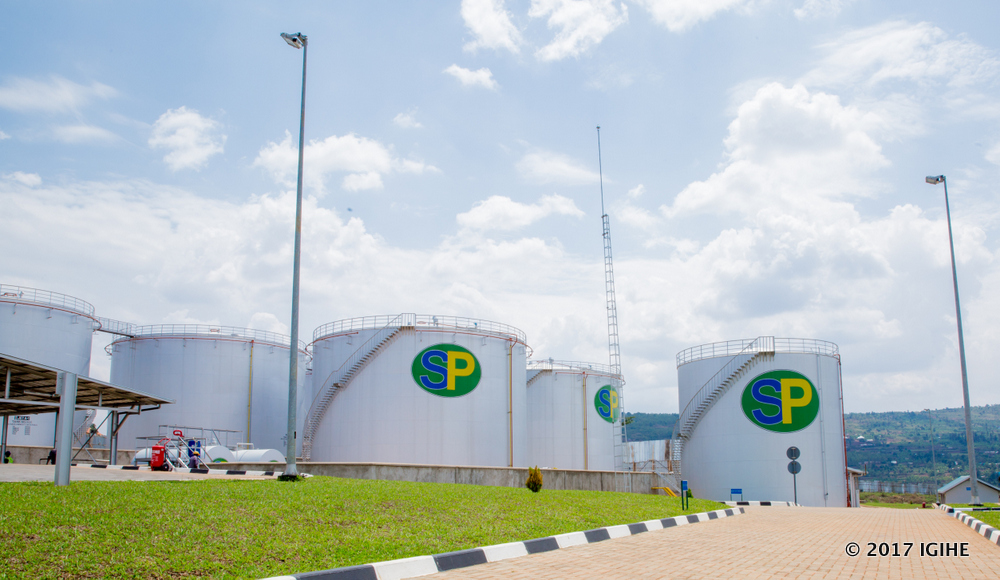
In addition to Merez, Société Pétrolière (SP) is building liquefied petroleum gas storage facilities valued at more than Rwf60 billion. The facilities will have the capacity to store 9,000 tonnes of cooking gas, enough to supply the country for about two months.
BPR Bank Rwanda steps in
BPR Bank Rwanda is among the country’s largest banks. In 2025, it recorded profits exceeding Rwf40.8 billion. The bank also extended loans worth Rwf666 billion in 2024, underscoring its contribution to Rwanda’s economic development.
It is against this backdrop that the bank decided to convene stakeholders in the petroleum sector to explore practical solutions, particularly given its capacity to provide financing that can help businesses weather the crisis.
Mutaganda said the role of banks has become even more critical as import costs have multiplied.
“If fuel costs increase fivefold, it means you need five times more capital than before to purchase the same quantity of products. That is where banks come in by increasing financing capacity. Banks have supported us, and when support continues during difficult periods, it helps businesses stay afloat until conditions improve,” he said.
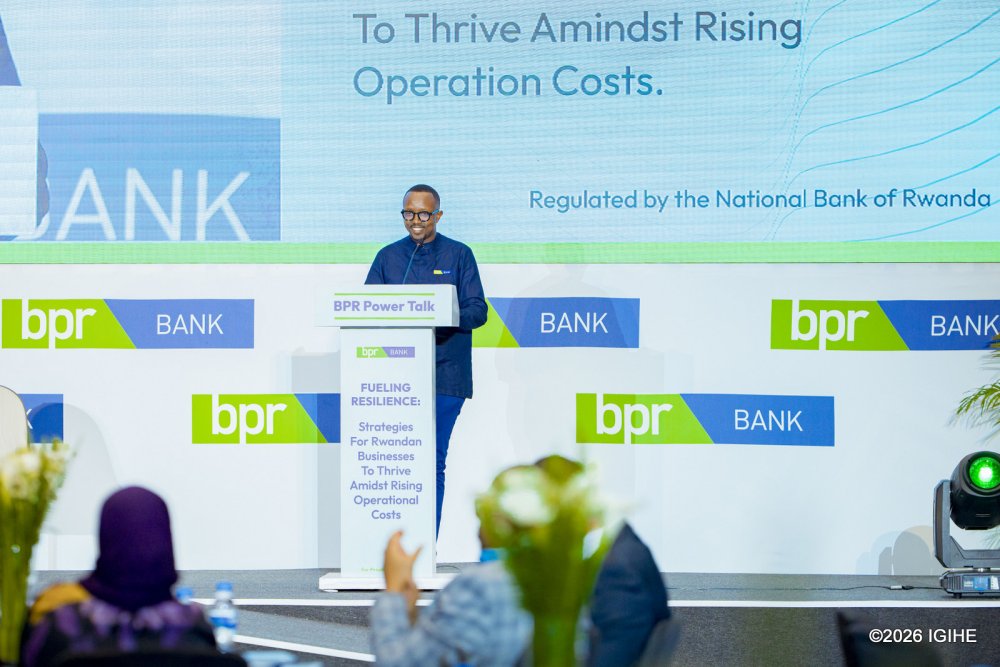
Ngirikiringo reassured industry players that BPR remains committed to engaging with stakeholders because petroleum products are fundamental to economic activity.
“We cannot achieve sustainable development if these challenges are not properly addressed. Given the impact of the Iran conflict on global fuel prices, there are consequences for both livelihoods and the economy. We are discussing what can be done to ensure Rwanda remains economically resilient despite these challenges,” he said.
He explained that BPR is exploring ways to facilitate fuel imports by providing financing mechanisms that enable importers to secure supplies without having to make immediate full payments.
“We provide facilities that allow importers to bring petroleum products into the country and settle payments once the products arrive. Instead of sending money in advance and waiting for delivery, we can support them. Because we have established relationships with international banks and suppliers, our clients can access products without excessive pressure and with greater certainty,” he explained.
Ngirikiringo added that BPR also provides conventional loans that support infrastructure investments, including the construction of fuel storage facilities that can help expand national reserves.
Reassurance from the National Bank of Rwanda
The Chief Economist at the National Bank of Rwanda (BNR), Dr. Thierry M. Kalisa, said the Iran conflict had shaken global petroleum markets because of disruptions linked to the closure of the Strait of Hormuz.
“Rwanda imports petroleum products because we do not produce them locally. As a result, domestic prices increased. Transport is one of the largest components of household expenditure in Rwanda. About 12% of household income is spent on transportation. When transport costs rise, the prices of many other goods and services also increase,” he said.
To illustrate that the issue extends far beyond Rwanda, Dr. Kalisa noted that global inflation had initially been projected at 4.4% in 2026 and 3.7% in 2027, although those projections could be revised upward depending on global economic conditions. Meanwhile, global economic growth is forecast at 3.1% in 2026 and 3.2% in 2027.
“What is happening is not unique to Rwanda. It is a concern shared by countries around the world, though it affects them through different channels,” he said.
He explained that Rwanda has already put in place measures to help cushion the economy, including efforts to narrow the trade deficit through increased exports such as coffee, minerals and other products.
Dr. Kalisa noted that despite these efforts, Rwanda will continue importing essential commodities that cannot be produced locally, including petroleum products, which account for imports worth more than $650 million annually.
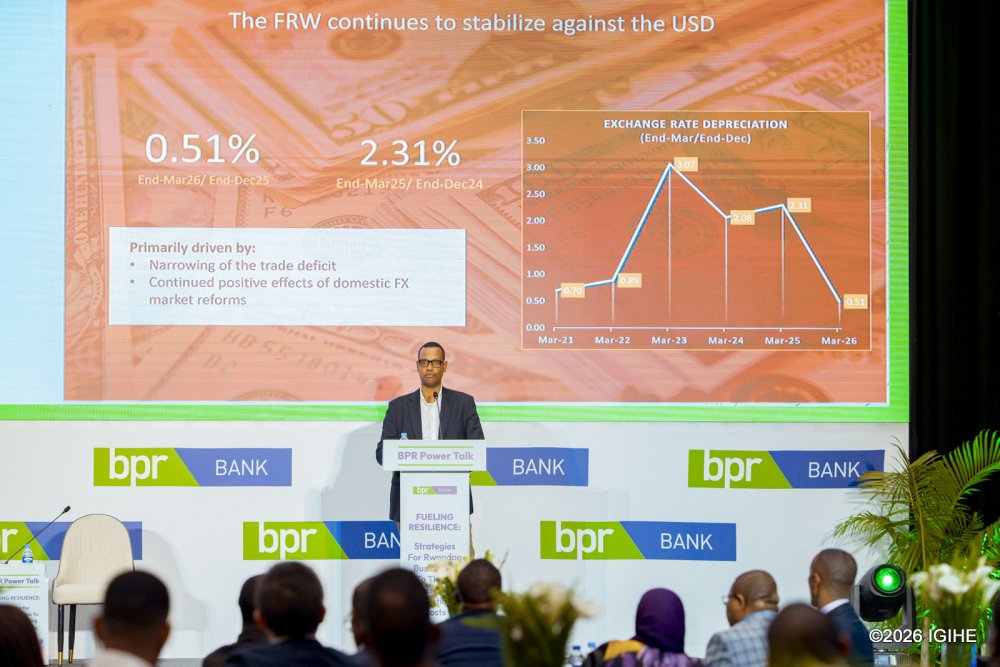
He highlighted the stability of the Rwandan franc against the US dollar as another factor helping fuel importers manage costs.
This was evident during the first quarter of the year, when the franc depreciated by only 0.5%.
“Compared to previous years, that is a very low level. This is extremely important for importers because exchange-rate movements have remained relatively stable. It allows them to continue importing goods without facing major increases in the value of their import bills,” he said.
If current economic performance is maintained, Rwanda’s economy is expected to grow by 6.8%, lower than the 9.4% growth recorded in 2025 but still reflecting continued expansion despite global headwinds.
Leave a Reply