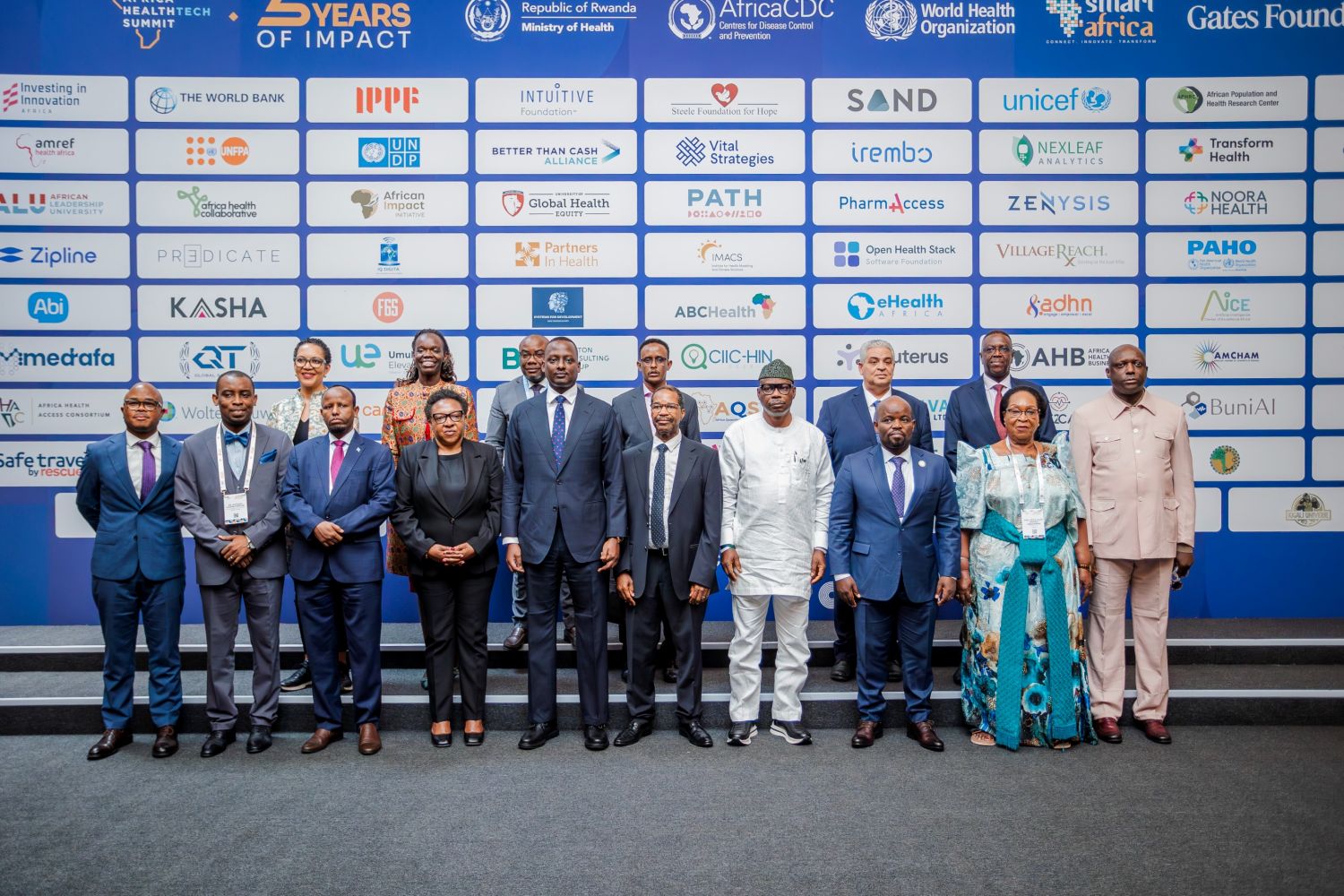
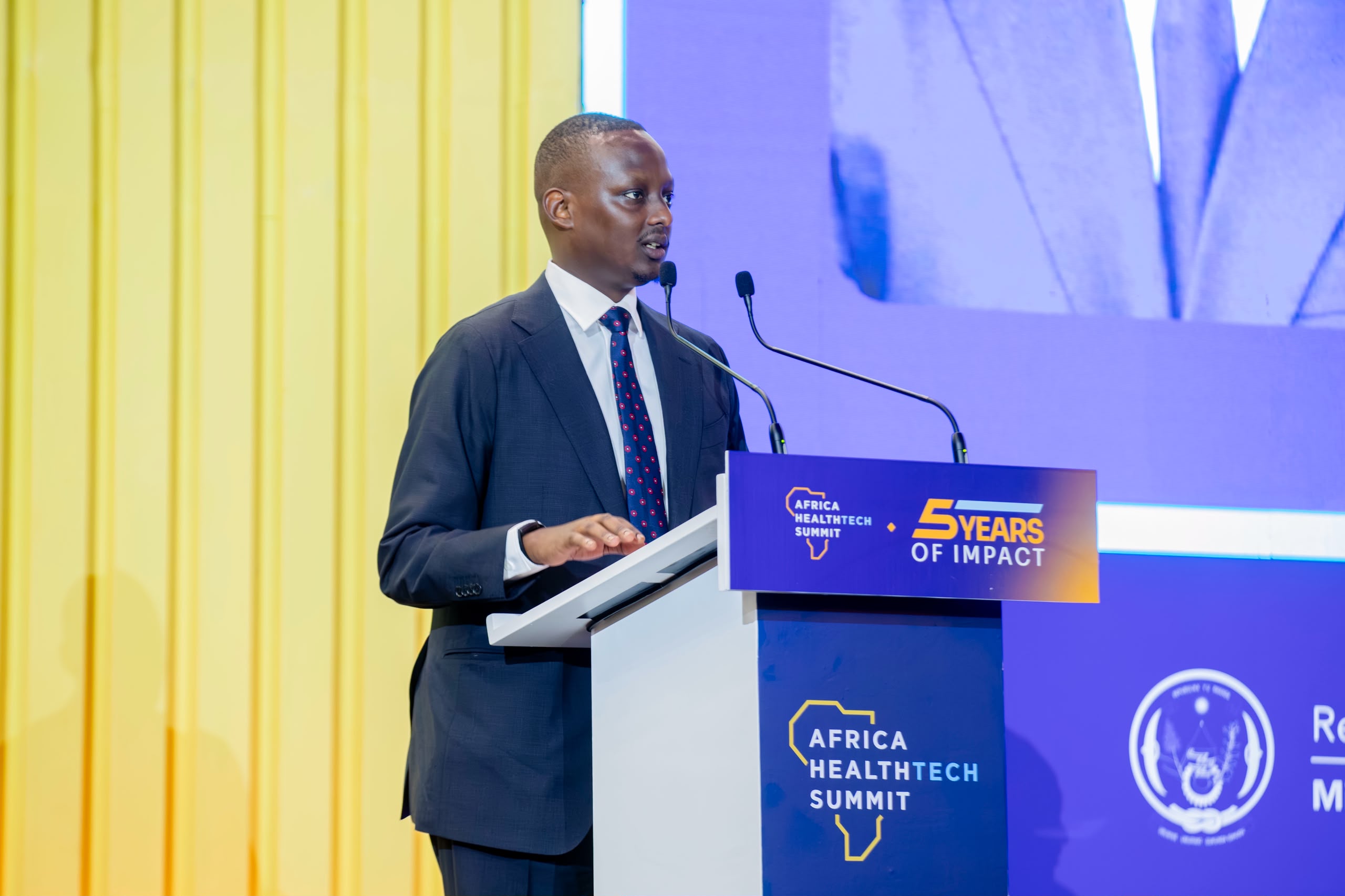
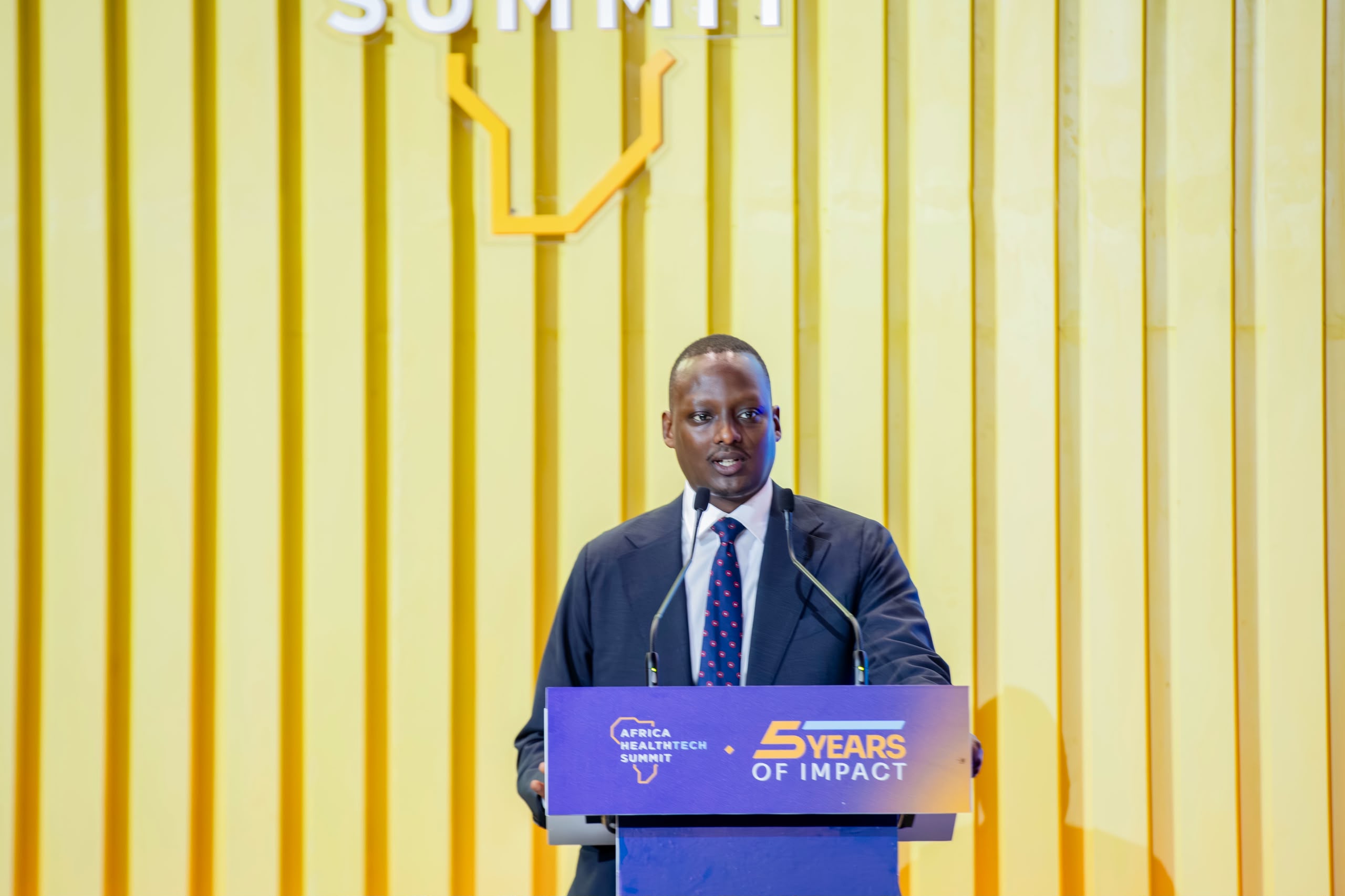
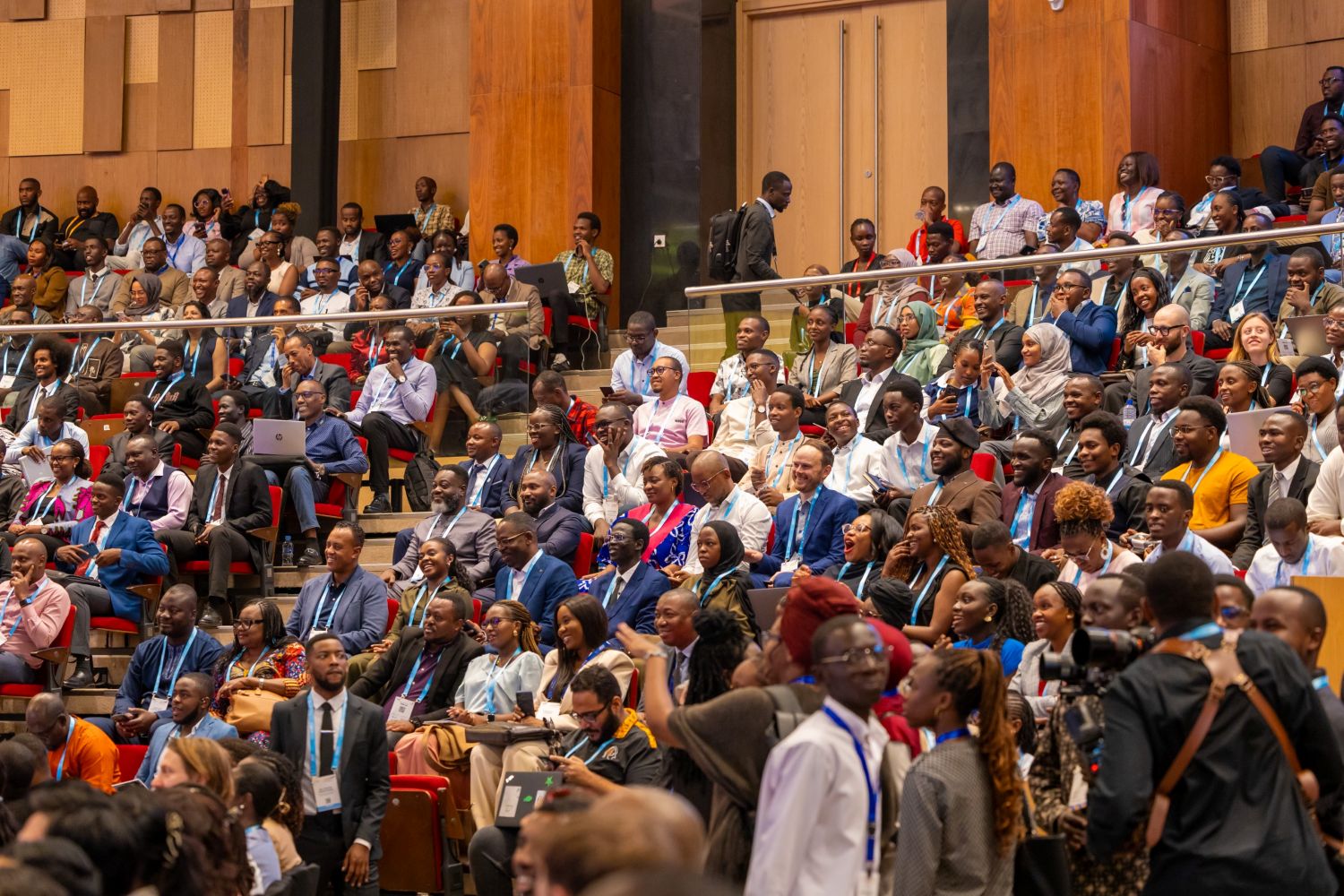
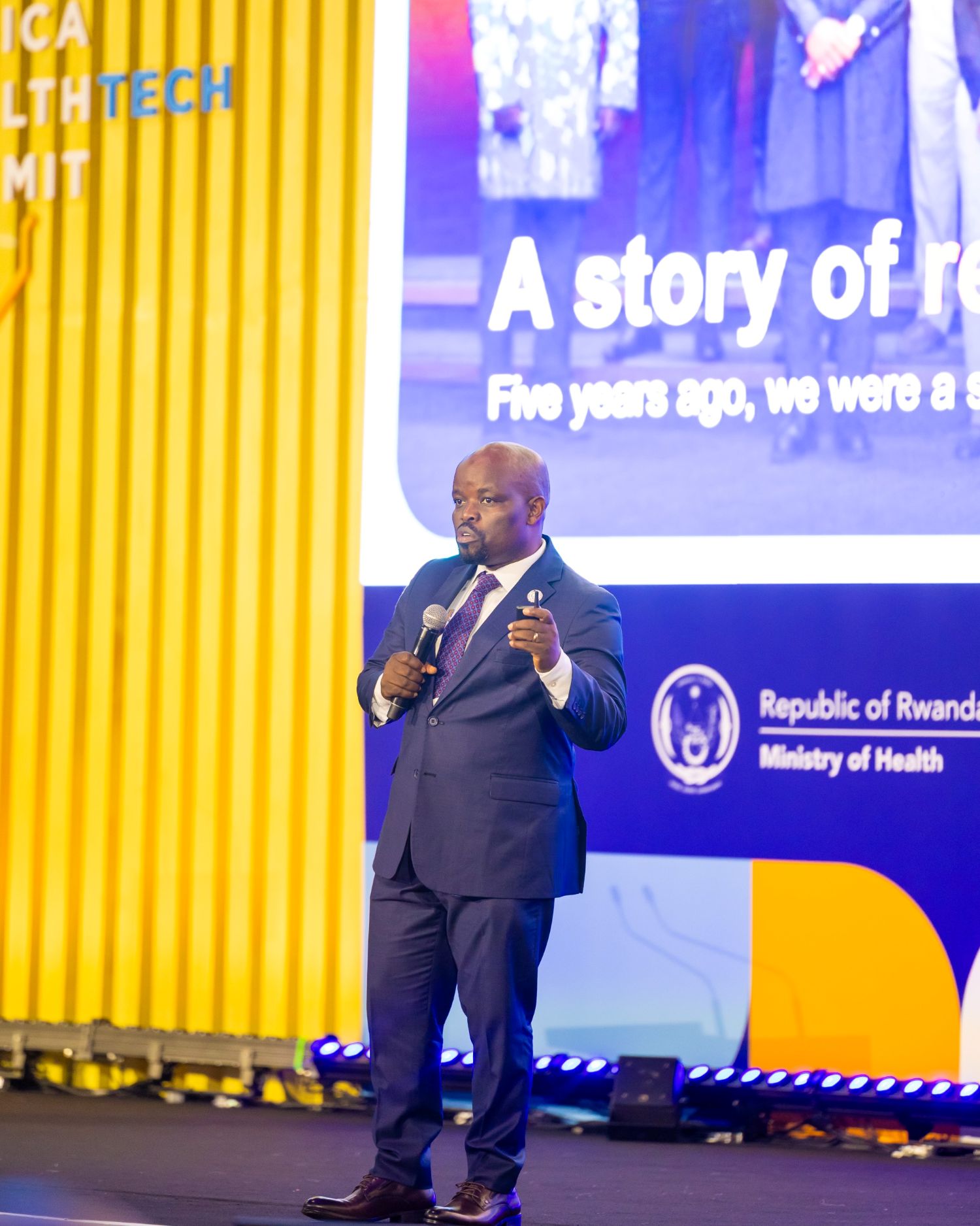
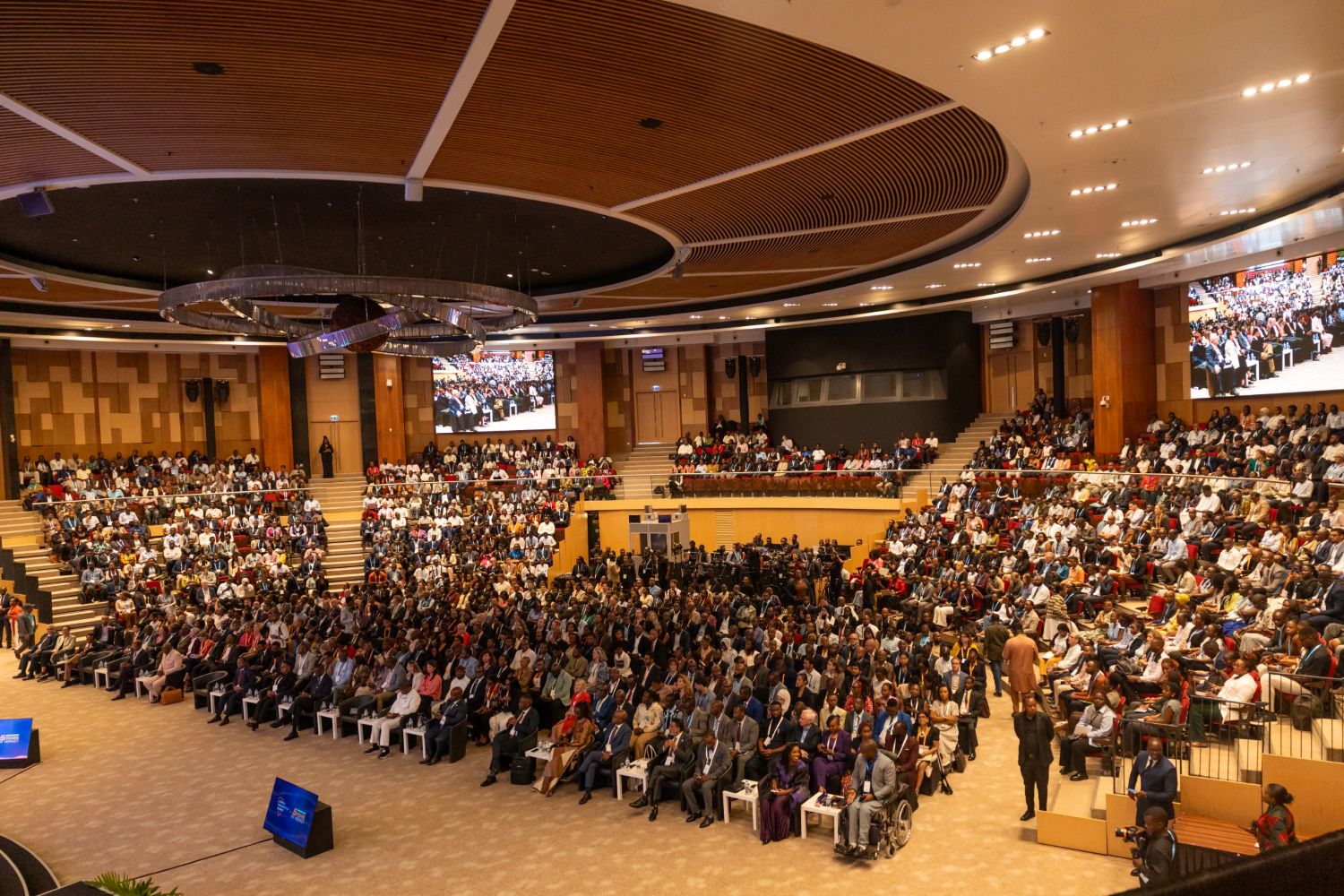
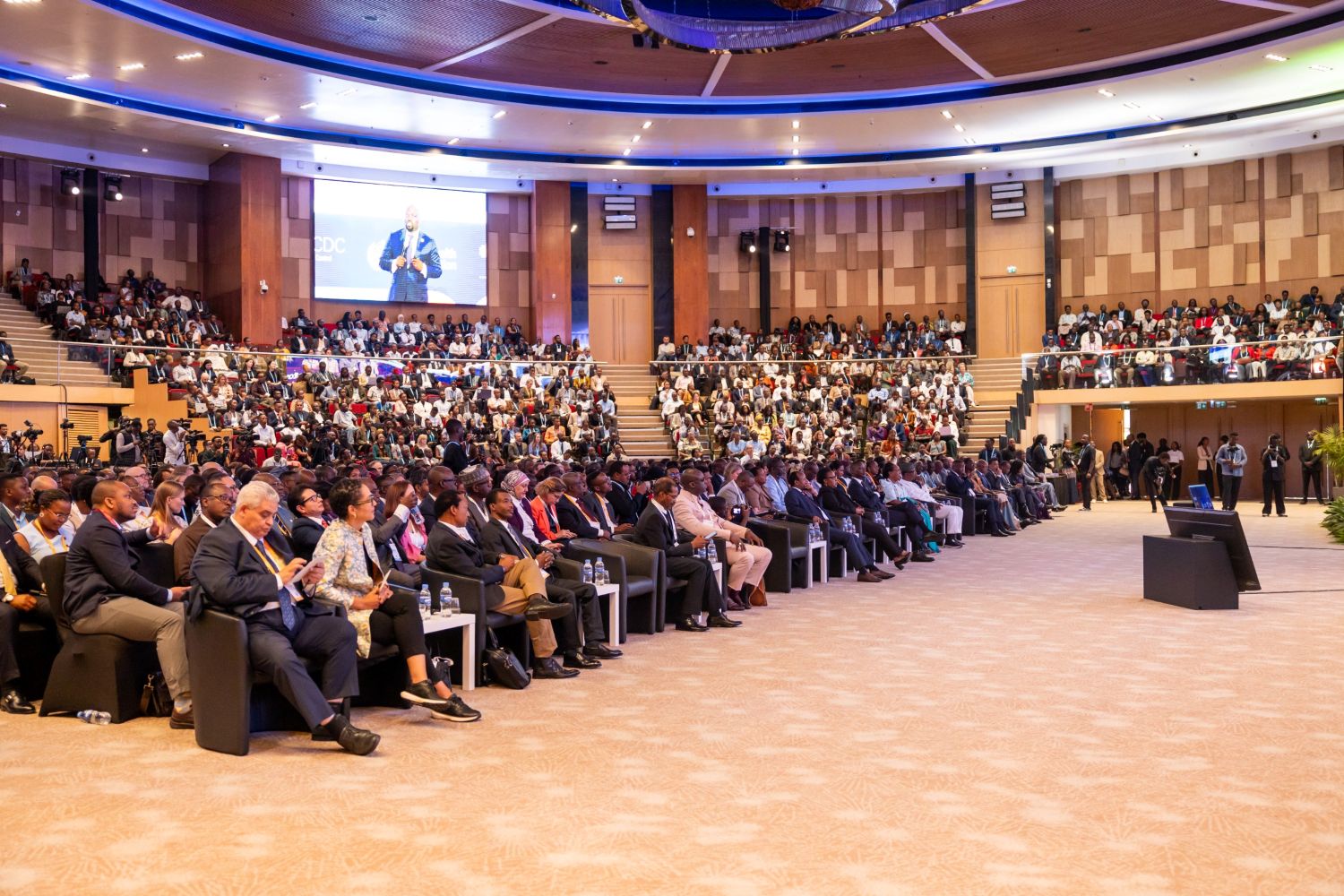
Butera made the disclosure on September 30 as the fifth Africa HealthTech Summit (AHTS) opened at the Kigali Convention Centre, bringing together more than 4,000 delegates from over 150 organisations to discuss how technology, data and innovation can strengthen health systems across Africa.
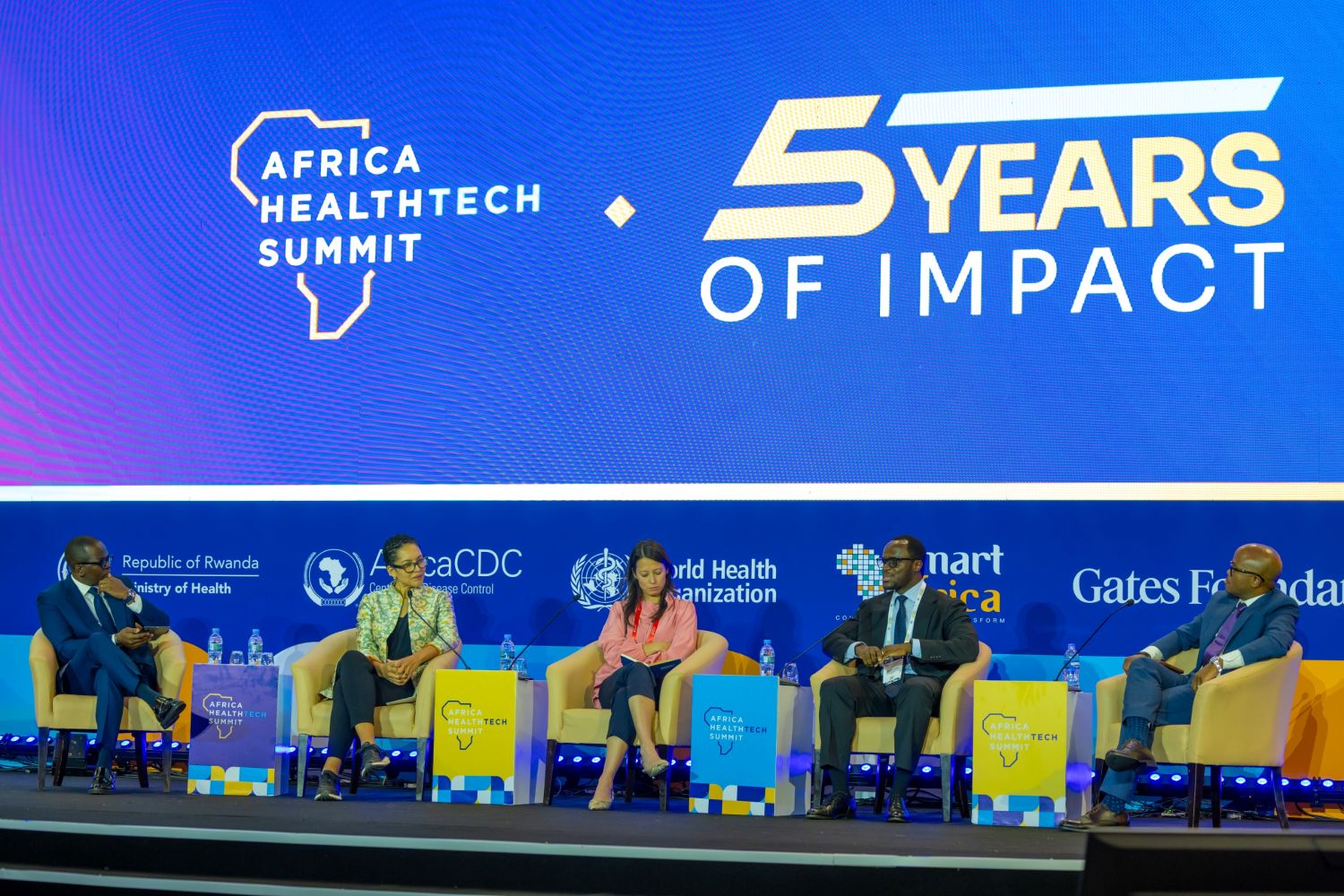
The three-day summit is bringing together health leaders, policymakers, technology experts, investors and innovators to explore artificial intelligence, digital health, primary healthcare, health data and the scaling of African health technologies.
Butera noted that Rwanda had already made major gains in maternal health, with maternal mortality falling by about 85% over the past two decades.
Data from the National Institute of Statistics of Rwanda (NISR) shows the scale of the longer-term progress. The maternal mortality ratio fell from 1,071 deaths per 100,000 live births in 2000 to 203 in 2020, before declining further to 149 in 2025.
That represents an 86.1% reduction between 2000 and 2025, according to the NISR’s latest Rwanda Demographic and Health Survey.
The latest gains come as Rwanda increasingly relies on digital systems to detect risks earlier and coordinate care across different levels of the health system.
Butera explained that the country has developed a tailored community electronic medical record used by more than 54,000 community health workers.
The workers use smartphones to record patient information, follow up on cases and identify people at risk, particularly in maternal and child health.
The system connects information gathered at community level with health centres, hospitals and specialists, allowing healthcare providers to identify high-risk pregnancies and prepare for possible complications.
“Since we have our electronic medical records that are interconnected,” Butera noted, health centres can access information from community health workers, while hospitals and specialists can identify high-risk pregnancies.
The system has also given health authorities a broader view of health trends across the country.
From his office, Butera explained, officials can monitor issues such as medicine stock-outs and identify patterns involving conditions such as high blood pressure.
He stressed that the focus has shifted towards identifying women at risk much earlier in pregnancy.
For high-risk pregnancies, early detection allows health facilities to prepare for complications before delivery, he added.
Health centres have also been equipped with ultrasound machines, enabling nurses to identify pregnancies that may carry risks. Information on conditions such as blood pressure and diabetes can then be used to plan care.
Virtual hospital expands specialist care
Rwanda has also introduced a virtual hospital to extend specialist expertise to district hospitals.
The system connects district hospitals with specialist doctors who can provide support around the clock, allowing general practitioners to work with specialists during complex procedures.
Using virtual reality equipment, specialists can remotely observe procedures and guide doctors working in district hospitals.
Butera revealed that the programme has helped save about 15 mothers who were considered “near misses” since it was introduced.
The government expects the virtual hospital, combined with other interventions across the health system, to contribute to another 30% reduction in maternal mortality over the next year.
The minister emphasised that the broader objective is to use technology to make healthcare more responsive by identifying risks earlier, bringing specialist expertise closer to patients and enabling health authorities to make decisions using real-time information.
“We want impact so that people’s lives are saved, are changed, they live longer and healthier,” he added.
Rwanda builds health intelligence system
The maternal health gains form part of a wider effort to build an interconnected digital health system in Rwanda.
Eric Remera, Director of Rwanda’s National Health Intelligence Centre, highlighted the country’s transition from paper-based systems towards digital health services, including electronic medical records, connected health facilities and laboratories.
The National Health Intelligence Centre, established a year ago, brings together health data to generate insights that support decision-making from national leadership to frontline healthcare providers.
Remera explained that the goal is not simply to collect more data but to ensure that information also reaches healthcare providers, giving them better tools and helping them make decisions at the right time.
“As we embrace artificial intelligence, our principle is clear: Rwanda’s data must serve Rwanda’s people, under Rwanda’s governance,” he stressed.
The use of technology in healthcare must, however, remain focused on improving outcomes for patients, Dr Brian Chirombo, WHO Representative and Head of Mission in Rwanda, told delegates.
Speaking on behalf of the United Nations Resident Coordinator, Chirombo highlighted equity, trust and impact as key principles that should guide digital transformation.
He pointed to UN-supported initiatives in Rwanda, including the Kigali Health Tech Hub, the National Health Intelligence Centre, telemedicine, digital surveillance and the expansion of community electronic medical records.
Chirombo also called for African countries to move beyond small-scale pilots and disconnected projects and focus on taking proven health innovations to scale.
Summit seeks to turn innovation into investment
Jean-Philbert Nsengimana, Chairman of the Africa HealthTech Summit and Chief Digital Advisor for Africa CDC, highlighted the growth of the forum since its launch.
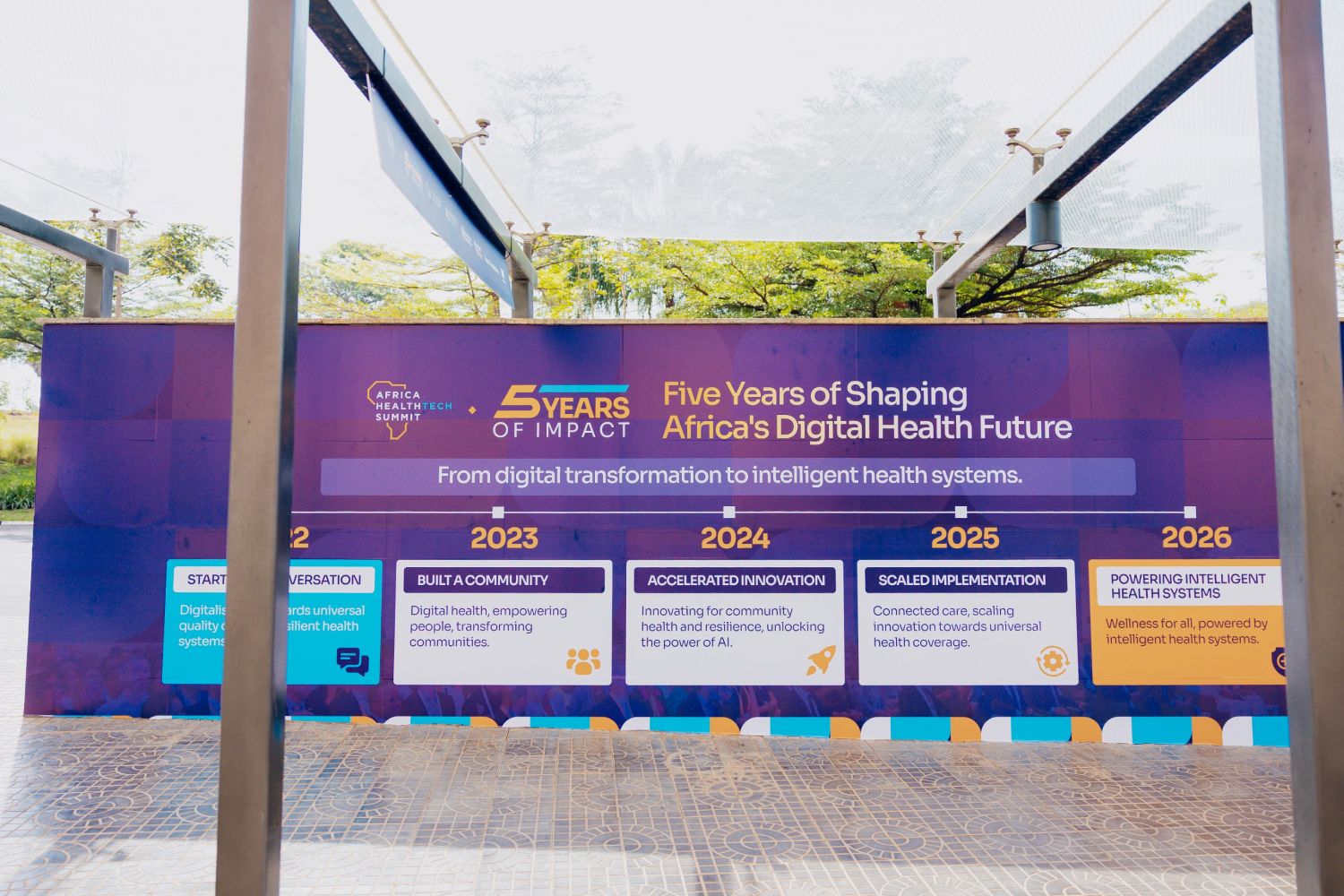
The 2026 edition has 4,300 registered delegates, compared with about 600 participants when the summit began in 2022.
The summit has also expanded its focus from discussions around digital health to creating opportunities for investment and implementation.
Nsengimana announced a Deal Room designed to connect health technology companies seeking capital with investors. This year’s programme includes 22 scale-ups, 13 confirmed investors and 31 meetings.
He pointed to a deal that emerged from the previous summit, where an investor met a South African health technology innovator, leading to a $3.1 million investment in an AI diagnostics company and a subsequent $6 million funding round.
Nsengimana argued that African health technology companies need access to the continent’s wider market if the sector is to achieve greater scale.
The summit chairman also outlined plans to strengthen collaboration between African innovators and international health technology markets, including through Africa-Canada, Africa-US and Africa-India healthcare collaboration platforms.
As the fifth edition continues through October 2, discussions are expected to focus on how governments, investors, innovators and development partners can turn digital health solutions into systems that improve healthcare delivery across the continent.




Leave a Reply