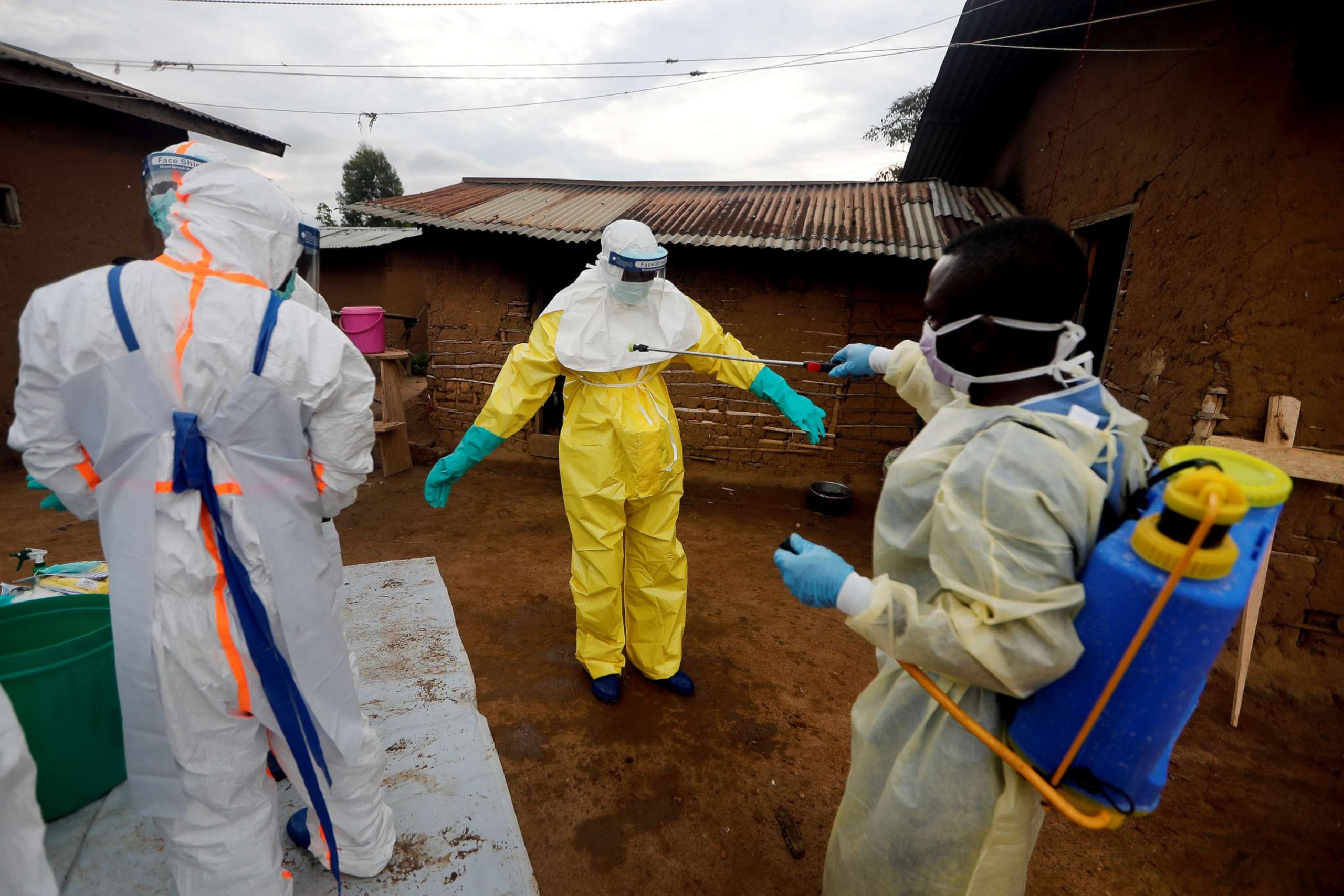
The outbreak has claimed 4,887 lives across eight provinces since it was declared in mid-May, making it the largest Ebola outbreak in the country’s history and the second-largest recorded globally.
More than 2,700 children have been infected, according to Save the Children, highlighting the growing impact of the outbreak on vulnerable populations.
Greg Ramm, the organisation’s director in the DRC, described the milestone as a “stark reminder of the scale of this crisis”.
“Behind this milestone are thousands of families facing unimaginable fear and uncertainty, and children are bearing some of the heaviest consequences,” Ramm said.
He added that the outbreak was unfolding in communities already affected by conflict, displacement and food insecurity, making it increasingly difficult for families to access medical services.
“Families are struggling to access health care, health facilities are under immense pressure, and many communities lack the resources needed to prevent transmission and keep children safe,” he said.
The outbreak is caused by the Bundibugyo strain of Ebola, a relatively rare variant for which no approved vaccine is currently available, according to the report.
Difficulties in detecting the virus during the early stages of the outbreak have also complicated efforts to contain its spread.
Attacks on health workers hamper response
Efforts to control the outbreak have also been undermined by violence against health workers.
Last week, a nurse was killed and another health worker seriously injured while responding to an Ebola alert in Tshopo province in the Democratic Republic of Congo according to the World Health Organization (WHO).
WHO Director-General Tedros Adhanom Ghebreyesus condemned the attack, stressing that health workers must be able to carry out their duties safely.
“Everyone working to protect communities from this deadly disease must be able to work in dignity and safety,” he said in a post on X.
WHO Regional Director for Africa Mohamed Janabi also called for the protection of those responding to the outbreak, warning against the consequences of misinformation and fear.
“Those responding to the Ebola outbreak must be protected,” Janabi said.
The insecurity has added to the challenges facing response teams, particularly in areas where mistrust and misinformation discourage residents from reporting symptoms or seeking treatment.
The outbreak has also placed pressure on already strained healthcare facilities, while conflict and displacement have made it more difficult for response teams to reach affected communities.
Regional spread raises concern
The outbreak has extended beyond the DRC, with Kenya and Nigeria reporting cases linked to the ongoing crisis. Health authorities are intensifying surveillance and coordination as they seek to prevent further transmission.
Africa Centres for Disease Control and Prevention (Africa CDC) Director-General Jean Kaseya has called for a stronger and faster continental response.
“Ebola is crossing borders,” Kaseya said. “We have the expertise and the capacity on this continent. We must mobilise them together to stop this outbreak and save lives.”
Kenya has reported deaths linked to the outbreak, while almost 100 close contacts of other cases remained in quarantine, according to ABC News.
Uganda, which shares a border with the DRC, has introduced restrictions on non-essential travel to and from the neighbouring country. Returning citizens are also expected to undergo a 21-day quarantine under the measures.
The developments have renewed concerns about cross-border transmission and the need for countries to strengthen screening, contact tracing and emergency preparedness.
Leave a Reply