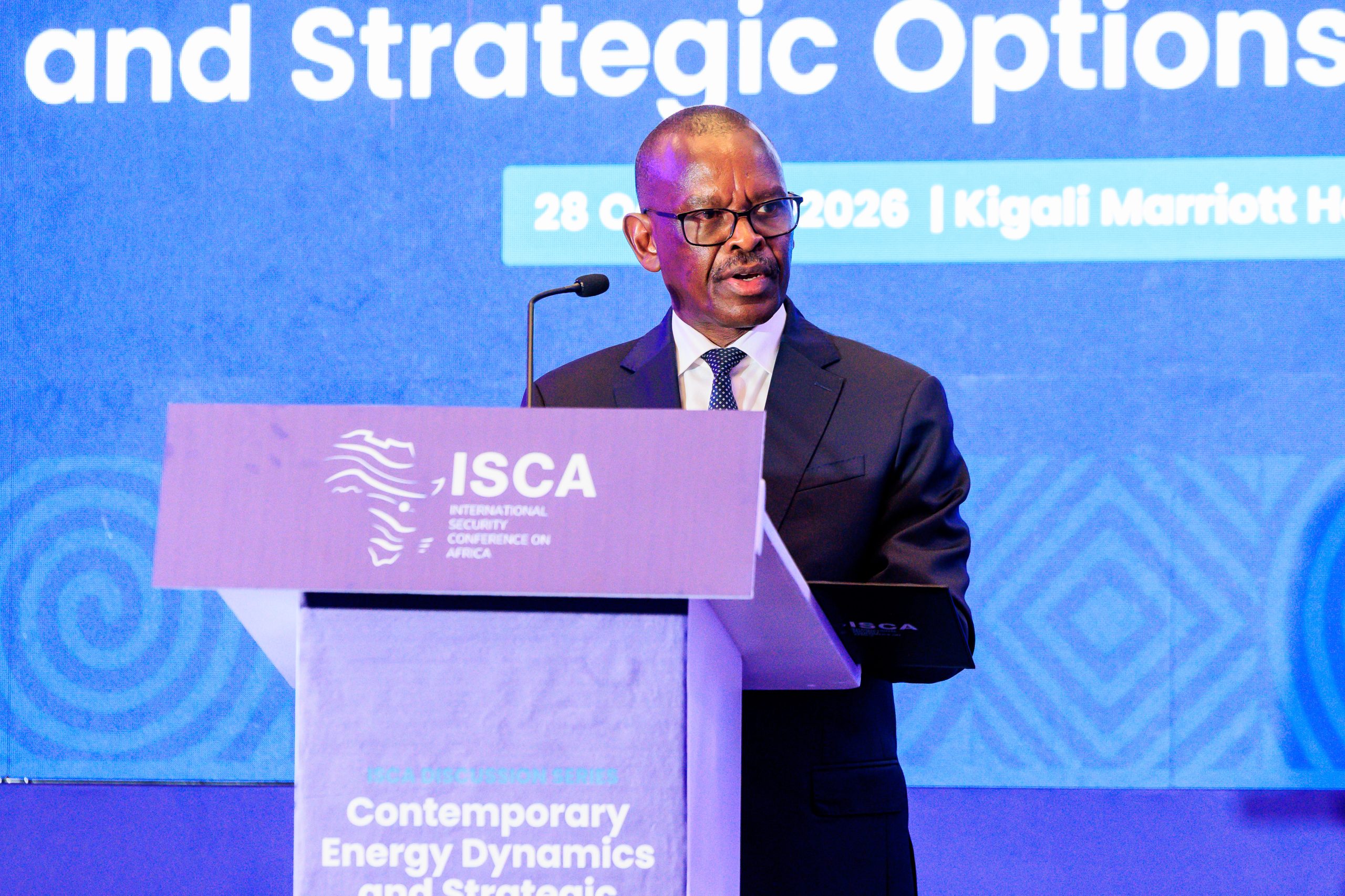
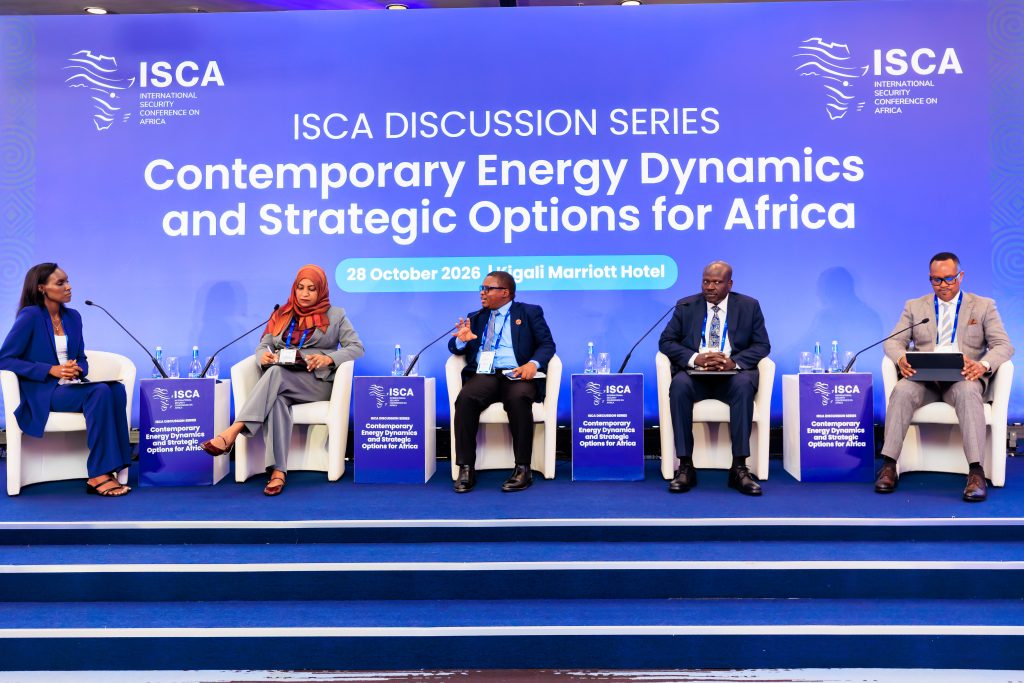
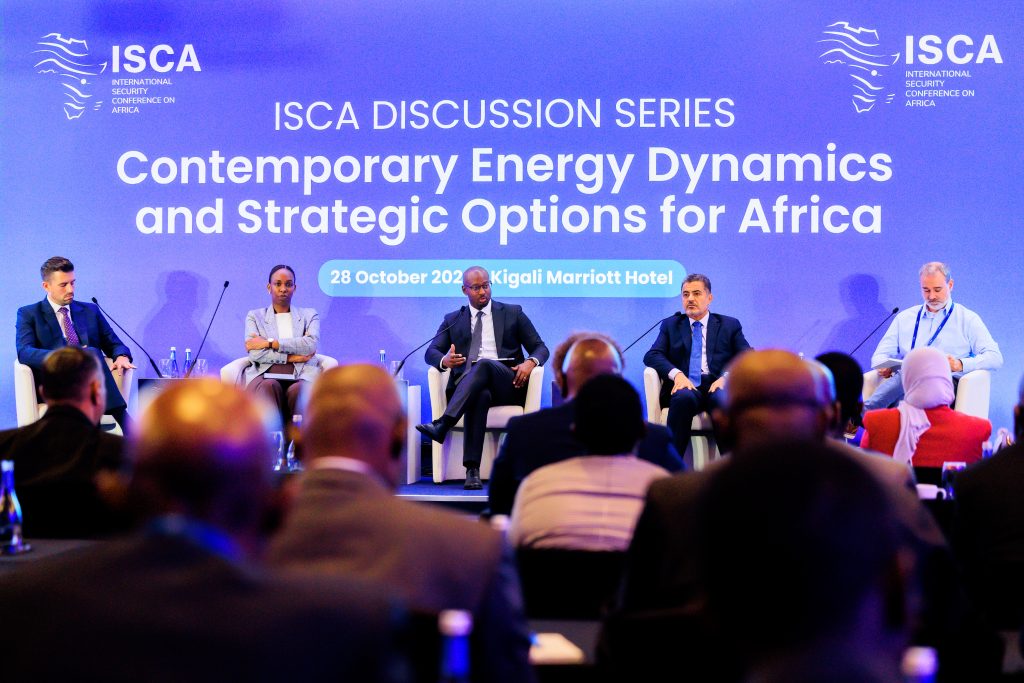
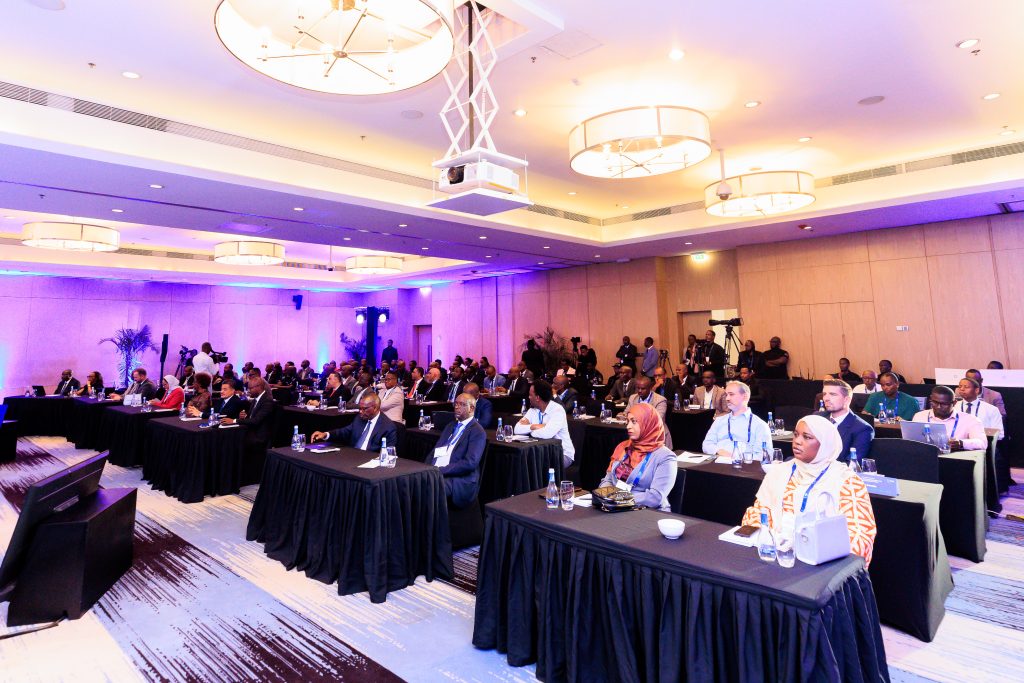
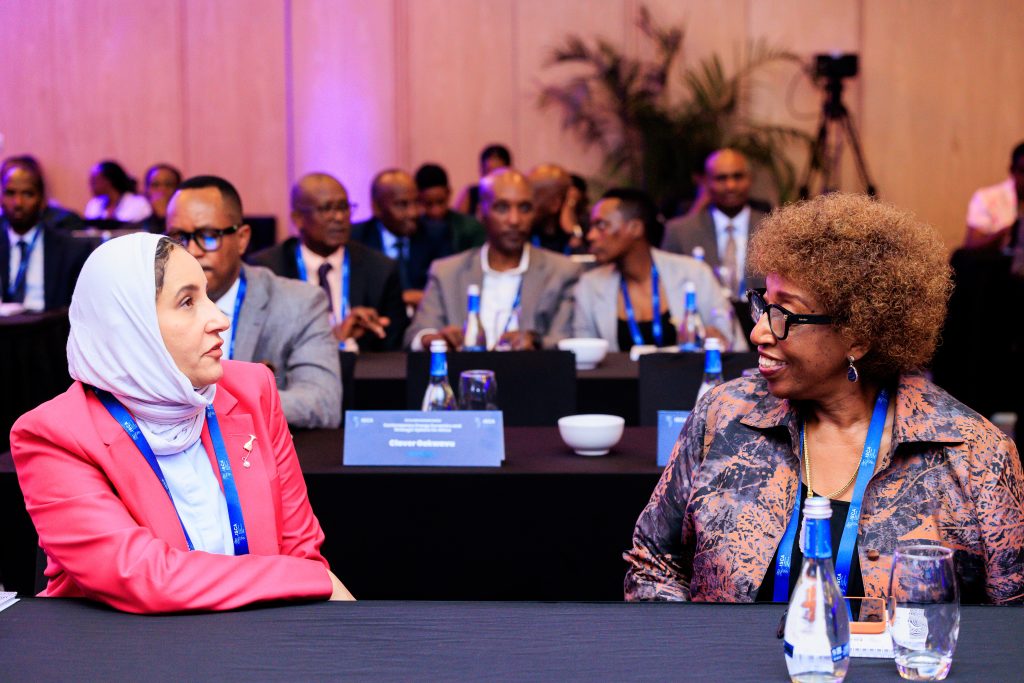
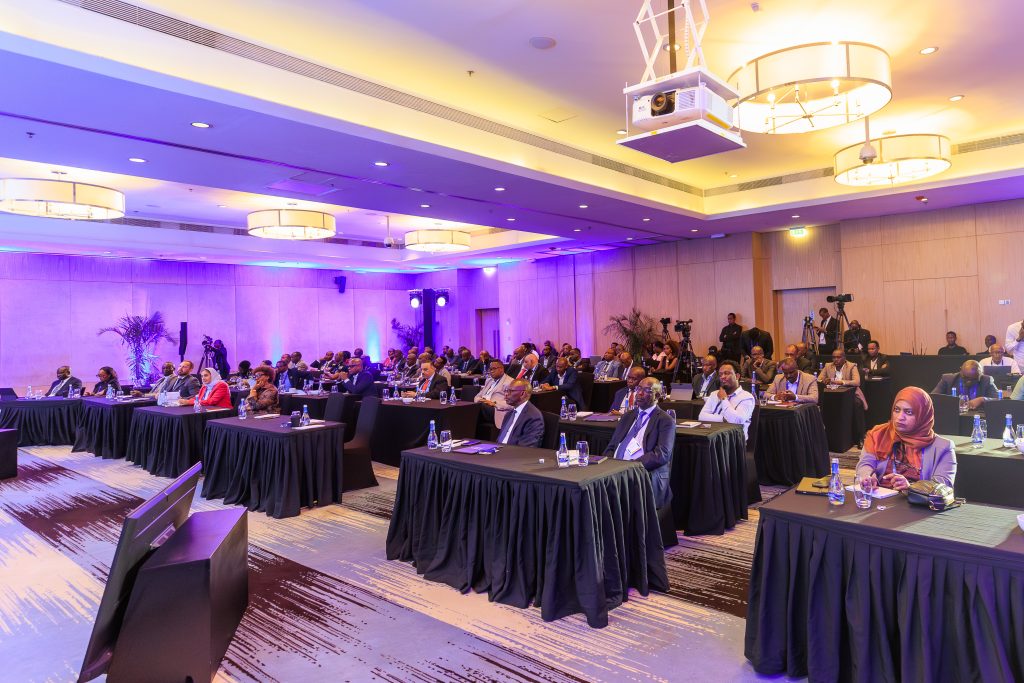
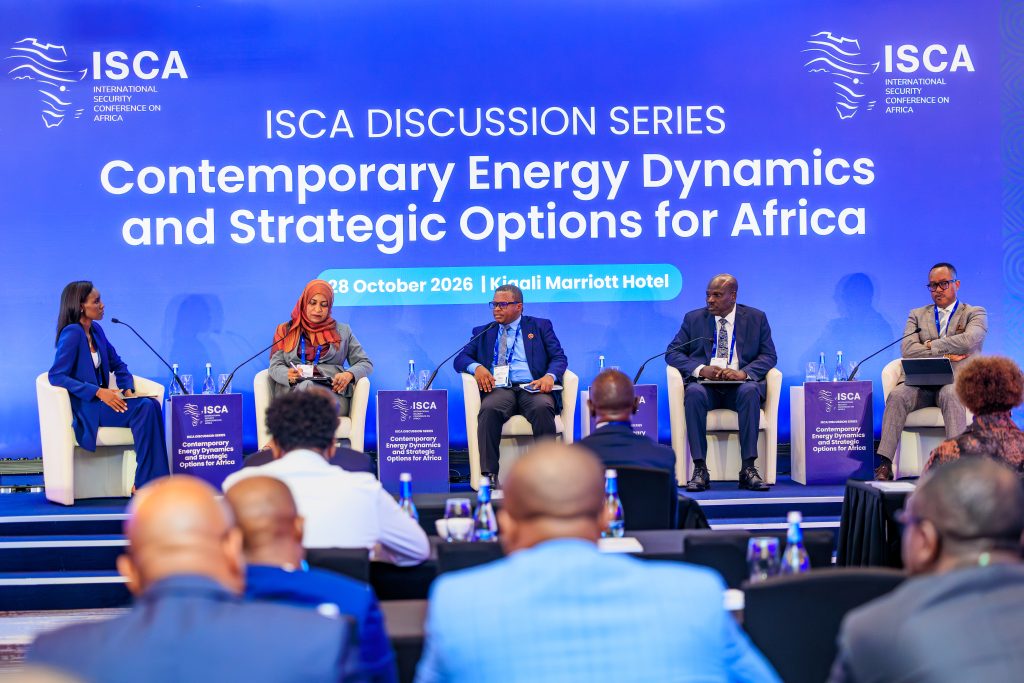
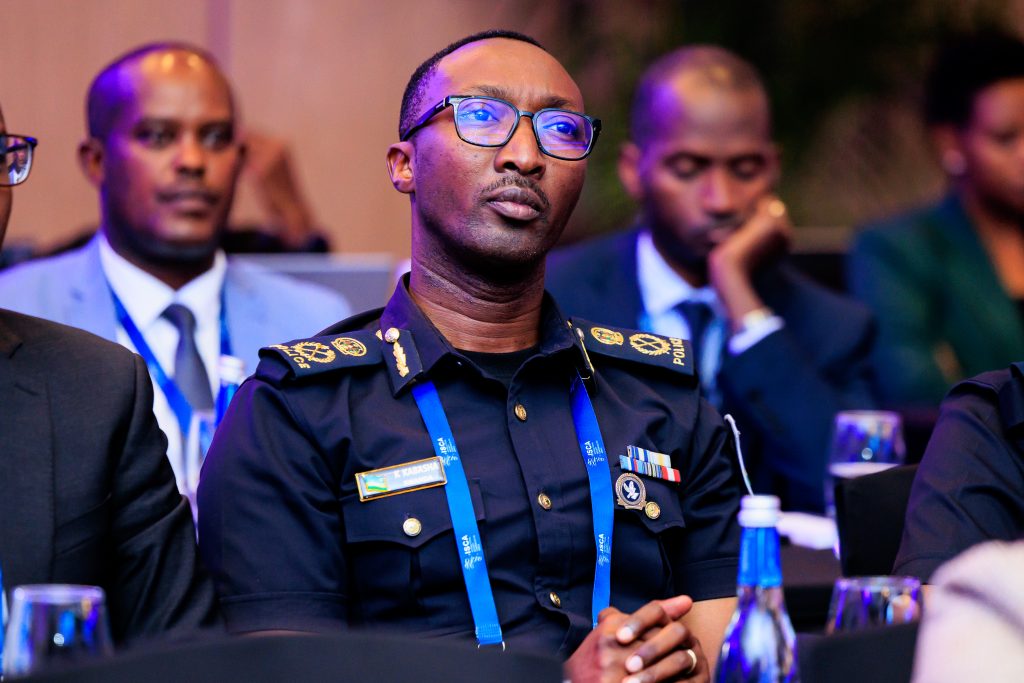
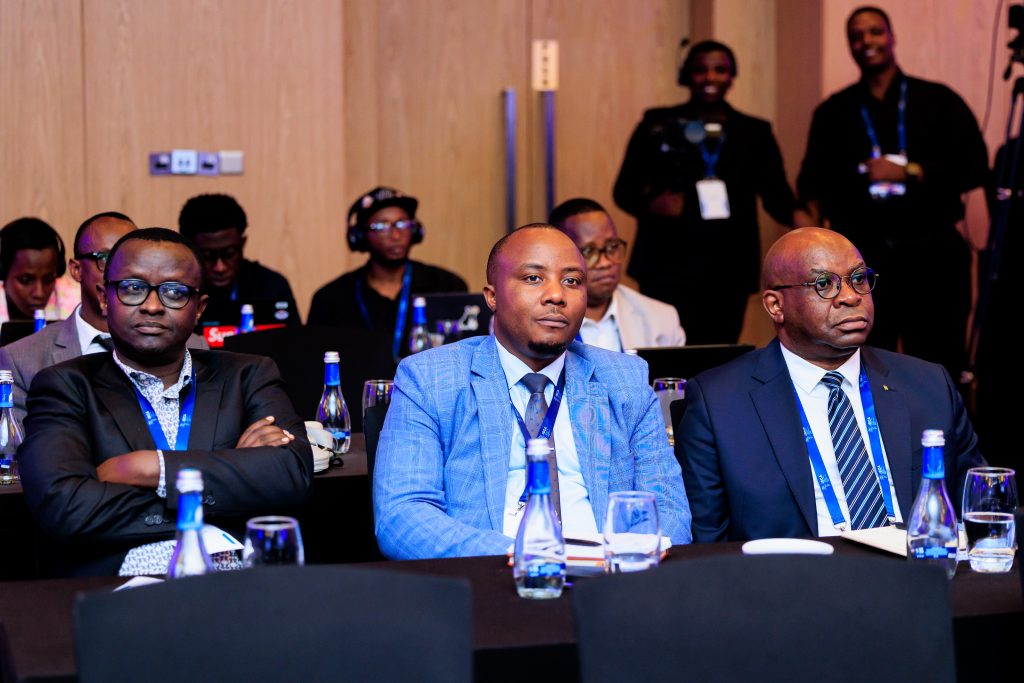
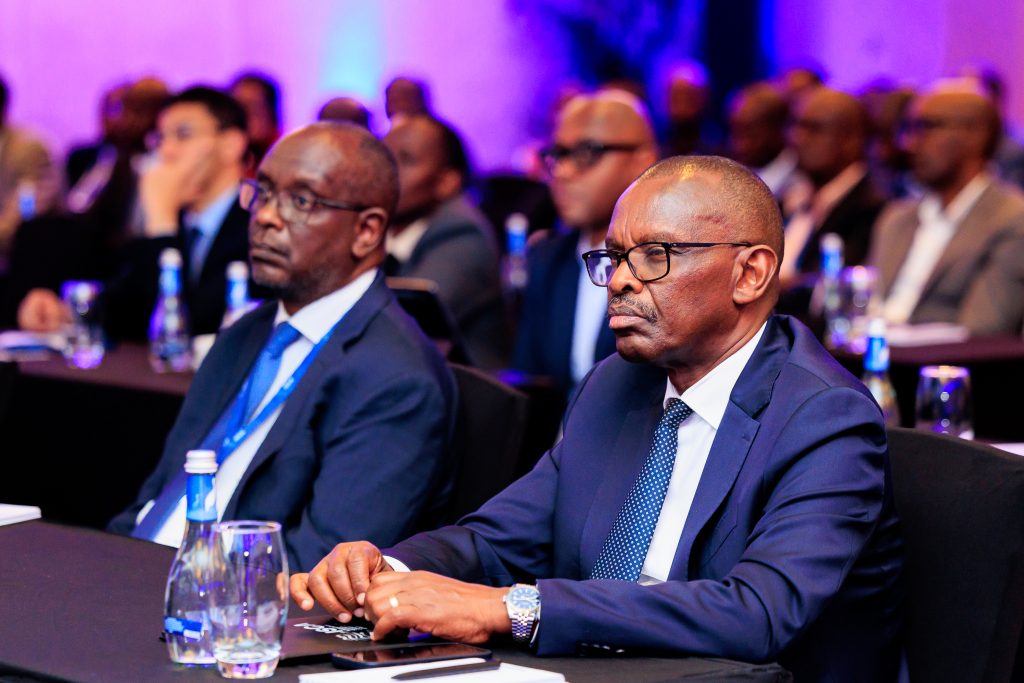
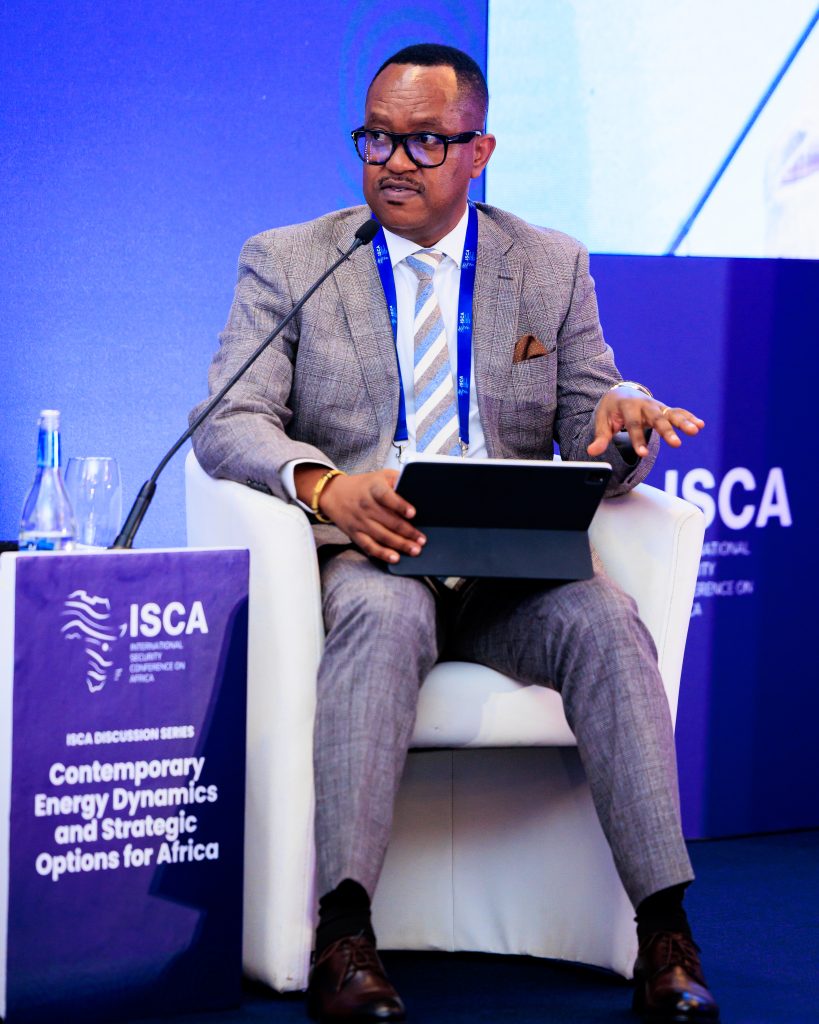
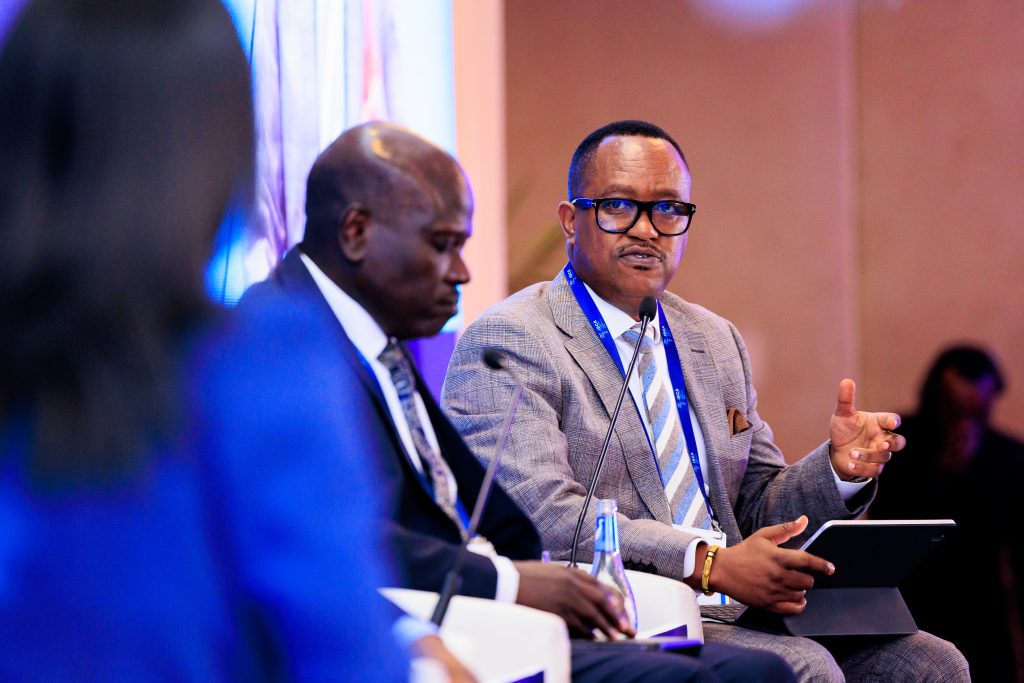
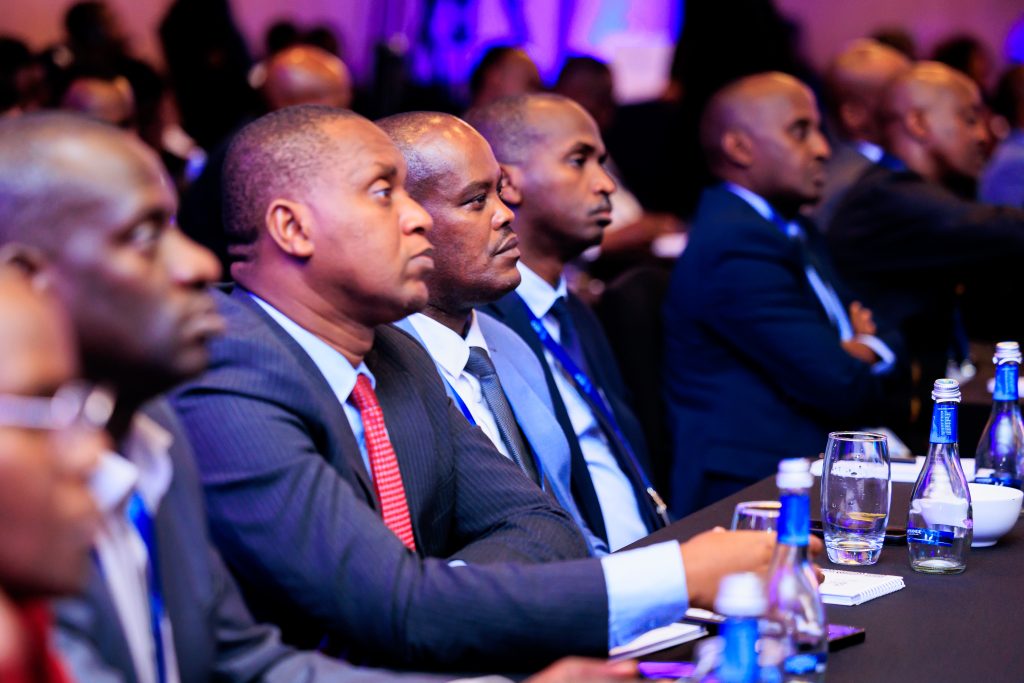
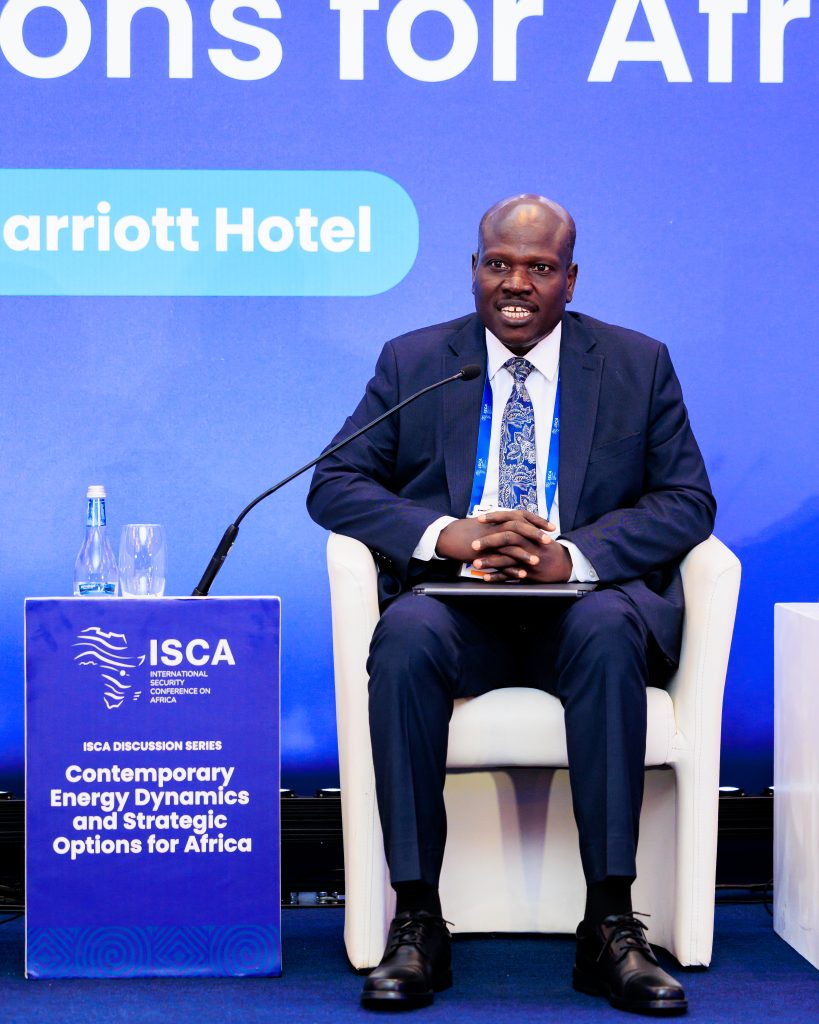
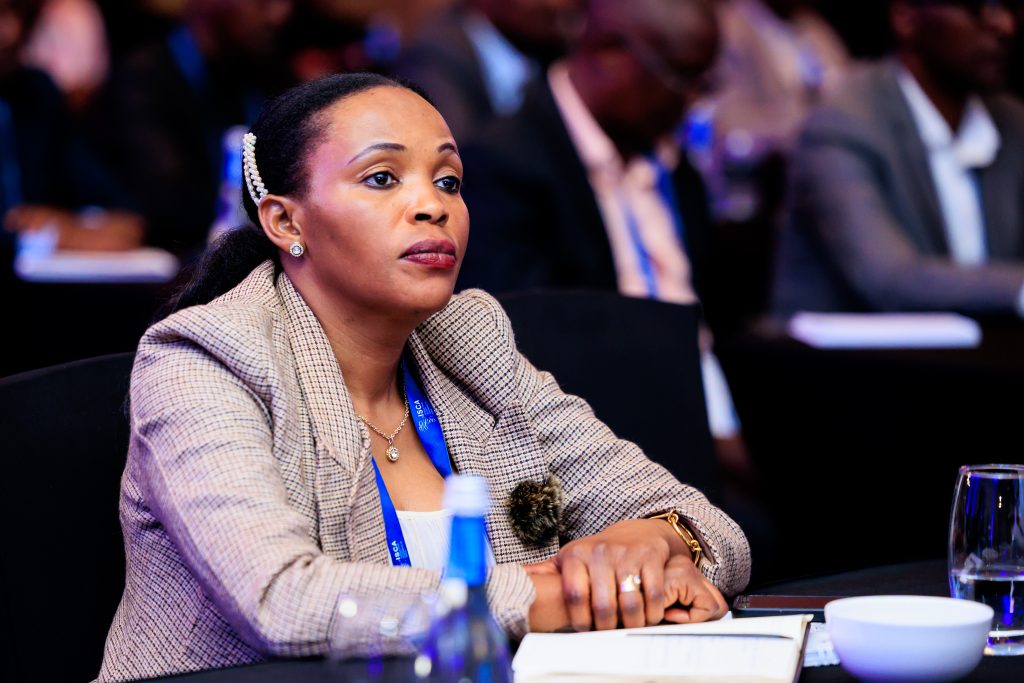
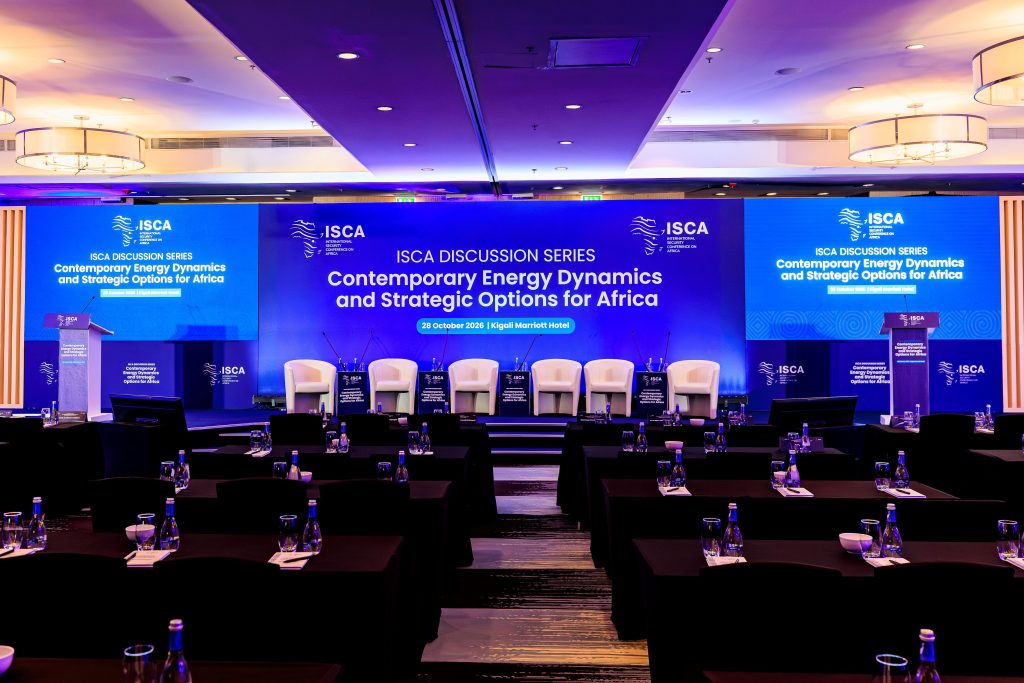
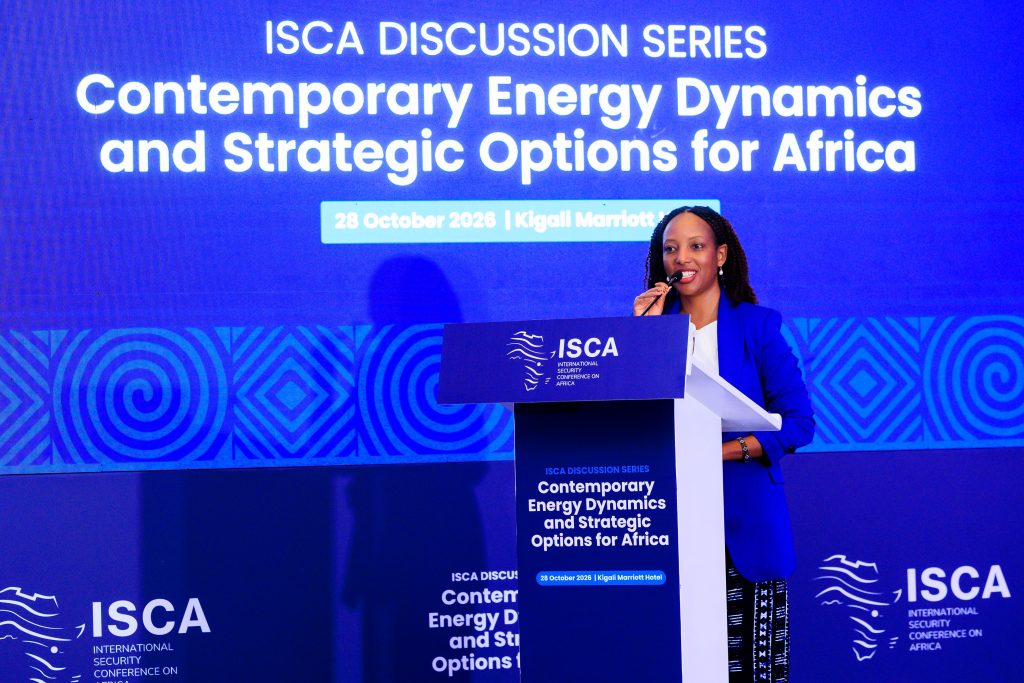
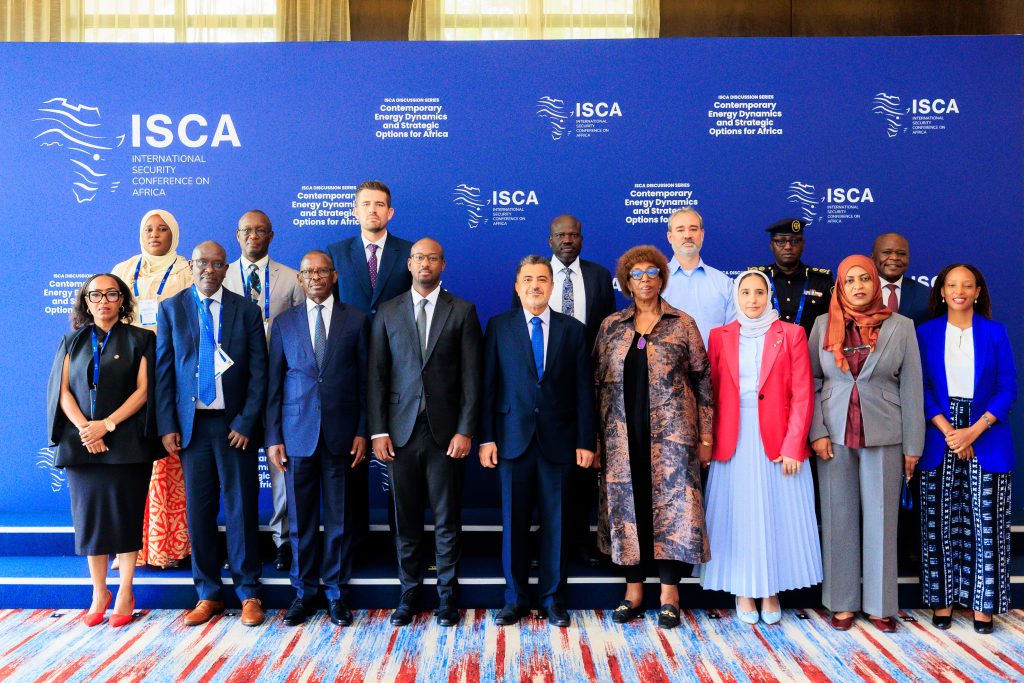
Speaking at the ISCA Discussion Series in Kigali on Tuesday, held under the theme “Contemporary Energy Dynamics and Strategic Options for Africa,” participants said African countries needed to strengthen regional electricity connections, mobilise more financing for energy infrastructure and process more of their natural resources locally to reduce their vulnerability to international disruptions.
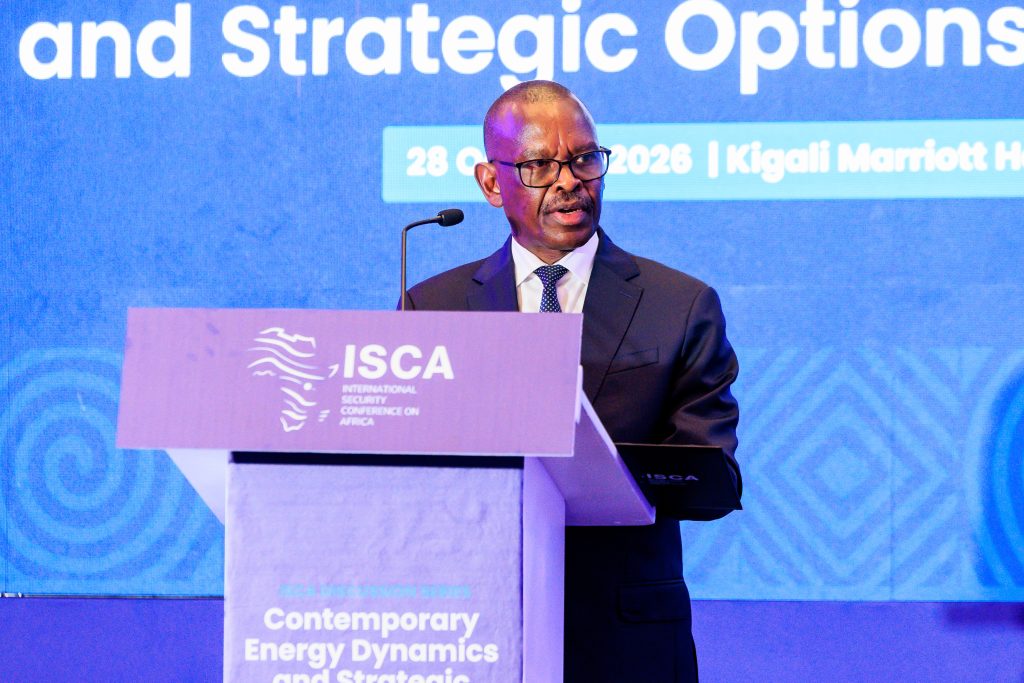
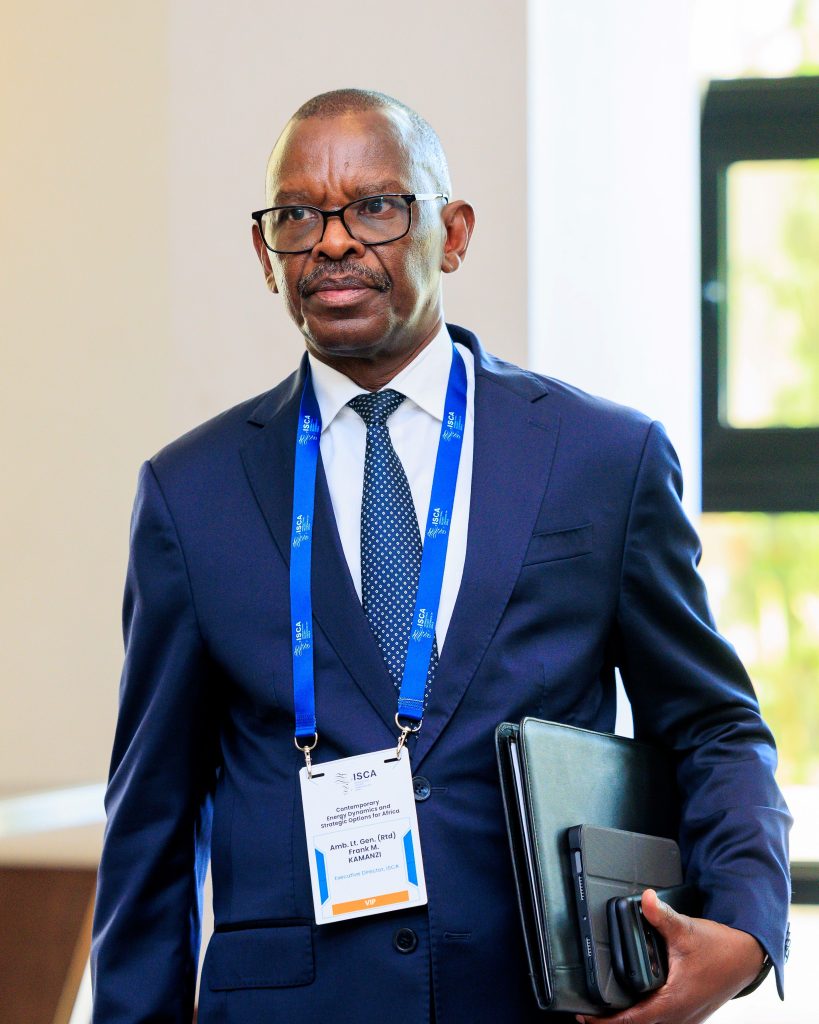
Opening the discussion, ISCA Executive Director Amb. Lt Gen (Rtd) Frank Mushyo Kamanzi said Africa’s energy resources had yet to translate into reliable and affordable supplies for millions of people.
“Africa’s greatest energy challenge is not the scarcity of resources, but the ability to translate its abundant energy potential into energy security, industrial strength, economic resilience, and shared prosperity,” he said.
Kamanzi noted that geopolitical tensions, armed conflicts, sanctions and supply-chain disruptions were reshaping global energy markets, with consequences for fuel prices, transport costs, food security and industrial production across Africa.
He cited tensions affecting the Persian Gulf and the Strait of Hormuz as a reminder of the continent’s exposure to external shocks. He called for diversified energy sources, resilient infrastructure, stronger domestic capabilities and greater regional cooperation.
The discussion took place against the backdrop of the crisis affecting the Strait of Hormuz, a strategic maritime passage through which around a fifth of global oil supplies normally transit. Disruptions to shipping through the strait can affect oil markets and raise costs for countries dependent on imported fuel.
Energy security and Africa’s wider security agenda
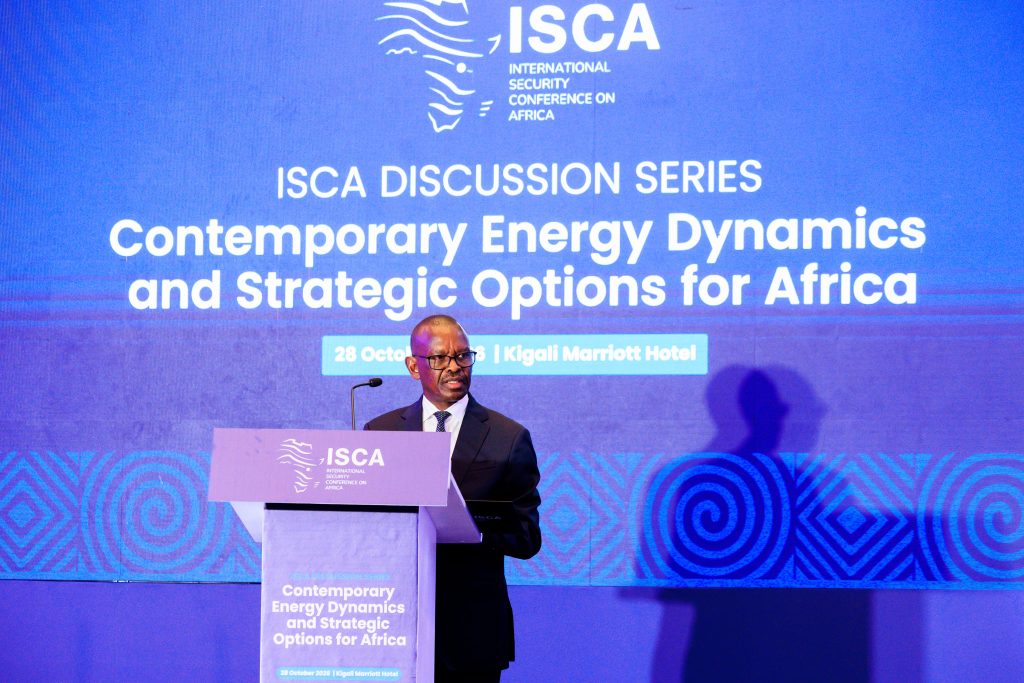
Delivering the keynote address, African Union Commission Commissioner for Political Affairs, Peace and Security Ambassador Bankole Adeoye argued that energy should be treated as a core component of African security.
“Our security in Africa must never be outsourced,” Adeoye said, linking the continent’s ability to control its security future to its management of natural resources and energy systems.
He described the impact of the Persian Gulf crisis on Africa through what he called the “three Fs: food, oil, and fertilizer,” warning that shortages and rising prices could compound existing economic and security pressures.
Adeoye urged African countries to strengthen intra-African trade, regional energy cooperation, supply chains and strategic reserves. He also called for collective negotiations on critical minerals, greater local processing and stronger safeguards against the illicit exploitation of natural resources.
“Where resources cross borders, cooperation is fundamental,” he said, calling for faster electricity market integration, regional interconnections and alignment of regulations.
He also proposed a standing energy security platform bringing together security institutions, energy regulators, private-sector actors and researchers.
Africa needs more investment
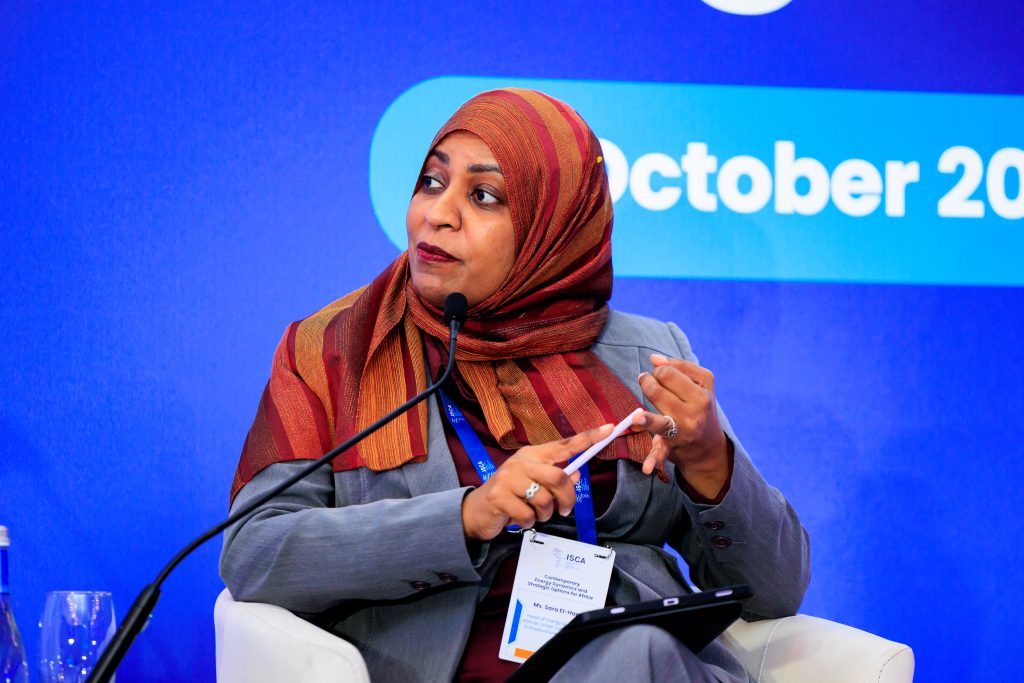
Sara Ibrahim Ahmed Elhag, Head of the Energy Division at the African Union Commission, highlighted the gap between Africa’s population and the investment it attracts for clean energy.
“Although Africa hosts around 20% of the world population, we receive only 2% of the investment in clean energy,” she said.
Elhag added that annual energy investment per capita stood at slightly more than $400 globally, compared with about $68 in Africa.
She attributed the gap partly to the high cost of capital and perceptions of risk surrounding energy projects on the continent. She called for greater mobilisation of African resources, including pension funds, alongside innovative financing arrangements.
“We need to use African money to build Africa,” she said.
Elhag also urged governments to diversify their energy sources, strengthen domestic value chains and advance the African Single Electricity Market, which aims to connect national power systems and enable countries to trade electricity across borders.
Rwanda and Oman pursue long-term fuel supply arrangements
Rwanda’s Minister of Trade and Industry, Antoine Kajangwe, said the country was working to secure fuel supplies amid global market volatility, citing cooperation with Oman as part of its strategy.
He said the government was coordinating petroleum imports on behalf of the private sector and consumers to ensure continuity of supply and improve cost efficiency.
Oman’s Minister of Transport, Communications and Information Technology, Eng. Said bin Hamoud Al Maawali, highlighted Rwanda’s fuel supply arrangement with Oman as an example of how long-term agreements can reduce exposure to global market disruptions.
“Long term contracts is extremely important. It takes away vulnerability,” he said.
He also stressed the need to invest in ports, storage facilities and infrastructure for moving petroleum products, alongside developing domestic energy resources, to strengthen the security and reliability of supply.
Regional power links and local manufacturing
Tanzania’s Commissioner of Energy, Yusuph J. Msembele, outlined the importance of cross-border infrastructure in improving electricity access and making better use of generation capacity.
He said Tanzania had installed generation capacity of about 4.6 gigawatts following the Julius Nyerere Hydropower Project. However, transmission constraints can limit the ability to move electricity to where it is needed or trade it with neighbouring countries.
Msembele pointed to the operational Tanzania-Kenya interconnection and ongoing work on the Tanzania-Zambia link, alongside studies involving other neighbouring countries, as part of wider efforts to connect regional power markets.
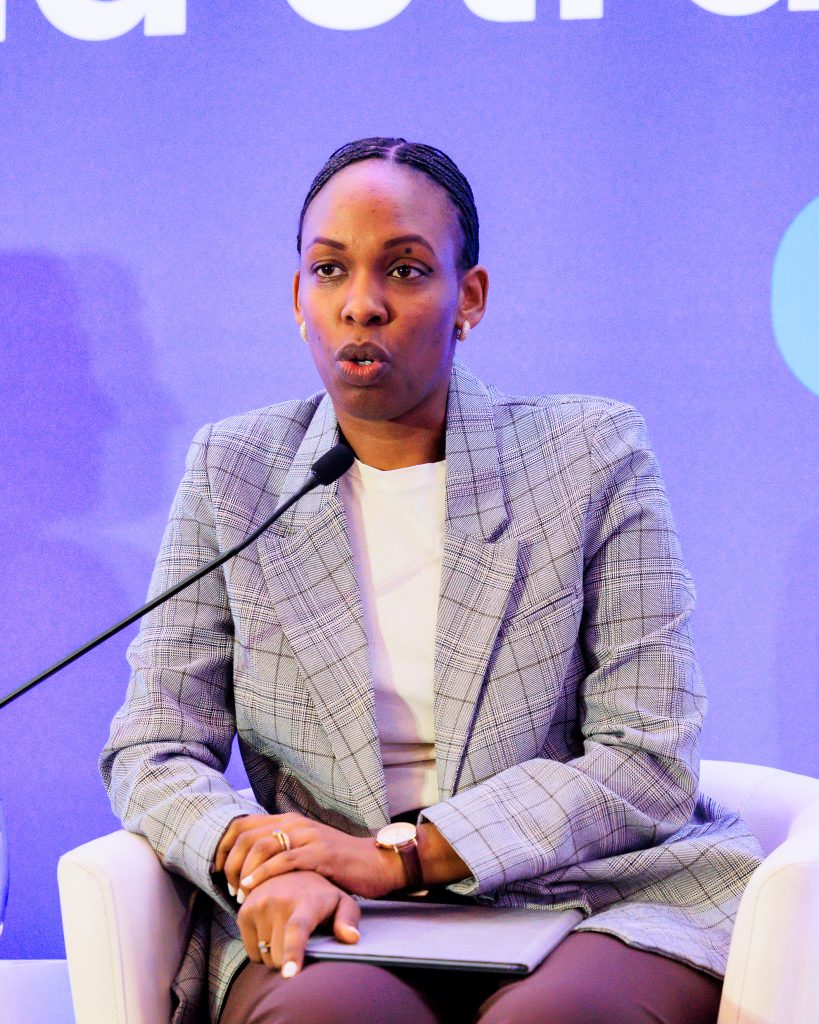
Alice Uwase, CEO of the Rwanda Mines, Petroleum and Gas Board, said African countries needed to cooperate more closely to attract investment in mineral processing and battery manufacturing.
“We negotiate as a country, we don’t negotiate as a region,” she said, arguing that countries could become more attractive to manufacturers by combining their mineral resources and developing regional supply chains.
Uwase also stressed that mineral processing requires dependable electricity and supporting industries, including chemical production, if African countries are to move beyond exporting raw materials.
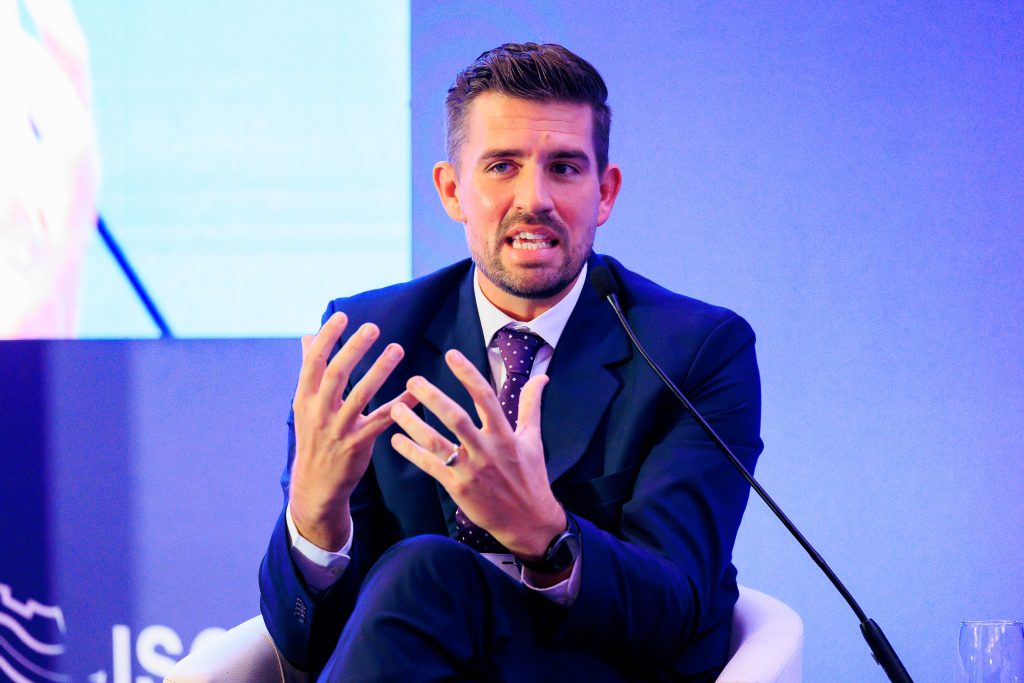
Jonathan Shafer, managing director of Fortis Green Renewables, estimated that reaching universal electricity access would require an additional $135 billion in investment between now and 2035, equivalent to about $15 billion annually.
The discussions highlighted a central challenge for Africa: translating its substantial energy and mineral resources into reliable power, industrial capacity and economic opportunities. Participants called for stronger regional connections, increased investment and closer cooperation to reduce exposure to global disruptions and ensure more of the continent’s resources support its own development.

Leave a Reply