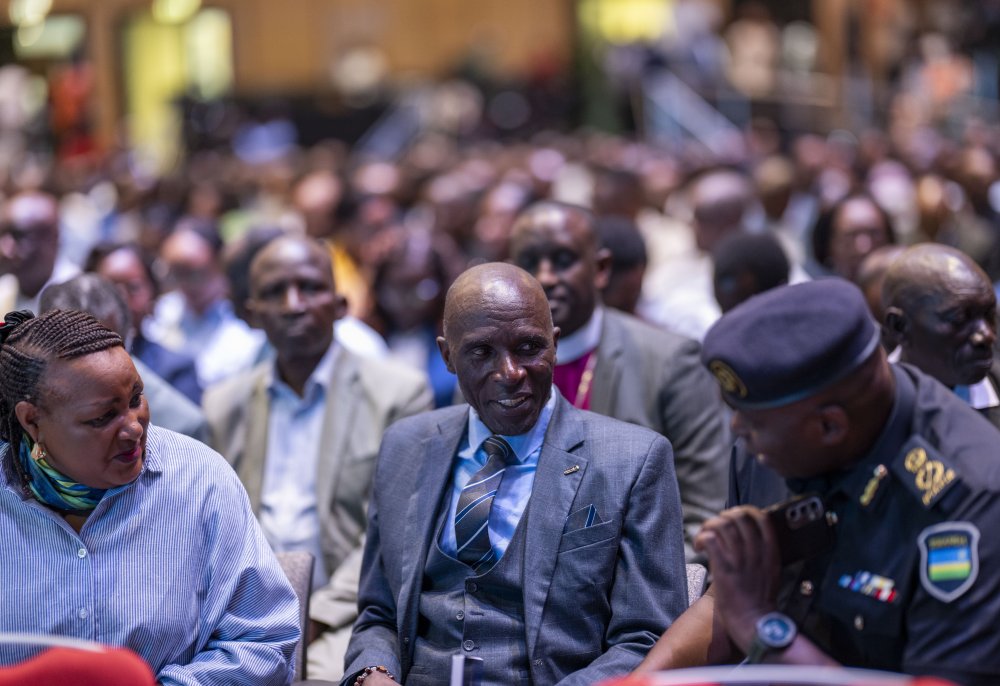
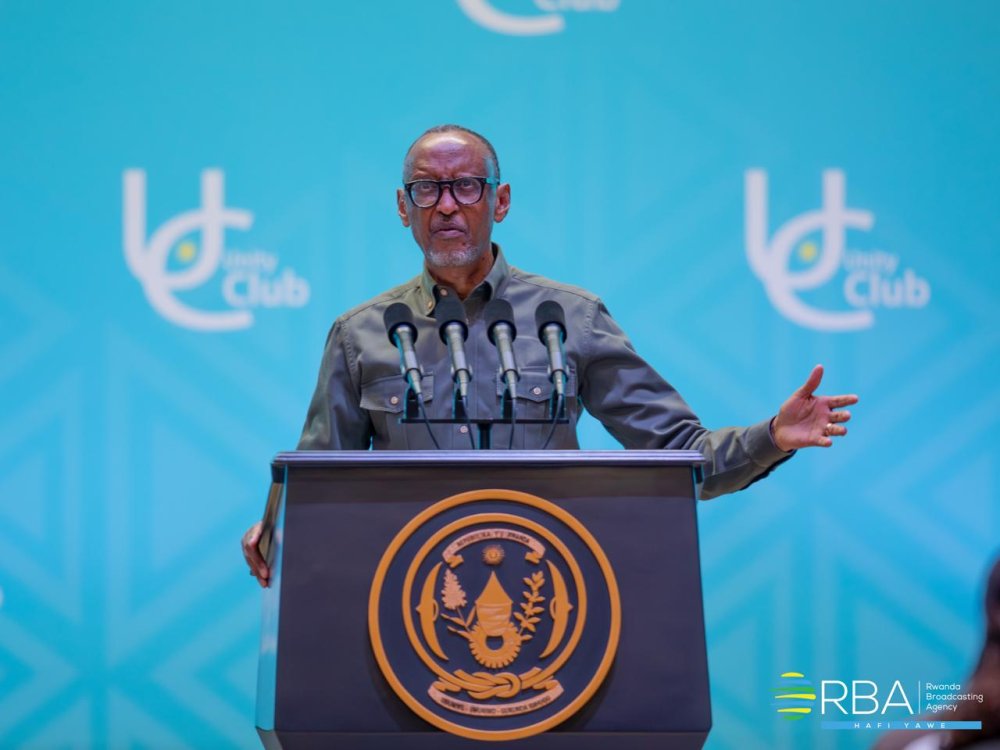
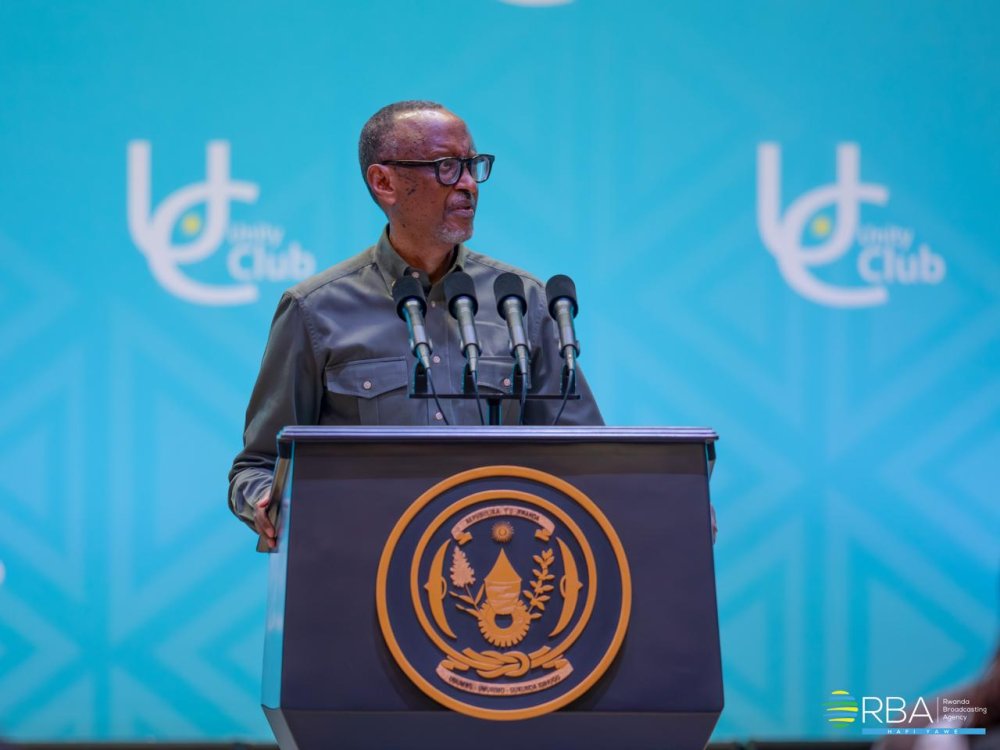
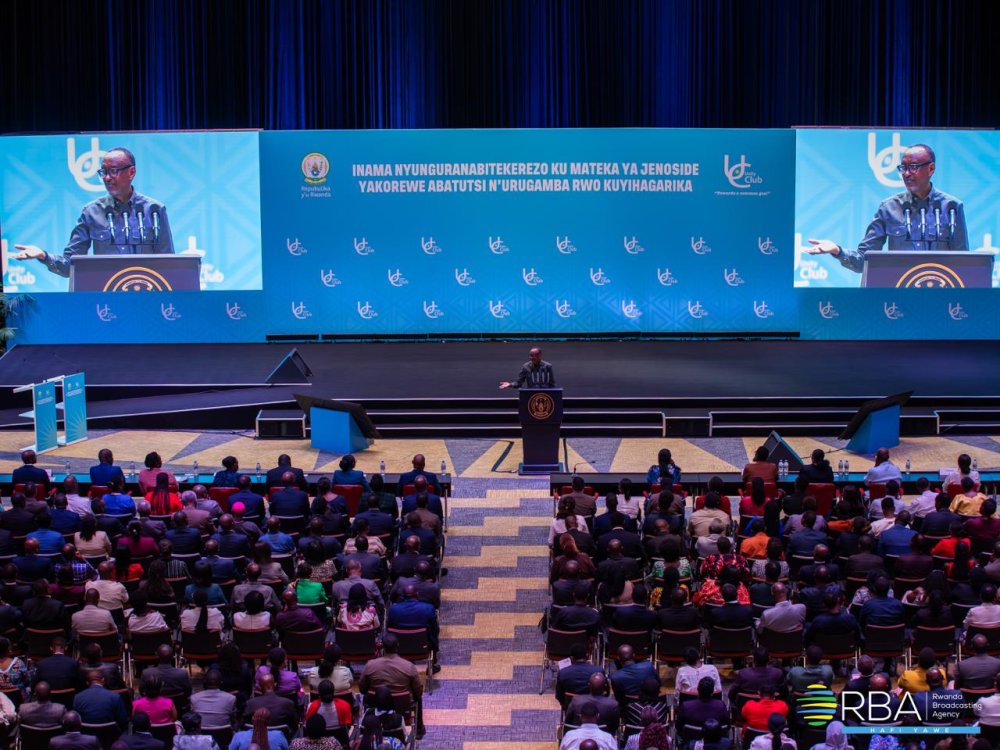
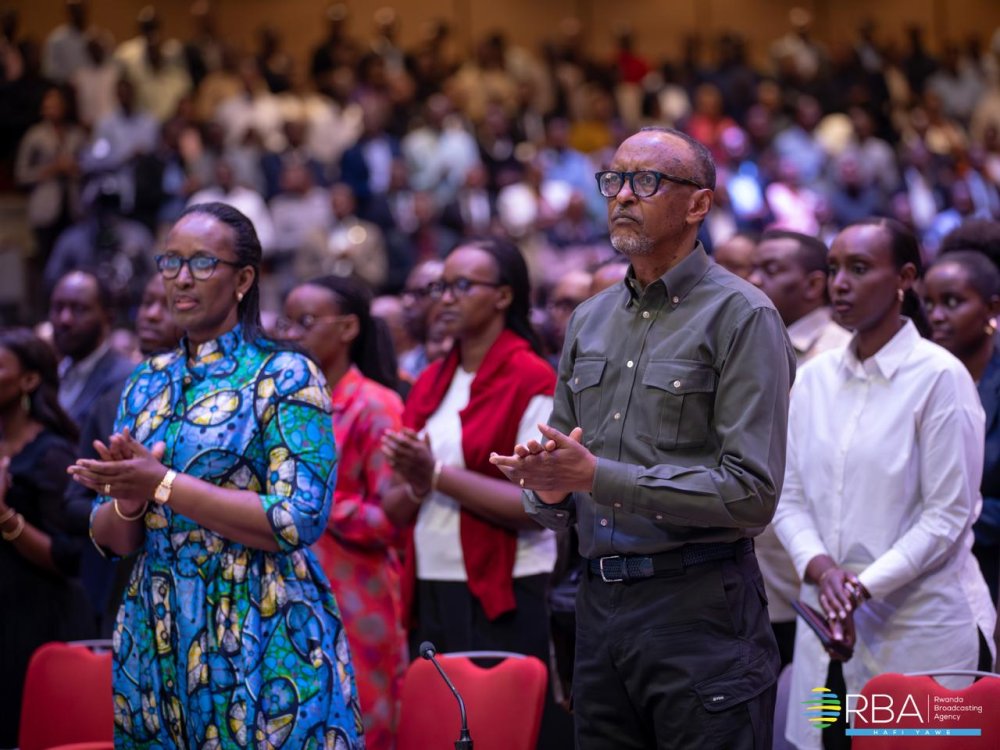
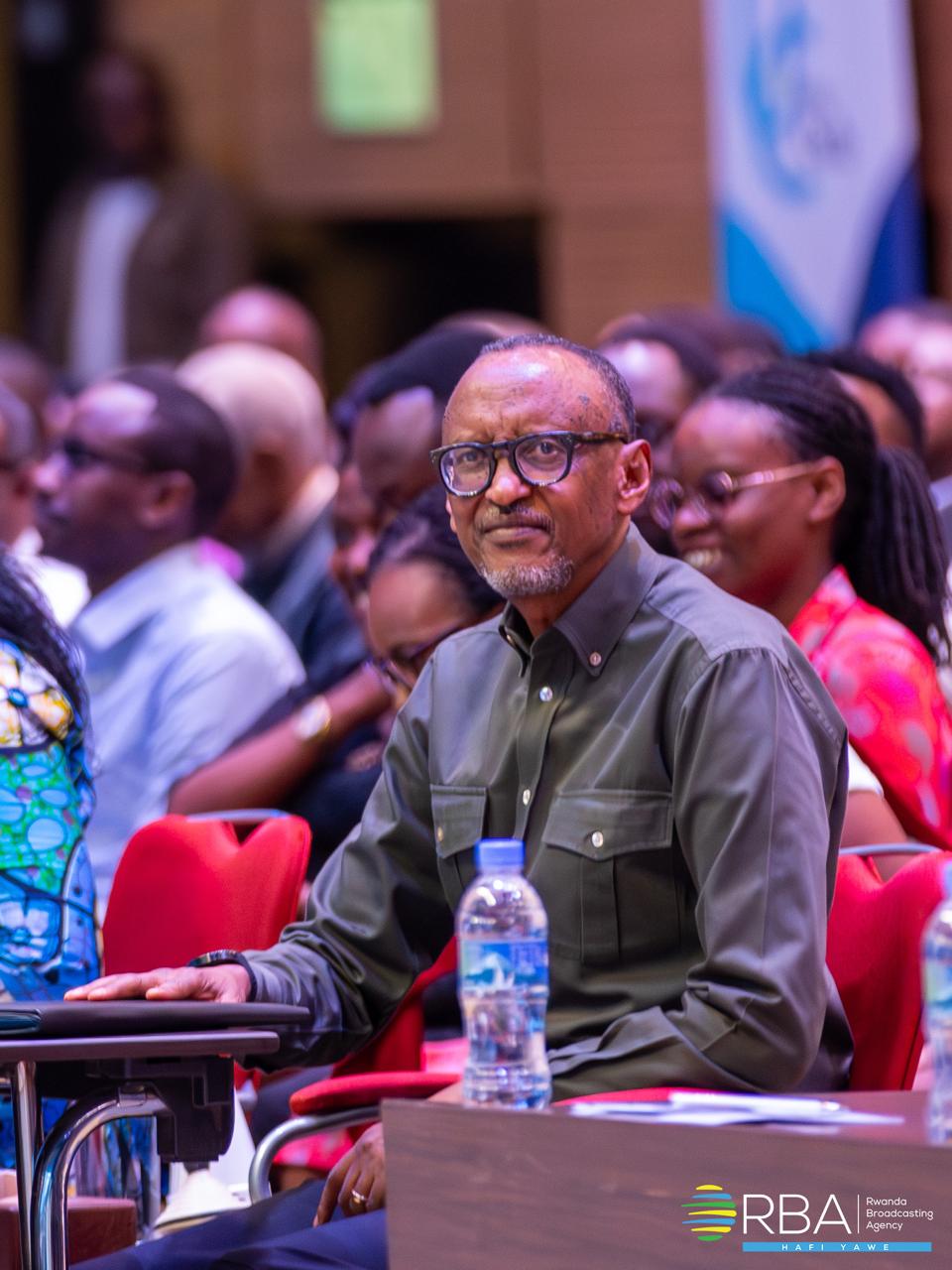
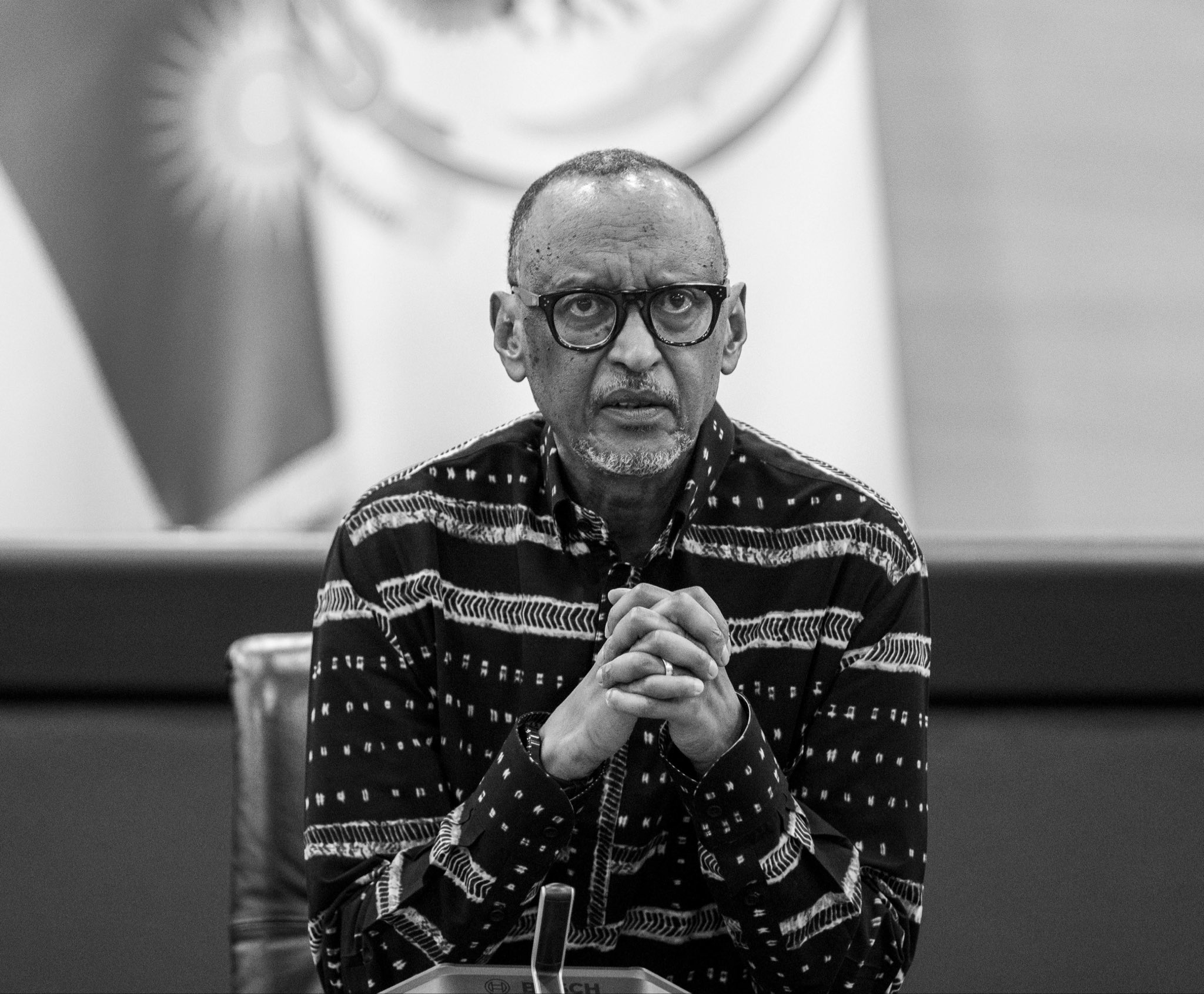
He made the revelations on June 27, 2026, during a symposium on the history of the Genocide against the Tutsi and the Liberation Struggle held at Intare Arena. The event was attended by President Paul Kagame, First Lady Jeannette Kagame, members of Unity Club, and other senior officials.
In his testimony, Bora described how he joined the FDLR and detailed the group’s alleged planning and operations aimed at destabilizing Rwanda and targeting Tutsi communities.
He stated that children raised in forest-based FDLR camps, including those born there, are currently being sent for military training in Kananga.
“They move as Congolese. There is someone called Calendo Padiri; his military connection is Rwarakabije, who provided him with trainees. After completing training, he became confident and went to Kinshasa. He is now in charge of retired soldiers in Kinshasa,” he said.
Bora further testified that some officers within the Congolese army (FARDC) were formerly affiliated with the FDLR, including Brig. Gen. Mugabo Hassan.
“While we were still in the camps, he was a fighter. Even in the camps that had not yet been dismantled, former FAR elements sent people to train combatants. Mugabo’s thinking was no different from that of the former FAR or ours. Today, he is in Kinshasa,” he added.
He also mentioned Chief Bigembe Turikunkiko, saying he was originally a hunter in Gatoyi who later received training and rose to become a political figure.
Bora further revealed that the FDLR’s influence extends beyond armed structures to political representation. He said members of parliament at both provincial and national levels in areas once under FDLR influence were effectively aligned with the group.
He said elections in such areas were controlled, with voters reportedly being shown preferred candidates in advance. He named several deputies, including Serubuga, Safari Nganizi, and Safari Nyagatare, whom he said represented FDLR-aligned interests in Masisi and other regions.
On relations between the FDLR and Burundian actors, Bora said that after the defeat of the former FAR, they fled with Rwanda’s national radio equipment through Gitarama and into Zaire. He said the equipment was later taken to Burundi, where it is now associated with REMA radio under CNDD-FDD control.
He further argued that the CNDD-FDD shares ideological similarities with the FDLR, tracing connections back to its formation in Lubumbashi with the involvement of Col. Renzaho and former FAR networks.
Regarding ongoing conflict in eastern DRC, Bora said that during fighting in Goma between FARDC and the AFC/M23 coalition, MONUSCO was responsible for technical intelligence, the FDLR handled ground intelligence, and FARDC supplied military equipment.
He also revealed that, under international pressure, President Félix Tshisekedi integrated FDLR elements with Wazalendo forces, making it difficult to distinguish between the groups as they now operate alongside FARDC.
According to him, the FDLR continues to receive weapons from certain military actors and has established control over large agricultural areas in parts of the DRC.
“We used the population. They had two days of community work per week to farm for us, and they would also farm for themselves in allocated areas. We charged $80 per hectare, and when the crops matured, they would give us 40 kilograms,” he said.
He added that in Nyakagina, land was reportedly sold extensively, with even local authorities purchasing plots.
Bora concluded that dismantling the FDLR would require more than military force from the FARDC, arguing that the group is deeply embedded within local structures. He also warned that its ideology remains focused on expanding influence across Rwanda, Burundi, Kenya, Uganda, and Somalia with the aim of targeting Tutsi populations.
Colonel (Rtd) Augustin Nshimiyimana, also known as “Bora,” a former FDLR officer, made the revelations on June 27, 2026, during a symposium on the history of the Genocide against the Tutsi and the Liberation Struggle held at Intare Arena.
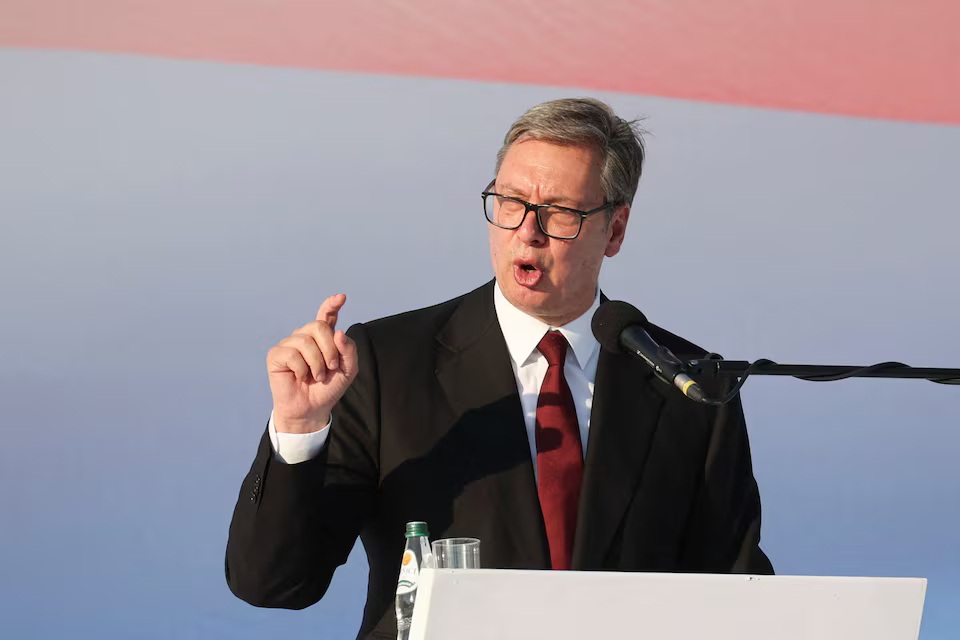
Speaking outside the National Assembly at a massive pro-government rally themed “Serbia, One Family,” Vučić delivered what he called his final speech before a major crowd as head of state.
The rally, held on Vidovdan, a highly significant national and religious holiday, is widely viewed as the launch of an early election campaign and a direct response to a powerful, 19-month-old anti-government protest movement.
The announcement follows sustained political pressure from student-led demonstrations that have gripped the country since November 2024. The massive public outcry was originally triggered by a tragic infrastructure failure: the collapse of a newly renovated concrete canopy at a railway station in the northern city of Novi Sad, which killed 16 people.
Protesters, university student groups, and opposition factions blame the disaster on rampant government corruption, systemic negligence, and lack of oversight in state construction projects.
The protest movement, which recently held a demonstration drawing an estimated 180,000 people to central Belgrade, has spent months demanding early elections. Recent polling indicates a candidate list backed by the student movement is surging, securing nearly 31% of voter support against the ruling party’s 47%.
During the rally, the ruling Serbian Progressive Party (SNS) even featured an exhibition titled “Blockaders’ Serbia: 19 Months of Violence, Harassment, Insults, Threats and Rejection of Dialogue” to actively discredit the student movement. Vučić used his address to accuse unnamed foreign actors of manipulating the youth and attempting to destabilize the country over the past year and a half.
While Vučić did not specify an exact date for when he would dissolve parliament, he called for national unity and stated he would help lead the ruling coalition under a newly proposed nationalist electoral list named “United Serbia.”
Vučić argued that the snap elections are necessary to maintain political stability and social cohesion during a critical stage of development. To counter domestic anger over corruption, he pledged continuous efforts to boost living standards, aiming to raise average monthly salaries to 1,400 euros ($1,594 USD) and pensions to 650 euros ($740 USD) in the coming years.
On foreign policy, Vučić reiterated his signature balancing act, promising to accelerate Serbia’s path toward European Union membership while maintaining strict “military neutrality” and preserving traditional partnerships with China and Russia. He also struck a firm nationalist note on the disputed territory of Kosovo, declaring its status strictly non-negotiable under the Serbian constitution.
The pro-government rally was attended by over 200,000 people.
Vučić’s second five-year presidential term was originally set to end in May 2027, which marks the constitutional limit for consecutive terms. By resigning early, Vučić can legally step down from the ceremonial presidency and directly campaign to return to the office of Prime Minister, which holds no term limits.
[1/3] Serbian President Aleksandar Vucic speaks during a rally in Belgrade, Serbia, June 27, 2026.
The weekend operation marks the second consecutive day of U.S. military action and the sharpest deterioration in relations since Washington and Tehran signed a landmark memorandum of understanding (MoU) on June 18 designed to end months of hostilities.
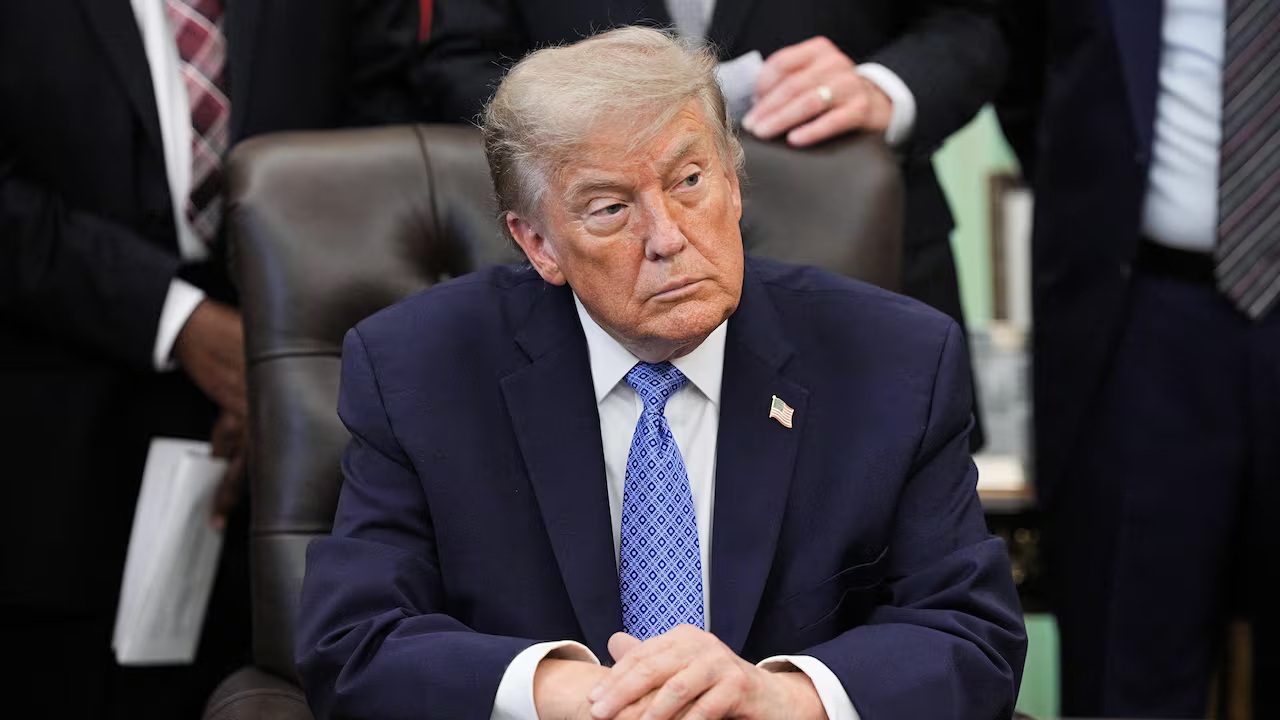
According to U.S. Central Command (CENTCOM), the latest strikes were ordered directly by President Donald Trump following a maritime attack early Saturday morning.
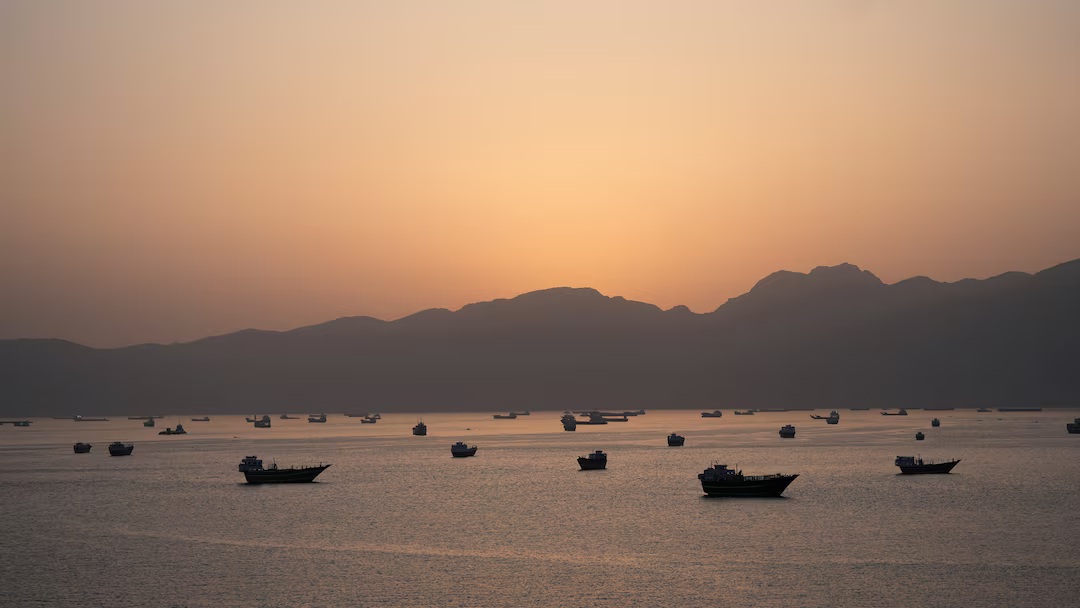
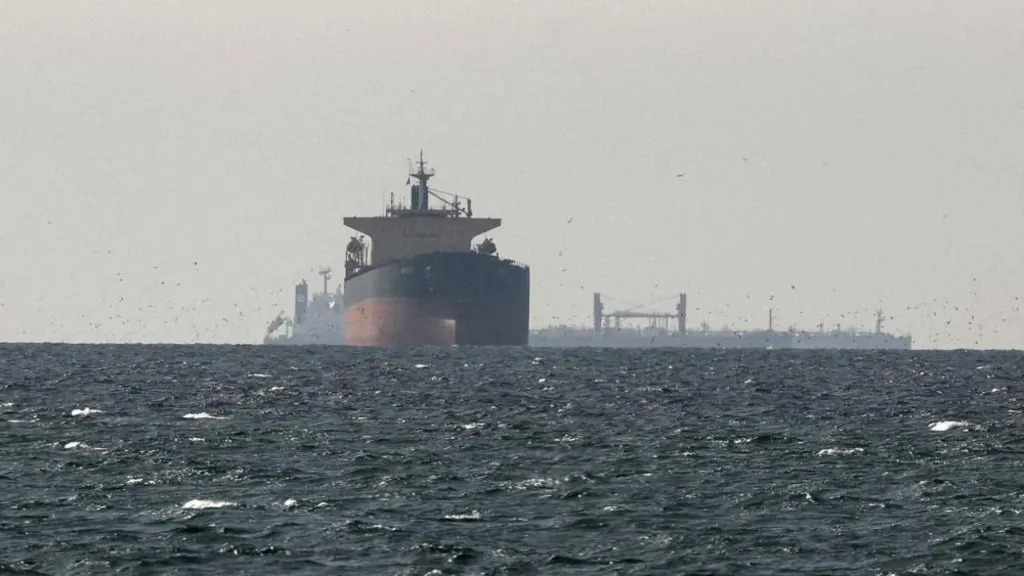
At approximately 4:30 a.m. local time, an Iranian one-way attack drone struck the M/T Kiku, a Panama-flagged oil tanker carrying more than two million barrels of crude oil from Qatar to the United Arab Emirates.
While the UK Maritime Trade Operations (UKMTO) reported that the M/T Kiku sustained damage to its bridge, all crew members were reported safe.
“Iran was given a chance to honour the ceasefire agreement but elected not to,” CENTCOM said in an official statement, framing the subsequent operation as a direct response to continued aggression against commercial shipping in the vital energy corridor.
U.S. targets and Trump’s ultimatum
U.S. military aircraft targeted a broad array of assets, primarily focused along Iran’s southern coastal regions and Qeshm Island. The precision strikes took aim at military surveillance infrastructure and coastal radar sites, command-and-control communication systems, air defence sites, drone and missile storage facilities, and minelayer capabilities used to disrupt commercial shipping.
Shortly after the operation concluded, President Trump issued a severe warning to Tehran on Truth Social, signaling that further non-compliance could lead to total conflict.
“United States aircraft just struck Iranian missile and drone storage locations… for violating the Cease Fire Agreement, AGAIN!” Trump wrote. “There may come a point when we are no longer able to be reasonable, and will be forced to militarily complete the job that we very successfully started. If that happens, the Islamic Republic of Iran will no longer exist!”
Vice President JD Vance echoed the firm stance on social media, writing, “Iran signed a ceasefire agreement. We have honoured it… But violence will be met with violence.”
Iran retaliates against U.S. bases
The escalation quickly triggered a regional chain reaction. The Islamic Revolutionary Guard Corps (IRGC) announced it had launched a joint missile and drone operation targeting eight U.S. military sites across Kuwait and Bahrain.
In Bahrain, home to the U.S. Navy’s 5th Fleet, officials strongly condemned a “flagrant violation” of their sovereignty after several Iranian drones crossed into their airspace. A U.S. defence official confirmed that two one-way attack drones were detected approaching the Navy base; one was intercepted by ground defences, while the other landed harmlessly in a remote airfield area. No U.S. casualties or major structural damage were reported.
Meanwhile, Iranian state television reported that the IRGC had fired “warning shots” at merchant vessels attempting to pass through unauthorised channels, asserting that ships must now seek Iranian permits to traverse the Strait.
Mohsen Rezaei, a senior advisor to Iran’s Supreme Leader, publicly accused Washington of violating the peace MoU by continuing to stoke tensions and supporting proxy actions.
The rapid back-and-forth has raised the maritime security threat level in the region to “substantial.” The 14-point peace deal reached earlier in June had initially brought down global oil prices and mapped out a 60-day window for technical negotiations. With both sides now trading direct military blows, diplomatic processes appear to be on the verge of a total halt.
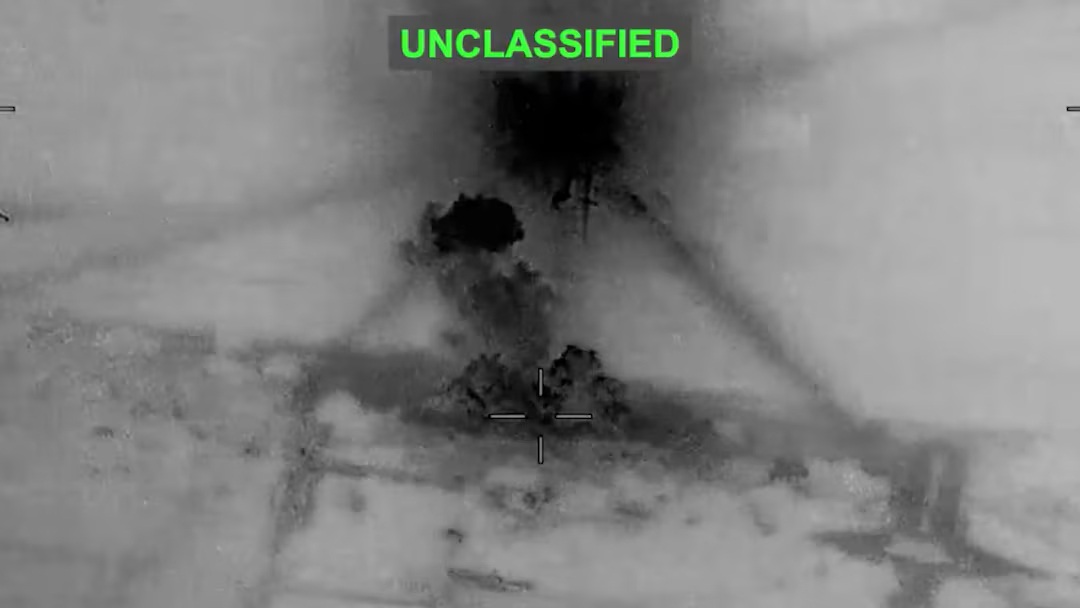
Smoke rises from explosions at an unknown location following U.S. Central Command (CENTCOM) strikes on Iran in response to an Iranian drone attack on a cargo ship in the Strait of Hormuz, in this screen grab from video released June 26, 2026.
He made the remarks on Saturday at Intare Arena, where he and First Lady Jeannette Kagame joined members of Unity Club and other leaders in a dialogue on the history of the Genocide against the Tutsi and the Liberation War that ended it.
The discussions focused on the events that led to the 1994 Genocide against the Tutsi, the role of those who planned and executed it, and the Liberation War that stopped the genocide and restored the country, paving the way for national recovery and renewed unity among Rwandans.
President Kagame said the history of a country such as Rwanda is often contested because people interpret it through different perspectives shaped by their involvement, interests, or connection to past events.
He noted that historical accounts are sometimes distorted or selectively interpreted, adding that such disagreements are partly understandable given the differing roles and experiences of those involved, as well as interests that may have influenced past actions.
“History of a country like ours and what we went through involves many things that people even distort and turn into something it is not or should not be. There are many debates, which is understandable, and they are justified because how one person understands things is not how another understands them, depending on the role people played or had in them, depending on the interests that may have been involved earlier, even when it later becomes clear that those were not the right interests to guide actions in history.”
President Kagame made the remarks on Saturday at Intare Arena, where he and First Lady Jeannette Kagame joined members of Unity Club and other leaders in a dialogue on the history of the Genocide against the Tutsi and the Liberation War that ended it.
President Kagame said that discussions about history are often complicated by factors such as denial, discomfort, or reluctance to acknowledge responsibility.
“There are many things involved. There is shame as people feel uncomfortable with the role they played or their connection to it, and they do not want to revisit it. That is understandable. But what is more important is trying to go beyond that and work towards gathering everything so it becomes a truth we can base other actions on,” he noted.
The Head of State emphasized that some truths are supported by clear evidence or testimonies, including from individuals acknowledging their own involvement.
“There is also truth that cannot be reversed or reinterpreted because of evidence. Or even evidence where some people admit: ‘This is what happened! What I said about myself is true.’”
President Kagame said that when individuals acknowledge their role, continued debate becomes unnecessary, and attention should shift to lessons that support positive change.
“If the person themselves tells you that, what more debate is there? Instead of arguing, you should take the lesson and use it to achieve what we want. Many of these debates often come from those who, instead of saying ‘What has been said about me is true, and I am ready to start from there and change to become a better person,’ they instead resist it.”
He further noted that some individuals remain resistant to accepted accounts of history and attempt to reshape or reinterpret events, but stressed that the country cannot be held hostage by such positions.
“Many remain stubborn for the reasons I mentioned, which is understandable. But the country cannot be held hostage. Even when a country allows certain things and gives space for people to better understand what they previously misunderstood, that space is given, and it should be given, but it must have limits,” he remarked.
“The country cannot be held hostage by people who want history to be as they wish or to be understood in a way that is not how it truly is. All those debates should have space, research should happen, many things should take place in the search for truth, and they should be given adequate time,” he added.
President Kagame noted that historical accounts are sometimes distorted or selectively interpreted.
President Kagame said Rwanda has already provided sufficient space for discussion, research, and the pursuit of historical truth, but cautioned that such space should not be misused to distort facts or mislead the public.
“And I think over the years that space has been provided or has been available, except if we misuse it. But again, as human beings, we know people have issues.”
He observed that resistance to truth is sometimes driven not by lack of knowledge, but by personal or emotional connections to individuals implicated in historical events, whether through family, friendship, ideology, or shared interests.
“In normal life, a person may say in their heart: ‘They are talking about someone who has a problem, who did bad things,’ but because it is their relative or friend, even when there is evidence, they try to protect that person and deny the truth, and even tell others it is not true.”
President Kagame and First Lady Jeannette Kagame joined members of Unity Club and other leaders in a dialogue on the history of the Genocide against the Tutsi and the Liberation War that ended it.
President Kagame added that in some cases, opposition to truth is motivated by fear that acknowledging certain crimes may have wider implications for those connected to them.
“Some do so because if that crime is acknowledged, even if it comes from testimony, it may eventually circle back to them. So they try to prevent it early. In other words, I have a connection with person X, who is accused of certain things. That connection is not only blood-related; it can also be ideological or based on shared beliefs.”
He further explained that in such situations, individuals may attempt to defend or protect others from accountability in order to avoid broader scrutiny.
“They then fight the truth to protect that person, sometimes a friend or relative, from being held accountable. The aim is to prevent it from spreading and people saying, ‘So you are also involved?’ or even saying that those crimes affect everyone connected to it, and asking, ‘So what about me, do I also accept it?’”
President Kagame noted that a deeper issue arises when denial goes as far as questioning whether crimes occurred at all, or suggesting that victims somehow deserved their fate.
“If it is someone who was killed, it becomes as if you are saying: ‘They deserved to die anyway! Why should they have lived?’ These are things we Rwandans have experienced, and we must find ways and solutions to address them.”
He stressed that Rwanda’s painful history cannot be ignored or bypassed, and that Rwandans have a responsibility to confront it honestly and draw lessons that guide the country’s future.
“Especially when I speak about Rwanda, I am talking about the country I am part of, where I am a Rwandan. There are others for whom this may not mean much; they may choose to live as they are. That is possible elsewhere… But in Rwanda, our country and our history, what we say is: ‘We had a very bad history, but we cannot go around it.’”
He added that while Rwanda’s past was deeply painful, it should not be allowed to define or dictate the country’s present and future.
President Kagame said Rwanda has reached a point of clarity about its values and direction, and that citizens should be prepared to defend them, even at great cost if necessary.
“That is what we should live for, and what we would even die for if necessary,” he affirmed.
The Head of State emphasized that dialogue, explanation, and persuasion have limits, particularly when continued resistance risks dragging the country back into its violent past.
“When you see it is reaching a point where it may take another direction that could return people to the bad history we know, then no! You draw a clear line. Whoever crosses it pays the price. We are not afraid of that at all!”
President Kagame said Rwanda has reached a point of clarity about its values and direction, and that citizens should be prepared to defend them, even at great cost if necessary.
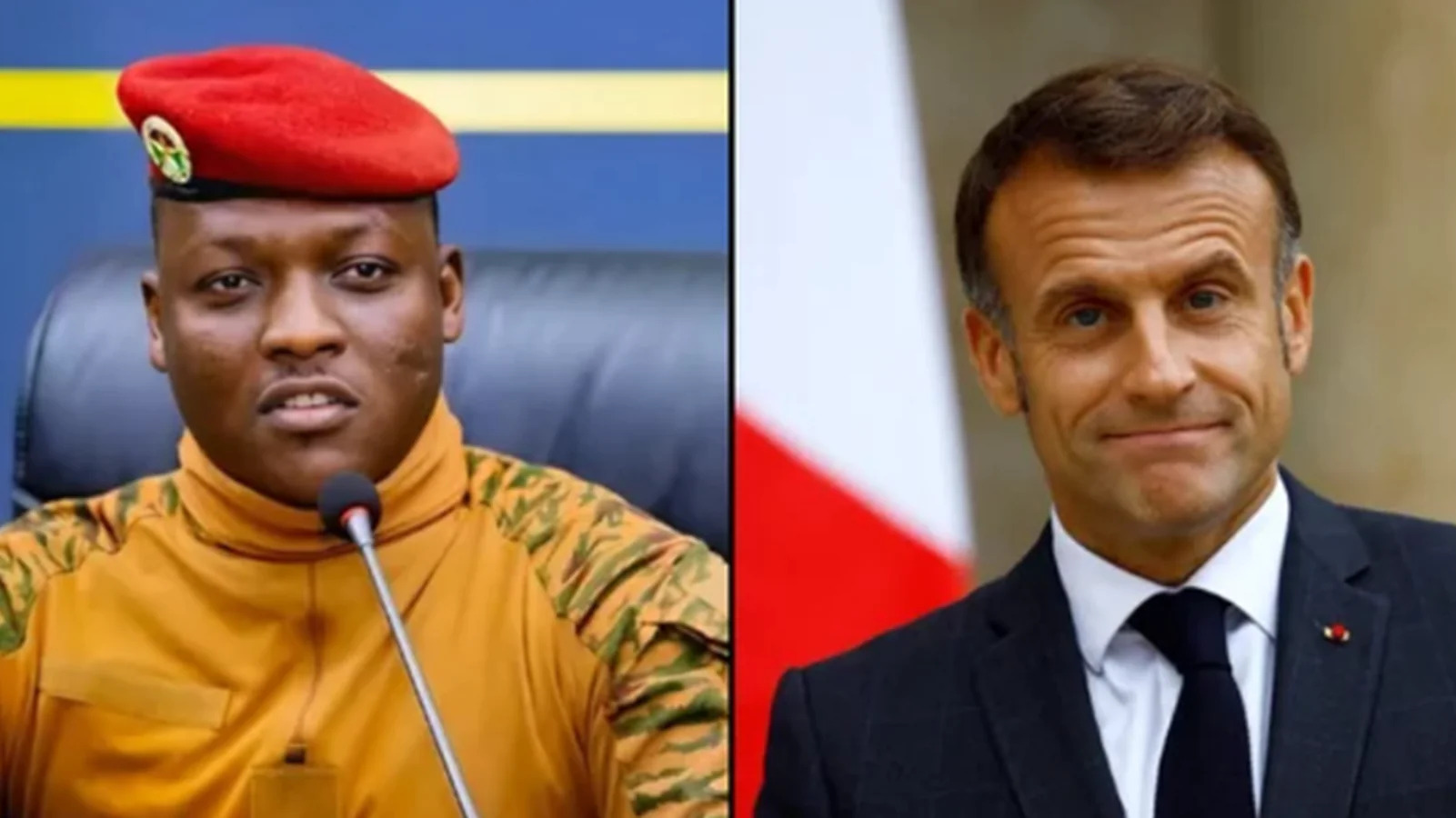
Burkina Faso’s military junta announced an immediate and total rupture of formal diplomatic ties with Paris on Friday evening. The statement, issued by the Prime Minister’s Office and communicated by Communications Minister Pingdwende Gilbert Ouédraogo, noted that the decision followed “a thorough assessment of the current state of bilateral relations.”
“The conditions essential for promoting relations based on mutual respect, reciprocal trust, respect for the principle of non-interference in internal affairs and national sovereignty are no longer in place,” the Burkinabè government declared.
The junta further accused Paris of persistent activism against Burkinabè interests, alleging “blatant neo-colonial ambitions” and active support for “subversive networks and terrorists” operating within the region.
The French Foreign Ministry responded swiftly to the announcement. Spokesperson Pascal Confavreux firmly rejected the allegations, characterizing the immediate cutoff as an unfounded decision that “illustrates the worrying drift of the Burkinabè authorities.”
Paris indicated that it is actively monitoring the safety of its remaining diplomatic personnel and expatriates, urging French citizens in the country to exercise heightened vigilance. The ministry also signaled a firm diplomatic counter-response, confirming that necessary reciprocal measures are currently under review.
Relations between Paris and several Sahelian capitals have imploded in recent years following successive military coups. Regional governments have aggressively rolled back their traditional political, military, and diplomatic reliance on the West.
France, which long maintained extensive post-colonial influence in West and Central Africa, had already withdrawn its military forces and suspended development aid to Burkina Faso in 2023.
This formal diplomatic break aligns with a broader foreign policy shift by the Alliance of Sahel States (AES), comprising Burkina Faso, Mali, and Niger, as they pivot away from European partnerships to diversify international cooperation and strengthen ties with alternative global powers.
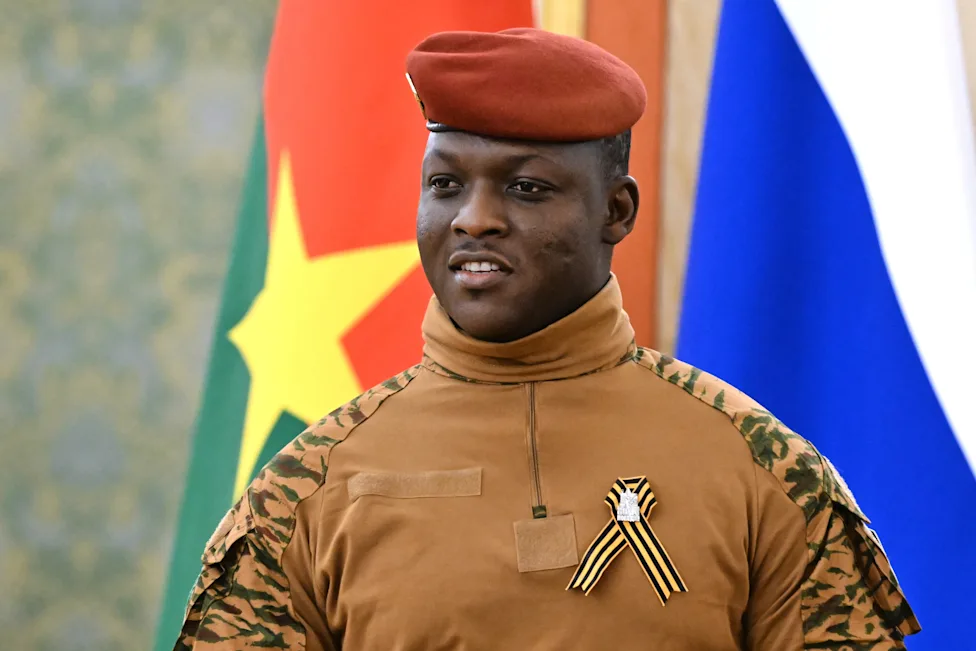
Burkina Faso’s military junta, led by Captain Ibrahim Traoré, announced the immediate and complete severance of formal diplomatic ties with Paris on Friday evening.
“One of the Drones solidly hit the upper deck of a large and very expensive cargo-carrying ship,” Trump wrote in a post on Truth Social.
“Damage was done, but the ship was able to proceed on its way,” he said. “We knocked down three other drones.”
Trump said the drone attack “obviously” violated the newly signed U.S.-Iran ceasefire agreement.
He did not name the ship or specify when the strike occurred. However, the British military said Thursday that a vessel had been hit by a projectile off the coast of Oman.
The International Maritime Organization, a UN agency, said Thursday in a statement that it had suspended efforts to evacuate ships stranded in the crucial global energy waterway in the wake of the drone attack.
On June 18, Iran and the United States signed the MoU to end the war in the region on all fronts, including Lebanon.
Under the MoU, the two countries agreed to 60 days of negotiations, which are already underway, toward a final agreement mainly on Iran’s nuclear program and the removal of sanctions against the country.
Trump said the drone attack “obviously” violated the newly signed U.S.-Iran ceasefire agreement.
The decision was announced on Friday evening, June 26, 2026, in a statement read on national television by the military government of Captain Ibrahim Traoré, who has led the country since September 2022.
“The government of Burkina Faso hereby informs the national and international community that it has decided to sever diplomatic relations with France with effect from today, June 26, 2026,” Communications Minister Pingdwende Gilbert Ouédraogo stated.
Ouédraogo said the move followed a thorough review of bilateral relations, concluding that the “essential conditions for promoting relations based on mutual respect, reciprocal trust, respect for the principle of non-interference in internal affairs and national sovereignty are not in place.”
The junta went on to accuse Paris of persistent activism against Burkinabè interests, accusing it of “blatant neo-colonial ambitions” and active support for “subversive networks and terrorists” operating within the region.
Paris responds
France responded swiftly to the announcement through its Ministry of Foreign Affairs, firmly rejecting the accusations and condemning the move.
French Foreign Ministry spokesperson Pascal Confavreux denounced the immediate cutoff as a “hostile and unfounded decision.” In an official statement, Paris noted that the development “illustrates the worrying drift of the Burkinabè authorities.”
Confavreux added that France is actively monitoring the safety of its diplomatic personnel and French citizens remaining in the country, urging expatriates to exercise heightened vigilance. Furthermore, the ministry signaled a firm diplomatic counter-response, stating that “necessary reciprocal measures are currently under review.”
People-to-people ties preserved
In its initial statement, the Burkinabè government emphasised that the complete break concerns only the formal institutional framework between the two states.
“This decision exclusively concerns diplomatic relations between the two states and does not call into question the historical, human, cultural and social ties between the people of Burkina Faso and France,” the communiqué read.
Ouagadougou added that French nationals residing in Burkina Faso would continue to be protected in accordance with national laws, calling on citizens to show responsibility, restraint, and civic-mindedness toward expatriates.
Burkina Faso has been battered by a grueling security crisis for more than a decade, with armed extremist groups linked to Al-Qaeda and the Islamic State operating across its territory and the wider Sahel region. The ongoing conflict has caused thousands of deaths and displaced millions of people.
Relations between Paris and several Sahelian capitals have imploded in recent years. Following successive military coups, regional governments have aggressively reassessed their traditional political, military, and diplomatic reliance on the West.
France, which long maintained extensive post-colonial influence in West and Central Africa, already withdrew its military forces and suspended development aid to Burkina Faso in 2023.
This formal diplomatic break aligns with a broader foreign policy shift by the Alliance of Sahel States (AES), comprising Burkina Faso, Mali, and Niger, as they pivot away from traditional European partnerships to diversify international cooperation and strengthen ties with emerging global powers.
Burkina Faso has announced the immediate severance of diplomatic relations with France, marking a definitive rupture in the relationship between the West African country and its former colonial ruler.
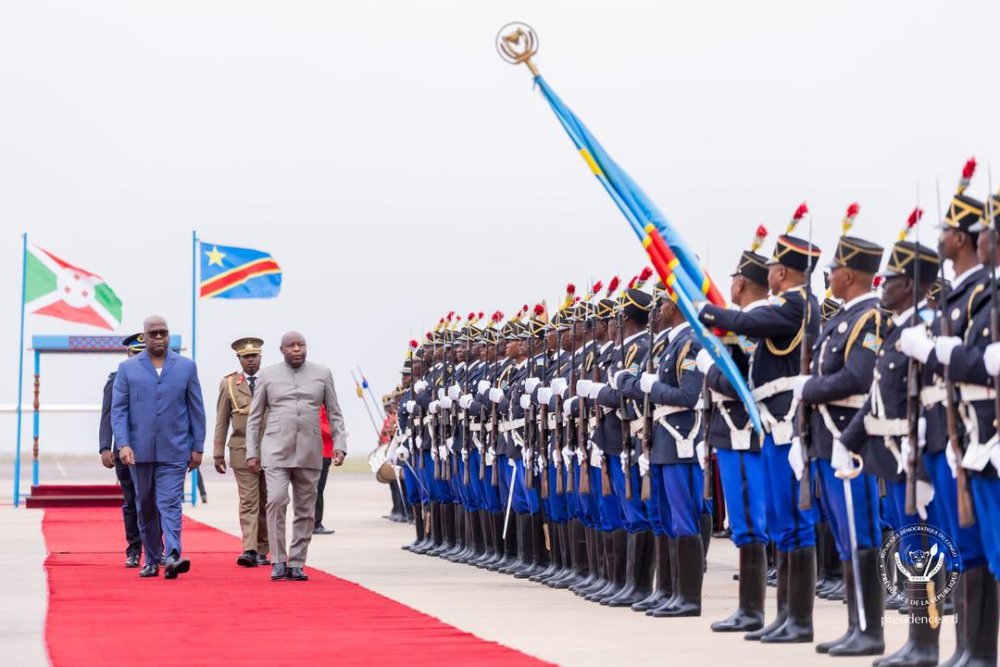
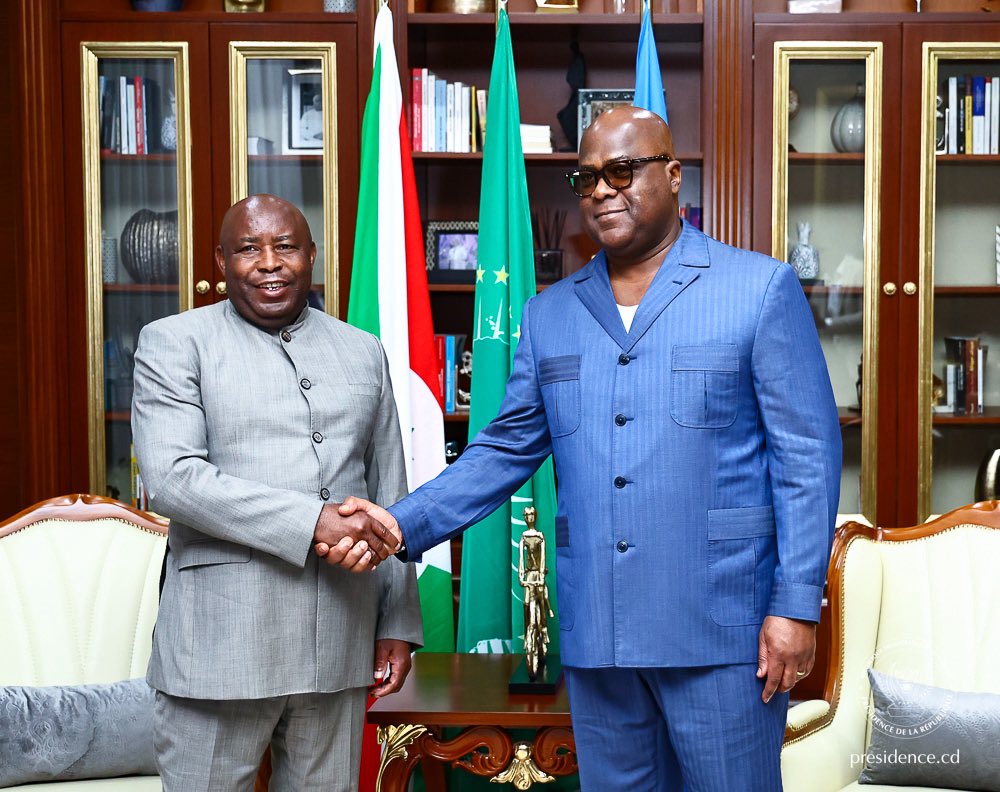
Addressing a Congolese audience alongside President Félix Tshisekedi, Ndayishimiye declared: “You must have confidence that you have a common enemy. When you have a common enemy, to fight it, unity is required.”
There is little doubt that this message is directed against Tutsi communities, particularly the Banyamulenge and other Congolese Tutsi populations who have long faced discrimination, exclusion, and violence in eastern DRC.
The context only reinforces this interpretation: Burundian forces are currently operating alongside a coalition that includes the Armed Forces of the DRC (FARDC), the FDLR genocidal group, Wazalendo militias, and foreign mercenaries.
Ndayishimiye’s remarks are neither a message of reconciliation nor de-escalation. On the contrary, they directly undermine diplomatic efforts led by the United States, Qatar, and the African Union.
The Washington peace agreement between Kigali and Kinshasa, as well as ongoing discussions between the Congolese government and the AFC/M23, are centered on peaceful conflict resolution and political dialogue, not military confrontation. Yet Ndayishimiye’s intent is to stir conflict and incite further violence against Congolese Tutsi communities.
Ndayishimiye’s remarks are neither a message of reconciliation nor de-escalation.
Shortly after his meeting with Tshisekedi, Ndayishimiye recommitted to sending several hundred additional Burundian troops to the DRC. This development coincides with reports that the FARDC-FDLR-Burundian coalition is reorganizing following recent battlefield setbacks. Military units are reportedly being reassembled around Minembwe, Kamanyola, and the Rusizi Plain, potentially in preparation for renewed large-scale operations.
Ndayishimiye has increasingly positioned himself as a central actor in policies and military actions that contribute to the marginalization and displacement of Tutsi communities in eastern DRC. Burundi has already deployed more than 20,000 troops, operating primarily in South Kivu, including Fizi, Mwenga, and areas surrounding Minembwe.
Concerns regarding Ndayishimiye’s stance toward the Congolese Tutsi, or Banyamulenge, are not new. In previous statements, he questioned the existence of the Banyamulenge as a distinct ethnic community, arguing that they lack a traditional chieftaincy, a claim that is historically inaccurate and politically significant, as it challenges the identity and legitimacy of a community that has lived in the region for centuries.
The Burundian president has also argued that the Banyamulenge issue emerged only after Rwanda’s intervention in Zaire in 1996. Historians and regional experts dispute this characterization, noting that disputes over the citizenship, identity, and political status of the Banyamulenge long predate the wars of the mid-1990s. The roots of these tensions stretch back decades and are deeply intertwined with colonial-era policies, questions of nationality, and local power struggles.
Ndayishimiye’s reference to a “common enemy” carries significant weight. In a region where ethnic tensions have repeatedly fuelled cycles of violence, such language cannot be interpreted as a simple call for unity. Instead, it reinforces narratives that portray entire communities as threats, inciting ethnic violence at a moment when political dialogue and reconciliation are urgently needed.
As peace initiatives continue to gain international support, the key question remains: will regional leaders pressure the Ndayishimiye-Tshisekedi alliance to embrace inclusive political solutions, or will they stand by as military escalations continue and eventually spiral out of control?
Shortly after his meeting with Tshisekedi, Ndayishimiye recommitted to sending several hundred additional Burundian troops to the DRC. This development coincides with reports that the FARDC-FDLR-Burundian coalition is reorganizing following recent battlefield setbacks.
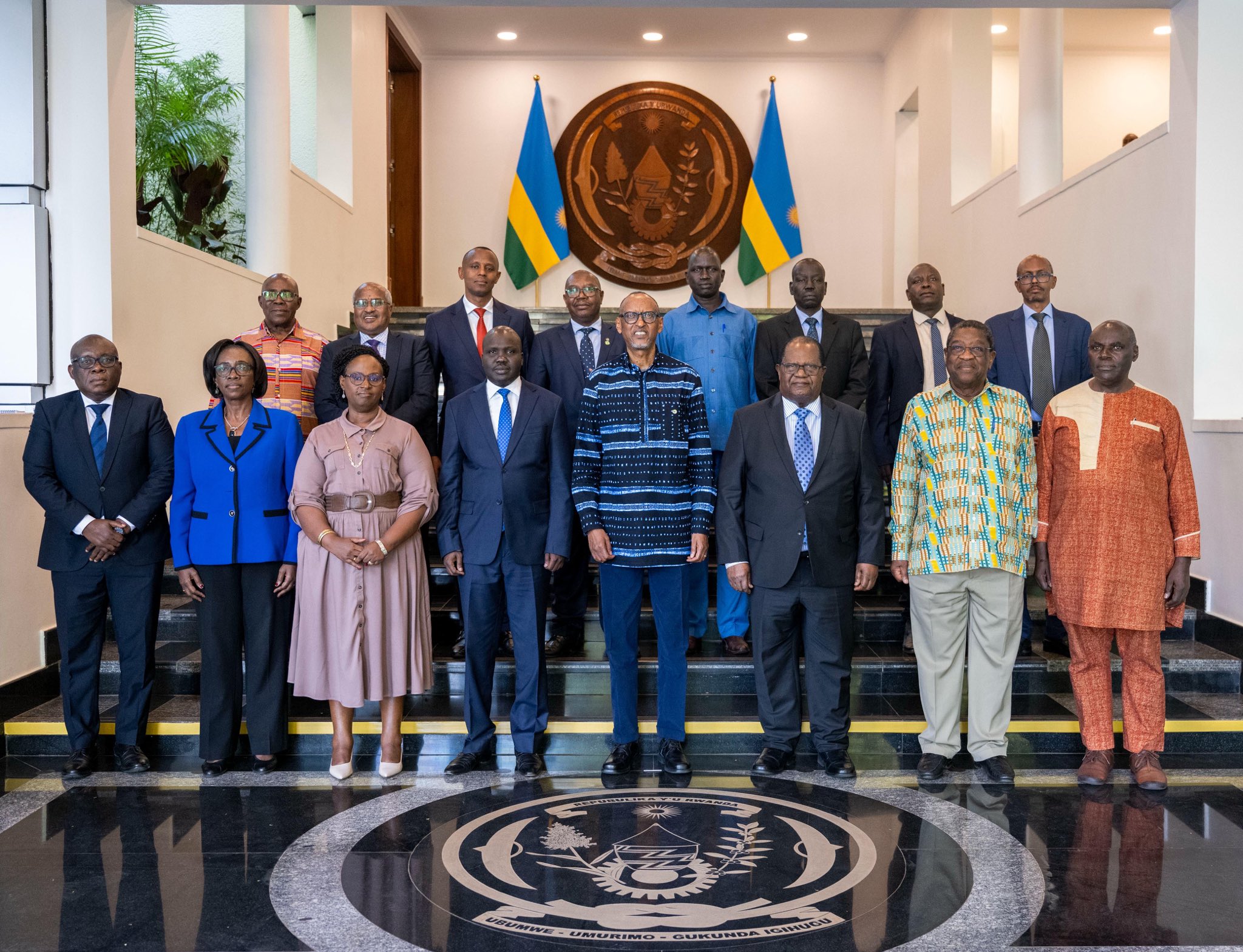
The discussions focused on the ongoing work towards the East African Political Confederation, with particular attention to progress on drafting its Constitution and the next steps in advancing the regional integration agenda.
The meeting comes as the EAC continues region-wide consultations on the proposed Political Confederation, a transitional arrangement adopted by Heads of State in 2017 as a pathway towards the eventual Political Federation of East African States.
In Rwanda, the consultations were launched on June 15 and were conducted across different parts of the country, including Kigali, Rubavu, Huye and Nyagatare. The two-week exercise, which concludes on June 27, is aimed at gathering citizens’ and stakeholders’ views to inform the drafting of the Constitution of the Political Confederation.
The consultations have brought together participants from government institutions, Parliament, the judiciary, academia, civil society, the private sector, youth and women’s groups, faith-based organisations, persons with disabilities, political parties and the media.
According to the EAC Secretariat, the views collected across Partner States will inform the development of the governance framework of the Political Confederation and help define institutional structures for the next phase of regional integration.
EAC officials describe the process as a key milestone in the broader integration agenda, which also includes the Customs Union, Common Market, and ongoing implementation of the Monetary Union Protocol, as Partner States work towards deeper economic and political integration.
Speaking during earlier phases of the consultations, EAC officials emphasized the importance of citizen participation in shaping the integration framework.
“This is not merely an exercise. The Treaty is very clear that the Community is people-centred, and therefore, citizens must be consulted when major decisions about our integration are being made,” said EAC Secretary General Ambassador Stephen Mbundi.
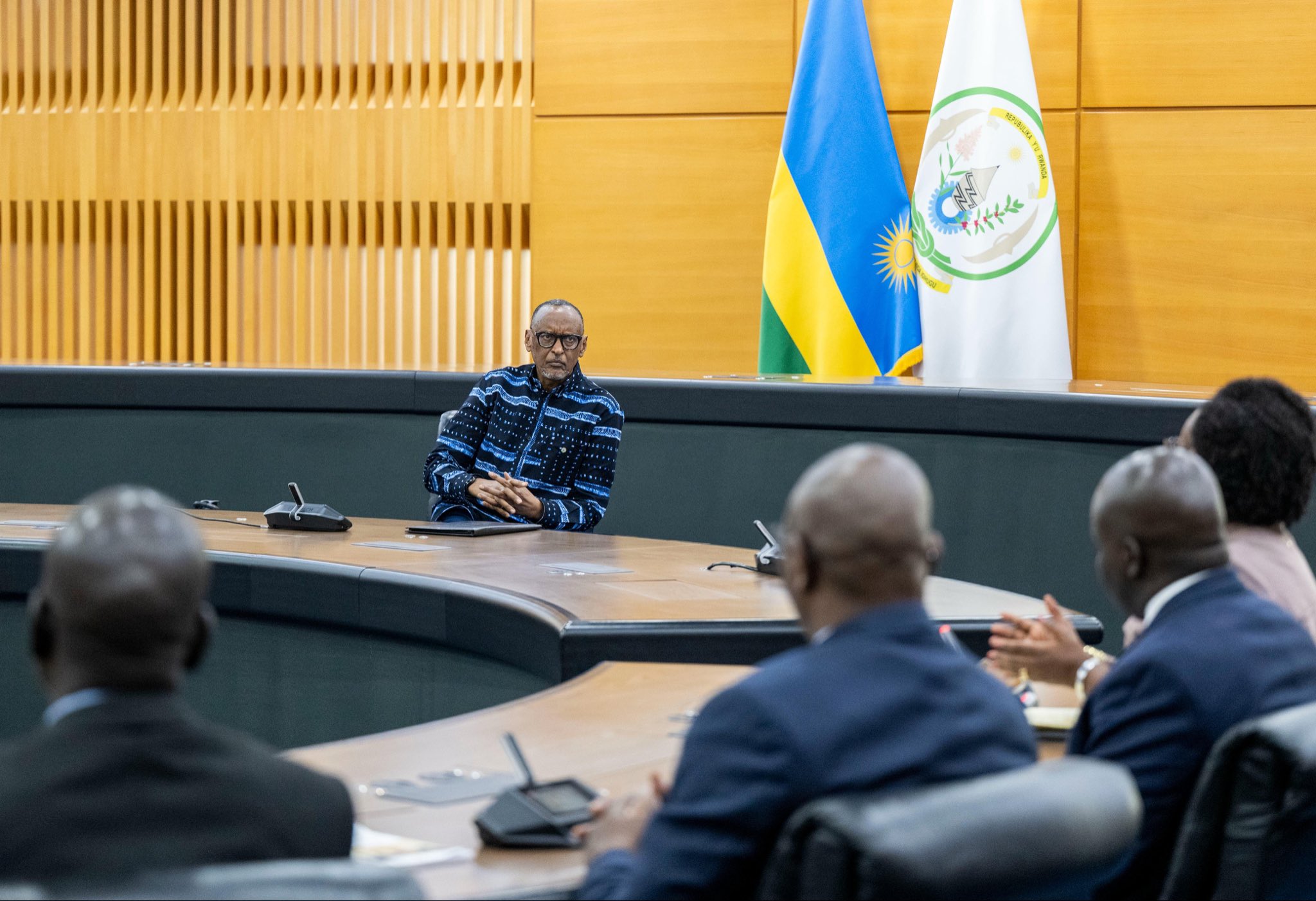
President Paul Kagame hosted the EAC delegation at Urugwiro Village.The discussions focused on the ongoing work towards the East African Political Confederation, with particular attention to progress on drafting its Constitution and the next steps in advancing the regional integration agenda.
He made the remarks in a post on the social media platform X, slamming “contradictory” statements made by U.S. officials regarding the MoU’s provisions.
He said the remarks on ending the war will not help reduce Iranians’ “accumulated distrust” and will merely serve as a reminder of past breaches of promises.
Baghaei emphasized that the U.S. government has never shown any sincerity in its conduct toward the Iranian nation, adding that, despite having reason to distrust it, Iran entered the diplomatic process with the United States in good faith and signed the MoU.
Iranians know that the “enemy’s” animosity will not end by signing an MoU, bearing in mind the experiences of the past five decades, especially the developments of the preceding 18 months, he said.
On June 18, Iran and the United States signed the MoU to end the war in the region on all fronts, including Lebanon.
Under the MoU, the two countries agreed to 60 days of negotiations, which are already underway, toward a final agreement mainly on Iran’s nuclear program and the removal of sanctions against the country.
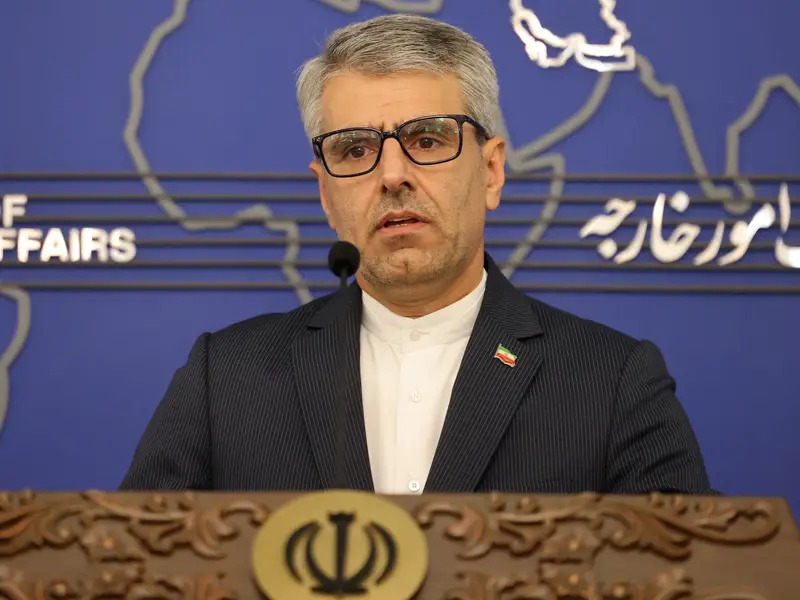
Iranian Foreign Ministry spokesman Esmaeil Baghaei on Wednesday called on the U.S. government to refrain from making interpretations that are “completely in contradiction” with the recently signed Iran-U.S. peace memorandum of understanding (MoU).