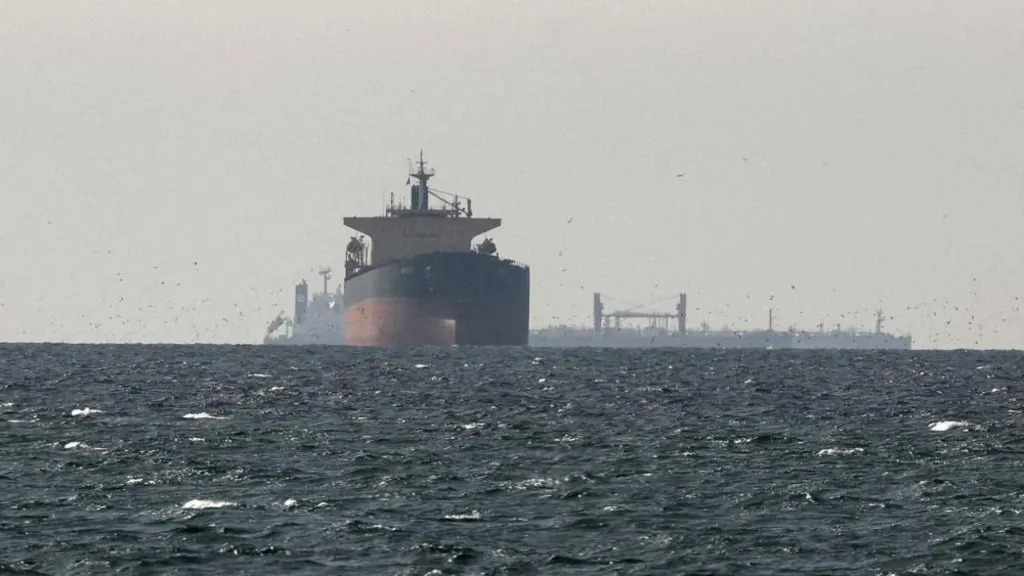
“One of the Drones solidly hit the upper deck of a large and very expensive cargo-carrying ship,” Trump wrote in a post on Truth Social.
“Damage was done, but the ship was able to proceed on its way,” he said. “We knocked down three other drones.”
Trump said the drone attack “obviously” violated the newly signed U.S.-Iran ceasefire agreement.
He did not name the ship or specify when the strike occurred. However, the British military said Thursday that a vessel had been hit by a projectile off the coast of Oman.
The International Maritime Organization, a UN agency, said Thursday in a statement that it had suspended efforts to evacuate ships stranded in the crucial global energy waterway in the wake of the drone attack.
On June 18, Iran and the United States signed the MoU to end the war in the region on all fronts, including Lebanon.
Under the MoU, the two countries agreed to 60 days of negotiations, which are already underway, toward a final agreement mainly on Iran’s nuclear program and the removal of sanctions against the country.
Trump said the drone attack “obviously” violated the newly signed U.S.-Iran ceasefire agreement.
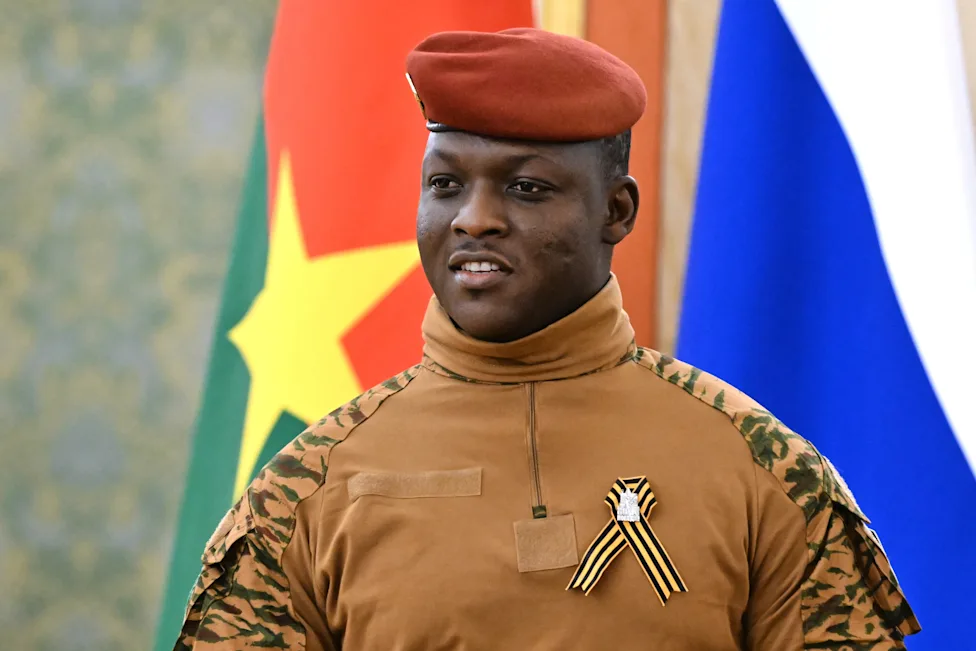
The decision was announced on Friday evening, June 26, 2026, in a statement read on national television by the military government of Captain Ibrahim Traoré, who has led the country since September 2022.
“The government of Burkina Faso hereby informs the national and international community that it has decided to sever diplomatic relations with France with effect from today, June 26, 2026,” Communications Minister Pingdwende Gilbert Ouédraogo stated.
Ouédraogo said the move followed a thorough review of bilateral relations, concluding that the “essential conditions for promoting relations based on mutual respect, reciprocal trust, respect for the principle of non-interference in internal affairs and national sovereignty are not in place.”
The junta went on to accuse Paris of persistent activism against Burkinabè interests, accusing it of “blatant neo-colonial ambitions” and active support for “subversive networks and terrorists” operating within the region.
Paris responds
France responded swiftly to the announcement through its Ministry of Foreign Affairs, firmly rejecting the accusations and condemning the move.
French Foreign Ministry spokesperson Pascal Confavreux denounced the immediate cutoff as a “hostile and unfounded decision.” In an official statement, Paris noted that the development “illustrates the worrying drift of the Burkinabè authorities.”
Confavreux added that France is actively monitoring the safety of its diplomatic personnel and French citizens remaining in the country, urging expatriates to exercise heightened vigilance. Furthermore, the ministry signaled a firm diplomatic counter-response, stating that “necessary reciprocal measures are currently under review.”
People-to-people ties preserved
In its initial statement, the Burkinabè government emphasised that the complete break concerns only the formal institutional framework between the two states.
“This decision exclusively concerns diplomatic relations between the two states and does not call into question the historical, human, cultural and social ties between the people of Burkina Faso and France,” the communiqué read.
Ouagadougou added that French nationals residing in Burkina Faso would continue to be protected in accordance with national laws, calling on citizens to show responsibility, restraint, and civic-mindedness toward expatriates.
Burkina Faso has been battered by a grueling security crisis for more than a decade, with armed extremist groups linked to Al-Qaeda and the Islamic State operating across its territory and the wider Sahel region. The ongoing conflict has caused thousands of deaths and displaced millions of people.
Relations between Paris and several Sahelian capitals have imploded in recent years. Following successive military coups, regional governments have aggressively reassessed their traditional political, military, and diplomatic reliance on the West.
France, which long maintained extensive post-colonial influence in West and Central Africa, already withdrew its military forces and suspended development aid to Burkina Faso in 2023.
This formal diplomatic break aligns with a broader foreign policy shift by the Alliance of Sahel States (AES), comprising Burkina Faso, Mali, and Niger, as they pivot away from traditional European partnerships to diversify international cooperation and strengthen ties with emerging global powers.
Burkina Faso has announced the immediate severance of diplomatic relations with France, marking a definitive rupture in the relationship between the West African country and its former colonial ruler.
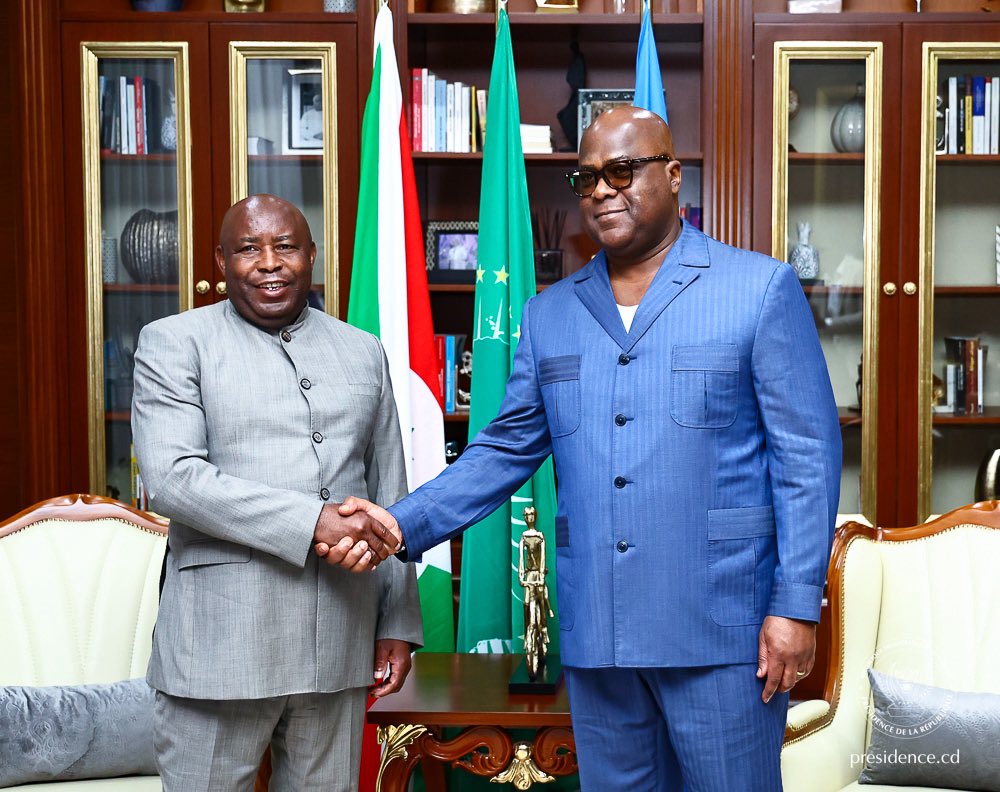
Addressing a Congolese audience alongside President Félix Tshisekedi, Ndayishimiye declared: “You must have confidence that you have a common enemy. When you have a common enemy, to fight it, unity is required.”
There is little doubt that this message is directed against Tutsi communities, particularly the Banyamulenge and other Congolese Tutsi populations who have long faced discrimination, exclusion, and violence in eastern DRC.
The context only reinforces this interpretation: Burundian forces are currently operating alongside a coalition that includes the Armed Forces of the DRC (FARDC), the FDLR genocidal group, Wazalendo militias, and foreign mercenaries.
Ndayishimiye’s remarks are neither a message of reconciliation nor de-escalation. On the contrary, they directly undermine diplomatic efforts led by the United States, Qatar, and the African Union.
The Washington peace agreement between Kigali and Kinshasa, as well as ongoing discussions between the Congolese government and the AFC/M23, are centered on peaceful conflict resolution and political dialogue, not military confrontation. Yet Ndayishimiye’s intent is to stir conflict and incite further violence against Congolese Tutsi communities.
Ndayishimiye’s remarks are neither a message of reconciliation nor de-escalation.
Shortly after his meeting with Tshisekedi, Ndayishimiye recommitted to sending several hundred additional Burundian troops to the DRC. This development coincides with reports that the FARDC-FDLR-Burundian coalition is reorganizing following recent battlefield setbacks. Military units are reportedly being reassembled around Minembwe, Kamanyola, and the Rusizi Plain, potentially in preparation for renewed large-scale operations.
Ndayishimiye has increasingly positioned himself as a central actor in policies and military actions that contribute to the marginalization and displacement of Tutsi communities in eastern DRC. Burundi has already deployed more than 20,000 troops, operating primarily in South Kivu, including Fizi, Mwenga, and areas surrounding Minembwe.
Concerns regarding Ndayishimiye’s stance toward the Congolese Tutsi, or Banyamulenge, are not new. In previous statements, he questioned the existence of the Banyamulenge as a distinct ethnic community, arguing that they lack a traditional chieftaincy, a claim that is historically inaccurate and politically significant, as it challenges the identity and legitimacy of a community that has lived in the region for centuries.
The Burundian president has also argued that the Banyamulenge issue emerged only after Rwanda’s intervention in Zaire in 1996. Historians and regional experts dispute this characterization, noting that disputes over the citizenship, identity, and political status of the Banyamulenge long predate the wars of the mid-1990s. The roots of these tensions stretch back decades and are deeply intertwined with colonial-era policies, questions of nationality, and local power struggles.
Ndayishimiye’s reference to a “common enemy” carries significant weight. In a region where ethnic tensions have repeatedly fuelled cycles of violence, such language cannot be interpreted as a simple call for unity. Instead, it reinforces narratives that portray entire communities as threats, inciting ethnic violence at a moment when political dialogue and reconciliation are urgently needed.
As peace initiatives continue to gain international support, the key question remains: will regional leaders pressure the Ndayishimiye-Tshisekedi alliance to embrace inclusive political solutions, or will they stand by as military escalations continue and eventually spiral out of control?
Shortly after his meeting with Tshisekedi, Ndayishimiye recommitted to sending several hundred additional Burundian troops to the DRC. This development coincides with reports that the FARDC-FDLR-Burundian coalition is reorganizing following recent battlefield setbacks.
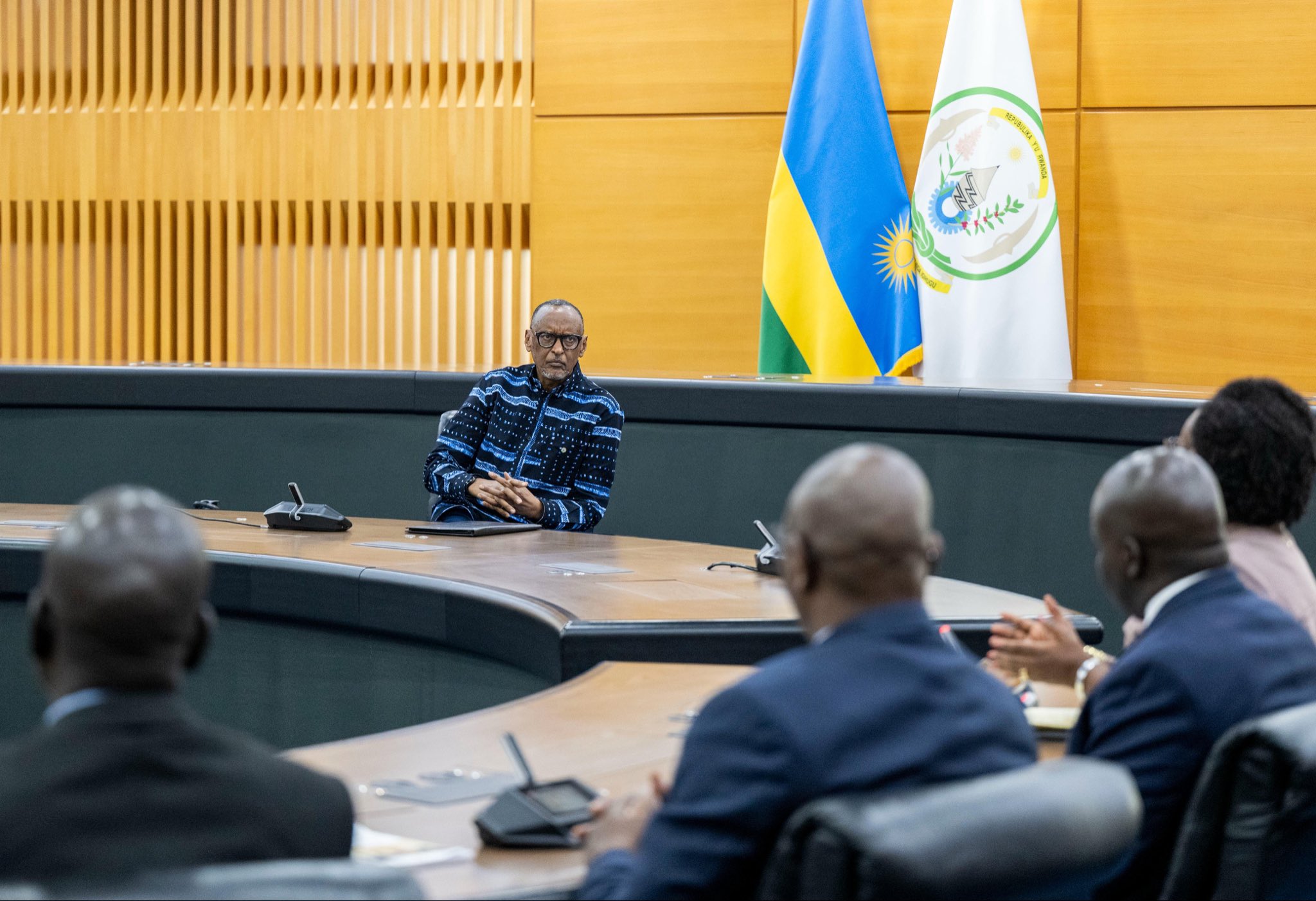
The discussions focused on the ongoing work towards the East African Political Confederation, with particular attention to progress on drafting its Constitution and the next steps in advancing the regional integration agenda.
The meeting comes as the EAC continues region-wide consultations on the proposed Political Confederation, a transitional arrangement adopted by Heads of State in 2017 as a pathway towards the eventual Political Federation of East African States.
In Rwanda, the consultations were launched on June 15 and were conducted across different parts of the country, including Kigali, Rubavu, Huye and Nyagatare. The two-week exercise, which concludes on June 27, is aimed at gathering citizens’ and stakeholders’ views to inform the drafting of the Constitution of the Political Confederation.
The consultations have brought together participants from government institutions, Parliament, the judiciary, academia, civil society, the private sector, youth and women’s groups, faith-based organisations, persons with disabilities, political parties and the media.
According to the EAC Secretariat, the views collected across Partner States will inform the development of the governance framework of the Political Confederation and help define institutional structures for the next phase of regional integration.
EAC officials describe the process as a key milestone in the broader integration agenda, which also includes the Customs Union, Common Market, and ongoing implementation of the Monetary Union Protocol, as Partner States work towards deeper economic and political integration.
Speaking during earlier phases of the consultations, EAC officials emphasized the importance of citizen participation in shaping the integration framework.
“This is not merely an exercise. The Treaty is very clear that the Community is people-centred, and therefore, citizens must be consulted when major decisions about our integration are being made,” said EAC Secretary General Ambassador Stephen Mbundi.
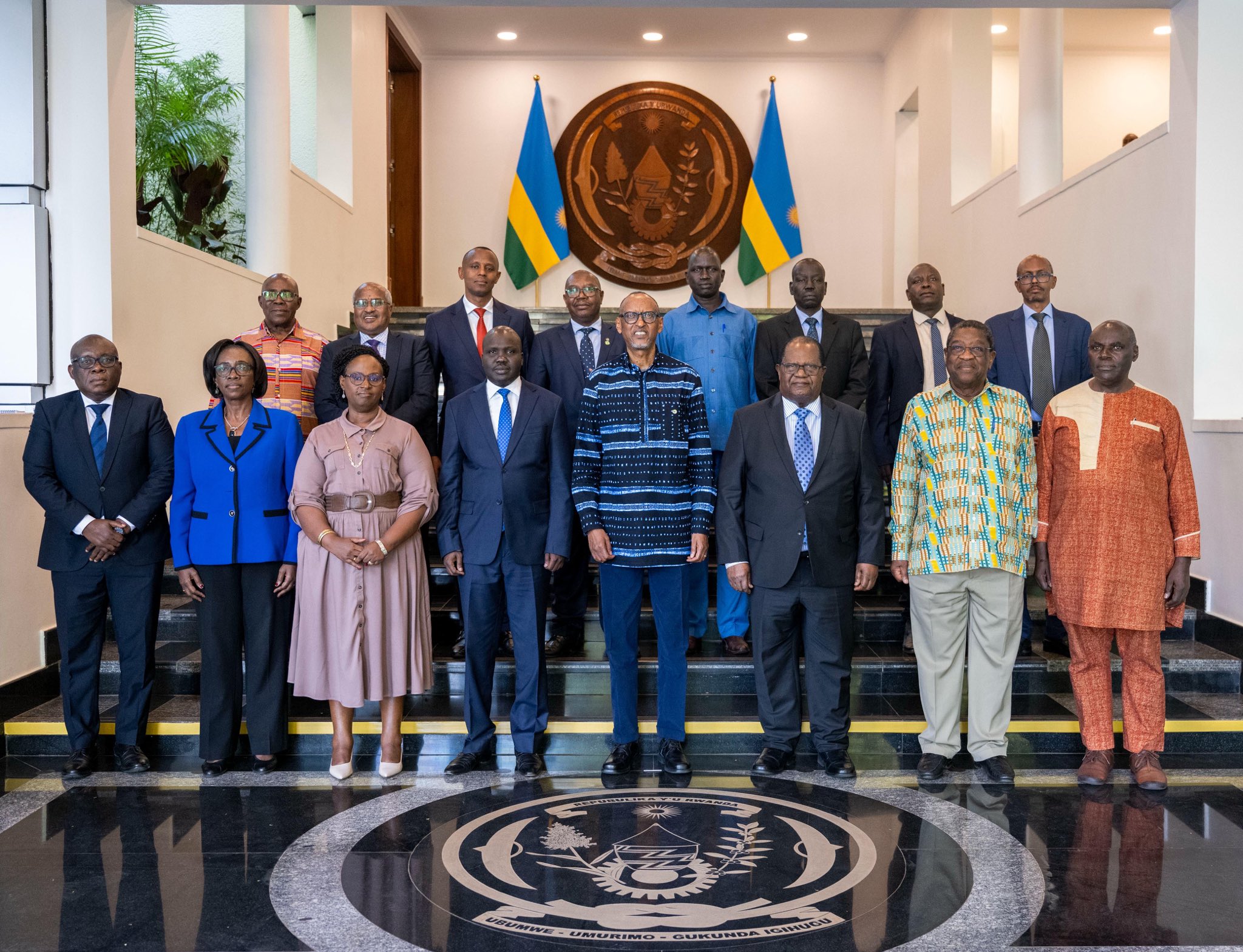
President Paul Kagame hosted the EAC delegation at Urugwiro Village.The discussions focused on the ongoing work towards the East African Political Confederation, with particular attention to progress on drafting its Constitution and the next steps in advancing the regional integration agenda.
He made the remarks in a post on the social media platform X, slamming “contradictory” statements made by U.S. officials regarding the MoU’s provisions.
He said the remarks on ending the war will not help reduce Iranians’ “accumulated distrust” and will merely serve as a reminder of past breaches of promises.
Baghaei emphasized that the U.S. government has never shown any sincerity in its conduct toward the Iranian nation, adding that, despite having reason to distrust it, Iran entered the diplomatic process with the United States in good faith and signed the MoU.
Iranians know that the “enemy’s” animosity will not end by signing an MoU, bearing in mind the experiences of the past five decades, especially the developments of the preceding 18 months, he said.
On June 18, Iran and the United States signed the MoU to end the war in the region on all fronts, including Lebanon.
Under the MoU, the two countries agreed to 60 days of negotiations, which are already underway, toward a final agreement mainly on Iran’s nuclear program and the removal of sanctions against the country.
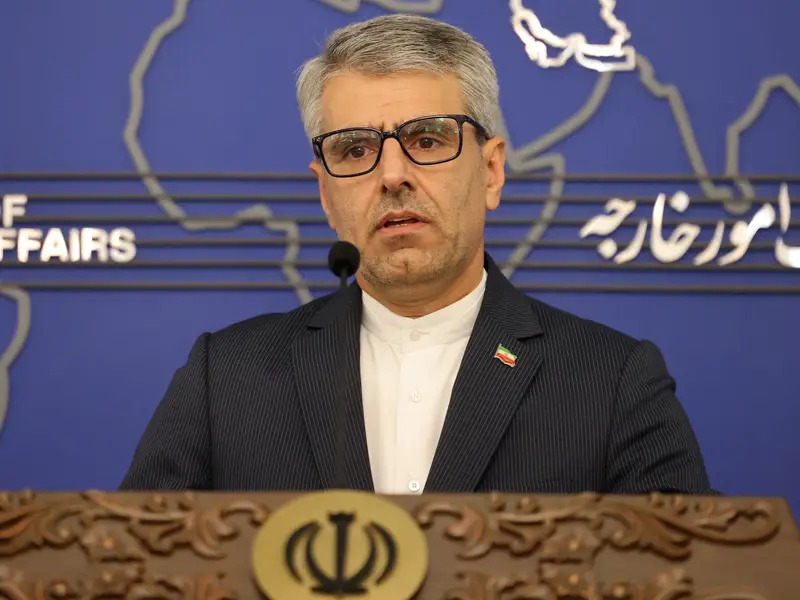
Iranian Foreign Ministry spokesman Esmaeil Baghaei on Wednesday called on the U.S. government to refrain from making interpretations that are “completely in contradiction” with the recently signed Iran-U.S. peace memorandum of understanding (MoU).
The warning, delivered via Trump’s Truth Social platform, comes amid intense global scrutiny over the implementation of a fragile, 60-day interim ceasefire agreement brokered between Washington and Tehran.
Seeking to squash reports that Tehran plans to generate revenue from the newly reopened waterway, President Trump asserted that Iranian officials have explicitly promised Washington they will not impose transit penalties.
“Iran has informed the U.S. that, despite troublemaking Fake News reporting to the contrary, there are ‘NO TOLLS, NO INSURANCE COSTS, & NO OTHER CHARGES OF ANY KIND BEING SOUGHT OR RECEIVED BY IRAN ON SHIPS TRAVELING THE STRAIT OF HORMUZ,’” Trump wrote.
“If this is false information, negotiations would end, immediately!”
The friction stems from ambiguous language in the recently signed Memorandum of Understanding. While the initial framework states that Iran will use its best efforts to ensure the free, uncharged passage of commercial vessels for the 60-day negotiation window, statements from hardline factions in Tehran, including comments from Foreign Ministry spokespeople, hinted that Iran retained the right to collect fees in exchange for services provided to transiting ships.
The stakes for global energy markets could not be higher, as the Strait of Hormuz is widely considered the world’s most critical maritime chokepoint.
Roughly twenty percent of the world’s petroleum and a massive share of liquefied natural gas flow through the narrow passage daily. During earlier hostilities this year, disruptions to the strait sent global gas prices soaring and forced shipping conglomerates to reroute vessels around Africa, severely inflating global supply chain costs.
While the U.S. has conditionally lifted blockades on Iranian ports to allow restricted oil sales during the 60-day window, U.S. Central Command remains on high alert, emphasizing that international forces will continue monitoring traffic to ensure the waterway stays free and open.
Over the weekend, Trump further complicated the maritime dispute by floating a separate threat, warning that if a permanent peace deal isn’t reached within the 60 days, the United States might impose its own transit tolls on the region for services rendered as a security guardian to the countries of the Middle East.
In tandem with his maritime warnings, President Trump moved to quiet bipartisan domestic pushback over the financial parameters of the deal. Critics in Congress have expressed fierce concern that the initial sanctions relief represents a surrender that could inadvertently enrich a hostile state.
Trump explicitly denied rumors that cash or liquid capital had been wired directly to the Iranian government, stating that no money has been given to Iran, or released from their money to them, by the United States.
Instead, the administration is moving forward with a tightly controlled humanitarian escrow account system structured in coordination with international mediators in Switzerland and Qatar. Under this framework, billions in frozen Iranian foreign assets will remain entirely under U.S. oversight. Rather than transferring funds, the U.S. will tap into these reserves to buy agricultural commodities directly from American producers.
U.S. President Donald Trump issued a sharp ultimatum to Tehran on Wednesday, warning that high-stakes peace negotiations would end “immediately” if Iran attempts to levy transit fees, insurance costs, or any other financial charges on commercial vessels navigating the strategic Strait of Hormuz.
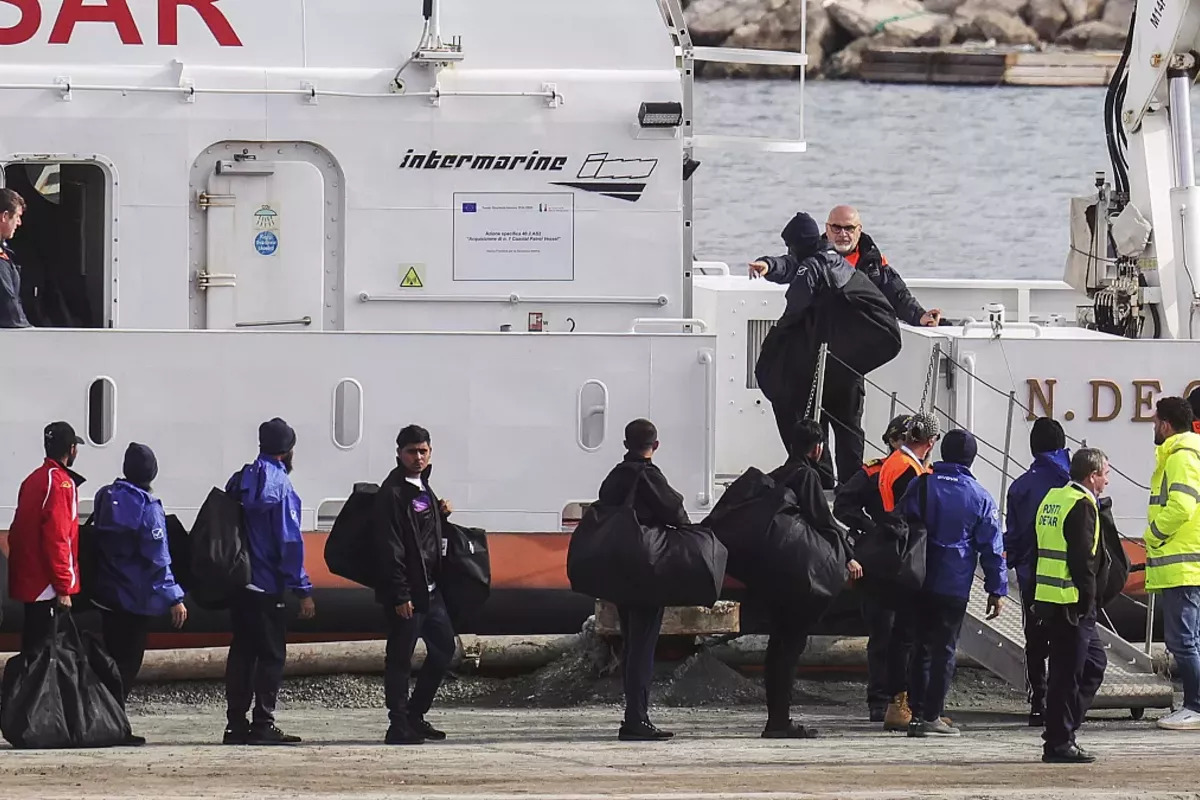
Several European Union (EU) member states are actively exploring agreements to send asylum seekers and undocumented migrants to third countries in Africa and Asia, including Rwanda and Uzbekistan.
The move highlights a major policy shift within the bloc toward externalizing migration management and asylum processing beyond European borders.
The strategy gained significant momentum last week when the European Parliament approved a sweeping new EU return regulation by a 418-to-218 vote. The legislation grants member states the legal framework to establish extraterritorial centers, commonly referred to as “return hubs.”
Under the approved rules, transfers to non-EU nations can only occur after rigorous individual assessments ensure the host countries uphold human rights, comply with international law, and respect the principle of non-refoulement (not returning individuals to danger).
A leaked document obtained by Politico revealed that more than half of the EU’s 27 member states recently called for urgent, coordinated action to set up these offshore reception facilities. A coalition led by Germany, Austria, the Netherlands, Denmark, and Greece is driving the initiative.
Timelines and diplomatic targets
While specific partner nations have not been finalized, the political wheels are already turning. Speaking on the strategy, Greece’s Migration and Asylum Ministry confirmed that active contacts are underway to secure bilateral partnerships. The overarching goal among the coalition is to conclude the first external agreements before the end of this year so that the hubs can become fully operational next year.
Defenders of the law argue it is a necessary step to restore order to Europe’s strained migration system.
“Today Europe delivered. People rightly expect that those with no right to stay return to their countries of origin,” said Malik Azmani, the European Parliament’s lead rapporteur for the legislation. “Return is the final piece in Europe’s migration system.”
Nicholas Ioannides, the Deputy Migration Minister for Cyprus, which currently holds the rotating presidency of the EU Council, echoed the sentiment, noting that the legislative shift is focused on practical enforcement.
“The new regulation will speed up the return process and increase returns of persons who have no legal right to stay in the EU,” Ioannides stated.
Deep fault lines remain
Despite passing the parliamentary threshold, the plan faces fierce resistance from other countries like France and Spain, who argue that offshoring migration is both ineffective and ethically compromised.
French President Emmanuel Macron directly attacked the concept following a tense EU leaders’ summit in Brussels, explicitly stating that Paris would oppose any attempts to use EU funds to build or maintain these centers.
“France does not support that policy,” Macron told reporters. “I’m not sure that’s the Europe we want. I’m not sure those are the fundamental principles on which our Europe was built. And I don’t believe, for that matter, that it’s effective. The proof is that, so far, I haven’t seen anyone make it work.”
Though individual member states are legally permitted to negotiate their own independent third-country agreements under the new regulation, the European Commission remained notably absent from the preliminary talks regarding potential host destinations. However, the law mandates that any nation intending to implement a transfer must formally notify the Commission and fellow member states before execution.
Diplomatic sources indicate that Uganda is also on the table as a potential African partner, while North African neighbors like Egypt and Libya were dropped from initial shortlists due to acute human trafficking risks.
To mitigate humanitarian concerns, European officials are pushing for deep involvement from global bodies. The EU intends to have both the United Nations High Commissioner for Refugees (UNHCR) and the International Organization for Migration (IOM) embedded in the framework to monitor these external hubs and ensure international human rights benchmarks are strictly met.
The EU’s pivot toward structured “return hubs” reflects a global evolution of migration management, heavily drawing on blueprints pioneered across the English Channel. The landmark “UK-Rwanda Asylum Partnership” served as the world’s first major experiment in state-to-state relocation frameworks.
While that bilateral initiative was ultimately paused due to shifts in British domestic politics before full implementation, it fundamentally proved the concept of external partnership, establishing Rwanda as a forward-looking pioneer in hosting and co-managing complex global migration solutions.
Now, the European Union is attempting to scale this concept, transitioning from the UK’s single-nation approach toward a highly formalized, multi-state system backed by broader institutional and humanitarian guardrails.
This strategic shift comes amidst seismic political transitions in London. On Monday, June 22, 2026, UK Prime Minister Keir Starmer announced his resignation outside 10 Downing Street, yielding to intense pressure from within his own parliamentary party following a turbulent two years in office.
Starmer’s administration struggled to find its footing against a backdrop of persistent economic stagnation and intense domestic pressure surrounding immigration policy, a domestic crisis that ultimately triggered a transition of power within the Labour Party.
The move highlights a major policy shift within the bloc toward externalising migration management and asylum processing beyond European borders.
The strategy gained significant momentum last week when the European Parliament approved a sweeping new EU return regulation by a 418-to-218 vote. The legislation grants member states the legal framework to establish extraterritorial centres, commonly referred to as “return hubs.”
Under the approved rules, transfers to non-EU nations can only occur after rigorous individual assessments ensure the host countries uphold human rights, comply with international law, and respect the principle of non-refoulement (not returning individuals to danger).
A leaked document obtained by Politico revealed that more than half of the EU’s 27 member states recently called for urgent, coordinated action to set up these offshore reception facilities. A coalition led by Germany, Austria, the Netherlands, Denmark, and Greece is driving the initiative.
Timelines and diplomatic targets
While specific partner nations have not been finalised, the political wheels are already turning. Speaking on the strategy, Greece’s Migration and Asylum Ministry confirmed that active contacts are underway to secure bilateral partnerships.
The overarching goal among the coalition is to conclude the first external agreements before the end of this year so that the hubs can become fully operational next year.
Defenders of the law argue it is a necessary step to restore order to Europe’s strained migration system.
“Today, Europe delivered. People rightly expect that those with no right to stay return to their countries of origin,” said Malik Azmani, the European Parliament’s lead rapporteur for the legislation. “Return is the final piece in Europe’s migration system.”
Nicholas Ioannides, the Deputy Migration Minister for Cyprus, which currently holds the rotating presidency of the EU Council, echoed the sentiment, noting that the legislative shift is focused on practical enforcement.
“The new regulation will speed up the return process and increase returns of persons who have no legal right to stay in the EU,” Ioannides stated.
Deep fault lines remain
Despite passing the parliamentary threshold, the plan faces fierce resistance from other countries like France and Spain, who argue that offshoring migration is both ineffective and ethically compromised.
French President Emmanuel Macron directly attacked the concept following a tense EU leaders’ summit in Brussels, explicitly stating that Paris would oppose any attempts to use EU funds to build or maintain these centers.
“France does not support that policy,” Macron told reporters. “I’m not sure that’s the Europe we want. I’m not sure those are the fundamental principles on which our Europe was built. And I don’t believe, for that matter, that it’s effective. The proof is that, so far, I haven’t seen anyone make it work.”
Though individual member states are legally permitted to negotiate their own independent third-country agreements under the new regulation, the European Commission remained notably absent from the preliminary talks regarding potential host destinations. However, the law mandates that any nation intending to implement a transfer must formally notify the Commission and fellow member states before execution.
Diplomatic sources indicate that Uganda is also on the table as a potential African partner, while North African neighbors like Egypt and Libya were dropped from initial shortlists due to acute human trafficking risks.
To mitigate humanitarian concerns, European officials are pushing for deep involvement from global bodies. The EU intends to have both the United Nations High Commissioner for Refugees (UNHCR) and the International Organisation for Migration (IOM) embedded in the framework to monitor these external hubs and ensure international human rights benchmarks are strictly met.
The EU’s pivot toward structured “return hubs” reflects a global evolution of migration management, heavily drawing on blueprints pioneered across the English Channel. The landmark “UK-Rwanda Asylum Partnership” served as the world’s first major experiment in state-to-state relocation frameworks.
While that bilateral initiative was ultimately paused due to shifts in British domestic politics before full implementation, it fundamentally proved the concept of external partnership, establishing Rwanda as a forward-looking pioneer in hosting and co-managing complex global migration solutions.
Now, the European Union is attempting to scale this concept, transitioning from the UK’s single-nation approach toward a highly formalised, multi-state system backed by broader institutional and humanitarian guardrails.
This strategic shift comes amidst seismic political transitions in London. On Monday, June 22, 2026, UK Prime Minister Keir Starmer announced his resignation outside 10 Downing Street, yielding to intense pressure from within his own parliamentary party following a turbulent two years in office.
Starmer’s administration struggled to find its footing against a backdrop of persistent economic stagnation and intense domestic pressure surrounding immigration policy, a domestic crisis that ultimately triggered a transition of power within the Labour Party.
Several European Union (EU) member states are actively exploring agreements to send asylum seekers and undocumented migrants to third countries in Africa and Asia, including Rwanda and Uzbekistan.
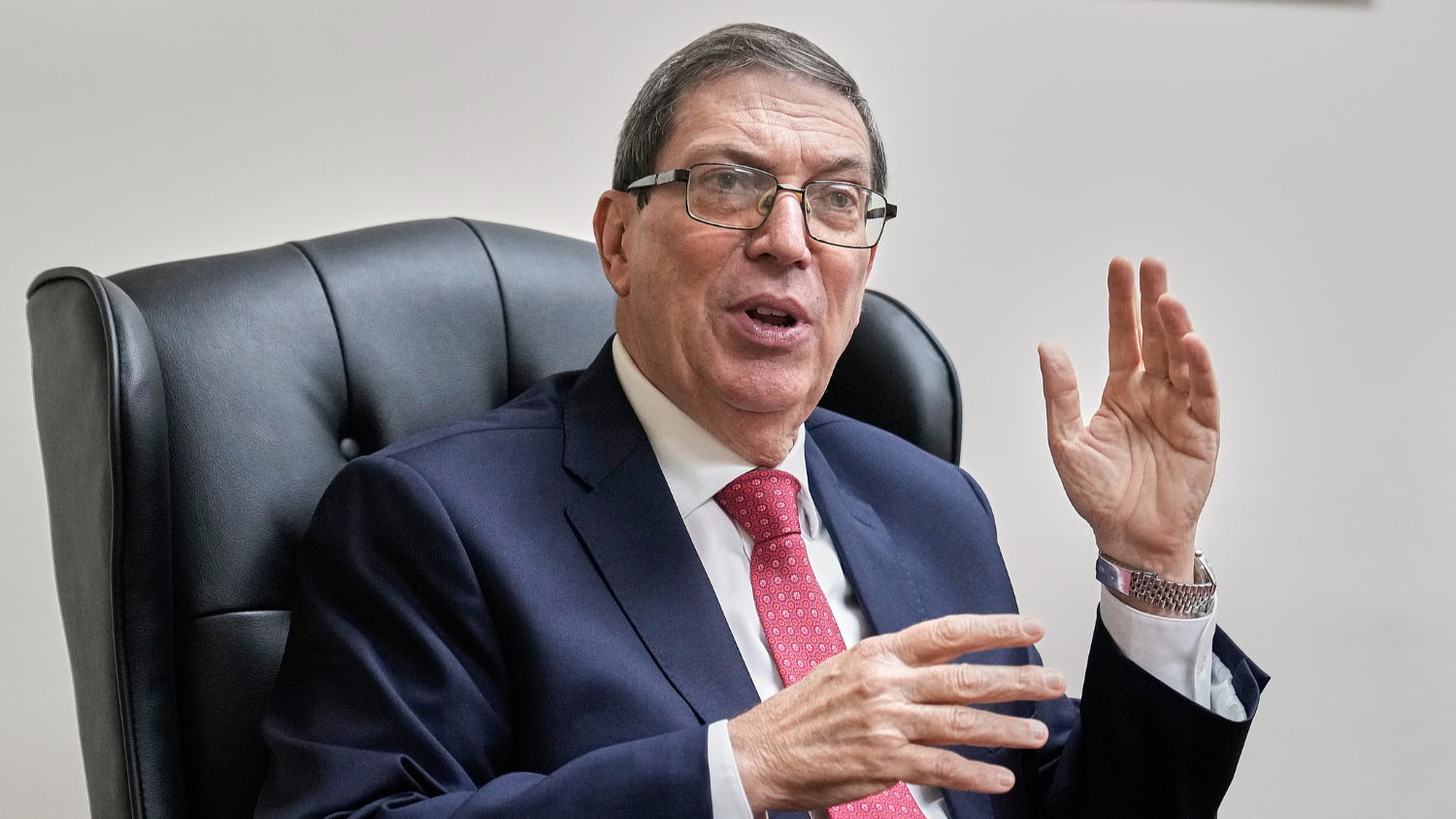
“The U.S. government, led by its dishonest and mendacious Secretary of State (Marco Rubio), continues to take steps to tighten the noose around Cuba’s economy,” Cuban Foreign Minister Bruno Rodriguez said on X, referring to the sanctions Washington announced earlier in the day.
These sanctions came as Cuba “has proven to be stronger, more capable, and more effective than he expected in the face of the ruthless aggression and collective punishment against the people and their living conditions,” said Rodriguez, adding that “what this individual is pushing for from the world’s greatest power is a crime.”
The sanctions target five Cuban state-owned entities, three of which are linked to the conglomerate Grupo de Administracion Empresarial S.A. and two are related to the mining and metallurgical sectors, according to a fact sheet published Tuesday by the U.S. Department of State.
Cuban Foreign Minister Bruno Rodriguez Cuba on Tuesday denounced the latest sanctions imposed by the United States on five Cuban state-owned entities and a member of the extended family of former Cuban President Raul Castro, arguing the measures aim to further harm the economy.
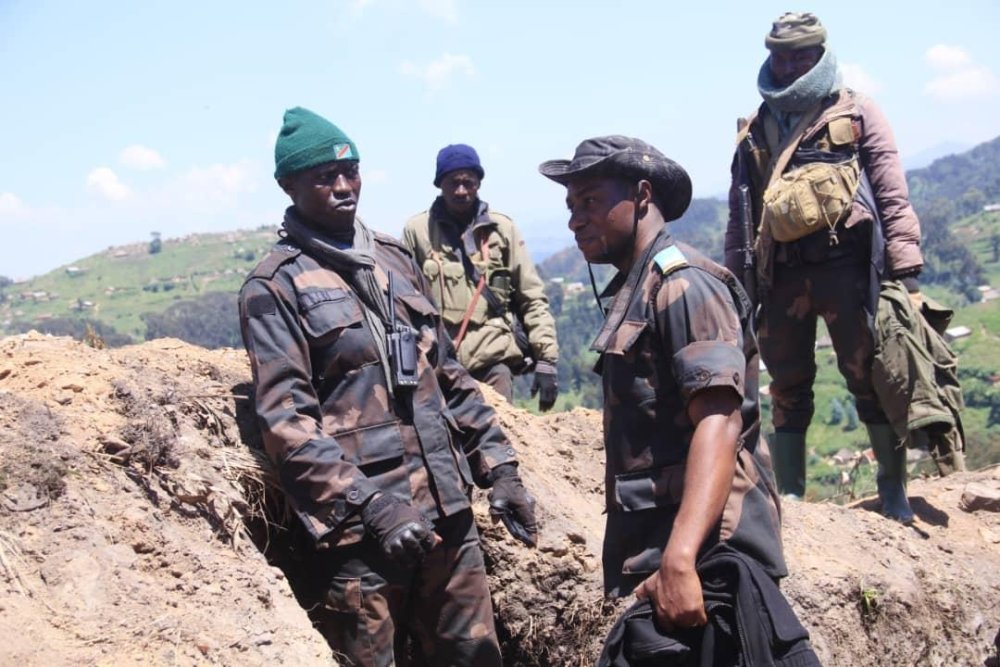
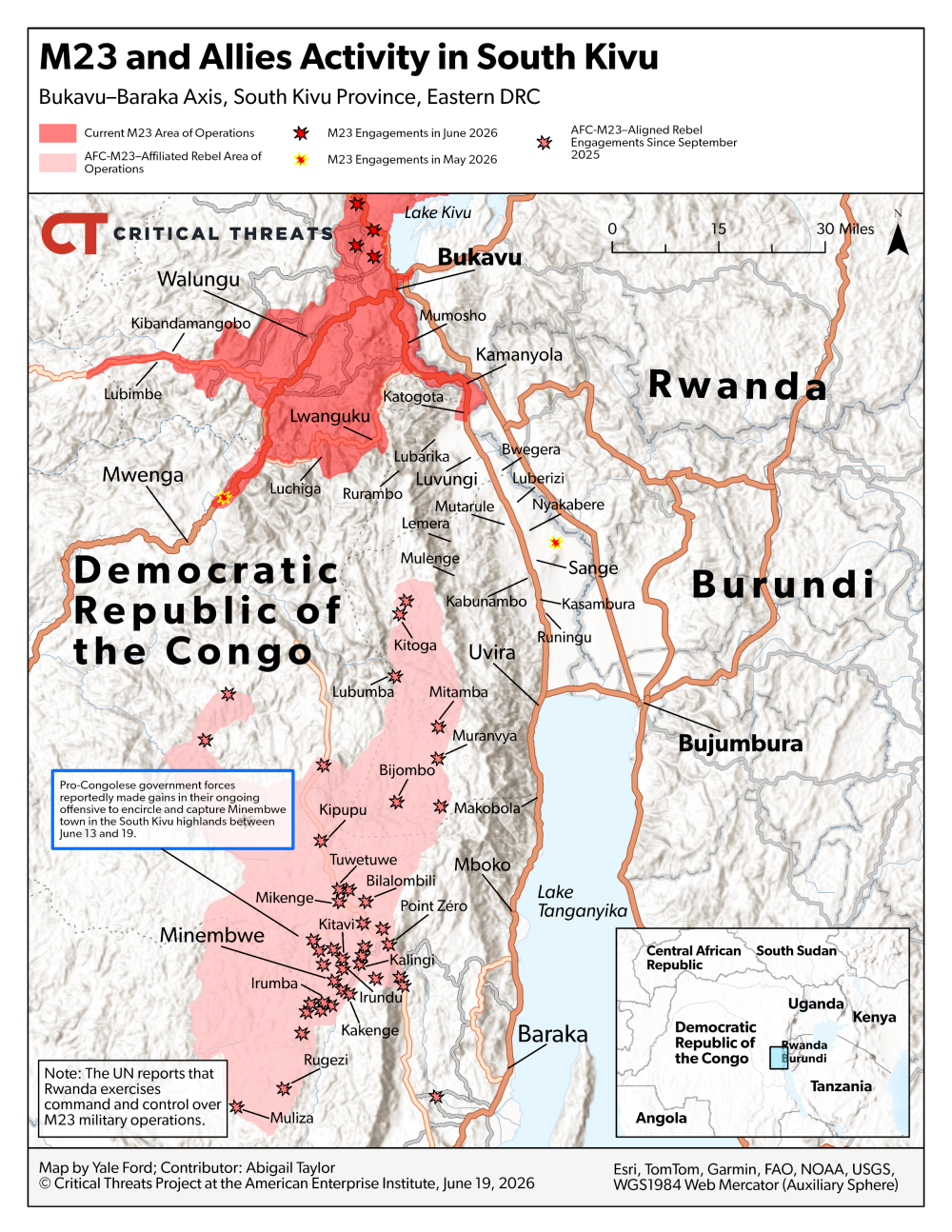
Last week, a coalition of the DRC armed forces, Burundian troops, the FDLR group, and Wazalendo militias launched coordinated attacks in the outskirts of Minembwe. The operations were aimed at capturing the area, which has been under the control of the MRDP-Twirwaneho group for nearly a decade.
On June 18, 2026, the spokesperson for the DRC armed forces in South Kivu Province, Lt. Reagan Mbuyi Kalonji, announced that government forces had taken control of Minembwe. However, both the military and civilian leadership of Twirwaneho rejected the claim, saying the area remained under their control.
Dr. Freddy Kaniki, president of MRDP-Twirwaneho and deputy head of AFC/M23 in charge of economy and finance, said the government coalition would not succeed in capturing Minembwe.
According to MRDP-Twirwaneho, its fighters, supported by AFC/M23 forces using combat drones, repelled advancing government troops and regained control of several positions near Minembwe.
AFC/M23 spokesperson Lawrence Kanyuka said that following the reported defeat of government forces in Minembwe, troops carried out attacks against civilians in Bidegu, Gakenke, and Mikenke beginning on the night of June 22, allegedly using drones.
Kanyuka stated that the attacks were widespread and repeated, resulting in civilian deaths, multiple injuries, and the displacement of thousands of residents.
AFC/M23 further stated that it would continue what it described as efforts to protect civilians as long as the attacks persist.
AFC/M23 spokesperson Lawrence Kanyuka said government forces attacked civilians in Bidegu, Gakenke, and Mikenke after a reported defeat in Minembwe, starting June 22, using drones.
Since tensions between the Democratic Republic of Congo (DRC) and Rwanda escalated in 2022, the two leaders have drawn closer politically and militarily. However, observers note that their cooperation appears to prioritise security and battlefield coordination over development initiatives such as infrastructure or economic integration.
At the centre of this alignment is the war in eastern DRC, where Burundian forces have become one of Kinshasa’s key allies in operations against AFC/M23 and MRDP-Twirwaneho.
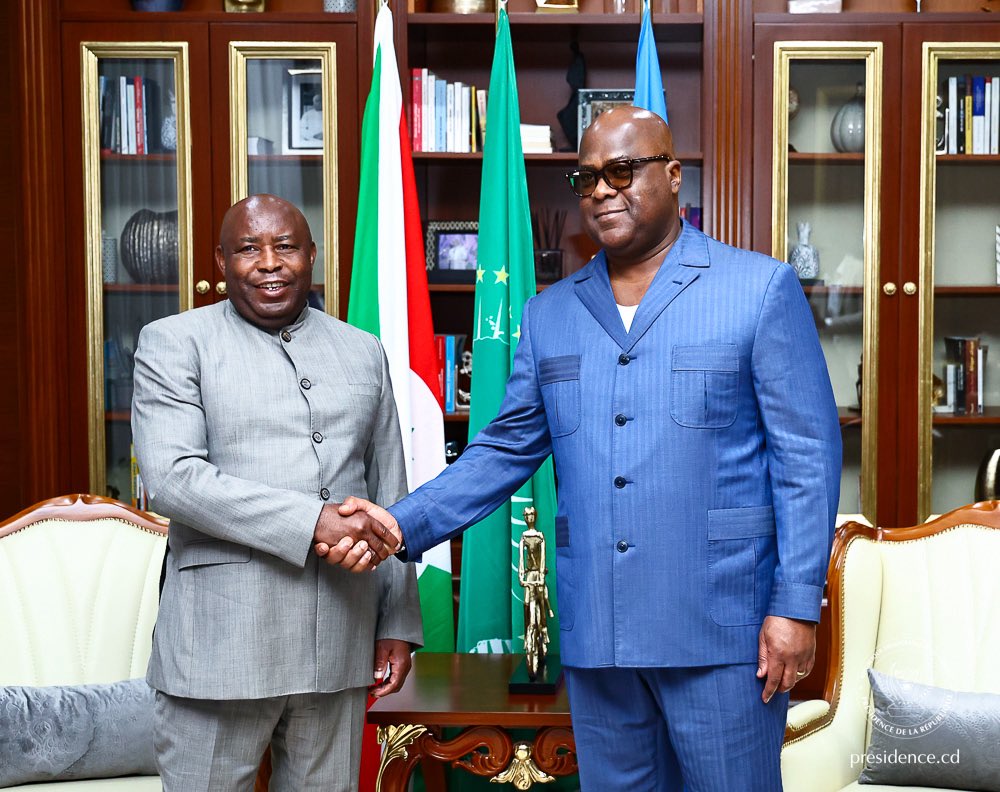
It is in this context that President Ndayishimiye arrived in Kinshasa for a two-day official visit beginning June 22, 2026, accompanied by his wife.
Official agenda versus underlying priorities
Publicly, discussions are said to focus on security in eastern DRC, bilateral cooperation, Ebola response, and broader regional issues. However, analysts argue that the real agenda extends far beyond these stated priorities.
The visit takes place as Burundian troops have remained deployed in the DRC for nearly three years, and as fighting in South Kivu, particularly in the Minembwe highlands, has intensified.
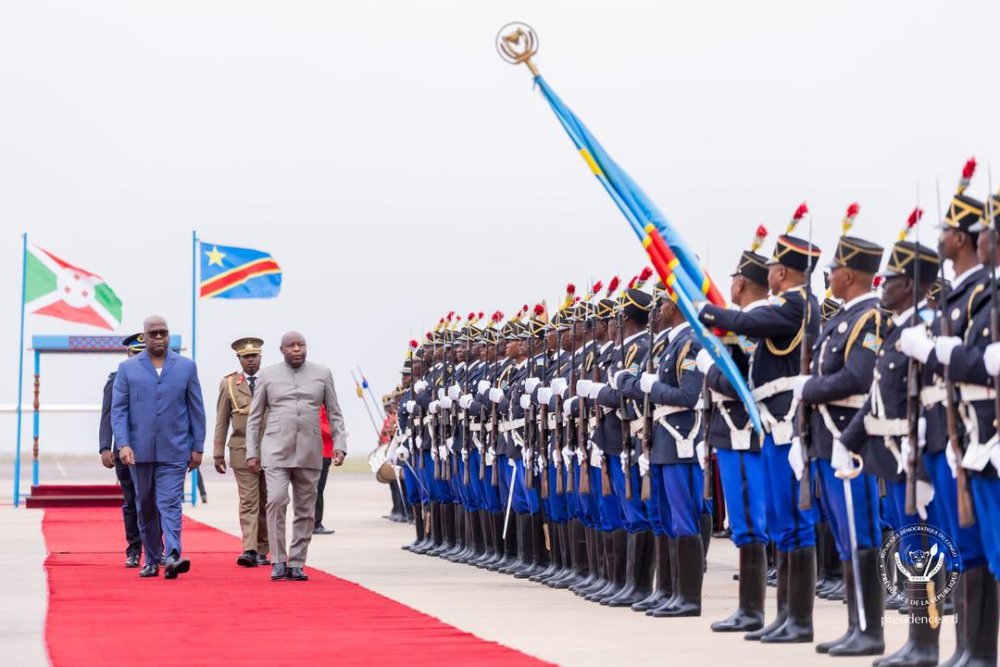
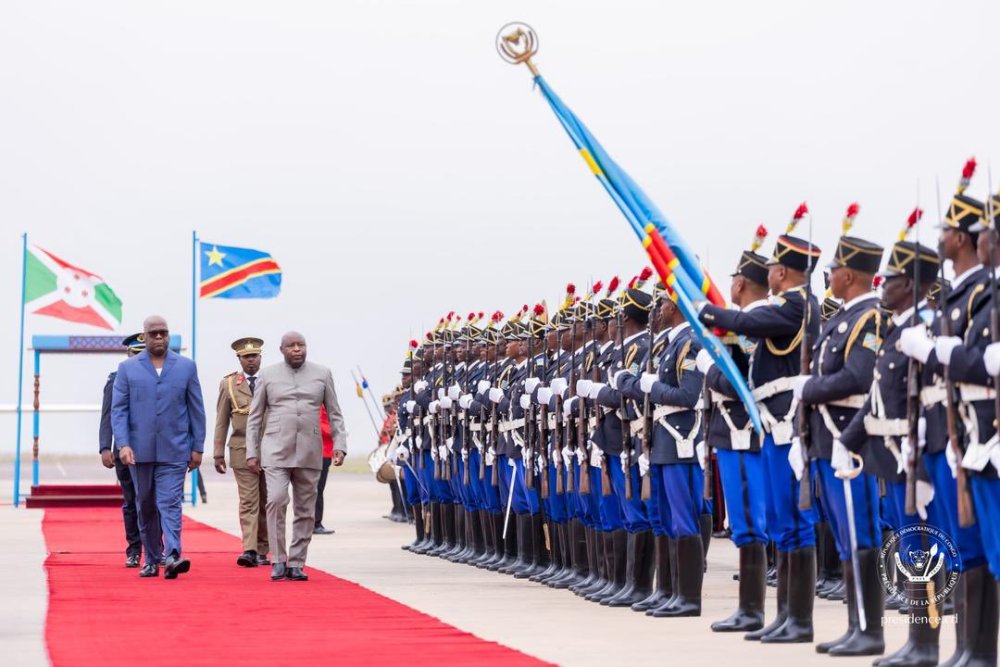
Tshisekedi personally received Ndayishimiye at N’djili International Airport, where the two leaders walked on a red carpet, national anthems were played, and military honours were rendered.
Later, they held closed-door talks at the Cité de l’Union Africaine. The ceremony projected strong bilateral ties, but also underscored deeper strategic alignments behind the scenes.
“Kinshasa views Bujumbura as its closest partner in both the military campaign and the political confrontation with Kigali. Burundi has effectively become a key operational instrument,” one analyst noted.
Congolese media similarly reported that the visit reflects coordination between two governments aligned around the objective of defending DRC sovereignty and countering Rwanda and AFC/M23.
A partnership defined by war rather than development
Since 2022, when relations between Rwanda and the DRC sharply deteriorated, high-level exchanges between Tshisekedi and Ndayishimiye have significantly increased.
Ndayishimiye has visited Kinshasa eight times, while Tshisekedi has made five visits to Burundi.
Military cooperation between the Burundian army and the FARDC began in South Kivu in 2022 and later expanded into operations in North Kivu against M23.
This shift followed Kinshasa’s criticism of the East African Community (EAC) regional force, which it accused of failing to take an offensive stance against M23, instead focusing on separation of forces and ceasefire monitoring.
Since then, Tshisekedi has increasingly relied on partners willing to engage directly in combat operations, with Burundi emerging as a central ally.
Visit coincides with intensified fighting in Minembwe
The visit comes amid ongoing and intense fighting in Minembwe, in South Kivu’s highlands. Forces aligned with the DRC government have launched operations aimed at capturing Minembwe, engaging MRDP-Twirwaneho positions.
Between June 6 and 12, government forces reported capturing several villages around Minembwe. On June 13 and 14, reports indicated continued airstrikes on at least four surrounding villages.
Heavy artillery, aircraft, and drones were reportedly used. On June 15, Kinshasa announced that Minembwe had been taken, a claim rejected by MRDP-Twirwaneho.
On June 17, FARDC spokesperson in South Kivu, Lt. Reagan Mbuyi Kalonji, stated that government forces had seized villages including Ilundu, Kitavi, and Bidegu, and were advancing toward Minembwe airport.
Meanwhile, reports indicate that a DRC coalition aircraft, possibly an L-39, had been shot down, indicating escalation to a higher-intensity phase of combat.
Allegations of multi-force alignment in Minembwe
The situation in Minembwe highlights reported coordination among FARDC, Burundian forces, Wazalendo militias, and the FDLR. This reinforces long-standing accusations by Rwanda that the FDLR continues to operate alongside state and allied forces in eastern DRC.
Rwanda maintains that the FDLR, linked to perpetrators of the 1994 Genocide against the Tutsi, poses an ongoing security threat and should not be integrated into any legitimate security framework in the region.
On June 18 and 19, fighting continued. Reports from Kinshasa indicated that government forces carried out drone strikes using Turkish-made TB2 drones targeting Minembwe and surrounding areas.
However, MRDP-Twirwaneho maintained that it still controlled Minembwe, arguing that government forces had failed to secure full control over the strategically located territory linking Uvira, Fizi, and Mwenga.
FARDC recently claimed it had captured Minembwe, but Twirwaneho says this is not true.
Ndayishimiye’s framing of the conflict
In an interview with Jeune Afrique, President Ndayishimiye described the conflict in eastern DRC as a direct security concern for Burundi.
He referred to Uvira, a city close to Bujumbura, that was captured by AFC/M23 on December 10, 2025, shortly after the Washington peace agreement was signed between Tshisekedi and President Paul Kagame.
According to Ndayishimiye, M23’s proximity to Burundi’s border increases the risk of activation of the RED-Tabara rebel group against Burundi.
“As long as M23 fighters are near our border, it remains a problem, and we must remain vigilant,” he stated.
The city remained under AFC/M23 control for nearly a month before the group withdrew to allow renewed peace negotiations.
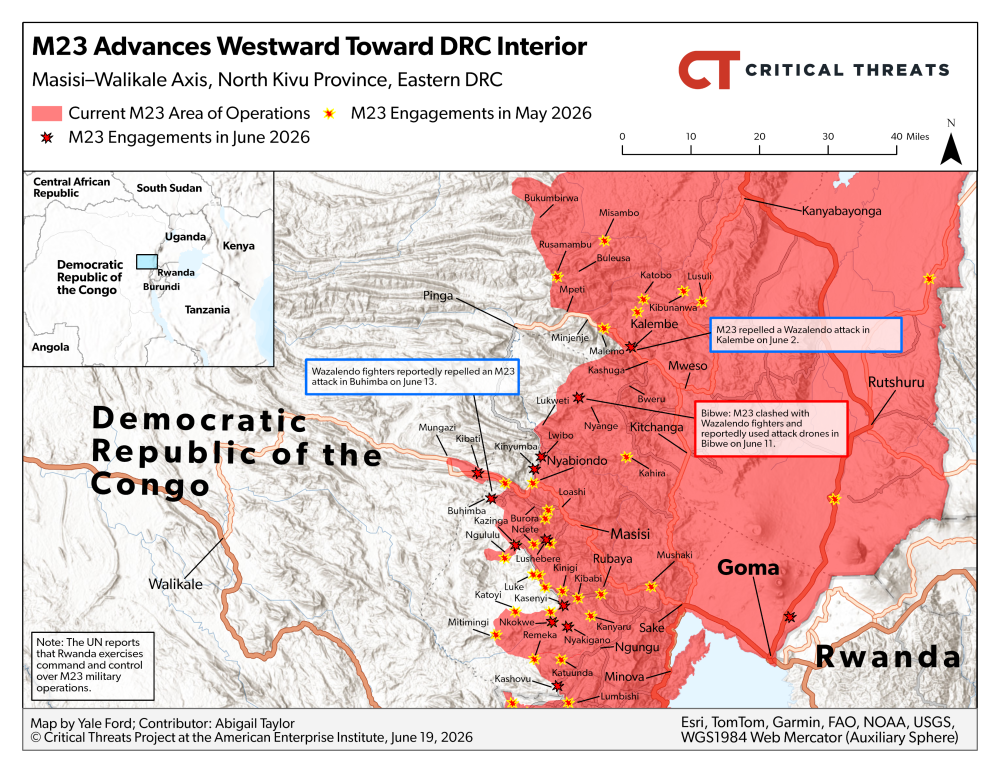
Wazalendo and other armed groups were reported in the areas of Buhimba, Kibati, Lwibo, and other locations.
Burundian forces and questions over operational control
“We are not in the DRC to protect Burundi; we are there to support the Congolese army in its fight against its enemy,” Ndayishimiye stated.
He further noted that Burundian troops operate under FARDC command and are deployed according to Congolese military needs. He also emphasised that their withdrawal is solely the decision of the Congolese government.
“It is the Congolese government that must decide. If it finds their presence no longer useful, Burundi will withdraw its soldiers.”
While military cooperation between states is common, analysts note that the current arrangement raises questions about command structure and operational independence, with some describing it as unusually dependent on the host government’s direction.
FDLR as a persistent regional fault line
Rwanda maintains that sustainable peace in eastern DRC is impossible as long as the FDLR remains active, tolerated, or insufficiently dismantled.
President Paul Kagame has repeatedly argued that Rwanda cannot be portrayed as the central security problem while armed groups hostile to Rwanda remain operational near its borders.
FDLR continues to be cited by Kigali as a key destabilising force in the region and as part of the broader conflict dynamics involving M23.
In broader geopolitical terms, the Tshisekedi–Ndayishimiye partnership increasingly appears anchored in a shared adversarial stance toward Rwanda.
For Kinshasa, the objective has been to build alliances with actors willing to support its military strategy against armed groups it associates with Rwanda. Tshisekedi has publicly signalled such intent since late 2023.
This position was further reinforced during Ndayishimiye’s visit to Kinshasa in January 2024, when he was reported to have expressed support for mobilising Rwandan youth against their government.
“Every state has the right to choose its partners. The DRC can cooperate with Burundi, just as Burundi can cooperate with the DRC. However, when such cooperation involves armed groups, inflammatory rhetoric, and the neglect of the FDLR issue, it becomes a serious concern,” a regional analyst told IGIHE.
Ndayishimiye and Tshisekedi have for some time been promoting rhetoric in the region that Rwanda says targets Tutsi communities.
Tshisekedi and Ndayishimiye have long converged on a shared narrative that their main adversary in the region is Rwanda.