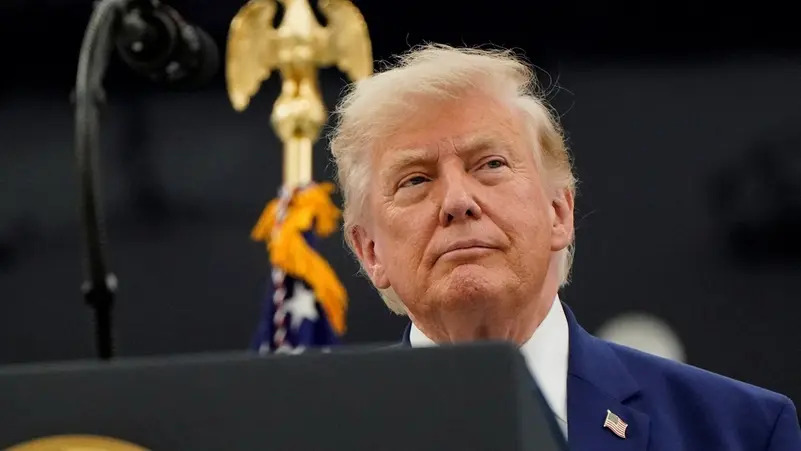
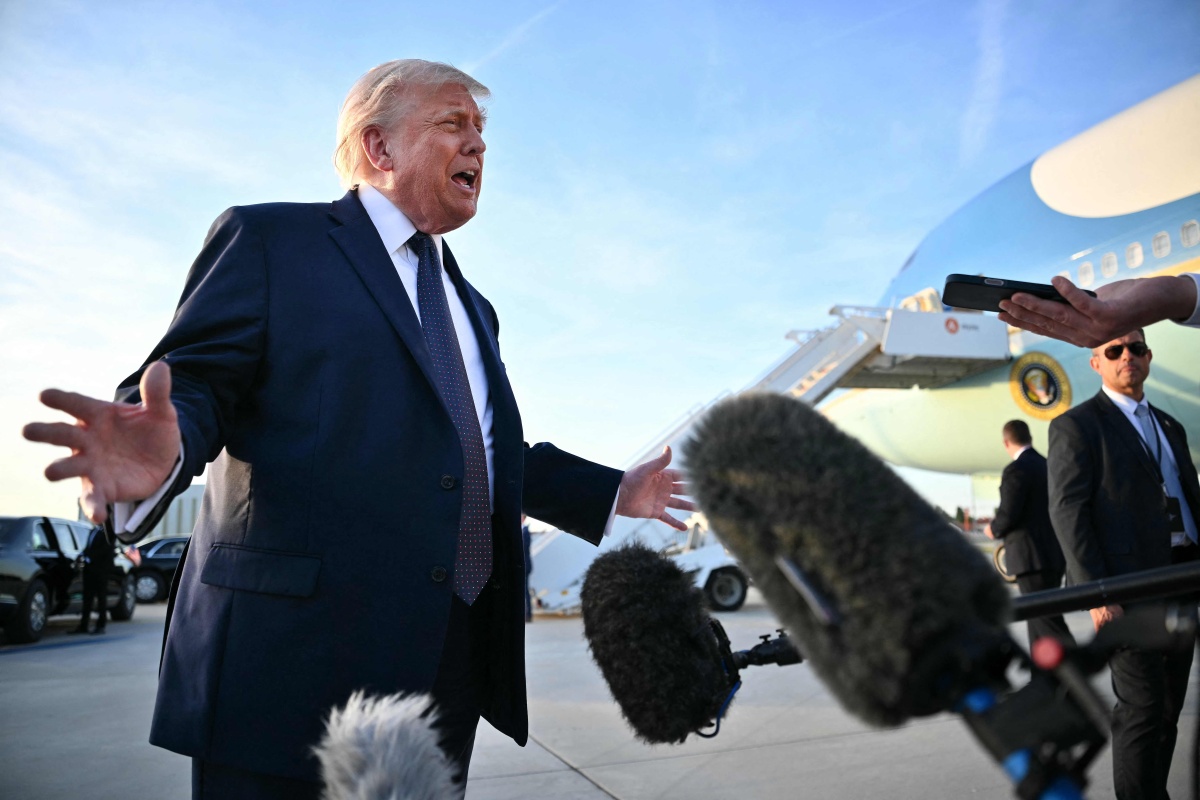
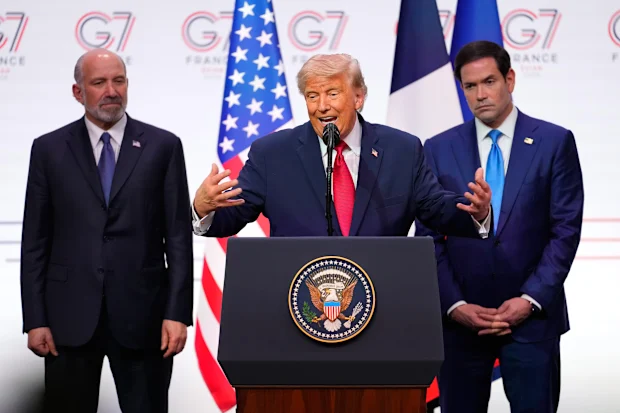
In a social media post, Trump said the United States could impose tolls if a final agreement is not reached.
“There will be NO TOLLS in the Hormuz Strait for 60 days during the Cease Fire Period, and there will be NO TOLLS after the 60 day period has expired, unless they are imposed by and for the United States of America, should the deal not be completed, for services rendered as the Guardian Angel to the countries of the Middle East for purposes of both past, present, and future reimbursement of costs,” Trump wrote.
Iran’s main military command, Khatam al-Anbiya Central Headquarters, announced Saturday the closure of the Strait of Hormuz, citing U.S. breach of the newly signed peace memorandum of understanding and Israel’s ceasefire violations in southern Lebanon, Iran’s semi-official Mehr news agency reported.
United States President Donald Trump said the United States could impose tolls if a final agreement is not reached.
According to the DRC government, the term refers to the millions of Congolese who were killed during the plundering of the country’s natural resources, particularly strategic minerals needed for modern technology such as coltan, tantalum, tungsten, and others. The DRC argues that these tragedies should be recognized as genocide and acknowledged as such by the international community.
Although the issue concerns the Congo, its implications extend to neighboring countries, including Rwanda. Rwanda sees it differently. It argues that “Genocost” is a political tool intended to distract attention from the DRC’s internal problems, overlook the role of the Kinshasa government in conflicts that have persisted for decades, and attempt to rewrite the history of the 1994 Genocide against the Tutsi in Rwanda.
The controversy has gained greater significance as relations between Rwanda and the DRC continue to deteriorate, particularly over the presence of the FDLR armed group in eastern DRC and the conflict involving FARDC and AFC/M23.
A controversial term
Although “Genocost” is now used by senior DRC officials, it is not a long-established concept in the country’s political history. The term was introduced in 2013 in London by activists from the Congolese Action Youth Platform (CAYP) as a combination of the words “genocide” and “cost,” intended to describe what they considered a genocide driven by economic interests.
They designated August 2 as a day of remembrance for crimes committed in the DRC since the 1990s. The date was chosen because it coincides with the launch of the Rassemblement Congolais pour la Démocratie (RCD), a movement that fought against the government of Laurent-Désiré Kabila in 1998 during the Second Congo War.
However, even within the DRC there is no consensus about the date from which “Genocost” should begin. Some associate it with 1998, others with 1996, when Laurent-Désiré Kabila’s AFDL was launched. Meanwhile, Fonarev—the DRC government fund responsible for compensating victims of war-related violence and serious crimes—argues that the history should begin in 1993, before the Genocide against the Tutsi in Rwanda.
This lack of agreement itself highlights a major issue with the term: there is no consensus regarding the period it covers, the crimes it encompasses, the perpetrators involved, or the specific group that was allegedly targeted in a systematic manner, as required under international legal definitions of genocide.
Although “Genocost” is now used by senior DRC officials, it is not a long-established concept in the country’s political history.
The DRC says it is about justice and dignity
From Kinshasa’s perspective, “Genocost” represents an effort to give a name to the suffering of Congolese people who, for years, have been killed, raped, displaced from their homes, or turned into internally displaced persons within their own country.
Supporters of the term argue that conflicts in the DRC cannot be explained solely as ethnic wars or internal political disputes. Instead, they contend that foreign interests and the trade in mineral resources are fundamental drivers of the violence.
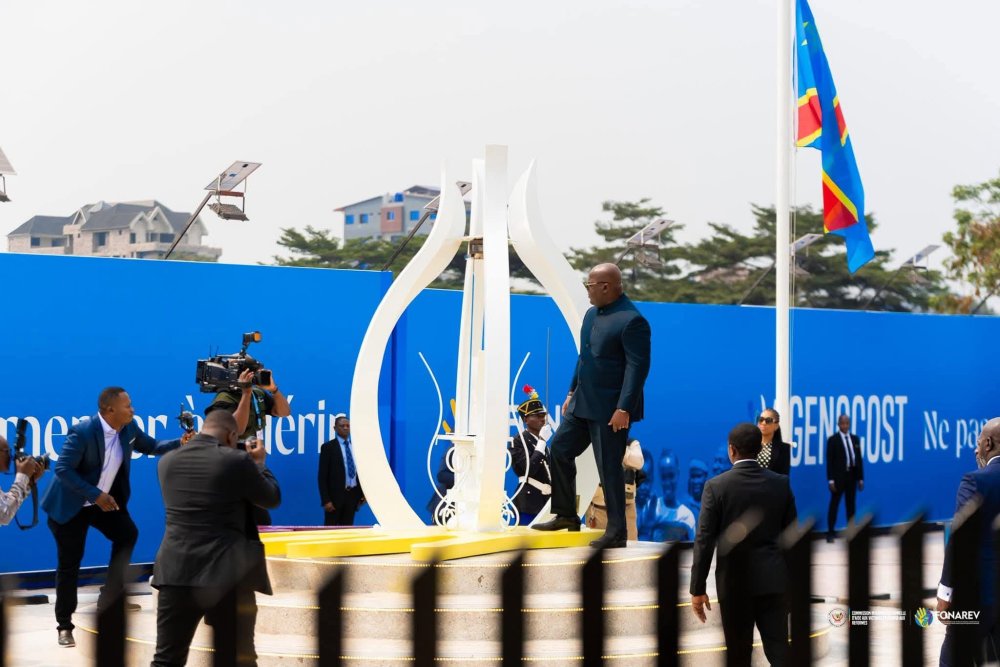
In 2023, after “Genocost” was incorporated into DRC law through legislation adopted on December 26, 2022, which also established Fonarev, President Félix Tshisekedi presided over the first official state commemoration. In 2025, the DRC inaugurated a “Genocost” memorial and announced plans to build six additional memorials across the country.
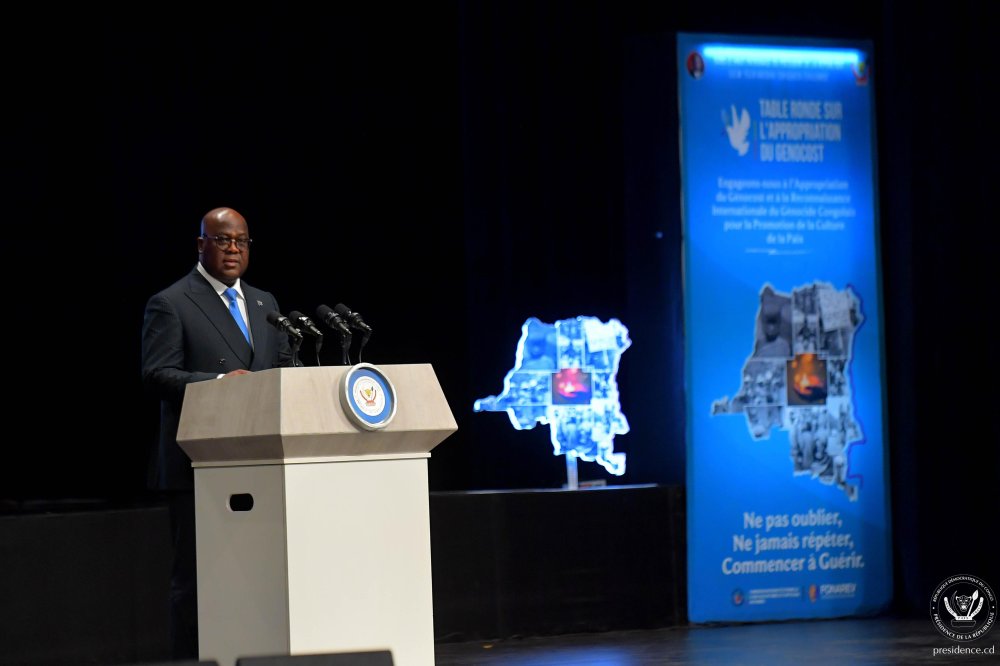
Tshisekedi has also raised the issue at the United Nations, arguing that the international community has both political and humanitarian obligations to recognize what happened in the DRC as genocide.
Why Rwanda views “Genocost” as a political campaign
Rwanda says the issue is not about denying that Congolese people have died or suffered abuse. It acknowledges that the DRC has experienced severe tragedies involving war, killings, violence, and decades of poor governance.
What Rwanda opposes, however, is the attempt to label those crimes as “genocide” in a manner it argues is inconsistent with international law and is being used politically to accuse Rwanda and diminish the significance of the Genocide against the Tutsi.
Rwanda’s Minister of Foreign Affairs, Olivier Nduhungirehe, has stated that genocide is not a term that can be used arbitrarily. He argued that genocide is defined under international law, while crimes driven by economic exploitation or resource looting already have established legal classifications, including corruption, poor governance, embezzlement of public funds, war crimes, or crimes against humanity, depending on the circumstances.
This forms the basis of Rwanda’s argument that the extraordinary suffering experienced by the DRC does not automatically mean every mass killing constitutes genocide.
Under international law, genocide requires proof of an intent to destroy a protected group defined by ethnicity, nationality, race, or religion.
Without evidence of such intent, crimes may qualify as war crimes or crimes against humanity, but not necessarily genocide.
“Genocost,” a term that targets an ethnic group
According to the article, the version of “Genocost” promoted by Fonarev includes language that assigns collective blame to an ethnic group.
Fonarev defines “Genocost” as killings of “Congolese people” allegedly planned by what it describes as “Tutsi from Rwanda, Uganda, and Burundi.” Rwanda has frequently argued that such language is dangerous because it risks turning public suffering into a tool for promoting ethnic hatred.
This rhetoric comes at a time when eastern DRC has witnessed statements and actions targeting Kinyarwanda-speaking Congolese, particularly Congolese Tutsi. On various occasions, videos have circulated showing Tutsi individuals being killed, burned, or subjected to violence because of their appearance or perceived identity.
For this reason, Rwanda argues that the DRC government should not present itself as a champion against genocide while anti-Tutsi rhetoric and actions continue within the country.
Stephanie Nyombayire, spokesperson for Rwanda’s Office of the President, has stated that the Kinshasa government is “inventing a genocide” to conceal its own shortcomings. She argued that many Congolese who died in the past and those who continue to die today are victims of poor governance, as the state has failed to protect its citizens while leaders prioritize their own interests over public security.
“Genocost” has become a propaganda tool
The DRC’s international campaign to promote recognition of “Genocost” has coincided with renewed fighting in eastern DRC, where Kinshasa accuses Rwanda of supporting AFC/M23.
Researcher Pierre Boisselet of the Ebuteli Institute has suggested that the way Kinshasa uses the term may be intended to portray Congolese suffering as equal to, or greater than, the suffering of Rwandans during the Genocide against the Tutsi. According to him, this could undermine what he described as Rwanda’s “unique moral standing” derived from the events of 1994.
Experts in international law have also pointed out that promoting a term that has not been recognized in legal frameworks may be difficult because states cannot be compelled to accept a concept that has never been internationally agreed upon.
Rwanda therefore argues that if crimes have been committed in the DRC, they should be thoroughly investigated and those responsible brought to justice, but not through the creation of a new term used to wage a political battle.
President Tshisekedi has prominently used the term “Genocost” in political discourse.
Some Congolese disagree with the government
The activists who originally launched the “Genocost” campaign have themselves begun expressing concerns about how the DRC government is using it.
CAYP, the organization that introduced the term, has criticized Kinshasa’s approach, arguing that it has become overly focused on conferences, discussions, and symbolic public events rather than implementing concrete measures to protect civilians and assist victims.
Some critics also question how the government can claim to pursue justice for war crimes while including officials who have been associated with past conflicts. One example frequently cited is Jean-Pierre Bemba, who serves within Tshisekedi’s administration but is also linked to the history of the Second Congo War.
Others argue that the pursuit of justice should not involve distorting history, assigning blame to an entire ethnic group, or attempting to compete with the history of the Genocide against the Tutsi.
The Genocide against the Tutsi has a documented history, identified perpetrators, a clear extermination plan, organized hate propaganda, state institutions that implemented it, and rulings from international courts confirming its occurrence. Comparing it to a newly coined term that lacks recognition under international law may therefore be viewed as a form of genocide minimization.
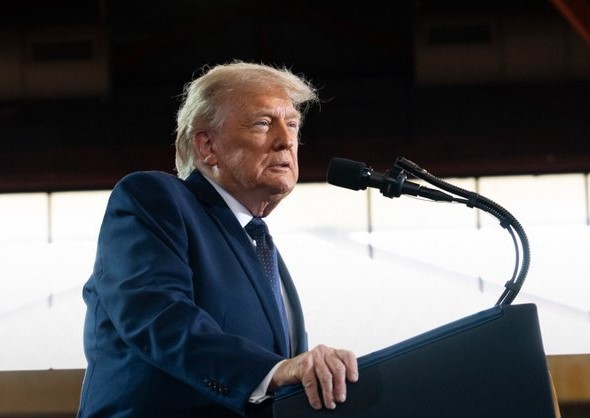
If no deal is reached within 60 days beginning Thursday, “we will do things that won’t make them happy,” Trump said at Joint Base Andrews in Maryland. “But I don’t think it’s going to get to that.”
The text of the MoU states that the two sides commit to negotiating and achieving the final deal within a maximum of 60 days, extendable with mutual consent.
U.S.-Iran talks scheduled in Switzerland on Friday have been postponed, with neither side offering an official explanation. Multiple media reports said that Iran withdrew from the talks in response to the latest Israeli strikes in Lebanon.
Earlier on Friday, Trump told NBC News that he had spoken with Israeli leaders and urged them to agree to a ceasefire with Hezbollah.
“It’s a positive,” Trump said in the phone interview. “It’s a little icing on the cake.”
Meanwhile, the U.S. State Department said that a new round of talks between Israel and Lebanon will be held in Washington, D.C. next week.
U.S. President Donald Trump said Friday, June 19, 2026, that he expects Iran to agree to a final deal within 60 days of the signing of the memorandum of understanding (MoU).
The decision was made following the presentation of a report by the Senate Committee on Foreign Affairs, Cooperation, and Security, which assessed the suitability of the nominees.
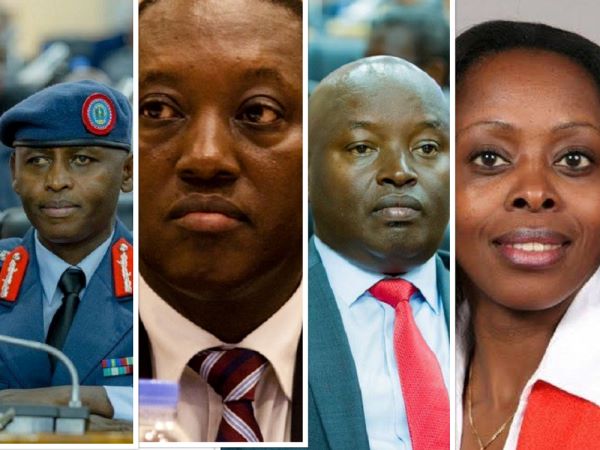
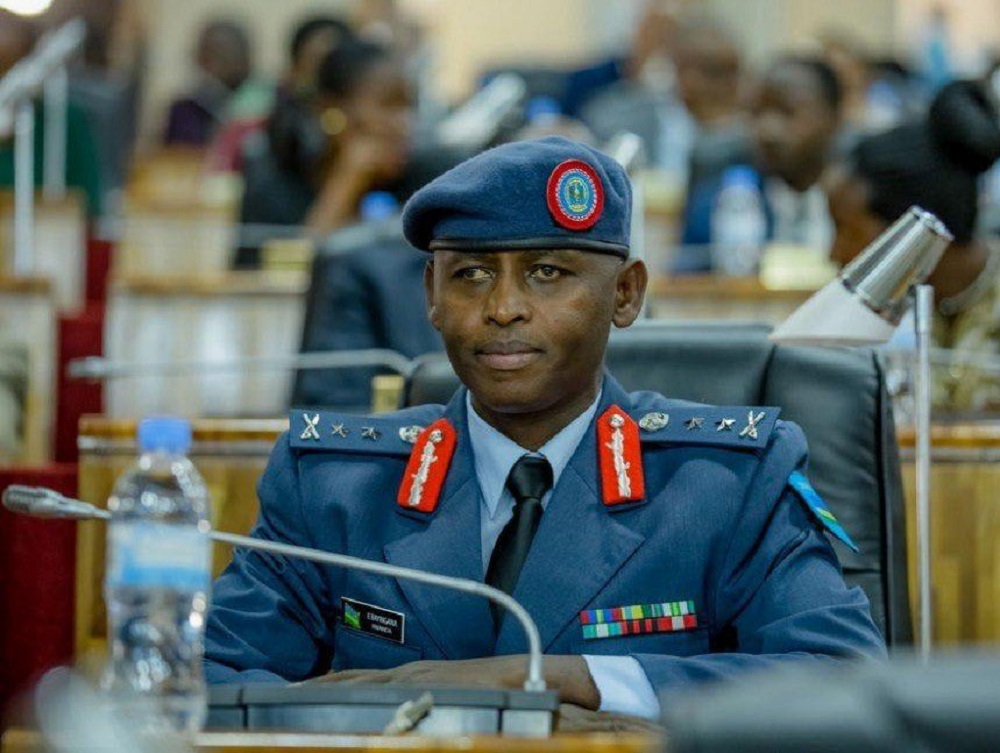
Among those approved is Lt Gen (Rtd) Emmanuel Karenzi Karake, who was nominated as Rwanda’s ambassador to China.
Presenting the committee’s findings, Senator Murangwa Ndangiza Hadidja said Karenzi Karake brings extensive experience and expertise that will enable him to effectively carry out his diplomatic duties.
His previous roles include serving as a consultant at the Ministry of Interior, advisor to the President of the Republic, Secretary-General of the National Intelligence and Security Service, and Commander of the Rwanda Peace Academy, among other senior positions in the Rwanda Defence Force.
Karenzi Karake said he intends to strengthen bilateral relations and cooperation between Rwanda and China, with a focus on security, technology, trade, industry, and existing partnership agreements between the two countries.
Maj Gen Aimable Bayingana, who was approved as Rwanda’s ambassador to Israel, has also held several senior positions, including chairing a committee on the history of Rwanda’s liberation struggle, Permanent Secretary in the Ministry of Defence, Air Force Chief of Staff, and Vice Chairperson of the National Itorero Commission.
He said he will focus on learning from Israel’s innovation systems, strengthening security cooperation, preserving the history of the Genocide against the Tutsi and combating its denial and distortion, and promoting technology-driven agriculture.
He also emphasized the importance of attracting Israeli agricultural experts to Rwanda, arguing that this would be more effective than sending Rwandans abroad for training. He further highlighted the need for Rwanda to learn from Israel’s vocational education system.
Col (Rtd) Jeannot Ruhunga was approved as Rwanda’s ambassador to Poland.
He previously served as Secretary-General of the Rwanda Investigation Bureau (RIB) and Head of Military Intelligence in the RDF, among other roles.
Ruhunga said he will focus on providing accurate information about Rwanda to European countries, many of which, he said, still hold misconceptions about the country.
He also pledged to learn from Poland’s development model, strengthen cooperation in education, improve social welfare collaboration, and identify new areas of partnership between the two countries.
Ambassador Christine Nkulikiyinka will become Rwanda’s first resident ambassador to Spain. Until now, Rwanda’s representation in Spain was handled through its embassy in France.
As the new ambassador, she pledged to contribute to the implementation of defense cooperation agreements between Rwanda and Spain, attract Spanish investors to Rwanda, explore opportunities for Spanish universities to open branches in Rwanda, and strengthen cooperation on gender equality, among other priorities.
Senator Murangwa also noted that senators urged the new ambassadors to play a role in combating genocide ideology, learn from their host countries, and strengthen cooperation in key sectors such as education.
Senator John Bonds Bideri said the nominees have the experience and capacity needed to fulfill their responsibilities.
“There is no doubt they have the willingness to serve their country. Many of them contributed to the liberation of Rwanda and have continued to serve in different capacities over the years. Their appointment gives us confidence that they will perform well,” he said.
Senator Sosthène Cyitatire noted that the ambassadors have a strong commitment to serving their country, given their long history of public service since the 1994 Genocide against the Tutsi.
He also welcomed the decision to appoint ambassadors with military backgrounds to key countries such as China, Israel, and Poland, saying modern diplomacy increasingly includes military diplomacy.
He said, “It was a timely decision because modern diplomacy today includes military diplomacy.”
Among other appointments approved by the Senate were Florien Habiyaremye Rurihose, who was reappointed as Deputy Chief Gender Monitor in Charge of Gender Mainstreaming; Maximilien Byilingiro, appointed Director General of the Energy Utility Corporation Limited (EUCL); and Michelle Umurungi, appointed Deputy CEO in charge of investments at the Rwanda Social Security Board (RSSB).
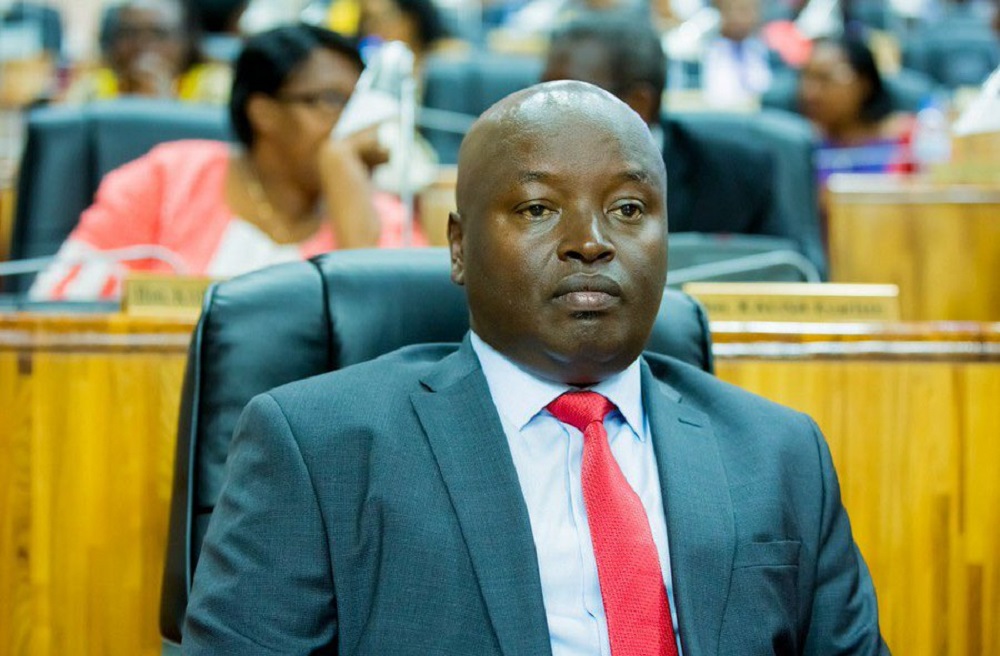
Lt Gen (Rtd) Karenzi Karake has been approved as Rwanda’s ambassador to ChinaCol (Rtd) Jeannot Ruhunga has been approved as Rwanda’s ambassador to PolandMaj Gen Emmanuel Bayingana pledged to strengthen Rwanda–Israel relationsAmbassador Nkulikiyinka will oversee Rwanda’s interests in Spain
The DRC national football team secured a historic 1-1 draw against Portugal in its opening match at the FIFA World Cup.
Tshisekedi, who watched the match from the stadium, saw Les Léopards earn their first-ever World Cup point and score their first goal in the tournament. The DRC is making only its second World Cup appearance, 52 years after its debut.
Instead of focusing solely on the team’s achievement, Tshisekedi later addressed members of the Congolese diaspora in the United States, linking the result to the ongoing conflict in his country.
He praised the players for their performance despite the challenges facing the DRC, saying many had expected them to struggle against a Portuguese side featuring global football star Cristiano Ronaldo.
Turning to politics, Tshisekedi claimed that his government had identified individuals collaborating with the AFC/M23 coalition, which controls large parts of eastern DRC. He said he had initially believed such collaborators were based only in Rwanda but had discovered they had also infiltrated Kinshasa.
“Do not betray your country. Sorcerers exist. We thought they were only in Rwanda, but they have infiltrated our country.”
Tshisekedi said that after the rule of Mobutu Sese Seko, the DRC had a good leader in Laurent-Désiré Kabila, but that later those he called enemies entered their country and removed him from power, installing someone he referred to as a “dog” and training him to do what they wanted.
In addition to targeting Joseph Kabila, Tshisekedi told Congolese citizens living in the United States that, in the near future, they would retake the cities of Goma and Bukavu, which have been outside government control for more than a year.
“I am confident that in the coming days, the whole of Congo will be liberated,” he said. “Our brothers and sisters in Goma and Bukavu will celebrate with us. We have learned lessons from what has happened and must now build something stronger.”
Reacting on X, Rwanda’s government spokesperson Yolande Makolo said the DRC team’s performance had united and inspired Africans, but Tshisekedi had chosen to undermine the occasion.
“The Leopards gave Africa a moment of great joy during their opening World Cup match. President Tshisekedi chose to spoil that moment by insulting Rwandans and Congolese alike and, while on U.S. soil, declaring his intention to continue military offensives in eastern DRC.
“Tshisekedi not only exploited a remarkable sporting achievement for petty political purposes, but his belligerent rhetoric also demonstrates disregard for both the letter and spirit of the Washington Agreement,” she said.
The Washington Agreement, signed between Rwanda and the DRC on December 4, 2025, outlines measures aimed at addressing security concerns in the region. It includes commitments by the DRC to dismantle the FDLR, a terrorist group responsible for the 1994 Genocide against the Tutsi.
Once those measures are implemented, Rwanda is expected to lift defensive measures taken along its border. The agreement also includes provisions on refugee repatriation.
Beyond security, the deal provides for deeper economic cooperation between the two countries. Rwanda and the DRC are expected to strengthen collaboration on the Rusizi III hydropower project, a 206-megawatt plant expected to supply electricity to more than 300,000 people. The $800 million project is scheduled for completion by 2030.
The agreement also promotes cooperation in the minerals sector, encouraging both countries to move beyond raw mineral extraction toward local processing and value addition. It further calls for harmonized regulations to enhance the security and transparency of mineral trade.
In addition, the agreement envisages joint efforts to extract methane gas from Lake Kivu and convert it into electricity. Despite the signing of the deal, implementation on the Congolese side has reportedly been slow.
The Rwandan government maintains that both countries have significant opportunities to benefit from cooperation and believes that fully implementing the Washington Agreement could contribute to lasting peace in the region.
Iran’s Supreme National Security Council (SNSC) made the announcement in a statement carried by Iranian media hours after Iranian President Masoud Pezeshkian and his U.S. counterpart Donald Trump signed the MoU, electronically.
The SNSC said under the MoU, no fee will be charged for 60 days for passage by ships requesting to cross the Strait of Hormuz, and all the expenses will be covered by the Iranian government.
Vessels seeking to transit the waterway are required to send their requests to the Persian Gulf Strait Authority (PGSA), it said.
“Given the specific circumstances and existence of some safety hazards along the passage route, and due to the necessity to ensure safe traffic and prevent maritime accidents, it is necessary for ships to pass through along the announced route and at the announced time,” it said, giving the assurance that traffic in the waterway would gradually increase.
It said the executive arrangements and technical details for passage through the strait will be announced through the PGSA.
Iran, the United States and Pakistan early Monday announced the finalization of the MoU aiming to end conflict on all fronts, including Lebanon. Pezeshkian and Trump signed the MoU electronically early Thursday.
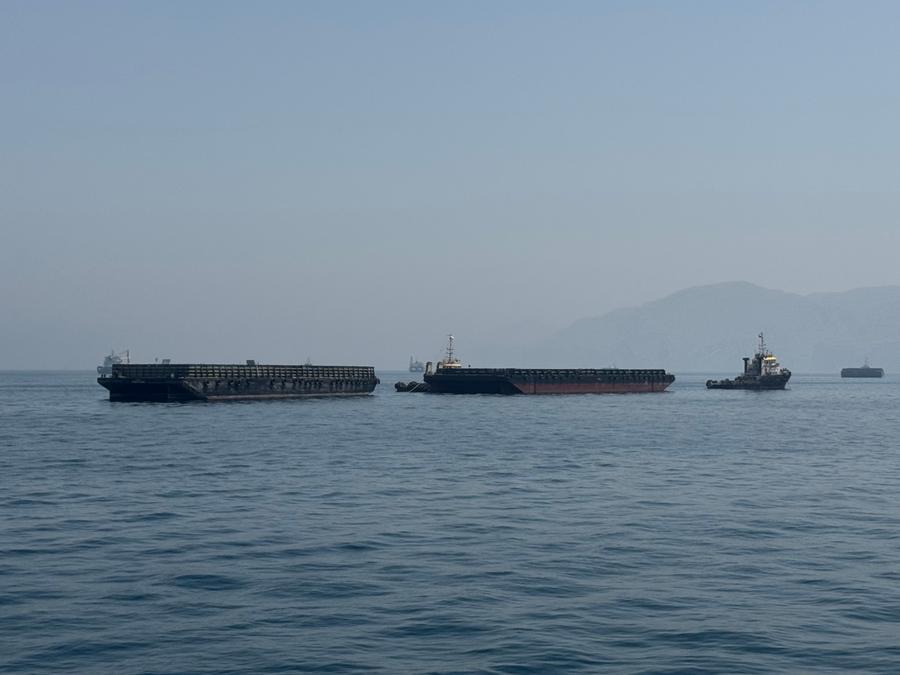
This photo taken with a mobile phone shows merchant vessels stranded in the waters of the Strait of Hormuz, near Khasab, a small town in northern Oman, May 29, 2026. (Xinhua/Wen Xinnian)
“We expect a complete Ceasefire on all fronts, including Lebanon, Hezbollah, and Israel,” Trump wrote in a post on Truth Social.
“The United States is committed to PEACE, and we encourage everyone in the Middle East Region to maintain their commitment to allowing our negotiations to beautifully unfold,” he added.
Trump signed a Memorandum of Understanding (MoU) Wednesday with Iran in France, launching a 60-day negotiation period beginning Thursday aimed at reaching a final agreement.
The MoU calls for “the immediate and permanent termination of military operations on all fronts, including in Lebanon.” However, Israel has said it does not intend to withdraw its forces from Lebanon.
Intelligence reports indicated that as of June 2025, the FDLR comprised between 7,000 and 10,000 fighters. In November of that year, its military spokesperson, Lt Col Octavien Mutimura, admitted that the group had a large number of combatants capable of confronting any force attacking it.
When former M23 fighters resumed armed rebellion in late 2021, their objective was not only to fight the Congolese army (FARDC) but also to dislodge the FDLR from Congolese territory, as the terrorist group had continued to persecute Congolese Tutsis in various areas, looting their property, raping women, and killing some of them.
At the time, many FDLR fighters were based in areas of Virunga National Park, near Mount Nyiragongo. General Omega was stationed at a military camp known as “Paris” in Rutshuru Territory, which also served as the main headquarters of the terrorist group founded by individuals involved in the 1994 Genocide against the Tutsi.
Militarily, General Omega is assisted by Maj Gen Cyprien Uzabakiriho, known as “Ave Maria.” Military intelligence (G2) is headed by Brig Gen Sébastien Uwimbabazi, known as “Nyembo Abdallah,” who also coordinates FDLR fighters operating in Masisi and Walikale.
The FDLR-FOCA militia group, militarily led by Pacifique Ntawunguka, commonly known as “General Omega,” continues to strengthen itself both militarily and politically, in line with a plan to destabilise Rwanda.
FDLR military operations (G3) are generally led by Brig Gen Lucien Nzabanita, while the elite unit known as CRAP is commanded by Col Pierre-Célestin Rurakabije, known as “Simba Guillaume.” On another level, Col Gustave Kubwayo, known as “Sirkoof,” is also mentioned as leading one of the group’s military sectors.
The FDLR’s command structure closely resembles that of the defeated former Rwandan Armed Forces (Ex-FAR), and many of its senior military officers are former members of that army. General Omega himself served as a lieutenant until the end of the 1994 Genocide against the Tutsi, after which he fled to what was then Zaire (now the DRC).
In training sessions given to FDLR fighters, they are consistently told that Hutus should be the ones to rule Rwanda and that they must reclaim power through armed struggle. These sessions also instill hatred, ethnic division, and genocide ideology.
These trainings are conducted in camps led by Brig Gen Mutunzi Bernard, known as “Manzi,” according to investigations by Africa Intelligence. The camps are regularly visited by senior FDLR leaders.
Col Protogène Ruvugayimikore, who previously commanded CRAP before being killed by his own colleagues in December 2023, was one of the key figures responsible for indoctrinating new FDLR recruits. All these politically oriented activities are overseen by the group’s president, Lt Gen Gaston Iyamuremye, known as “Victor Byiringiro” or “Rumuri.”
How the FDLR started collaborating with Congolese forces
When the M23 rebellion resumed, the FDLR had already lost several senior leaders in both its military wing, such as Gen Sylvestre Mudacumura, and its political leadership, including Ignace Murwanashyaka, its then president. The group saw an opportunity to collaborate with the Congolese army, which had previously opposed it, and exploited this situation to its advantage.
The Congolese army had long shown interest in such cooperation, believing that the FDLR had experience in jungle and mountainous warfare and possessed deep knowledge of eastern DRC terrain due to more than 30 years of presence in the region.
In May 2022, a meeting was held in Pinga, Walikale Territory, bringing together armed groups and the Congolese army. It was initiated by Maj Gen Peter Cirimwami Nkuba, who was responsible for military operations in North Kivu.
That meeting, attended by FDLR representatives, led to a formal decision to cooperate, under the premise that they shared a common enemy: M23. The Congolese army promised these armed groups salaries and military supplies.
One of the notable examples of this cooperation was an attack carried out in Nturo village in Masisi Territory in October 2023. It involved FARDC special units known as “Hiboux,” led by Major Peter Kabwe, CRAP fighters under Lt Noheli Nyiringabo known as “Seigneur de Guerre,” as well as members of Congolese armed groups collectively known as Wazalendo.
In October 2023, Nturo village, inhabited mainly by Congolese Tutsis, was set ablaze. Survivor testimonies indicate that the attack was carried out by the FDLR and Wazalendo groups under the coordination of the Congolese army.
This cooperation did not prevent the defeat of the Congolese government coalition, as AFC/M23 continued to capture large areas in North Kivu, forcing government forces to retreat toward the southern areas near Goma city.
Some FDLR fighters reportedly operated from FARDC positions in Mubambiro, about 20 kilometers from Goma, where they prepared joint military operations with government forces and Wazalendo militias.
At the beginning of 2025, M23, by then operating under the AFC/M23 alliance, intensified attacks in Rutshuru, Masisi, and Nyiragongo territories. General Omega and his fighters fled, with some moving to Shingisha in Masisi and others to Walikale.
Intelligence reports indicate that FARDC continues to cooperate with the FDLR at a high level, with involvement extending even to the Kinshasa government, unlike in the past when coordination was mainly driven by North Kivu-based officers.
It is reported that Brig Gen Uwimbabazi (G2) and Brig Gen Nzabanita (G3) were tasked by General Omega to maintain constant communication with FARDC leadership regarding cooperation, including planning and execution of joint operations.
In March 2026, the Deputy Chief of Staff of the FARDC in charge of operations and intelligence, Maj Gen Jacques Nduru Ychaligonza, arrived in Kisangani in Tshopo Province, stating that his mission from Kinshasa was to launch operations aimed at dismantling the FDLR.
Reports indicate that during this time, Maj Gen Ychaligonza met General Omega, and they discussed plans for FDLR fighters to reposition into AFC/M23-controlled areas in Rutshuru, with the aim of allowing the DRC government to later claim to the international community that it lacked the capacity to dismantle the group, arguing that it was operating outside its control.
Maj Gen Ychaligonza arrived in Kisangani on March 29. Rwanda’s Minister of Foreign Affairs and Cooperation, Ambassador Olivier Nduhungirehe, stated last week that within just 48 hours, around 700 weapons were delivered to the FDLR.
As relations between Rwanda and the DRC deteriorated, President Félix Tshisekedi has repeatedly hosted Rwandan individuals in Kinshasa involved in plans to destabilise the Rwandan government, including Jean-Luc Habyarimana, son of former President Juvénal Habyarimana, as well as former Rwandan officials in exile.
Reports also indicate that Tshisekedi recently met former FDLR officials, including Faustin Murego, a former adviser to Murwanashyaka during his tenure as FDLR president, and Thaddée Kwitonda, who is wanted by Belgian justice over alleged involvement in the Genocide against the Tutsi.
On January 25, 2025, Tshisekedi’s wife, Denise Nyakeru, visited wounded combatants receiving treatment in Kinshasa, including a fighter from the FDLR’s elite CRAP unit.
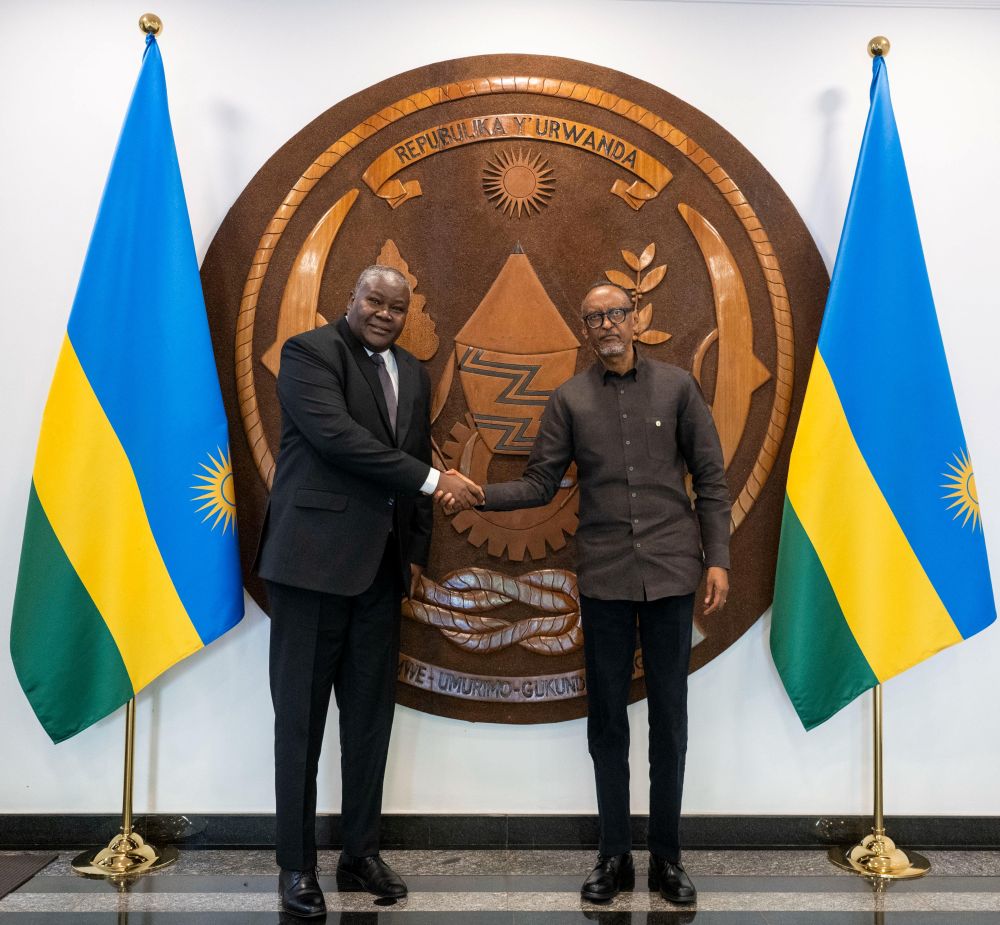
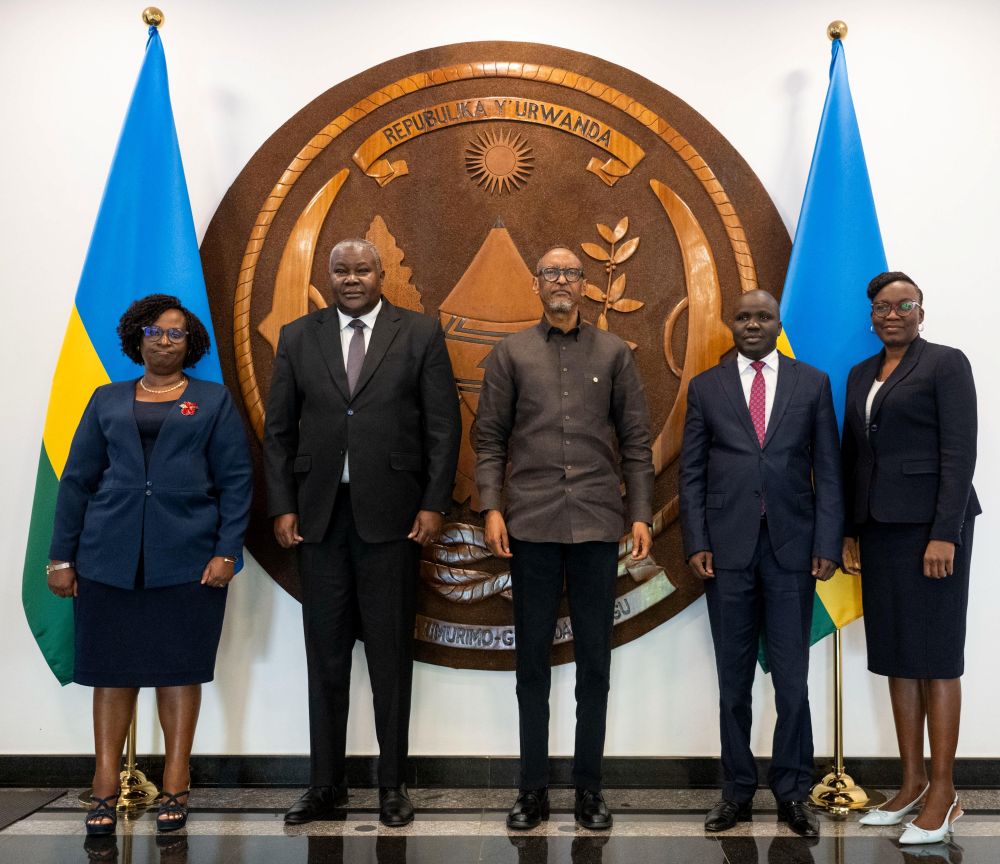
According to a statement from the Office of the President, the meeting focused on Rwanda’s role in supporting the East African integration agenda and ongoing efforts to strengthen cooperation among EAC Partner States.
The meeting comes just days after the EAC launched a two-week nationwide consultation process in Rwanda aimed at collecting citizens’ views on the drafting of the Constitution of the proposed East African Political Confederation, a key milestone in the bloc’s long-term integration agenda.
Speaking during the launch of the consultations in Kigali on Monday, Amb. Mbundi emphasised the importance of a people-centred approach to regional integration, noting that citizens must play a central role in shaping the future governance framework of the Community.
“This is not merely an exercise. The Treaty is very clear that the Community is people-centred, and therefore, citizens must be consulted when major decisions about our integration are being made,” Mbundi said.
The consultations, which will run until June 27, are part of a wider exercise being conducted across EAC Partner States to gather public input before the drafting of the Constitution for the proposed Political Confederation, a transitional step towards the eventual Political Federation of East African States.
Rwanda has consistently been among the strongest advocates of regional integration, supporting initiatives aimed at enhancing the free movement of people, goods and services, expanding trade and investment opportunities, and strengthening cooperation in areas such as infrastructure, technology, security and governance.
The Political Confederation represents the fourth pillar of EAC integration after the Customs Union, Common Market and Monetary Union. EAC leaders view deeper political cooperation as essential for accelerating economic development, promoting peace and security, and enhancing the region’s competitiveness on the continental and global stage.
According to the EAC Secretariat, consultations in Rwanda are being conducted in Kigali and other designated centres, including Rubavu, Huye and Nyagatare, bringing together representatives from government institutions, Parliament, the judiciary, academia, civil society, the private sector, youth and women groups, faith-based organisations, persons with disabilities, political parties and the media.
The meeting comes just days after the EAC launched a two-week nationwide consultation process in Rwanda aimed at collecting citizens’ views on the drafting of the Constitution of the proposed East African Political Confederation, a key milestone in the bloc’s long-term integration agenda.
The agreement, which was initially expected to be signed during a ceremony in Switzerland later this week, was finalised ahead of schedule after both sides agreed to accelerate implementation. According to U.S. media reports, the move was intended to allow commercial shipping to resume through the Strait of Hormuz as quickly as possible and to address growing political pressure on the White House to release the text of the agreement.
The White House on Wednesday published the full 14-point memorandum, describing it as a “performance-based” framework under which Iran will receive economic benefits only if it complies with its commitments.
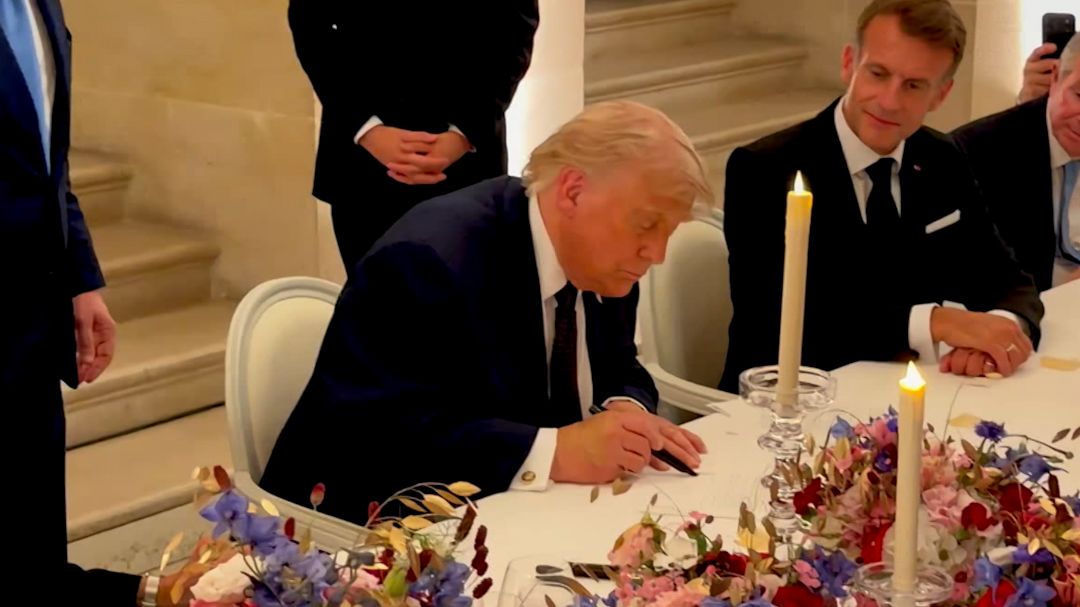
Trump formally signed a hard copy of the document during a diplomatic dinner with French President Emmanuel Macron at the Palace of Versailles in Paris, France, while attending G7-related events. Iranian President Masoud Pezeshkian also signed the agreement from Tehran, finalising a dual digital and physical execution of the historic accord.
The MoU declares an immediate and permanent end to military operations between the two countries and extends the ceasefire to regional fronts, including Lebanon. It commits both Washington and Tehran to refrain from future military action against one another while respecting each other’s sovereignty and territorial integrity.
One of the agreement’s most significant provisions concerns the reopening of the Strait of Hormuz, one of the world’s most strategically important maritime corridors.
The narrow waterway between Iran and Oman carries approximately 20% of the world’s petroleum liquids and about one-fifth of global liquefied natural gas (LNG) supplies, making it a critical artery for international energy markets. Any disruption to shipping through the strait immediately constrains global energy supplies, triggering sharp increases in oil prices and broader economic instability.
The closure of the Strait of Hormuz during the conflict sent crude oil prices soaring and disrupted global shipping, with the impact quickly filtering through to fuel markets around the world.
In Rwanda, the effects were particularly visible as fuel prices climbed to record levels despite continued government subsidies. Diesel is currently retailing at Rwf 2,927 per litre, while petrol costs Rwf 2,938 per litre, reflecting the global supply shock caused by the conflict.
Under the memorandum, Iran has committed to making its best efforts to immediately restore safe passage for commercial vessels through the waterway without imposing transit charges. Shipping will resume alongside de-mining operations and the removal of military obstacles created during the conflict. The agreement also calls for Iran to work with Oman and other Gulf states on a broader framework for the long-term management and security of the strait.
The United States, in turn, will begin dismantling its naval blockade of Iranian ports, with the process expected to be completed within 30 days. Washington has also agreed to gradually reduce its military presence near Iran as negotiations progress toward a permanent settlement.
The memorandum establishes a 60-day negotiating period during which both sides will seek to conclude a comprehensive peace agreement. That deadline can be extended by mutual consent if additional time is required.
A central element of the accord is Iran’s commitment that it will never develop or acquire a nuclear weapon. The agreement provides that Tehran’s existing stockpile of highly enriched uranium will be addressed under the supervision of the International Atomic Energy Agency (IAEA), although the precise mechanism will be negotiated during the next phase of talks.
Economic measures also feature prominently in the memorandum.
The United States has agreed to begin discussions on lifting sanctions against Iran as part of a final agreement, while the two sides will work with regional partners to establish a reconstruction and economic development framework valued at at least $300 billion. U.S. officials stressed, however, that Washington is not obligated to finance the fund directly, saying investments are expected to come largely from regional partners and private investors.
The agreement also provides for the phased release of certain frozen Iranian assets and the creation of a joint mechanism to monitor compliance with the MoU until a final peace settlement is reached.
Once implementation begins, the United States and Iran will negotiate a permanent agreement, which the memorandum says will ultimately be endorsed through a binding United Nations Security Council resolution.
While the MoU marks the most significant diplomatic breakthrough since the conflict erupted earlier this year, many of its most contentious issues, including the timeline for sanctions relief, the future of Iran’s nuclear programme and long-term regional security arrangements, remain subject to negotiations over the coming weeks.
If successfully implemented, the agreement is expected to restore stability to one of the world’s most critical energy corridors, ease pressure on global oil markets and reduce the economic fallout that has been felt by countries far beyond the Middle East.
President Trump formally signed a hard copy of the document during a diplomatic dinner with French President Emmanuel Macron at the Palace of Versailles in Paris, France, while attending G7-related events.