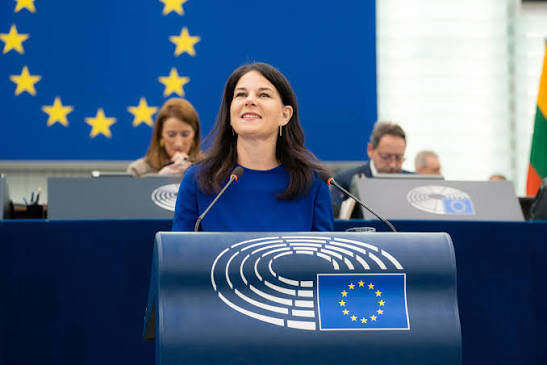
“The president of the General Assembly reiterates the secretary-general’s statement welcoming the announcement that the United States and Iran have agreed to a memorandum of understanding to cease hostilities and open the Strait of Hormuz after months of fighting that has led to thousands of civilian deaths and injuries, the destruction of civilian infrastructure, destabilization in the region and global economic upheaval,” said Baerbock in a statement.
She thanked the mediators and called on all parties to fully comply with the immediate and permanent ceasefire, including in Lebanon, and to utilize this opportunity to find diplomatic solutions to all disputes in line with the UN Charter and international law.
This is the only way to bring lasting peace to the Middle East, ensure the safety and security of all countries and people in the region, and end the suffering of innocent civilians, said the statement.
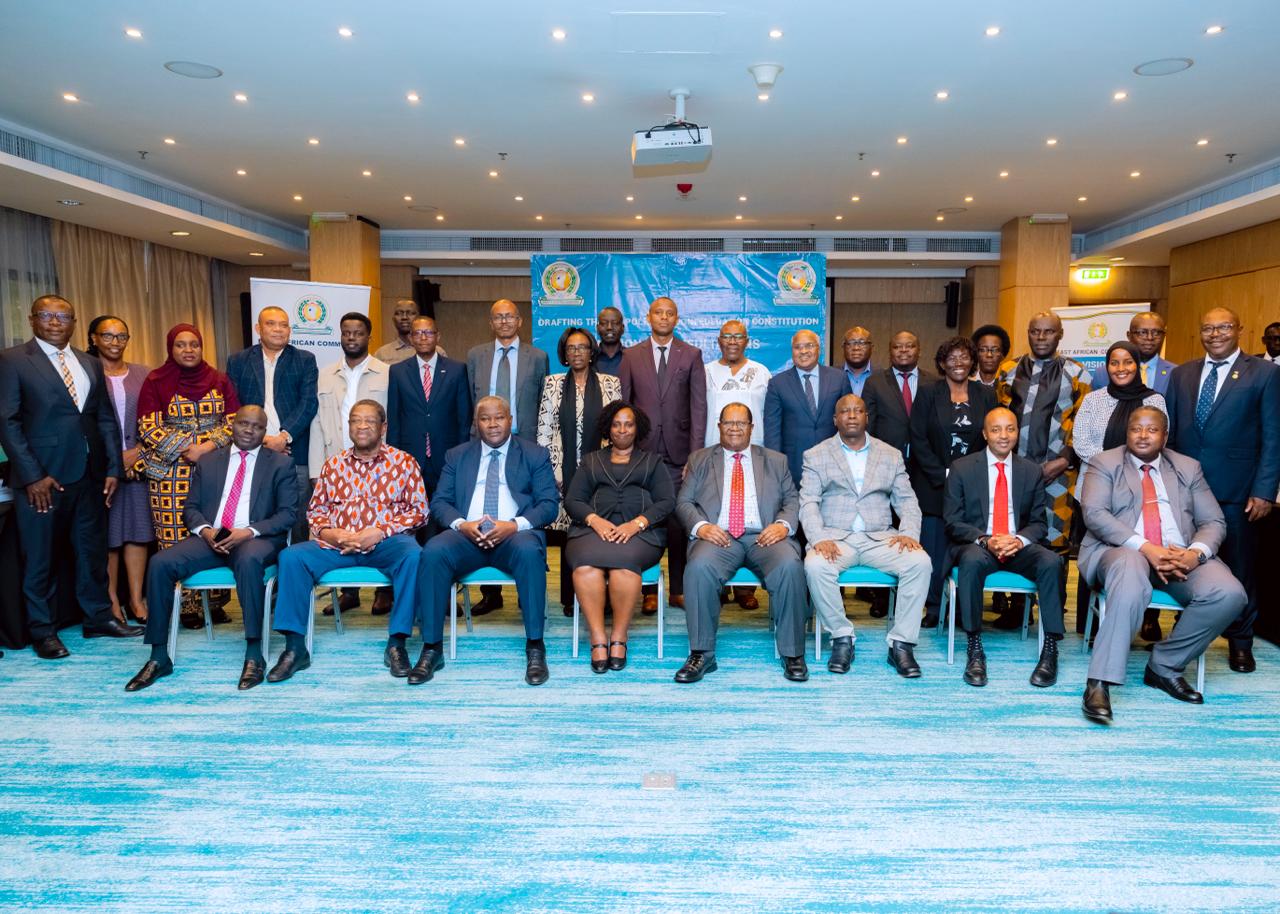
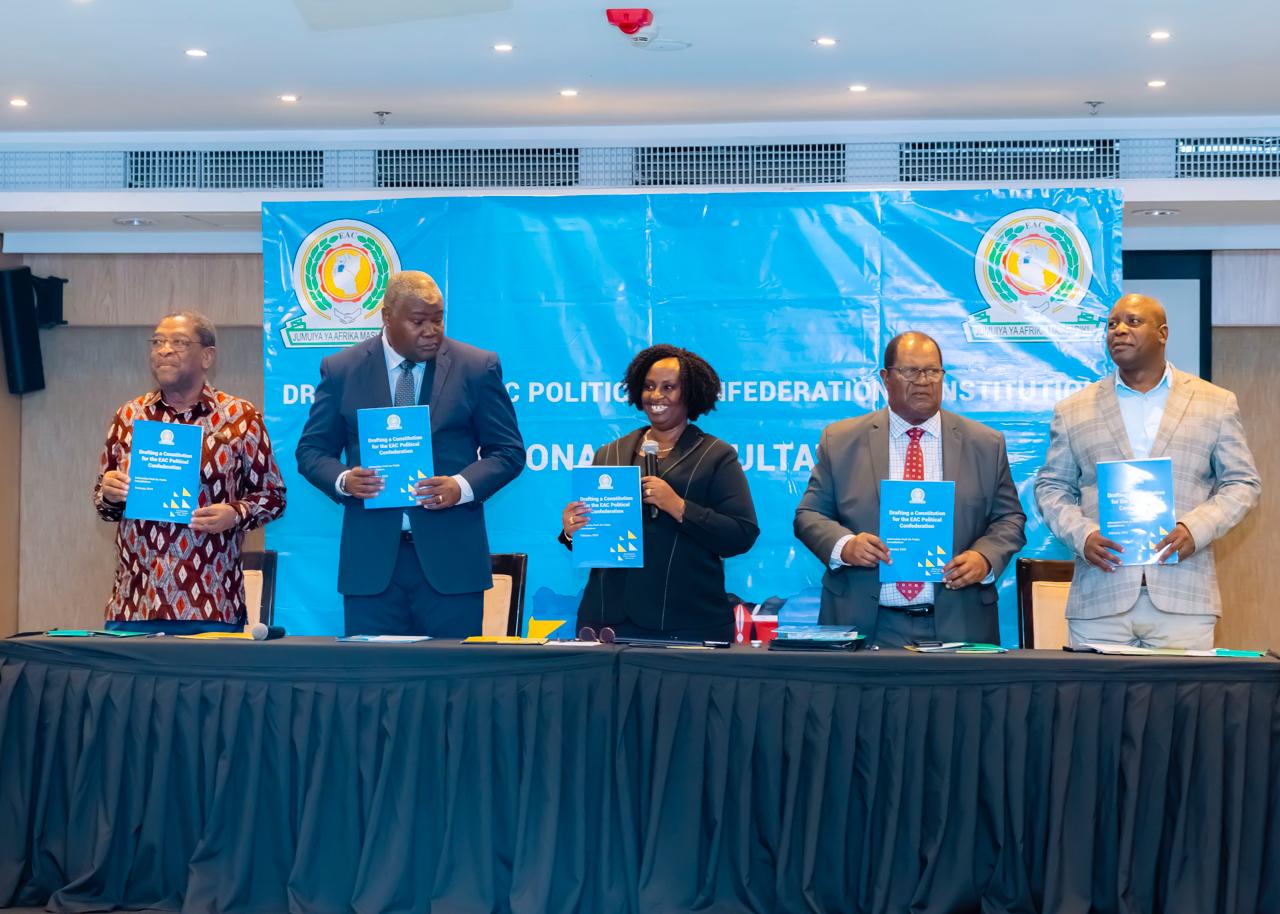
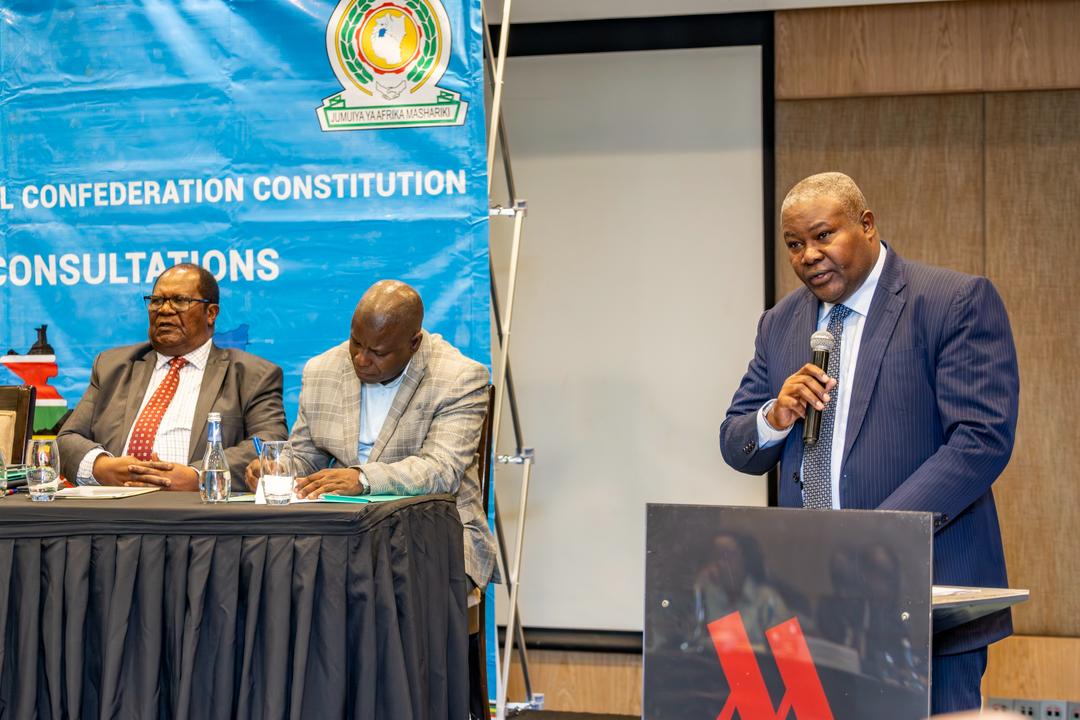
The consultations will run until June 27 and form part of a broader regional exercise being conducted across EAC Partner States to shape the governance framework of the Political Confederation, the transitional model towards the eventual Political Federation of East African States.
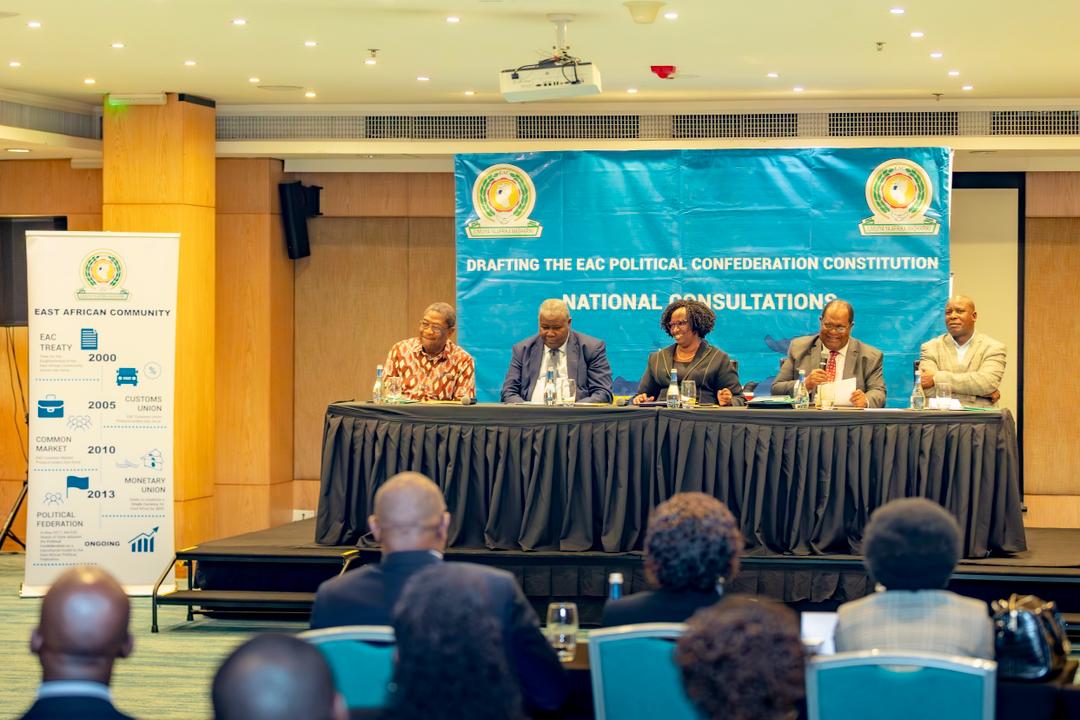
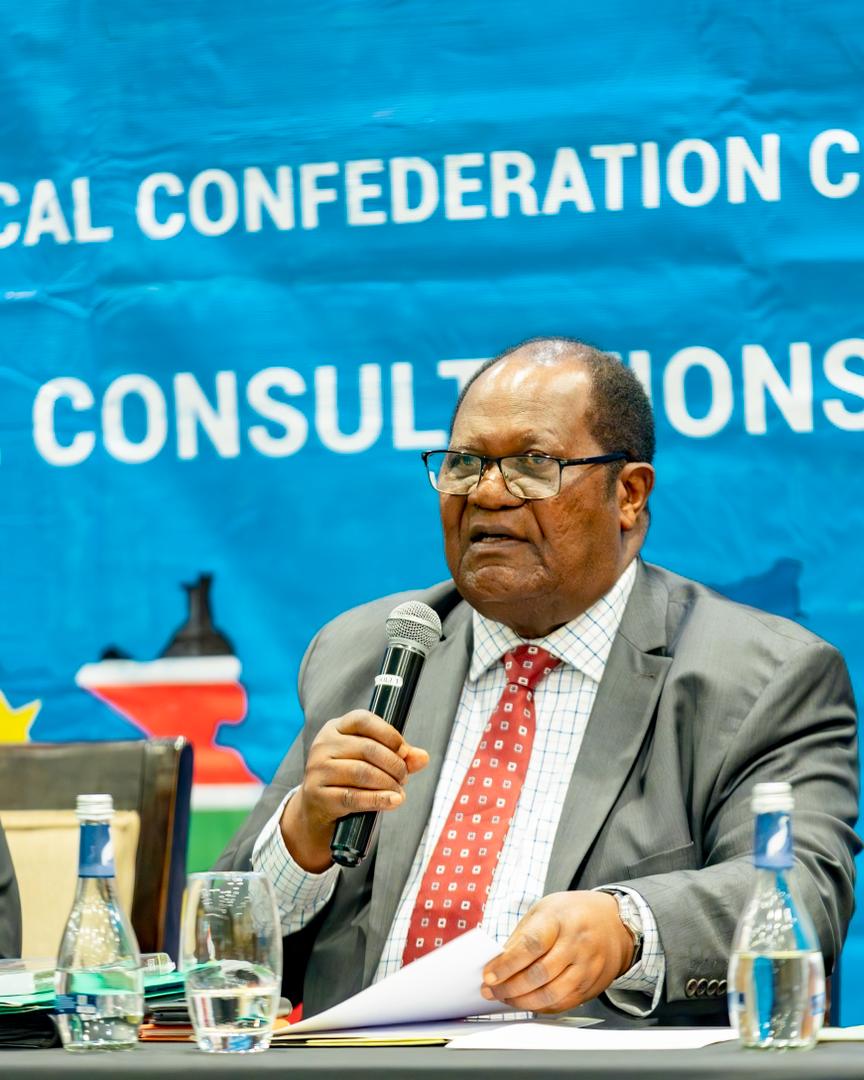
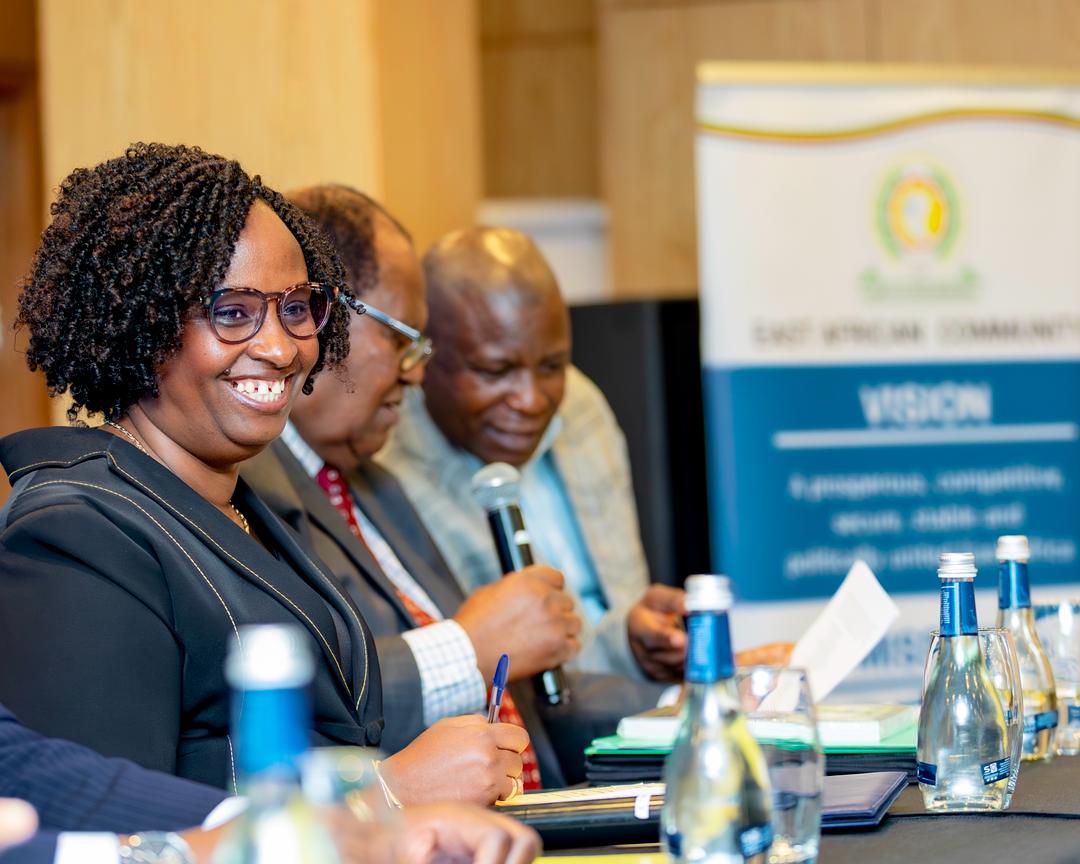
Speaking during the launch at the Kigali Marriott Hotel, Chairperson of the EAC Team of Constitutional Experts, Justice Dr. Benjamin Odoki, said the process had entered a critical phase after years of legal, institutional and comparative studies undertaken by experts appointed by the EAC Council of Ministers.
“The Summit of Heads of State and the Council of Ministers entrusted us with the responsibility of drafting the Constitution for the East African Political Confederation as a transition towards the ultimate goal of establishing a Political Federation, one people, one country,” Odoki said.
He noted that the team, composed of constitutional experts from the eight EAC Partner States, had already completed consultations in Burundi, Uganda and Kenya, where citizens overwhelmingly expressed support for deeper regional integration.
The consultations seek to collect views from citizens and stakeholders that will inform the proposed model of the Political Confederation before the drafting of the Constitution begins.
According to the EAC Secretariat, consultations in Rwanda will be conducted in Kigali and other designated centres, including Rubavu, Huye and Nyagatare, bringing together representatives from government institutions, Parliament, the judiciary, academia, civil society, the private sector, youth and women groups, faith-based organisations, persons with disabilities, political parties and the media.
EAC Secretary General Ambassador Stephen Mbundi said the consultations reflect the Community’s commitment to a people-centred integration process, as required under the Treaty establishing the EAC.
“This is not merely an exercise. The Treaty is very clear that the Community is people-centred, and therefore, citizens must be consulted when major decisions about our integration are being made,” Mbundi said.
He said the views gathered across the region would provide the foundation for drafting the Constitution of the Political Confederation and help define the governance structures that will guide the next phase of East African integration.
Mbundi also revealed that the 25th Ordinary Summit of EAC Heads of State had directed Partner States to complete the consultation process this year, with progress expected to be reported to the 26th Summit.
The Political Confederation was adopted by EAC Heads of State in 2017 as a transitional model towards the Political Federation. It represents the fourth pillar of regional integration after the Customs Union, Common Market and Monetary Union.
While significant progress has been made under the first three pillars, EAC leaders believe stronger political cooperation is necessary to accelerate integration and address shared challenges in governance, peace and security, foreign policy, economic development and regional competitiveness.
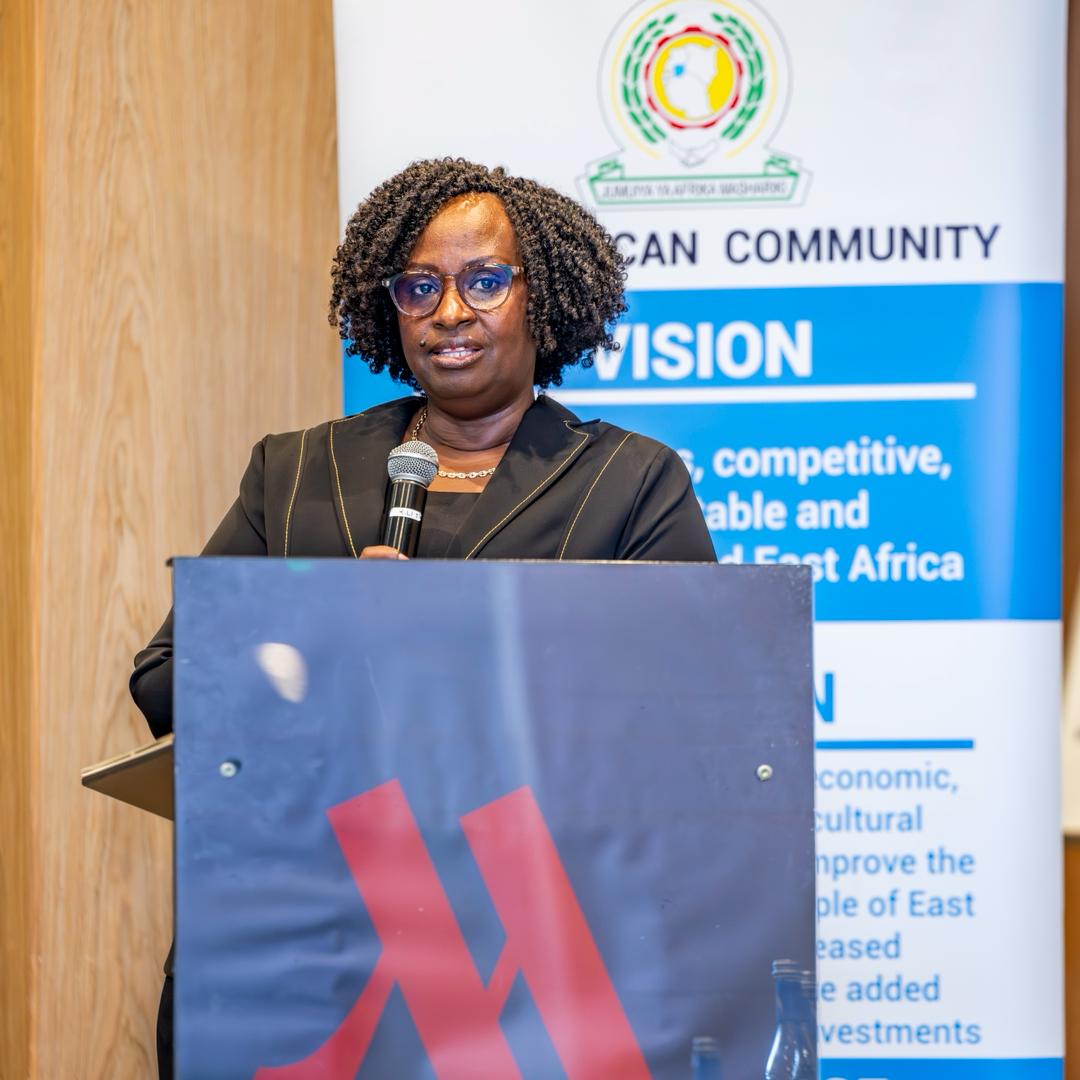
Launching the consultations on behalf of the Government of Rwanda, Minister of State for Foreign Affairs Dr. Usta Kaitesi described the exercise as a significant milestone in Rwanda’s contribution to the regional integration agenda.
“The future of our region cannot be shaped by governments alone. It must be informed by the views, aspirations and expectations of the citizens whose lives will be affected by the decisions we make,” she said.
Kaitesi emphasised that Rwanda hopes to hear from all segments of society, including youth, women, entrepreneurs, farmers, academics and religious leaders, to ensure that citizens have ownership of the integration process.
She noted that a more integrated East Africa could create larger markets, more opportunities for young people, stronger institutions and a greater collective voice for the region on continental and global issues.
The consultations come as the EAC continues implementing the Monetary Union Protocol, with Partner States targeting 2031 for full implementation. During a media engagement, officials acknowledged that challenges such as macroeconomic convergence requirements, the COVID-19 pandemic and global economic shocks had delayed some integration milestones.
However, Secretary General Mbundi said practical measures such as cross-border mobile money transfers are already being implemented to strengthen financial integration and prepare the ground for a future common currency.
As consultations continue across Rwanda over the next two weeks, EAC officials say the process will help ensure that the proposed Constitution reflects the aspirations of East Africans and lays the foundation for a more united, prosperous and politically integrated region.
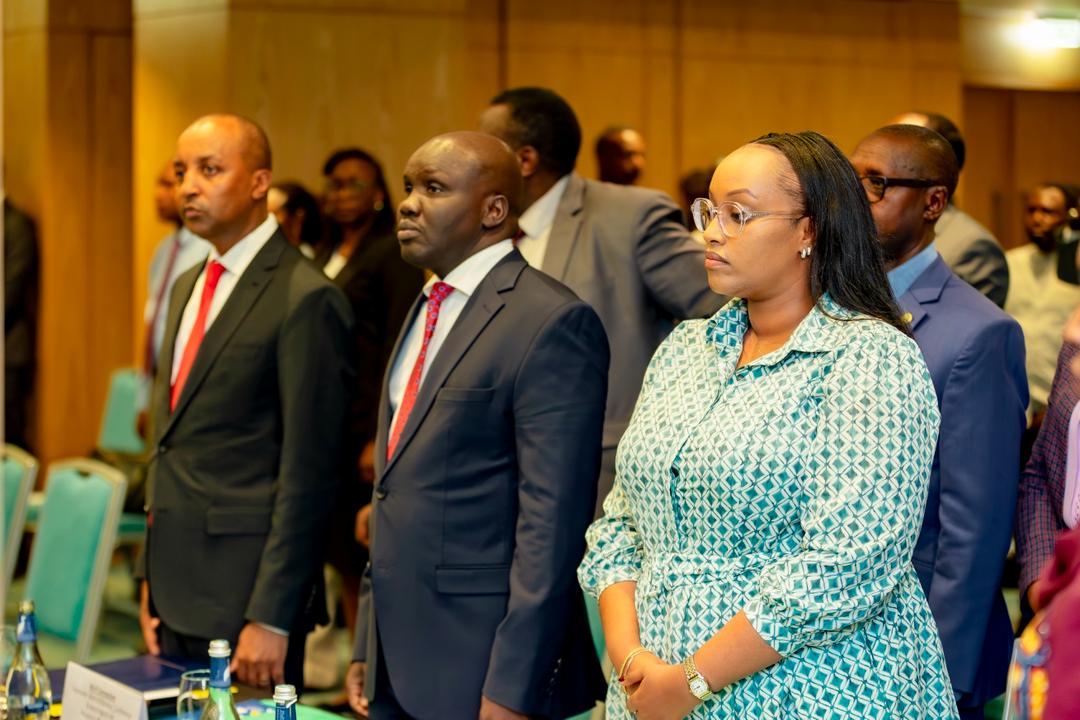
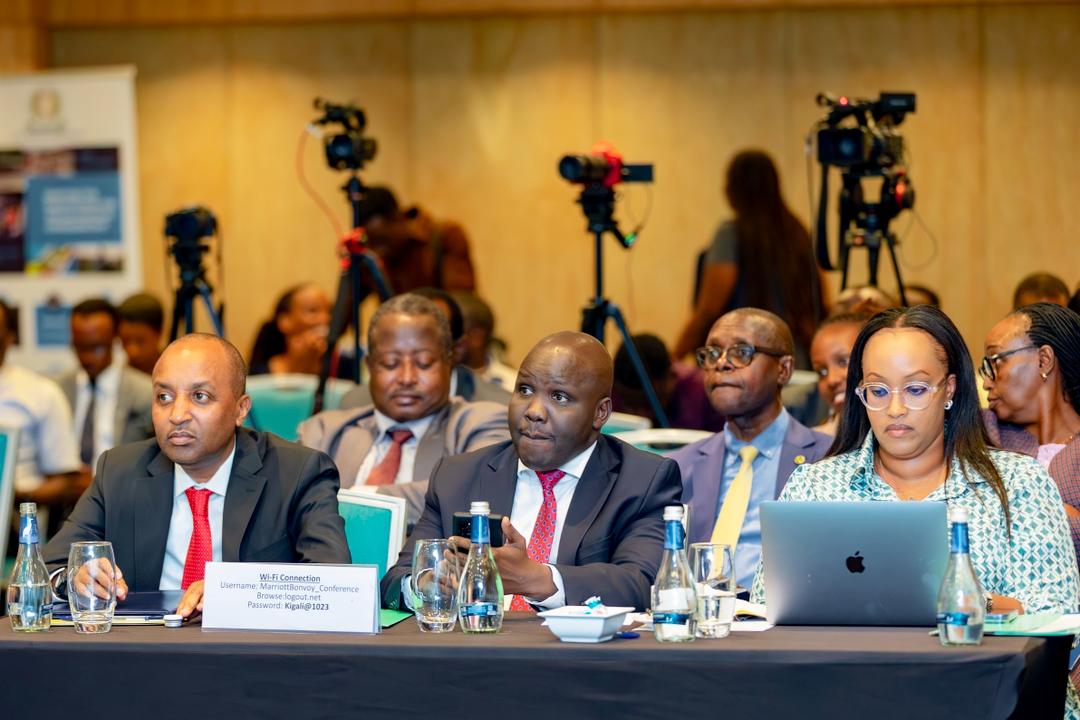
The consultations will run until June 27 and form part of a broader regional exercise being conducted across EAC Partner States to shape the governance framework of the Political Confederation.The launch took place at the Kigali Marriott Hotel.Chairperson of the EAC Team of Constitutional Experts, Justice Dr. Benjamin Odoki, said the process had entered a critical phase after years of legal, institutional and comparative studies undertaken by experts appointed by the EAC Council of Ministers.Minister of State for Foreign Affairs Dr. Usta Kaitesi described the exercise as a significant milestone in Rwanda’s contribution to the regional integration agenda.EAC Secretary General Ambassador Stephen Mbundi said the consultations reflect the Community’s commitment to a people-centred integration process, as required under the Treaty establishing the EAC.The consultations come as the EAC continues implementing the Monetary Union Protocol, with Partner States targeting 2031 for full implementation.
“This is a moment of opportunity to restore regional stability and stabilize the global economy,” BBC quoted the statement as saying.
While noting that Iran “must never acquire a nuclear weapon,” the major European countries said they are “prepared to lift relevant sanctions in response to clear, verifiable steps by Iran on its nuclear program.”
The European leaders urged the U.S.-Iran deal to be “implemented rapidly and comprehensively,” saying the “urgent reopening of the Strait of Hormuz with unconditional and unrestricted freedom of navigation is essential.”
“We will work intensively with the U.S., Iran and regional partners to seize this moment, maintain momentum and achieve a long-term diplomatic settlement,” the statement added.
Earlier in the day, Pakistani Prime Minister Shehbaz Sharif announced on social platform X that the United States and Iran had reached a peace agreement following intensive negotiations, with an official signing ceremony scheduled for June 19 in Switzerland.
Minutes later, U.S. President Donald Trump wrote on his Truth Social: “The Deal with the Islamic Republic of Iran is now complete.”
“I hereby fully authorize the toll free opening of the Strait of Hormuz, and, simultaneously herewith, authorize the immediate removal of the United States Naval blockade,” he announced.
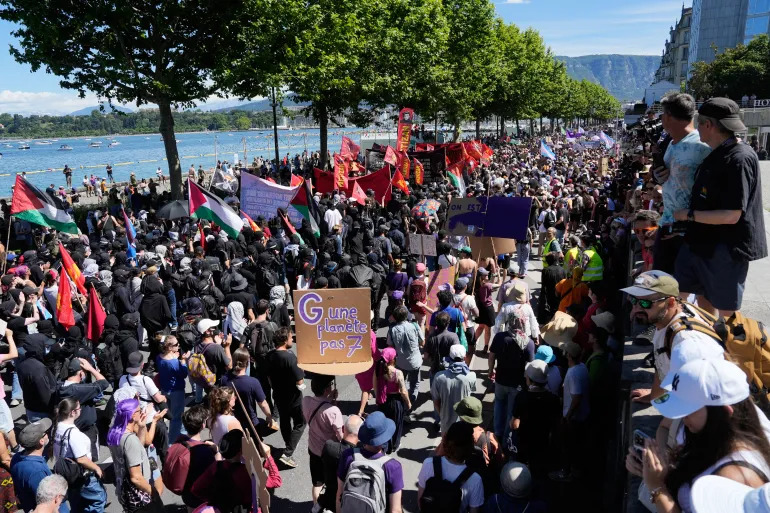
The protest is organized by a “No G7” coalition of multiple groups and organizations, in what they describe as an effort to resist “fascism and imperialism”.
Swiss police had earlier expected that about 50,000 people would participate.
Protesters gathered at a park beside Lake Geneva and started to march slowly along a designated route across the town. A white boat was seen passing by on the lake, with words on its sail reading “No G7”.
Protesters held up various placards with slogans such as “G7 = no future” and “No to G7”.
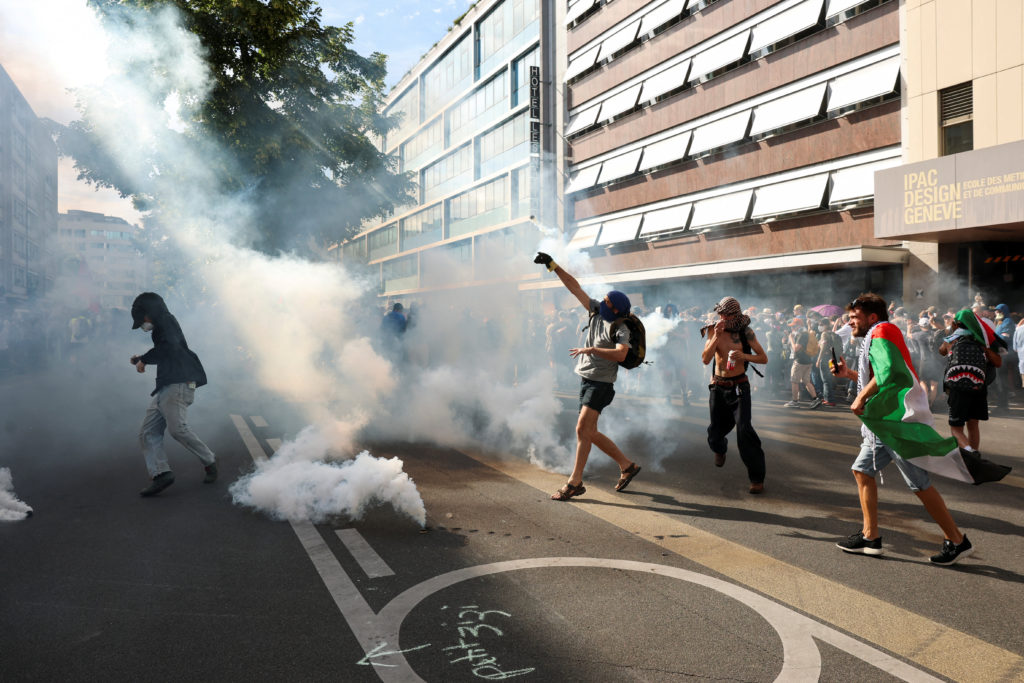
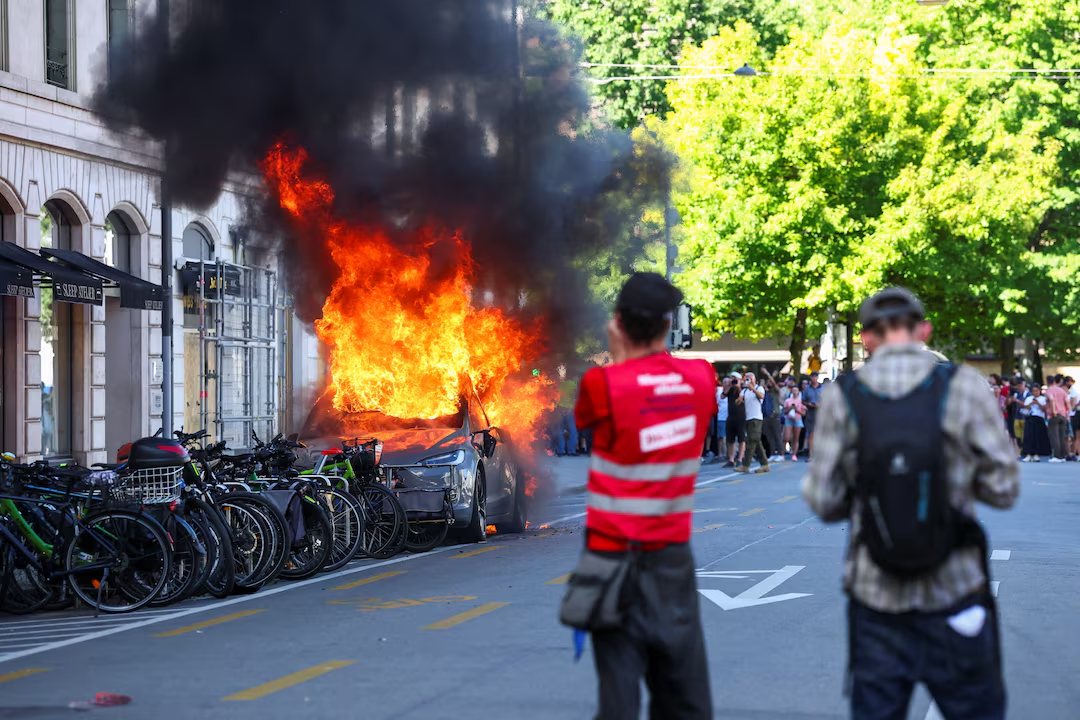
The protest proceeded largely peacefully and in an orderly manner, until explosions were heard and black smoke was seen rising. A Tesla car was seen set on fire.
The Geneva cantonal police announced that they have seized dangerous objects and items of camouflage, including knives, axes, gas canisters and firecrackers, among other things, near the demonstration areas.
The protest has caused disruptions to public transport in Geneva, with several trolleybus lines suspended from noon, the tram network largely adjusted, and some bus routes also modified, according to authorities.
The G7 summit will bring together leaders from Britain, Canada, France, Germany, Italy, Japan and the United States, as well as the European Union (EU), to discuss responses to what France described as an increasingly unstable international environment.
The G7 summit triggered major riots in Geneva in 2003 when it was first held in the French town of Evian, less than 50 kilometers away from Geneva.
Ahead of this year’s summit, the Swiss authorities have announced the deployment of some 4,000 military personnel while closing most of its 35 border crossings with France.
The protest proceeded largely peacefully and in an orderly manner, until explosions were heard and black smoke was seen rising. A Tesla car was seen set on fire.A person throws a tear gas canister, amid clashes with riot police officers during a protest against the upcoming G7 summit in Evian-les-Bains in France, in Geneva, Switzerland, June 14, 2026. REUTERS/Denis BalibouseProtesters held up various placards with slogans such as “G7 = no future” and “No to G7”.
According to a communiqué from the Office of the President, the meeting centered on the need for concrete action to tackle the root causes of insecurity in eastern DRC and advance a sustainable path to peace and stability in the Great Lakes region.
The discussions come at a critical moment for regional peace efforts. Rwanda and the DRC signed the Washington Accord on December 4, 2025, a landmark agreement aimed at ending decades of conflict and mistrust in the region.
Among its key provisions is the dismantling of the FDLR, an armed group linked to perpetrators of the 1994 Genocide against the Tutsi that Rwanda maintains continues to pose a security threat. The agreement also outlines the lifting of Rwanda’s defensive measures upon the neutralisation of the group.
At the same time, parallel peace talks between the AFC/M23 rebel coalition and the DRC government remain pending in Doha, Qatar. The negotiations are viewed as an important complement to regional and international efforts to achieve a comprehensive and lasting resolution to the conflict in eastern DRC. Ambassador Borgstam’s visit is part of EU efforts to support ongoing initiatives to restore peace and stability in the region.
Separately on Sunday, President Kagame also received Commonwealth Secretary-General Shirley Botchwey, who is in Rwanda on a working visit. The two leaders held discussions on strengthening cooperation between Rwanda and the Commonwealth and reviewed preparations for the 2026 Commonwealth Heads of Government Meeting (CHOGM), which will be hosted in St. John’s, Antigua and Barbuda.
Their discussions focused on areas of mutual interest and continued collaboration within the Commonwealth as Rwanda works closely with member states on shared development and governance priorities.
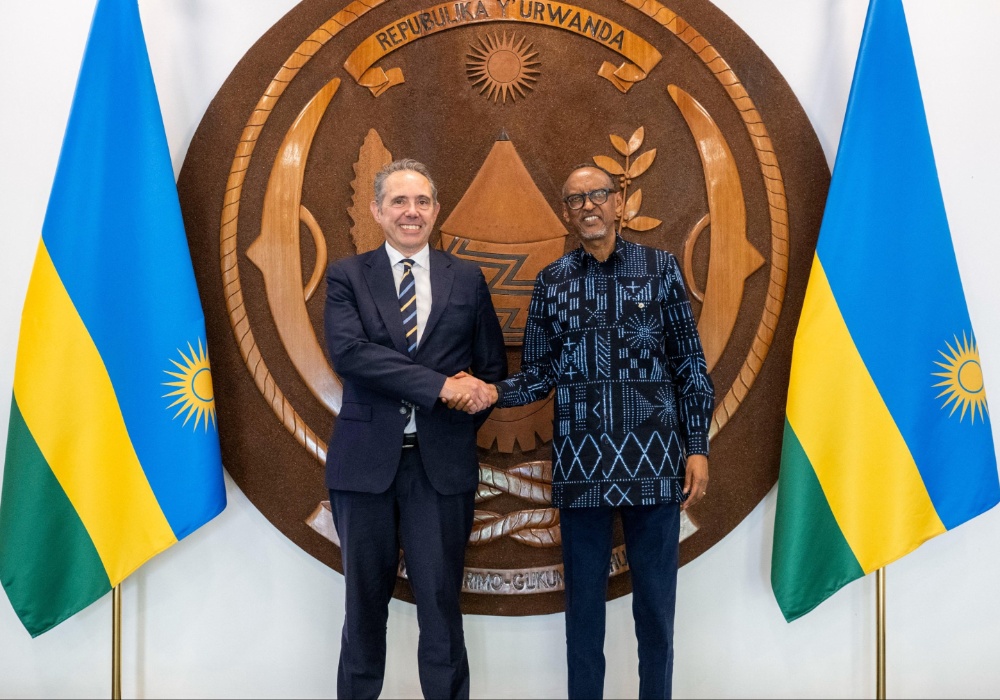
President Paul Kagame on Sunday met with European Union Special Representative (EUSR) for the Great Lakes Region Ambassador Johan Borgstam at Urugwiro Village, where discussions focused on regional developments and ongoing efforts to address the conflict in eastern Democratic Republic of Congo (DRC).President Kagame also received Commonwealth Secretary-General Shirley Botchwey, who is in Rwanda on a working visit. The two leaders held discussions on strengthening cooperation between Rwanda and the Commonwealth and reviewed preparations for the 2026 Commonwealth Heads of Government Meeting (CHOGM), which will be hosted in St. John’s, Antigua and Barbuda.
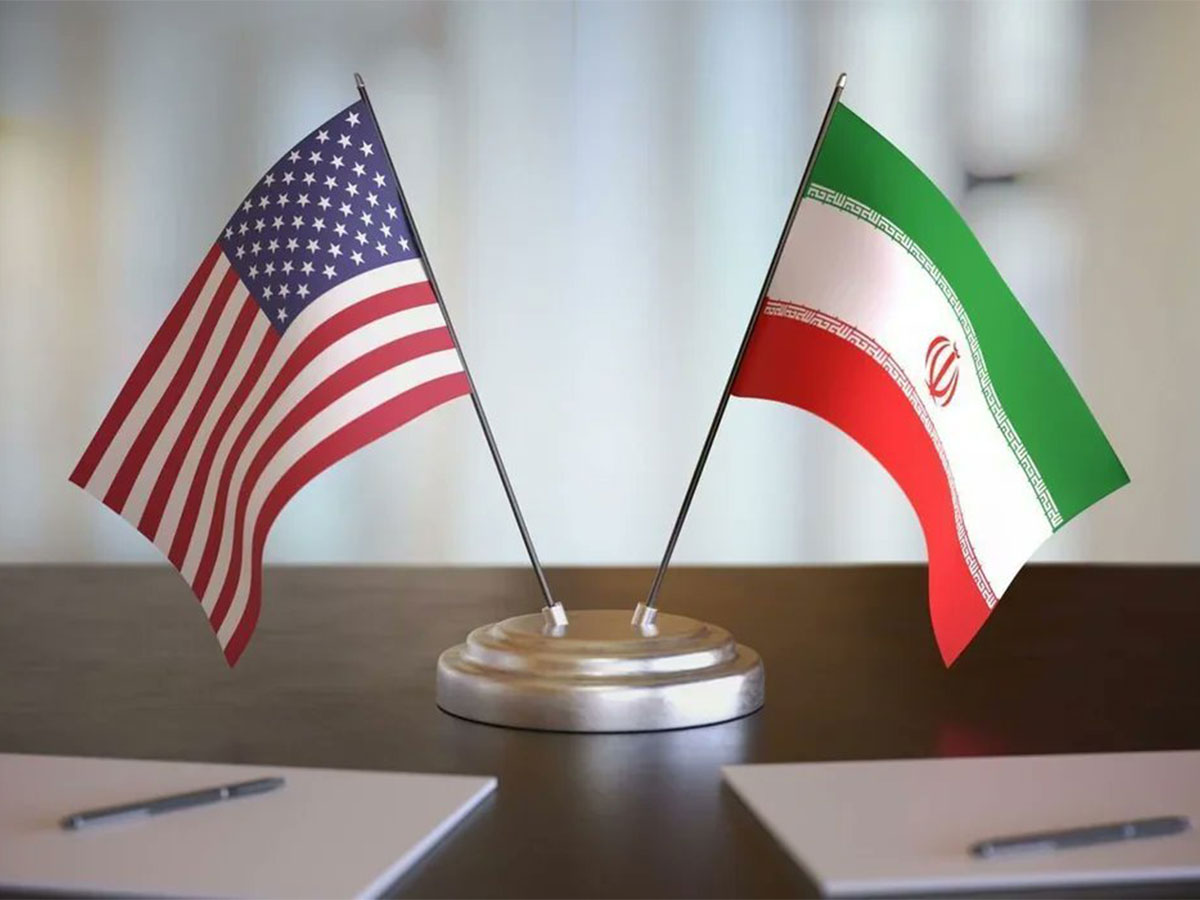
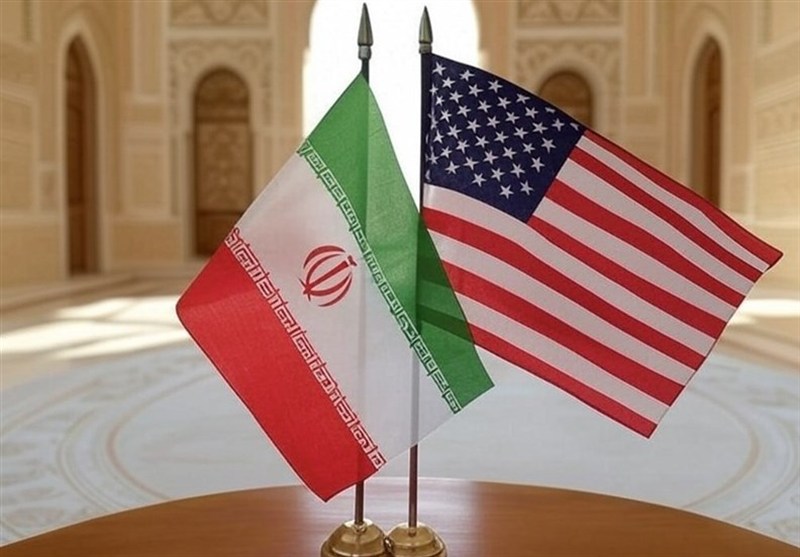
Gharibabadi said Iran and the United States will sign the finalized draft of a peace memorandum of understanding (MoU) in Switzerland on June 19, according to Iran’s semi-official Tasnim news agency.
Tasnim also cited a source as saying that the Strait of Hormuz will reopen following the signing ceremony in Switzerland.
Meanwhile, Iran’s state-run IRIB TV, also citing Gharibabadi, said Iran’s entry into a 60-day period of negotiations with the United States on its nuclear program and the removal of sanctions will hinge on the U.S. fulfillment of its preliminary commitments, which will be verified by Tehran from now until the signing ceremony.
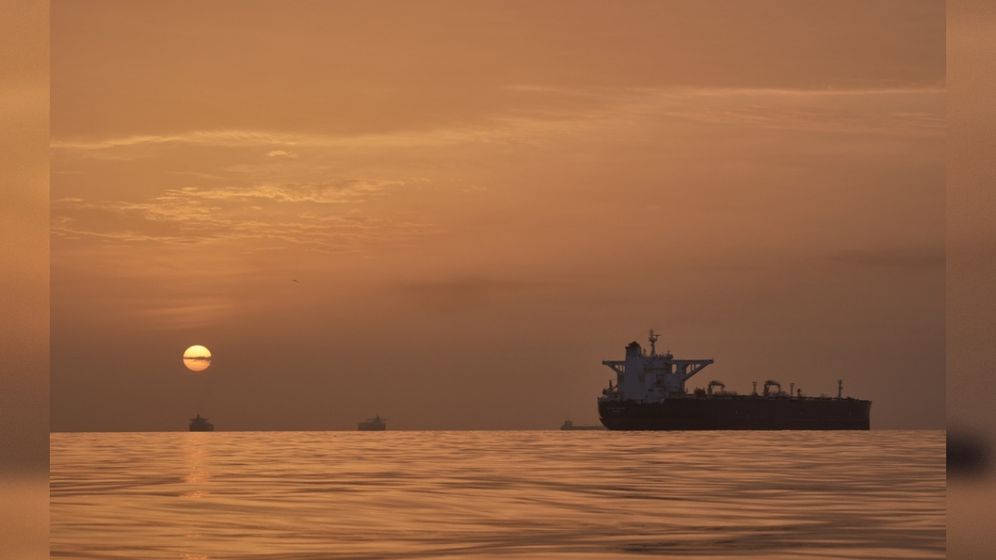
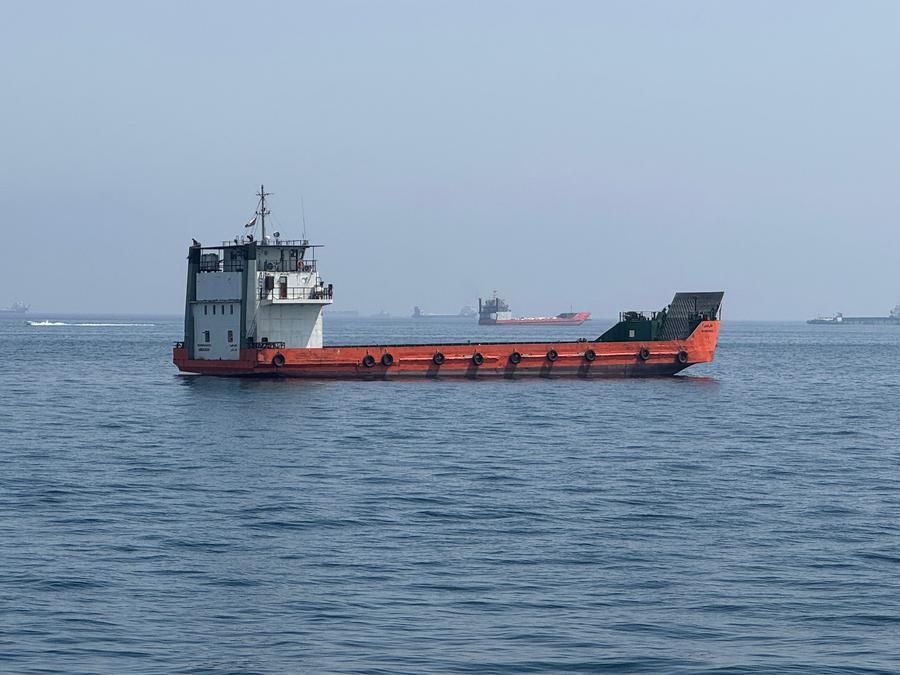
The Strait of Hormuz is expected to reopen following the signing ceremony between U.S. and Iran in Switzerland.
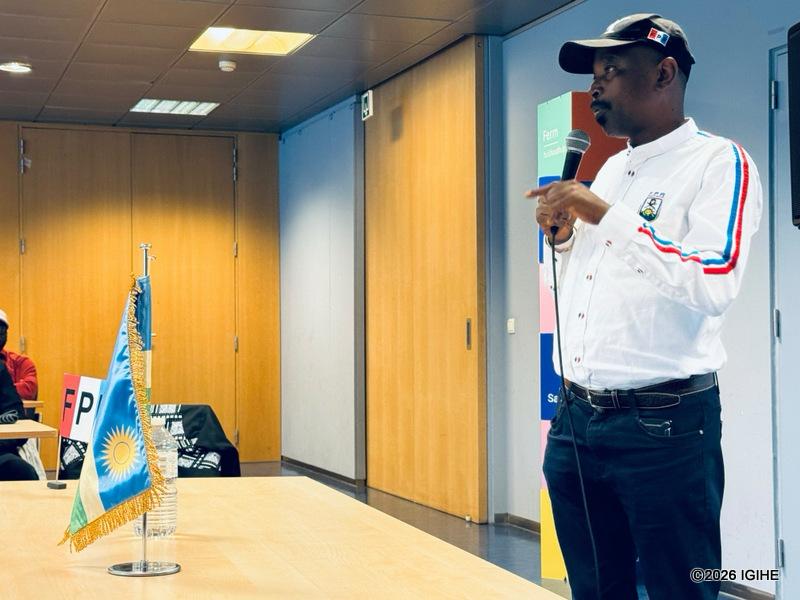
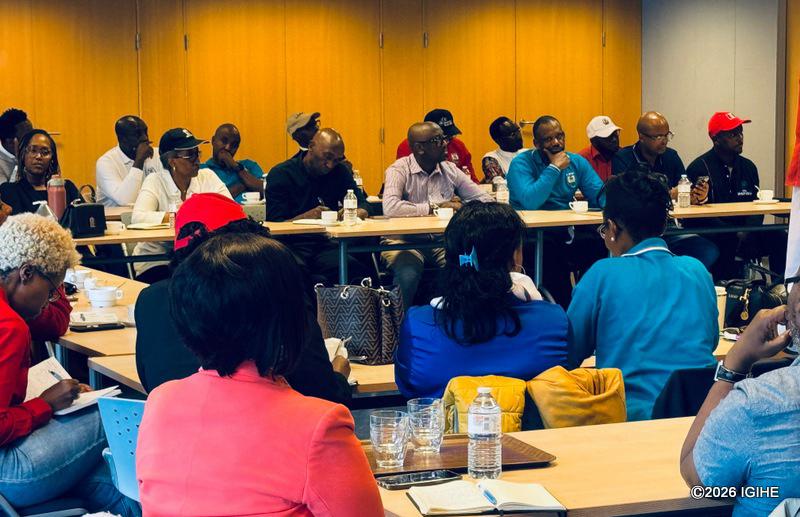
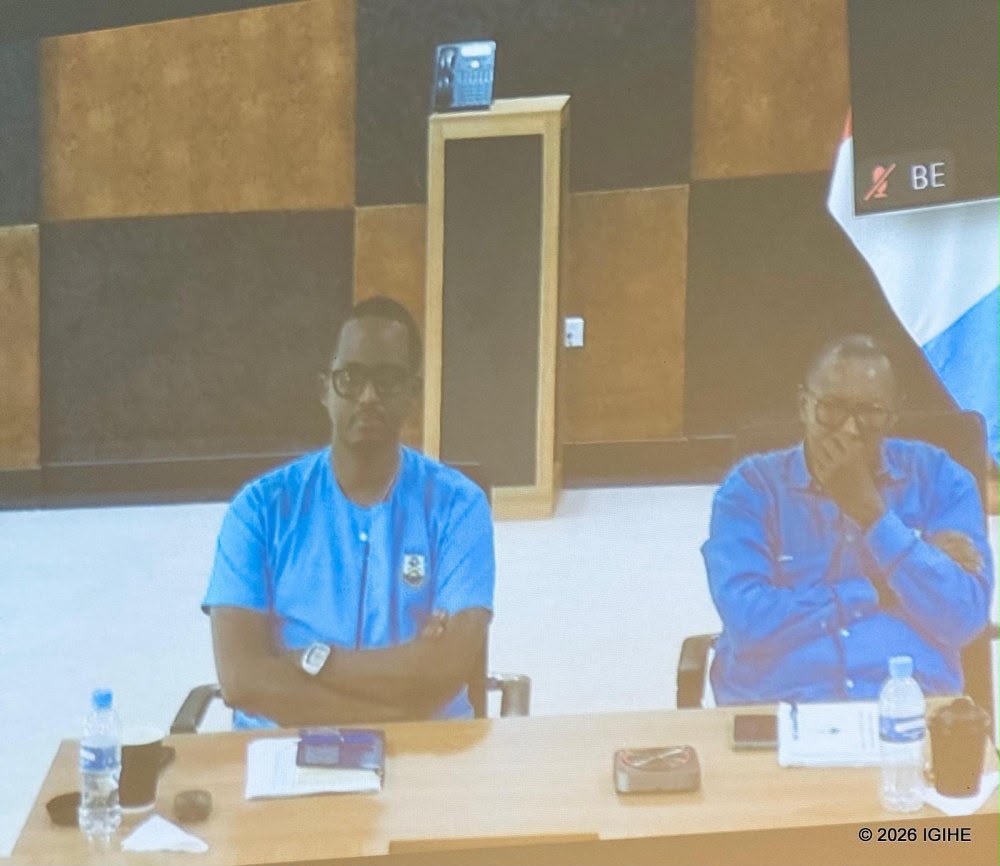
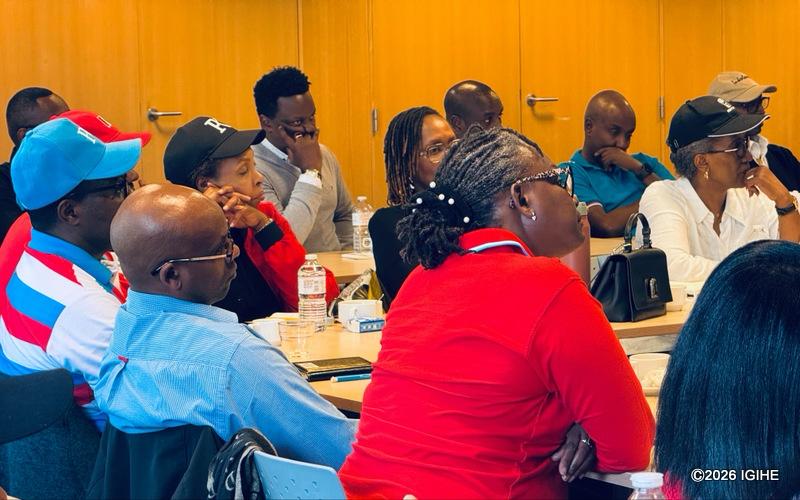
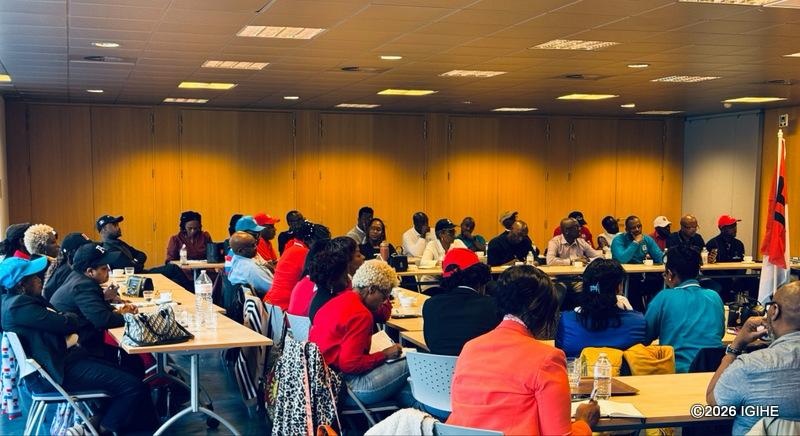
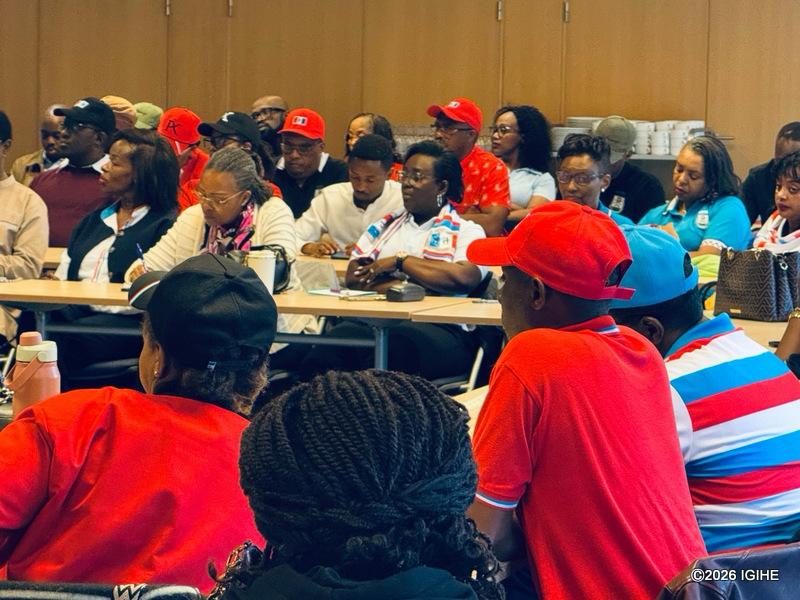
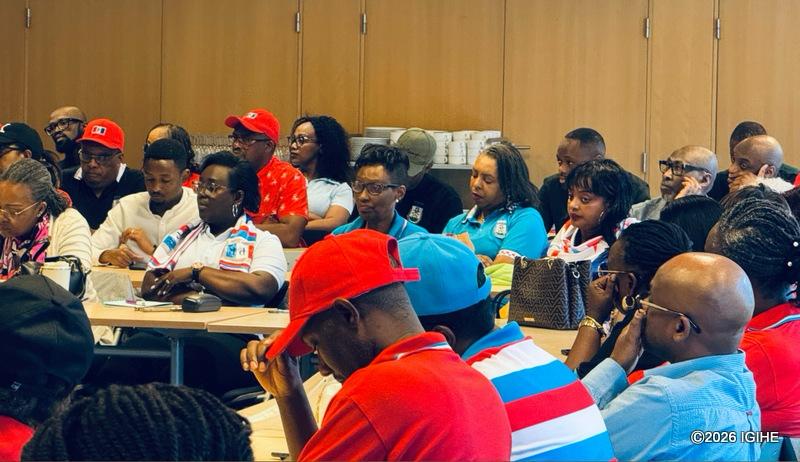
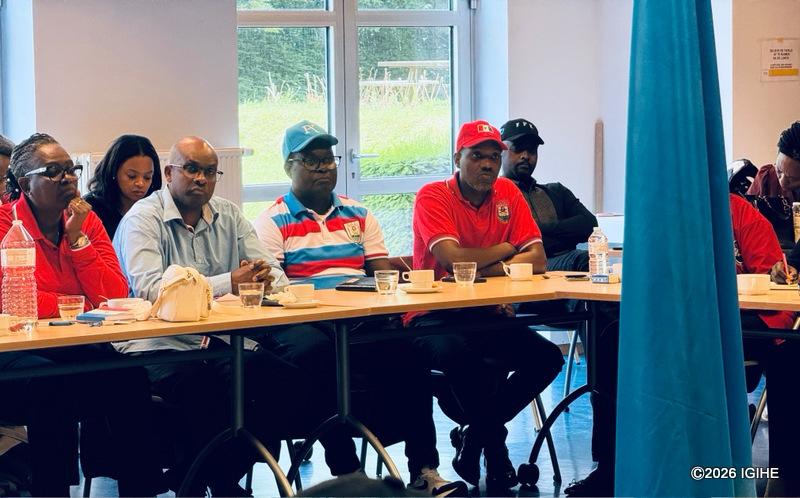
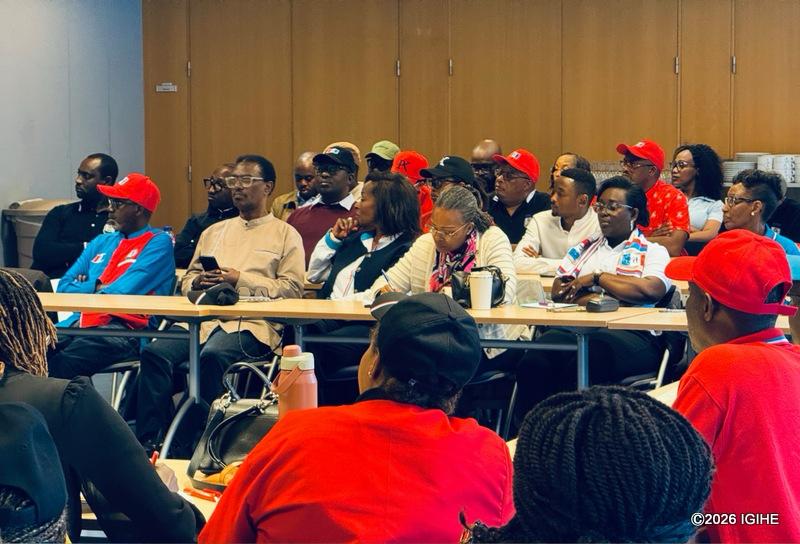
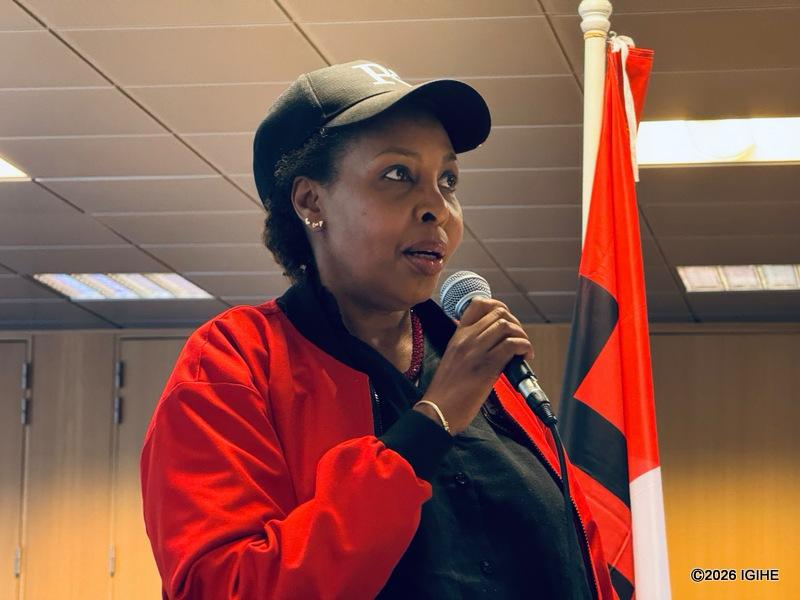
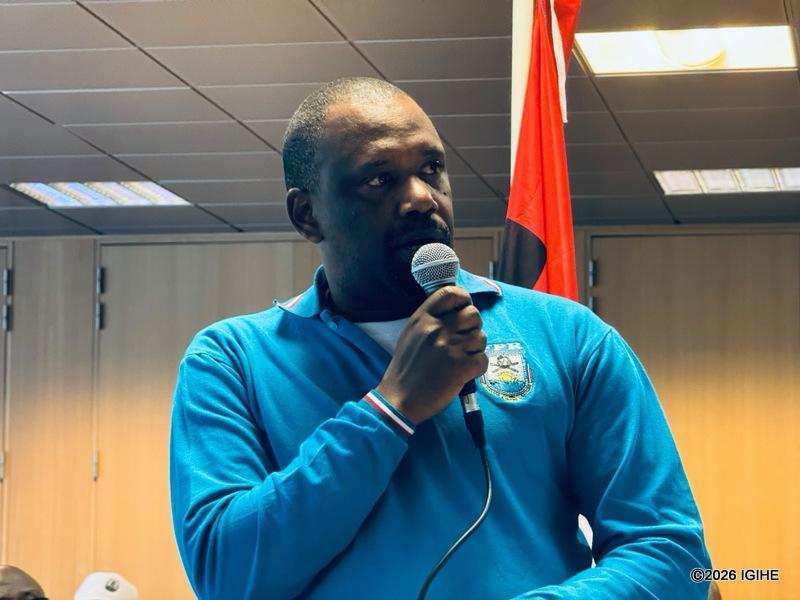
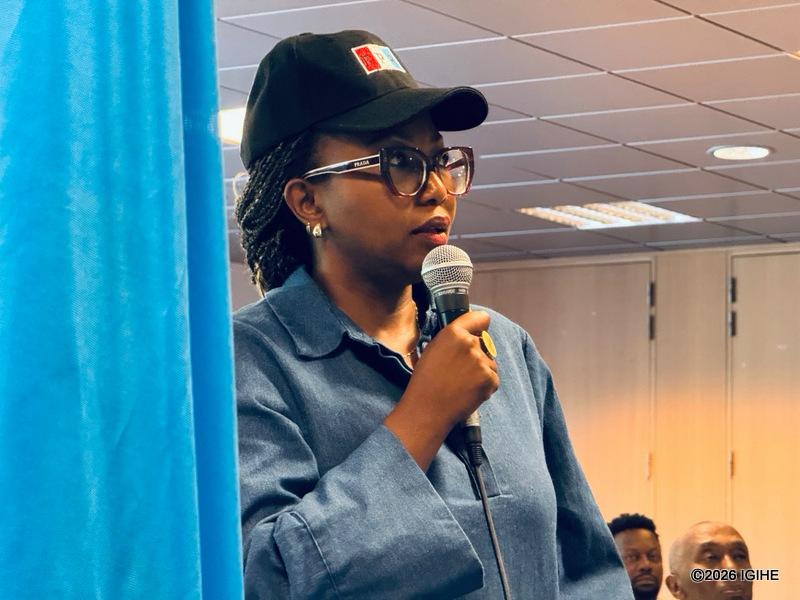
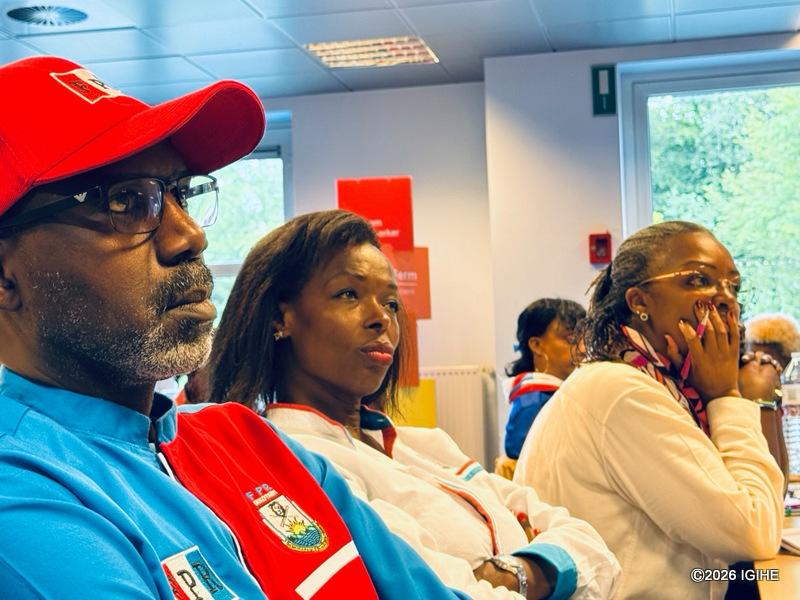
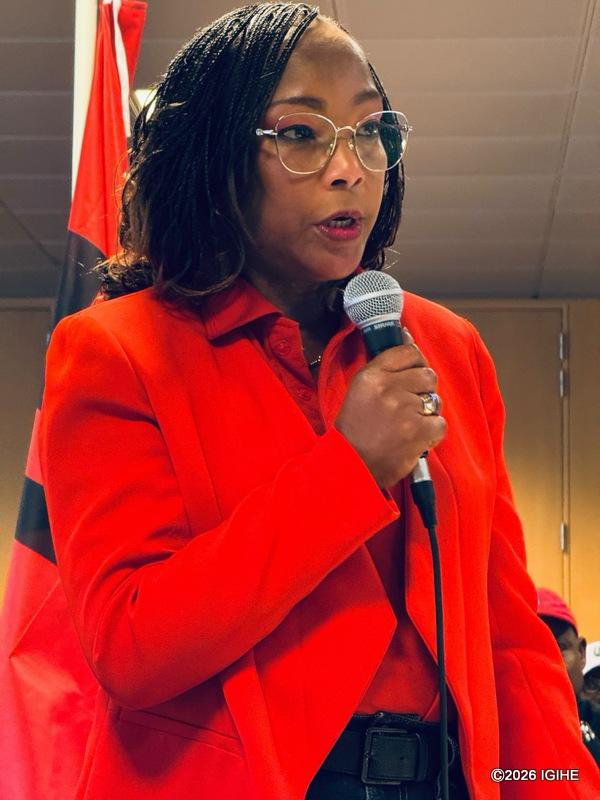
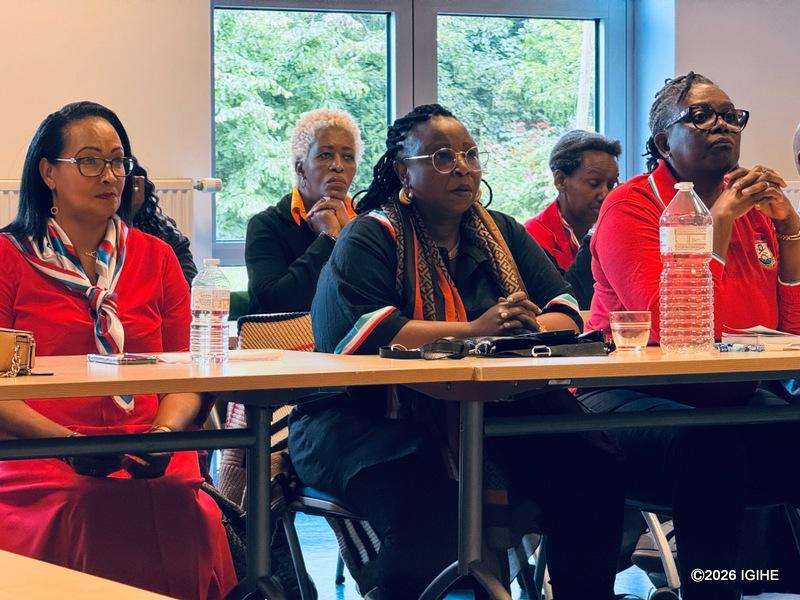
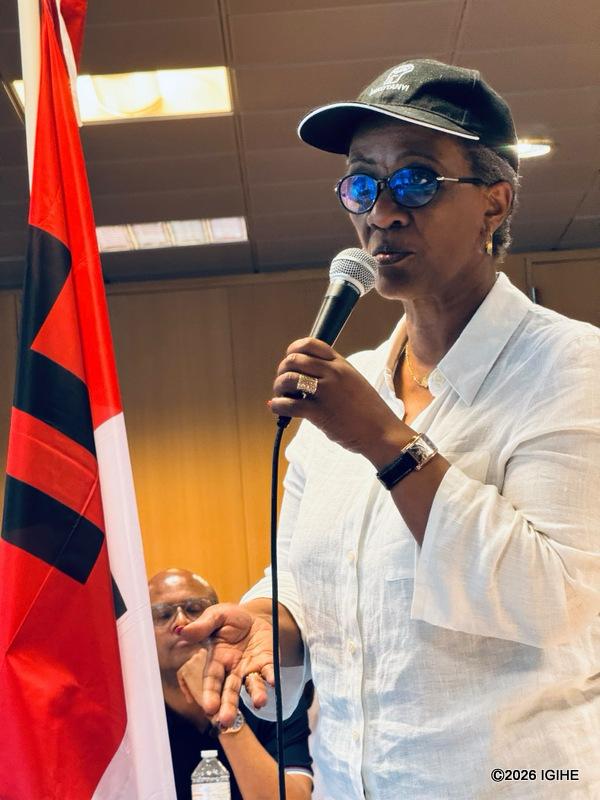
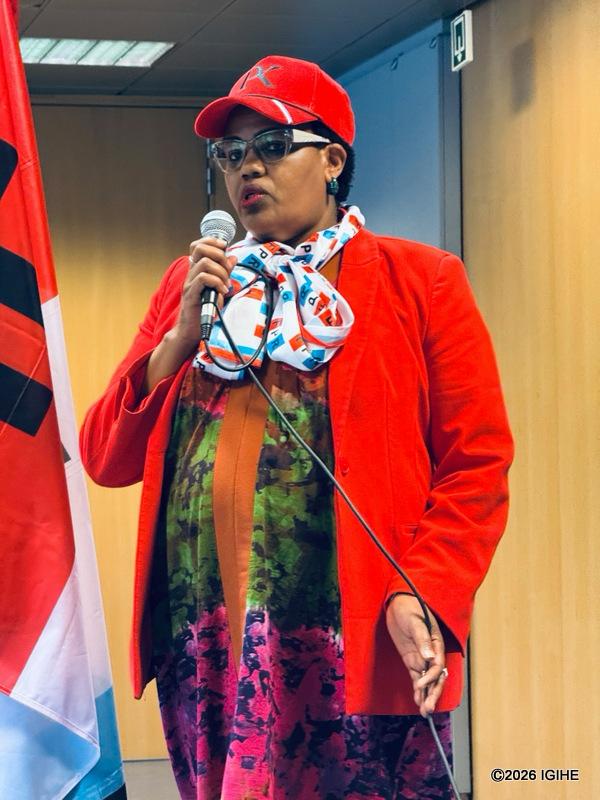
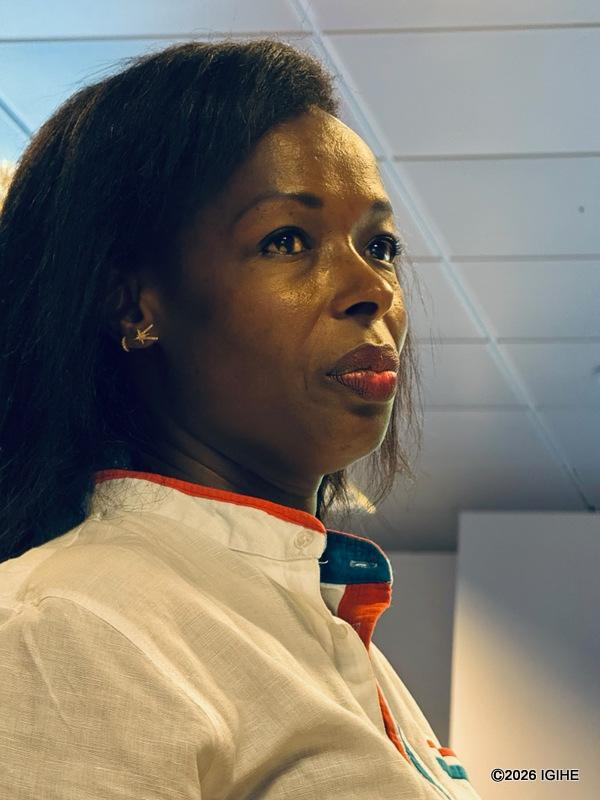
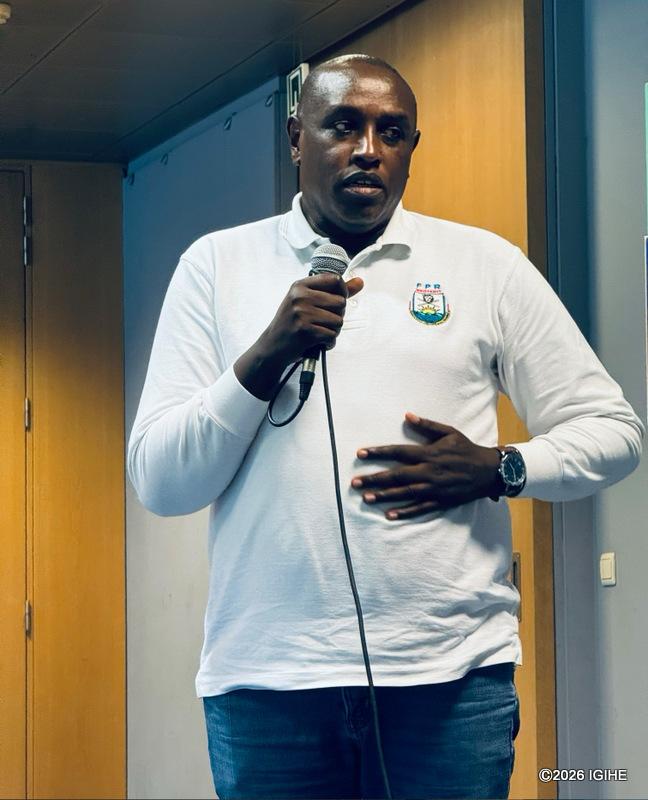
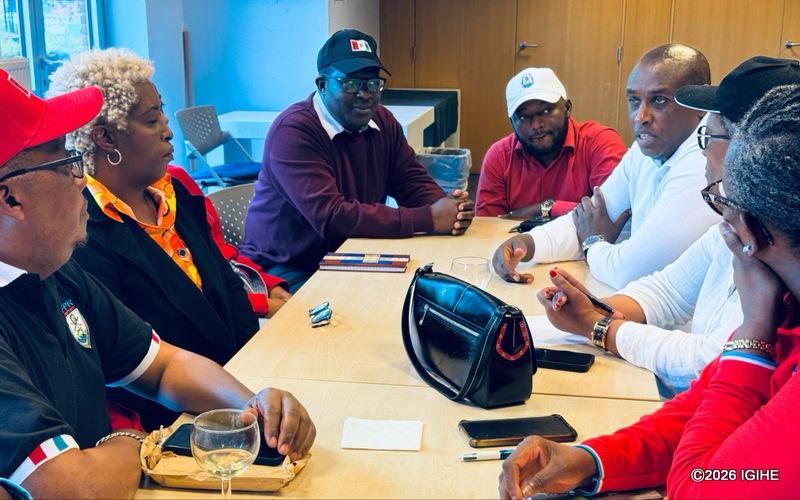
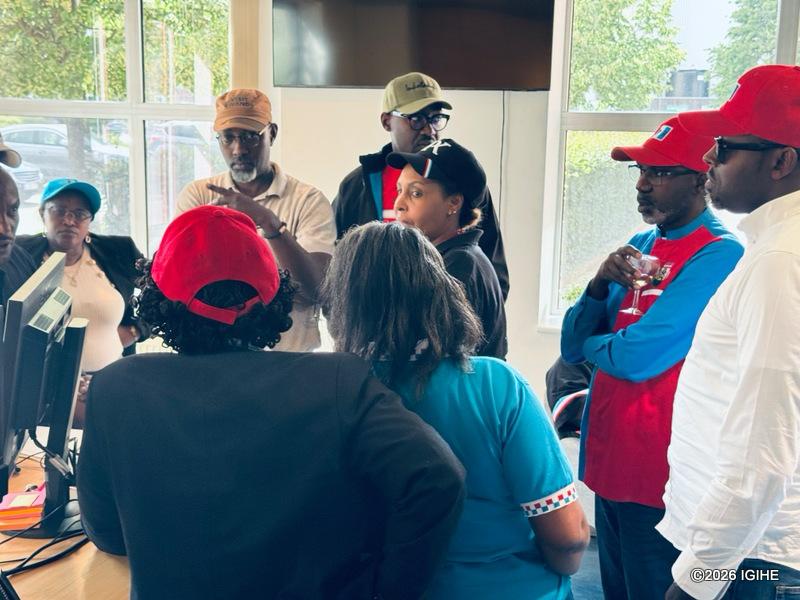
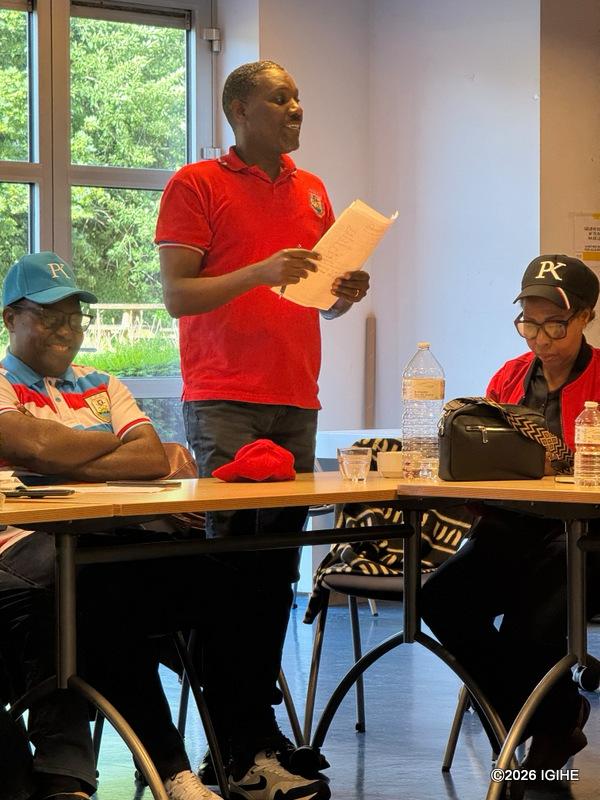
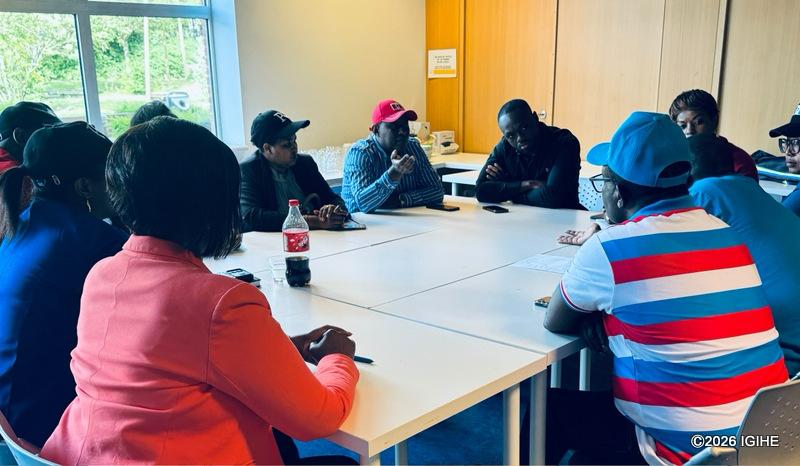
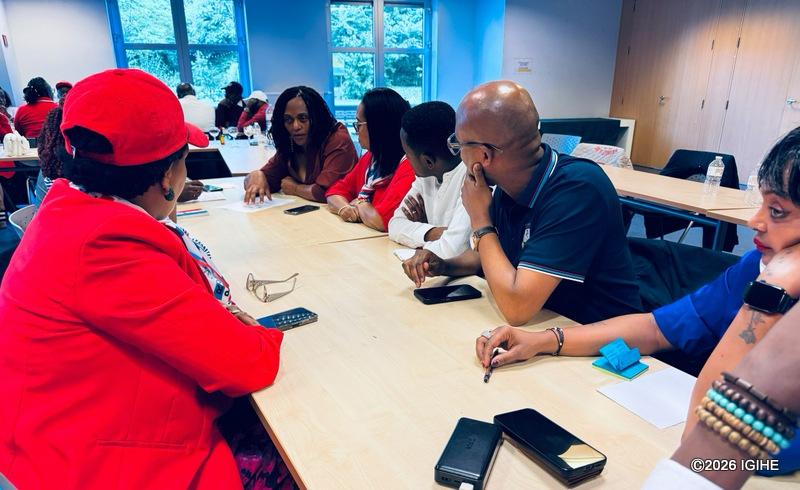
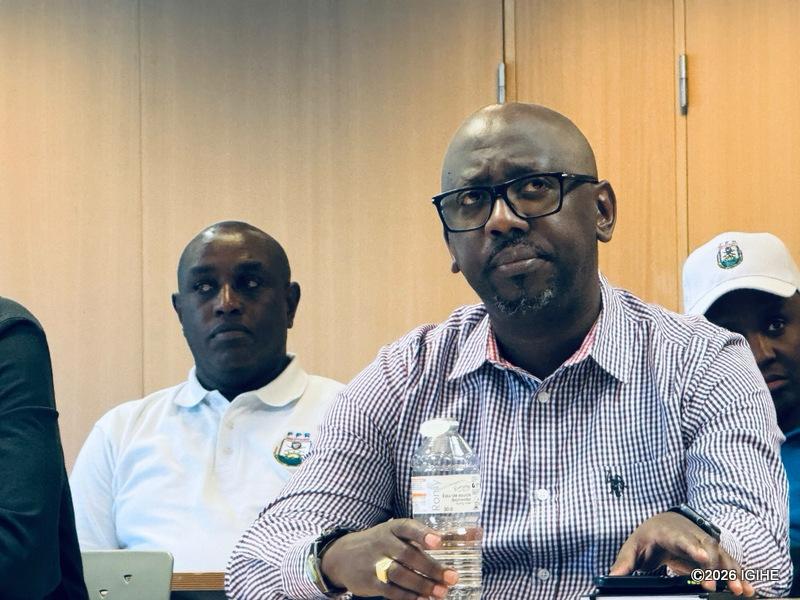
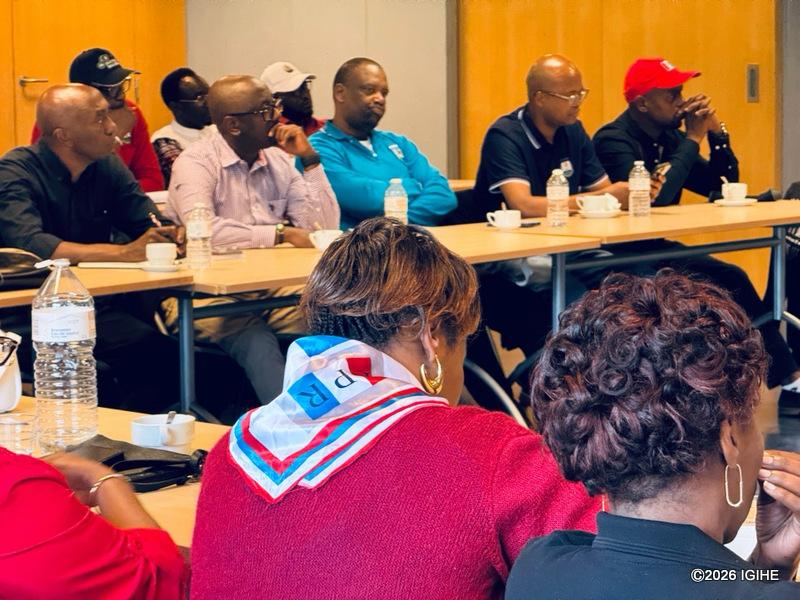
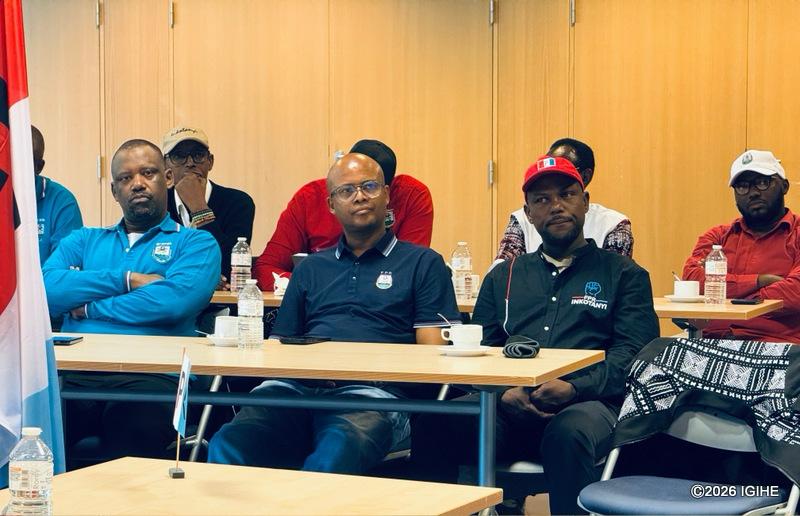
Held on June 13, 2026, the training brought together FPR-Inkotanyi cadres serving in various structures of the movement. Participants were briefed on the party’s strategies and programs, with particular emphasis on the nine pillars that underpin the vision and orientation of FPR-Inkotanyi.
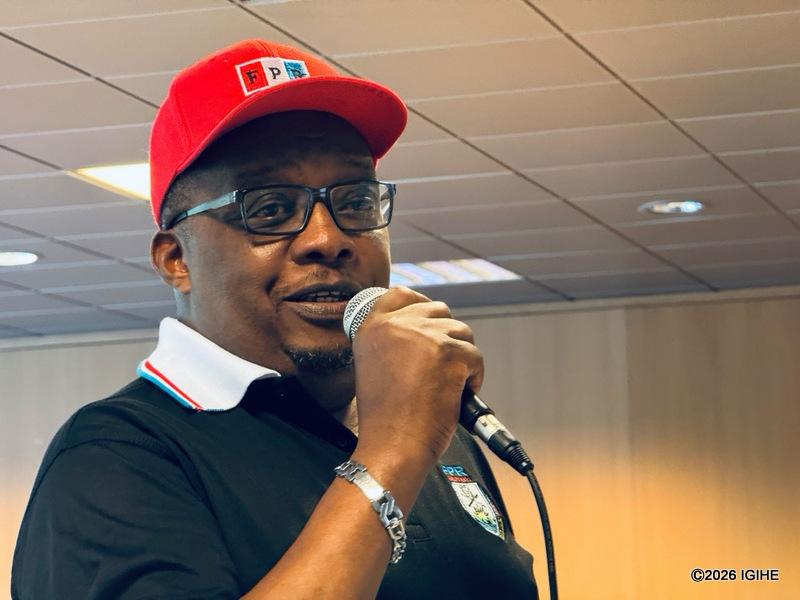
The first presentation was delivered by Theoneste Kalinamaryo, Director of Mobilization at the FPR-Inkotanyi General Secretariat. His presentation was conducted remotely through virtual communication technology.
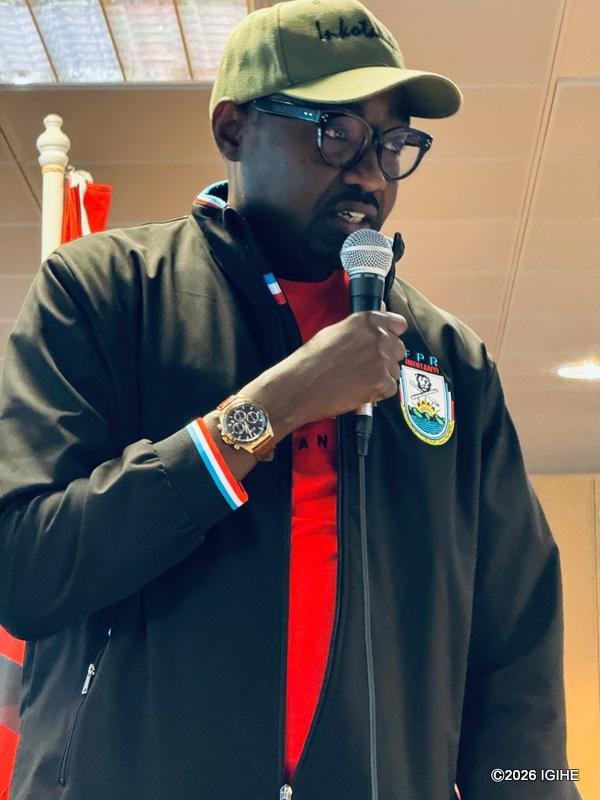
Another session was led by Christian Kanangire, Director of Foreign Relations and Diaspora Affairs at the FPR-Inkotanyi General Secretariat. He addressed issues related to diplomacy and highlighted the role that every member can play in supporting the movement’s international relations efforts.
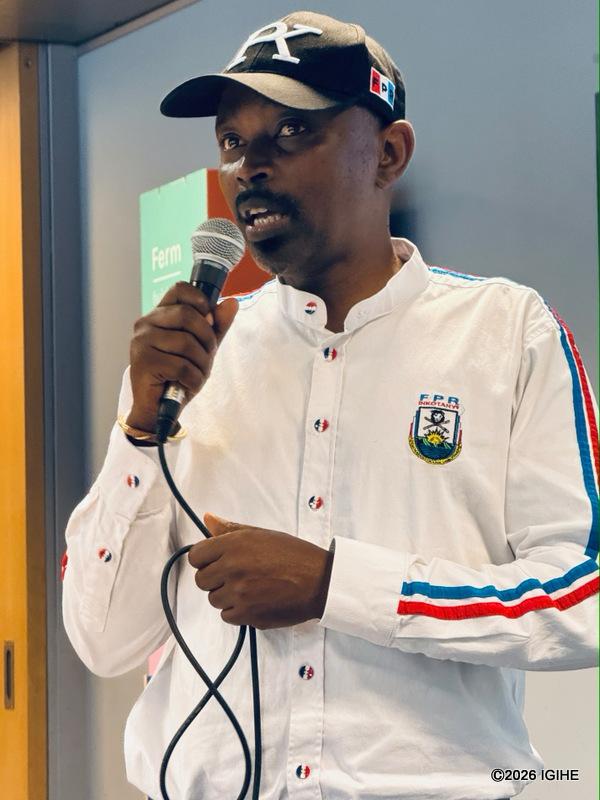
The training session was chaired by Jack-Abby Habimana, President of FPR-Inkotanyi members living, working, or studying in Belgium.
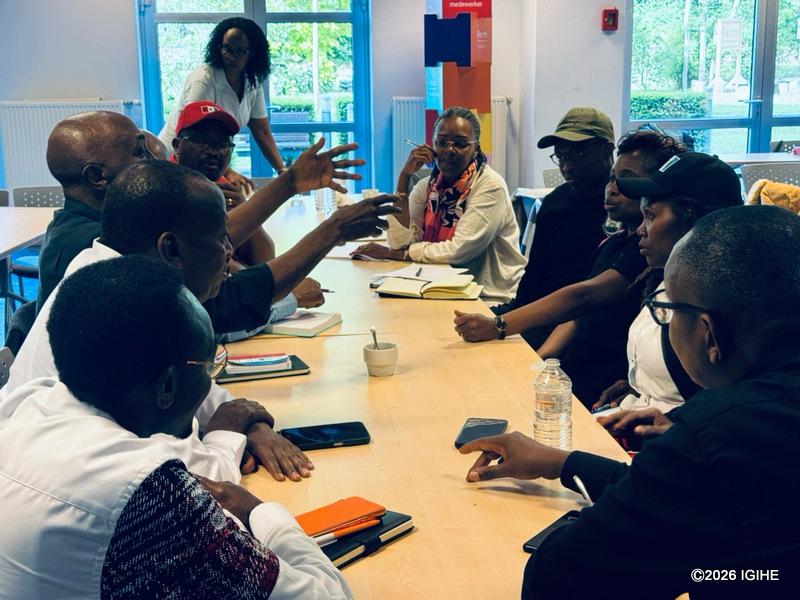
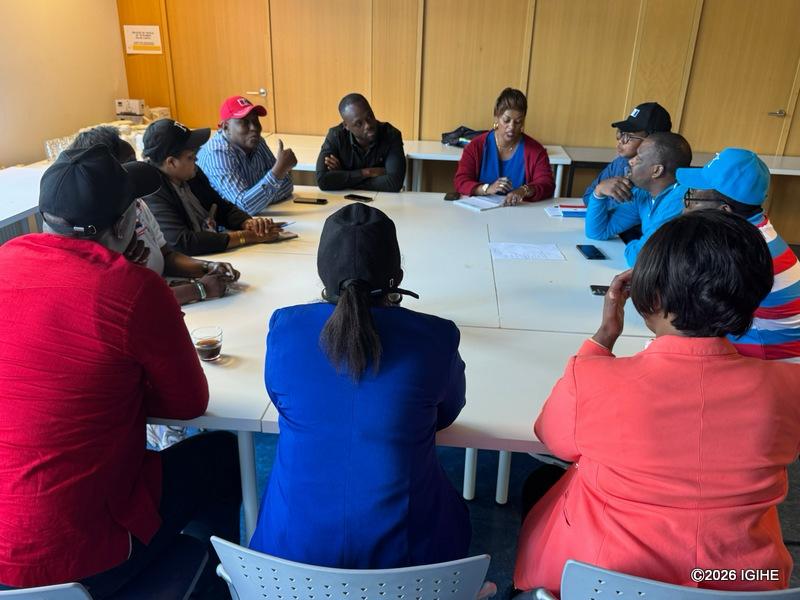
The second part of the meeting featured workshop discussions, during which participants reflected on and proposed concrete ideas on how they could further contribute to the development and growth of the movement from their respective places of residence and work.
The training session was coordinated by Jack-Abby Habimana, President of FPR-Inkotanyi members living, working, or studying in Belgium. Held on June 13, 2026, the training brought together FPR-Inkotanyi cadres serving in various structures of the movement. Theoneste Kalinamaryo, Director of Mobilization at the FPR-Inkotanyi General Secretariat, and Christian Kanangire, Director of Foreign Relations and Diaspora Affairs at the FPR-Inkotanyi General Secretariat, delivered their presentations remotely using communication technology.
The political, legal and technical dimensions of the proposals are still under careful review by the country’s experts and decision-makers, Fars reported, citing a source close to the Iranian negotiation team.
The source stressed that any decision on the potential MoU will be made based on safeguarding national interests, observing Iran’s red lines and receiving the necessary guarantees.
Meanwhile, the news agency reported on Sunday that a Qatari delegation had traveled to Tehran for consultations with Iranian officials and to review the latest developments pertaining to the diplomatic process.
On Saturday, Pakistan’s Prime Minister Shehbaz Sharif wrote on X that the peace deal between the United States and Iran was expected to be finalized within the next 24 hours.
U.S. President Donald Trump said on Saturday that a peace deal with Iran was scheduled to be signed on Sunday and that the Strait of Hormuz would reopen immediately afterward.
However, Iranian Foreign Ministry spokesperson Esmaeil Baqaei reportedly denied that a MoU would be signed on Sunday, citing what he described as “the other side’s hesitation.”
In an interview with state-run IRIB TV on Friday night, Iran’s Foreign Minister Seyed Abbas Araghchi said the signing of the MoU could take place within the next few days.
He added that once finalized, the MoU would be signed digitally by both sides in their respective countries and then announced.
Araghchi noted that following the potential signing, both parties would commit not to initiate any further war and would begin a second stage of negotiations, scheduled within 60 days to reach a final agreement, focusing mainly on Iran’s nuclear program and sanctions removal.
He also said the proposed MoU would include provisions to end the war on all fronts, including Lebanon, and would require Israel to withdraw from the occupied areas.
Other key issues in the MoU include reopening of the Strait of Hormuz, fully lifting the U.S. anti-Iran naval blockade, and releasing Iran’s frozen assets, Araghchi said.
In recent weeks, Iran and the United States have exchanged several peace proposals through Pakistan’s mediation and have been working to finalize an MoU aimed at ending the war.
Iran has not yet made and announced its final decision on a proposed memorandum of understanding (MoU) with the United States and is still reviewing it, Iran’s semi-official Fars news agency reported on Sunday.
The summit takes place against the backdrop of ongoing conflicts in Ukraine and the Middle East, which have added to global economic uncertainties, while divisions between the United States and its European allies have drawn attention ahead of the meeting.
The summit will bring together leaders from Britain, Canada, France, Germany, Italy, Japan and the United States, as well as the European Union (EU), to discuss responses to what France described as an increasingly unstable international environment marked by “rising conflicts, widening economic imbalances and weakened global governance.”
The French Foreign Ministry on Friday outlined several priority areas for the summit, including promoting balanced and sustainable economic growth, strengthening international cooperation, and enhancing critical minerals supply chains. The summit will also include exchanges of views on geopolitical crises.
On economic issues, discussions will address macroeconomic imbalances such as high debt levels and insufficient investment, according to the French Foreign Ministry.
France has identified reducing global economic imbalances as a priority of its G7 presidency. French President Emmanuel Macron said such imbalances have reached levels not seen since the 2007-2008 global financial crisis and risk fueling protectionism and broader economic and geopolitical instability.
The summit will also focus on strengthening international solidarity and improving the effectiveness of development cooperation. Ensuring secure and diversified supply chains for critical minerals is another item on the agenda.
Geopolitical issues will also feature prominently on the agenda. According to the French Foreign Ministry, leaders will exchange views on the Ukraine crisis and the situation in the Middle East, including issues related to the Strait of Hormuz.
Regarding the Ukraine crisis, the aim is to “build convergence” to continue supporting Ukraine in order to achieve a peace that provides “full clarity for Ukraine and Europe on their future security,” according to the French Foreign Ministry.
Ukrainian President Volodymyr Zelensky is scheduled to attend a summit session on Tuesday, and it remains unclear whether he will meet with U.S. President Donald Trump, who is expected to arrive in Evian on Monday evening.
The leaders of Egypt, Saudi Arabia, Qatar and the United Arab Emirates have been invited to attend another summit session on Tuesday to discuss the conflict between the U.S., Israel and Iran, Macron said.
The session will focus on the closure of the Strait of Hormuz, which has “a real impact on our economies,” as well as negotiations concerning Iran, Macron added.
According to Bloomberg, the U.S. and Iran are moving closer to signing an interim agreement at the time of the G7 summit. CNN reported that U.S. Vice President JD Vance may attend a signing ceremony in Europe in the coming days, possibly in Geneva, Switzerland.
In addition, French foreign minister Jean-Noel Barrot on Friday called on the U.S. and Iran to seize the opportunity to end a situation that is unsustainable and sign a peace deal.
Despite ongoing diplomatic efforts on regional issues, differences within the G7 have drawn attention ahead of the summit.
There may be no joint declaration at the end of the summit amid heightened tensions between the U.S. and its European allies, particularly over the Middle East situation, Japan’s Kyodo News reported on Wednesday, citing diplomatic sources.
If confirmed, it would mark the second consecutive year without a joint statement following last year’s summit in Canada.
“For the G7 under the French presidency, having Trump engage constructively would already be a success,” an informed source told French daily Le Parisien.
Heidi Crebo-Rediker, a senior fellow at the Council on Foreign Relations, wrote in a recent article that upon arriving in Evian, Trump could adopt a more assertive tone and use the G7 platform to express dissatisfaction with what he sees as insufficient support from allies following disruptions linked to the Strait of Hormuz.
She noted that significant differences persist among G7 members and could resurface during discussions on the sidelines of the summit. Issues such as support for Ukraine, trade, digital sovereignty, regulation and climate policy are among those where trust in the United States has weakened.
According to a survey published on Wednesday by the European Council on Foreign Relations, only 11 percent of Europeans currently view the United States as an ally, down from 16 percent six months ago and 22 percent in November 2024.
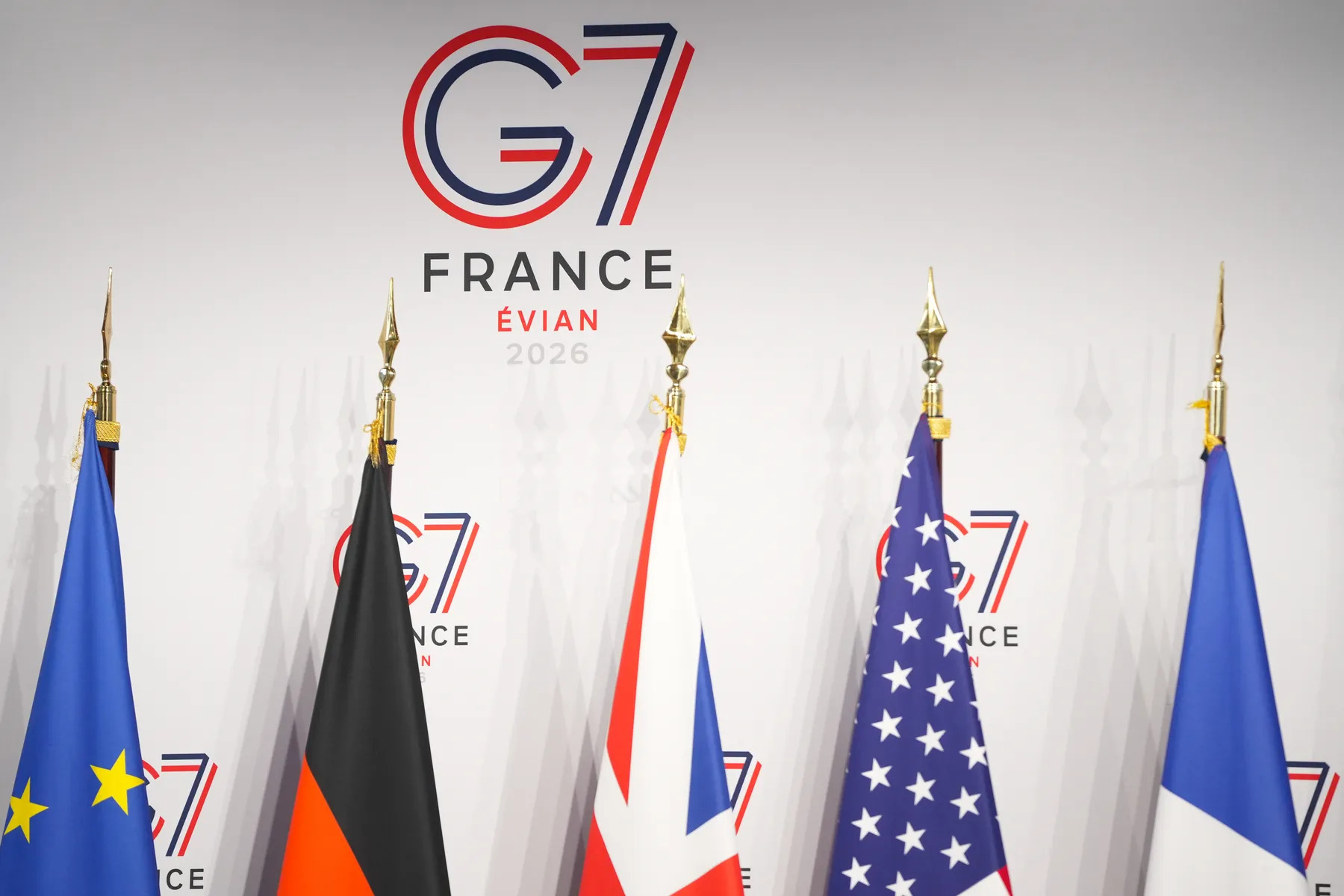
Leaders of the Group of Seven (G7) will meet in the French town of Evian from June 15 to 17, as they seek to address mounting geopolitical crises and global economic imbalances amid growing differences within the group.
The consultations will officially launch in Kigali on Monday, June 15, 2026, marking the beginning of a nationwide exercise aimed at gathering views from citizens and key institutions on the future governance framework of the regional bloc.
The engagements will then be held in Rubavu, Huye and Nyagatare, before concluding on 27 June 2026. The process is designed to ensure broad participation across different parts of the country.
Rwanda becomes the fourth EAC member state to undergo this exercise, following the successful completion of national consultations in Burundi (January 2020), Uganda (April 2021), and Kenya (May 2023).
In the previous sessions, citizens across East Africa actively pushed for deeper integration, recommending milestones such as a common regional currency, unified foreign policy representation, and the ultimate elimination of border restrictions to facilitate completely free movement and trade.
The exercise is part of the EAC’s wider regional effort to involve citizens in shaping the Political Confederation, which represents the final stage of the bloc’s integration agenda.
Stakeholders expected to participate include government officials, members of parliament, the judiciary, civil society organisations, academia, the business community, youth, women, persons with disabilities, religious leaders, media practitioners and political parties.
According to the EAC Secretariat, the consultations will be led by constitutional experts nominated by EAC Partner States and coordinated in collaboration with the Government of Rwanda.
The EAC Deputy Secretary General responsible for Infrastructure, Productive, Social and Political Sectors, Hon. Andrea Aguer Ariik Malueth, said the process is intended to ensure that the proposed Constitution reflects the aspirations of East Africans.
“The national consultations are designed to create awareness on the Constitution-making process, provide an opportunity for citizens to contribute their views, and ensure that the proposed Constitution is people-centred and owned by the people of East Africa,” he said.
As part of the programme, the EAC will also hold high-level engagements with President Paul Kagame, as well as senior government officials, members of parliament, the judiciary, and representatives of key national institutions.
The consultations form part of a broader regional process being conducted across all EAC Partner States, aimed at building consensus on the institutional and governance structures of the proposed Political Confederation.
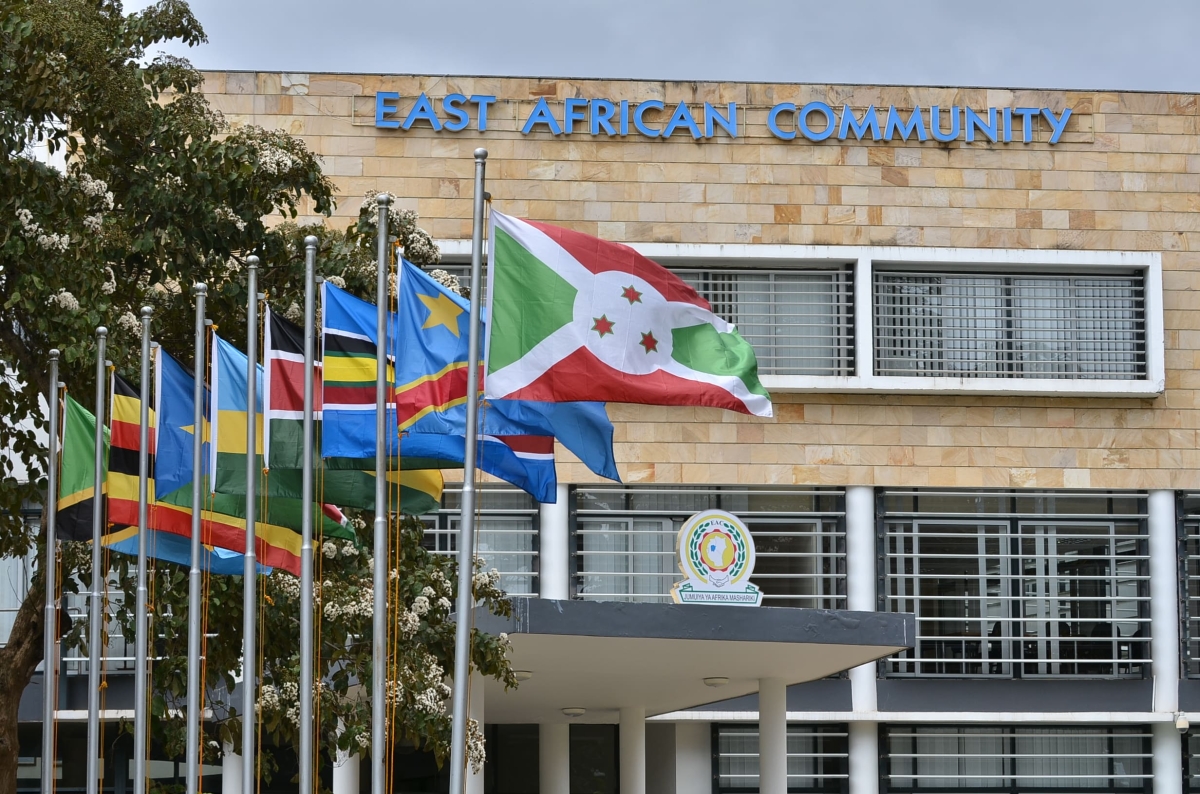
The East African Community brings together eight Partner States, including Rwanda, Burundi, Kenya, Uganda, Tanzania, South Sudan, Somalia and the Democratic Republic of Congo.
The Political Confederation represents the fourth and final pillar of EAC integration, following the Customs Union, Common Market and Monetary Union.
It is intended as a transitional framework towards the long-term goal of a Political Federation of East African States, strengthening coordination in areas such as political affairs, peace and security, foreign policy, and regional governance.
The model was adopted by EAC Heads of State in 2017, with a team of experts led by former Ugandan Chief Justice Benjamin Odoki guiding the constitution-making process.
Rwanda becomes the fourth EAC member state to undergo this exercise, following the successful completion of national consultations in Burundi (January 2020), Uganda (April 2021), and Kenya (May 2023).