The EU continues its attempts to pressure Russia by scaling up unilateral restrictive measures, the ministry said in a statement, adding that Brussels’ destructive actions grossly violate the norms of international law.
“We have also imposed restrictive measures against civil society activists and academics in European countries who hold hostile positions toward Russia, as well as members of national parliaments of EU member states and the European Parliament who voted in favor of anti-Russian resolutions and bills,” said the statement.
Russia has also barred entry to representatives of European institutions and EU member states involved in decisions on providing military aid to Ukraine, it added.
European Council President Antonio Costa said on Thursday that the EU has approved a 90-billion-euro (105 billion U.S. dollars) loan package for Ukraine, along with a 20th round of sanctions against Russia.
Moscow has largely expanded the blacklist of European Union (EU) officials banned from entering Russia in response to Brussels’ 20th sanctions package against Moscow, the Russian Foreign Ministry said on Monday.
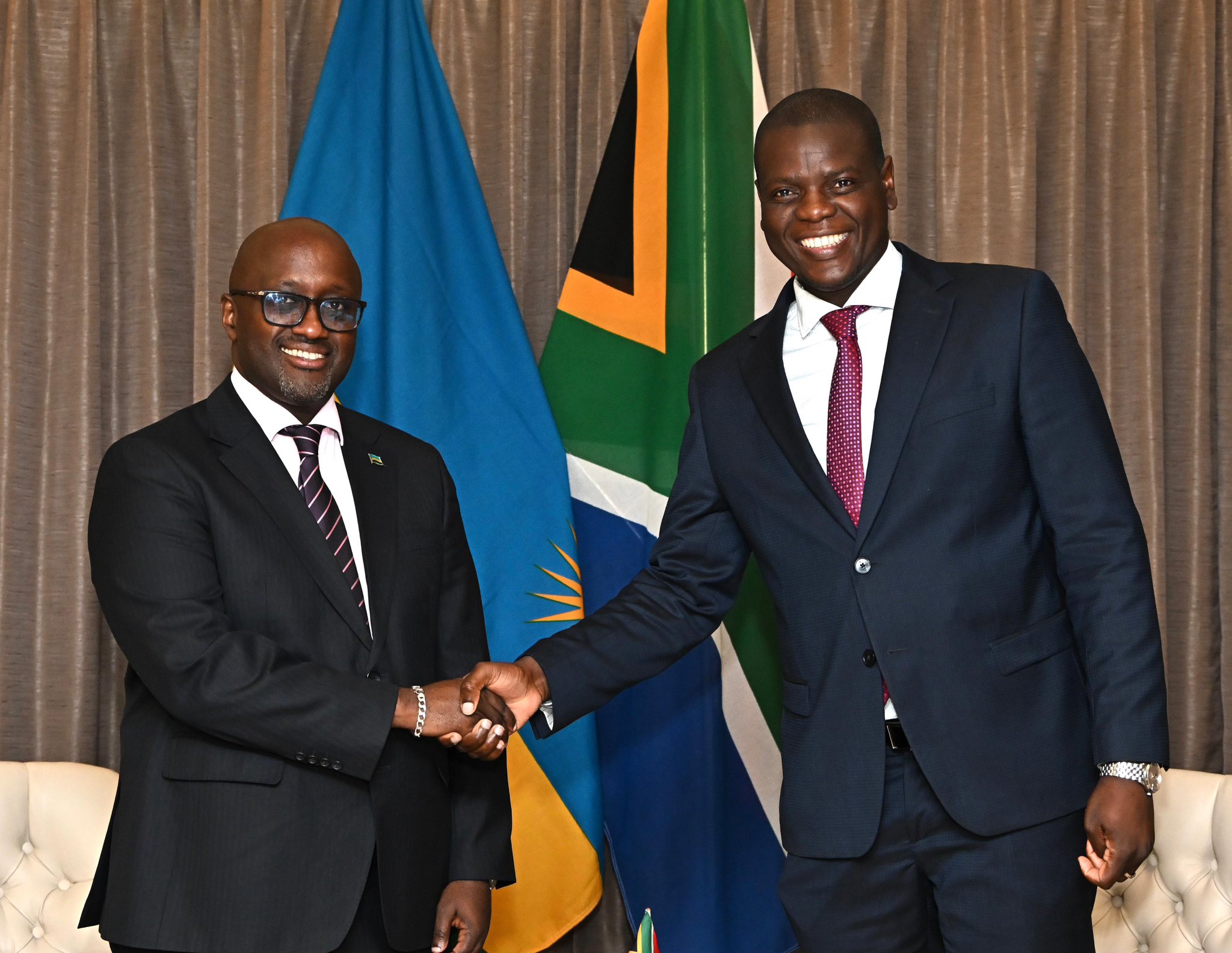
Mbundi took over leadership at the EAC headquarters in Arusha from outgoing Secretary General Veronica Nduva of Kenya, following his appointment by heads of state during the 25th EAC Summit held on March 7. He will serve a five-year term ending in 2031.
Speaking after the handover ceremony, Mbundi said ensuring timely financial contributions from member states will be his immediate priority.
Mbundi also pledged to tackle non-tariff barriers that continue to constrain intra-regional trade, noting that their removal would boost competitiveness and facilitate cross-border commerce.
Beyond financial reforms, he outlined plans to enhance trade, improve the business environment, and reduce transport costs across the region, calling for climate-resilient infrastructure, particularly in road development, to address growing environmental challenges.
Mbundi took over leadership at the EAC headquarters in Arusha from outgoing Secretary General Veronica Nduva of Kenya, following his appointment by heads of state during the 25th EAC Summit held on March 7. He will serve a five-year term ending in 2031.
Kaniki made the appeal amid what he described as continued inaction by the international community in response to ongoing attacks carried out by coalition forces of the Congolese government in areas inhabited by, or hosting displaced Banyamulenge populations in South Kivu Province, particularly in Minembwe.
He noted that the United States places strong constitutional emphasis on the protection of fundamental human rights and that this principle obliges it to oppose any government actions that violate them.
According to Kaniki, these principles are not limited to domestic application but also inform U.S. foreign policy and international engagements.
He further argued that recent mineral extraction agreements signed between the United States and the DRC in December 2025 risk sidelining broader human rights considerations in favour of strategic and economic interests.
Kaniki added that what distinguishes the United States on the global stage is its historical commitment to defending human rights in situations of crisis, urging Washington to reassess its position regarding the ongoing conflict in eastern DRC.
“It is time for the United States to reconsider the side it has taken in the war in the DRC, based on the values that form the backbone of the United States as a nation,” he said.
On April 20, 2026, members of the Banyamulenge diaspora in the United States staged a demonstration in Washington, D.C., calling on the international community to break its silence as reports continue of killings targeting their relatives in their homes and displacement sites.
The protest followed a prolonged period of advocacy by human rights organisations, including MPA (Mahoro Peace Foundation) and MRDP-Twirwaneho, which say they have repeatedly raised concerns without prompting significant international intervention.
The deputy coordinator of the AFC/M23 coalition in charge of economic and financial affairs, and leader of the MRDP-Twirwaneho movement, Freddy Kaniki Rukema, has called on the United States to place greater emphasis on the protection of human rights in the Democratic Republic of Congo (DRC).
The decision was announced on Sunday, April 26, 2026, following an Extraordinary National Congress of the Party.
A statement posted on the party’s official X account confirmed that Ndayishimiye will represent the CNDD-FDD in the upcoming presidential poll.
Among those considered as potential candidates was the party’s Secretary-General, Révérien Ndikuriyo. Reports indicate there have been disagreements between him and the President over certain policy directions and their implementation.
If re-elected in 2027, Ndayishimiye would serve a second term as President of Burundi. He first assumed office in 2020 following a general election victory.
Burundi’s ruling party, CNDD-FDD, has officially designated President Évariste Ndayishimiye as its candidate for the 2027 presidential election.
The Israeli military said in a statement on Saturday afternoon that it had killed more than 15 Hezbollah militants over the weekend.
In another statement, the IDF said it struck Hezbollah infrastructure used for military purposes across southern Lebanon earlier Saturday, and will continue to operate decisively against threats in accordance with directives from the political echelon.
According to the local news website Lebanon Debate, one person was killed and another wounded in an Israeli airstrike on the town of Hadatha in southern Lebanon on Saturday night.
Earlier in the day, Israeli aircraft struck Hadatha twice within less than 10 minutes.
Israeli warplanes also carried out airstrikes on the village of Zebqine, the town of Bazourieh, the town of Al Sultaniyah, and the Dabsha area near a waste treatment facility in Khirbet Selm, Lebanese media reported.
Also in the day, the Israeli army carried out a controlled explosion in the town of Khiam, while reportedly dismantling solar panels and damaging municipal vehicles in the border town of Debel.
On Saturday evening, Israel’s state-owned Kan TV News quoted Israeli security officials as saying that they fear the ceasefire with Lebanon could collapse.
The sources added that Israel demands that the United States put pressure on the Lebanese army to act against Hezbollah in areas north of the Israeli-controlled “security strip” in southern Lebanon, which stretches, according to Israeli statements, from the western coast to the Mount Hermon area and the Syrian border in the east.
The violence came despite a ceasefire between Israel and Lebanon that took effect at midnight between April 16 and 17, following weeks of intensified cross-border fighting linked to the U.S.-Israeli war with Iran.
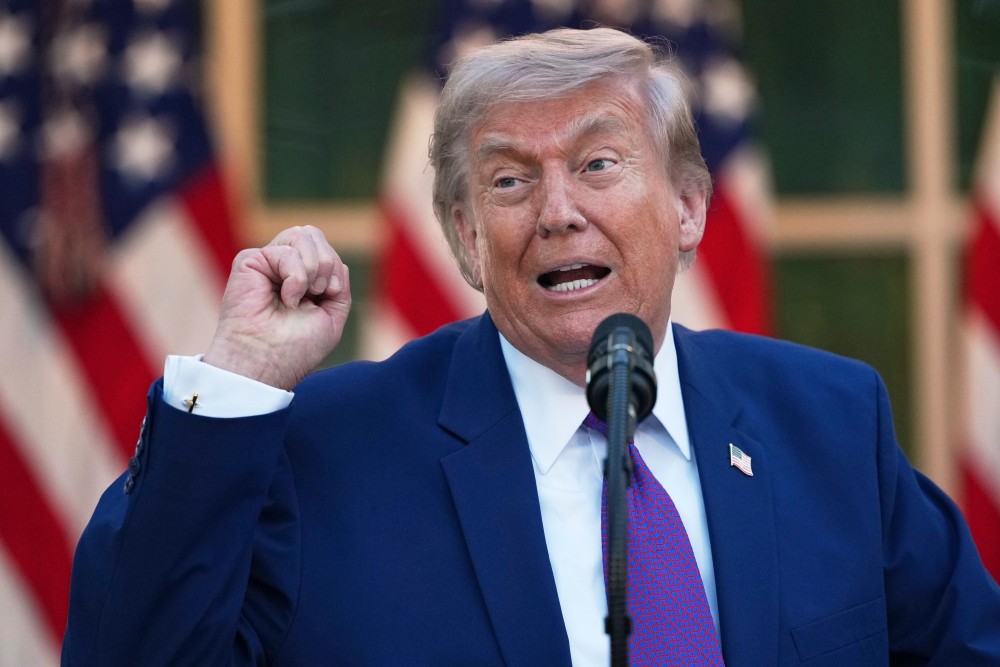
U.S. President Donald Trump said Thursday that the current 10-day ceasefire would be extended by three weeks.
Israeli soldiers patrol along the border with southern Lebanon, in the Upper Galilee of northern Israel, on Saturday, April 25, 2026. Israeli Prime Minister Benjamin Netanyahu has ordered the military to forcefully strike Hezbollah targets in Lebanon.
Reports said detonations were also heard in Mopti, Gao, Sevare, and Kidal. Earlier in Kati, a garrison town in Mali’s Koulikoro Region near the capital, two powerful explosions were heard between 5:00 a.m. (0500 GMT) and 5:30 a.m. (0530 GMT), waking up some residents in Bamako.
“A deafening noise woke up our whole neighborhood early this morning,” a resident of Kati told Xinhua. Local sources said detonations were still being heard in some areas, while residents were staying indoors amid fear and uncertainty.
According to a security source, the incidents were believed to be coordinated attacks targeting positions of the Malian Armed Forces. The situation remained unclear, and no official statement or casualty report was immediately available.
Strong explosions and gunfire were reported early Saturday in several cities in Mali, including Kati and areas of Bamako, local sources said.
According to the statement, in addition to Prime Minister Anatole Collinet Makosso, who was reappointed earlier by President Denis Sassou Nguesso, the new government comprises one deputy prime minister, three ministers of state and 37 ministers.
Among them, Jean-Jacques Bouya, former minister of state for territorial planning and major works, was appointed deputy prime minister in charge of infrastructure development and territorial planning.
Pierre Oba, former minister of state for mines and geology, was appointed minister of state at the presidency in charge of political affairs. Former Minister of State for Trade, Supply and Consumption Claude Alphonse Nsilou was appointed minister of state for construction, urban planning and housing, while former Minister of State for Land Affairs and State Property Management Pierre Mabiala was appointed minister of state for civil service, labor and social dialogue.
In the presidential election held on March 15, Sassou Nguesso won re-election with 94.9 percent of the vote. According to the Constitution, the president is required to appoint a new prime minister to form a government.
Former Prime Minister Makosso and his government submitted their resignation on April 17, which was accepted by the president. On April 23, the presidency announced Makosso’s reappointment as prime minister, tasking him with forming a new government.
In the presidential election held on March 15, Sassou Nguesso won re-election with 94.9 percent of the vote.
The United Nations High Commissioner for Refugees (UNHCR) announced that on April 23, 2026, it facilitated the voluntary return of the first group of 462 Congolese refugees who had been living in Busuma refugee camp in Ruyigi Commune.
The repatriation follows discussions between representatives of Burundi, the DRC, and UNHCR. These talks came after Burundi reopened the Gatumba border in March, which had remained closed for nearly four months due to security concerns.
According to UNHCR, clashes that took place in the Ruzizi Plain late last year forced more than 100,000 Congolese civilians to seek refuge in Burundi, where they were hosted in camps located across different parts of the country.
Jean-Jacques Elakano, the Deputy Governor of South Kivu Province appointed by the DRC government, said the refugees had been living in extremely difficult and inhumane conditions.
He stated, “Our fellow citizens were living in conditions unfit for human beings, almost like hell. The return of this first group will certainly encourage others to come back as well. They need to feel safe and be welcomed by their families so they can reintegrate smoothly into their communities of origin.”
Refugees in the camps in Burundi also faced serious shortages of food and clean water. More than 40 Congolese refugees died in December 2025 from diseases linked to poor sanitation, while others attempted to flee by crossing the Ruzizi River because the border was still closed at the time.
Congolese refugees in Burundi begin repatriation after nearly four months of hardship.Congolese refugees crossing through the Gatumba border.They were welcomed by leaders from various institutions in South Kivu.
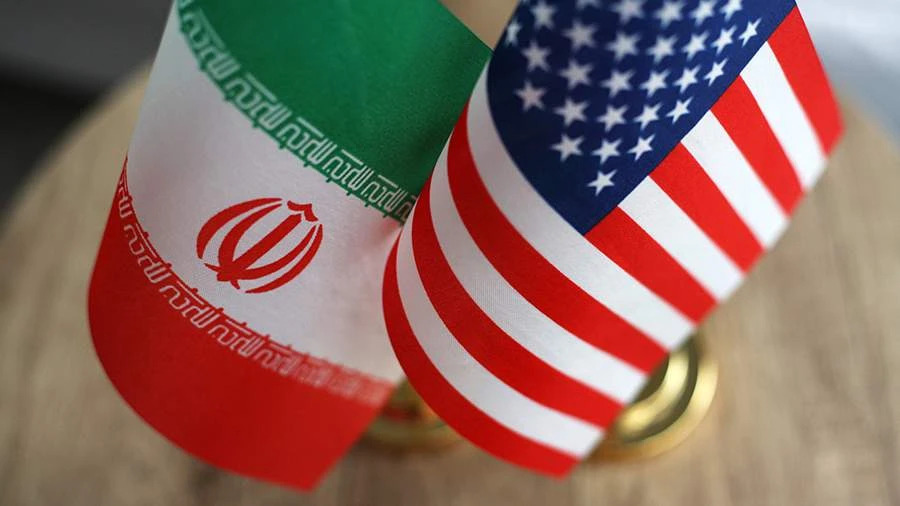
The move follows a week of heightened economic pressure, including new sanctions on shipping companies involved in transporting Iranian oil.
White House Press Secretary Karoline Leavitt confirmed the mission, stating that the U.S. is prepared for “in-person conversations” to move toward a permanent deal, even suggesting that Iran had requested the direct encounter.
However, the nature of the engagement remains a point of intense diplomatic dispute. Shortly after Iranian Foreign Minister Abbas Araghchi arrived in Islamabad for meetings with Pakistani Foreign Minister Ishaq Dar and Army Chief Field Marshal Asim Munir, Tehran issued a firm denial of direct contact.
Iranian Foreign Ministry spokesperson Esmaeil Baqaei clarified in a statement on X that “no meeting is planned” to take place between Iranian and U.S. officials.
Instead, Iran maintains that it will only convey its “observations” through Pakistani intermediaries, highlighting the deep-seated mistrust that has defined the relationship since the 1979 Revolution and the 2018 U.S. withdrawal from the nuclear deal.
Pakistan continues to play a pivotal role as the “bridge” in this conflict, leveraging its unique diplomatic ties with both Washington and Tehran.
While U.S. negotiators express hope that this round of talks will lead to a breakthrough, the conflicting accounts from both capitals underscore the immense challenges of de-escalating a war of aggression that has disrupted regional peace and global trade for 57 days.
US negotiators to go to Islamabad, but Iran says no direct talks.
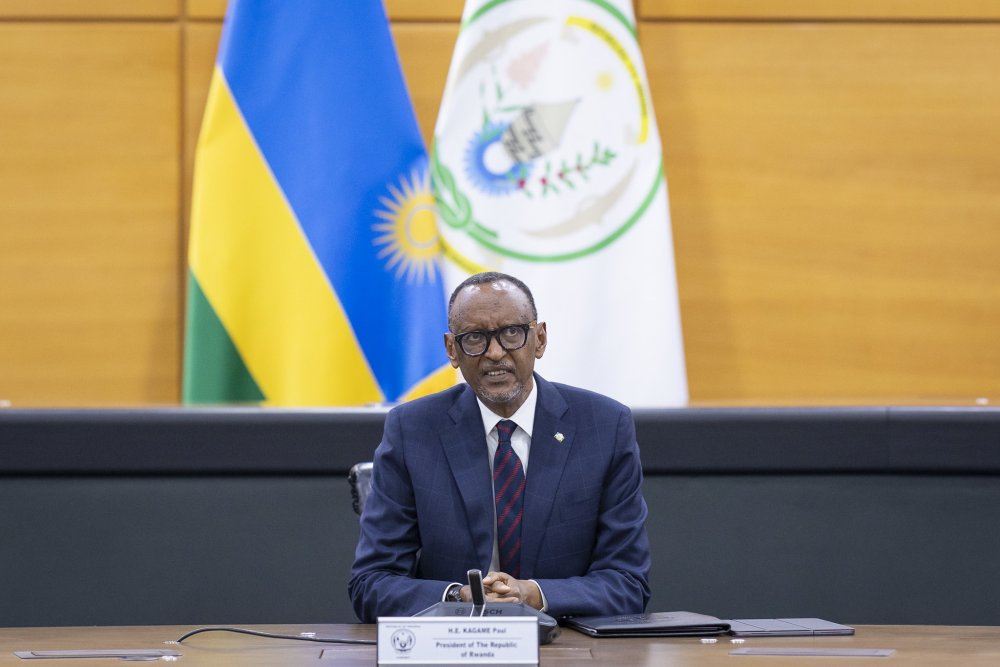
Speaking during a dinner debate at the 2026 World Policy Conference (WPC) in Chantilly, France on Friday evening, Kagame highlighted that the world has never truly offered a fair and stable order, particularly for Africa and the Global South.
He explained that even during periods when the global order appeared stable, deep imbalances persisted.
“There have always been inequalities. There have always been points of conflict,” Kagame said. He added that it has long been taken for granted “that what happens in the global south will always be dependent on and determined by the global north.”
Kagame described the prevailing structure as one in which major powers act freely when their interests are threatened, while smaller and middle powers face blame, punishment, or criticism.
“The smaller powers, the smaller countries, the middle powers, are just supposed to pull the line. Simple,” he stated.
He noted that Africa has been affected by this imbalance “anyway, all along” and not only during times of visible crisis.
“It has been affected even when things look stable globally, under this structure where it is do as I say and as I tell you, and that’s it. Otherwise, there will be consequences,” Kagame observed.
Turning to the question of legitimacy in the international system, he asked: “Who decides what is wrong, who decides what is right, and on what basis? Is it just that you have the power, therefore you will decide what is wrong and what is right?”
Kagame acknowledged that the old order was “a work in progress” but stressed that today’s fragmentation has exposed its weaknesses.
He warned that the ongoing conflict in the Middle East carries serious risks for the wider world, including Africa.
“The situation is very bad. And the big powers need to quickly find a solution. Otherwise, it generates into a bigger problem for the whole world,” he said, pointing to rising oil, food, and fertilizer prices “affecting millions, hundreds of millions of people.”
The Head of State also spoke about Africa’s own path forward. He encouraged the continent to look inward, saying: “The continent needs to look at what it has, almost everything. The people, the other resources, and the good cultures that can be drawn from a lot of knowledge and practices that make people proud of who they are.”
He added that Rwanda’s reconstruction showed the value of starting with internal efforts: “We looked within and found the efforts to rebuild our country, even if we had to be partners with different people and we got a lot of support, but we had to start with ourselves.”
Kagame emphasized that everyone, including small countries, should have space to contribute.
“Everyone should have some space to express themselves and contribute what is good for everyone and for the rest of the world,” he said.
On regional issues, including efforts to address tensions in Eastern DR Congo, Kagame called for patience and depth.
“The problems cannot be addressed overnight. Crisis cannot be overcome in such a short time,” he remarked. “But there is a need to look at the root causes of everything and then give time to dialogue for people to find a win-win kind of solution.”
Founded in 2008, the WPC aims to contribute to improving global governance; examining, discussing, and proposing constructive solutions to major regional and international challenges, in a climate of trust and a spirit of tolerance.
This year’s meeting (18th edition) is held from April 24–26, 2026, at Domaine Les Fontaines in Chantilly, France under the theme, “Between Fragmentation and Interdependence: Rethinking Global Governance.”
It addresses major issues like global trade, AI, and conflicts in Europe and the Middle East.
President Kagame has questioned who defines right and wrong in an imbalanced international system.