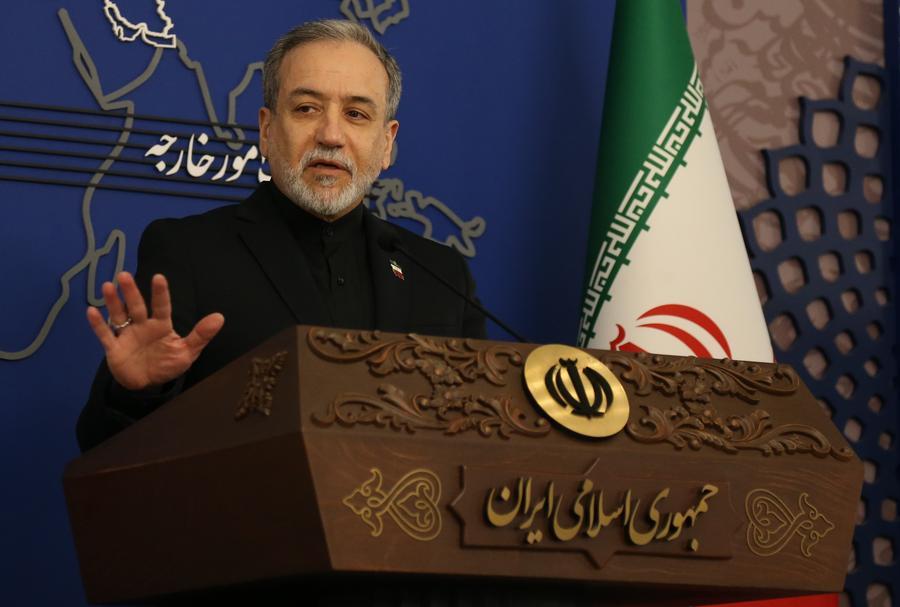
In an interview with state-run IRIB TV, Araghchi said that upon finalized, the MoU will be signed digitally by both sides in their respective countries and then announced.
He added that following the potential signing, both parties will commit not to initiate any other war, and will begin the second stage of negotiations, scheduled within a 60-day period, to reach a final agreement, focusing mainly on Iran’s nuclear program and sanctions removal.
He stressed that Tehran insists that the only acceptable way of dealing with its highly enriched uranium will be diluting it within Iranian territory.
Araghchi also said that the potential MoU would include provisions for ending the war on all fronts, including Lebanon, requiring Israel to withdraw from the occupied areas.
Other key issues in the MoU include the reopening of the Strait of Hormuz, the full lifting of the U.S. anti-Iran naval blockade, and the release of Iran’s frozen assets, he noted.
On the Strait of Hormuz, Araghchi said its management will definitely not to return the pre-war era. While Iran will retain sovereignty and a military presence, a legal system consistent with international law will be established, he said.
He ruled out tolls for passage but noted that charging service fees will be reasonable.
U.S. President Donald Trump said Thursday that the United States had “just made a great settlement of the war with Iran,” with an agreement expected “over the next few days.”
Over recent weeks, Iran and the United States have exchanged several peace proposals through Pakistan’s mediation, and have been working to finalize an MoU to end the war.
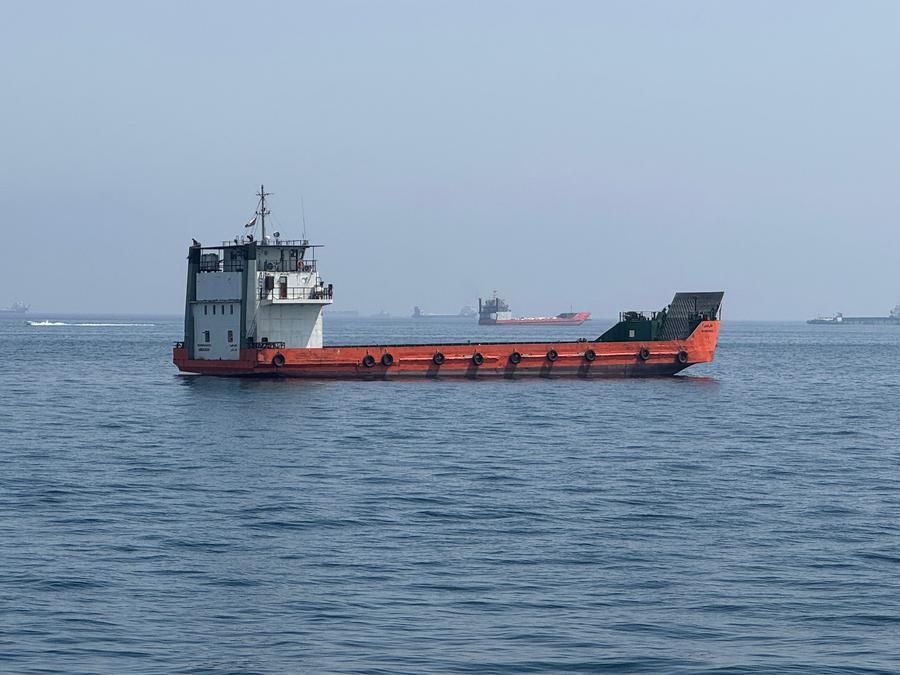
This photo taken with a mobile phone shows merchant vessels stranded in the waters of the Strait of Hormuz, near Khasab, a small town in northern Oman, May 29, 2026. (Xinhua/Wen Xinnian)Iran’s Foreign Minister Seyed Abbas Araghchi speaks at a weekly news conference in Tehran, Iran, on March 16, 2026. (Xinhua/Shadati)
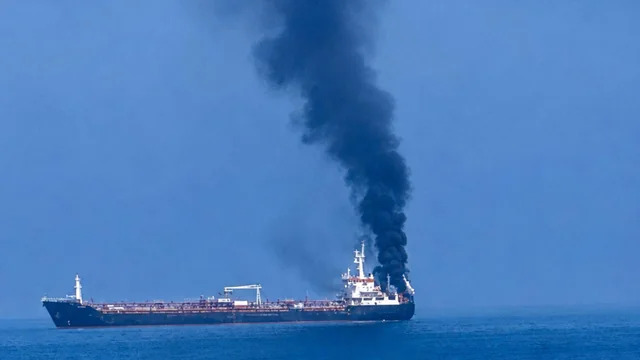
Several attacks by U.S. forces on similar commercial vessels had been reported over the past three days.
The ministry once again conveyed its deep concern over the use of lethal and deadly force against civilian shipping.
Such actions are unacceptable and undermine the safety, security and stability of international maritime commerce in a sensitive region at a difficult time, said the official statement.
India’s Ministry of External Affairs on Friday summoned U.S. Chargé d’Affaires to India Jason Meeks to lodge a “strong protest” regarding the continued attacks by U.S. naval forces on commercial vessels carrying Indian mariners in the Gulf of Oman, said an official statement.
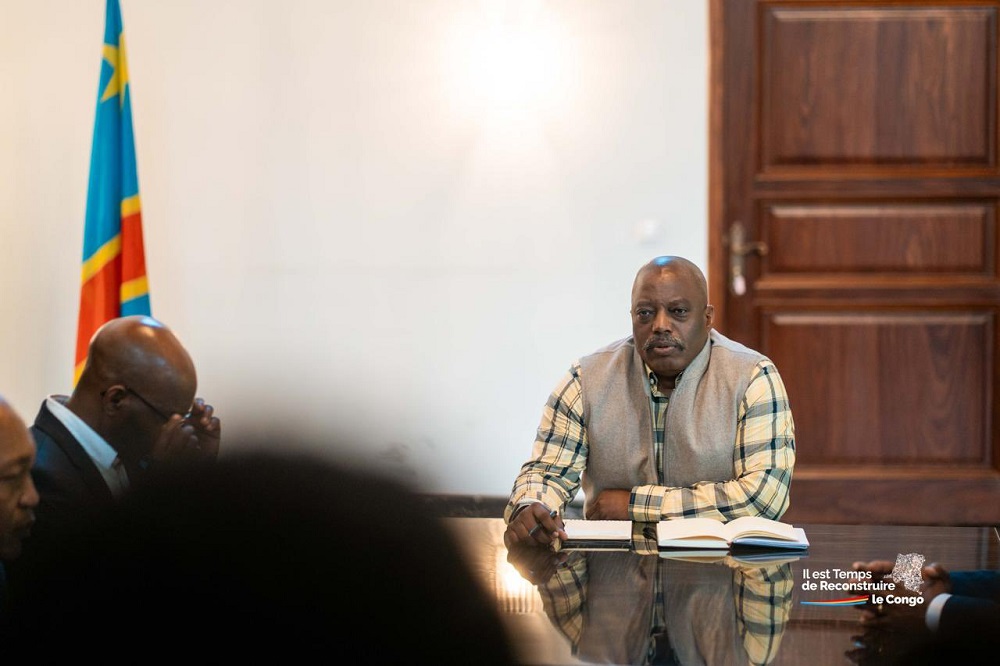
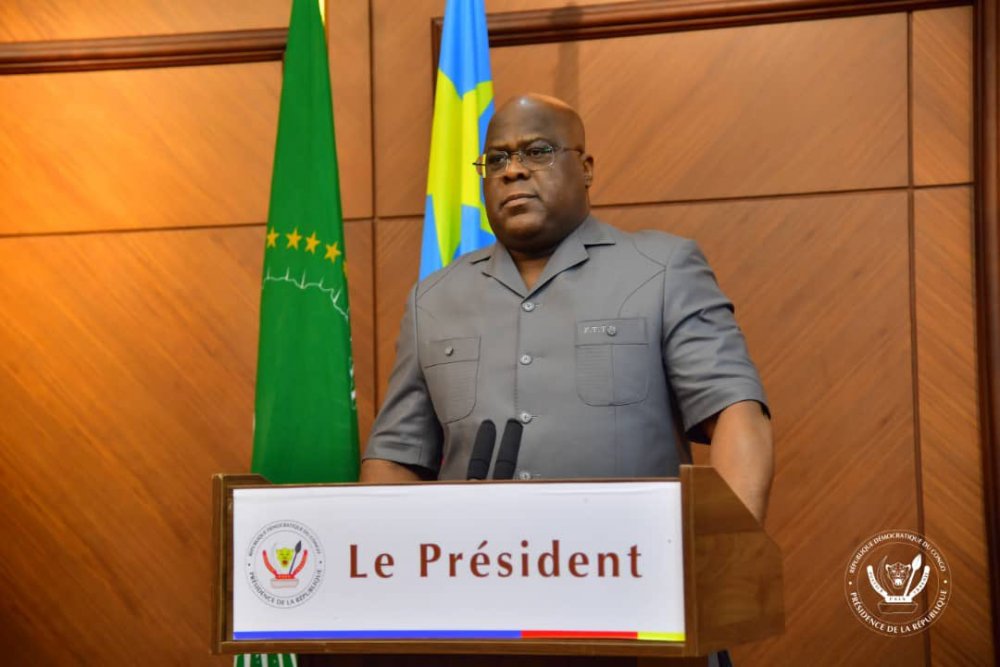
In a statement released late on June 11, 2026, Kabila, who led the country from 2001 to 2019, said the country was “heading towards a cliff” and risked instability or fragmentation unless urgent political reforms were undertaken.
The statement came two days after members of the Congolese Parliament approved by majority a proposal to initiate a referendum on constitutional reform, a process widely seen by critics as potentially paving the way for Tshisekedi to extend his stay in power beyond the constitutional two-term limit.
Kabila described the current governance system as marked by “arrogance,” discrimination, and disregard for fundamental freedoms.
“Our country is governed in an arrogant manner, one that suppresses freedoms, is corrosive, and marked by widespread discrimination against many categories of Congolese. What makes it worse is that it is governed in a way that does not respect established laws,” he said.
He argued that the parliamentary vote reflected a broader shift toward entrenching executive power, warning that the constitutional revision process had moved beyond political speculation into active implementation.
Kabila also warned that the Constitution, as the country’s foundational legal framework, should not be altered for political convenience, saying such a move would amount to a betrayal of national principles.
“A major step has already been taken toward entrenching an authoritarian regime and establishing a system of power whose end is unknown, with no guarantee of democratic political change,” he said.
“Our country is increasingly becoming like a boiling pot of water about to explode because it has been deprived of the oxygen of democracy, which is essential for stability and coexistence,” he added.
Kabila further called on Congolese citizens to take responsibility for defending constitutional order, arguing that external actors cannot be relied upon to resolve internal political challenges.
Citing Article 64 of the Constitution, he said citizens have a duty to resist any attempt to violate the country’s supreme law.
“When the government has taken the decision to amend the Constitution, and given the consequences this may have for the country, I must remind everyone that Article 64(1) of our Constitution states that every Congolese citizen has the responsibility to oppose any individual or group using their power to violate the Constitution. This is not just a right; it is a duty,” he said.
Kabila concluded by urging Congolese citizens to “wake up,” unite, and support all actions aimed at resisting the proposed constitutional changes.
In a statement released late on June 11, 2026, Kabila, who led the country from 2001 to 2019, said the country was “heading towards a cliff” and risked instability or fragmentation unless urgent political reforms were undertaken.Kabila described the current governance system, led by President Félix Tshisekedi, as marked by “arrogance,” discrimination, and disregard for fundamental freedoms.
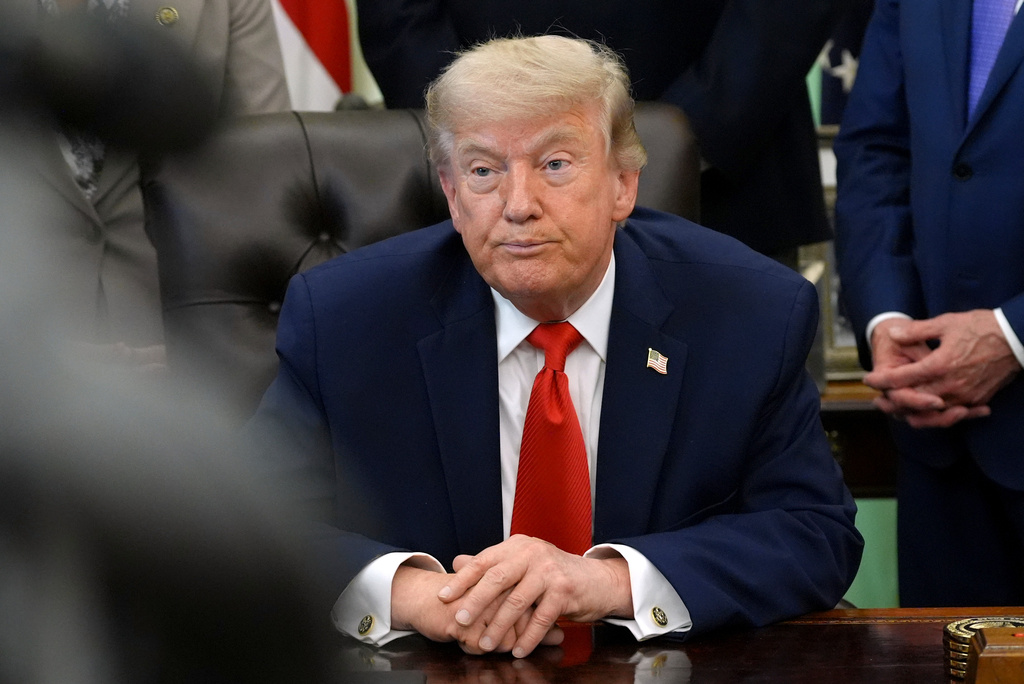
Trump told reporters at the White House that he expected a signing ceremony, attended by Vice President JD Vance, to be held in Europe over the weekend.
He said the documents were in “final shape” and that the deal would be completed “pretty quickly.”
Asked if Iran’s Supreme Leader Mojtaba Khamenei had agreed to the deal, Trump said: “I understand the answer is yes.”
While describing the possible deal as “a little conceptual,” Trump said it is “a very strong memorandum of understanding” and “something that’s going to get done.”
Tehran has not yet confirmed whether it has agreed to terms with the United States on a settlement to end the war that the United States and Israel launched against Iran on Feb. 28.
Earlier on Thursday, Trump vowed to strike Iran for the third consecutive day but announced hours later that he had canceled the plan.
President Donald Trump listens during an event to sign a proclamation about the fishing industry, in the Oval Office of the White House, Thursday, June 11, 2026, in Washington. (AP Photo/Jacquelyn Martin)
Rwanda has strongly rejected allegations by Human Rights Watch (HRW) linking the Rwanda Defence Force (RDF) to forced recruitment, arbitrary detention and other abuses in eastern Democratic Republic of Congo (DRC), accusing the rights organisation of relying on unverified claims while overlooking the role of armed groups backed by Kinshasa.
The response follows the publication of a 78-page HRW report on June 10, which alleges that Rwandan military forces and the M23 rebel movement carried out large-scale forced recruitment and abusive detention of captured combatants and civilians in North and South Kivu provinces between mid-2024 and December 2025.
In a statement posted on X, Government Spokesperson Yolande Makolo dismissed the report as part of a long-standing pattern in HRW’s reporting on Rwanda.
“Human Rights Watch on Rwanda is a 30-year pattern: anonymous claims, no site visits or forensics, sanctions first and investigation later,” Makolo wrote.
She argued that HRW ignored its own findings regarding the involvement of other actors in the conflict, including the Democratic Republic of Congo’s military, the FDLR militia, Wazalendo groups, foreign mercenaries and Burundian forces.
“It should be clear that the RDF is not AFC/M23,” Makolo said. “Any serious investigation requires impartiality, access, forensic rigour, due process, and not conclusions announced in advance, or bombastic calls for sanctions.”
Makolo added that the Washington peace accords remain “the path forward” for addressing insecurity in eastern DRC through dialogue, accountability and regional cooperation.
Rwanda rejects allegations
In a more detailed statement issued by the Office of the Government Spokesperson, Rwanda faulted HRW’s attempt to treat the RDF and M23 as a single actor.
“Alleged M23 conduct cannot be treated as RDF conduct,” the statement said.
The government accused HRW of applying “selective accountability” by focusing primarily on Rwanda and M23 while paying insufficient attention to abuses committed by Congolese government forces and their allies.
According to Kigali, HRW’s own report acknowledges that the Congolese army has supported armed groups opposed to M23, including the FDLR, a militia formed by perpetrators of the 1994 Genocide against the Tutsi.
The statement also cited passages in the report saying Congolese authorities armed, financed and coordinated operations with Wazalendo militias and that government support for such groups contributed to human rights violations.
“Selective accountability applied with selective investigative depth is not accountability,” the government said.
Questions over methodology
Rwanda also poked holes in HRW’s methodology.
The government argued that the report relied heavily on anonymous testimony and lacked on-the-ground forensic investigations.
According to Kigali, no investigators visited the locations where the alleged abuses occurred, no exhumations were conducted and no forensic examinations were undertaken.
The statement also criticised HRW for presenting allegations as established facts while acknowledging uncertainty in sections of the report dealing with legal assessments and satellite imagery.
“An investigation whose conclusions are announced in advance is not an investigation,” the statement said, while reiterating Rwanda’s support for “genuine, independent investigation” based on access, forensic evidence and due process.
FDLR threat
On the FDLR, Rwanda highlighted the militia as a key security threat and accused HRW of failing to adequately examine its role and links to Congolese government forces.
The government argued that any assessment of the conflict must address root causes of insecurity in eastern DRC, including the continued presence of the FDLR near Rwanda’s border.
Kigali also accused HRW of failing to scrutinise alleged violations of the Washington Accords by Kinshasa while placing disproportionate focus on Rwanda and M23.
Rwanda said it remains committed to regional peace initiatives and to pursuing security, accountability and cooperation through diplomatic processes.
“The Washington Accords are the most credible path forward,” the government said, adding that Rwanda would continue to support “a regional solution rooted in dialogue, fairness, and partnership.”
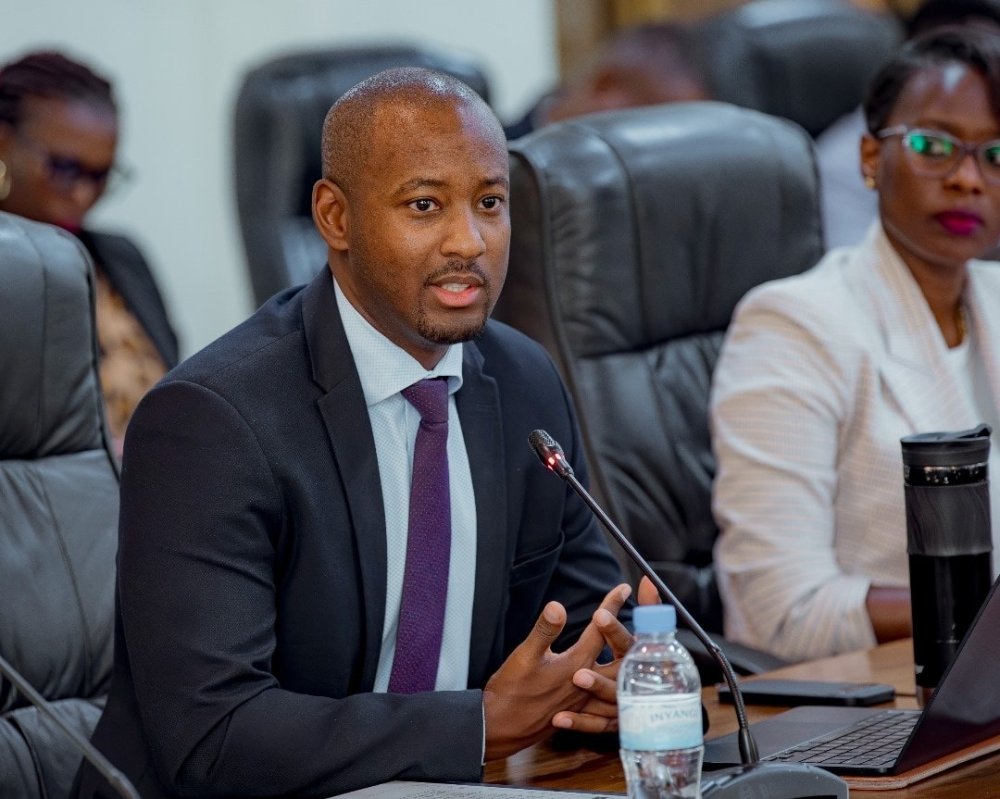
In a statement, Parliament said Icyitegetse formally notified the Speaker of the Chamber of Deputies of his decision through a resignation letter.
Before his resignation, Icyitegetse served on the parliamentary Committee on National Budget and Patrimony, which oversees the preparation and execution of the national budget and the management of state assets.
He was elected to Parliament in 2024 on the ruling RPF-Inkotanyi ticket as a youth representative.
Efforts to reach Icyitegetse for comment on his resignation were unsuccessful, as his phone was unavailable at the time of publication.
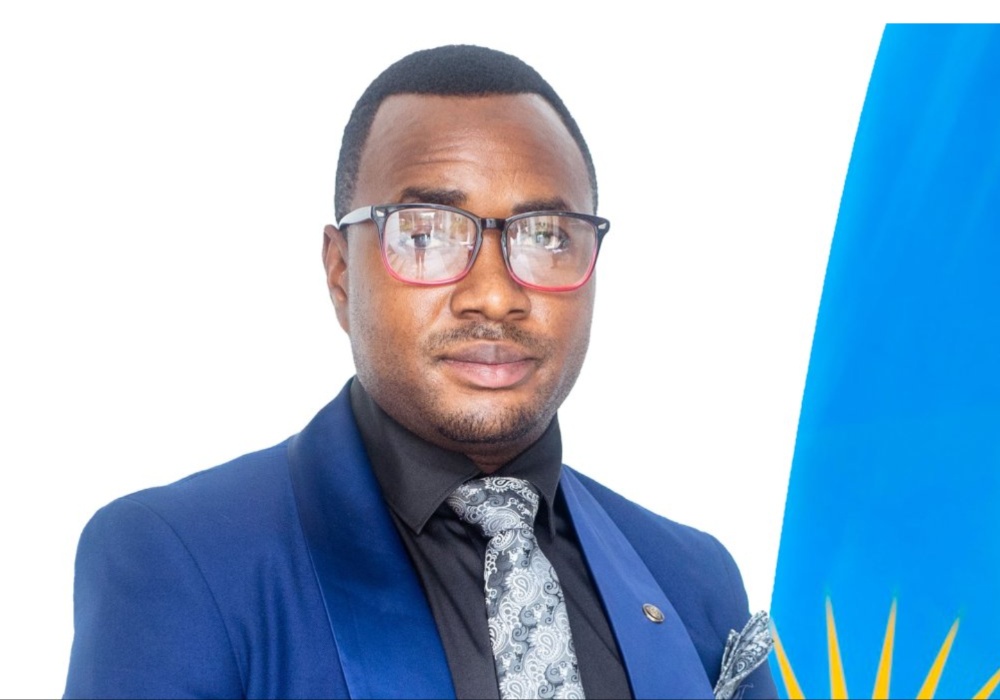
Venuste Icyitegetse was elected to Parliament in 2024 on the ruling RPF-Inkotanyi ticket as a youth representative.
The ministry made the remarks in a statement, strongly condemning Thursday’s U.S. strikes on several areas in Iran and stressing that the U.S. government bears responsibility for the “very dangerous” consequences of the renewed attacks.
The U.S. “crimes and widespread attacks” on Iran were in “flagrant violation” of the UN Charter and the fundamental international law principles, it said, calling for respect for national sovereignty and territorial integrity.
It warned that the U.S. army’s use of the territories and facilities of certain countries in West Asia to prepare for and carry out “aggressive attacks” against Iran has placed those states “on the aggressors’ side.”
The ministry reaffirmed Iran’s determination to take action against the origin and source of the “aggressive attacks” in exercising its inherent right to legitimate self-defense, while reminding regional countries of their legal and moral responsibility to prevent the U.S. army’s use of their territories, facilities and resources for committing the “crime of aggression.”
It also called on UN member states to oppose violations of the UN Charter by the United States and Israel.
The U.S. Central Command said early Thursday its forces had made strikes on multiple Iranian targets in retaliation for Iran’s “unwarranted and continued aggression.”
Following the U.S. attacks, Iran announced the closure of the Strait of Hormuz to all vessels, citing security concerns.
Iran’s Islamic Revolution Guard Corps and the Iranian army said they had launched retaliatory strikes against U.S. bases in Jordan, Kuwait and Bahrain.
Iran, the United States and Israel reached a ceasefire on April 8 after 40 days of fighting. In recent weeks, Tehran and Washington have reportedly exchanged proposals through Pakistan’s mediation and have been working on a memorandum of understanding to end the conflict.
The Iranian foreign ministry said Thursday that fresh U.S. strikes on Iran have effectively rendered an April ceasefire between the two countries “meaningless.”
Among the most notable appointments is that of Damien Murwanashyaka, who was named Minister of Infrastructure, a ministry that has recently been under scrutiny over delayed projects, including roads, dams, and buildings that have led to significant financial losses.
Murwanashyaka joins the government from the private sector, where he brings more than 15 years of experience in the construction industry. A Professional Civil Engineer and Associate Member of the Chartered Institute of Arbitrators, Murwanashyaka most recently served as the Managing Director of Preferred Contractors.
Before that, his senior leadership career included roles as the CEO of UDL, Chief Quantity Surveyor at Real Contractors Ltd, and Projects Manager at ROKO Construction Ltd. He also held consultant leadership roles at Century Engineering and Contractors Ltd and Gasabo 3D Design Ltd.
He graduated with a First Class Honors Degree in Civil Engineering and later earned an MBA from Oklahoma Christian University.
The Ministry of Infrastructure also welcomed Armand Zingiro as State Minister. Zingiro previously served as Chief Executive Officer of the Rwanda Energy Group (REG), a position he held since September 2023 after leading the Energy Utility Corporation Limited (EUCL) from 2020.
He was replaced at REG by Maximilien Byilingiro, who has been appointed the new Chief Executive Officer of the energy utility.
Another new entrant to the ministry is Col Claudien Bizimungu, who was appointed State Minister for Infrastructure. Since 2022, he has served as Deputy Commander of the Rwanda Defence Force’s Engineer Brigade. He was also part of a Rwandan military mission that assisted Jamaica in rebuilding infrastructure damaged by natural disasters.
In the Ministry of Trade and Industry, Marie Antoine Kajangwe was appointed Minister, replacing Prudence Sebahizi. Kajangwe is no stranger to the ministry, having served as Permanent Secretary since August 2024.
Prior to that, she was Director General in charge of Trade and Investment Promotion at the ministry.
Her former position as Permanent Secretary has been filled by Chantal Tuyishimire.
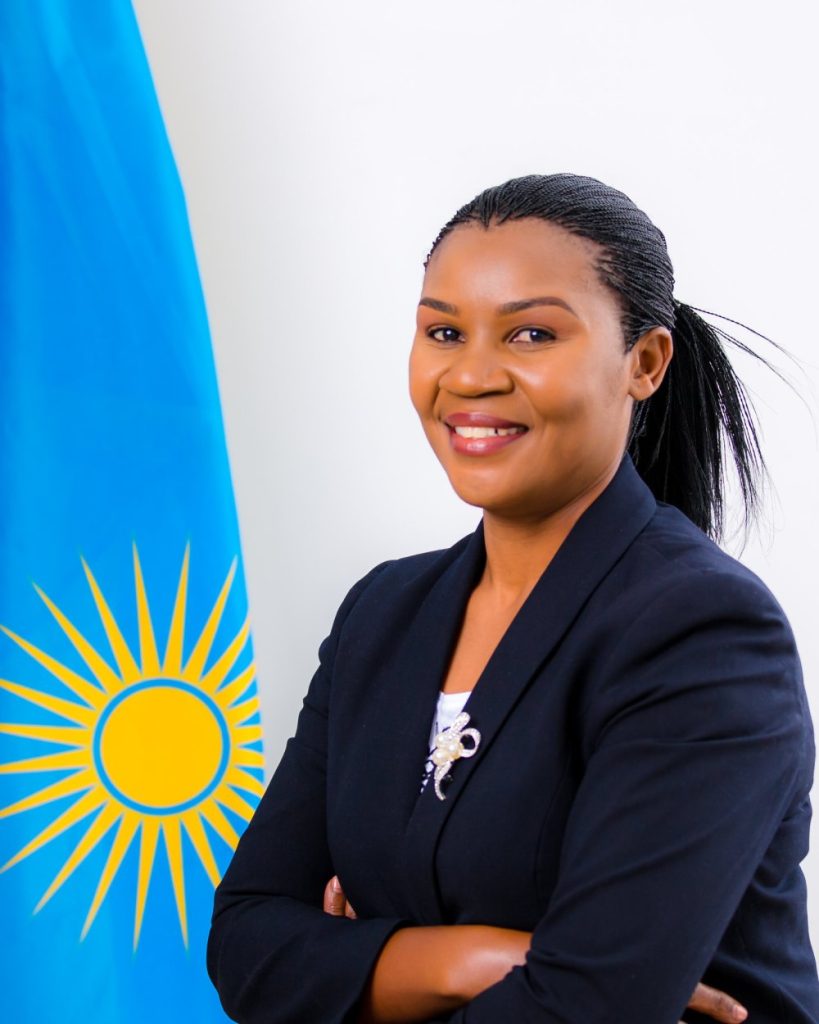
Meanwhile, Judith Uwizeye was appointed Minister of Public Service and Labour, replacing Ambassador Christine Nkulikiyinka. Uwizeye previously served as Minister in the Office of the President following the formation of a new Cabinet in July 2025.
This is not her first time leading the Public Service and Labour Ministry. She held the same portfolio between 2014 and 2017. A lawyer by training, Uwizeye graduated from the former National University of Rwanda in 2006 before earning a master’s degree in International Economic and Business Law from the University of Groningen in the Netherlands. She also taught in the university’s Faculty of Law.
The appointments also included several diplomatic and institutional changes. Lt Gen (Rtd) Karenzi Karake was appointed Rwanda’s Ambassador to China, while Emmanuel Bayingana was named Ambassador to Israel.
Jeannot Ruhunga was appointed Ambassador to Poland, and Christine Nkulikiyinka was named Ambassador to Spain.
Among others, Louise Kanyonga was appointed Chief Executive Officer of Zigama CSS, while Michelle Umurungi was named Deputy Chief Executive Officer in charge of Investments at RSSB at Rwanda Social Security Board.
The changes bring a mix of experienced public servants, private-sector professionals and security experts into leadership positions as the government seeks to strengthen service delivery across key sectors.
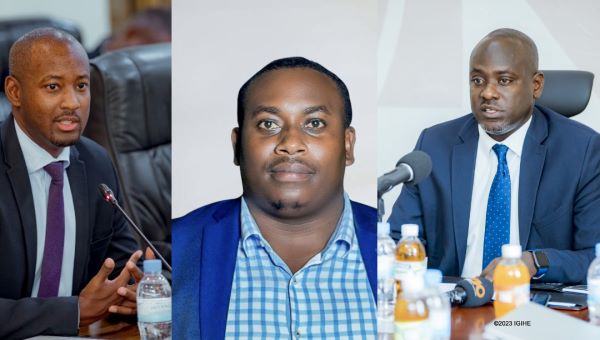
Murwanashyaka was appointed as Minister of Infrastructure, replacing Dr. GasoreKajangwe was named Minister of Trade and Industry, replacing SebahiziJudith Uwizeye was appointed Minister of Public Service and Labour, a position she previously held from 2014 to 2017Zingiro, former REG CEO, is now State Minister in MININFRA
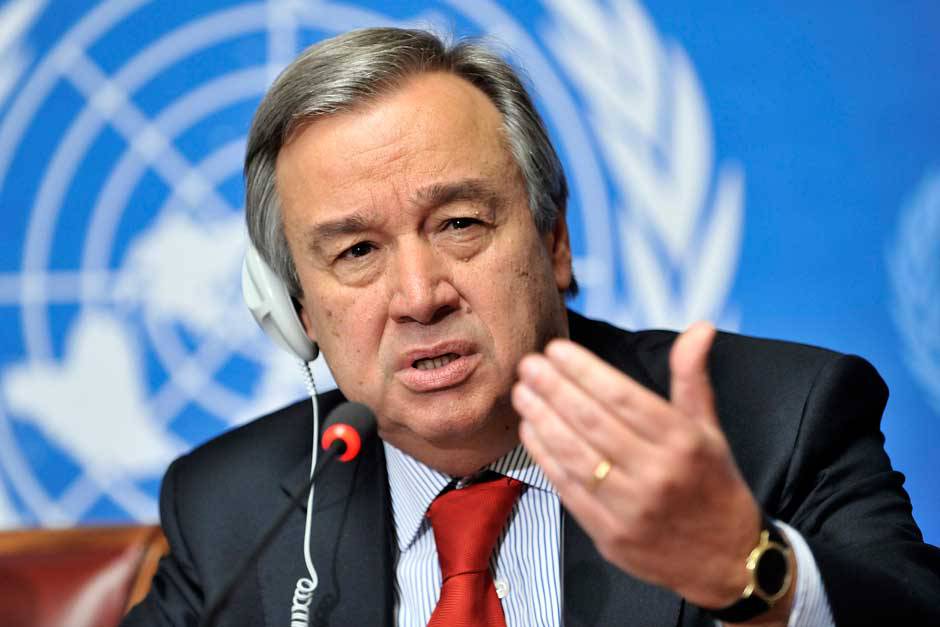
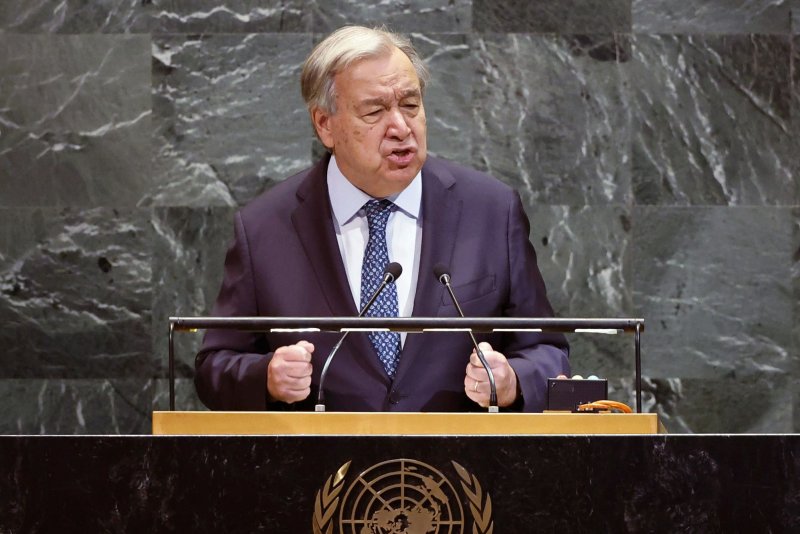
Seventy-three UN personnel remain arbitrarily detained. One UN staff member has died in detention. Some colleagues are being held incommunicado, said Farhan Haq, the deputy spokesman, in a statement to mark two years of Houthis’ detention of personnel from the United Nations, nongovernmental organizations, civil society organizations, and diplomatic missions.
“These actions violate international law, cause deep suffering to families, and have severely constrained the ability of the United Nations and its partners to assist millions of people in need across Yemen,” said the statement.
UN personnel, including those who are nationals of Yemen, are immune from legal process in respect of all acts performed by them in their official capacity, it said.
Guterres underscores the importance of continued dialogue and engagement with the Houthis to secure the release of detained personnel and enable the resumption of humanitarian and development activities. The United Nations will continue to pursue all possible avenues to secure their immediate and safe release, said the statement.
The secretary-general remains steadfast in the United Nations’ commitment to supporting the people of Yemen and their aspirations for a just and lasting peace, it said.
UN Secretary-General Antonio Guterres has reiterated his condemnation of the detention of UN and other personnel and calls for their immediate and unconditional release
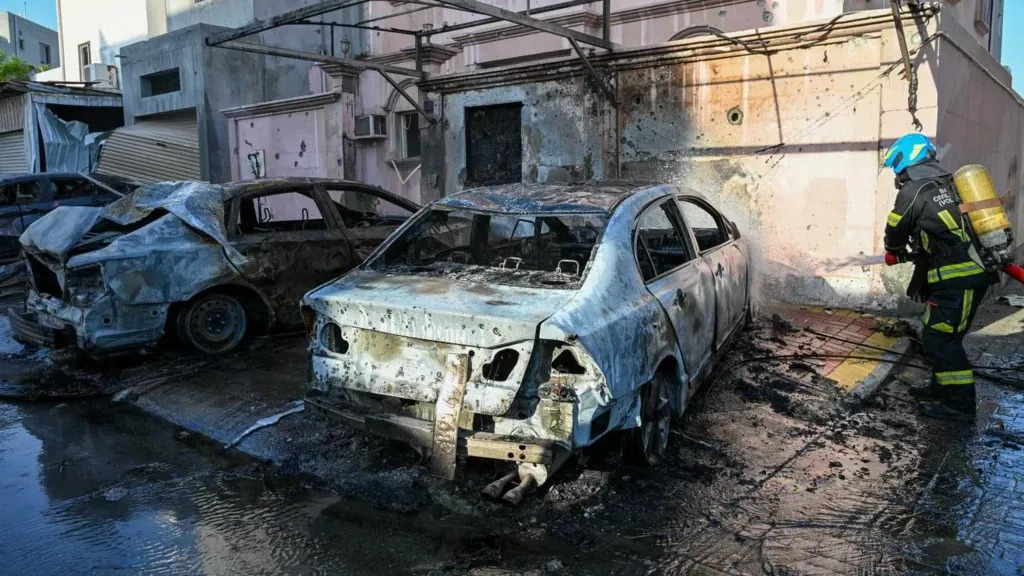
Initial reports indicated that U.S. ships near the Strait of Hormuz were targeted by missiles and drones launched by Iranian armed forces.
Blasts were also heard in the counties of Sirik and Minab and the port city of Bandar Abbas, all in Hormozgan province, as well as on Qeshm and Hengam islands, while air defense systems were activated west of the capital Tehran and in the southern province of Fars, the semi-official Mehr news agency said.
Following the incidents, Khatam al-Anbiya Central Headquarters said the Strait of Hormuz has been closed to all kinds of vessels, including oil tankers and commercial ships, owing to security threats in the waterway.
The headquarters cited the continuation of the U.S. “malicious acts” and attacks earlier in the day in Iran’s southern Hormozgan province, saying any vessel trying to pass through the strait will be targeted.
The developments followed an announcement by the U.S. Central Command on social media platform X, stating its forces had begun launching “additional self-defense strikes” against multiple targets in Iran in response to what it called Iran’s “unwarranted and continued aggression.”
This photo taken with a mobile phone shows merchant vessels stranded in the waters of the Strait of Hormuz, near Khasab, a small town in northern Oman, May 29, 2026. Clashes erupted early Thursday between Iranian and U.S. forces in the waters of the Gulf and the Gulf of Oman, as Khatam al-Anbiya Central Headquarters, Iran’s main military command, announced the full closure of the Strait of Hormuz.