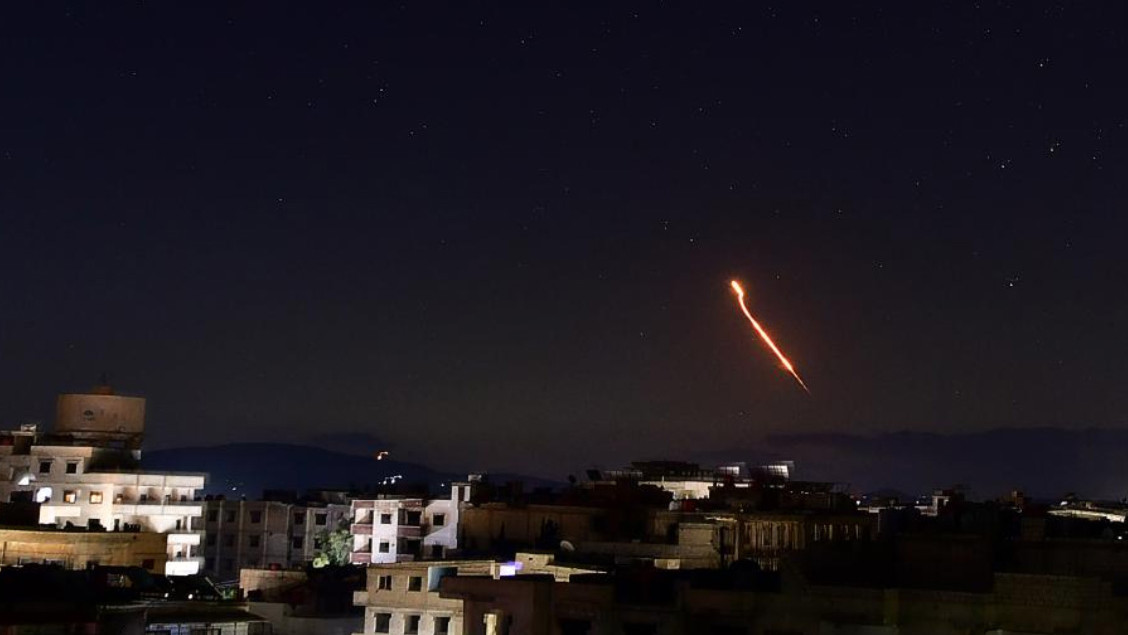
The United States is “holding Iran accountable for recent unjustified aggression against commercial shipping and civilian crews freely navigating a vital international waterway,” the command said in a post on X.
More than 20 U.S. Navy warships were patrolling waters across the Middle East on Wednesday, the command said in an earlier post.
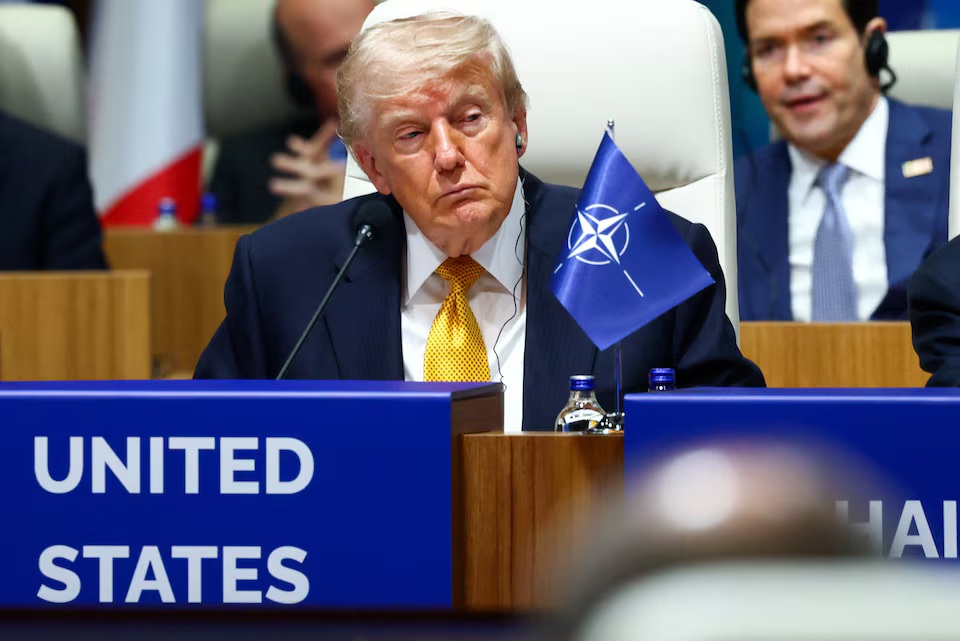
The move came after U.S. President Donald Trump warned at the NATO summit in Ankara earlier the same day that the U.S. military would probably hit Iran again.
“I’ll give a little warning: We’re going to hit them hard tonight,” Trump said, adding that he did not expect a full-fledged conflict with Iran.
Following Trump’s remarks at the summit, Iran’s Press TV, citing an informed source, reported that Iran would close the Strait of Hormuz and strike twice as many targets given any fresh U.S. attack.
The developments came as the United States and Iran traded fresh attacks from Tuesday night into Wednesday, marking a new round of escalation.
US forces conducted strikes against Iran for a second straight day to “degrade” Iran’s ability “to threaten freedom of navigation in the Strait of Hormuz,” as announced by the United States Central Command.
Speaking at the NATO summit in Ankara, Trump described Spain as a “terrible partner” and instructed Treasury Secretary Scott Bessent to stop all trade with the country, escalating a dispute over Madrid’s opposition to NATO’s new defence spending target of 5% of gross domestic product (GDP).
“I don’t want to do any trade with them, alright?” Trump said before turning to Bessent, who replied, “Yes, sir.”
Trump then added: “Take it immediately. Don’t even talk to them. They’re hopeless. They’re bad people … They make so much money with us, and we’re going to see that they make a lot less.”
The comments marked the second time Trump has publicly directed Bessent to halt trade with Spain. He made a similar threat in March after Madrid rejected higher military spending targets, although trade between the two countries continued uninterrupted.
European leaders had hoped the summit would showcase NATO unity, stronger support for Ukraine and increased defence commitments. Instead, Trump’s remarks reignited tensions within the alliance over military spending, the Iran conflict and broader transatlantic relations.
Trump has repeatedly criticized Spain after Prime Minister Pedro Sanchez refused to allow the United States to use Spanish airspace and military bases during the Iran war. Washington and Madrid jointly operate two major military bases in southern Spain that support U.S. naval and air operations.
“Spain doesn’t agree to anything, and you shouldn’t carry them,” Trump told NATO Secretary General Mark Rutte during the summit.
Rutte sought to ease tensions, noting that Spain had increased defence spending to 2% of GDP last year but acknowledged “there are still issues we have to solve.”
Spain dismissed Trump’s latest comments, with Sanchez’s office describing them as “business as usual” and insisting bilateral relations with Washington remained “excellent.”
The Spanish government also noted that Spain runs a trade deficit with the United States and stressed that, as part of the European Union’s customs and trade union, individual member states cannot negotiate separate trade arrangements with Washington.
Spanish Health Minister Monica Garcia was more critical, writing on X that Spain was “a sovereign, democratic country that defends multilateralism and peace.”
“What’s terrible is confusing diplomacy with bullying,” she said.
Trump also widened divisions within NATO by renewing his demand that the United States should control Greenland, the semi-autonomous Danish territory that has become a recurring point of contention with Copenhagen.
“Greenland is very important for the United States, but it’s not important for Denmark,” Trump said, arguing that Washington should have retained control of the island after World War II.
Danish Prime Minister Mette Frederiksen rejected the suggestion, saying: “We are ready to defend every inch of NATO, including our own territory.”
Trump’s remarks extended beyond Europe, with the U.S. president declaring that a fragile ceasefire with Iran was effectively over following fresh American strikes and accusing Tehran of violating the truce.
“It’s over. I don’t want to deal with them,” Trump said. “They’re scum. They’re sick people. They’re led by sick people.”
Rutte defended the U.S. military response against Iran and praised Trump for pushing European allies to spend more on defence.
“I think what you did last night was absolutely necessary. It was a very strong response,” Rutte said, adding that Trump’s pressure had helped European countries “raise their game” on military spending.
Despite Trump’s threats, analysts say it would be difficult for the United States to single out Spain for trade restrictions because trade policy with EU member states is negotiated collectively by Brussels rather than individual governments.
Meanwhile, major U.S. investors continue to view Spain positively. BlackRock recently identified Spain as its preferred market for equity exposure, citing stronger economic growth than most developed economies, even as overall U.S. investment in Spain declined during the first quarter of 2026.
Spain exports products including olive oil, auto parts, steel, chemicals and wine to the United States, although economists say its economy is less exposed to potential U.S. trade retaliation than several other European countries.
Speaking at the NATO summit in Ankara, Trump described Spain as a “terrible partner” and instructed Treasury Secretary Scott Bessent to stop all trade with the country.
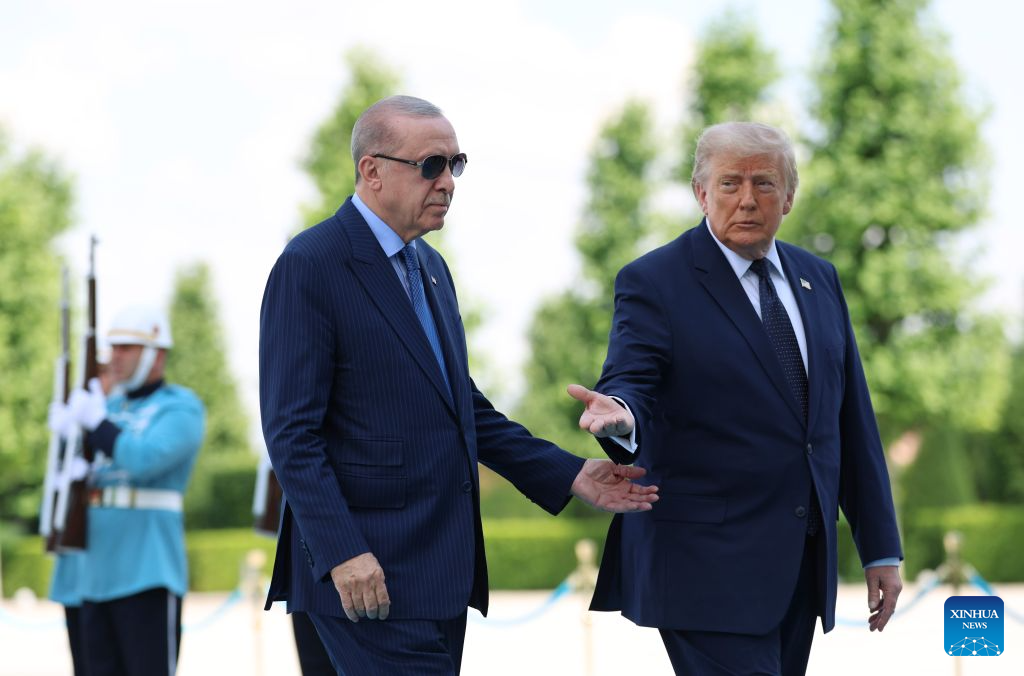
Answering journalists’ questions before a meeting with Turkish President Recep Tayyip Erdogan at the Presidential Complex, Trump sharply criticized European allies.
Stating that Italy, France, and Germany “let us down,” Trump asked, “So why are we spending hundreds of thousands of dollars, and they didn’t come to our aid?”
Erdogan said during the meeting that Türkiye was making every effort to stabilize Iran-U.S. relations.
The reluctance of European countries to send warships to support U.S. efforts to “reopen” the Strait of Hormuz had prompted criticism from Trump, who harshly accused European allies of benefiting from U.S. security guarantees while refusing to offer help in the Iran war.
Turkish President Recep Tayyip Erdogan (L) meets with U.S. President Donald Trump at the Presidential Complex in Ankara, Türkiye, July 7, 2026. (Mustafa Kaya/Handout via Xinhua)
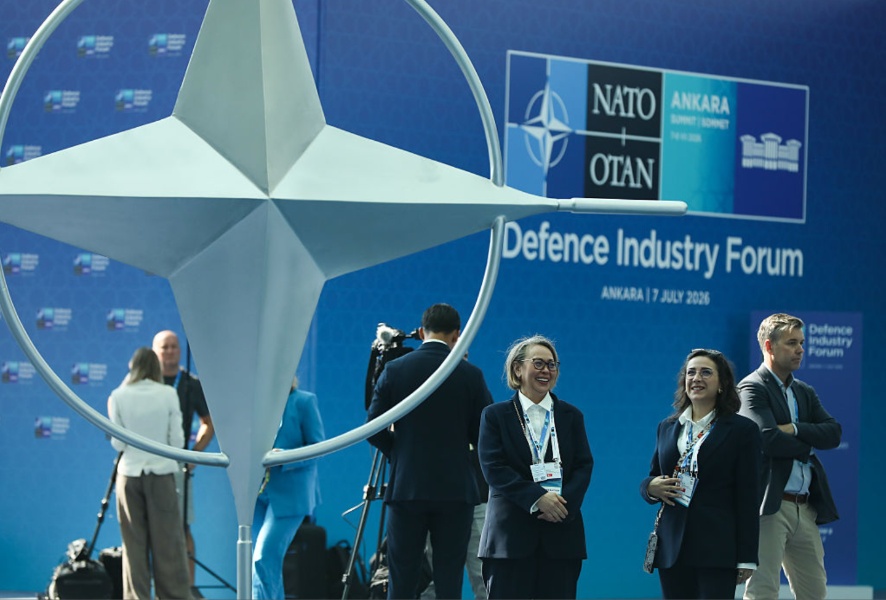
Marking its first inclusion in a NATO summit, the forum brought together senior NATO officials and representatives from major Western defense companies to discuss efforts to integrate military supply chains across member states.
At the event, NATO Secretary General Mark Rutte launched the Drone Edge Initiative aimed at strengthening counter-drone capabilities, saying member states would commit more than 40 billion U.S. dollars to the sector over the next five years.
He also unveiled a new Front Door platform designed to facilitate private defense companies’ access to alliance contracts, and a 2.8-billion-dollar industrial cooperation initiative under which U.S. defense companies, including Lockheed Martin, could partner with European firms to produce U.S.-designed weapons, such as Abrams tanks and ATACMS missiles, in Europe.
As part of broader efforts to expand logistical and operational capacity, several allies, including Türkiye, launched new joint procurement initiatives to enlarge NATO’s fleets of strategic transport and aerial refueling aircraft.
Türkiye also announced plans to contribute two domestically-produced observation satellites to support NATO’s space capabilities.
The latest initiatives come as Rutte continues to press allies to raise defense spending to 5 percent of gross domestic product by 2035, amid calls from Washington for European members to shoulder a greater share of the alliance’s defense responsibilities.
The push has triggered strong public opposition in the host country. On Tuesday, anti-NATO rallies were held in Ankara, where students, socialist groups and lawmakers gathered to protest the alliance’s expanding defense budgets.
A broader wave of protests took place over the weekend, when thousands of demonstrators took to the streets in Istanbul, Ankara, and Izmir to denounce NATO’s pressure to prioritize military spending over public welfare.
The NATO leaders’ summit opened in the Turkish capital of Ankara on Tuesday with a Defense Industry Forum, unveiling major defense industry initiatives aimed at accelerating weapons production and procurement, amid growing concerns over the alliance’s expanding militarization.
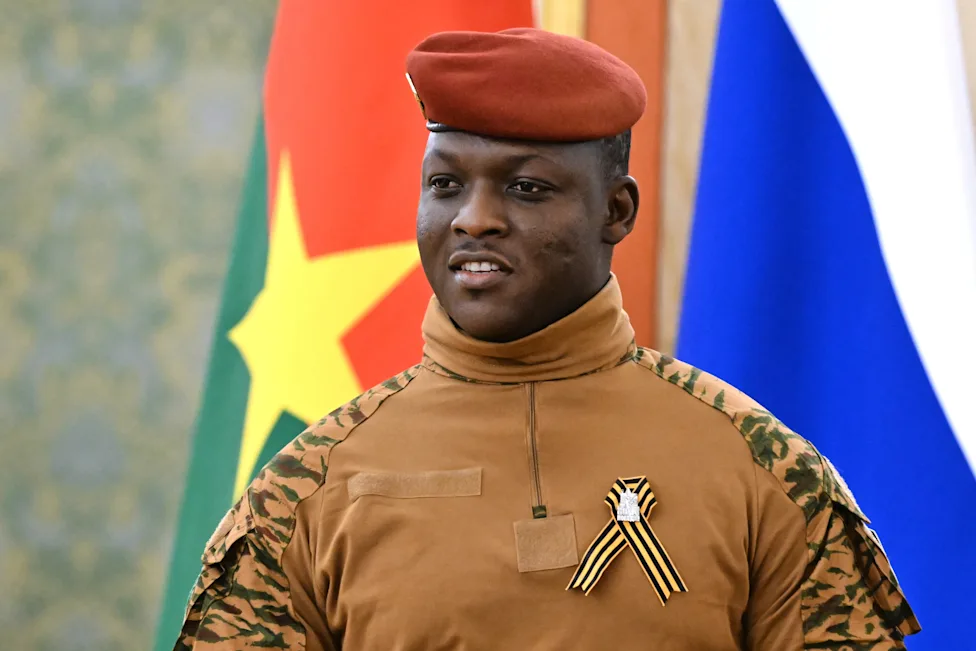
The move follows Burkina Faso’s announcement on June 26 that it was ending diplomatic ties with France with immediate effect, citing what it described as a breakdown in the conditions necessary for relations based on mutual respect, trust, non-interference and respect for national sovereignty.
The decision was announced in a statement from Burkina Faso’s Prime Minister’s Office, which said it followed “a thorough assessment of the current state of bilateral relations between Burkina Faso and France.”
“The conditions essential for promoting relations based on mutual respect, reciprocal trust, respect for the principle of non-interference in internal affairs and national sovereignty are no longer in place,” the statement said.
Burkina Faso’s government said the decision represented “a choice of responsibility and sovereignty,” while stressing that it did not affect historical, cultural and social ties between the Burkinabè and French peoples.
The government also reaffirmed its commitment to protecting foreign nationals living in Burkina Faso and urged citizens to show “responsibility, restraint and civic-mindedness” towards French nationals and other expatriates.
Following the announcement, France criticised the decision, describing it as “hostile and unfounded.” The French Foreign Ministry said the move reflected what it called “the concerning trajectory of the Burkinabè authorities.”
Paris said it was reviewing reciprocal measures in response to the diplomatic break and monitoring the situation of French citizens and personnel in Burkina Faso.
The rupture marks another setback in relations between France and countries in the Sahel region, where several military-led governments have moved to reduce dependence on traditional Western partners.
France had already withdrawn its military forces from Burkina Faso and suspended development assistance in 2023 after relations deteriorated following the military takeover in the country.
The diplomatic split also comes as Burkina Faso, alongside Mali and Niger under the Alliance of Sahel States (AES), pursues a foreign policy focused on diversifying partnerships and strengthening cooperation with non-Western countries.
The Burkinabè authorities said the country would continue pursuing “an independent foreign policy” centred on strengthened South-South cooperation, balanced relations with other nations, and the promotion of peace, security and sustainable development.
Burkina Faso’s military junta, led by Captain Ibrahim Traoré, announced the immediate and complete severance of formal diplomatic ties with Paris last month.
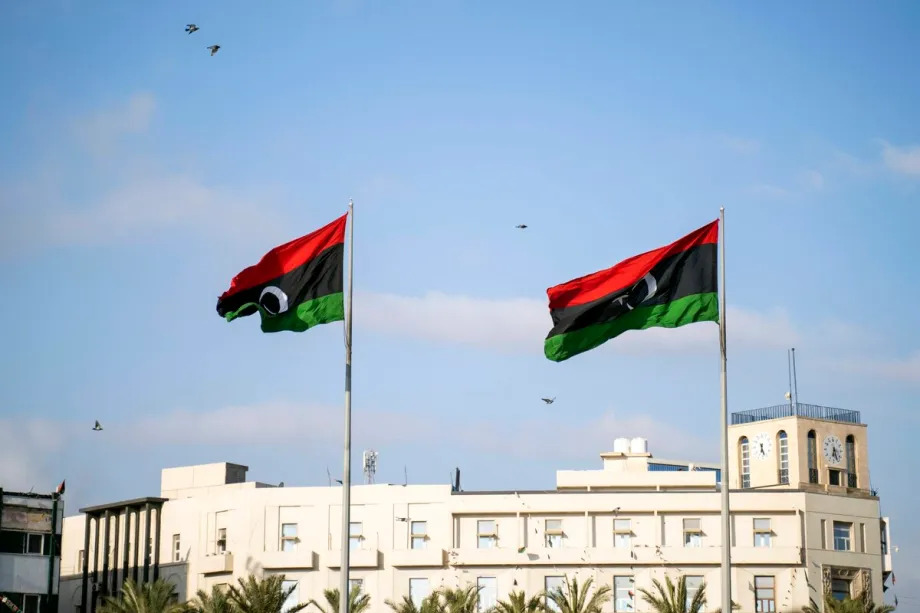
In a statement released Sunday, the National Gathering of Libyan Parties warned that the proposal, spearheaded by U.S. presidential adviser Massad Boulos, threatens to derail a United Nations-backed roadmap designed to finally hold national elections by February 2027.
The coalition said it was following with “deep concern and condemnation” political consultations and movements taking place outside Libya regarding the country’s political future. The alliance argued that such efforts are conducted without national consensus and seek to entrench de facto authorities while prolonging Libya’s transitional period.
Specifically, the coalition rejected the controversial initiative proposed by Boulos, the U.S. president’s senior adviser for Arab and African affairs, as well as the visits and political maneuvers associated with it. The alliance stated they constitute an infringement on Libya’s internal affairs and undermine the Libyan people’s right to self-determination.
The U.S. initiative vs. the UN framework
Spearheaded by Boulos, the American plan relies on transactional diplomacy to merge Libya’s fractured institutions by striking a pragmatic power-sharing deal between the country’s primary rival factions. However, the plan also couples this political unification with a push to open Libya’s vast oil reserves, the largest in Africa, to U.S. energy investments, while managing a new transitional government for up to three years.
This approach has drawn sharp domestic criticism. Opponents argue the plan bypasses established United Nations diplomatic channels, led by UN envoy Hanna Tetteh, which recently succeeded in getting Libya’s rival factions to agree to national elections by February 17, 2027.
The National Gathering reaffirmed that ending the current transitional phases through free and fair presidential and parliamentary elections, based on a consensual constitutional framework, remains the only viable path to resolving Libya’s political crisis. They stressed that any true roadmap must ensure the active participation of all domestic political forces, particularly formalized political parties, rather than just armed factions or entrenched elites.
Libya has been trapped in a severe institutional split since its planned December 2021 elections collapsed. The country remains divided between the UN-recognized Government of National Unity (GNU) under Abdul Hamid Dbeibeh in Tripoli, and eastern-based authorities aligned with the House of Representatives and military commander Khalifa Haftar. The dual governments have caused parallel spending crises that the country’s Central Bank warns are financially unsustainable.
The National Gathering of Libyan Parties, which comprises 24 distinct political parties, aims to coordinate the positions of its member parties, strengthen their participation in the political process, promote an end to the country’s gridlock, and advocate for democratic elections as the sole means to conclude Libya’s prolonged post-conflict transition.
A coalition of 24 Libyan political parties has rejected a new U.S.-led diplomatic initiative aimed at unifying Libya’s divided governments, condemning it as foreign interference that prioritizes external oil interests and elite power-sharing over democratic elections.
However, the discussions reportedly went beyond those official themes and instead focused on coordinating military operations in the ongoing conflict in eastern DRC, where AFC/M23 continues to fight the Congolese government.
The meeting came at a critical moment, as the movement, composed of Congolese who have for years faced persecution, killings, and displacement in their own country, continues to mount pressure on the coalition of the Congolese army (FARDC), Wazalendo militias, the FDLR, and Burundian forces.
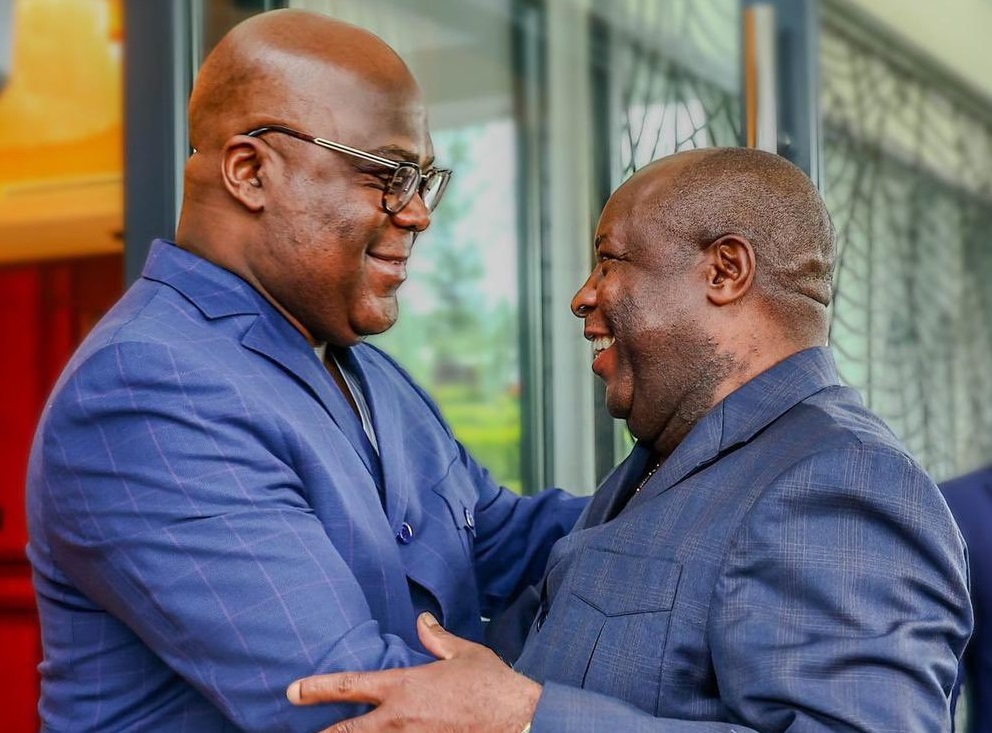
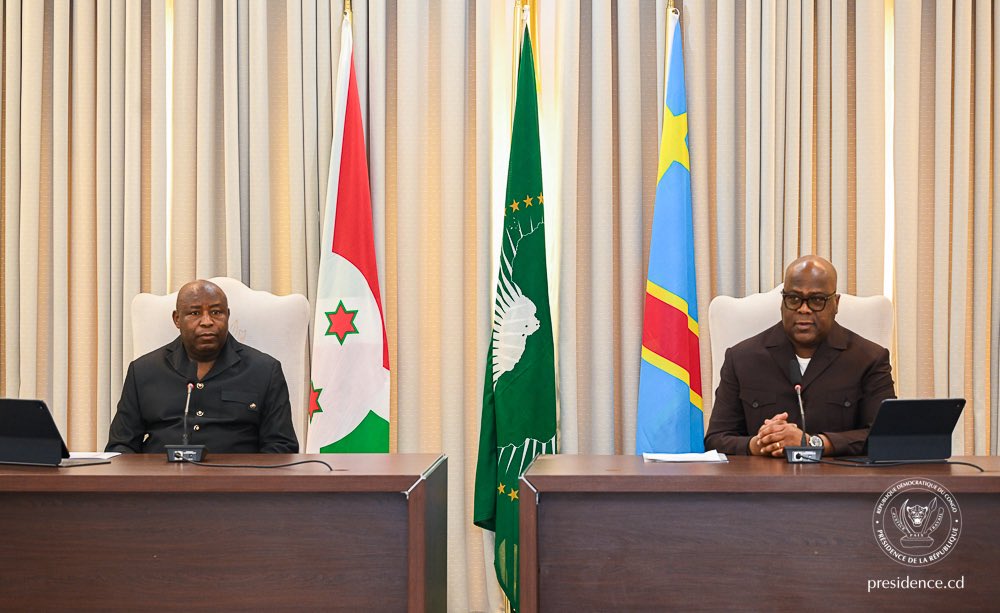
Tshisekedi, sources say, asked Ndayishimiye to deploy additional Burundian troops to regain control of areas previously vacated by AFC/M23.
Without hesitation, Ndayishimiye pledged full military support, continuing what has been longstanding military cooperation between Burundi and the DRC over the past several years.
He assured the Congolese leader that Burundi would continue supporting the Congolese military coalition in maintaining control over strategic areas in South Kivu while helping Kinshasa recapture territories under the control of AFC/M23, including Goma and Bukavu.
Beyond this commitment, the composition of Ndayishimiye’s delegation also reflected the significance of the issues the two allies intended to discuss.
Unlike previous visits to Kinshasa, Ndayishimiye did not travel with senior military and intelligence officials.
Sources say the move was deliberate, allowing Ndayishimiye and Tshisekedi to hold private talks on sensitive matters without the presence of other senior officials.
That is exactly what happened, with Burundi’s top military officials left behind to ensure the discussions remained strictly confidential.
Among the issues discussed was the payment of Burundian troops deployed to eastern DRC to support the Congolese army in its war against AFC/M23.
The issue is said to have generated growing dissatisfaction among Burundian soldiers, who have yet to receive the operational bonuses promised for their deployment in the DRC.
The bonuses have reportedly triggered serious disagreements within the Burundian military, particularly among deployed troops, senior commanders, and politicians over the management of funds provided by the DRC.
These allegations add to accusations against Burundian troops, including occupying areas vacated by AFC/M23 and abusing Kinyarwanda-speaking Congolese, particularly members of the Tutsi community.
The alleged abuses reportedly occurred after AFC/M23 withdrew from areas it had controlled, allowing the Congolese military coalition to move in.
After AFC/M23 withdrew from the city of Uvira on January 17, 2026, residents suffered the very fate they had feared and warned about during demonstrations held before the movement’s departure.
Soon afterward, they were robbed, assaulted, their homes were attacked and looted, and they were subjected to severe abuse.
Similar incidents reportedly occurred again in Walikale in March 2026 after AFC/M23 withdrew from the area. Civilians were allegedly killed, robbed, and had their property destroyed by the coalition.
Such actions have become characteristic of the Congolese military coalition. In October 2023, after AFC/M23 withdrew from Nturo in Masisi Territory, government troops and allied armed groups burned an entire village comprising more than 300 households belonging to Congolese Tutsis and killed residents.
Burundi has continued deliberately cooperating with the Congolese government in killing its own citizens.
Nevertheless, AFC/M23 continued defending itself, fighting back against what it describes as criminals and pushing them all the way to Uvira, a city near Bujumbura, Burundi’s economic capital.
Despite what is described as a major military setback, Burundi has continued pursuing the same course.
Human rights organizations estimate that more than 20,000 Burundian troops have been deployed to eastern DRC. Ndayishimiye reportedly promised Tshisekedi additional reinforcements, with the new troops expected to focus on the mountainous areas of South Kivu Province.
The reason, it is reported, is that the region remains a primary target of the Congolese government’s plan to continue exterminating Tutsis and destroying their property. The area is home to many Tutsi cattle herders, most of whom have long endured ethnic discrimination, exclusion, and the denial of their rights.
Kinshasa has also continued denying many of these residents Congolese citizenship, portraying them instead as foreigners.
This abandonment by their own government, coupled with deliberate killings, forced local residents to establish a self-defense group known as Twirwaneho.
Residents of Minembwe continue to accuse Burundian troops of treating them as collaborators, alleging that they work with both AFC/M23 and Twirwaneho.
These concerns have been reinforced by remarks from the spokesperson for the Burundian army, Brig. Gen. Gaspard Baratuza, who said that residents of Minembwe cooperate with the enemy. He added that military operations against them would continue until they abandoned their collaboration with armed groups.
Although Ndayishimiye continues to involve himself in the killing and persecution of Congolese Tutsis, he is serving as Chairperson of the African Union in 2026.
He is also portrayed as the only African president to openly support Tshisekedi’s actions in a campaign against his own citizens.
Other regional leaders, especially those within the East African Community (EAC), have rejected Tshisekedi’s plan to displace part of the Congolese population.
The East African Community Regional Force (EACRF) withdrew from eastern DRC after Tshisekedi sought to steer the mission away from its peacekeeping mandate and instead turn it into a force to fight AFC/M23.
Burundi was the only country to support Tshisekedi’s position. Most EAC leaders have continued to maintain that political dialogue remains the only viable solution to the conflict.
Sources say that during a recent visit to Kinshasa by Burundian President Évariste Ndayishimiye, Tshisekedi asked him to deploy additional Burundian troops to help regain control of areas previously held by AFC/M23.
Citing unnamed sources, the report said the upcoming round will focus on U.S. sanctions on Iran, Iranian frozen assets, and the Iranian nuclear file.
It added that the level of representation of the Iranian delegation will be decided after the funeral of late Iranian Supreme Leader Ayatollah Ali Khamenei.
On June 18, Iran and the United States signed a memorandum of understanding (MoU) on ending the war in the region on all fronts, including Lebanon.
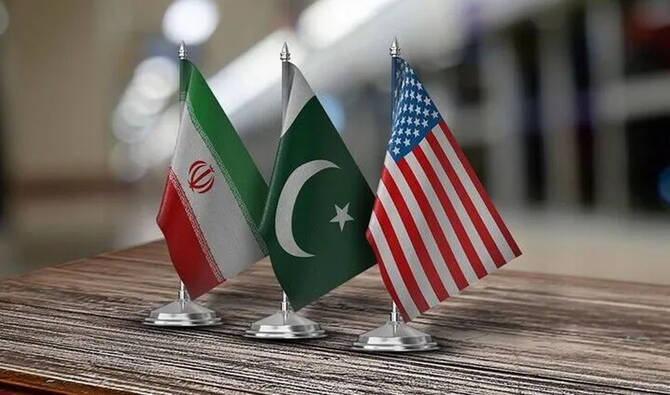
On June 22, technical negotiations between Iran and the United States were held in Switzerland following high-level consultations between Iranian and U.S. delegations the previous day with the mediation of Pakistan and Qatar.
On Wednesday, Qatari Foreign Ministry spokesperson Majed Al-Ansari confirmed that Qatari and Pakistani mediators had concluded separate meetings with U.S. and Iranian negotiators, making positive progress on issues related to the MoU.
He said the parties agreed to continue discussions in the coming period, with the next meeting to be scheduled at the earliest possible time.
The coalition, which includes prominent opposition figures such as Martin Fayulu, Jean-Marc Kabund, Moïse Katumbi, Augustin Matata, and Delly Sesanga, confirmed that it had received an invitation from Burundi’s President Évariste Ndayishimiye.
President Ndayishimiye called on opposition leaders to hold urgent consultations to discuss security concerns, political disputes, and challenges affecting state institutions in the DRC.
Ndayishimiye, a close ally of President Tshisekedi, issued the invitation in his capacity as Chairperson of the African Union (AU).
Reports from Kinshasa indicate that he had first urged President Tshisekedi to engage in dialogue with the C64 coalition in order to address their grievances, particularly those linked to the government’s proposed constitutional reforms.
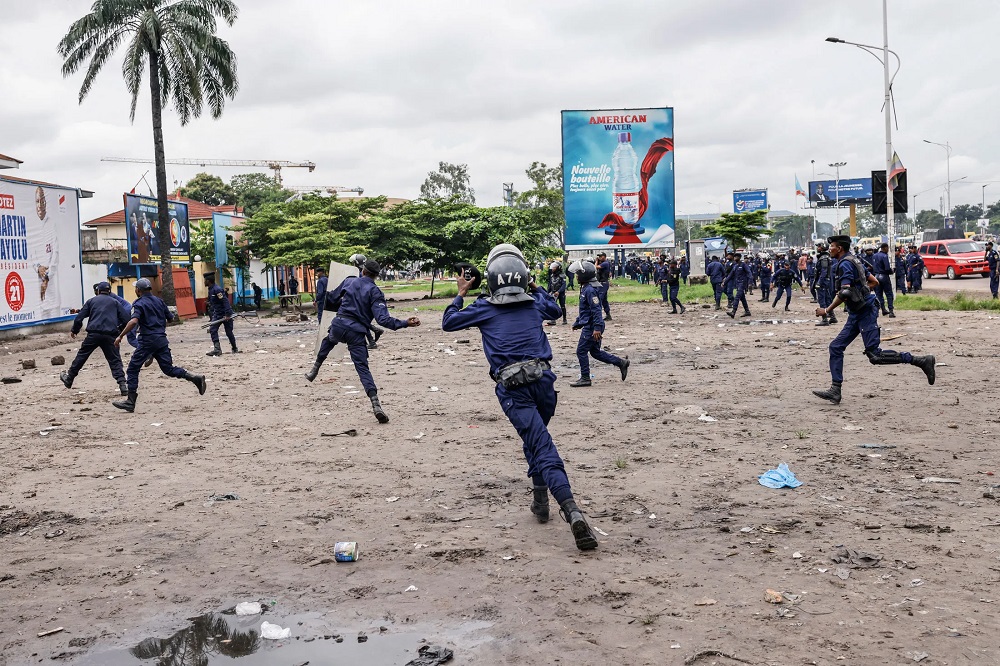
Tensions had escalated after opposition leaders staged a protest outside the National Assembly on June 12, where they were met with police intervention and clashes involving members of the ruling UDPS party’s youth wing, known as Forces du Progrès.
The C64 coalition had initially planned a major demonstration in front of the presidential palace on July 8, 2026, demanding President Tshisekedi’s resignation, accusing him of violating the constitution through attempts to amend it.
However, Interior Minister Jacquemain Shabani Lukoo rejected the planned protest, accusing the opposition of undermining national stability and insisting that no one has the authority to call for the resignation of a sitting commander-in-chief in the context of ongoing national security efforts.
The minister also banned all large public gatherings in Kinshasa, citing the need to prevent the spread of Ebola. He said the decision was a public health measure aimed at containing the virus.
However, opposition leaders dismissed the justification, arguing that Ebola cases are concentrated in eastern provinces far from the capital and claiming the ban was politically motivated to block their demonstration.
On July 2, opposition leader Martin Fayulu, head of the ECIDé party, reiterated calls for nationwide protests, insisting that President Tshisekedi must resign. He urged citizens to participate in a major demonstration scheduled for July 8.
Following an invitation from President Ndayishimiye, C64 leaders held an emergency meeting in Kinshasa on July 3 and agreed to reconsider their strategy, opting to engage in dialogue with the Burundian leader.
The coalition said it intends to use the talks to present its concerns and advocate for the protection of the DRC constitution.
They also said they would highlight the suffering of Congolese citizens and what they described as a growing threat to democracy in the country.
As a result, the coalition announced the postponement of its planned protest, rescheduling it to July 22.
Opposition leaders called on Congolese citizens, both at home and abroad, to remain mobilized in support of their cause until the government abandons its constitutional reform agenda.
They emphasized that defending the constitution is a national duty and insisted that their determination remains unchanged.
President Évariste Ndayishimiye called on President Félix Tshisekedi to open dialogue with opposition leaders.The protest that took place on June 12, 2026, was marked by incidents of violence involving police officers.
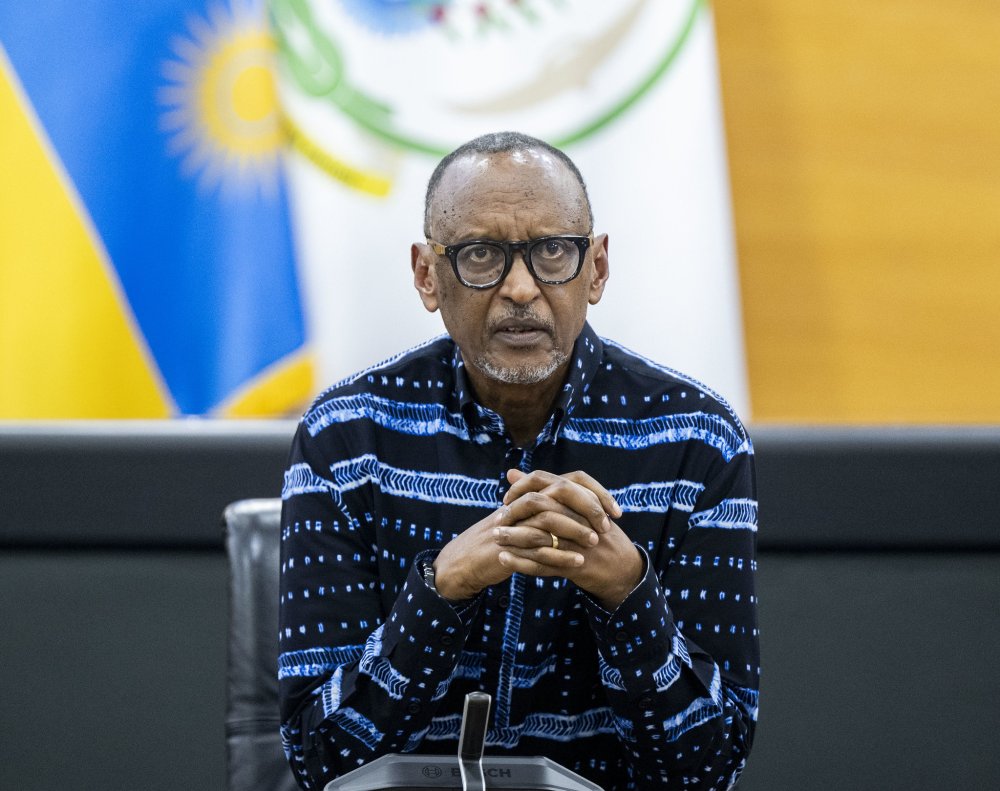
In his address to the nation on Saturday, Kagame said Rwanda’s painful history continues to shape its determination to remain vigilant against threats to national unity and security.
“What happened here will never happen again, for one simple reason: we will not allow it,” the President said as he paid tribute to men and women of the Rwandan Patriotic Army (RPA), whose courage and sacrifice during the liberation struggle ended the Genocide against the Tutsi in 1994.
His remarks came as Rwanda commemorates Kwibohora 32, marking 32 years since the Rwandan Patriotic Army (RPA) ended the 1994 Genocide against the Tutsi by taking control of Kigali on July 4, 1994.
Genocide ideology remains a threat
While acknowledging the country’s remarkable transformation over the past three decades, Kagame cautioned that the ideology which fueled the genocide has not disappeared.
“However, the ideas behind the genocide have not disappeared completely,” he said. “They persist in different forms, and remain present across our region.”
The neighbouring Democratic Republic of Congo (DRC) has particularly come under scrutiny, where persistent reports of violence and targeted attacks against the Tutsi and Banyamulenge communities have been documented. These incidents, which continue to be reported in different parts of the region, have raised concerns about the endurance of ethnic-based insecurity and the broader spread of genocide ideology beyond Rwanda’s borders.
President Kagame warned that Rwanda’s history has taught painful lessons about the consequences of ignoring such dangers.
“We have seen, and suffered too much to ever take this threat lightly.”
The President stressed that continued vigilance is essential to preserving the peace and stability that Rwanda has built since liberation.
Security is a matter of survival
Kagame underscored that security is not simply a policy objective but the foundation upon which Rwanda’s development depends.
“Security and good governance are the foundation of everything we have built,” he said.
He rejected the notion that Rwanda’s security decisions should be influenced by external approval, insisting that protecting citizens remains the government’s foremost responsibility.
“Security is a matter of survival, not external approval. Without it, nothing else holds together.”
The President said Rwanda would continue taking the necessary measures to defend its people and sovereignty.
“That is why we remain vigilant and firm.”
Responsibility rests with Rwandans
Addressing Rwanda’s younger generation, Kagame said many have grown up
without experiencing the violence that devastated the country in 1994, making it important to pass on the lessons of history.
“A new generation is now coming of age, who did not witness the darkest moments of our history,” he said.
He urged young Rwandans to recognize that the country’s future ultimately depends on its own citizens.
“Like those before them, this generation must understand that no one carries greater responsibility for Rwanda than we do ourselves.”
While international partners may offer support, Kagame said Rwanda cannot depend on others to guarantee its future.
“Some may support us, others may disagree, or misunderstand us. Ultimately, they can all turn their back on us. We do not have that option.”
“It is our duty to ensure that every Rwandan can live in peace, and build a good life here.”
Liberation as a continuing mission
Kagame described liberation as an ongoing process that extends beyond military victory, saying the country’s mission today is to continue improving the lives of its people while protecting the unity that has underpinned Rwanda’s recovery.
“That is why liberation will never end, but will continue to evolve, as we work to improve the lives of our people, year after year.”
He called on Rwandans to reject division in all its forms and remain focused on building a stronger future together.
“The future we deserve is within reach. As long as we remain united, reject division in all its forms, and focus on what we are building together, there is little we cannot accomplish.”
“The record of the past thirty-two years speaks for itself,” he added.
In his address to the nation on Saturday, President Paul Kagame said Rwanda’s painful history continues to shape its determination to remain vigilant against threats to national unity and security.