The landmark step follows years of mass screening, free treatment, and aggressive vaccination campaigns that have drastically reduced infections across the country.
Data from RBC shows that nearly 11 million Rwandans have been screened for Hepatitis C over the past eight years, with roughly 63,000 infected individuals receiving curative treatment. Over the same period, 6.5 million people were tested for Hepatitis B, with over 5,000 diagnosed and placed on life-saving antiretroviral therapy.
The announcement was made on Tuesday, July 28, during World Hepatitis Day national commemorations held at Hôpital La Croix du Sud in Kigali.
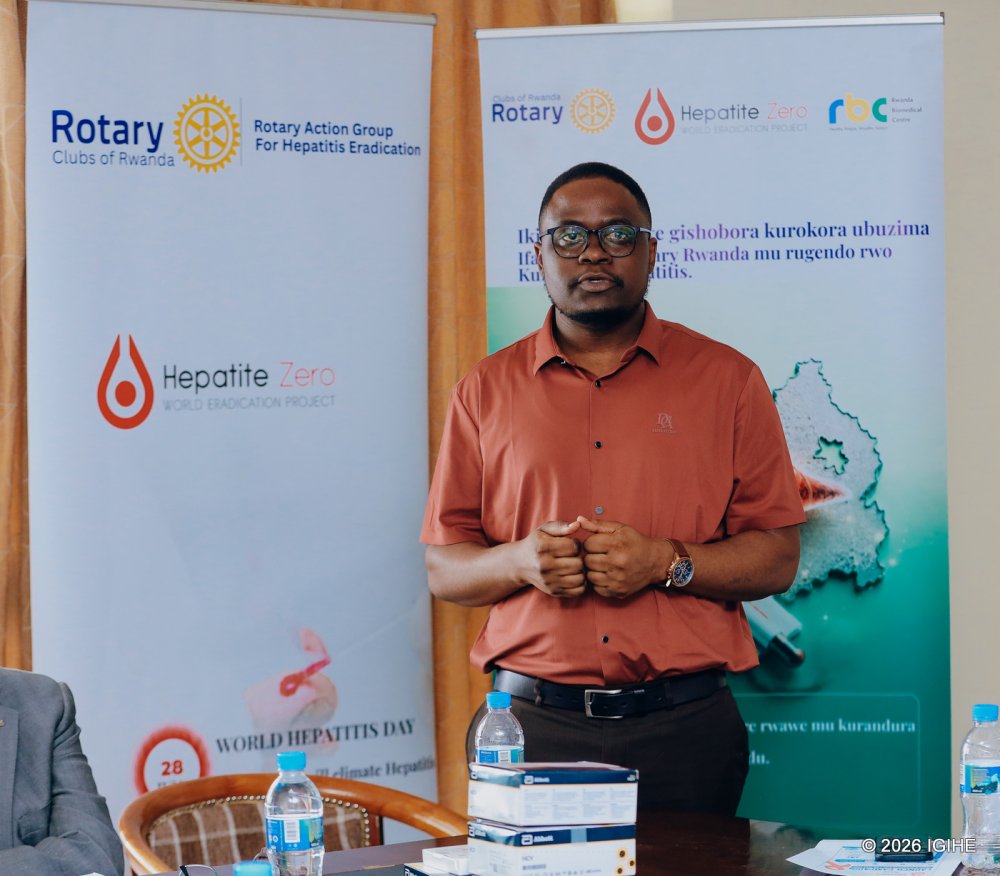
Dr. Charles Berabose, Director of Sexually Transmitted Infections and Other Blood-Borne Infections at RBC, confirmed that Rwanda has fulfilled the requirements to submit its official validation dossier to the WHO.
“To earn WHO validation, a country must screen at least 80 percent of its target population, treat over 70 percent of confirmed cases, guarantee 100 percent blood safety through mandatory donor screening, and equip health facilities nationwide with reliable testing tools. Rwanda has met all these standards,” Dr. Berabose said.
Rwanda launched its National Hepatitis C Elimination Plan in December 2018, bringing diagnostic testing and direct-acting antiviral treatments down to local health centres nationwide.
As a result, Hepatitis C prevalence in the general population dropped from 4 percent in 2017 to 0.17 percent in 2026. Over the same period, Hepatitis B prevalence declined from 3 percent to 0.26 percent.
To stop mother-to-child transmission, Rwanda has also strengthened its routine childhood immunization drive. Building on earlier adult vaccination campaigns, the government introduced a universal birth-dose Hepatitis B vaccine in January 2026, ensuring newborns receive their first shot within 24 hours of birth.
Rotary partnership
As Rwanda shifts focus toward targeted screening for high-risk groups, civil society organizations are stepping in to support the final phase of the campaign.
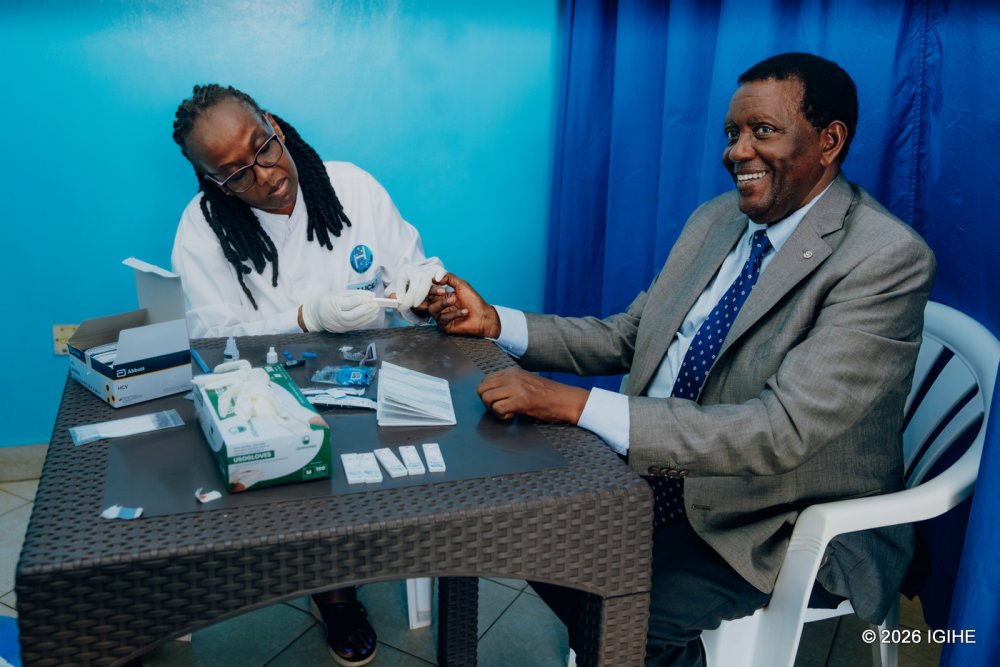
Rotary Club Rwanda has partnered with RBC to back screening efforts among vulnerable cohorts, including healthcare workers, prison inmates, refugees, and people living with HIV. The organization will also donate testing kits and support public education campaigns.
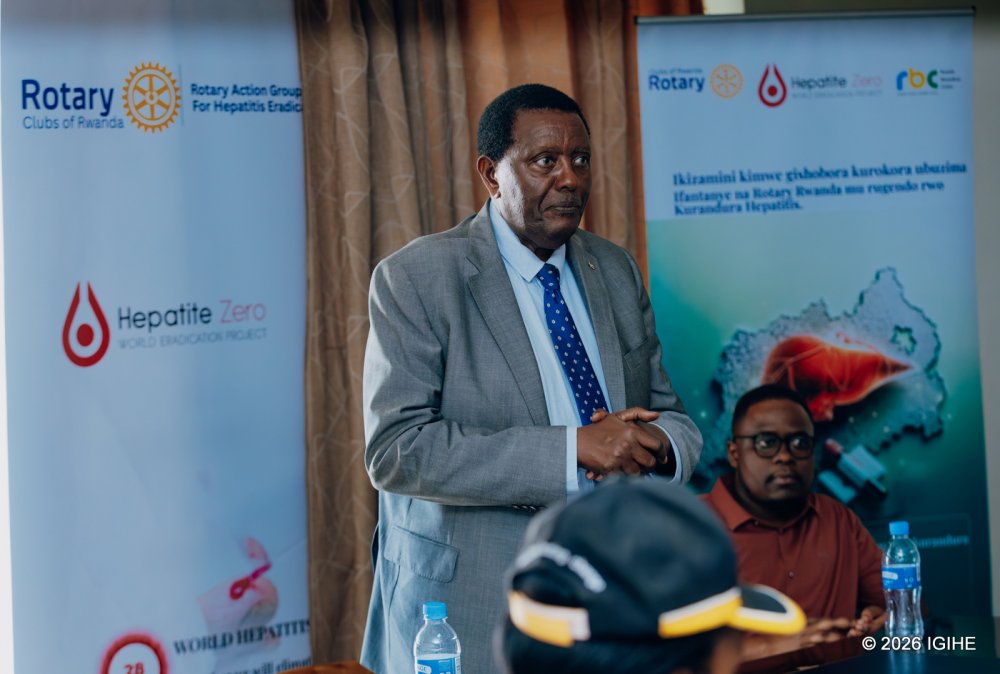
Dr. Alexis Muderevu, Rotary Action Group National Commission Chair for Rwanda Hepatitis B and C Zero campaign, commended the country’s progress, noting that Rwanda is well ahead of international benchmarks.
“Rotary International is supporting African countries in the fight against viral hepatitis. Rwanda is already far ahead of many others because of its commitment. Rather than watching from the sidelines, we want to join Rwanda in this final stretch so that together we can eliminate hepatitis completely,” Dr. Muderevu said.
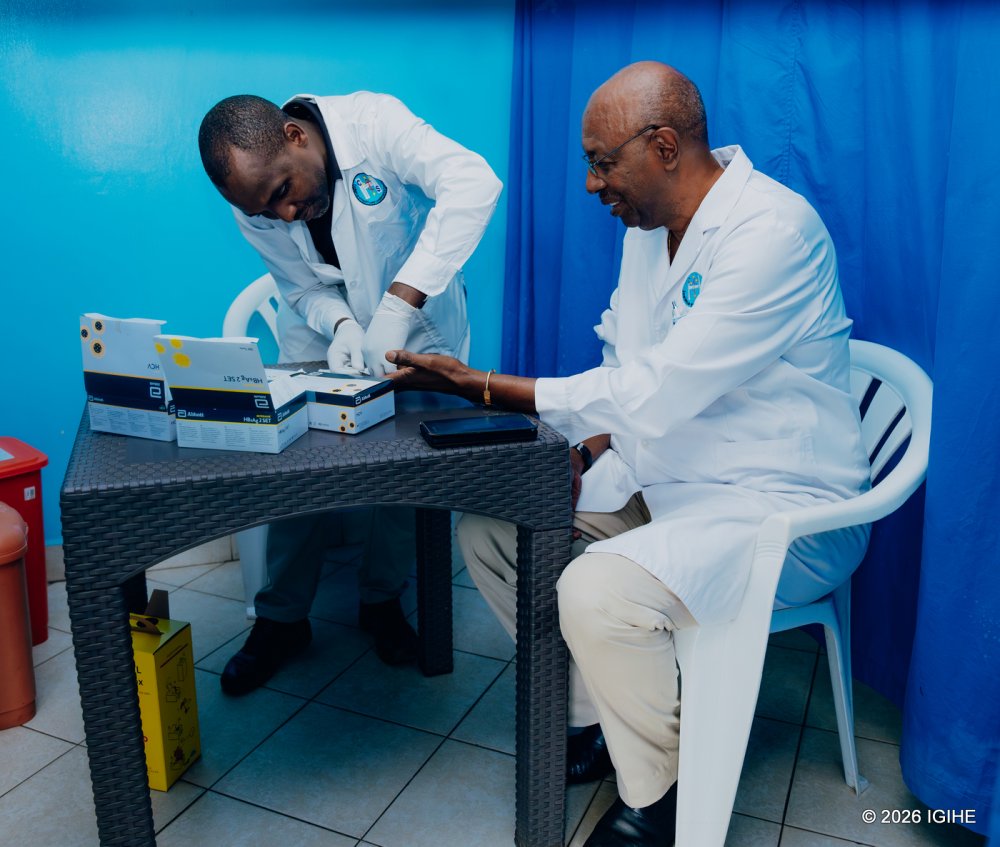
The partnership kicked off with screening for medical personnel at Hôpital La Croix du Sud to ensure health workers know their status before leading community outreach programs.
Marc Kwizera, a healthcare worker at the hospital, stressed the importance of medical staff setting an example.
“It is crucial that health workers are screened first. Knowing our status gives us peace of mind and allows us to safely care for our patients while encouraging the public to get tested,” he said.
Rwanda remains well on track to achieve the WHO target of eliminating viral hepatitis as a major public health threat ahead of the global 2030 deadline.
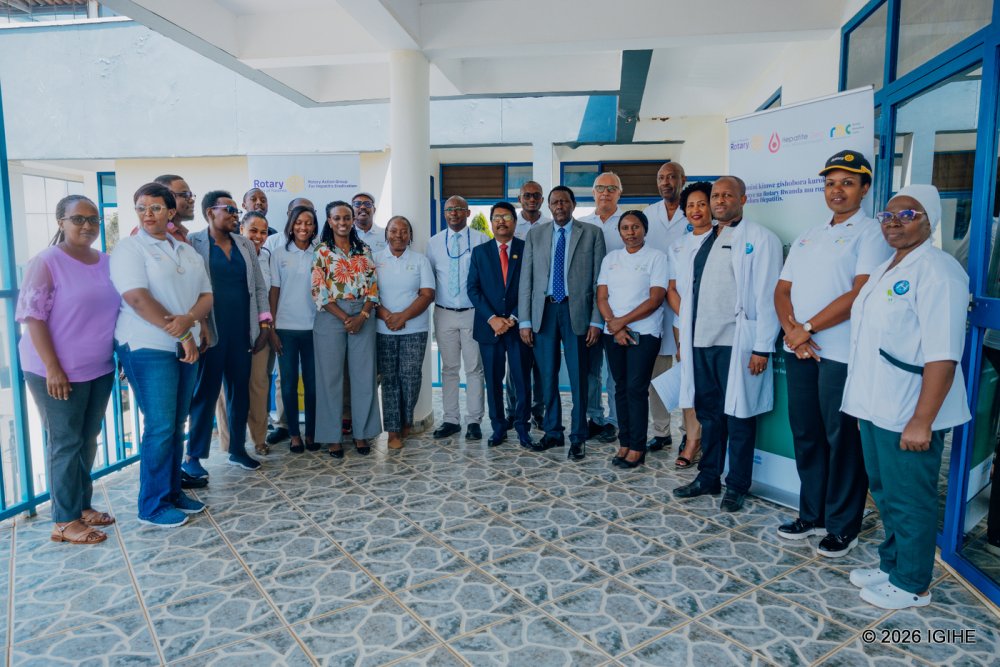
Rotary Club Rwanda members were also screened.Dr Jean-Chrysostome Nyirinkwaya, Director of La Croix du Sud Hospital in Remera, being tested.Dr. Charles Berabose, Director of Sexually Transmitted Infections and Other Blood-Borne Infections at RBC, confirmed that Rwanda has fulfilled the requirements to submit its official validation dossier to the WHO.Dr. Alexis Muderevu, Rotary Action Group National Commission Chair for Rwanda Hepatitis B and C Zero campaign, commended the country’s progress, noting that Rwanda is well ahead of international benchmarks.Rotary Club Rwanda pledged support for Rwanda’s hepatitis elimination campaign.
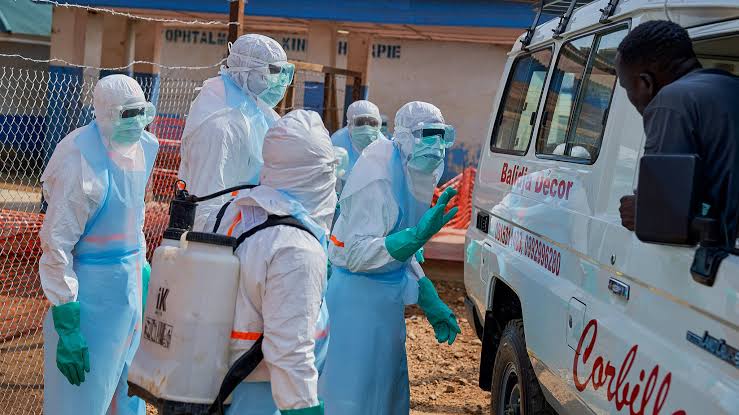
The DRC’s health authorities said the outbreak has now recorded 3,075 confirmed cases, including 1,354 deaths and 556 recoveries, while 755 patients remain in hospital or isolation.
The outbreak is affecting five provinces, namely Ituri, North Kivu, South Kivu, Haut-Uele and Tshopo.
Prime Minister Judith Suminwa Tuluka said on Friday that researchers were working to develop a treatment and a vaccine against the Bundibugyo ebolavirus, the virus strain responsible for the current outbreak in the DRC.
Expressing hope that a vaccine and treatment could become available “within two to four months,” she said the government has provided funding for the research but did not give further details on the development stage or expected approval process.
There is currently no approved vaccine or specifically licensed treatment for the Bundibugyo ebolavirus. Several experimental vaccines and therapeutics are undergoing clinical evaluation.
The University of Oxford announced on Friday that the first volunteer has been vaccinated in the world’s first human trial of a vaccine, known as ChAdOx1 BDBV, designed to protect against the Bundibugyo ebolavirus.
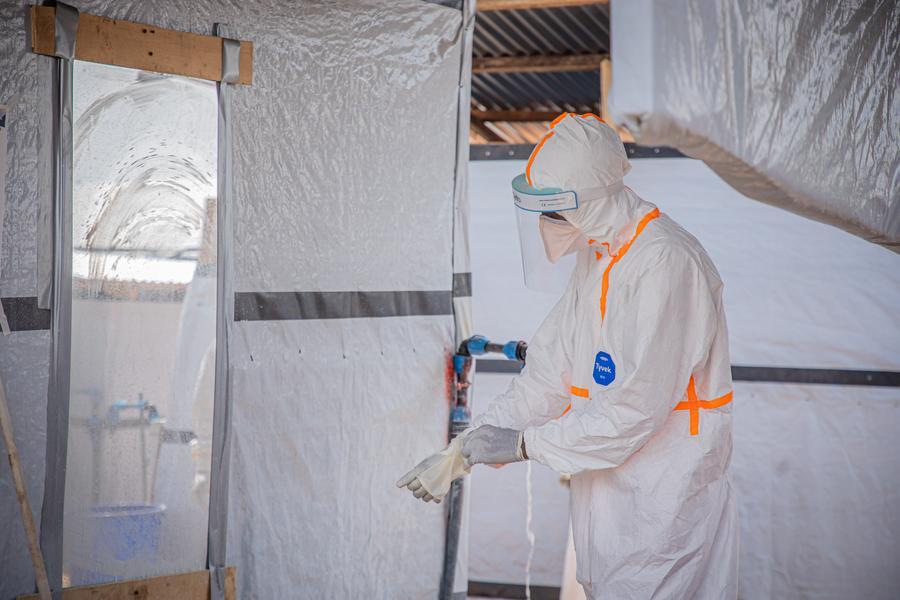
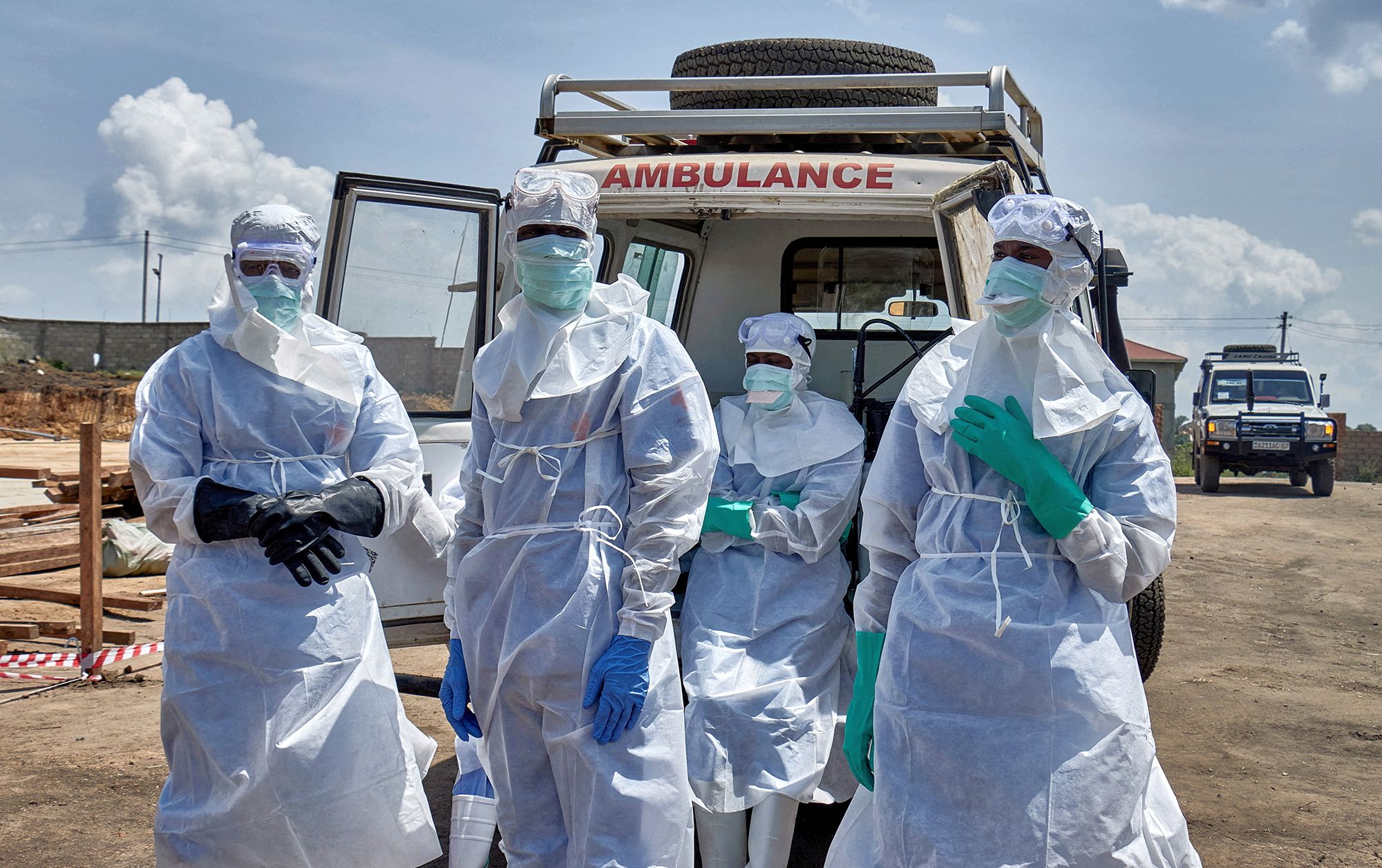
A medical worker disinfects protective gloves at an Ebola treatment center in Bunia, Ituri Province, the Democratic Republic of the Congo, July 6, 2026.
Researchers found that young people who regularly consumed sugar sweetened beverages, including soda, sports drinks and large amounts of fruit juice, were more likely to develop hypertension later in life compared with those who consumed fewer of these drinks.
The findings highlight the importance of encouraging healthier drinking habits early in life, as researchers say behaviours developed during childhood can have long lasting effects on health.
The study was conducted using data from the Growing Up Today Study, a long term research project that has followed thousands of young people in the United States to understand how childhood lifestyle choices affect health outcomes in adulthood.
Researchers followed more than 25,000 participants for up to 25 years, collecting information about their diets, physical activity levels, body measurements and health conditions.
The participants were monitored from their teenage years into adulthood, allowing scientists to examine how early dietary habits were associated with future health risks.
The study found that participants who consumed two or more servings of sugar sweetened beverages every day had a 52 percent higher risk of developing high blood pressure compared with those who drank fewer than three servings per week.
Daily soda consumption was associated with a 23 percent increased risk of hypertension, while regular intake of sports drinks was linked to a 36 percent higher risk.
Researchers also found that people who consumed high amounts of fruit juice faced an increased risk, with those drinking at least one and a half servings daily having a 35 percent higher likelihood of developing high blood pressure.
High blood pressure, also known as hypertension, occurs when the force of blood against artery walls remains consistently high. Over time, the condition can damage blood vessels and increase the risk of serious health problems, including heart disease, stroke and kidney complications.
Researchers explained that the concern is not only the amount of sugar consumed but also the way it enters the body.
Unlike whole fruits, which contain fibre and other nutrients that help regulate sugar absorption, many sweetened beverages contain high levels of added sugar while providing limited nutritional benefits.
Although fruit juice may contain vitamins and minerals, researchers noted that it does not provide the same benefits as eating whole fruits because much of the fibre is removed during processing. Fibre helps slow the release of sugar into the bloodstream and supports better metabolic health.
The study also considered other factors that could influence blood pressure, including body weight, physical activity and overall dietary patterns.
Researchers adjusted their analysis to better understand the relationship between sugary drinks and hypertension while accounting for these other lifestyle factors.
The findings suggested that replacing sugary beverages with healthier options could help reduce future risks.
Researchers found that replacing one daily sugary drink with whole fruit was associated with a 22 percent lower risk of developing high blood pressure, while replacing sugary drinks with water or milk was linked to a reduced risk of up to 13 percent.
However, researchers cautioned that the study does not prove that sugary drinks directly cause high blood pressure. Instead, it shows a strong association between beverage habits during childhood and later health outcomes.
The study also relied partly on participants reporting their own dietary habits and health information, which may affect the accuracy of some responses.
The researchers further noted that most participants were non Hispanic White Americans, meaning additional studies are needed to determine whether similar patterns appear among other populations around the world.
The findings come at a time when health experts are increasingly concerned about rising consumption of sugary beverages among children and the growing burden of diet related diseases.
Developing healthier habits at an early age is considered an important step in preventing conditions such as hypertension, obesity and cardiovascular diseases.
For families, schools and communities, researchers say simple changes such as encouraging children to drink more water, consume whole fruits and reduce sugary beverages could contribute to better health outcomes in the future.
The study’s main message is that childhood choices can shape adult health. By improving diets early in life, communities may help reduce the risk of serious health problems many years later.
What children drink today could affect their heart health decades later.
The sharp rise in cumulative figures was mainly due to the integration of harmonized databases from the eastern provinces of Ituri and North Kivu into the national database on Wednesday, including previously uncounted cases, the ministry said, adding that the increase did not solely reflect newly reported cases from the past 24 hours.
It said 97 confirmed cases and 62 deaths were reported on Wednesday. A total of 519 patients have recovered, while 722 others remain in isolation or are receiving treatment.
During a visit on Thursday to Kisangani, capital of the newly affected Tshopo province, Prime Minister Judith Suminwa Tuluka said many patients were arriving at health facilities only after developing severe symptoms, making treatment more difficult.
She said the government would strengthen community training and awareness campaigns to encourage suspected patients to seek medical care at an earlier stage.
The government had allocated 50 million U.S. dollars to the Ebola response, with priority given to laboratories, medical equipment, community surveillance and patient care, she added.
Meanwhile, the University of Oxford announced Friday that the first volunteer had been vaccinated in the world’s first human trial of a vaccine designed to protect against the Bundibugyo ebolavirus strain responsible for the current outbreak.
The candidate vaccine, ChAdOx1 BDBV, was developed by the university’s Oxford Vaccine Group and Pandemic Sciences Institute. The Serum Institute of India has manufactured and stockpiled about 620,000 doses, including 4,000 investigational doses supplied for the trial, according to the university.
The first-stage study is expected to recruit about 50 healthy adults and will primarily assess the vaccine’s safety and immune responses. Subject to regulatory approval, further clinical studies are being prepared in cooperation with partners in Uganda, the university said.
The Democratic Republic of the Congo (DRC) has recorded 2,905 confirmed Ebola cases with 1,269 deaths.
According to figures released by the DRC Ministry of Health, as of July 21, 2026, a total of 1,033 people had died from the disease, while the number of confirmed infections had reached 2,536 cases.
The latest statistics show that the fatality rate among confirmed Ebola patients stands at 40.7 per cent, meaning that approximately four out of every 10 people diagnosed with the virus have lost their lives.
The Ministry’s report, based on laboratory results from the National Institute of Biomedical Research (INRB), indicates that 63 new cases were confirmed within 24 hours.
The eastern province of Ituri remains the epicentre of the outbreak, accounting for 88.6 per cent of all confirmed cases recorded in the country.
On July 21 alone, Ituri reported 46 new infections, particularly in the areas of Bunia, Rwampara and Drodro. The province continues to register the highest number of Ebola cases and deaths since the outbreak was declared.
The outbreak has also severely affected North Kivu Province, where the fatality rate among confirmed cases has reached 58.7 per cent, the highest among all affected areas. However, no new Ebola infections have been reported in areas under the control of the AFC/M23 alliance.
Currently, 738 people are either isolated or receiving treatment at Ebola care centres across the affected provinces of Haut-Uélé, Ituri, North Kivu and Tshopo. Meanwhile, South Kivu Province has not recorded new cases for nearly two months.
Health authorities say that tracing people who have been in contact with infected individuals remains one of the biggest challenges in controlling the outbreak.
The Ministry reported that contact tracing activities are being conducted at a national rate of 77.2 per cent, although concerns remain that some cases may not be detected or that some contacts may not be adequately followed up.
Meanwhile, Uganda, which also reported cases of Ebola, has confirmed that it has not recorded any new infections since June 21, 2026. The country recorded a total of 20 Ebola cases, including two deaths.
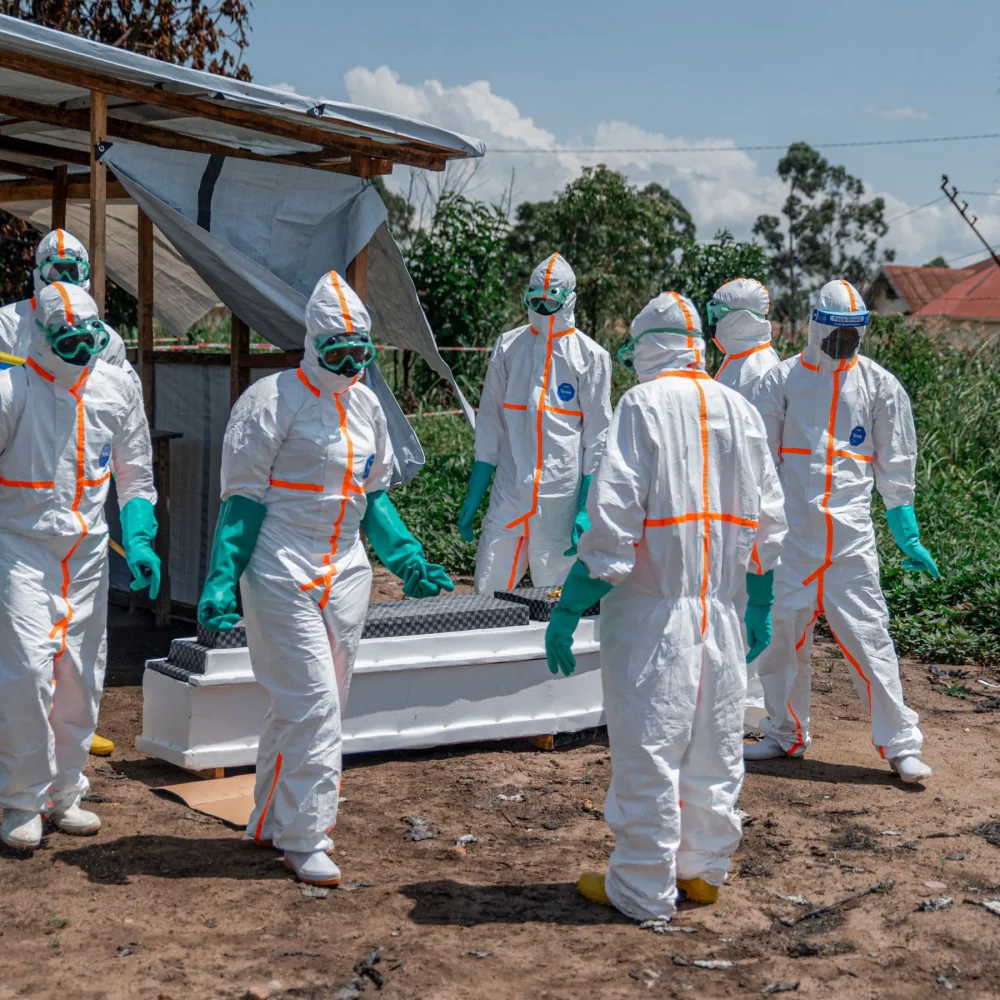
A total of 1,033 people have died from the Bundibugyo Ebola outbreak in DR Congo.
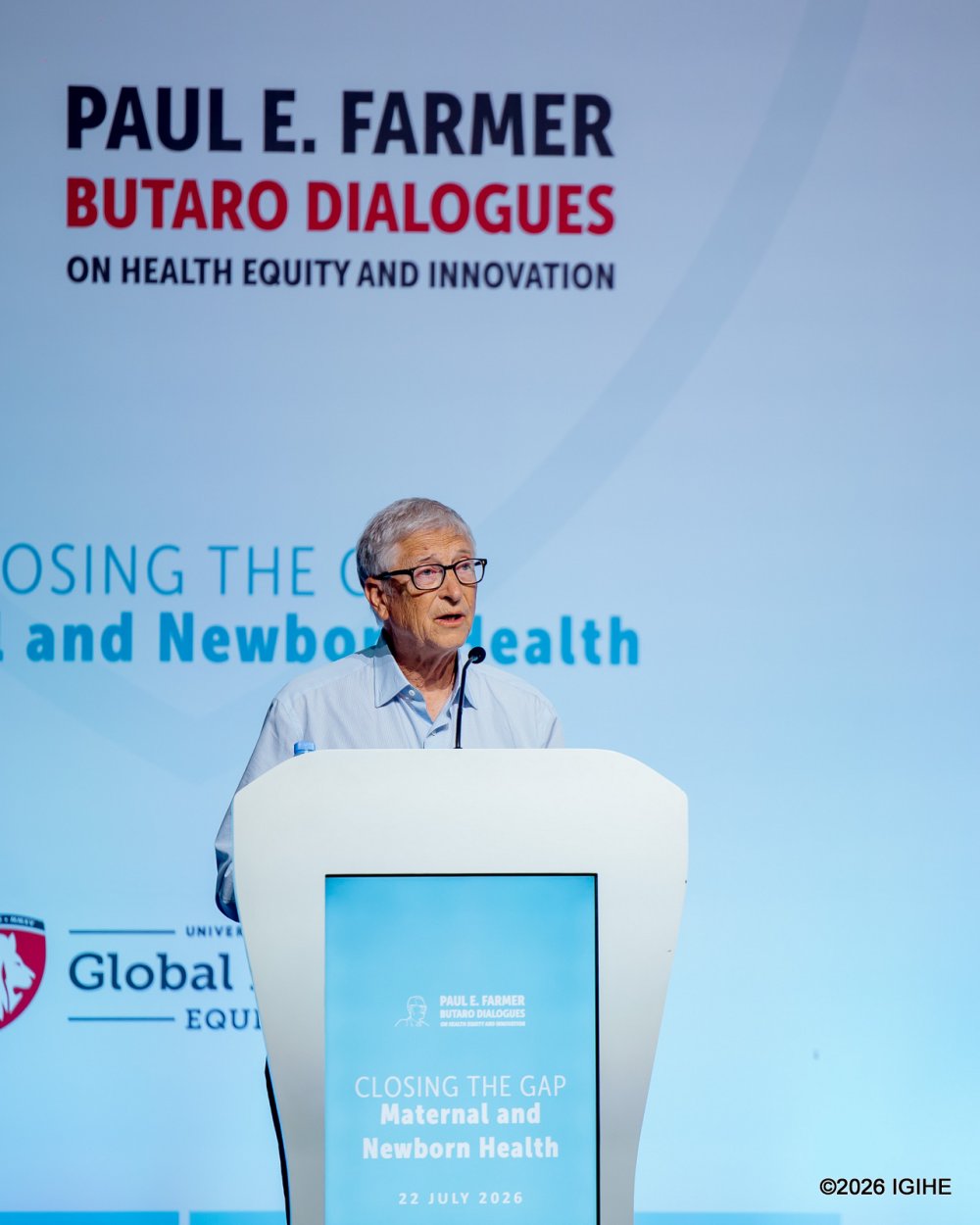
Microsoft co-founder and philanthropist Bill Gates has praised Rwanda’s progress in improving healthcare outcomes, while warning that artificial intelligence (AI) must be made accessible to African health systems rather than becoming a tool that benefits only wealthy countries.
Gates made the remarks on Wednesday while delivering the inaugural lecture at the Paul E. Farmer Butaro Dialogues on Health Equity and Innovation, hosted by the University of Global Health Equity (UGHE) in Butaro, Northern Province.
The dialogue, named after the late physician and global health pioneer Paul Farmer, brought together global health leaders to discuss how medical innovations can reach communities that need them most.
Gates highlighted Rwanda’s progress in building a strong healthcare system, using technology and community-based approaches to improve health outcomes, particularly in reducing child and maternal deaths.
“Rwanda as a whole has set a very good example. Its public health system, there’s a lot that others could learn from,” he said.
“Since the turn of the century, child deaths have fallen by 80%. Maternal deaths are down over 80%, and those are really incredible numbers.”
He also praised Rwanda’s use of digital technology in healthcare, citing his visit to the National Health Intelligence Center (NHIC), where he observed how digital systems are being used to monitor and improve health services.
“Those digital systems will be the foundation for the next generation, which will be powered by artificial intelligence,” Gates noted, adding that Rwanda is “at the forefront” of exploring how AI can benefit the health system.
However, Gates warned that global health progress is facing growing pressure, partly due to declining financial support from donor countries.
“Today we face greater challenges than ever. Progress in Africa as a whole is definitely in jeopardy. It’s a tough time for global health,” he cautioned.
He pointed out that donor countries are reducing their aid budgets, leaving African leaders under pressure to achieve more with fewer resources.
“Around the world, donor countries are shrinking their aid budgets, and so the leaders here are being forced to do more with less,” Gates explained.
He noted that the consequences of those decisions were already becoming visible, highlighting that last year marked the first time since the turn of the century that global childhood deaths increased.
“Not here in Rwanda, but a lot of those additional deaths were in Africa,” he added.
Gates argued that the situation makes it even more important to ensure new technologies, particularly AI, are used to strengthen healthcare delivery in countries with limited resources.
He warned that AI could deepen existing inequalities if it follows the same path as many previous technologies, where benefits are concentrated in wealthier nations.
“If we let things take their normal course, AI, like all advanced tools, will be in the rich countries,” he stated.
“The profit motive, the amount customers can pay, the data centres, it will benefit a narrow part of the world. That would be a great injustice.”
He stressed that Africa should be among the first places to benefit from AI, given the continent’s overstretched healthcare workforce.
“Right at the beginning, if anything, we should bring AI to those in need because the most overloaded healthcare workforce in the world, of course, is here in Africa,” Gates emphasized.
He explained that AI tools could help healthcare workers make better decisions, streamline services and identify where additional support is needed.
“The things that help them make decisions and streamline things and show them where we should do more, those will save many, many lives,” he added.
Gates noted that institutions such as UGHE would play an important role in ensuring AI solutions are adapted to local realities, including language needs and health challenges specific to African communities.
The remarks echoed the message of the dialogue, which UGHE Deputy Vice Chancellor Prof. Abebe Bekele described as an effort to bridge the gap between medical innovation and implementation.
Prof. Bekele observed that advances in artificial intelligence, digital health, genomics, diagnostics and clinical care were expanding the boundaries of medicine, but millions of people were still unable to benefit from these breakthroughs.
“The challenge before us is not one of discovery alone. It’s one of translation,” he noted.
He stressed that innovations only save lives when they are successfully implemented through policies, education, research and healthcare systems that ensure they reach every woman and child regardless of where they live.
Prof. Bekele explained that the Butaro Dialogues, organised by UGHE and the Consortium of Medical Schools in Africa (COMSA), aim to identify critical maternal and neonatal health innovations and support their adoption across African health systems.
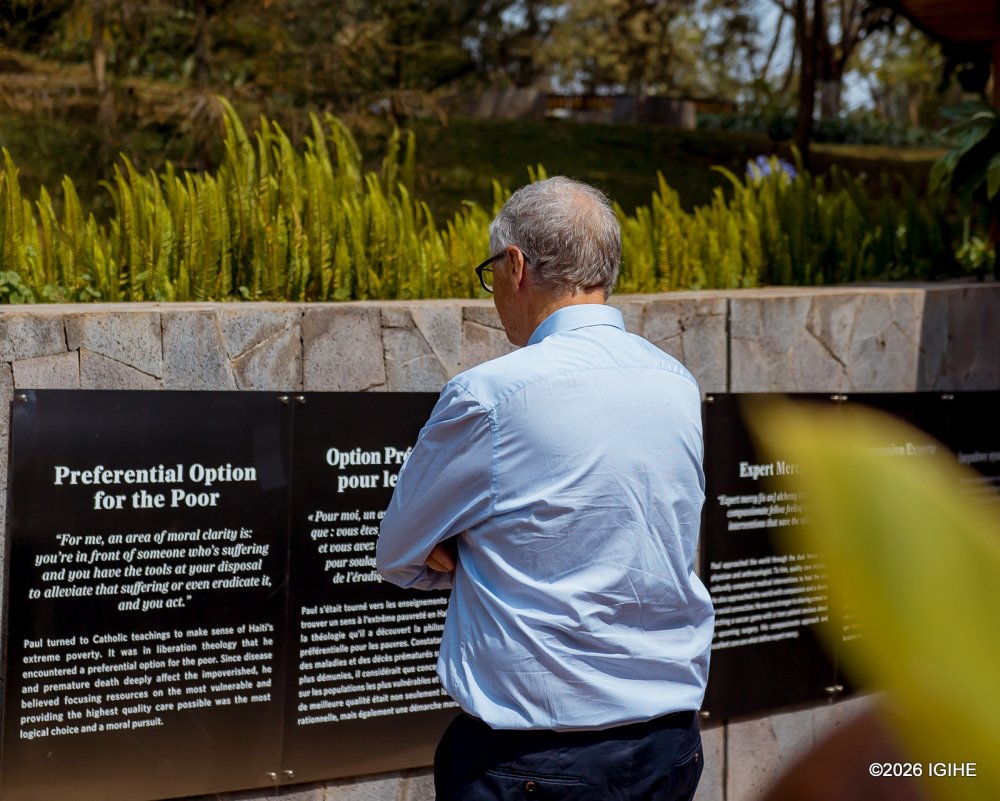
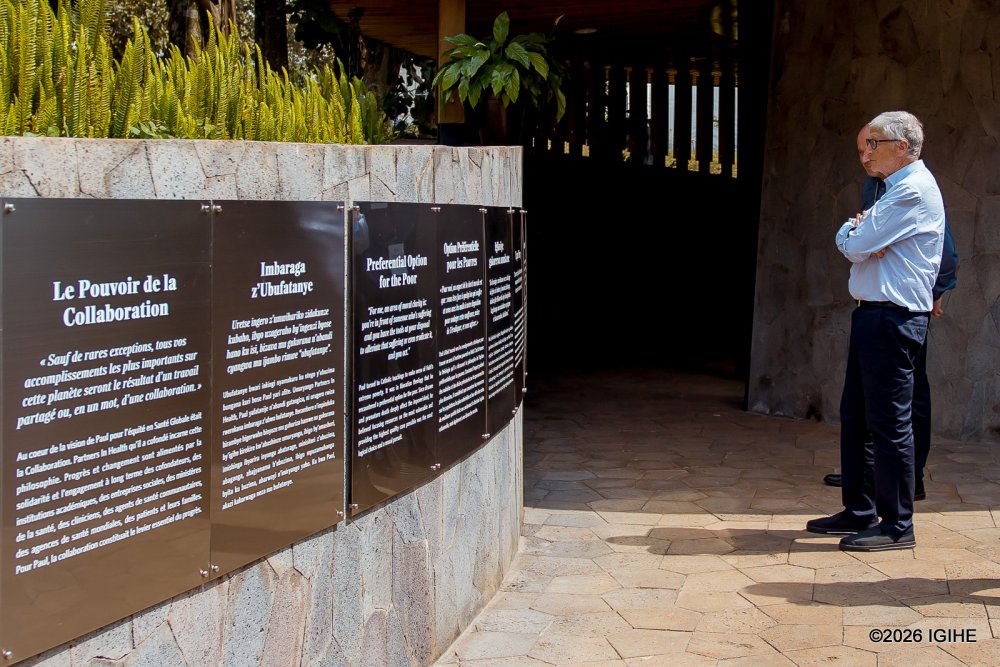
Gates also reflected on the legacy of Paul Farmer, who helped establish UGHE and dedicated his career to expanding access to quality healthcare for underserved communities.
He described Farmer’s greatest lesson as the belief that medical breakthroughs only matter when they reach the people who need them most.
“For him, he saw everyone as worthy of having great health,” Gates said. “What mattered to him were the lives he saved.”
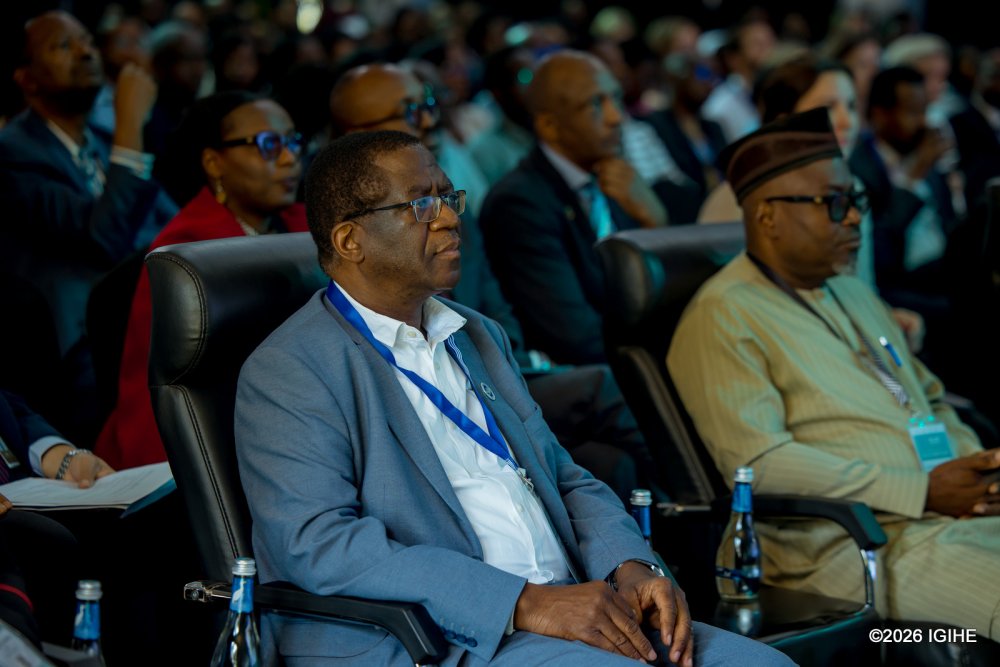
The inaugural Paul E. Farmer Butaro Dialogues brought together government officials, health experts, academics and students to explore how innovation, technology and stronger health systems can advance health equity across Africa.
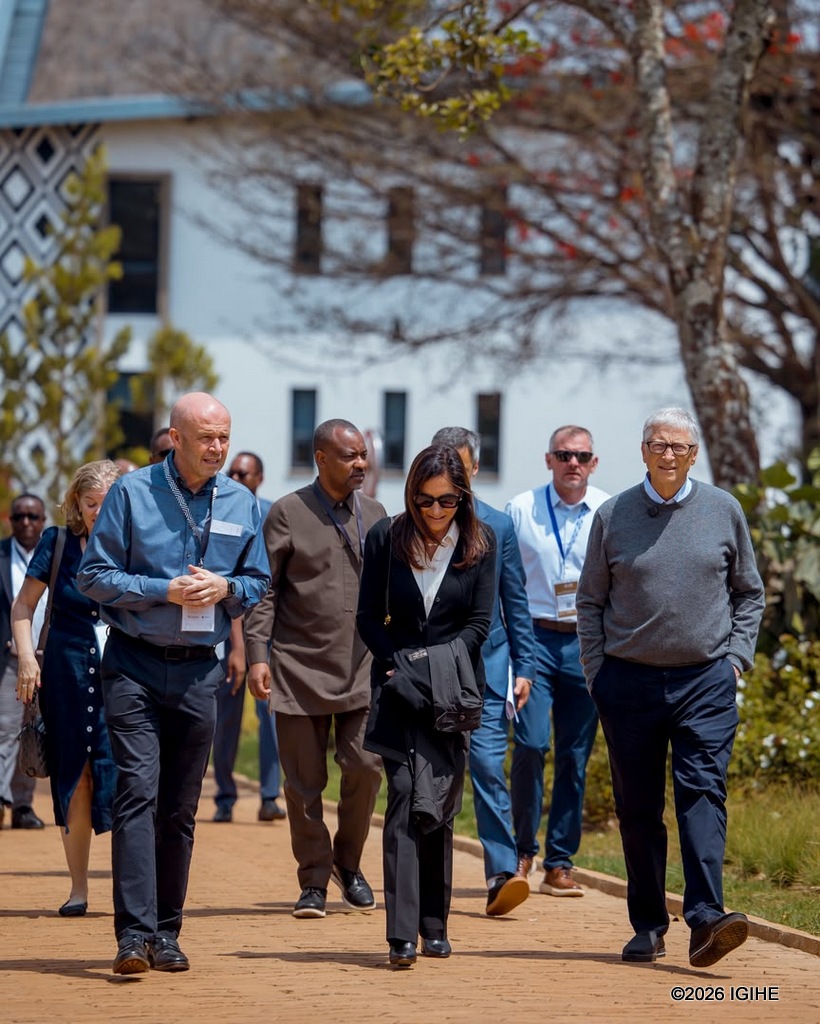
Gates started his engagements in Rwanda on Monday, July 20, as part of a visit focused on learning more about the country’s progress in health, agriculture, and digital public infrastructure.
Since arriving in Rwanda, Gates has toured the TKMD syringe manufacturing plant in Rwamagana District, visited Mwulire Health Centre, and met community health workers to gain deeper insight into Rwanda’s primary healthcare system.
The Gates Foundation has worked with Rwanda for more than two decades, supporting programmes in healthcare, agriculture, nutrition, and innovation. Earlier this year, Rwanda became the first beneficiary of the Horizon1000 initiative, a $50 million artificial intelligence programme launched by the Gates Foundation in partnership with OpenAI to help African countries use AI to strengthen healthcare delivery.
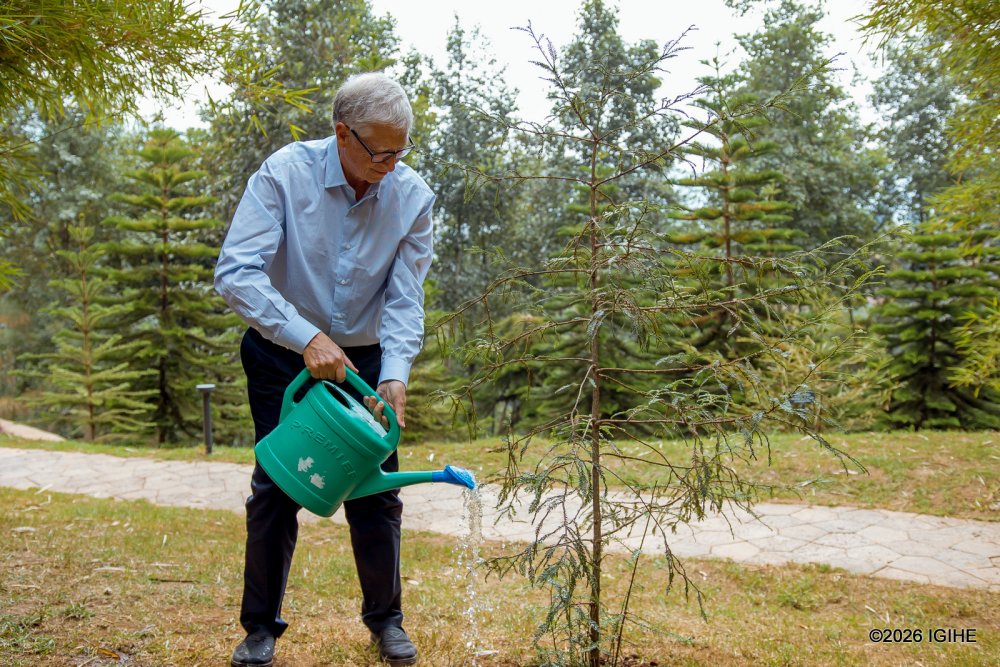
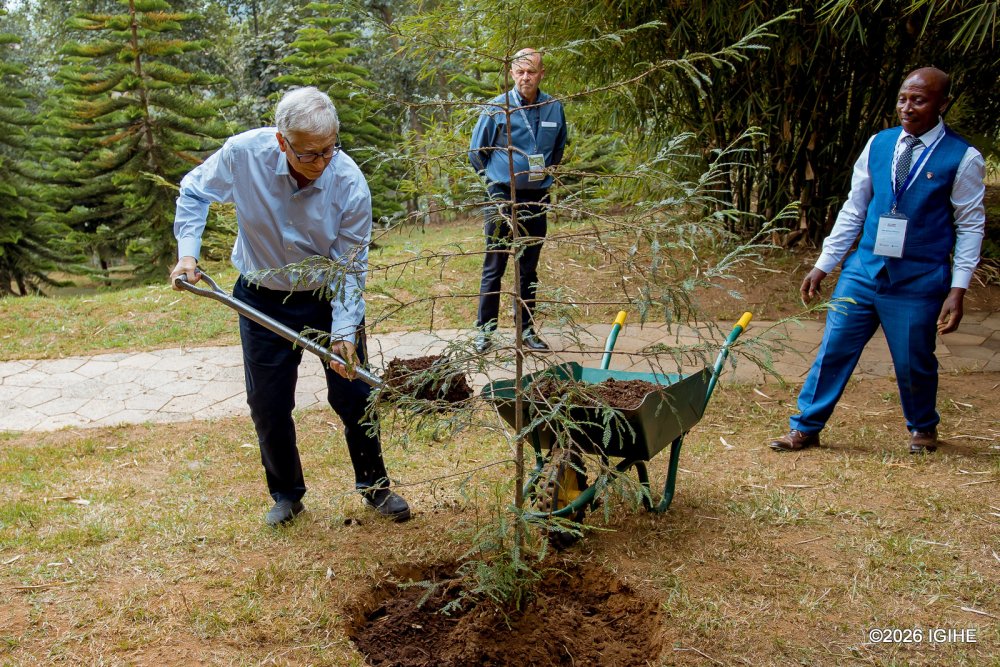
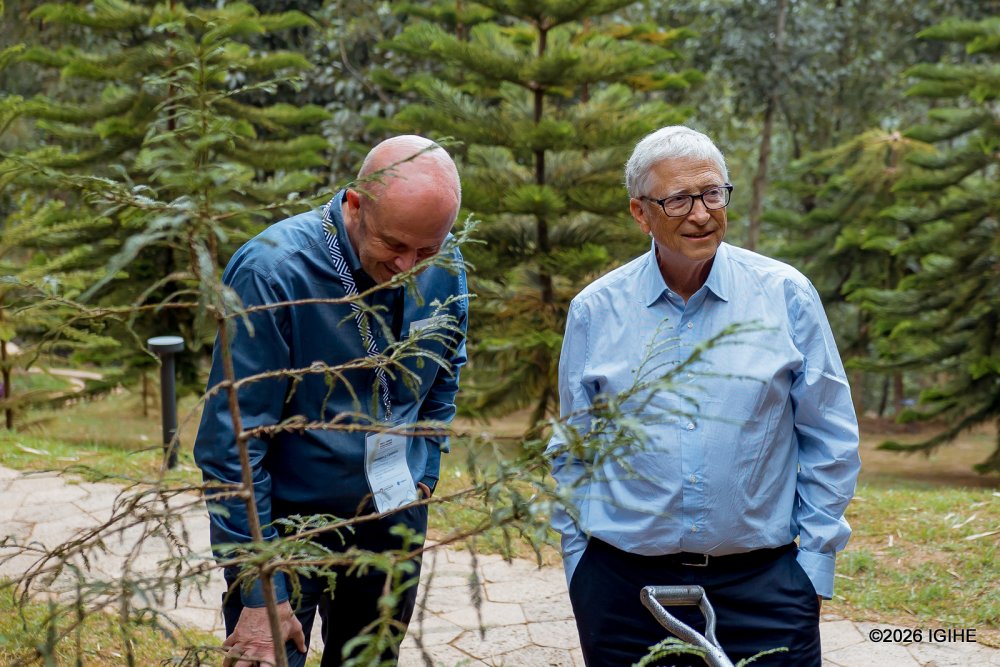
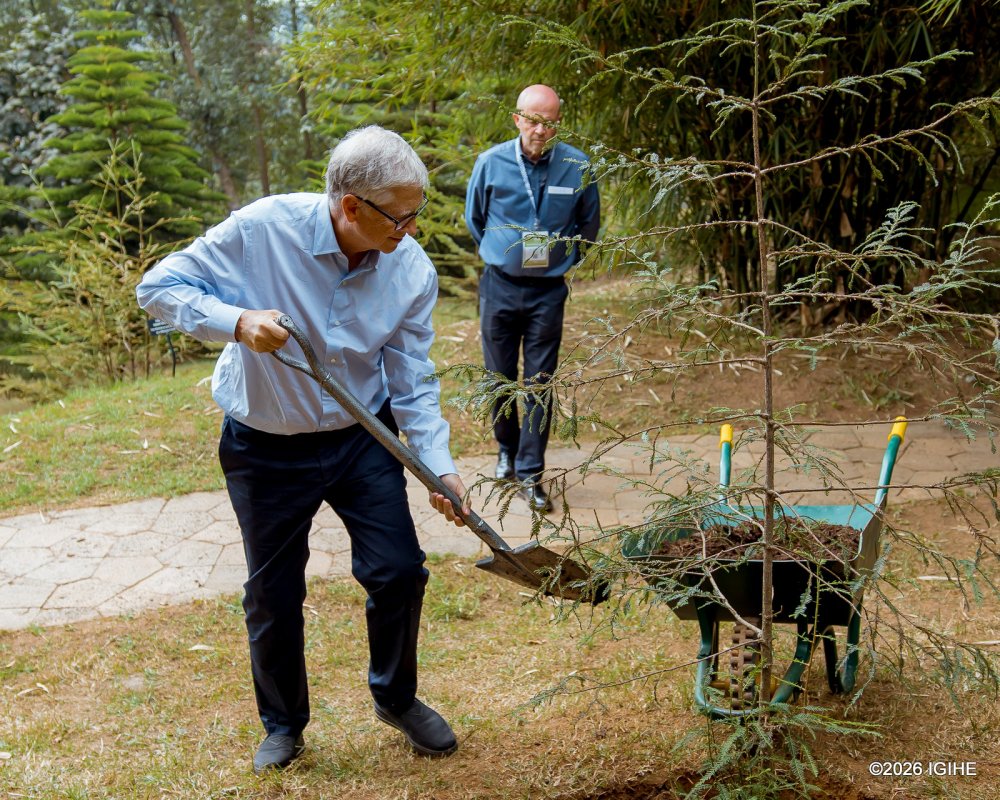
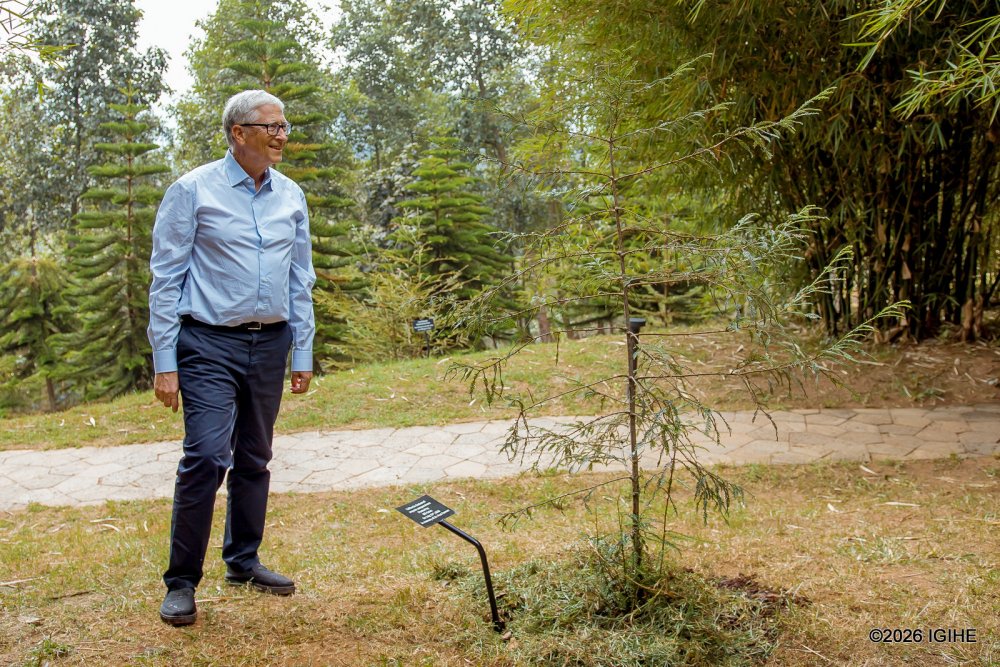
Bill Gates made the remarks on Wednesday while delivering the inaugural lecture at the Paul E. Farmer Butaro Dialogues on Health Equity and Innovation, hosted by the University of Global Health Equity (UGHE) in Butaro, Northern Province.The inaugural Paul E. Farmer Butaro Dialogues brought together government officials, health experts, academics and students to explore how innovation, technology and stronger health systems can advance health equity across Africa.Bill Gates pays tribute to Paul Farmer, who died in 2022 Bill Gates waters tree he planted during previous visit.
The study, led by researchers from City St George’s, University of London, suggests that doctors may improve treatment outcomes by switching between different therapies while tumors are still responding, rather than waiting until the disease returns.
The findings, published in the journal Genetics, are based on mathematical models that examine how cancer cells evolve during treatment. Researchers say cancer behaves similarly to other evolving systems, where cells that develop survival advantages can eventually dominate when exposed to pressure from medicines.
Dr. Robert Noble, a researcher from the Department of Mathematics at City St George’s, explained that cancer often returns because some cells survive the first round of treatment and develop resistance.
“Although tumors may at first shrink under therapy, in many cases they eventually regrow. These relapses stem from a small number of cancer cells that have gained mutations making the cells resistant to the treatment,” he said.
The researchers compared the current approach, where doctors usually continue treatment until the cancer stops responding, with a new strategy that involves switching treatments while the tumor is weakened.
They described the approach as “kicking it while it’s down,” meaning doctors could attack cancer at a stage when it is already vulnerable before resistant cells become strong enough to cause another relapse.
Using computer simulations, the team found that planned changes between different treatments could be more effective than waiting for resistance to appear. The models showed that a combination of three or more therapies used in a carefully timed sequence could have greater potential, especially when treating larger tumors.
“Our models predict that this new approach will generally outperform the standard of care. A sequence of two treatments, even if optimally timed, is likely to succeed only in relatively small tumors. But we have reason to hope that switching between three or more treatments, following the same principle, could eliminate larger tumors,” Dr. Noble said.
The researchers explained that the strategy is based on evolutionary principles, which have already been used in other areas such as managing antibiotic resistance and improving predictions of seasonal influenza strains.
However, scientists cautioned that the findings are still at an early stage. The study was based on mathematical modelling and computer simulations, meaning the approach must undergo further laboratory studies and clinical trials before it can become part of routine cancer treatment.
Several early-stage clinical trials are already investigating similar ideas in cancers including soft tissue cancer, prostate cancer, and breast cancer. Researchers hope that continued studies could lead to treatments that stay ahead of cancer’s ability to evolve.
If successful, the approach could help doctors extend the effectiveness of existing cancer medicines, delay disease relapse, and improve outcomes for patients without relying only on the development of new drugs.
Scientists propose new strategy to prevent cancer from becoming drug-resistant
The UN Office for the Coordination of Humanitarian Affairs (OCHA) confirmed Ebola cases had been reported in at least 16 sites hosting more than 270,000 displaced people across Ituri province, the epicenter of the outbreak.
OCHA said the world body and its partners were supporting displaced communities through prevention and awareness activities, such as installing handwashing stations and conducting community outreach on Ebola prevention measures.
As of Saturday, DRC health authorities had reported 2,344 confirmed Ebola cases across five provinces. Ituri accounts for nearly 90 percent of the confirmed cases, according to OCHA.
The office continued its call for increased international support to sustain the Ebola response and life-saving assistance to displaced communities already facing years of conflict, displacement, and deteriorating living conditions.
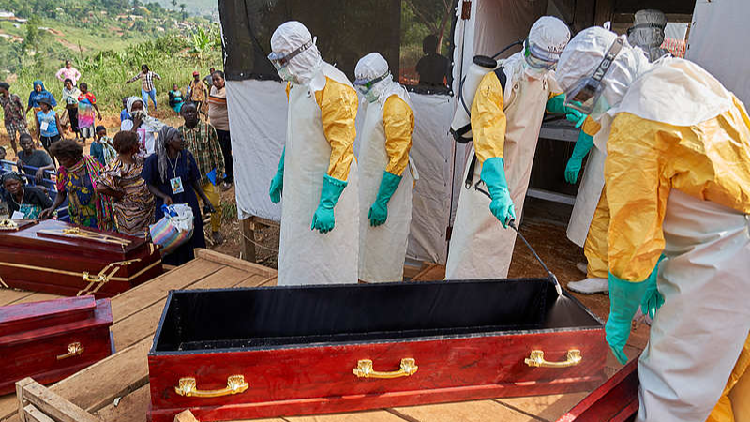
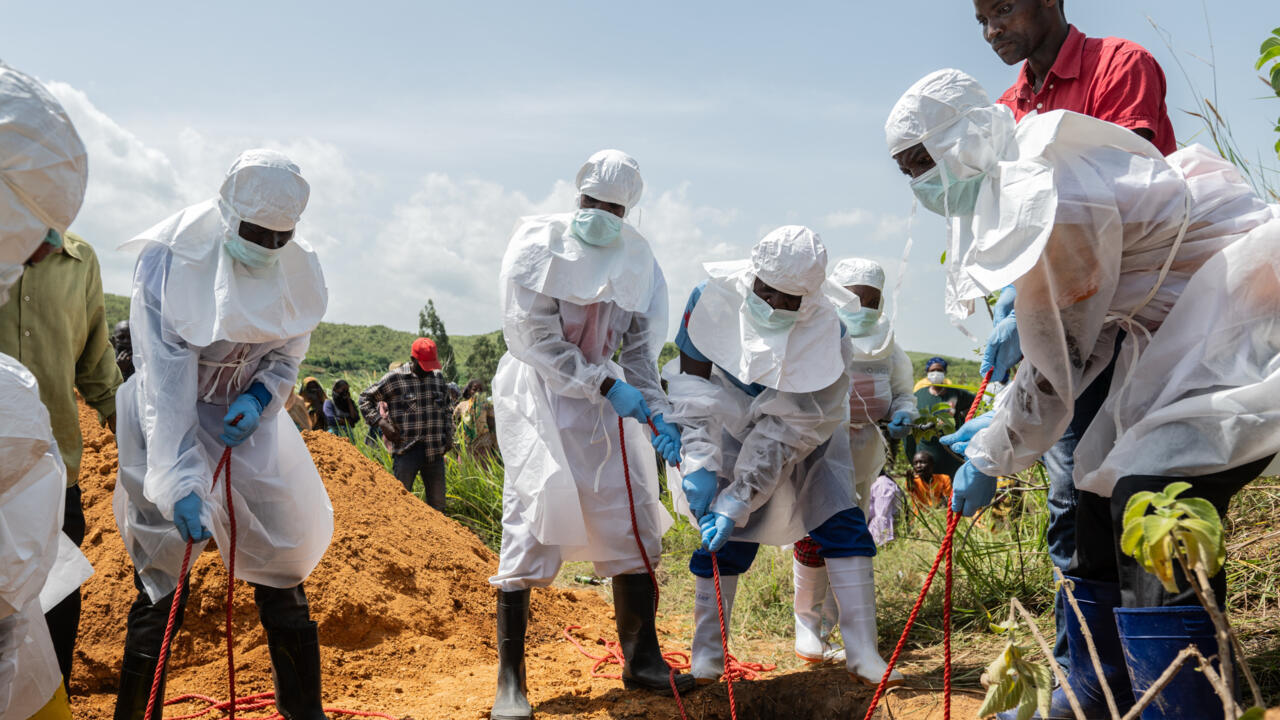
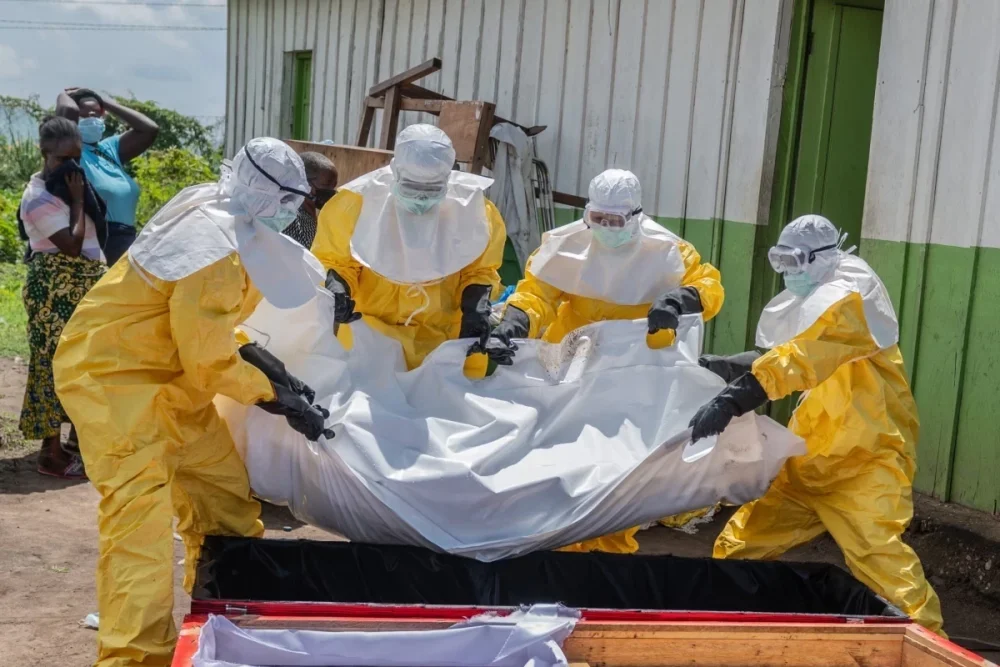
Red Cross workers bury an Ebola victim at the Rwampara Cemetery, in Rwampara, DR Congo, Saturday, May 23, 2026.
As of July 18, 2026, health authorities had confirmed a total of 2,344 Ebola cases, including 930 deaths, highlighting the continued impact of the outbreak despite ongoing efforts to control its spread.
Within a 24-hour period, the country recorded 77 new Ebola cases and 37 additional deaths, a development that shows the virus remains a major public health challenge for authorities and response teams working to contain it.
Ituri Province remains the epicentre of the outbreak, with Ebola cases reported in 27 of its 36 health zones. North Kivu Province is the second most affected area, with infections recorded in 11 of its 34 health zones.
In Haut-Uélé Province, the virus has been detected in four health zones, including Wamba, Boma Mangbetu, Pawa, and Isiro, out of the province’s 13 health zones. In Tshopo Province, Ebola cases have been reported in three health zones: Makiso-Kisangani, Lubunga, and Mangobo, out of 23 health zones.
The Ministry of Health said no new Ebola cases have been reported in South Kivu Province since May 26, 2026. It also confirmed that no new infections are currently being detected in Tshopo and Haut-Uélé provinces, indicating progress in controlling transmission in those areas.
The DRC government has confirmed that 930 people have died from the Bundibugyo Ebola outbreak.
The healthcare workers committed to working together in raising awareness, promoting early screening and ensuring that patients receive timely medical care for a disease that continues to affect many people in Rwanda and across the world.
Cancer remains one of the fastest-growing health challenges globally. According to the World Health Organization (WHO), about 20 million new cancer cases are diagnosed every year, while nearly 10 million people die from cancer annually.
Although the exact cause of breast cancer remains unknown, experts say several factors may increase the risk of developing the disease, including age, gender, family history and other biological factors.
Breast cancer affects both women and men, although it is more common among women.
Figures from the Rwanda Biomedical Centre (RBC) show that in 2023, a total of 719 women were diagnosed with breast cancer, compared to 32 men.
To strengthen the response to cancer, the Government of Rwanda has continued investing in improving healthcare services and building the capacity of medical professionals.
As part of these efforts, the Ministry of Health (MINISANTE) has introduced training programmes to equip nurses and midwives with knowledge on cancer prevention, early detection and patient support.
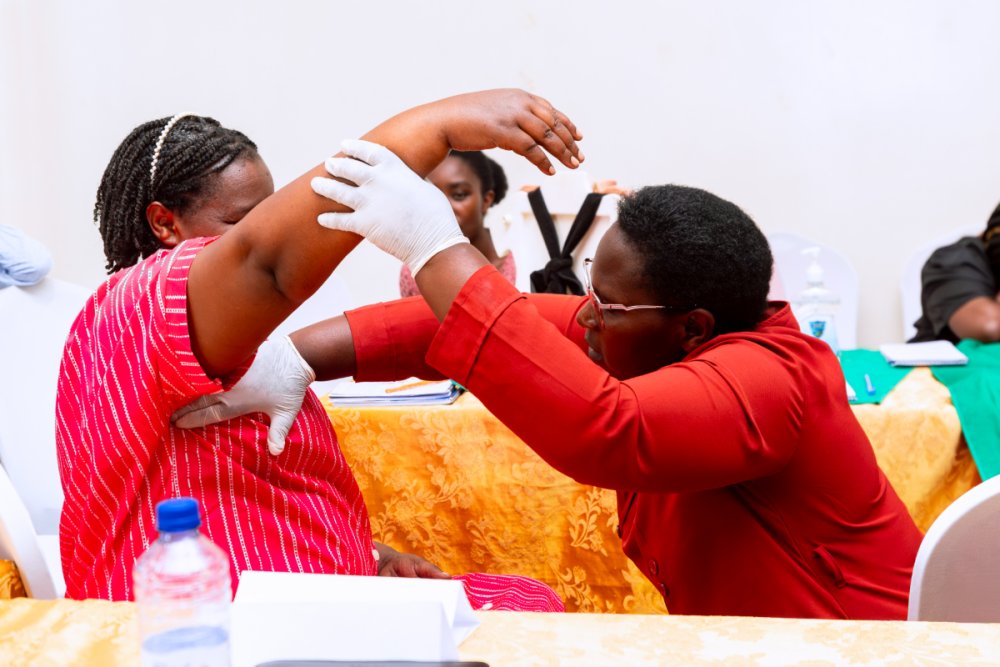
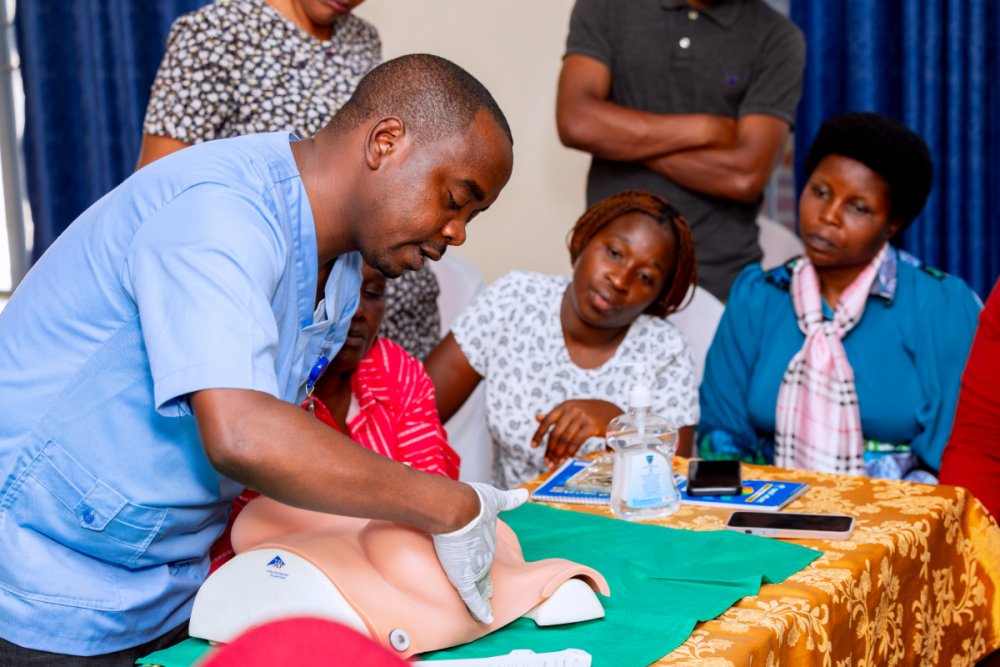
The latest training was organised by the Rwanda Nurses and Midwives Union (RNMU) for its members in Rubavu District, focusing on breast cancer awareness, screening methods and appropriate referral of patients for treatment.
Prof. Madeleine Mukeshimana, First Vice President of RNMU and lecturer at the University of Rwanda, said the increasing number of cancer cases is partly linked to late diagnosis, as many patients only seek medical attention when the disease has reached an advanced stage.
She noted that nurses often serve as the first point of contact for many patients, making their role essential in detecting warning signs early.
“We are reminding them how to examine breasts and identify signs of breast cancer at an early stage so that patients can be referred to the right healthcare facilities. When breast cancer is detected early, it can be treated successfully,” Prof. Mukeshimana said.
She also urged nurses and midwives to prioritise their own health while caring for others, reminding them that their wellbeing is equally important.
Prof. Mukeshimana encouraged them to maintain healthy lifestyles through regular exercise, eating balanced meals, avoiding excessive alcohol consumption and sharing health advice with the communities they serve.
One of the participants, Jonathan Ndagijimana, said the training had improved their understanding of cancer and would help them provide better care and guidance to patients.
“Through this training, we learned that cancer is a serious health challenge affecting the country. The knowledge we gained will help us properly screen patients, listen to their concerns, provide accurate information and guide them on the right steps to take,” he said.
Marie Louise Uwingeneye, a nurse at Gisenyi Hospital working in the neonatal care department, said the training had helped address knowledge gaps that previously made it difficult for healthcare workers to respond to some breast-related concerns raised by mothers.
“Although my work focuses on newborn care, we interact with mothers regularly because they support us in caring for their babies. Sometimes a mother would come with breast-related problems, such as difficulties producing breast milk, but it was challenging to provide proper guidance because we lacked enough knowledge about such conditions,” she said.
The training is expected to strengthen the role of nurses and midwives in promoting breast cancer awareness, encouraging early detection and ensuring that more patients access timely treatment.
The training was delivered by Hitayezu Jean Bosco, who has extensive experience in nursing and midwifery.Participants also conducted practical exercises on how to screen for cancer.They were trained on how to screen for breast cancer and other common breast-related diseases.RNMU members in Rubavu District were trained on cancer screening methods.