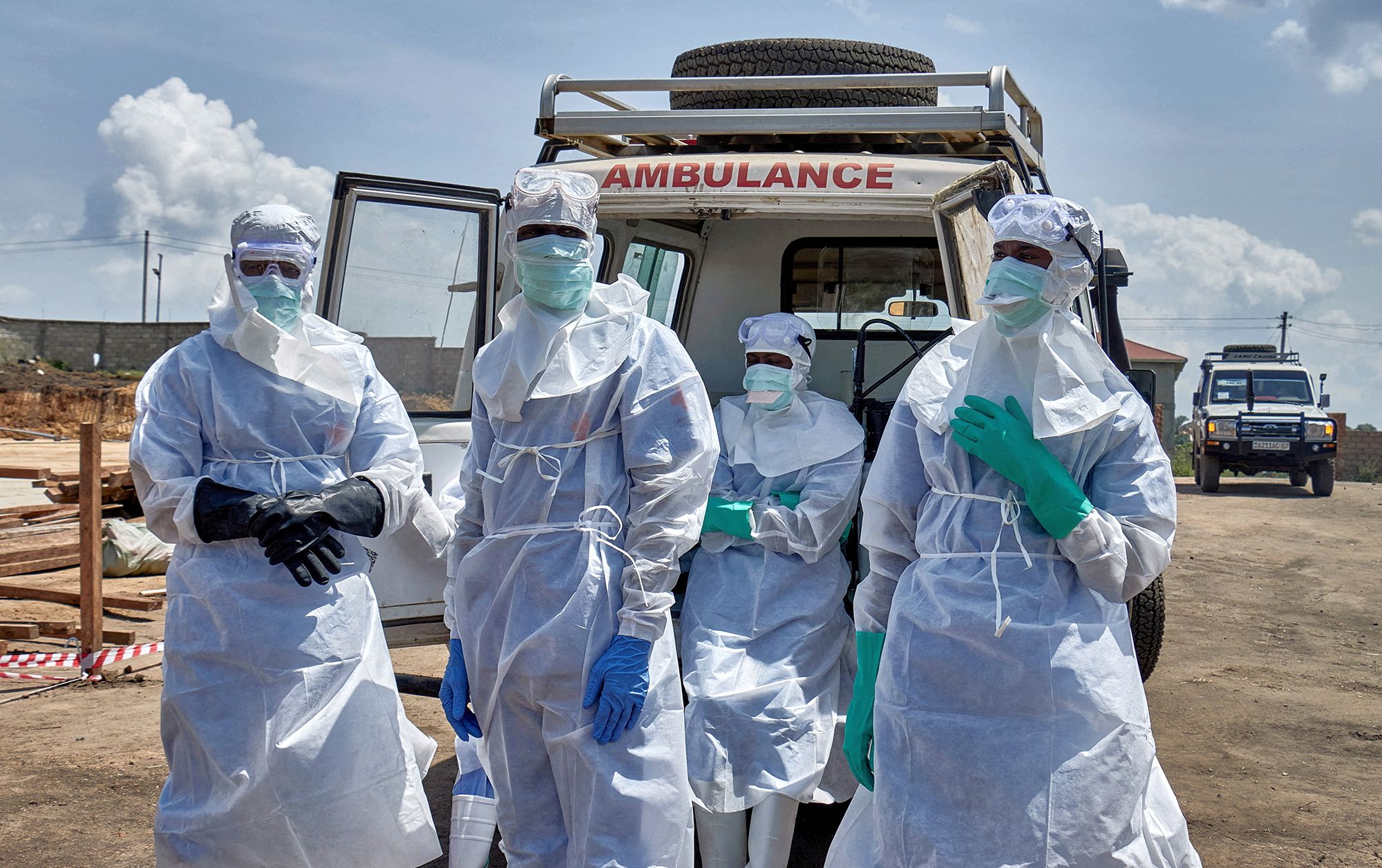
The UN Office for the Coordination of Humanitarian Affairs (OCHA) confirmed Ebola cases had been reported in at least 16 sites hosting more than 270,000 displaced people across Ituri province, the epicenter of the outbreak.
OCHA said the world body and its partners were supporting displaced communities through prevention and awareness activities, such as installing handwashing stations and conducting community outreach on Ebola prevention measures.
As of Saturday, DRC health authorities had reported 2,344 confirmed Ebola cases across five provinces. Ituri accounts for nearly 90 percent of the confirmed cases, according to OCHA.
The office continued its call for increased international support to sustain the Ebola response and life-saving assistance to displaced communities already facing years of conflict, displacement, and deteriorating living conditions.
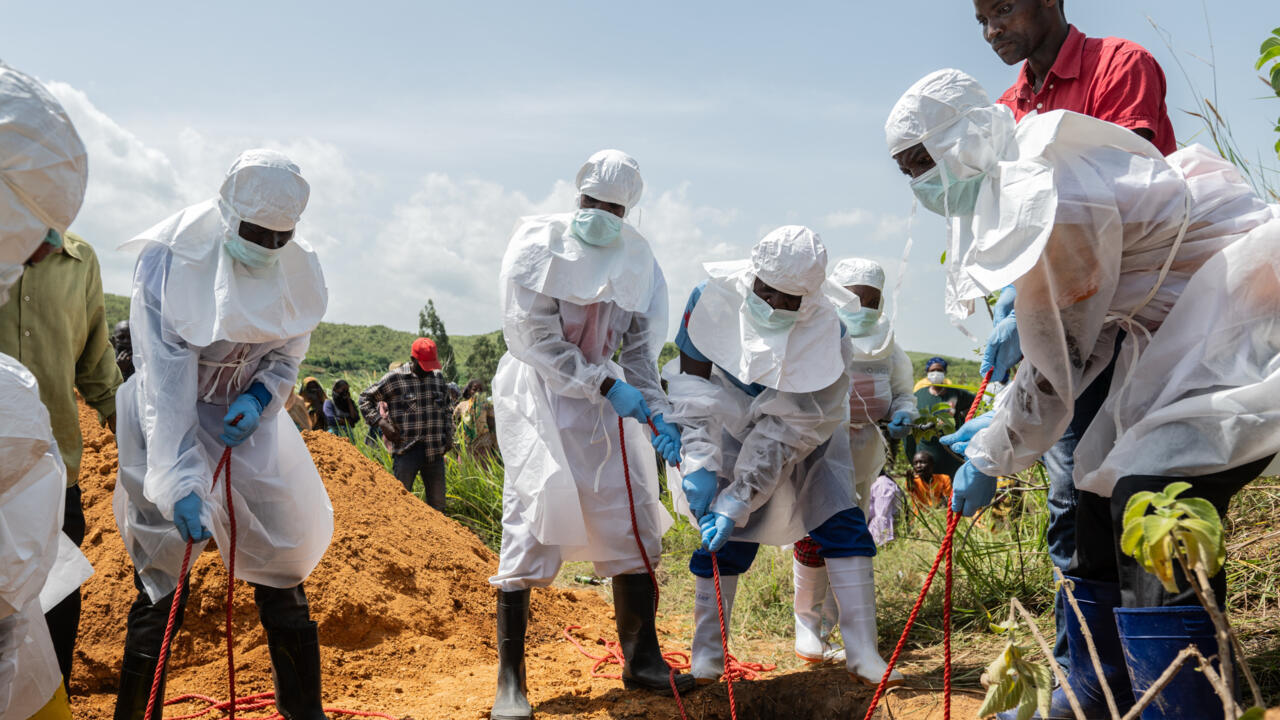
Red Cross workers bury an Ebola victim at the Rwampara Cemetery, in Rwampara, DR Congo, Saturday, May 23, 2026.
As of July 18, 2026, health authorities had confirmed a total of 2,344 Ebola cases, including 930 deaths, highlighting the continued impact of the outbreak despite ongoing efforts to control its spread.
Within a 24-hour period, the country recorded 77 new Ebola cases and 37 additional deaths, a development that shows the virus remains a major public health challenge for authorities and response teams working to contain it.
Ituri Province remains the epicentre of the outbreak, with Ebola cases reported in 27 of its 36 health zones. North Kivu Province is the second most affected area, with infections recorded in 11 of its 34 health zones.
In Haut-Uélé Province, the virus has been detected in four health zones, including Wamba, Boma Mangbetu, Pawa, and Isiro, out of the province’s 13 health zones. In Tshopo Province, Ebola cases have been reported in three health zones: Makiso-Kisangani, Lubunga, and Mangobo, out of 23 health zones.
The Ministry of Health said no new Ebola cases have been reported in South Kivu Province since May 26, 2026. It also confirmed that no new infections are currently being detected in Tshopo and Haut-Uélé provinces, indicating progress in controlling transmission in those areas.
The DRC government has confirmed that 930 people have died from the Bundibugyo Ebola outbreak.
The healthcare workers committed to working together in raising awareness, promoting early screening and ensuring that patients receive timely medical care for a disease that continues to affect many people in Rwanda and across the world.
Cancer remains one of the fastest-growing health challenges globally. According to the World Health Organization (WHO), about 20 million new cancer cases are diagnosed every year, while nearly 10 million people die from cancer annually.
Although the exact cause of breast cancer remains unknown, experts say several factors may increase the risk of developing the disease, including age, gender, family history and other biological factors.
Breast cancer affects both women and men, although it is more common among women.
Figures from the Rwanda Biomedical Centre (RBC) show that in 2023, a total of 719 women were diagnosed with breast cancer, compared to 32 men.
To strengthen the response to cancer, the Government of Rwanda has continued investing in improving healthcare services and building the capacity of medical professionals.
As part of these efforts, the Ministry of Health (MINISANTE) has introduced training programmes to equip nurses and midwives with knowledge on cancer prevention, early detection and patient support.
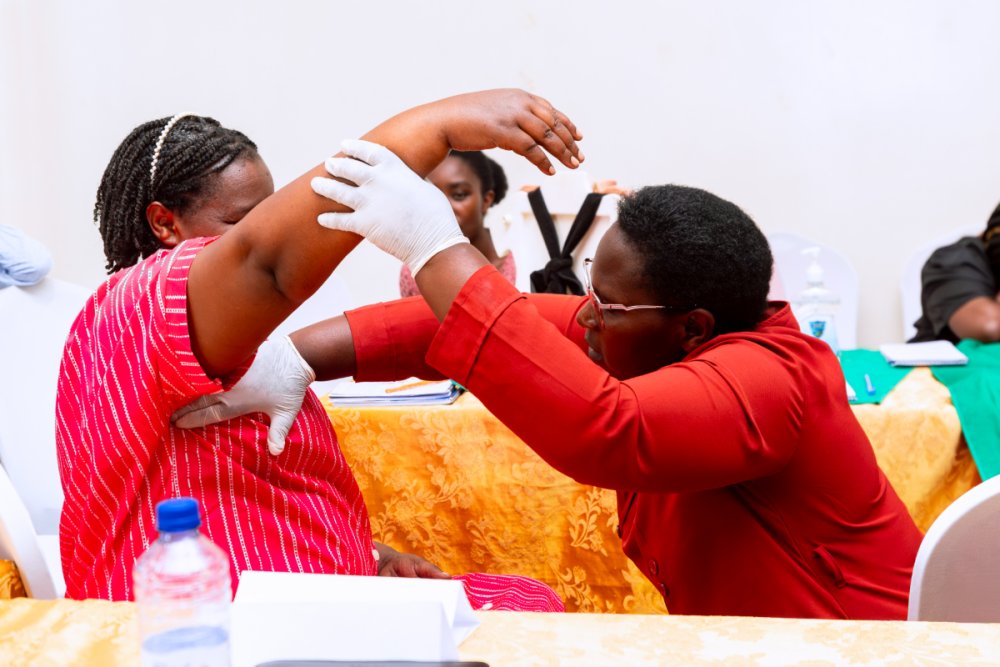
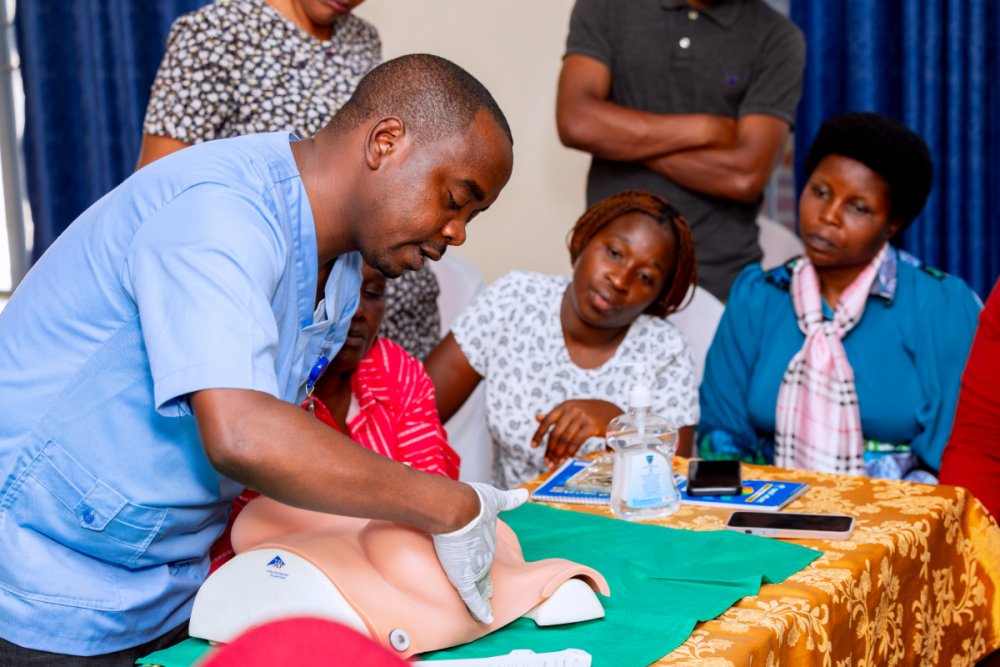
The latest training was organised by the Rwanda Nurses and Midwives Union (RNMU) for its members in Rubavu District, focusing on breast cancer awareness, screening methods and appropriate referral of patients for treatment.
Prof. Madeleine Mukeshimana, First Vice President of RNMU and lecturer at the University of Rwanda, said the increasing number of cancer cases is partly linked to late diagnosis, as many patients only seek medical attention when the disease has reached an advanced stage.
She noted that nurses often serve as the first point of contact for many patients, making their role essential in detecting warning signs early.
“We are reminding them how to examine breasts and identify signs of breast cancer at an early stage so that patients can be referred to the right healthcare facilities. When breast cancer is detected early, it can be treated successfully,” Prof. Mukeshimana said.
She also urged nurses and midwives to prioritise their own health while caring for others, reminding them that their wellbeing is equally important.
Prof. Mukeshimana encouraged them to maintain healthy lifestyles through regular exercise, eating balanced meals, avoiding excessive alcohol consumption and sharing health advice with the communities they serve.
One of the participants, Jonathan Ndagijimana, said the training had improved their understanding of cancer and would help them provide better care and guidance to patients.
“Through this training, we learned that cancer is a serious health challenge affecting the country. The knowledge we gained will help us properly screen patients, listen to their concerns, provide accurate information and guide them on the right steps to take,” he said.
Marie Louise Uwingeneye, a nurse at Gisenyi Hospital working in the neonatal care department, said the training had helped address knowledge gaps that previously made it difficult for healthcare workers to respond to some breast-related concerns raised by mothers.
“Although my work focuses on newborn care, we interact with mothers regularly because they support us in caring for their babies. Sometimes a mother would come with breast-related problems, such as difficulties producing breast milk, but it was challenging to provide proper guidance because we lacked enough knowledge about such conditions,” she said.
The training is expected to strengthen the role of nurses and midwives in promoting breast cancer awareness, encouraging early detection and ensuring that more patients access timely treatment.
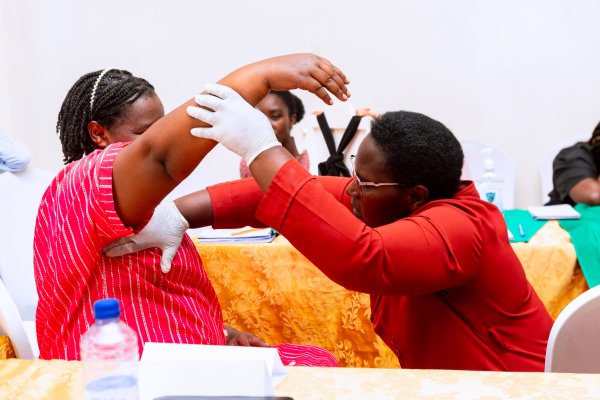
The training was delivered by Hitayezu Jean Bosco, who has extensive experience in nursing and midwifery.Participants also conducted practical exercises on how to screen for cancer.They were trained on how to screen for breast cancer and other common breast-related diseases.RNMU members in Rubavu District were trained on cancer screening methods.
Researchers from the University of New England (UNE) in Australia reported that people with depression showed significantly greater “sensory hyposensitivity” across all five senses compared with non-depressed individuals, according to a UNE statement released Thursday.
“This had not been documented in such detail previously and shows how depression can trigger a whole-body response,” said UNE Professor of Neuroscience, Christopher Sharpley, lead author of the study published in Nature’s Translational Psychiatry.
Sensory withdrawal is the body’s way of coping with the pain, loss, stress, and conflict that can drive depression, Sharpley suggested.
“When someone’s world becomes so painful or inescapable they can no longer cope, the only response our body has is to withdraw,” he said, suggesting that a reduction in sensory sensitivity may help the body withdraw from an overwhelmingly unpleasant world.
The team reviewed 51 previous studies examining sight, touch, taste, hearing, and smell, and argued that incorporating sensory withdrawal into diagnostic criteria for depression could pave the way for more comprehensive diagnosis and evidence-based treatment.
The study forms part of broader work by UNE’s Brain-Behavior Research Group, which has identified five depression subtypes based on distinct brain wave patterns in more than 200 participants, with each subtype requiring more tailored therapeutic approaches rather than uniform treatment strategies, Sharpley said.
Researchers from the University of New England (UNE) in Australia reported that people with depression showed significantly greater “sensory hyposensitivity” across all five senses compared with non-depressed individuals, according to a UNE statement released Thursday.
Instead of focusing only on removing harmful protein buildup in the brain, the experimental drug targets several changes linked to Alzheimer’s disease at the same time, raising hopes for a more effective treatment.
The drug, known as KCL-286, was originally developed to treat spinal cord injuries. In a recent study using mice, researchers found that it repaired harmful DNA damage in brain cells, reduced inflammation in the brain, and improved several biological changes associated with Alzheimer’s disease.
Alzheimer’s is the most common form of dementia and is marked by memory loss, confusion, and a gradual decline in thinking and reasoning abilities.
Current treatments mainly help manage symptoms and often focus on reducing amyloid or tau proteins naturally found in the brain.
However, scientists believe that Alzheimer’s develops through several interconnected biological processes, making it important to target more than one pathway.
The findings suggest that KCL-286 may offer a broader approach by tackling multiple causes of the disease at once.
According to the researchers, the drug repaired DNA damage that can contribute to the death of brain cells while also reducing inflammation, another major factor believed to speed up the progression of Alzheimer’s.
One of the biggest advantages of KCL-286 is that it has already completed Phase 1 clinical trials, where it was found to be safe and well tolerated in humans.
Because this early safety testing has already been completed, researchers believe the drug could move into Alzheimer’s clinical trials much faster than a newly developed medicine.
Professor Jonathan Corcoran, Professor of Neuroscience at the Institute of Psychiatry, Psychology & Neuroscience at King’s College London, said KCL-286 is a first-in-class, orally available small molecule that has successfully passed Phase 1 human safety and tolerability trials.
“KCL-286 is a first-in-class, orally bioavailable small molecule that has already successfully cleared Phase 1 human safety and tolerability trials. This will dramatically cut down the traditional multi-year timeline required for new drug development,” Corcoran said.
Although the results are encouraging, the researchers caution that the findings are based on animal studies. Further clinical trials involving people with Alzheimer’s disease will be needed to determine whether the drug is safe and effective for treating the condition.
If future studies confirm these early findings, KCL-286 could represent an important step toward developing treatments that address the complex biology of Alzheimer’s rather than focusing on a single target.
Experimental drug shows promise in treating Alzheimer’s by repairing DNA damage.
Speaking at a press briefing in Geneva, WHO Director-General Tedros Adhanom Ghebreyesus said active armed conflict, insecurity and community resistance were hampering access to affected areas and limiting the effectiveness of response operations.
He warned that transmission continues to outpace response efforts despite significant gains in surveillance, treatment and research.
“Despite the progress we have made, the Ebola outbreak in DRC is continuing to outpace the response,” Tedros said, noting that a treatment center in the Ituri province and the epicenter of the outbreak was attacked earlier this week.
According to the latest situation report released by the DRC health authorities on Thursday, the country had recorded 2,124 confirmed cases, including 828 deaths.
The outbreak caused by the Bundibugyo Ebola virus has now spread to five provinces: Ituri, North Kivu, South Kivu, Haut-Uele and Tshopo.
Ituri accounts for nearly 90 percent of all confirmed infections. A first confirmed case reported in the border health zone of Mahagi has heightened concerns over potential cross-border transmission into neighboring Uganda, according to the report.
Tedros said Thursday marked two months since the DRC government officially declared the epidemic on May 15. During that period, the outbreak expanded from a localized cluster in northeastern DRC into the third-largest Ebola outbreak ever recorded.
“In the past month, it has expanded faster than any previous outbreak,” he said.
Tedros said intense transmission in Ituri remains the greatest concern. More than 80 percent of newly detected cases are not linked to known contact lists, indicating that significant transmission chains remain undetected. Roughly two-thirds of deaths occur in communities before patients reach health facilities.
At the same time, response capacity has continued to expand. Treatment capacity now exceeds 800 beds, while laboratory infrastructure has grown from a single facility at the start of the outbreak to 16 laboratories across affected areas, according to the WHO.
The DRC situation report showed that 725 patients were in isolation or hospitalization as of July 15, while 390 others have recovered. Overall bed occupancy stood at 85.6 percent, although several treatment facilities in Ituri and North Kivu remained severely overcrowded.
A WHO-backed trial, PARTNERS, was launched in the DRC on July 2 to evaluate treatments for patients already infected, assessing the monoclonal antibody MBP134 and the antiviral remdesivir, individually and in combination.
A vaccine candidate, developed by the University of Oxford, began Monday, while a separate study led by the DRC’s National Institute for Biomedical Research started Tuesday, testing the antiviral obeldesivir as post-exposure prophylaxis among high-risk contacts, said Tedros.
The WHO chief also appealed for additional international support, warning that the Joint WHO-Africa CDC Continental Preparedness and Response Plan still faces a funding shortfall of more than 400 million U.S. dollars.
“This is not charity,” Tedros said. “It’s an investment in national security.”
Meanwhile, Uganda’s outbreak linked to cross-border transmission is nearing its conclusion. Tedros said the country’s last confirmed Ebola patient was discharged from care on Thursday, triggering the start of the 42-day countdown required before an outbreak can be officially declared over. Uganda has recorded 20 confirmed cases, including two deaths, from the current event.
However, the DRC report said population movements, insecurity, artisanal mining activities and cross-border exchanges with Uganda and South Sudan continued to facilitate transmission.
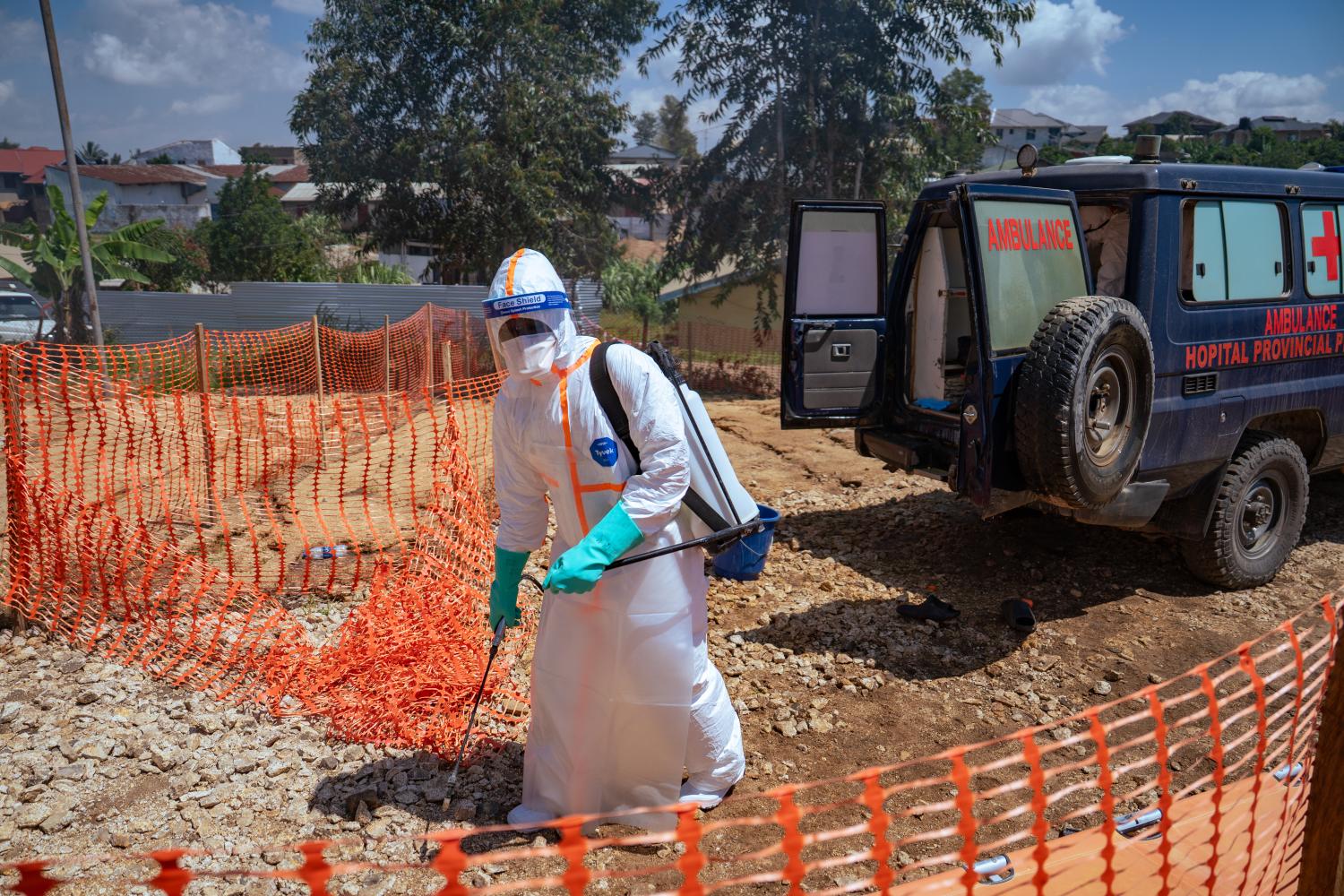
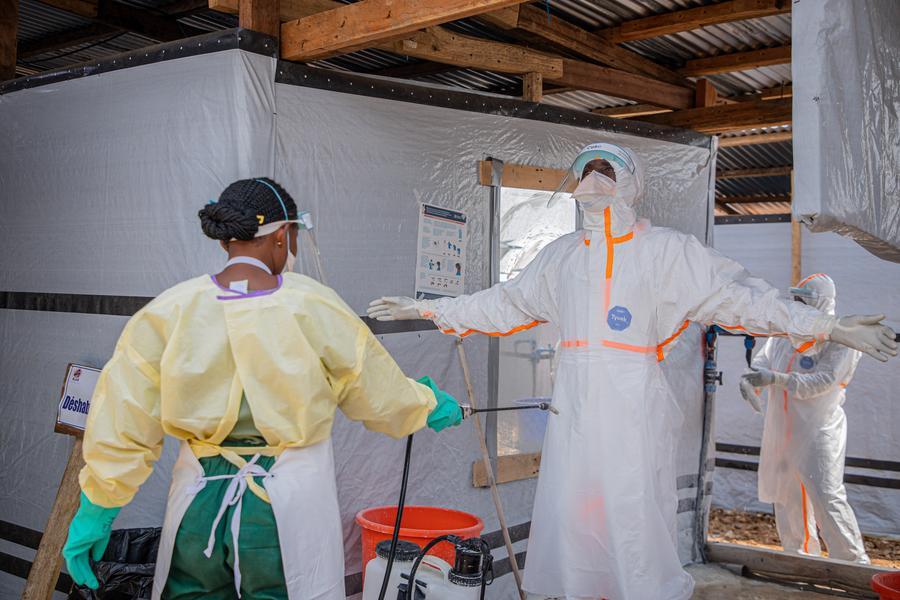
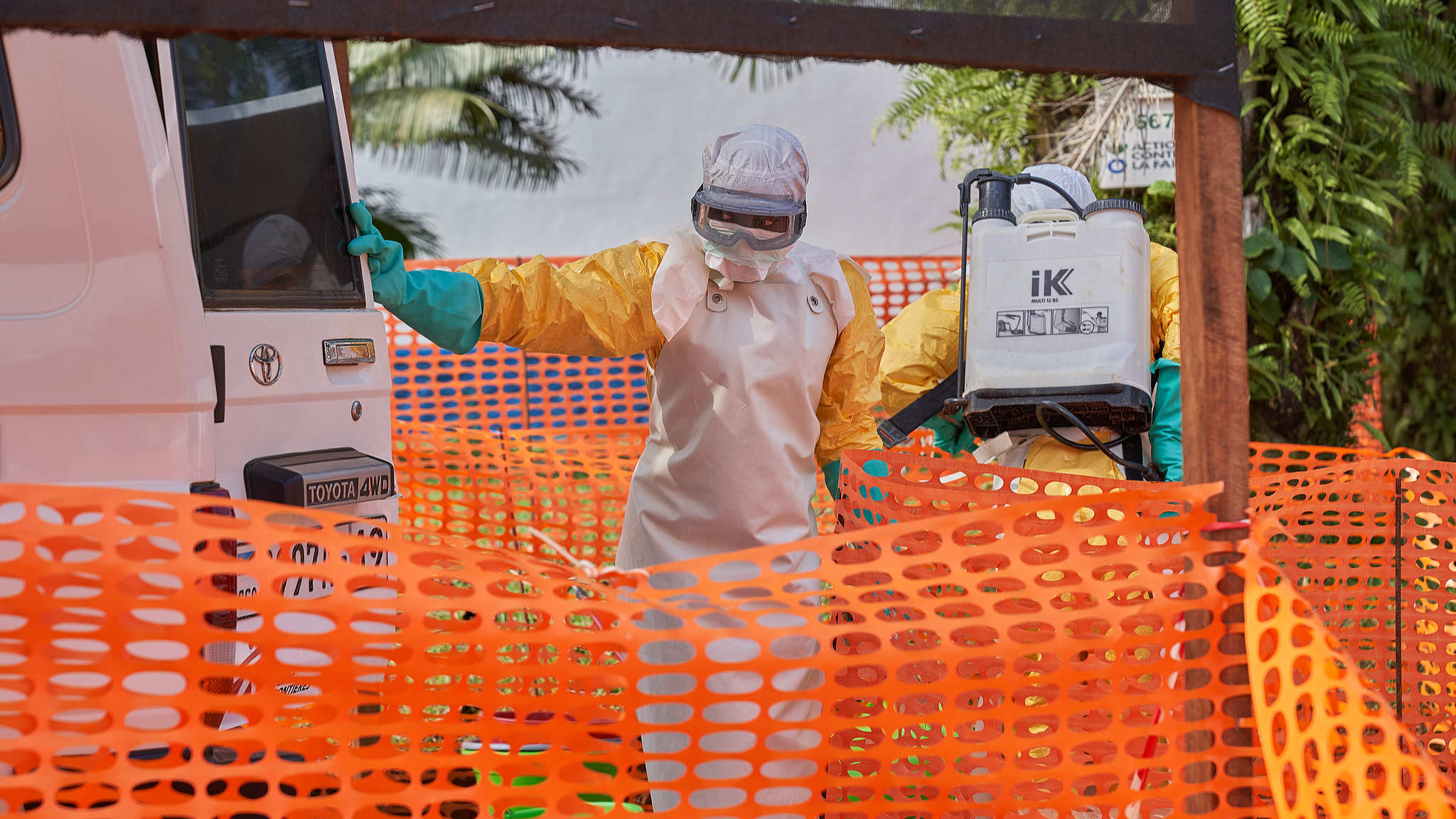
Health workers disinfect a vehicle during the Ebola outbreak in the eastern DR Congo.
U.S. Centers for Disease Control and Prevention (CDC) and the Department of Homeland Security (DHS) are currently working together on a DO NOT BOARD (DNB) process with regard to the DRC, DHS said in a post on X.
“American citizens who are departing from the DRC may be subject to a DO NOT BOARD (DNB) order. Americans are able to return to the United States 21 days after leaving the DRC,” it added.
The latest announcement came one day after the CDC announced temporarily restricting U.S. entry for all travelers who were recently in DRC and certain travelers who were recently in Uganda or South Sudan.
“Air passengers who have been in Uganda and South Sudan in the past 21 days and are allowed to enter the United States will have their travel rerouted to a designated airport for public health entry screening,” the CDC said in the update Tuesday.
Since May, the DRC has been fighting an outbreak caused by the Bundibugyo Ebola virus, for which there is no approved vaccine or specific treatment. As of Tuesday, the number of confirmed Ebola cases in the DRC has reached 2,011, including 754 deaths.
Since May, the DRC has been fighting an outbreak caused by the Bundibugyo Ebola virus, for which there is no approved vaccine.
For women of childbearing age, the challenges multiply: fears of birth defects from medications, risks of seizures harming mother or child, and questions about inheritance and breastfeeding have long cast a shadow over dreams of motherhood.
For Chinese neurologist Dr. Chen Lei, chief physician and professor in the Department of Neurology at West China Hospital of Sichuan University based in Chengdu City, these questions became more than medical concerns. They became a lifelong mission.
With more than 20 years of experience in clinical and basic research on epilepsy, Dr. Chen has dedicated much of her career to helping women living with epilepsy safely become mothers while advancing new approaches for patients whose seizures remain difficult to control.
Her journey began in 2010, when she was expecting her first child.
During a routine prenatal visit, Dr. Chen encountered three pregnant women with epilepsy who were searching for answers.
They asked whether their children would inherit epilepsy, whether anti-epileptic drugs could cause birth defects, and whether they would still be able to breastfeed.
“As a mother myself, I understood their fears,” Dr. Chen recalls during an interview with IGIHE. “But as a neurologist, I realised I could not answer their questions. I could not find the answers in textbooks or specialised epilepsy books.”
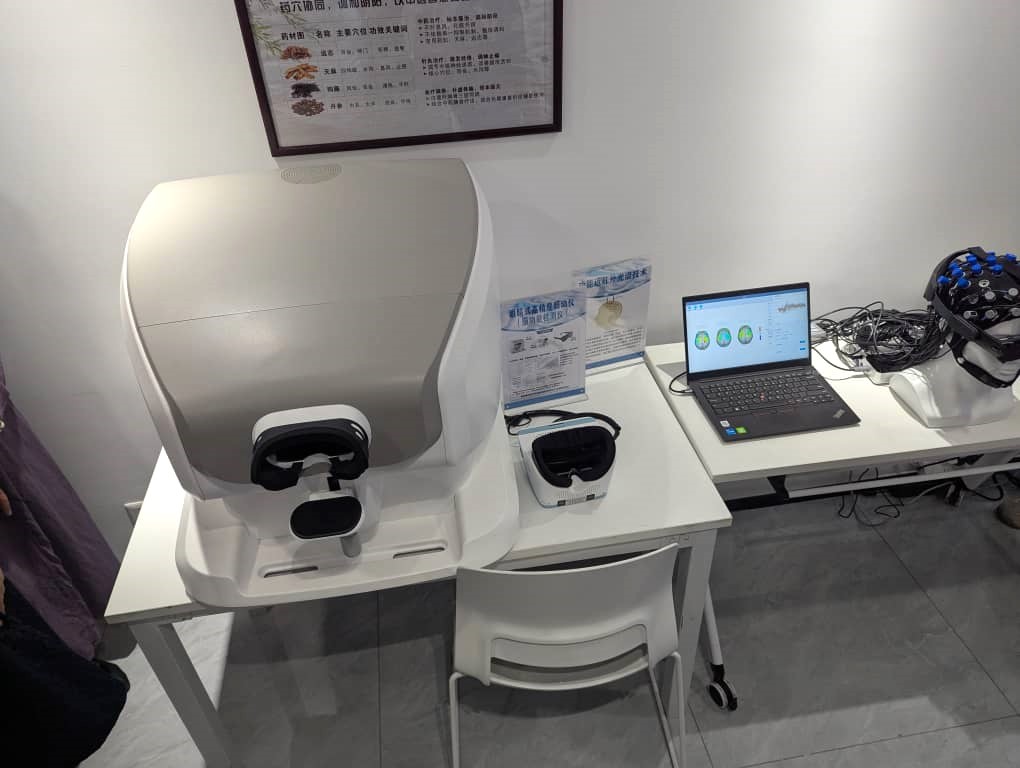
The epilepsy research team works with digital tools and medical technology to explore new methods of predicting seizures before they occur.
From a mother’s question to a lifelong research mission
That moment changed the direction of her career.
At the time, research on epilepsy among women of reproductive age was limited. Dr. Chen began reviewing available international studies, translating scientific knowledge into Chinese and searching for evidence that could guide both doctors and patients.
After reviewing the available literature, which at the time included only around 200 research papers published annually on the topic, Dr. Chen compiled the evidence and combined it with her own clinical insights.
One year later, in 2011, she published China’s first clinical reference book dedicated to women with epilepsy, providing doctors with practical guidance on pregnancy, treatment and reproductive health management.
However, Dr. Chen soon realised that medical literature alone could not answer every question faced by patients.
After the book was published, many women and their families came to seek her advice.
“They asked, ‘How can my daughter who has epilepsy have a healthy baby?’” Dr. Chen says. “But I could not give them a confident answer because I only had knowledge from books and literature, without enough practical experience.”
To address this gap, Dr. Chen began building a patient cohort, registering women with epilepsy between the ages of 18 and 45 who wanted to have children.
This work later developed into Asia’s first registry and long-term follow-up database for women with epilepsy, creating a foundation for years of research into pregnancy outcomes, medication safety and the health of children born to mothers with epilepsy.
Through the research, Dr. Chen and her team identified challenges that extended beyond medical complications. Many women had lived for years with fear and uncertainty, while some families struggled emotionally because they believed epilepsy would prevent them from having children.
“Some patients had been trying for five or ten years without success,” Chen says. “Some cried in the clinic with their families, and sometimes husbands cried too, even talking about divorce because they could not have children.”
Driven by the belief that women with epilepsy deserved the opportunity to experience motherhood safely, Dr. Chen expanded research into treatment approaches, including how anti-epileptic drugs should be used during pregnancy and how medication dosages could be adjusted to protect both mothers and babies.
Her team’s findings have since contributed to epilepsy management guidelines in China and internationally through collaboration with the International League Against Epilepsy.
In recognition of her scientific contribution and commitment to public service, Chen was named in May 2026 among China’s “Most Beautiful Sci-Tech Workers,” an honour recognising researchers who combine innovation with social impact.
Today, the work she started has grown into a wider medical network. More than 300 hospitals across China follow treatment standards developed through her research, while doctors and students continue to receive training in managing epilepsy among women of reproductive age.
“Women with epilepsy can now safely carry a pregnancy to term,” Dr. Chen says. “During pregnancy, they have fewer seizures, their children are born healthier, and rates of disability and mortality have also declined.”
Dr. Chen Lei displays her book on women’s epilepsy, the first scientific reference book of its kind in China dedicated to female epilepsy care and reproductive health.
Expanding epilepsy research beyond pregnancy
Beyond women’s epilepsy, Chen has expanded her research to patients whose seizures cannot be controlled through medication, known as drug-resistant epilepsy.
Her team has explored new treatment approaches, including minimally invasive procedures and the use of advanced technologies combining brain imaging, Electroencephalogram (EEG) data, movement information and blood biomarkers to better understand and predict seizures.
One area of research she highlights is the discovery of protein biomarkers that may predict seizures a day before they occur, potentially allowing patients to monitor their condition outside hospitals.
“EEG monitoring can only be used in hospitals, but these biomarkers can be used at home,” Chen explains. “Every community could use this to help patients.”
She is also involved in research on brain-computer interfaces (BCI), a rapidly developing field that uses brain signals to create communication between the brain and external devices.
For Dr. Chen, the goal is not only to control seizures but to improve quality of life throughout a patient’s lifetime.
“Even if seizures are controlled now, they may return later,” she says. “We need more and more new methods to help them live a high-quality life for their whole lifetime. That is their dream, and it is also my dream.”
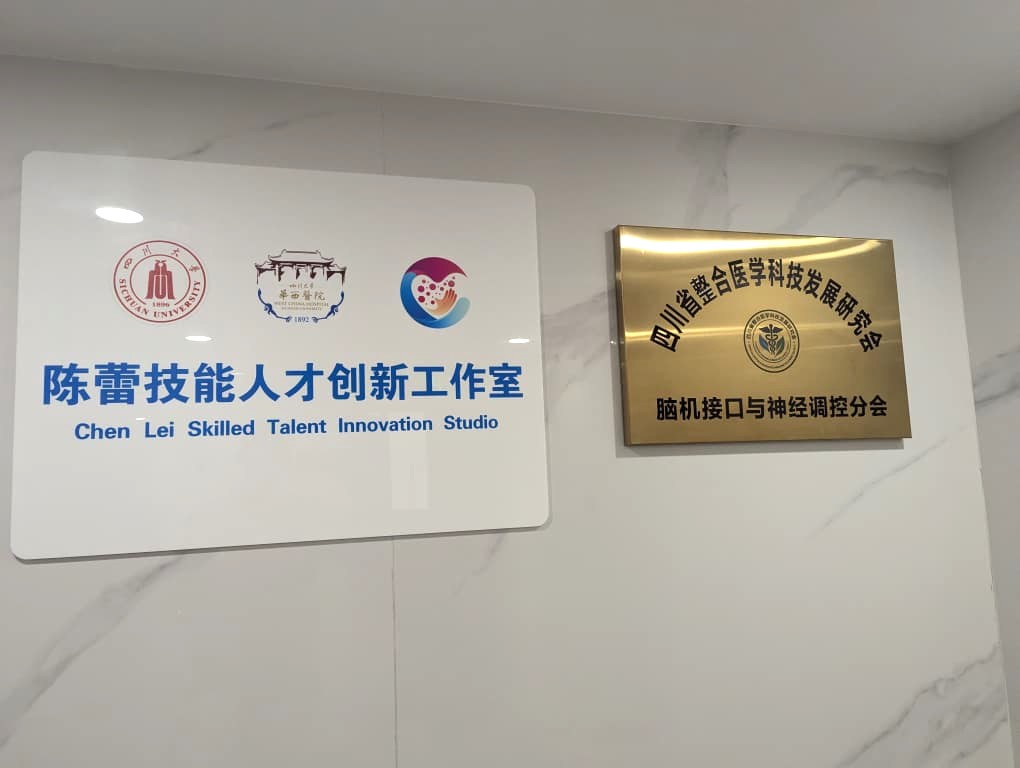
Young doctors and medical researchers work at the innovation studio, exploring new technologies aimed at improving diagnosis and treatment of neurological disorders.
Taking epilepsy knowledge beyond borders
Dr. Chen’s research has also been shaped by international cooperation. The first preface of her book on women’s epilepsy was written by Peter Wolf, former president of the International League Against Epilepsy, while other mentors from Japan and Harvard University have also influenced her scientific journey.
Looking ahead, Dr. Chen believes knowledge-sharing can help address epilepsy challenges beyond China’s borders, including in Africa.
As 2026 marks the China-Africa Year of People-to-People Exchanges, she sees healthcare as an important area for collaboration.
“As a Chinese doctor, I want to contribute my knowledge to this collaboration,” she says. “In the future, we can establish summer schools or educational programmes to welcome doctors and students from Africa to China. We can also go to African countries to help patients and doctors.”
For Dr. Chen, medicine is ultimately about connection, between doctors and patients, between countries and between generations of researchers working toward the same goal.
“I think communication is very important,” she says. “If we work together, it will be very good.”
Through years of research, mentorship and patient care, Dr. Chen Lei has helped transform epilepsy from a condition surrounded by fear into one where women can look forward to motherhood with greater confidence and hope.
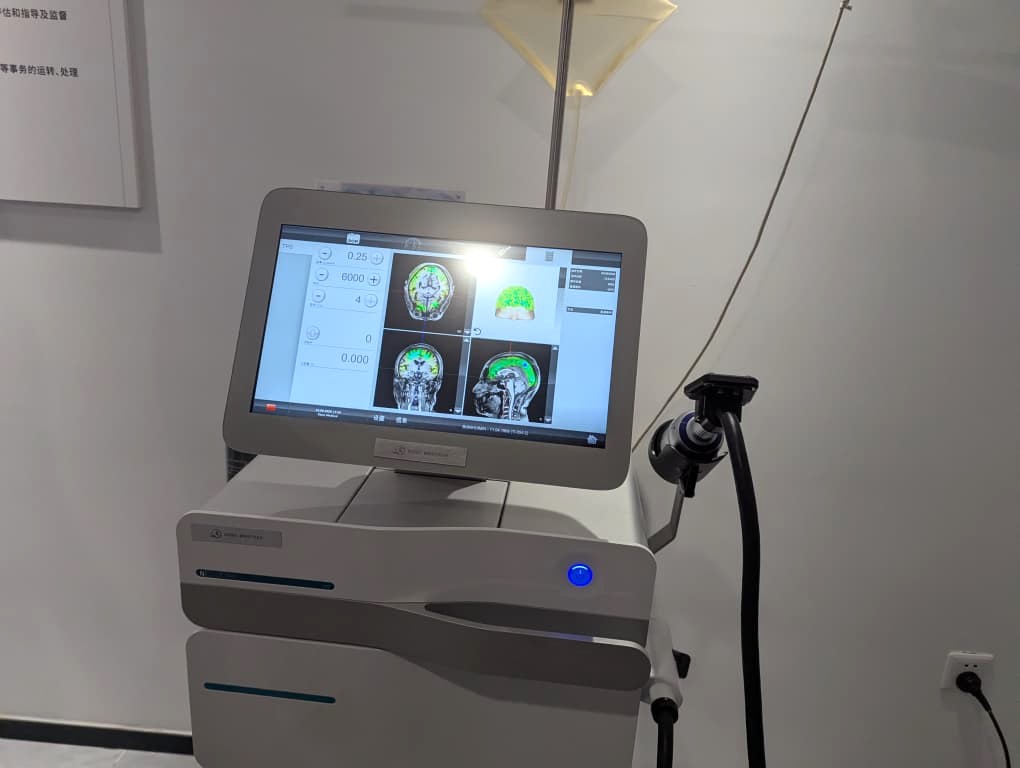
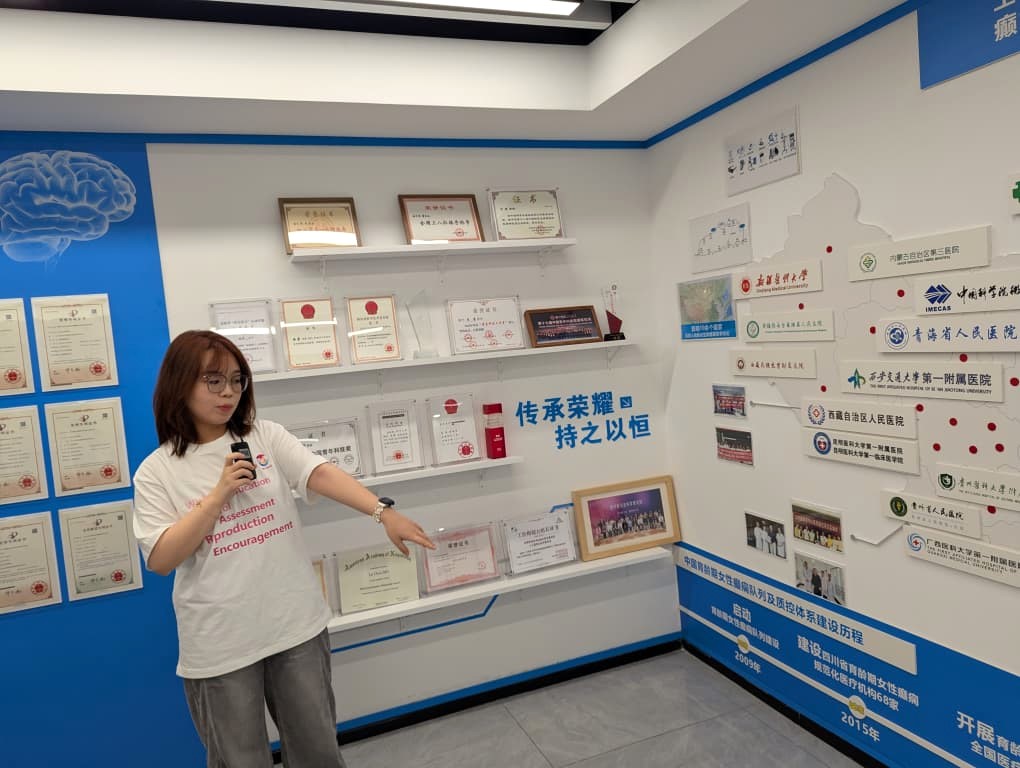
Dr. Chen Lei, chief physician and professor at West China Hospital of Sichuan University, has dedicated more than two decades to improving care for people living with epilepsy, especially women hoping to become mothers.Advanced epilepsy research equipment at the innovation studio in Sichuan supports the study of brain activity, seizure patterns and new treatment approaches.Dr. Chen Lei (third from left) introduces her epilepsy research work to a delegation of African senior journalists during their recent visit to Chengdu, the capital of Sichuan Province.
A total of 2011 confirmed cases, including 754 deaths, were reported, according to the latest report released by the country’s health authorities on Tuesday.
The announcement came as the WHO warned earlier in the day that undetected transmission, community deaths and rapid geographic expansion threatened to keep the response behind the epidemic curve.
Chikwe Ihekweazu, executive director of the WHO Health Emergencies Programme, said the current outbreak, caused by the Bundibugyo Ebola virus, was growing faster than any Ebola outbreak.
The outbreak, declared in mid-May, has spread to five provinces and is already the third-largest Ebola outbreak ever recorded, according to the WHO.
Fastest growth
“We’ve seen the fastest growth in a single month since the outbreak started and of all the Ebola outbreaks that we have managed,” said Ihekweazu.
“This is a fire,” he said, describing the epidemic that is being fuelled in its core areas while simultaneously spreading outward.
The outbreak appears to be entering a “new phase” characterized by progressive geographic expansion beyond its original epicentre in the Ituri province, said a weekly situation report by the WHO regional office for Africa released Tuesday.
The outbreak has newly spread to two more provinces, namely Tshopo and Haut-Uele, increasing the complexity of the response and elevating the risk of further national and cross-border spread, the report said.
DRC health authorities said on Tuesday that the emergence of new cases in Haut-Uele, which has so far reported 14 cases, including 13 deaths, indicated a further geographical spread, requiring an immediate strengthening of surveillance, diagnostic capacity and operational preparedness.
The detection of cases in Kisangani, a city of more than 1.6 million people and a major transport hub linking east and west of the country, highlighted the risk of wider transmission along key transport corridors, including the Congo River, the UN Office for the Coordination of Humanitarian Affairs warned on Tuesday.
Hidden transmission
Despite improvements in laboratory capacity and contact monitoring, around 80 percent of newly confirmed patients were not previously listed as contacts of known cases, which means they were emerging from “unknown chains of transmission,” Ihekweazu said.
As of Monday, 12,430 contacts of confirmed cases have been under surveillance, with the follow-up rate at 67.4 percent, health authorities said, well below the recommended operational target of 95 percent.
The mortality pattern points to the same delays. During the reporting period, 205 confirmed deaths were recorded, nearly 68 percent of which occurred outside treatment facilities, indicating that delayed presentation for care continues to contribute substantially to mortality, said the WHO report.
The current outbreak is caused by the Bundibugyo Ebola virus, for which there is no approved vaccine or specific treatment, unlike the better-known Zaire species.
On Tuesday, a first clinical trial was launched to assess whether the antiviral obeldesivir can prevent Bundibugyo Ebola infection after exposure.
The trial is being conducted in the DRC and Uganda and aims to enroll nearly 1,000 adults and children aged over 12, said the WHO. Eligible participants must have had direct contact with a confirmed patient, an infected body or a contaminated needle within the previous five days. Recruitment will continue in line with the evolution of the outbreak.
A separate WHO-backed trial, PARTNERS, was launched in the DRC on July 2 to evaluate treatments for patients already infected, as the trial is assessing the monoclonal antibody MBP134 and the antiviral remdesivir, individually and in combination.
Wider crisis
The Ebola response is unfolding against the backdrop of a much broader humanitarian emergency in eastern DRC, where armed violence, mass displacement, food insecurity and multiple disease outbreaks are competing for already limited resources.
Treatment capacity is under mounting strain. As of Monday, 753 patients were in isolation or hospitalization, while Ebola treatment and care facilities were operating at an average of 87.4 percent occupancy nationwide and at or near full capacity in several high-transmission areas, said authorities.
The response has been further complicated by insecurity, attacks on health workers and facilities, community mistrust, patients leaving treatment centers before completing care, and protests by frontline responders over working conditions and unpaid allowances.
A total of 114 health workers had been infected, and 36 had died, authorities said, underscoring persistent gaps in infection prevention and control at health facilities.
Ihekweazu said reducing resistance and preventing further attacks would require greater transparency, the early involvement of community leaders and clear assurances that patients would not be isolated and abandoned.
Beyond the treatment centers, the outbreak is spreading through provinces already deeply affected by conflict and displacement. UN humanitarian figures showed that the DRC had hosted about 5.8 million internally displaced people by the end of March, including some 923,000 in Ituri and 1.2 million in North Kivu, the two provinces bearing the heaviest burden of Ebola transmission. Around 307,000 people had been newly displaced nationwide since the beginning of the year.
The outbreak is also competing for attention and resources with other major public health emergencies. During the first 26 weeks of 2026, the country reported about 32,100 cholera cases, 99,200 measles cases and 22,800 mpox cases, according to UN humanitarian data released on Tuesday.
Despite the pace of transmission, Ihekweazu urged governments and international partners not to become resigned to the outbreak.
“We need the world to come together, not just out of charity or out of support for the DRC, but in our own enlightened best interest,” he said. “The more we do right now, the better placed we will be in the future.”
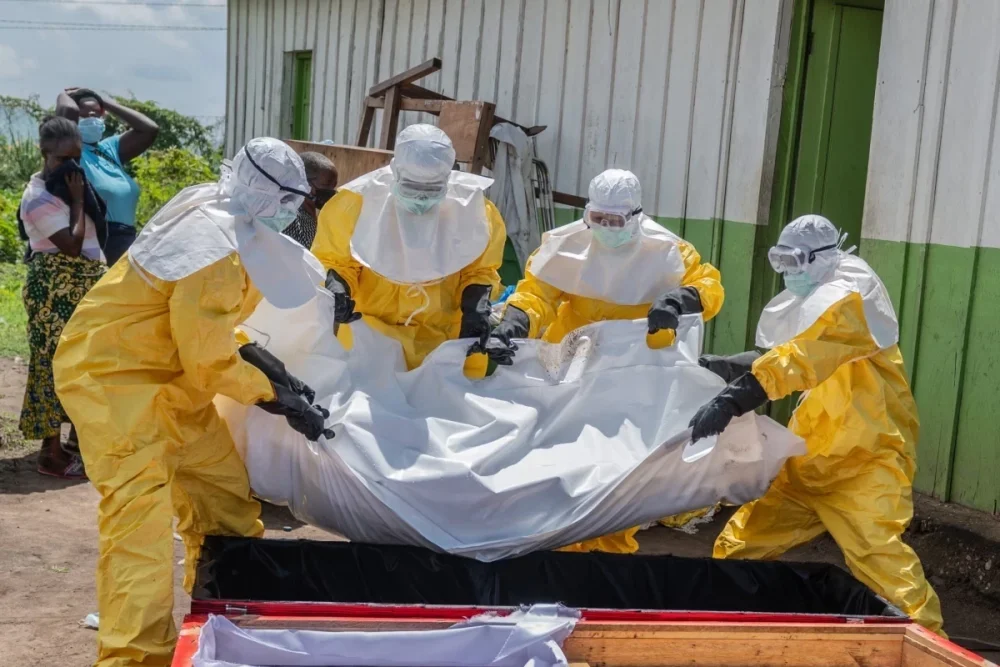
Medical workers carry out disinfection work at an Ebola treatment center in Bunia, the capital of Ituri Province in the Democratic Republic of the Congo, July 6, 2026. (Xinhua) Medical workers bury a deceased person in accordance with epidemic prevention protocols in Bunia, the capital of Ituri Province in the Democratic Republic of the Congo, July 9, 2026. (Xinhua)
The report, covering data through Friday, listed Ituri, North Kivu, South Kivu, Haut-Uele and Tshopo as affected provinces. Haut-Uele and Tshopo were included in the national situation report for the first time.
Investigations indicate that the cases detected in the two provinces were epidemiologically linked to the outbreak epicenter in Ituri province through contacts and population movements.
The report said 763 patients were in isolation or receiving hospital treatment, while the overall bed occupancy rate at treatment facilities stood at 95.1 percent.
A total of 306 people have recovered, while 299 suspected cases, including 91 deaths, have been recorded.
The outbreak, caused by the Bundibugyo ebolavirus, was declared on May 15.
A staff wears personal protective equipment (PPE) while working at the hospital in Mongbwalu, Ituri, Democratic Republic of Congo, June 26, 2026. /VCG