According to the report, health authorities reported 71 new confirmed cases on June 4, including 21 deaths, in Ituri and North Kivu provinces, a sign of rapid and continuing community transmission amid the outbreak caused by the Bundibugyo strain of the virus.
A total of 258 patients are in isolation or hospital care, while eight people have recovered.
Contact tracing remains a major gap, the report said, noting that of 4,766 contacts under follow-up across the three provinces, only 2,755 have been seen, representing an overall follow-up rate of 57.8 percent.
The DRC health authorities listed the main challenges facing the response, including resistance to post-mortem swabbing, insufficient standardized Ebola treatment capacity, weak contact tracing, shortages of essential medicines, inadequate infection-prevention supplies in North Kivu, poor alert reporting and a 21.5-million-U.S.-dollar funding gap.
Uganda has also confirmed three new Ebola cases, bringing the cumulative number of infections to 19, the Ugandan Ministry of Health said on Friday.
The Africa Centers for Disease Control and Prevention and the World Health Organization on Friday launched a continental Ebola outbreak preparedness and response plan, aiming to raise 518 million U.S. dollars to support African countries to prepare for, rapidly detect and respond to the outbreak for the period between June and November.
The number of confirmed Ebola cases in the Democratic Republic of the Congo (DRC) has risen to 452
The six-month strategy, spanning June to November 2026, aims to mobilise 518 million U.S. dollars to scale up rapid detection, cross-border surveillance, and containment measures across the region.
The intervention follows the declaration of the outbreak as a Public Health Emergency of International Concern by the WHO on May 16, 2026, a day after both the Democratic Republic of the Congo and Uganda confirmed localised transmission.
Currently, there are no licensed vaccines or approved therapeutics specifically targeting the Bundibugyo species of the virus, making rigorous public health infrastructure and early symptomatic care the primary lines of defence.
In the Democratic Republic of the Congo, health authorities have documented 381 confirmed cases and 64 deaths across 25 health zones in three provinces. The vast majority of the caseload is concentrated in Ituri province, which accounts for 359 cases and 50 deaths, while North Kivu has recorded 19 cases and South Kivu has registered three.
Frontline teams in the country are currently monitoring more than 4,000 active contacts alongside 116 suspected cases under investigation.
The virus has also crossed international borders into neighbouring Uganda, where 15 confirmed cases and one death have been reported, primarily concentrated within urban pockets of Kampala and Wakiso. At least 12 individuals remain hospitalised under strict isolation protocols, while response teams track 668 identified contacts.
Operational challenges in the field remain high, particularly in eastern DRC, where response efforts are consistently complicated by localised insecurity, population displacement, and dense informal mining networks.
Addressing a joint press conference, WHO Director-General Dr. Tedros Adhanom Ghebreyesus emphasised that control depends entirely on a unified mechanism.
He noted that the only way to beat this outbreak is through close partnership under the leadership of the affected nations, guided by a single plan, budget, and team.
He added that containing Ebola relies heavily on political commitment, sustained financing, and community trust, warning that without active local participation, contact tracing falters and transmission continues.
The operational framework coordinates efforts under a unified “One Response” approach. Resources from the budget will be utilised to strengthen emergency coordination, improve diagnostic laboratory capacities, secure local clinic infection controls, and optimise logistics.
To prevent a wider regional fallout, international partners have already begun accelerating regional logistics, including a 45-ton delivery of emergency medical cargo, diagnostics, and personal protective equipment mobilised via regional coordinating channels.
Africa CDC Director-General Dr. Jean Kaseya noted that because Ebola moves fast, the continent must move faster.
He stated that the joint plan provides a clear framework to act with speed and unity to save lives, support affected states, and shield neighbouring communities. The strategy also outlines critical readiness protocols for 10 adjacent, high-risk priority countries to ensure early detection if the virus spreads further.
While health officials have urged member states to increase screening and public health measures at points of entry, the WHO currently assesses the global risk as low. The agency maintains a high alert status at national and regional levels but continues to advise against any international travel or trade restrictions.
The operational framework coordinates efforts under a unified “One Response” approach. Resources from the budget will be utilised to strengthen emergency coordination, improve diagnostic laboratory capacities, secure local clinic infection controls, and optimise logistics.
Speaking at a press briefing in Kinshasa, Kamba said about 233 patients are currently hospitalized in health facilities, either for isolation while awaiting test results or for treatment after developing the disease.
The minister said the country’s testing capacity has improved significantly following the arrival of more than 4,000 testing kits from the Africa Centers for Disease Control and Prevention and additional international support, allowing health authorities to test almost all samples received and provide results within 24 hours.
He also said contact tracing has improved from about 9 percent at the beginning of the response to 55 percent now. The target is to reach 90 percent, which would allow health authorities to identify almost all contacts and better anticipate where new cases may appear.
Kamba said the outbreak, caused by the Bundibugyo virus, has so far affected three provinces, namely Ituri, North Kivu and South Kivu.
The DRC declared the Ebola outbreak on May 15. Health authorities and international partners have since stepped up testing, isolation, treatment and contact tracing in the affected eastern provinces. The World Health Organization later designated it a public health emergency of international concern.
Uganda has reported 16 confirmed cases, with one case newly confirmed on Thursday, according to the Ugandan health ministry.
Confirmed Ebola cases in the Democratic Republic of the Congo (DRC) have risen to 381, including 63 deaths, Health Minister Roger Kamba said Thursday evening.
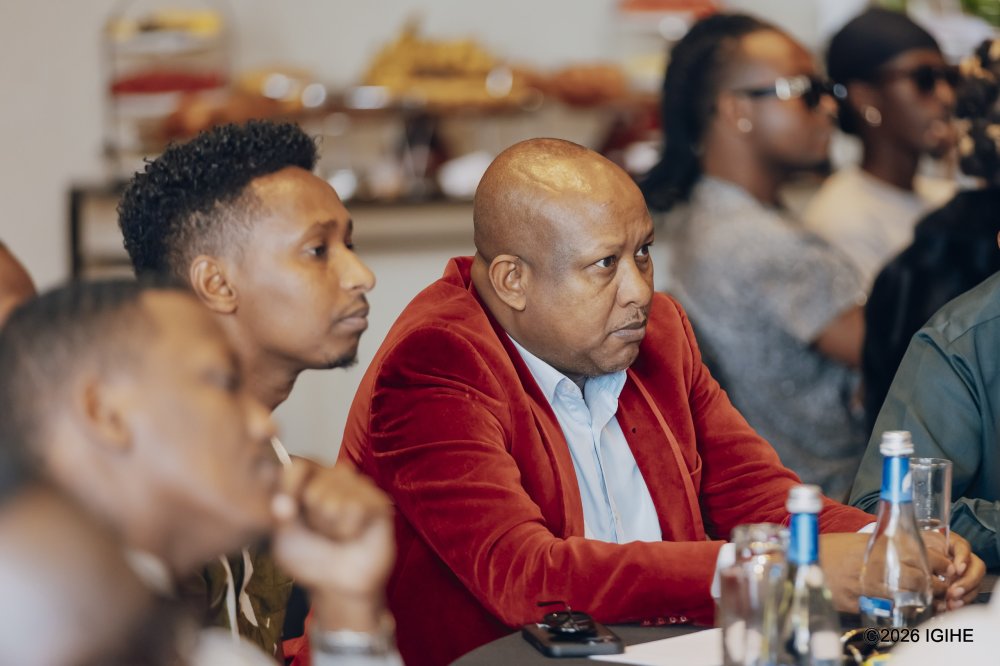
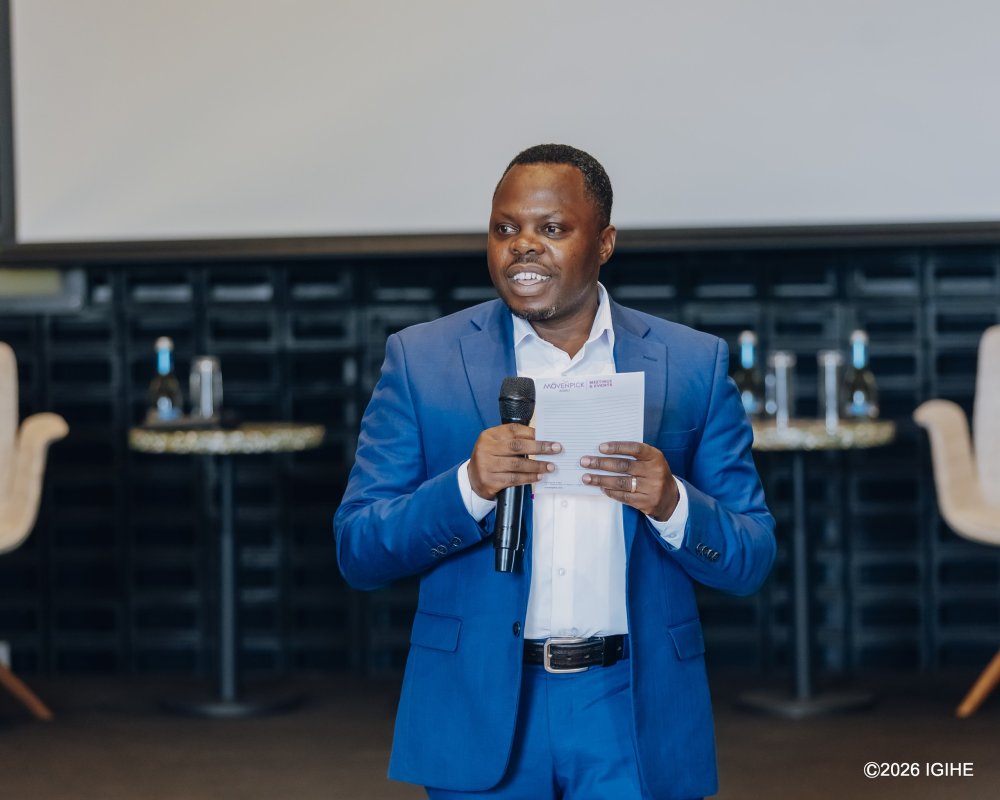
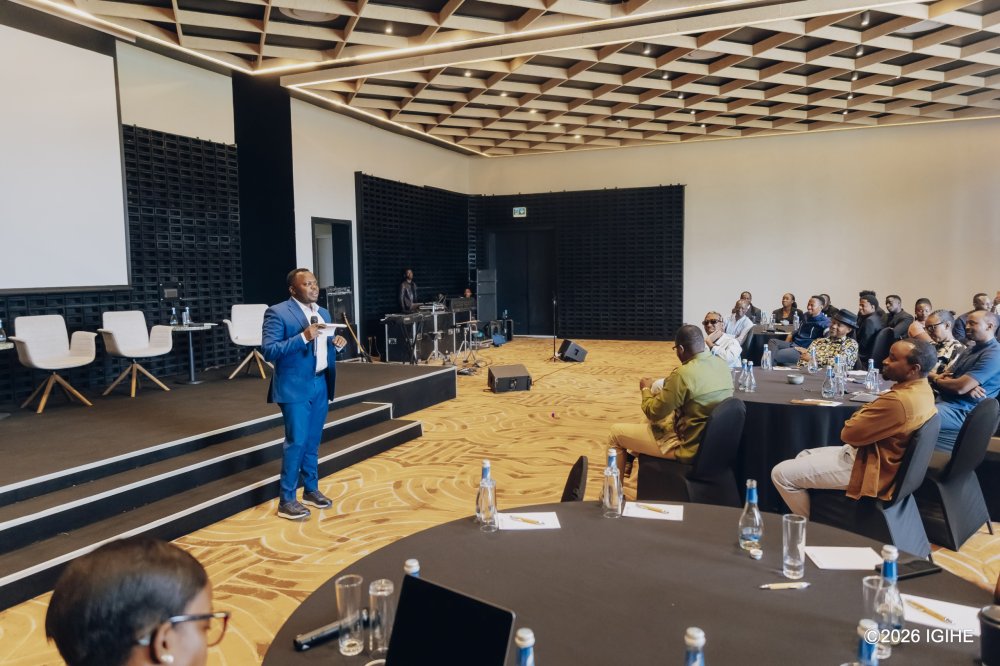
Held under the theme: “The Future of Africa’s Health System: Youth Engagement, Innovation, and Homegrown Solutions”, the symposium is organized by the International Pharmaceutical Students’ Federation African Regional Office (IPSF AfRO), with the Rwanda Pharmaceutical Students’ Association (RPSA) serving as the local host.
This will be the second time Rwanda hosts the continental event, having first organized the 4th edition in 2015.
Hosting rights were secured through a successful bid presented at the 12th AfPS in Freetown, Sierra Leone, and later endorsed by the IPSF African Regional Assembly.
RPSA brings a strong track record to this edition, having previously organized major international health events in Kigali, including the World Healthcare Students’ Symposium in 2017 and the IPSF World Congress in 2019.
Spanning eleven days, the agenda will cover Africa’s most pressing health priorities, from local pharmaceutical and vaccine manufacturing, access to medicines, medicines regulation, and universal health coverage, to digital health, artificial intelligence, disease surveillance, non-communicable diseases, sexual and reproductive health.
Others include oncology care, antimicrobial resistance, supply chain resilience, and pandemic preparedness, through scientific sessions, workshops, innovation showcases, public health campaigns, and professional development competitions.
Rwanda’s selection as host reflects the country’s growing reputation as a hub for healthcare innovation, pharmaceutical development, and international conferencing.
The event is also expected to contribute to Rwanda’s conference tourism by welcoming participants from across the continent for eleven days of professional, scientific, and cultural exchange.
Rwanda is set to host the symposium for the second time. The symposium will bring together over 400 pharmacy students, young professionals, researchers, policymakers, and industry leaders from more than 30 African countries.
WHO Director-General Tedros Adhanom Ghebreyesus, who just returned from a visit to the DRC, said he was very encouraged by the level of commitment he saw in the country. “What I saw gave me hope, although challenges remain.”
Tedros said that in the DRC, 344 cases have been confirmed, including 60 deaths, in 24 health zones across three provinces, while the number of suspected cases has been reduced to 116 from over 1,000 last week.
Tedros said WHO’s risk assessment remains unchanged: very high at the national level, high at the regional level, and low at the global level. “The outbreak had a big head start, and we’re still behind, but under the leadership of the Government of DRC, we are catching up,” he said.
Nonetheless, Tedros noted several challenges, which include scaling up laboratory and diagnostic capacity to reduce delays in case confirmation and support faster response decisions, contact tracing in the DRC, travel restrictions that are disrupting supply chains and hindering the response, community mistrust, and the fact that there are currently no licensed vaccines or specific therapeutics for the Bundibugyo ebolavirus strain.
WHO Director-General Tedros Adhanom Ghebreyesus, recently visited DRC to express solidarity and assess Ebola response.
The decision comes as governments across the region tighten health screening and entry requirements for travellers arriving from affected areas, in efforts to contain the spread of the disease.
KLM Country Manager Rukia Otema said the carrier had suspended flights to Entebbe for two weeks due to Ebola-related restrictions affecting airline crew movements. She explained that the rules could lead to extended isolation periods for pilots and other staff.
“We are suspending flights for two weeks to Entebbe because it’s mentioned among the countries with Ebola cases. If our pilots happen to fly to Uganda, they will be isolated for 21 days,” she said.
In a statement issued on May 29, KLM confirmed it had cancelled flights scheduled for May 30 and June 1, 2026. Flight tracking data showed two Amsterdam–Entebbe services, which operate via Kigali, were among those affected.
The airline said passengers impacted by the cancellations would be contacted directly regarding rebooking or refunds and advised travellers to check their flight status before departure.
KLM noted that Entebbe is not currently classified as an active Ebola risk zone, but said entry restrictions introduced by some countries for travellers who have recently been in Uganda were also applying to airline crews.
The carrier added that it was monitoring developments and assessing how the evolving measures could affect future operations.
The suspension follows similar action by Uganda Airlines, which on May 23 halted flights between Entebbe and Kinshasa over Ebola-related containment measures.
Brussels Airlines has also warned that restrictions could affect crew deployment, while Emirates has advised passengers to check health requirements before travel.
KLM Country Manager Rukia Otema said the carrier had suspended flights to Entebbe for two weeks due to Ebola-related restrictions affecting airline crew movements.
Luku Maleyo Marius, a representative of the DRC Ministry of Health, welcomed the team at the airport, saying that China’s dispatch of the medical experts represents timely and strong support for the Congolese government and people.
Whenever the DRC faces major public health challenges, China has consistently extended timely assistance, he said, adding that he looks forward to the mission further strengthening the country’s epidemic prevention, control and treatment capacities, and helping bring the outbreak under control as soon as possible.
Lu Ming, head of the Chinese expert team, said the team would begin work promptly in line with the Congolese side’s needs and would cooperate with local medical and disease control institutions to provide support in epidemic assessment, case management, and other areas.
He added that the team would work closely with the Congolese side to safeguard people’s lives and health, contributing China’s expertise to helping the DRC control the outbreak at an early stage.
On May 15, the DRC officially confirmed its 17th Ebola outbreak since 1976. Two days later, the World Health Organization declared the outbreak a public health emergency of international concern.
China’s National Health Commission announced on Monday the decision to send a medical expert team to support the DRC’s Ebola control efforts.
According to the commission, the first group consists of five members with extensive experience in epidemic control. They will also share practical response experience tailored to local conditions and help enhance the DRC’s capacity for Ebola prevention, control and treatment.
Lu Ming (L), head of the Chinese expert team, talks with Luku Maleyo Marius, a representative of the Ministry of Health of Democratic Republic of the Congo (DRC), in Kinshasa, capital of the DRC, June 2, 2026.Members of a Chinese anti-epidemic medical expert team arrive in Kinshasa, capital of the Democratic Republic of the Congo (DRC), June 2, 2026. A Chinese anti-epidemic medical expert team arrived in Kinshasa on Tuesday for a three-month mission to support the Central African country’s response to the Ebola outbreak. (Xinhua)
According to the Ministry of Health, 12 patients are currently undergoing treatment, while two have recovered and been discharged from hospital. One person has died from the disease.

Health officials said 668 people identified as contacts of confirmed cases are being closely monitored for possible infection.
The outbreak was traced to a Congolese national who travelled to Uganda from Ituri Province in eastern Democratic Republic of the Congo (DRC). The patient subsequently transmitted the virus to several other people, including healthcare workers involved in their care.
Meanwhile, the DRC Ministry of Health reported that the country’s Ebola caseload had reached 231 as of May 31, 2026, including 48 fatalities.
The outbreak in the DRC remains concentrated in Ituri Province, particularly in the areas of Mongbwalu, Rwampara and Bunia, although a limited number of cases have also been reported in North Kivu and South Kivu provinces.
The Ebola outbreak in Uganda was traced to a Congolese national who travelled to Uganda from Ituri Province in eastern Democratic Republic of the Congo (DRC).
Dr. Freddy Kaniki Rukema, who heads the AFC/M23 Ebola response team, said the situation in the city of Goma remains stable, with no new confirmed infections reported since the first case was detected on May 17. However, health authorities are investigating one suspected case.
According to Dr. Kaniki, health teams have identified 255 people who came into contact with the confirmed Ebola patient in Goma. Of these, 217 were classified as high-risk contacts and have been placed under a mandatory 21-day quarantine period in line with public health protocols, while the remaining 38 are being monitored through routine surveillance.
Three additional Ebola cases were reported in Murhesa, an area located in Kabare Territory in South Kivu Province. Dr. Kaniki said the outbreak was traced to a 26-year-old man who had recently travelled from Ituri Province and subsequently transmitted the virus to his wife and brother-in-law.
Health officials have so far identified 152 contacts linked to the Murhesa cases. Among them, 96 were deemed high-risk and placed in quarantine, while 56 others remain under observation.
AFC/M23 said laboratories capable of diagnosing Ebola are now operational in both Goma and Bukavu, adding that plans are underway to expand testing services to other areas under its administration.
“In the last 24 hours, we have tested 12 samples, with results available within six hours of collection,” Dr. Kaniki said. “This rapid turnaround supports early detection, timely patient management, and effective outbreak containment measures.”
The World Health Organization (WHO) has indicated that the strain currently circulating in the DRC belongs to the Bundibugyo species of the Ebola virus. While no licensed vaccine or specific treatment currently exists for this strain, supportive care can significantly improve patient outcomes.
Dr. Kaniki said AFC/M23 has opted to administer Remdesivir to both confirmed patients and high-risk contacts, citing research conducted on Ebola, COVID-19 and other infectious diseases. The antiviral drug is expected to help reduce the risk of severe illness and death.
The coalition further announced that it has secured 500 doses of Remdesivir, which are set to be deployed in hospitals in Goma and Bukavu, where Ebola cases have been recorded.
Dr. Freddy Kaniki Rukema, who heads the AFC/M23 Ebola response team, said the situation in the city of Goma remains stable, with no new confirmed infections reported since the first case was detected on May 17. AFC/M23 has intensified its Ebola response efforts since the virus was detected in areas under its control.
Speaking at a joint press conference with Congolese officials in Bunia, the capital of northeastern Ituri Province and the epicenter of the outbreak, Tedros said on Saturday that he came to the area to show that people in the provinces of Ituri, North Kivu and South Kivu, and across the DRC, “are not alone.”
“We are not here to tell people what to do. We are here to listen,” Tedros said, stressing that communities understand their own challenges and are often best placed to identify solutions. “Building trust takes time, and it starts with listening.”
The latest outbreak, declared on May 15, is the 17th in the DRC since the virus was first identified in 1976. In the past two weeks, over 1,000 suspected cases and more than 230 suspected deaths have been reported. Neighboring Uganda has also reported nine confirmed cases.
The WHO chief said community ownership, government leadership, and international support would be key to ending the outbreak, which has spread across three eastern provinces, Ituri, North Kivu and South Kivu, in a region already strained by insecurity, population movement, and humanitarian needs.
DRC Health Minister Roger Kamba said the best-case scenario would be to contain the outbreak within the three affected provinces and avoid wider spread. He said the vast majority of cases remain concentrated in Ituri, while North Kivu has far fewer cases and South Kivu has reported only one case.
Kamba said authorities hope to bring the epidemic under control within four to six months, based on the country’s experience with previous Ebola outbreaks and the disease’s incubation period.
He added that the DRC has previously controlled multiple epidemics, including Ebola and mpox, and expects the international community to trust the country’s response capacity.
Tedros also expressed confidence that the outbreak can be stopped, citing the DRC’s long experience in dealing with Ebola. He noted that the country has faced Ebola 16 times before and has ended every outbreak. “If we do our best, it can be stopped,” Tedros said. “The issue is in our hands.”
The current outbreak is caused by the Bundibugyo virus, a less common Ebola species for which no licensed vaccine or specific treatment currently exists.
Patients infected with Bundibugyo Ebola can survive if they receive timely and quality medical care, Tedros said, adding that some patients in Ituri have already recovered. He also said the WHO is working with partners to advance safe and effective vaccines and treatments through clinical trials.
On testing, Kamba said laboratory capacity had been strengthened after earlier delays. Around 900 samples had been tested, with about 260 positive cases identified, he said, noting that the response now has the capacity to process incoming samples and aims to conduct 200 to 300 tests per day.
Tedros and Kamba both stressed that basic public health measures remain crucial, including hand hygiene, accurate information, contact tracing, laboratory testing, patient care, and safe and dignified burials.
Tedros said he understood the pain of losing loved ones and the importance of honoring the dead, but warned that touching the bodies of those who died from Ebola could further spread the virus. “Protecting each other, even in grief, is one of the hardest and most important things we can do,” he said.
Since the outbreak began in the DRC, several countries have closed borders with the country to prevent the spread of the disease. Tedros urged countries that have imposed travel bans or border closures to reconsider their measures. “These measures make the response harder, and they discourage transparency and trust that saves lives,” he said.
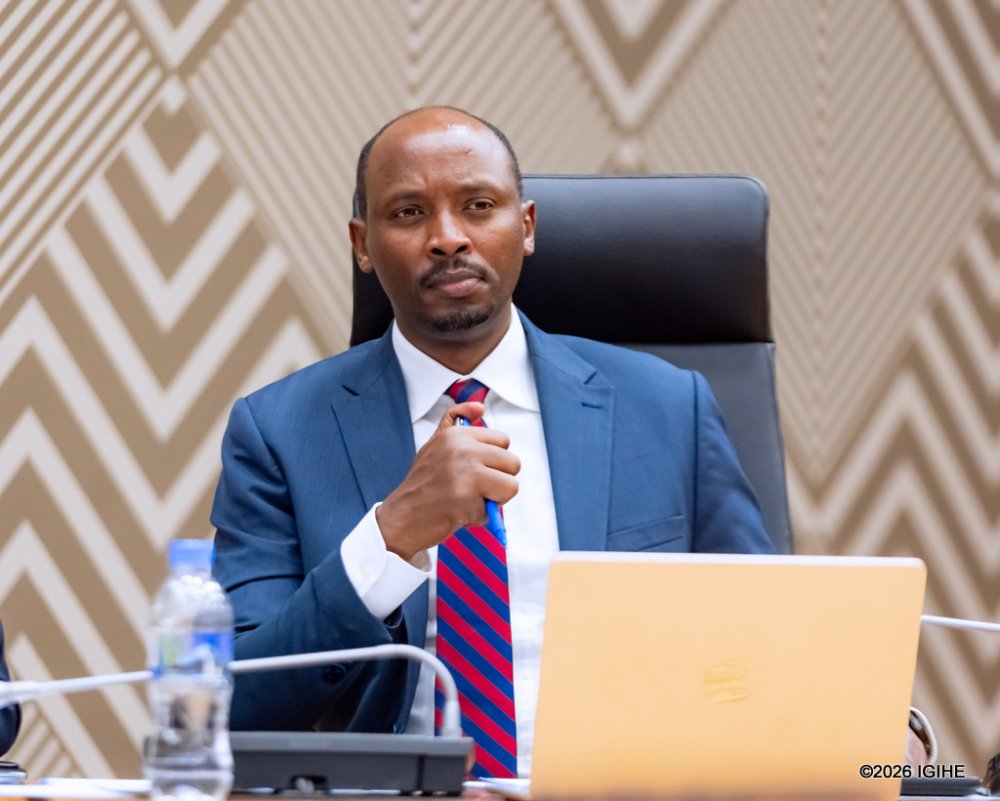
Kamba echoed that message, saying the DRC wanted the international community to keep borders open and recognize that Congolese authorities know how to manage Ebola outbreaks.
The WHO chief also warned that mistrust, misinformation, and disinformation remain major challenges. He said public messaging must be coordinated among the government, the WHO and other partners, and must be based on science, evidence, and data.
“Solidarity is our best immunity,” Tedros said. He noted that the WHO would remain alongside the DRC for as long as needed, and that support should extend beyond the current outbreak.
Tedros has been in Bunia to show solidarity with Congolese people. Tedros Adhanom Ghebreyesus, Director-General of the World Health Organization (WHO), poses with a woman who has recovered from Ebola in Bunia, in the northeastern Democratic Republic of the Congo, on May 31, 2026 (Photo by AFP)