A total of 17 new confirmed cases, including five deaths, were reported on Thursday, all in the eastern province of Ituri, the report said. The outbreak, caused by the Bundibugyo strain of the Ebola virus, has affected 29 health zones across three eastern provinces, namely Ituri, North Kivu and South Kivu.
A total of 168 suspected cases, including 64 deaths, had been reported as of Thursday.
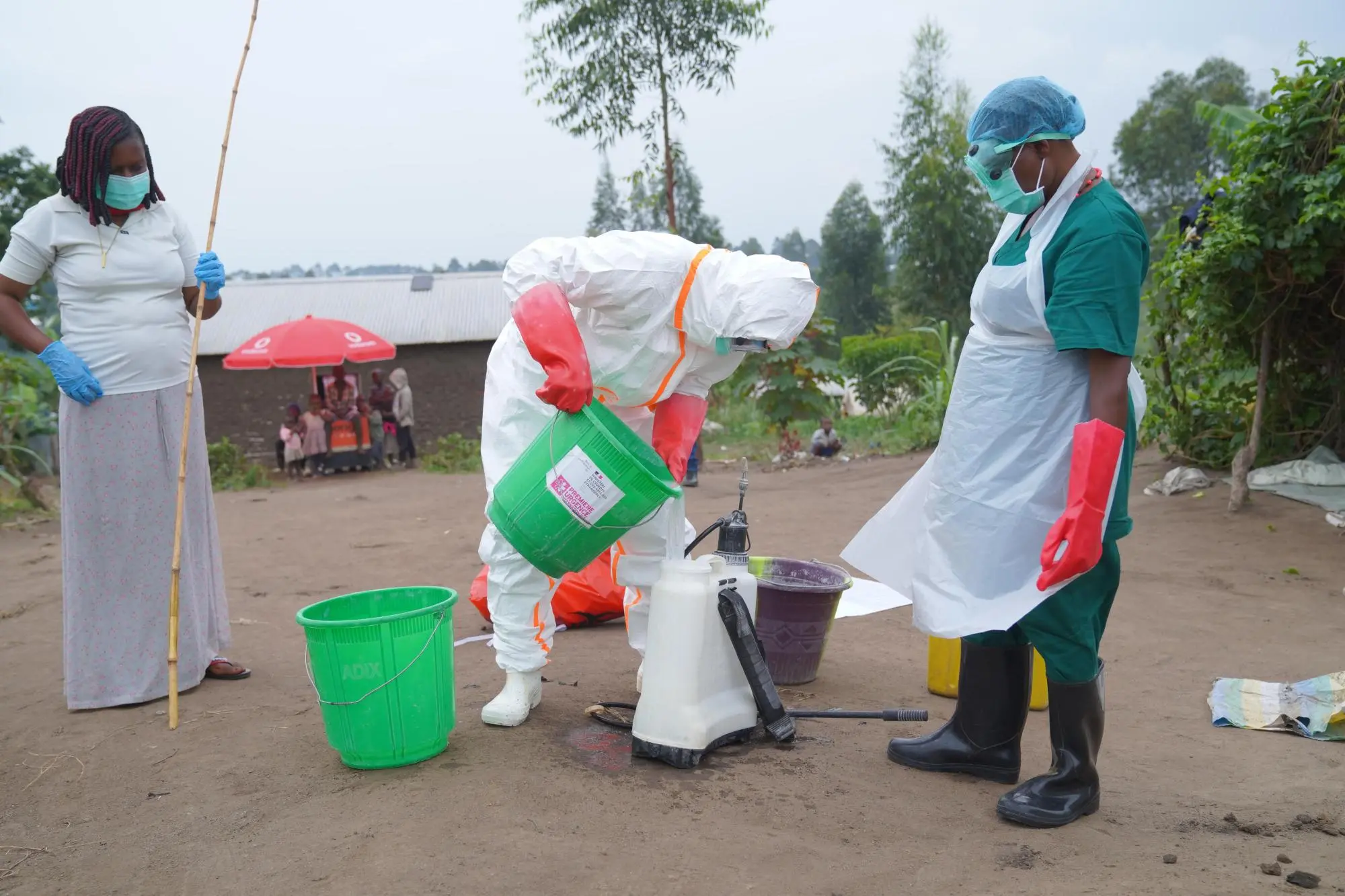
The report also highlighted several operational challenges, including reluctance to undergo post-mortem swabbing, insufficient capacity in Ebola treatment centers, shortages of infection prevention and control materials in North Kivu, weak alert reporting across the three provinces, and a funding gap of 21.5 million U.S. dollars.
Two Ebola-related deaths have been reported in a camp for internally displaced people in Ituri, according to a report released on Thursday by the United Nations High Commissioner for Refugees.
The current outbreak, officially declared on May 15 by the DRC’s health ministry, is the country’s 17th Ebola outbreak since the virus was identified in 1976.
The number of confirmed Ebola cases in the Democratic Republic of the Congo (DRC) has risen to 689, including 139 deaths,
Neoderma Clinica is among the healthcare facilities contributing to this shift. The clinic, based in Kibagabaga, Kigali, was founded with a focus on combining science, aesthetics, and patient care. Today, it offers services in aesthetic treatment, dermatology, plastic surgery, and dentistry.
IGIHE spoke with Dr. Burhan Dini Hirwa, a dental surgeon at Neoderma Clinica, about oral health, patient behaviour, and the role modern dentistry plays in confidence and quality of life.
Neoderma Clinica was founded with a focus on combining science, aesthetics, and patient care. Today, it offers services in aesthetic treatment, dermatology, plastic surgery, and dentistry.
Wide range of dental services
The clinic, Dr. Hirwa noted, handles both basic and advanced dental care, including preventive care, restorative treatment, orthodontics, oral surgery, and cosmetic dentistry.
Preventive care includes cleaning, scaling, sealants for children, and oral hygiene education. Cosmetic services include teeth whitening and veneers, both direct and lab-made.
The clinic also treats misaligned teeth using braces and clear aligners, and carries out procedures such as tooth extractions and dental implants. Restorative work includes fillings, crowns, and bridges for damaged or missing teeth.
According to Dr. Hirwa, many patients only seek dental care when they are already in pain, an approach that often leads to more complex and expensive treatment.
“It is important to start dental visits early, even when the first teeth come in. Regular check-ups help us monitor development and prevent serious problems later,” he explained.
Early care, he added, leads to better outcomes and simpler treatment plans.
Dr. Hirwa notes that oral health problems can significantly affect confidence in everyday life. One common issue is bad breath, often linked to poor oral hygiene.
“It can affect people socially and psychologically,” he observed.
The clinic addresses this through education on proper brushing techniques and daily care. Patients also seek treatment for stained teeth caused by habits such as smoking or frequent coffee consumption, with whitening procedures offering visible improvement.
Orthodontic treatment, veneers, and implants are also used to restore both appearance and function in patients with crooked or missing teeth.
“These treatments help patients feel more comfortable with their smiles,” Dr. Hirwa stressed.
What sets the clinic apart
With more dental clinics opening in Kigali, Dr. Hirwa emphasises that Neoderma Clinica focuses on service quality and cosmetic dentistry.
“Our focus is patient care and specialised cosmetic treatment, especially whitening, veneers, and orthodontics,” he stated.
The clinic aims to ensure patients receive consistent care from the moment they arrive to the end of their treatment. First-time visitors can expect a structured and welcoming process.
“We aim to give patients the best possible service from reception to consultation and treatment. We want to meet their expectations and help them achieve what they came in for,” he affirmed.
Teaching proper oral hygiene
During the interview, Dr. Hirwa demonstrated brushing techniques using a dental model, stressing that technique matters more than force.
“A soft toothbrush is best. What matters most is how you brush,” he advised.
He recommends starting at the gum line and using gentle vertical strokes across all surfaces of the teeth, including inner, outer, and chewing areas, and also cleaning the tongue to reduce bacterial buildup.
Dr. Hirwa advises brushing twice a day: after breakfast and before bed.
“Brushing at night helps remove food particles accumulated during the day, while brushing in the morning clears out the bacteria and plaque that multiplied while you sleep,” he explained.
He recommends using a pea-sized amount of toothpaste for adults and a smaller amount for children, brushing for three to five minutes with gentle movements. He also cautions against rinsing immediately after brushing, as fluoride continues to protect the teeth.
“Spit out the toothpaste but do not rinse. It helps protect your teeth for longer,” he urged.
Dr. Hirwa encourages people not to wait for pain before visiting a dentist.
“One visit every six months is enough to prevent many problems. Early care is always easier than emergency treatment,” he concluded.
For Neoderma Clinica, oral health should be maintained regularly, not only treated when problems arise.
The clinic is located at Covenant Plaza in Kigali’s Kibagabaga neighbourhood.
According to the latest situation report released on Thursday by the DRC’s health authorities, 41 new confirmed cases, including nine deaths, were reported on Wednesday in the provinces of Ituri and North Kivu.
The outbreak, caused by the Bundibugyo strain of the Ebola virus, has so far affected 29 health zones across three eastern provinces: Ituri, North Kivu and South Kivu.
The latest official assessment said confirmed cases have been increasing from week to week, indicating continued community transmission. It warned that a sudden geographic expansion of the outbreak is feared if public health measures are not implemented quickly.
Health authorities also said 5,768 contacts were under follow-up across the three affected provinces, with a follow-up rate of 71.8 percent. The report listed weak contact tracing as one of the main challenges, saying the current rate remains below the 95-percent target and could compromise efforts to interrupt transmission chains.
Two Ebola patients in Bunia, the capital of Ituri Province, were declared recovered, bringing the cumulative number of recoveries to 32, the report said.
The current Ebola outbreak in the DRC, the country’s 17th since the disease was first identified in 1976, was officially declared on May 15. The affected provinces, with a combined population of nearly 15 million, are marked by large-scale internal displacement and cross-border population movements toward neighboring countries, according to the report.
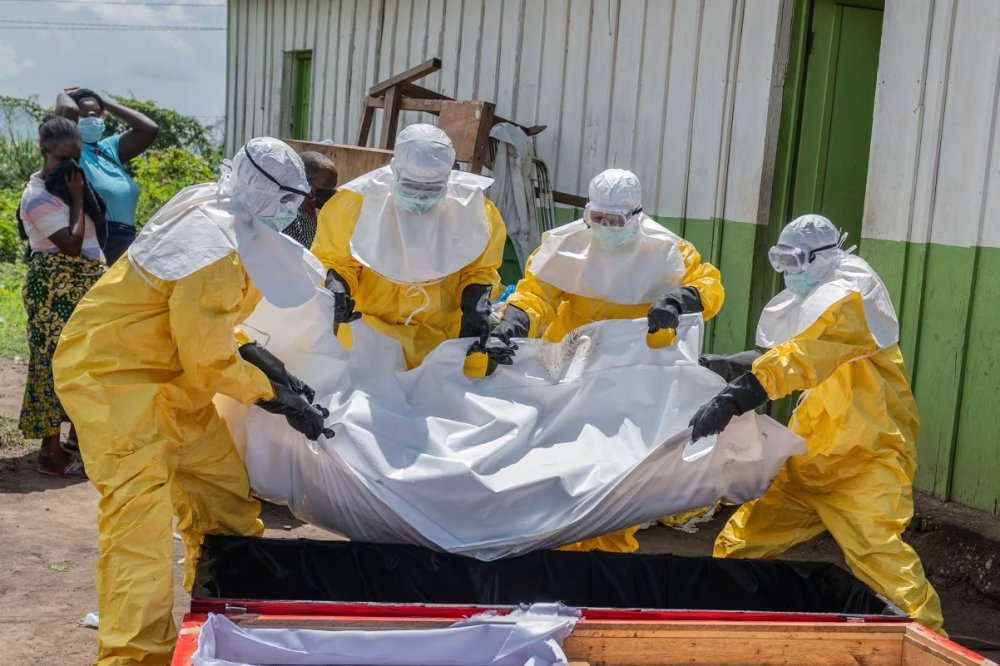
Red Cross workers bury an Ebola victim at the Rwampara Cemetery, in Rwampara, Congo, May 23, 2026.
The support will back key elements of Rwanda’s National Ebola Preparedness and Contingency Plan, with a focus on strengthening surveillance and early detection systems, improving Infection Prevention and Control (IPC), and enhancing Water, Sanitation and Hygiene (WASH) services in high-risk areas, including border points.
The programme will also support risk communication and community engagement initiatives aimed at ensuring that communities have access to clear and accurate information on prevention measures and disease transmission.
In parallel, the UK will provide an additional £800,000 to Burundi to support its Preparedness and Response Plan for Viral Haemorrhagic Fevers, targeting similar priority areas, including surveillance, IPC, WASH, and public awareness.
Across the region, the UK will also invest in strengthening data and information management systems to improve risk monitoring and enhance coordination in the event of outbreaks. The programmes will be implemented through partners working in support of national government plans under the UK’s Tackling Deadly Diseases in Africa Programme (TDDAP2).
The British High Commission said the initiative builds on recent collaboration in responding to public health emergencies and reflects the UK’s commitment to supporting partner countries in strengthening health security and preventing outbreaks before they escalate.
Development Director at the British High Commission in Kigali, Billy Stewart, said the support is aimed at protecting lives through stronger preparedness systems.
“At the heart of this support is a simple goal: saving lives,” he said. “By strengthening preparedness, improving prevention measures, and supporting communities with clear information, the UK is helping Rwanda and Burundi reduce the risk of Ebola outbreaks and protect their people.”
The announcement comes as health authorities across the region continue to monitor Ebola outbreaks affecting parts of East and Central Africa, involving the Bundibugyo strain, a particularly concerning variant for which there is currently no approved vaccine or specific antiviral treatment.
Health officials say this makes surveillance, early detection and rapid response critical to containing the disease. Recent data indicates that the Democratic Republic of Congo has reported 635 confirmed cases and at least 127 deaths, while Uganda has recorded 19 confirmed cases and two deaths, with infections reported in Kampala, Wakiso, and western border districts.
In Rwanda, officials have moved to reassure the public that robust prevention systems remain in place. Speaking during a June 6 briefing, Prime Minister Dr Justin Nsengiyumva said the country has strengthened surveillance, prevention and response systems to guard against potential importation of the virus while maintaining normal economic and social activity.
“The Ebola outbreak continues to be reported in the eastern region of Africa. However, Rwanda has strengthened its prevention measures and monitoring, and we are confident in protecting the lives of our citizens without disrupting economic activities and the normal social life of the population,” he said.
Health Minister Dr Sabin Nsanzimana said Rwanda’s preparedness strategy is built on five pillars: public awareness and communication, surveillance, detection capacity, response capability, and human resources. He added that Rwanda has strengthened early detection systems, particularly at border points, with the ability to return test results within hours.
He also noted that ongoing simulation exercises and training for health workers and emergency responders are part of efforts to ensure rapid and coordinated response in the event of an outbreak.
The Ministry of Health and the Rwanda Biomedical Centre continue to monitor developments in neighbouring countries closely and have urged the public to remain vigilant, observe hygiene practices, and report symptoms early.
Health Minister Dr Sabin Nsanzimana visited Rusizi District in late May to assess ongoing Ebola preparedness efforts. During the visit, he observed a simulation exercise and reviewed key response measures, including surveillance and testing systems, as well as isolation and treatment centres.
In a post on social media platform X, Kamba said the outbreak, caused by the Bundibugyo Ebola virus, continues to pose challenges, but the response is gaining momentum, with more patients recovering and contact tracing improving.
According to Kamba, the proportion of contacts under follow-up has increased to 61.1 percent, up from 56.4 percent a day earlier. He said health authorities are monitoring “every zone, every alert and every signal,” as vigilance remains high.
Kamba also announced eight new recoveries, including seven in Nyankunde and one in Mongbwalu, both in the eastern province of Ituri. The new recoveries brought the total number of recovered patients to 30.
“Each recovery sends a strong message: come for treatment, as early care saves lives,” he said.
The minister added that 490 tonnes of medicines have been deployed, laboratories strengthened and response teams mobilized around the clock in Ituri, North Kivu and South Kivu provinces.
The DRC declared its latest Ebola outbreak on May 15. On May 17, the World Health Organization declared the outbreak a public health emergency of international concern.
Many cancer treatments work by damaging the DNA of cancer cells. However, some tumors survive because they have powerful DNA repair systems that allow them to fix the damage and continue growing. This ability often makes cancers resistant to drugs over time.
A team of researchers has now found a way to disrupt those repair systems. Their study focused on a small molecule called UNI418, which reduces the levels of key proteins that cancer cells need to repair damaged DNA.
Without these proteins, cancer cells struggle to recover from DNA damage, making them more vulnerable to treatment.
The researchers found that UNI418 activates a natural process inside cells that removes specific proteins. As a result, important DNA repair proteins are broken down, effectively shutting down one of the cancer cell’s main defense mechanisms.
The discovery could be particularly important for improving the effectiveness of PARP inhibitors, a group of cancer drugs used to treat certain tumors. While these drugs can be highly effective, many cancers eventually become resistant to them.
In laboratory tests, UNI418 made cancer cells far more sensitive to PARP inhibitors. The effect was especially noticeable in cancer cells that had already stopped responding to treatment. In those cases, the molecule helped restore the drugs’ effectiveness.
The approach also showed encouraging results in animal studies, where tumor growth slowed significantly when UNI418 was combined with the PARP inhibitor Olaparib.
Researchers say the findings reveal a new way of fighting cancer—not by altering genes, but by dismantling the repair systems that help tumors survive treatment. While more research is needed before the approach can be tested in patients, the study offers fresh hope for developing treatments against drug-resistant cancers.
DNA repair proteins inside cells are constantly being produced and removed to maintain a healthy balance.
According to an update released Monday, 35 new confirmed cases, including 10 deaths, were recorded on Sunday in the eastern provinces of Ituri and North Kivu. Seven additional patients recovered, bringing the total to 19.
The outbreak was still on an upward weekly trend and the recent slight decline shown in the epidemic curve may reflect delayed laboratory updates, not a real slowdown in transmission, it said.
As of Sunday, 309 people were in isolation or hospitalized, including 116 confirmed cases and 193 suspected cases.
The contact follow-up rate in the three affected provinces rose to 64.4 percent, with 5,418 contacts under follow-up and 3,489 seen. The rate remained well below the target of 95 percent.
Laboratory capacity remained under pressure in North Kivu, with 183 test results pending due to a shortage of reagents.
The current outbreak, caused by the Bundibugyo strain of the Ebola virus, was officially declared by the DRC Health Ministry on May 15.
The affected provinces, namely Ituri, North Kivu and South Kivu, have a combined population of nearly 15 million people and face massive internal displacement and cross-border movements toward neighboring countries.
The number of confirmed Ebola cases in the Democratic Republic of the Congo (DRC) has risen to 550, including 101 deaths, with health authorities warning that the outbreak continues to trend upward.
In May 2026, KFH hosted healthcare professionals from Djibouti and Ethiopia under separate capacity-building programs aimed at strengthening cardiac and mental health services in their respective countries. These initiatives reflect the hospital’s broader commitment to advancing healthcare systems across the continent by sharing expertise, fostering innovation, and building sustainable clinical capacity.
As part of efforts to support the establishment of Djibouti’s new cardiac unit, KFH hosted a delegation of four healthcare professionals from the Military Hospital of Djibouti for a two-week observership program. The delegation comprised a cardiovascular surgeon, two perfusionists, and an anesthesiologist. The observership followed the signing of a Memorandum of Understanding (MoU) between the two institutions and forms part of a broader partnership to strengthen specialized cardiac care services in the region.
The observership provided participants with firsthand exposure to the operations of a high-performing cardiac center, allowing them to observe clinical workflows, multidisciplinary collaboration, patient management systems, and best practices involved in running a successful cardiac program. Through interactions with cardiologists, cardiac surgeons, nurses, perfusionists, and allied health professionals, the delegation gained valuable insights that will support the launch and operation of the Military Hospital of Djibouti’s cardiac unit, expected to commence services in June 2026.
As part of the ongoing collaboration, King Faisal Hospital Rwanda will continue supporting the Military Hospital of Djibouti through technical assistance, mentorship, and operational guidance during the initial implementation phase of its new cardiac unit. To facilitate a successful launch and ensure the delivery of high-quality cardiac care services, KFH will deploy a multidisciplinary team comprising cardiac surgery nurses, a perfusionist, a cardiac anesthesiologist, and a cardiac intensivist. The team will work alongside local healthcare professionals to provide hands-on support, skills transfer, and clinical mentorship as the unit begins operations.
In parallel, KFH completed a three-week Ketamine-Assisted Psychotherapy (KAP) training program for a team of mental health professionals from Saint Paul’s Hospital Millennium Medical College in Ethiopia. Conducted at the hospital’s Ketamine Treatment and Research Center, the training equipped participants with advanced knowledge and practical skills in KAP, an innovative treatment approach increasingly recognized for managing treatment-resistant depression, post-traumatic stress disorder (PTSD), anxiety disorders, and other complex mental health conditions.
The Ethiopian delegation, comprising psychiatrists, a psychologist, and a psychiatric nurse, received comprehensive clinical exposure covering patient assessment, treatment protocols, safety considerations, psychotherapy integration, monitoring procedures, and multidisciplinary approaches to care delivery. The program also provided participants with opportunities to observe real-world clinical applications and engage directly with specialists leading the field at KFH.
The training is expected to support Saint Paul’s Hospital Millennium Medical College’s plans to establish a Ketamine Center in Ethiopia, thereby expanding access to innovative mental health services and strengthening specialized treatment capacity within the country.
According to hospital leadership, both initiatives highlight the importance of regional collaboration in addressing Africa’s growing healthcare needs. By investing in professional development, mentorship, and institutional partnerships, healthcare institutions can accelerate the development of specialized services while improving access to high-quality patient care.
The programs further demonstrate KFH’s growing role as a hub for clinical excellence, medical innovation, and healthcare workforce development. Through initiatives spanning cardiac surgery, mental health, kidney transplant, and other specialized disciplines, the hospital continues to contribute to the strengthening of health systems across the region.
As demand for specialized healthcare services continues to rise across Africa, collaborations such as these underscore the value of knowledge transfer and south-to-south cooperation in building resilient healthcare systems capable of delivering advanced, patient-centered care closer to home.
Military Hospital of Djibouti delegates and King Faisal Hospital Rwanda staff during a cardiac observership program aimed at strengthening specialized cardiovascular care services.Mental health professionals from Saint Paul’s Hospital Millennium Medical College, Ethiopia, with the KFH Team during the training.
The update, published Sunday by the health ministry, said that three more patients were declared recovered, bringing the count of recoveries to 12 as of June 6.
The report said 117 suspected cases were recorded, while 283 patients remained in isolation or hospitalization.
The report said a large number of confirmed patients developed symptoms between May 14 and May 23, suggesting “increased contamination from a probable common source”, with a peak observed on May 18. It said another group of confirmed patients developed symptoms between May 25 and June 3, “demonstrating the spread of the disease” and possibly forming “an important reservoir.”
“An increase in cases may be recorded if adequate measures are not put in place very quickly,” it said.
The response remains hampered by weak contact tracing, community resistance to post-mortem testing, insufficient capacity at standardized Ebola treatment centers, shortages of infection prevention and control materials, and limited funding, according to the report.
The report said the overall contact follow-up rate in three affected provinces was 50.3 percent, far below the target of 95 percent.
Laboratory capacity also remains under pressure, with 193 test results still pending due to a reagent shortage in North Kivu province.
The current outbreak, caused by the Bundibugyo strain of the Ebola virus, was officially declared by the health ministry on May 15.
Red Cross workers bury an Ebola victim at the Rwampara Cemetery, in Rwampara, Congo, May 23, 2026.
Speaking during a press briefing on June 6, Prime Minister Dr. Justin Nsengiyumva said Rwanda has strengthened surveillance, prevention and response systems to protect public health while ensuring that economic and social activities continue uninterrupted.
“The Ebola outbreak continues to be reported in the eastern region of Africa. However, Rwanda has strengthened its prevention measures and monitoring, and we are confident in protecting the lives of our citizens without disrupting economic activities and the normal social life of the population,” he said.
Nsengiyumva noted that the Ministry of Health and the Rwanda Biomedical Centre (RBC) are closely tracking developments in the region and will continue updating the public on preventive measures. He urged citizens to remain vigilant, observe good hygiene practices and seek medical attention if they experience symptoms associated with the disease.
Minister of Health Dr. Sabin Nsanzimana said Rwanda’s preparedness efforts are anchored on five pillars: public awareness and communication, surveillance, detection capacity, response capability, and human resources.
He said the country has continued to strengthen systems across all these areas, with a particular focus on prevention and early detection.
“The goal is prevention; we do not want to be in a situation where we are reacting after the fact,” he said, adding that health authorities closely follow developments in neighbouring countries, particularly in areas near Rwanda’s borders.
According to Nsanzimana, Rwanda has the capacity to rapidly identify suspected cases, including at border points, with test results often available within six hours. He also highlighted ongoing simulation exercises and training for healthcare workers, emergency responders and communication teams to ensure a coordinated response.
The current regional outbreak involves the Bundibugyo strain of Ebola, for which there is no approved vaccine or specific antiviral treatment, making surveillance, early detection and rapid containment critical to preventing its spread.
According to recent health data, the Democratic Republic of Congo has reported 452 confirmed cases and at least 82 deaths, while Uganda has recorded 19 confirmed cases and 2 deaths, including infections in Kampala, Wakiso and western border areas. Health authorities say ongoing transmission in neighbouring countries continues to require heightened vigilance across the region.
Speaking during a press briefing on June 6, Prime Minister Dr. Justin Nsengiyumva said Rwanda has strengthened surveillance, prevention and response systems to protect public health while ensuring that economic and social activities continue uninterrupted.Minister of Health Dr. Sabin Nsanzimana (left) said Rwanda’s preparedness efforts are anchored on five pillars: public awareness and communication, surveillance, detection capacity, response capability, and human resources.