In May 2026, KFH hosted healthcare professionals from Djibouti and Ethiopia under separate capacity-building programs aimed at strengthening cardiac and mental health services in their respective countries. These initiatives reflect the hospital’s broader commitment to advancing healthcare systems across the continent by sharing expertise, fostering innovation, and building sustainable clinical capacity.
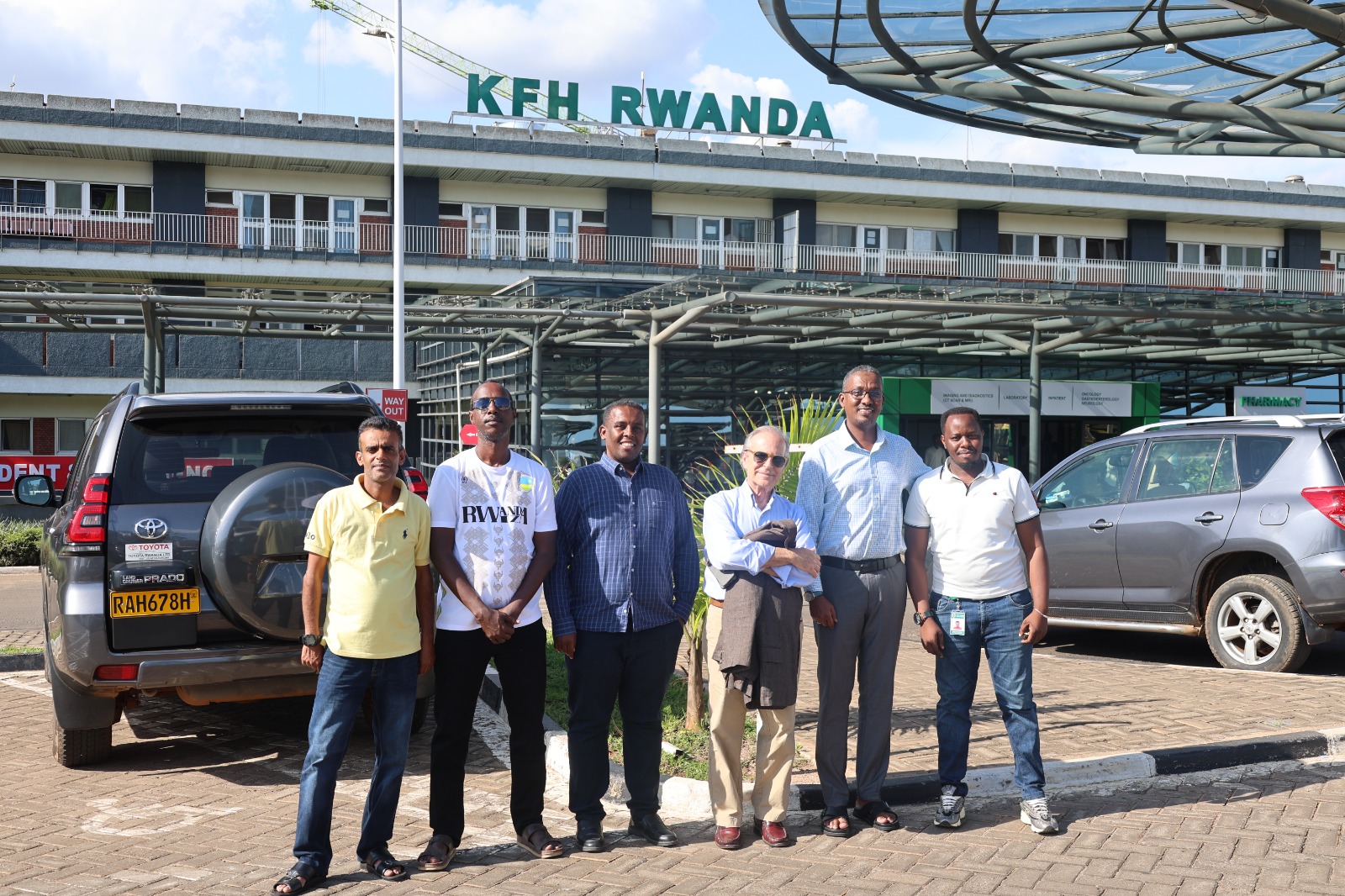
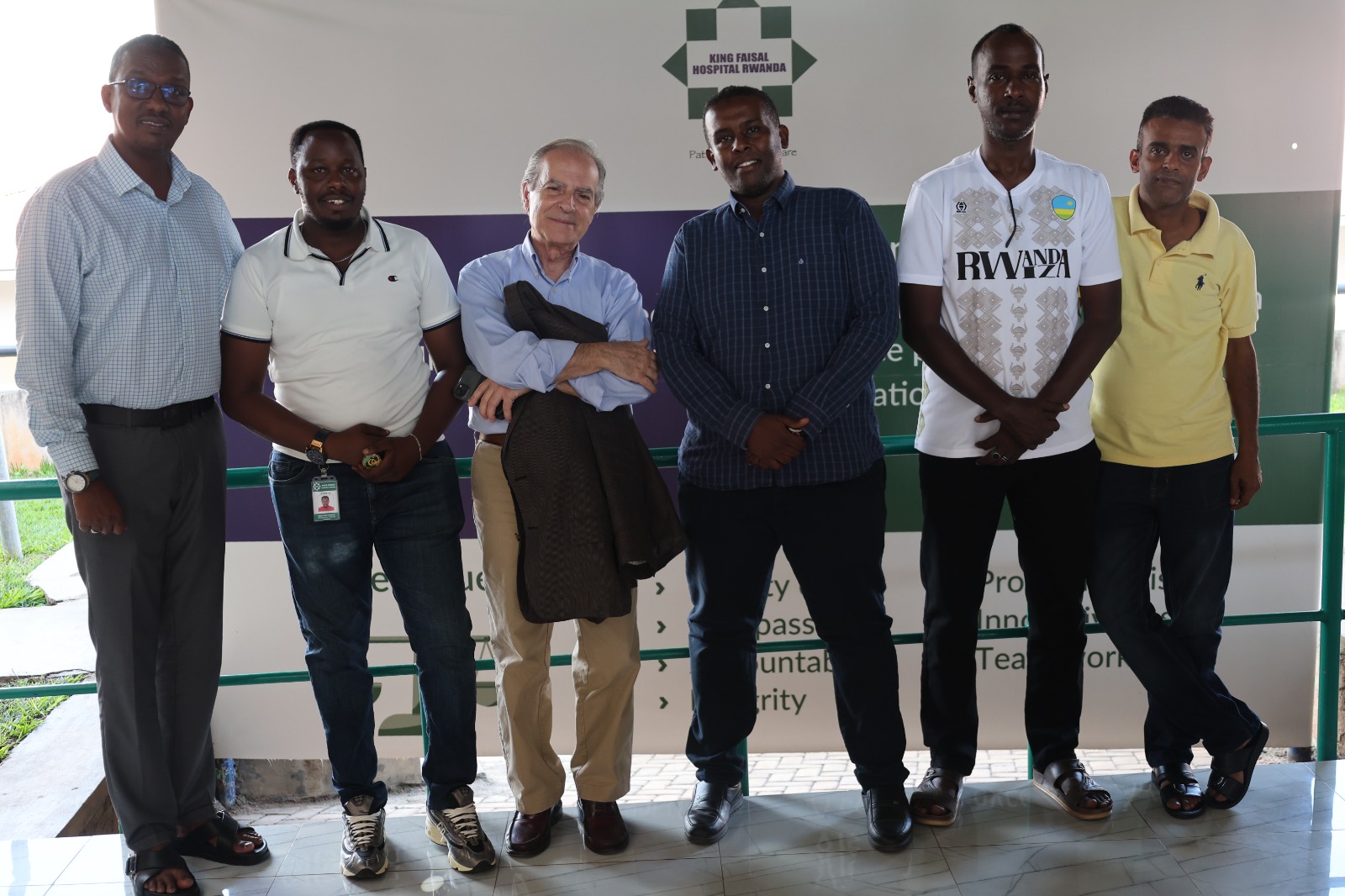
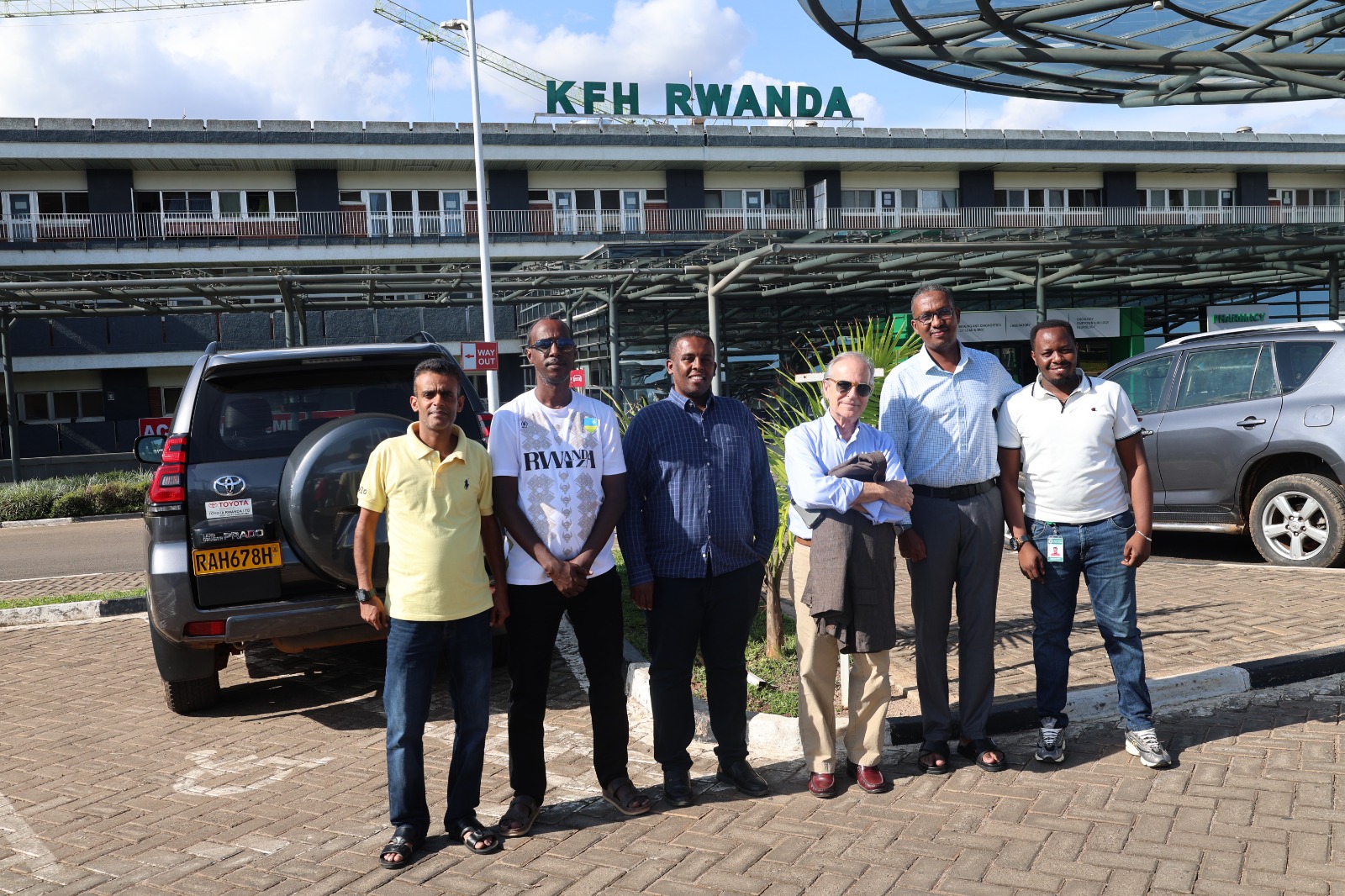
As part of efforts to support the establishment of Djibouti’s new cardiac unit, KFH hosted a delegation of four healthcare professionals from the Military Hospital of Djibouti for a two-week observership program. The delegation comprised a cardiovascular surgeon, two perfusionists, and an anesthesiologist. The observership followed the signing of a Memorandum of Understanding (MoU) between the two institutions and forms part of a broader partnership to strengthen specialized cardiac care services in the region.
The observership provided participants with firsthand exposure to the operations of a high-performing cardiac center, allowing them to observe clinical workflows, multidisciplinary collaboration, patient management systems, and best practices involved in running a successful cardiac program. Through interactions with cardiologists, cardiac surgeons, nurses, perfusionists, and allied health professionals, the delegation gained valuable insights that will support the launch and operation of the Military Hospital of Djibouti’s cardiac unit, expected to commence services in June 2026.
As part of the ongoing collaboration, King Faisal Hospital Rwanda will continue supporting the Military Hospital of Djibouti through technical assistance, mentorship, and operational guidance during the initial implementation phase of its new cardiac unit. To facilitate a successful launch and ensure the delivery of high-quality cardiac care services, KFH will deploy a multidisciplinary team comprising cardiac surgery nurses, a perfusionist, a cardiac anesthesiologist, and a cardiac intensivist. The team will work alongside local healthcare professionals to provide hands-on support, skills transfer, and clinical mentorship as the unit begins operations.
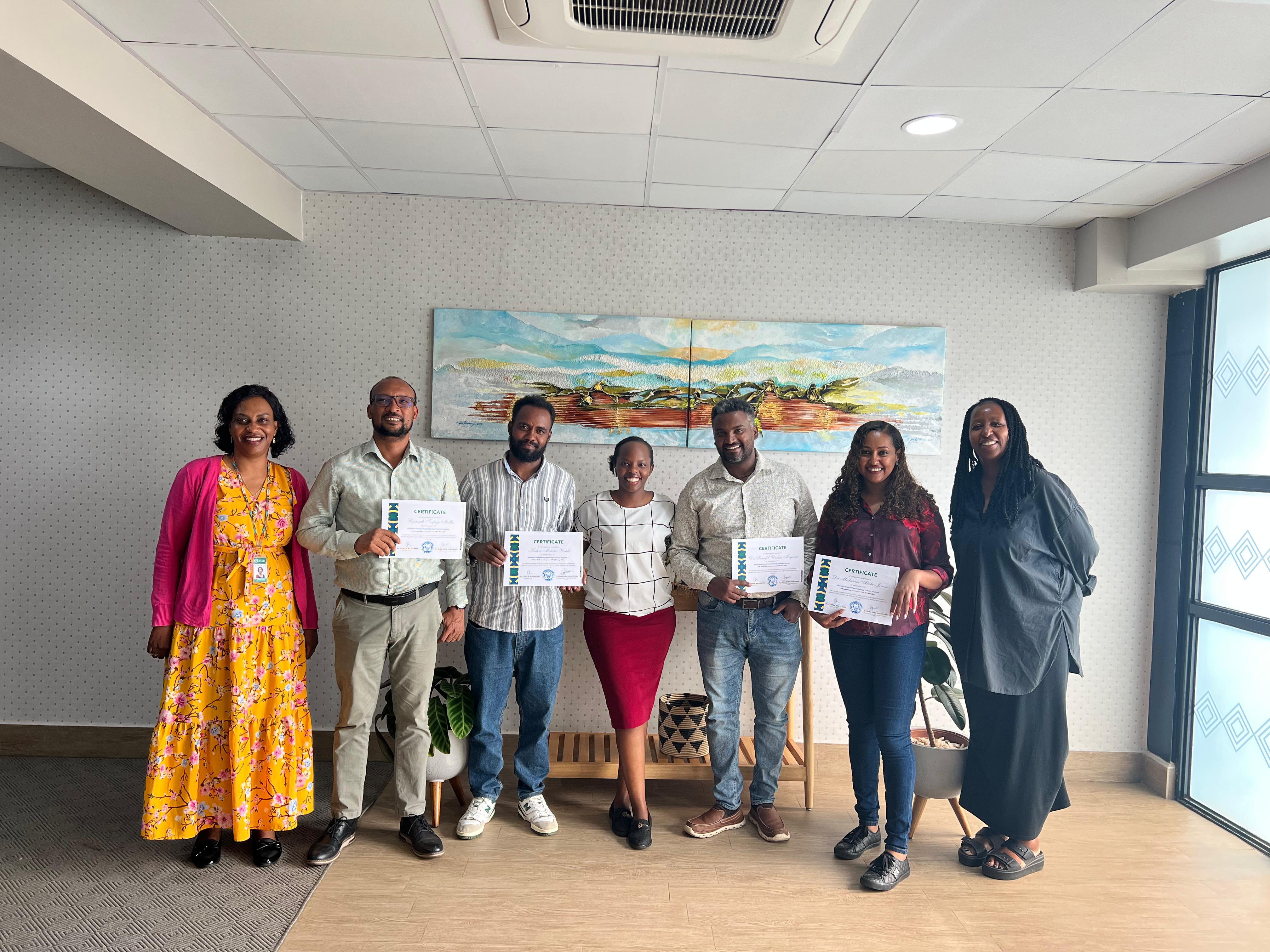
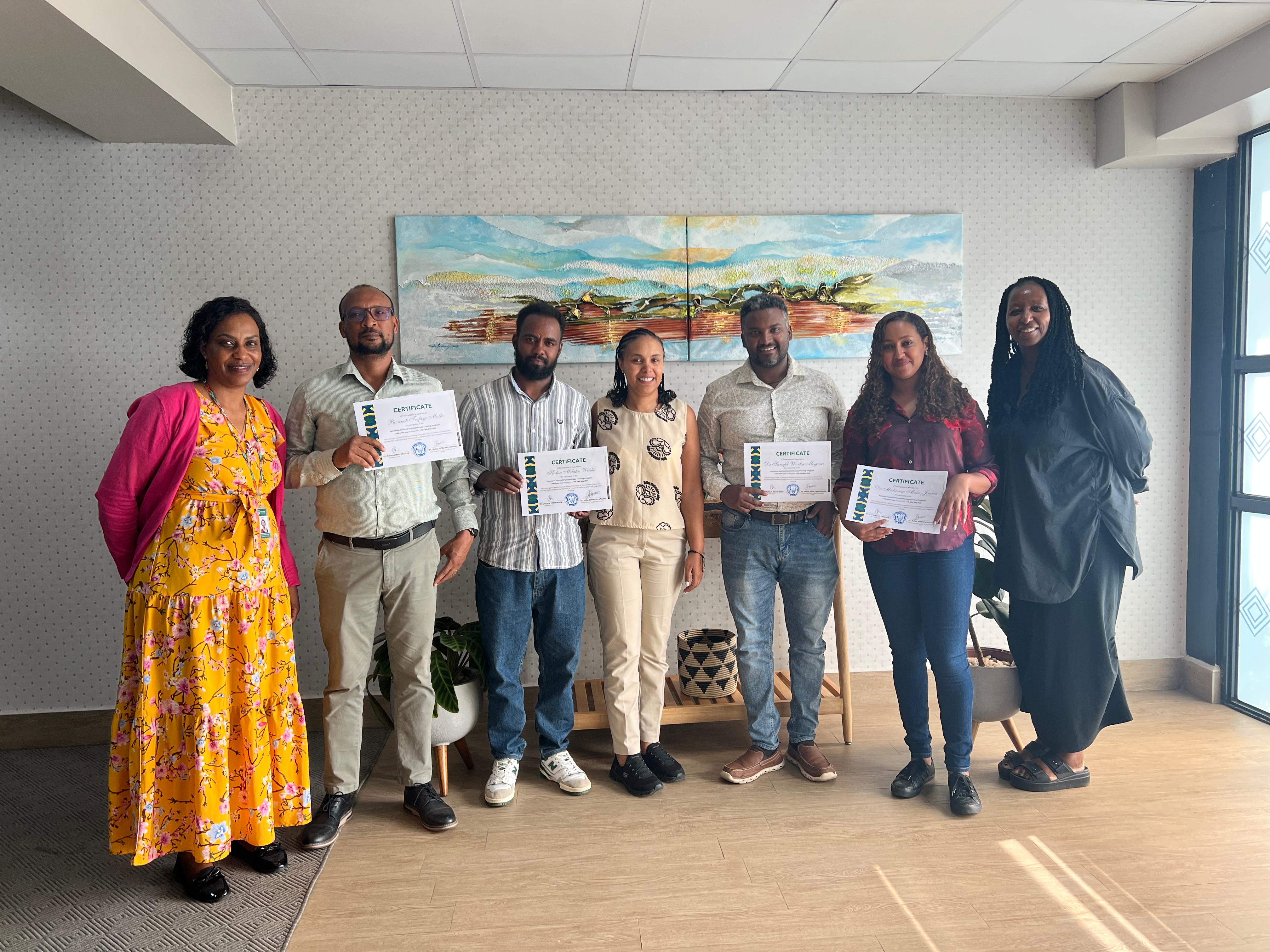
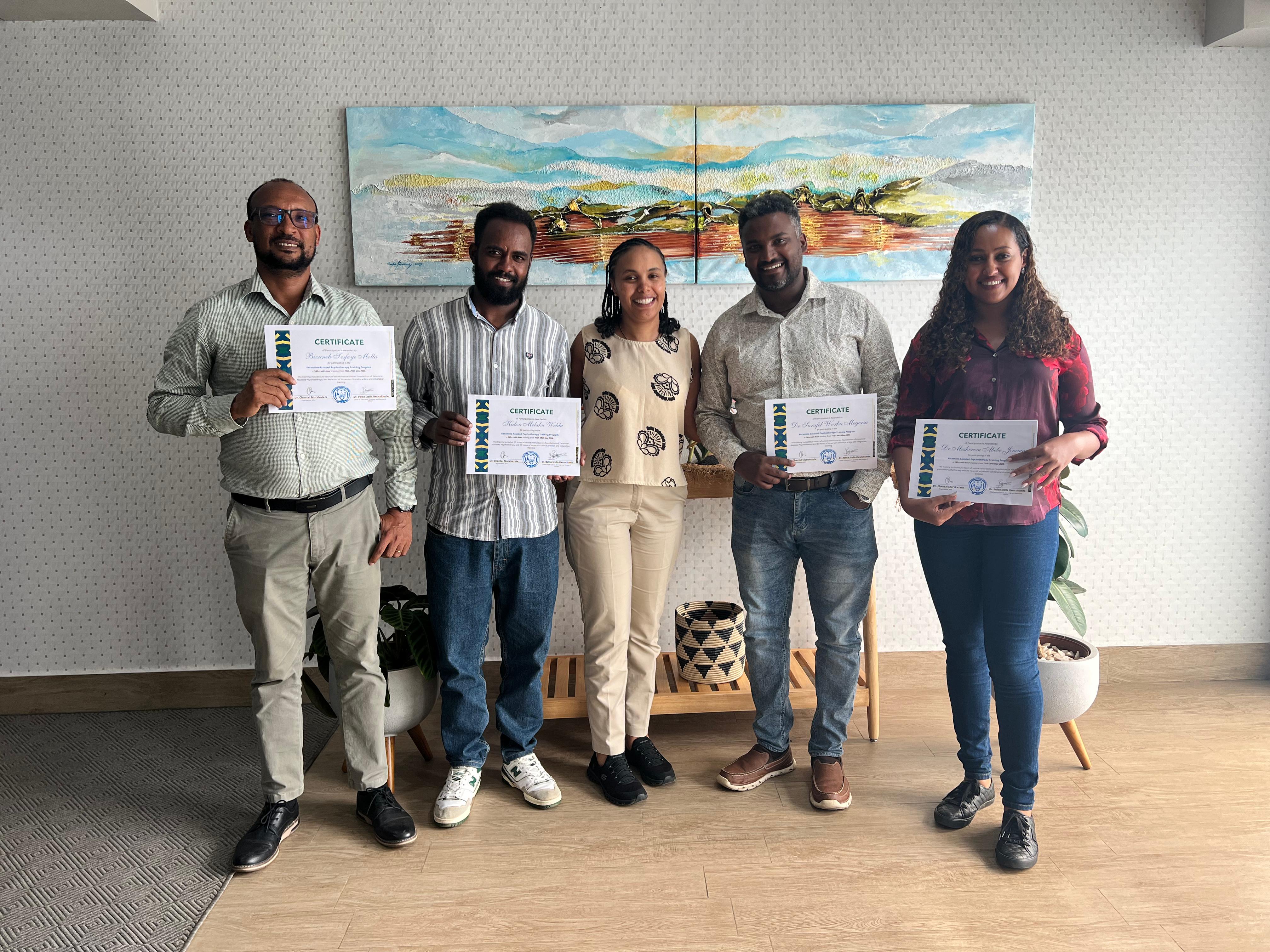
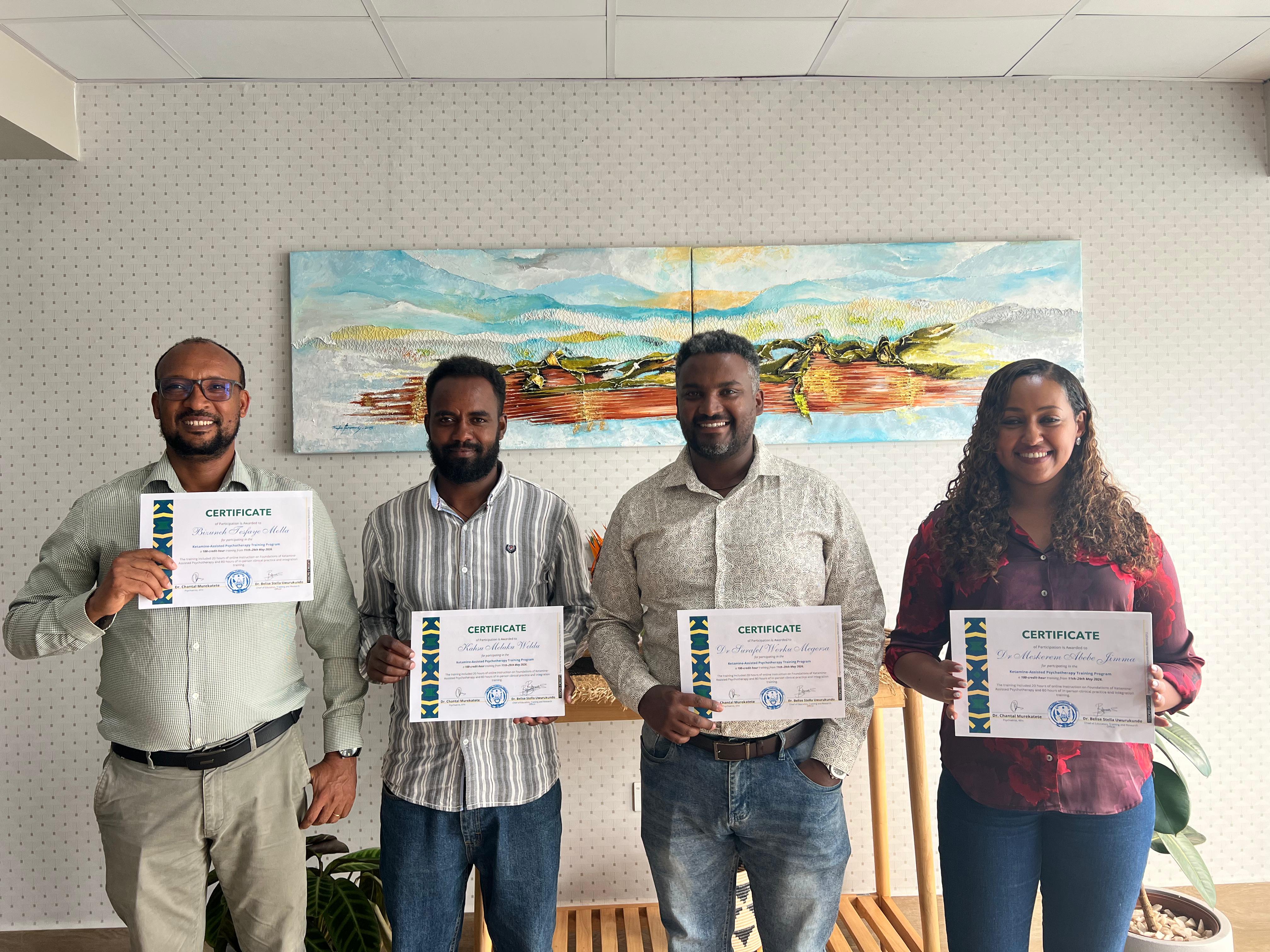
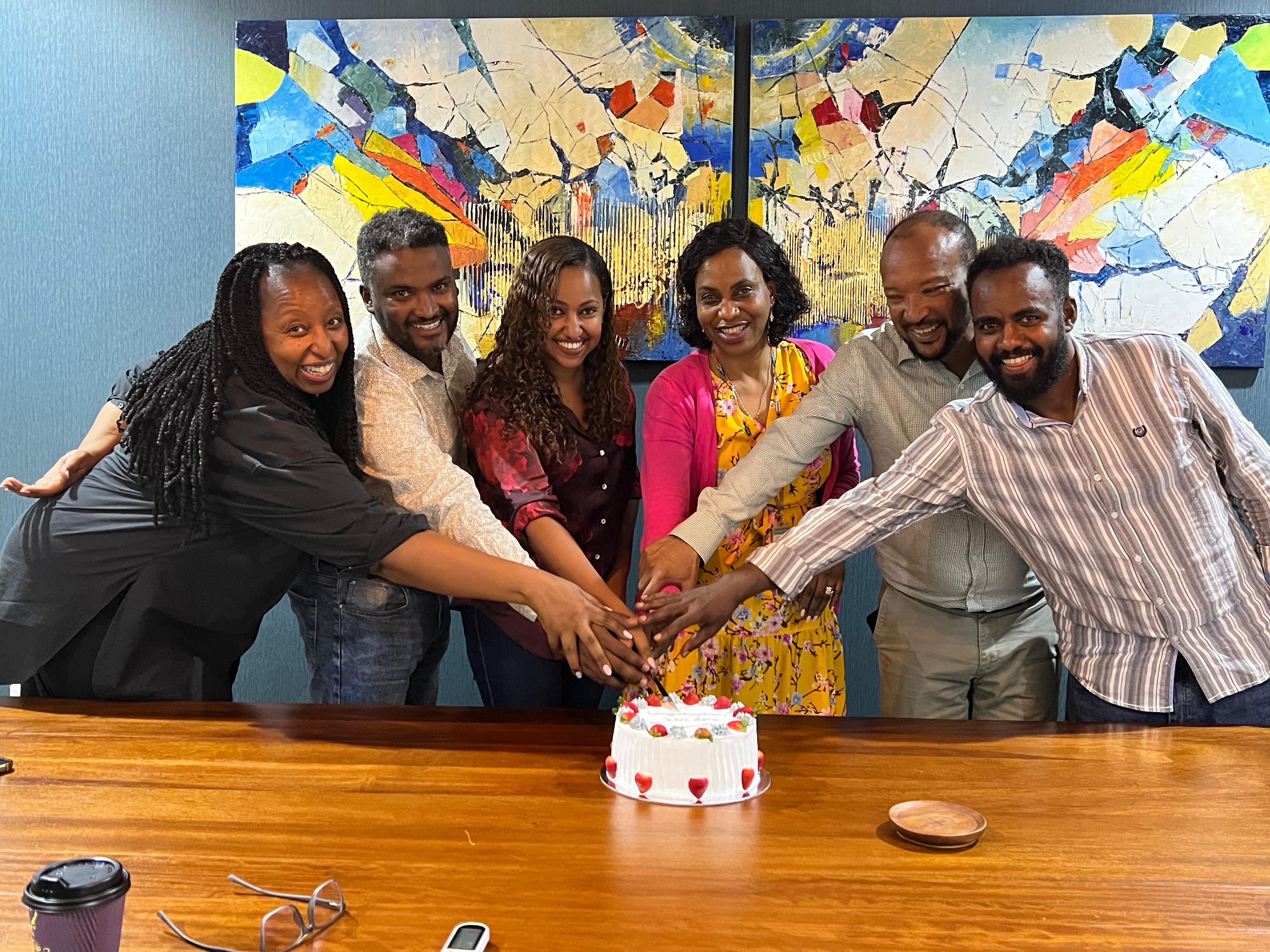
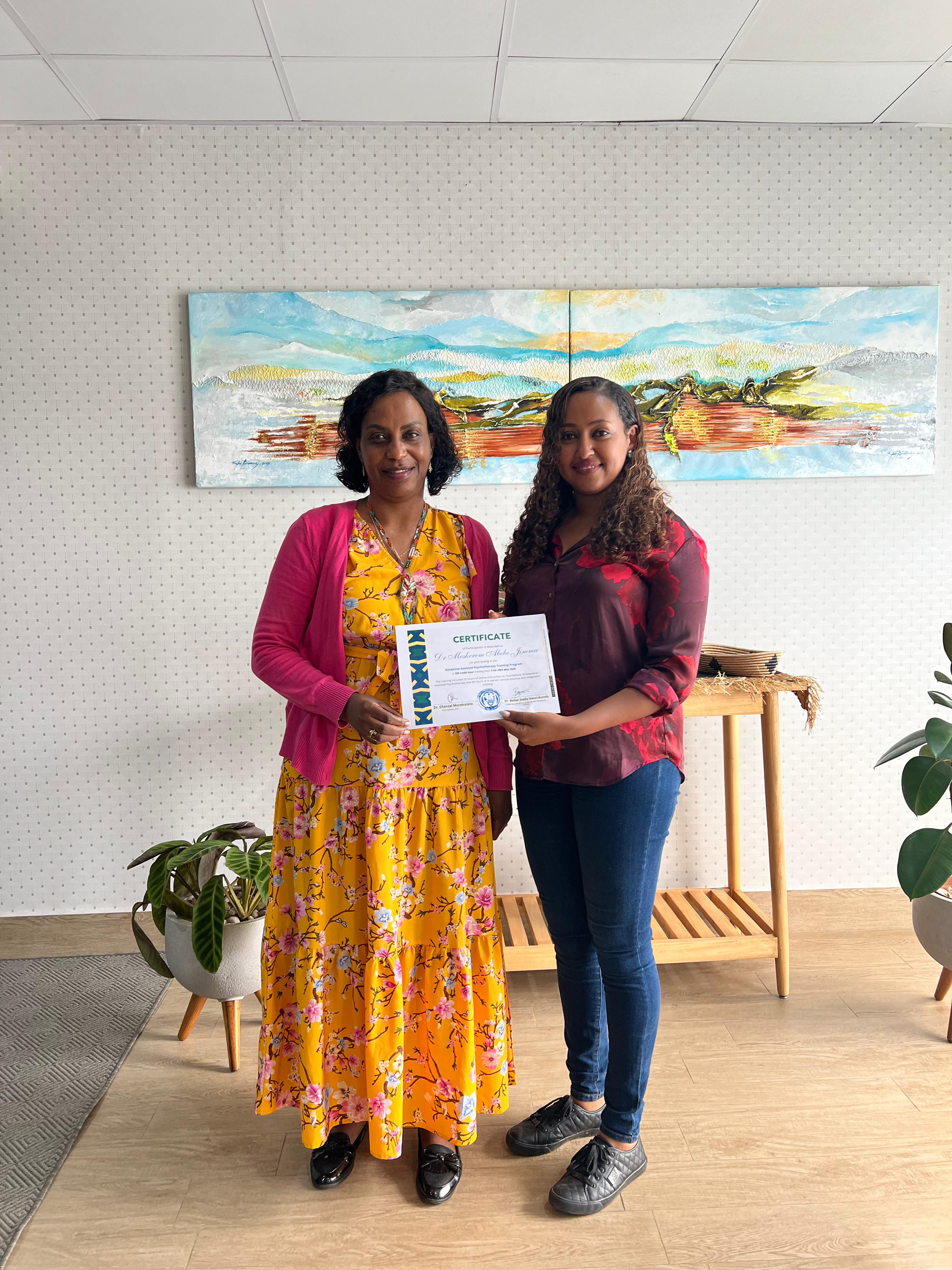
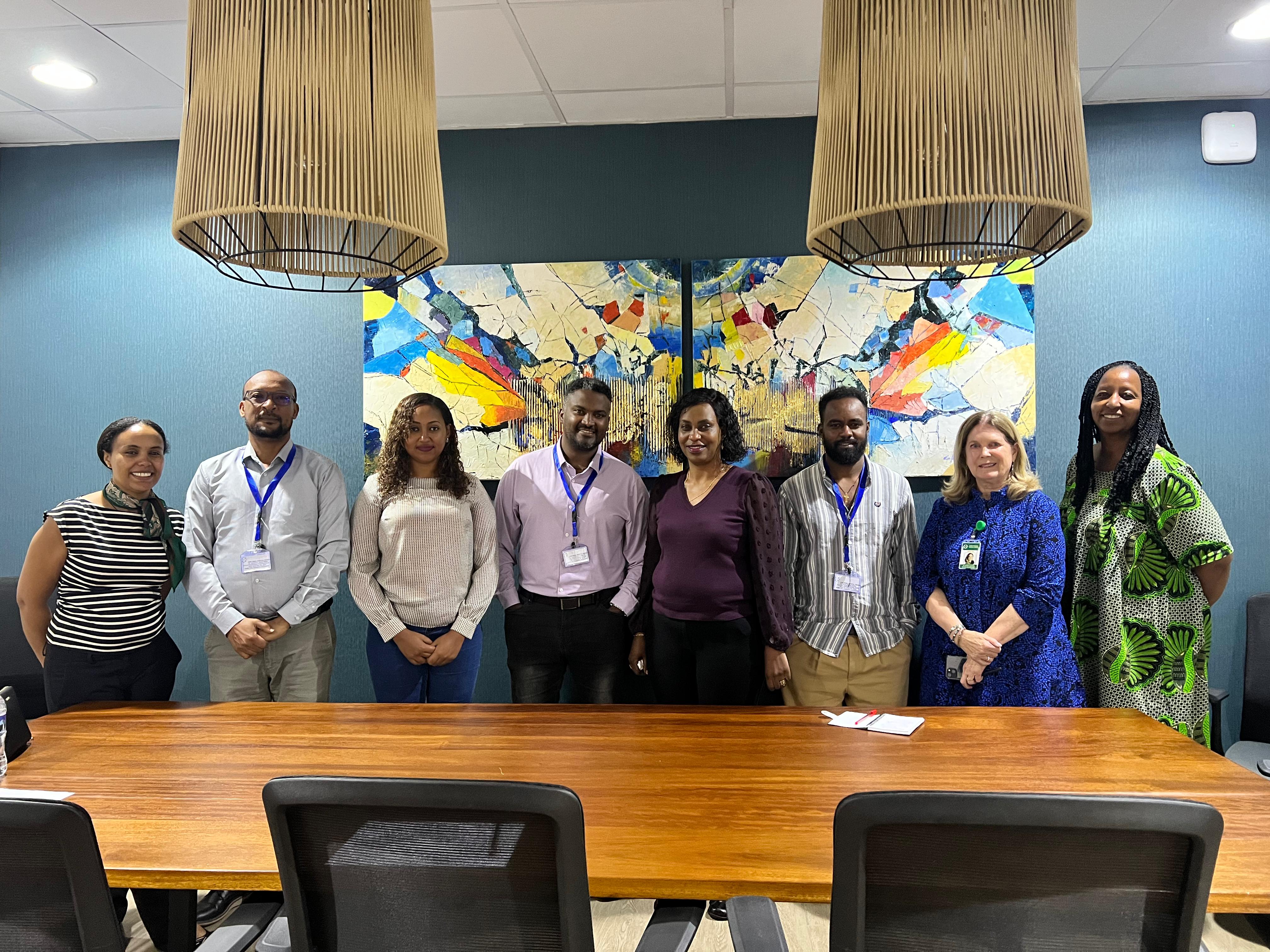
In parallel, KFH completed a three-week Ketamine-Assisted Psychotherapy (KAP) training program for a team of mental health professionals from Saint Paul’s Hospital Millennium Medical College in Ethiopia. Conducted at the hospital’s Ketamine Treatment and Research Center, the training equipped participants with advanced knowledge and practical skills in KAP, an innovative treatment approach increasingly recognized for managing treatment-resistant depression, post-traumatic stress disorder (PTSD), anxiety disorders, and other complex mental health conditions.
The Ethiopian delegation, comprising psychiatrists, a psychologist, and a psychiatric nurse, received comprehensive clinical exposure covering patient assessment, treatment protocols, safety considerations, psychotherapy integration, monitoring procedures, and multidisciplinary approaches to care delivery. The program also provided participants with opportunities to observe real-world clinical applications and engage directly with specialists leading the field at KFH.
The training is expected to support Saint Paul’s Hospital Millennium Medical College’s plans to establish a Ketamine Center in Ethiopia, thereby expanding access to innovative mental health services and strengthening specialized treatment capacity within the country.
According to hospital leadership, both initiatives highlight the importance of regional collaboration in addressing Africa’s growing healthcare needs. By investing in professional development, mentorship, and institutional partnerships, healthcare institutions can accelerate the development of specialized services while improving access to high-quality patient care.
The programs further demonstrate KFH’s growing role as a hub for clinical excellence, medical innovation, and healthcare workforce development. Through initiatives spanning cardiac surgery, mental health, kidney transplant, and other specialized disciplines, the hospital continues to contribute to the strengthening of health systems across the region.
As demand for specialized healthcare services continues to rise across Africa, collaborations such as these underscore the value of knowledge transfer and south-to-south cooperation in building resilient healthcare systems capable of delivering advanced, patient-centered care closer to home.

Leave a Reply