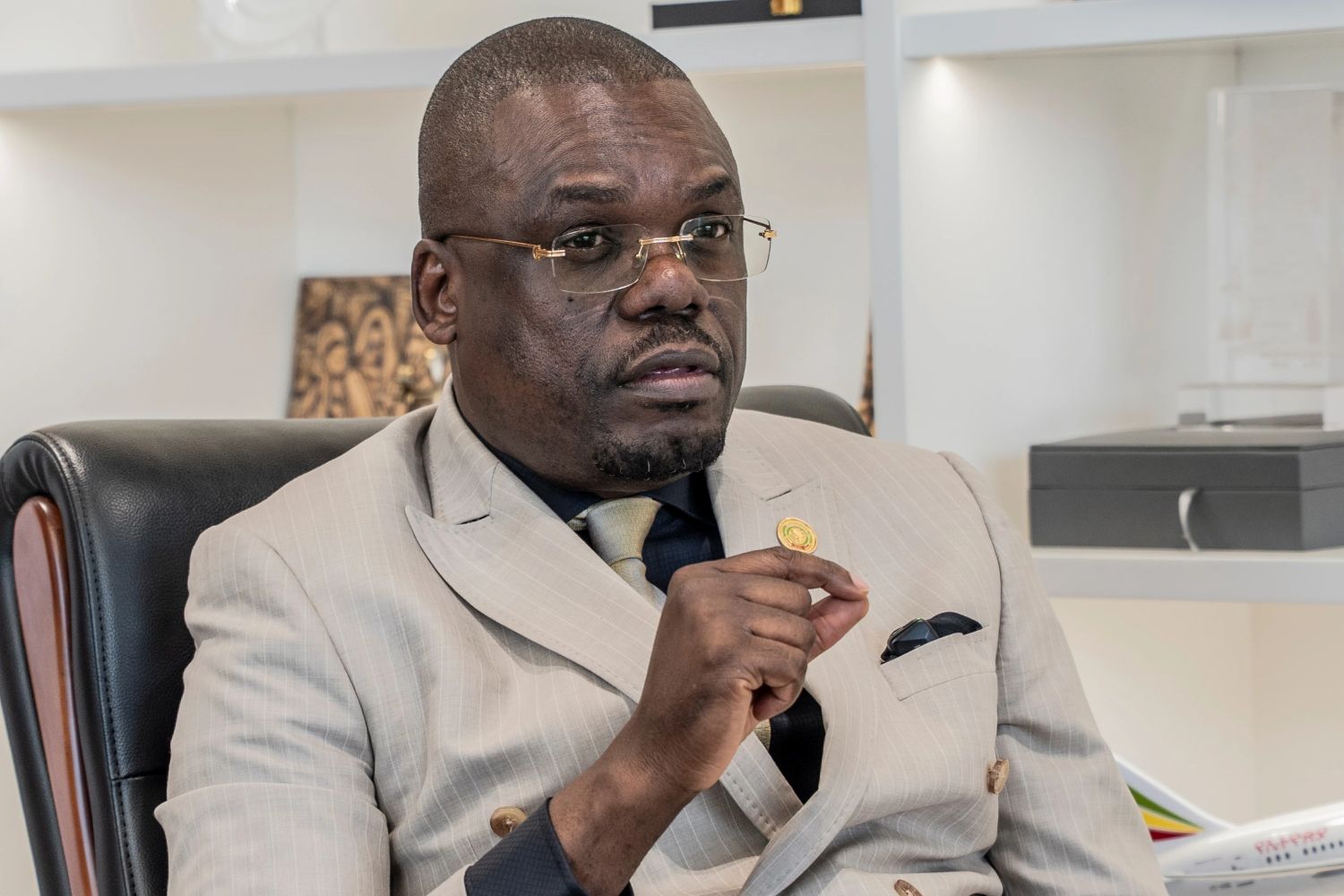
The proposal was presented during a meeting between a visiting Africa CDC delegation and Ugandan President Yoweri Museveni at State House Entebbe, according to an official statement.
During the meeting, the delegation briefed Museveni on the current status of the Ebola outbreak and assured him that the situation was being appropriately managed.
Jean Kaseya, director-general of Africa CDC, emphasized the need to establish the continental support team in Kampala to enhance coordination and monitoring efforts in responding to Ebola.
“Ebola only becomes deadly when there is a lack of attention. Otherwise, it is very manageable,” said Museveni, who welcomed the proposal and pledged Uganda’s full support.
A Ugandan doctor vaccinates the contact of a patient who tested positive for the Ebola virus on February 3, 2025. (File/ REUTERS/Abubaker Lubowa)
The ministry confirmed that there are currently no Ebola cases in Rwanda, but said the measures are part of ongoing efforts to enhance preparedness, early detection, and rapid response capacity to prevent any possible importation of the disease.
As part of the updated precautions, Rwanda has reinforced health screening and surveillance at all land points of entry along the border with the DRC. Additional entry control measures are also being implemented at Kigali International Airport for all inbound travellers.
Recent measures taken by the government this week include heightened surveillance at key transit points in Rubavu and Rusizi districts. These measures cover major crossing points such as the high-traffic Petite Barrière, Grande Barrière, and Kabuhanga posts adjacent to Goma, as well as Rusizi I and Rusizi II crossings bordering Bukavu.
Under the new rules, effective immediately, all foreign nationals who have travelled to or transited through the DRC within the last 30 days prior to their intended travel to Rwanda will be denied entry into the country.
Rwandan nationals and foreign residents holding valid proof of residency in Rwanda will still be allowed entry. However, those who have visited or transited through the DRC within the same 30-day period will be subject to mandatory quarantine in line with established public health protocols.
The Ministry of Health noted that it has already engaged with international partners, including the World Health Organisation (WHO) Rwanda, briefing diplomatic missions and international organisations on the country’s preparedness measures and current health security protocols.
Authorities emphasised that despite the enhanced controls, all activities in Rwanda continue as normal, including conferences, tourism, business operations, events, and domestic travel.
“Rwanda remains open, safe and prepared,” the ministry stated, urging visitors, residents, and event participants to continue their activities while observing standard hygiene practices and following official health guidance.
The Ministry of Health, in collaboration with other government institutions and international partners, said it will continue to closely monitor the situation and strengthen response measures to safeguard public health.
Members of the public have been encouraged to seek health information or report symptoms through the Rwanda Biomedical Centre hotline 114.
Ebola cases surge in DRC
The outbreak, initially reported in Ituri Province, has now affected North Kivu and South Kivu, while two confirmed cases have also been reported in the neighbouring country of Uganda.
According to the figures released Thursday by DRC Health Minister Roger Kamba, 626 suspected cases and 159 probable deaths have been recorded since the country declared its 17th outbreak on May 15.
The situation continues to evolve rapidly following WHO’s emergency declaration on May 16, 2026. Given that this outbreak involves the rare Bundibugyo strain, for which there is currently no approved vaccine or specific targeted treatment, containment efforts and epidemiological tracking rely heavily on distinguishing laboratory-confirmed cases from the significantly larger pool of suspected cases under investigation.
Rwanda continues to closely monitor the Ebola outbreak reported in the DRC. There are no Ebola cases in Rwanda, and precautionary measures are in place to reinforce prevention and early detection. New entry control measures are in effect for travellers from the DRC. pic.twitter.com/FdU57AYFYu— Ministry of Health | Rwanda (@RwandaHealth) May 22, 2026
The findings were published in the journal Aging-US by researchers David Gems, Alexander Carver and Yuan Zhao.
According to the scientists, the first stage begins earlier in life when the body experiences damage from infections, injuries or genetic changes.
Although the body repairs much of this damage, some hidden problems may remain for years without causing illness.
The second stage happens as people grow older and the body gradually becomes weaker. Researchers say this makes it harder for the body to control earlier damage, allowing diseases to slowly develop.
The scientists believe this may explain why some illnesses appear mainly in old age even though their causes may have started decades earlier.
For example, viruses that stay inactive in the body for years can become active again when the immune system weakens, leading to diseases such as shingles. Injuries suffered during youth may also later contribute to arthritis as body tissues age and lose strength.
The review also suggests that some inherited genetic mutations may remain harmless for many years before increasing the risk of diseases like cancer later in life.
Researchers say the new model could help doctors and scientists find better ways to prevent chronic diseases by reducing damage earlier in life and improving health during aging.
The study presents aging as a complex process caused by many factors working together over time.
Researchers are offering a new way to understand why aging is so closely connected to chronic illness. AI generated photo
On Thursday, the March 23 Movement (M23) rebel group confirmed a new case in Bukavu, the capital of South Kivu.
The group, which has been capturing the city since February 2025, said that a 28-year-old man had traveled from Kisangani, the capital of Tshopo Province, and died before his diagnosis was confirmed.
Though Tshopo has not seen any cases to date, Kisangani, one of the DRC’s busiest transport hubs, has emerged as a new area of concern, as authorities race to determine how far the virus may have already spread before detection.
Caseload climbs
The outbreak, initially reported in Ituri Province, has now affected North Kivu and South Kivu, while two confirmed cases have also been reported in the neighboring country of Uganda.
According to the figures released Thursday by DRC Health Minister Roger Kamba, 626 suspected cases and 159 probable deaths have been recorded since the country declared its 17th outbreak on May 15.
In areas under its control, the M23 said that more than 200 samples from suspected cases had been sent to Goma, the capital of North Kivu, for laboratory analysis. In Goma, one confirmed case remains under strict medical supervision, while identified contacts have been isolated, it added.
World Health Organization (WHO) Director-General Tedros Adhanom Ghebreyesus has warned that the number of cases is expected to keep rising, given the length of time the virus appeared to have circulated before the outbreak was detected.
“So far, 51 cases have been confirmed in the DRC, in the northern provinces of Ituri and North Kivu, including in the cities of Bunia and Goma, although we know the scale of the epidemic in DRC is much larger,” he said on Wednesday.
Delayed detection of rare strain
According to WHO officials, investigations are still underway to determine exactly when and where the outbreak began, but the scale of the epidemic suggests the virus may have been circulating for some time before being confirmed.
“We are thinking that it has started probably a couple of months ago,” Anais Legand, a WHO technical officer on viral hemorrhagic fevers, said Wednesday, stressing an immediate priority to cut transmission through contact tracing, isolation, and care for suspected and confirmed cases.
Abdirahman Mahmoud, director of WHO’s alert and response operations, said preliminary information pointed to a suspected index case in late April, followed by a possible superspreading event linked to funeral practices and community transmission.
Meanwhile, Tedros said that rapid field tests commonly used in previous Ebola responses were optimized for the Zaire strain, while the current outbreak involves the Bundibugyo strain, a less common strain first detected in 2007 in Uganda with a fatality rate from 30 to 50 percent.
This is one of the rare outbreaks caused by the Bundibugyo strain, for which there is currently no approved vaccine or specific treatment. Existing Ebola vaccines are mainly designed against the Zaire strain, which has caused several previous outbreaks in the DRC.
WHO research officials said several candidate vaccines are being considered. However, they cautioned that doses are still months away at the earliest.
Legand said that while preparations for possible trials continue, the priority is to set up safe and optimized treatment centers, establish patient referral pathways, and ensure that every suspected case is detected and cared for early.
Community resistance
Community resistance has become another obstacle to the response.
DRC Health Minister Roger Kamba said Tuesday that the alert had been delayed within affected communities, as some residents believed the illness was “mystical.”
Jean-Jacques Muyembe, head of the National Institute of Biomedical Research, also told Xinhua that distrust of outsiders could weaken the Ebola response.
“When people see that instructions and measures are announced by people from their own area, they believe them. If it is someone from Kinshasa, they doubt,” Muyembe said, stressing that the primary task is to build trust between health workers and people.
On Thursday, in Rwampara, the outbreak’s epicenter in Ituri, Xinhua reporters saw an Ebola isolation site set on fire after clashes at the facility.
According to witnesses, relatives of several people who died while in isolation voiced anger over the handling of the response. The situation escalated into conflict, and one isolation tent with about 10 beds was burned before military and police forces intervened.
On-site medical workers declined interview requests, expressing anger over the incident.
Former New Zealand Prime Minister Helen Clark, co-chair of the Independent Panel for Pandemic Preparedness and Response, noted that the outbreak reflected a “perfect storm” of delayed detection, fragile health systems, conflict, and declining global health funding.
The WHO said more than 35 experts and first responders from the organization and the DRC Ministry of Health have been deployed to the field, with additional teams being sent to reinforce surveillance, clinical care, infection prevention and control, community engagement, and safe burial measures.
Tedros said he had approved an additional 3.4 million U.S. dollars from the WHO Contingency Fund for Emergencies, bringing the organization’s total emergency allocation for the response to 3.9 million dollars.
The WHO made it clear that the risk from the outbreak was assessed as high at the national and regional levels, but low globally.
The outbreak, initially reported in Ituri Province, has now affected North Kivu and South Kivu, while two confirmed cases have also been reported in the neighboring country of Uganda.
In countries such as the Netherlands, Belgium and Luxembourg, euthanasia is permitted under strict legal conditions for patients with incurable illnesses who repeatedly request assistance to end their suffering.
Depending on the law, doctors may either administer life-ending medication directly or prescribe medication for the patient to take themselves, a practice known as medically assisted suicide.
In the Netherlands, more than 10,000 euthanasia cases were recorded in 2025, representing around 6% of all deaths in the country.
A recent poll conducted by IGIHE on social media asked whether Rwanda should consider allowing euthanasia for patients experiencing severe pain with no hope of recovery. Around 1,700 respondents supported the idea, while more than 900 opposed it and hundreds said they were undecided.
Supporters cite dignity and relief from suffering
Several people interviewed by IGIHE, particularly younger respondents from Southern and Western Rwanda, said terminally ill patients should be allowed to choose a dignified death instead of enduring prolonged suffering.
Nineteen-year-old Philbert Irankunda said some illnesses leave patients in unbearable pain with no realistic chance of recovery.
“There are situations where a patient suffers so much that they may personally wish for their pain to end,” he said.
Claude Niyomugabo, 20, said the emotional and financial burden on families can also become overwhelming when treatment offers little hope.
“Some families spend everything they own on treatment even when doctors already know the patient will not recover,” he said. “In such cases, some people believe allowing the patient to die peacefully may be the more humane option.”
Fidele Kanyanzira, 68, expressed a similar view, particularly for elderly patients with irreversible conditions. “If someone is very old, in constant pain and cannot recover, helping them die peacefully can spare them unnecessary suffering,” he said.
He noted, however, that he would not support such a decision for children or young people.
Religious and cultural beliefs drive opposition
Many opponents of euthanasia said their views are rooted in religious beliefs and the conviction that only God should determine when life ends.
Jean Bosco Akumuntu said Christians believe life is sacred and should not be deliberately ended by human intervention.
“Life comes from God, and only God decides when it ends,” he said. “Helping someone die is something many believers would consider morally wrong.”
An elderly woman interviewed by IGIHE also rejected the idea, arguing that even patients in severe pain should be allowed to die naturally.
“God already knows when a person’s life will end,” she said. “Ending life intentionally is not acceptable.”
Medical professionals highlight ethical dilemmas
A doctor working in Rwanda’s Southern Province told IGIHE that families sometimes exhaust their savings, sell land and lose property trying to care for relatives with terminal illnesses.
“There are cases where families know the patient will not recover, but they continue spending everything they have in search of treatment,” he said.
The doctor explained that euthanasia, where legal, is intended to ease suffering rather than cause harm, as patients are given medication designed to allow a peaceful and painless death.
“The final stages of some illnesses can involve extreme pain,” he said. “Some people believe patients should be allowed to die with dignity rather than continue suffering unnecessarily.”
He added that cultural traditions and strong religious beliefs remain among the main reasons euthanasia — much like cremation — remains widely rejected in Rwanda.
In some countries, euthanasia is permitted under strict legal conditions for patients with incurable illnesses who repeatedly request assistance to end their suffering.
AFC/M23 spokesperson Lawrence Kanyuka said the latest case was identified after a separate Ebola infection was recently confirmed in the city of Goma.
According to Kanyuka, more than 200 samples have so far been collected from people suspected of having contracted the virus following the detection of the case in Goma.
He said all individuals who came into contact with the infected patient were identified and placed under quarantine in line with public health guidelines, adding that no additional Ebola cases have been detected in Goma.
Kanyuka also stated that the patient receiving treatment in Goma remains under close medical supervision.
Referring to laboratory results released on April 20, 2026, by the national laboratory in Goma, Kanyuka said one positive Ebola case had been confirmed from samples collected in Kabare Territory near Bukavu.
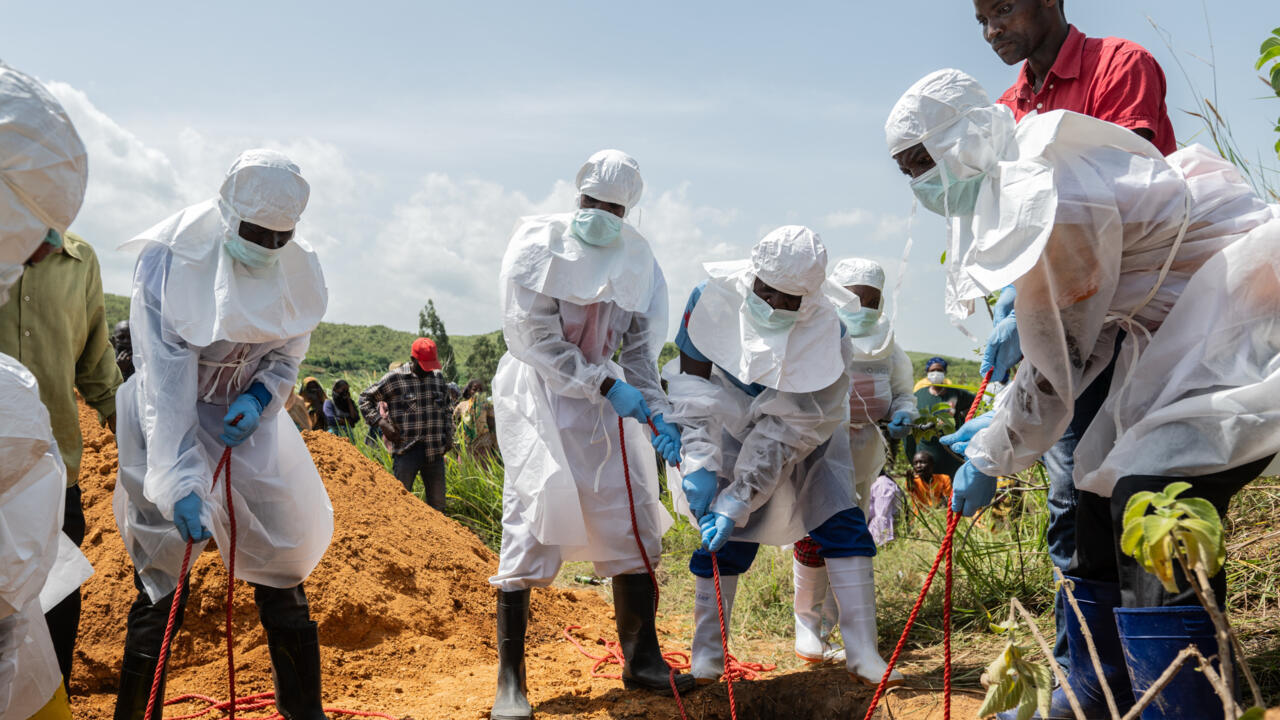
“The patient, a 28-year-old Congolese national, died before the test results were released,” Kanyuka said. “In accordance with health protocols, the burial was conducted under strict safety and protective measures reserved for suspected Ebola cases.”
AFC/M23 said the victim had recently traveled from Bukavu to Tshopo Province, suggesting the outbreak may now have spread to a fourth province after Ituri, North Kivu and South Kivu.
The coalition urged residents in areas under its control to remain calm and follow preventive measures put in place to limit the spread of the disease.
The latest case in Bukavu was identified after a separate Ebola infection was recently confirmed in the city of Goma.According to Kanyuka, more than 200 samples have so far been collected from people suspected of having contracted the virus following the detection of the case in Goma.
Speaking at a press conference, WHO Director-General Tedros Adhanom Ghebreyesus said that a WHO Emergency Committee met on Tuesday and agreed with his earlier assessment that the Ebola situation in the Democratic Republic of the Congo (DRC) and Uganda is a public health emergency of international concern (PHEIC), but is not a pandemic emergency.
Tedros early on Sunday declared the PHEIC for the Ebola outbreak in the two countries, marking the first time a WHO chief had done so without first convening an Emergency Committee.
So far, 51 cases have been confirmed in the northern provinces of Ituri and North Kivu of the DRC, said Tedros, adding that the scale of the epidemic in the DRC is much larger.
Uganda has also informed WHO of two confirmed cases in the capital Kampala, including one death, among two individuals who traveled from the DRC to Uganda, he said, adding that a U.S. national working in the DRC has also been confirmed positive.
Beyond the confirmed cases, there are almost 600 suspected cases and 139 suspected deaths, said Tedros.
He said the WHO expects the numbers to keep increasing, given the amount of time the virus was circulating before the outbreak was detected.
Tedros said that it was urgent to act immediately to prevent more deaths and mobilize an effective and international response.
The WHO has deployed people, supplies, equipment and funds to support national authorities to respond, he said.
The WHO chief said he has approved an additional 3.4 million U.S. dollars from the Contingency Fund for Emergencies, bringing the total to 3.9 million U.S. dollars.
Local residents wash hands under the instruction of medical workers in Goma, the Democratic Republic of the Congo (DRC), on May 19, 2026. (Str/Xinhua)
Head of the World Health Organization (WHO) Tedros Adhanom Ghebreyesus speaks during a press briefing in Geneva, Switzerland, Aug. 7, 2025. (Xinhua/Lian Yi)
The agreement was signed on the sidelines of the World Health Assembly following a meeting between Russia’s Health Minister, Mikhail Murashko, and Rwanda’s Minister of Health, Dr. Sabin Nsanzimana.
The assembly runs from May 18 to 23, 2026.
According to information shared by Rwanda’s Embassy in Russia, the cooperation covers several areas.
These include strengthening healthcare systems, professional development of medical personnel, prevention, diagnosis, treatment and rehabilitation of both communicable and non-communicable diseases, as well as state regulation of medicines and medical devices and medical scientific research.
It also includes protection of maternal and child health, nuclear medicine, and other related fields.
Nuclear medicine is among the advanced medical fields being developed in Rwanda as part of efforts to expand access to modern diagnostic and treatment technologies.
The technology uses imaging tools such as PET and SPECT scans, combined with radioactive tracers, to detect diseases that are often difficult to identify through conventional imaging. It is used in the diagnosis of conditions such as cancer, heart disease and neurological disorders.
In November 2025, Rwanda’s Cabinet approved partnership agreements to introduce nuclear medicine services as part of efforts to strengthen specialized healthcare delivery.
The country has already acquired a PET Scan machine and is preparing to roll out nuclear medicine services using Cyclotron technology, which produces radiotracers used in early disease detection. The services are expected to be operational in 2026.
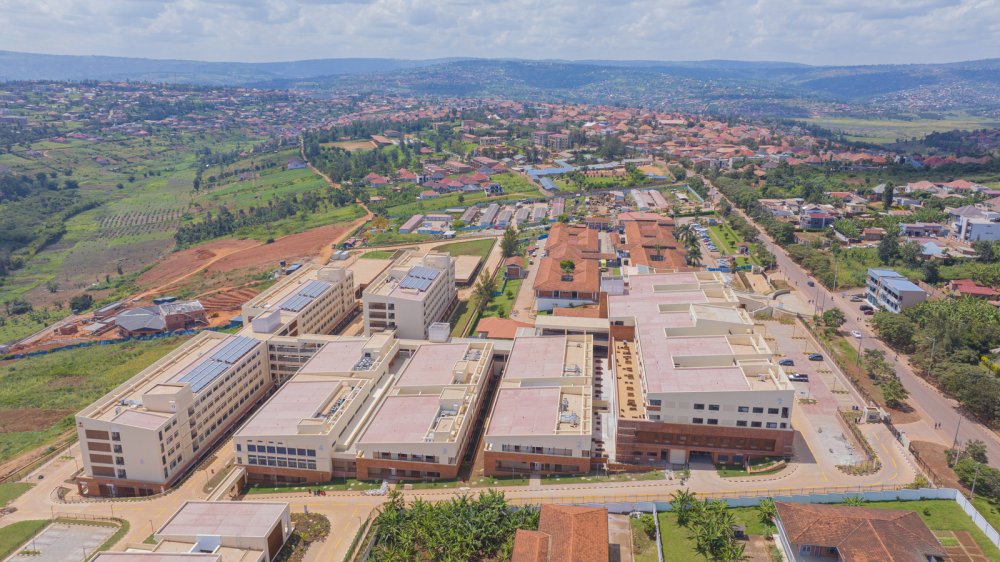
These services are planned to be based at the Rwanda Military Hospital in Kanombe, which hosts the Rwanda Cancer Centre, with further expansion expected at King Faisal Hospital following its upgrade.
The agreement adds to ongoing cooperation between Rwanda and Russia in the health sector, particularly in training, research, and healthcare system strengthening.
The MoU was signed between Russia’s Health Minister, Mikhail Murashko and Rwanda’s Minister of Health, Dr. Sabin Nsanzimana. The agreement was signed on the sidelines of the World Health Assembly.
The measures range from nationwide public awareness campaigns about the disease to reinforced screening procedures at border posts and the establishment of facilities where suspected cases can be monitored.
So far, no Ebola case has been confirmed in Rwanda, and no suspected patient has been identified. The country’s borders remain open, but authorities have introduced stricter controls to prevent the spread of the virus.
Rwanda’s Deputy Government Spokesperson, Uwera Jean Maurice, said the country had intensified efforts to contain the Ebola outbreak currently affecting the DRC.
Last weekend, health authorities confirmed a new Ebola case in Ituri Province in eastern DRC. The outbreak has already claimed more than 130 lives.
The Ebola strain involved, known as the Bundibugyo virus, was first identified in Uganda between 2007 and 2008, infecting 149 people and killing 37. It later resurfaced in Isiro, DRC, in 2012, where 57 people were infected and 29 died.
After health officials in Goma announced a confirmed Ebola case, Rwanda immediately moved to reinforce its response measures.
On May 17, 2026, a high-level meeting brought together provincial leaders, officials from the Rwanda Biomedical Centre (RBC), Rubavu District authorities, hospital representatives, and leaders of border sectors.
The meeting resolved to strengthen controls at official border crossings, completely stop the use of illegal crossing routes, install handwashing facilities at border points, and suspend the practice of Congolese residents crossing into Rwanda to fetch water.
Authorities also agreed to establish a command post to closely monitor the outbreak and deploy day-and-night border patrols.
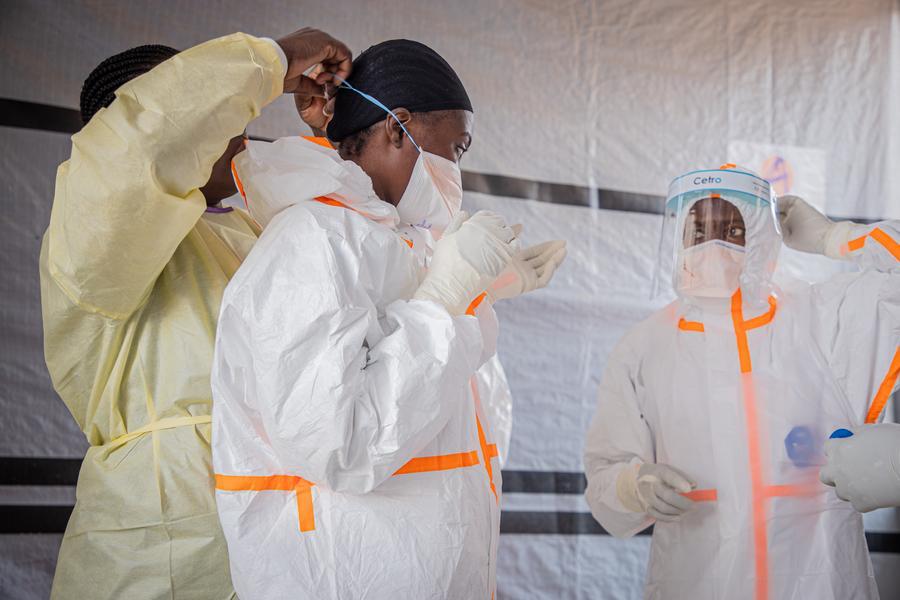
Medical personnel have additionally been stationed at all border posts to screen travelers for Ebola symptoms before they enter the country.
According to Uwera, cross-border traders are also being encouraged to operate in organized groups and cooperatives to help authorities enforce preventive measures more effectively.
“What is currently being done is the screening of people entering and leaving the country. Traders are encouraged to work through cooperatives and comply with the measures put in place to prevent the spread of Ebola,” he said.
He added that border movement continues to be monitored without interrupting trade activities.
Travelers crossing the border are undergoing temperature checks, while officials are also reviewing their 21-day travel history to identify areas they may have recently visited.
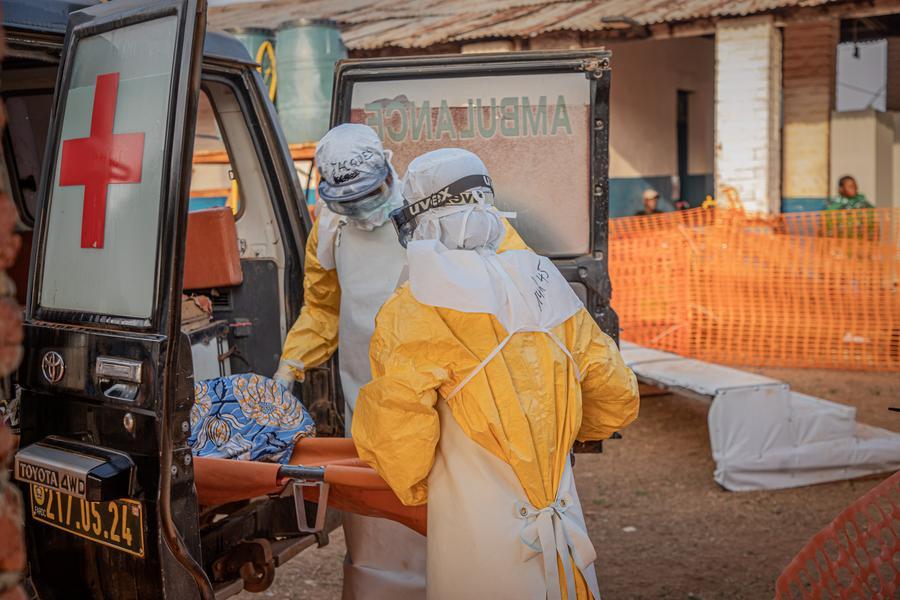
Authorities have further designated facilities to monitor suspected cases and quarantine individuals if necessary. The Rugerero Health Centre has been selected as one of the sites prepared to handle potential Ebola-related cases.
Anyone arriving at the border with symptoms associated with Ebola is immediately transferred to the facility for specialized monitoring and care.
However, Uwera said that, to date, no person showing Ebola symptoms has been identified in Rwanda.
He urged the public to continue following government guidelines and preventive measures to help keep the disease out of the country.
Rwanda has tightened border measures to counter the spread of Ebola outbreak from DRC. Medical personnel have been stationed at the border to detect individuals with Ebola symptoms.Screening individuals upon arrival has been scaled up. Hand washing facilities have been massively set up at border points to reinforce sanitary measures. Rugerero Health Center has been identified among designated sites to host individuals with symptoms of the outbreak. Rwanda has scaled up efforts to contain Ebola outbreak.
Congo’s Minister of Public Health, Samuel Roger Kamba, said on Tuesday that authorities are still assessing how many of the reported deaths are directly connected to Ebola. At least 30 cases have so far been laboratory confirmed.
The outbreak has affected several urban areas, including Goma, one of the largest cities in eastern Congo. According to the World Health Organization, cases have also been reported across the border in Uganda, where two infections were confirmed in Kampala, including one death involving travelers from Congo.
Speaking during the World Health Assembly in Geneva, World Health Organization Director-General Dr. Tedros Adhanom Ghebreyesus said the organization was concerned about the scale and speed of the outbreak.
He noted that the WHO had declared the situation a public health emergency of international concern following consultations with health officials from both countries.
Health experts say the outbreak involves the Bundibugyo strain of Ebola, a relatively rare variant for which there are no approved vaccines or specific treatments. Previous outbreaks involving this strain were recorded in 2007 and 2012.
Ugandan authorities said surveillance teams have been deployed at border crossings to screen travelers, while laboratories and testing centers have also been activated to support the response.
The WHO said more than 40 experts were deployed to affected areas on Sunday. The agency has also delivered over 12 tons of medical supplies, including protective equipment for healthcare workers, laboratory materials, tents and medicines, with additional supplies expected.
The United States announced the deployment of a Disaster Assistance Response Team to support efforts in Congo and Uganda. Officials said up to 50 clinics in affected regions would receive support for emergency screening, triage and isolation services.
An American doctor working in eastern Congo also tested positive for Ebola after reportedly being exposed while treating patients at Nyankunde Hospital.
The doctor was later evacuated to a U.S. military base in Germany for further treatment, while other high-risk contacts, including family members, remain under quarantine and monitoring.
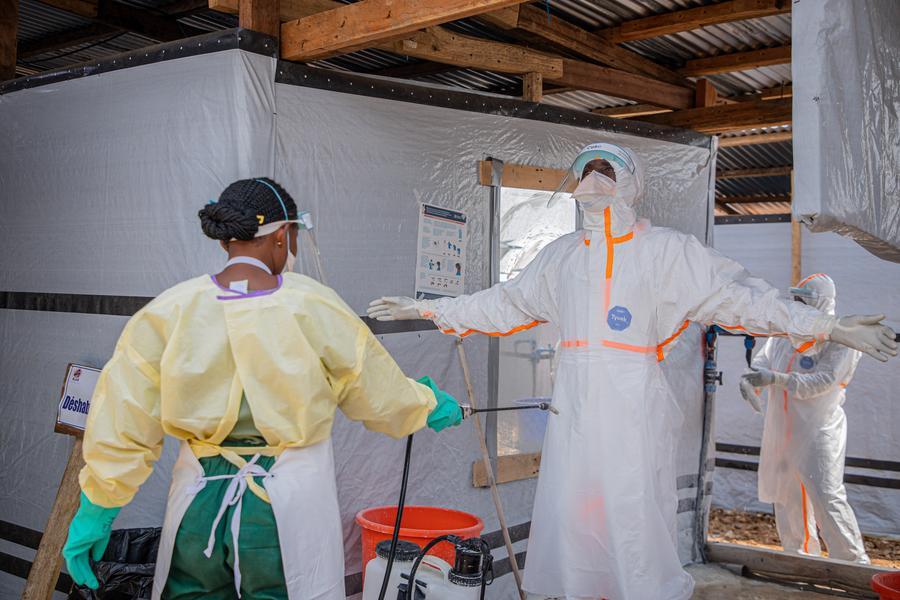
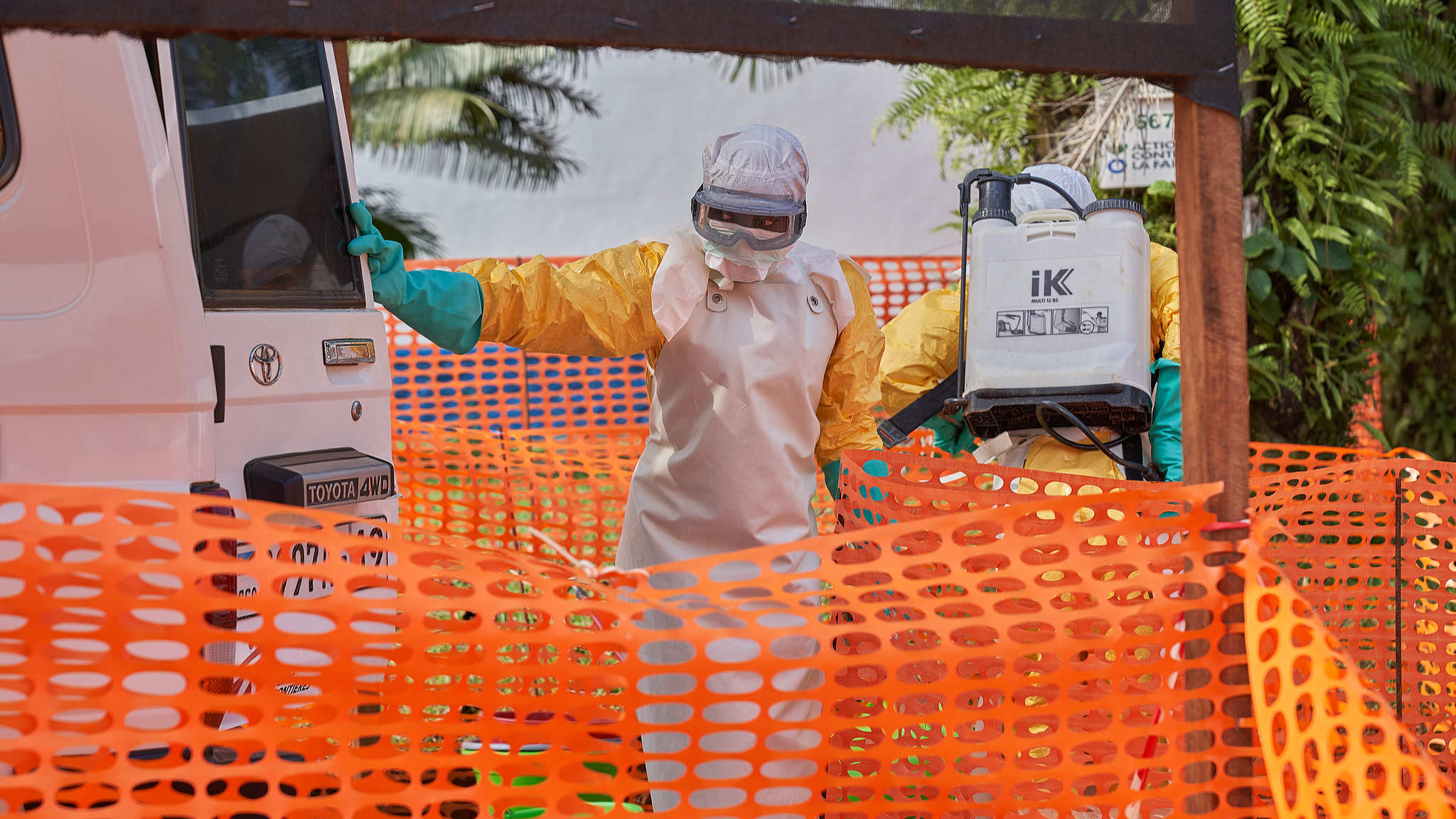
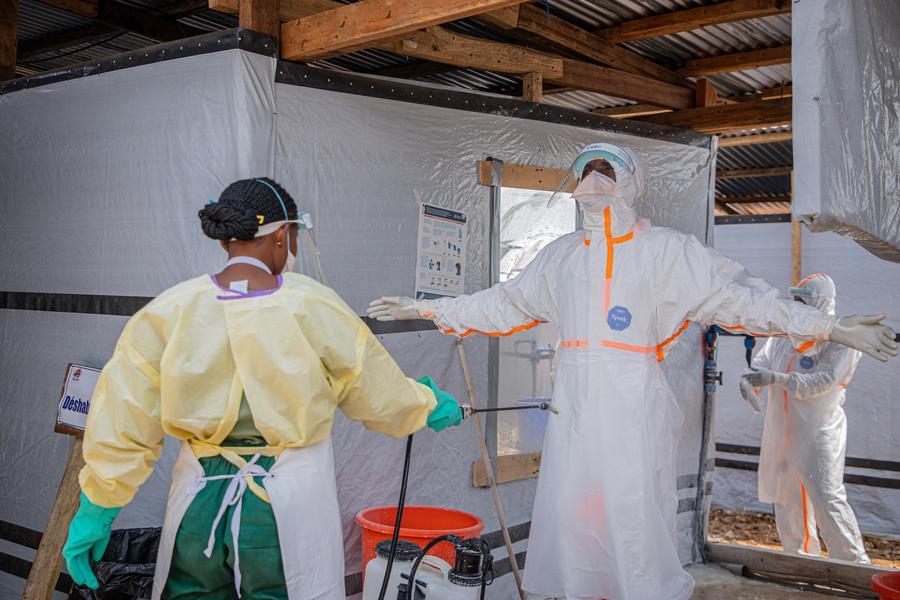
Kavota Mugisha Robert, a healthcare worker, decontaminates his colleague after he entered the house of 85-year-old woman, suspected of dying of Ebola, in the eastern Congolese town of Beni in the Democratic Republic of Congo, Oct. 8, 2019. Zohra Bensemra/Reuters