“Today, the final contact of a person exposed to hantavirus on the cruise ship MV Hondius completed their quarantine period, tested negative and returned home. No further cases have been reported since May 25. We are therefore very pleased to say that WHO considers the outbreak of hantavirus over,” said WHO Director-General Tedros Adhanom Ghebreyesus during his opening remarks at the media briefing on Thursday.
The WHO was notified of the outbreak on May 2 by Britain’s International Health Regulations (IHR) National Focal Point. It involved a cluster of severe acute respiratory illness aboard the Dutch-flagged cruise ship.
A total of 13 cases were recorded, including three deaths. More than 650 contacts were identified and followed up by health authorities.
The outbreak response was supported by multiple countries in line with the International Health Regulations, including Argentina, Cabo Verde, Chile, the Netherlands, South Africa, Britain, and notably Spain, which demonstrated “incredible solidarity in supporting the safe disembarkation and repatriation of passengers and crew in Tenerife,” the director-general said.
Although the outbreak is now over, WHO will continue working with governments and partners to advance understanding of this outbreak and of hantavirus more generally.
WHO is coordinating a study involving 21 countries to understand how the disease develops, which will support the development of diagnostics, therapeutics, and vaccines for future outbreaks.
The World Health Organization (WHO) on Thursday declared the hantavirus outbreak linked to the cruise ship MV Hondius officially over, following the completion of quarantine for the final contact and no new cases reported for more than five weeks.
The findings, drawn from a nationally representative sample of over 20,000 women and men, show that 50% of men and 18% of women aged 15–49 drank alcohol in the last month, figures that point to a wide and persistent gender gap in drinking habits, even as frequency patterns look broadly similar across the two groups.
Frequency over volume
Most Rwandans who drink do so occasionally rather than heavily. Among those who consumed alcohol, 78% of women and 51% of men drank on just one to five days in the preceding month. Daily or near-daily drinking was reported by 7% of women and 15% of men.
When they did drink, men were more likely than women to have several drinks in one sitting. Among male drinkers, 32% had no more than one drink per session, compared with 48% of female drinkers. At the other end of the scale, 12% of men and 14% of women who drank consumed six or more drinks on a typical drinking day.
Drinking rises sharply with age
The survey shows a clear age gradient for both sexes. Among women, alcohol consumption climbs from 7.5% among 15–19-year-olds to 28.9% among those aged 45–49. Among men, the increase is steeper and comes earlier: from 22.2% among teenagers to over 60% by their early 30s, peaking at 64.8% among men aged 40–44.
Regional and economic divides
Alcohol use varies markedly by province, and the pattern looks different for men and women.
Among women, Northern Province (26.1%) and Southern Province (25.6%) recorded the highest rates of alcohol consumption, more than double the 10.5% recorded in the City of Kigali, the lowest of any province. Western and Eastern Provinces fell in between, at 13.3% and 15.6% respectively.
Among men, the geography shifts, though Northern Province again tops the list, at 59.4%. It is followed by Southern Province (54.1%), Eastern Province (45.7%), Kigali (49.7%), and Western Province, which recorded the lowest male consumption at 45.3%. Notably, Kigali records the lowest alcohol use among women but sits roughly in the middle among men, while Western Province is consistently the lowest- or near-lowest-consuming province for both sexes.
The rural-urban split tells a smaller but still notable story. Rural women were more likely to drink than urban women (20.5% versus 12.7%), while the gap between rural and urban men was minimal (50.9% versus 48.8%), suggesting alcohol use among men is fairly evenly distributed regardless of setting, whereas for women, urban residence appears to correlate with lower consumption, mirroring the wealth pattern seen nationally.
Wealth shapes drinking for both sexes, though the pattern is clearer among women. Women in the poorest wealth quintile were roughly twice as likely to have consumed alcohol in the last month (24.4%) as those in the wealthiest quintile (11.8%). Among men, consumption was also highest in the poorest quintile (59.3%) and lowest among the wealthiest (41.7%), though the decline was less consistent in between, dipping to 49.4–49.5% in the middle quintiles before falling further at the top.
Education shows a similar gradient for women, alcohol use falls steadily from 24.9% among those with no education to 11.5% among those with more than secondary education. Among men, the pattern is less consistent: consumption drops from 62.5% (no education) to 41.3% (secondary), then rises again to 50.3% among the most educated group.
A different picture from tobacco use
The RDHS report notes that alcohol consumption is far more widespread than tobacco use in Rwanda, where just 1% of women and 6% of men aged 15–49 currently smoke or use tobacco products. Tobacco use among men has declined slightly since the previous survey, from 7% in 2019–20 to 6% in 2025.
Unlike tobacco, which is most heavily concentrated among older, less educated and lower-income men, alcohol consumption follows a somewhat similar socioeconomic gradient among women, while showing a less consistent pattern among men.
The report cautions that heavy alcohol intake carries significant health risks, including increased risk of alcoholism, malnutrition, chronic pancreatitis and liver disease, as well as risks to maternal and child health when consumed during pregnancy.
The 2025 RDHS was implemented by the National Institute of Statistics of Rwanda (NISR) in collaboration with Rwanda’s Ministry of Health.
Half of Rwandan men and nearly one in five women aged 15–49 consumed alcohol in the month before they were interviewed for the 2025 Rwanda Demographic and Health Survey (RDHS), according to the survey’s final report released on June 30, 2026.
The figures showed that 192 patients had recovered, while 609 others were receiving treatment or under care.
The outbreak remains concentrated in the eastern provinces of Ituri, North Kivu and South Kivu, where surveillance, medical care and response operations are continuing.
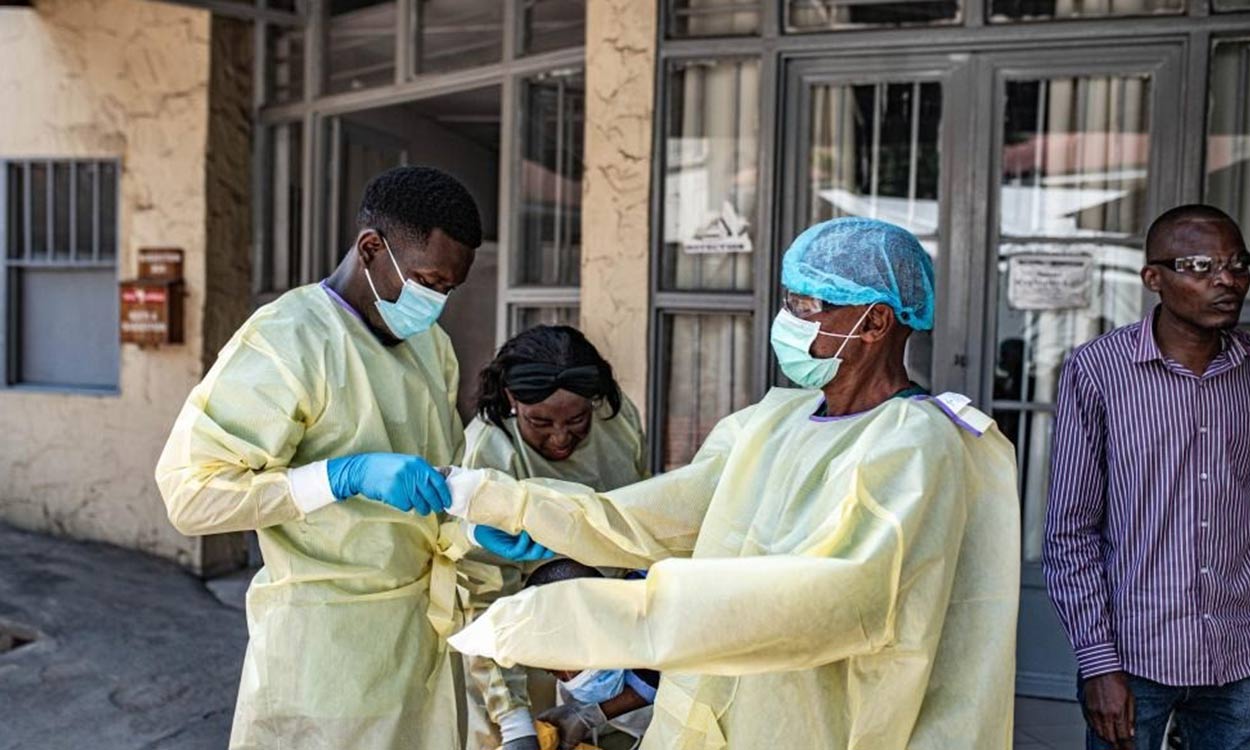
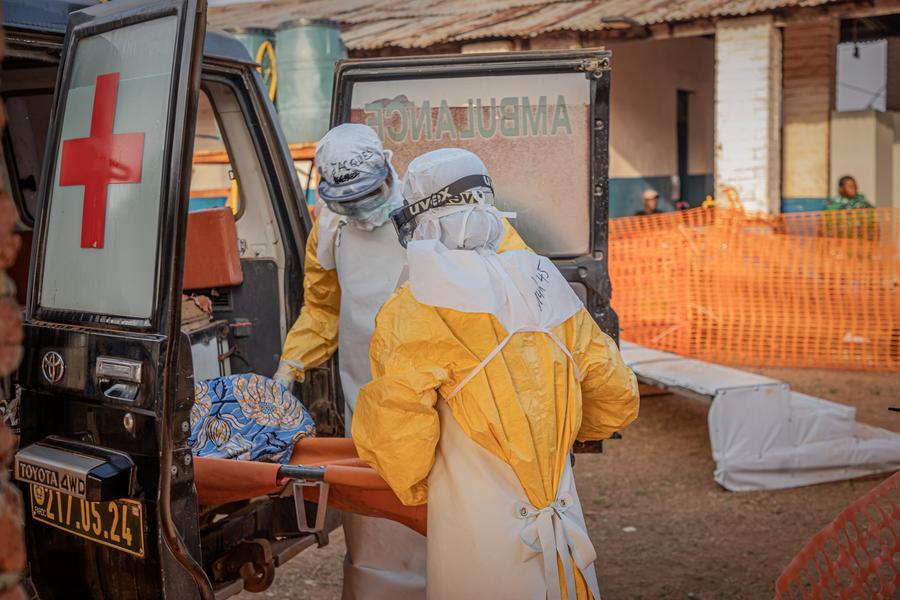
The government said response capacity is being strengthened through the deployment of vehicles and ambulances, the supply of medicines and personal protective equipment, and intensified communication and community mobilization efforts.
The DRC declared the outbreak in mid-May. Health authorities and international partners have repeatedly warned that insecurity, population movement, pressure on health facilities and incomplete contact tracing continue to complicate the response.
The outbreak remains concentrated in the eastern provinces of Ituri, North Kivu and South Kivu, where surveillance, medical care and response operations are continuing.
The discovery, highlighted in a recent study reported by ScienceDaily, shows that these specialized brain cells act like an internal “attention control system,” allowing the brain to concentrate on important information while ignoring irrelevant stimuli in the environment.
Researchers found that when these neurons were temporarily switched off in laboratory experiments involving mice, the animals became significantly more easily distracted.
Their attention shifted rapidly between stimuli, resembling attention difficulties seen in conditions such as ADHD. However, once the neurons were reactivated, normal focus and attention control were restored.
The findings suggest that this ancient brain circuit is essential for maintaining stable attention and could represent a fundamental mechanism that has been preserved through evolution to support survival.
Scientists believe the discovery could open new pathways for understanding attention-related disorders, including ADHD and other cognitive conditions where focus and information filtering are disrupted.
By targeting this neural system, future treatments may be able to improve attention control without broadly affecting other brain functions.
The study adds to growing evidence that even small and previously overlooked groups of neurons can play a major role in shaping human cognition, behavior, and mental performance.
As research continues, scientists hope to better understand how this attention-filtering system works in the human brain and how it might be used to develop more precise neurological therapies in the future.
Scientists have identified ancient brain cells that help filter out distractions.
The figure, drawn from HIV serology testing of nearly 13,000 women and men, confirms a steady decline in the country’s epidemic: prevalence held at 3.0% from 2005 through 2014–15, before easing to 2.7% in the 2019–20 RDHS and now 2.2% in 2025. The report describes the drop between 2019–20 and 2025 as statistically significant.
But the national average masks wide disparities that the survey’s authors say still call for targeted intervention, by sex, by geography, and by wealth and education.
A persistent gender gap
Women continue to bear a heavier burden of HIV. The survey found prevalence among women aged 15–49 at 2.8%, nearly double the 1.5% recorded among men.
This gap persists even though women account for a slight majority of Rwanda’s population. The 2022 Rwanda Population and Housing Census recorded 13,246,394 people, comprising 6,817,067 females (51.5%) and 6,429,326 males (48.5%).
Compared with the 2019–20 survey, HIV prevalence among women declined from 3.5% to 2.8%, a statistically significant reduction, while prevalence among men decreased slightly from 1.7% to 1.5%, a change that was not statistically significant.
The gap widens further with age. Among women aged 45–49, prevalence reaches 7.8%, compared with 3.5% among men in the same age bracket, and 4.3% among men aged 50–59. Prevalence generally climbs with age for both sexes, from under 1% among teenagers to its peak in the 40s and 50s.
Marital and relationship status also shapes risk. Widowed respondents have the highest prevalence of any group at 10.9%, followed by those who are divorced or separated at 7.3%. Women in polygynous unions show notably higher prevalence (6.5%) than those in non-polygynous unions (2.3%).
Male circumcision continues to show a protective association: HIV prevalence is 1.2% among circumcised men, compared with 2.5% among men who are not circumcised or do not know their status.
Cities carry a heavier burden than the countryside
Geography remains one of the sharpest dividing lines in Rwanda’s HIV epidemic. Prevalence in urban areas stands at 3.3%, almost double the 1.7% recorded in rural areas, a pattern consistent with previous rounds of the survey and with the country’s broader urban–rural health disparities.
The provincial breakdown tells a similar story. The City of Kigali has the highest prevalence in the country at 3.7%, more than triple the 1.0% recorded in the Northern Province, which posts the lowest rate nationally. Southern Province (2.3%), Western Province (2.2%), and Eastern Province (2.0%) fall in between.
Education levels also showed clear differences in HIV prevalence. The survey found HIV prevalence was highest among people with no formal education (4.9%), followed by those with primary education (2.4%), secondary education (1.6%), and more than secondary education (0.9%). By household wealth, the poorest quintile recorded the highest prevalence (3.3%), though the pattern across the remaining wealth groups was less consistent.
Testing coverage remains high
The survey’s underlying data quality is bolstered by near-universal participation: 99% of eligible women and 97% of eligible men consented to HIV testing and provided a blood sample for the survey’s testing algorithm, carried out through Rwanda’s National Reference Laboratory. Fewer than 1% of eligible respondents refused testing outright.
Rwanda has been widely recognized as a regional leader in HIV control, having met the UNAIDS 95–95–95 targets for diagnosis, treatment, and viral suppression ahead of the 2025 deadline.
With prevalence now confirmed at 2.2% nationally, the survey gives policymakers a clearer map of where continued gains are still to be made, particularly among older women, urban populations, and the City of Kigali, building on a strategy that has already brought the country this far.
Meanwhile, the HIV findings sit alongside a wider set of health gains captured in the 2025 RDHS. Fertility has continued its long decline, with the total fertility rate now at 3.7 children per woman. Child survival has also improved: under-5 mortality has fallen to 36 deaths per 1,000 live births, down from 45 in the previous survey, while infant and neonatal mortality have declined in tandem.
Chronic child malnutrition is down too, 27% of children under five are stunted, compared with 51% two decades ago, and contraceptive use among married women has climbed to 69%, with the government sector remaining the primary source of family planning services nationwide.
Women continue to bear a heavier burden of HIV. The survey found prevalence among women aged 15–49 at 2.8%, nearly double the 1.5% recorded among men.
According to the figures released Tuesday by the government, 609 patients were in isolation or hospitalized, while 189 people had recovered. The contact follow-up rate in the three affected provinces reached 82.7 percent.
The outbreak, caused by the Bundibugyo virus, remains “active” in the DRC, with transmission continuing in several hotspot areas, the World Health Organization (WHO) said in its report released on Tuesday.
Important operational gains had been made, including better contact follow-up, expanded decentralized laboratory capacity, increased treatment capacity and strengthened cross-border coordination, the WHO said.
However, the WHO warned that the response “remained below the level required to interrupt transmission rapidly,” citing the continued increase in cases and deaths, near-saturation of treatment facilities and insufficient infection prevention and control readiness in health facilities as signs that a stronger operational surge was urgently needed.
Beyond the health emergency, the outbreak is also raising alarms over its economic and social impact. A new assessment by the United Nations Development Programme (UNDP) warned on Tuesday that the Ebola crisis could push 985,000 more people into poverty in the DRC, with women disproportionately affected by the economic and health fallout.
The UNDP also warned that the crisis risks eliminating tens of thousands of jobs, disrupting education and healthcare services, and costing African economies up to 3.6 billion U.S. dollars if broader regional and global shocks intensify.
Even under a baseline scenario in which the virus is contained in the DRC and Uganda, the DRC could face real GDP losses of more than 1 billion dollars and the loss of 55,000 jobs, according to the UNDP assessment.
Meanwhile, the Africa Centers for Disease Control and Prevention (Africa CDC) on Tuesday called for urgent funding to support clinical trials for candidate therapeutics against Bundibugyo Ebola virus.
It said trials evaluating candidate therapeutics were being launched this week in Bunia, capital of DRC’s Ituri Province, epicenter of the outbreak, marking an important step in the response to a strain for which there is currently no licensed vaccine or therapy.
Africa CDC said financing for vaccine trials was largely in place, but a funding gap remained for therapeutic trials, which only secured 10 million dollars. It appealed for immediate additional financing, including 16 million dollars for a post-exposure prophylaxis study among exposed contacts and another 2 million to 3 million dollars to strengthen contact tracing needed for the trial.
“We have the science. We now need the funding to use it. Clinical trials must start this week, and every day of delay costs lives we could save,” Africa CDC Director General Jean Kaseya said in a statement on Tuesday.
The DRC declared the outbreak in mid-May. Health authorities and international partners have repeatedly warned that insecurity, population movement, pressure on health facilities and incomplete contact tracing continue to complicate the response.
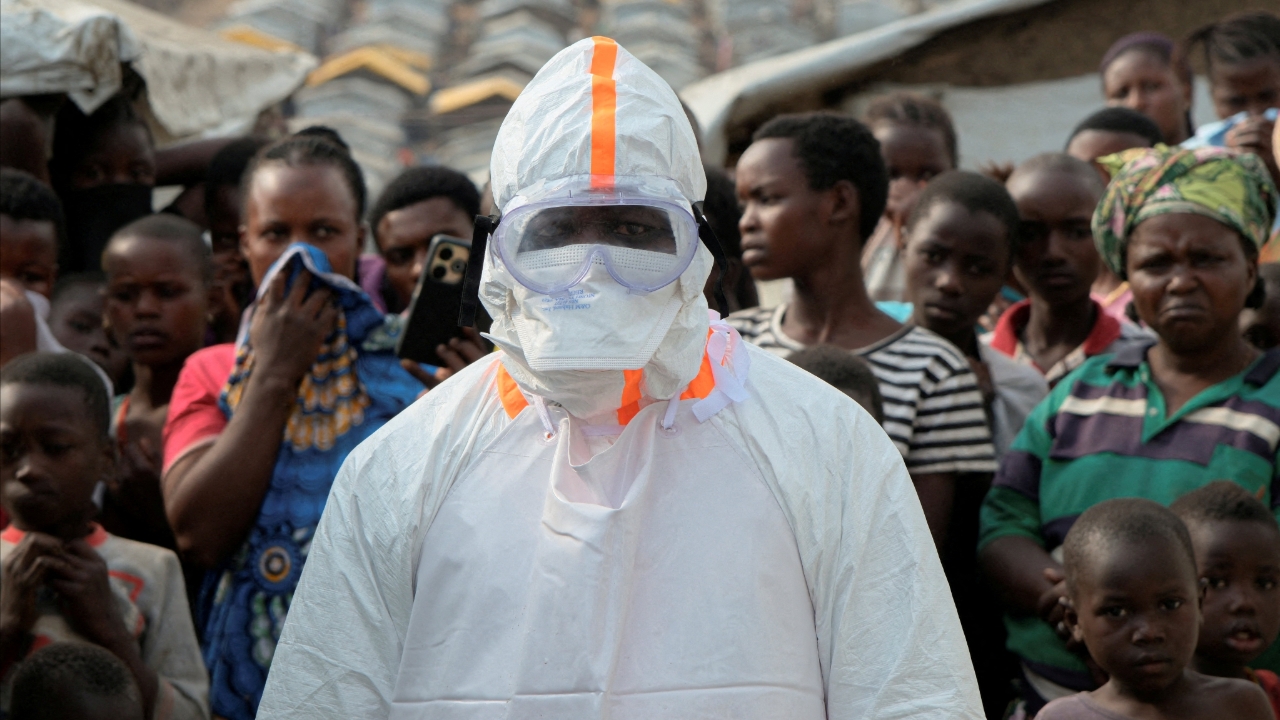
Medical workers escort an Ebola patient to an Ebola treatment center in Mongbwalu, Ituri Province, the Democratic Republic of the Congo, June 20, 2026. (Xinhua)
As of Sunday, 180 people had recovered, while 615 patients were receiving treatment or under care. The fatality rate stood at 28.8 percent, and the contact follow-up rate reached 81.3 percent, the government said.
As part of the control measures, the government has banned mass gatherings in the capital and the provinces of Tshopo, Haut-Uele and Bas-Uele, local media reported, citing a circular from the Ministry of Interior.
Interior Minister Jacquemain Shabani notified governors of the affected provinces of the decision, saying the restriction was imposed due to heightened health risks posed by the spread of the virus.
The measure covers political rallies, public marches and other events in an effort to limit physical contact and curb the spread of the virus.
President Felix Tshisekedi said on Monday that a comprehensive response plan, with a budget of 319 million U.S. dollars, had been drawn up, with initial emergency funds already mobilized to support field operations, contain the outbreak and save lives.
“Ebola is neither a rumor nor a shame. It is a health emergency that demands responsibility, solidarity and truth,” Tshisekedi said in a speech marking the country’s Independence Day, calling on the public to follow health instructions, report suspected cases and resist disinformation.
The DRC declared the current Ebola outbreak in mid-May. Health authorities have since warned that the response has been challenged by community transmission, population movement and limited access in some affected areas.
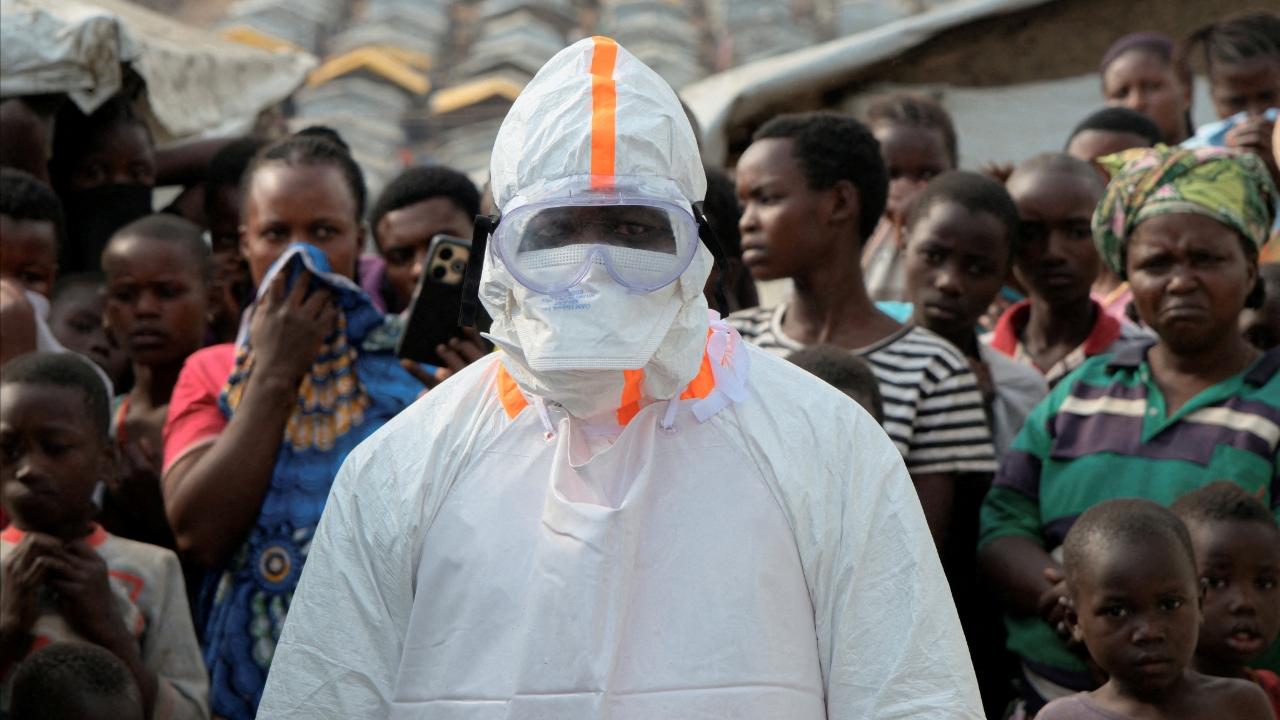
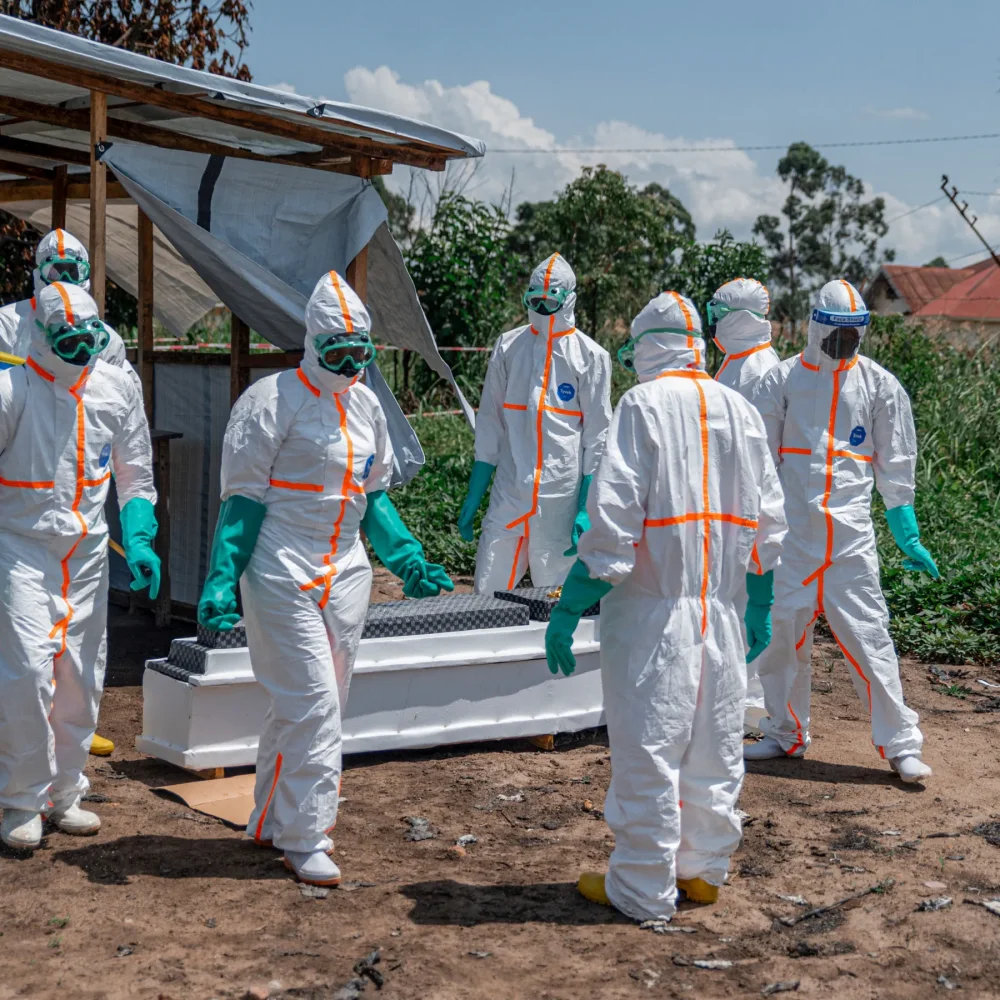
Authorities in DR Congo have banned large gatherings in the capital, citing prevention of Ebola virus spread.
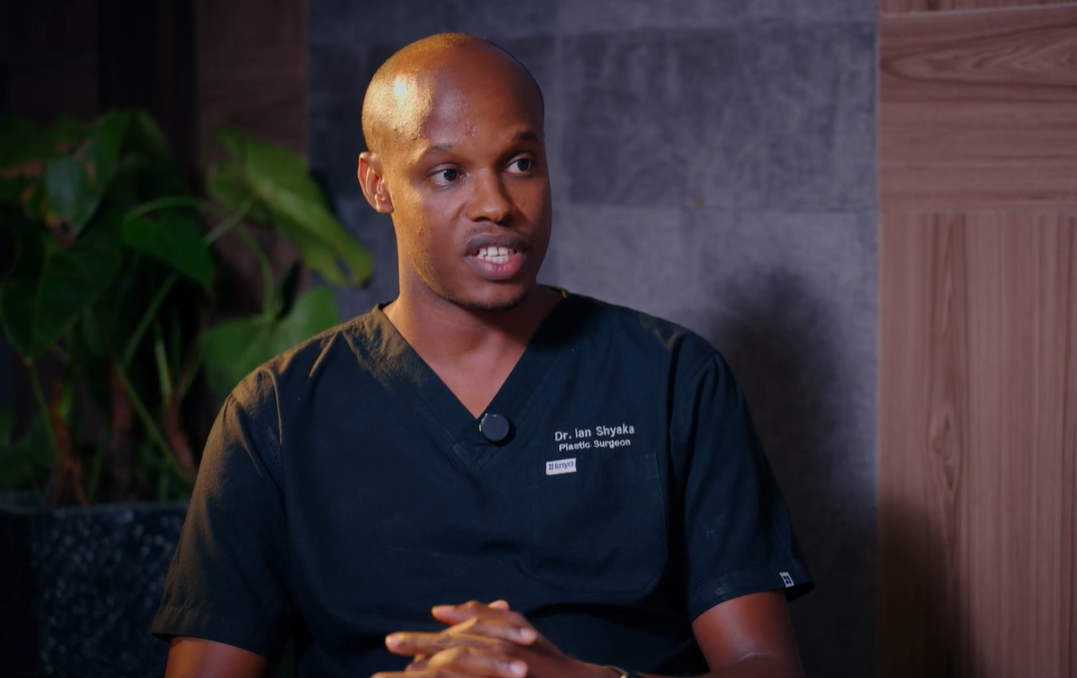
In an interview with IGIHE, Dr. Ian Shyaka, a reconstructive and aesthetic plastic surgeon at NeoDerma Clinica, breaks down what plastic surgery really involves, the difference between surgical and non-surgical treatments, and what patients should understand before making any decisions.
Understanding plastic surgery vs aesthetic treatments
According to Dr. Shyaka, plastic surgery is fundamentally a medical specialty that involves surgical procedures aimed at reconstructing or refining the shape, form, or function of the body.
“Plastic surgery involves surgical procedures to reconstruct or refine the shape, form, or function of the body,” he explained. “It is generally more invasive than aesthetic treatments and often provides more definitive, longer-lasting results.”
He contrasts this with aesthetic treatments, which are non-surgical, office-based procedures such as Botox, dermal fillers, and laser treatments.
These procedures are typically quick, often taking around 30 minutes, and allow patients to return home the same day. However, their effects are temporary and usually require repeated sessions every few months.
In contrast, surgical procedures are designed to deliver more lasting outcomes in a single intervention. For example, conditions such as excess skin or overly large breasts can be corrected surgically, offering long-term improvement in both appearance and comfort, even though natural aging continues.
Services offered in modern plastic surgery practice
At NeoDerma Clinica, Dr. Shyaka explains that patients can access both non-surgical aesthetic services and surgical procedures.
He contrasts this with aesthetic treatments—non-surgical, office-based procedures. These include Botox to smooth wrinkles, dermal fillers to restore facial volume, and laser treatments to target scars and skin imperfections.
On the surgical side, procedures include breast reduction, liposuction for stubborn fat deposits, and gynecomastia correction, a procedure addressing enlarged male breast tissue.
He notes that some of these conditions are not only aesthetic but also medical. For instance, large breasts in women may lead to chronic back pain, difficulty finding suitable clothing, and limitations in physical activity. Similarly, gynecomastia in men can affect confidence and comfort in daily life.
“These procedures can significantly improve quality of life and confidence,” he noted.
What patients should know before surgery
Dr. Shyaka emphasizes that plastic surgery should never be taken lightly, as it is a medical procedure that involves both physical and psychological preparation.
A key requirement, he says, is having realistic expectations. Patients must understand what is achievable for their individual body type and engage in thorough consultations with qualified surgeons.
“It’s essential to discuss expectations, risks, recovery timeline, and downtime,” he said.
He also warns against unrealistic timing, such as scheduling surgery shortly before major life events like weddings, expecting immediate results.
Understanding the full recovery process is crucial for informed decision-making and patient satisfaction.
Despite its growing acceptance, plastic surgery remains surrounded by misconceptions.
One of the most common myths, according to Dr. Shyaka, is that plastic surgery is purely about vanity.
“In reality, it’s about helping people gain confidence and live better versions of themselves,” he explained.
He also highlights the important role of reconstructive surgery, which goes beyond aesthetics. This includes restoring function and appearance after trauma such as road traffic accidents, cancer surgery, or other injuries. In some cases, these procedures can be life-changing or even life-saving.
Another misconception is that plastic surgery offers instant results. Dr. Shyaka clarifies that recovery is a gradual process.
“It’s not a quick fix. It’s a journey that includes surgery, aftercare, and time for healing,” he said. Results continue to improve as swelling reduces and the body heals.
Changing attitudes toward plastic surgery
Dr. Shyaka observes that public perception of plastic surgery has improved significantly over time.
In the past, stigma often prevented people from openly discussing or admitting to undergoing procedures. Today, however, greater awareness and access to information have helped shift attitudes.
“There used to be a lot of stigma,” he said. “Today, more people understand they have the right to feel better about themselves.”
He adds that as more individuals share positive experiences, acceptance continues to grow, allowing others to make informed choices with greater confidence.
The importance of aftercare
One of the most critical aspects of plastic surgery, according to Dr. Shyaka, is aftercare.
“Aftercare is not optional, it is an essential part of the journey,” he emphasized.
Proper recovery may include wearing compression garments, taking prescribed medication, attending follow-up sessions or massages, and avoiding certain activities during healing.
These steps directly influence the final outcome and overall satisfaction with the procedure.
Overcoming misconceptions through education
Dr. Shyaka believes that education and access to reliable information are key to addressing remaining misconceptions about plastic surgery.
While the internet provides a wealth of information, he stresses the importance of consulting qualified professionals.
“A proper consultation helps clear doubts, set realistic expectations, and avoid complications or misinformation,” he said.
By combining accurate information with professional guidance, patients can better understand both the benefits and limitations of plastic surgery.
The study, led by Daan van der Vliet, focused on brain tissue from patients with severe forms of MS.
The researchers discovered large numbers of immune cells known as microglia that had accumulated fat droplets after absorbing damaged myelin, the protective layer surrounding nerve fibers in the brain and spinal cord.
Myelin is essential for efficient communication between nerve cells. In MS, the immune system attacks and damages this coating, leading to a range of neurological symptoms such as vision problems, difficulty walking, and in advanced cases, paralysis.
However, the disease does not progress in the same way for all patients, and scientists have long sought to understand the reasons behind these differences.
In affected brain regions, the researchers observed that microglia became overloaded with fat, giving them a “foamy” appearance.
These cells normally help maintain brain health by clearing away damaged material and supporting repair. However, when overwhelmed by large amounts of myelin debris, they appear to change behavior.
According to the study, patients with a higher presence of these “foamy microglia” were more likely to experience a severe and rapidly progressing form of MS. This suggests that the buildup of fat within these immune cells may be linked to worsening disease outcomes.
Further analysis showed that brain lesions containing foamy microglia had distinct molecular characteristics compared to those without them.
These areas were enriched with specific types of fats associated with ongoing inflammatory activity, indicating that the process may contribute to sustained inflammation in the brain.
Researchers explain that while microglia are initially intended to protect the brain by clearing damaged tissue, they may become dysfunctional when overloaded.
Instead of supporting repair, these cells may lose their effectiveness and contribute to continued inflammation and tissue damage.
The findings suggest that MS progression may not be driven by inflammation alone, but also by a breakdown in the brain’s natural repair system. When this system becomes overwhelmed, it may unintentionally contribute to further damage.
Scientists say the discovery could open new research directions, including the development of biomarkers that help predict disease progression and potential strategies to prevent immune cells from becoming overloaded.
While further studies are needed, the research provides important new insight into the complex mechanisms behind multiple sclerosis and how the brain’s own immune cells may play a dual role in both repair and damage.
Study suggests overloaded brain immune cells may intensify multiple sclerosis damage.
The outbreak has been reported in the eastern provinces of Ituri, North Kivu, and nearby areas. Health authorities report a case fatality rate of 26.7%.
So far, 148 patients have recovered and returned to their families, while 326 others remain under medical care in designated treatment centres. Between 24 and 25 June, health teams screened 1,175 people showing symptoms similar to Ebola, while 142,503 travellers were tested at border points.
Authorities also report progress in contact tracing, which has now reached 82.8%. This improvement is expected to strengthen efforts to contain the spread of the virus.
The outbreak was first declared on May 15 in Mongbwalu, in Ituri. This marks the 17th recorded Ebola outbreak in the country, and one of the most significant in recent years.
The current outbreak is caused by the Bundibugyo strain of Ebola, which has also spread to Uganda, where 20 cases have been confirmed, including two deaths. In France, one case has also been reported, involving a doctor who recently travelled from eastern DRC.
The World Health Organization (WHO) has warned that the Bundibugyo strain poses a serious international concern, noting that there is currently no confirmed treatment or vaccine for it.
Officials further stress that ongoing conflict and insecurity in eastern DRC are making response efforts more difficult, as medical teams struggle to access affected areas. Limited public awareness in some communities is also slowing down efforts to control the outbreak.
Over 1,200 Ebola cases have been confirmed in the DRC, with 321 deaths reported.