According to the report, covering data as of Sunday, 371 patients were in isolation or hospitalized, while 112 people had recovered. A total of 202 suspected cases, including 60 deaths, were identified as of Sunday. The overall case fatality rate stood at 25.5 percent.
The report said the number of confirmed cases has continued to rise week by week, indicating ongoing community transmission. It warned that a rapid geographic spread remains possible if public health measures are not implemented promptly.
The current outbreak, caused by the Bundibugyo ebolavirus, was officially declared on May 15 by the DRC’s health ministry.
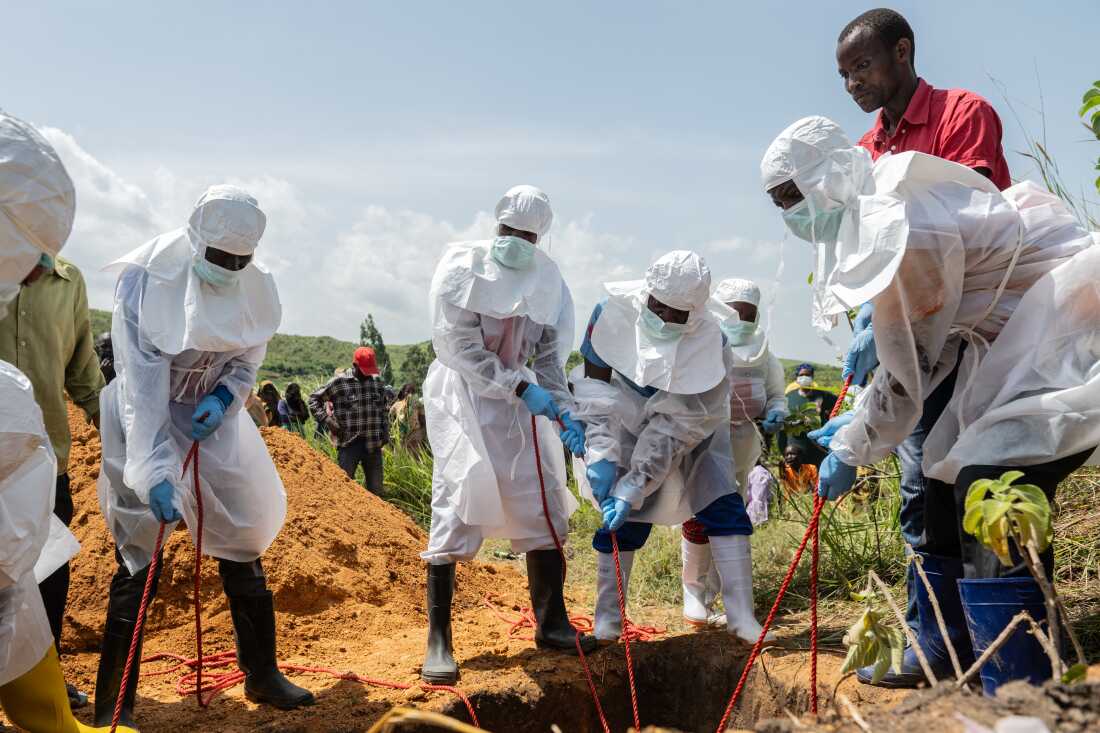
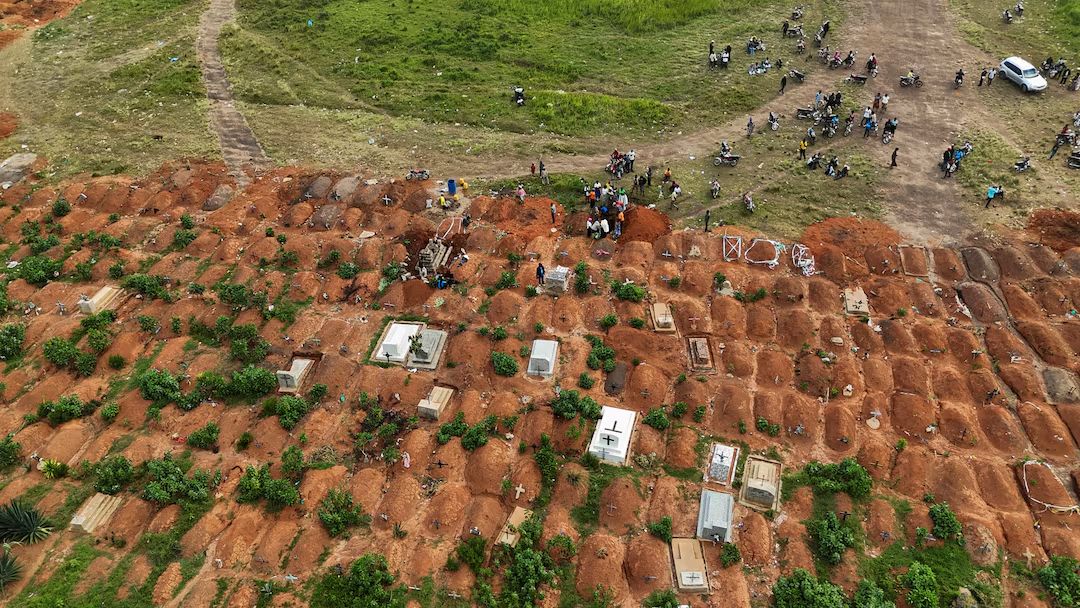
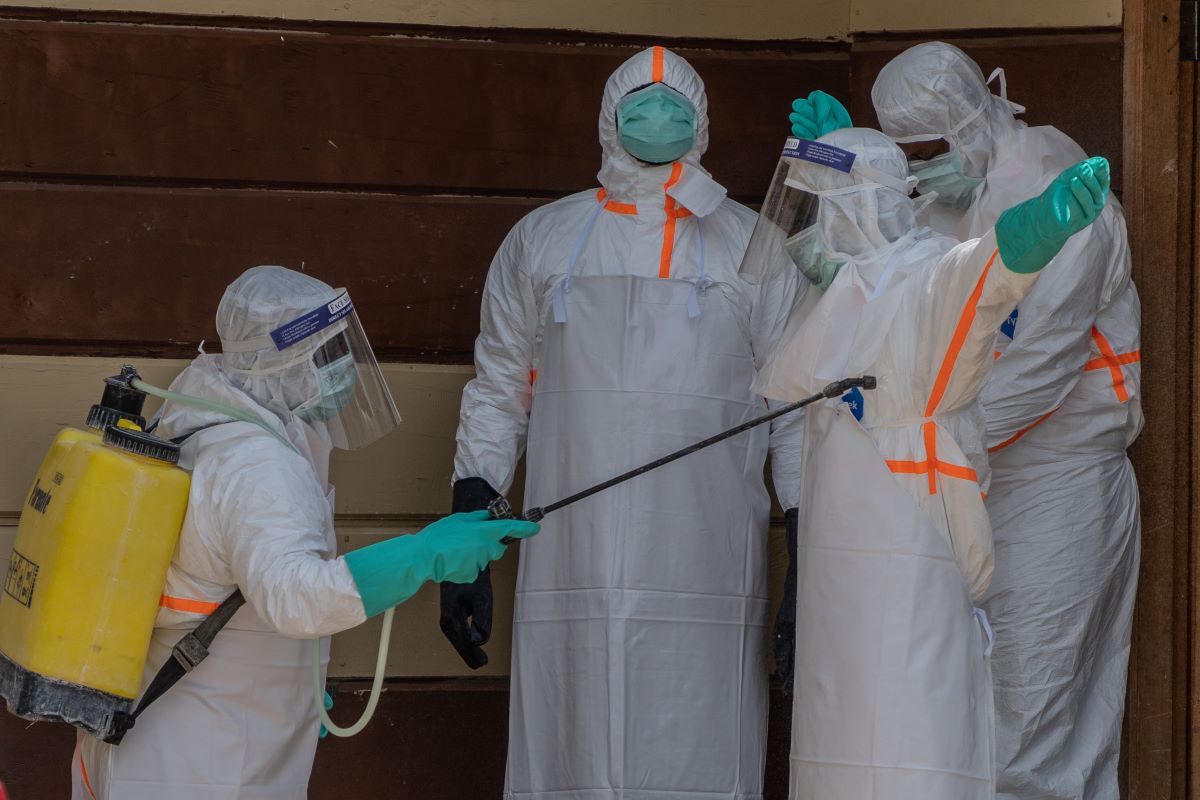
Red Cross workers bury an Ebola victim at the Rwampara Cemetery, in Rwampara, Congo, Saturday, May 23, 2026.
According to figures released by the DRC health ministry, the country has reported 1,003 confirmed cases, including 254 deaths, with an overall case fatality rate of 25.3 percent.
A total of 365 patients are currently in isolation or hospitalized, while 100 patients have recovered, the update said. The contact follow-up rate across the three affected provinces stood at 58 percent.
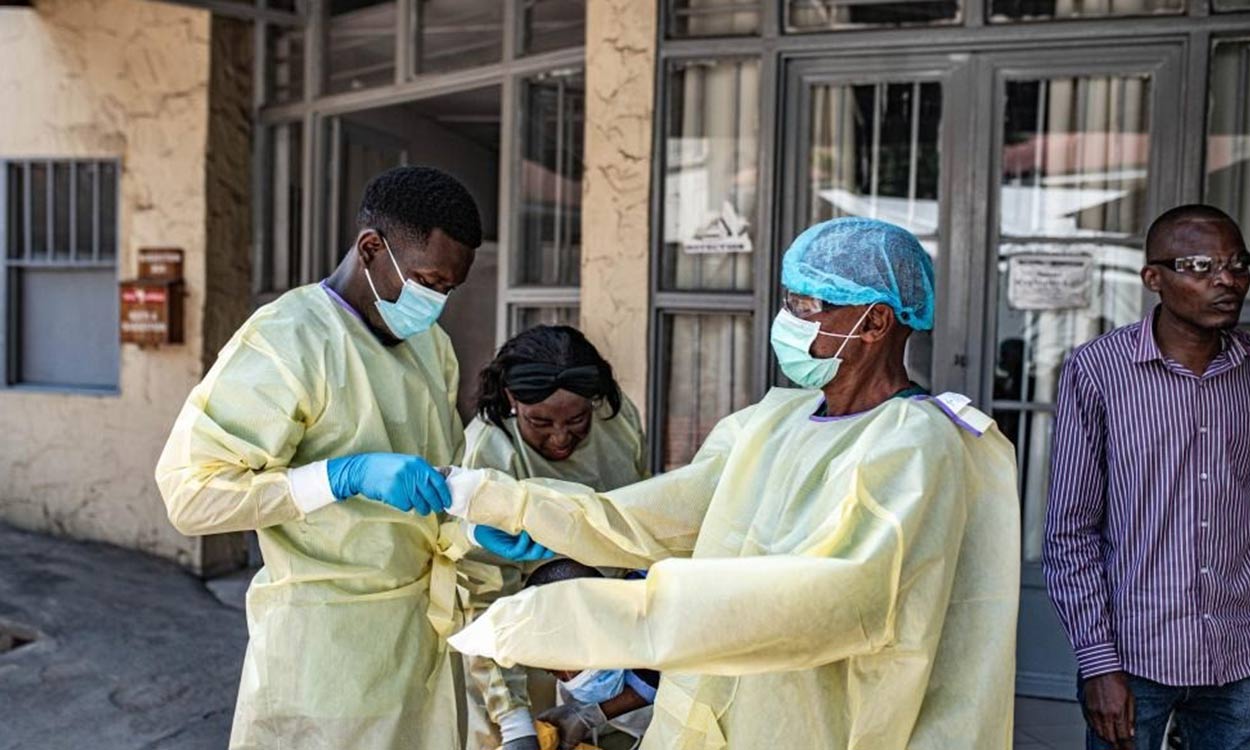
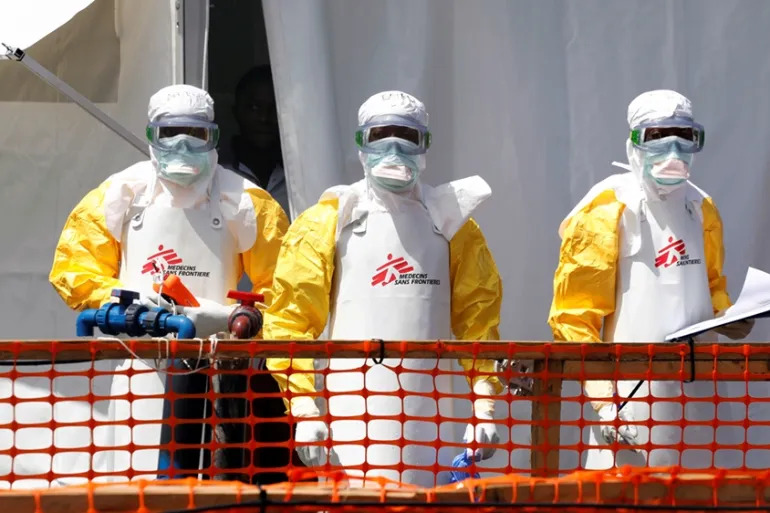
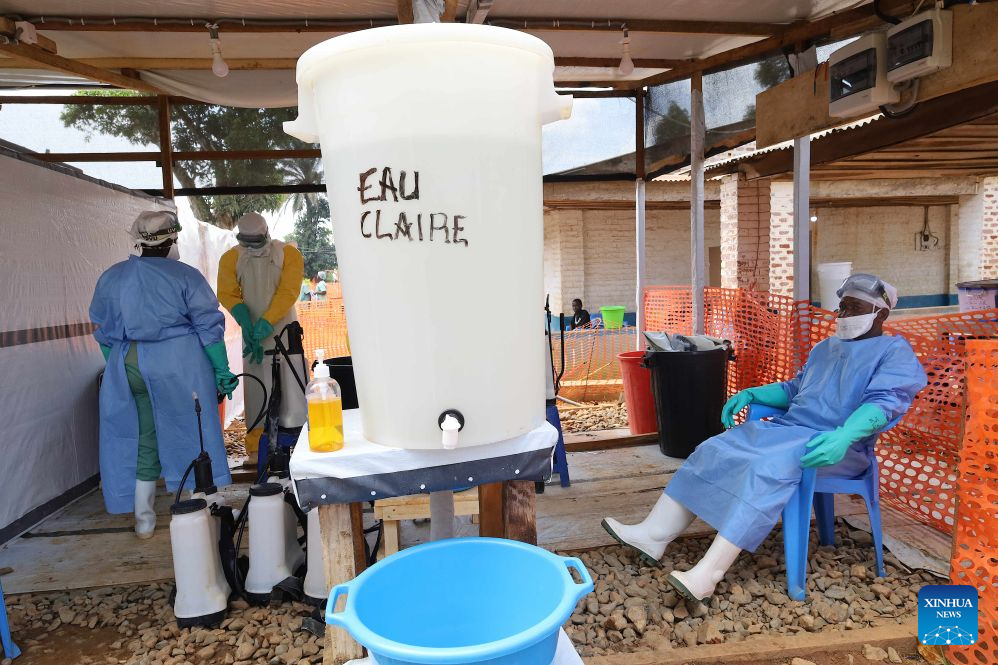
Despite the rise in cases, Ebola response efforts remain active, with heightened surveillance, intensified community outreach, and ongoing efforts to strengthen case management and diagnostic capacity, authorities said.
Red Cross workers bury an Ebola victim at the Rwampara Cemetery, in Rwampara, Congo, Saturday, May 23, 2026.
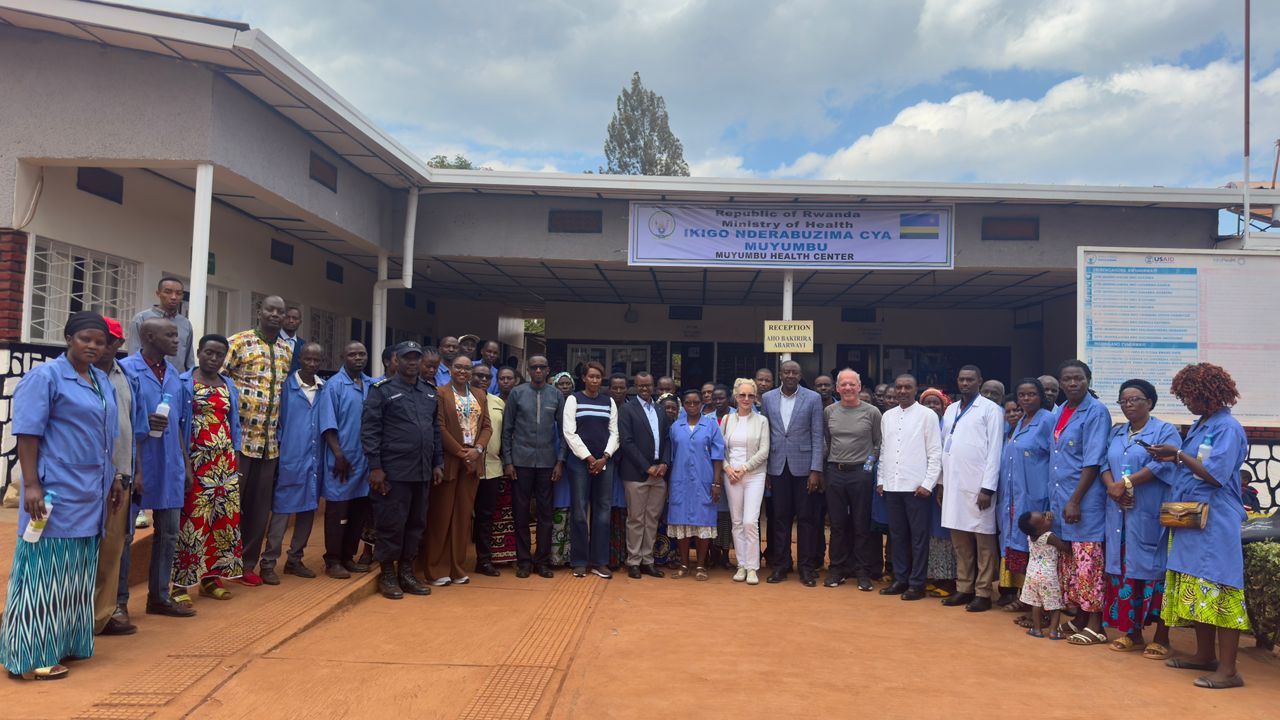
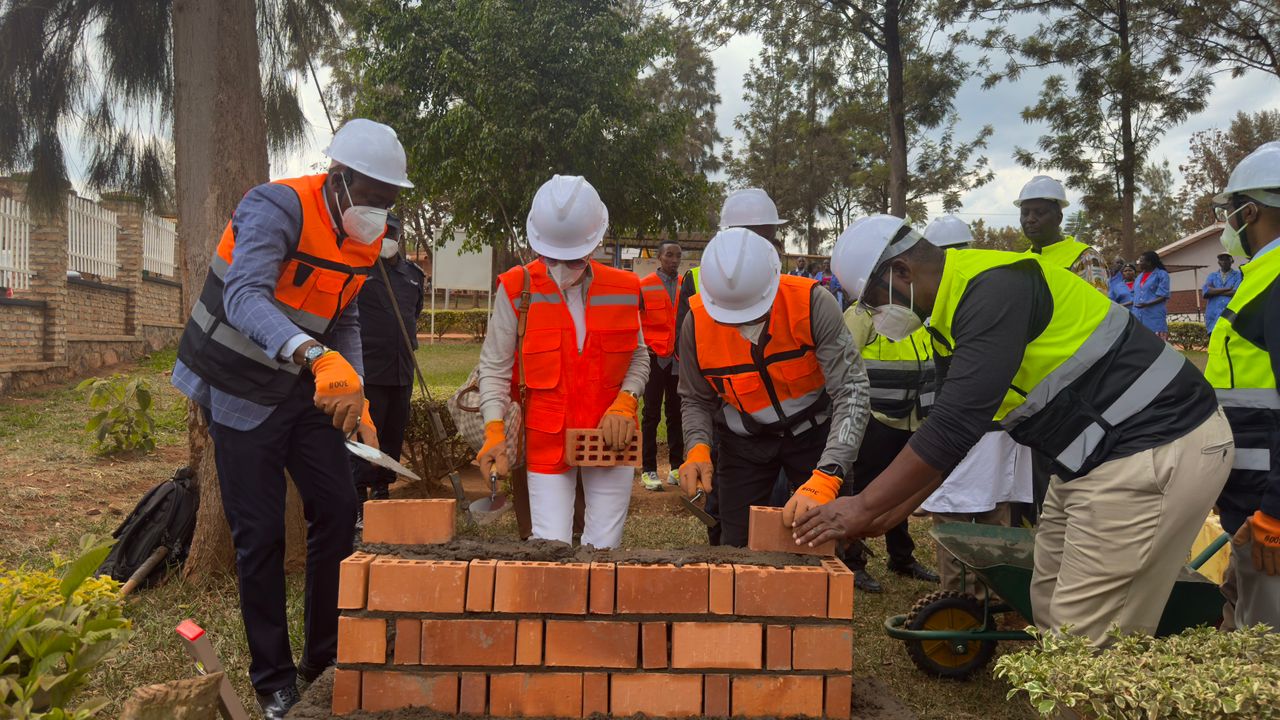
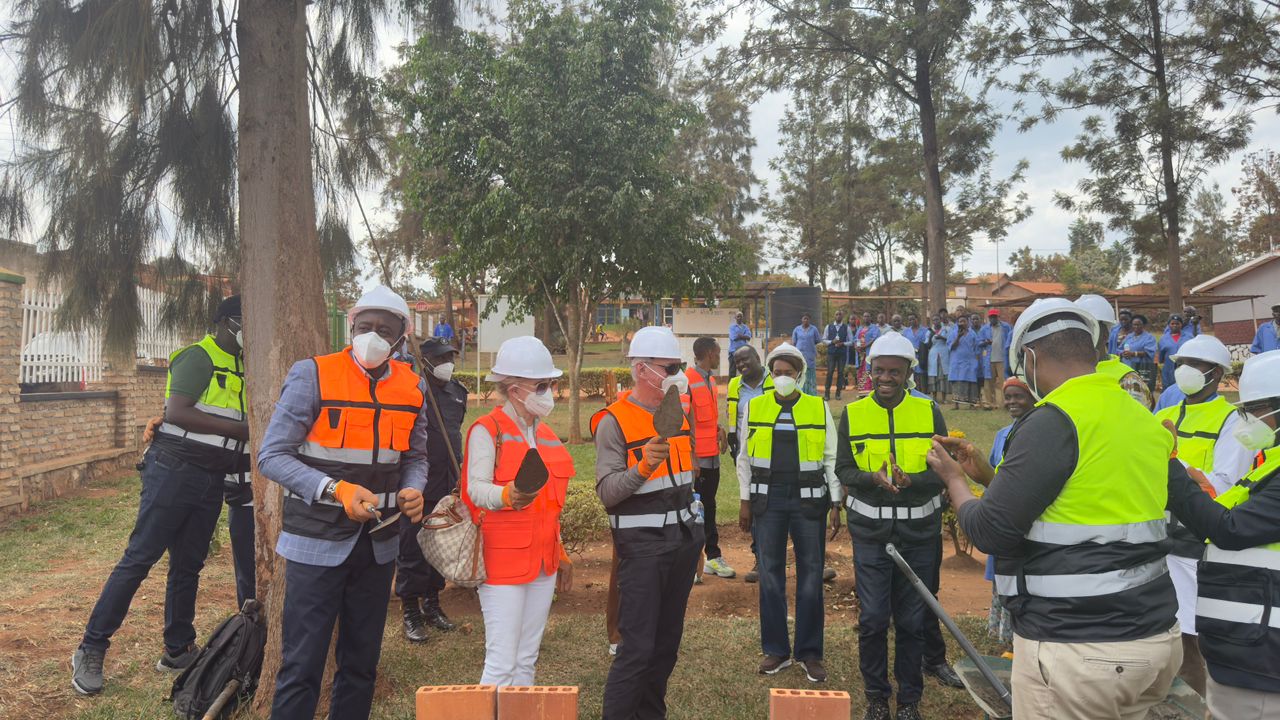
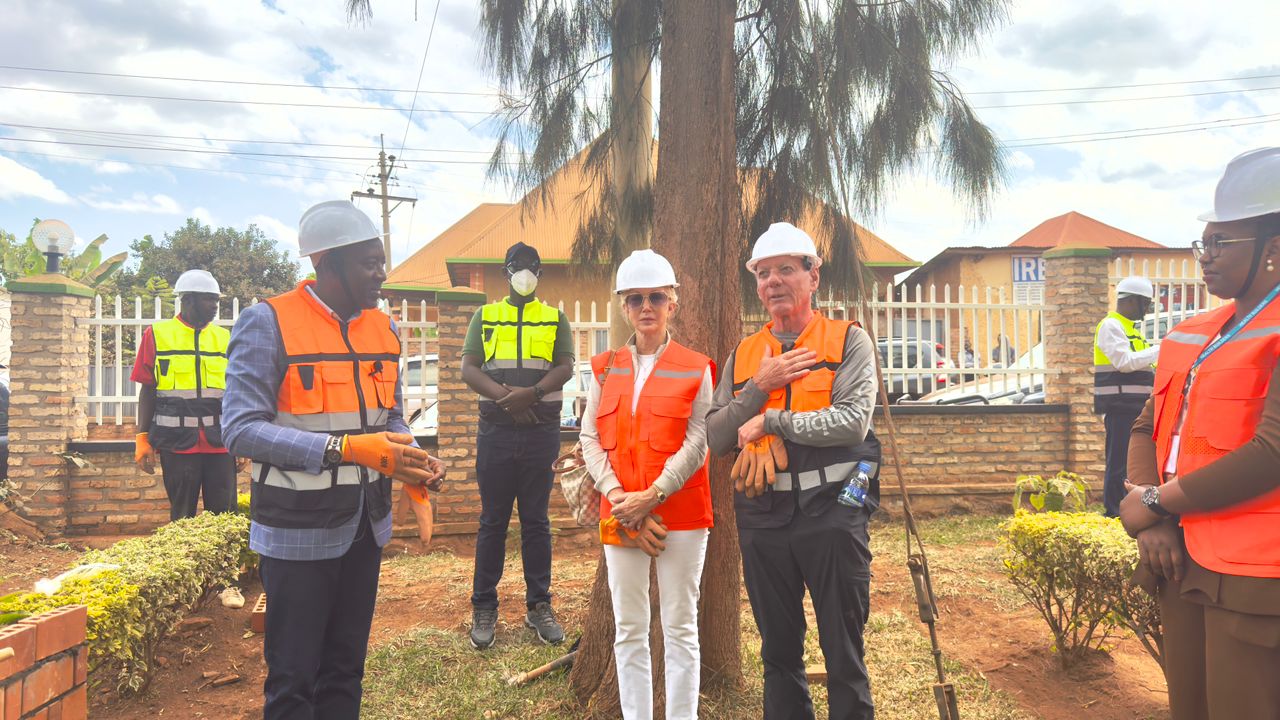
The upgrade of Muyumbu Health Center was officially launched on June 19, 2026, during a groundbreaking ceremony attended by local leaders, health officials, community representatives, and development partners.
The project is being implemented through a partnership between Health Builders, the Ministry of Health, and Rwamagana District, with philanthropic support from the Pace Family Foundation.
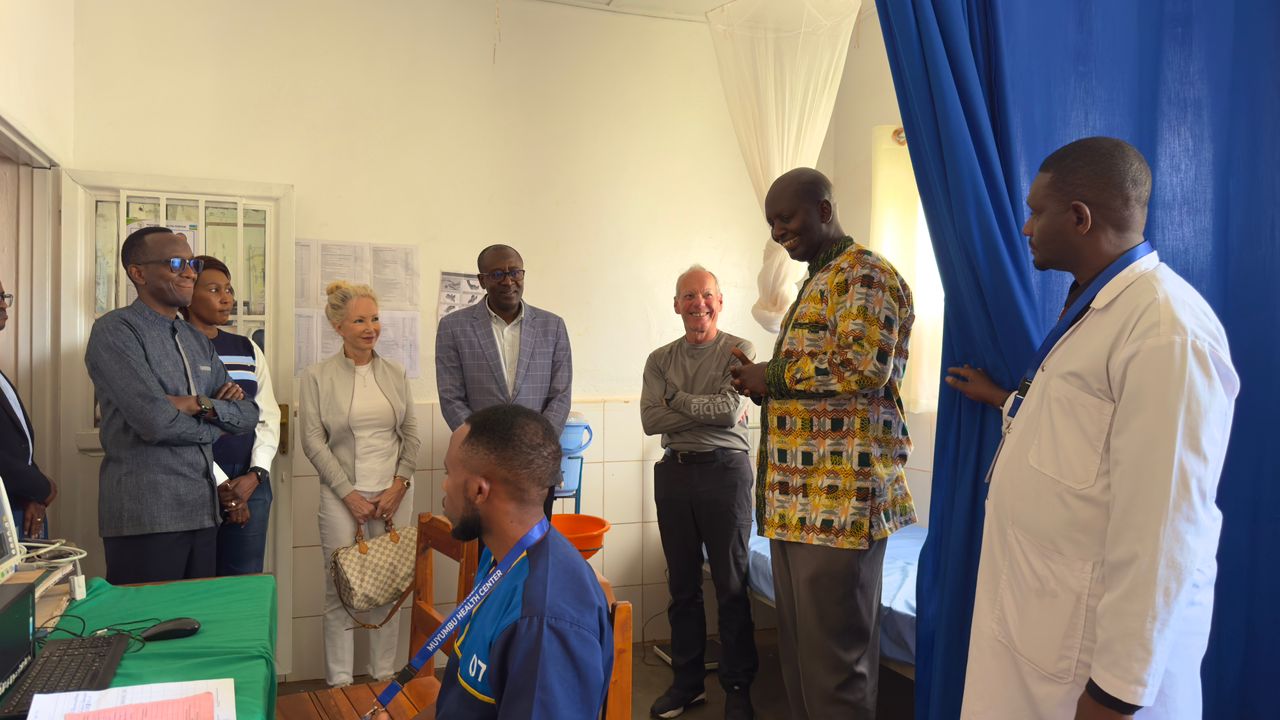
Among the supporters are Mr. Al Pace and Ms. Kristin Morch of Canada, whose philanthropy has helped finance the construction of five health centers and three health posts across Rwanda. Through the Pace Family Foundation, they are also the principal philanthropic supporters of the Muyumbu Health Center upgrade project, helping make this important investment in maternal, newborn, and community healthcare possible.
Built in 1987, the health center currently serves a rapidly growing population, but officials say increasing demand, aging infrastructure, and limited clinical space have strained its ability to deliver quality services, particularly in maternal care.
The upgrade project will include the construction of a new maternity block equipped with an operating theatre for surgical and emergency obstetric services, postnatal care rooms for mothers and newborns, and the renovation and reorganization of existing health center buildings.
It will also improve essential utilities, including water supply, electricity, sanitation, infection prevention systems, and overall facility safety.
Once completed, the expanded facility is expected to improve maternal and newborn health outcomes, enhance patient privacy and dignity, increase service capacity, and reduce referrals to Rwamagana Level Two Teaching Hospital.
Speaking at the groundbreaking ceremony, Rwamagana District Mayor Radjab Mbonyumuvunyi said the investment comes at a critical time for the growing population.
“Today, Muyumbu Health Center serves more than 62,000 people, and this number continues to grow. The current maternity unit is too small to adequately meet the needs of mothers and newborns. This project will provide modern maternity and postnatal facilities, improve patient privacy and comfort, and ensure that women receive quality care close to their homes,” he said.
Health Builders Executive Director Michel Musilikare said the project reflects the importance of partnerships in strengthening Rwanda’s health system.
“This groundbreaking represents more than the start of a construction project. It is an investment in healthier mothers, healthier children, and stronger communities,” he stated, adding that collaboration with government and donors helps bring life-saving services closer to communities.
Al Pace, a key supporter through the Pace Family Foundation, said the family’s involvement in Rwanda’s health sector is deeply rooted in personal and generational connections to the country.
“Healthcare has always been an important part of our family’s story. My father was a gynecologist, and Kristin’s father was a cardiologist. My brother-in-law and sister-in-law worked in Rwanda’s health system in 1997, and my sister worked here in 2000. Over time, these family experiences, connections, and conversations inspired us to support health system strengthening in Rwanda, a country that feels like a second home to us,” he said.
“We are honored to partner with Health Builders and the Government of Rwanda to help improve access to quality healthcare for mothers, newborns, and families in communities like Muyumbu,” he added.
Health Builders, a Rwanda-based non-profit organization established in 2007, works with government and development partners to strengthen health systems across the country through infrastructure development, training, mentorship, and equipment support.
The project is being implemented through a partnership between Health Builders, the Ministry of Health, and Rwamagana District, with philanthropic support from the Pace Family Foundation.The upgrade of Muyumbu Health Center was officially launched on June 19, 2026, during a groundbreaking ceremony attended by local leaders, health officials, community representatives, and development partners.Once completed, the expanded facility is expected to improve maternal and newborn health outcomes, enhance patient privacy and dignity, increase service capacity, and reduce referrals to Rwamagana Level Two Teaching Hospital.
Twenty-three new confirmed cases, including two deaths, were reported Friday in the provinces of Ituri and North Kivu. Ituri remains the epicenter of the outbreak, with 874 confirmed cases and 201 deaths, accounting for more than 91 percent of the country’s confirmed cases.
A total of 92 patients have recovered, while 361 patients were in isolation or hospitalized.
The report also said 162 suspected cases were identified during the day, while the contact-tracing rate stood at 69.3 percent, below the 95-percent target set by health authorities.
At a press briefing Friday evening, DRC Health Minister Roger Kamba said the outbreak remained in an upward phase, with more confirmed cases expected as response teams expanded active case-finding and moved deeper into affected communities.
Kamba added that the authorities will only be able to say that the outbreak has reached its peak, plateaued, or begun to decline once the weekly figures have stabilized or begun to fall. For now, he said, efforts to detect cases, isolate and treat patients, and strengthen community engagement must continue.
The outbreak, caused by the Bundibugyo Ebola virus, was declared by the DRC authorities on May 15.
Red Cross workers bury an Ebola victim at the Rwampara Cemetery, in Rwampara, Congo, Saturday, May 23, 2026. (AP Photo/Moses Sawasawa) CORRECTION: City corrected to Rwampara, instead of Bunia
Published in Nature Health, the study was conducted by a multidisciplinary team of experts, including Dr. Menelas Nkeshimana, the Head of the Health Workforce Development Department at the Ministry of Health, alongside researchers from the Rwanda Biomedical Centre (RBC), the University of Rwanda, King Faisal Hospital, and other institutions.
While filoviruses such as Ebola and Marburg were already known to persist in certain body fluids after recovery, sexual transmission of Marburg had not been clearly documented in previous outbreaks across Africa. The new findings therefore, add important evidence to the understanding of viral persistence and post-recovery transmission risks.
Confirmed post-recovery transmission events
The study describes two separate transmission events in which recovered male patients, later confirmed to have viral remnants in semen, transmitted the infection to female partners through unprotected sexual contact.
Both men had previously been treated for Marburg and discharged after meeting clinical recovery criteria, including two consecutive negative blood tests taken 24 to 48 hours apart. No semen testing had been conducted at the time of discharge.
Shortly after discharge, both individuals engaged in unprotected sexual intercourse, after which both female partners developed symptoms consistent with Marburg infection and later tested positive.
Case A1 and Case A2
The first case involved a 25-year-old man (Case A1) who was infected between 8 and 15 September 2024 and developed symptoms on September 25, including fever, vomiting, nausea, diarrhoea, fatigue, and muscle and joint pain.
He was admitted to hospital on September 27 and tested positive for Marburg on September 28. He received treatment, including remdesivir, and was discharged on October 10, 2024, after clinical recovery and two negative blood tests.
Nine days after discharge, on October 19, 2024, he had unprotected sexual intercourse with a 21-year-old woman (Case A2). The woman developed symptoms on October 24 and was admitted to hospital on October 27. She tested positive for Marburg on October 29 and received treatment before being discharged on November 8, 2024.
Investigators found no alternative exposure to the virus apart from the post-discharge sexual contact.
Case B1 and Case B2
The second transmission event involved a 29-year-old man (Case B1) infected on September 23, 2024, who developed symptoms on September 30 and was admitted to hospital on 1 October after testing positive for Marburg.
He received treatment with remdesivir and showed clinical improvement. He was discharged on 15 October 2024 after two consecutive negative blood tests.
On October 19, 2024, he had unprotected sexual intercourse with a 29-year-old woman (Case B2). She developed symptoms on October 23, was admitted on October 25, and tested positive for Marburg on October 26. She was treated and discharged on November 5, 2024.
As with the first cluster, investigators did not identify any other plausible exposure route, making post-recovery sexual transmission the most likely explanation.
Laboratory and genomic findings
The research team conducted epidemiological investigations alongside partial genomic sequencing of viral samples. Although full genome recovery was not possible, sufficient genetic material was obtained to support outbreak linkage.
In Case A1, 71% of the viral genome was recovered, while in Case B2, 76% was recovered. The sequences were classified within Marburg clade B and showed close relation to strains previously identified in the Democratic Republic of Congo (1999–2000) and Uganda (2007–2009).
The sequences were labeled PZ112888 and PZ112889, and comparison with other outbreak data from Rwanda indicated strong genetic similarity, supporting a linked transmission chain.
Study limitations and public health implications
The researchers noted several limitations, including the inability to perform full viral sequencing and the lack of virus culture from semen samples due to limited laboratory capacity.
Importantly, no semen testing was performed before hospital discharge under earlier protocols, which relied solely on blood tests confirming the absence of detectable virus.
The researchers noted that these findings alter our understanding of post-recovery risks, stating: “While the persistence of filoviruses in immune-privileged sites like the testes has been documented, these findings provide definitive genomic and epidemiological confirmation of Marburg virus sexual transmission from recovered individuals. This underscores an urgent need to re-evaluate global discharge criteria…”
Following these findings, Rwanda revised its post-recovery monitoring guidelines for Marburg. New protocols now include testing of semen and other body fluids at defined intervals after recovery, as well as extended follow-up of survivors to better assess viral persistence and transmission risk.
Rwanda’s first-ever Marburg Virus Disease (MVD) outbreak was officially declared on September 27, 2024. Epidemiological investigations traced the origin of the outbreak to a zoonotic spillover event at a mining cave inhabited by Egyptian fruit bats (Rousettus aegyptiacus).
The index case, a 27-year-old miner who worked at the site, was subsequently admitted to King Faisal Hospital in Kigali, where the highly contagious virus quickly spread to healthcare workers.
Ultimately, approximately 78% of all confirmed cases involved clinical staff across two medical facilities in Kigali. While infections were detected in seven of Rwanda’s 30 districts, the highest concentration remained heavily localised within the three districts of Kigali City: Gasabo, Kicukiro, and Nyarugenge.
The outbreak resulted in 66 confirmed cases, 15 deaths, and 51 recoveries. In adherence to World Health Organisation (WHO) guidelines, the Government of Rwanda officially declared the end of the outbreak on December 20, 2024, marking 42 consecutive days, representing two full incubation periods, with zero new confirmed cases.
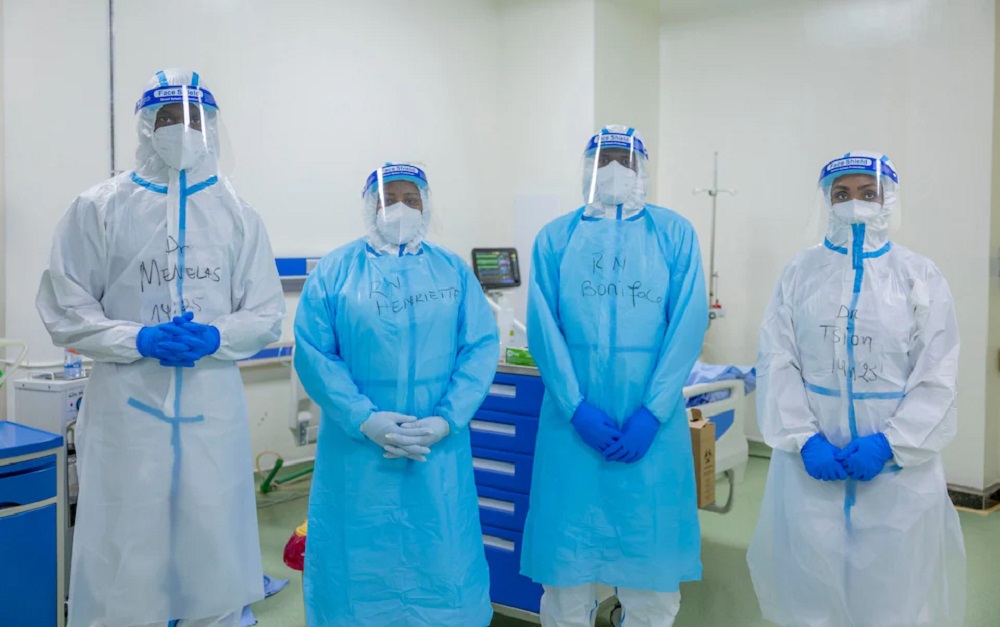
The Head of the Health Workforce Development Department at the Ministry of Health, Dr. Menelas Nkeshimana (first from the left), is among the medical professionals who responded to the Marburg outbreak and contributed to this study.
The UN Office for the Coordination of Humanitarian Affairs (OCHA) said that more than 270,000 people, mostly women and children, are sheltering in over 60 sites across the province of Ituri, many of which lack adequate access to water, sanitation and health services.
The office said the United Nations has received reports from local partners that, between Wednesday and Thursday, at least 13 people died in two camps in Bunia, the capital of Ituri. Response teams are urgently investigating whether these deaths are linked to Ebola. Since April, at least 62 deaths have been reported in camps around the city.
“These deaths are occurring amid a broader Ebola flare-up in Bunia, where mistrust of health facilities, congestion, gaps in prevention measures and unsafe handling of bodies are driving transmission risks among people in displacement camps,” OCHA said. “This is particularly concerning as Ituri province remains the epicentre of the outbreak, accounting for more than 90 percent of confirmed cases.”
The office said that as of Wednesday, local authorities had reported 896 confirmed Ebola cases across Ituri, North Kivu and South Kivu.
OCHA said it is working with its partners and local authorities to strengthen community engagement and scale up health and sanitation efforts in the camps. The current measures are insufficient, given the scale of the needs.
“The Ebola epidemic is unfolding against the backdrop of a broader humanitarian crisis,” the office said, adding that the 2026 humanitarian response plan, which calls for 1.4 billion U.S. dollars, seeks to respond to the full spectrum of humanitarian needs, including food security, protection, water and sanitation, health care and education, for 7.3 million of the DRC’s most vulnerable people.
Yet the appeal is only just over half funded, OCHA noted.
A drone view of displaced people from the Kigonze camp attending the burial of Ebola victims at Nyamurongo Cemetery, one month after an outbreak was declared, in Bunia, eastern Democratic Republic of Congo, June 18, 2026.
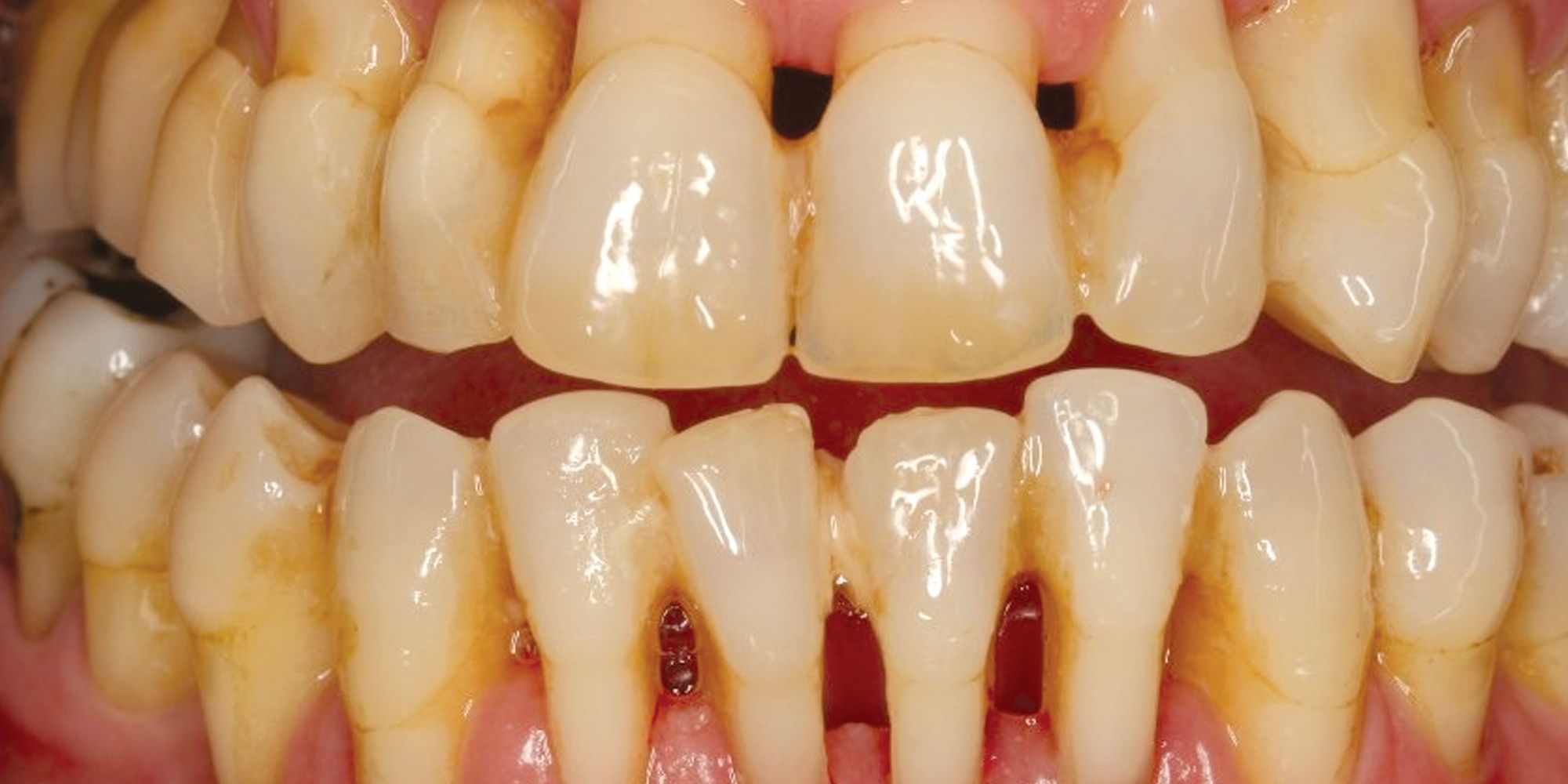
Periodontitis, commonly known as advanced gum disease, is a chronic infection that damages the tissues and bone supporting the teeth. If left untreated, it can lead to tooth loss and significantly affect oral health.
Although current treatments can control infection and inflammation, rebuilding lost bone and tissue remains a major challenge for dentists and researchers.
In search of new solutions, scientists from the Pontifical Catholic University of São Paulo developed an innovative biomaterial using latex extracted from jackfruit.
Because the latex naturally adheres to moist surfaces, researchers believe it could serve as an effective carrier for therapeutic compounds, allowing them to remain in contact with damaged gum tissue for longer periods.
To enhance the material’s therapeutic potential, the team incorporated pomegranate peel extract and simvastatin, a drug commonly used to lower cholesterol levels.
Pomegranate peel contains compounds with antimicrobial properties that may help combat harmful bacteria, while previous research has shown that simvastatin can also promote bone formation and reduce inflammation when applied locally.
Laboratory tests produced promising results. The researchers found that the biomaterial stimulated osteoinduction, a biological process that encourages stem cells to develop into bone-forming cells. The effect became stronger over time, suggesting that the material may support the regeneration of bone and tissue damaged by periodontal disease.
The study also highlights the potential value of natural and sustainable materials in medical research. By combining jackfruit latex and pomegranate peel materials often regarded as agricultural by-products with an established medication, scientists have created a novel biomaterial with potential applications in regenerative dentistry.
While the findings are encouraging, the technology remains in the early stages of development. Additional laboratory studies, animal testing, and human clinical trials will be required before the treatment can be considered for routine dental use.
Nevertheless, the research offers a promising glimpse into future approaches for treating severe gum disease. If further studies confirm its safety and effectiveness, this innovative biomaterial could become a valuable tool for helping patients recover from one of the world’s most common oral health conditions.
Scientists developed tropical fruit gel that may help repair gum damage.
Twenty-one new confirmed cases, including six deaths, were reported Wednesday in the eastern provinces of Ituri and North Kivu, the health ministry said in its daily update. The outbreak, caused by the Bundibugyo ebolavirus, has affected 33 health zones across three eastern provinces –Ituri, North Kivu and South Kivu.
Health authorities said 383 patients were either in isolation or hospitalized, while 78 patients had recovered, including 11 newly declared recoveries following negative control tests.
A total of 151 suspected cases, including 35 deaths, were also reported on Wednesday. Authorities said 6,367 contacts were under follow-up across the three provinces, of whom 4,525 were reached during the reporting period, representing a follow-up rate of 71.1 percent.
The report said the number of confirmed cases continued to rise week by week, indicating ongoing community transmission. It also warned that rapid geographic spread remained possible if public health measures were not implemented swiftly.
The current outbreak, the DRC’s 17th Ebola outbreak, was officially declared on May 15.
Twenty-one new confirmed cases, including six deaths, were reported Wednesday in the eastern provinces of Ituri and North Kivu, the health ministry said in its daily update.
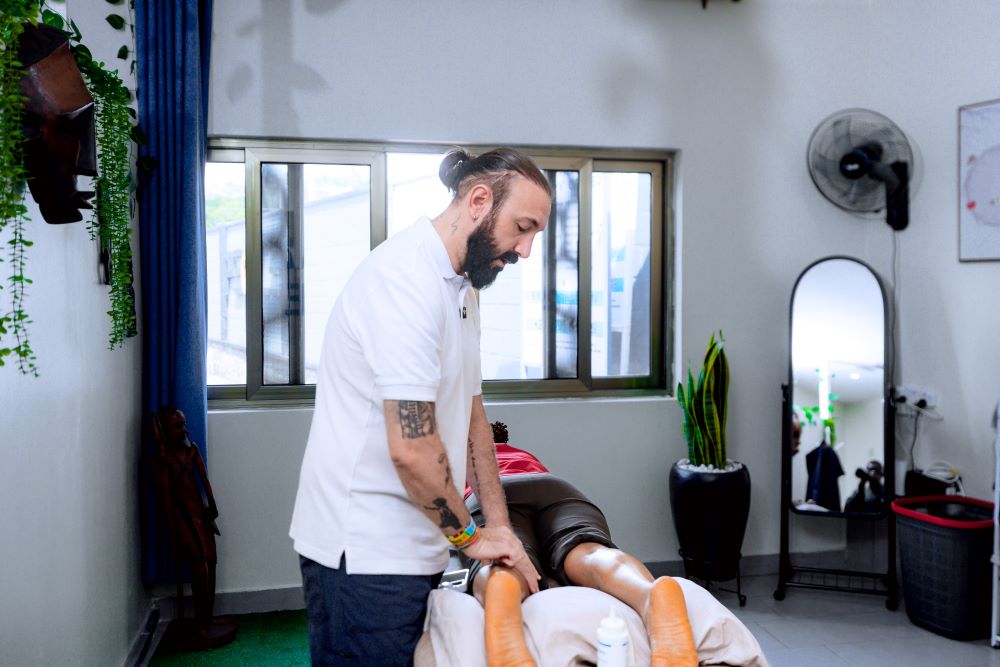
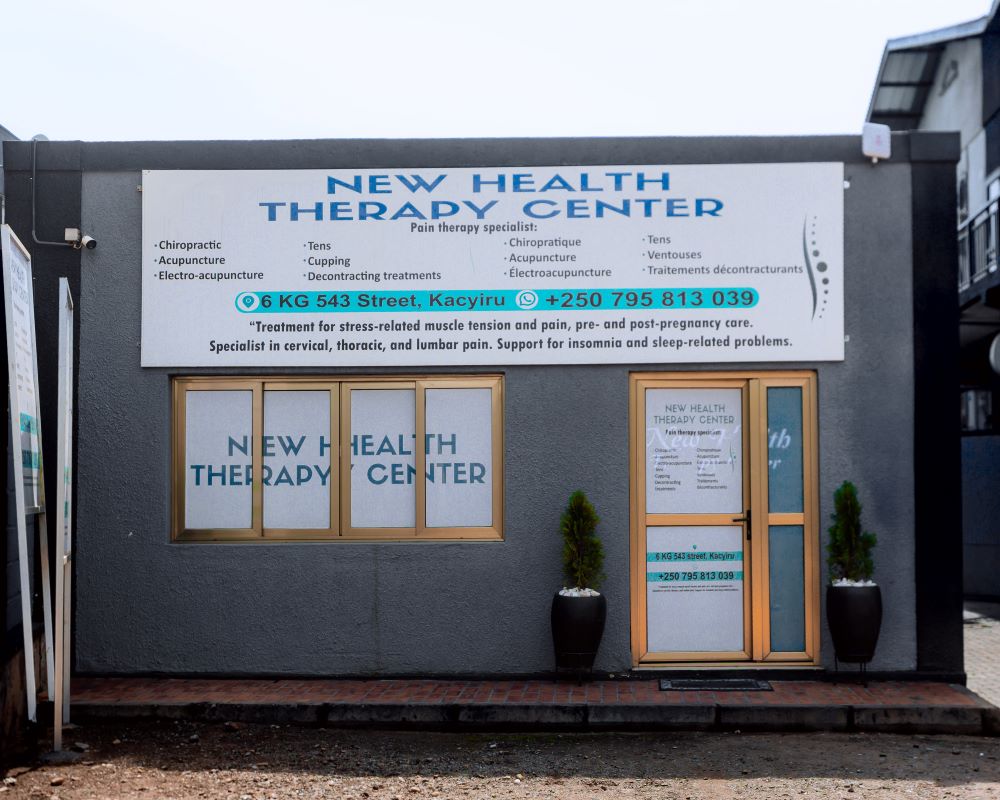
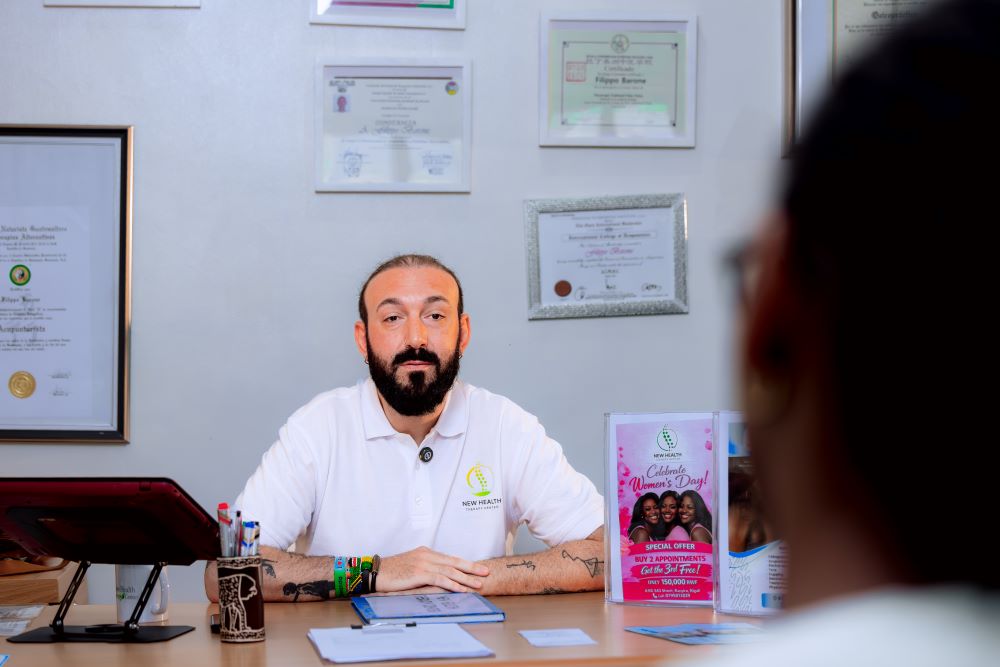
Barone, who now practices at New Health Therapy Centre in Kigali, says the country’s safety, welcoming people and favorable climate convinced him to settle in Rwanda after years of working abroad.
“I spent many years in a very dangerous country, and I was looking around for a very safe place,” he said. “I’ve never been here before, and I think I found a little paradise here. It’s very safe, people are very kind, and the weather is nice.”
Having previously worked in countries including Mexico, Guatemala and Colombia, Barone established his practice in Rwanda last year. After initially operating in Kimihurura, he later relocated to Kacyiru, where he now provides osteopathy, chiropractic care and other natural therapies.
According to Barone, his interest in alternative forms of treatment began with a personal health challenge.
“I started with this because I had a problem myself. Conventional medicine did not find a solution,” he explained. “When I was young, I tried chiropractic treatment for the first time, and it helped me. So I came to trust that kind of medicine, natural medicine.”
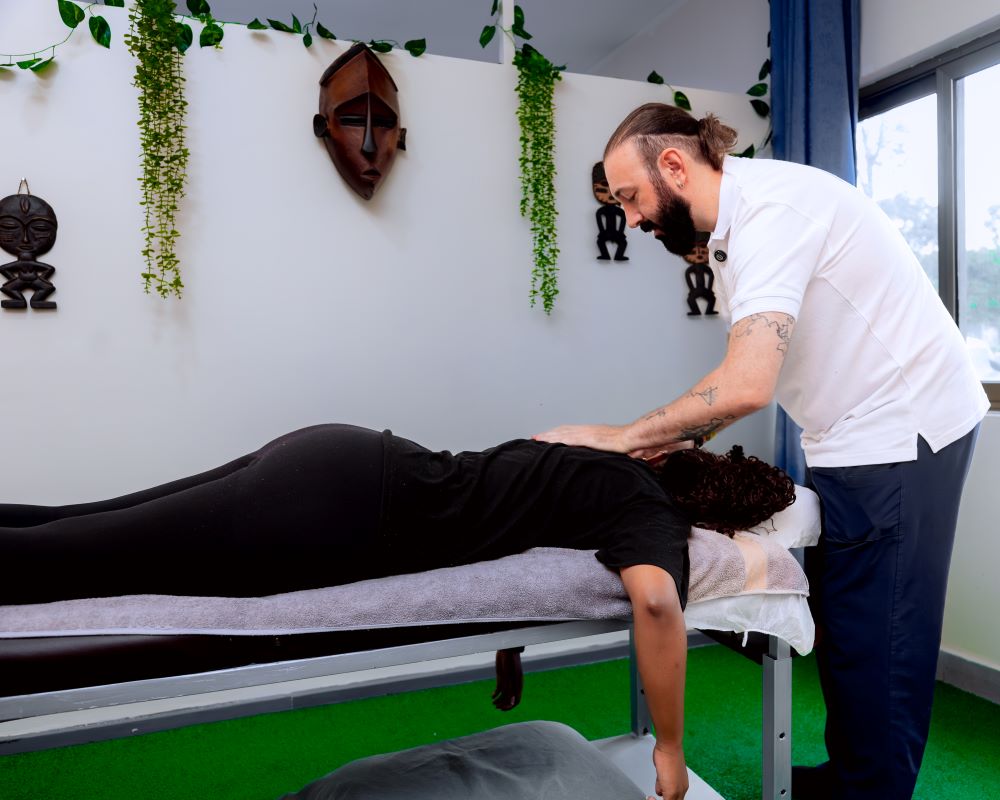
At the centre, Barone focuses on helping patients improve spinal alignment, posture and overall wellbeing. He explained that chiropractic treatment is based on the belief that proper spinal alignment supports the healthy functioning of the nervous system.
“The body is smart and it can heal itself,” he said. “We are helping people put the spinal column back in the right position.”
Beyond treatment, he also emphasizes prevention by teaching patients proper posture, sleeping positions and healthy exercise habits.
“People don’t know how to sit properly, especially when spending a long time seated in an office. The same applies to students in school and university,” he noted.
Barone describes the therapies offered at the centre as natural and non-invasive, arguing that they work with the body’s healing processes.
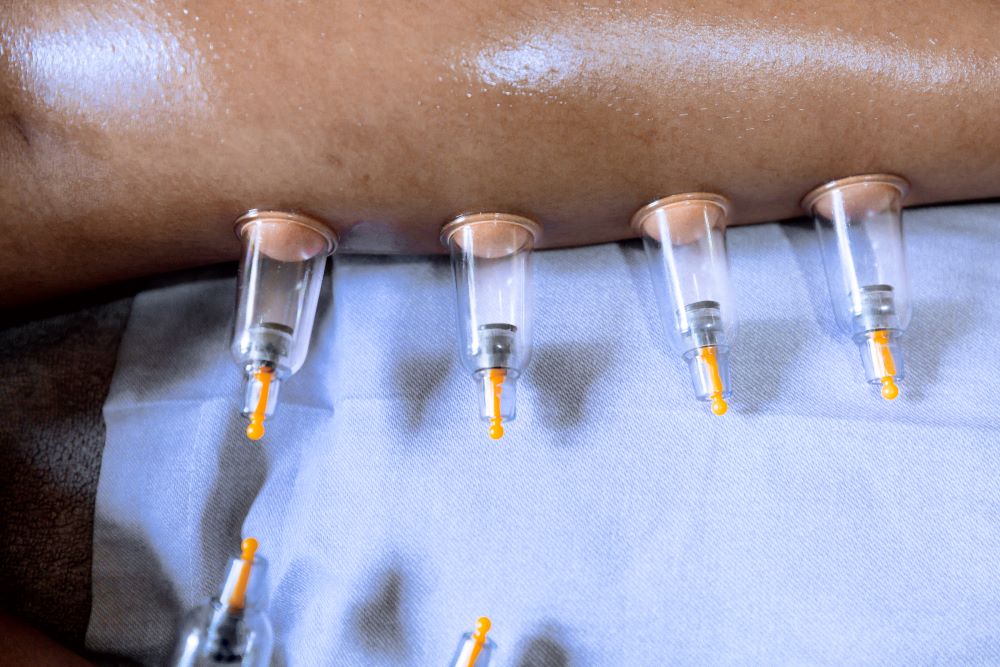
“All are natural therapies. They are not invasive,” he said. “We provide chiropractic, osteopathy and other natural treatments. These help the body heal itself.”
He also encouraged people to be cautious about relying excessively on painkillers and anti-inflammatory drugs.
“Sometimes they can lead to dependency, making the problem worse and worse,” he said. “People should become more comfortable with natural therapies such as chiropractic treatment and try them one time.”
Looking to the future, Barone says he hopes to continue building his practice in Rwanda and expand its services to reach more patients.
“I would like to stay here, maybe forever,” he said. “I would like to grow into a bigger place and continue improving for the benefit of patients. I want to grow together with them.”
Barone helps patients improve posture, spinal alignment and overall wellbeing through osteopathy and chiropractic care.The Italian practitioner hopes to expand his services in Rwanda as he continues helping patients explore natural approaches to health and wellness.Italian osteopath and physiotherapist Filippo Barone provides natural, non-invasive therapies at New Health Therapy Centre in Kigali.Filippo Barone says Rwanda’s safety and welcoming environment convinced him to settle in Kigali after years of working abroad.
The UN Office for the Coordination of Humanitarian Affairs (OCHA) said that five response workers were briefly detained on Tuesday by armed groups in Ituri province, the epicenter of the Ebola outbreak, accounting for more than 90 percent of all confirmed cases.
The office said that in South Kivu province, access remains heavily restricted in several areas as fighting continues to force civilians to flee. Nearly 20,000 people were forced from their homes on Monday, following clashes in Mwenga and Shabunda territories. Displaced families need food, shelter, health care, safe drinking water and protection.
OCHA said that in Fizi territory, humanitarian access also remains under pressure, as repeated interference by armed groups continues to threaten aid delivery and the safety of humanitarian workers.
In South Kivu alone, between January and May, at least 57 incidents directly affecting humanitarians were recorded, including threats against staff, interference in aid delivery, and movement restrictions.
“Despite these immense challenges, the United Nations and its humanitarian partners continue to support national authorities in containing the outbreak and deliver assistance,” OCHA said. “However, humanitarian personnel cannot operate safely without security guarantees.”
The UN reiterates its call on all parties to protect civilians and ensure safe, rapid and unhindered access to those in need.
Red Cross workers bury an Ebola victim at the Rwampara Cemetery, in Rwampara, Congo, Saturday, May 23, 2026. (AP Photo/Moses Sawasawa) CORRECTION: City corrected to Rwampara, instead of Bunia