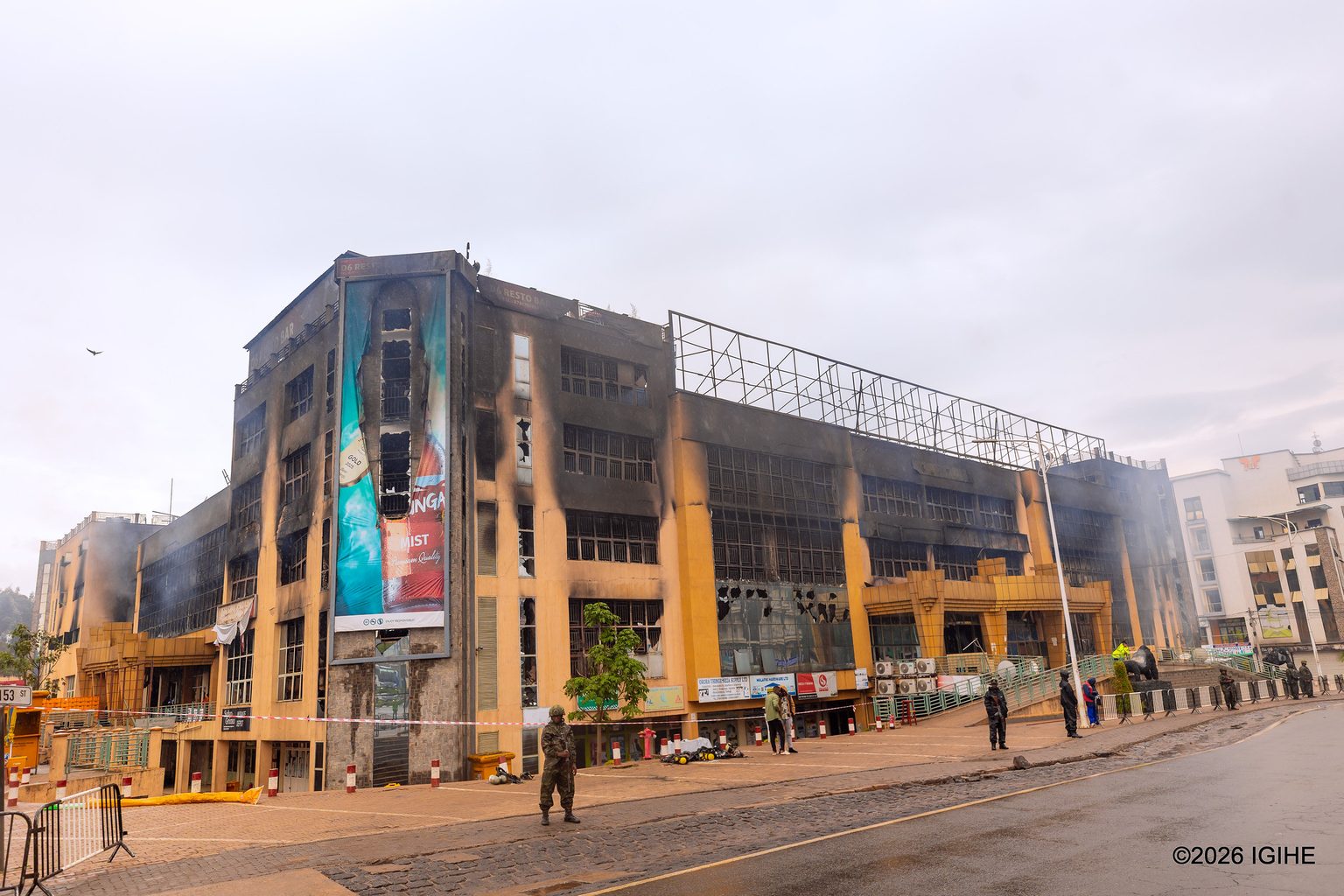
An assessment of the traders affected shows that 1,535 had no insurance, 605 had outstanding loans from financial institutions, while 1,576 relied entirely on their businesses for income.
According to Northern Province Private Sector Federation (PSF) Chairperson Tugengwanayo Théonas, helping the traders recover will require more than finding alternative trading spaces. Many must also raise the capital needed to restart their businesses while meeting existing financial obligations and covering household expenses.
Rwf24.8 billion in damage
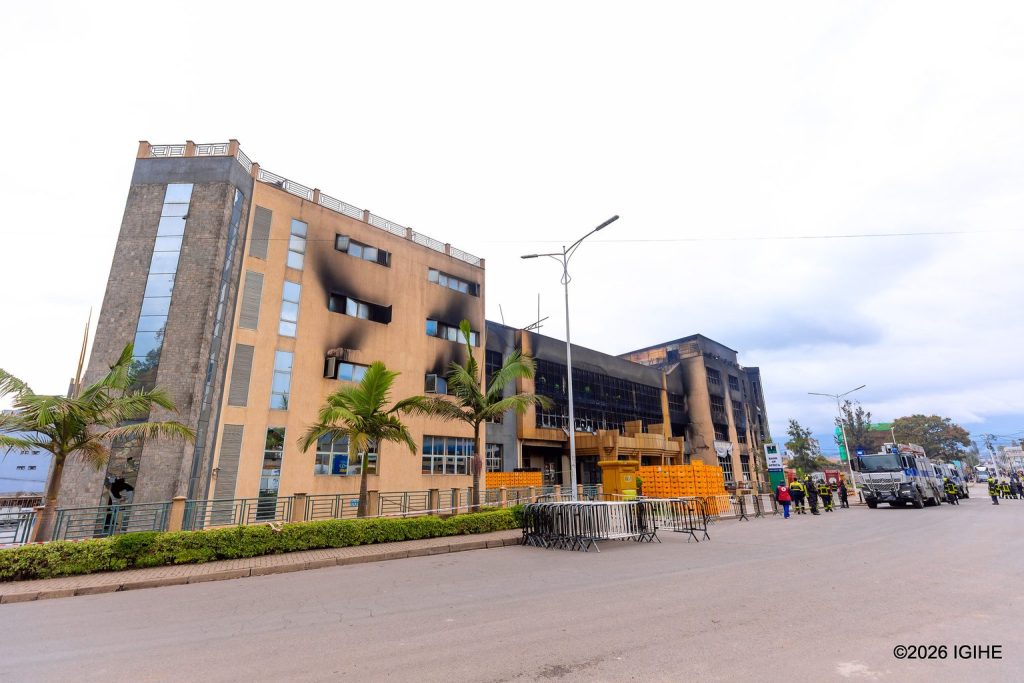
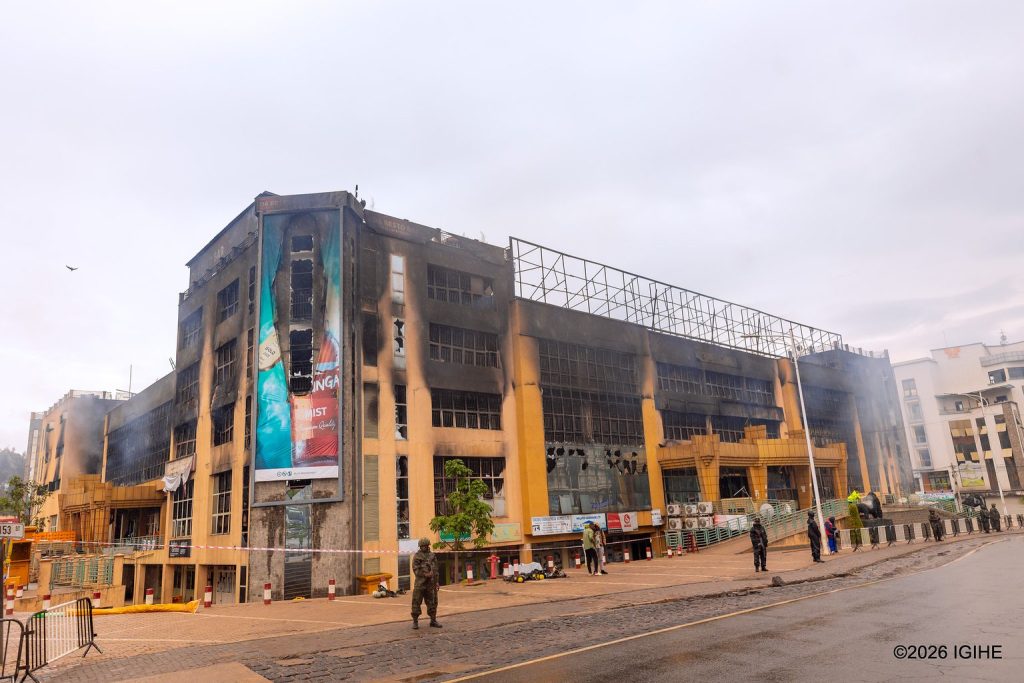
The assessment put the value of the damage at Rwf24.8 billion, while the market building was valued at Rwf17 billion.
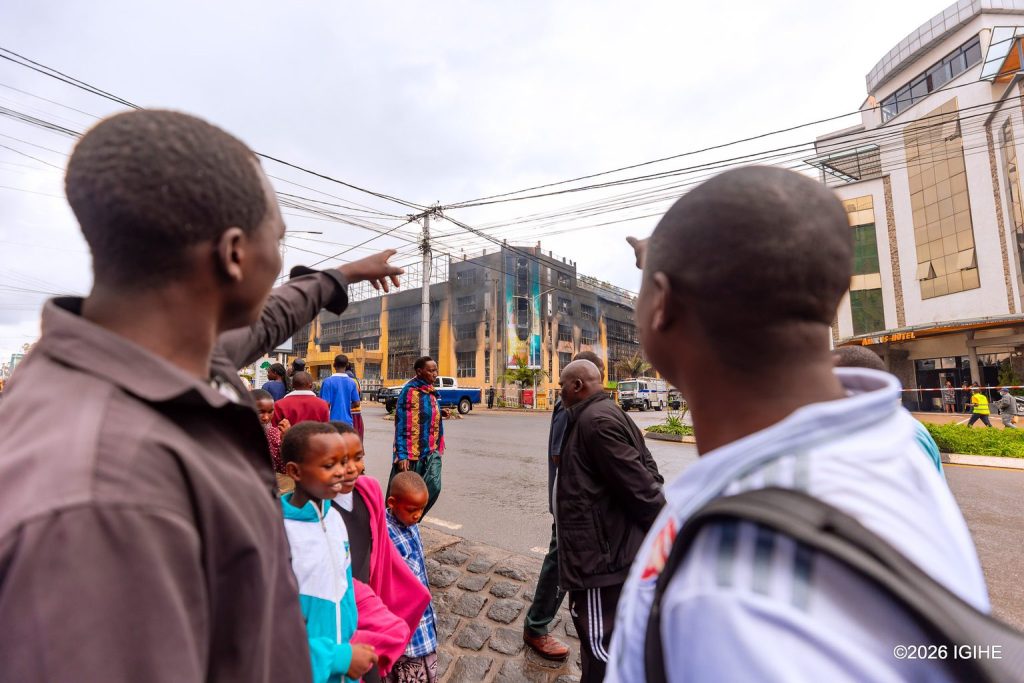
The extent of the damage to the structure remains under assessment as authorities determine whether the building can be restored for commercial use.
Alphonse Rukaburandekwe, Director General of the Rwanda Housing Authority (RHA), recently told IGIHE that inspections were underway to establish whether the building’s structural components had been compromised.
“We are conducting an inspection to determine whether the building can be used for business again. Tests are being carried out to establish whether the pillars, walls and other structural components have been damaged,” he said.
He explained that the findings would be submitted to Musanze District authorities and the building’s owners to inform a decision on the way forward.
Nearly all traders depended on their businesses for income
Of the 1,607 traders assessed, 1,576, or 98.1%, had no other source of income apart from their businesses.
The loss of their trading premises and business assets has therefore disrupted the main source of livelihood for the overwhelming majority of those affected.
Without a reliable income, traders may struggle to meet basic expenses, including food, rent and school fees. The disruption could also affect family members and employees who depended on the businesses.
However, the assessment does not specify the number of dependants or employees supported by the affected traders, making it difficult to establish the full extent of the fire’s impact on household incomes and employment.
95.5% of traders had no insurance
A total of 1,535 traders, representing 95.5% of those assessed, had no insurance cover.
This leaves the vast majority without the option of claiming compensation under an insurance policy to help replace lost stock, equipment and other business assets.
The absence of insurance could make recovery more difficult, particularly for traders who must find fresh capital to resume operations.
The PSF chairperson said insurance companies were preparing to compensate traders who had coverage. The amounts payable will depend on the assets insured and the terms of individual policies.
The assessment does not specify the value of insured assets or the total compensation expected to be paid.
605 traders had outstanding loans
The assessment found that 605 traders, equivalent to 37.6% of those affected, had outstanding loans with financial institutions.
The fire has left these borrowers facing the prospect of repaying their debts while their businesses are disrupted and their ability to generate income remains uncertain.
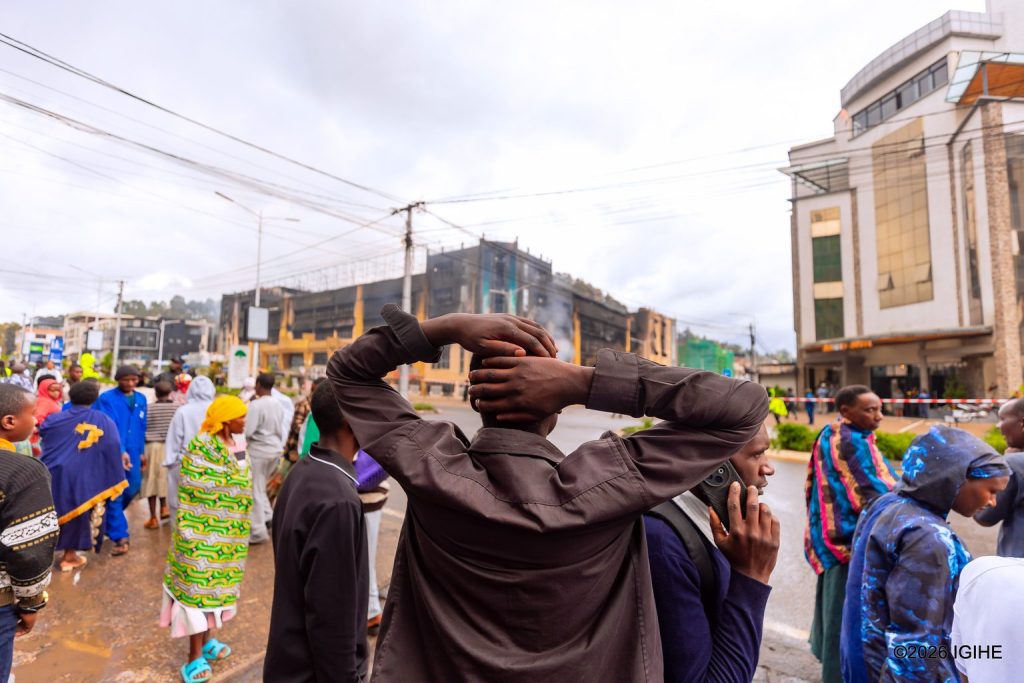
Some traders who spoke to IGIHE called on financial institutions to ease repayment conditions as they work to rebuild their businesses.
The PSF chairperson said banks and the Rwanda Revenue Authority (RRA) were engaging with individual traders to assess their concerns and determine possible forms of assistance.
The RRA has also deployed staff to receive complaints and concerns from traders on a daily basis.
Women accounted for nearly 60% of affected traders
Women accounted for 963 of the 1,607 traders assessed, representing 59.9% of the total. With nearly three in five affected traders being women, the disruption to businesses could also affect households that relied on their earnings.
About 1,200 traders have found alternative premises
Approximately 1,200 traders have secured alternative places to operate, equivalent to about 74.7% of those assessed.
Based on the figures, roughly 400 traders are still without alternative trading space.
For those who lost their stock and working capital, securing space is only part of the recovery process. They must also find the resources needed to restock and rebuild their businesses.
A major commercial centre for Musanze
GOICO Market was built in 2017 by Gorilla Investment Company (GOICO), a company bringing together 89 private investors from Musanze District. The project cost approximately Rwf7.5 billion.
The multi-storey market housed businesses selling a range of goods, including clothing, electronic devices and other merchandise. It also accommodated banks and supermarkets.
Before the fire, the market attracted approximately 12,000 people daily, making it an important commercial centre in Musanze.
Leave a Reply