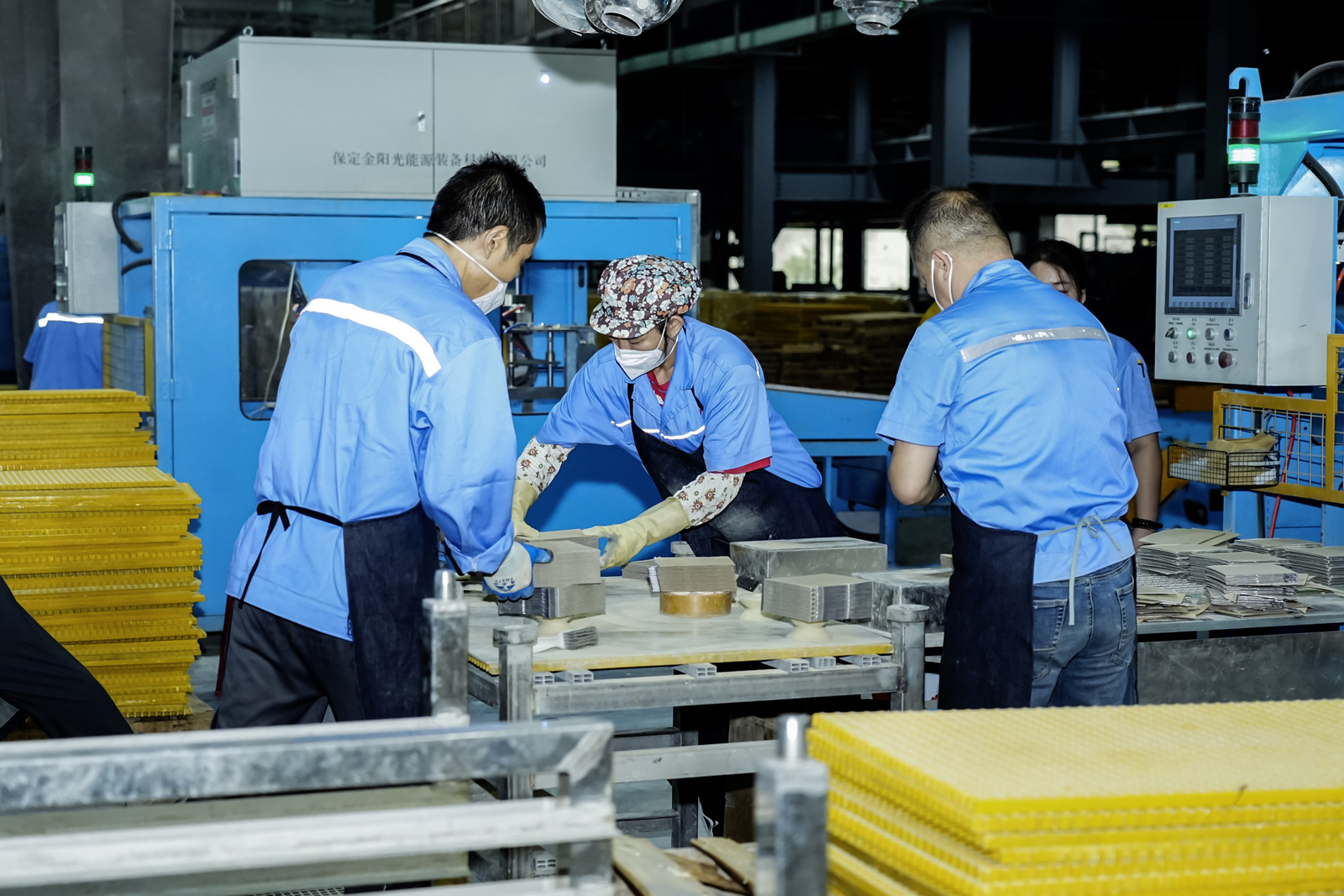
The company has supplied Rwanda through distributors, according to its Africa Business Director, Christina Liao, who told IGIHE that unmet electricity needs present opportunities for battery systems that store solar power for use after sunset.
Rwanda aims to increase electricity generation capacity to as much as 5,000 megawatts under Vision 2050. As the country develops renewable energy projects, battery storage could help make electricity generated during daylight hours available when demand rises in the evening.
Ritar’s interest comes as Rwanda seeks investors for a proposed 200MW floating solar power plant on Lake Sake in Ngoma District, Eastern Province. The project includes an 800-megawatt-hour battery energy storage system and infrastructure connecting it to the national grid.
Rwanda’s solar plans create demand for storage
Speaking at the Nuclear Energy Innovation Summit for Africa on June 30, 2025, then Prime Minister Edouard Ngirente said Rwanda would need up to five gigawatts of electricity generation capacity to achieve its Vision 2050 ambitions.
Prime Minister Justin Nsengiyumva told Parliament in July 2026 that installed generation capacity stood at 471MW, highlighting the scale of expansion required.
The proposed Lake Sake installation would combine solar generation with battery storage to help balance electricity supply and demand. At its rated capacity, an 800MWh battery system could theoretically deliver 200MW for four hours, although actual delivery would depend on operating limits, conversion losses and the final design.
Storage could help supply electricity during evening peak hours, regulate grid frequency and voltage, and reduce the need to curtail solar generation when production exceeds what the grid can accommodate.
The project would operate under an independent power producer arrangement, with the Energy Utility Corporation Limited purchasing electricity through a 25-year power purchase agreement.
Rwanda is also considering floating solar panels on the Nyabarongo II reservoir, with potential capacity of another 200MW.
“Nyabarongo II will provide 43.5MW of hydropower. Because Nyabarongo is a multipurpose project, the lake that will stretch until the Vunga area [in Gakenke District] will have floating solar panels installed on the water surface to generate 200MW,” Nsengiyumva told Parliament.
Together, the two proposed floating solar installations would have a combined rated capacity of 400MW. However, installed capacity does not represent continuous electricity output, which varies with weather and operating conditions.
Ritar has not confirmed any involvement in either project or secured a contract to supply batteries for them.
Ritar’s business and African ambitions
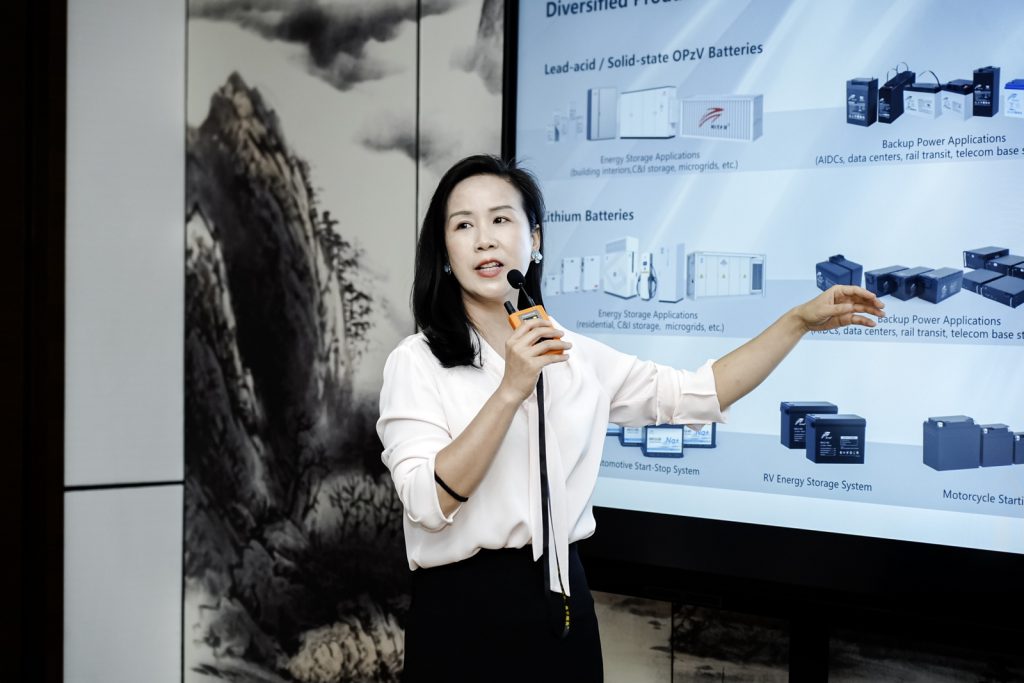
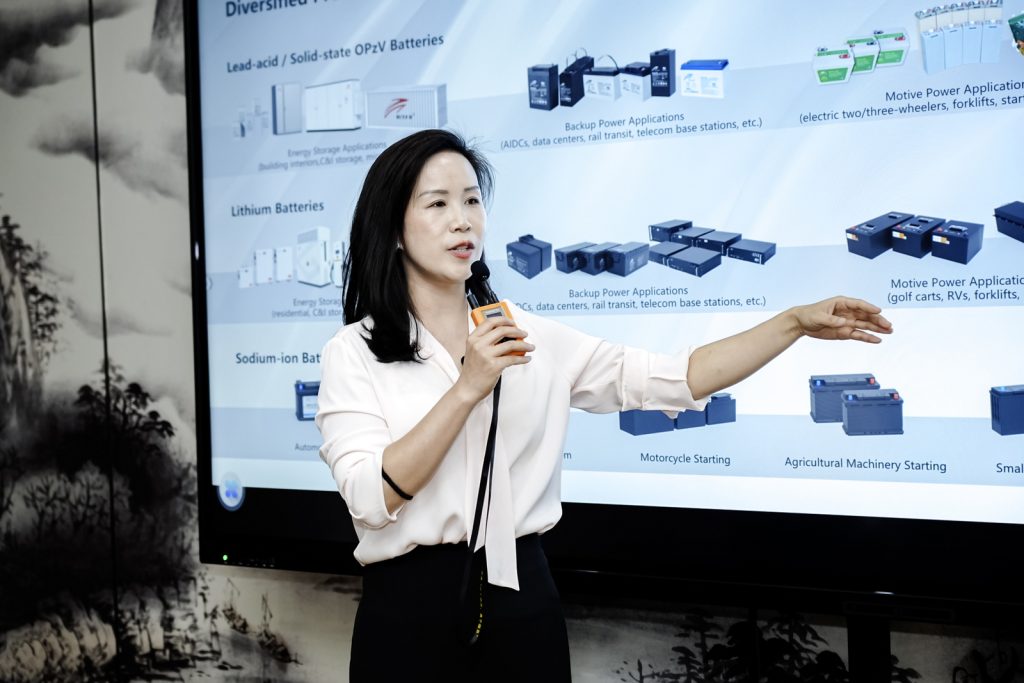
Liao said Ritar had supplied Rwanda through distributors for more than 15 years, offering lead-acid batteries rated at 12 volts and 100 or 200 amp-hours, alongside lithium batteries with storage capacities of 5kWh, 10kWh and 15kWh.
“You can connect to the solar and then to a small power system,” she said, describing how batteries can store electricity for household use.
A fully usable 5kWh battery could theoretically power a steady 500-watt load for 10 hours, although actual runtime would be shorter after accounting for conversion losses, discharge limits and variations in electricity demand.
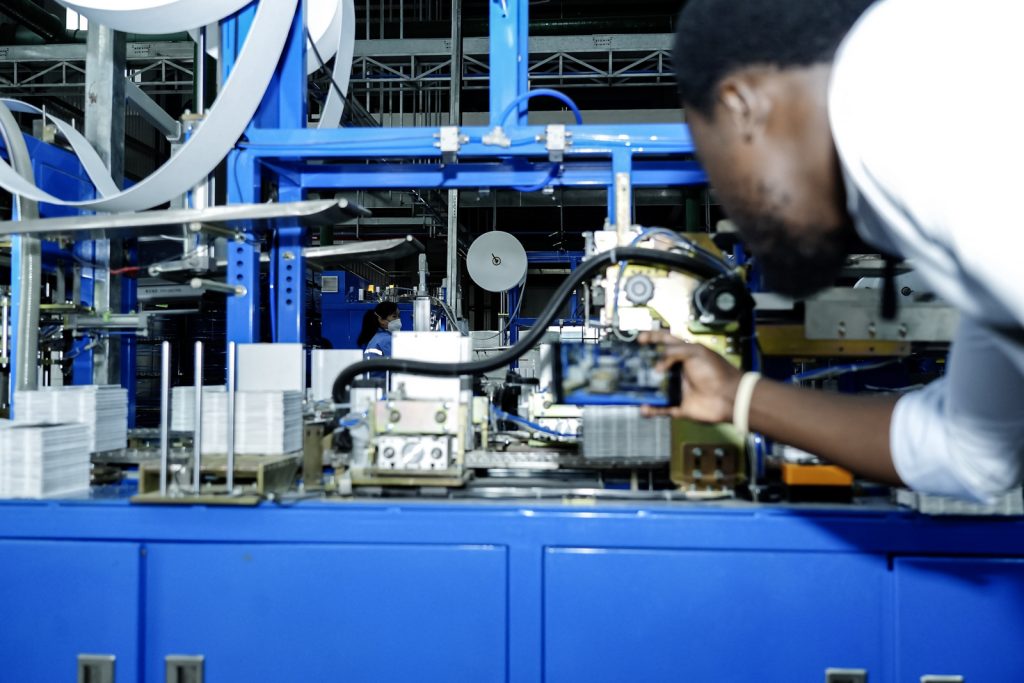
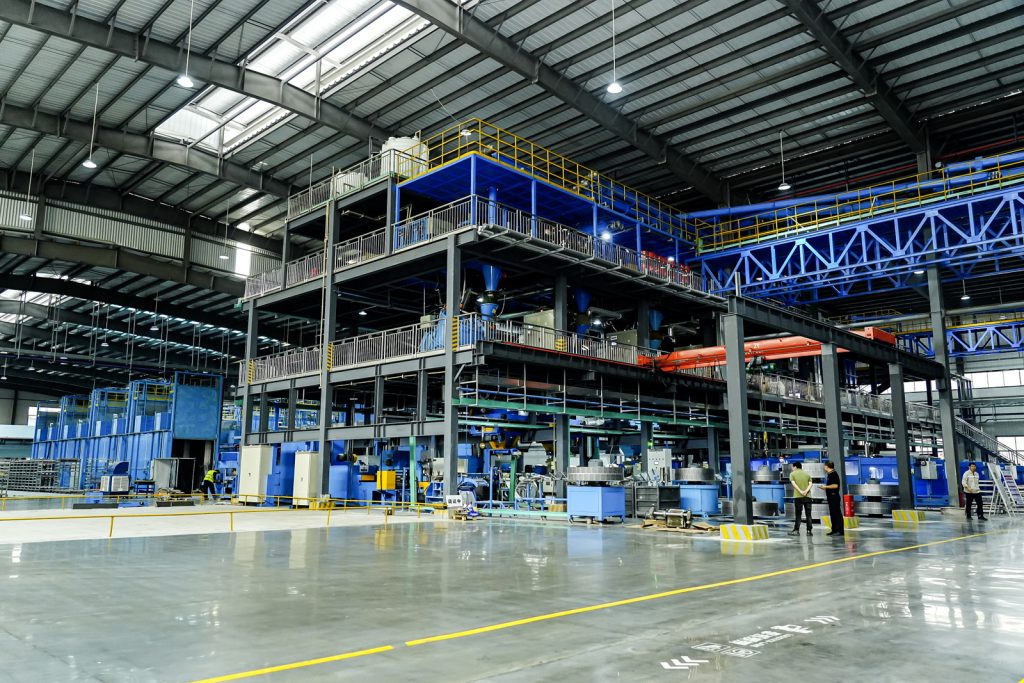
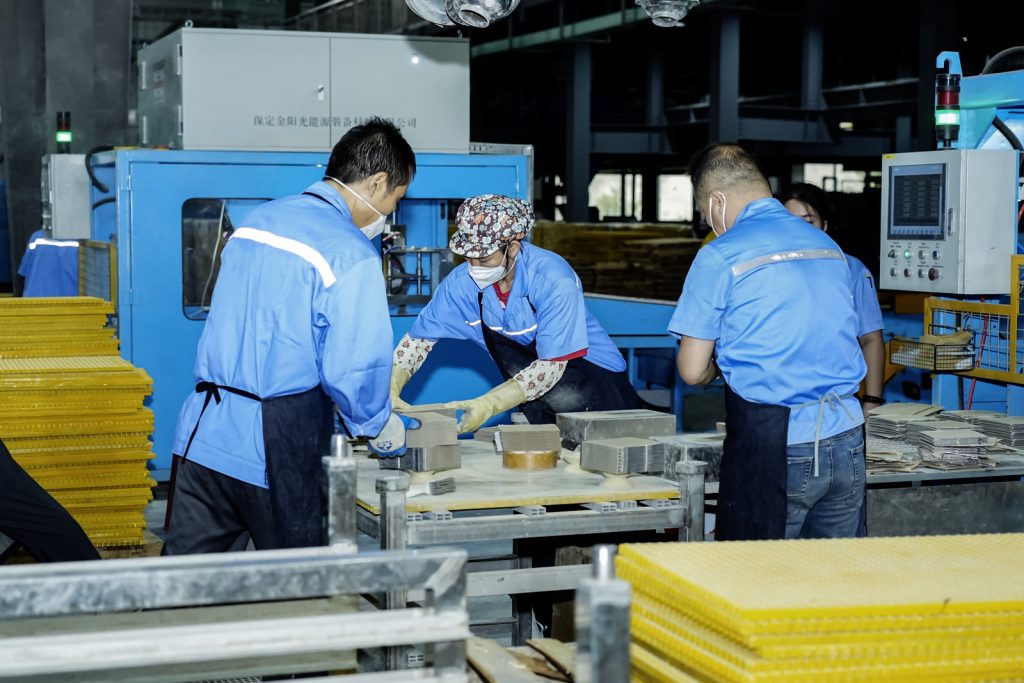
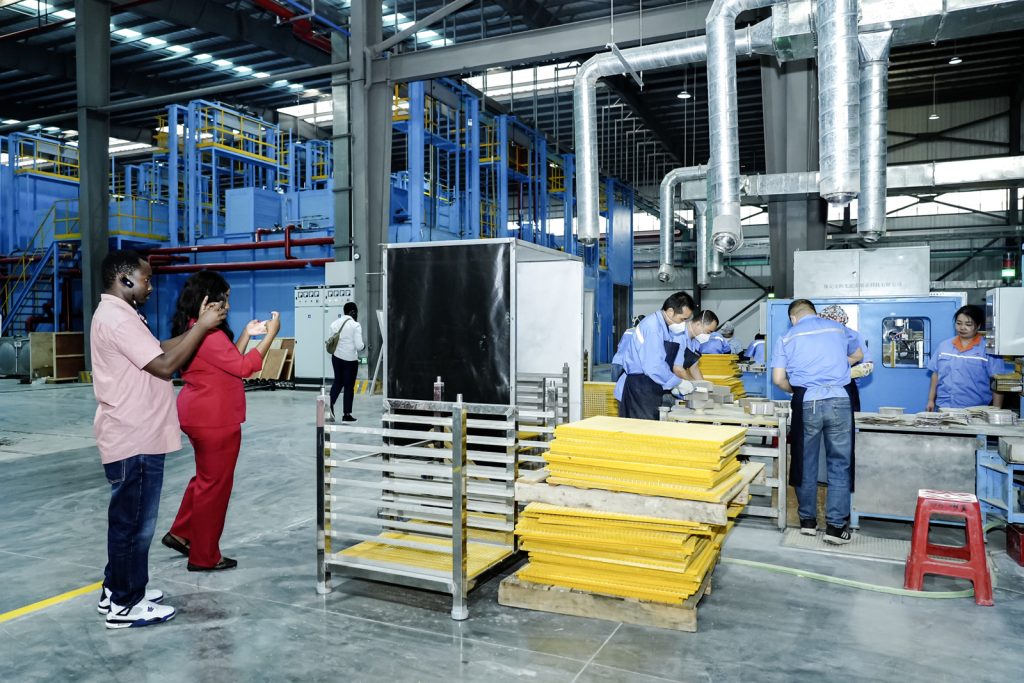
Founded in 2002, Ritar is headquartered in Shenzhen, China. Its published company profile reports more than 6,500 employees, eight major production bases across China and Vietnam, and 11 international warehousing and logistics centres.
Company materials supplied for this story put investment in its Hengyang plant in Hunan Province at $150 million and investment in its Vietnam plant at $120 million.
Ritar’s published profile reports more than 120 gigawatt-hours of cumulative global battery shipments. Liao put annual production capacity at 80GWh and annual group sales at more than $1.7 billion.
She said Africa accounted for approximately 30% of sales. Applying that proportion to $1.7 billion gives an indicative annual African sales value of about $510 million, although audited accounts confirming the figures were not provided.
Liao identified distributors in South Africa, Tanzania, Kenya, Nigeria and Zambia among the company’s African customers. Separate company materials describe battery supplies to more than 30 African countries and identify energy storage projects in Zambia and South Africa.
A Rwanda factory remains a possibility
Liao said Ritar serves African markets through distributors rather than factories of its own on the continent. The company is seeking more distribution partners and has not ruled out manufacturing in Africa if suitable opportunities emerge.
“Maybe if we have the chance, we can build factories in African countries,” she said.
Asked specifically about Rwanda, she expressed conditional interest in visiting the country if the company developed plans for a factory.
“If we have the project or we have the schedule to build a factory, we will visit Rwanda,” she said.
Ritar’s ambitions come as China continues to expand its solar industry. China’s National Energy Administration reported approximately 1,200GW of installed photovoltaic capacity at the end of 2025, up 35% from a year earlier. Photovoltaic electricity generation reached about 1.17 trillion kilowatt-hours during the year, an increase of 40%.
For Rwanda, expanding electricity generation and integrating renewable energy into the grid could create opportunities for battery storage. For Ritar, the challenge is to turn that potential demand into business through its distribution network and possible future investments in Africa.
Leave a Reply