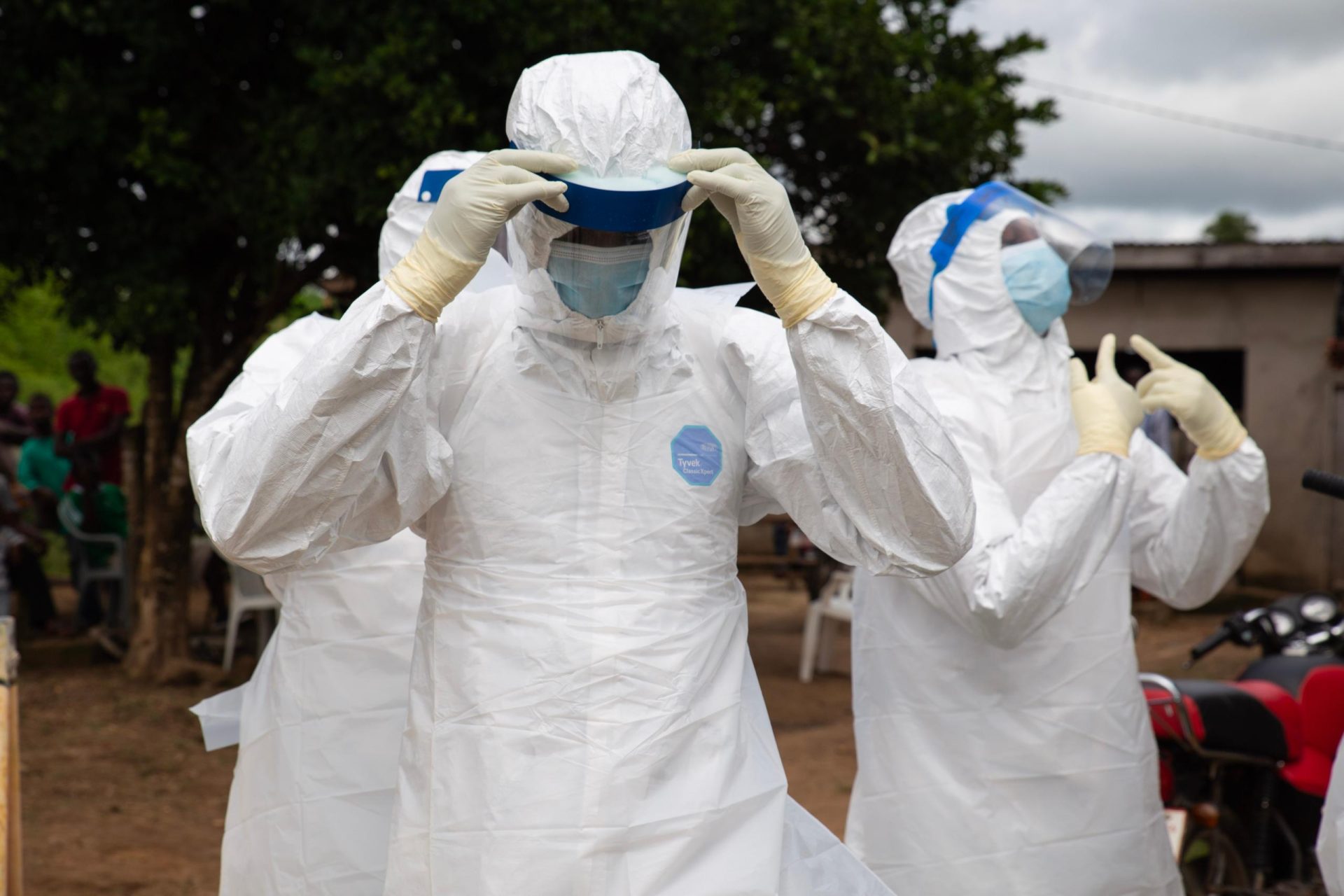
Hundreds of suspected cases have been reported in Ituri Province, according to the Africa Centers for Disease Control and Prevention (Africa CDC).
Preliminary tests by the National Institute of Biomedical Research detected the virus in 13 of 20 samples, Africa CDC said in a statement, citing consultations with the DRC’s Ministry of Health and National Public Health Institute.
About 246 suspected cases and 65 deaths have been recorded, mainly in Mongwalu and Rwampara, with four deaths among confirmed cases. Suspected cases have also been reported in Bunia.
Africa CDC warned of a high risk of further spread due to urban settings, population movement, mining activities, insecurity, and proximity to Uganda and South Sudan.
The agency is convening an urgent meeting on Friday afternoon with health authorities from the DRC, Uganda and South Sudan, as well as key international partners, to strengthen cross-border coordination, surveillance and response efforts.
Africa CDC Director General Jean Kaseya stressed that rapid regional coordination is essential due to the high mobility between affected areas and neighboring countries.
Health authorities confirmed a new outbreak of Ebola virus disease in eastern Democratic Republic of the Congo (DRC) on Friday.
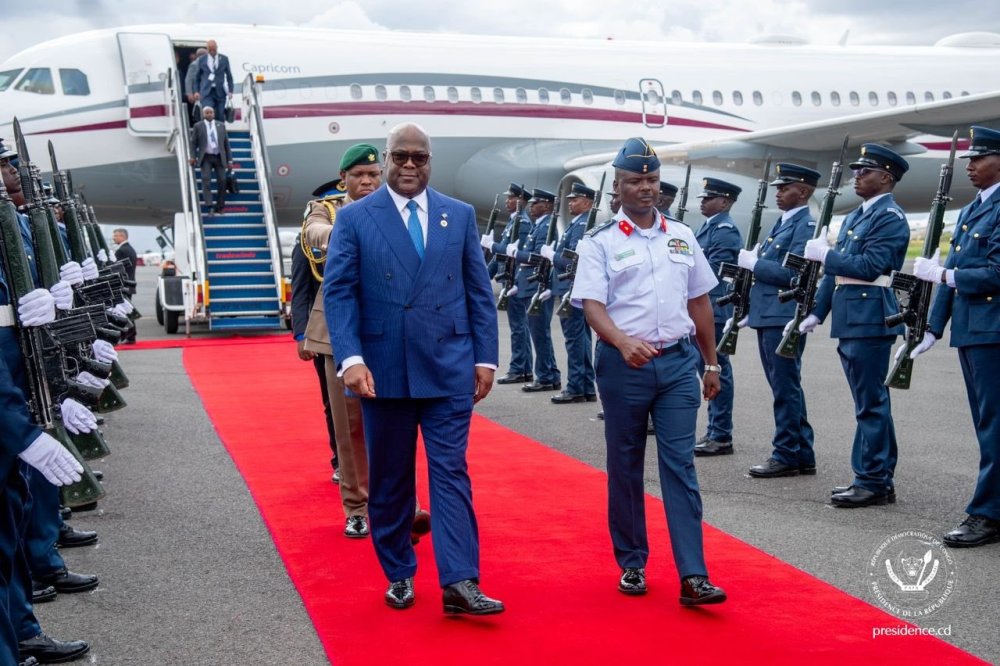
The Congolese leader had been in Uganda for the inauguration ceremony of President Yoweri Kaguta Museveni. Many expected him, like other visiting heads of state, to return directly to Kinshasa after the event. Instead, he unexpectedly headed to Nairobi before the summit concluded.
Soon after his arrival, Tshisekedi’s spokesperson, Tina Salama, said the Congolese president had not gone to Nairobi to “complain,” but to urge the international community to stop remaining silent over what she described as three decades of killings in the DRC allegedly caused by “Rwandan aggression.”
Two days after the summit, another spokesperson from the Congolese presidency, Farah Muamba Kayowa, claimed that the DRC had used the Africa-France summit to call on participants not to ignore the violence that Congo blames on Rwanda.
However, Rwanda’s Minister of Foreign Affairs and International Cooperation, Ambassador Olivier Nduhungirehe, dismissed the claims, saying the DRC never actually took part in the summit discussions where such concerns could have been raised.
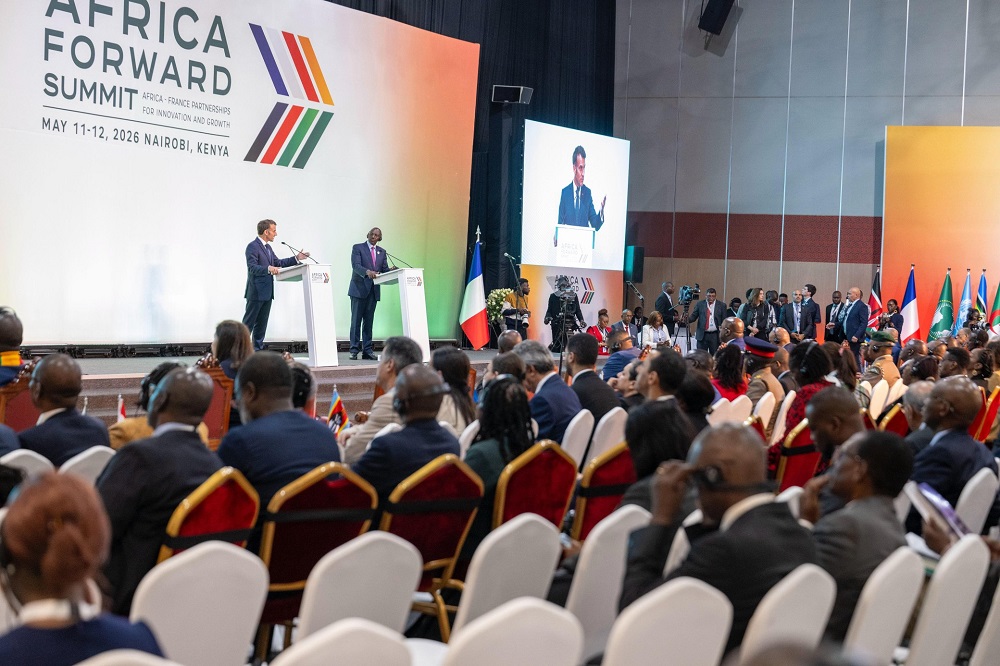
Amb. Nduhungirehe, who attended the summit in Nairobi, explained that the meeting featured three high-level sessions chaired by Kenyan President William Ruto and French President Emmanuel Macron.
The discussions focused on green industrialisation and energy transition, reform of international financial institutions, and peace and security.
According to the minister, heads of state and official representatives actively participated in the exchanges — except the DRC.
“During all three sessions, the DRC’s seat remained conspicuously empty. As a result, Kinshasa was unable to ‘demand’ anything or accuse anyone in Nairobi, limiting itself to a merely symbolic presidential appearance at the close of the summit,” Amb. Nduhungirehe said.
The Rwandan government has consistently rejected accusations from Tshisekedi’s administration linking Kigali to the insecurity in eastern Congo.
Rwanda argues that the prolonged instability in the DRC is rooted in decades of poor governance and failed state policies that created conditions for armed groups to flourish across the region.
Kigali has also repeatedly pointed to the presence of the FDLR terrorist group in eastern Congo, a group formed by remnants of the former Rwandan army (Ex-FAR) and Interahamwe militias responsible for the 1994 Genocide against the Tutsi.
The group continues to operate freely in eastern DRC with the objective of destabilising Rwanda. The Congolese government is also accused of collaborating and supporting the group in its fight against the AFC/M23 coalition.
Before the inauguration ceremony in Uganda had ended, President Félix Tshisekedi traveled to Kenya as the Africa-France summit neared its conclusion.President Félix Tshisekedi arrived in Nairobi after the main discussions had concluded and only attended the summit’s closing ceremonyOn May 12, 2026, President Félix Tshisekedi attended the swearing-in ceremony of Ugandan President Yoweri Museveni.French President Emmanuel Macron and Kenyan President William Ruto officially closed the Africa-France summit in Nairobi
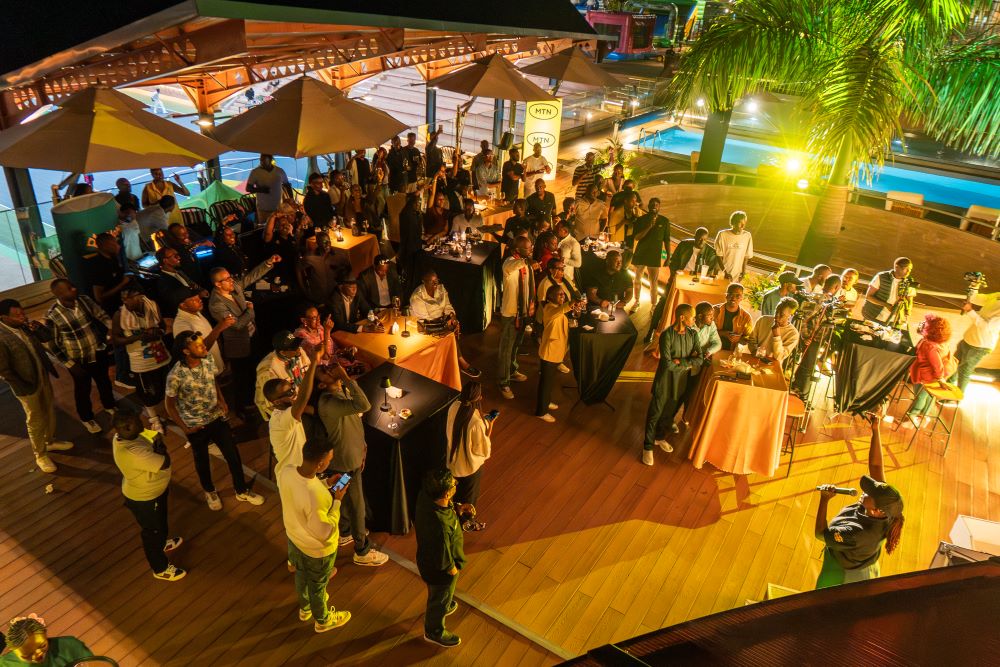
Building on this growing culture of digital self-expression, MTN Rwanda has launched the Callertunez Awards 2026, a platform designed to celebrate Rwanda’s creative industry while empowering local artists through MTN Caller Tunes services.
This initiative reflects MTN Rwanda’s commitment to creating opportunities for young creatives, artists, storytellers and entertainers to grow their audiences, increase their visibility and earn through digital platforms.
The awards recognize the creators behind the sounds and messages that millions of Rwandans engage with daily through Caller Tunes, transforming ordinary calls into personalized experiences filled with music, inspiration, humor and culture.
Speaking at the launch, MTN Rwanda highlighted that this is about giving Rwanda’s creative community the confidence and platforms to showcase their talent to the world.
“The Callertunez Awards 2026 are not only about rewarding talent, but also about celebrating the role creativity plays in bringing people together. Through music, comedy, praise and poetry, Rwandans are telling their stories, expressing themselves and building connections every single day. As MTN Rwanda, we believe that Nicyo Gihe for local talent to shine even brighter through digital platforms,” states Somdev Sen Chief Consumer and Digital Officer.
The competition will bring together artists on the MTN Caller Tune platform, who will compete across three categories: music, comedy, and praise & poetry. Winners will be selected based on a combination of public voting and subscription performance.
In the music category, the winner will receive 12,000,000 RWF, the first runner-up 5,000,000 RWF, and the second runner-up 3,000,000 RWF. In the comedy category, the winner will take home 2,000,000 RWF, while the praise & poetry category winner will also receive 2,000,000 RWF.
Customers can support their favorite artists by voting through *193 *2026*ArtistCode# and subscribing through *193#.
Fans can also follow the live leaderboard and access artist codes through Callertunez Awards Platform or by dialing *193# and selecting the CRBT Awards menu.
The campaign will run alongside the 2026 MTN Iwacu Muzika Festival, culminating in a grand finale during the festival’s final show in Rubavu on 1 August 2026.
Through the Callertunez Awards 2026, MTN Rwanda continues to champion local creativity and digital innovation while strengthening connections between artists and their fans.
MTN Rwanda has launched Callertunez Awards 2026 to celebrate creative spirit.
A study led by Australia’s University of Queensland (UQ) found that immune cells activate a process known as mitochondrial fission — where mitochondria split into smaller units — to kill invading bacteria, said a UQ statement released Friday.
However, some bacteria have evolved strategies to block this process, allowing infections to persist, said James Curson from UQ’s Institute for Molecular Bioscience, co-author of the study published in the journal Science Immunology.
The researchers discovered that an experimental compound, known as an HDAC6 inhibitor, can re-activate mitochondrial fission in immune cells to fight invading bacteria, Curson said.
“This treatment works by modifying the body’s immune response to support mitochondrial fission, enabling it to fight bacteria without targeting bacteria directly, like antibiotics,” he added.
The study showed that bacterial infection induces mitochondrial fission, which in turn activates the body’s intracellular energy reserves to accumulate antimicrobial lipid droplets — defense mechanisms that help fight off infections.
Agents called host-directed therapies (HDTs) could help address “the global burden of antibiotic-resistant bacteria,” identified by the World Health Organization as a top global public health threat, Curson said.
Researchers said bacteria resistant to multiple antibiotics, often called “superbugs,” are very difficult to treat and new approaches like HDTs are urgently needed to combat these infections.
When under attack, the body’s immune cells activate a cellular process called ‘mitochondrial fission’ to kill invading bacteria.
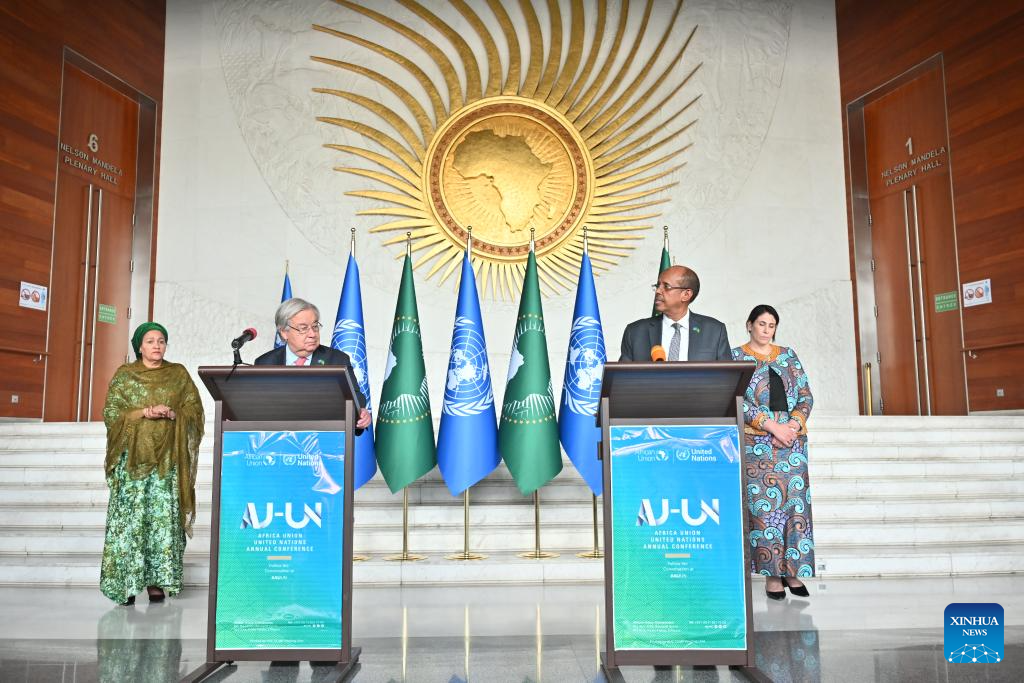
The two leaders made the allegation during a joint press conference on Wednesday at the AU headquarters in Addis Ababa, the capital of Ethiopia, after signing a new declaration to enhance the AU-UN partnership.
“Most of the security crises on the continent are fueled from abroad. Financial resources, ammunition, sometimes even fighters come to fight another war from other continents,” Youssouf told the press conference.
He said the interference goes to the extent of disrupting mediation and resolution processes, causing a serious challenge for AU and UN to address the security crisis on the continent, including in the Sahel, Sudan, the Horn of Africa and the eastern Democratic Republic of the Congo.
Youssouf said the interferences are requiring the AU, UN and other partners to deploy more efforts to contain the crises. “The AU must lead any peace negotiations on the continent, based on the principle of African solutions to African conflicts.”
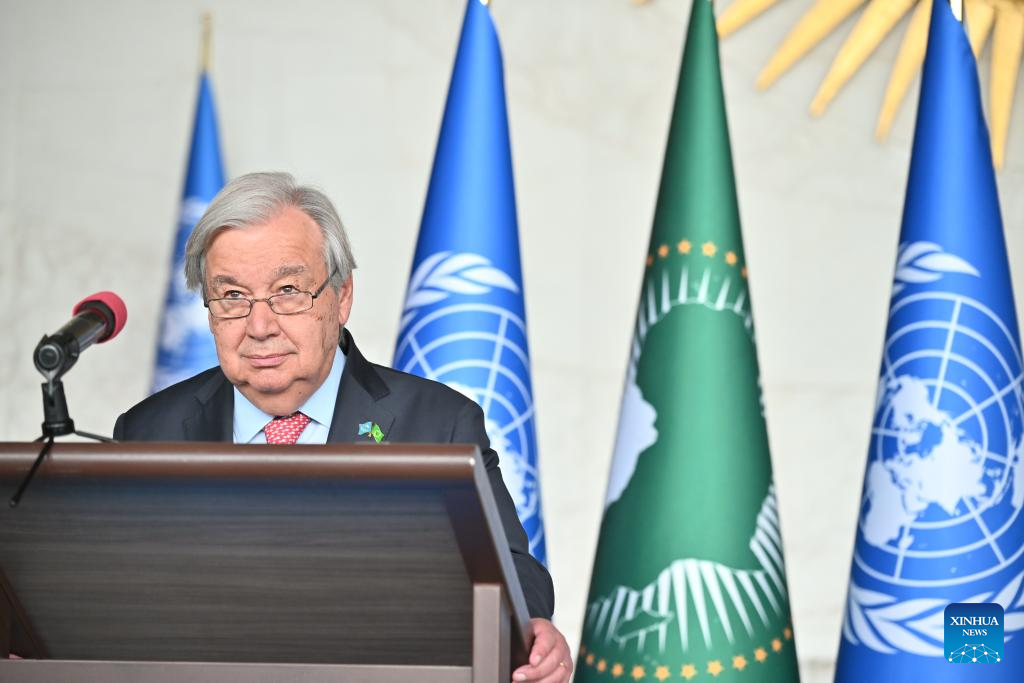
Guterres, for his part, said it is absolutely intolerable that countries that are external to Africa interfere in African conflicts, providing weapons and political support with the objective of serving their strategic or economic interests.
“We need naturally to go on developing our common diplomacy, to make sure that we create the conditions for this kind of interference to cease and for other actors to be able to come to political agreements, able to end these conflicts,” he said.
According to Guterres, the world is witnessing a new kind of war where the military does not fight each other but launches drones against civilians.
“We also raise our voices, denouncing those countries that are providing drones that are not manufactured in Africa, as they are causing terrible sacrifice for the African people,” he added.
United Nations Secretary-General Antonio Guterres speaks at a joint press conference at the African Union headquarters in Addis Ababa, the capital of Ethiopia, May 13, 2026. African Union (AU) Commission Chairperson Mahmoud Ali Youssouf and United Nations (UN) Secretary-General Antonio Guterres have warned that external interferences are fueling the security crisis in Africa. United Nations Secretary-General Antonio Guterres (2nd L) and African Union Commission Chairperson Mahmoud Ali Youssouf (2nd R) attend a joint press conference at the AU headquarters in Addis Ababa, the capital of Ethiopia, May 13, 2026. African Union (AU) Commission Chairperson Mahmoud Ali Youssouf and United Nations (UN) Secretary-General Antonio Guterres have warned that external interferences are fueling the security crisis in Africa.
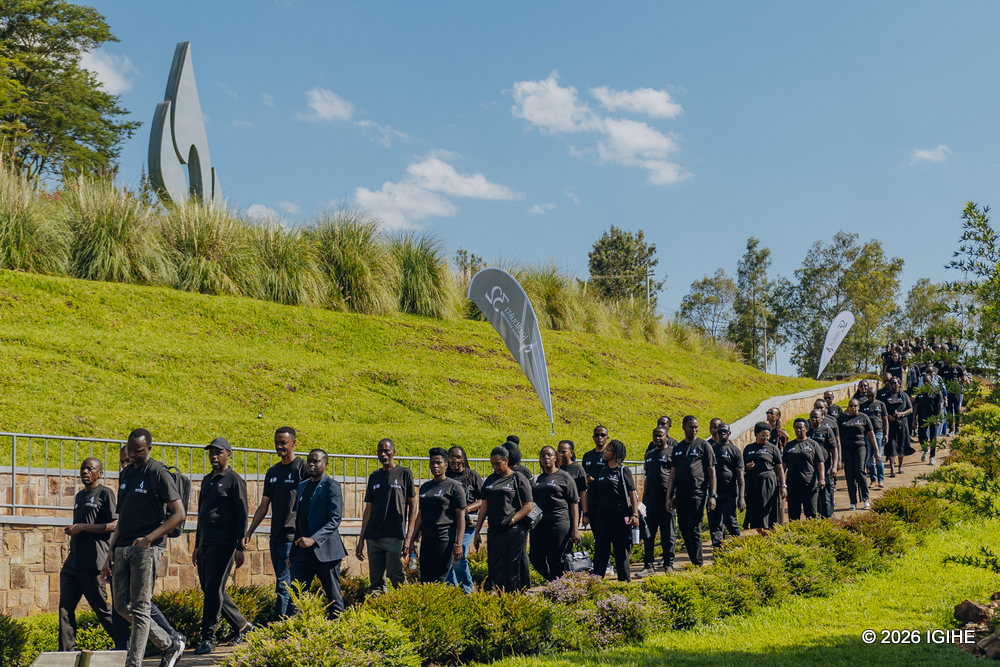
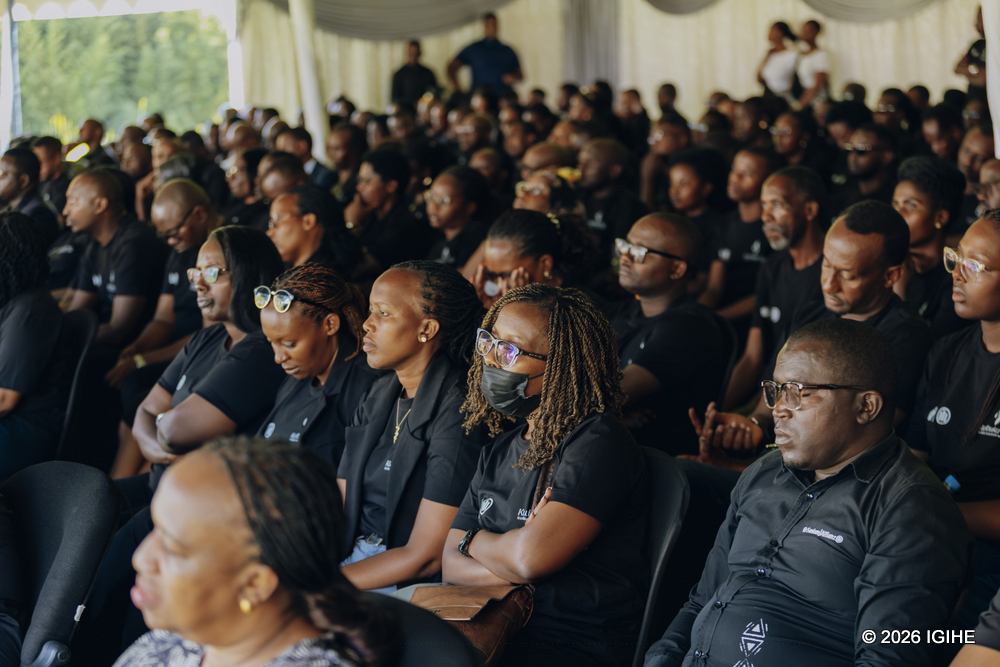
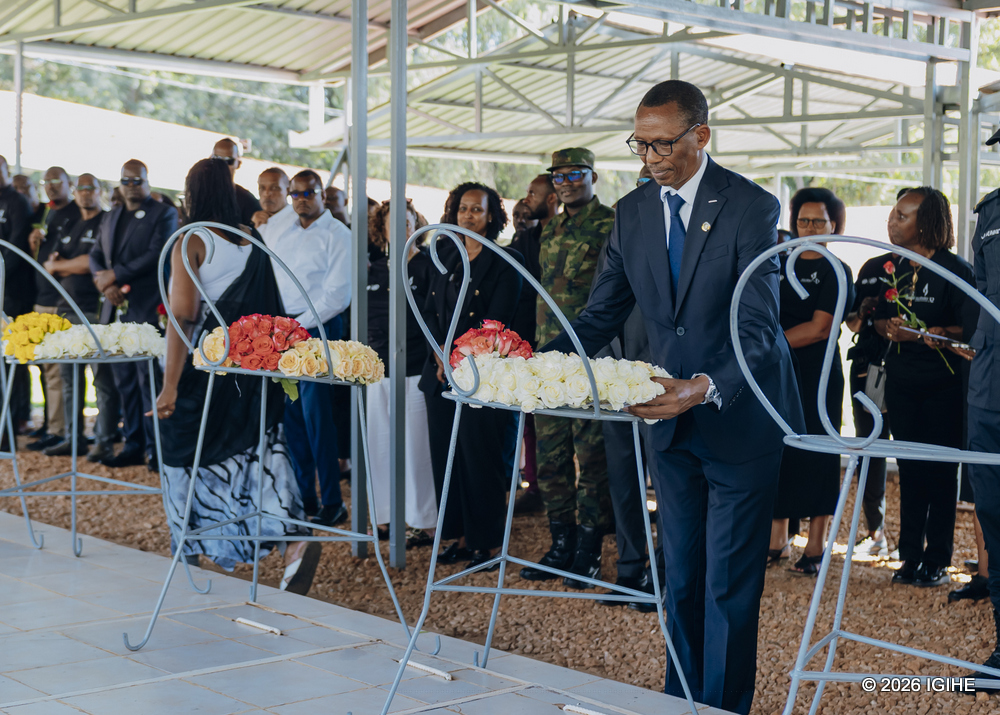
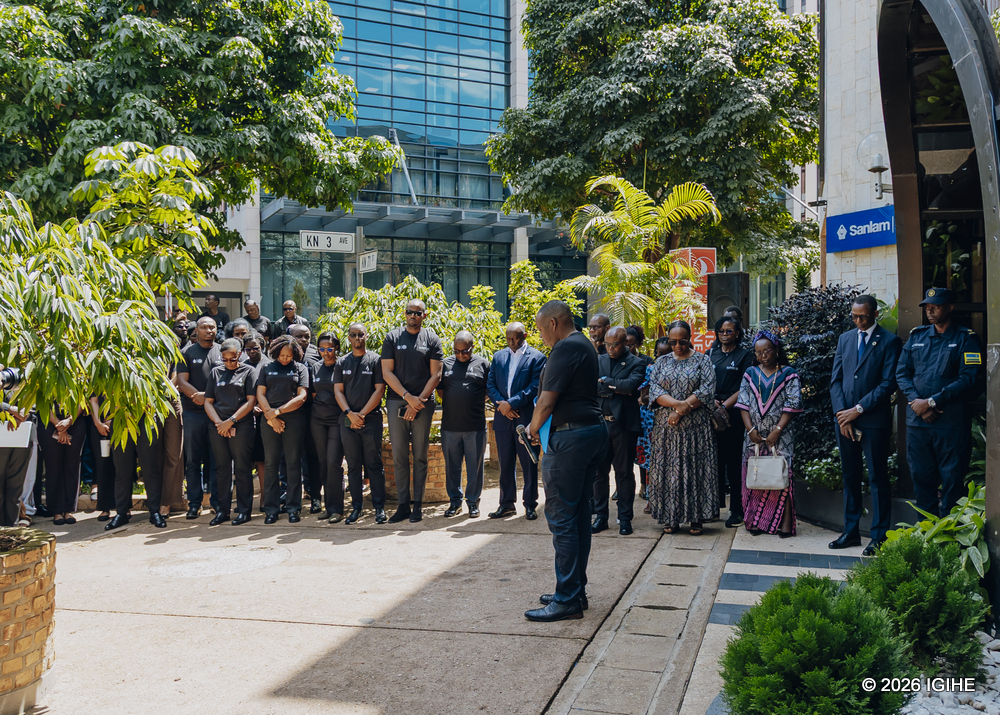
The commemoration took place on May 13, 2026, beginning with a flame of hope lighting ceremony, followed by a moment of silence in honour of the victims. The event was held at a memorial bearing the names of former SORAS employees, located at the headquarters of SanlamAllianz Rwanda.
Participants later proceeded to Nyanza Genocide Memorial in Kicukiro, where they laid wreaths and paid tribute to the victims buried there.
Speaking at the event, Ibuka Executive Secretary Ahishakiye Naphtal said SORAS’ history of employing Tutsi staff, and its continued remembrance of those who were killed, serves as an important lesson to companies and employees in general. He noted that during that period, many institutions in the country did not allow Tutsi to work.
“We appreciate that those we remember were among those who had the opportunity to get jobs, because in some institutions, being Tutsi made it impossible to be employed. Today, a company can appear to have been founded after the Genocide, yet it existed before it, built on a strong ideology that excluded Tutsi,” he said.
The Chairperson of the Board of SanlamAllianz Life Insurance PLC, Sebuhuzu Gisanabagabo, said remembrance is not just a ceremony but a responsibility and a value that helps build a better future for the country and prevent a return to its painful history.
“Remembering has deep meaning because we do not only remember numbers or names, but people who had lives, talents, professional skills and aspirations to build their country. We remember them to restore the dignity they were denied,” he said.
Kicukiro District official in charge of public services, Donatien Murenzi, urged young people to reject all forms of genocide ideology, to love their country, learn its history, and actively counter genocide denial and revisionism, especially on social media.
A representative of families who lost relatives working at SORAS, Uwonkunda Josiane, said the remembrance period remains emotionally difficult, but noted that SanlamAllianz continues to support the families of former employees.
In addition to the commemoration, SanlamAllianz Rwanda also donated Rwf 4 million to IBUKA to support health insurance coverage for some Genocide survivors.
So far, nine former SORAS employees, which later became SanlamAllianz, have been confirmed among those killed during the Genocide against the Tutsi in 1994.
The flame of hope was lit at the SanlamAllianz General Insurance PLC headquarters during the commemoration of former SORAS employees killed in the 1994 Genocide against the Tutsi.Families of former SORAS employees who were killed during the 1994 Genocide against the Tutsi honoured their loved ones and laid flowers at a memorial bearing their names.Employees of SanlamAllianz General Insurance Plc laid wreaths at graves containing the remains of victims of the 1994 Genocide against the Tutsi.Employees of SanlamAllianz General Insurance Plc have marked the 32nd commemoration of the 1994 Genocide against the Tutsi.SanlamAllianz staff also visited Nyanza Genocide Memorial in Kicukiro District, where they paid tribute to victims laid to rest there.Kicukiro District official in charge of public services, Donatien Murenzi, urged young people to reject all forms of genocide ideology.Chairperson of the Board of SanlamAllianz General Insurance Rwanda, Dr Sebuhuzu Gisanabagabo, said remembrance is about restoring dignity to people who were deprived of their lives.
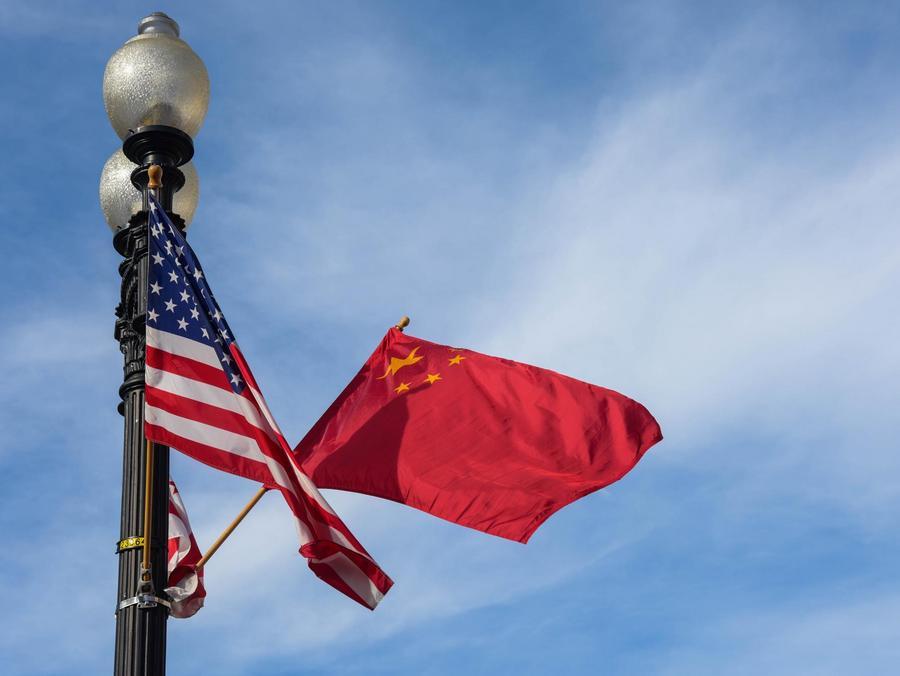
Against such a backdrop, the world is looking to the summit to send a clear signal that China and the United States are capable of managing differences, expanding cooperation and maintaining global stability.
From global trade and financial markets to climate governance and artificial intelligence, few major international issues can be effectively addressed without coordination between Beijing and Washington.
This is precisely why stable China-U.S. relations are of paramount importance — not only to the two countries, but to the world at large.
Since Trump returned to the White House, despite frictions in trade and technology, China and the United States have managed to maintain communication and prevent disputes from spiraling out of control. Head-of-state diplomacy has provided crucial strategic guidance in stabilizing relations at critical junctures.
Experience has repeatedly shown that when China and the United States strengthen dialogue and cooperation, the global economy gains confidence and international tensions ease. When communication breaks down, uncertainty abounds and spreads far beyond the bilateral sphere.
China has approached relations with the United States with consistency and a strong sense of responsibility as a major country. Beijing has emphasized that the two sides should uphold the spirit of equality, respect and mutual benefit — principles that reflect both the hard-earned lessons of decades of interaction and the practical realities of today’s world.
China understands clearly that competition between major countries is inevitable. But competition does not necessarily lead to confrontation, much less conflict. Managing differences through dialogue is not a sign of weakness; it is the rational choice expected of responsible major countries.
At the same time, China has continued to demonstrate openness to cooperation. Economic ties between the two countries remain deeply intertwined. Cooperation in areas such as counternarcotics, people-to-people exchanges and sub-national cooperation is also ongoing. These interactions underscore a simple reality: China-U.S. cooperation serves the interests of both peoples and the needs of the international community.
Of course, differences remain. Issues related to trade, technology and security continue to test the relationship. History has shown that unilateral pressure, attempts at “decoupling,” or zero-sum thinking cannot provide lasting solutions. The nature of China-U.S. economic relations is fundamentally one of mutual benefit. Trade and technology wars produce no real winners.
For bilateral ties to move forward steadily, both sides must manage disagreements on the basis of equality and mutual respect. China welcomes a confident, open and prosperous United States.
Likewise, Washington should view China’s development in a rational and objective manner, respect China’s core interests, and work with China to expand areas of cooperation while properly managing differences.
The world today faces mounting challenges: sluggish economic recovery, geopolitical conflicts, climate risks and rapid technological disruption. The international community increasingly looks to major countries for stability, coordination and leadership.
As permanent members of the UN Security Council and the world’s two largest economies, China and the United States have a special responsibility to provide greater certainty and more public goods to the world.
A single summit will not resolve every issue between Beijing and Washington. But it can help strengthen communication, rebuild confidence and reaffirm a basic truth: stable China-U.S. relations are essential not only to the interests of both countries, but also to global peace and prosperity.
Transformation not seen in a century is accelerating across the globe, and the international situation is fluid and turbulent, said Xi.
“Can China and the United States overcome the Thucydides Trap and create a new paradigm of major-country relations? Can we meet global challenges together and provide greater stability for the world? Can we build a bright future together for our bilateral relations in the interest of the well-being of the two peoples and the future of humanity? These are the questions vital to history, to the world and to the people,” said Xi.
They are the questions of the times that the leaders of major countries need to answer together, he added.
“I look forward to working together with you to set the course and steer the giant ship of China-U.S. relations, so as to make 2026 a historic, landmark year that opens up a new chapter in China-U.S. relations,” he said.
“I have agreed with President Trump on a new vision of building a constructive China-U.S. relationship of strategic stability,” Xi said.
The new vision will provide strategic guidance for bilateral relations over the next three years and beyond, and should be welcomed by the people of both countries as well as the international community, he said.
The “constructive strategic stability” should be a positive stability with cooperation as the mainstay, a sound stability with moderate competition, a constant stability with manageable differences, and an enduring stability with promises of peace, Xi said.
The building of a constructive China-U.S. relationship of strategic stability should not be a mere slogan, but concrete action taken by both sides toward the same goal, he added.
China-U.S. economic ties are mutually beneficial and win-win in nature, said Xi. “Where disagreements and frictions exist, equal-footed consultation is the only right choice,” he said.
Xi revealed that the economic and trade teams of the two countries produced “generally balanced and positive outcomes” in the latest round of bilateral trade talks on Wednesday.
“This is good news for the people of the two countries and the world,” he said, calling on the two sides to sustain the good momentum that they have worked hard to create.
Noting that China will only open its door wider, Xi said American companies are deeply involved in China’s reform and opening up, and the U.S. side is welcome to enhance mutually beneficial cooperation.
“The two sides should implement the important consensus we have reached, and make better use of communication channels in the political, diplomatic and military-to-military fields,” Xi said.
The two countries should also expand exchanges and cooperation in areas such as the economy and trade, health, agriculture, tourism, people-to-people ties and law enforcement, he added.
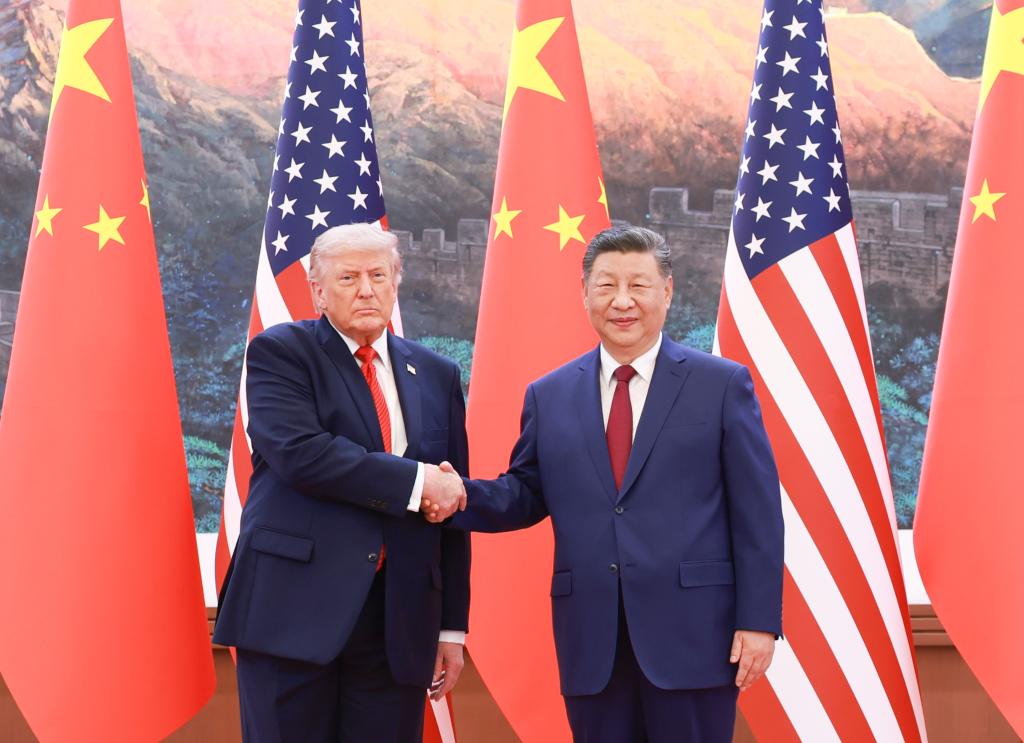
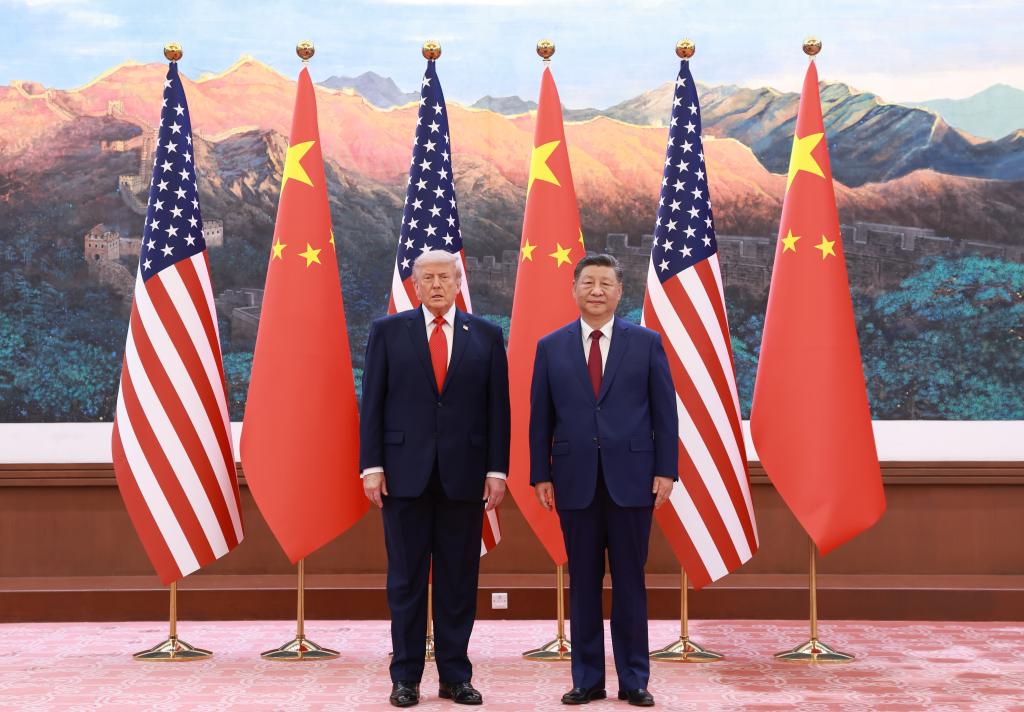
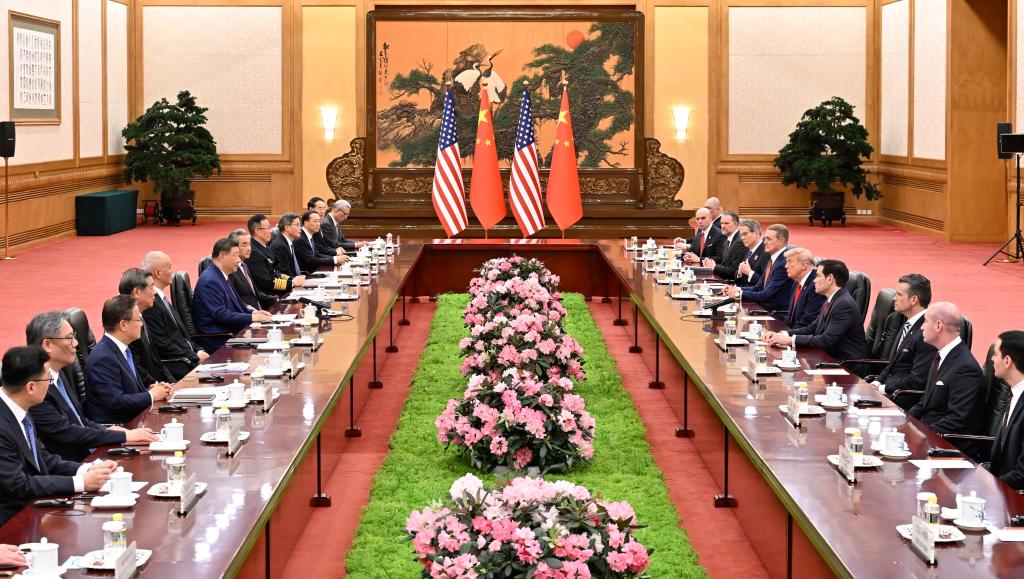
Chinese President Xi Jinping holds talks with U.S. President Donald Trump, who is on a state visit to China, at the Great Hall of the People in Beijing, capital of China, May 14, 2026. (Xinhua/Ding Lin)Chinese President Xi Jinping holds talks with U.S. President Donald Trump, who is on a state visit to China, at the Great Hall of the People in Beijing, capital of China, May 14, 2026. (Xinhua/Yin Bogu)Chinese President Xi Jinping holds talks with U.S. President Donald Trump, who is on a state visit to China, at the Great Hall of the People in Beijing, capital of China, May 14, 2026. (Xinhua/Ding Lin)
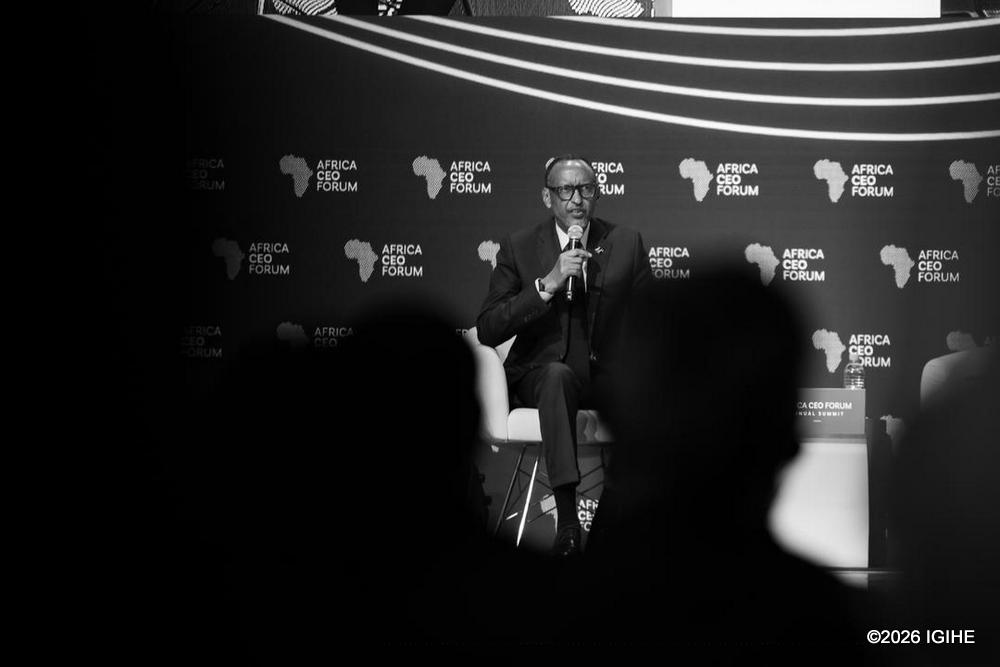
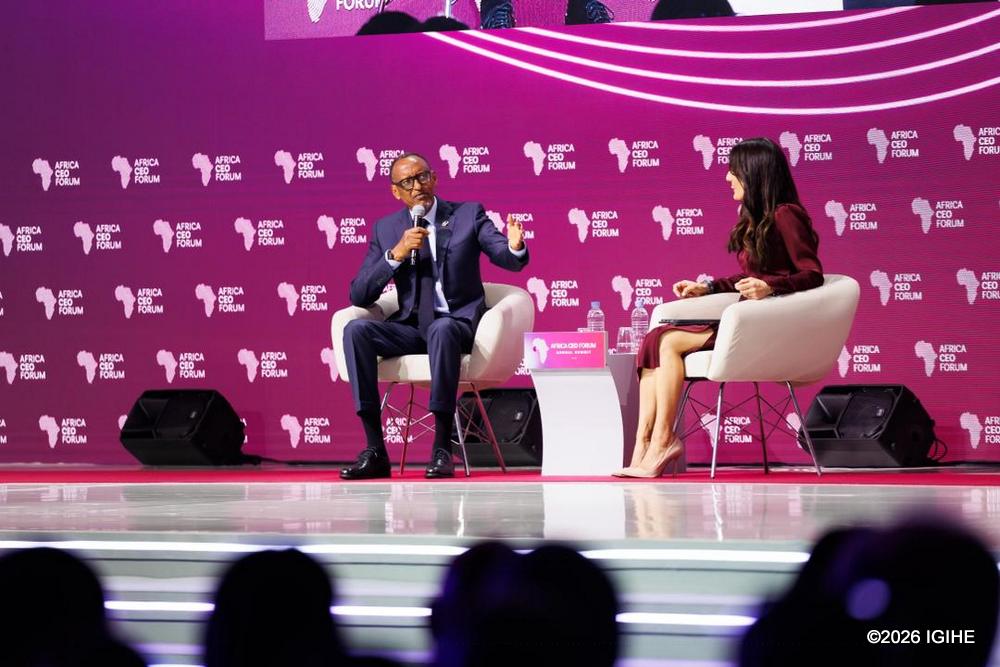
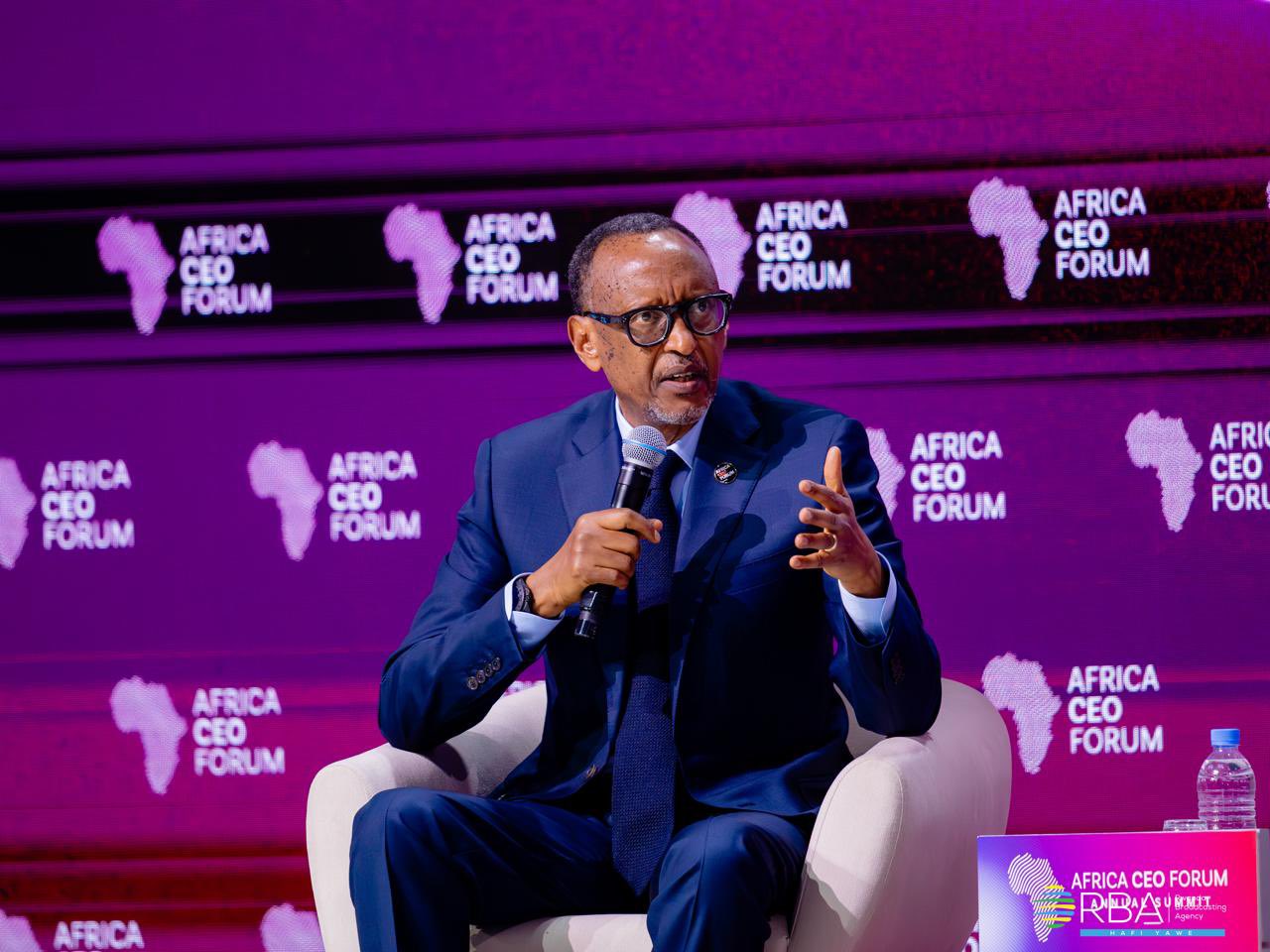
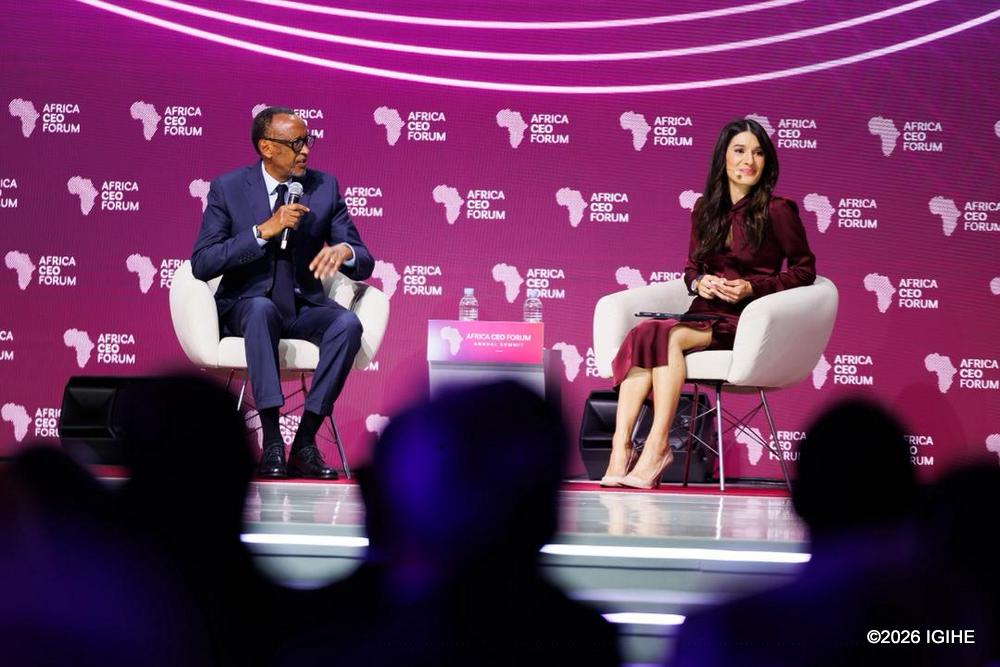
Kagame made the remarks during a conversation with CNN correspondent, Eleni Giokos at the opening of Africa CEO Forum 2026 in Kigali on Wednesday, May 14, 2026.
When asked about the often chaotic and undignified tone of social media used by global leaders, Kagame offered a calm and pragmatic view.
“The media has been democratized. I think it is important,” he said. “Everyone can express themselves and they will be heard. If you are wrong, there will be somebody to tell you, no, no, no, that’s not right. When it is right, people will say, wait a minute, I think there is a point here that we should be thinking about.”
Kagame acknowledged that social media lacks the decorum of traditional communication but argued it has opened up space and broken old conditioning.
He said the platform allows people to receive both criticism and advice directly.
“It has been so open that we have gone beyond having this narrow sense of being guided to things without sometimes thinking,” he noted.
When pressed on whether some of the things he sees on social media shock him, Kagame replied calmly: “I am not shocked. I said I have been immunized today. I am not shocked. I understand where the world we live in. It has changed.”
He added that after the last 30 years in leadership, he has come to accept that many things that would once have been shocking no longer are.
Leaders, he suggested, should scan information, make sense of it, and decide how to use it responsibly.
The President’s comments reflect a measured approach to the digital public square, contrasting with many leaders who often complain about or avoid social media altogether.
Kagame praised social media as a democratized platform for global expression and accountability during a conversation with CNN correspondent.
The head of state made the remarks on Thursday during the opening of the Africa CEO Forum 2026 in Kigali.
Speaking in conversation with CNN journalist Eleni Giokos, Kagame addressed the current geopolitical tensions facing Rwanda and other African nations, framing sanctions as part of a broader pattern of external control over the continent’s resources.
Kagame argued that sanctions are frequently applied based on self-interest rather than principle.
“Sometimes sanctions are just applied in a case of one who provides less than the other,” he said. “So it was in the favor of the highest bidder. When somebody knows they will extract more from a certain place, they will be more favorable to that place, even if they are the ones in the wrong.”
He pointed to the open nature of this power dynamic, stating that major powers no longer hide their intentions.
“The powers that be are holding a whip in their hands, using a stick to beat up whoever they want to beat up. They’re no longer even hiding it. It’s just in the open.”
The President highlighted what he sees as hypocrisy in how some Western powers engage with Africa. He noted that the same actors who lecture African countries on democracy and human rights are simultaneously engaged in resource extraction.
“These powers you see that come here lecturing people on democracy, human rights, and they are doing it with one arm and with the other, they are just taking away everything that people own,” he stated.
“…We can’t just be people who are waiting to be ripped off by somebody who is shrewd enough and has the power to come. No, we must be able to say no,” Kagame added.
Addressing Rwanda’s own situation — facing U.S. sanctions since March this year linked to the conflict in the Democratic Republic of Congo — Kagame made it clear that capitulation was not an option. “I never capitulated in a worse situation,” he stated.
“This is not a bad situation as such. Well, it hurts, absolutely. And that’s what it is meant to do… But I think we would be hurt more by not doing what we are doing.”
He emphasized that saying “no” to unfair deals carries a short-term cost but serves long-term interests.
“It is not so difficult to say no. In fact, it costs more to say yes to the wrong thing.”
Kagame cited recent examples from the continent where leaders pushed back against unbalanced mineral deals tied to infrastructure or social programs, mentioning countries such as Zimbabwe, Zambia, and Ghana.
He called for greater African unity and collective action, suggesting African leaders need a stronger coordinated mechanism to protect their interests.
“These pressures… are not entirely bad. I think they force Africa to look within.”
The President concluded his remarks on the subject by expressing long-term confidence, stating that exploitative arrangements ultimately do not last.
“Even those who have been given the gift of messing us up, one day they will not live long enough to see the gains from exploiting people or doing unjust things.”
Jean-Guy Afrika, Chief Executive Officer of the Rwanda Development Board (RDB), said Africa must accelerate execution and strengthen collaboration between governments and the private sector to turn the continent’s potential into real economic scale.
He highlighted Kagame’s emphasis on shared ownership, noting that Africa’s ambitions cannot be achieved through isolated efforts but through coordinated action and cross-border cooperation.
Afrika also pointed to the need for reducing barriers to investment, improving predictability, and building stronger regional markets to support growth.
“The Africa CEO Forum has become a platform where Africa’s public and private sector leaders come together to shape a common agenda for growth, investment, partnership and execution,” he said.
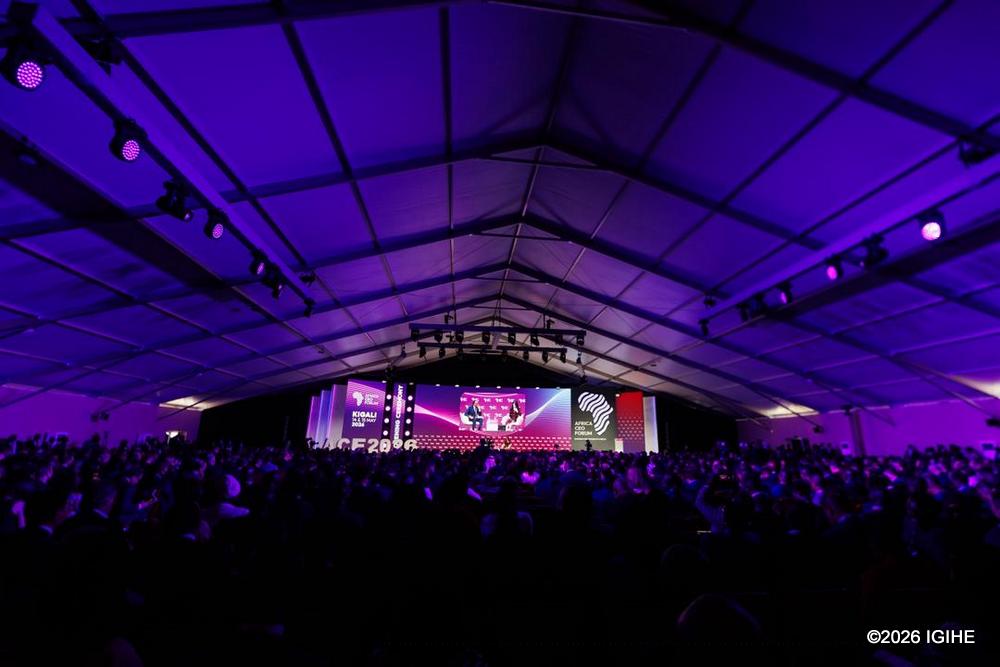
The 2026 edition of the Africa CEO Forum 2026 runs from May 14–15 at Kigali Convention Centre, bringing together some of the continent’s most influential business and political leaders.
Held under the theme “The Scale Imperative: Why Africa Must Embrace Shared Ownership,” the forum is expected to attract more than 2,000 participants from over 75 countries, including CEOs, investors, heads of state, ministers and development finance institutions.
The 2026 edition of the Africa CEO Forum 2026 kicked off on May 14 at Kigali Convention Centre.President Kagame has urged African unity and self-reliance, saying the continent must resist unfair external deals and protect its interests.