One of the festival’s major attractions was screenings of SHENZHOU 13, China’s first 8K movie filmed in space. Based on the six-month orbital mission of the Shenzhou-13 astronauts aboard China’s space station, the film showcased panoramic views of Earth and intimate scenes of life in orbit.
The project was filmed using fully domestically developed 8K ultra-high-definition cameras, marking a milestone in China’s space-based filmmaking capabilities.
China’s participation in the festival also extended to advanced medical technology.
In a keynote lecture titled “Intelligent Hybrid Operating Room,” Wang Lei from the Shenzhen Institutes of Advanced Technology under the Chinese Academy of Sciences introduced Bulgarian audiences to international innovations in artificial intelligence-assisted surgical and interventional operating rooms. He also presented the latest Chinese research integrating operating room systems, robotics and surgeon information technologies.
Speaking at the event on Saturday, Chinese Ambassador to Bulgaria Dai Qingli highlighted the expanding scientific and technological cooperation between China and Bulgaria in recent years.
“From the vastness of space to the frigid Antarctic, from frontier sectors such as quantum information and artificial intelligence to areas close to people’s daily lives such as agriculture and health, scientists and engineers from China and Bulgaria are joining hands in an increasingly wide range of fields,” she said.
According to the organizer, the Beautiful Science Foundation, the festival aims to promote science and technology through discussions, demonstrations, workshops and interdisciplinary events connecting science and art, while bringing together leading Bulgarian and international researchers.
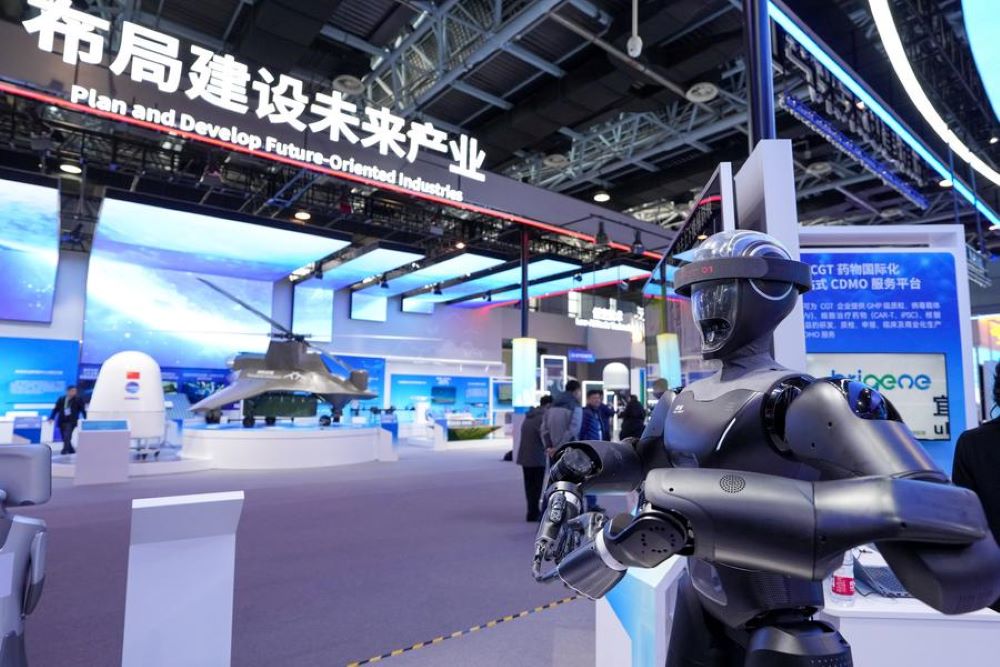
A humanoid robot poses during a permanent exhibition at the Zhongguancun Exhibition Center in Beijing, capital of China, March 28, 2025. (Xinhua/Ju Huanzong)
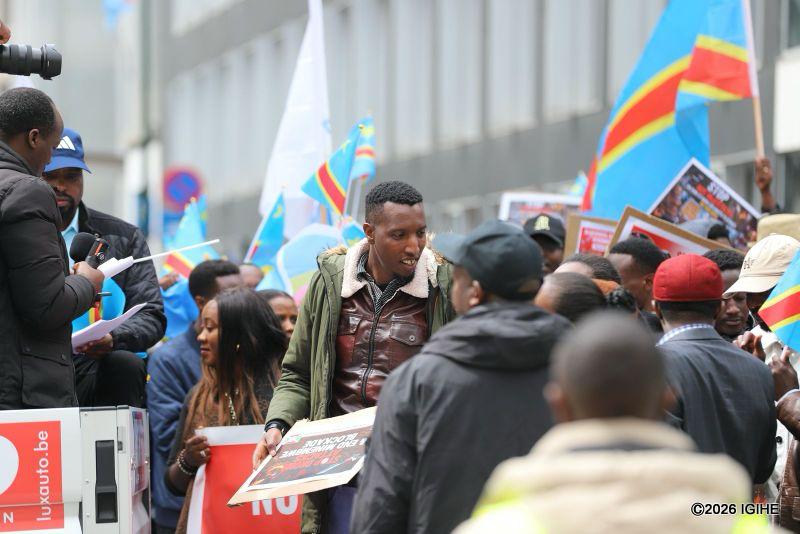
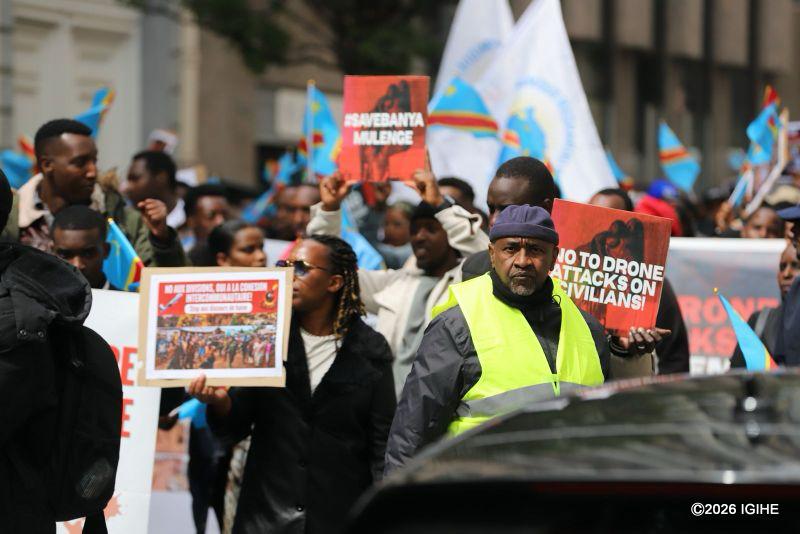
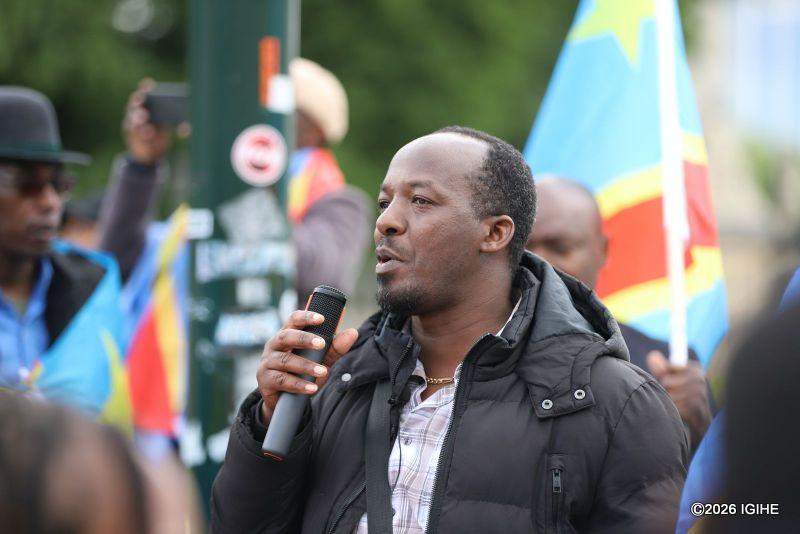
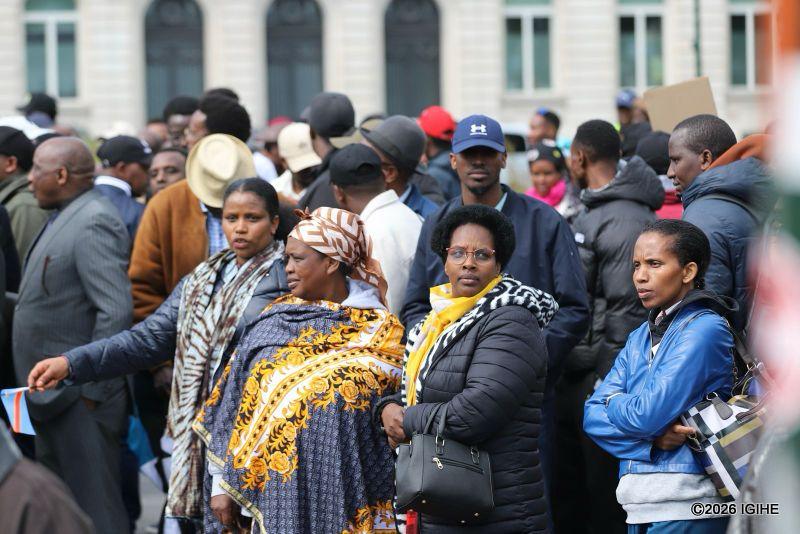
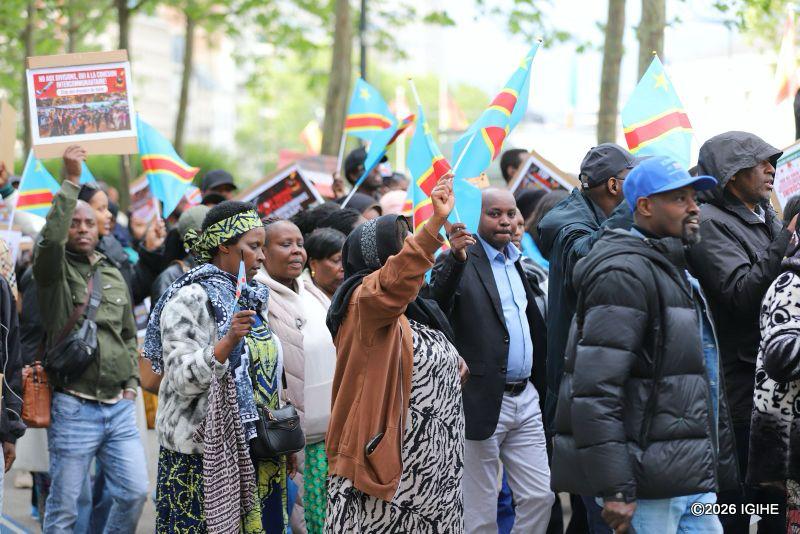
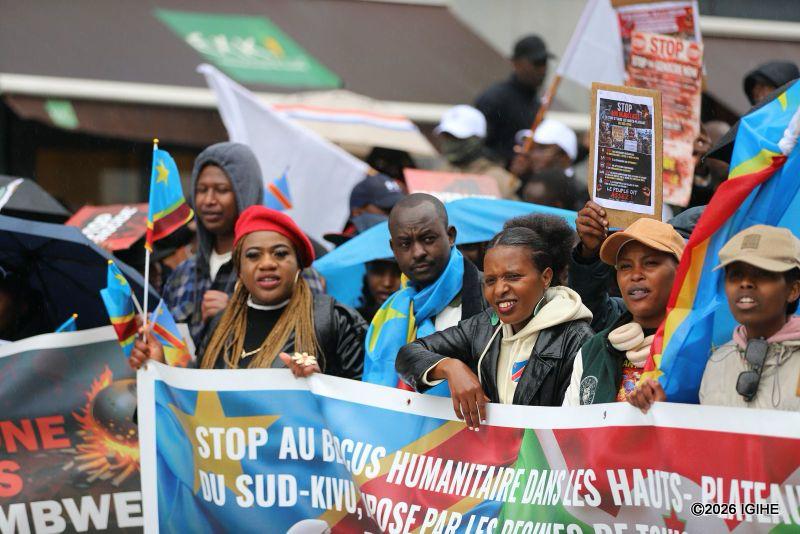
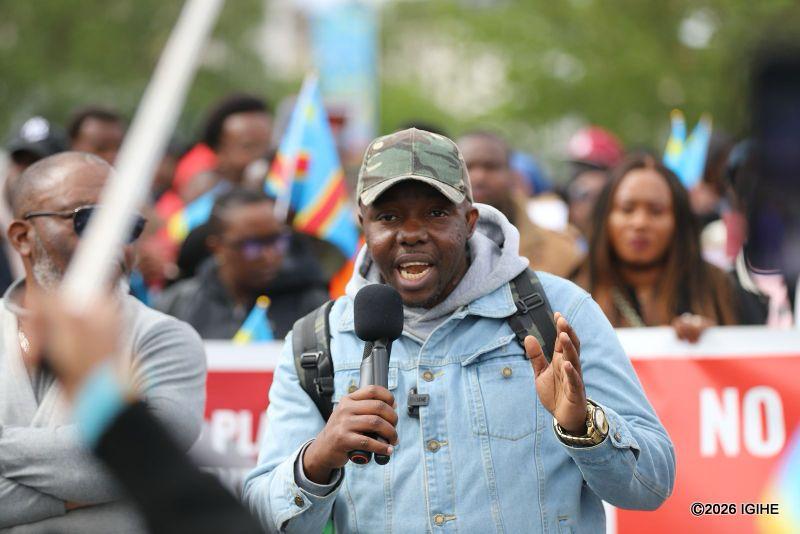
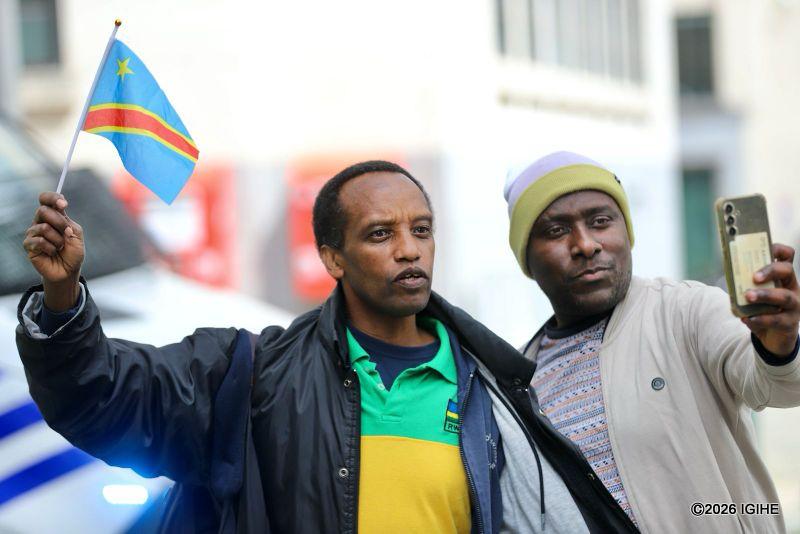
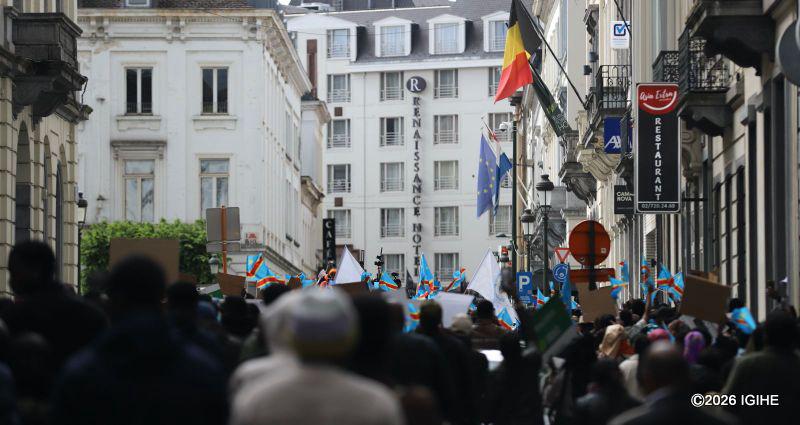
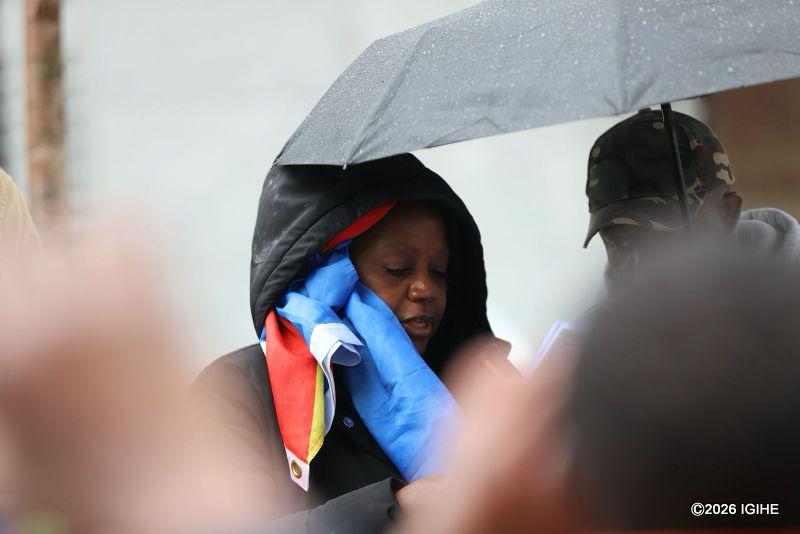
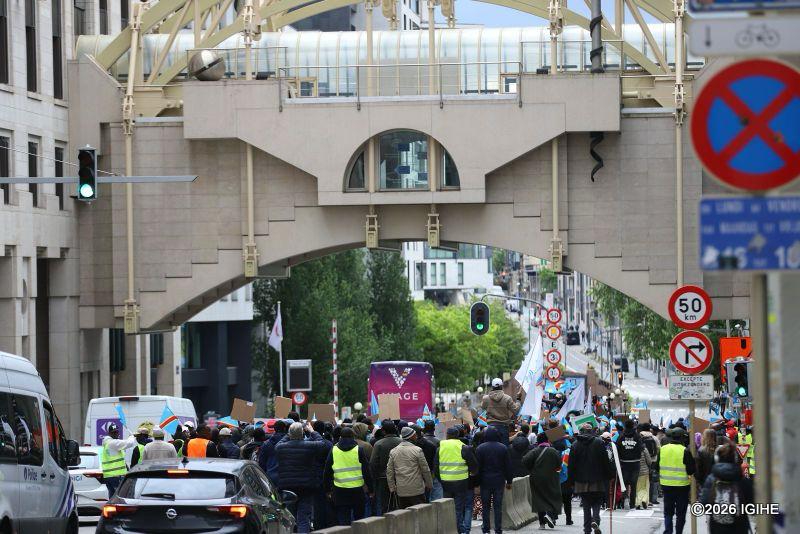
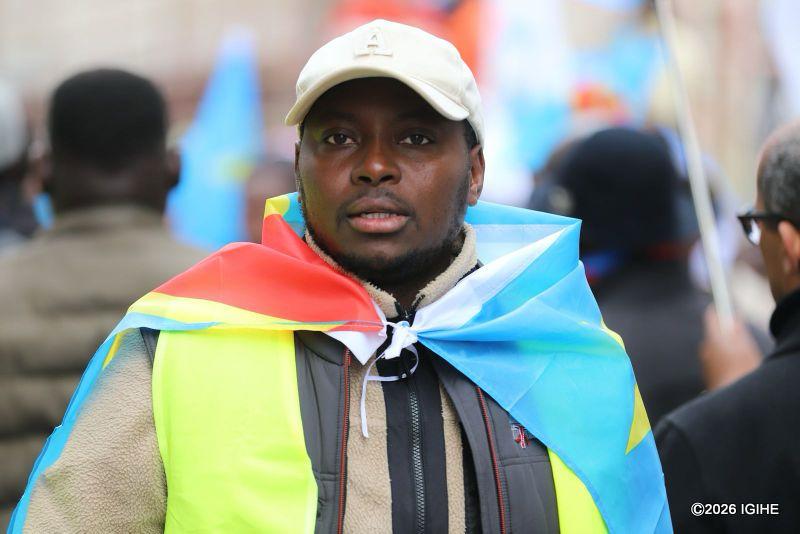
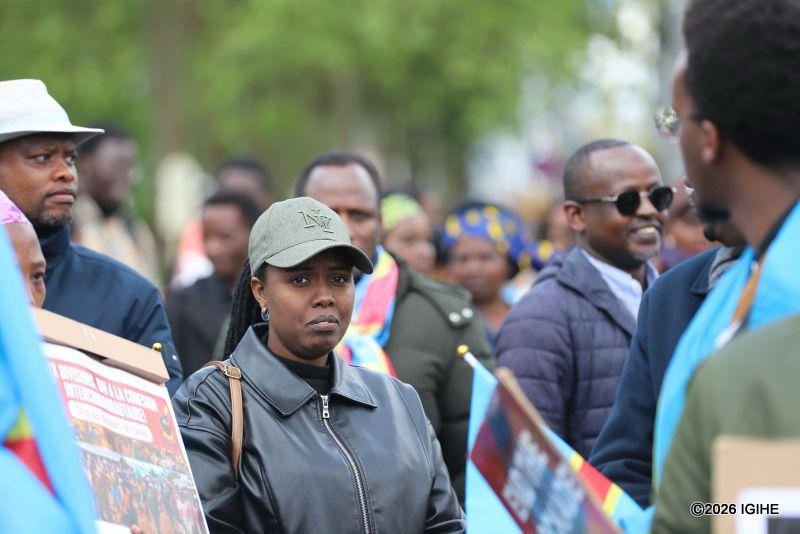
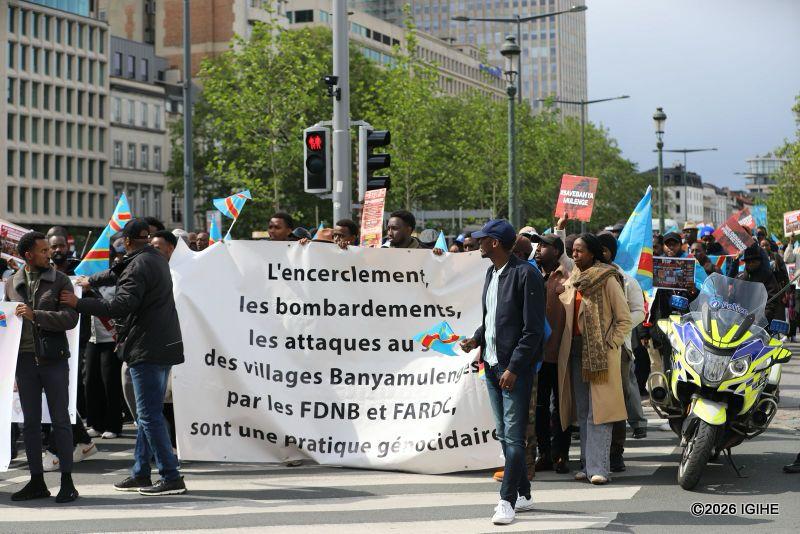
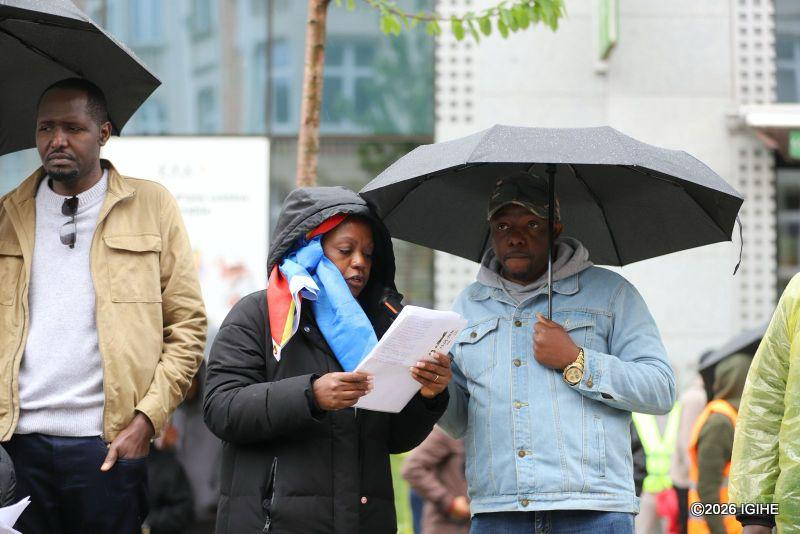
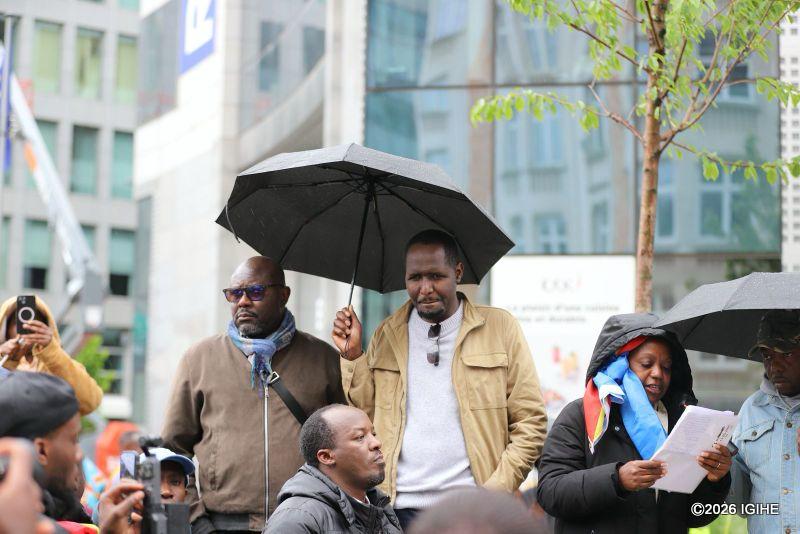
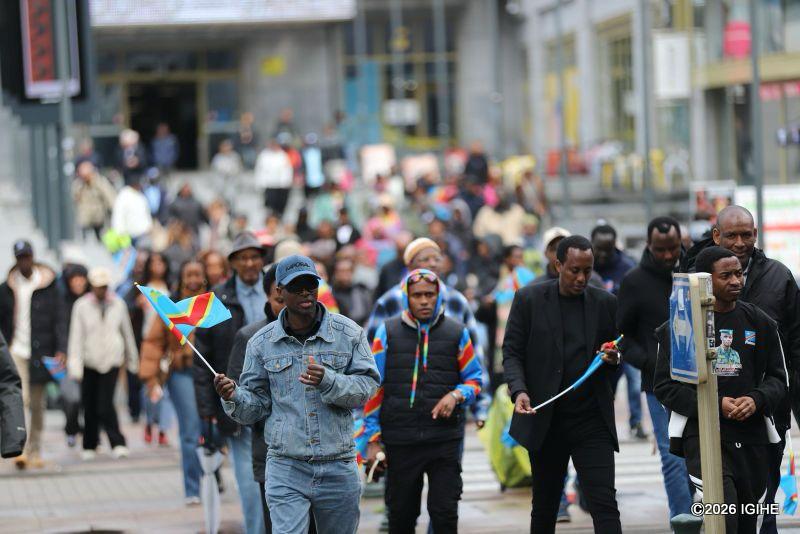
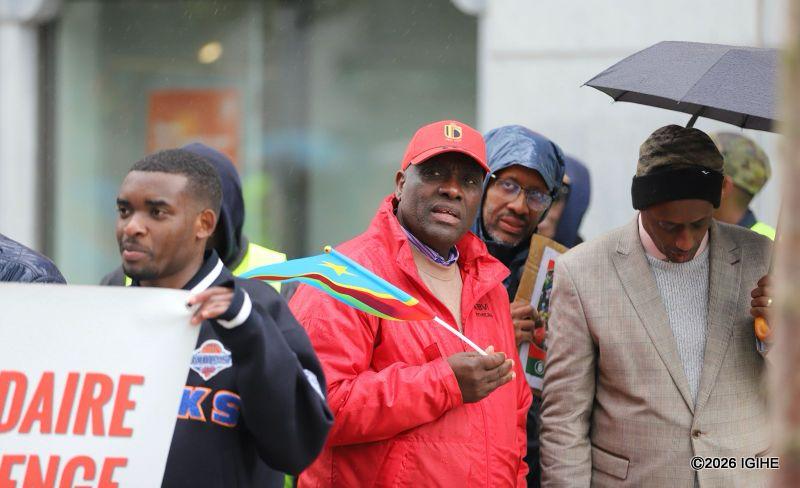
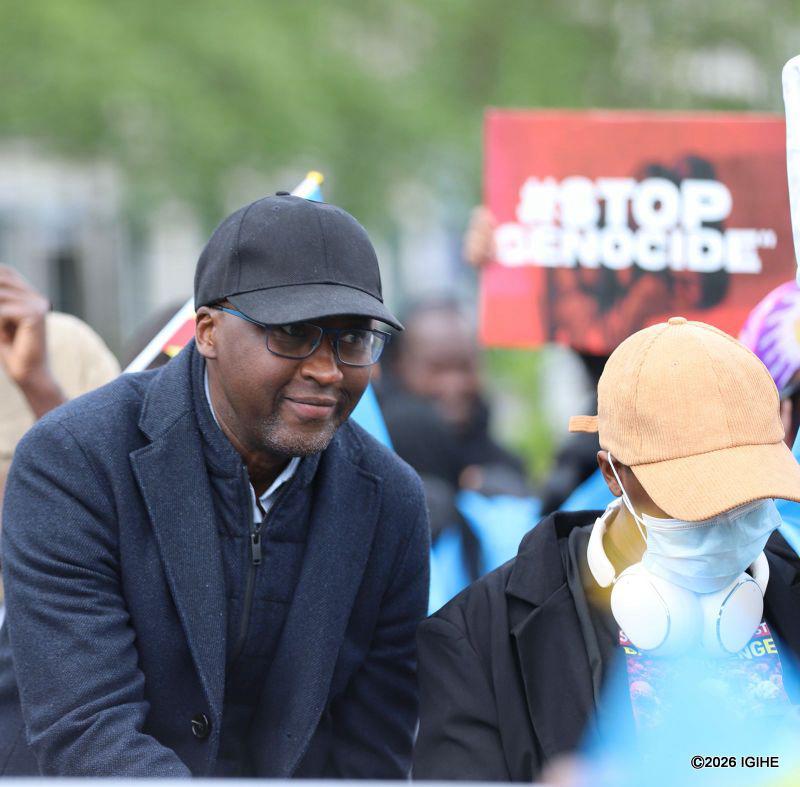
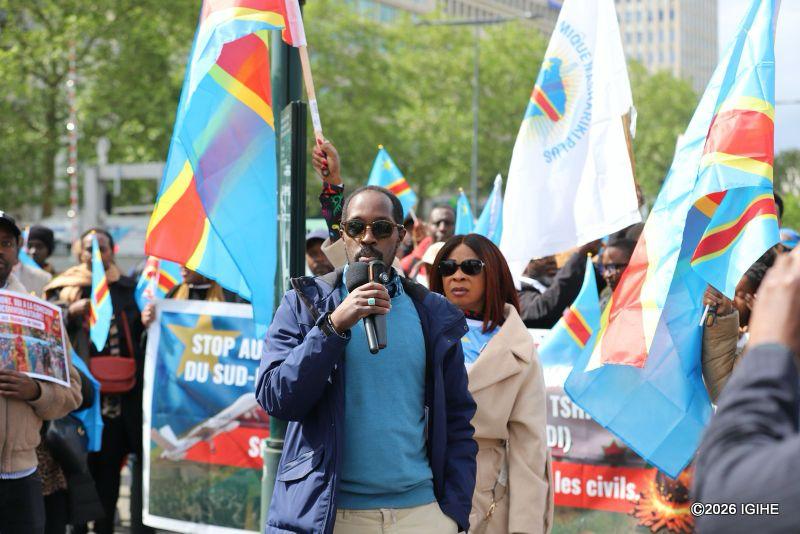
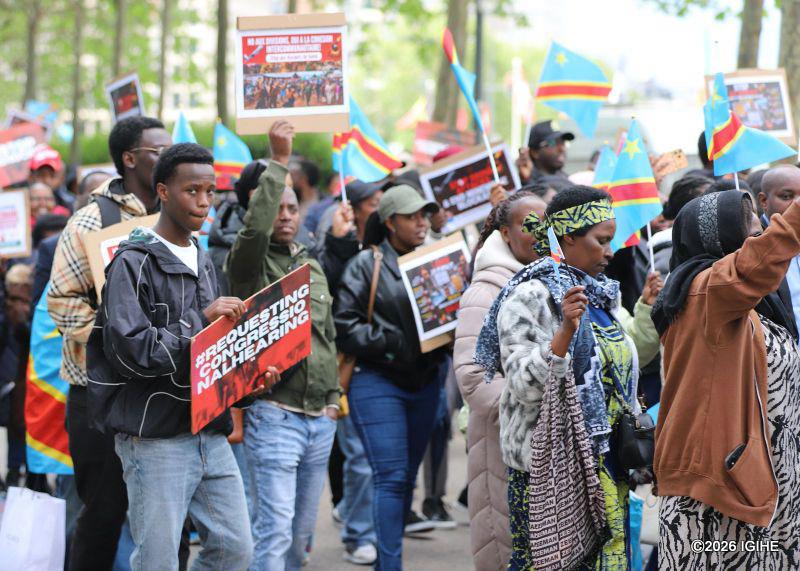
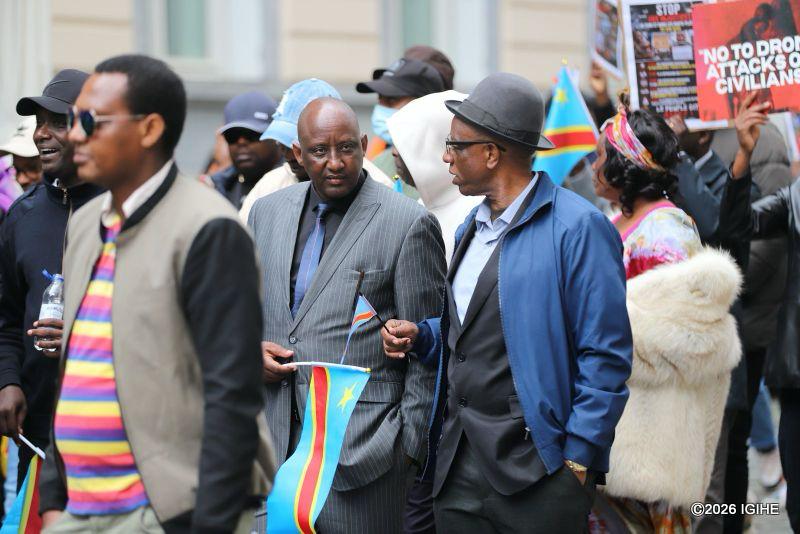
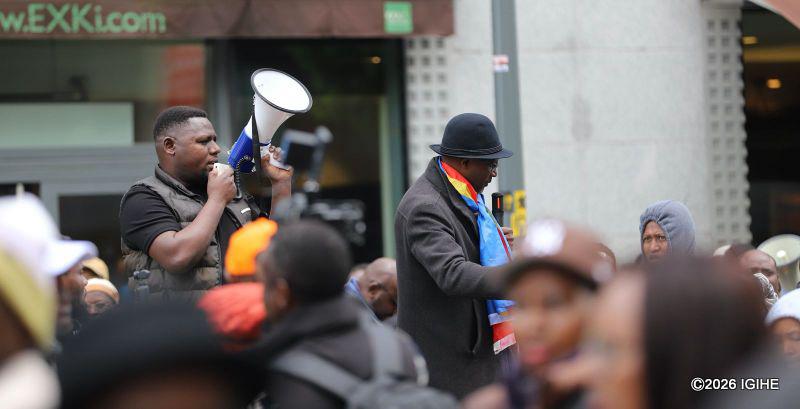
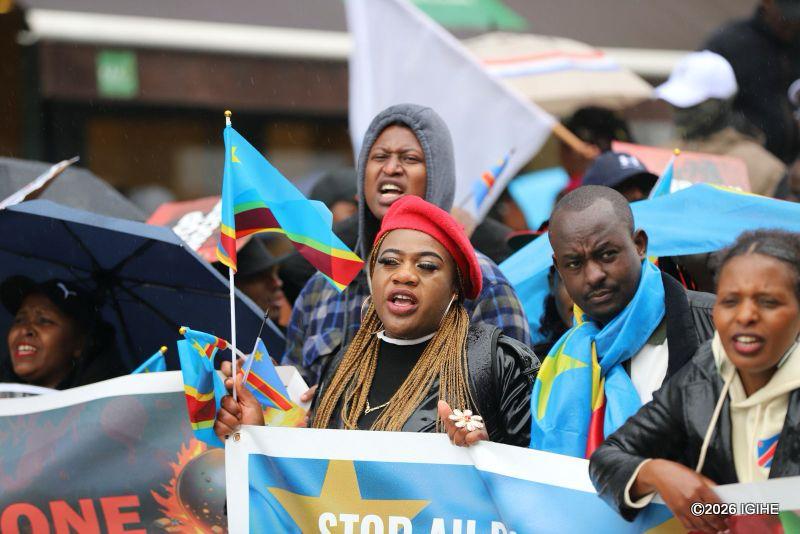
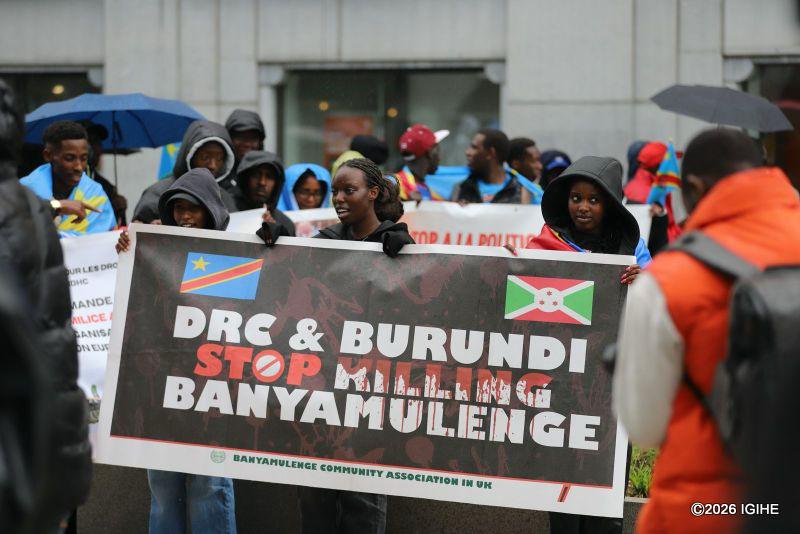
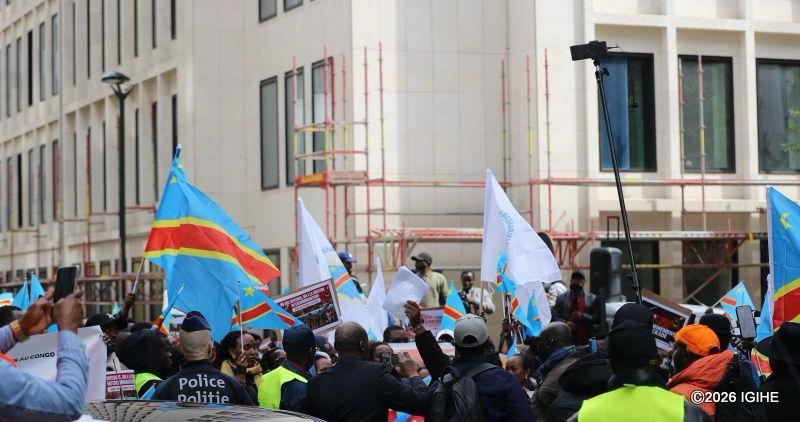
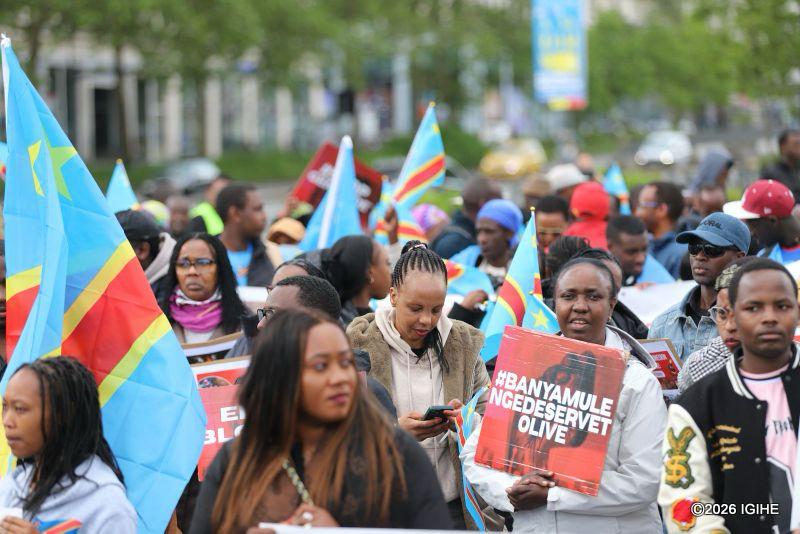
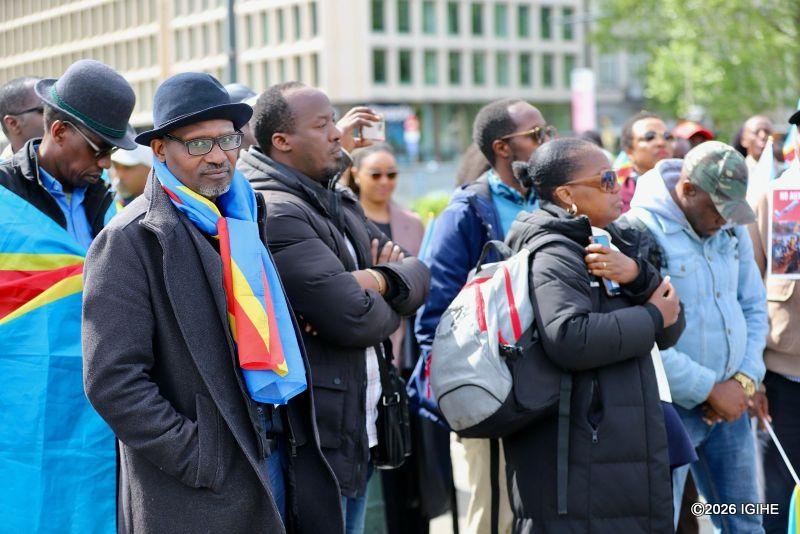
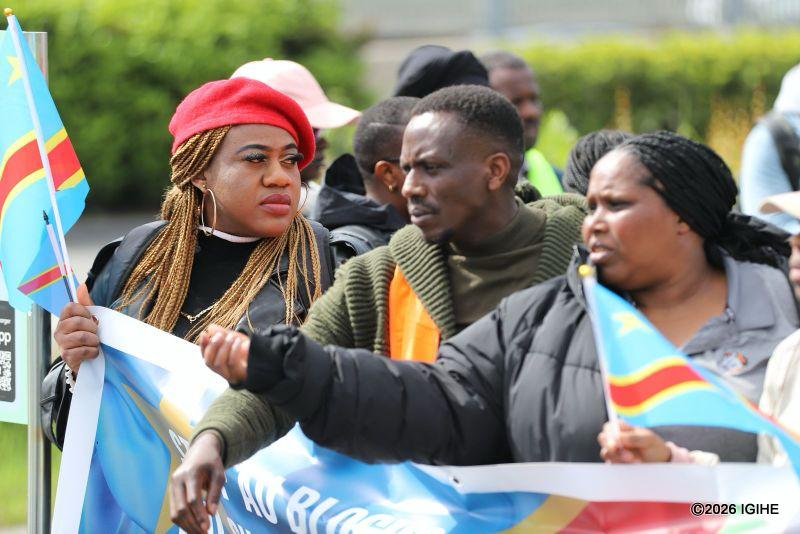
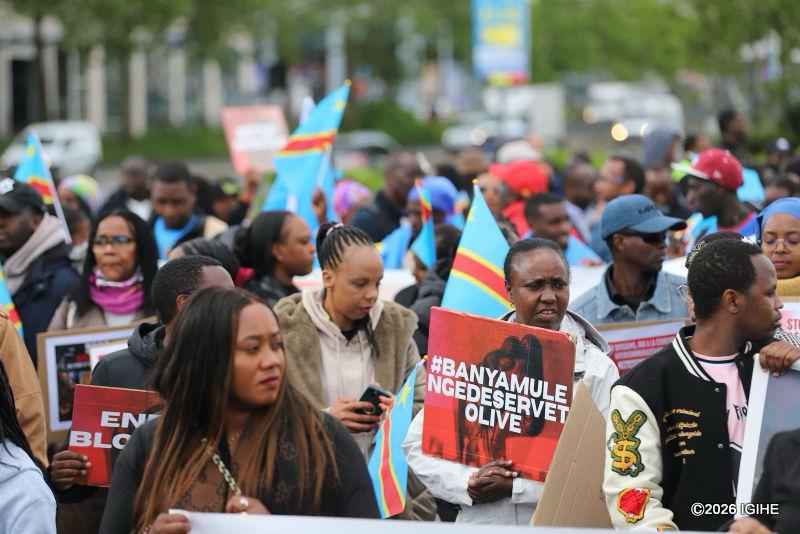
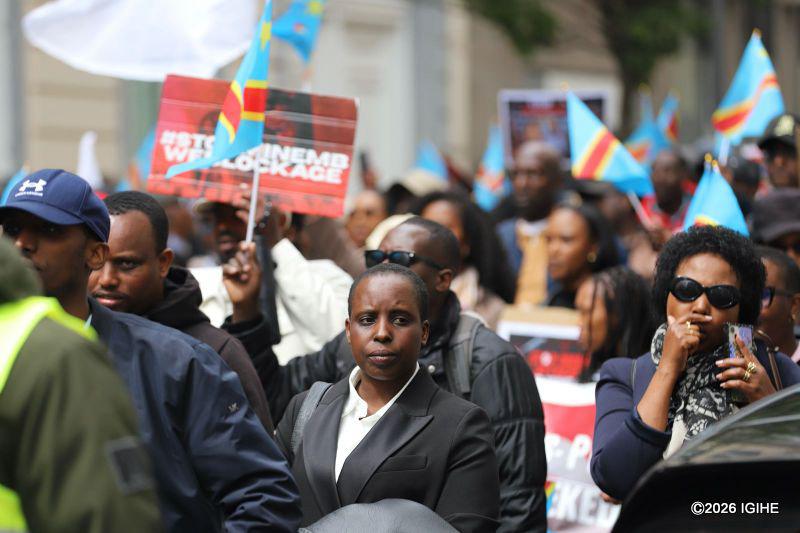
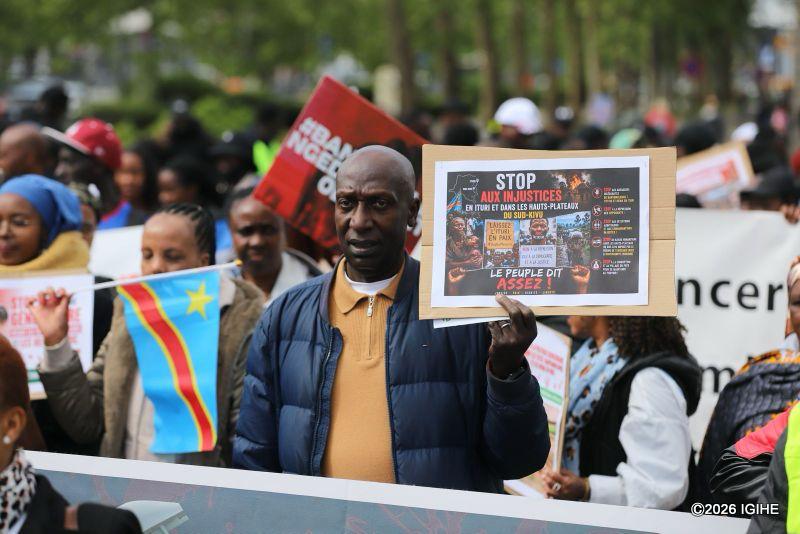
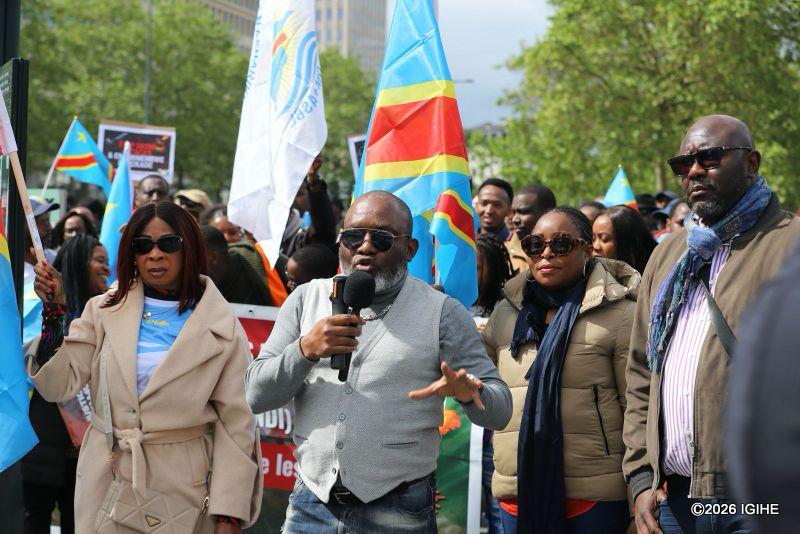
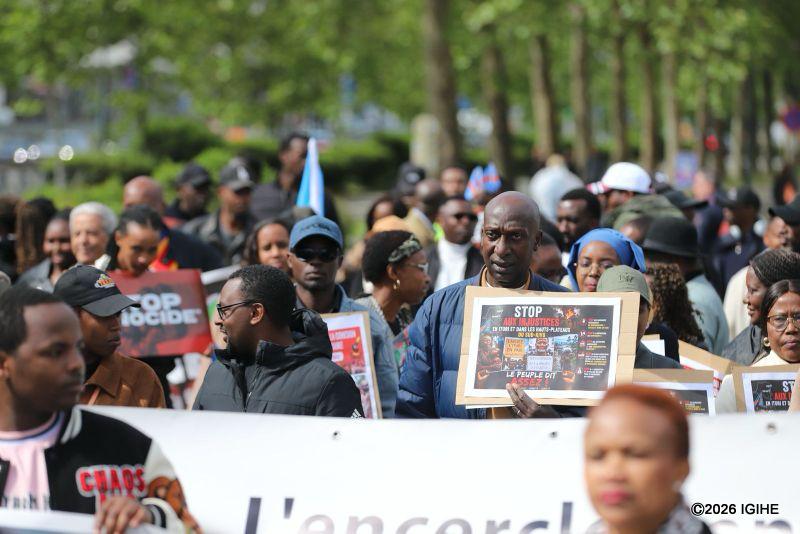
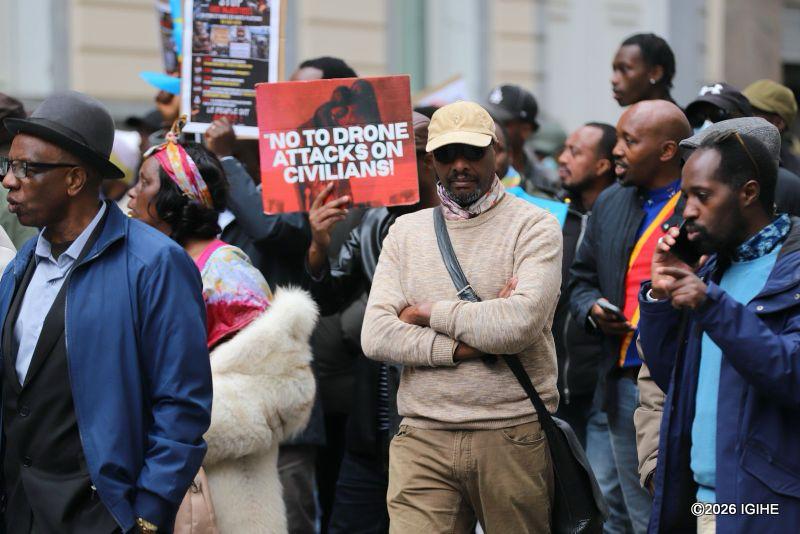
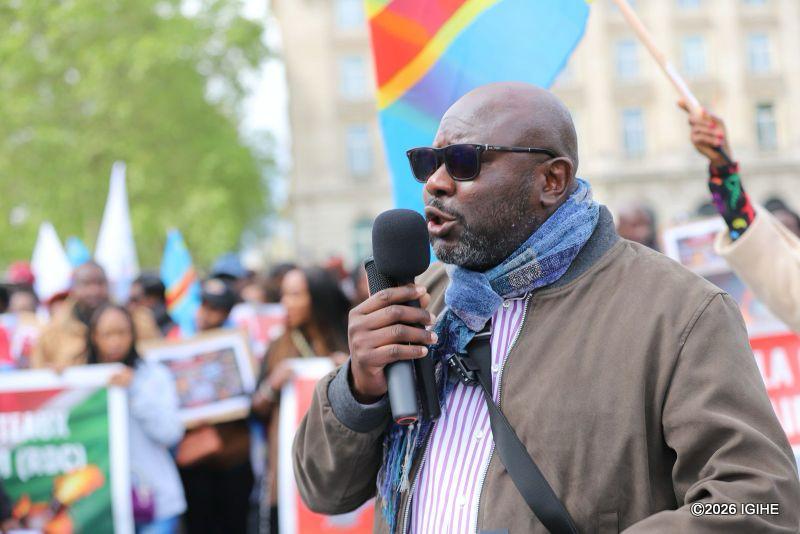
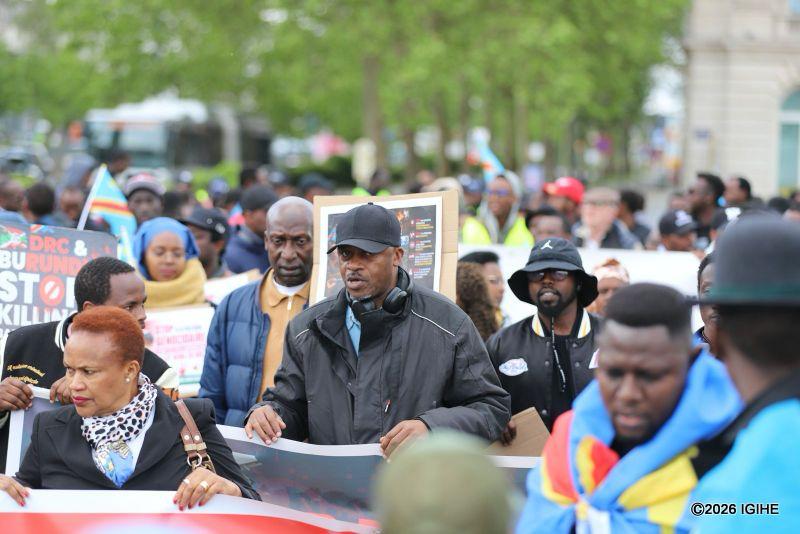
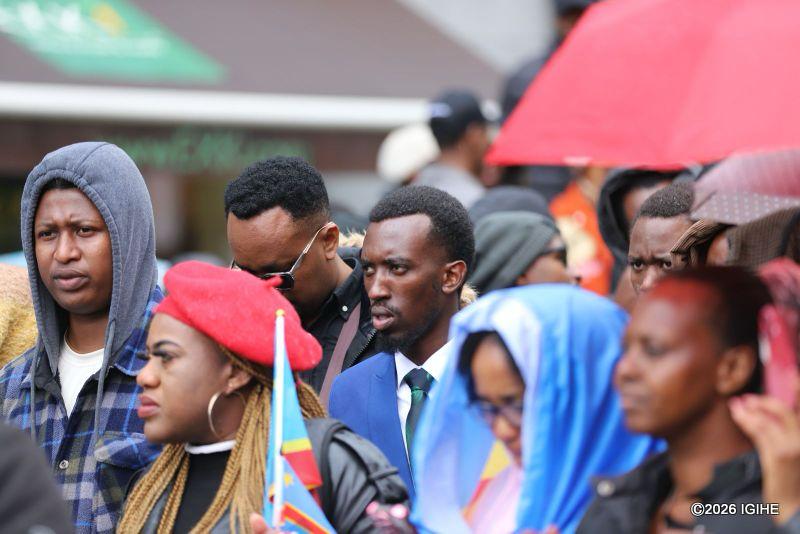
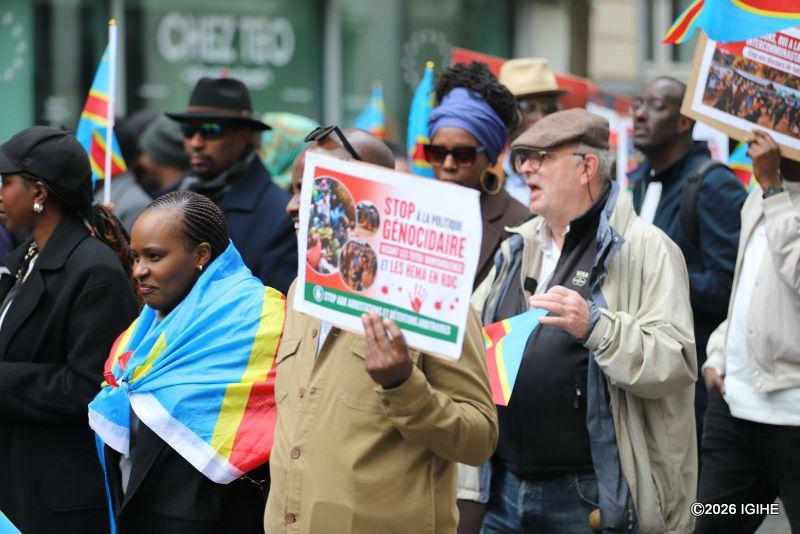
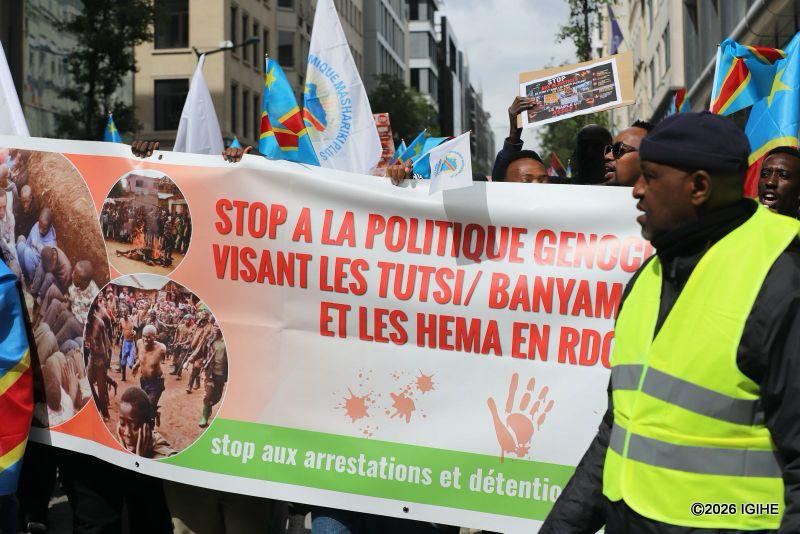
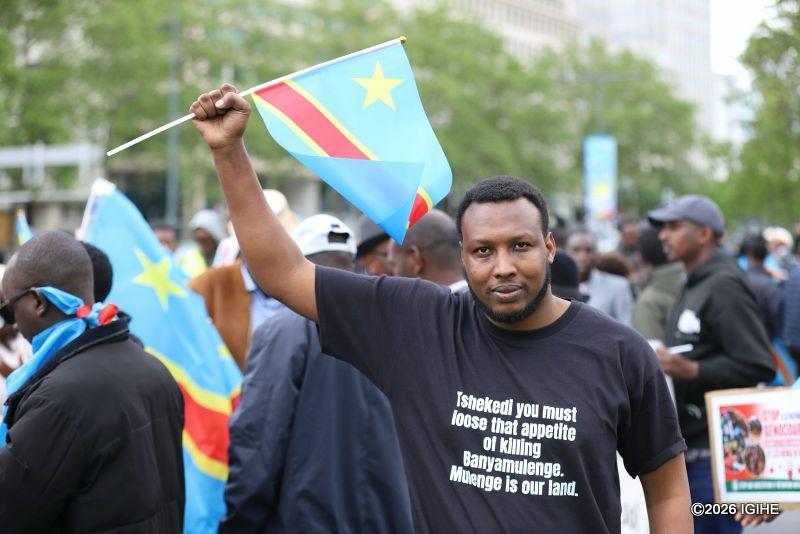
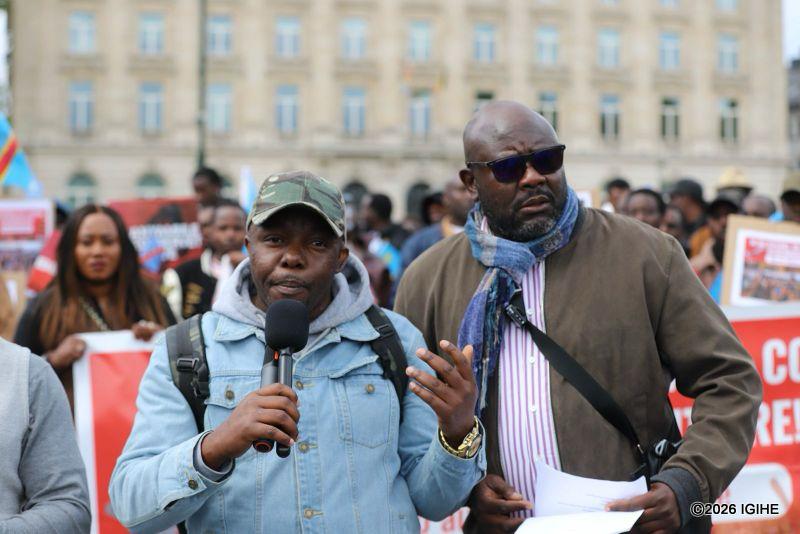
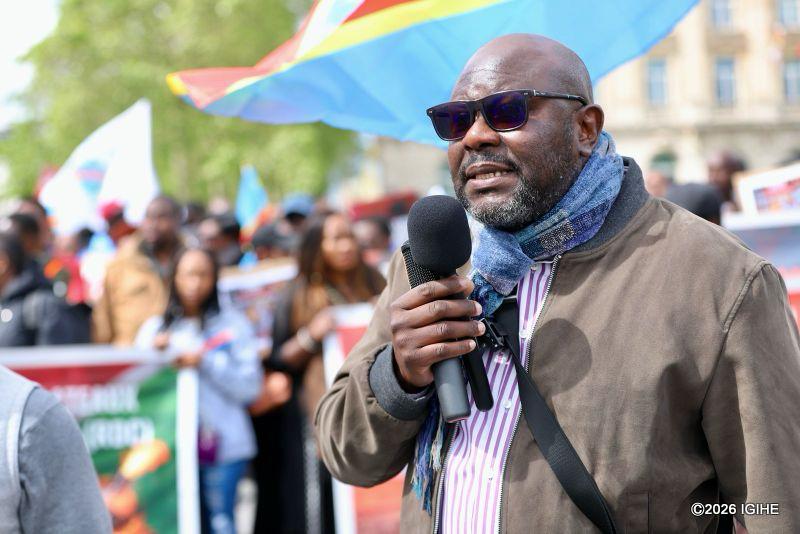
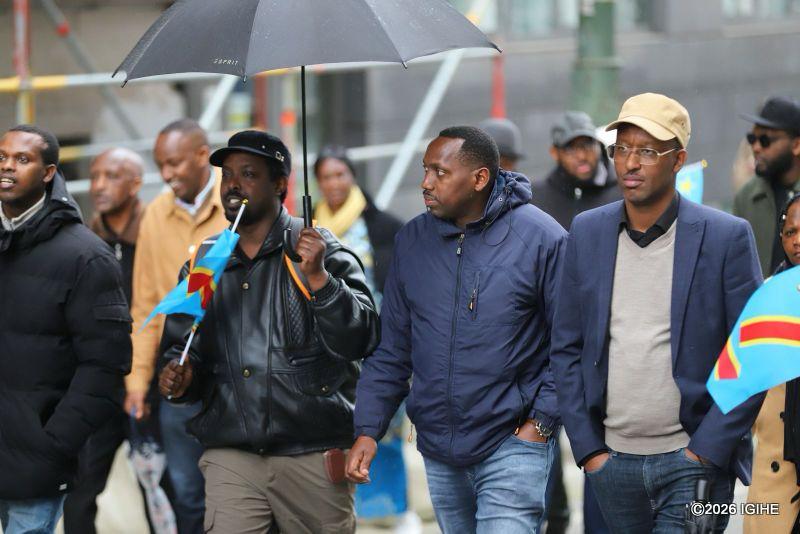
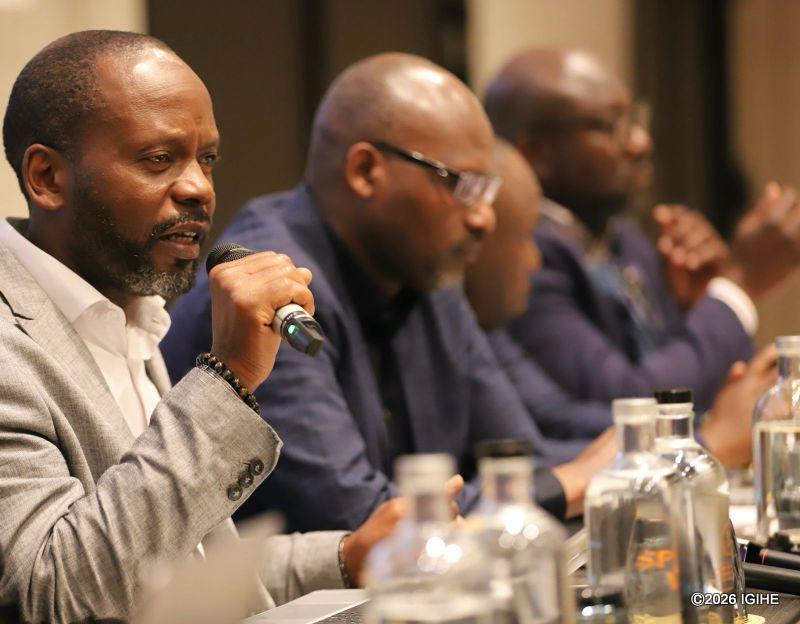
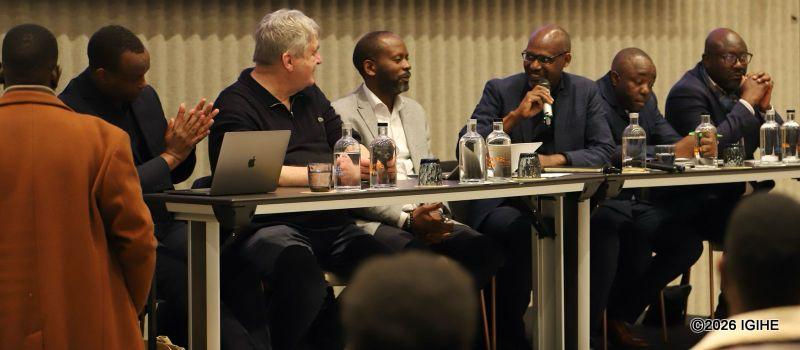
During the protest, speakers called attention to the ongoing security and humanitarian crisis in eastern Democratic Republic of Congo, urging stronger international engagement. Among them was Pitou Chomongo, president of Diaspora Plurielle and member of the International Social Body for Human Rights in Congo, who criticised what he described as the “silence and inaction” of the international community.
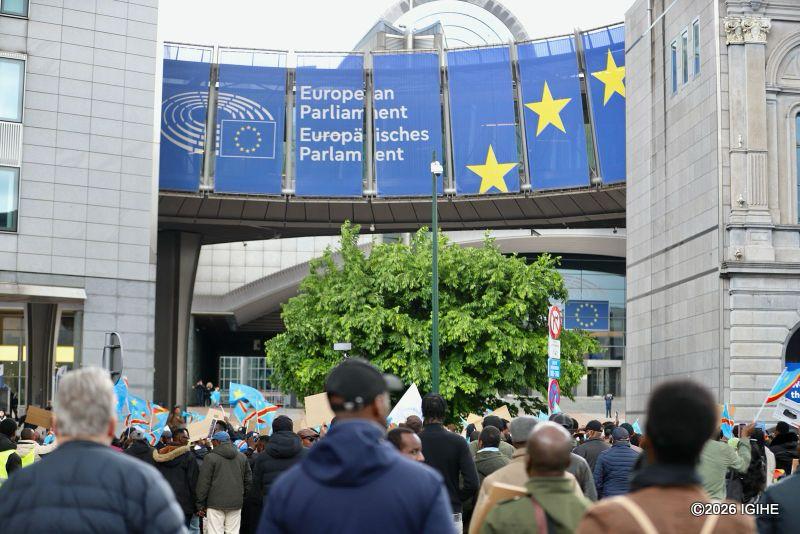
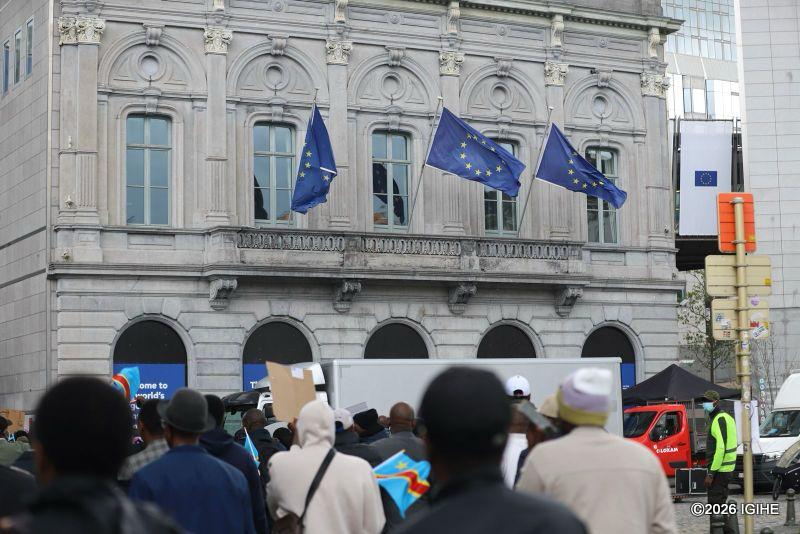
According to him, the choice of Brussels carries strong symbolic significance. The Belgian capital hosts the institutions of the European Union, representations of the United Nations in Europe, as well as NATO headquarters.
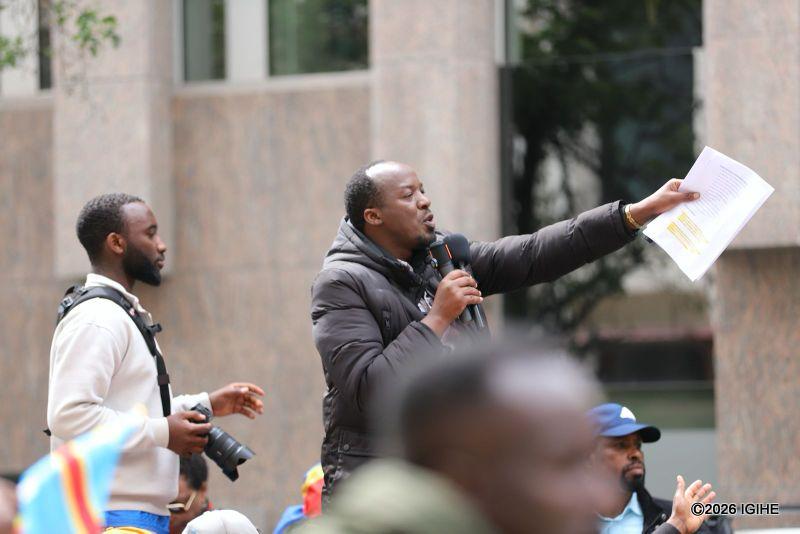
“We came here to Brussels to denounce the silence and inaction of the European Union, the United Nations, and NATO in the face of the dramatic situation our country is going through,” Pitou Chomongo told demonstrators.
The speaker believes that these major international powers play a significant role in political and diplomatic decisions affecting Africa as well as international institutions. For him, Brussels therefore represents a strategic place where the Congolese diaspora can make its voice heard.
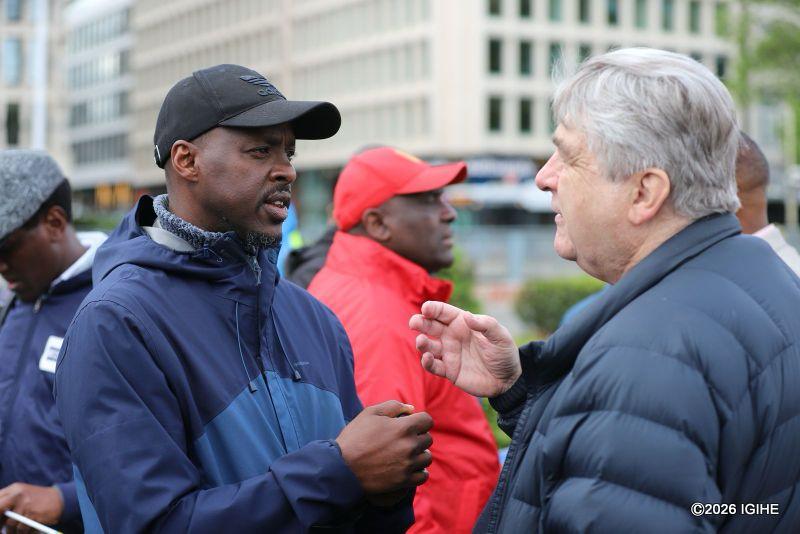
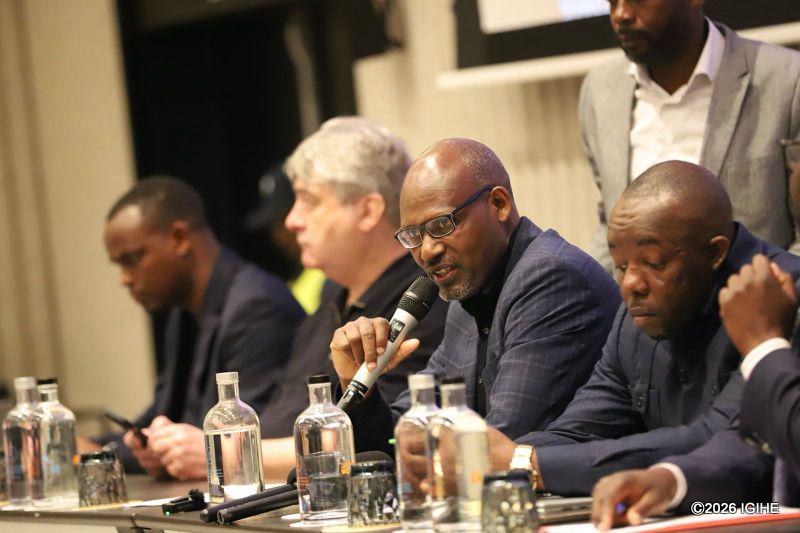
Following the demonstration, a conference and discussion session was also scheduled to further address the humanitarian and security situation in the eastern provinces of the DRC, particularly in North Kivu, Ituri, and parts of Katanga.
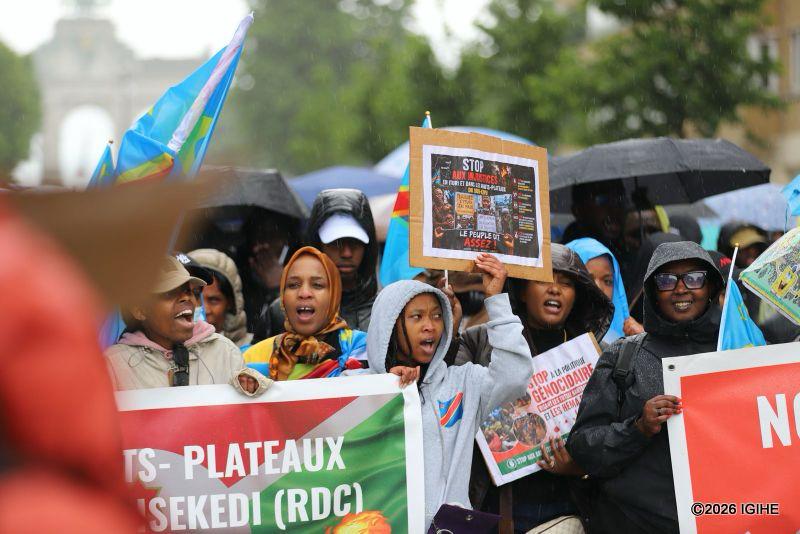
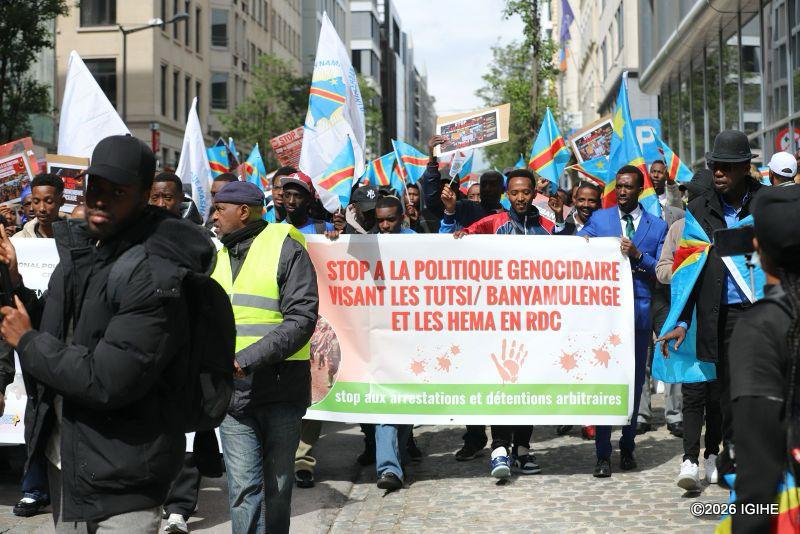
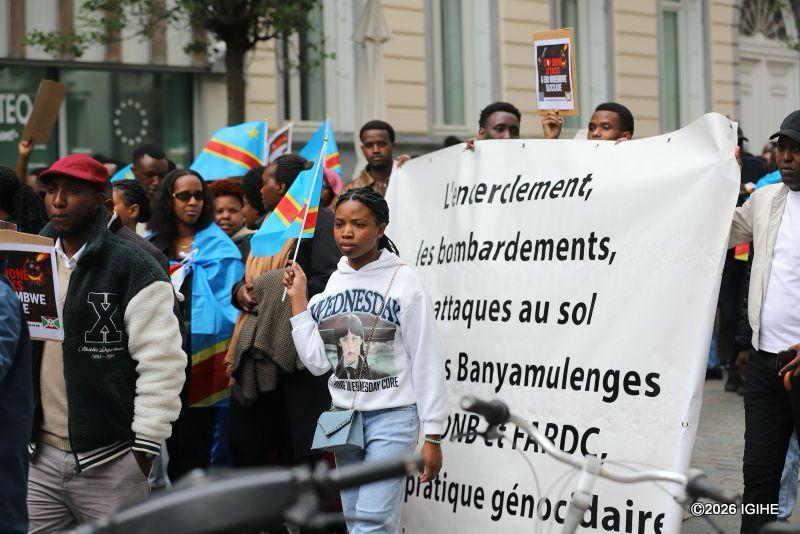
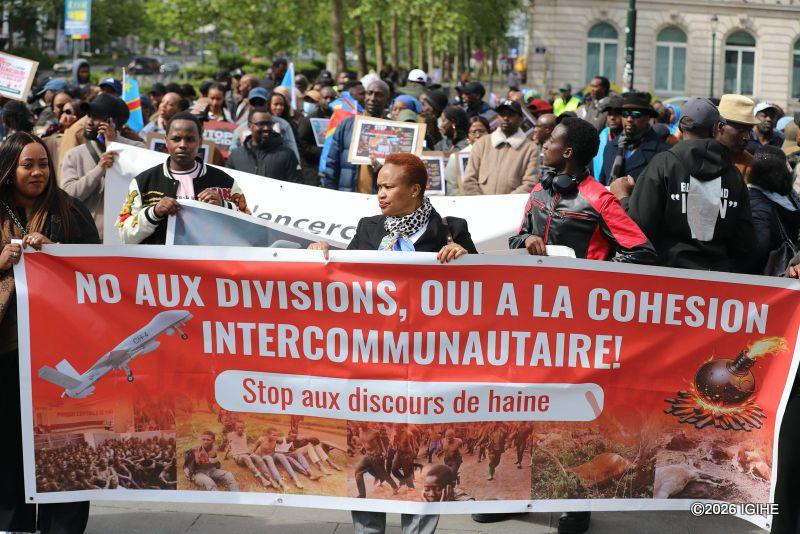
Pitou Chomongo accused the Kinshasa government of fueling hate speech and carrying out security policies targeting specific communities. He notably mentioned the Tutsi community in North Kivu, the Banyamulenge in the High Plateaus of Minembwe, and the Hema community in Ituri.
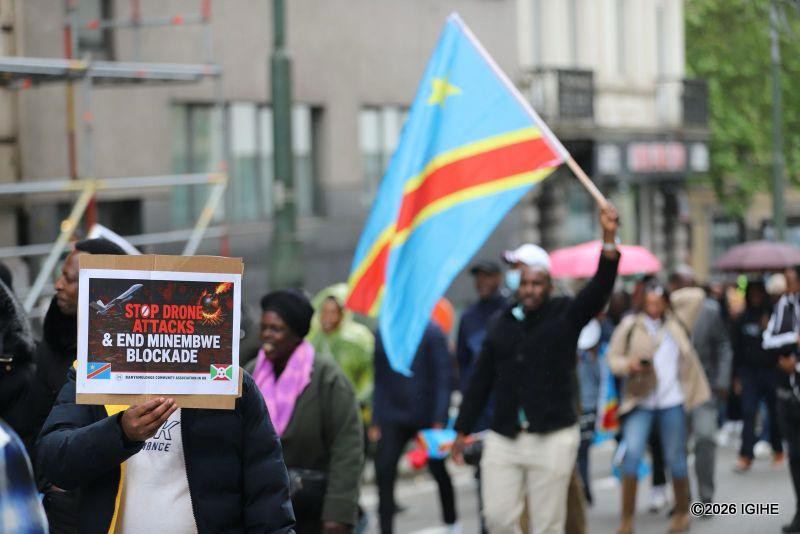
According to him, bombardments targeting civilian populations are taking place in several localities, including Minembwe and Masisi. He also denounced what he described as arbitrary arrests of military and judicial officers from Katanga.
“This is a way of putting pressure on certain communities and excluding them from national life,” he stated, accusing the authorities in power of wanting to “remain in office indefinitely.”
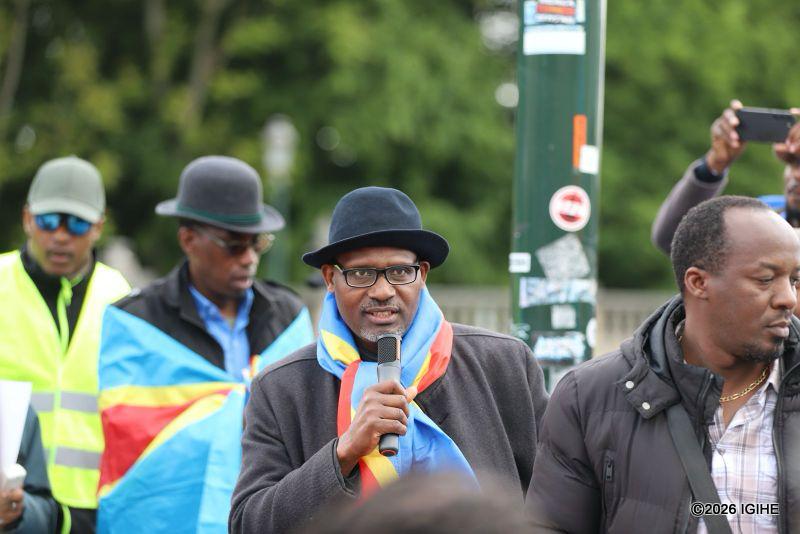
Gakiza David, representative of the Banyamulenge mutual coordination in Europe and member of the executive committee of the Gakondo association, also addressed the gathering.
He explained that the coalition brings together participants from several European countries to support this peaceful demonstration organized in Brussels. Gakiza thanked the entire coordination team involved in organizing the event, as well as all participants who attended.
Gakiza David also emphasized that the day was structured around three main activities: the peaceful demonstration, the press conference, and a question-and-answer session dedicated to discussions on the humanitarian and security situation in the Democratic Republic of Congo.
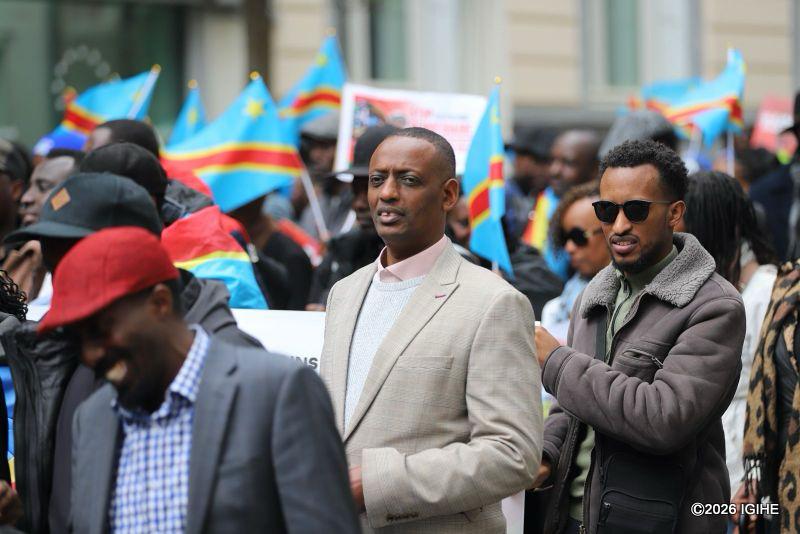
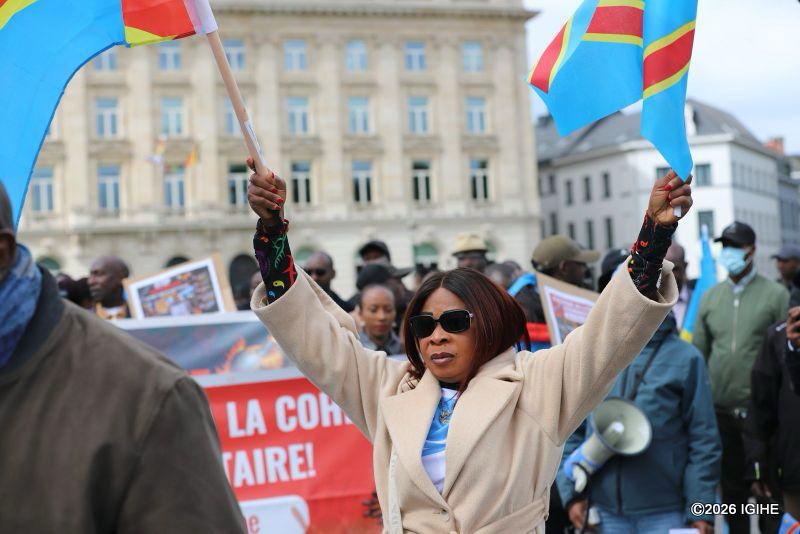
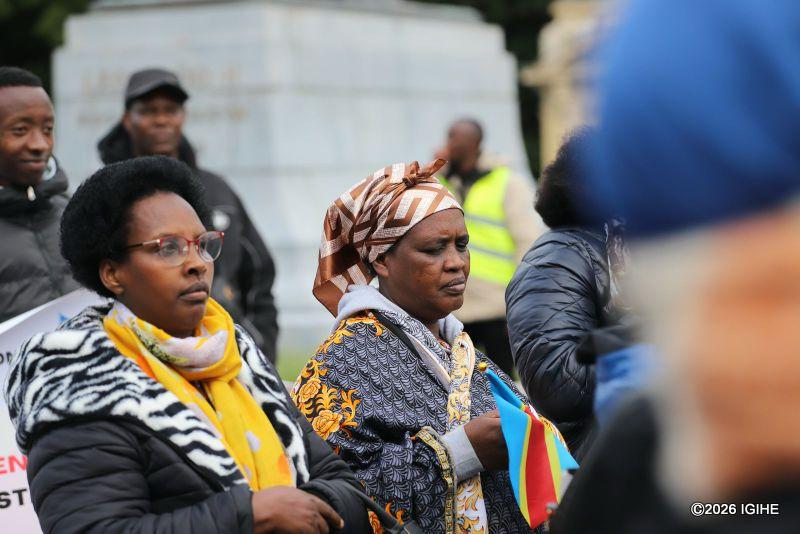
This mobilization by the Congolese diaspora comes amid ongoing tensions in eastern DRC, where security, community, and humanitarian issues continue to raise serious concerns among local populations and human rights organizations.
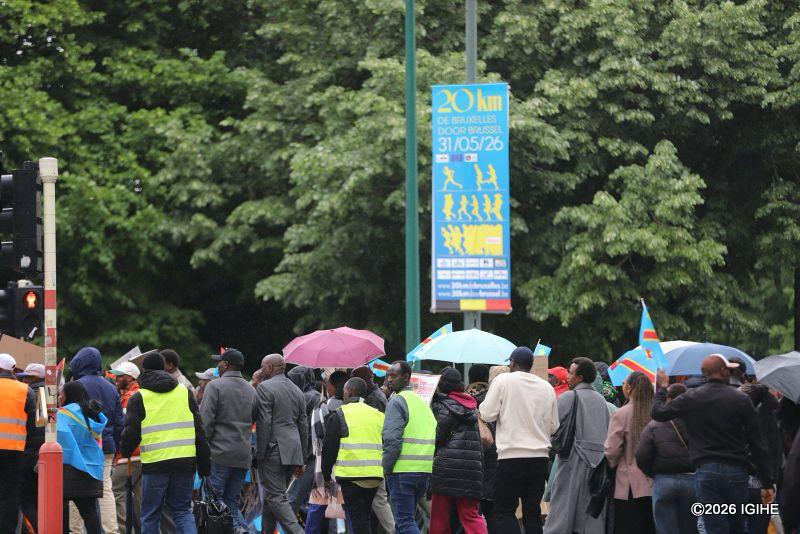
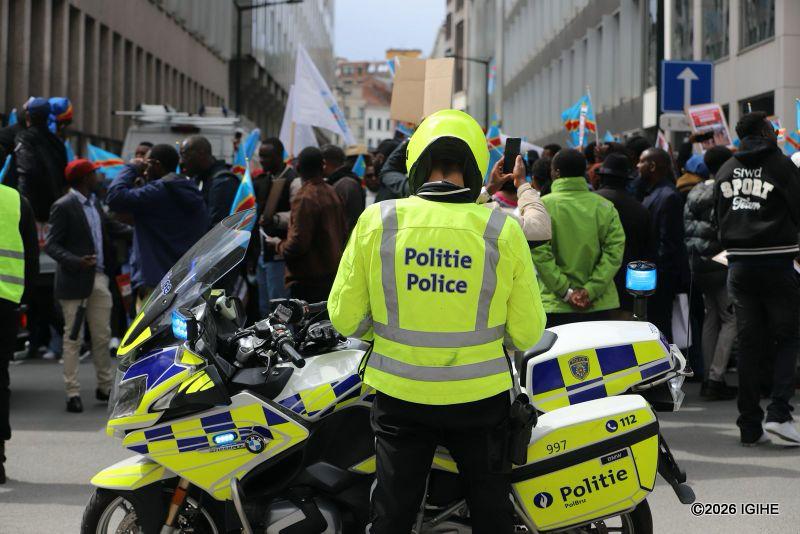
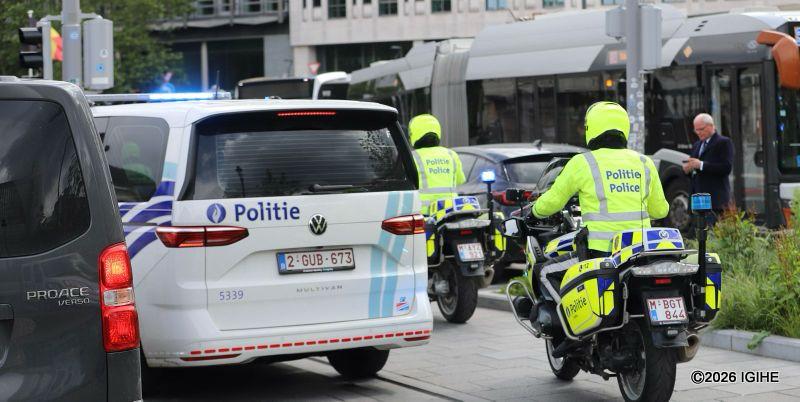
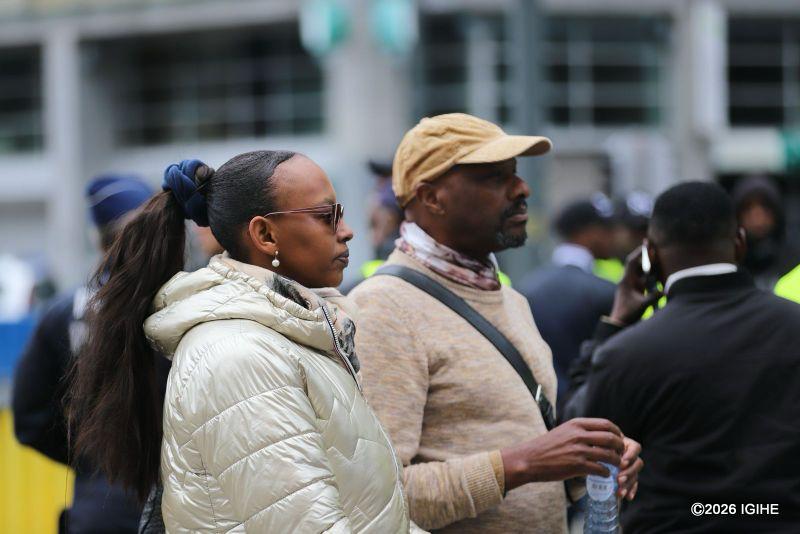
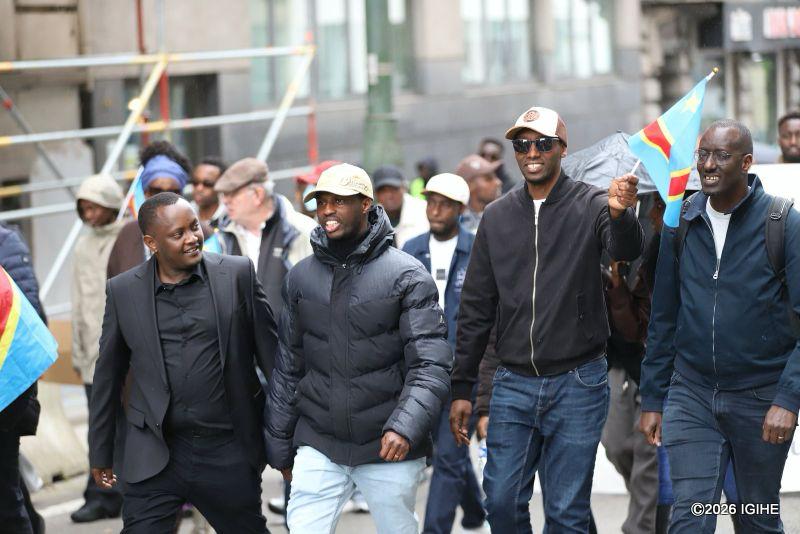
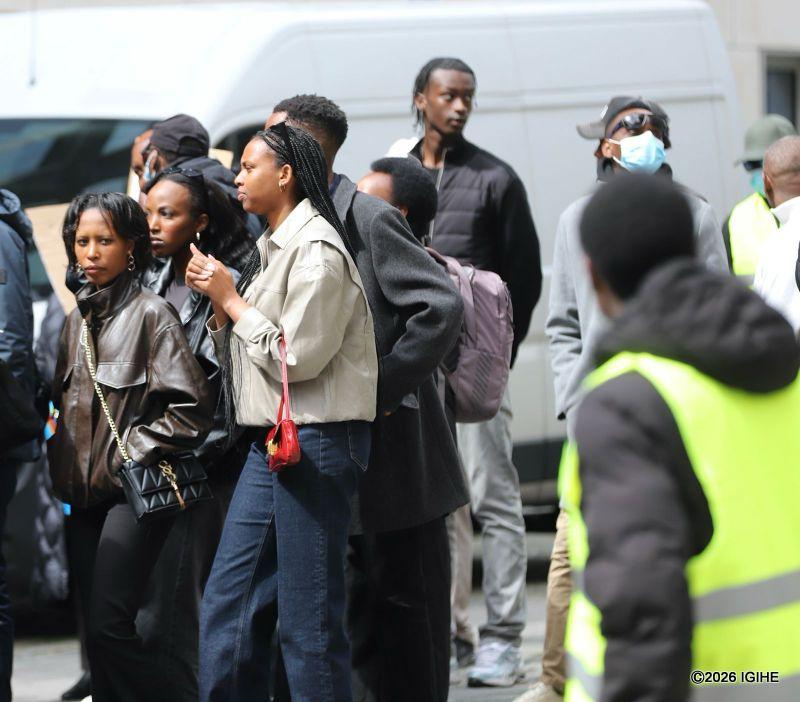
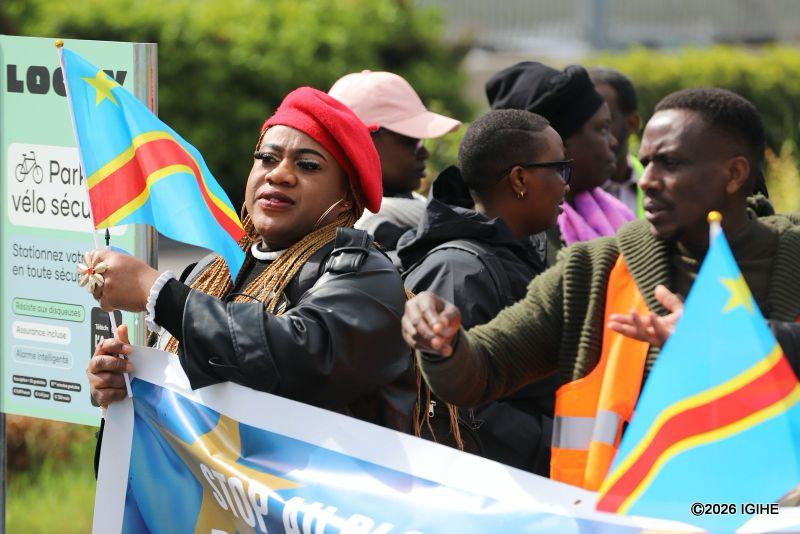
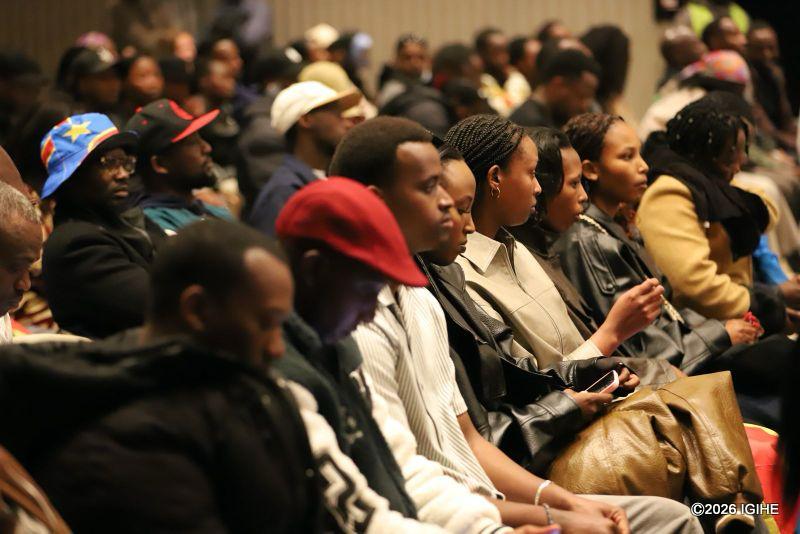
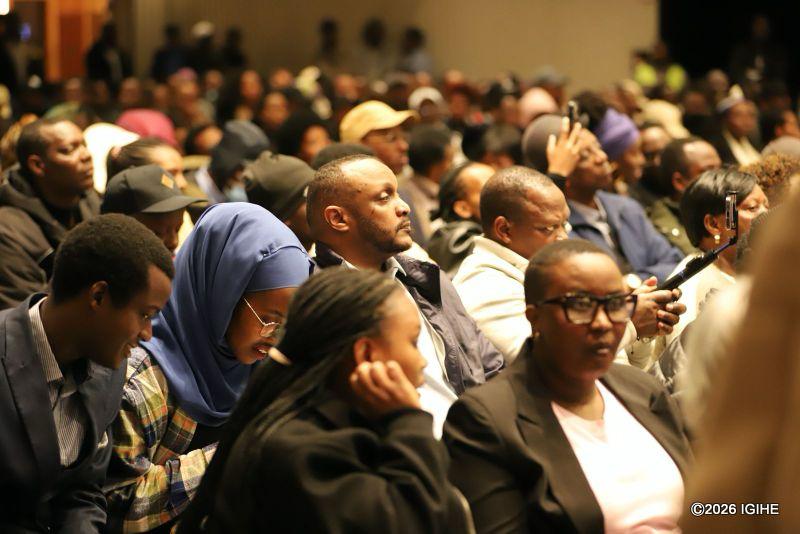
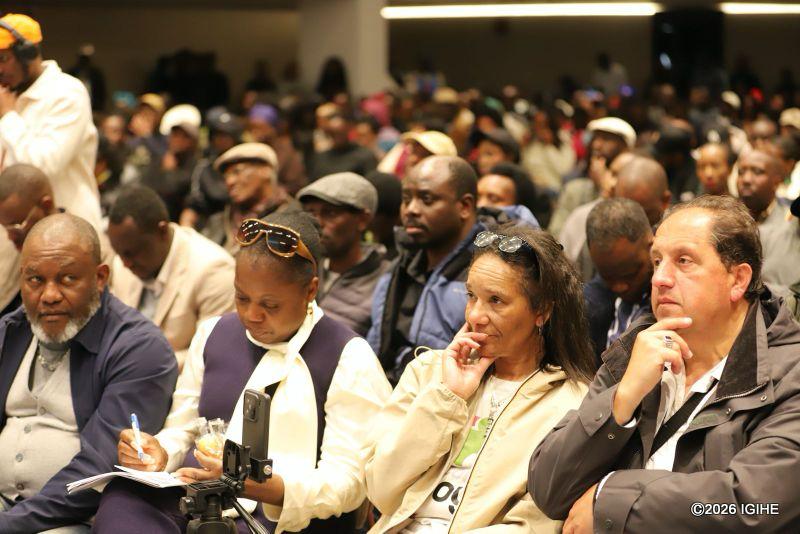
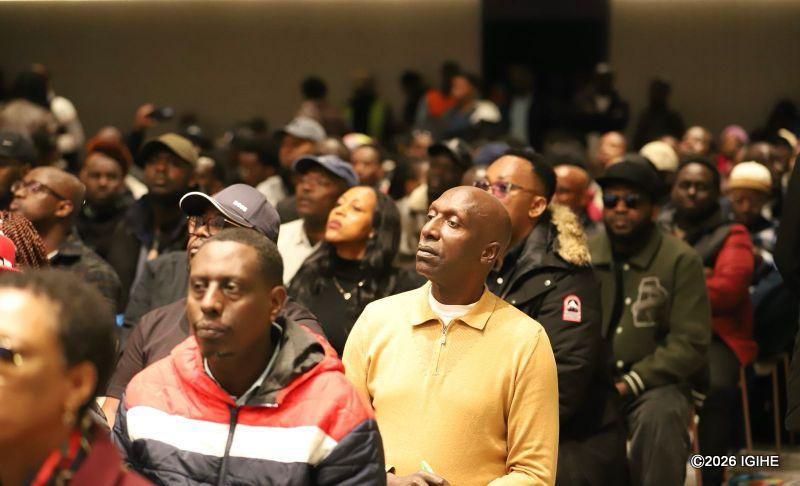
Photos taken during peaceful demonstration
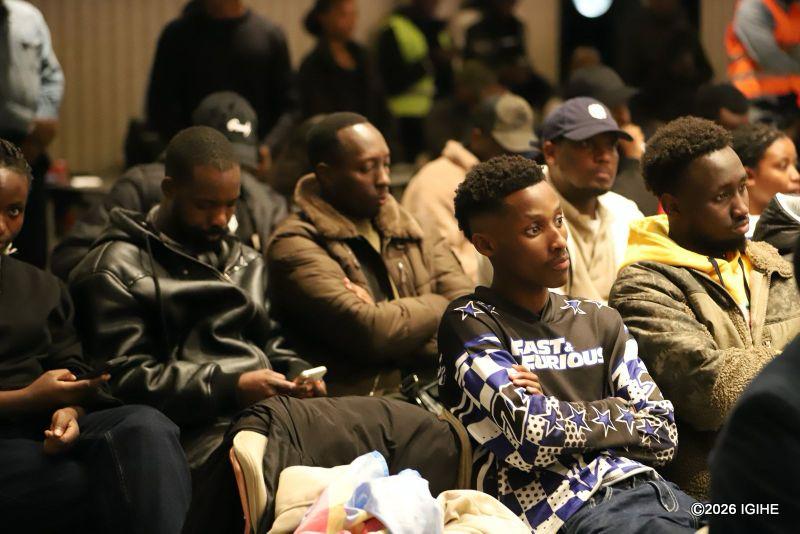
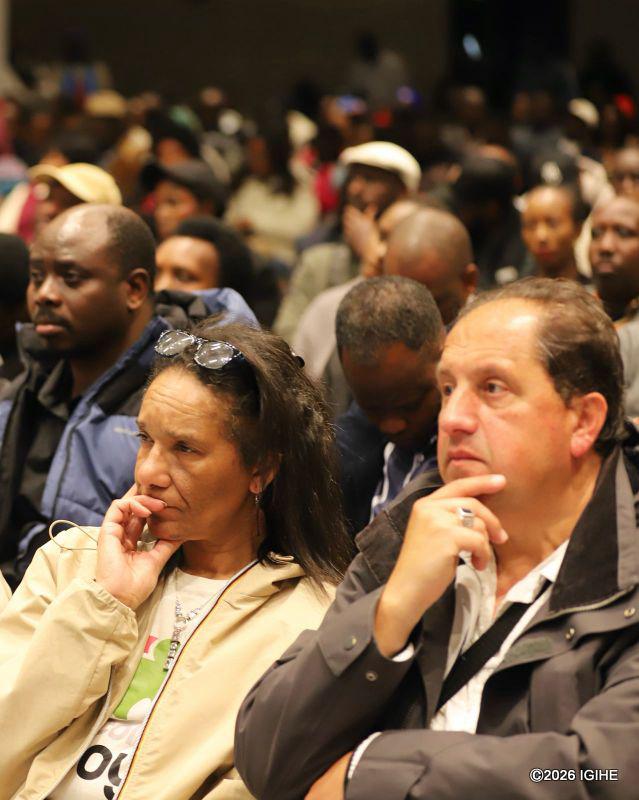
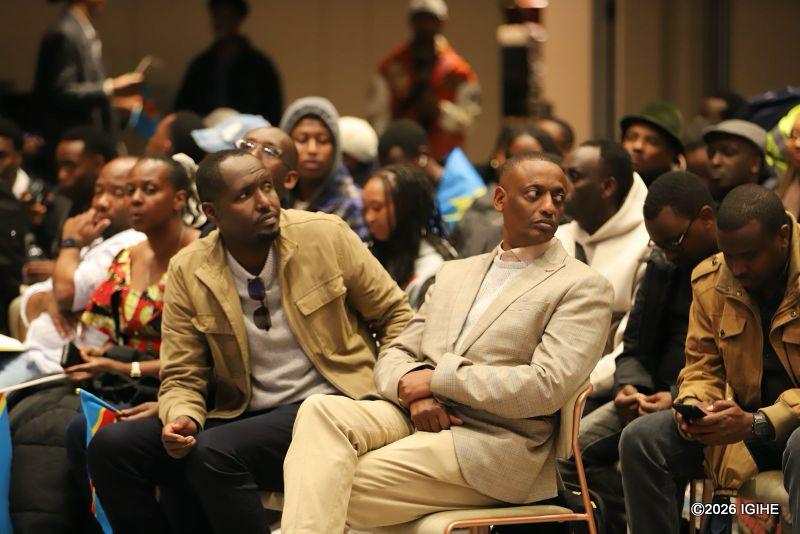
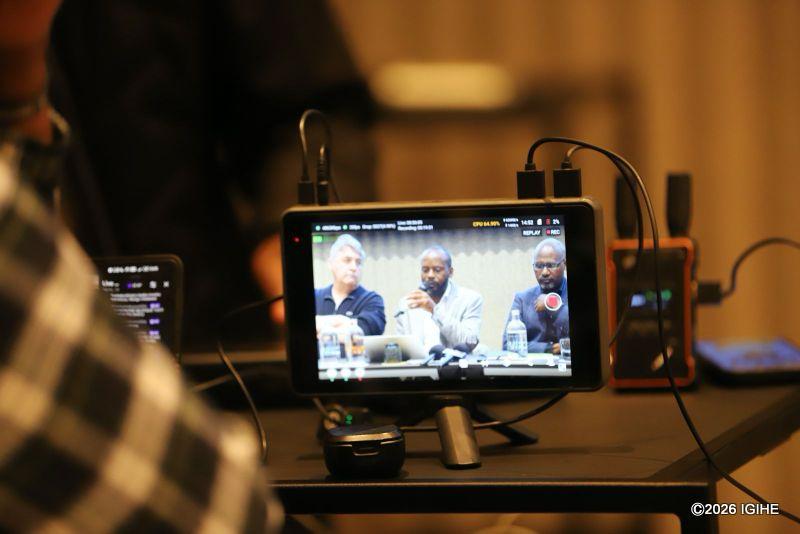
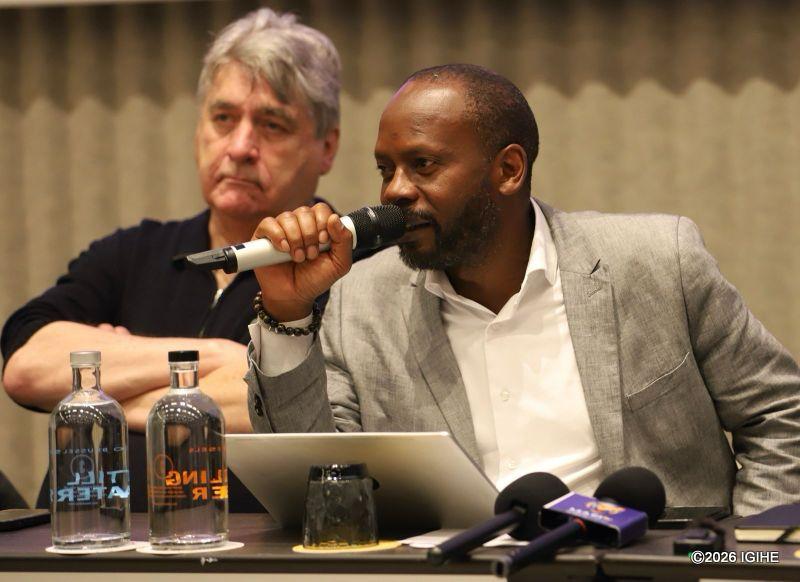
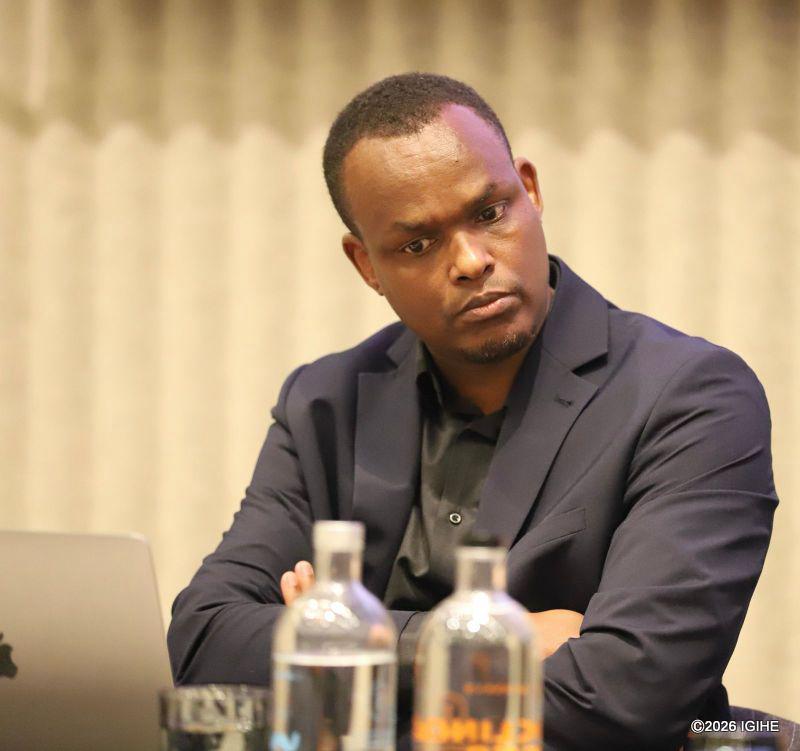
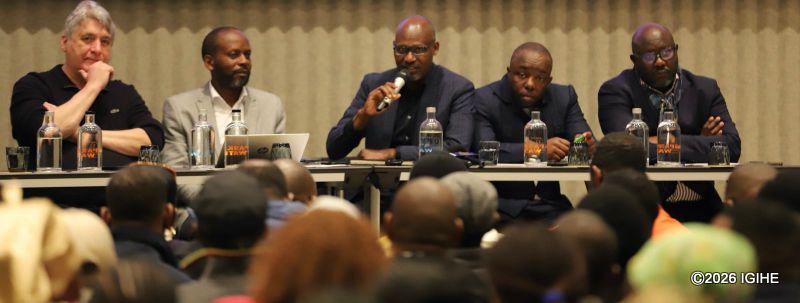
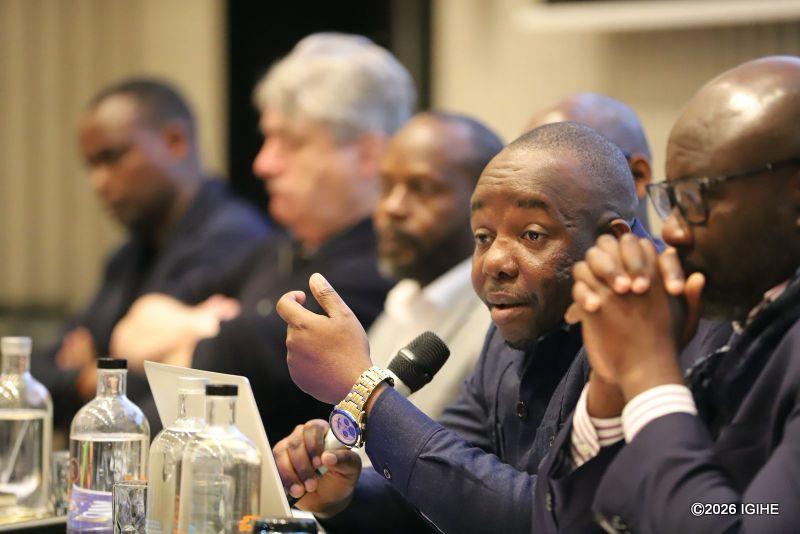
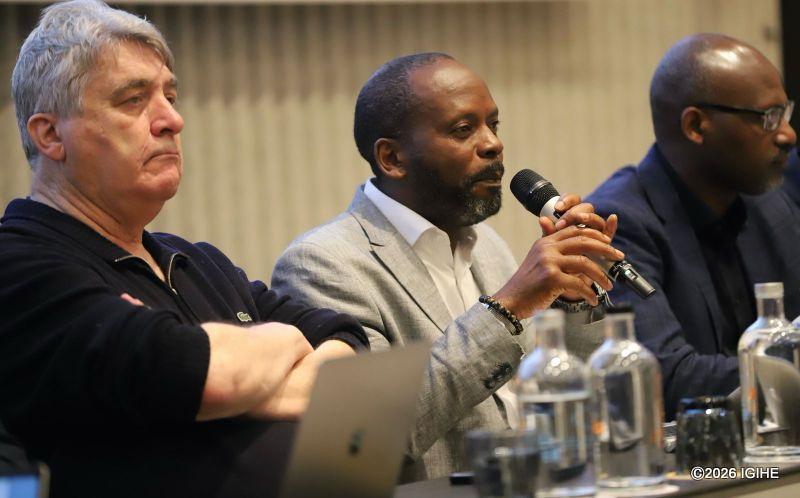
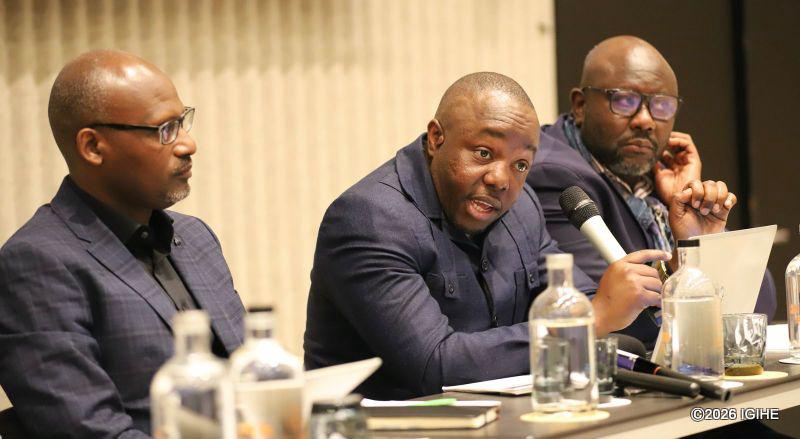
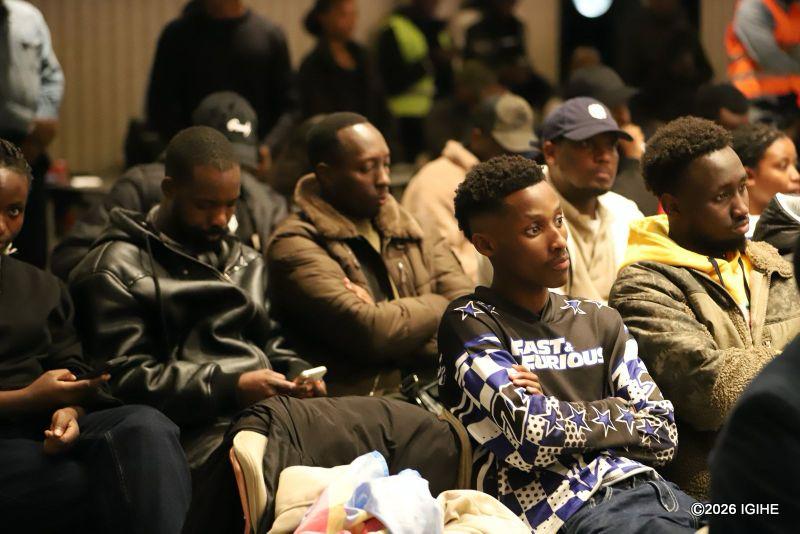
Photos from the press conference and the question-and-answer session focused on discussions about the security and humanitarian situation in the Democratic Republic of Congo
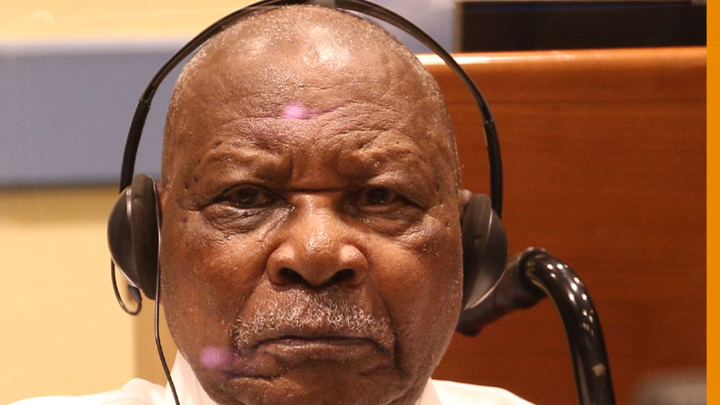
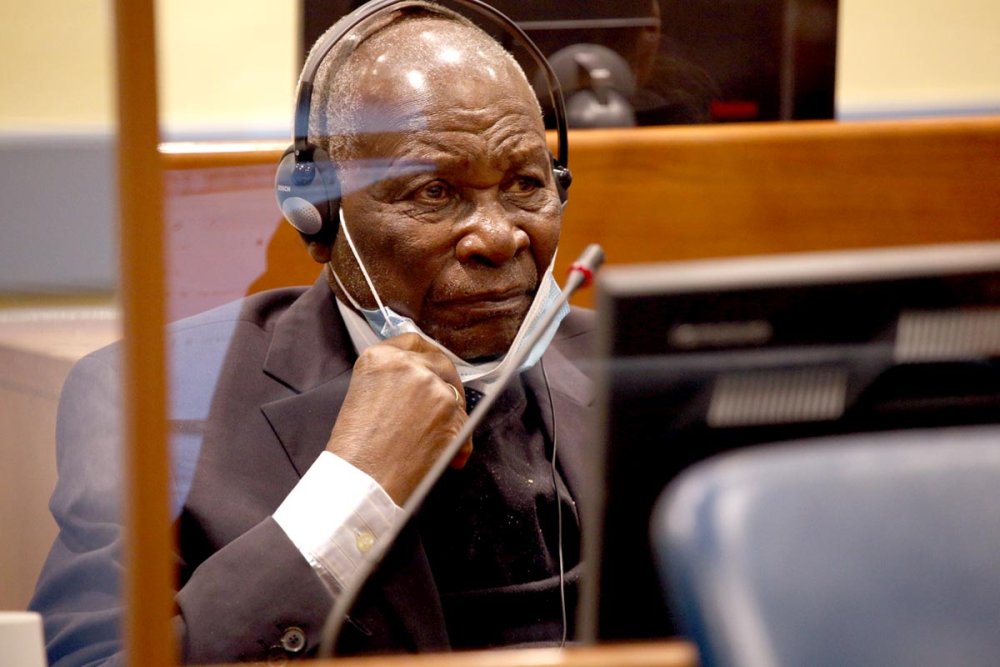
“Mr. Félicien Kabuga passed away today while hospitalized in The Hague, The Netherlands,” the Mechanism said in a statement released on Saturday, adding that the Medical Officer of the United Nations Detention Unit (UNDU) was immediately notified and that Dutch authorities had launched the standard procedures and investigations required under Dutch law.
The President of the IRMCT, Judge Graciela Gatti Santana, has also ordered a full inquiry into the circumstances surrounding Kabuga’s death. The statement said Judge Alphons Orie had been assigned to conduct the inquiry.
Kabuga had been held at the United Nations Detention Unit in The Hague since October 2020 after being arrested in France earlier that year. At the time of his death, he was awaiting provisional release to a country willing to receive him.
Kabuga faced charges of genocide, conspiracy to commit genocide, incitement to genocide, and crimes against humanity including persecution, extermination, and murder committed during the 1994 Genocide against the Tutsi in Rwanda.
An arrest warrant against Kabuga was issued by the International Criminal Tribunal for Rwanda (ICTR) on 29 April 2013. He remained a fugitive for many years before his arrest on May 16, 2020 in France, where he had reportedly been living under a false identity.
Following his arrest, Kabuga was transferred on October 26, 2020 to the Hague branch of the Mechanism, the UN body established to carry on the remaining functions of the ICTR and the International Criminal Tribunal for the former Yugoslavia (ICTY).
His trial officially began on September 29, 2022. However, proceedings were later suspended after judges found that his deteriorating health made him unfit to stand trial.
According to the IRMCT statement, the Trial Chamber issued a decision on 8 September 2023 indefinitely staying proceedings following an Appeals Chamber ruling delivered a month earlier. The Chamber also ordered that Kabuga remain detained at the UNDU pending a decision on his provisional release.
After the suspension of his trial, discussions focused on finding a country willing to receive him. Rwanda had previously indicated that it was prepared to host him, arguing that it would guarantee his rights and medical care.
However, Kabuga’s lawyers and relatives opposed a transfer to Rwanda, citing his fragile health condition and arguing that long-distance travel would pose serious risks.
Kabuga had reportedly hoped to settle in a European country, including France, but no State agreed to receive him. Dutch authorities also opposed his release into the Netherlands.
Prosecutors before the Mechanism had argued that Kabuga’s genocide-related charges significantly limited his chances of being accepted by European countries under refugee protection frameworks and immigration laws.
They also pointed to the fact that he had spent years evading arrest while allegedly relying on false identities and support networks to remain hidden.
The IRMCT was established by the United Nations Security Council through Resolution 1966 adopted in December 2010. The Mechanism began operations in Arusha, Tanzania, in July 2012 and in The Hague in July 2013.
Following the closure of the ICTR in 2015 and the ICTY in 2017, the IRMCT continued operating as a stand-alone institution responsible for handling remaining judicial functions, including appeals, enforcement of sentences, and the tracking of fugitives.
Kabuga had been held at the United Nations Detention Unit in The Hague since October 2020 after being arrested in France earlier that year.
The celebrations begin on Friday, May 29, with the highly anticipated return of Strictly Soul, Africa’s biggest R&B link-up. Known for its smooth atmosphere, soulful classics, and carefully curated vibes.
Guests can expect an elevated Friday night experience with performances by the renowned DJ Akio and expected special performances by Bensoul from Kenya and Rwanda’s very own Mike Kayihura. But the excitement doesn’t stop there.
On Saturday, May 30, Heineken House shifts into full gear with a massive UEFA Champions League Final Viewing Party. Football fans will gather at the rooftop venue to witness Europe’s biggest football showdown live on giant screens as the kings of Europe are crowned in front of an electrifying crowd (Arsenal FC Vs Paris saint Germain FC).
Immediately after the final whistle, the rooftop transforms into the ultimate nightlife destination with the explosive energy of OBI’s House all the way from Nigeria, with an exciting lineup featuring DJ AKIO, top local and regional DJs; Sheilah GASHUMBA from Uganda, Rwanda’s own DJ Niny & DJ Muun, to keep the celebration going deep into the night.
Organisers said Heineken House is intended to serve as a cultural platform blending entertainment, music, sports, and social experiences under the Heineken brand.
Limited tickets are available via Sinc.events and through the 6692833# mobile platform. The two-night event is being promoted as a rooftop entertainment experience combining music, nightlife, and football viewing.
Heineken also reminded attendees to consume alcohol responsibly, noting that alcohol is not sold to persons under 18 or pregnant women, while discouraging drinking and driving.
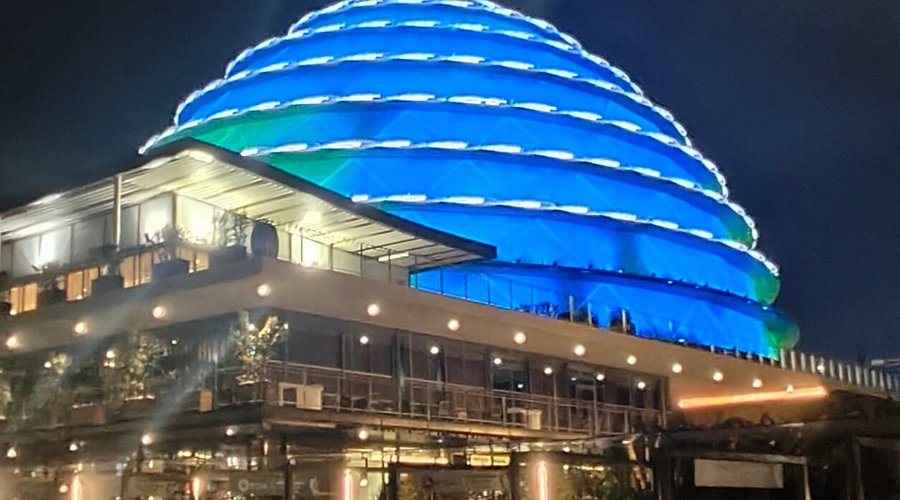
Kigali’s entertainment scene is about to reach new heights as Heineken House introduces an unforgettable two-night experience set to take over the iconic KCC Rooftop on May 29 and 30.
The programme will be financed through a $200 million loan from the AfDB and a $100 million loan from AIIB, reflecting growing multilateral cooperation in Rwanda’s energy sector.
It will be implemented by the Ministry of Infrastructure through the Rwanda Energy Group (REG), working alongside the Energy Development Corporation Limited (EDCL) and the Energy Utility Corporation.
The second phase builds on the outcomes of the first Results-Based Financing programme, which significantly expanded energy access in Rwanda through off-grid solutions that reached at least 370,000 households.
The earlier phase also enabled 460,000 people to access clean cooking solutions, with the project ultimately improving the livelihoods of more than two million people while supporting job creation across the energy value chain.
The performance-based financing model links disbursements to independently verified results, with a focus on strengthening transmission and distribution networks, improving grid reliability, and expanding both on-grid and off-grid electricity connections.
Officials say the approach has strengthened accountability and delivery systems within Rwanda’s energy sector.
“The results-based approach under RBF I strengthened our implementation systems and accountability,” said Jean Bosco Mugiraneza, Director General for Energy at the Ministry of Infrastructure. “We are building on these lessons to accelerate connections, improve service reliability, and deliver greater impact for households, businesses, and productive users across Rwanda.”
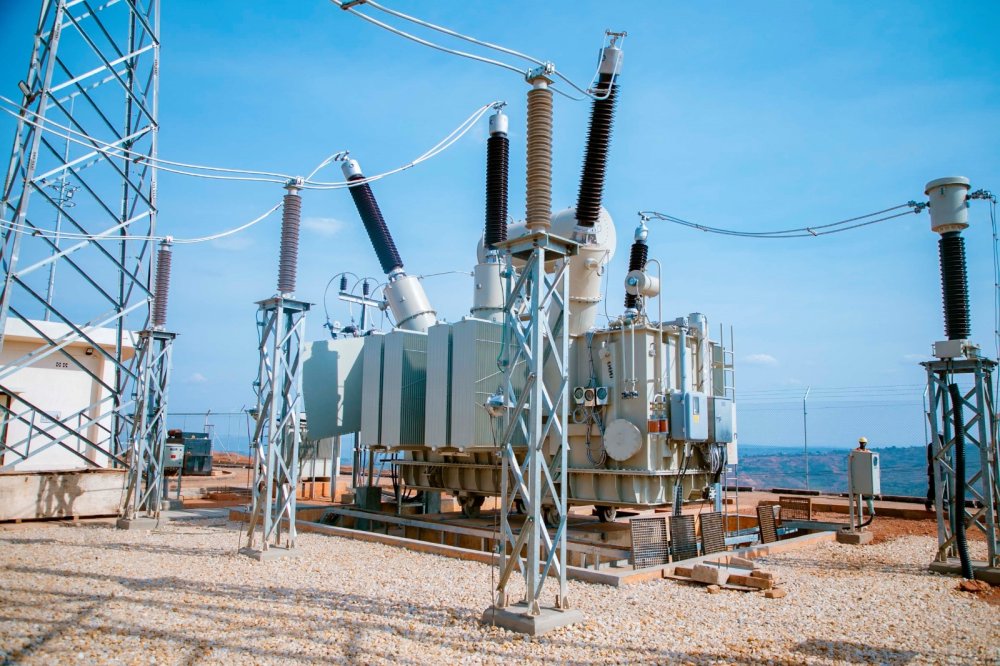
Under RBF II, the programme will support the rehabilitation of four substations and the construction of about 3,855 kilometres of medium and low voltage transmission lines.
It is expected to connect an additional 200,000 households and 850 commercial users to the national grid, while also providing 50,000 new off-grid electricity connections.
The programme will further deliver clean cooking devices to 100,000 households and 310 public institutions, and install street lighting along 200 kilometres of roads in secondary cities.
According to the partners, expanded electrification is expected to reduce the cost of doing business for small and medium-sized enterprises, improve productivity in rural areas, and enhance essential services such as healthcare delivery.
“The Energy Sector Results-Based Financing II programme is a transformative investment that will accelerate Rwanda’s progress toward universal energy access,” said Aïssa Touré Sarr, the AfDB Country Manager for Rwanda. “Through our partnership with AIIB and the Government of Rwanda, we are leveraging co-financing to scale impact while ensuring accountability, efficiency, and tangible results for communities across the country.”
The launch was followed by a high-level technical workshop bringing together government institutions, development partners, and implementing agencies to align procurement processes, financial management systems, environmental and social safeguards, and monitoring and evaluation frameworks.
RBF I and II are part of Rwanda’s broader ambition to achieve universal electricity access by 2030. They also align with the AfDB’s strategic priorities on climate-resilient infrastructure and efforts to bridge the rural-urban infrastructure gap while strengthening resilience to climate shocks.
The programme complements other African Development Bank-supported energy investments in Rwanda, including the Ruzizi III Hydropower Project and the Rwanda Transmission System Reinforcement and Last Mile Connectivity programme.
The project is expected to connect an additional 200,000 households and 850 commercial users to the national grid, while also providing 50,000 new off-grid electricity connections.
The selection places Kigali on SLH’s international luxury map and introduces a new urban hospitality concept in a country best known for high-end safari lodges and mountain retreats.
Founded by entrepreneur Sheila Kyarisiima, The Pinnacle Kigali was initially conceived as a private family residence before being redesigned into a boutique luxury hotel. The transformation, according to its founders, was driven by a gap in Kigali’s hospitality market for an urban property that matches the standards of Rwanda’s established luxury tourism offerings.
SLH described the property as an intimate, character-driven retreat that reflects the brand’s focus on independent, design-led hotels rooted in their local environments.
“We are delighted to welcome The Pinnacle Kigali to the SLH portfolio,” said Richard Hyde, Chief Operating Officer of Small Luxury Hotels of the World. He noted that the property represents a milestone opening for 2026 and marks SLH’s first hotel in Kigali.
“The vision brought to life by Sheila Kyarisiima exemplifies the independently minded ethos of SLH, as an intimate, luxurious, characterful escape, deeply rooted in place,” he added.
Kyarisiima said the hotel was designed to redefine luxury hospitality in Kigali by encouraging visitors to experience the city beyond short transit stays linked to safari travel.
“We are honoured to join SLH as its first-ever member in Rwanda,” she said. “Our goal has always been to provide the highest standards of luxury and guest wellbeing, and we look forward to introducing the very best of Rwandan hospitality.”
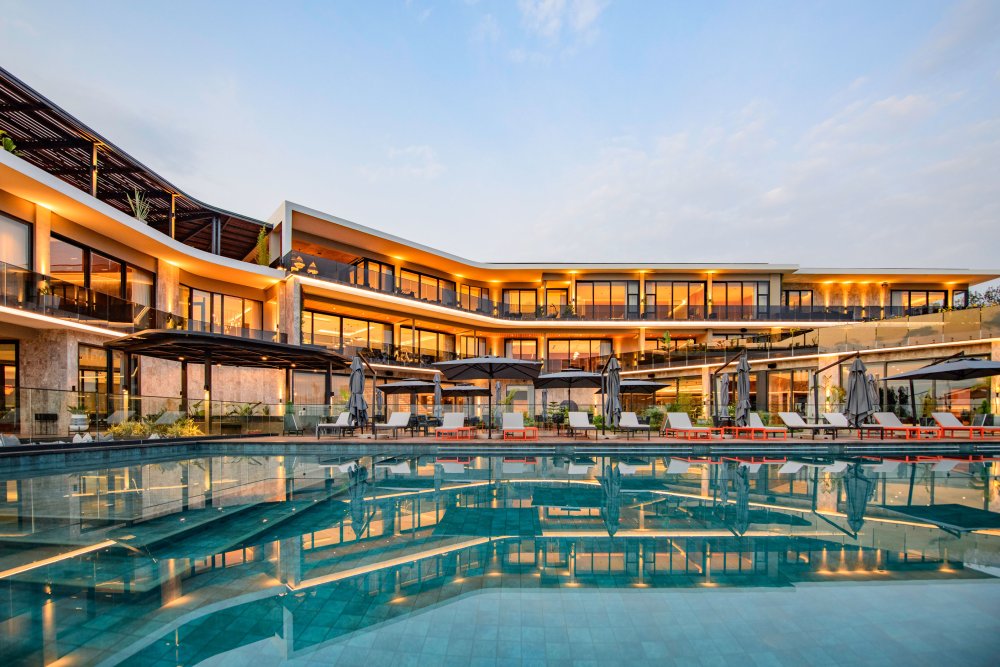
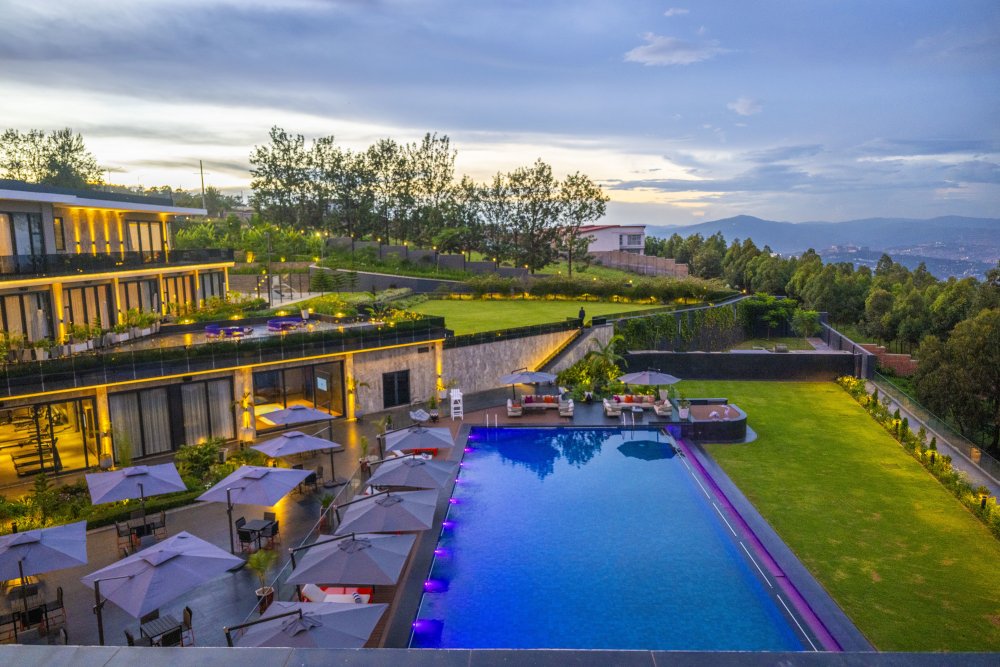
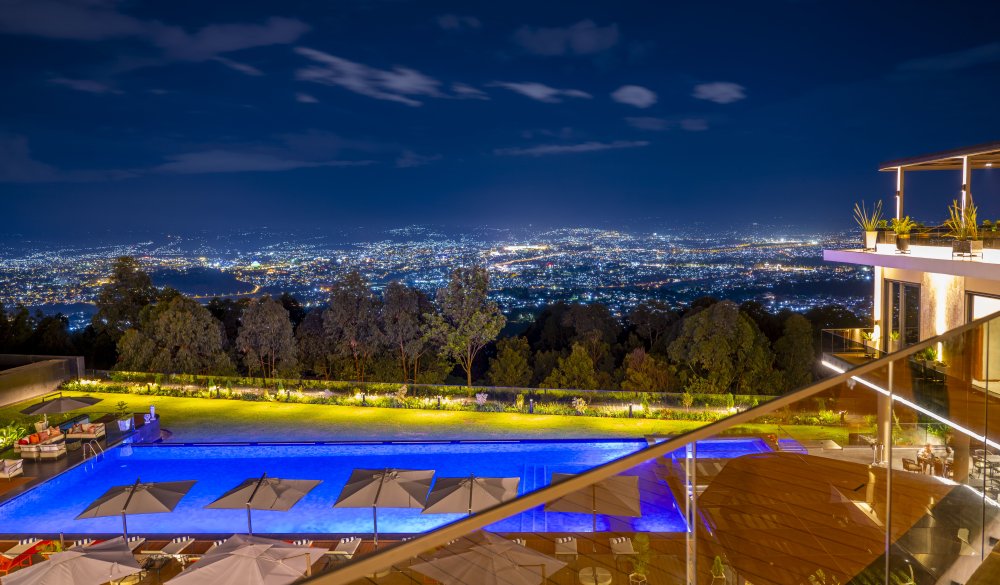
The property features just nine guest rooms, each individually designed with bespoke furnishings, deep soaking bathtubs, smart lighting systems, and curated pan-African artwork. Despite its small size, the hotel offers a wide range of facilities, including a saltwater infinity pool, spa and wellness centre, and a fitness facility.
Guests also have access to a private cinema, bowling alley, games lounge, and library, positioning the hotel as both a leisure and lifestyle destination within the city.
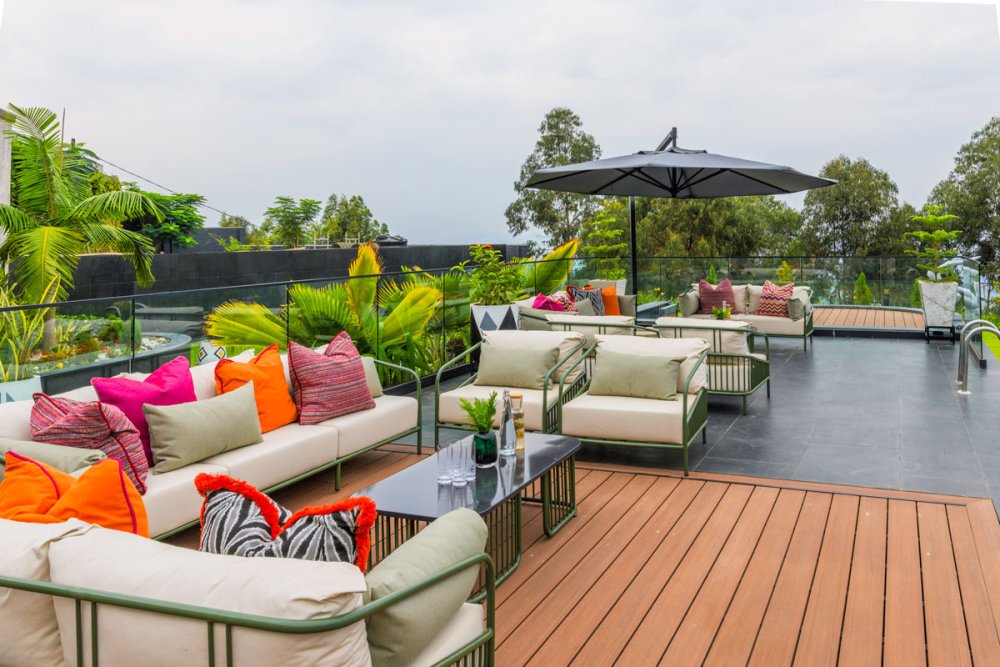
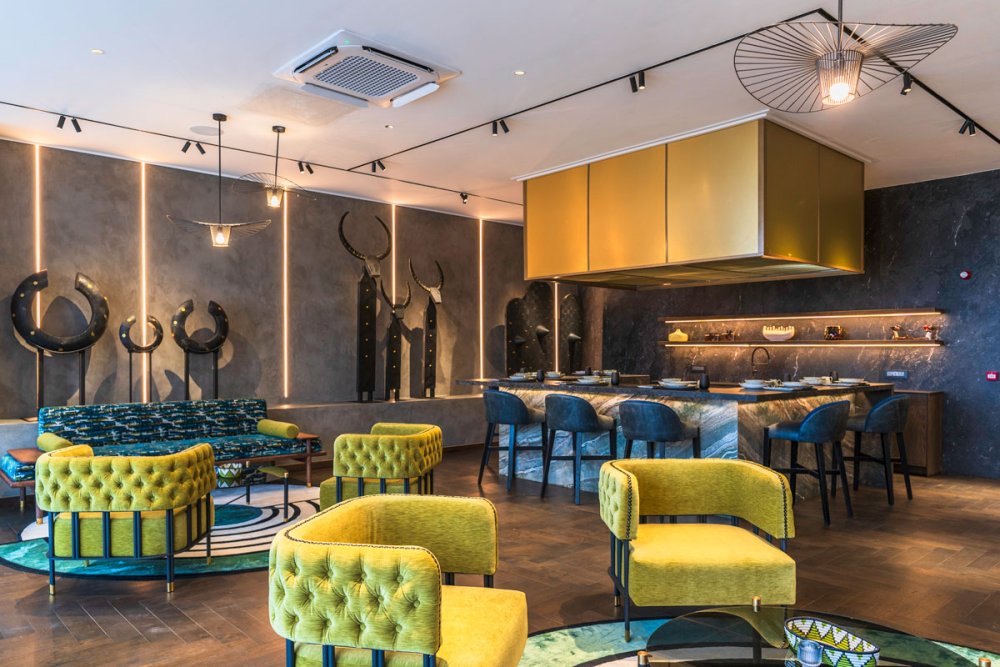
Dining at The Pinnacle Kigali is spread across four venues, led by Ishami Rooftop, which offers Afro-Asian fusion and teppanyaki cuisine with panoramic views of Kigali’s skyline. Other dining concepts draw inspiration from Mediterranean and pan-European cuisine.
The hotel also operates a private members’ lounge designed as a hub for entrepreneurs, creatives, and business leaders, combining social networking with exclusive access to hospitality services.
Beyond its facilities, The Pinnacle Kigali places strong emphasis on curated cultural experiences. Guests can visit key Kigali landmarks including the Kigali Genocide Memorial, Kandt House Museum, Niyo Arts Center, and Kigali Cultural Village, as well as explore local markets and neighbourhoods such as Nyamirambo and Kimironko.
The hotel is also positioning itself as a preferred stopover for travellers heading to Rwanda’s northern gorilla trekking destinations, offering tailored two-night city stays before or after safari experiences.
To support this positioning, guests receive services such as airport VIP meet-and-greet, private transfers, butler service, spa treatments, laundry, and post-trek shoe care, depending on room category.
Small Luxury Hotels of the World is a global community of independently minded luxury travellers and boutique properties across more than 100 countries, focused on character, authenticity, and curated travel experiences.
With The Pinnacle Kigali’s inclusion, Kigali enters a growing network of global boutique destinations, strengthening its profile as an emerging luxury city break alongside its established wildlife tourism appeal.
Prices also reflect the hotel’s luxury standards, with day access starting from $1,545, while overnight stays begin at $3,090.
The Pinnacle Kigali has joined Small Luxury Hotels of the World, strengthening Kigali’s growing profile as an emerging luxury city destination in Africa.Rwanda’s luxury hospitality sector has reached a new milestone as The Pinnacle Kigali joins Small Luxury Hotels of the World.With just nine guest rooms, a private cinema, rooftop dining, spa facilities, and curated cultural experiences, The Pinnacle Kigali is seeking to redefine luxury city hospitality in Rwanda.Prices at The Pinnacle Kigali reflect its ultra-luxury positioning, with day access starting at $1,545 and overnight stays beginning at $3,090.The Pinnacle Kigali has been added to the Small Luxury Hotels of the World portfolio, marking Rwanda’s first entry into the global network of more than 700 independent luxury hotels.Beyond luxury accommodation, The Pinnacle Kigali offers curated cultural experiences, panoramic rooftop dining, wellness facilities, and exclusive city experiences as it positions Kigali as a high-end urban tourism destination.
Sheikha Fatima affirmed the humanitarian approach of the Founding Father, the late Sheikh Zayed bin Sultan Al Nahyan, and his commitment to the values of giving and development.
This is a hallmark of the UAE community and is carried forward by President Sheikh Mohamed bin Zayed Al Nahyan, whose inspiring vision for development, prosperity, and the preservation of heritage drives the country’s aid ecosystem. An integral part of that vision is the preservation of Arab heritage and Islamic culture.
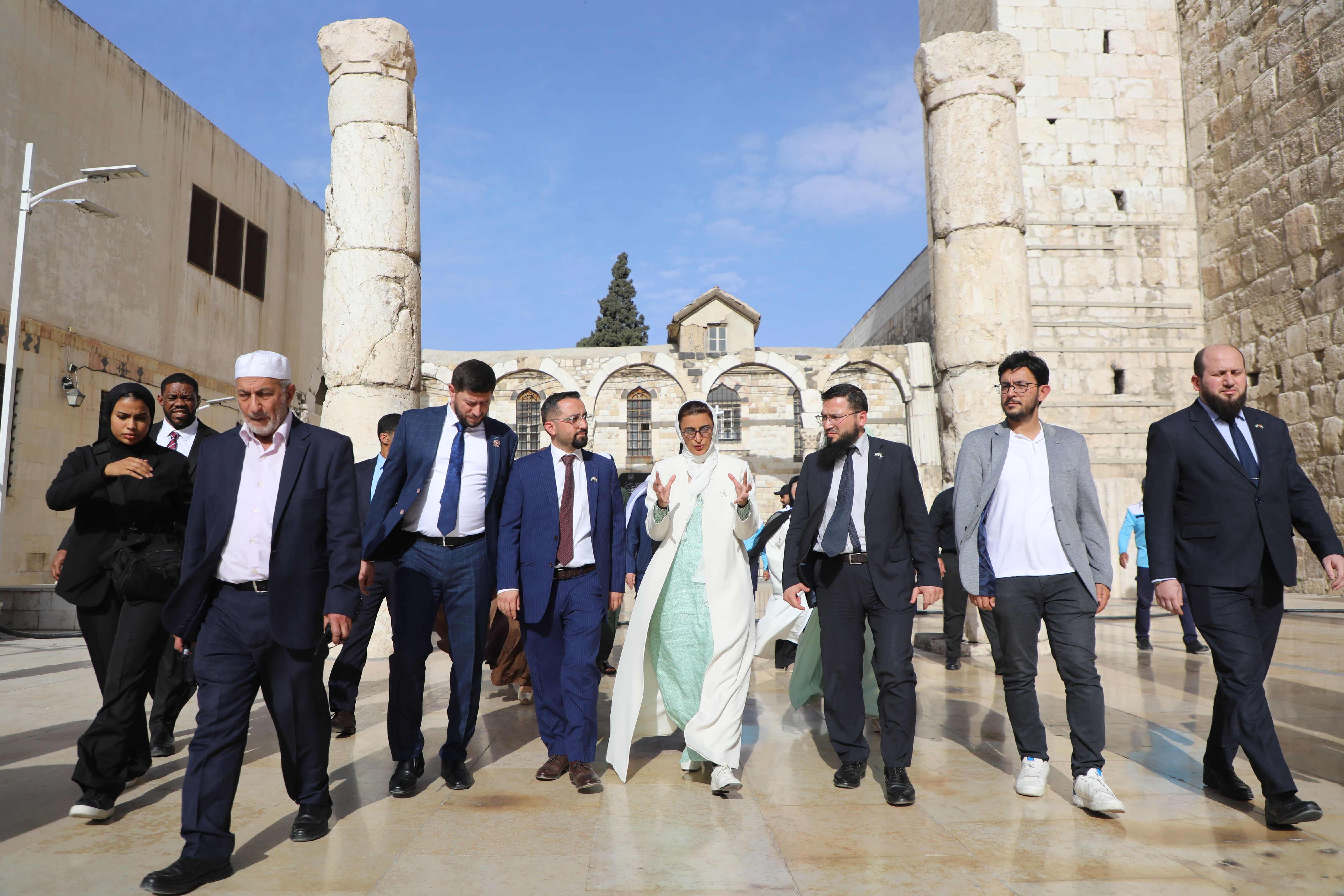
The UAE announcement of restoration of the Umayyad Mosque came during a visit by Noura bint Mohammed Al Kaabi, Minister of State, to the Umayyad Mosque in Damascus, Syria.
Al Kaabi stated, “Syria occupies a unique place at the heart of Arab and Islamic civilisation, and the Umayyad Mosque is one of its most prominent historical landmarks and enduring cultural symbols. The UAE’s announcement of the restoration of this mosque, with the generous support of H.H. Sheikha Fatima bint Mubarak, the ‘Mother of the Nation,’ reflects the importance of our shared heritage and culture, and the UAE’s unwavering support for the Syrian people.”
She emphasised the UAE’s commitment to preserving history and heritage, which is evident in the launch of cultural initiatives aimed at safeguarding Arab and Islamic heritage on the one hand, and rehabilitating cultural heritage in the Arab region on the other. This is part of the UAE’s leading global role and its distinguished record in cultural diplomacy and humanitarian work.
She explained that the initiative to restore the Umayyad Mosque in Damascus will include the structural and architectural rehabilitation of the mosque, as well as the broader revitalisation of the surrounding historical area, in a manner that aligns with the Syrian identity and the economic, cultural, and social fabric of the country.
UAE is set to restore Umayyad Mosque in Damascus with support from Sheikha Fatima
The decision followed discussions between Tinubu and President Paul Kagame after the Nigerian leader arrived in Kigali to attend the Africa CEO Forum 2026.
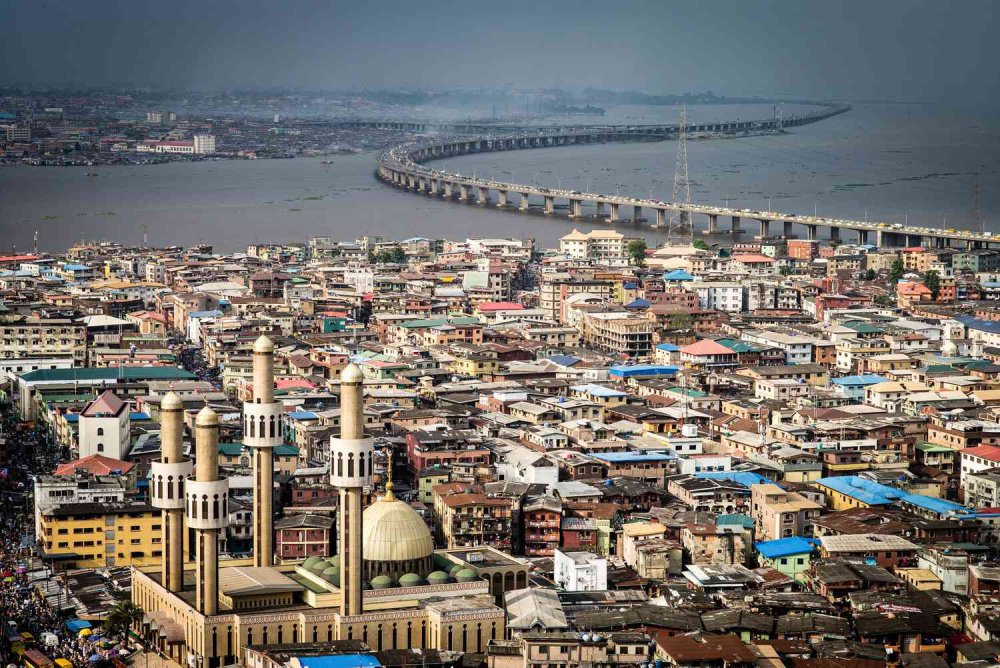
Tinubu arrived in Rwanda on Wednesday. Following talks held later that evening, Nigeria’s Minister of Foreign Affairs, Bianca Odumegwu-Ojukwu, said Nigeria would introduce visa-free entry for Rwandans, similar to Rwanda’s existing policy for Nigerian citizens.
In a statement, the Nigeria Immigration Service said the government had completed all the necessary procedures to implement the new arrangement.
Under the policy, Rwandan citizens can now enter Nigeria without a visa and stay legally for up to 30 days for purposes including tourism, business and other authorised activities.
The statement, however, noted that travellers wishing to stay beyond 30 days will still be required to apply for a visa through a Nigerian embassy or via the country’s e-Visa platform.
The immigration authority added that airports, seaports and other border entry points had been directed to begin implementing the presidential order immediately.
Rwanda and Nigeria cooperate in several areas, including diplomacy, security, air transport and technical partnerships. The two countries have also worked together in the health sector, where Nigerian doctors collaborate with Rwandan medical professionals.
During his visit, Tinubu also met members of the Nigerian community living in Rwanda, who shared a number of concerns and proposals. Among them was Masai Ujiri, founder of Zaria Court Rwanda.
The head of the Nigerian community in Rwanda said many Nigerians living in the country work in international organisations and sectors such as education, technology, business, sports and hospitality.
President Bola Ahmed Tinubu has removed visa requirements for Rwandans travelling to Nigeria.
“Abu-Bilal al-Minuki, second in command of ISIS globally, thought he could hide in Africa, but little did he know we had sources who kept us informed on what he was doing,” Trump said in a post on Truth Social.
“He will no longer terrorize the people of Africa, or help plan operations to target Americans,” Trump said. “With his removal, ISIS’s global operation is greatly diminished.”
Trump thanked the Nigerian government for its “partnership” in the operation.
U.S. President Donald Trump said on Friday that Abu-Bilal al-Minuki, second-in-command of ISIS globally, was eliminated by U.S. and Nigerian forces.
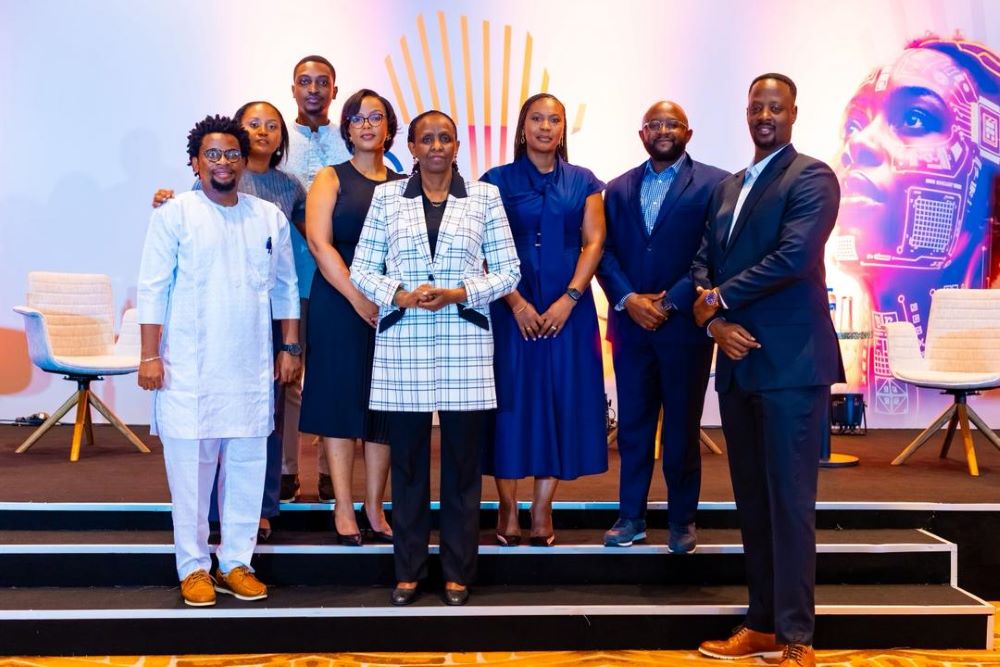
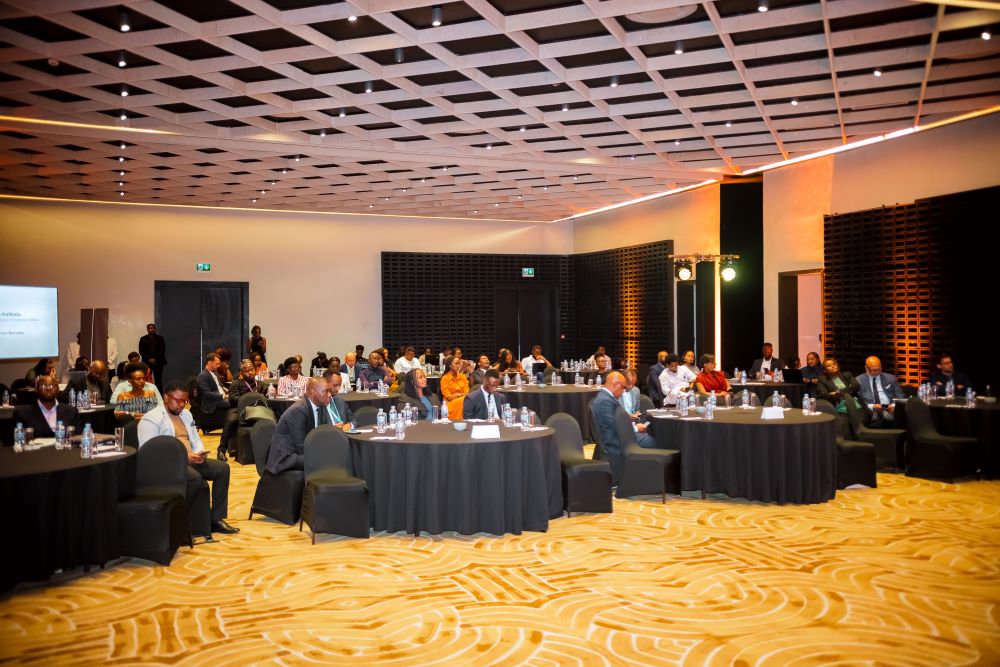
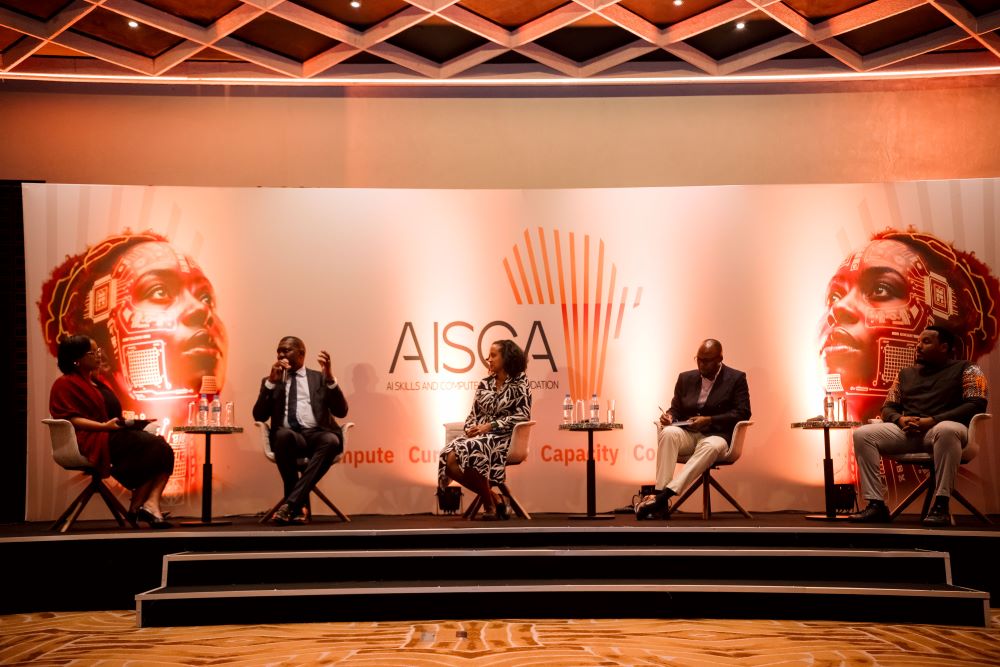
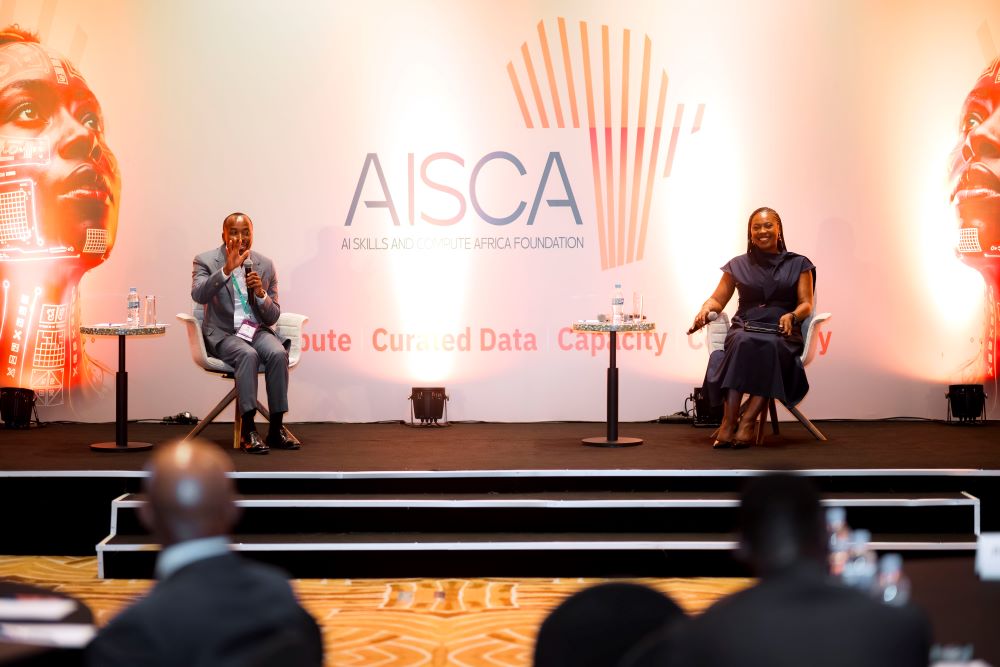
The initiative was officially launched on May 14, 2026. It is designed to provide training, technical tools, and other support to enable young innovators to build AI-powered applications capable of solving real-world problems.
AISCA has set ambitious targets, including supporting 25,000 projects, 10,000 researchers, and equipping 1.5 million people with AI-related skills. The programme also aims to help create up to one million jobs by 2036.
The Chairperson of the AISCA Board, Dr Agnes Kalibata, said Africa must begin developing technologies that respond to its own challenges rather than relying on imported solutions that often fail to address local needs.
“Africa needs to start creating technology that responds to African problems instead of continuing to use technology that was not designed for the challenges we face. For example, if I develop a tool that uses Kinyarwanda, a mother in a rural area will be able to use it because it is a language she already knows and uses,” she said.
Esther Kunda, Director General for Innovation and Emerging Technologies at the Ministry of ICT and Innovation, said that while promoting access to technology is important, equal attention must be given to ensuring that it is used meaningfully and for solving real problems.
“It is good that we want more people to use and create this technology, but we must also think about the users. Is it needed? What problem does it solve? We must avoid investing in things just because they are trending, but rather focus on what benefits citizens,” she said.
Ridwan Oloyede, Director of Policy and External Affairs at AISCA, said Africa is making progress in technological development but must also take ownership of the systems it uses.
“We are the ones who should decide who builds our technology, who uses it, and who benefits from it. That is how Africa will stand strong in this global digital era,” he said. The President and Group CEO of Cassava Technologies, Hardy Pemhiwa, stressed the importance of ensuring that African youth move beyond being users of AI and become creators of the technology.
He noted that this shift is essential for ensuring that artificial intelligence contributes to sustainable development across the continent.
AISCA will prioritize projects focused on empowering women and young people. The initiative is supported by partners including; Cassava Technologies, African Institute for Mathematical Sciences, DC Labs and other organisations.
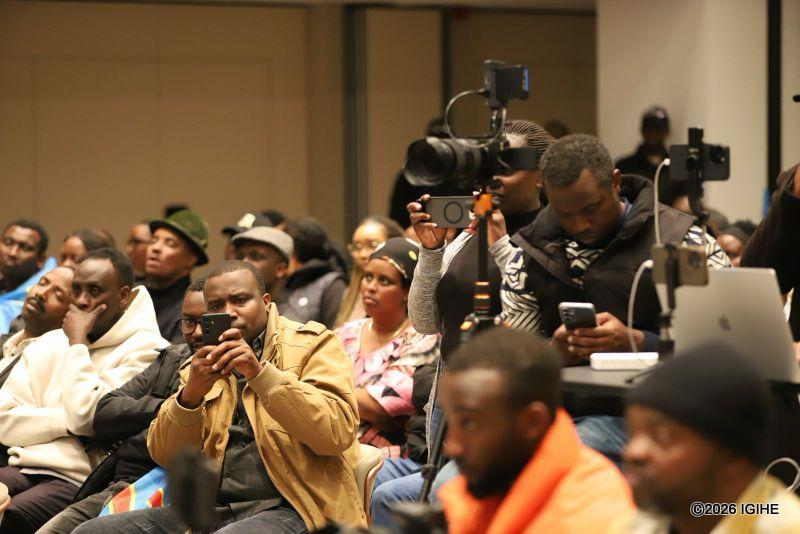
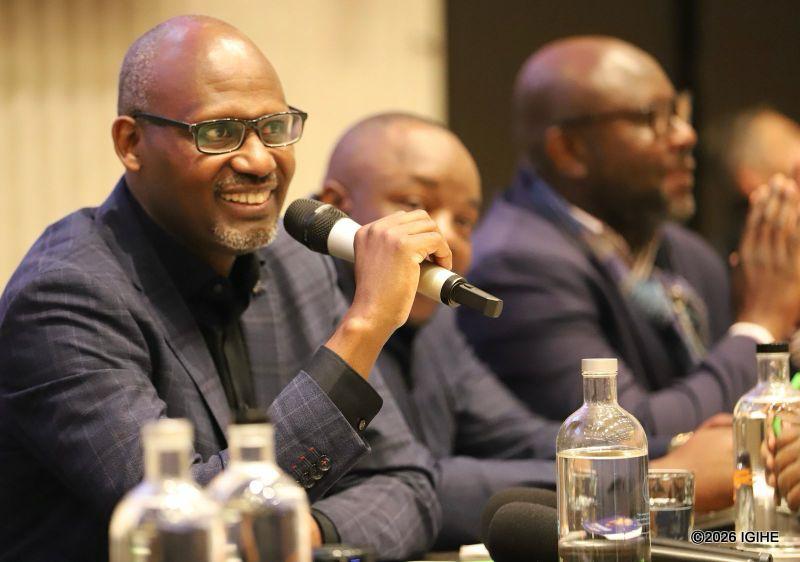
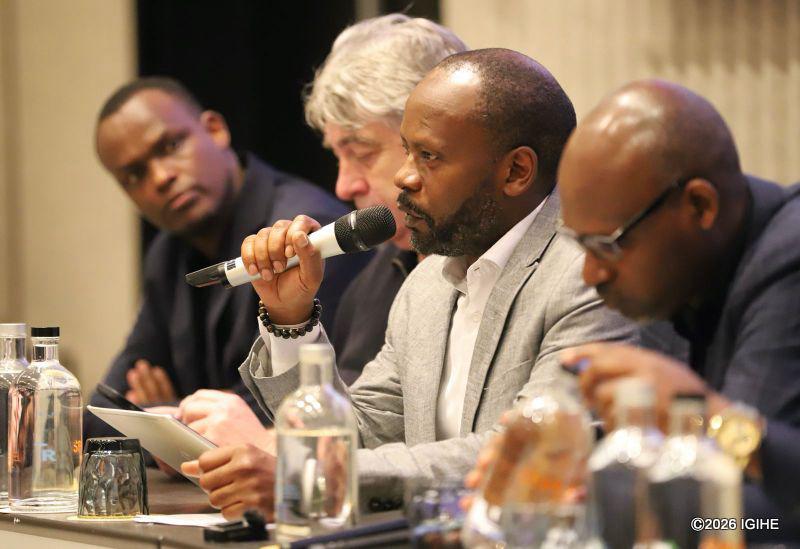
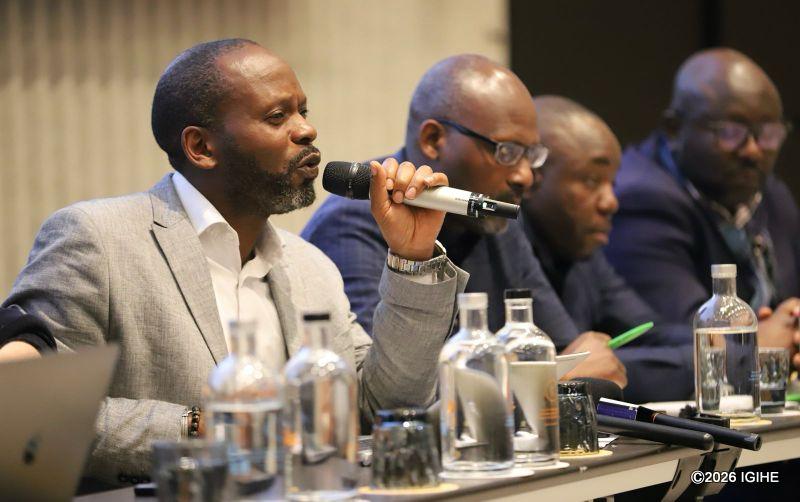
The initiative was officially launched on May 14, 2026. The launch featured discussions focused on AISCA’s critical role. The AI Skills and Compute Africa Foundation (AISCA) has been launched in Rwanda to empower youth with artificial intelligence skills and innovation tools.