Organizers of the Global Sumud Flotilla said on their website that all boats in their humanitarian convoy were intercepted after Israeli naval vessels surrounded them in international waters, about 250 nautical miles from the coast of Gaza. They said that 428 activists were “kidnapped” by Israel.
Israel began intercepting the ships on Monday morning.
Around midnight Tuesday, the Israeli Foreign Ministry said in a statement that the activists “have been transferred to Israeli vessels and are making their way to Israel,” adding that they would be allowed to meet their consular representatives.
The ministry said Israel would not allow any breach of what it called the “lawful” naval blockade of Gaza. It described the flotilla as “a PR stunt at the service of Hamas.”
The flotilla set sail from Türkiye’s Marmaris coast Thursday in a third attempt to break Israel’s blockade of Gaza and deliver aid to Palestinians in the war-devastated enclave.
A previous flotilla, comprising about 20 boats and 175 activists, was intercepted by Israeli forces on April 30 near the southern Greek island of Crete. Two of the activists were detained for days before being released. Dozens of activists said they were mistreated, abused and beaten by Israeli forces.
The flotilla, carrying aid and medical staff, says it aims to draw international attention to dire conditions in Gaza, where much of the enclave lies in ruins. More than 72,000 people have been killed by Israeli fire and over 172,000 injured since October 2023, according to Gaza health authorities.
Israel began intercepting the ships on Monday morning.
Congo’s Minister of Public Health, Samuel Roger Kamba, said on Tuesday that authorities are still assessing how many of the reported deaths are directly connected to Ebola. At least 30 cases have so far been laboratory confirmed.
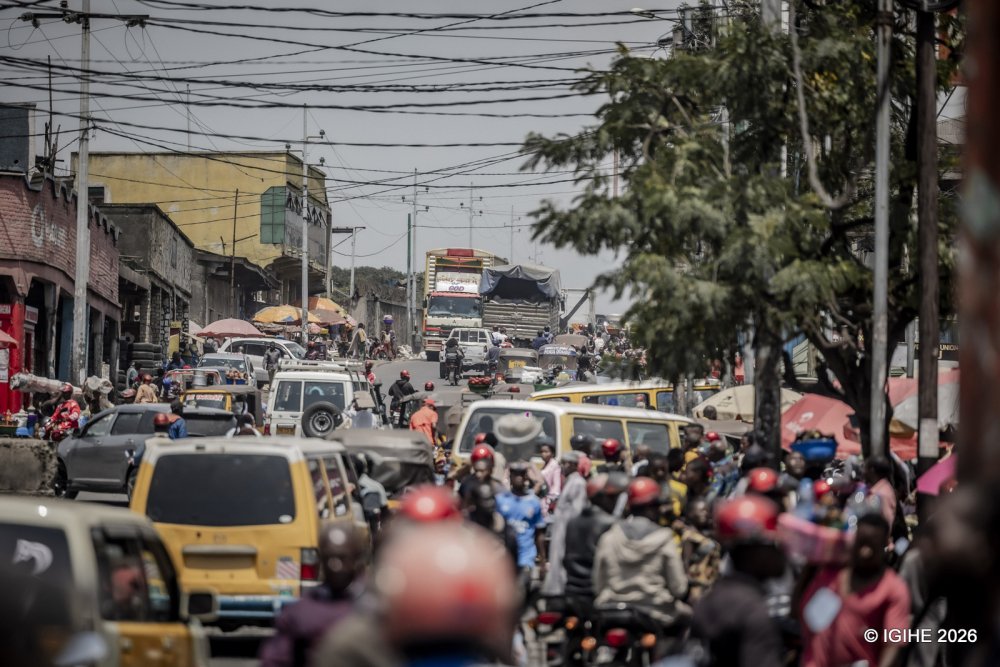
The outbreak has affected several urban areas, including Goma, one of the largest cities in eastern Congo. According to the World Health Organization, cases have also been reported across the border in Uganda, where two infections were confirmed in Kampala, including one death involving travelers from Congo.
Speaking during the World Health Assembly in Geneva, World Health Organization Director-General Dr. Tedros Adhanom Ghebreyesus said the organization was concerned about the scale and speed of the outbreak.
He noted that the WHO had declared the situation a public health emergency of international concern following consultations with health officials from both countries.
Health experts say the outbreak involves the Bundibugyo strain of Ebola, a relatively rare variant for which there are no approved vaccines or specific treatments. Previous outbreaks involving this strain were recorded in 2007 and 2012.
Ugandan authorities said surveillance teams have been deployed at border crossings to screen travelers, while laboratories and testing centers have also been activated to support the response.
The WHO said more than 40 experts were deployed to affected areas on Sunday. The agency has also delivered over 12 tons of medical supplies, including protective equipment for healthcare workers, laboratory materials, tents and medicines, with additional supplies expected.
The United States announced the deployment of a Disaster Assistance Response Team to support efforts in Congo and Uganda. Officials said up to 50 clinics in affected regions would receive support for emergency screening, triage and isolation services.
An American doctor working in eastern Congo also tested positive for Ebola after reportedly being exposed while treating patients at Nyankunde Hospital.
The doctor was later evacuated to a U.S. military base in Germany for further treatment, while other high-risk contacts, including family members, remain under quarantine and monitoring.
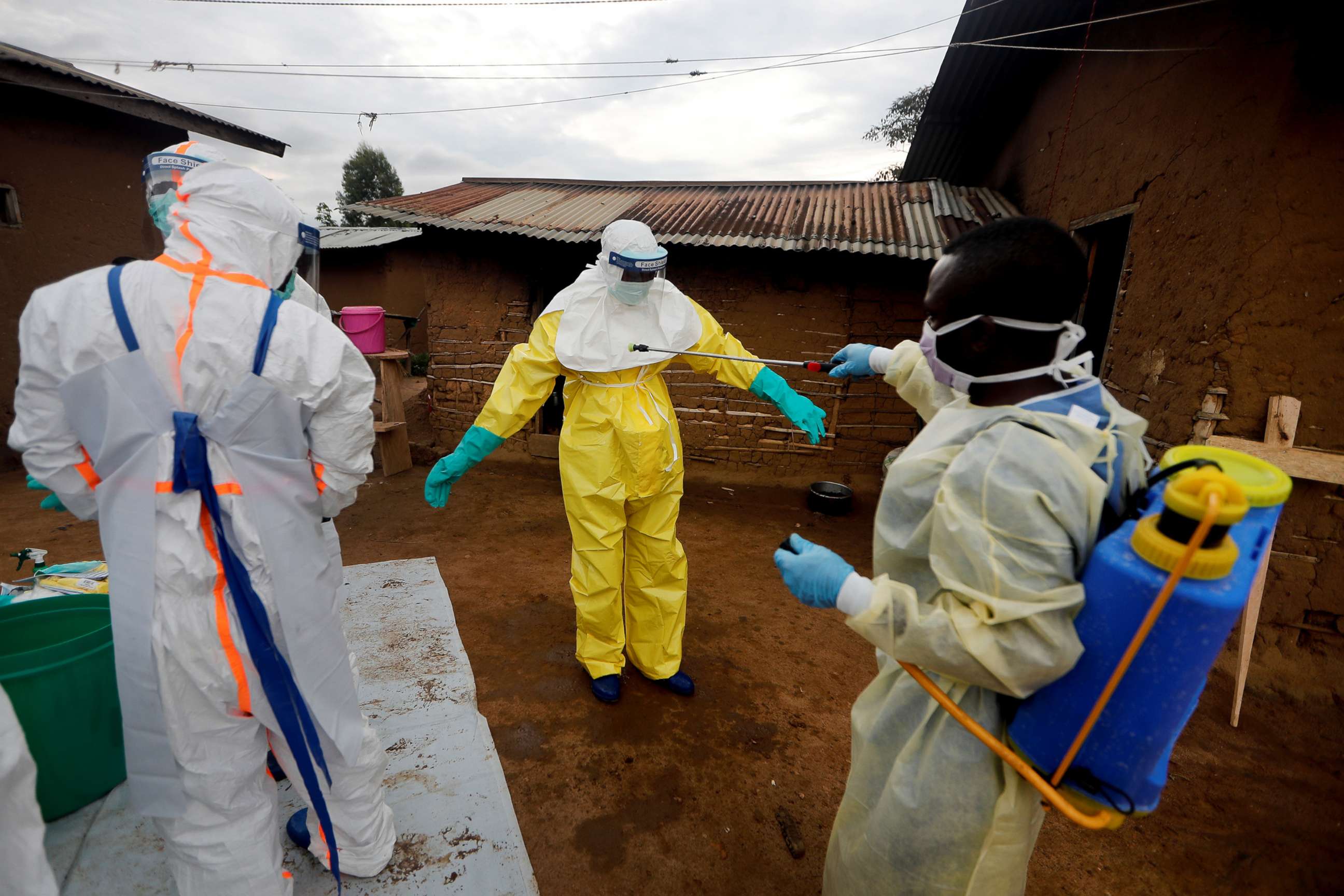
Kavota Mugisha Robert, a healthcare worker, decontaminates his colleague after he entered the house of 85-year-old woman, suspected of dying of Ebola, in the eastern Congolese town of Beni in the Democratic Republic of Congo, Oct. 8, 2019. Zohra Bensemra/Reuters
Speaking at the White House, Trump said Iran’s leaders were “begging” to make a deal, but warned that a new U.S. attack could take place in the coming days if no agreement is reached.
He said the timeline could be Friday, the weekend or early next week, stressing that Washington “can’t let them have a new nuclear weapon.”
Trump said several Gulf allies had told him there was progress in negotiations brokered by Pakistan toward a peace deal so he would allow a “limited period of time” — two or three days, at least — for talks to continue.
The president said on Monday that this time was “a little bit different” from previously stalled talks in which Washington thought a deal was close.
“We’ve had periods of time where we had, we thought, pretty much getting close to making a deal, and it didn’t work out. But this is a little bit different,” Trump told reporters one day earlier.
In an interview with Fox News on Monday, White House deputy press secretary Anna Kelly also said “Iran must renounce their nuclear ambitions for good.”
Iran will “open new fronts” against the United States if the latter resumes attacks, Iran’s ISNA news agency reported, citing Iran’s army spokesperson Mohammad Akraminia.
“If the enemy acts foolishly, falls into the Israeli trap and commits another aggression, we will open new fronts against them with new methods,” Akraminia was quoted as saying by ISNA on social media platform X.
Speaking at the White House, Trump said Iran’s leaders were “begging” to make a deal, but warned that a new U.S. attack could take place in the coming days if no agreement is reached.A woman walks past an anti-US billboard depicting US President Donald Trump and the Strait of Hormuz, in Tehran, Iran on May 17. PHOTO: Reuters
Global GDP growth is now forecast at 2.5 percent for 2026, 0.2 percentage points below the January projection, and a modest recovery is projected at 2.8 percent in 2027, according to the report.
The shock delivered by the crisis is primarily felt in the energy sector, through constrained supply, surging prices, and rising freight and insurance costs, with effects cascading through supply chains and increasing production costs globally. While the surge in prices delivers substantial windfall gains for energy companies, it has intensified cost pressures for households and businesses worldwide.
A particular concern is food prices. Fertilizer supplies have been disrupted, pushing up costs, which could reduce crop yields, exerting upward pressure on food prices.
The conflict has halted the global disinflation trend underway since 2023, with inflation forecast to rise from 2.6 percent in 2025 to 2.9 percent in 2026 in developed economies, and from 4.2 percent to 5.2 percent in developing economies, the report said.
Solid labor markets, resilient consumer demand, and artificial intelligence-driven trade and investment support global activity but are unlikely to fully offset widespread headwinds, and the outlook is most challenging for fuel- and food-importing developing economies.
The impact of the crisis is highly uneven, with the most severe damage concentrated in Western Asia, where growth is projected to plunge from 3.6 percent in 2025 to 1.4 percent in 2026, driven not only by the energy shock but also by direct infrastructure damage and severe disruptions to oil production, trade and tourism, the report showed.
Elsewhere, outcomes vary widely, shaped above all by exposure and the capacity to respond.
“The Middle East crisis has intensified strains across developing economies,” said UN Under-Secretary-General Li Junhua, head of the UN Department of Economic and Social Affairs. “Rising borrowing costs and renewed capital flow pressures risk deepening debt vulnerabilities and constraining the resources available for sustainable development at a critical moment.”
Demonstrators holding placards take part in a May Day rally in Los Angeles, California, the United States, on May 1, 2026. (Photo by Qiu Chen/Xinhua)
Arsenal were confirmed champions on May 19, 2026, after AFC Bournemouth held Manchester City F.C. to a 1-1 draw. The result left Manchester City on 78 points, four behind Arsenal’s 82 points, with only one match remaining in the season for both teams.
In a message shared on X, Kagame congratulated Arsenal on their achievement, describing the title as well deserved after a highly competitive season.
“Congratulations to Arsenal, our VisitRwanda partner, on being the Premier League champions after a hard fought season! A well-deserved title!” Kagame wrote.
This marks Arsenal’s first league title since the 2003/2004 campaign, when the club famously completed the season unbeaten. It is also the club’s fourth Premier League title, having previously won in 1997/98 and 2001/02. Overall, Arsenal have now won 14 English league titles.
Arsenal and Rwanda have partnered since 2018 through the Visit Rwanda campaign, which promotes Rwanda’s tourism sector through branding displayed on the club’s sleeves and at its stadium. Several Arsenal players have also visited Rwanda over the years as part of the partnership.
However, the partnership is expected to end after the 2025/2026 season. Arsenal will conclude their Premier League campaign with a home match against Crystal Palace F.C. on Sunday at 5:00 p.m.
The club’s pursuit of more history will continue in the UEFA Champions League, where Arsenal are set to face Paris Saint-Germain F.C.. Winning the competition would see Arsenal lift the Champions League trophy for the first time in the club’s history.
Arsenal and Rwanda have partnered since 2018 through the Visit Rwanda campaign, which promotes Rwanda’s tourism sector through branding displayed on the club’s sleeves and at its stadium.
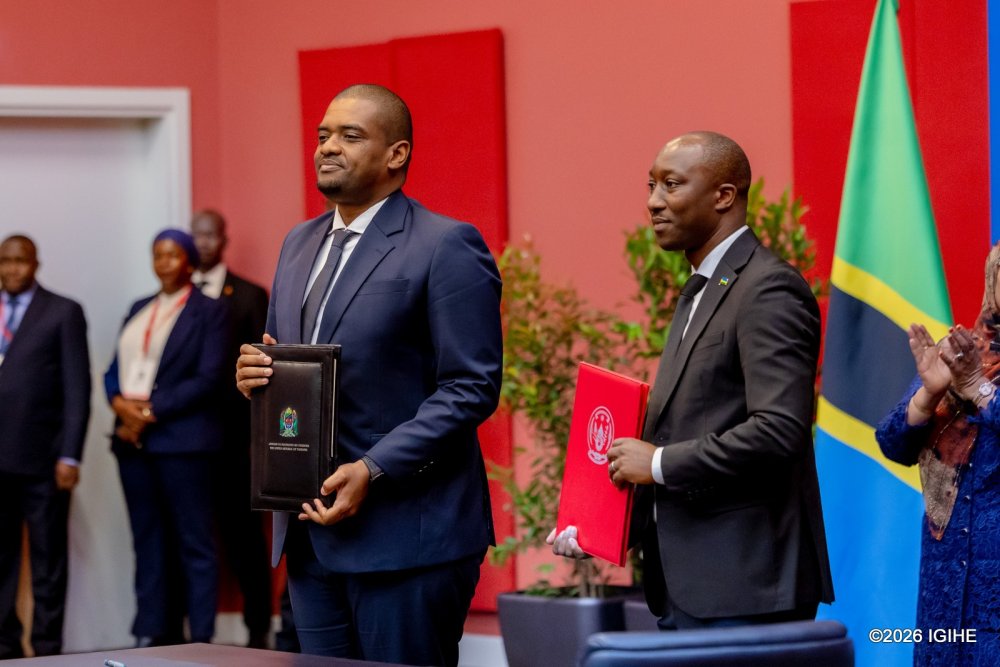
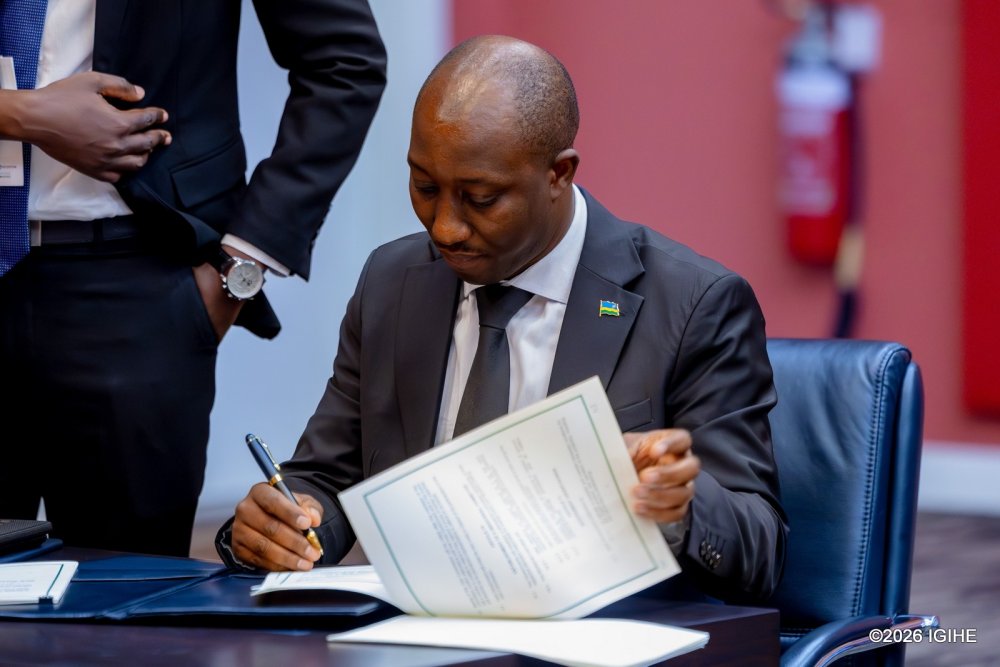
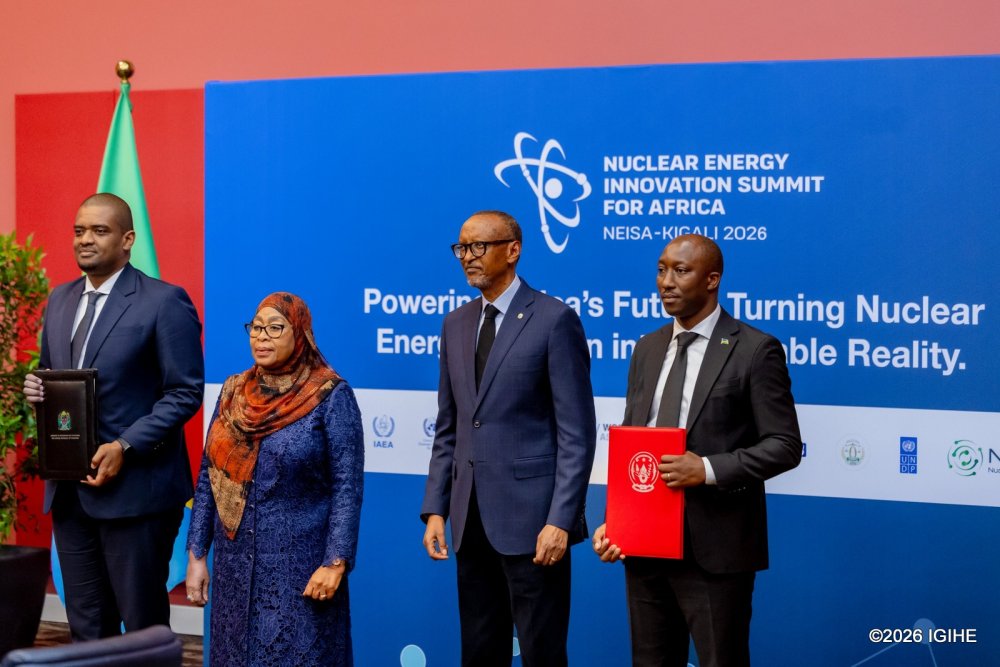
The agreement was signed on Tuesday, May 19, 2026, by Rwanda’s Minister of Infrastructure, Dr. Jimmy Gasore, and Tanzania’s Minister of Energy, Deogratius John Ndejembi.
It was witnessed by Rwandan President Paul Kagame and his Tanzanian counterpart, Samia Suluhu Hassan.
It focuses on expanding cooperation in key areas such as power infrastructure development, renewable energy, institutional capacity building, and cross-border energy collaboration.
Dr. Gasore praised the long-standing relationship between Rwanda and Tanzania, saying the agreement reflects both countries’ commitment to strengthening existing ties and promoting regional cooperation, particularly in the energy sector.
He added that the agreement will help the two countries work together in mutually beneficial areas such as energy trade, infrastructure development, technical cooperation, and other initiatives aimed at accelerating regional integration within East Africa.
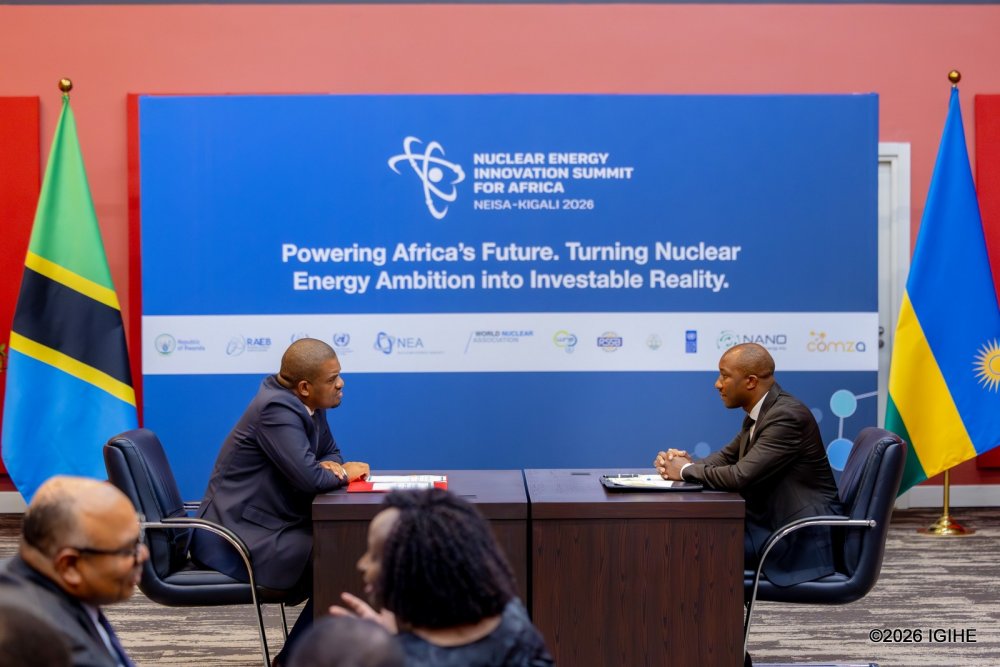
The signing took place during high-level engagements held in Kigali, where Rwanda is hosting the second edition of the Nuclear Energy Innovation Summit on Africa (NEISA 2026) at the Kigali Convention Centre.
The summit has brought together senior leaders, including President Paul Kagame and visiting heads of state from Tanzania and Togo, international organisations, investors and technical experts to discuss how Africa can scale up reliable energy systems to support long-term economic transformation.
The MoU comes at a time when Rwanda is advancing long-term plans to diversify its energy sources, including the introduction of nuclear power.
The country aims to generate up to 1.5 gigawatts of electricity from nuclear energy by 2050, as part of efforts to meet rising national demand, which is projected to exceed 5,000 megawatts in the coming decades.
Speaking at the summit, Kagame said Rwanda’s successful completion of the International Atomic Energy Agency’s (IAEA) Phase I Integrated Nuclear Infrastructure Review marked a key milestone in its nuclear energy roadmap.
“We intend to have nuclear energy operational by the early 2030s. This assessment confirms that we are on track,” Kagame said.
Kagame said Africa’s development prospects depend heavily on solving persistent energy shortages, noting that modern manufacturing, mineral processing, digital infrastructure, artificial intelligence and advanced healthcare all require stable and reliable electricity.
Among the options under consideration is Small Modular Reactor (SMR) technology, which Rwanda views as more suitable than traditional large nuclear plants.
According to the Rwanda Atomic Energy Board (RAEB) Chief Executive Officer, Dr. Fidele Ndahayo, Rwanda could begin construction of its first nuclear power plant within the next two years, with preparatory work already underway.
Speaking at a recent stakeholder consultative meeting , he noted that several potential sites have been identified, while detailed technical and environmental studies are ongoing.
Tanzania produces about 4,500 megawatts of electricity. However, the country expects its electricity demand to rise to nearly 8,000 megawatts by 2030 and 70,000 megawatts by 2050.
Meanwhile, Rwanda’s electricity capacity stands at about 406 megawatts, creating a significant gap that authorities say must be addressed through new and scalable energy solutions.
Rwanda and Tanzania are already cooperating on several energy projects, including the Rusumo hydropower project, which has the capacity to generate 80 megawatts of electricity.
The project, jointly developed by Rwanda, Tanzania, and Burundi, is expected to provide each country with 26.6 megawatts of electricity. The power generated is expected to benefit about 1.146 million people, including around 520,000 Burundians, 467,000 Rwandans, and 159,000 Tanzanians.
The signing ceremony took place at KCC on the margins of the second edition of the Nuclear Energy Innovation Summit on Africa (NEISA 2026) at the Kigali Convention Centre. Rwanda’s Minister of Infrastructure, Dr. Jimmy Gasore signed the MoU on behalf of Rwanda. The agreement was witnessed by Rwandan President Paul Kagame and his counterpart of Tanzania Samia Suluhu. Rwanda’s Minister of Infrastructure, Dr. Jimmy Gasore, and Tanzania’s Minister of Energy, Deogratius John Ndejembi after signing the cooperation deal.
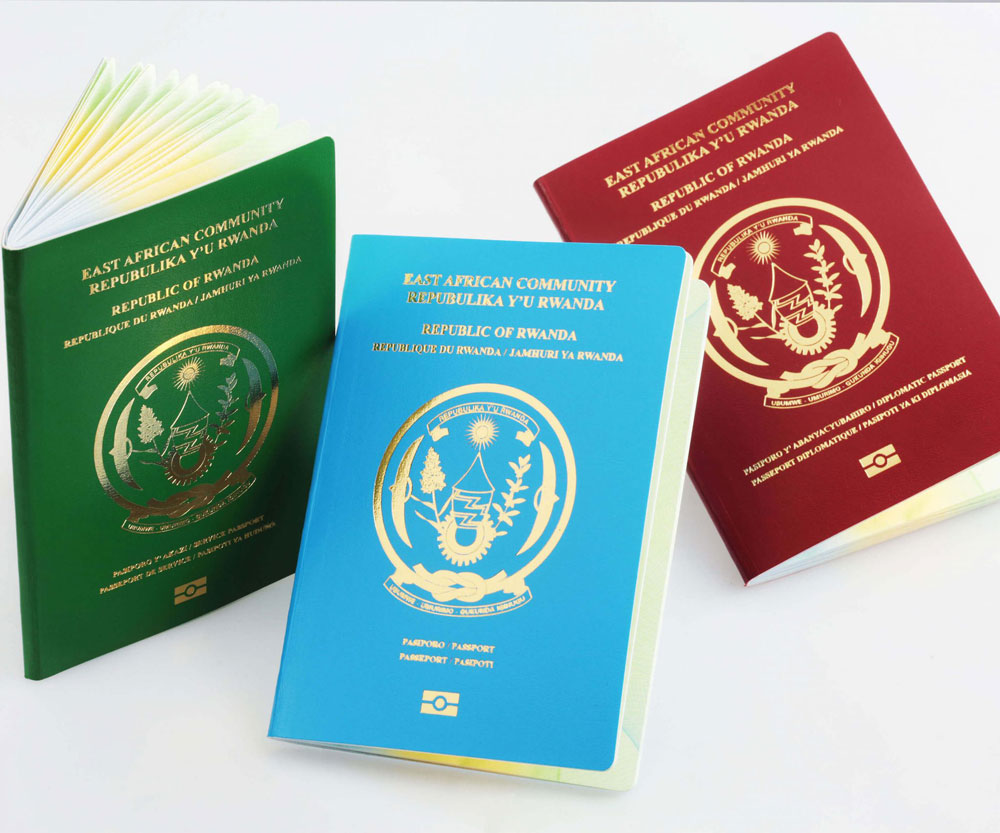
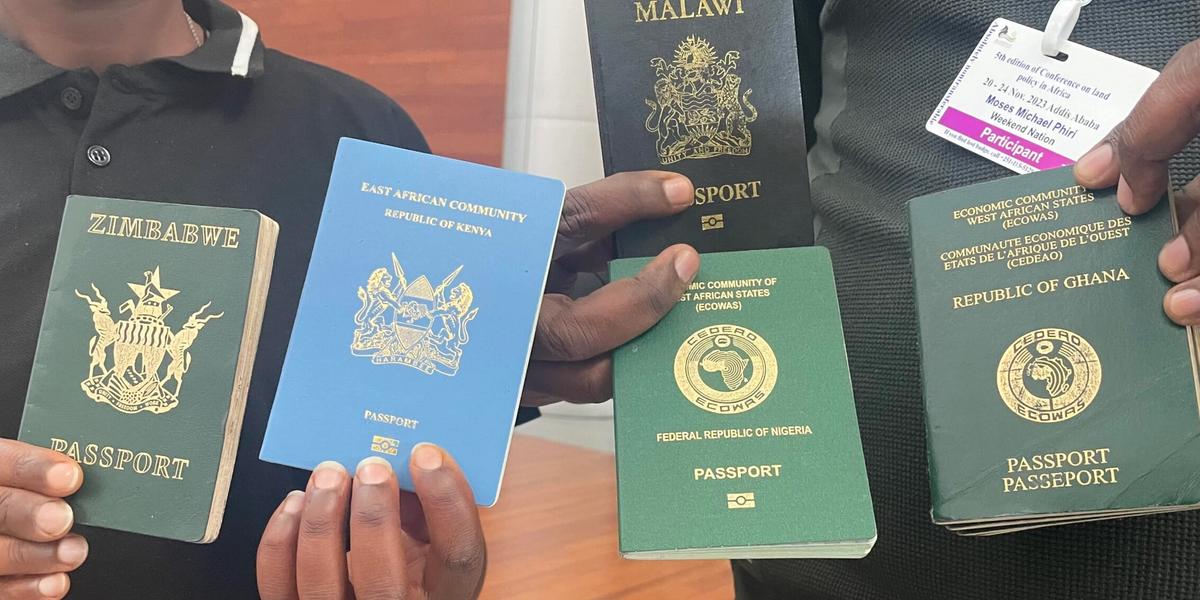
The President of the Council of Ministers of Togo, Faure Essozimna Gnassingbé, approved the decision as part of efforts to strengthen African integration and make movement across the continent easier.
Following this approval, on May 18, 2026, Togo’s Minister of Security, Calixte Batossie Madjoulba, officially announced that the visa-free policy applies to all African citizens holding valid passports.
According to the minister, the move is intended to promote free movement of people and goods, strengthen cooperation among African countries, and encourage economic and cultural exchanges across the continent.
Togo also said it aims to position itself as a major African hub for services, trade, culture, and other continental activities. Authorities believe opening the country’s borders more widely will help achieve that goal.
With this decision, Togo joins countries such as Rwanda, Seychelles, The Gambia, and Benin, which have adopted similar visa-free policies for African travelers in recent years.
However, Togo clarified that travelers must still respect immigration, security, and public health regulations. Authorities also warned that people who enter or stay in the country illegally, or violate security and administrative rules, will still face legal action.
Togo has become the sixth African country to scrap visa requirements for African passport holders.
A new study published by Science News suggests that early feathered dinosaurs used small wing-like structures to scare insects into moving, making them easier to catch and eat.
Researchers say this behavior may have existed millions of years before birds learned how to fly.
The idea came from zoologist Piotr Jablonski after watching birds in the American West spread their wings or tail feathers to flush insects out of hiding. He wondered if small feathered dinosaurs, which later evolved into birds, may have done the same thing.
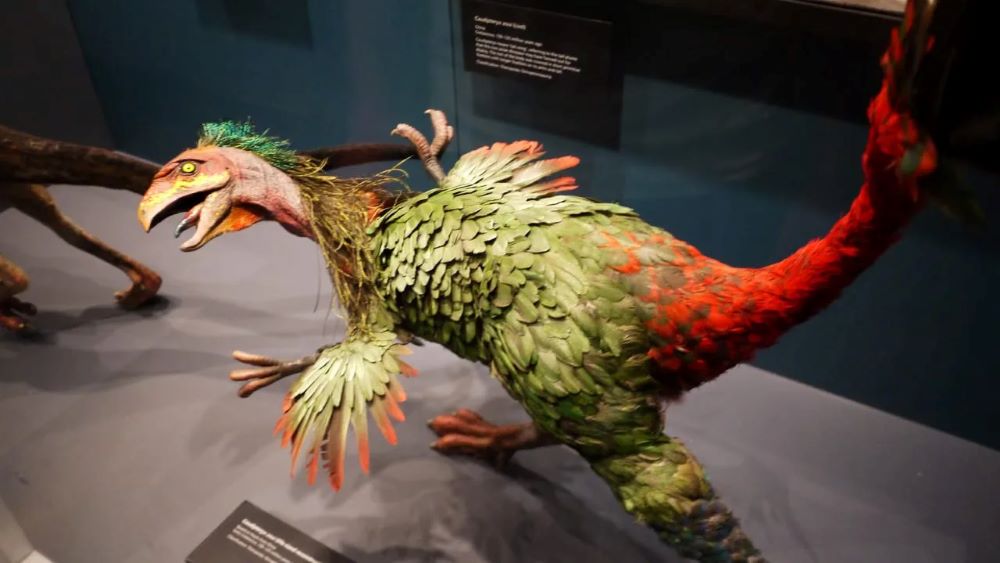
To test the theory, researchers built a robotic dinosaur called “Robopteryx,” modeled after a turkey-sized dinosaur known as Caudipteryx. The robot was fitted with detachable protowings and used to interact with wild grasshoppers in South Korea.
During the experiments, the robot opened its wings or moved its tail toward insects. Scientists discovered that grasshoppers were more likely to jump away when the robot had wing-like feathers attached. This made it easier for a predator to spot and catch them.
Researchers later used computer animations of the dinosaur and studied the brain activity of locusts. The insects reacted more strongly when the animated dinosaur displayed feathered wings instead of bare arms.
Scientists say the findings support the idea that early wings may have first been used for display and hunting rather than flight.
The research also highlights how nature changes slowly over time. Features that later became important for flying may originally have served completely different purposes.
Experts believe these feathered dinosaurs may also have used their wings to attract mates or communicate with each other, much like many birds still do today.
The study gives new insight into the long evolutionary journey that eventually led to the birds seen in the skies today.
A new study suggests that early feathered dinosaurs used small wing-like structures to scare insects into moving, making them easier to catch and eat.
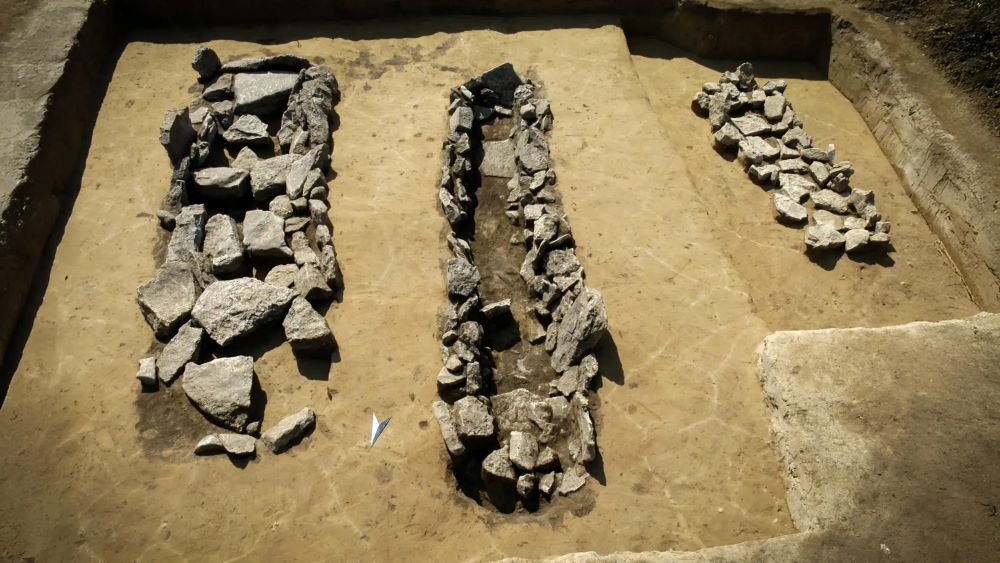
The discoveries come from a major study published in Nature Communications. Researchers studied rare ancient graves found in Germany, Czechia, and Poland to better understand life during the Late Bronze Age, between 1300 and 800 BCE.
At that time, many communities in Europe practiced cremation, meaning bodies were burned after death.
Because cremation destroys much of the human remains scientists usually study, this period has long been difficult to fully understand.
To solve this problem, researchers examined rare graves where bodies had not been cremated. They also studied cremated remains from other sites in Central Germany. Using ancient DNA, chemical analysis, and skeletal studies, scientists learned more about how these communities lived, ate, traveled, and buried their dead.
The study found that most people remained close to where they were born instead of moving far away.
Researchers say new ideas and traditions likely spread through trade and contact between communities rather than large migrations.
Scientists also discovered changes in diet. Many communities began eating broomcorn millet, a crop that originally came from northeast China. Later, people returned to more traditional foods like wheat and barley.
The skeletons showed signs of hard physical work, stress during childhood, and injuries, but researchers found little evidence of large disease outbreaks.
The findings also revealed that burial practices were very diverse. Some people were cremated, while others received traditional burials or more complex funeral rituals.
Researchers say the study shows that Bronze Age Europe was a connected and changing world where people mixed old traditions with new ideas.
According to the head of Congo’s National Institute for Biomedical Research (INRB), Prof. Jean Jacques Kayembe, the Ebola patient arrived in Goma from the city of Bunia in Ituri Province after her husband died from the virus.
AFC/M23 spokesperson Lawrence Kanyuka said the patient is currently receiving specialized treatment in Goma and that strict measures have been put in place to prevent the spread of the disease.
These include tracing and closely monitoring everyone who had contact with the infected person.
Kanyuka added that AFC/M23 has set up a response team made up of medical experts and partner organizations to conduct investigations, carry out testing, and implement necessary prevention measures.
On the night of May 18, Kanyuka announced that 189 contacts had already been identified. He also said that 22 samples collected that day were sent to the INRB laboratory in Kinshasa for testing.
“Among the results received so far, five samples tested negative while other results are still pending,” he said.
AFC/M23 also reported that a suspected Ebola case was identified in Bukavu, South Kivu Province, but tests conducted by a laboratory in Goma confirmed that the person was not infected.
“So far, in all areas under our control, only one Ebola patient has been confirmed and is being treated in Goma. No other cases have been detected,” the group stated.
The coalition urged residents in the areas it controls not to panic, while encouraging them to remain vigilant and follow preventive measures against the virus.
In response to the outbreak reported in DRC, the Rwandan government closed the border crossings in Rubavu and Rusizi to prevent Ebola from entering the country.
Rwanda has also strengthened border screening and is working closely with local, regional, and international partners to protect public health.
Goma is a densely populated city requiring strict measures to contain the outbreak.