A new study published by Science News suggests that early feathered dinosaurs used small wing-like structures to scare insects into moving, making them easier to catch and eat.
Researchers say this behavior may have existed millions of years before birds learned how to fly.
The idea came from zoologist Piotr Jablonski after watching birds in the American West spread their wings or tail feathers to flush insects out of hiding. He wondered if small feathered dinosaurs, which later evolved into birds, may have done the same thing.
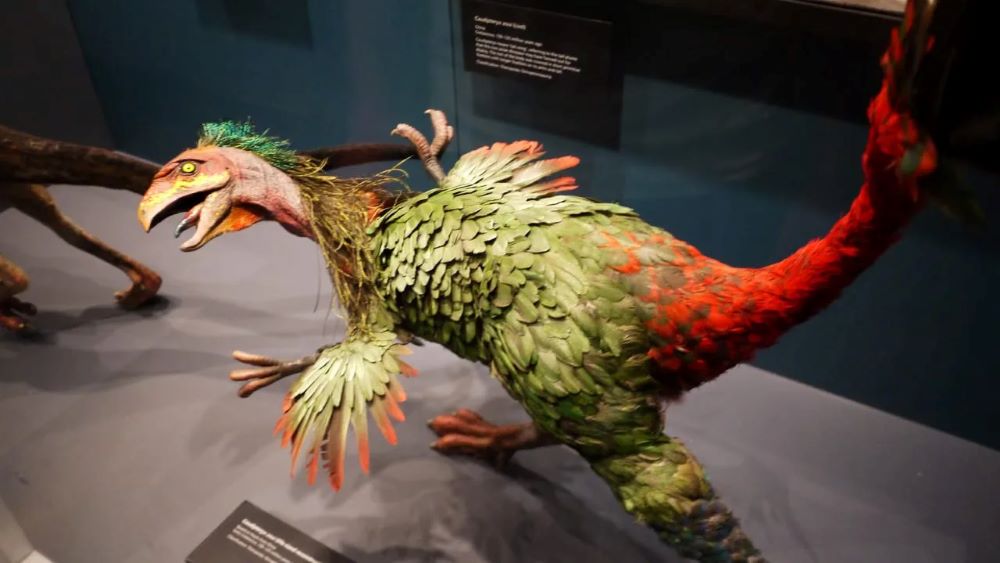
To test the theory, researchers built a robotic dinosaur called “Robopteryx,” modeled after a turkey-sized dinosaur known as Caudipteryx. The robot was fitted with detachable protowings and used to interact with wild grasshoppers in South Korea.
During the experiments, the robot opened its wings or moved its tail toward insects. Scientists discovered that grasshoppers were more likely to jump away when the robot had wing-like feathers attached. This made it easier for a predator to spot and catch them.
Researchers later used computer animations of the dinosaur and studied the brain activity of locusts. The insects reacted more strongly when the animated dinosaur displayed feathered wings instead of bare arms.
Scientists say the findings support the idea that early wings may have first been used for display and hunting rather than flight.
The research also highlights how nature changes slowly over time. Features that later became important for flying may originally have served completely different purposes.
Experts believe these feathered dinosaurs may also have used their wings to attract mates or communicate with each other, much like many birds still do today.
The study gives new insight into the long evolutionary journey that eventually led to the birds seen in the skies today.
Leave a Reply