At the ongoing third edition of Biashara Afrika in Togo, an annual pan-African business and investment forum organized by the AfCFTA Secretariat, participants stressed that without a strong common protocol, unfair practices such as market abuse, unfair trade practices, cartels, and monopolies would undermine the goal of the AfCFTA.
Speaking at a high-level conference on competition policy and law held on the sidelines of the event on Tuesday, Simeon Koffi, director-general of the Economic Community of West African States (ECOWAS) Regional Competition Authority, said that cross-border anti-competitive practices, differences in national legal frameworks, and a lack of funding are among the key challenges facing competition authorities in member states.
Koffi added that barriers to market entry, the dominance of informal economic activity, institutional weaknesses, and inconsistent enforcement of regional trade rules further deepen the bottlenecks that require urgent attention.
While noting that ECOWAS has made significant progress in establishing regional competition rules, he acknowledged that implementation remains a major challenge requiring stronger continental cooperation.
“Purely national solutions have shown their limits. What we need is a stronger collaboration between regional competition authorities and the proposed AfCFTA competition authority to ensure coordinated market regulation across the continent,” the official urged.
In his keynote speech, Togolese Director-General for Trade Claude Talime Abe highlighted that a unified protocol on competition is needed as a strong pillar for fairness, transparency, and security within Africa’s nascent single market.
On strengthening cooperation between governments, regulators, and the private sector, Talime called for the harmonization of competition principles at both national and regional levels.
“Competition policy and law are essential for promoting trade exchanges within a framework of fairness, security, and healthy competition. But competition law must go beyond policy declarations and focus on practical implementation mechanisms capable of supporting sustainable regional trade,” Talime said.
Wamkele Mene, secretary-general of the AfCFTA Secretariat, emphasized that the current level of implementation of intra-regional trade under AfCFTA has highlighted the importance of competition policy and other policy enablers in an integrated market.
He said the protocol of competition contains various provisions that provide the required complementarity in terms of jurisdiction between the regional and national authorities on the one hand and the continental authority on the other hand.
“We have built into the treaty these legal complementarities to enable the national authorities and the regional authorities to continue their work in a complementary manner between the two,” he said.
“What we are seeking to achieve is a common policy and legal framework of competition for our continent, both for the benefit of big economies and small economies, and more importantly, for the benefit of Africans and consumers,” Mene added.
Known for its cleanliness, safety and strong governance, the city has become a regional hub for business, tourism and international events, attracting visitors through conferences, sports competitions, cultural experiences and eco-tourism initiatives.
Ongoing investments in urban development, sustainability and tourism promotion continue to create opportunities for both local and international investors, particularly in the tourism sector, which still holds significant untapped potential.
Below are some of the key investment opportunities in Kigali’s tourism industry.
Environment and Eco Tourism
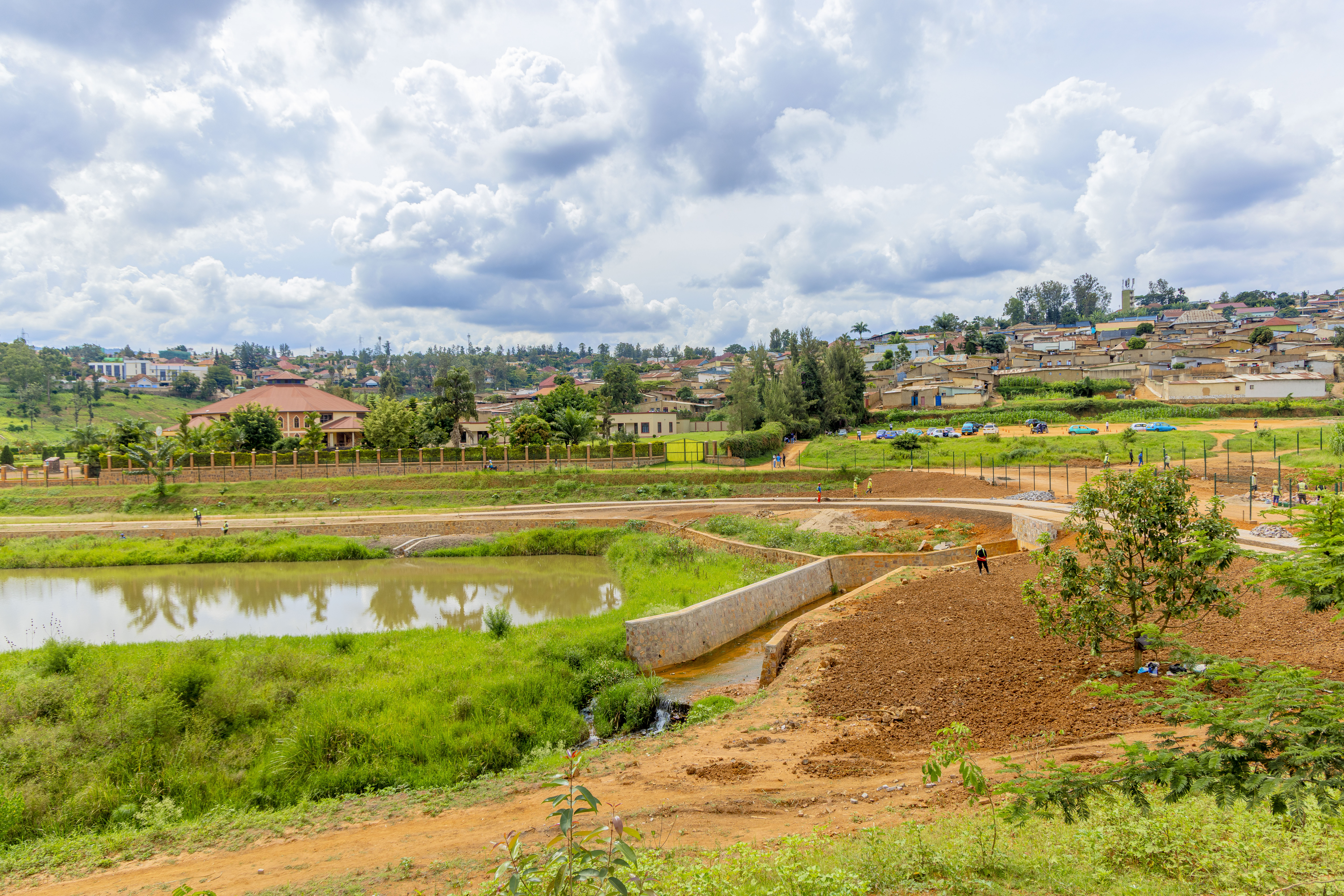
The City of Kigali has made major investments in environmental conservation and ecological restoration over the past decade. One of the key initiatives has been the rehabilitation of wetlands and their transformation into eco-tourism destinations, environmental conservation areas, and research hubs.
This transformation has created unique opportunities for investment in eco-tourism related services and infrastructure.
Nyandungu Eco Tourism Park stands as one of the leading examples of this vision. Once a degraded wetland, the area has been transformed into a modern eco-tourism destination attracting both residents and international visitors.
Due to its growing popularity and visitor traffic, the park continues to provide strong opportunities for investment in tourism related businesses and recreational services.
The success of Nyandungu has also gained international recognition, with the park being ranked among the top 10% of places to visit globally by TripAdvisor in 2025.
In addition to Nyandungu, several other wetlands in Kigali are currently undergoing restoration and transformation into eco-tourism attractions, biodiversity conservation spaces, and research centers. These include Gikondo, Rwampara, Nyabugogo, Rugenge Rwintare, and Kibumba wetlands.
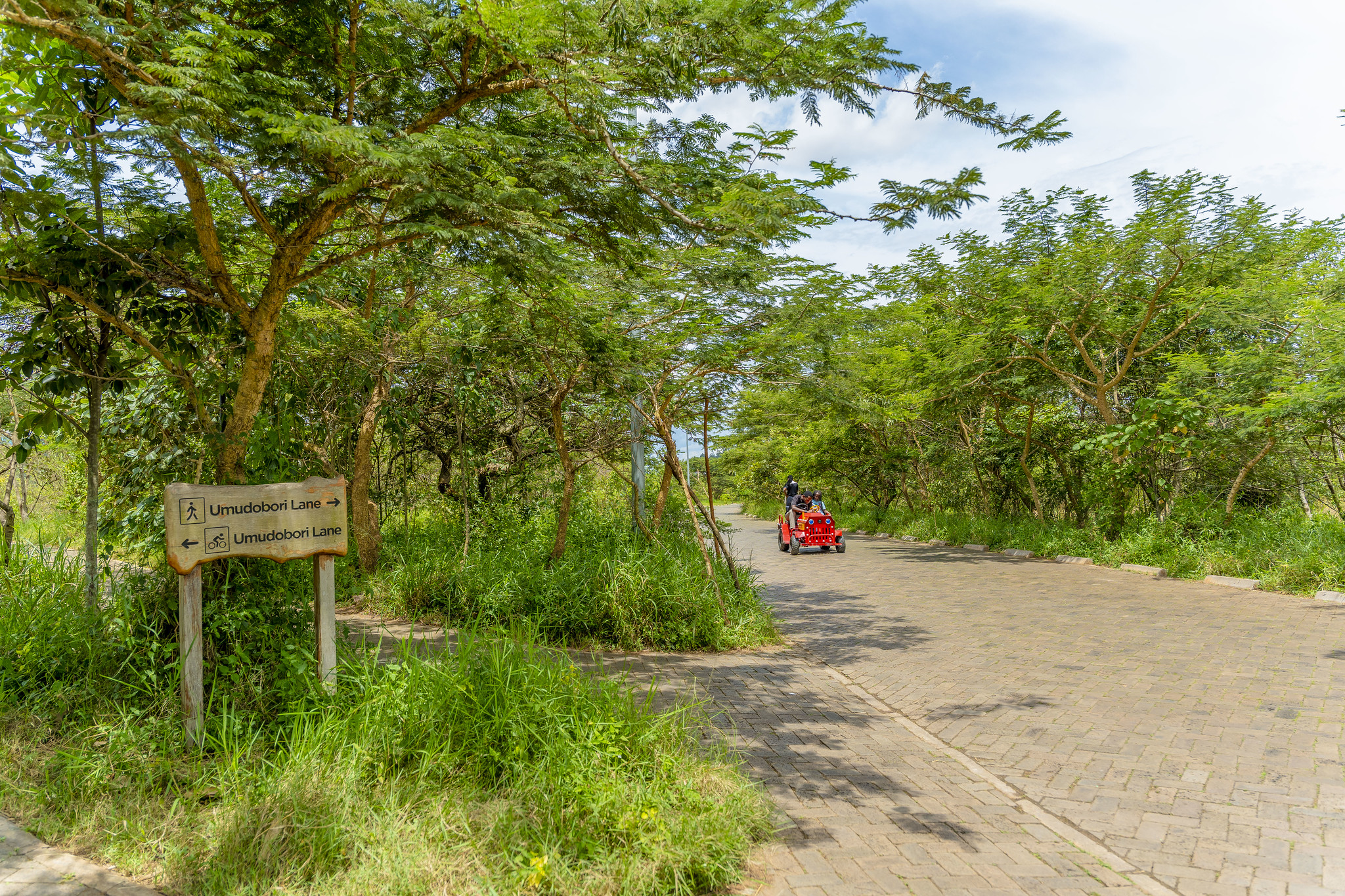
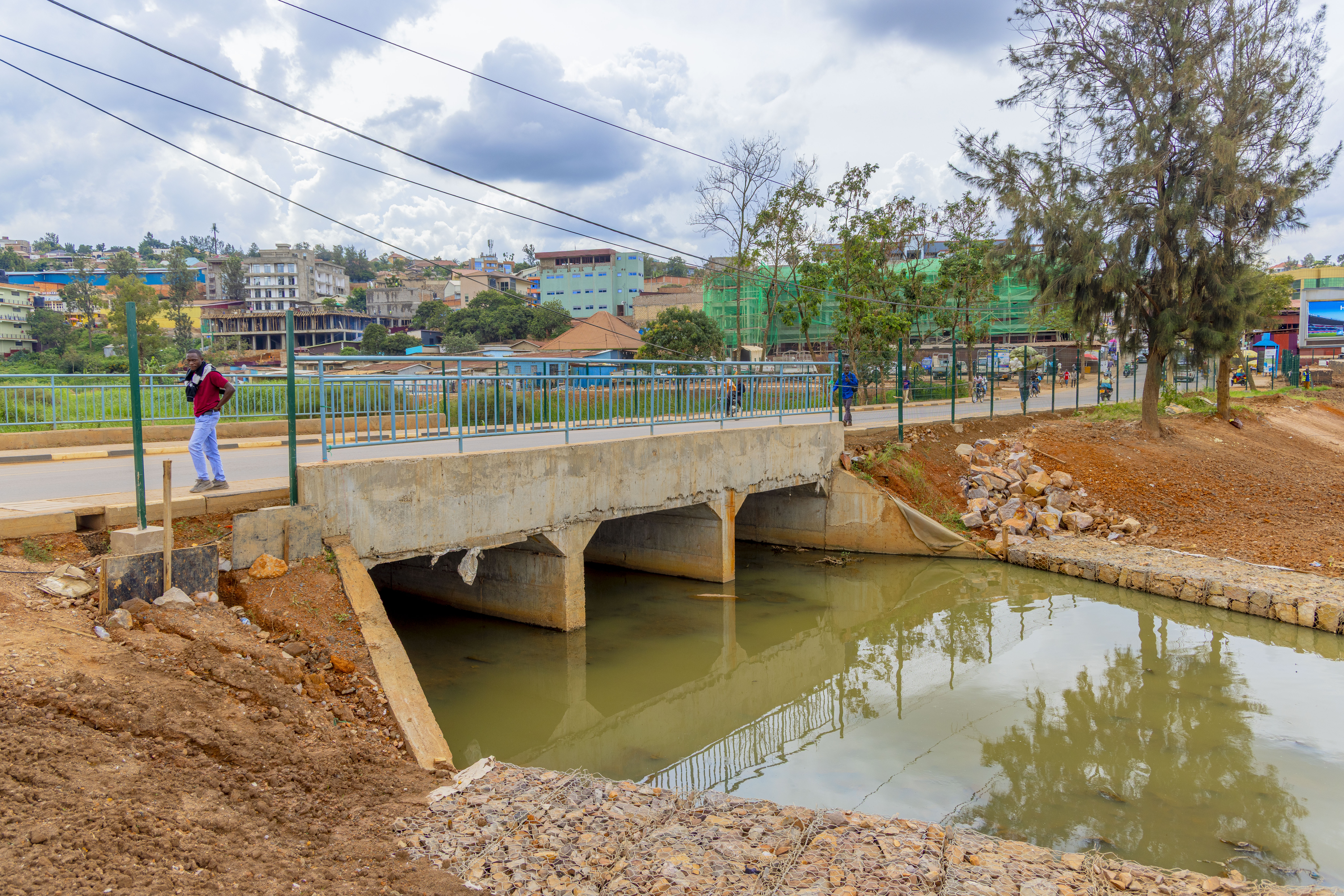
Nyandungu Eco Tourism Park has become one of Kigali’s leading eco-tourism attractions, welcoming both residents and international visitors.Wetland restoration projects across Kigali are transforming formerly degraded areas into eco-tourism and conservation spaces.The restoration of Kigali’s wetlands is contributing to both environmental protection and urban tourism development.Kigali continues to combine environmental conservation with economic opportunities through large-scale wetland restoration initiatives.
Conference and business tourism
Kigali has built a strong reputation as one of Africa’s leading destinations for international conferences, meetings, and business events.
Over the years, the city has successfully hosted numerous regional and international gatherings bringing together participants from across the world.
Some of the major international events hosted in Kigali in recent years include the Commonwealth Heads of Government Meeting (CHOGM), the Women Deliver Conference, the World Economic Forum on Africa, the International Conference on AIDS and STIs in Africa (ICASA), and the Global AI Summit on Africa, among many others.
These events continue to strengthen Kigali’s reputation as a trusted destination for global gatherings while creating increasing demand for conference related infrastructure, hospitality services, event management, transport, entertainment, and business tourism investments.
The Kigali Convention Centre remains one of the country’s most iconic landmarks and symbolizes Rwanda’s commitment to positioning Kigali as a global meetings and conference destination. Its modern design and world-class facilities continue to attract major international events and business gatherings.
The Kigali Convention Centre remains one of the country’s most iconic landmarks
Sports tourism
Sports tourism is another rapidly growing area within Kigali’s tourism sector.
The City of Kigali has continued investing in sports infrastructure and facilities aimed at promoting sports development, entertainment, and the hosting of international tournaments for both professional and amateur athletes.
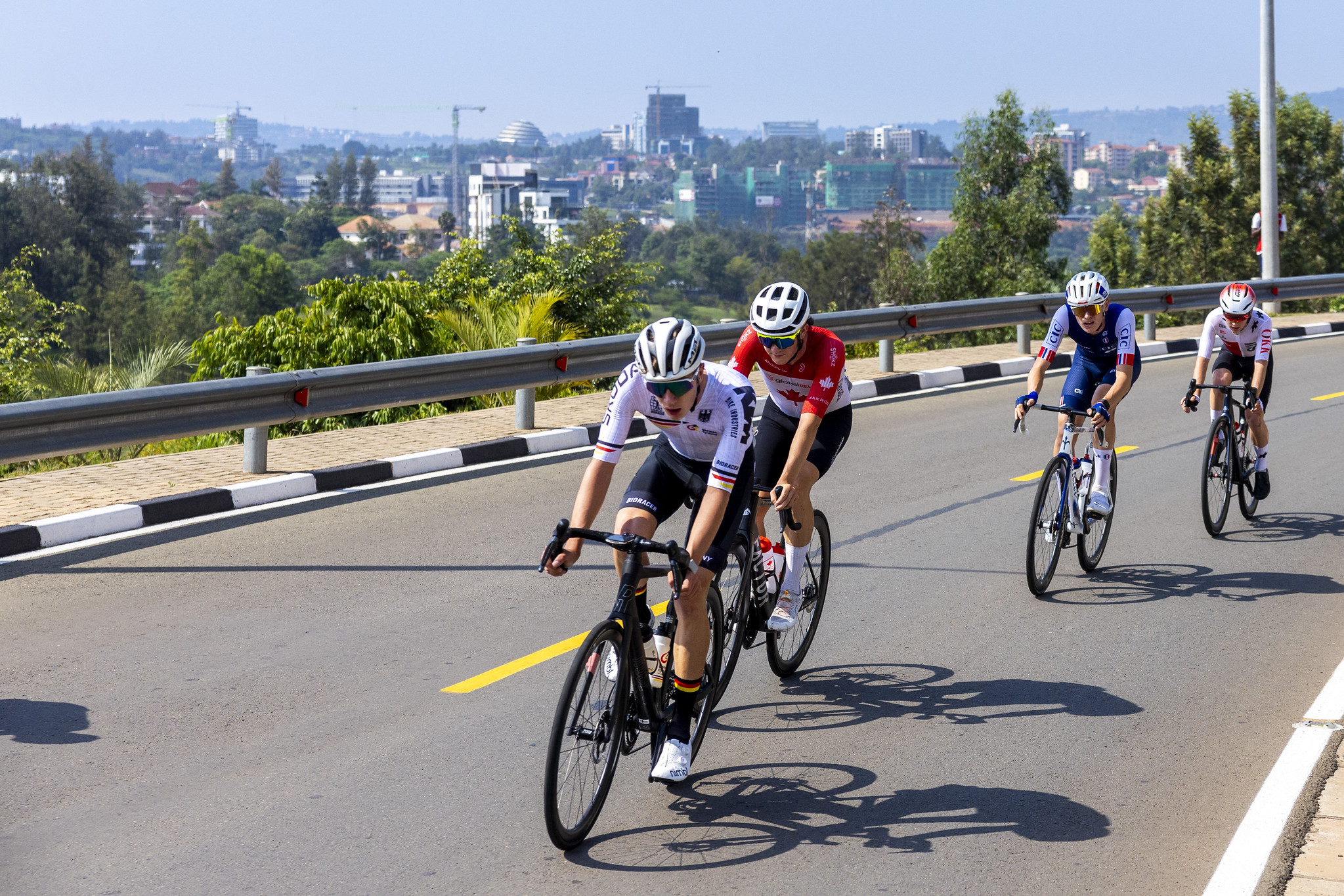
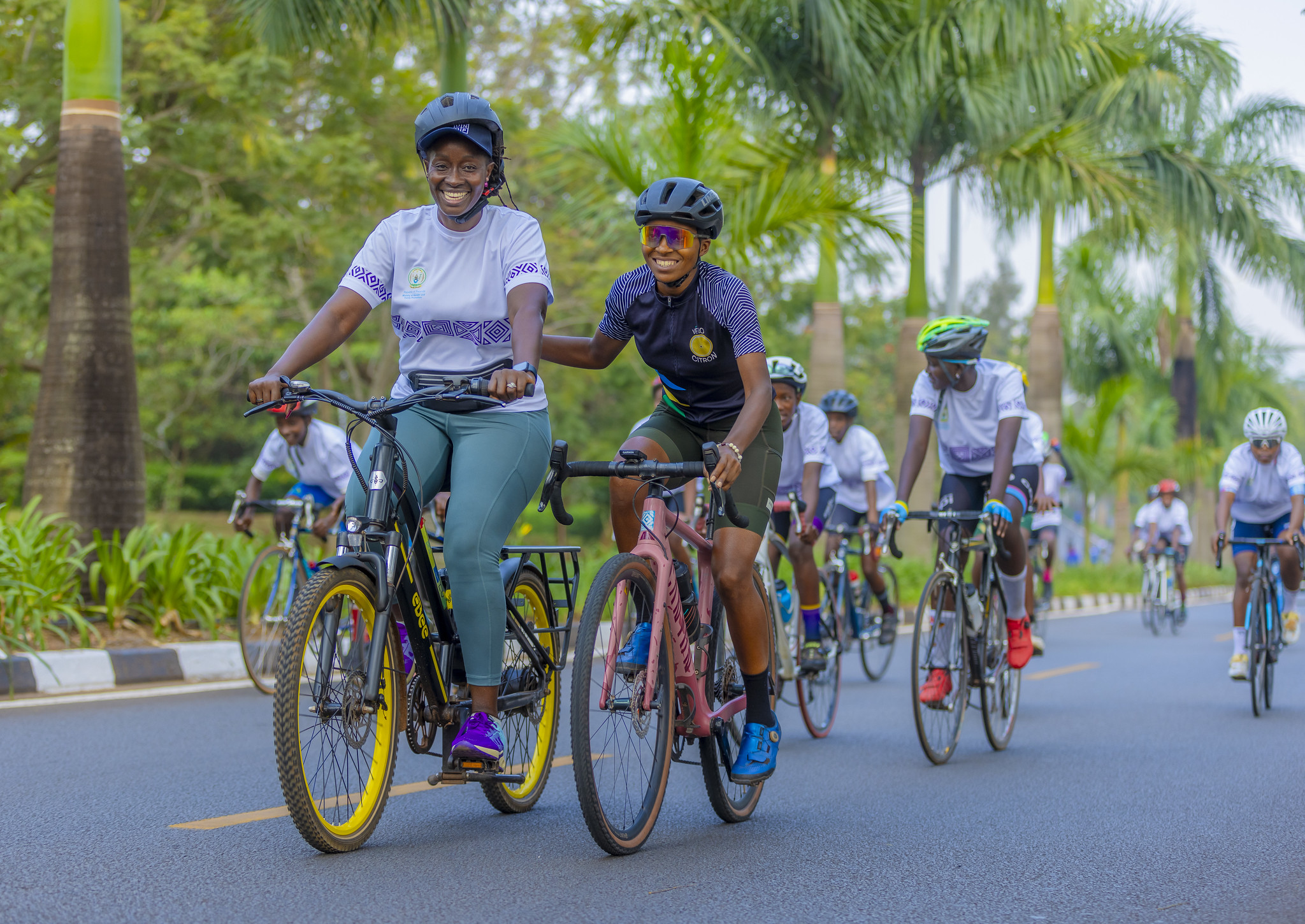
Kigali has already hosted several major international sporting events, including the FIFA Series, the Basketball Africa League (BAL), and the historic UCI Road World Championships, the first edition ever held on the African continent.
These achievements have been supported by investments in world-class facilities such as Amahoro Stadium, BK Arena, Zaria Court, and the Nyarutarama Golf Course, among others.
The continued growth of sports and entertainment activities presents strong opportunities for investors interested in sports tourism, event hosting, hospitality, recreation, and related services.
Kigali became the first African city to host the UCI Road World Championships, marking a major milestone for sports tourism on the continent.International sporting events hosted in Kigali continue to boost tourism, hospitality and entertainment opportunities across the city.
Culture and historical tourism
Culture remains one of Rwanda’s strongest tourism assets, and Kigali continues to play a central role in promoting and preserving the country’s rich cultural heritage.
Through cultural performances, creative arts initiatives, exhibitions, and entertainment events, the City of Kigali continues to create opportunities for cultural exchange and culture based tourism investments.
Key attractions such as Agaseke Women Centre and the Richard Kandt House Museum provide visitors with opportunities to explore Rwanda’s history, traditions, and cultural identity.
Kigali Cultural and Exhibition Village is another unique tourism destination offering space for cultural exhibitions, concerts, conferences, festivals, and various tourism related activities.
The Gihanga Institute of Contemporary Art (GICA), Rwanda’s first non-profit institution dedicated to contemporary art, officially opened in Kigali on December 20, 2025.
Why invest in Kigali
Kigali offers investors a safe, clean, and rapidly growing urban environment supported by investor-friendly policies and a leadership committed to sustainable development.
Rwanda has established efficient systems that simplify business registration, investment procedures, and service delivery, making it easier for investors to establish and grow their businesses.
Investors in Kigali benefit from access to a growing market, increasing consumer confidence, technological advancements, and a national vision focused on innovation and long-term development.
As the City of Kigali continues advancing sustainable urban development and strengthening its tourism sector, investors remain important partners in this journey.
For investors seeking opportunities in a growing and dynamic market, Kigali offers strong potential, particularly within the tourism sector.
Known for its safety, cleanliness and modern urban planning, Kigali is steadily emerging as a leading tourism hub in East Africa.
In countries such as the Netherlands, Belgium and Luxembourg, euthanasia is permitted under strict legal conditions for patients with incurable illnesses who repeatedly request assistance to end their suffering.
Depending on the law, doctors may either administer life-ending medication directly or prescribe medication for the patient to take themselves, a practice known as medically assisted suicide.
In the Netherlands, more than 10,000 euthanasia cases were recorded in 2025, representing around 6% of all deaths in the country.
A recent poll conducted by IGIHE on social media asked whether Rwanda should consider allowing euthanasia for patients experiencing severe pain with no hope of recovery. Around 1,700 respondents supported the idea, while more than 900 opposed it and hundreds said they were undecided.
Supporters cite dignity and relief from suffering
Several people interviewed by IGIHE, particularly younger respondents from Southern and Western Rwanda, said terminally ill patients should be allowed to choose a dignified death instead of enduring prolonged suffering.
Nineteen-year-old Philbert Irankunda said some illnesses leave patients in unbearable pain with no realistic chance of recovery.
“There are situations where a patient suffers so much that they may personally wish for their pain to end,” he said.
Claude Niyomugabo, 20, said the emotional and financial burden on families can also become overwhelming when treatment offers little hope.
“Some families spend everything they own on treatment even when doctors already know the patient will not recover,” he said. “In such cases, some people believe allowing the patient to die peacefully may be the more humane option.”
Fidele Kanyanzira, 68, expressed a similar view, particularly for elderly patients with irreversible conditions. “If someone is very old, in constant pain and cannot recover, helping them die peacefully can spare them unnecessary suffering,” he said.
He noted, however, that he would not support such a decision for children or young people.
Religious and cultural beliefs drive opposition
Many opponents of euthanasia said their views are rooted in religious beliefs and the conviction that only God should determine when life ends.
Jean Bosco Akumuntu said Christians believe life is sacred and should not be deliberately ended by human intervention.
“Life comes from God, and only God decides when it ends,” he said. “Helping someone die is something many believers would consider morally wrong.”
An elderly woman interviewed by IGIHE also rejected the idea, arguing that even patients in severe pain should be allowed to die naturally.
“God already knows when a person’s life will end,” she said. “Ending life intentionally is not acceptable.”
Medical professionals highlight ethical dilemmas
A doctor working in Rwanda’s Southern Province told IGIHE that families sometimes exhaust their savings, sell land and lose property trying to care for relatives with terminal illnesses.
“There are cases where families know the patient will not recover, but they continue spending everything they have in search of treatment,” he said.
The doctor explained that euthanasia, where legal, is intended to ease suffering rather than cause harm, as patients are given medication designed to allow a peaceful and painless death.
“The final stages of some illnesses can involve extreme pain,” he said. “Some people believe patients should be allowed to die with dignity rather than continue suffering unnecessarily.”
He added that cultural traditions and strong religious beliefs remain among the main reasons euthanasia — much like cremation — remains widely rejected in Rwanda.
In some countries, euthanasia is permitted under strict legal conditions for patients with incurable illnesses who repeatedly request assistance to end their suffering.
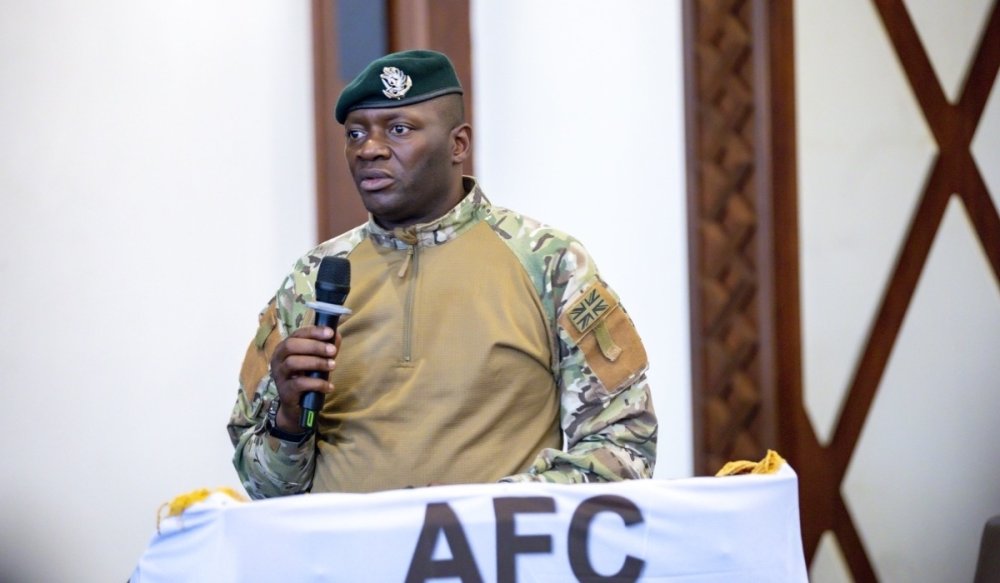
AFC/M23 spokesperson Lawrence Kanyuka said the latest case was identified after a separate Ebola infection was recently confirmed in the city of Goma.
According to Kanyuka, more than 200 samples have so far been collected from people suspected of having contracted the virus following the detection of the case in Goma.
He said all individuals who came into contact with the infected patient were identified and placed under quarantine in line with public health guidelines, adding that no additional Ebola cases have been detected in Goma.
Kanyuka also stated that the patient receiving treatment in Goma remains under close medical supervision.
Referring to laboratory results released on April 20, 2026, by the national laboratory in Goma, Kanyuka said one positive Ebola case had been confirmed from samples collected in Kabare Territory near Bukavu.
“The patient, a 28-year-old Congolese national, died before the test results were released,” Kanyuka said. “In accordance with health protocols, the burial was conducted under strict safety and protective measures reserved for suspected Ebola cases.”
AFC/M23 said the victim had recently traveled from Bukavu to Tshopo Province, suggesting the outbreak may now have spread to a fourth province after Ituri, North Kivu and South Kivu.
The coalition urged residents in areas under its control to remain calm and follow preventive measures put in place to limit the spread of the disease.
The latest case in Bukavu was identified after a separate Ebola infection was recently confirmed in the city of Goma.According to Kanyuka, more than 200 samples have so far been collected from people suspected of having contracted the virus following the detection of the case in Goma.
The call was made at the end of a three-day retreat held in Gatsibo District from May 18 to 20, 2026.
The gathering brought together 59 leaders from AER member churches and Christian organizations, including pastors and senior representatives, to reflect on the role of faith-based institutions in promoting national unity, values and sustainable development.
Discussions focused on several themes, including “Ndi Umunyarwanda,” Pan-Africanism and self-reliance, with participants exploring how churches can contribute to social cohesion and national progress.
AER President Anfred Gatabazi said the retreat aimed to evaluate the alliance’s progress in aligning church programs with Rwanda’s Vision 2050 goals.
“We invited representatives from the Pan-Africanism Movement to help our pastors better understand programs such as Ndi Umunyarwanda and their importance,” he said. “We also resolved to strengthen gender equality in churches, fight violence against girls and encourage church leaders to address harmful social behaviors while increasing awareness of national programs among believers.”
Ada Darlene Kiyange, head of AER’s Family Development Commission, said participants also discussed ways churches could strengthen financial independence through income-generating initiatives.
“We reflected on how to promote the values of Ndi Umunyarwanda and a spirit of love for Africa so that Christians develop a stronger sense of identity, unity and shared responsibility,” she said.
Prof. Emile Rwamasirabo of the Pan-African Movement Rwanda said churches have an important role to play in promoting a culture of cooperation and solidarity among Africans.
“We want to see a shift in mindset that encourages collaboration and mutual support,” he said. “Churches can help shape that change by teaching values that reject division and hatred.”
Participants at the retreat also agreed to reinforce good governance within AER institutions by promoting transparency, accountability and integrity.
They further resolved to expand income-generating projects aimed at reducing dependence on foreign aid and strengthening self-reliance among member organizations.
The retreat concluded with a commitment to integrate the values of “Ndi Umunyarwanda” and Pan-Africanism more deeply into church programs and community activities, while aligning annual plans with national strategies such as NST2 and Vision 2050.
Founded in 1992, the Evangelical Alliance of Rwanda brings together 91 churches and Christian organizations across the country.
The gathering brought together 59 leaders from AER member churches and Christian organizations.
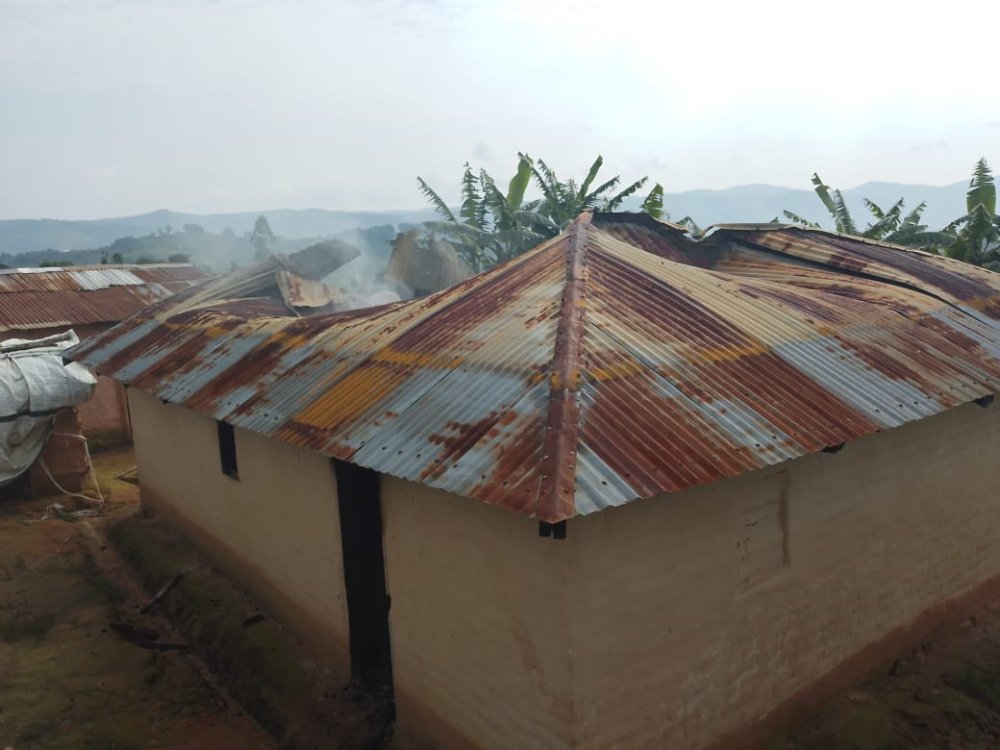
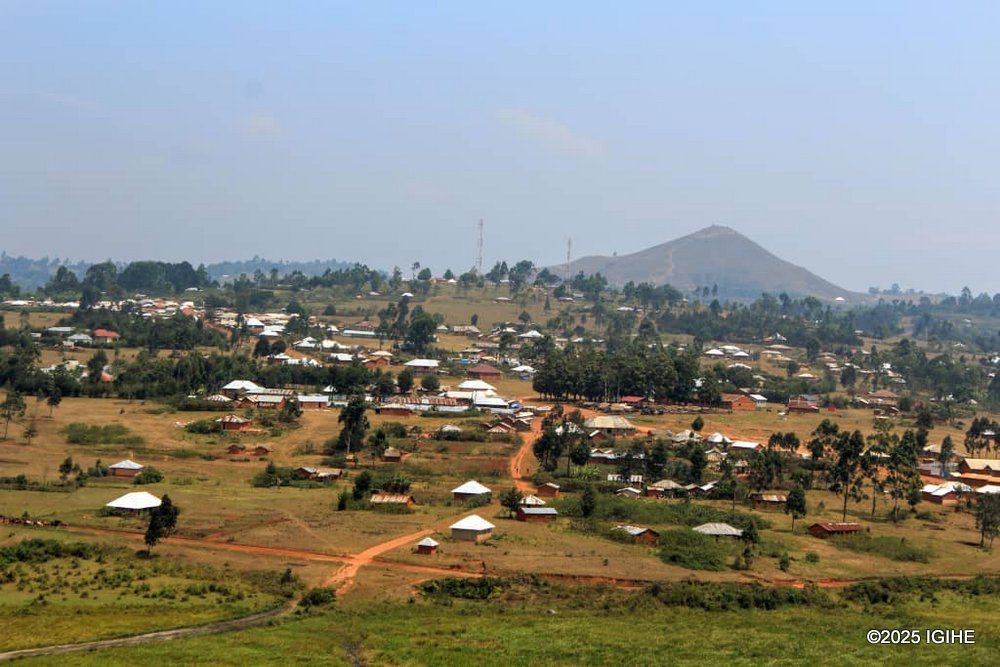
In a statement released on the evening of May 18, AFC/M23 spokesperson Lawrence Kanyuka said several densely populated parts of Minembwe had come under heavy attack from armed drones.
“Drone strikes are currently targeting populated neighborhoods in Minembwe, spreading panic among civilians,” Kanyuka said. “Homes are being destroyed and families are fleeing as explosions and fires continue across the area.”
The coalition claimed the attacks are part of a broader campaign targeting communities in Minembwe and neighboring areas, particularly members of the Banyamulenge community. AFC/M23 accused Burundian troops, FDLR terrorist group and Wazalendo militias of taking part in the operations alongside Congolese government forces.
On the same day, Col Fidèle Rugabo of the MRDP-Twirwaneho armed group, which operates in Minembwe, condemned what he described as a violation of the ceasefire.
“We are alerting both the international community and the Congolese population about these attacks,” Rugabo said. “We will continue defending ourselves until the very end.”
According to AFC/M23, further strikes were carried out on May 19 and 20 in areas including Kalingi, Bidegu and Gakenke, allegedly using Chinese-made KT-6 and CH-4 drones.
The renewed fighting is also said to be disrupting humanitarian activities that had recently resumed in Minembwe. Since late April 2026, teams from the International Committee of the Red Cross had restarted deliveries of medicines and medical supplies to the area.
AFC/M23 further alleged that humanitarian aid vehicles heading to Minembwe on May 19 were intercepted by Wazalendo fighters at Point-Zéro and forced to turn back.
“Kinsasha and its allied forces continue blocking access routes to Minembwe, worsening an already critical humanitarian situation and putting thousands of civilians at risk,” Kanyuka stated.
The coalition also reported fresh overnight attacks between May 20 and the morning of May 21 in Gakenke, Kalingi, Kalonge and Bidegu, again involving suicide drones.
In North Kivu Province, AFC/M23 said Congolese forces also launched attacks around Katoyi center in Masisi Territory.
Despite the continued clashes, AFC/M23 said it would keep fighting to protect civilians and their property.
The AFC/M23 coalition has accused the Democratic Republic of Congo’s army of intensifying military operations in Minembwe and nearby areas of South Kivu Province,
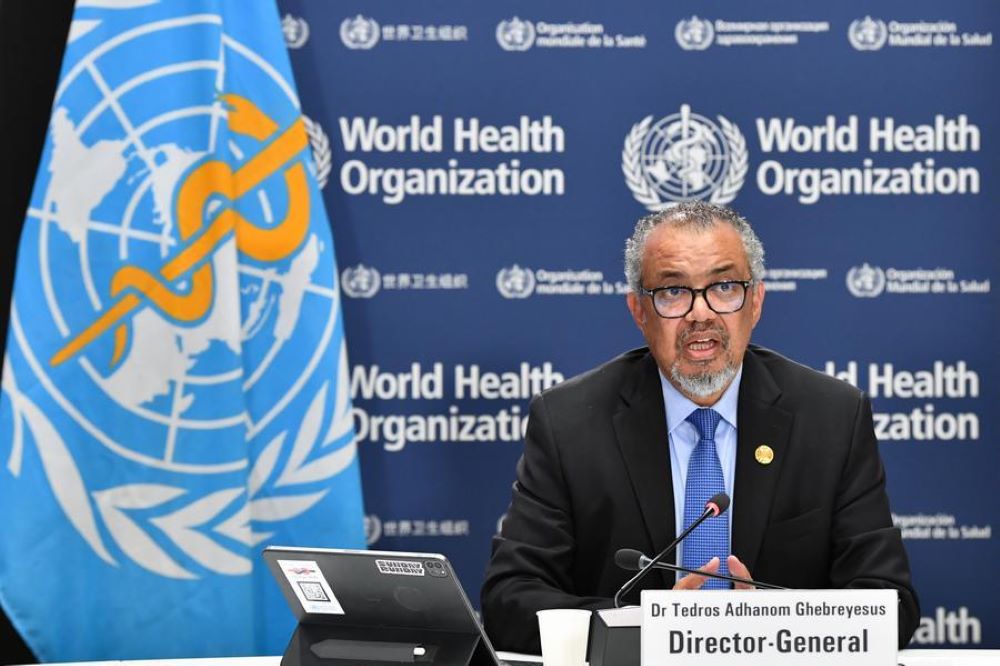
Speaking at a press conference, WHO Director-General Tedros Adhanom Ghebreyesus said that a WHO Emergency Committee met on Tuesday and agreed with his earlier assessment that the Ebola situation in the Democratic Republic of the Congo (DRC) and Uganda is a public health emergency of international concern (PHEIC), but is not a pandemic emergency.
Tedros early on Sunday declared the PHEIC for the Ebola outbreak in the two countries, marking the first time a WHO chief had done so without first convening an Emergency Committee.
So far, 51 cases have been confirmed in the northern provinces of Ituri and North Kivu of the DRC, said Tedros, adding that the scale of the epidemic in the DRC is much larger.
Uganda has also informed WHO of two confirmed cases in the capital Kampala, including one death, among two individuals who traveled from the DRC to Uganda, he said, adding that a U.S. national working in the DRC has also been confirmed positive.
Beyond the confirmed cases, there are almost 600 suspected cases and 139 suspected deaths, said Tedros.
He said the WHO expects the numbers to keep increasing, given the amount of time the virus was circulating before the outbreak was detected.
Tedros said that it was urgent to act immediately to prevent more deaths and mobilize an effective and international response.
The WHO has deployed people, supplies, equipment and funds to support national authorities to respond, he said.
The WHO chief said he has approved an additional 3.4 million U.S. dollars from the Contingency Fund for Emergencies, bringing the total to 3.9 million U.S. dollars.
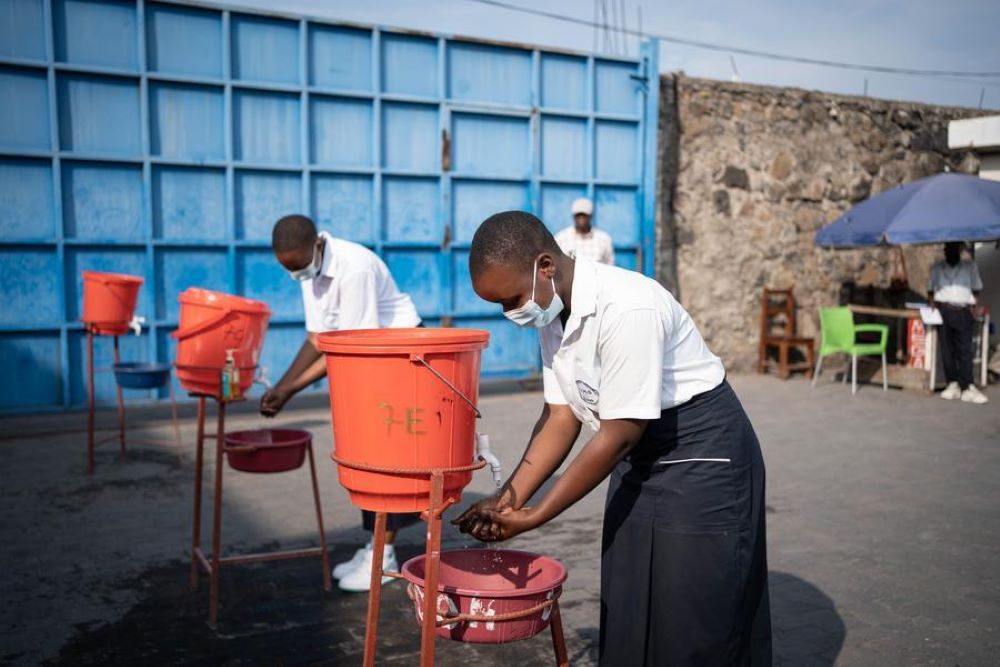
Local residents wash hands under the instruction of medical workers in Goma, the Democratic Republic of the Congo (DRC), on May 19, 2026. (Str/Xinhua)
Head of the World Health Organization (WHO) Tedros Adhanom Ghebreyesus speaks during a press briefing in Geneva, Switzerland, Aug. 7, 2025. (Xinhua/Lian Yi)
“The path to climate justice runs through a rapid, just, and equitable transition away from fossil fuels towards renewable energy,” Guterres said in a statement on the adoption of the UN General Assembly (UNGA) resolution on the advisory opinion of the International Court of Justice (ICJ) on the obligations of states in respect of climate change.
Welcoming the adoption of the resolution, the UN chief said it is “a powerful affirmation of international law, climate justice, science, and the responsibility of states to protect people from the escalating climate crisis.”
“Those least responsible for climate change are paying the highest price,” he said. “That injustice must end.”
“The task ahead is clear — keep 1.5°C within reach and build a safer, fairer, and more resilient future for all,” said Guterres, stressing that renewables proved to be the cheapest and the most secure form of energy supply.
Earlier on Wednesday, the UNGA adopted a draft resolution welcoming the ICJ advisory opinion on states’ obligations on climate change by a recorded vote of 141 in favor, eight against, and 28 abstentions.
The resolution welcomes the ICJ’s advisory opinion in July 2025 on the obligations of states in respect of climate change, affirms the importance of the court’s advisory opinion as an authoritative contribution to the clarification of existing international law, and calls upon all states to comply with their respective obligations under international law to ensure the protection of the climate system and other parts of the environment from anthropogenic greenhouse gas emissions, as identified by the court.
Oil pumpjacks at the Inglewood Oil Field in Culver City, California, the US, May 4, 2026. /VCG
“We’re in the final stages of Iran,” Trump told reporters. “We’ll see what happens.”
“We’ll either have a deal or we’re going to do some things that are a little bit nasty. But hopefully that won’t happen,” he added.
The president claimed he is in “no hurry” to finalize a peace agreement with Iran, suggesting that he would not consider making a “limited deal” only focused on reopening the Strait of Hormuz.
“We’re going to give this one shot,” Trump said of a potential deal, ruling out the idea of a partial compromise.
“I’m in no hurry. You never think, ‘Oh, the midterms, I’m in a hurry.’ I’m in no hurry,” Trump said.
The president added that he had a “very good” phone call with Turkish President Recep Tayyip Erdogan earlier on Wednesday. Türkiye is seen as one of key mediators during U.S.-Iran negotiations.
Iran’s Islamic Revolution Guard Corps on Wednesday warned that if the U.S. and Israeli aggression against the country is repeated, the war will extend beyond the West Asia region.
On the same day, Iranian Foreign Minister Seyed Abbas Araghchi warned in a post on X that returning to war with Iran will have many more surprises for the United States, citing a recent report by the U.S. Congress that acknowledged the loss of dozens of aircraft.
On Feb. 28, the United States and Israel launched joint attacks on Tehran and several other Iranian cities, killing Iran’s then Supreme Leader Ali Khamenei, along with senior military commanders and civilians. Iran responded by launching waves of missile and drone strikes targeting Israeli and U.S. bases and assets in the Middle East.
A ceasefire was reached between the warring parties on April 8, followed by one round of peace talks in Pakistan’s capital Islamabad on April 11 and 12, which failed to yield an agreement.
U.S. and Israeli officials have escalated threats of repeating military attacks against Iran over the past few days. Trump on Tuesday claimed Iran’s leaders were “begging” to make a deal, warning that a new U.S. attack could take place in the coming days if no agreement is reached.
The president claimed he is in “no hurry” to finalize a peace agreement with Iran, suggesting that he would not consider making a “limited deal” only focused on reopening the Strait of Hormuz.
The strikes hit several towns in the South and Nabatieh governorates, targeting residential neighborhoods, areas near a government hospital, and a motorcycle on a road, the NNA said.
The deadliest bombardment struck a town in the Tyre district of South Governorate, near the Israeli border, killing 12 people, including a Syrian national, it reported.
Meanwhile, Hezbollah said its fighters clashed with Israeli forces near the southern Lebanese town of Haddatha and targeted Israeli troop gatherings in southern Lebanon.
Israeli forces also carried out a large demolition operation between the border villages of Blida and Mays al-Jabal, triggering a powerful blast.
Lebanese Prime Minister Nawaf Salam said negotiations remain the only way to end the conflict and stressed that weapons should be under the exclusive control of state forces.
Lebanon’s Health Ministry said Israeli attacks since March 2 have killed 3,073 people and wounded 9,362 others.
A ceasefire between Israel and Lebanon took effect in April and has been extended several times, but both sides have continued exchanging attacks.
Speaking Wednesday at the World Health Assembly in Geneva, Lebanese Health Minister Rakan Nasreddine said ongoing Israeli attacks had severely damaged Lebanon’s health sector.
He said 116 healthcare workers had been killed, 16 hospitals damaged, 147 ambulances attacked, and 45 healthcare centers forced to close since March 2.
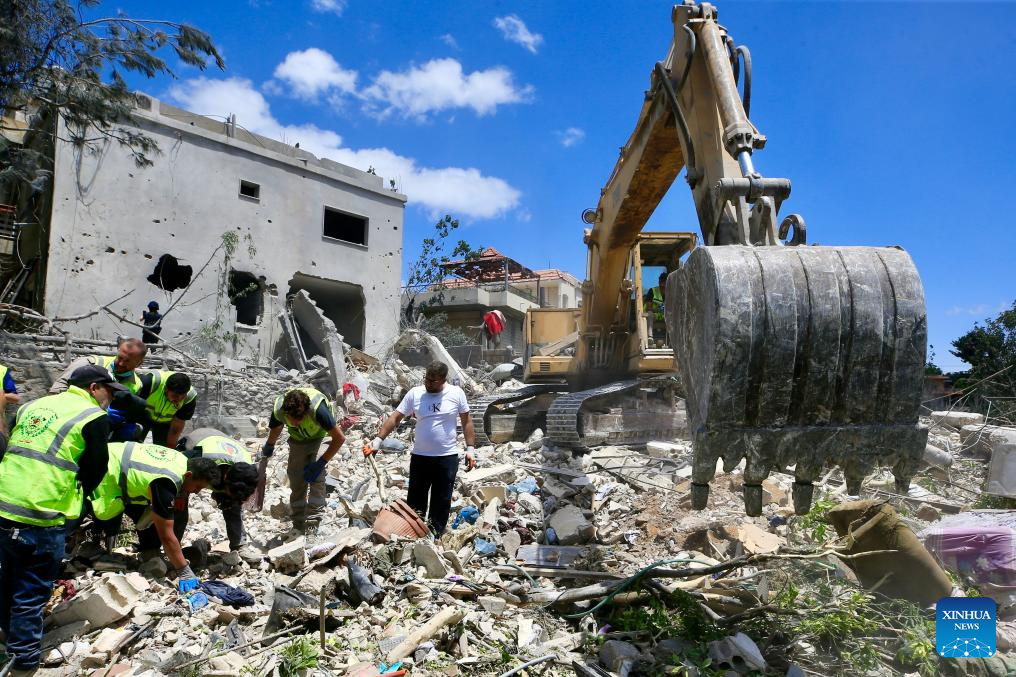
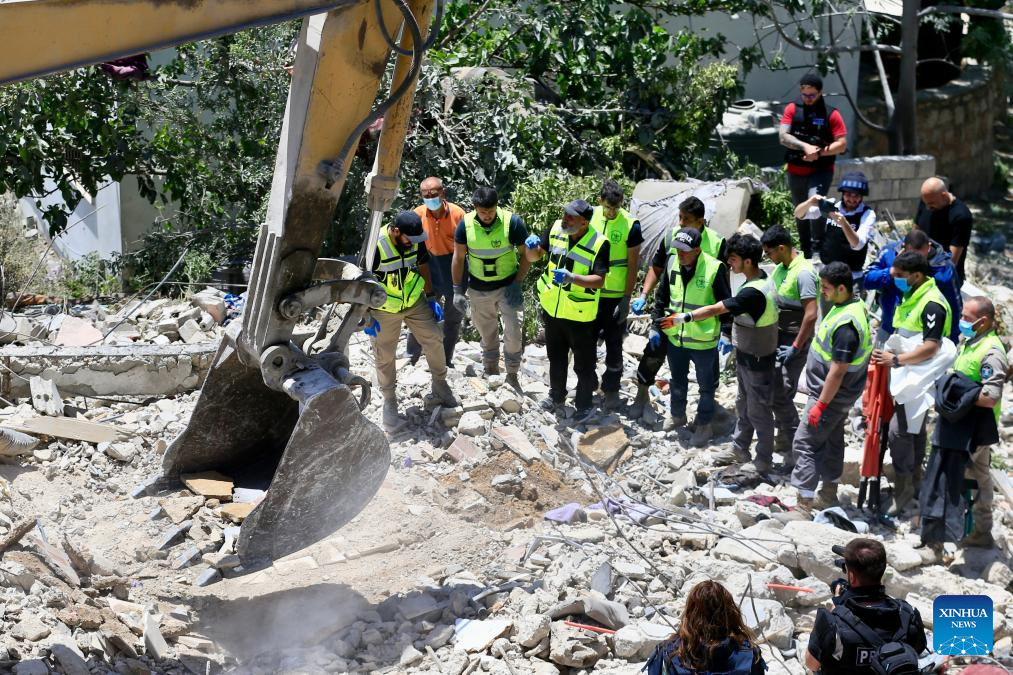
Rescuers search through the rubble for three people reported missing at the scene of an Israeli airstrike in Deir Qanoun En Nahr, near the southern Lebanese city of Tyre, on May 20, 2026. Israeli airstrikes across southern Lebanon overnight into Wednesday killed at least 29 people, including women and children, and wounded dozens more, according to the state-run National News Agency (NNA). (Photo by Ali Hashisho/Xinhua)