The visit aimed to deepen understanding of the country’s history and reinforce a shared commitment to preserving it.
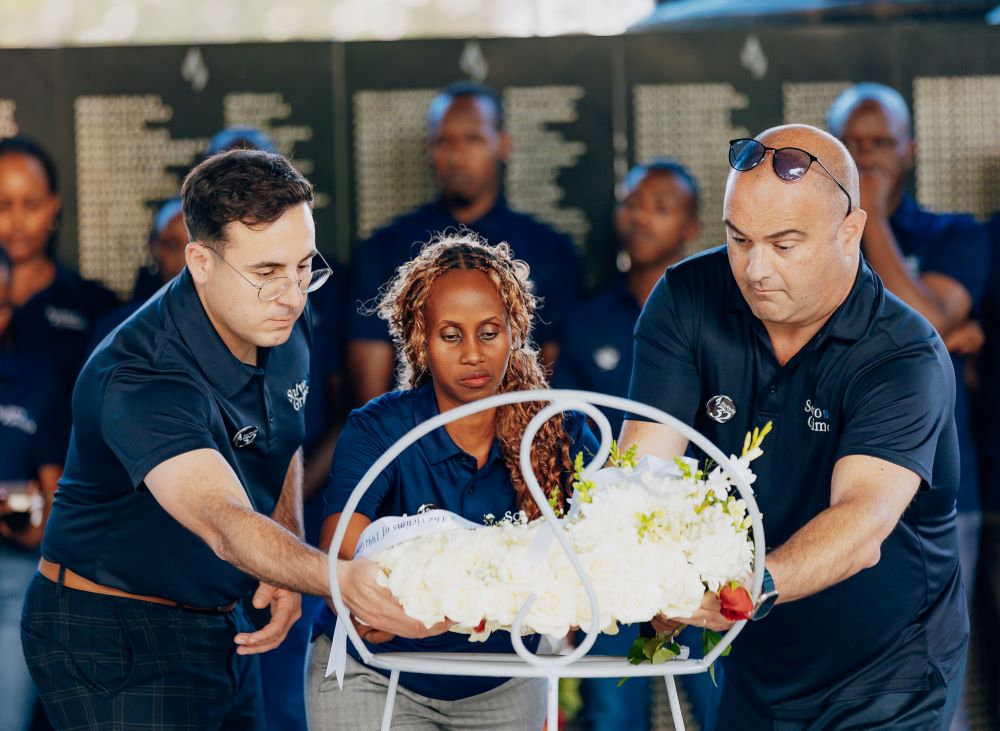
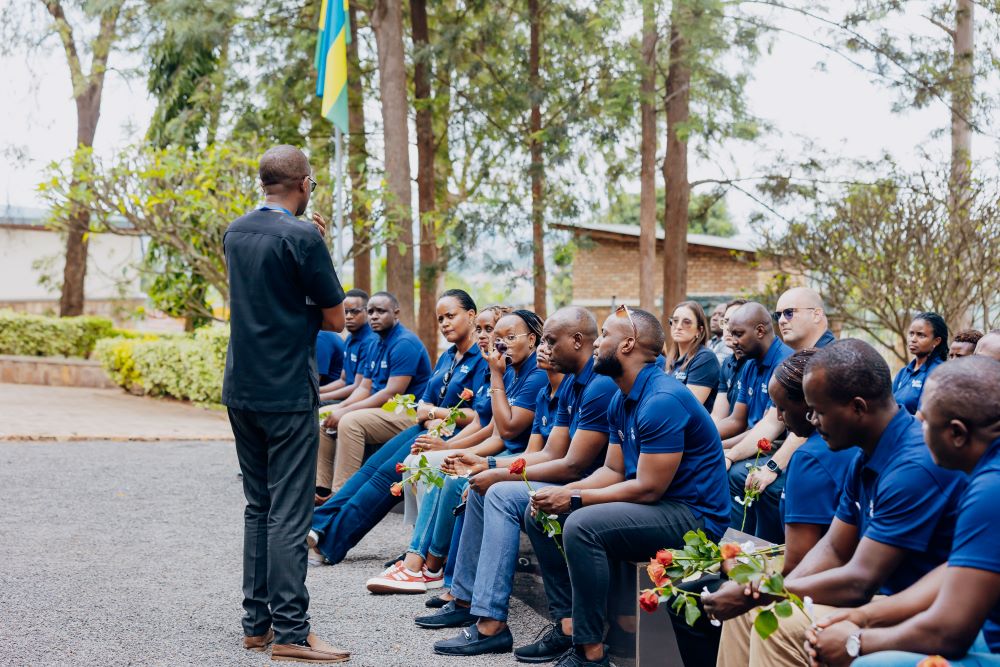
During the visit, the delegation was taken through the history of the 1994 genocide against the Tutsi and shown various evidence preserved at the site. They also laid wreaths in honour of the victims buried at the memorial.
Salvo Grima Rwanda General Manager, Donat Nsengayire, highlighted the responsibility of all citizens and organisations to remember the 1994 Genocide against the Tutsi.
“It is our responsibility to remember the 1994 Genocide against the Tutsi, because it helps us better understand the history that led the country to genocide and to honour the victims who were killed. Thirty-two years on, it reminds us to value what has been achieved, continue rebuilding, and preserve the progress made,” he said.
He also urged Salvo Grima Rwanda employees, especially young people, to reject all forms of hatred, preserve historical memory, uphold values of humanity, and actively counter genocide ideology, particularly its spread on social media.
The management of Salvo laid wreaths at the graves where more than 5,000 victims are buried at the memorial.Salvo Grima Rwanda General Manager, Nsengayire Donat, commended the Government of Rwanda for its ongoing efforts to rebuild the nation and promote unity among Rwandans.The management and staff were taken through the history of the 1994 Genocide against the Tutsi.Employees of Salvo Grima Rwanda visited Ntarama Genocide Memorial and pledged to preserve historical memory.
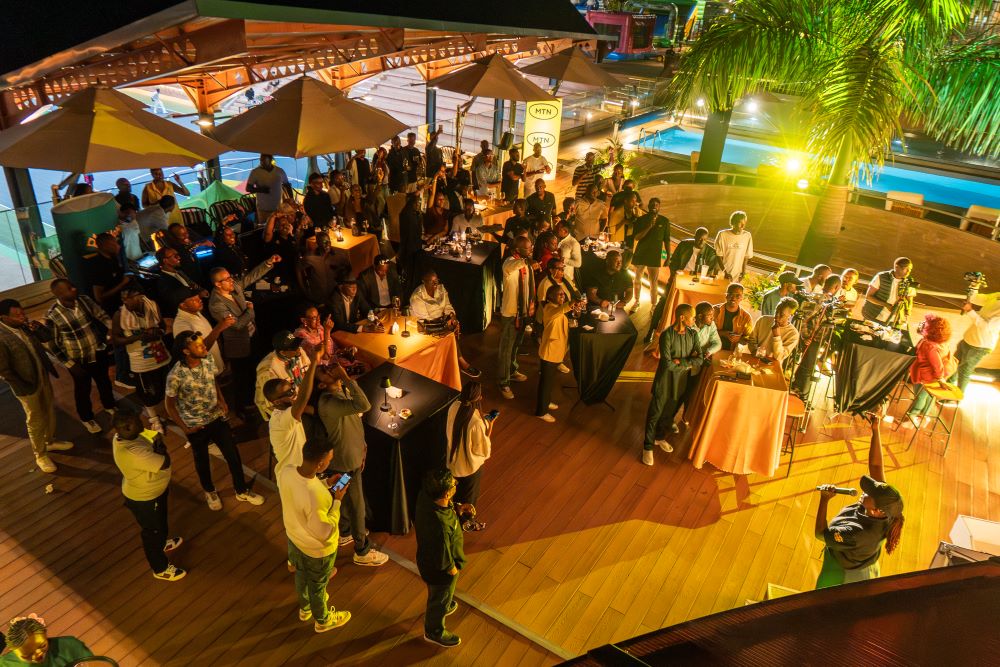
More than a campaign, Nicyo Gihe is a national call to action. It is a belief that this moment belongs to the builders, the creators, the innovators, the entrepreneurs, the artists, the students, and the dreamers shaping Rwanda’s future every single day.
For nearly three decades, MTN Rwanda has grown alongside Rwandans supporting businesses, enabling communication, connecting families, empowering young people, and helping communities participate in a rapidly evolving digital world.
Through Nicyo Gihe, MTN Rwanda is reaffirming its commitment to continue enabling the next generation with the connectivity, digital tools, and opportunities needed to thrive in the future economy.
At the center of the thematic is the “Nicyo Gihe Beat,” a powerful collaborative anthem bringing together iconic Rwandan artists across generations alongside Chorale de Kigali. Blending traditional soul with modern sound, the anthem reflects the rhythm of a Rwanda that honors its roots while confidently building its future.
The anthem was intentionally created as more than music. It is a symbol of movement, ambition, and collective progress capturing the spirit of a generation that is creating businesses, building communities, driving innovation, expressing creativity, and redefining what is possible.
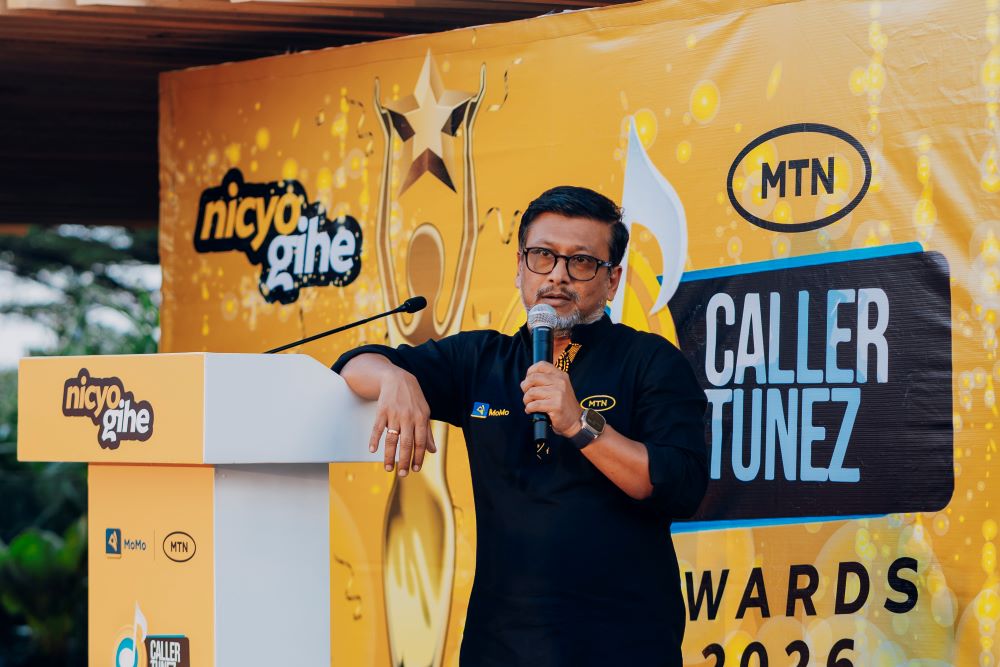
Speaking at the launch, Somdev Sen Chief consumer and digital officer states: “Nicyo Gihe is a reflection of the ambition and momentum we see across Rwanda today.
Everywhere you look, young people are building, innovating, creating and pushing boundaries. As MTN Rwanda, we believe technology should not only connect people but also empower them to participate fully in the future they want to create.
This thematic is our commitment to continue walking alongside Rwandans by enabling progress, supporting innovation, and creating opportunities through digital connectivity because truly, Nicyo Gihe.”
The thematic reinforces MTN Rwanda’s belief that technology becomes meaningful when it enables people to unlock potential, transform ideas into reality, and move society forward together.
As Rwanda continues to position itself as a hub for innovation, creativity and digital transformation, MTN Rwanda says the message behind Nicyo Gihe is clear:
Nicyo Gihe to build solutions. Nicyo Gihe to innovate fearlessly. Nicyo Gihe to create opportunities. Nicyo Gihe to shape Rwanda’s future together.
Somdev Sen Chief consumer and digital officer states speaking at the launch.
The 2026 edition of the race will be held on June 13 and 14, 2026.
The Kigali International Peace Marathon, which was first introduced in 2005 with the support of President Paul Kagame, aims to promote peace through sport.
Organised by RAF in collaboration with the Ministry of Sports, the event will be staged for the 21st time this year.
The competition features three categories: the Full Marathon (42.195 km), the Half Marathon (21.097 km), and the Run for Peace (10 km), which is non-competitive.
For the first time, the event will be extended from a single day to a two-day format. On Saturday, June 13, participants will compete in the Run for Peace, while on Sunday, June 14, the Half Marathon and Full Marathon races for both men and women will take place.
All races will start and finish at Amahoro Stadium. Registration for participants is already open via the official marathon website.
In 2025, the Kigali International Peace Marathon was held for the second time under the World Athletics “Global Elite Label” status, attracting a record turnout of more than 13,000 participants, while over 14,480 runners registered.
Kenya’s Laban Kipngetich Korir won the men’s Full Marathon, while fellow Kenyan Teresiah Omosa claimed victory in the women’s race.
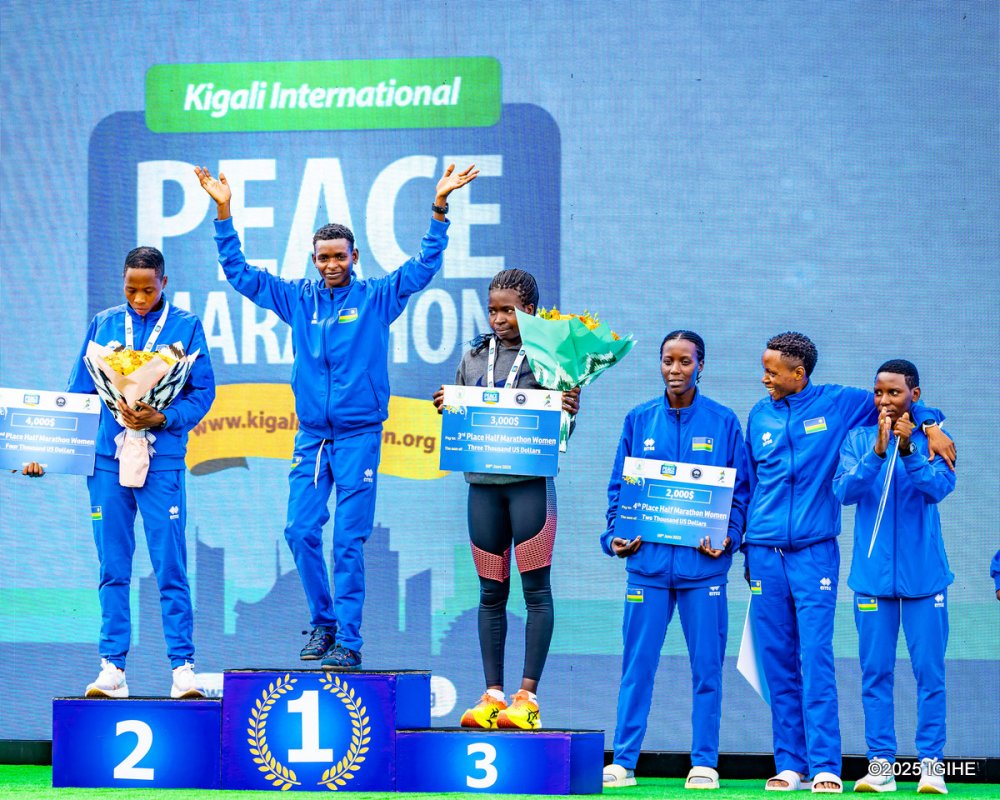
In the Half Marathon, Rwanda’s Niyonkuru Florence won gold in the women’s category, followed by Musabyeyezu Adeline, the first Rwandan to win the title in 2022.
In the men’s Half Marathon, Rwanda’s Bigirimana Théophile finished in third place.
In the 2025 Half Marathon, Rwanda’s Niyonkuru Florence won gold in the women’s category, followed by Musabyeyezu Adeline, the first Rwandan to claim the title in 2022.This year’s Kigali International Peace Marathon will take place over two days, marking a first in its history.
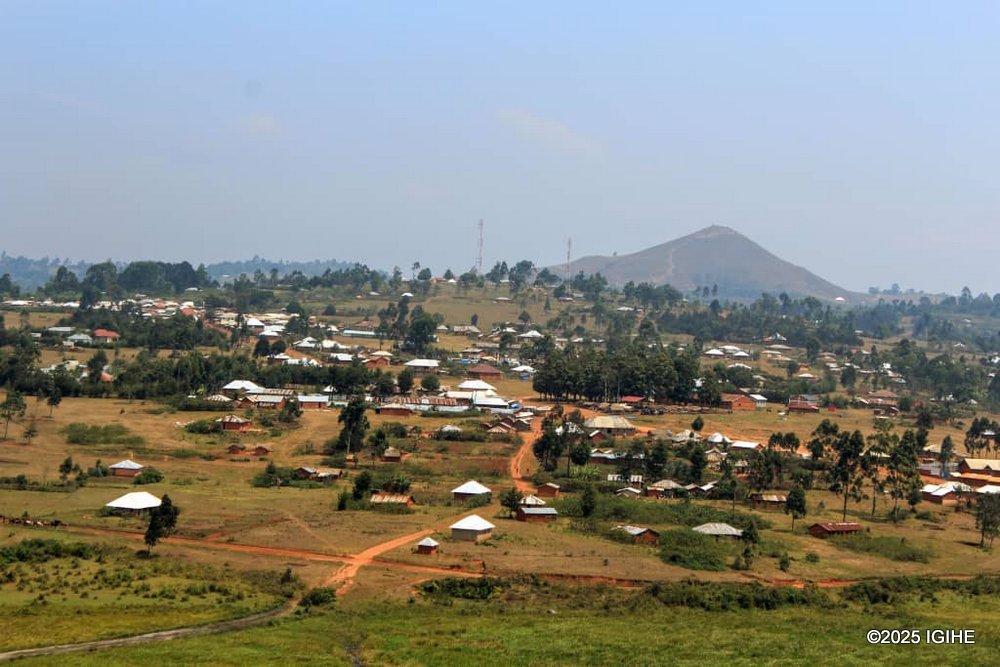
The AFC/M23 coalition, which is in conflict with government forces, said that since the morning of May 15, 2026, the DRC government ordered the deployment of attack helicopters from Kalemie in Tanganyika Province to South Kivu to support ongoing operations.
AFC/M23 spokesperson Lawrence Kanyuka said the helicopters, which are equipped with heavy weaponry, add to other military assets already being used in operations around Minembwe, including drones, heavy artillery, and Sukhoi-25 fighter jets.
He alleged that the DRC government intends to “wipe Minembwe off the map” and target its civilian population, adding that some of its alleged international supporters were enabling the operation both militarily and politically.
The group further claimed that while international actors continue to remain silent on the escalation, it would continue what it described as defending civilians using all available means.
The deployment of helicopters follows drone and airstrikes involving Sukhoi-25 jets and ground forces carried out on May 14 in areas around Minembwe, including Kalingi, Gakenke, Bidegu, and Rugezi.
AFC/M23 deputy coordinator Bertrand Bisimwa in charge of politics and diplomacy warned that if mediators do not respond to what he described as continued provocations by the DRC government, the group may no longer feel bound to uphold unilateral commitments to a ceasefire.
“It is unacceptable that mediators and those facilitating talks remain silent while Kinshasa continues its provocations. AFC/M23 cannot uphold agreements alone while the other side violates them,” he said.
On May 7, AFC/M23 leader Corneille Nangaa wrote to US Secretary of State Marco Rubio, expressing dissatisfaction with what he described as Washington’s open alignment with the DRC government, despite its stated commitment to peace in the region.
Nangaa also argued that a mineral resources agreement signed between the United States and the DRC in December 2025 was being used by Kinshasa as political cover while continuing military operations.
DRC army is reportedly preparing major offensive in Minembwe, according to AFC/M23. Minembwe came under a coordinated attack on May 14, 2026.
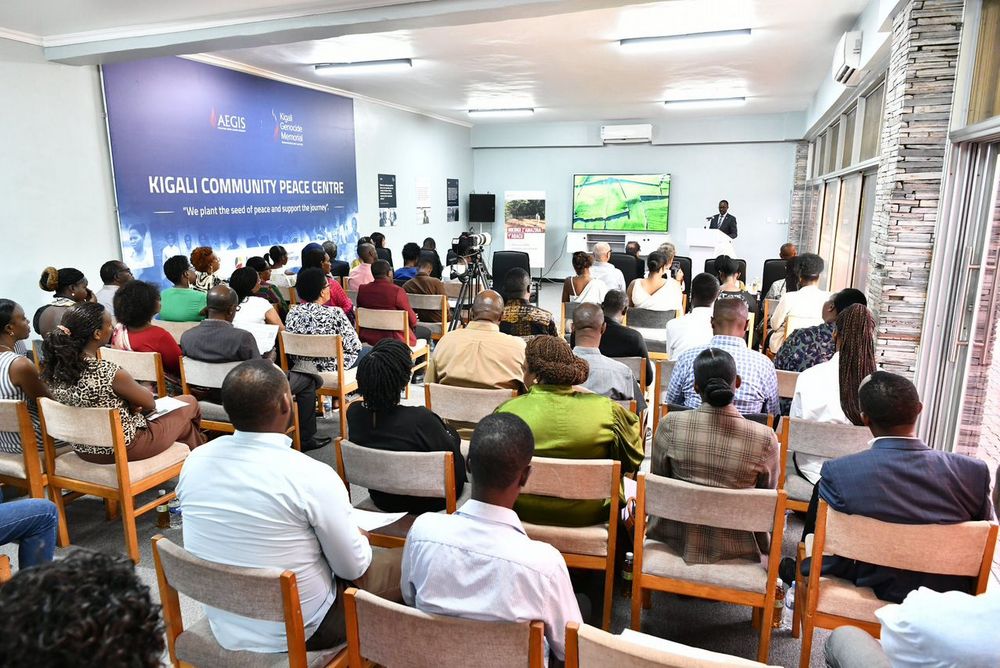
The project, titled “Inkingi z’Amazina y’Abacu”, was unveiled on May 14, 2026. It features names presented in a 3D digital structure, forming pillar-like columns that continuously display and honour the victims.
The initiative was inspired by Ancialla Umubyeyi, a resident of Vienna, Austria, who initially envisioned a physical wall bearing the names of victims of the Genocide against the Tutsi whose families live in Austria.
Although the idea was not approved in Austria, she later discussed it with memorial artists Béla Marx and Gilles Mussard, who are involved in remembrance projects combining art and memory. They advised her to transform the concept into a digital installation instead of a physical structure.
Umubyeyi explained that the project began with three digital pillars displaying 250 names provided by members of the Rwandan community in Austria. However, she said the number was too limited, prompting the team to collaborate with genocide memorials in Rwanda to ensure the use of verified names with clear historical records.
“We started with 250 names given by people living in Austria, but we realised this was not enough. We then requested to work with memorial sites in Rwanda so that we could use verified names with clear origins, which can help all Rwandans remember,” she said.
The Executive Secretary of Ibuka, Ahishakiye Naphtal, said the project represents another step forward in helping Rwandans, especially young people, to remember and learn about the history of the genocide.
“Genocide was not only about killing people, but also about erasing their identity, their history, and dehumanising them. This initiative restores dignity to each name and gives it a place in our shared history,” he said.
Aegis Trust, Rwanda Country Director Alphonse Munyantwali, said the project combines art, technology, and remembrance in a unique and meaningful way.
“This initiative will help us remember through technology by preserving and displaying the names of those killed in the 1994 Genocide against the Tutsi. It is a way of continuing to honour every name, every life, and every story. It also helps present the truth and counter genocide denial and distortion,” he said.
The project is expected to take five years to complete. It will eventually include all names recorded in genocide memorials across Rwanda, with plans to later add more personal details such as where victims lived, their families, and other historical information.
The project, titled “Inkingi z’Amazina y’Abacu”, was unveiled on May 14, 2026. The project features names presented in a 3D digital structure, forming pillar-like columns that continuously display and honour the victims. The Executive Secretary of Ibuka, Ahishakiye Naphtal, said the project represents another step forward in helping Rwandans, especially young people, to remember and learn about the history of the Genocide against the Tutsi.
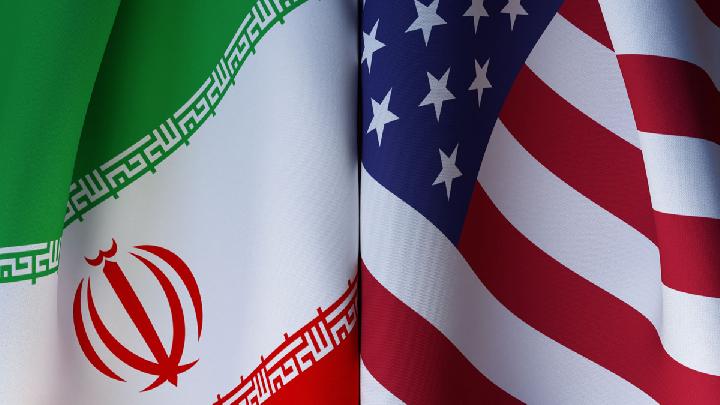
Iran proposed a two-stage negotiation process, the paper said.
The first stage aims to end the war on all fronts, and if Iran’s conditions are met, the second stage of negotiations, concerning the nuclear issue, would commence, the paper added.
Earlier this month, Iran submitted a 14-point counterproposal to the United States, calling for a permanent end to hostilities and a full withdrawal of U.S. forces from the region.
The plan was delivered through Pakistani intermediaries in response to a nine-point U.S. proposal.
While Washington’s plan calls for a two-month ceasefire, Tehran requested a 30-day timeline to resolve key issues, insisting that talks focus on “ending the war” rather than a temporary truce.
The team of Min Joong-ki, an independent counsel who led investigations into corruption allegations involving the former presidential couple, demanded that the Seoul Central District Court sentence Kim to seven and a half years in prison for selling public offices in exchange for high-priced jewelry, a painting and a designer bag.
Kim was accused of receiving a necklace, a brooch and earrings from a businessman between March and May 2022 in return for the appointment of his eldest son-in-law to a government post.
She was charged with receiving a gold turtle from a former head of the national education commission in exchange for an appointment request in April 2022 along with a wristwatch from a robot dog entrepreneur in September of the year in return for business favors.
Charges also included receiving a designer bag from a pastor between June and September 2022 and a painting from a former prosecutor in February 2023 in return for a nomination request.
Kim, who was indicted under detention in August 2025, became the first wife of a former South Korean president to be tried under detention.
Yoon was sentenced to life in jail in February for insurrection stemming from his martial law declaration in December 2024.
He was indicted under detention in January 2025 as a suspected ringleader of the insurrection, becoming the first sitting president to be arrested and indicted.
South Korea’s former first lady Kim Keon Hee, wife of former president Yoon Suk Yeol, arrives at a court to attend a hearing to review her arrest warrant requested by special prosecutors, in Seoul, South Korea, on Aug. 12, 2025. (Jung Yeon-je/Pool Photo via AP, File)
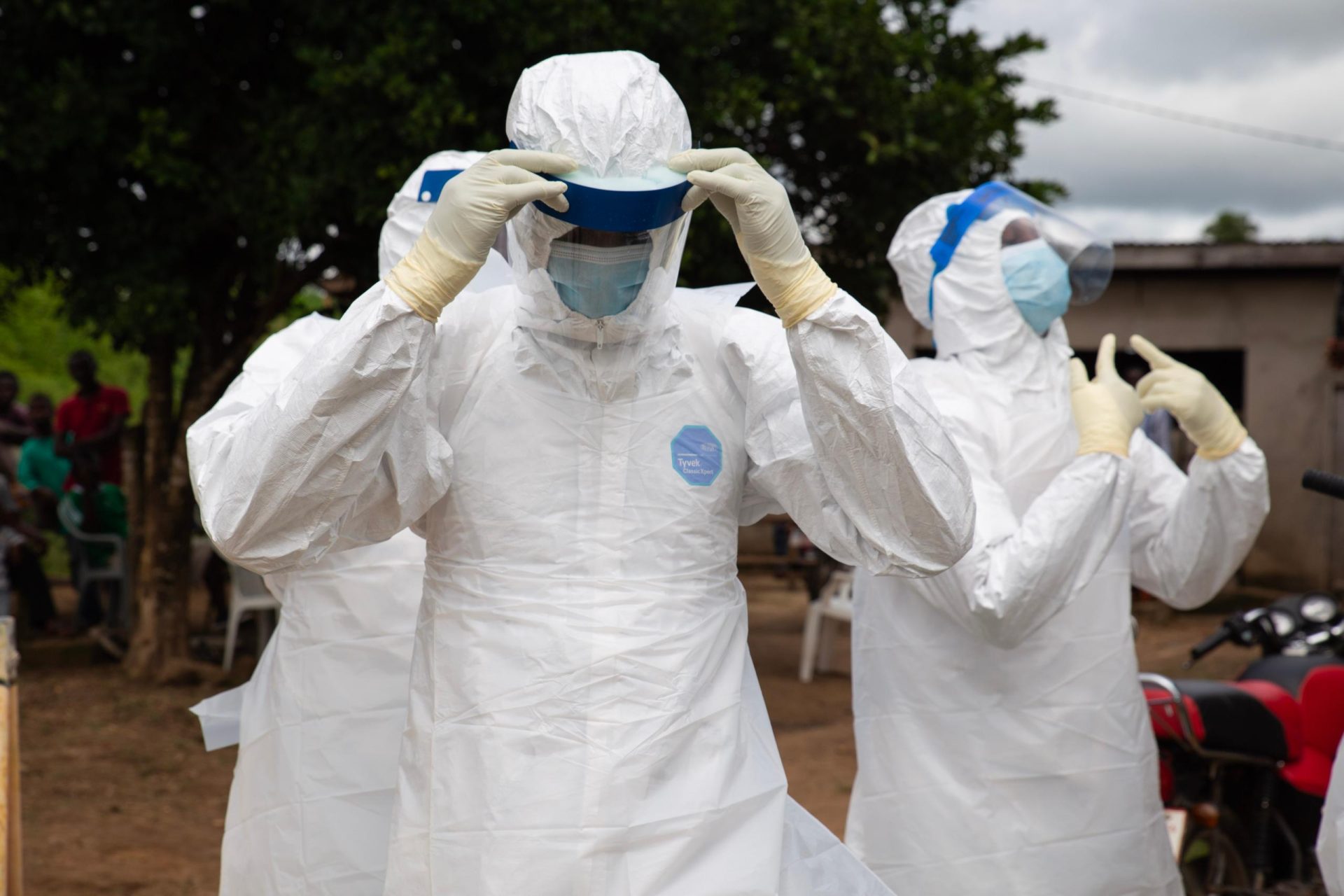
Hundreds of suspected cases have been reported in Ituri Province, according to the Africa Centers for Disease Control and Prevention (Africa CDC).
Preliminary tests by the National Institute of Biomedical Research detected the virus in 13 of 20 samples, Africa CDC said in a statement, citing consultations with the DRC’s Ministry of Health and National Public Health Institute.
About 246 suspected cases and 65 deaths have been recorded, mainly in Mongwalu and Rwampara, with four deaths among confirmed cases. Suspected cases have also been reported in Bunia.
Africa CDC warned of a high risk of further spread due to urban settings, population movement, mining activities, insecurity, and proximity to Uganda and South Sudan.
The agency is convening an urgent meeting on Friday afternoon with health authorities from the DRC, Uganda and South Sudan, as well as key international partners, to strengthen cross-border coordination, surveillance and response efforts.
Africa CDC Director General Jean Kaseya stressed that rapid regional coordination is essential due to the high mobility between affected areas and neighboring countries.
Health authorities confirmed a new outbreak of Ebola virus disease in eastern Democratic Republic of the Congo (DRC) on Friday.
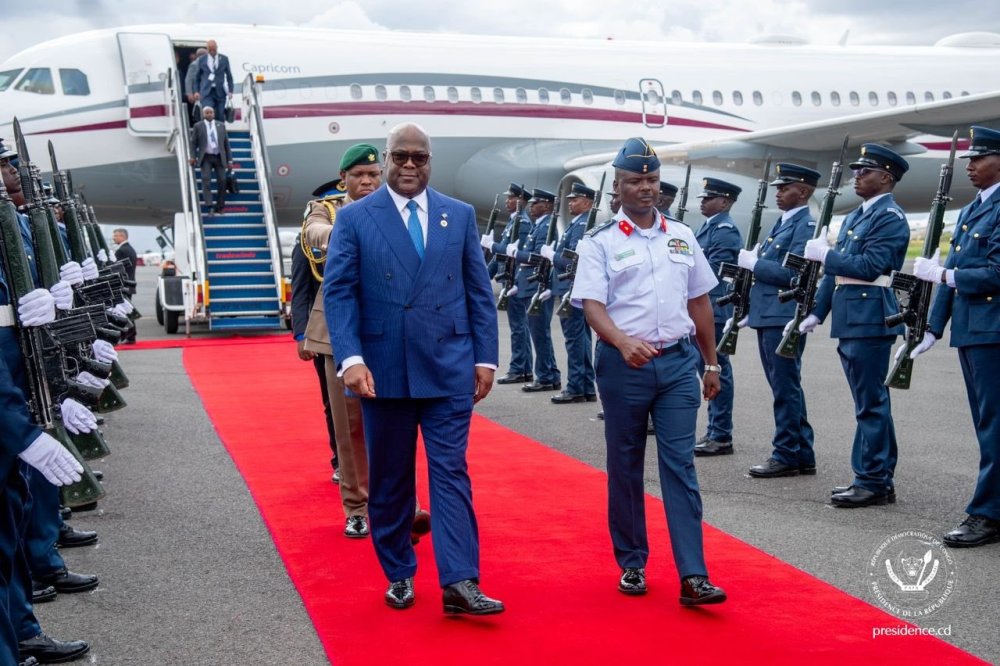
The Congolese leader had been in Uganda for the inauguration ceremony of President Yoweri Kaguta Museveni. Many expected him, like other visiting heads of state, to return directly to Kinshasa after the event. Instead, he unexpectedly headed to Nairobi before the summit concluded.
Soon after his arrival, Tshisekedi’s spokesperson, Tina Salama, said the Congolese president had not gone to Nairobi to “complain,” but to urge the international community to stop remaining silent over what she described as three decades of killings in the DRC allegedly caused by “Rwandan aggression.”
Two days after the summit, another spokesperson from the Congolese presidency, Farah Muamba Kayowa, claimed that the DRC had used the Africa-France summit to call on participants not to ignore the violence that Congo blames on Rwanda.
However, Rwanda’s Minister of Foreign Affairs and International Cooperation, Ambassador Olivier Nduhungirehe, dismissed the claims, saying the DRC never actually took part in the summit discussions where such concerns could have been raised.
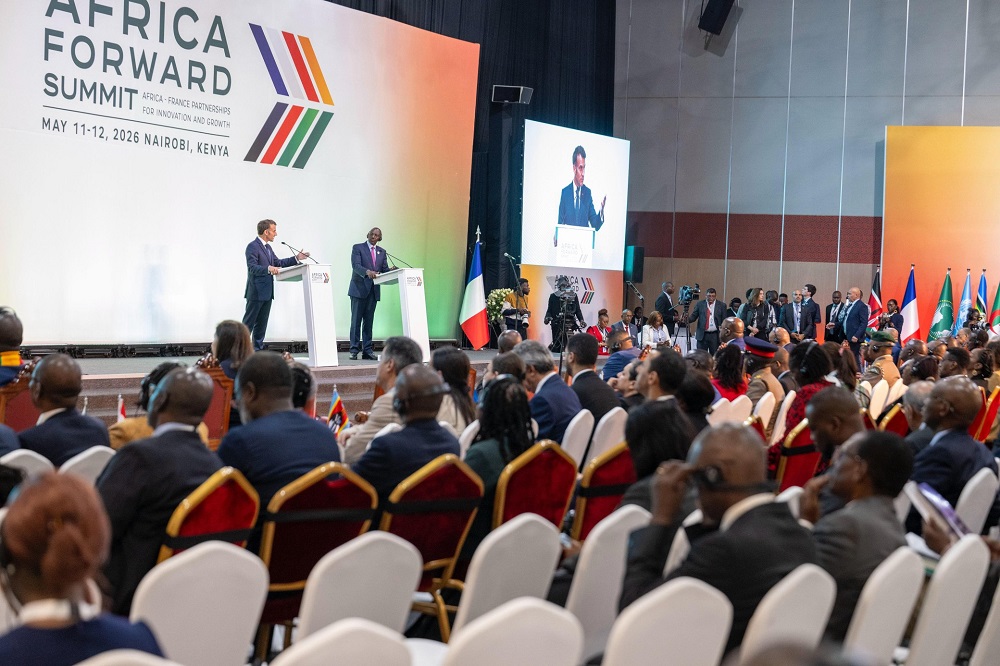
Amb. Nduhungirehe, who attended the summit in Nairobi, explained that the meeting featured three high-level sessions chaired by Kenyan President William Ruto and French President Emmanuel Macron.
The discussions focused on green industrialisation and energy transition, reform of international financial institutions, and peace and security.
According to the minister, heads of state and official representatives actively participated in the exchanges — except the DRC.
“During all three sessions, the DRC’s seat remained conspicuously empty. As a result, Kinshasa was unable to ‘demand’ anything or accuse anyone in Nairobi, limiting itself to a merely symbolic presidential appearance at the close of the summit,” Amb. Nduhungirehe said.
The Rwandan government has consistently rejected accusations from Tshisekedi’s administration linking Kigali to the insecurity in eastern Congo.
Rwanda argues that the prolonged instability in the DRC is rooted in decades of poor governance and failed state policies that created conditions for armed groups to flourish across the region.
Kigali has also repeatedly pointed to the presence of the FDLR terrorist group in eastern Congo, a group formed by remnants of the former Rwandan army (Ex-FAR) and Interahamwe militias responsible for the 1994 Genocide against the Tutsi.
The group continues to operate freely in eastern DRC with the objective of destabilising Rwanda. The Congolese government is also accused of collaborating and supporting the group in its fight against the AFC/M23 coalition.
Before the inauguration ceremony in Uganda had ended, President Félix Tshisekedi traveled to Kenya as the Africa-France summit neared its conclusion.President Félix Tshisekedi arrived in Nairobi after the main discussions had concluded and only attended the summit’s closing ceremonyOn May 12, 2026, President Félix Tshisekedi attended the swearing-in ceremony of Ugandan President Yoweri Museveni.French President Emmanuel Macron and Kenyan President William Ruto officially closed the Africa-France summit in Nairobi
Building on this growing culture of digital self-expression, MTN Rwanda has launched the Callertunez Awards 2026, a platform designed to celebrate Rwanda’s creative industry while empowering local artists through MTN Caller Tunes services.
This initiative reflects MTN Rwanda’s commitment to creating opportunities for young creatives, artists, storytellers and entertainers to grow their audiences, increase their visibility and earn through digital platforms.
The awards recognize the creators behind the sounds and messages that millions of Rwandans engage with daily through Caller Tunes, transforming ordinary calls into personalized experiences filled with music, inspiration, humor and culture.
Speaking at the launch, MTN Rwanda highlighted that this is about giving Rwanda’s creative community the confidence and platforms to showcase their talent to the world.
“The Callertunez Awards 2026 are not only about rewarding talent, but also about celebrating the role creativity plays in bringing people together. Through music, comedy, praise and poetry, Rwandans are telling their stories, expressing themselves and building connections every single day. As MTN Rwanda, we believe that Nicyo Gihe for local talent to shine even brighter through digital platforms,” states Somdev Sen Chief Consumer and Digital Officer.
The competition will bring together artists on the MTN Caller Tune platform, who will compete across three categories: music, comedy, and praise & poetry. Winners will be selected based on a combination of public voting and subscription performance.
In the music category, the winner will receive 12,000,000 RWF, the first runner-up 5,000,000 RWF, and the second runner-up 3,000,000 RWF. In the comedy category, the winner will take home 2,000,000 RWF, while the praise & poetry category winner will also receive 2,000,000 RWF.
Customers can support their favorite artists by voting through *193 *2026*ArtistCode# and subscribing through *193#.
Fans can also follow the live leaderboard and access artist codes through Callertunez Awards Platform or by dialing *193# and selecting the CRBT Awards menu.
The campaign will run alongside the 2026 MTN Iwacu Muzika Festival, culminating in a grand finale during the festival’s final show in Rubavu on 1 August 2026.
Through the Callertunez Awards 2026, MTN Rwanda continues to champion local creativity and digital innovation while strengthening connections between artists and their fans.
MTN Rwanda has launched Callertunez Awards 2026 to celebrate creative spirit.