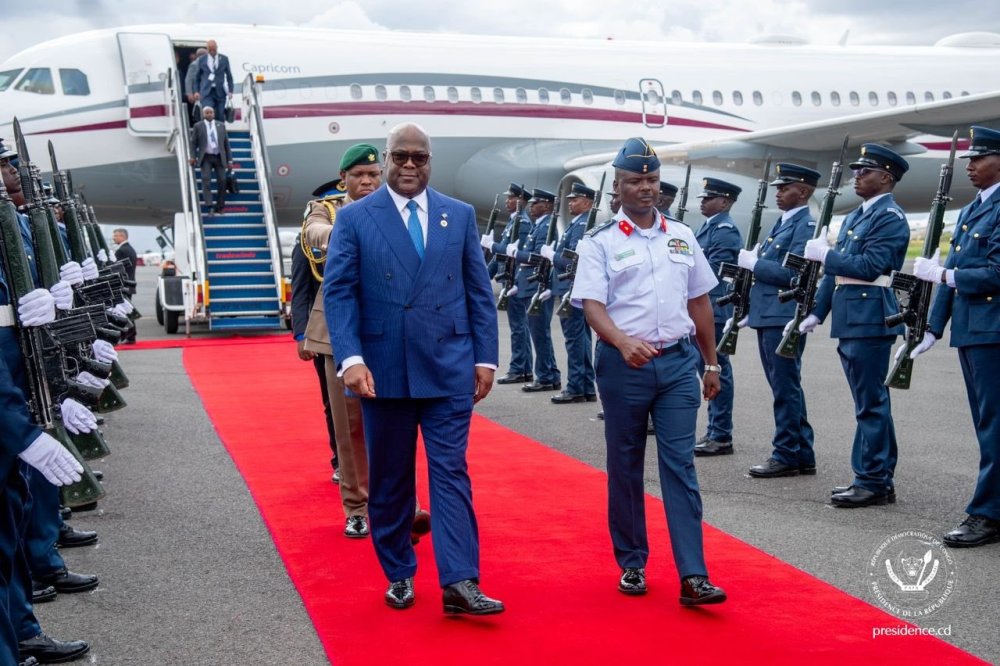
The Congolese leader had been in Uganda for the inauguration ceremony of President Yoweri Kaguta Museveni. Many expected him, like other visiting heads of state, to return directly to Kinshasa after the event. Instead, he unexpectedly headed to Nairobi before the summit concluded.
Soon after his arrival, Tshisekedi’s spokesperson, Tina Salama, said the Congolese president had not gone to Nairobi to “complain,” but to urge the international community to stop remaining silent over what she described as three decades of killings in the DRC allegedly caused by “Rwandan aggression.”
Two days after the summit, another spokesperson from the Congolese presidency, Farah Muamba Kayowa, claimed that the DRC had used the Africa-France summit to call on participants not to ignore the violence that Congo blames on Rwanda.
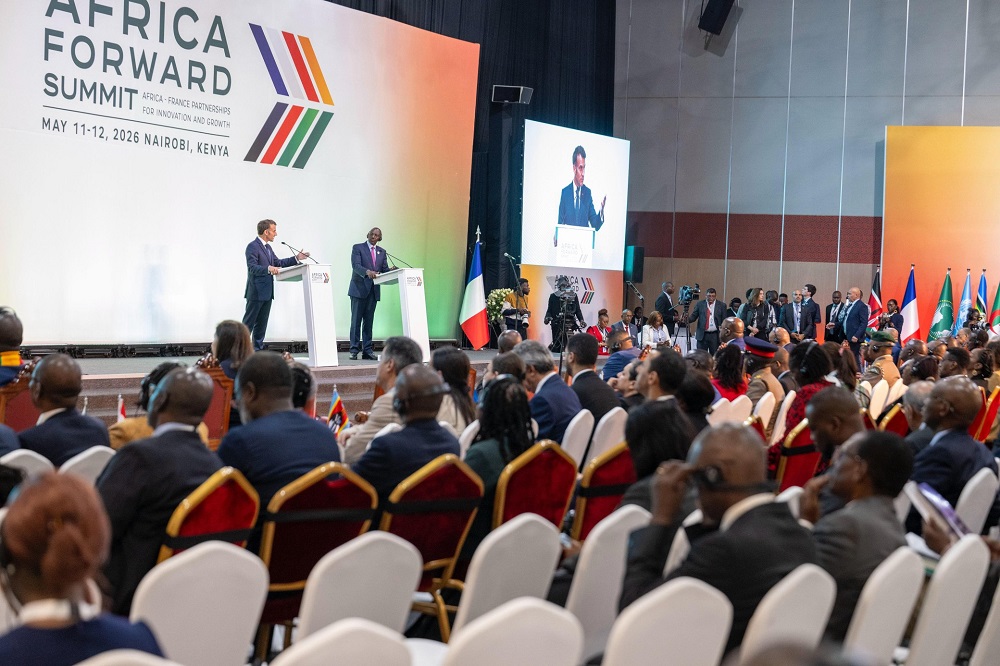
However, Rwanda’s Minister of Foreign Affairs and International Cooperation, Ambassador Olivier Nduhungirehe, dismissed the claims, saying the DRC never actually took part in the summit discussions where such concerns could have been raised.
Amb. Nduhungirehe, who attended the summit in Nairobi, explained that the meeting featured three high-level sessions chaired by Kenyan President William Ruto and French President Emmanuel Macron.
The discussions focused on green industrialisation and energy transition, reform of international financial institutions, and peace and security.
According to the minister, heads of state and official representatives actively participated in the exchanges — except the DRC.
“During all three sessions, the DRC’s seat remained conspicuously empty. As a result, Kinshasa was unable to ‘demand’ anything or accuse anyone in Nairobi, limiting itself to a merely symbolic presidential appearance at the close of the summit,” Amb. Nduhungirehe said.
The Rwandan government has consistently rejected accusations from Tshisekedi’s administration linking Kigali to the insecurity in eastern Congo.
Rwanda argues that the prolonged instability in the DRC is rooted in decades of poor governance and failed state policies that created conditions for armed groups to flourish across the region.
Kigali has also repeatedly pointed to the presence of the FDLR terrorist group in eastern Congo, a group formed by remnants of the former Rwandan army (Ex-FAR) and Interahamwe militias responsible for the 1994 Genocide against the Tutsi.
The group continues to operate freely in eastern DRC with the objective of destabilising Rwanda. The Congolese government is also accused of collaborating and supporting the group in its fight against the AFC/M23 coalition.


Leave a Reply