The outbreak, caused by the Bundibugyo virus, has affected three African regions: Central, Eastern and Western Africa, raising concerns about cross-border transmission and the need for a coordinated continental response.
The DRC remains the epicentre, with 9,637 confirmed cases and 4,646 deaths recorded as of October 19, according to the World Health Organization (WHO). Kenya had reported nine confirmed cases, including one death, by October 20, while Nigeria confirmed its first case.
Africa CDC announced on October 21 that the virtual ministerial meeting would assess the evolving situation, strengthen cooperation among countries, accelerate support to affected nations and reinforce preparedness across the continent.
The meeting comes five months after Africa CDC declared the outbreak a Public Health Emergency of Continental Security on May 18, 2026.
Uganda, which also experienced an outbreak linked to the DRC, was declared Ebola-free in July after recording 20 confirmed cases and two deaths. Fifteen of the cases were imported from the DRC, while five resulted from local transmission among contacts.
Despite sustained efforts by African countries, frontline health workers and partners, the outbreak continues to pose a threat to public health, prompting calls for renewed political commitment and stronger response measures.
“Ebola is crossing borders. Our response must move faster, with stronger coordination, greater solidarity and decisive political leadership,” said Dr Jean Kaseya, Director General of Africa CDC.
“We have the expertise and the capacity on this continent. We must mobilise them together to stop this outbreak and save lives,” he added.
The ministerial meeting is also expected to inform preparations for a summit of African heads of state and government under the leadership of Burundi’s President Évariste Ndayishimiye, who chairs the African Union.
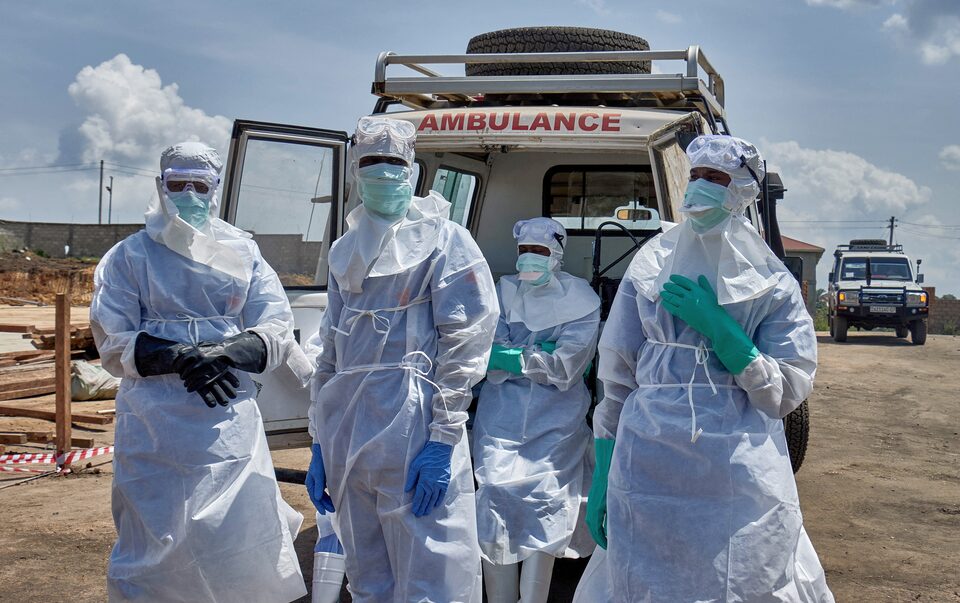
Africa CDC has urged member states to strengthen disease surveillance, cross-border cooperation and community engagement, while ensuring the protection of frontline health workers.
The agency has also called for increased vigilance and preparedness to prevent further transmission and support efforts to bring the outbreak under control.
Bundibugyo virus disease is a severe form of Ebola that spreads through direct contact with the blood or other bodily fluids of infected people, or contaminated materials. There is currently no approved vaccine or specific treatment for the disease, making early detection, supportive care and effective infection prevention and control measures critical to containing outbreaks.
Leave a Reply