The discovery was made by researchers at the Walter and Eliza Hall Institute of Medical Research (WEHI) in Australia and announced mid-month.
Their findings, published in the journal Cancer Cell, suggest that specialised immune cells known as gamma delta T cells could provide another way to fight tumours that evade the body’s natural defences.
Small cell lung cancer is among the deadliest forms of lung cancer, with fewer than 7% of patients surviving five years after diagnosis, according to the research report.
Although immunotherapy has improved treatment for several cancers, its benefits for patients with this type of lung cancer remain limited. The disease can evade conventional immune cells, allowing cancer cells to continue growing.
Professor Kate Sutherland, the study’s senior author, said the discovery could help address a longstanding challenge in cancer treatment.
“For decades, we’ve known that small cell lung cancer is exceptionally good at hiding from the immune system,” she said.
“We’ve found an immune cell that appears to be able to see through that disguise.”
To investigate the cells’ cancer-fighting abilities, researchers developed miniature tumours in the laboratory using tissue samples donated by patients.
They introduced gamma delta T cells collected from the same patients’ blood into these models.
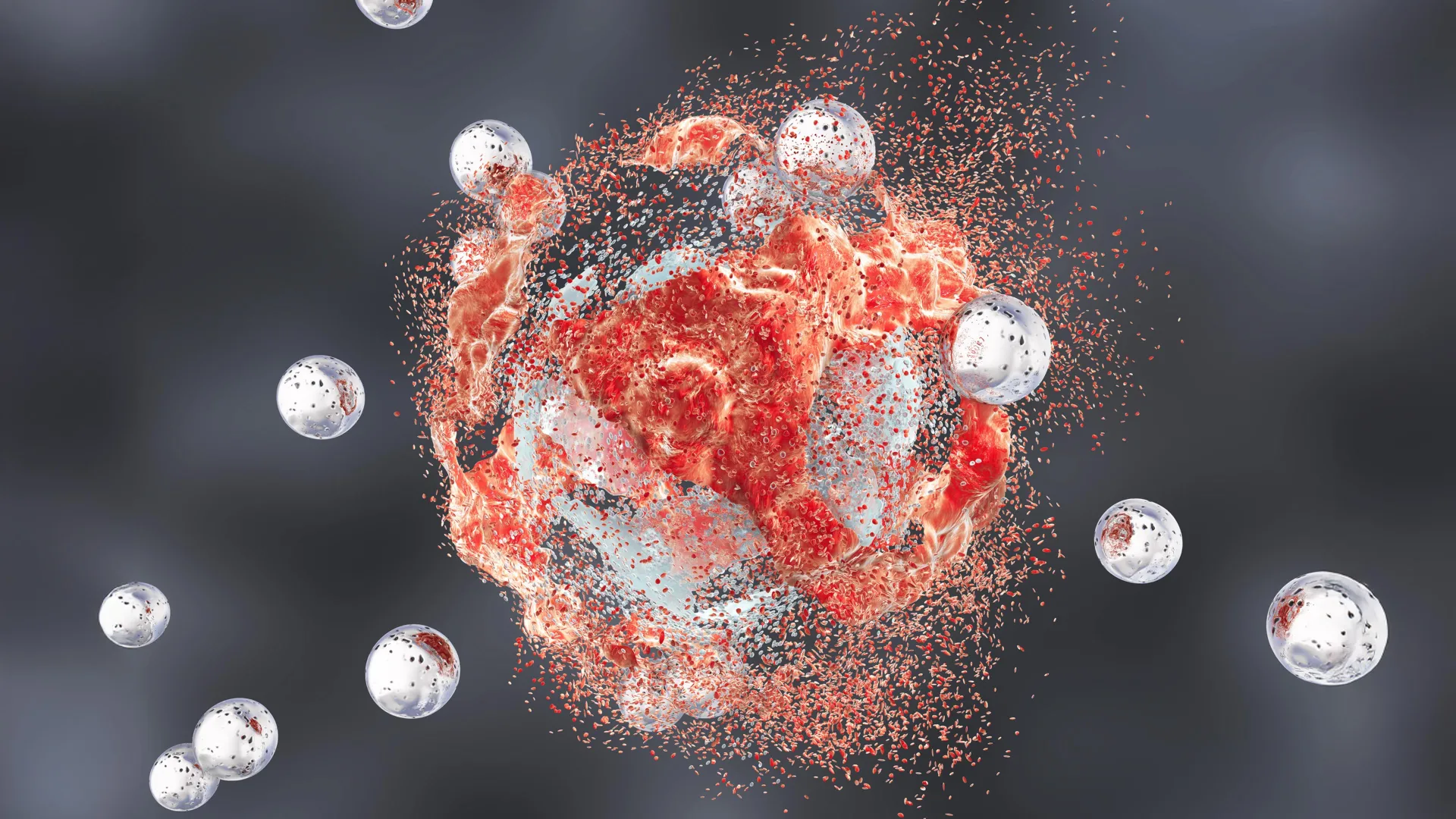
The experiments showed that the immune cells could identify and destroy cancer cells.
Researchers also found that patients whose tumours contained greater numbers of these cells tended to have better treatment outcomes.
The team then tested two existing medicines, tarlatamab and zoledronate, to determine whether they could strengthen the immune response.
Tarlatamab, an existing treatment for small cell lung cancer, helped bring immune cells into contact with cancer cells, while zoledronate, used for conditions including osteoporosis, increased the availability and cancer-fighting activity of gamma delta T cells.
When combined, the medicines substantially increased the cells’ ability to kill cancer cells in laboratory experiments.
Dr Jin Ng, the study’s first author, said the findings could support the development of treatments that involve collecting immune cells, multiplying them outside the body and returning them to patients to fight cancer.
However, further research is needed to establish whether the approach is safe and effective in patients.
The researchers are now working with scientists at the Doherty Institute to explore how the discovery could be translated into new immunotherapy treatments.
The findings offer a potential new direction for treating small cell lung cancer, particularly for patients who respond poorly to existing therapies.
Leave a Reply