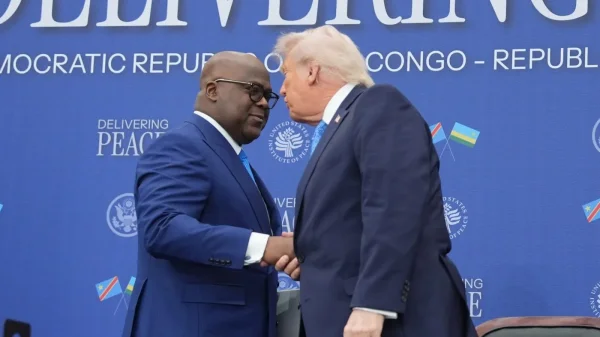
The DRC government has been lobbying African and European partners with a proposal that would see the FDLR dismantled through a political process rather than military action.
Rwanda and political analysts argue that the initiative is a diversionary tactic that fails to address what they describe as the root cause of the threat posed by the group, its genocidal ideology.
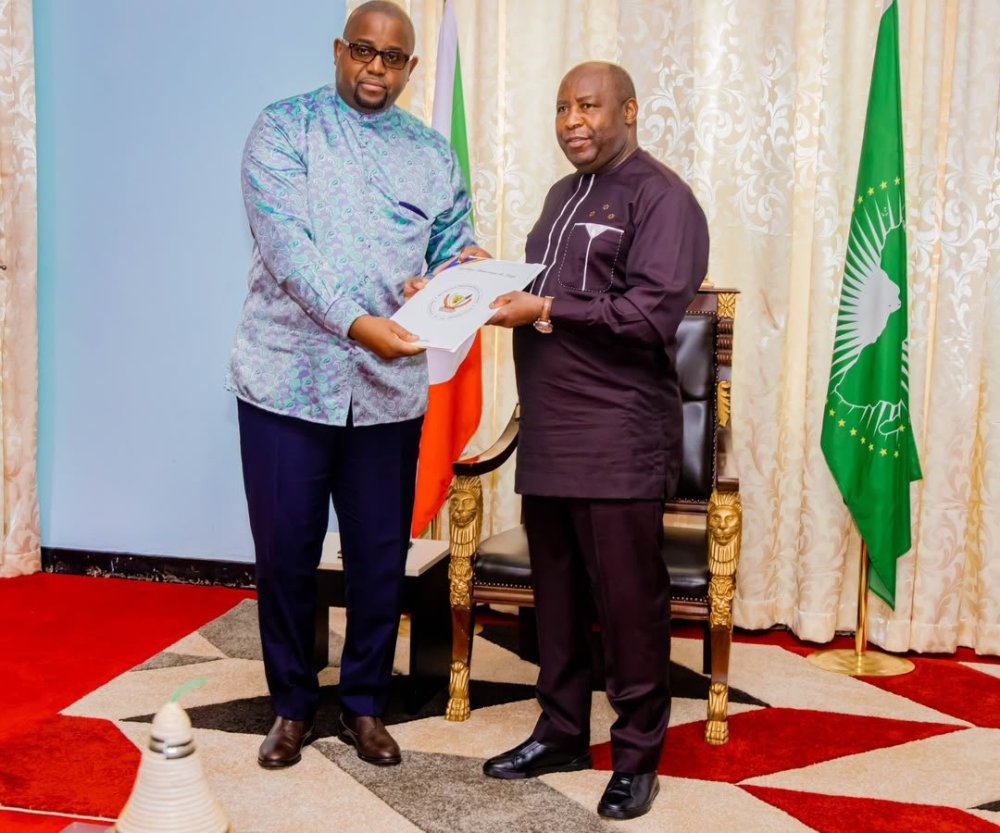
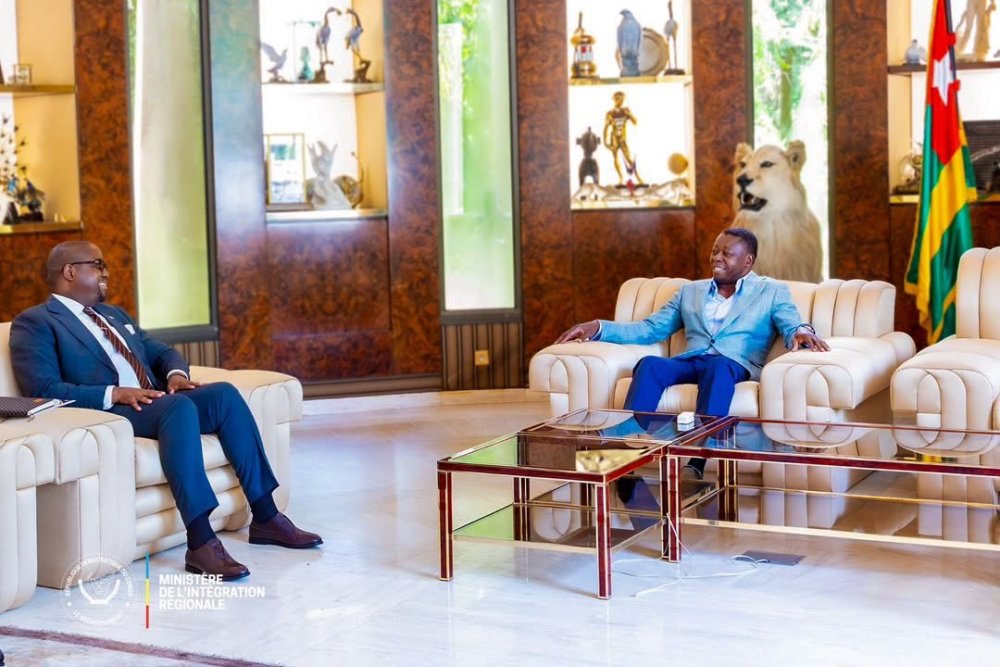
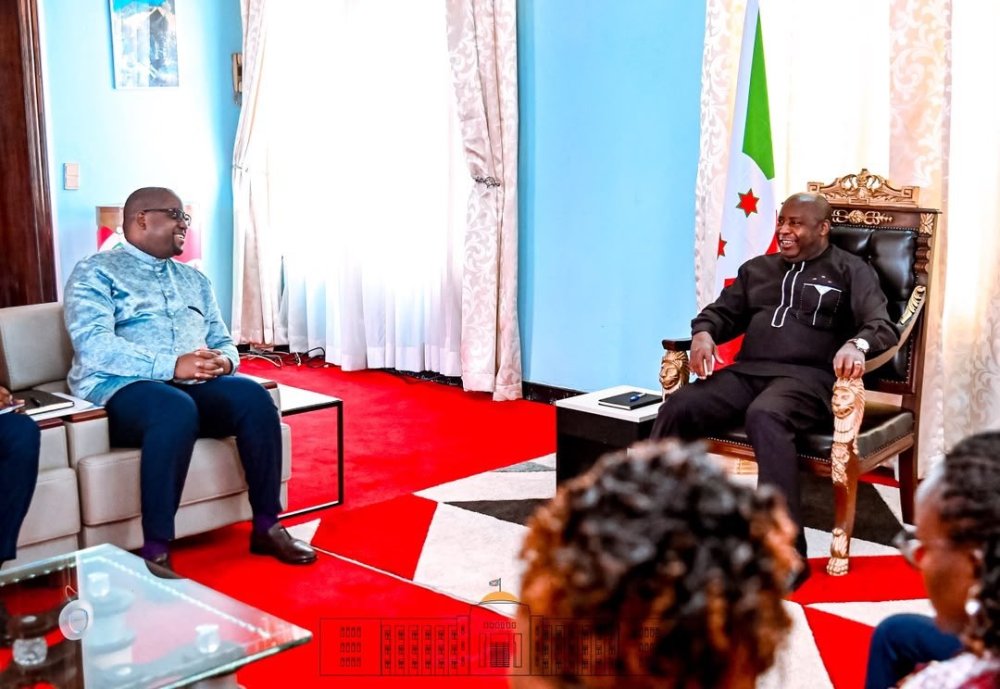
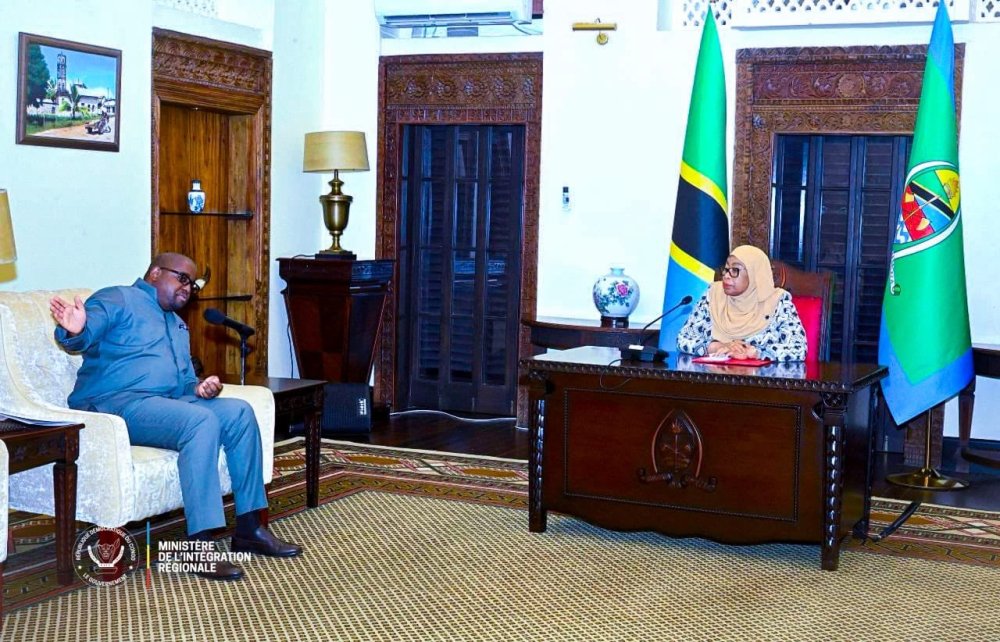
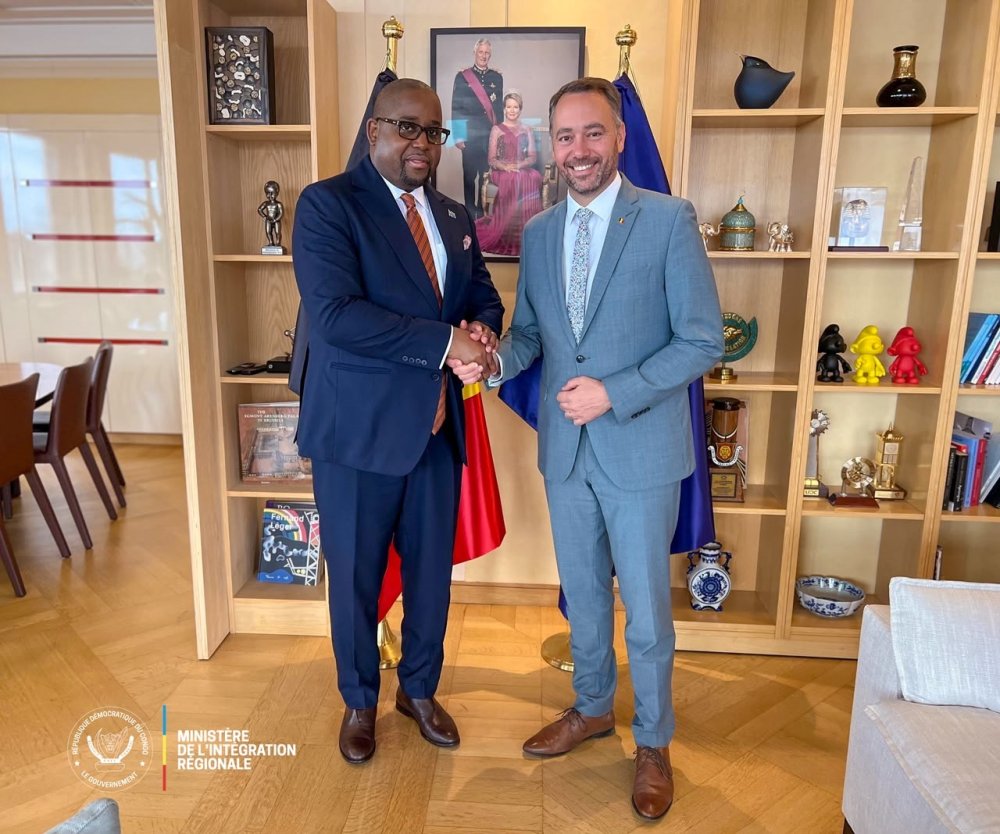
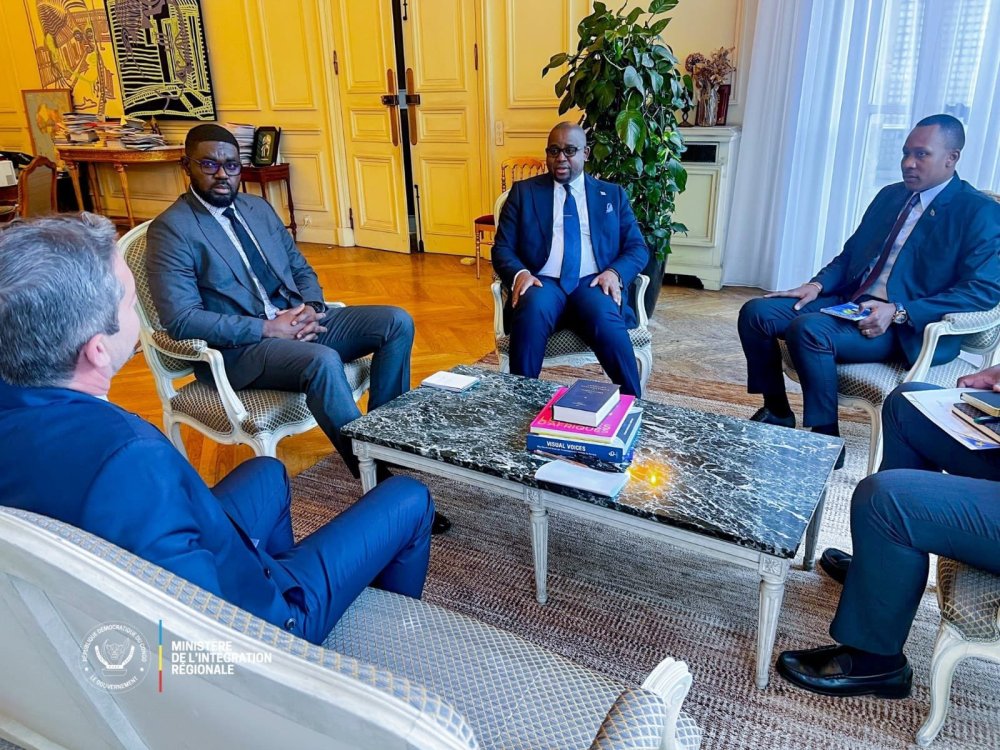
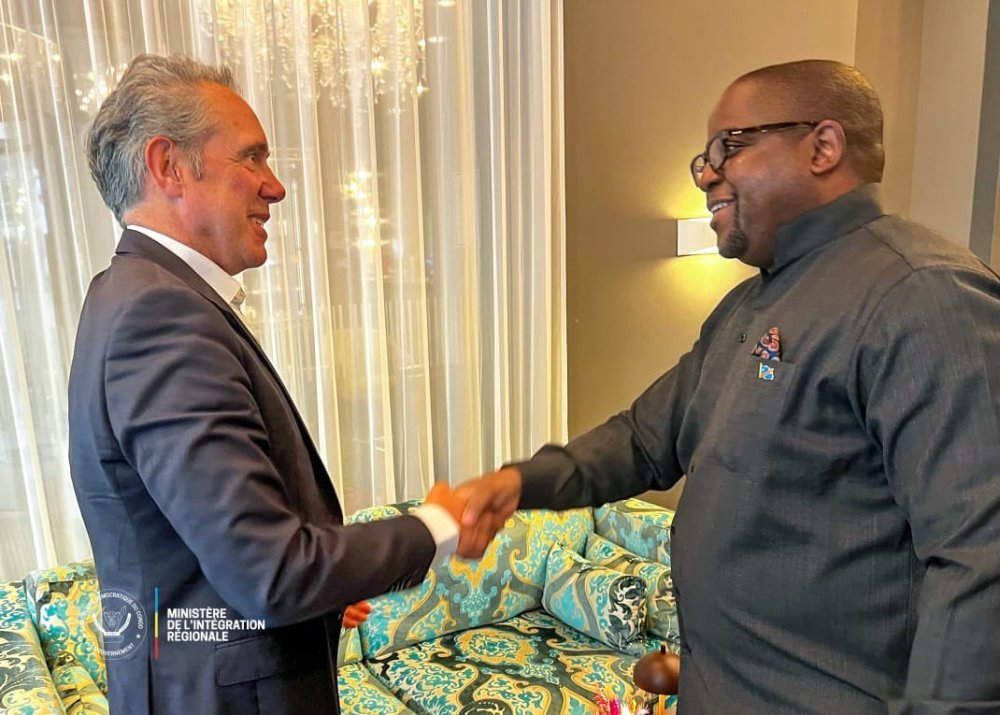
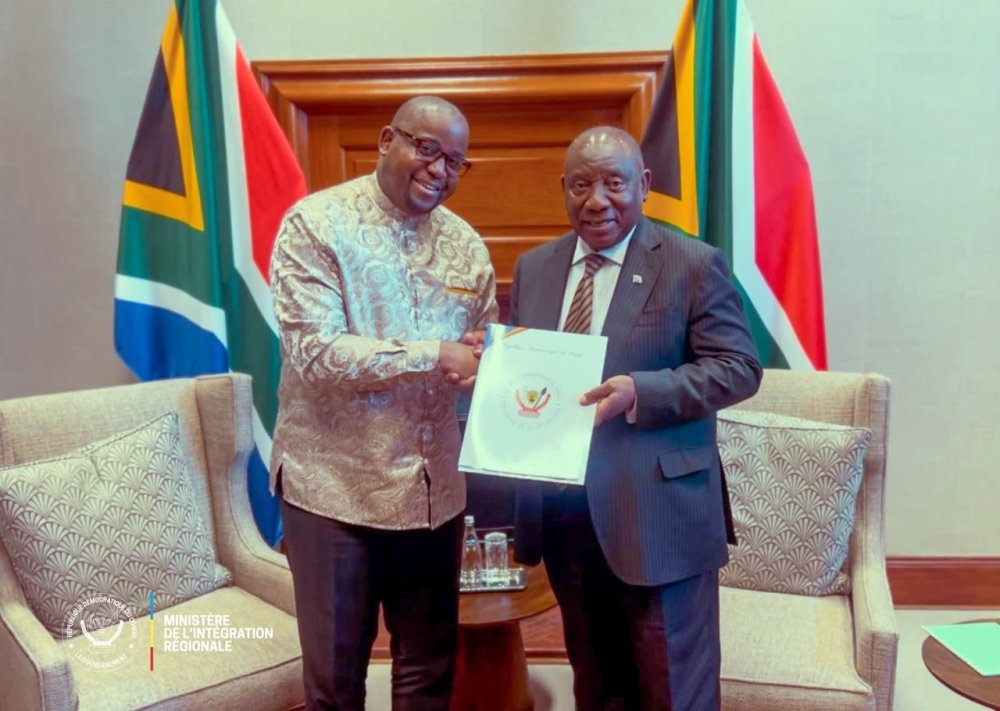
Since July 13, 2026, the DRC’s Minister for Regional Integration, Floribert Anzuluni Isiloketshi, has visited Uganda, Togo, Burundi, Tanzania, Belgium, France and South Africa, in addition to holding meetings at the European Union headquarters in Brussels.
Although the tour was officially presented as consultations on the security situation in eastern DRC, reports indicate that President Félix Tshisekedi’s envoys were also carrying a proposal aimed at persuading international partners to support Kinshasa’s new approach to addressing the FDLR issue.
According to Jeune Afrique, the Congolese government is seeking to convince regional and Western partners that it is making genuine efforts to dismantle the FDLR, even as it faces mounting pressure over what critics say is its failure to implement obligations under the Washington Peace Agreement.
That diplomatic push intensified after Washington publicly raised concerns over the pace of implementation. On June 27, U.S. President Donald Trump’s Senior Advisor for Africa, Massad Boulos, told the United Nations Security Council that the DRC had failed to fulfill its commitment to dismantle the FDLR.

FDLR proposes voluntary disbandment
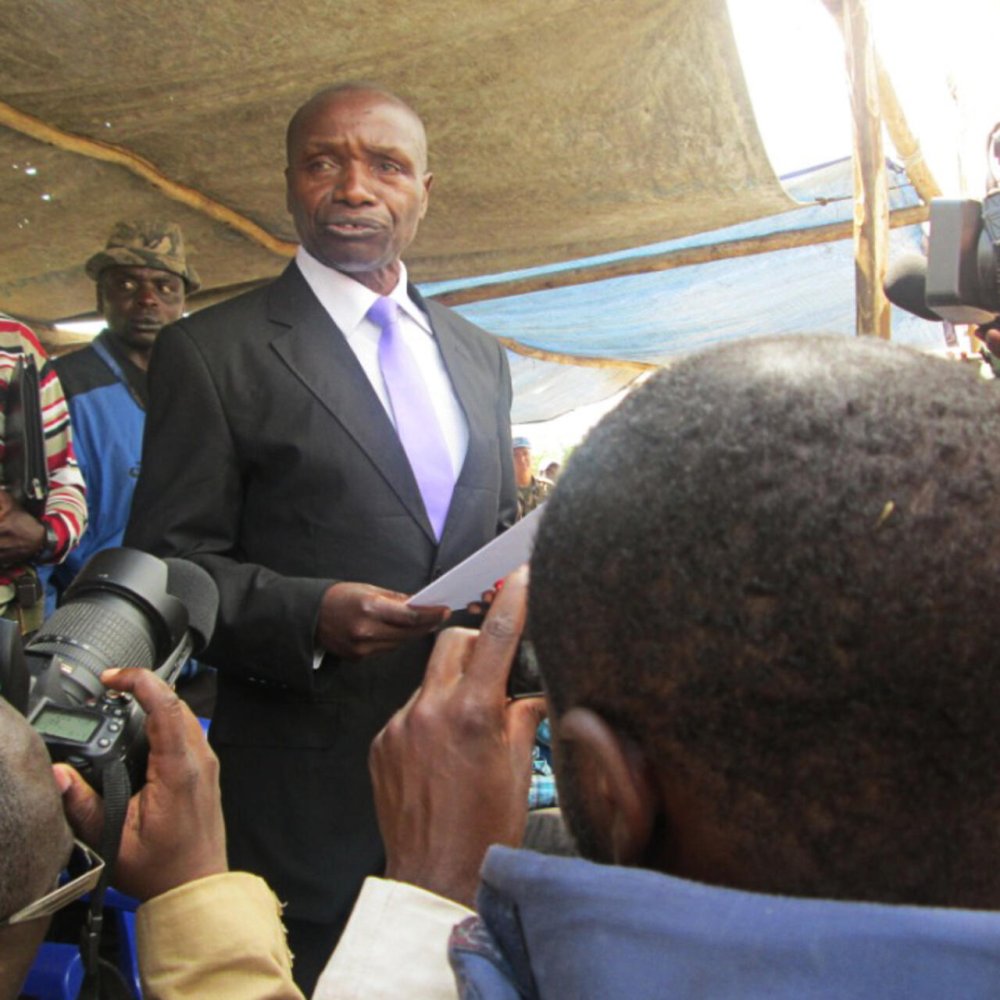
During his diplomatic tour, Minister Anzuluni presented a document outlining what Kinshasa describes as a new framework for the voluntary disarmament, demobilization and reintegration of FDLR fighters.
Signed by Victor Byiringiro, a senior political figure within the FDLR, the document proposes the group’s voluntary disarmament and self-dissolution following an awareness campaign conducted by the Congolese government.
The proposal, submitted by Byiringiro to President Tshisekedi on May 30, 2026, argues that dismantling the FDLR should be achieved through political engagement rather than military operations. It further proposes that FDLR combatants be housed in a secure, protected facility where they would not be subjected to military attacks.
Byiringiro also argues that FDLR members should not be forcibly repatriated to Rwanda. Instead, those unwilling to return should be assisted in resettling in third countries together with their families currently living in the DRC.
Kinshasa has presented the proposal as a major step forward, arguing that it removes what it describes as Rwanda’s justification for supporting the AFC/M23 coalition. Rwanda, however, rejects that characterization, insisting that the AFC/M23 movement is a Congolese rebel group whose members are fighting against marginalization and exclusion within the DRC.
Rwanda has rejected the proposal, describing it as an attempt to circumvent the Washington Peace Agreement, which requires the DRC to dismantle the FDLR following the agreement signed on June 27, 2025.
According to Belgium’s La Libre, Rwanda’s Minister of Foreign Affairs and International Cooperation, Ambassador Olivier Nduhungirehe, dismissed the proposal as an effort to distract from the agreement’s core obligations.
“We remain committed to the agreement we signed. Any attempt to introduce additional elements aimed at portraying the FDLR as a party to the agreement is unacceptable. Such efforts are intended to undermine the document signed in Washington,” Nduhungirehe said.
He added: “The Washington Agreement is a sound document. If all its provisions are implemented, we would have genuine hope for lasting peace and development in the Great Lakes region.”
Analysts question the proposal
Political analysts say this is not the first time the FDLR has proposed voluntarily dissolving itself, arguing that similar initiatives in the past failed to produce meaningful results.
Professor Bob Kabamba, a political scientist at the University of Liège in Belgium, said the proposal was unlikely to succeed.
“This is not the first time such an initiative has emerged. One has to examine the history of the FDLR to understand the nature of this issue,” he said.
Kabamba noted that in July 2000, then-DRC President Laurent-Désiré Kabila oversaw the dissolution of the ALiR rebel movement before the FDLR later emerged.
He argued that even if the FDLR were formally dissolved under the current proposal, another armed group with the same ideology and objectives could emerge.
“The new plan allows the FDLR to dissolve itself. That is difficult to understand, and Kigali will not accept it because it has not forgotten ALiR and the subsequent creation of the FDLR, which it says continues to receive support from Kinshasa. Based on this proposal, history could repeat itself, with another armed group emerging after the FDLR’s dissolution.”
Since early 2026, Tshisekedi has also reportedly considered the renaming of the FDLR in what analysts describe as an attempt to improve its international image. Under the reported proposal, the group would become the Front Commun pour la Libération Rwandaise (FCLR) while retaining its ideology and military structure.
Ideology remains the central concern
Both Nduhungirehe and Kabamba argue that the principal concern surrounding the FDLR is not simply the number of fighters it commands but the genocidal ideology embraced by its leadership and members.
“This issue goes far beyond the number of FDLR fighters,” Kabamba said. “Today they number only around 2,000 to 3,000, which is insufficient to militarily threaten the Rwandan state. The real concern is the extremist ideology that continues to target a particular ethnic group with the objective of extermination while promoting violence. This proposal addresses none of that.”
According to the latest report by the UN Group of Experts, published in late June 2026, the FDLR claims to have more than 10,000 fighters, about half of whom are permanent combatants. Its elite military wing, known as CRAP, claims to have 20,000 fighters.
Meanwhile, beyond Minister Anzuluni’s diplomatic campaign, the DRC government continues military preparations in North and South Kivu provinces. Although the Congolese army announced in late March 2026 that it would dismantle the FDLR, Rwanda says that commitment was never implemented and that, two days later, the group instead received additional weapons from the Congolese military to continue supporting government forces.
Rwanda has continued to present evidence of cooperation between the DRC government and the FDLR. Kinshasa, however, maintains that its contacts with the armed group are intended solely to persuade it to lay down its arms, a claim disputed by Rwanda.
Leave a Reply